

Bob Ward's bluespotted maskray
Neotrygon bobwardi
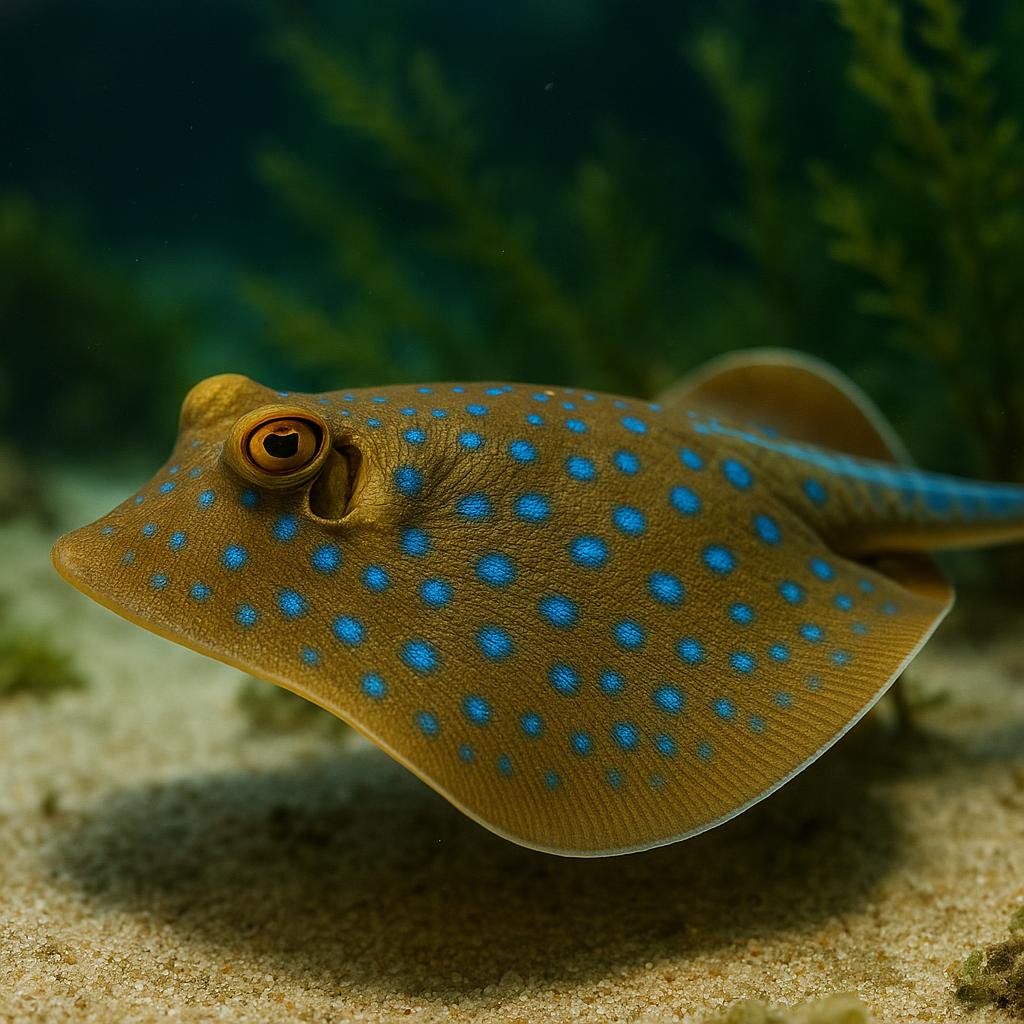
Bob Ward's bluespotted maskray features a distinctive oval body with vibrant blue spots and a broad, flat snout.
This page includes AI-generated images. Why am I seeing AI images?
About the Bob Ward's bluespotted maskray
A bluespotted maskray (Neotrygon bobwardi) described as part of the former Neotrygon kuhlii species complex, reported from Indonesia in the eastern Indian Ocean (notably western Sumatra).
Also known as
Quick Facts
Size
40 cm WD
Temperament
Peaceful
Difficulty
Expert
Min Tank Size
300 gallons
Lifespan
10-20 years
Origin
Indonesia (eastern Indian Ocean; reported from western Sumatra—Padang to Aceh)
Diet
Carnivore - small benthic invertebrates; in captivity meaty frozen foods like shrimp, squid, clam, and marine fish flesh
Water Parameters
24-28°C
8-8.4
8-12 dGH
Need a heater for this species?
This species needs 24-28°C in a 300 gallon tank. Use our heater calculator to find the right wattage.
Calculate heater sizeCare Notes
- Give it a big, open footprint tank - think 8x3 ft or larger for an adult - with a wide sandy area (fine sand, no crushed coral) so it can bury without shredding its disc.
- Keep salinity rock-steady around 1.025-1.026 and temp 24-26 C (75-79 F); rays hate swings way more than they hate a number being slightly off.
- Run heavy filtration and oversized skimming and plan on big water changes - these rays dump a lot of waste, and high nitrate (try to stay under ~20 ppm) will show up as poor appetite and stressed breathing.
- Feed like a predator that hunts the bottom: fresh/frozen shrimp, squid, scallop, clam, and marine fish flesh, plus live/ghost shrimp to get a new one started; target-feed with tongs on the sand so it actually gets the food.
- Soak food in vitamins and iodine a couple times a week and rotate the menu - if you just spam shrimp, you will eventually see weakness and bad growth.
- Tankmates: avoid triggers, big wrasses, puffers, angels that pick, and any shark/ray that will outcompete it; stick to calm, non-nippy fish that wont steal every bite before the ray finds it.
- Cover every pump and overflow with guards - if the ray gets pinned or sucked in, its usually game over; also keep rockwork stable and off the sand so it cant undermine and collapse it.
- Watch for curled disc edges, cloudy eyes, and rapid gilling (often ammonia/oxygen issues) and for skin sores from rough substrate; also treat it like it has venomous spines and use a container, not a net, when moving it.
Compatibility
Good Tankmates
- Other calm rays (same general size and temperament) if the tank is huge and you have lots of open sand - they mostly ignore each other as long as nobody is cramped
- Peaceful sand-sitters like jawfish and small to medium gobies (watchman-type gobies, shrimp gobies) - they share the bottom without getting in each other's face
- Chill midwater fish like fairy and flasher wrasses - active but not mean, and they stay up off the ray
- Peaceful reef-safe-ish swimmers like anthias or chromis - they hang in the water column and do not mess with the ray
- Non-aggressive tangs and rabbitfish (one per niche, not the punky ones) - they cruise around and usually leave the ray alone in big setups
- Docile angels like a swallowtail angel (Genicanthus) - tends to be more of a polite open-water angel and not a fin biter
Avoid
- Anything predatory that will eventually try to eat the ray or harass it - big groupers, lionfish, and especially morays are a hard no
- Nippy or pushy fish that pick at eyes and fins - triggers, many puffers, and aggressive angels can really stress a ray and cause injuries
- Territorial bruisers that claim the whole bottom - nasty dottybacks, big hawkfish, and mean damsels can keep a ray pinned and not feeding well
Where they come from
Bob Ward's bluespotted maskray (Neotrygon bobwardi) is an Indo-Pacific coastal ray. Think sandy lagoons and rubble flats where it can half-bury itself and pounce on little crustaceans. They are not a "reef slope" animal - they live life on the bottom, in warm, stable saltwater.
These are often lumped in with other bluespotted maskrays in the hobby. ID matters because different Neotrygon can top out at different sizes and have slightly different tolerances. Buy from a source that can tell you what it actually is.
Setting up their tank
This is one of those fish where the tank is the whole game. A ray can look fine in a too-small setup... right up until it doesn't. You want footprint, not height. Long and wide beats tall every time.
- Tank size: plan on a very large, wide tank or indoor pond style setup. For most home aquariums, "bigger than you think" is the rule. A wide 8 ft footprint is the kind of territory that makes life easier.
- Footprint over rockwork: leave big open sand zones so it can cruise and settle. Keep rock structures tight and stable so nothing can topple when the ray bulldozes around.
- Sand: fine, smooth sand. No crushed coral, no sharp grains. Rays rub their bellies and edges constantly.
- Flow and oxygen: strong gas exchange and steady circulation, but avoid a blasting jet aimed at the sand where it rests.
- Filtration: oversized and simple. These guys are messy eaters and produce a lot of waste. Expect to run big skimming and serious biological capacity.
- Water: stable marine parameters, steady salinity, and low nitrogen waste. Rays do not like "new tank vibes" at all.
Do not use copper-based meds with rays, and be very cautious with most medications in general. If you keep rays, you need a quarantine plan that does not rely on copper.
Make the tank ray-proof. Cover intakes, overflows, and any gap it can wedge into. I have seen rays scrape themselves on overflow teeth and come out looking like they lost a fight.
Give it a couple of "parking spots": shallow sand bowls or open corners where it can settle without being in the line of fire from pumps. They use the same spots over and over.
What to feed them
A healthy maskray eats like a little vacuum cleaner with opinions. They are built for meaty foods from the bottom, and they do best when you feed with intention instead of just tossing food in and hoping it finds it.
- Staples: shrimp, squid, scallop, clam, marine fish flesh (in moderation), and quality frozen crustacean mixes.
- Good extras: live blackworms (if you can get clean ones) can jump-start picky new arrivals; enriched mysis can help at the beginning but is usually too small long term.
- Avoid: freshwater feeder fish, goldfish, and anything oily/dirty. Also avoid spiky shell-on foods that can irritate the mouth if it is not used to them.
- Supplements: rotating foods plus occasional vitamin soak helps, especially for new rays or ones recovering from shipping.
Target feeding is your friend. Use long tongs or a feeding stick and place pieces right in front of the ray. Once it learns the routine, it will come to the same spot and eat calmly instead of scavenging and getting bullied.
If a new ray is shy, feed after lights-out with a dim room light. They often settle faster that way, and tankmates are less likely to steal the food.
How they behave and who they get along with
They are generally peaceful, but they are not "community safe" in the way people mean it. They are a predator that happens to ignore a lot of fish. Anything small enough to be pinned can become dinner, especially at night.
- Good tankmates: larger, calm fish that will not nip (some tangs, larger wrasses that are not aggressive pickers, certain angels with caution).
- Bad tankmates: fin nippers, boisterous triggers, most puffers, many large wrasses that like to mess with bottom dwellers, and anything that will compete hard at feeding time.
- Also risky: aggressive sharks/rays mixed together in tight quarters. They can stress each other out and food competition gets ugly fast.
Expect a lot of "sand rearranging". They will bury, fan sand, and leave trails. Corals and delicate rock-on-sand arrangements do not love this. If you try it in a reef, accept that it will be a sandstorm sometimes.
They have a venomous spine. Most rays are not looking to sting you, but accidents happen during moves, netting, or maintenance. Plan your hands and tools before you reach in.
Breeding tips
Breeding rays in home aquariums is rare mostly because of space and the challenge of keeping a mature pair long term. Neotrygon are generally livebearers (aplacental viviparity), so the female carries pups and gives birth to fully formed little rays.
- If you ever try: start with a large, stable system and multiple juveniles so a pair can form naturally.
- Feed heavy and varied: conditioning is basically "keep them fat and stress-free" without trashing water quality.
- Give privacy: lots of open sand with quiet zones. Chasing and courtship can be rough in tight tanks.
- Be ready for pups: they need tiny meaty foods and a safe environment away from hungry tankmates.
Even if you never breed them, knowing they are livebearing helps you read behavior. A heavily gravid female often gets less active and may eat less for a while.
Common problems to watch for
Most issues with maskrays come down to three things: shipping damage, poor substrate/tank layout, and not getting enough food into them consistently.
- Refusing food: common right after arrival. Try smaller pieces, different scents (squid vs shrimp), and dim feeding. If it still will not eat after several days, look hard at stressors and water quality.
- Mouth injuries: they can happen from bad substrate, grabbing sharp food, or slamming into rockwork. Keep sand fine and feed soft pieces at first.
- Belly and edge abrasions: usually from rough sand, exposed rock, or getting pinned against intake guards. Fix the environment, not just the symptoms.
- Parasites: flukes and internal parasites can show up as weight loss despite eating, or heavy breathing. Treating rays is a specialist game - avoid copper and research ray-safe options first.
- Water quality sensitivity: ammonia and nitrite should be zero, and nitrate kept low. Rays go downhill fast in "slightly dirty" systems compared to many fish.
- Stress from tankmates: stealing food, nipping, or constant cruising pressure. If the ray hides all the time or stops feeding, assume social stress until proven otherwise.
Never net a ray if you can avoid it. Use a large tub or bag it in-water. Nets can tangle on the spine and damage the disc edges, and you can get tagged in the process.
If you want to succeed with this species, treat it like a big, sensitive bottom predator that needs space and routine. Once it settles and you have a feeding rhythm, they can be surprisingly hardy - but they do not forgive sloppy setups.
Similar Species
Other marine peaceful species you might be interested in.
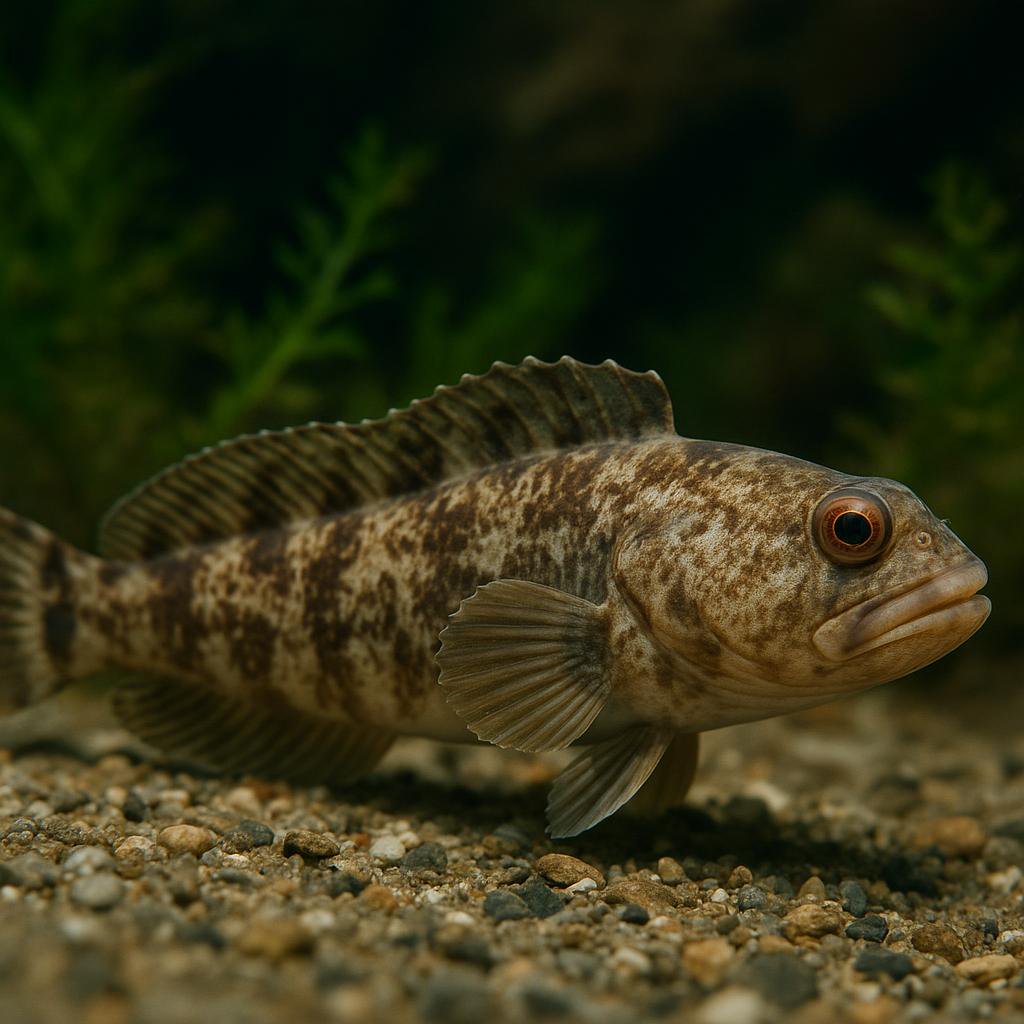
Abe's eelpout
Japonolycodes abei
Japonolycodes abei is a temperate, deepwater demersal eelpout (family Zoarcidae) endemic to Japan (Kumano-nada Sea reported; other sources also report Sagami Bay and Tosa Bay). It is the only species in the genus Japonolycodes and occurs roughly 40-300 m depth, making it an uncommon/atypical aquarium species.
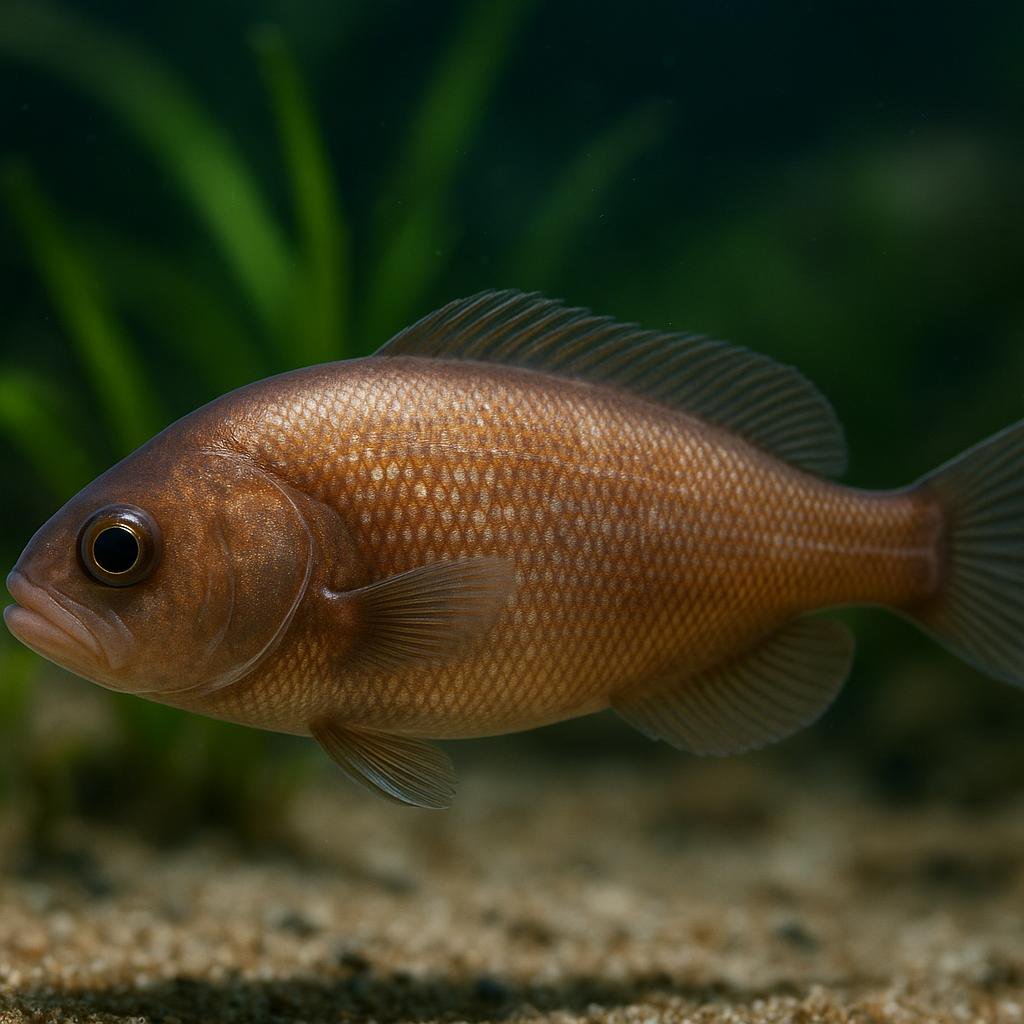
Affinis blind cusk-eel
Barathronus affinis
Barathronus affinis is a tiny, super-weird deep-sea blind cusk-eel from the western-central Indian Ocean. It is one of those gelatinous, loose-skinned brotula-type fishes that live way down in the dark and are basically never seen alive, so almost everything we know comes from preserved specimens and taxonomic work.
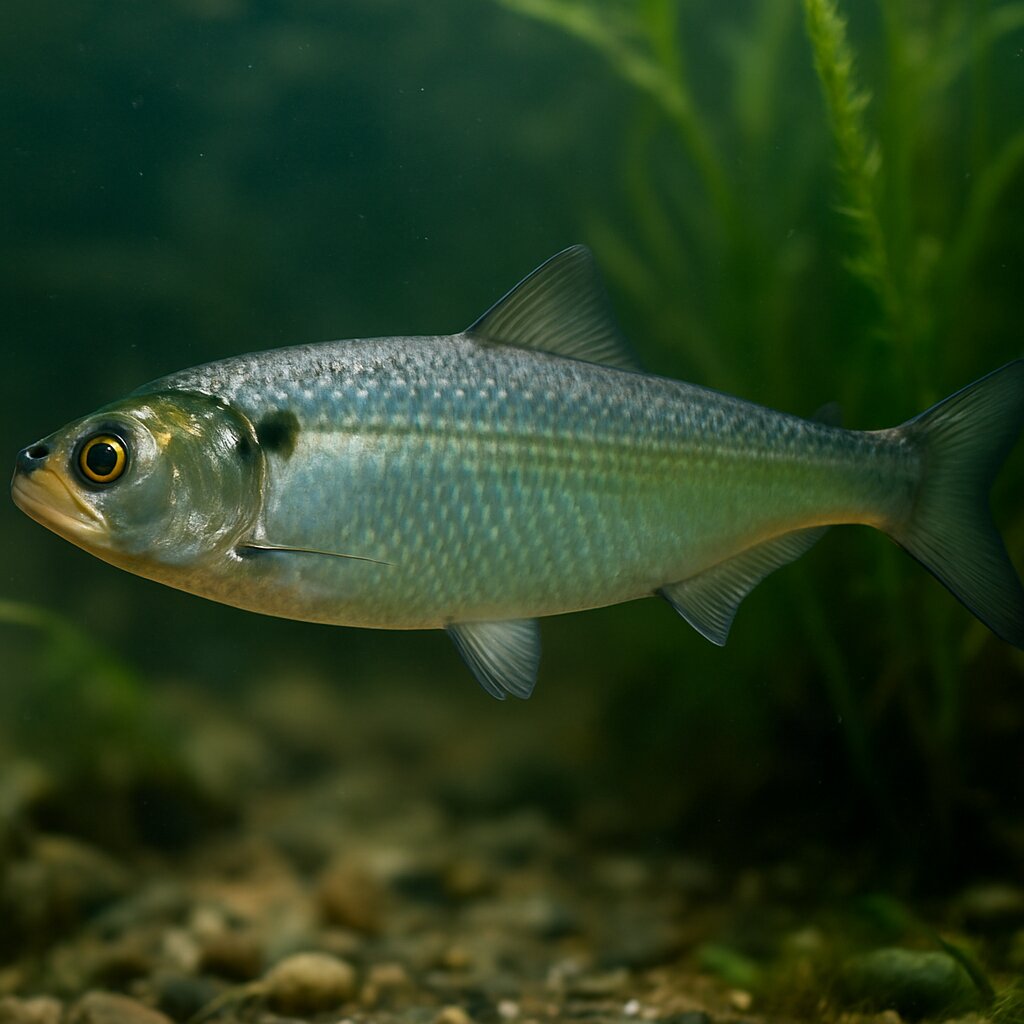
Allis shad
Alosa alosa
Gorgeous silver, fast-swimming shad that spends most of its life in the sea and then surges up big rivers in noisy, surface-spawning schools. It grows huge for a herring-type fish and needs cool, ultra-oxygenated water and tons of open space, so it is a public-aquarium species rather than a home tank fish.
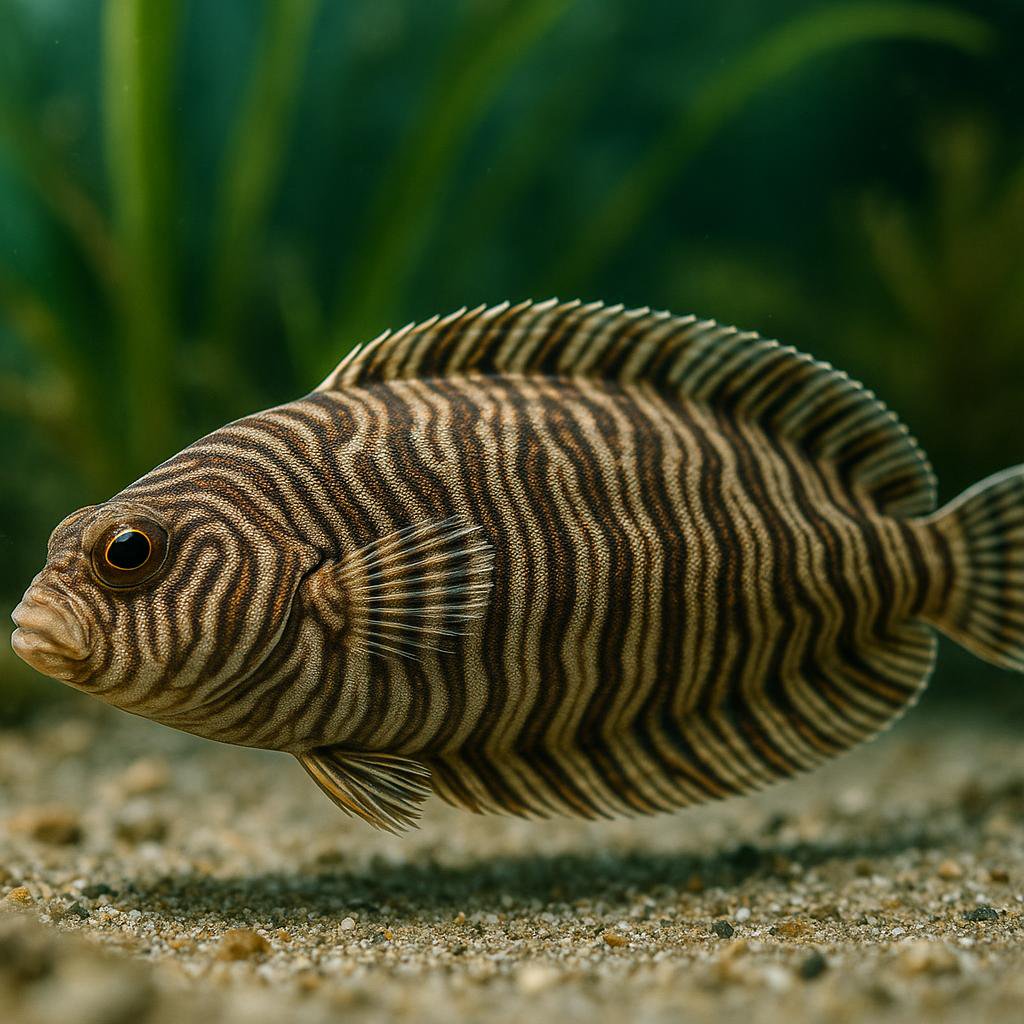
Annandale's zebra sole
Zebrias annandalei
Zebrias annandalei is a small demersal sole from coastal India that inhabits sandy or muddy bottoms and buries for camouflage. It is rarely kept in home aquaria and would require a specialized marine sand-bottom setup and appropriate feeding.
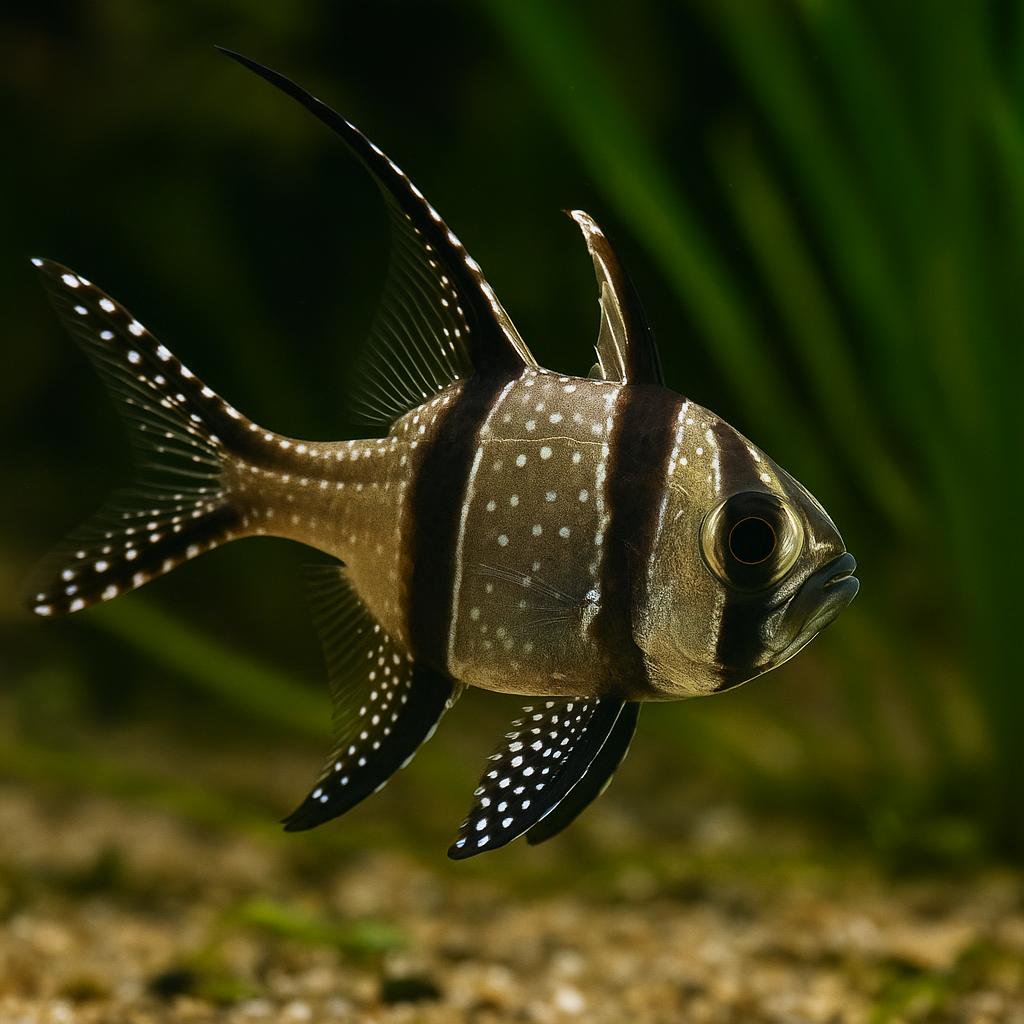
Banggai Cardinalfish
Pterapogon kauderni
Banggai cardinals just sort of hover like little underwater satellites, and the bold black bars with those long, polka-dotted fins look unreal under reef lighting. They're super chill most of the time, but once a pair forms you'll see real "fish drama," and the male will even mouthbrood the babies like a champ.
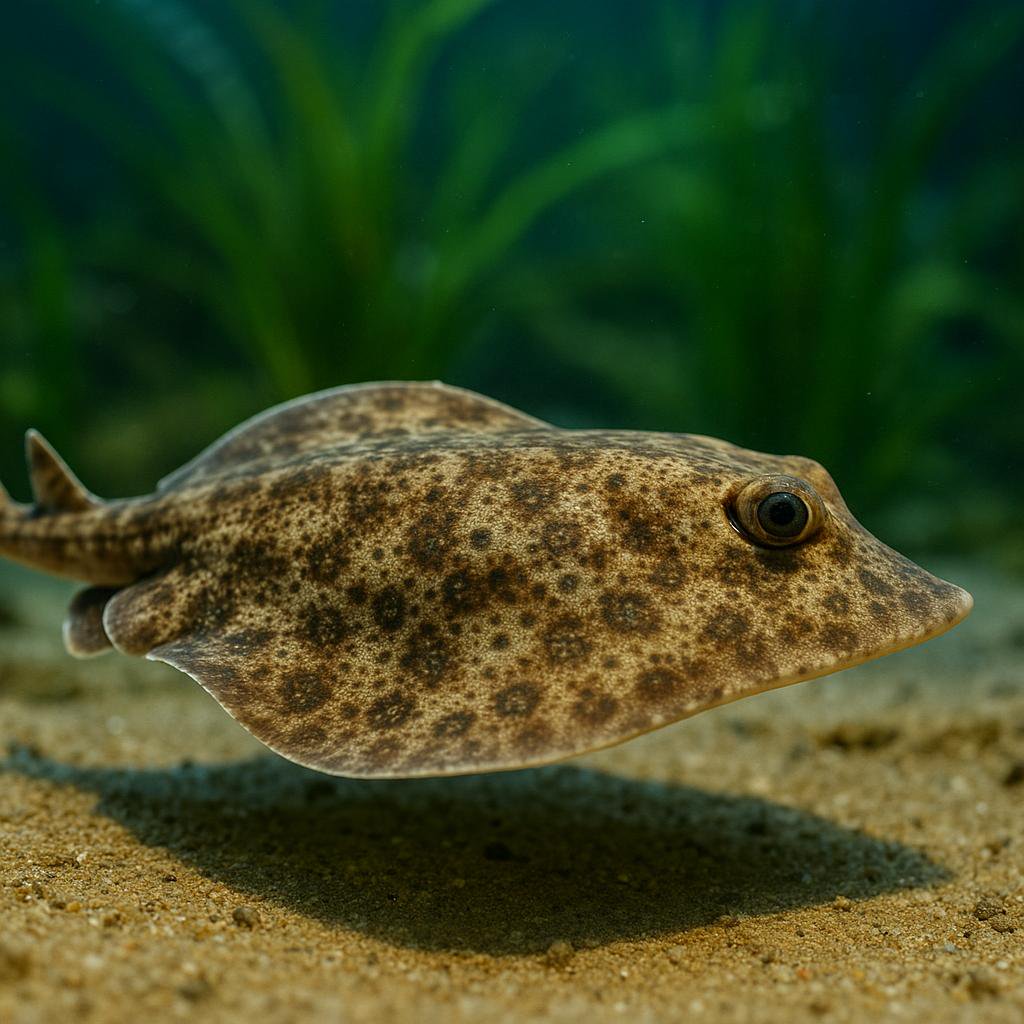
Barbedwire-tailed skate
Notoraja martinezi
Notoraja martinezi is a deepwater skate from the eastern Pacific (Costa Rica down to Ecuador) that lives way down on soft bottoms. The tail is the giveaway - it is lined with strong, hooked thorns that really do look like barbed wire. This is absolutely not an aquarium fish; it is a cold, high-pressure deep-sea animal with basically no practical home care info because it is not kept in the hobby.
More to Explore
Discover more marine species.
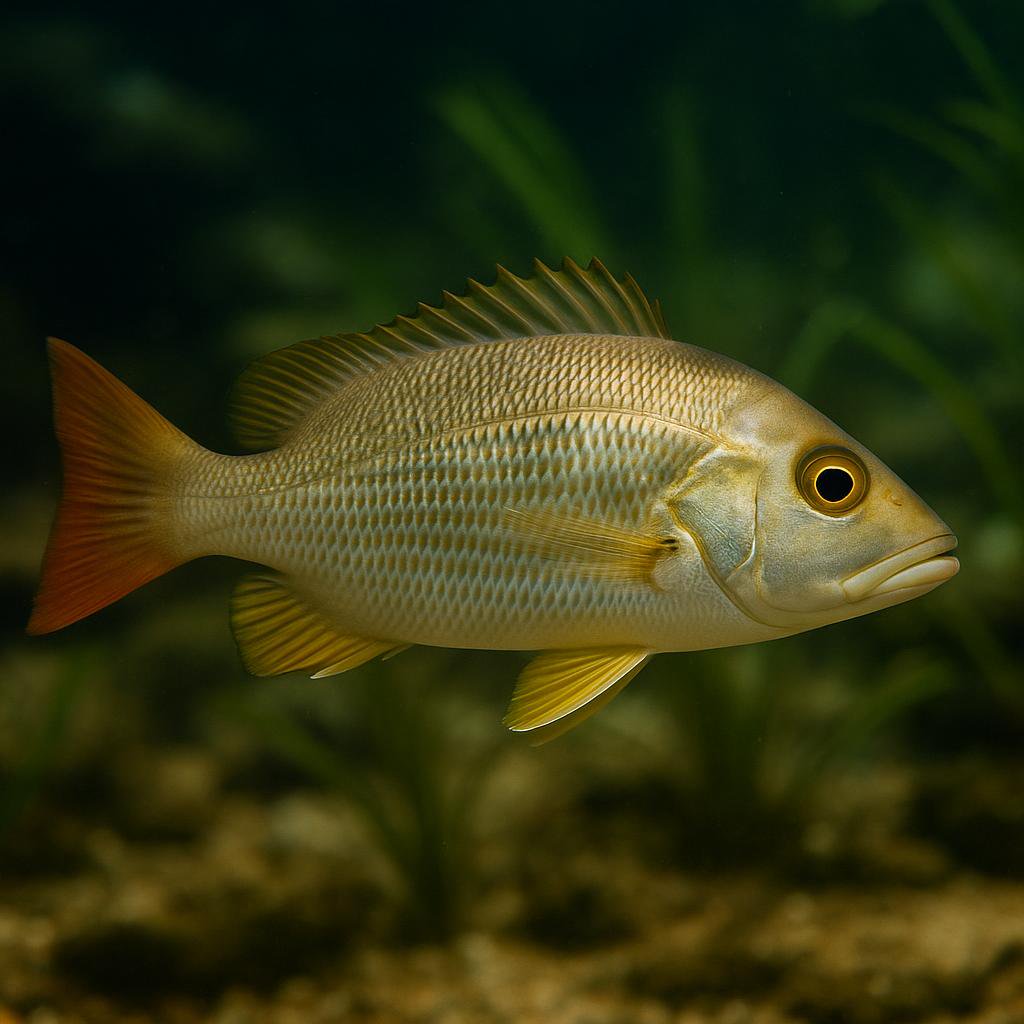
African red snapper
Lutjanus agennes
This is a true snapper from West Africa - a big, fast-growing predator that goes from coastal reefs to brackish lagoons and estuaries (especially as a juvenile). Super cool fish in the wild, but it gets absolutely huge and will eat smaller tankmates once it has the mouth for it, so its really more of a public-aquarium scale animal than a home-aquarium fish.
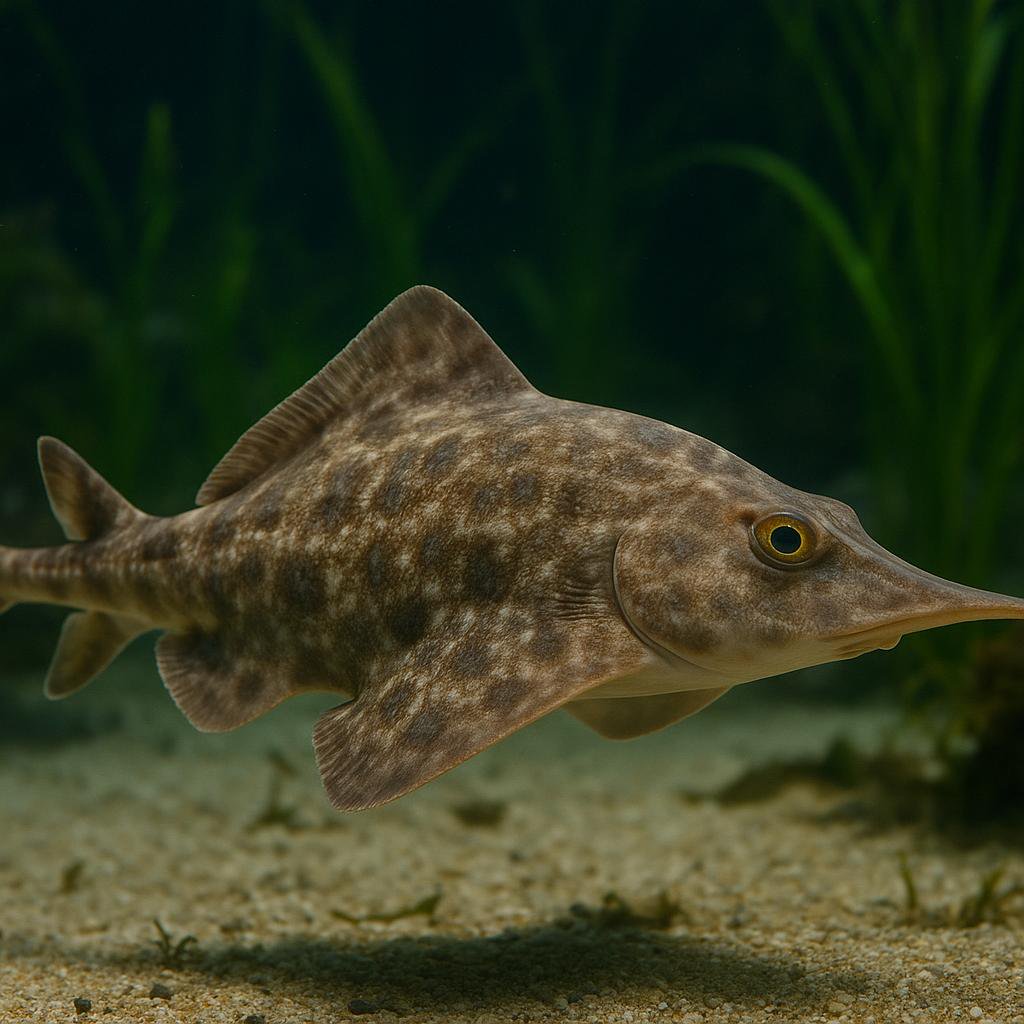
Aleutian skate
Bathyraja aleutica
This is a big, cold-water deep-slope skate from the North Pacific that cruises muddy bottoms and eats chunky benthic prey like crabs and shrimp. The really cool bit is its egg-laying skate life - it does distinct pairing (the classic skate "embrace") and drops those tough egg cases on the seafloor. Not an aquarium fish at all unless you're basically running a public-aquarium-style chilled system.
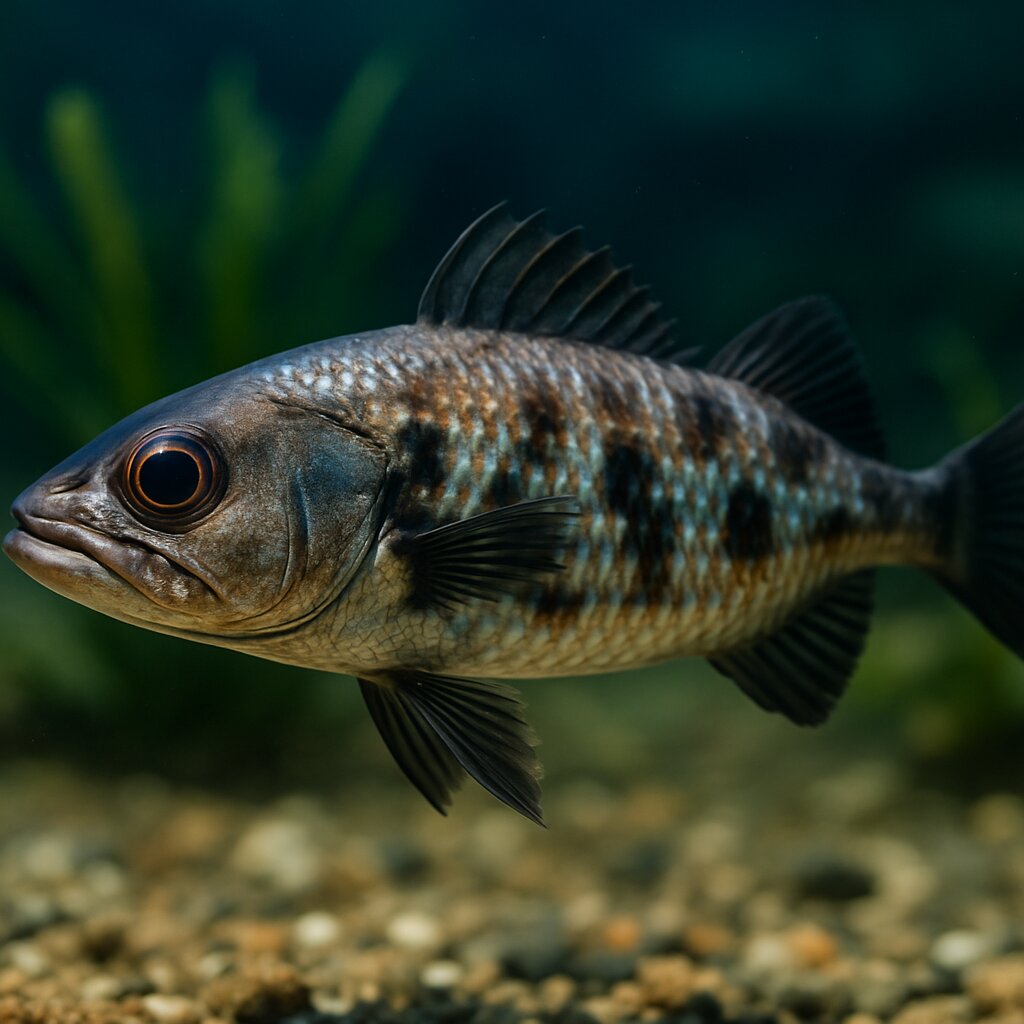
Antarctic dragonfish
Vomeridens infuscipinnis
Deep down around Antarctica, this sleek dragonfish cruises the water column like a little submarine, nearly neutrally buoyant so it can hover above the seafloor. It munches almost exclusively on Antarctic krill and lives in near-freezing water 500-800 m down, so it is a cool species to read about, not one for home tanks.
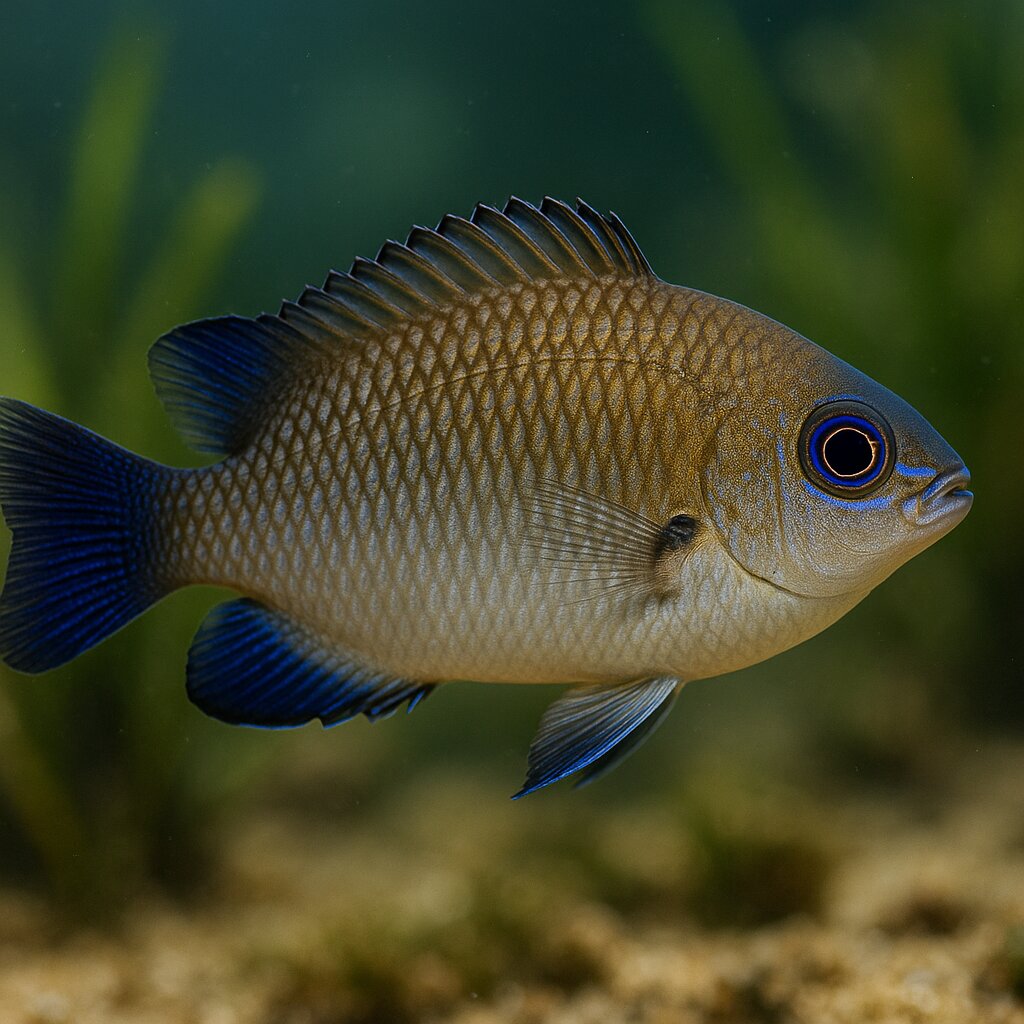
Arabian demoiselle
Neopomacentrus sindensis
A small lyretail damsel from the Persian Gulf and Arabian Sea, it hangs in loose groups around coral heads, rocks, and even pier pilings picking zooplankton from the flow. Think classic damsel toughness with a slightly milder attitude than the real bruisers, plus subtle yellow tail accents. Males clean a patch, get a mate to lay eggs there, and then stand guard fanning the clutch.
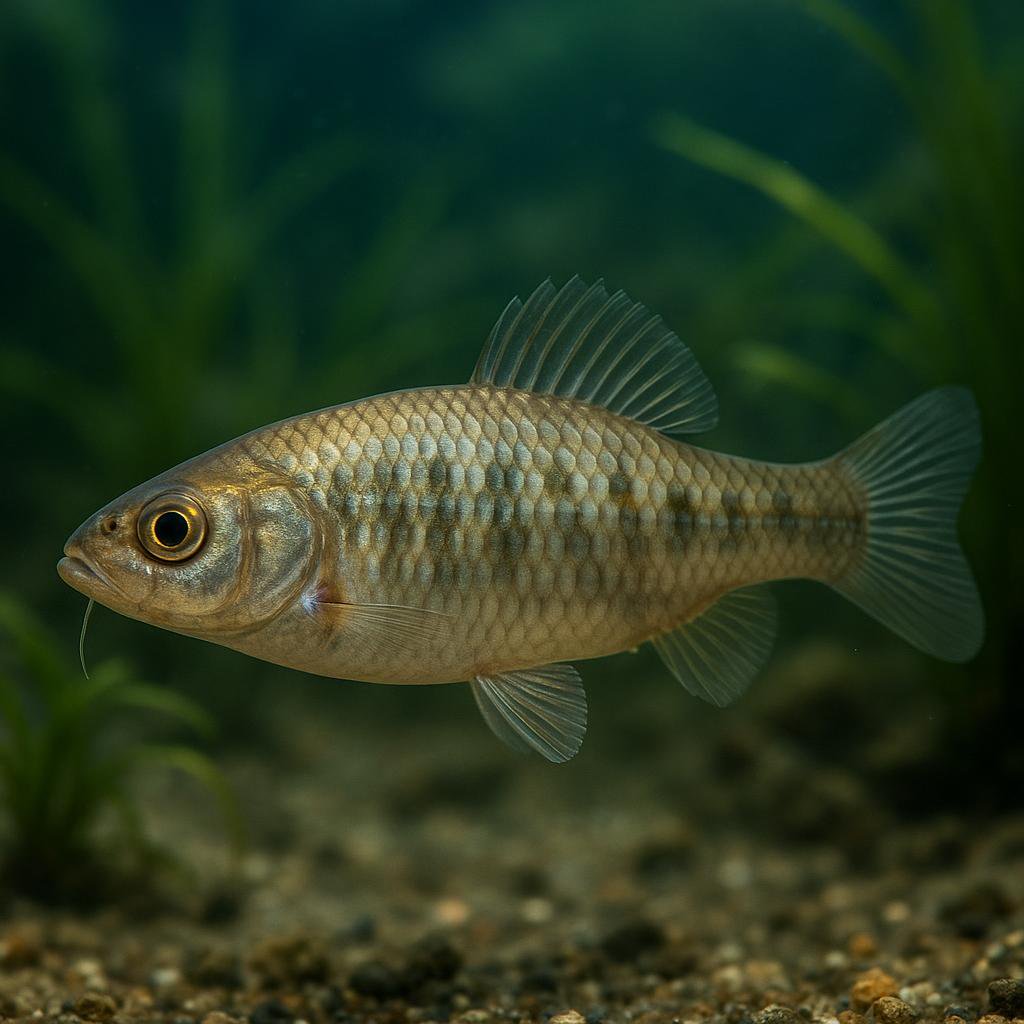
Arabian spiny eel
Notacanthus indicus
Notacanthus indicus is a deep-sea spiny eel (family Notacanthidae; not a true eel) known from the Arabian Sea on the continental slope at roughly ~960–1,046 m depth, with reported maximum length around 20 cm TL; it is a deep-water bycatch species and not established in the aquarium trade.
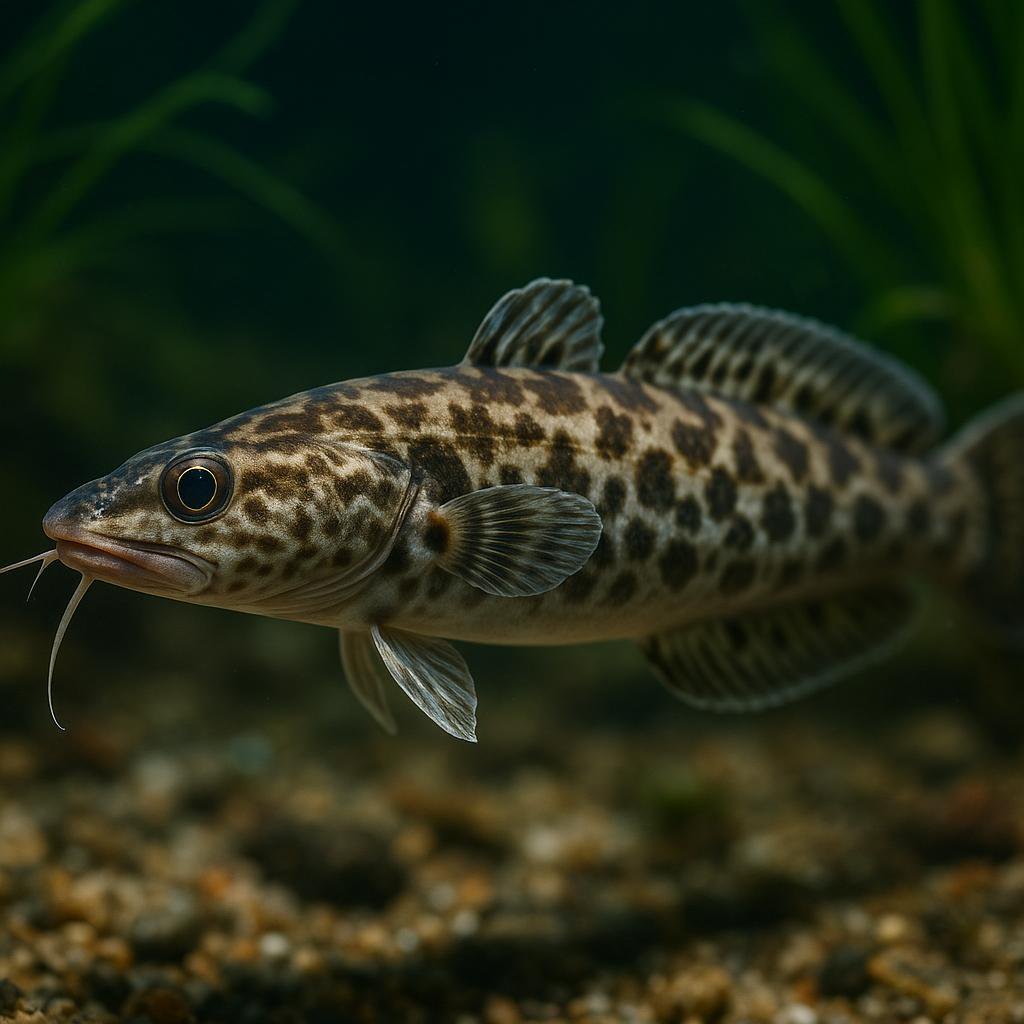
Arctic rockling
Gaidropsarus argentatus
This is a deepwater North Atlantic rockling (a cod relative) that hangs out on soft bottoms way down the slope. It is a cold-water, bottom-hugging predator that snoots around for crustaceans and will also take small fish when it gets the chance.
Looking for other species?