

Vermiculated croaker
Ophioscion vermicularis
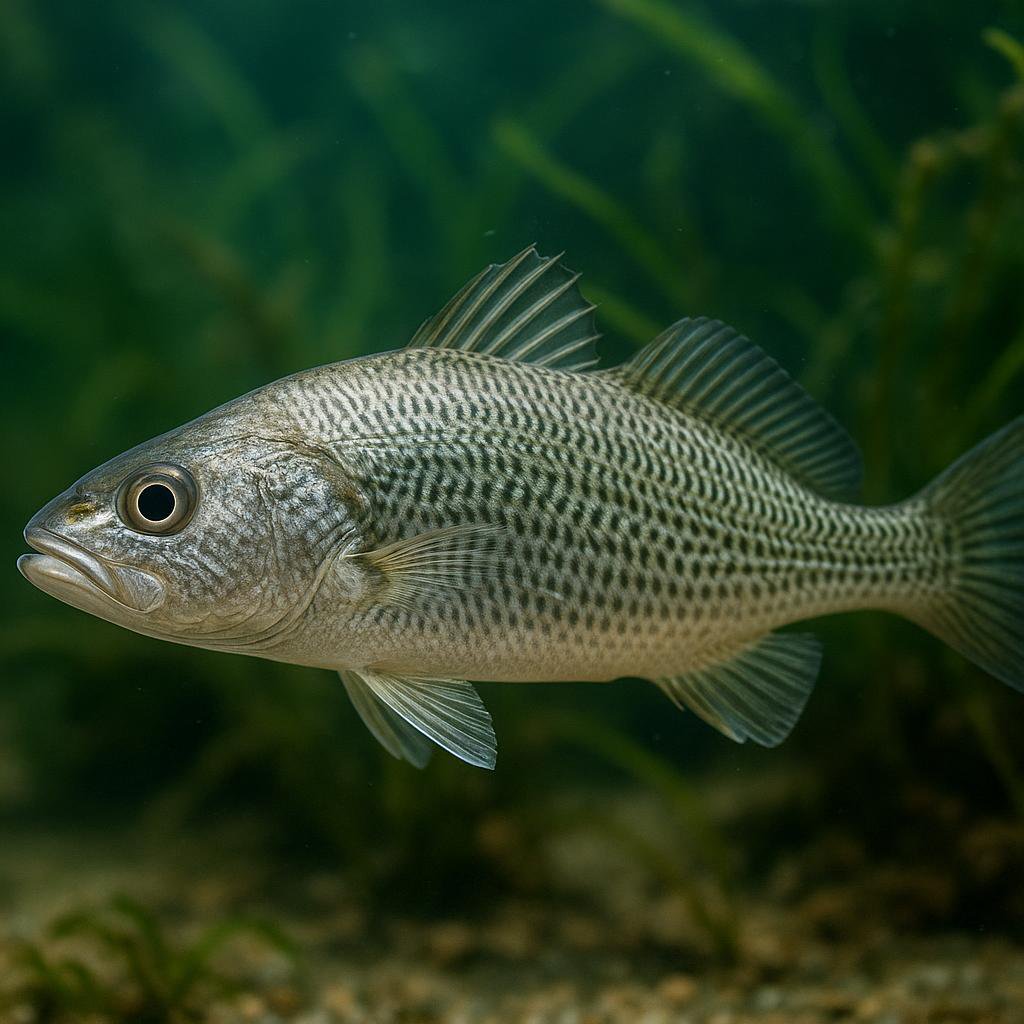
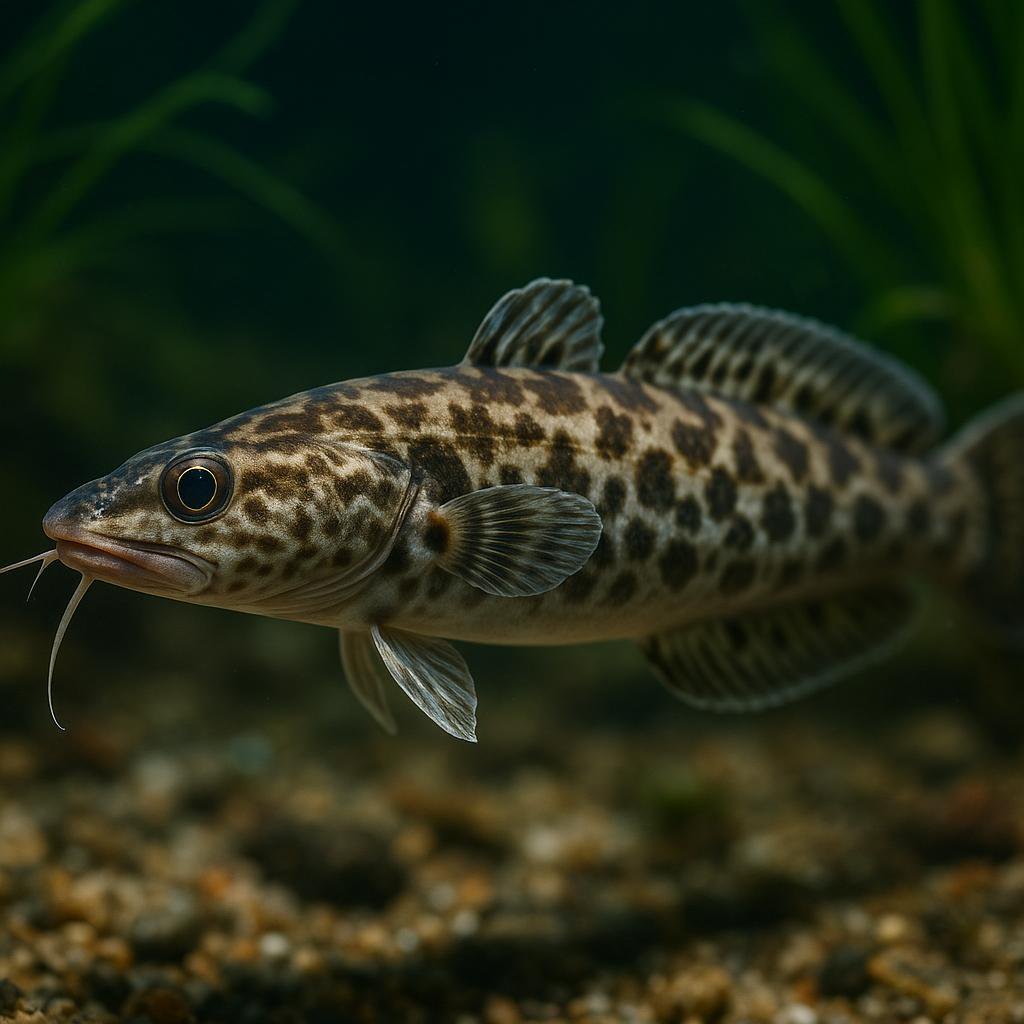
The Vermiculated croaker features a elongated body with a distinct pattern of dark vermiculations on a pale to golden background.
This page includes AI-generated images. Why am I seeing AI images?
About the Vermiculated croaker
Eastern Pacific marine demersal croaker found over sandy and muddy bottoms in shallow waters; feeds on benthic invertebrates and is common in local markets. Aquarium care information is limited compared with typical ornamental marine species.
Also known as
Quick Facts
Size
35 cm TL
Temperament
Peaceful
Difficulty
Expert
Min Tank Size
180 gallons
Lifespan
5-10 years
Origin
Eastern Pacific (Gulf of Panama to Peru)
Diet
Carnivore - benthic invertebrates
Water Parameters
22-28°C
8-8.4
8-12 dGH
Need a heater for this species?
This species needs 22-28°C in a 180 gallon tank. Use our heater calculator to find the right wattage.
Calculate heater sizeCare Notes
- Give it real floor space, not just gallons - they cruise and spook fast, so think a long tank with a tight lid (they can rocket out) and lots of open sand to patrol.
- If kept in captivity, maintain stable marine salinity and temperature appropriate for a tropical coastal marine fish; avoid rapid salinity swings.
- Strong filtration is non-negotiable because they are messy carnivores - aim for high turnover, a skimmer that actually pulls gunk, and plenty of oxygen with good surface agitation.
- Feed like a predator: chopped shrimp, squid, clam, silversides, and other marine meaty foods; small meals 1-2 times a day beats a huge dump that nukes your water.
- They are mouthy - anything small enough to fit gets eaten, and slow fish get bullied at feeding time; stick to similarly sized, tough tankmates and skip tiny gobies, blennies, and ornamental shrimp/crabs.
- Use sand (not sharp crushed coral) because they dig and can abrade their mouth and belly; add a couple dim hide spots or low rock ledges so they can chill when stressed.
- Maintain high water quality and a varied diet if attempting captive maintenance; monitor for general signs of stress or disease.
- Breeding in home tanks is basically a long shot - they are seasonal spawners and need space and cues you are not going to fake easily, so do not buy one expecting babies.
Compatibility
Good Tankmates
- Other calm, similar-size coastal fish like small croakers or drums (Sciaenids) - they mostly ignore each other and just cruise the water column
- Peaceful sand-perchers and small flounders/soles - they hang on the bottom and do their own thing, and the croaker is not a dedicated bully
- Mellow wrasses that are not terrors (think the more laid-back Halichoeres types) - active but usually not mean, and they handle the same feeding pace
- Chill, non-aggressive grunts (Haemulon spp.) or other schooling coastal fish - good vibe match as long as you keep sizes close
- Unknown/Not well documented for aquarium compatibility; likely predatory toward small invertebrates and very small fishes based on benthic-invertebrate feeding ecology
Avoid
- Puffers, triggers, and other hard-biters - they get nippy, chew fins, and will stress a peaceful croaker nonstop
- Big, hungry predators like groupers, large snappers, and big jacks - if it fits in their mouth, it is food, and croakers are not built for that kind of pressure
- Hyper-territorial bullies like big damsels and dottybacks - constant chasing and cornering, especially around caves and feeding time
Where they come from
Vermiculated croaker (Ophioscion vermicularis) is a western Atlantic fish that shows up around the Gulf of Mexico and down into the Caribbean and northern South America, usually over sandy or muddy bottoms. In the wild they are kind of a dusk-and-night patrol fish - hanging near the bottom, listening and hunting.
They are not a common "display" marine fish for a reason: they get fairly large, they are predatory, and they do best in a big, stable system. If you like oddball marine fish and you are set up for it, they are really cool to keep.
Setting up their tank
Think "marine predator holding tank" more than "reef showpiece." You want room to turn, soft bottom, and heavy filtration. These fish are built for cruising and pouncing, and they throw a lot of waste.
- Tank size: I would not bother under 180 gallons, and 240+ gallons is where it starts feeling comfortable long-term. Bigger footprint beats tall.
- Aquascape: open swimming lanes, a few sturdy rock piles or PVC caves for security, and sand if you can keep it clean.
- Substrate: fine to medium sand is easiest. They like to hug the bottom and sand helps prevent belly and fin wear.
- Flow: moderate. Give them calmer zones near the bottom and stronger circulation up top for oxygen and waste suspension.
- Filtration: oversized skimmer, lots of bio media, and strong mechanical filtration you can rinse often. A sump makes life easier.
- Lighting: they do not care. They tend to be bolder in dim light or with a dusk ramp.
These croakers are jumpers, especially the first month. Put a tight lid on the tank. Not a screen with gaps, not "mostly covered." Tight.
Water parameters are the usual marine range. The real trick is stability and cleanliness, because they are messy eaters and sensitive to low oxygen. Keep salinity steady (around 1.024-1.026), temperature stable (mid-70s F is a comfortable target), and do not let nitrate and dissolved organics creep up just because the fish looks hardy.
Add extra aeration. A big skimmer helps, but I still like a dedicated air stone in the sump or a high-surface-area overflow. Croakers handle a lot, but they get stressed fast in stale, low-O2 water.
What to feed them
They are predators. Most will come in only taking meaty foods, and some are picky until they settle. Once they associate you with food, they eat like pigs.
- Best staples: chunks of shrimp, squid, scallop, clam, marine fish flesh (sparingly), and quality frozen blends meant for carnivores.
- Whole items help: shell-on shrimp pieces or small whole marine prey items can keep them interested and reduce "grab and spit" behavior.
- Vitamins: soak food in a marine vitamin/HUFA supplement a couple times a week, especially if you feed a lot of plain seafood.
- Feeding schedule: juveniles can take smaller meals daily. Adults do better with larger meals 3-4 times a week. Less mess that way.
- Avoid: goldfish/feeder minnows (freshwater feeders are a nutrition and disease problem).
Do not overfeed. They will keep eating, and the tank will pay for it. Uneaten meaty food in a warm marine system turns ugly fast.
Training onto non-living foods is usually doable. Start with frozen on tongs, move it to a feeding stick, and be consistent. I have had the best luck feeding after lights dim a bit, since they naturally hunt more in low light.
How they behave and who they get along with
Vermiculated croakers are bottom-oriented, alert, and surprisingly bold once settled. They are not "community" fish. They are "everything that fits in the mouth is food" fish.
- Temperament: not usually a constant brawler, but very predatory and will lunge.
- Tankmates that work: other robust, similarly sized marine fish that can handle meaty feeding and are not easily bullied (think big grunts, larger snappers, some larger wrasses, tough angels).
- Tankmates to avoid: small fish, slow hoverers, ornamental shrimp/crabs, small eels, and anything you would be sad to lose overnight.
- Multiple croakers: possible in a large tank, but expect jostling. Add them at similar size and give more hiding spots than you think you need.
They are called croakers for a reason. They can make audible sounds, especially during feeding time or if they are stressed. It is normal, but sudden "croaking" plus hiding can mean something is off.
They can be skittish around sudden movement and will slam the glass if spooked. A calm area of the room, a dark background, and a few solid shelters reduce that a lot.
Breeding tips
In home aquariums, spawning is possible in theory but not something most hobbyists pull off on purpose. In the wild they spawn in the water column and the larvae are tiny and demanding. You would be looking at a dedicated breeding setup, live foods, and the kind of larval rearing effort people do for commercial marine species.
If you just want to see natural behavior, give them a seasonal cue: slightly longer photoperiod and a small temperature swing over months. Do not expect fry, but you may see more vocalizing and display behavior.
Common problems to watch for
Most issues with this species are husbandry and intake related, not mystery diseases. They are tough until they are not, and the crash is usually linked to oxygen, water quality, or injury.
- Shipping/transition stress: they may refuse food at first. Keep lights low, offer smelly foods (clam, squid), and do not pester them.
- Low oxygen: heavy breathing, hanging in the flow, acting "drunk". Add aeration and check for clogged socks, dirty skimmer, or dead spots.
- Mouth damage: they strike hard. Sharp rock edges and glass surfing can mess up the jaw. Use rounded structures and give them cover.
- Parasites: watch for flashing, excess slime, and rapid breathing. Quarantine is your friend, but be careful with harsh meds on stressed wild fish.
- Nutritional issues: a diet of only one seafood item can lead to long-term problems. Rotate foods and use vitamins.
Quarantine matters with wild-caught croakers. I have seen them come in with gill issues and external parasites that are easy to miss until the fish is already weakened.
If you keep one, plan your maintenance like you would for a messy predator: frequent mechanical filter cleaning, strong export (skimmer/water changes), and a feeding routine that does not leave scraps. Do that, and they are a really rewarding oddball to keep.
Similar Species
Other marine peaceful species you might be interested in.
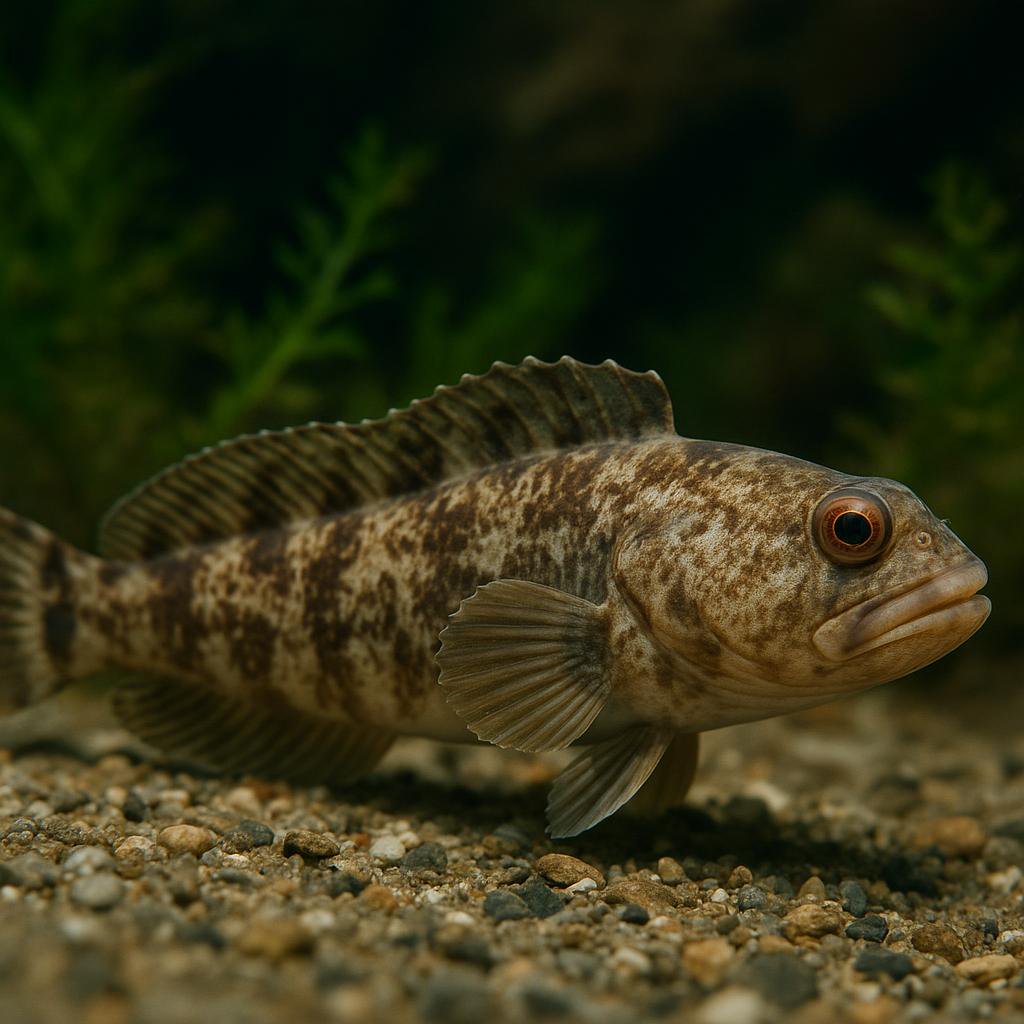
Abe's eelpout
Japonolycodes abei
Japonolycodes abei is a temperate, deepwater demersal eelpout (family Zoarcidae) endemic to Japan (Kumano-nada Sea reported; other sources also report Sagami Bay and Tosa Bay). It is the only species in the genus Japonolycodes and occurs roughly 40-300 m depth, making it an uncommon/atypical aquarium species.
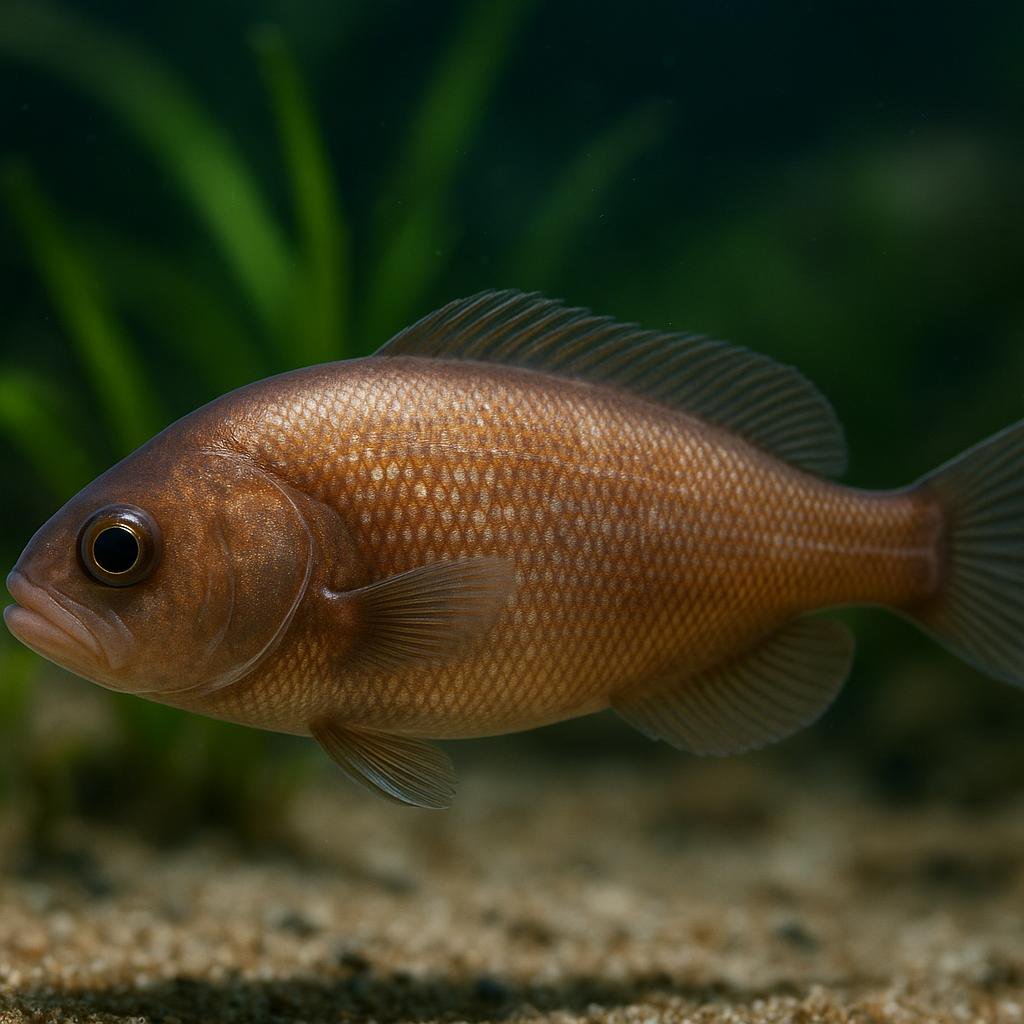
Affinis blind cusk-eel
Barathronus affinis
Barathronus affinis is a tiny, super-weird deep-sea blind cusk-eel from the western-central Indian Ocean. It is one of those gelatinous, loose-skinned brotula-type fishes that live way down in the dark and are basically never seen alive, so almost everything we know comes from preserved specimens and taxonomic work.
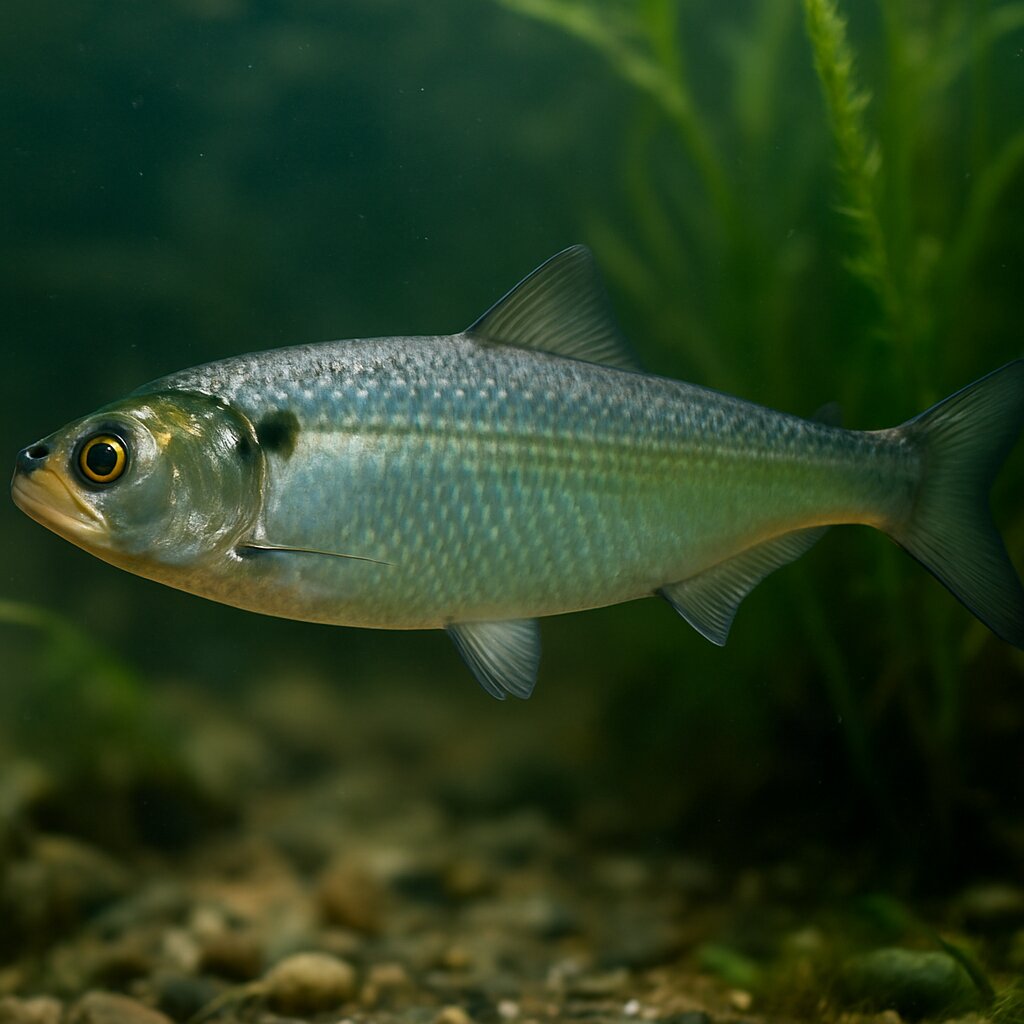
Allis shad
Alosa alosa
Gorgeous silver, fast-swimming shad that spends most of its life in the sea and then surges up big rivers in noisy, surface-spawning schools. It grows huge for a herring-type fish and needs cool, ultra-oxygenated water and tons of open space, so it is a public-aquarium species rather than a home tank fish.
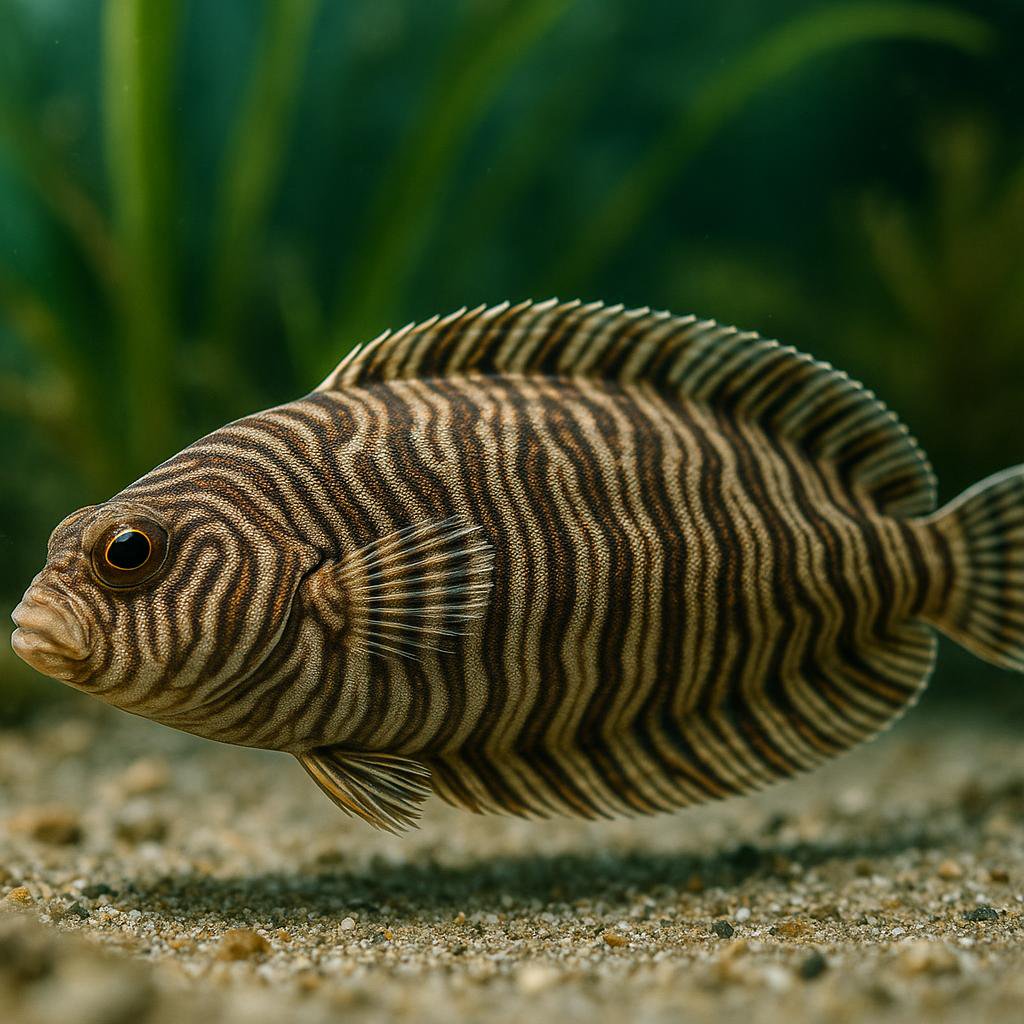
Annandale's zebra sole
Zebrias annandalei
Zebrias annandalei is a small demersal sole from coastal India that inhabits sandy or muddy bottoms and buries for camouflage. It is rarely kept in home aquaria and would require a specialized marine sand-bottom setup and appropriate feeding.
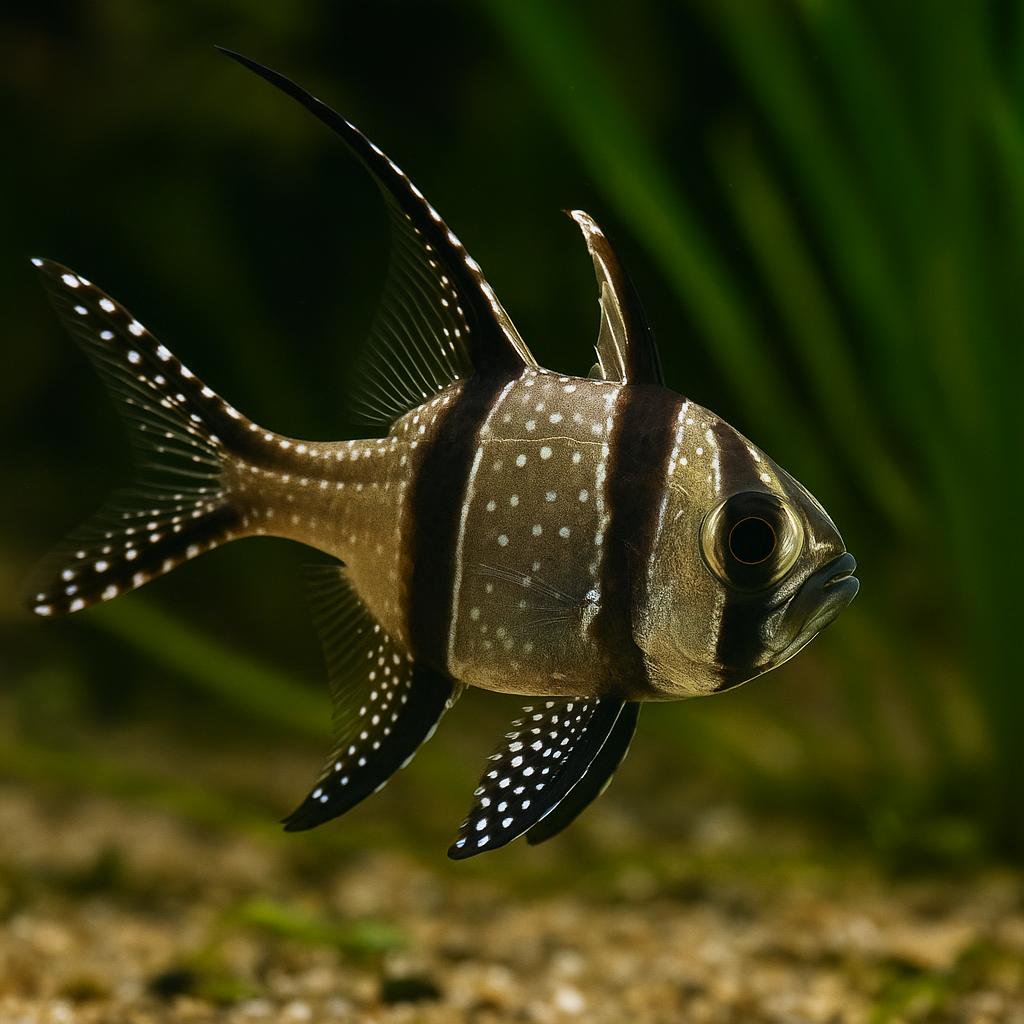
Banggai Cardinalfish
Pterapogon kauderni
Banggai cardinals just sort of hover like little underwater satellites, and the bold black bars with those long, polka-dotted fins look unreal under reef lighting. They're super chill most of the time, but once a pair forms you'll see real "fish drama," and the male will even mouthbrood the babies like a champ.
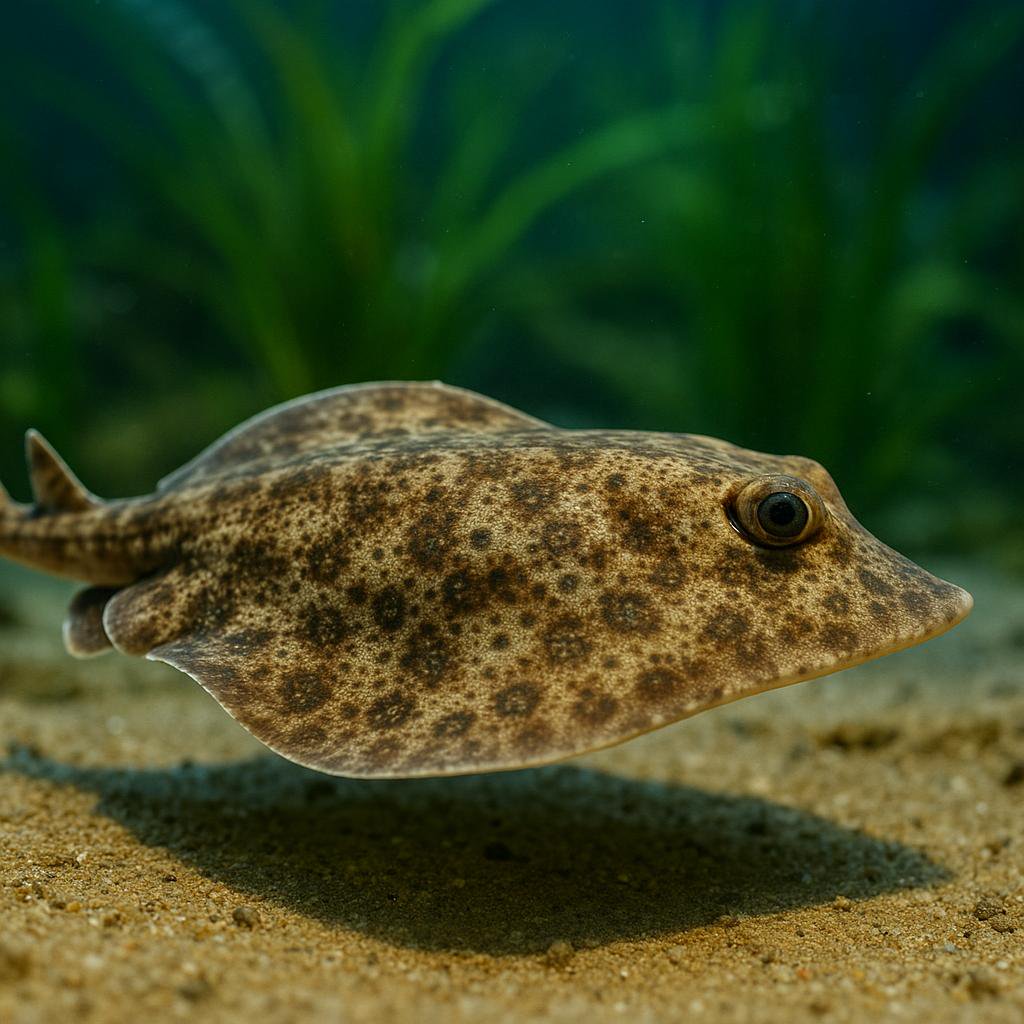
Barbedwire-tailed skate
Notoraja martinezi
Notoraja martinezi is a deepwater skate from the eastern Pacific (Costa Rica down to Ecuador) that lives way down on soft bottoms. The tail is the giveaway - it is lined with strong, hooked thorns that really do look like barbed wire. This is absolutely not an aquarium fish; it is a cold, high-pressure deep-sea animal with basically no practical home care info because it is not kept in the hobby.
More to Explore
Discover more marine species.
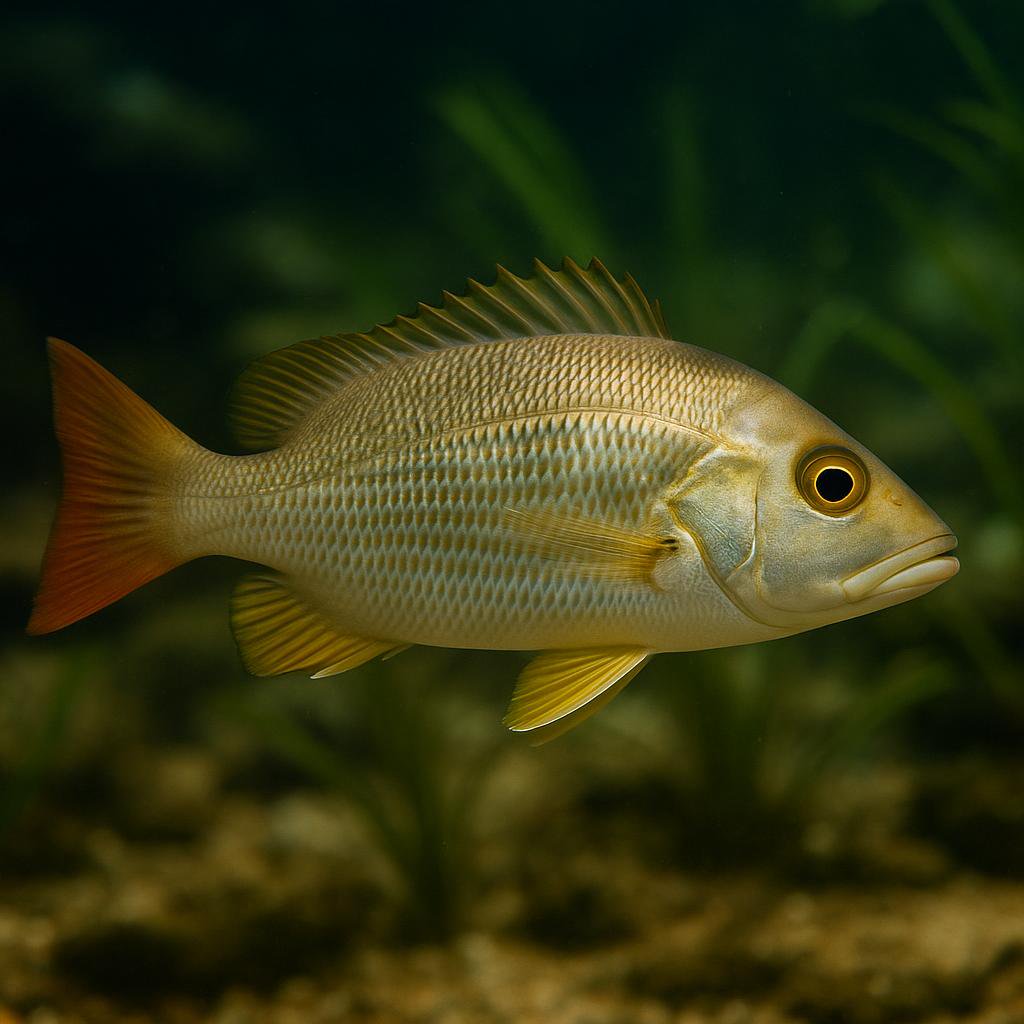
African red snapper
Lutjanus agennes
This is a true snapper from West Africa - a big, fast-growing predator that goes from coastal reefs to brackish lagoons and estuaries (especially as a juvenile). Super cool fish in the wild, but it gets absolutely huge and will eat smaller tankmates once it has the mouth for it, so its really more of a public-aquarium scale animal than a home-aquarium fish.
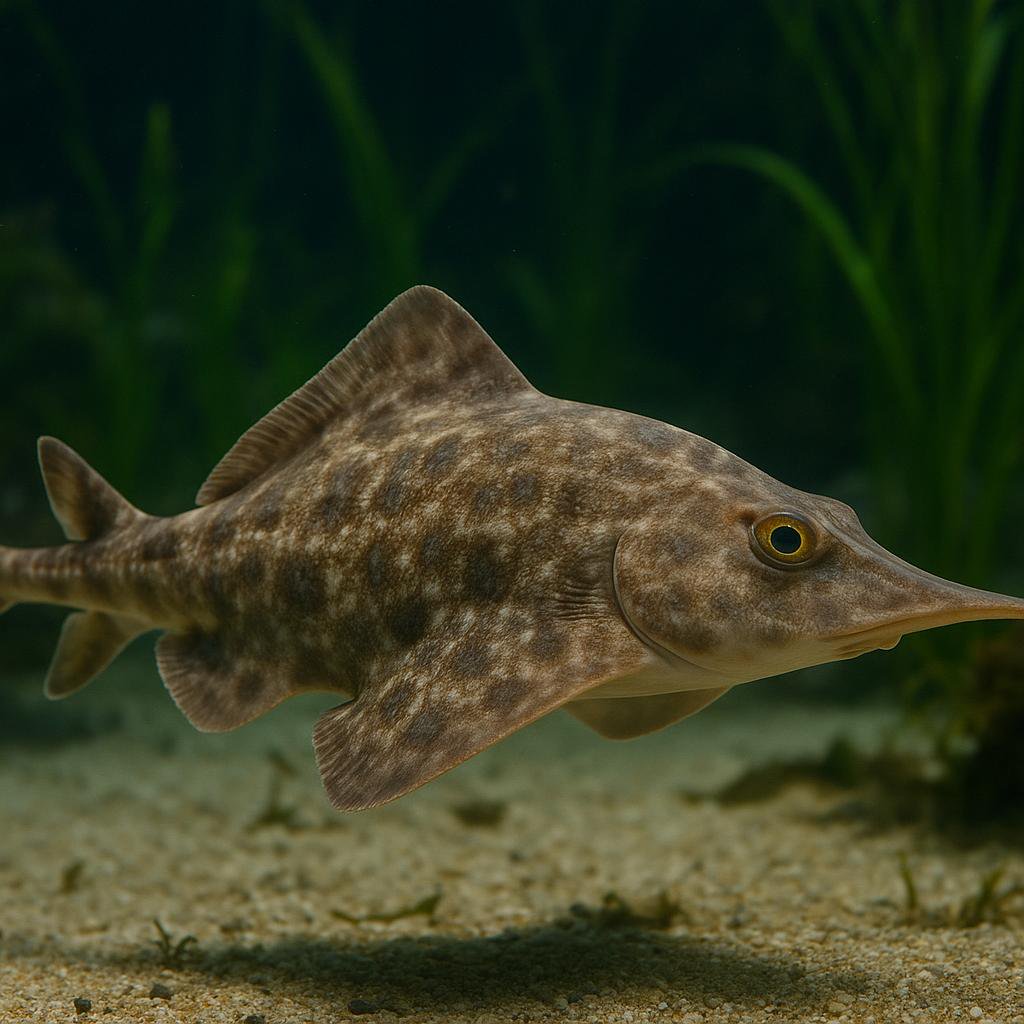
Aleutian skate
Bathyraja aleutica
This is a big, cold-water deep-slope skate from the North Pacific that cruises muddy bottoms and eats chunky benthic prey like crabs and shrimp. The really cool bit is its egg-laying skate life - it does distinct pairing (the classic skate "embrace") and drops those tough egg cases on the seafloor. Not an aquarium fish at all unless you're basically running a public-aquarium-style chilled system.
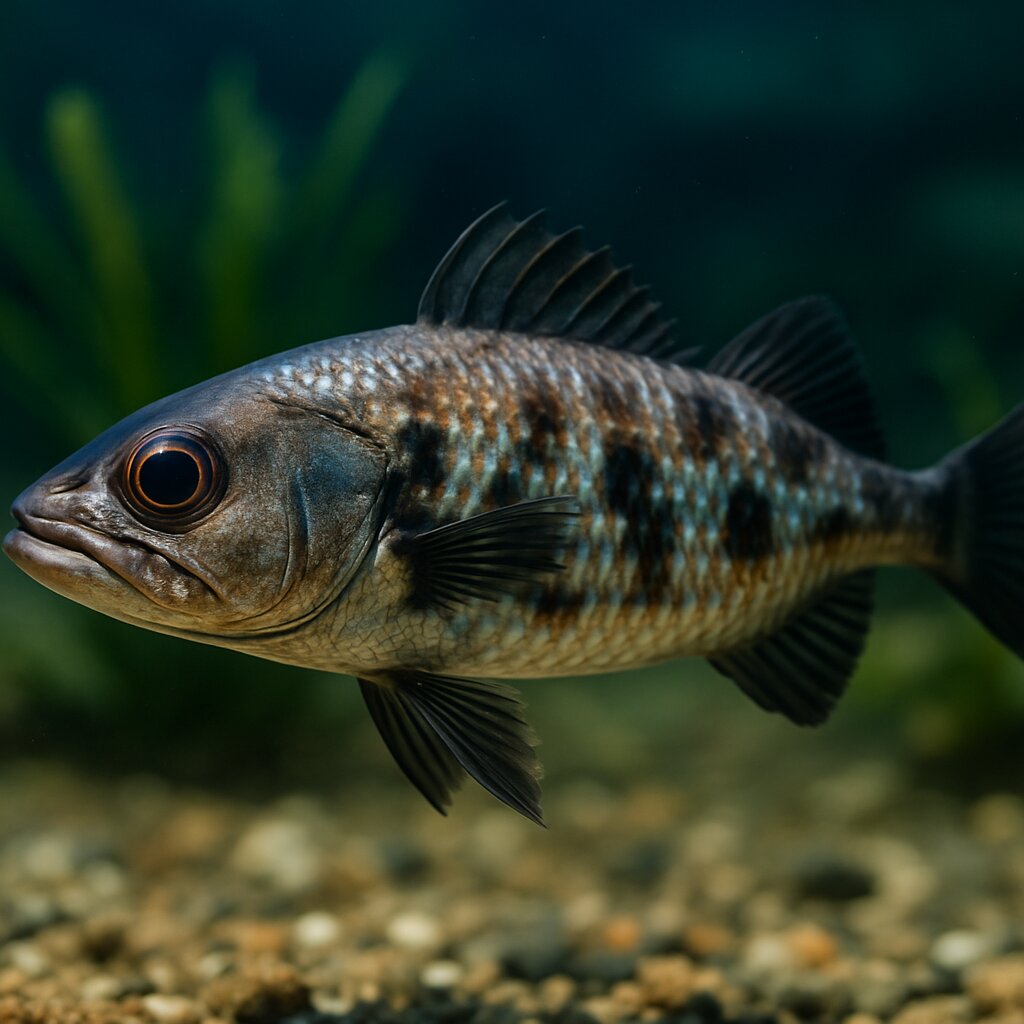
Antarctic dragonfish
Vomeridens infuscipinnis
Deep down around Antarctica, this sleek dragonfish cruises the water column like a little submarine, nearly neutrally buoyant so it can hover above the seafloor. It munches almost exclusively on Antarctic krill and lives in near-freezing water 500-800 m down, so it is a cool species to read about, not one for home tanks.
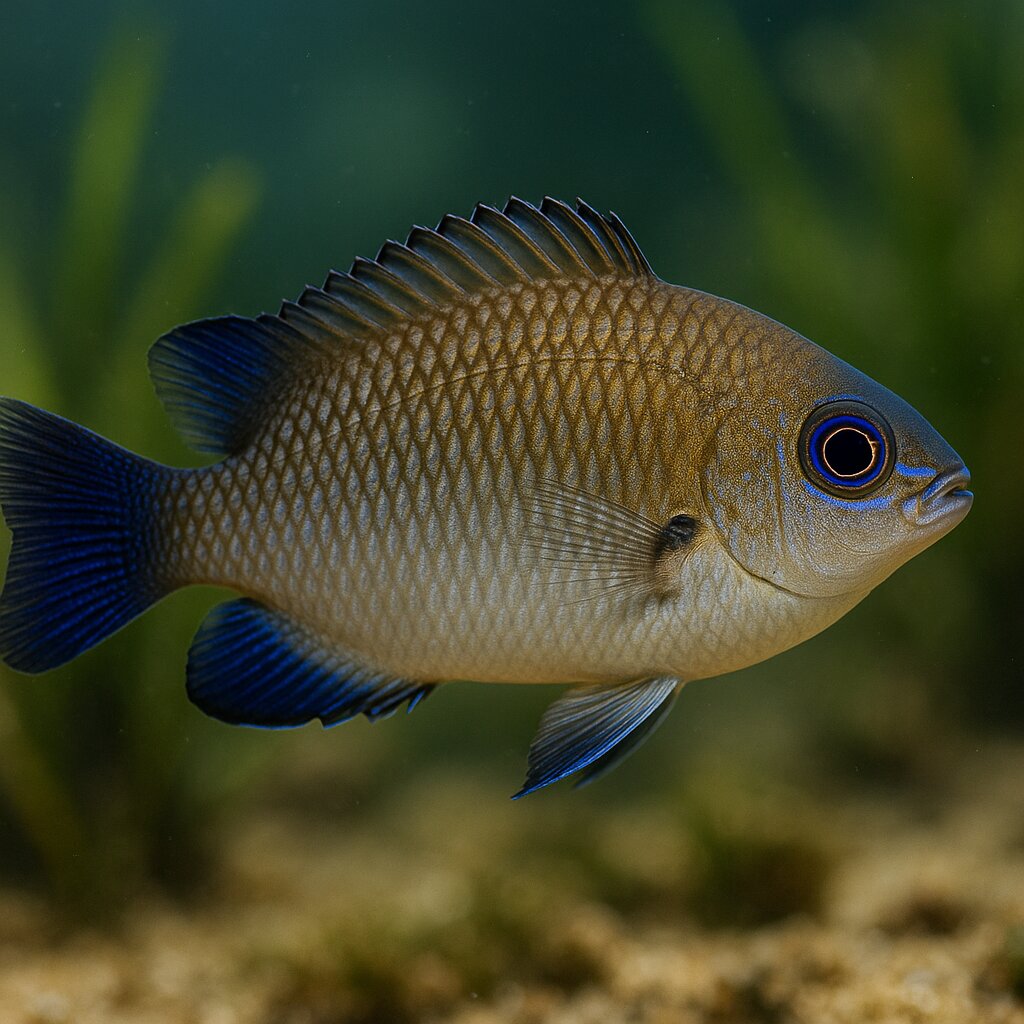
Arabian demoiselle
Neopomacentrus sindensis
A small lyretail damsel from the Persian Gulf and Arabian Sea, it hangs in loose groups around coral heads, rocks, and even pier pilings picking zooplankton from the flow. Think classic damsel toughness with a slightly milder attitude than the real bruisers, plus subtle yellow tail accents. Males clean a patch, get a mate to lay eggs there, and then stand guard fanning the clutch.
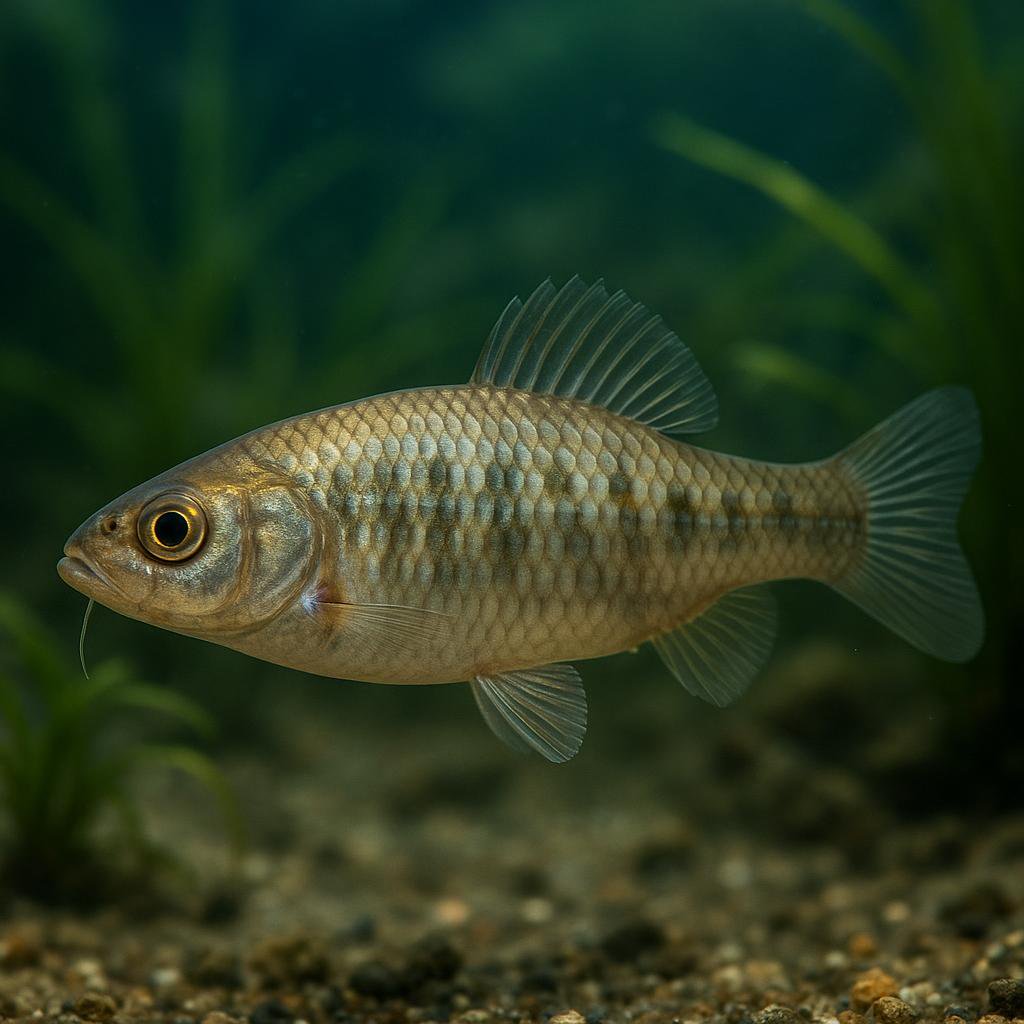
Arabian spiny eel
Notacanthus indicus
Notacanthus indicus is a deep-sea spiny eel (family Notacanthidae; not a true eel) known from the Arabian Sea on the continental slope at roughly ~960–1,046 m depth, with reported maximum length around 20 cm TL; it is a deep-water bycatch species and not established in the aquarium trade.
Arctic rockling
Gaidropsarus argentatus
This is a deepwater North Atlantic rockling (a cod relative) that hangs out on soft bottoms way down the slope. It is a cold-water, bottom-hugging predator that snoots around for crustaceans and will also take small fish when it gets the chance.
Looking for other species?