

Largehead lizardfish
Synodus macrocephalus
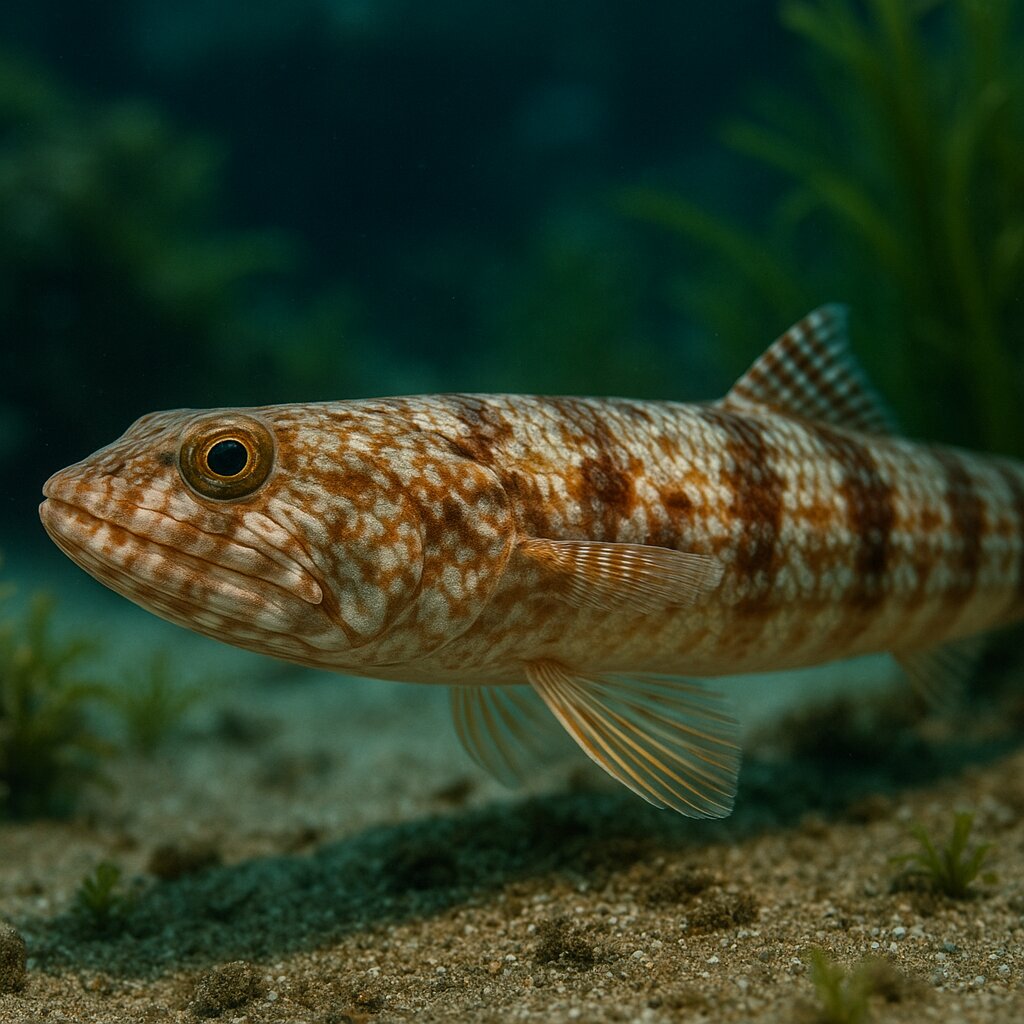
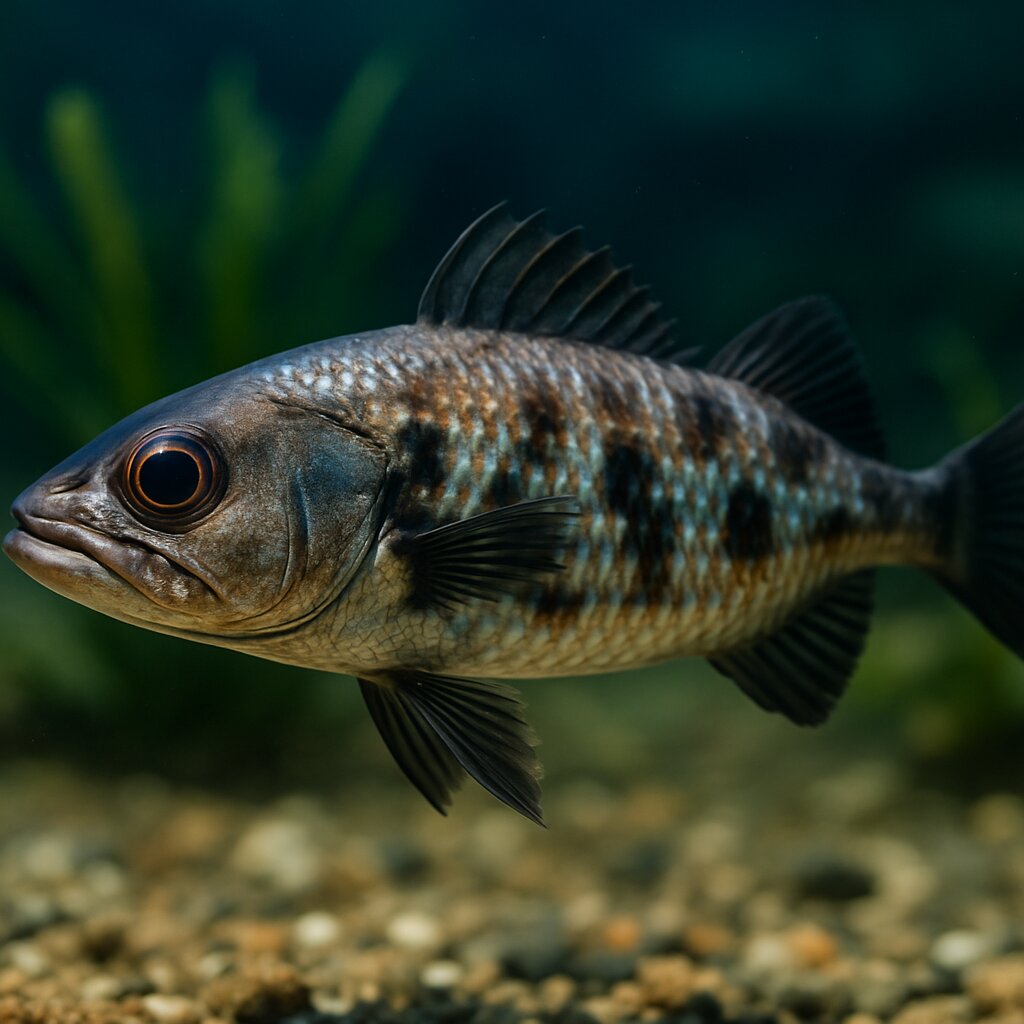
Largehead lizardfish features a slender body, large head, and mottled brown and white coloration, blending seamlessly with its sandy seabed habitat.
This page includes AI-generated images. Why am I seeing AI images?
About the Largehead lizardfish
Think of a little torpedo that lounges on the sand until dinner swims by - that is this lizardfish. Compact for its clan but still a serious ambush predator, it shows off that classic toothy grin and watchful, lizard-like head.
Also known as
Quick Facts
Size
16.5 cm
Temperament
Aggressive
Difficulty
Advanced
Min Tank Size
55 gallons
Lifespan
5-9 years
Origin
Indo-West Pacific
Diet
Carnivore - meaty seafoods like fish and shrimp; will eat smaller tankmates
Water Parameters
17-27.3°C
7.8-8.4
10-18 dGH
Need a heater for this species?
This species needs 17-27.3°C in a 55 gallon tank. Use our heater calculator to find the right wattage.
Calculate heater sizeCare Notes
- Give it a big footprint: 6 ft, 125+ gal, with a wide open sand flat; it ambushes from the bottom and needs room to sprint.
- Use fine sand 2-3 in deep with some low rock rubble or PVC for shade and moderate light; sharp rock-only scapes rub their belly raw.
- Lock down a tight lid and every hole around pipes; they jump hard when startled.
- Run 76-80 F, 1.023-1.026 SG, pH 8.1-8.4, zero ammonia and nitrite, and nitrate under 20 ppm; they are messy, so oversize the skimmer and keep strong flow and aeration.
- Feed with tongs 2-3 times a week: marine fish strips, squid, shrimp, and whole silversides or lancefish. Start at dusk when they are bolder, rotate foods with a vitamin soak, and skip feeder goldfish.
- If it fits in the mouth, it is food; stick to big, calm tankmates, skip ornamental shrimp and small crabs, and expect them to perch on corals.
- Quarantine new ones and deworm (prazi/metro); watch for jaw abrasions and cloudy eyes from glass strikes, and avoid bright, sudden lights during maintenance.
- No captive breeding track record and they do not pair up in tanks; keep one per system.
Compatibility
Good Tankmates
- Big, deep-bodied tangs that stay midwater (Naso, Sohal, purple) - too tall and quick to be gulped
- Large angels like Pomacanthus and Holacanthus species - confident cruisers that ignore a sand-lying ambush predator
- Hefty, fast wrasses and hogfish (Thalassoma, Coris, harlequin tusk) - always moving and not bite-sized
- Rabbitfish and foxfaces - peaceful but deep-bodied with spines, the lizardfish leaves them alone
- Adult, chunky damsels like sergeant majors - rowdy open-water swimmers that are too big to be a snack
Avoid
- Small or slender fish that fit in the mouth - chromis, anthias, cardinals, firefish, small fairy or flasher wrasses
- Bottom perchers and sand sleepers - gobies, blennies, mandarins, engineer gobies - they get ambushed
- Other ambush predators and slow showpieces - scorpionfish, frogfish, lionfish, batfish - one side ends up eaten or impaled
- Nippy bullies like most triggerfish and big puffers - they go for eyes and fins and will stress the lizardfish
Where they come from
Largehead lizardfish show up across the Indo-Pacific, hanging out on sandy patches between coral heads and along reef slopes. You usually see them parked on the bottom like a little torpedo, waiting for something careless to swim by. Dawn and dusk are their busy hours.
They get bigger than most people expect. Think 12-16 inches as an adult, with a thick body and serious teeth.
Setting up their tank
Give them room. They are ambush predators that like a wide, open floor, not a wall of rock. A 6 ft x 2 ft footprint (180 gallons or larger) makes life a lot easier. Smaller tanks work for juveniles, but they grow and they eat like a real predator.
- Substrate: fine sand, at least 2-3 inches. They like to settle in and sometimes shimmy partially into it.
- Rockwork: keep it low and stable with open sand lanes. Think perches and shade, not cliffs.
- Flow: moderate overall, but keep some calmer zones along the bottom so they can sit without getting blasted.
- Lighting: moderate or even on the dim side. They are happier under softer light with shaded spots.
- Lid: tight-fitting with all gaps covered. They can and will launch if startled.
- Filtration: heavy. Big skimmer, strong mechanical, and plan on frequent sock or floss changes. Predators are messy eaters.
- Water: 1.023-1.026 SG, 24-27 C (75-81 F), pH 8.1-8.4, 8-11 dKH, nitrate kept reasonable (<30 ppm). Good oxygenation helps a lot.
Acclimate with the lights low and use a specimen container instead of a net. Their teeth and rough skin tangle in mesh and can damage their mouth.
What to feed them
They are piscivores first, but you can get them on frozen. Most new imports only take live at the start. I use gut-loaded ghost shrimp or tiny salt-tolerant mollies to break the ice, then switch to dead foods.
- Good staples: silversides, lancefish/sandeels, pieces of marine shrimp, squid, and fish fillet.
- Tools: long feeding tongs. Wiggle the food a bit and let it drift along the sand like a careless goby.
- Schedule: juveniles every other day in small portions; adults 2-3 times per week. Overfeeding leads to fatty liver and a lazy fish.
- Supplements: soak foods in a vitamin/HUFA additive once or twice a week.
- Variety: rotate. Too much silverside can be a thiaminase problem. Mix in shrimp, squid, and non-thiaminase fish. Avoid freshwater feeders like goldfish.
Do not toss in big rigid chunks. They often swallow in one go and can choke or injure their mouth. Trim pieces to about eye-to-gill length of the fish and feed one at a time.
How they behave and who they get along with
Think patient ambush hunter. Most of the day they sit still on the sand, then burst forward like a spring. They are not mean for the sake of it, but if something fits in that mouth, it is food. They ignore very large tankmates that they cannot swallow, and they spook if harassed by hyperactive fish.
- Best kept single. They can get testy with their own kind unless you have a huge footprint and introduce carefully.
- Tankmates to consider: larger, robust fish that stay midwater or are simply too big to be a snack. Examples: large tangs, rabbitfish, puffers, big angels. Avoid fin-nippers that will pick at a resting lizardfish.
- Tankmates to avoid: anything small or slender (wrasses, gobies, anthias, chromis), decorative shrimp and crabs, small eels, and slow fancy fish that might get ambushed.
- Behavior notes: mostly crepuscular. They may change perches as lights ramp up or down. They can jump if startled by maintenance.
Inverts are food. Clean-up crew will steadily disappear, starting with shrimp and small crabs.
Breeding tips
Not a home aquarium project. They are broadcast spawners with tiny pelagic larvae that drift and feed in the plankton. No reported captive pairings or rearing that I know of in hobby tanks. Enjoy them as a single display fish.
Common problems to watch for
- Refusing frozen food: very common early on. Use live to start, then offer fresh-thawed on tongs while they are in hunt mode. Be patient but consistent.
- Mouth injuries: happen during netting or from crashing into rock. Feed softer foods for a while and avoid rough rock edges where they perch.
- Internal parasites: many wild-caught predators carry them. Quarantine and consider deworming with praziquantel and/or metronidazole under guidance.
- Jumping: startled during water changes or at lights-on. Keep the lid tight and ramp lights slowly.
- Bacterial issues from dirty substrate: they sit on the sand a lot. Siphon detritus and keep oxygen high to avoid festering pockets.
- Medication sensitivity: go easy with copper or formalin. Quarantine first so you have treatment options without nuking the display.
- Obesity and fatty liver: feeding daily long term will shorten their life. Stick to that 2-3x weekly adult schedule and keep portions reasonable.
Quarantine in a tank with sand in a food-safe container or a thin layer. Bare-bottom QT makes them skittish and more likely to injure themselves, and it is harder to get them eating.
Similar Species
Other marine aggressive species you might be interested in.
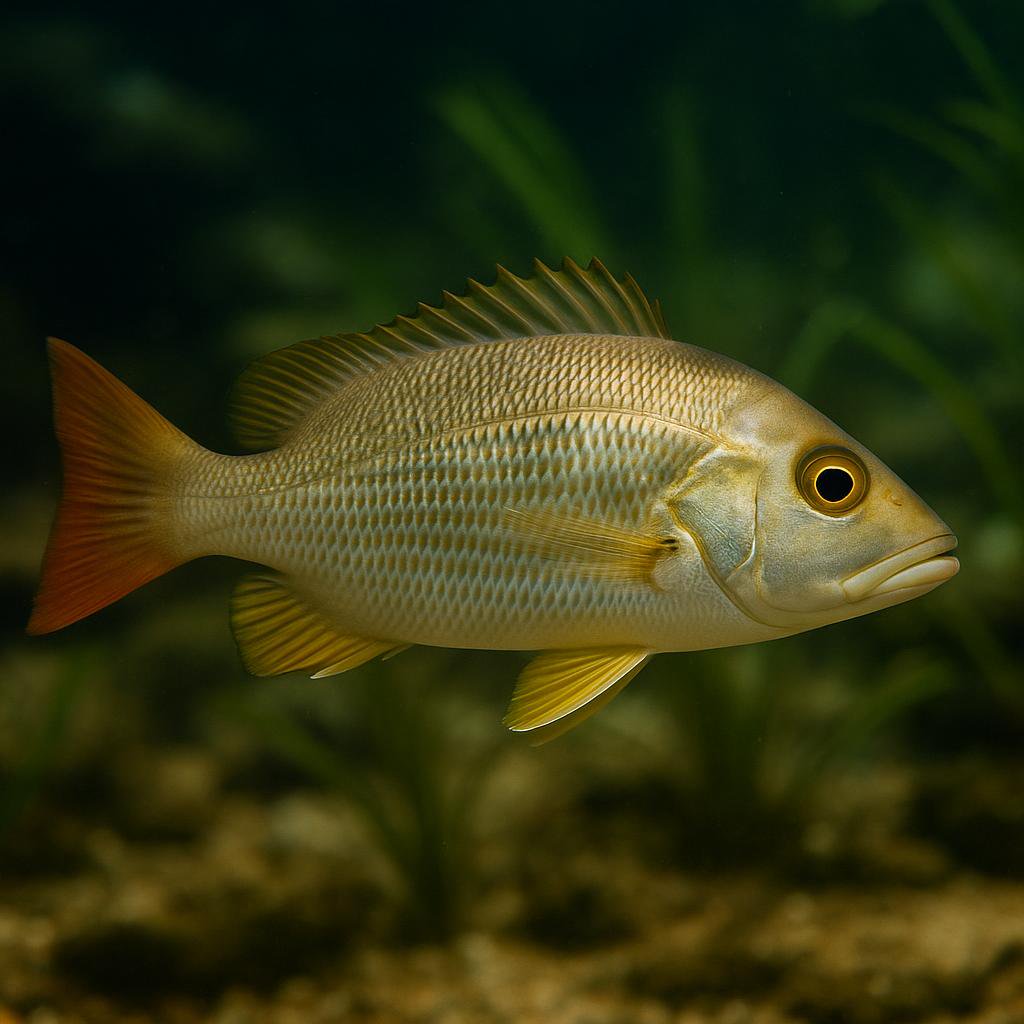
African red snapper
Lutjanus agennes
This is a true snapper from West Africa - a big, fast-growing predator that goes from coastal reefs to brackish lagoons and estuaries (especially as a juvenile). Super cool fish in the wild, but it gets absolutely huge and will eat smaller tankmates once it has the mouth for it, so its really more of a public-aquarium scale animal than a home-aquarium fish.
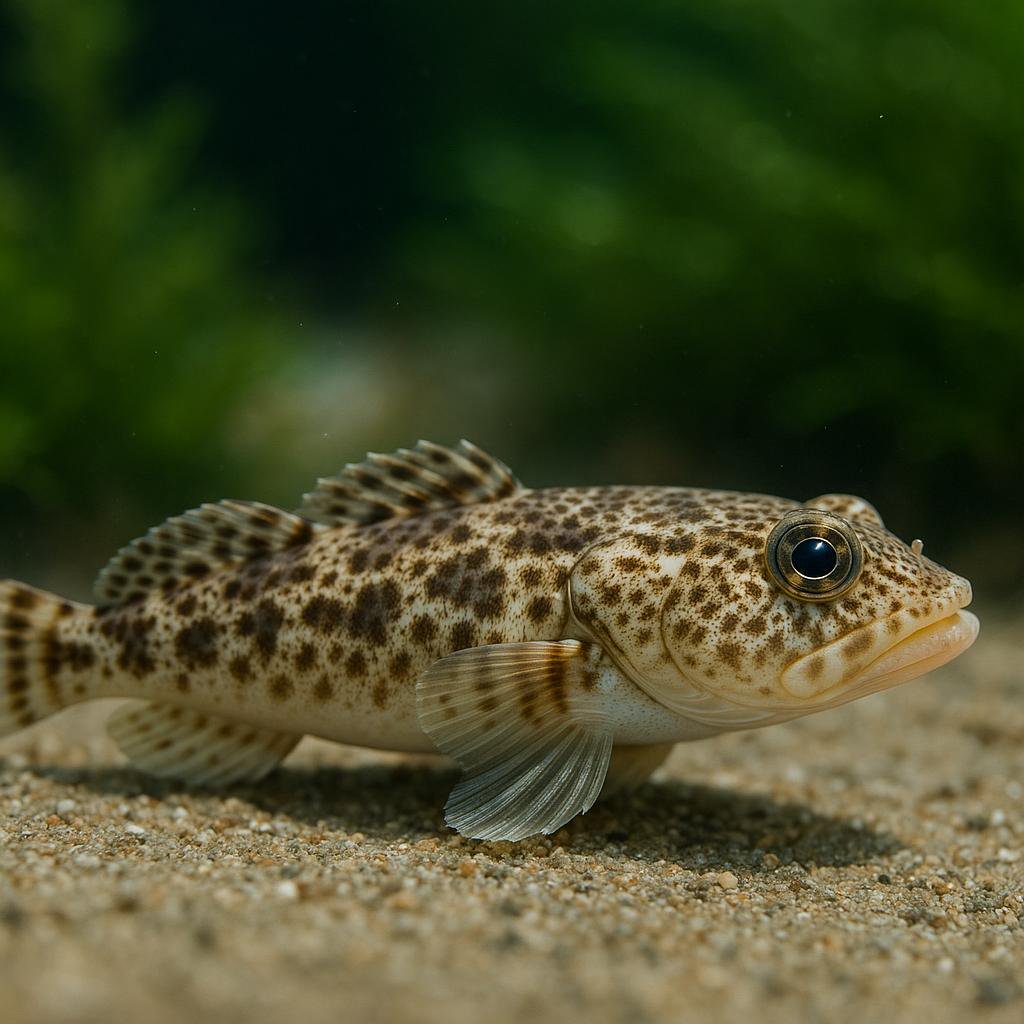
Banded stargazer
Kathetostoma binigrasella
This is a New Zealand stargazer that lives half-buried in sand or mud with its eyes pointed up, waiting to rocket upward and nail passing prey. It has those neat dark saddle-bands across the back (especially as a juvenile), and like other stargazers it is venomous with spines near the gill cover/pectoral area - definitely a look-dont-touch fish.
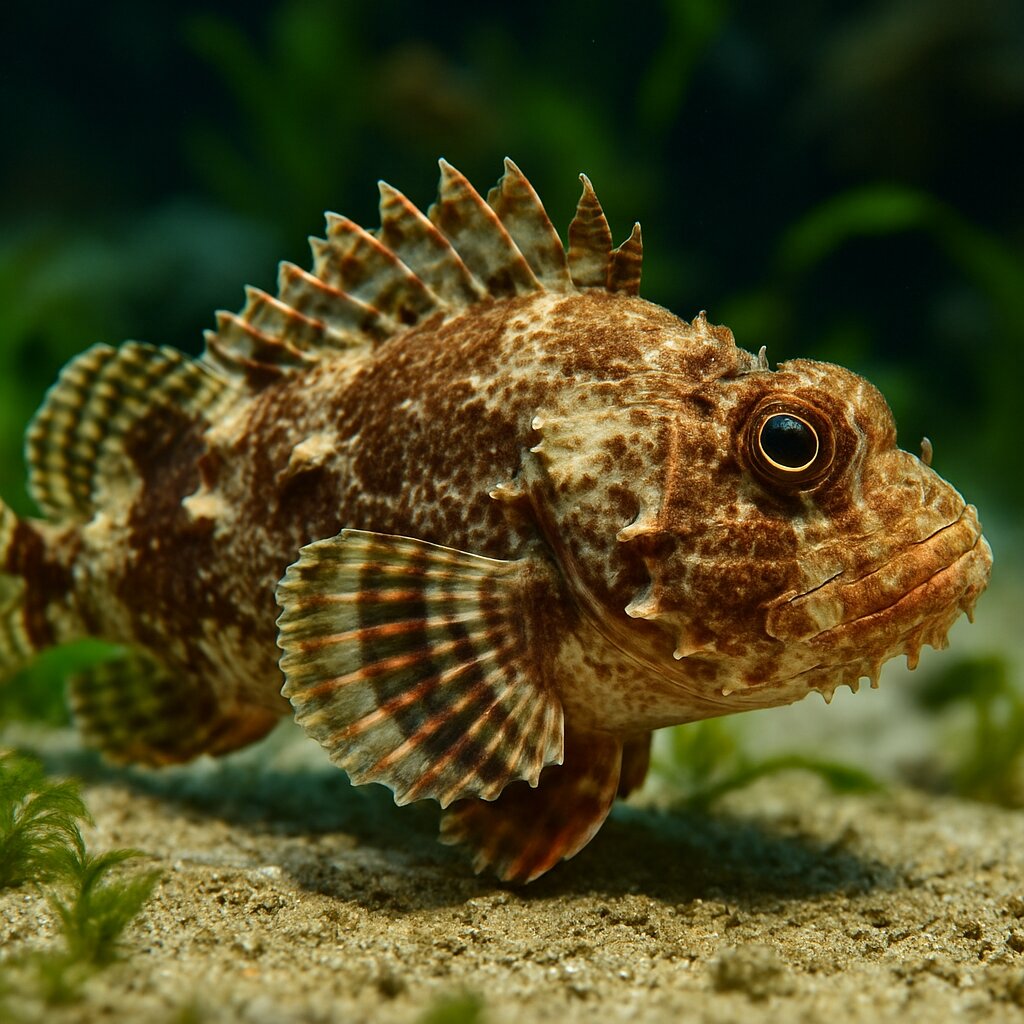
Bandfin scorpionfish
Scorpaenopsis vittapinna
Think tiny ambush predator that vanishes into rubble and coral bits, then flashes a dark band on its pelvic and anal fins when it shifts. It tops out around 3 inches, packs venomous spines, and loves to gulp unsuspecting shrimp and small fish. Super cool to watch once it settles, but it absolutely demands careful handling and smart tankmate choices.
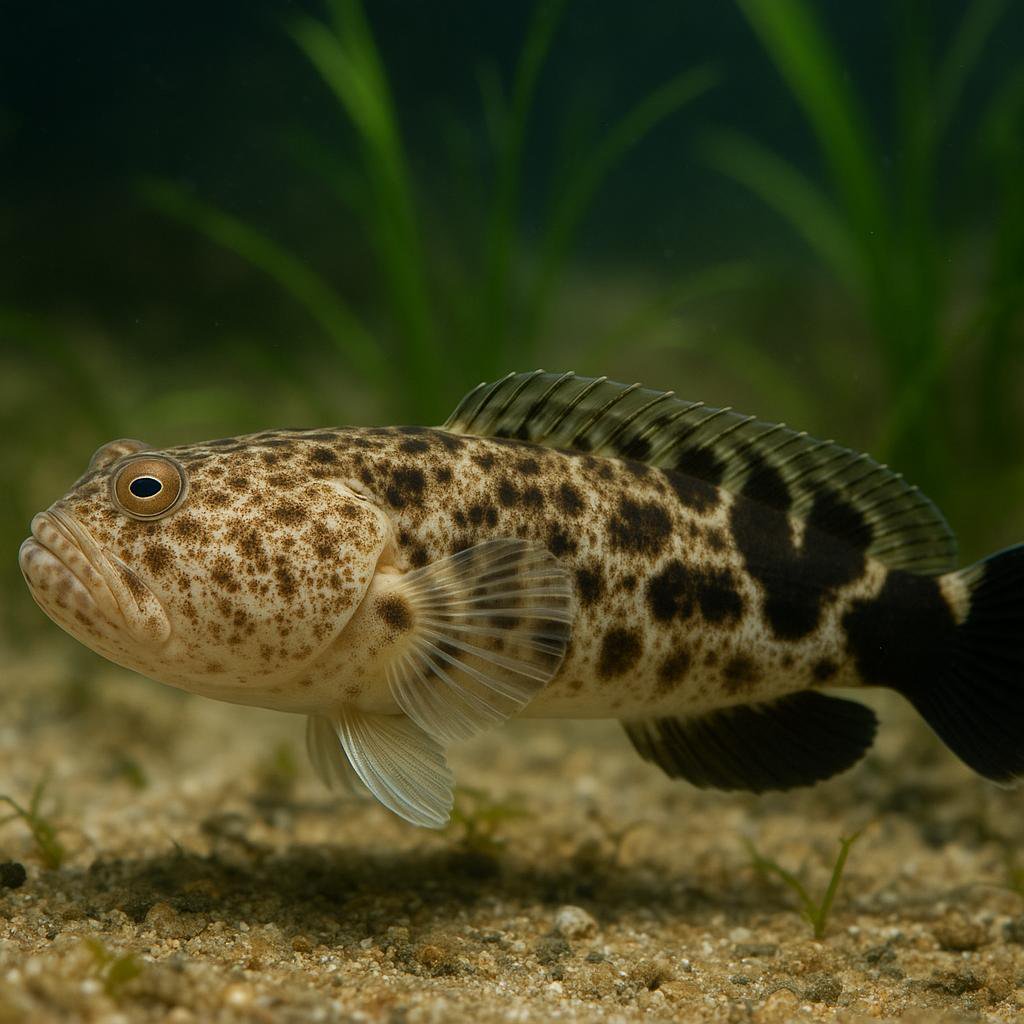
Blackfin stargazer
Ichthyscopus nigripinnis
This is a little sand-sitting stargazer from Australia that likes to lie in wait with its eyes up top and nail passing prey. That black mark on the front part of the dorsal fin is basically its signature. Cool fish, but its more of a wild marine predator than something you set up in a typical home aquarium.
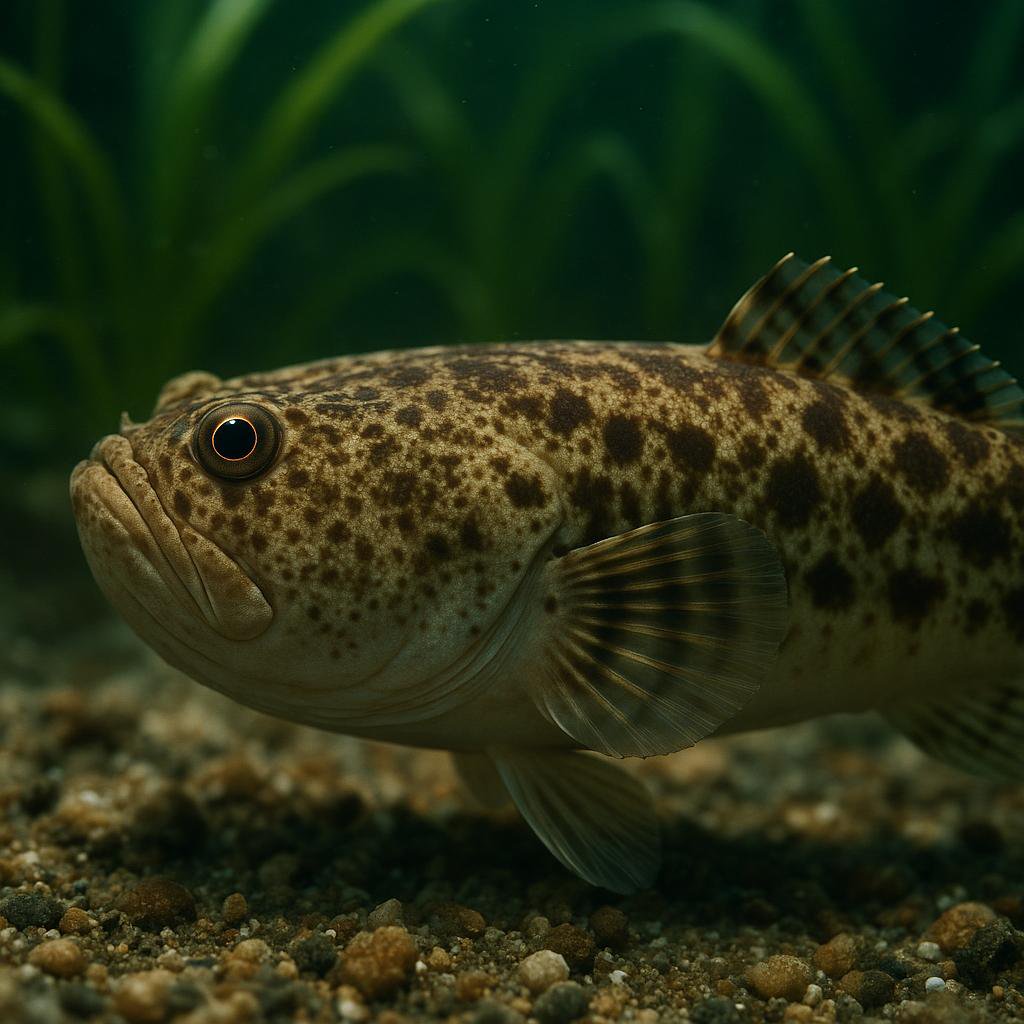
Brownspotted stargazer
Uranoscopus fuscomaculatus
A deep demersal stargazer recorded at 366–389 m that lies buried in sand or mud to ambush prey. Distribution is Southwestern Pacific (Vanuatu and Fiji). Given its deep, cold habitat and specialized requirements, it is not a practical aquarium species.
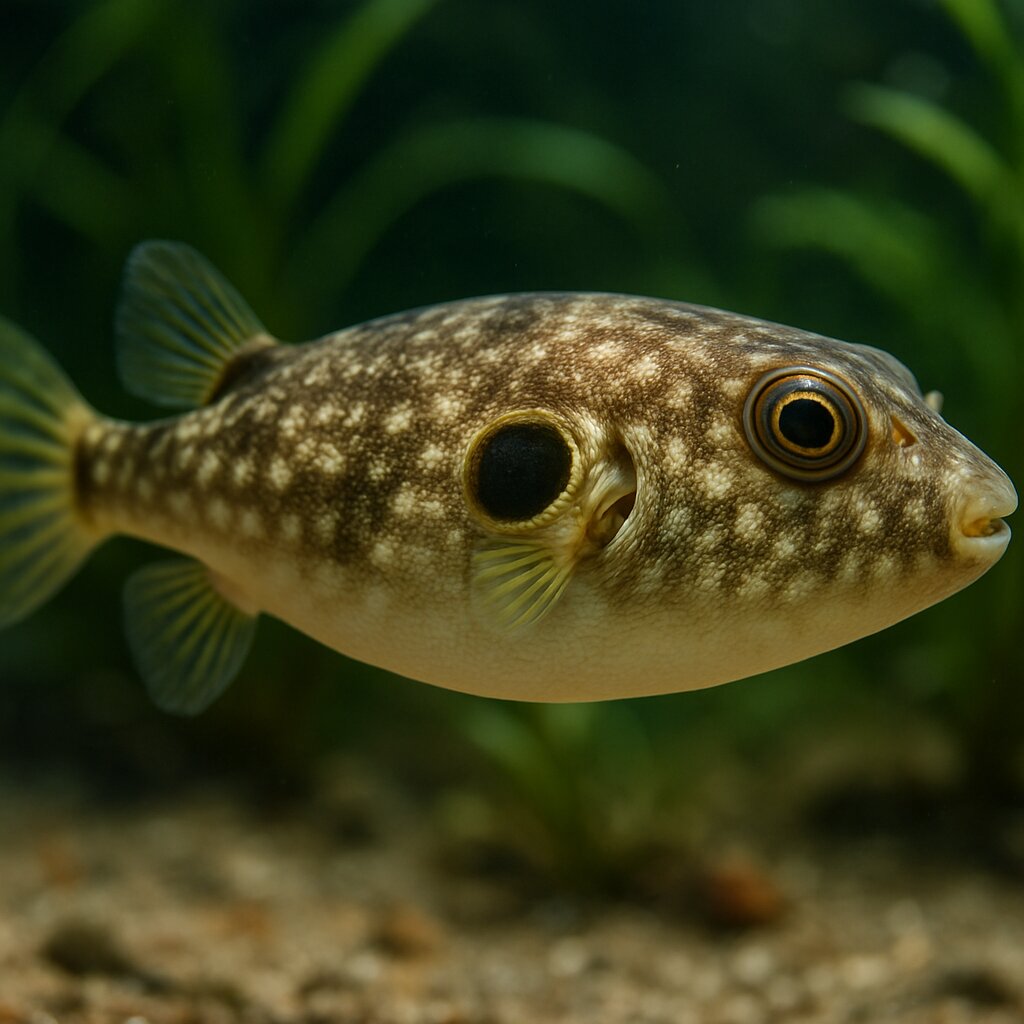
Bullseye puffer
Sphoeroides annulatus
Big personality in a football-shaped body with pale rings along the back that make a bullseye pattern. This is a stout Eastern Pacific puffer that crunches snails and crabs with ease and needs true saltwater and lots of room. Super cool to watch, but it turns nippy with tankmates and grows into a serious, messy eater.
More to Explore
Discover more marine species.
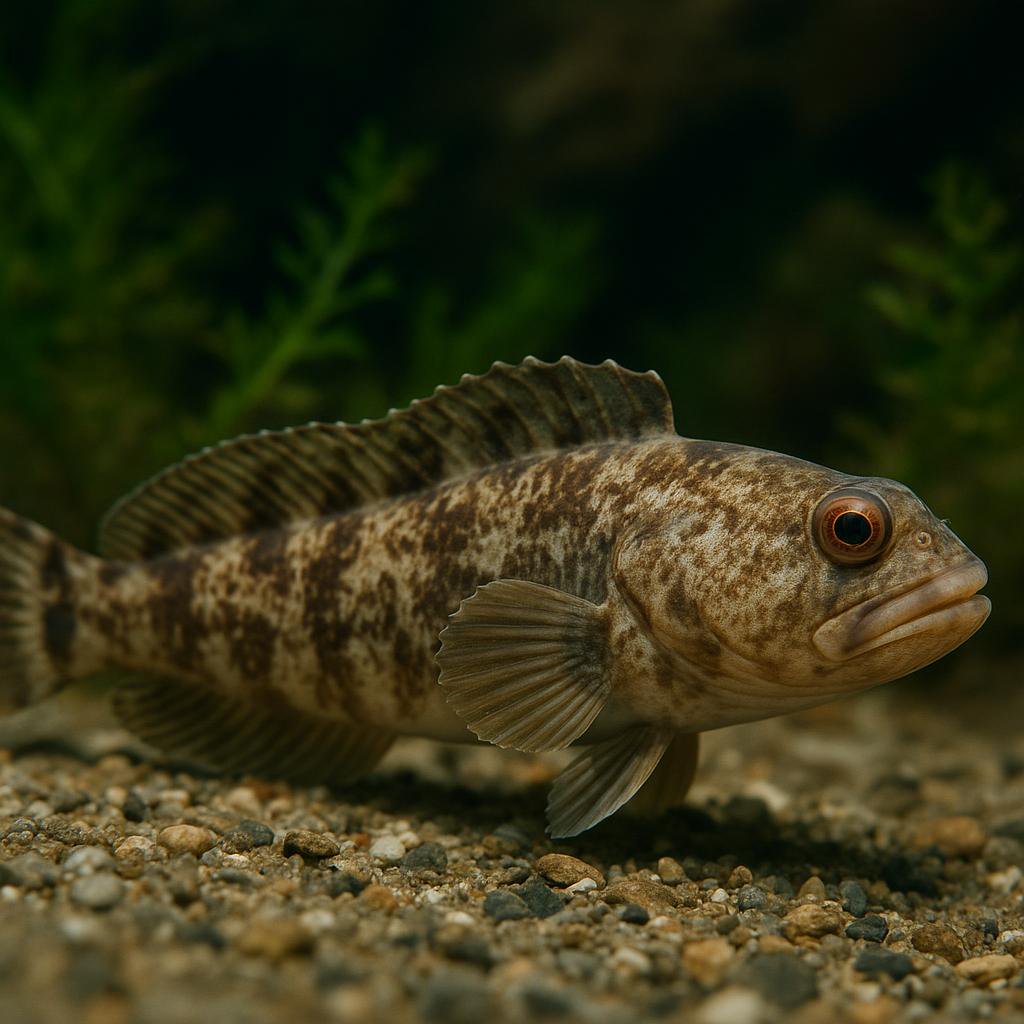
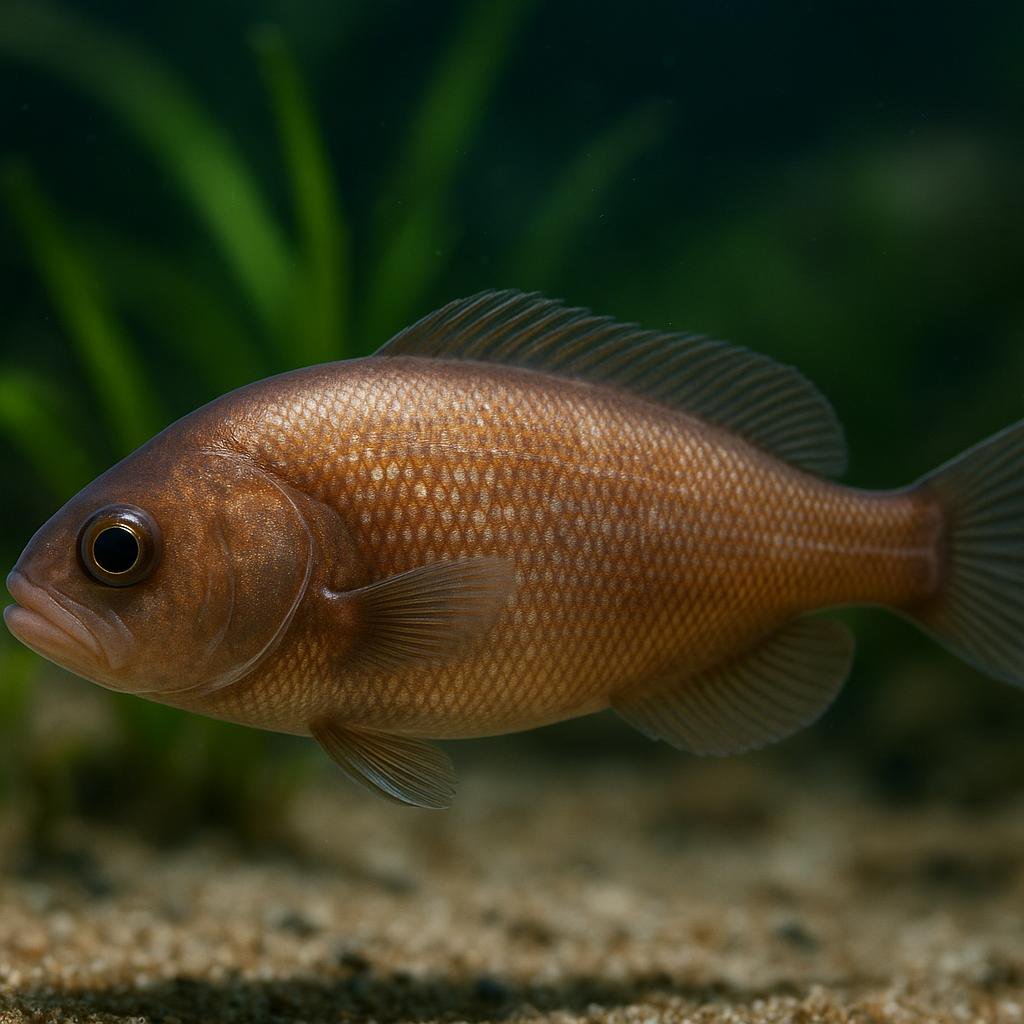
Abe's eelpout
Japonolycodes abei
Japonolycodes abei is a temperate, deepwater demersal eelpout (family Zoarcidae) endemic to Japan (Kumano-nada Sea reported; other sources also report Sagami Bay and Tosa Bay). It is the only species in the genus Japonolycodes and occurs roughly 40-300 m depth, making it an uncommon/atypical aquarium species.
Affinis blind cusk-eel
Barathronus affinis
Barathronus affinis is a tiny, super-weird deep-sea blind cusk-eel from the western-central Indian Ocean. It is one of those gelatinous, loose-skinned brotula-type fishes that live way down in the dark and are basically never seen alive, so almost everything we know comes from preserved specimens and taxonomic work.
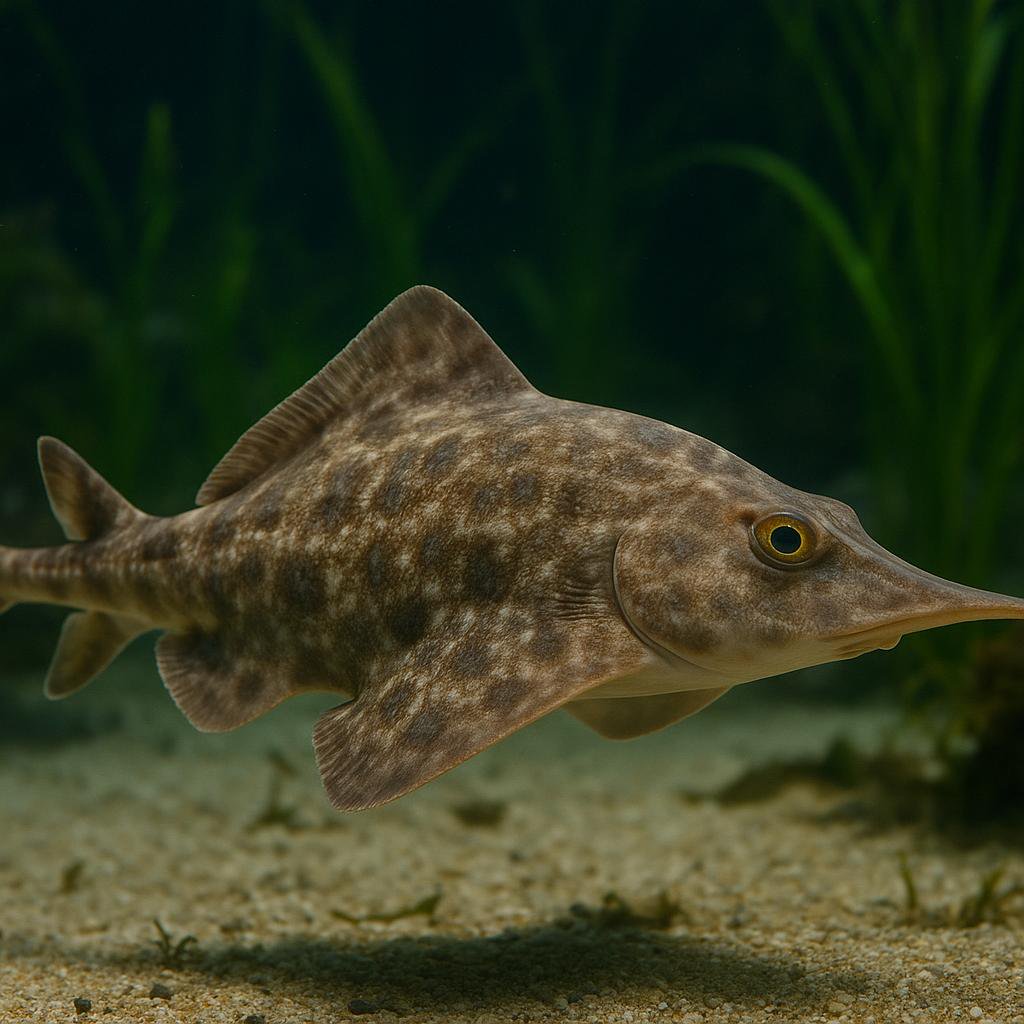
Aleutian skate
Bathyraja aleutica
This is a big, cold-water deep-slope skate from the North Pacific that cruises muddy bottoms and eats chunky benthic prey like crabs and shrimp. The really cool bit is its egg-laying skate life - it does distinct pairing (the classic skate "embrace") and drops those tough egg cases on the seafloor. Not an aquarium fish at all unless you're basically running a public-aquarium-style chilled system.
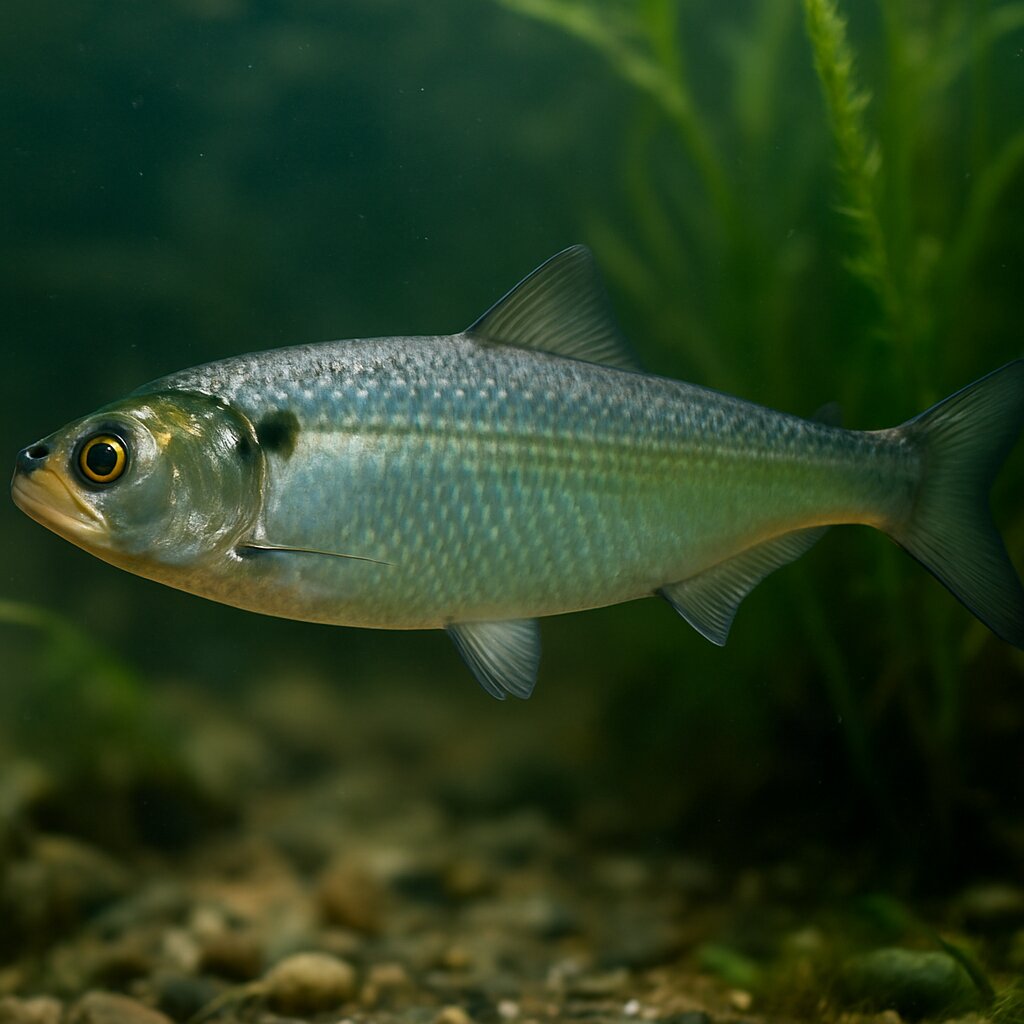
Allis shad
Alosa alosa
Gorgeous silver, fast-swimming shad that spends most of its life in the sea and then surges up big rivers in noisy, surface-spawning schools. It grows huge for a herring-type fish and needs cool, ultra-oxygenated water and tons of open space, so it is a public-aquarium species rather than a home tank fish.
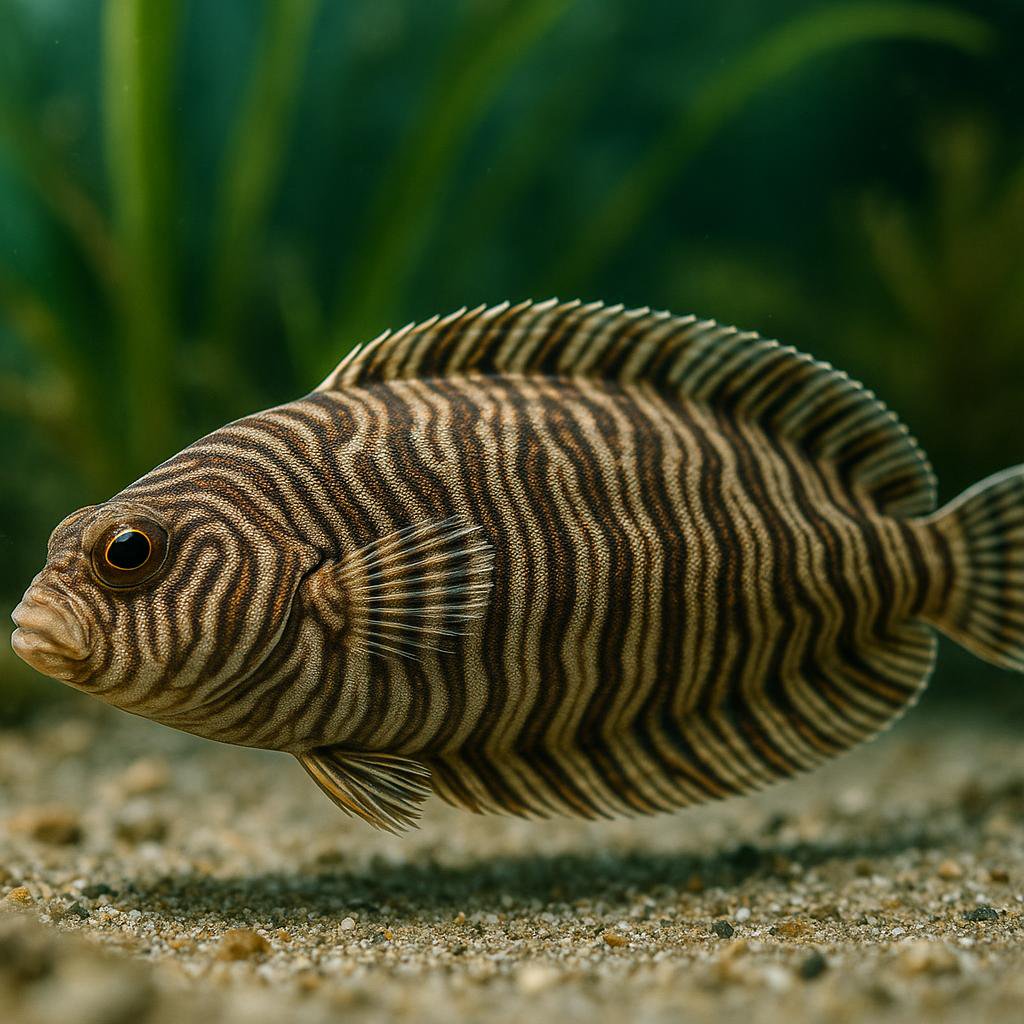
Annandale's zebra sole
Zebrias annandalei
Zebrias annandalei is a small demersal sole from coastal India that inhabits sandy or muddy bottoms and buries for camouflage. It is rarely kept in home aquaria and would require a specialized marine sand-bottom setup and appropriate feeding.
Antarctic dragonfish
Vomeridens infuscipinnis
Deep down around Antarctica, this sleek dragonfish cruises the water column like a little submarine, nearly neutrally buoyant so it can hover above the seafloor. It munches almost exclusively on Antarctic krill and lives in near-freezing water 500-800 m down, so it is a cool species to read about, not one for home tanks.
Looking for other species?