

Whitemouth jack
Uraspis uraspis
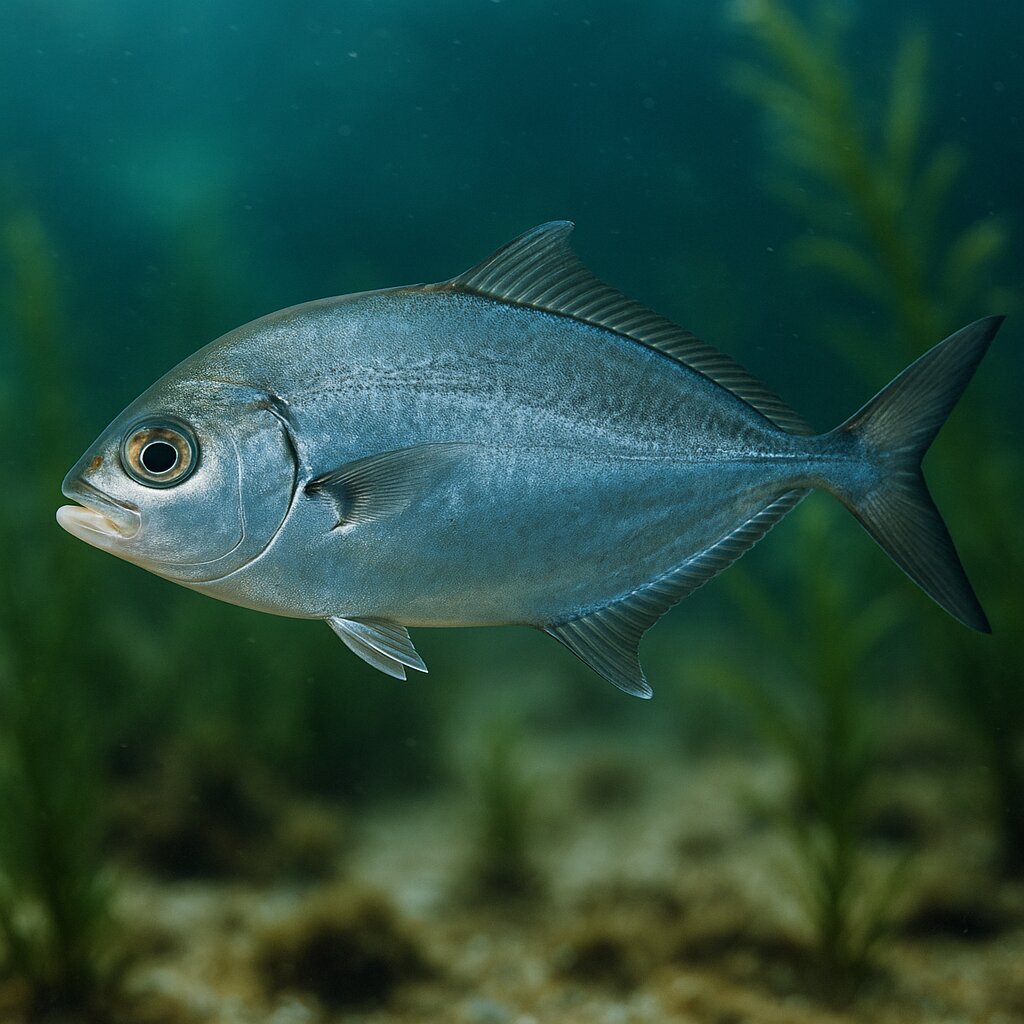
Whitemouth jack exhibits a streamlined body, with a distinctive white margin on the mouth and a bluish-green back.
This page includes AI-generated images. Why am I seeing AI images?
About the Whitemouth jack
A sleek open-water hunter, this jack flashes a stark white mouth against a silvery, torpedo-shaped body as it cruises in small schools. It is fast, strong, and built for long swims over deep reef slopes, which makes it a wow fish to see in the ocean but a nightmare to house at home. If anyone tries it, think public-aquarium scale and big, meaty feedings.
Also known as
Quick Facts
Size
11 inches
Temperament
Aggressive
Difficulty
Expert
Min Tank Size
1000 gallons
Lifespan
10-15 years
Origin
Indo-Pacific
Diet
Carnivore - crustaceans and cephalopods; takes meaty marine foods in captivity
Water Parameters
23-28°C
8-8.4
300-400 dGH
Need a heater for this species?
This species needs 23-28°C in a 1000 gallon tank. Use our heater calculator to find the right wattage.
Calculate heater sizeCare Notes
- Plan for an adult over 24 in; you need 3000+ gallons, 8-12 ft of uninterrupted swim space, and gyre-style flow they can surf.
- Keep the layout open with rounded corners and dark side panels; these fish pace and will sand their snout bloody on glass in tight boxes.
- Run 35 ppt (SG 1.025-1.026), 75-80 F, pH 8.1-8.4, and push heavy oxygen via big skimmer, powerheads, and surface chop; they nose-dive if O2 or temp swings.
- Feed 2-4x daily with meaty marine foods and large carnivore pellets; rotate items and soak some meals in vitamins/HUFA, and do not lean on smelt or silversides as the only staple.
- Tankmates: only other large, fast pelagics that will not fit in its mouth; slow reef fish, shrimp, and small crabs are food.
- Quarantine with space and serious aeration; stressed jacks invite ich and flukes, so use tank transfer or a carefully monitored copper course while keeping them eating.
- They are missiles and jump, so seal every gap with rigid mesh and dim room lights before tank lights change to cut panic sprints.
- Breeding is not a home project; they are pelagic spawners and any eggs or larvae get lost to overflows and filtration.
Compatibility
Good Tankmates
- Other big, fast trevallies or jacks of similar size in a truly huge tank with heavy flow
- Large groupers that are too bulky to mess with, like Epinephelus or Cephalopholis
- Active pelagic sharks that keep moving, like blacktip reef or sandbar, in a public-aquarium scale system
- Big snappers or cobia that can match their speed and appetite
- Large surgeonfish like Naso or Sohal tangs that do not spook easily
- Hefty, fast wrasses like Thalassoma or Cheilinus that can handle roughhouse feeding time
Avoid
- Anything bite-sized - chromis, anthias, clowns, gobies, cardinals - they are snacks
- Slow or fancy-finned fish - lionfish, batfish, moorish idols, delicate butterflies - get harassed or outcompeted
- Aggro fin-biters like titan or clown triggers and big damsels - ends in torn fins and constant fights
- Couch-potato sharks like bamboo, epaulette, or wobbegongs - the jack mobs them at meals
Where they come from
Whitemouth jack (Uraspis uraspis) is a wide-ranging Indo-Pacific pelagic jack. You see them off reef drop-offs and around offshore banks, cruising in the blue water between 10 and a few hundred meters. Think fast, open-water predator that swings in along current edges to pick off small fish and squid.
They are often confused with the cottonmouth jack (Uraspis helvola). Husbandry is basically the same for both: big, fast, and very oxygen-hungry.
Setting up their tank
I kept one in an oval tank a bit over 2,000 gallons. Even at that size, it used every inch. These fish are built to swim. Straight runs and rounded corners matter more than fancy rockwork.
- Footprint and shape: go oval or round with no sharp corners. 8-12 ft long is a starting point for a single subadult. Bigger is better.
- Aquascape: open water. If you plan any rock, keep it low and smooth. Bare-bottom or smooth sand. Pad overflows and edges with plastic mesh or foam to prevent face rub.
- Flow and oxygen: high, continuous, and linear if possible. Aim 15-25x turnover with broad, guarded outlets so they do not slam into pumps. Strong skimming and redundant aeration.
- Lid: tight-fitting, heavy-duty net or solid cover. They jump at lights-out or spook.
- Temp and water: 24-26 C (75-79 F), salinity 1.025-1.026, pH 8.1-8.4. Keep nitrate under 20 ppm and avoid ammonia spikes at all costs.
- Filtration: oversized skimmer, big bio capacity, and frequent water changes. They eat a lot and make a mess.
- Lighting: moderate. They do not need reef lighting. Keep a gentle ramp-up/down to reduce startle jumps.
- Quarantine space: a long, open QT with heavy aeration. Standard small hospital tanks are too cramped for a jack this active.
Real talk: this species is not a home-aquarium fish unless you have public-aquarium scale volume. If you already acquired one, start working on a very large, rounded tank or a rehoming plan.
What to feed them
New arrivals are often rattled and may refuse food for a few days. Current helps a ton. Toss food into the flow so it drifts by like fleeing prey.
- Staples: chopped marine fish (mackerel, sardine, mahi offcuts), squid strips, whole lancefish or silversides, raw shrimp (shell off).
- Enrichment: soak foods a few times a week with a HUFA/vitamin supplement; add vitamin C and a thiamine (B1) source to counter thiaminase-heavy items like silversides.
- Pellets: some individuals take large, sinking marine carnivore pellets once settled. Offer after they are eating frozen reliably.
- Frequency: 2-4 small feedings per day for subadults. Adults can go 1-2x daily but still appreciate multiple passes. Watch the girth behind the head; they crash fast if underfed.
- Technique: use a feeding stick for strips to prevent face-banging on the glass. Let food ride the current; no hand-waving in front of them that triggers panic dashes.
Rotate foods. Do not rely on just shrimp or just silversides. Variety keeps them eating and helps avoid HLLE and deficiencies.
How they behave and who they get along with
They are perpetual swimmers and very visual feeders. Mine paced the long axis and surged into the flow during feeds. They spook hard at sudden shadows, then settle fast.
- Temperament: not mean for a jack, but anything bite-sized is food. They will outcompete slow fish.
- Best companions: other large, fast, tough swimmers in a huge tank (large amberjacks/trevallies, large tunas are a no-go in home settings, robust cobia, big snappers). Public aquaria often mix them with sharks in very large tanks.
- Avoid: small fish, ornamental crustaceans, and slow or delicate species (batfish, lionfish, angels, butterflies). They get picked off or starved out.
- Solo vs group: a single is simplest. Groups of 3+ can work only with massive volume and lots of flow; pairs tend to bicker.
Dim the room lights first, then the tank lights. Reverse order on wake-up. It cuts down on those panicked laps that scrape noses and fray fins.
Breeding tips
They are pelagic spawners with tiny eggs and a long, delicate larval phase. As far as I know, no hobby-level captive breeding records exist. You would need a huge, round spawning tank and specialized larval systems with live plankton rearing. File this under not realistic for home aquaria.
Common problems to watch for
- Shipping shock and refusal to eat: heavy aeration and low-stress surroundings. Start with squid strips and oily fish in the current.
- External parasites: ich and velvet hit jacks hard. Quarantine 4-6 weeks. Treat with chelated copper or chloroquine in a well-aerated, roomy hospital tank. Monitor levels with a reliable test.
- Mouth and head abrasions: from glass and hardware. Pad overflows and protect pump intakes. Keep water pristine to prevent secondary infections; have a broad-spectrum antibiotic on hand.
- HLLE (head and lateral line erosion): linked to poor diet, stray voltage, and dusty carbon. Use varied foods, vitamins, and rinse carbon thoroughly or switch media.
- Low oxygen stress: fast gilling, surface gulping. Add air stones, increase skimmer air draw, and reduce temperature a notch within safe range.
- Thiaminase issues: long-term diets heavy in silversides or raw shrimp can cause neurological signs and wasting. Rotate foods and use vitamin B1.
Quarantine these fish. Big, active species mask early symptoms, then crash fast. Run copper or chloroquine properly, keep oxygen high, and do not crowd QT.
If you see chronic nose rub, add a gentle, continuous laminar current along the longest run. Giving them a lane to swim settles the pacing and reduces face damage.
Similar Species
Other marine aggressive species you might be interested in.
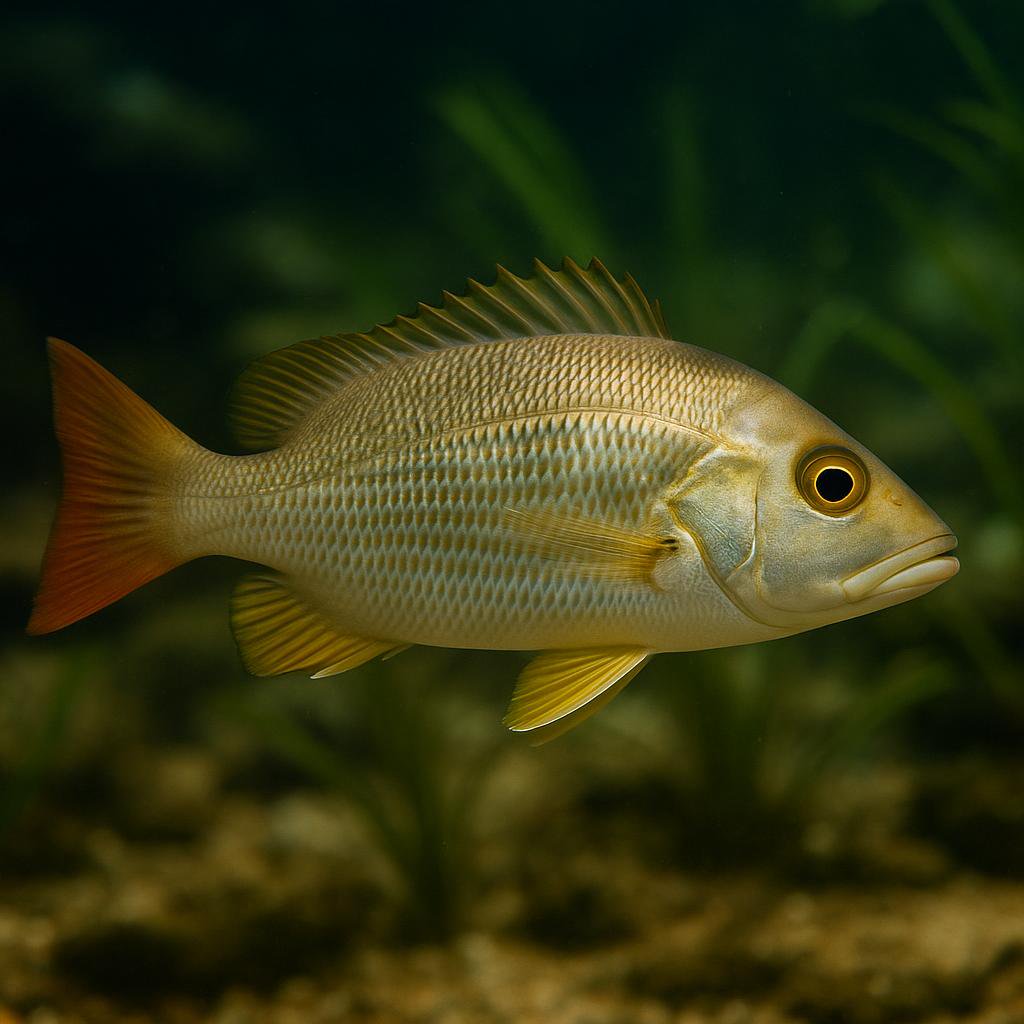
African red snapper
Lutjanus agennes
This is a true snapper from West Africa - a big, fast-growing predator that goes from coastal reefs to brackish lagoons and estuaries (especially as a juvenile). Super cool fish in the wild, but it gets absolutely huge and will eat smaller tankmates once it has the mouth for it, so its really more of a public-aquarium scale animal than a home-aquarium fish.
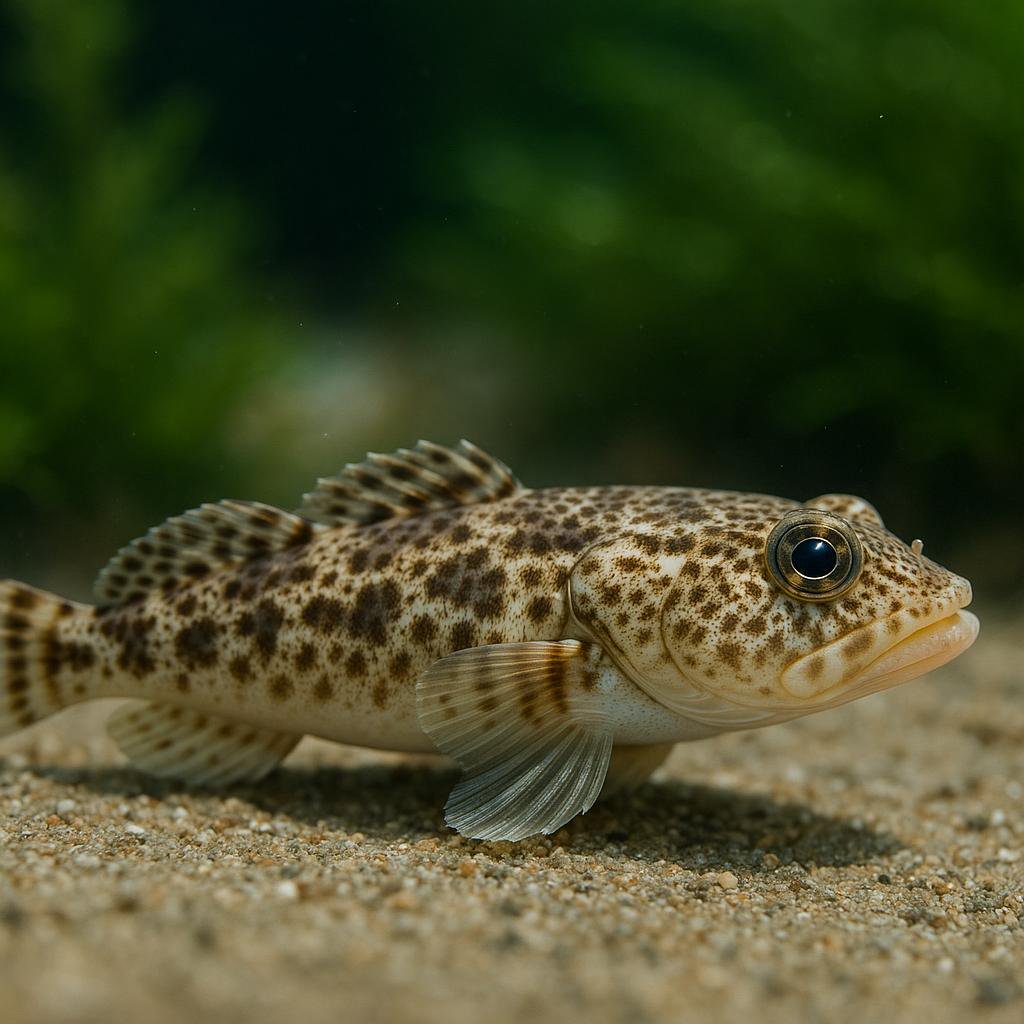
Banded stargazer
Kathetostoma binigrasella
This is a New Zealand stargazer that lives half-buried in sand or mud with its eyes pointed up, waiting to rocket upward and nail passing prey. It has those neat dark saddle-bands across the back (especially as a juvenile), and like other stargazers it is venomous with spines near the gill cover/pectoral area - definitely a look-dont-touch fish.
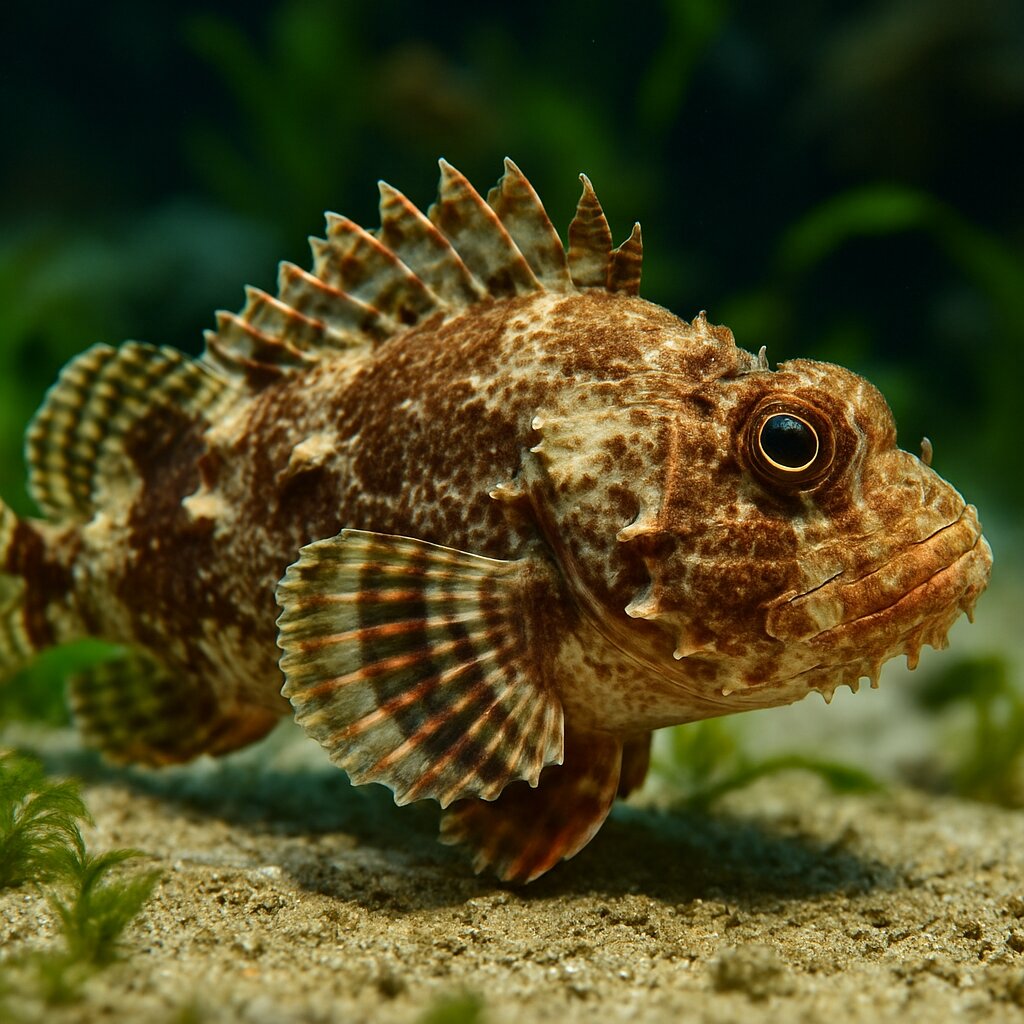
Bandfin scorpionfish
Scorpaenopsis vittapinna
Think tiny ambush predator that vanishes into rubble and coral bits, then flashes a dark band on its pelvic and anal fins when it shifts. It tops out around 3 inches, packs venomous spines, and loves to gulp unsuspecting shrimp and small fish. Super cool to watch once it settles, but it absolutely demands careful handling and smart tankmate choices.
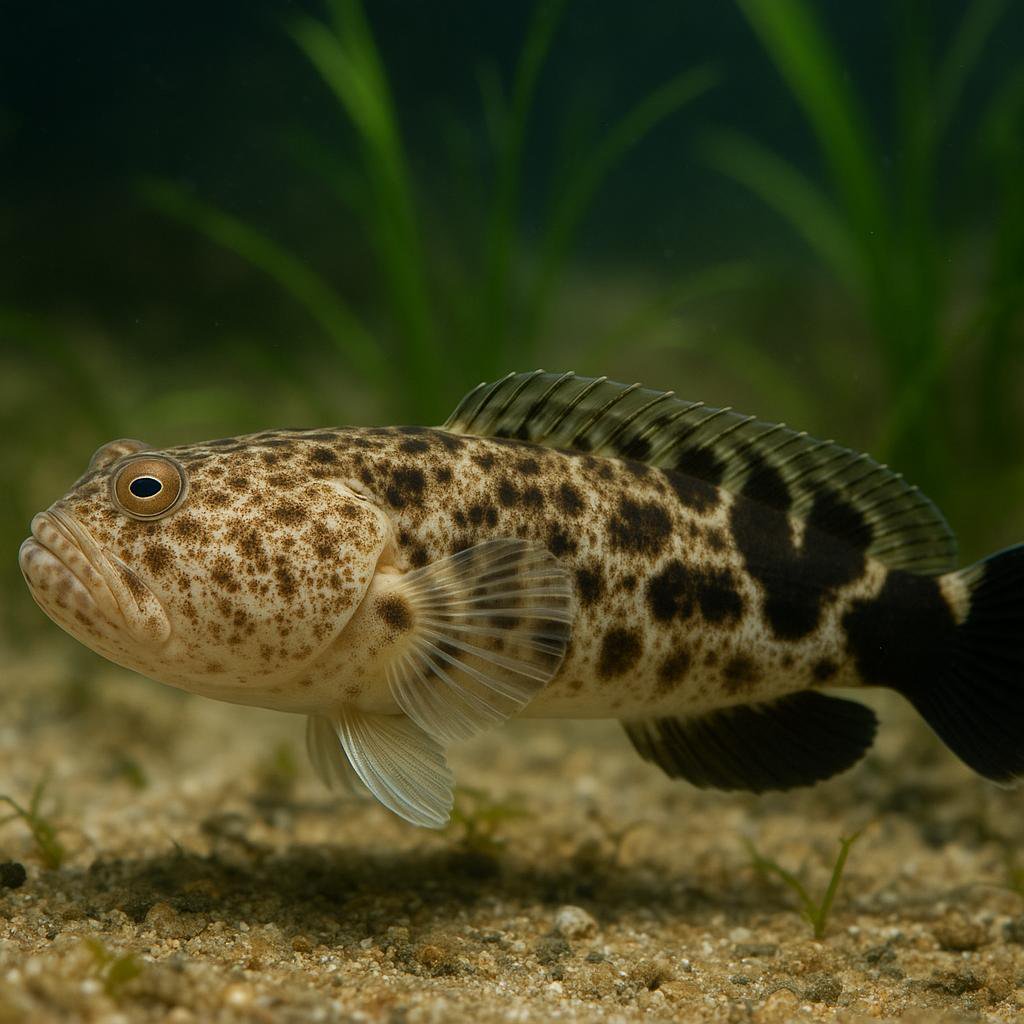
Blackfin stargazer
Ichthyscopus nigripinnis
This is a little sand-sitting stargazer from Australia that likes to lie in wait with its eyes up top and nail passing prey. That black mark on the front part of the dorsal fin is basically its signature. Cool fish, but its more of a wild marine predator than something you set up in a typical home aquarium.
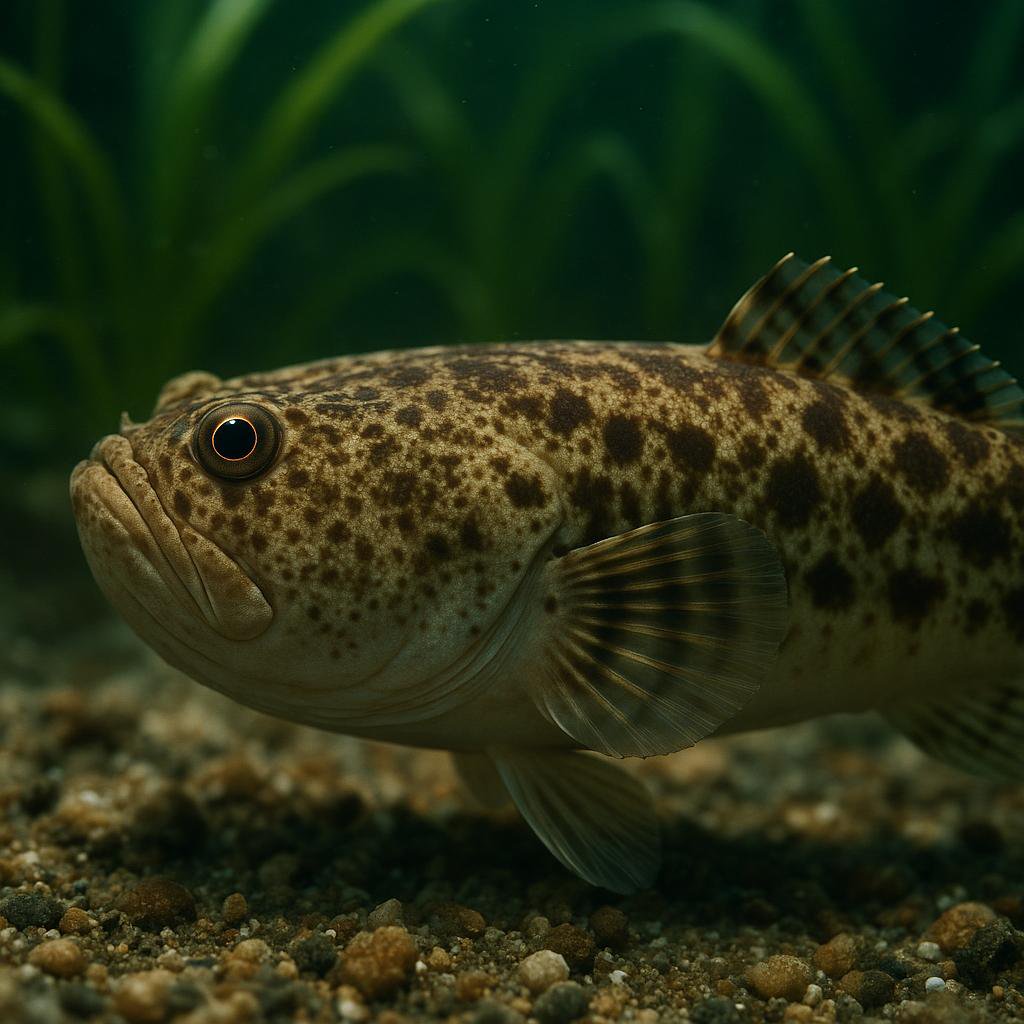
Brownspotted stargazer
Uranoscopus fuscomaculatus
A deep demersal stargazer recorded at 366–389 m that lies buried in sand or mud to ambush prey. Distribution is Southwestern Pacific (Vanuatu and Fiji). Given its deep, cold habitat and specialized requirements, it is not a practical aquarium species.
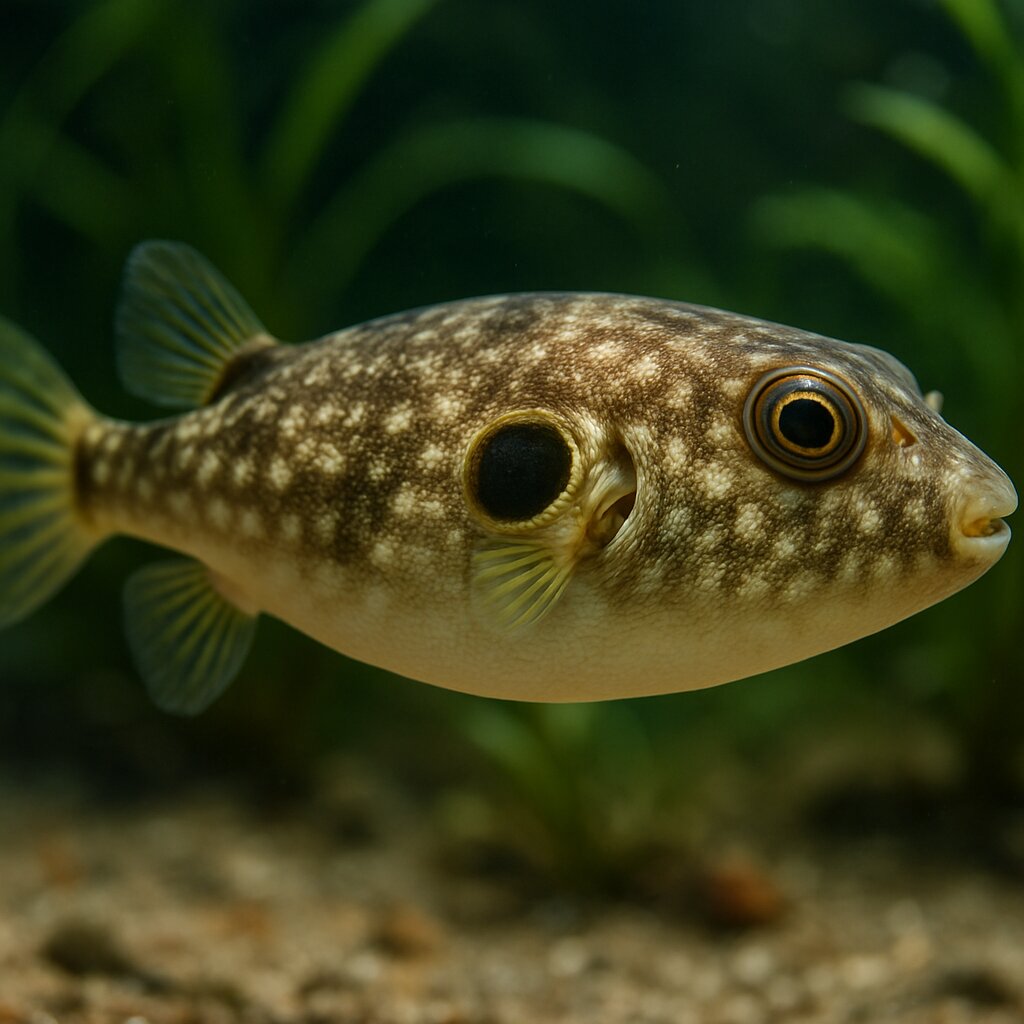
Bullseye puffer
Sphoeroides annulatus
Big personality in a football-shaped body with pale rings along the back that make a bullseye pattern. This is a stout Eastern Pacific puffer that crunches snails and crabs with ease and needs true saltwater and lots of room. Super cool to watch, but it turns nippy with tankmates and grows into a serious, messy eater.
More to Explore
Discover more marine species.
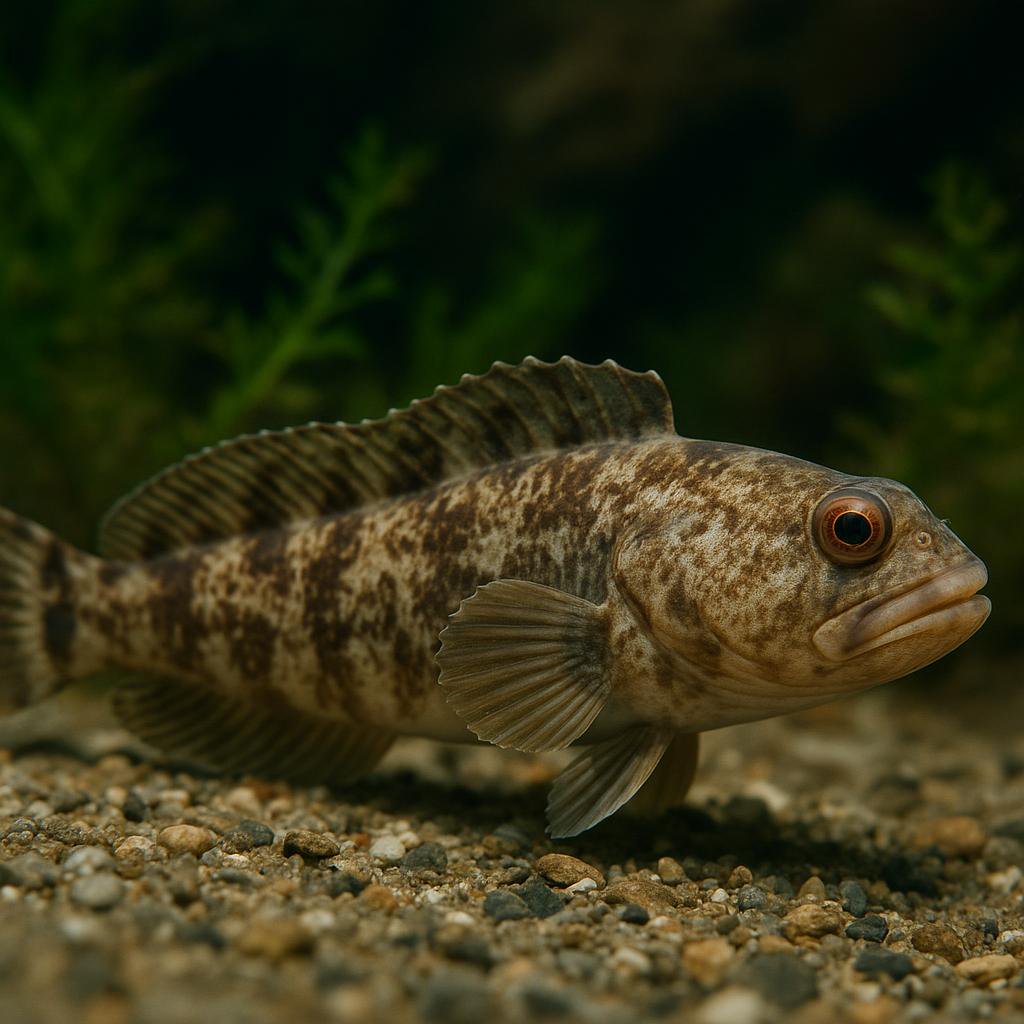
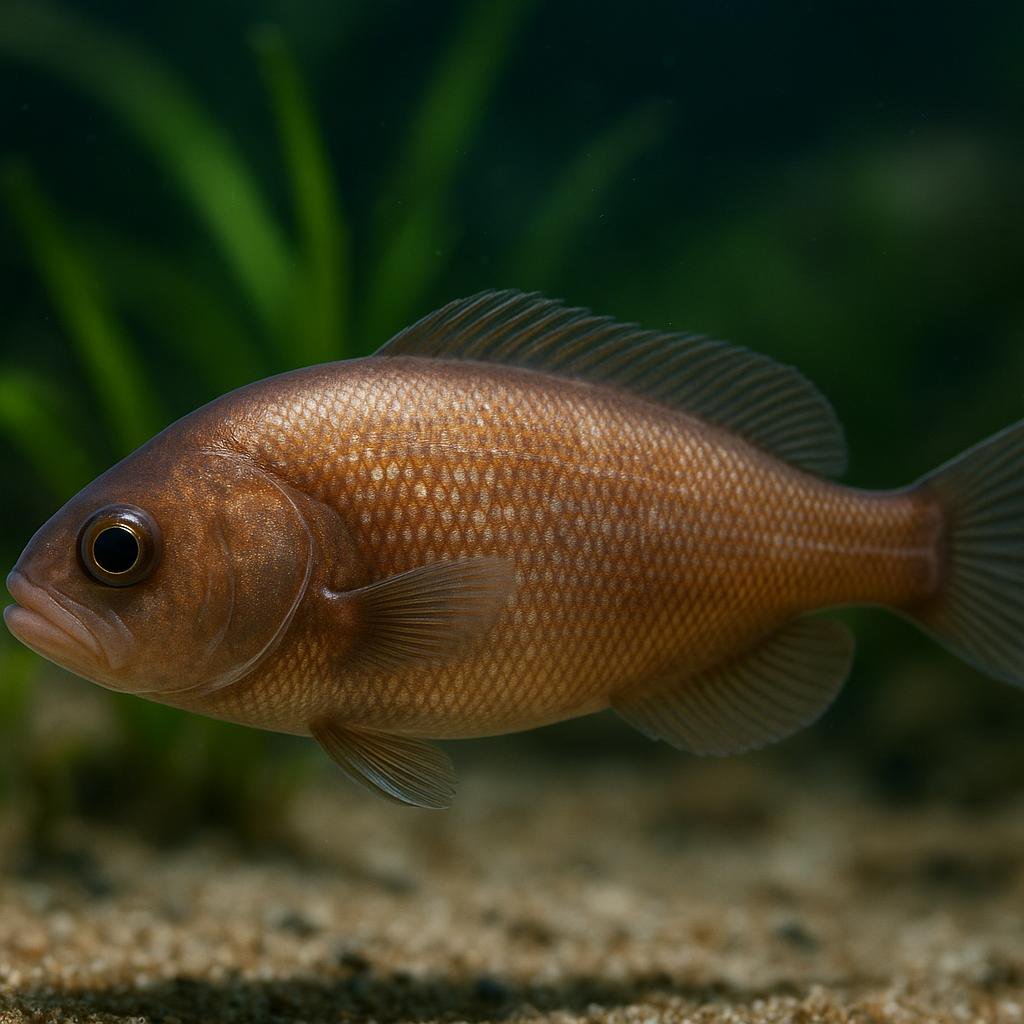
Abe's eelpout
Japonolycodes abei
Japonolycodes abei is a temperate, deepwater demersal eelpout (family Zoarcidae) endemic to Japan (Kumano-nada Sea reported; other sources also report Sagami Bay and Tosa Bay). It is the only species in the genus Japonolycodes and occurs roughly 40-300 m depth, making it an uncommon/atypical aquarium species.
Affinis blind cusk-eel
Barathronus affinis
Barathronus affinis is a tiny, super-weird deep-sea blind cusk-eel from the western-central Indian Ocean. It is one of those gelatinous, loose-skinned brotula-type fishes that live way down in the dark and are basically never seen alive, so almost everything we know comes from preserved specimens and taxonomic work.
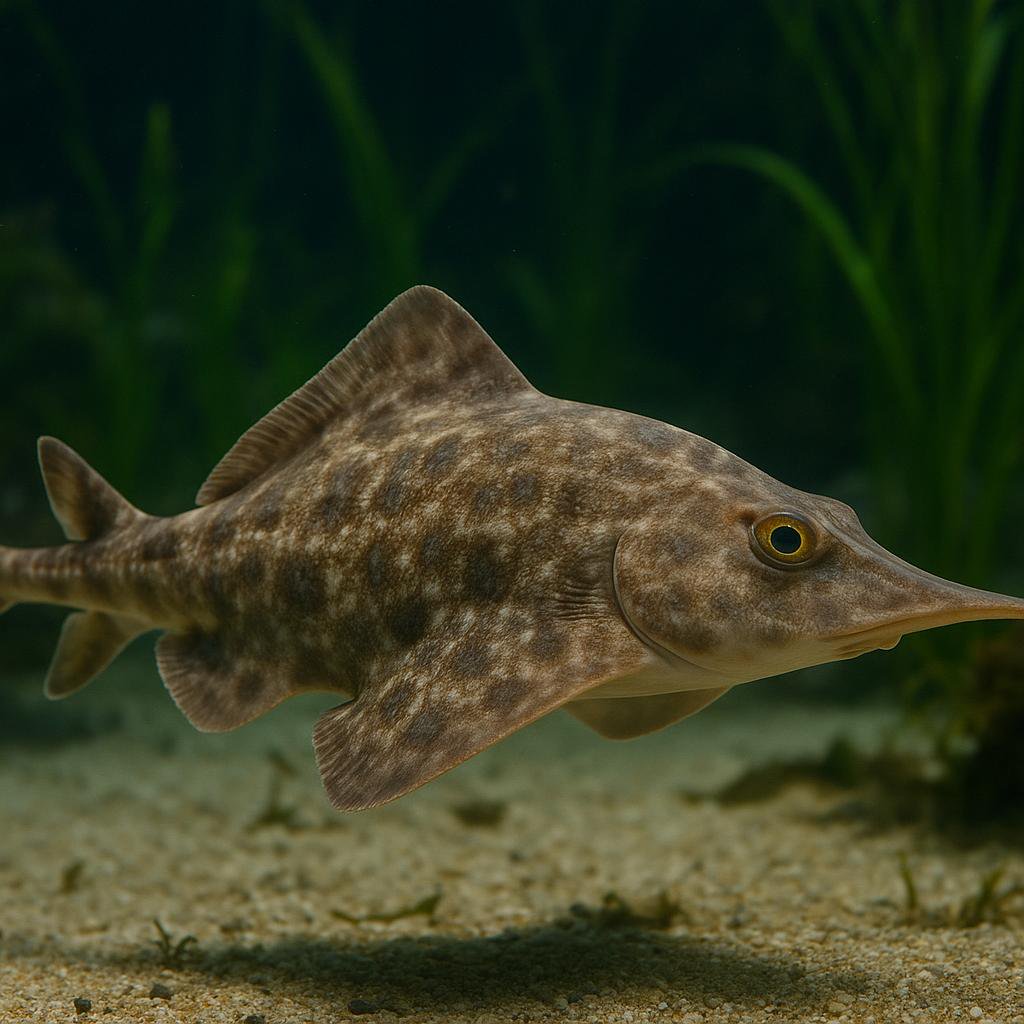
Aleutian skate
Bathyraja aleutica
This is a big, cold-water deep-slope skate from the North Pacific that cruises muddy bottoms and eats chunky benthic prey like crabs and shrimp. The really cool bit is its egg-laying skate life - it does distinct pairing (the classic skate "embrace") and drops those tough egg cases on the seafloor. Not an aquarium fish at all unless you're basically running a public-aquarium-style chilled system.
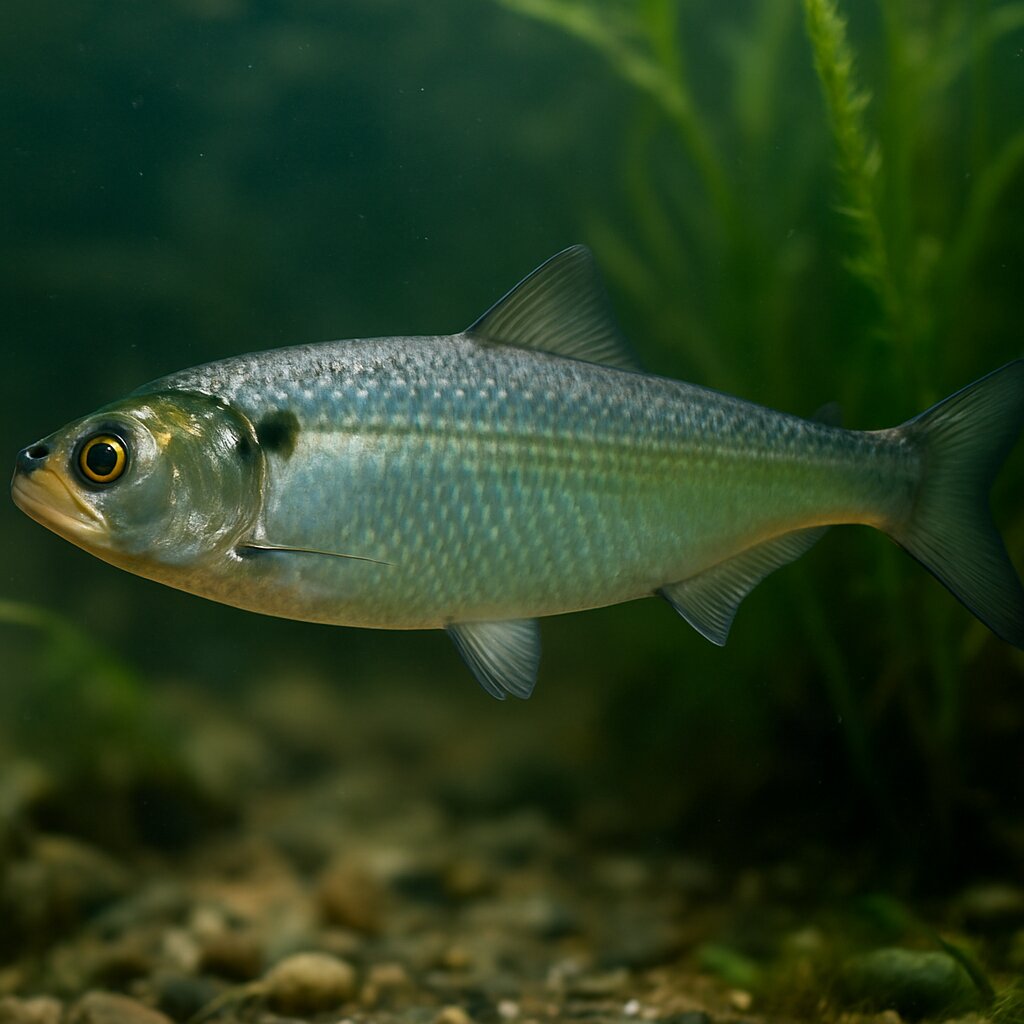
Allis shad
Alosa alosa
Gorgeous silver, fast-swimming shad that spends most of its life in the sea and then surges up big rivers in noisy, surface-spawning schools. It grows huge for a herring-type fish and needs cool, ultra-oxygenated water and tons of open space, so it is a public-aquarium species rather than a home tank fish.
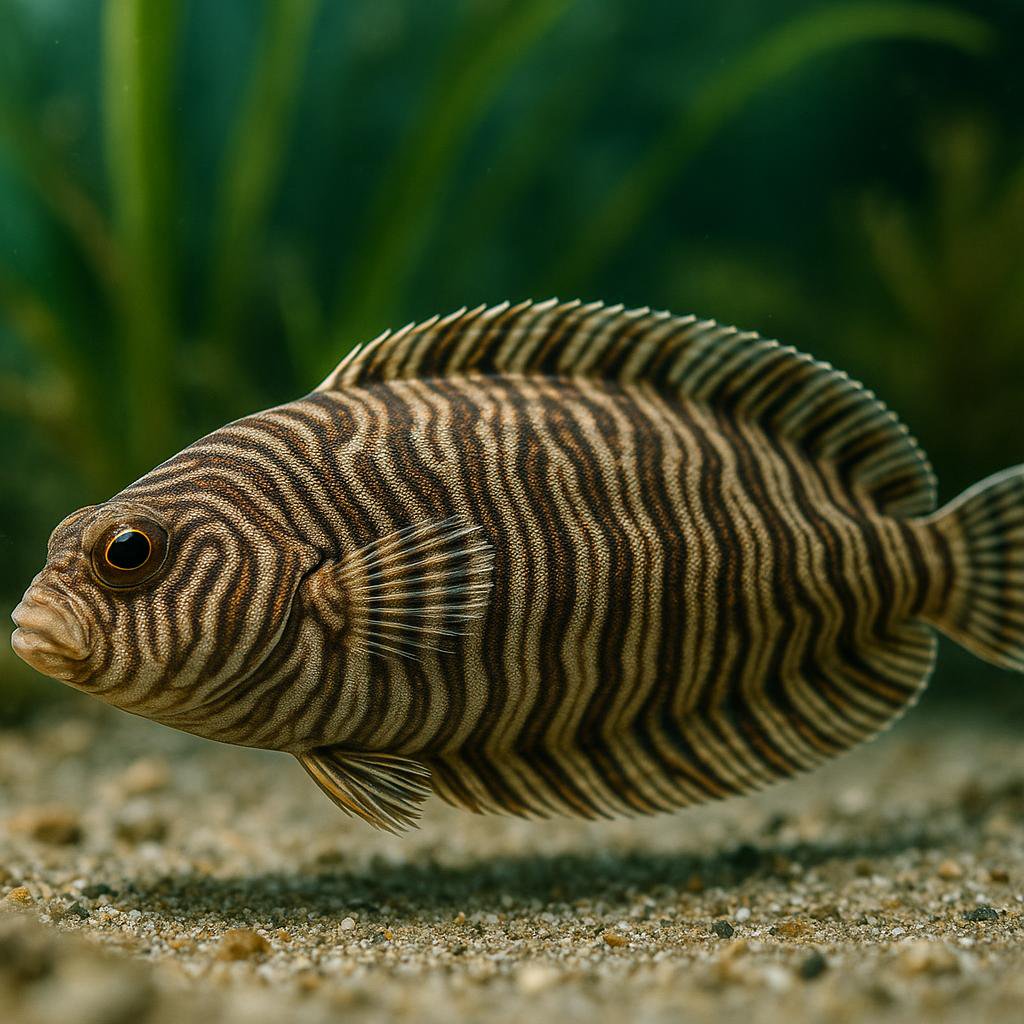
Annandale's zebra sole
Zebrias annandalei
Zebrias annandalei is a small demersal sole from coastal India that inhabits sandy or muddy bottoms and buries for camouflage. It is rarely kept in home aquaria and would require a specialized marine sand-bottom setup and appropriate feeding.
Antarctic dragonfish
Vomeridens infuscipinnis
Deep down around Antarctica, this sleek dragonfish cruises the water column like a little submarine, nearly neutrally buoyant so it can hover above the seafloor. It munches almost exclusively on Antarctic krill and lives in near-freezing water 500-800 m down, so it is a cool species to read about, not one for home tanks.
Looking for other species?