

Yellow-edged lyretail
Variola louti
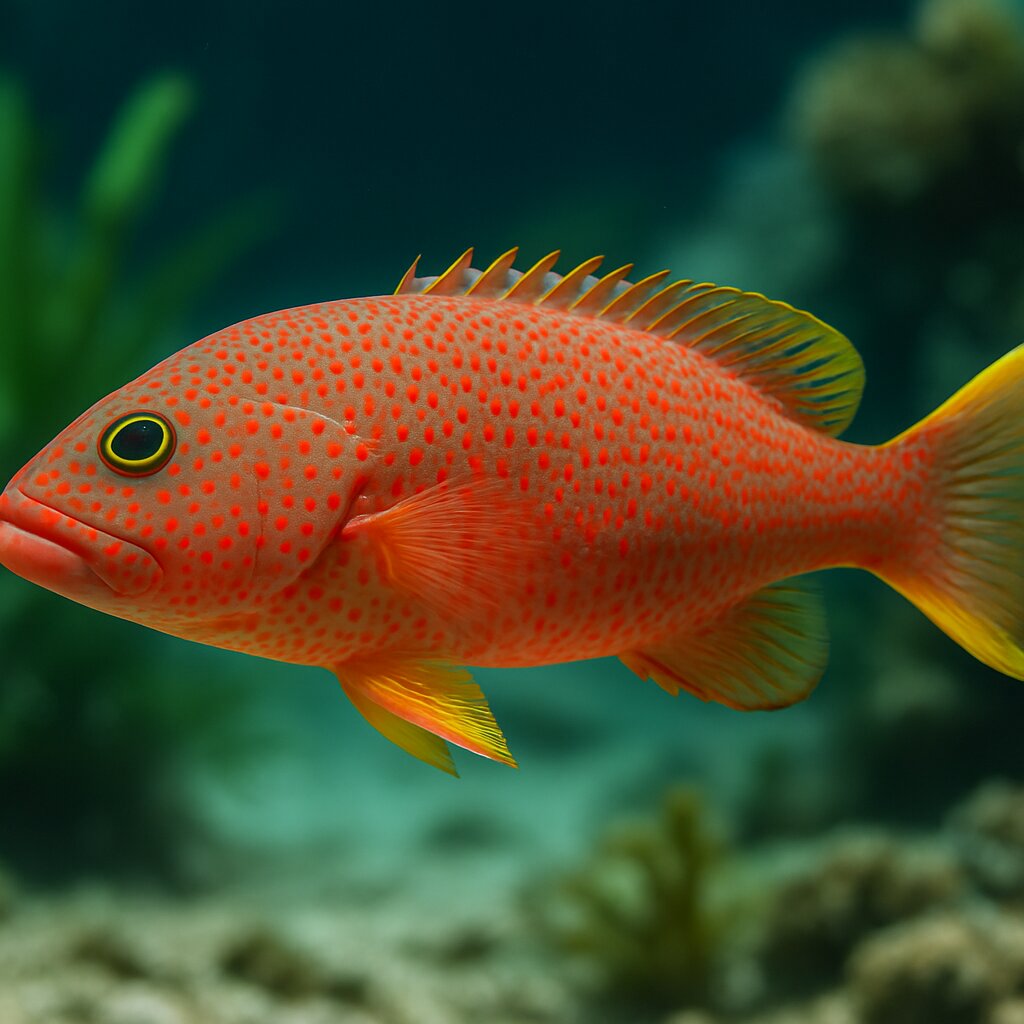
The Yellow-edged lyretail features a prominent lyre-shaped tail, vibrant yellow margins, and a silver body adorned with striking blue spots.
This page includes AI-generated images. Why am I seeing AI images?
About the Yellow-edged lyretail
A big, flashy grouper with a lyre-shaped tail edged in yellow and a red-orange body sprinkled with pink-blue spots. It is an ambush hunter that can change its colors and pattern on the fly, which is wild to watch, but it grows huge and will eat any tankmate it can swallow.
Also known as
Quick Facts
Size
83 cm
Temperament
Aggressive
Difficulty
Advanced
Min Tank Size
300 gallons
Lifespan
10-17 years
Origin
Indo-Pacific
Diet
Carnivore - meaty marine foods (fish, shrimp, crabs, squid)
Water Parameters
24-28°C
8.1-8.4
10-30 dGH
Need a heater for this species?
This species needs 24-28°C in a 300 gallon tank. Use our heater calculator to find the right wattage.
Calculate heater sizeCare Notes
- Think very big: a 6-8 ft, 400-800 gal FOWLR with open swim lanes and a few large caves or PVC tunnels.
- They are messy and oxygen-hungry; run 10-15x turnover, a skimmer rated for 2x your volume, and strong surface agitation.
- Hold 1.023-1.026 SG, 75-80 F, pH 8.1-8.4; ammonia and nitrite 0, nitrate under 30 ppm if you can.
- Feed meaty foods like squid, shrimp, and fish fillet on a feeding stick; skip feeder fish to dodge parasites and fatty liver. Juveniles eat small portions daily; adults 2-3 solid meals per week.
- Anything that fits in its mouth is food; choose big, tough tankmates like large tangs, angels, puffers, or select triggers. Pass on shrimp, crabs, small wrasses, and lionfish unless the lion is clearly too big to swallow.
- Keep one grouper per tank unless the system is truly massive with broken sight lines; breeding at home is a no-go since they are protogynous open-water spawners.
- Use a tight lid and secure the rockwork; they explode at feeding time and can jump or knock over shaky stacks.
- QT new fish 4-6 weeks for ich and velvet; groupers handle copper or chloroquine in QT if you test and dose correctly.
Compatibility
Good Tankmates
- Big, assertive tangs and surgeonfish (Naso, Sohal, Achilles, Dussumieri) - fast, tall-bodied, and not snack-sized
- Chunky pomacanthus-style angels (emperor, queen, french, blueface) - bold and can handle the attitude
- Hefty wrasses like harlequin tusk, Thalassoma, and big Coris - quick, toothy, and street-smart
- More even-tempered triggers (bluejaw, sargassum, pinktail) - plenty of swagger without nonstop biting
- Medium-large moray eels (snowflake, zebra) - different lane and usually ignore each other
- Large rabbitfish/foxface - spiny, speedy, and too deep-bodied to be a target once grown
Avoid
- Small reef fish that fit in the mouth - chromis, anthias, gobies, cardinals, firefish - they are snacks
- Lionfish - groupers try to gulp them and get stung, or the two just stress each other out
- Other groupers of similar size - cave turf wars and jaw-locking unless the tank is truly massive
- Hyper-aggressive triggers (undulated, clown) - constant harassment and fin-nipping drama
Where they come from
Yellow-edged lyretails (Variola louti) roam reefs across the Indo-Pacific, from the Red Sea to Japan. You usually see them hanging off ledges and drop-offs, cruising open water and then ducking back into caves. They hunt at dawn and dusk and spend midday loafing in shade.
This is a true grouper. Think big, long-lived, and very set in its ways once it picks a den.
Setting up their tank
Short version: they get huge. Mine pushed past 18 inches in a few years and still had growing to do. Plan for an 8-foot tank with real width. If you cannot commit to that, pick a smaller species.
- Tank size: 500+ gallons long-term. Footprint matters more than height. Aim for 8x3 feet or bigger.
- Aquascape: big, stable rockwork with at least one cave it can fully back into, plus open water to cruise.
- Lids: tight-fitting. They spook and jump, and that tail can clear gaps you did not know you had.
- Flow and oxygen: moderate to strong, with rippling surface and high O2. Big groupers suck up oxygen.
- Filtration: oversized skimmer, heavy biofiltration, and a plan for nitrate export (refugium, roller mat, big water changes).
- Lighting: whatever your other fish need. They do not care much, but they like shaded ledges.
- Parameters: 76-79 F, 1.025-1.026 SG, pH 8.0-8.4, 0 ammonia/nitrite. Nitrate 10-40 ppm is fine if oxygen is high and the diet is solid.
Build the cave on the far end with a clear line of sight across the tank. They like to park, watch, and then burst out to grab food.
Quarantine pays off. I give new groupers 4-6 weeks with observation, praziquantel for flukes, and copper only if I see ich/velvet. Keep the QT roomy with strong aeration. Use PVC pipes for hides.
Do not pour bag water into your system. Groupers ship messy, and ammonia spikes in the bag can be nasty. Neutralize and transfer the fish only.
What to feed them
They are carnivores with a serious bite. You can keep them healthy without live feeders. In fact, skip feeders entirely.
- Staples: chopped shrimp, squid, scallop, clam, krill, and marine fish flesh (mackerel, salmon, silversides).
- Pellets: train to large sinking carnivore pellets (e.g., 4-6 mm). Start by stuffing pellets into shrimp, then reduce the shrimp over time.
- Supplements: soak foods in vitamins and HUFA (like Selcon) a few times a week to avoid HLLE and fatty liver.
- Feeding stick or tongs: keeps your fingers safe and reduces the chance of gulping air at the surface.
- Schedule: juveniles small portions daily; adults 3-4 modest meals per week. A stuffed grouper is a lazy, greasy grouper.
Avoid a steady diet of raw grocery-store shrimp and smelt only. High thiaminase and poor variety lead to neurological issues and fatty degeneration over time.
How they behave and who they get along with
Think solitary, confident, and very food-motivated. Mine claimed one cave and ignored most fish that were too big to swallow. Anything bite-sized vanished at night.
- Safe tankmates: other large, assertive fishes that are too big to fit in the mouth - big angels, large tangs, robust wrasses, puffers, foxfaces, some triggers (the less-nippy types), and morays.
- Risky: small wrasses, anthias, chromis, gobies, dartfish, and shrimp/crabs. They are snacks.
- Other predators: mixing with another grouper can go either way. Similar body shapes or sizes often scrap. If you try it, add both large and at the same time, with multiple caves.
- Reef status: they do not eat corals, but they will redecorate and swallow your clean-up crew. Not a shrimp-friendly fish.
Add the lyretail after more timid fish settle in. Once established, groupers throw their weight around at feeding time.
Breeding tips
Not a home project. Like most groupers, they change sex (female to male) and form spawning groups on reefs. You would need a massive system and a group, and even then you are fighting biology and space. Enjoy a single specimen.
Common problems to watch for
- Refusing food early on: keep lights low, offer fresh squid or prawn on tongs, and do not hover. They almost always cave within a few days.
- Parasites: flukes are common. Two rounds of praziquantel in QT clears most cases. Watch for flashing and excess mucus.
- Ich/velvet: heavy breathing and fine dusting on the fins means act fast. Copper or chloroquine in QT, plus strong aeration.
- HLLE and fatty liver: solved with varied diet, vitamin/HUFA soaks, and stable water quality. Pellet training helps with balance.
- Jaw and head injuries: they spook and blast into lids or rock. Leave a clear runway in front of their cave and cover sharp edges.
- Low oxygen: big predators crash fast in a power outage. Battery air pumps and a generator are worth it for a tank like this.
- Waste load: they are messy. If nitrates creep up and you get a greasy film, increase export and cut portions.
This fish outgrows most home tanks. If your plan is to upgrade
If you stick with them, they become interactive and surprisingly calm. Set up the space right, feed smart, and they are a blast to keep.
Similar Species
Other marine aggressive species you might be interested in.
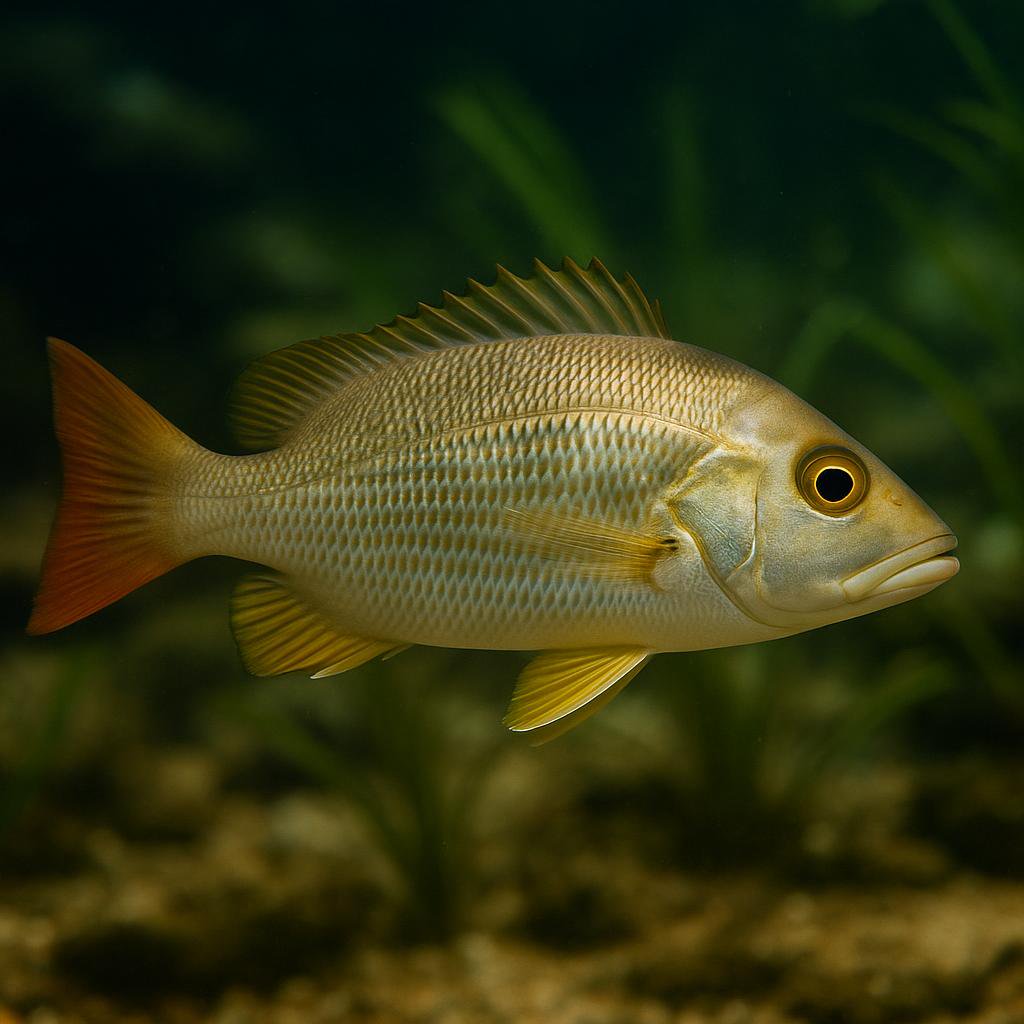
African red snapper
Lutjanus agennes
This is a true snapper from West Africa - a big, fast-growing predator that goes from coastal reefs to brackish lagoons and estuaries (especially as a juvenile). Super cool fish in the wild, but it gets absolutely huge and will eat smaller tankmates once it has the mouth for it, so its really more of a public-aquarium scale animal than a home-aquarium fish.
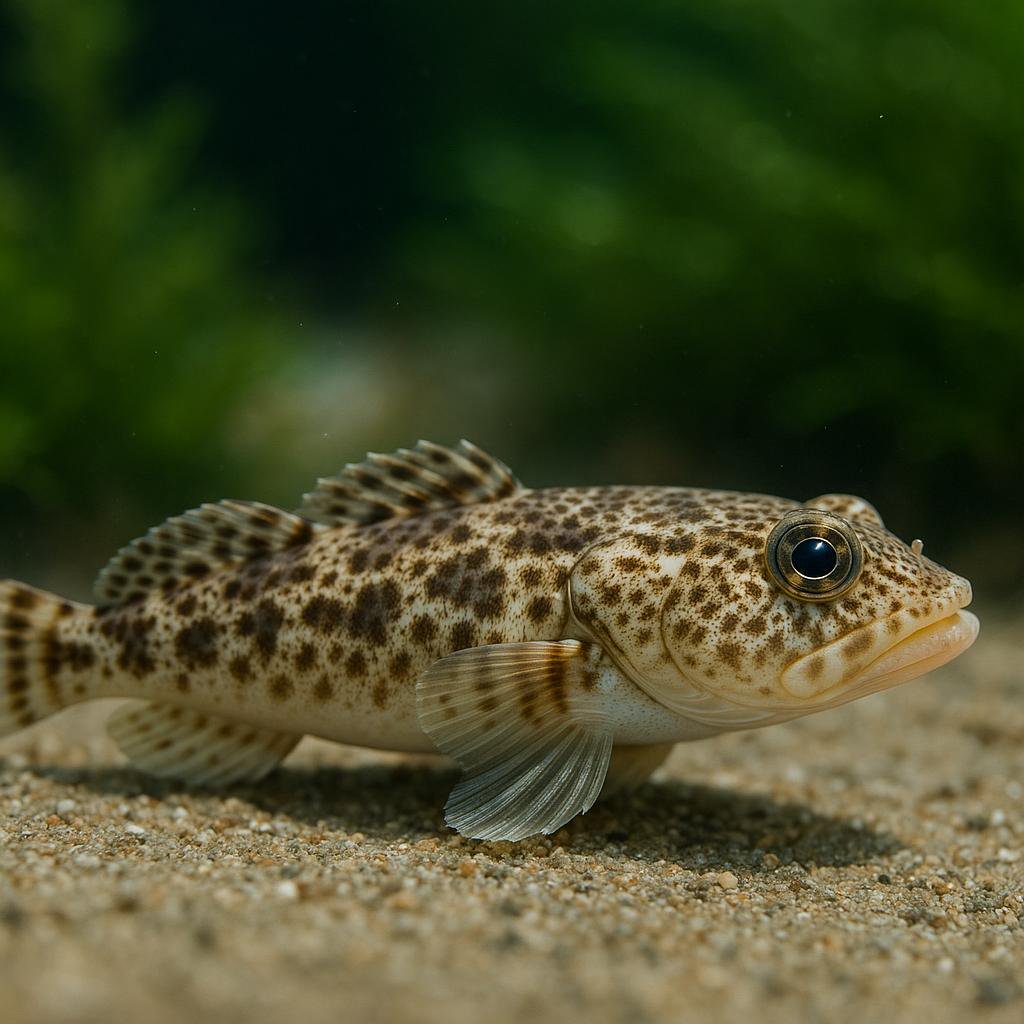
Banded stargazer
Kathetostoma binigrasella
This is a New Zealand stargazer that lives half-buried in sand or mud with its eyes pointed up, waiting to rocket upward and nail passing prey. It has those neat dark saddle-bands across the back (especially as a juvenile), and like other stargazers it is venomous with spines near the gill cover/pectoral area - definitely a look-dont-touch fish.
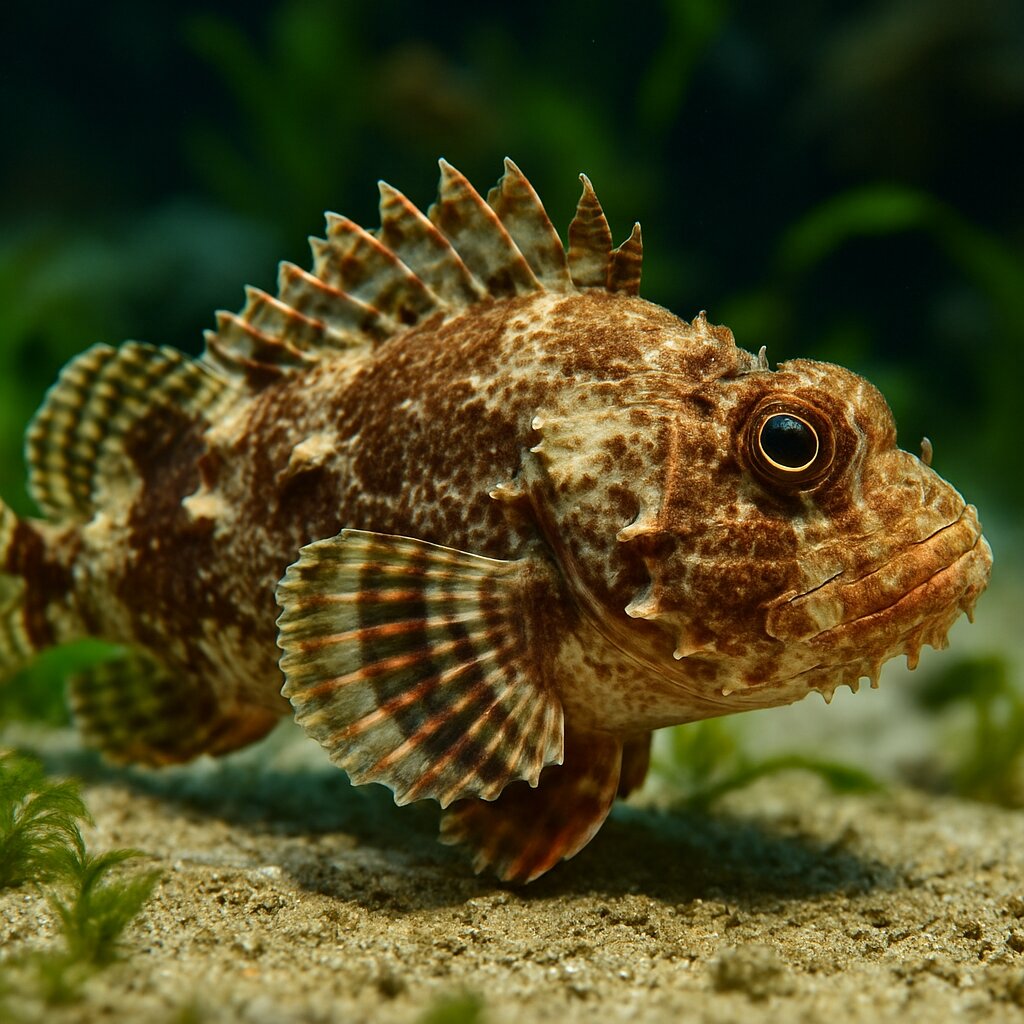
Bandfin scorpionfish
Scorpaenopsis vittapinna
Think tiny ambush predator that vanishes into rubble and coral bits, then flashes a dark band on its pelvic and anal fins when it shifts. It tops out around 3 inches, packs venomous spines, and loves to gulp unsuspecting shrimp and small fish. Super cool to watch once it settles, but it absolutely demands careful handling and smart tankmate choices.
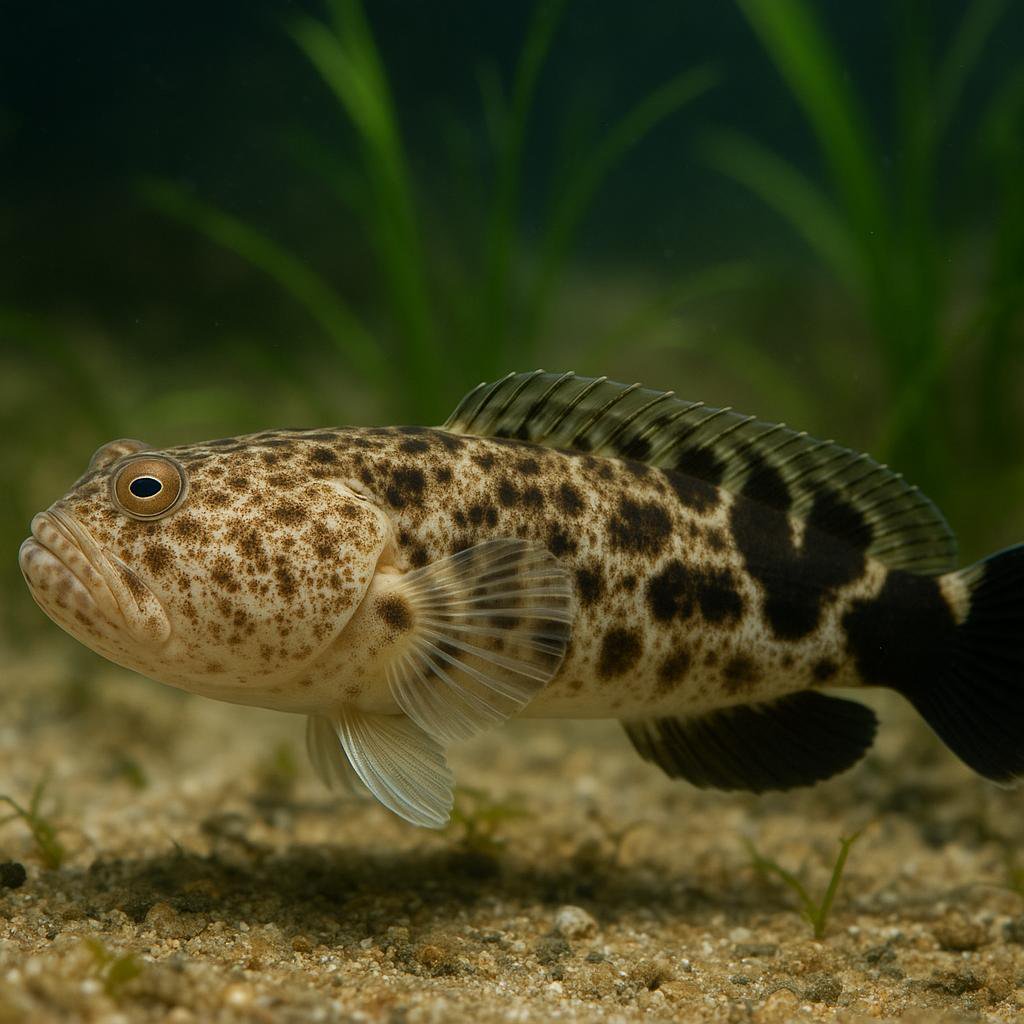
Blackfin stargazer
Ichthyscopus nigripinnis
This is a little sand-sitting stargazer from Australia that likes to lie in wait with its eyes up top and nail passing prey. That black mark on the front part of the dorsal fin is basically its signature. Cool fish, but its more of a wild marine predator than something you set up in a typical home aquarium.
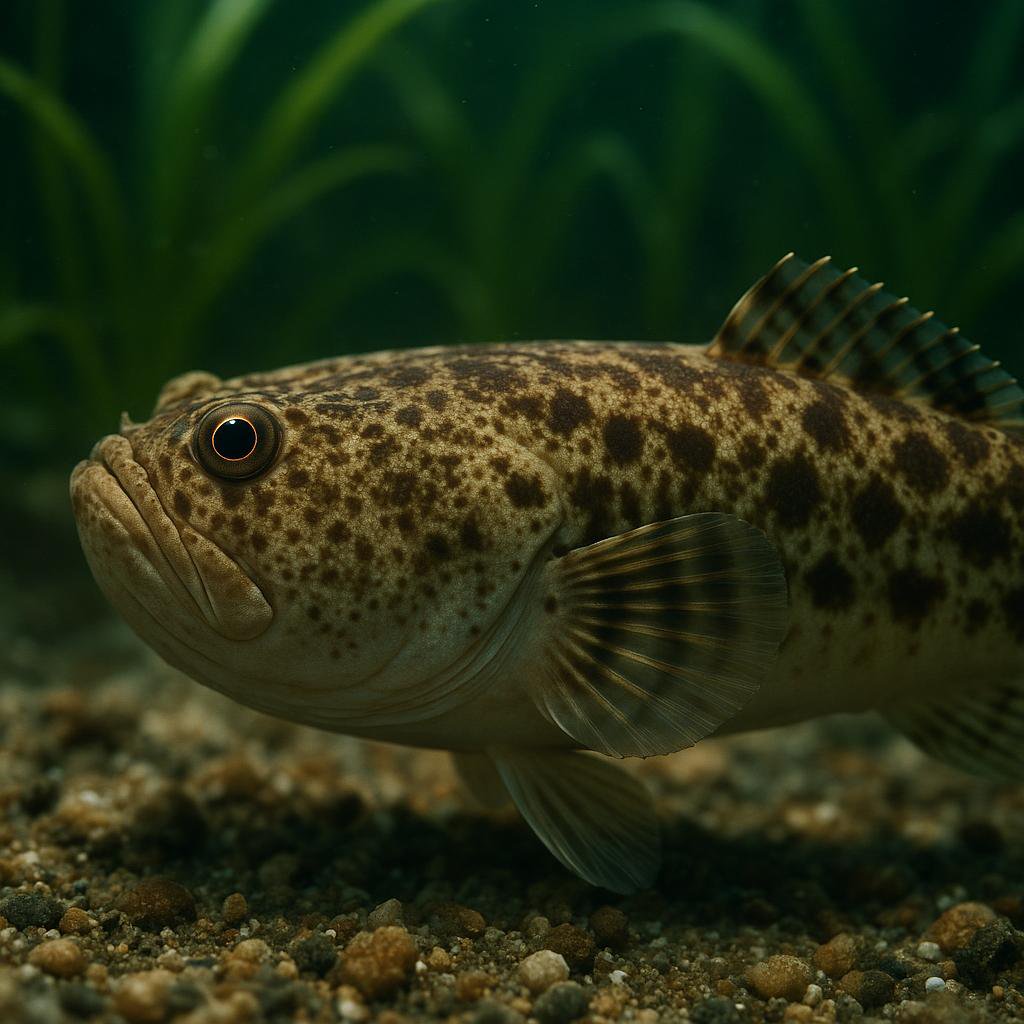
Brownspotted stargazer
Uranoscopus fuscomaculatus
A deep demersal stargazer recorded at 366–389 m that lies buried in sand or mud to ambush prey. Distribution is Southwestern Pacific (Vanuatu and Fiji). Given its deep, cold habitat and specialized requirements, it is not a practical aquarium species.
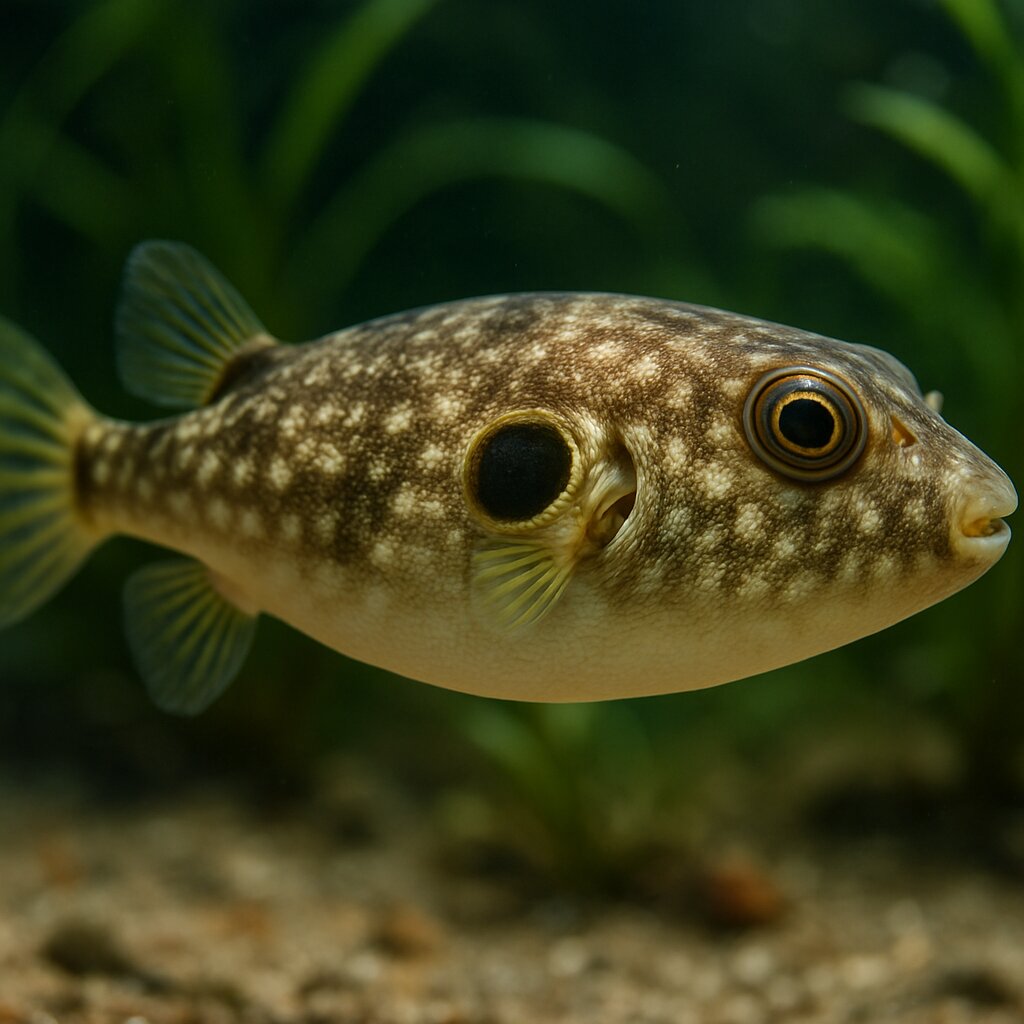
Bullseye puffer
Sphoeroides annulatus
Big personality in a football-shaped body with pale rings along the back that make a bullseye pattern. This is a stout Eastern Pacific puffer that crunches snails and crabs with ease and needs true saltwater and lots of room. Super cool to watch, but it turns nippy with tankmates and grows into a serious, messy eater.
More to Explore
Discover more marine species.
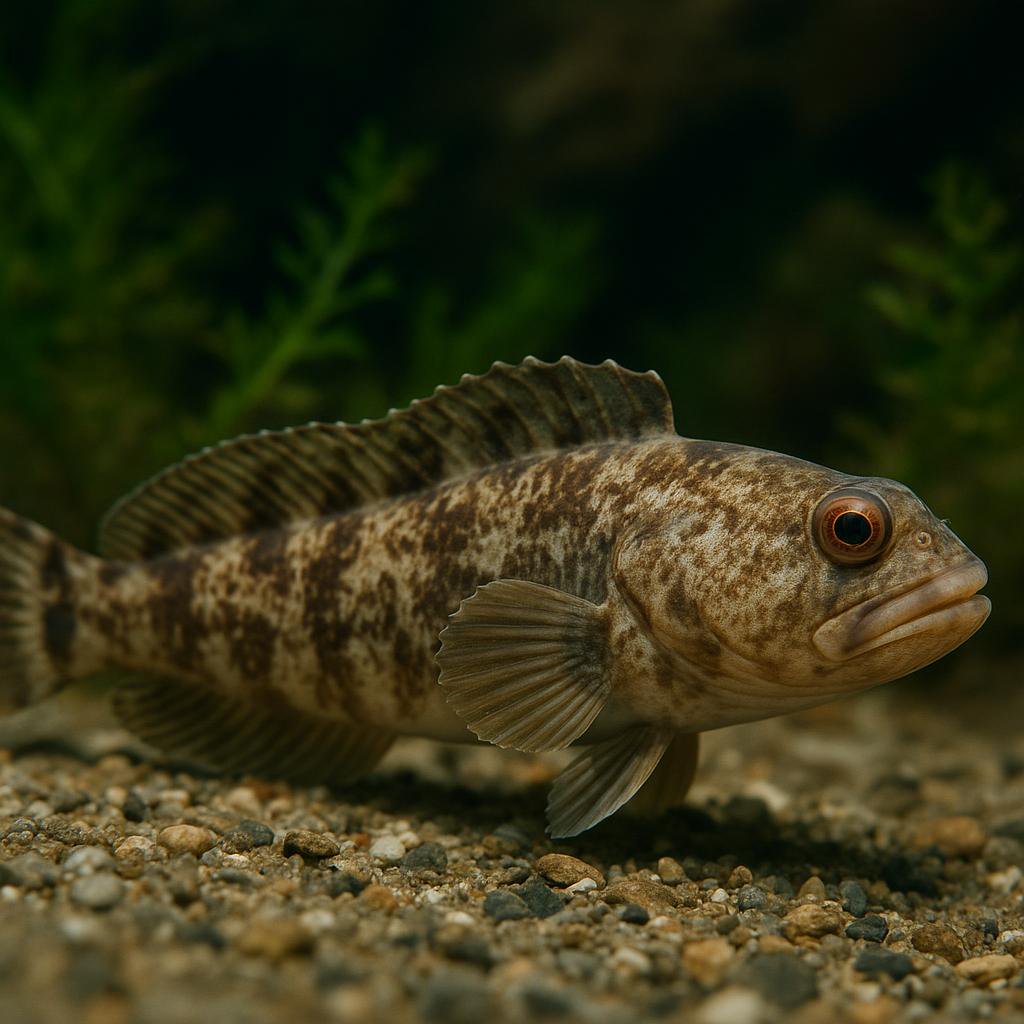
Abe's eelpout
Japonolycodes abei
Japonolycodes abei is a temperate, deepwater demersal eelpout (family Zoarcidae) endemic to Japan (Kumano-nada Sea reported; other sources also report Sagami Bay and Tosa Bay). It is the only species in the genus Japonolycodes and occurs roughly 40-300 m depth, making it an uncommon/atypical aquarium species.
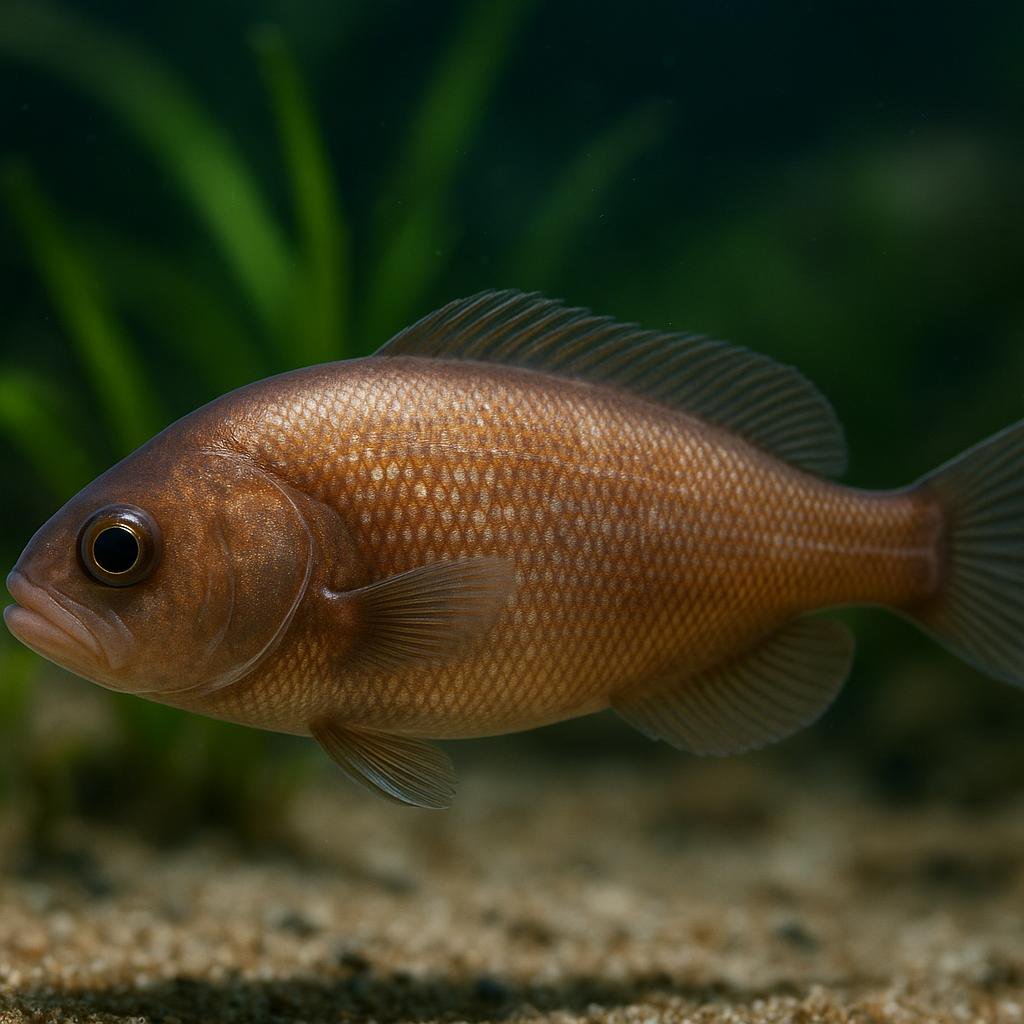
Affinis blind cusk-eel
Barathronus affinis
Barathronus affinis is a tiny, super-weird deep-sea blind cusk-eel from the western-central Indian Ocean. It is one of those gelatinous, loose-skinned brotula-type fishes that live way down in the dark and are basically never seen alive, so almost everything we know comes from preserved specimens and taxonomic work.
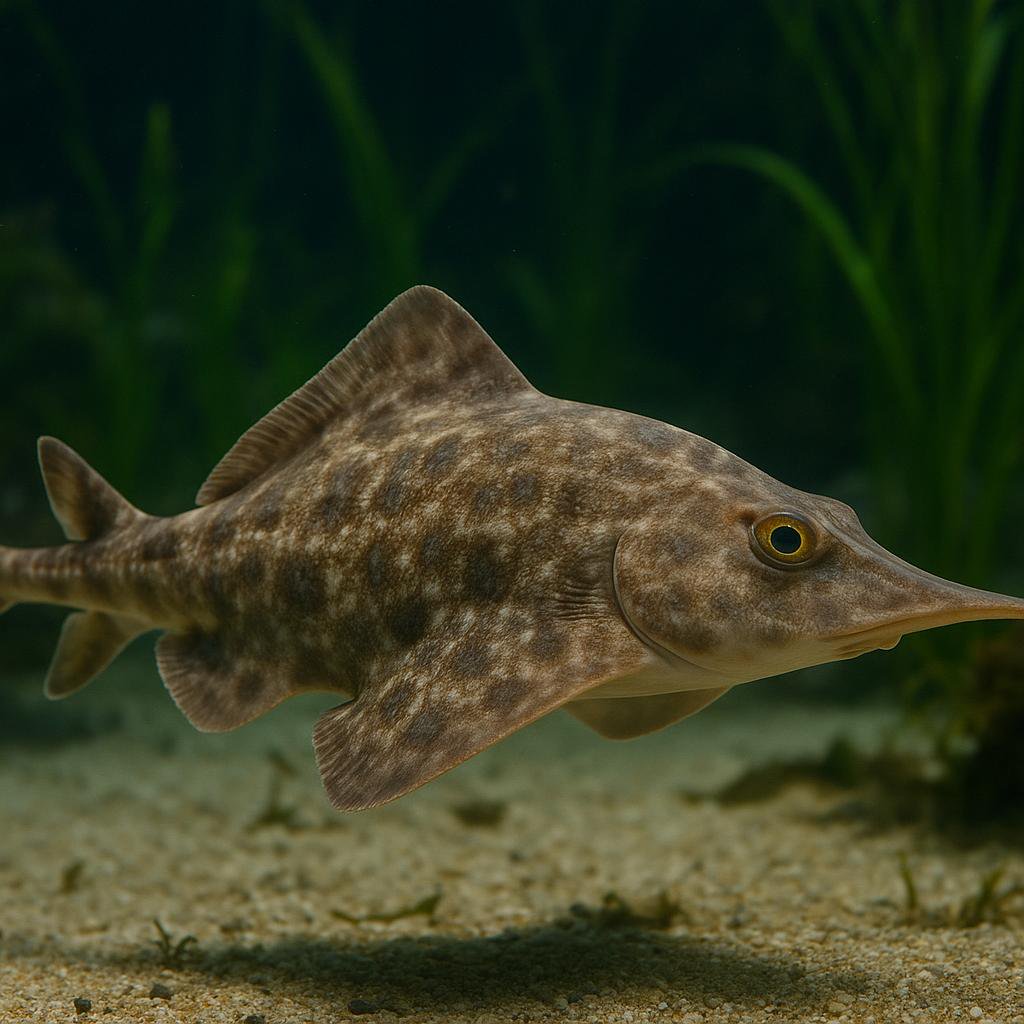
Aleutian skate
Bathyraja aleutica
This is a big, cold-water deep-slope skate from the North Pacific that cruises muddy bottoms and eats chunky benthic prey like crabs and shrimp. The really cool bit is its egg-laying skate life - it does distinct pairing (the classic skate "embrace") and drops those tough egg cases on the seafloor. Not an aquarium fish at all unless you're basically running a public-aquarium-style chilled system.
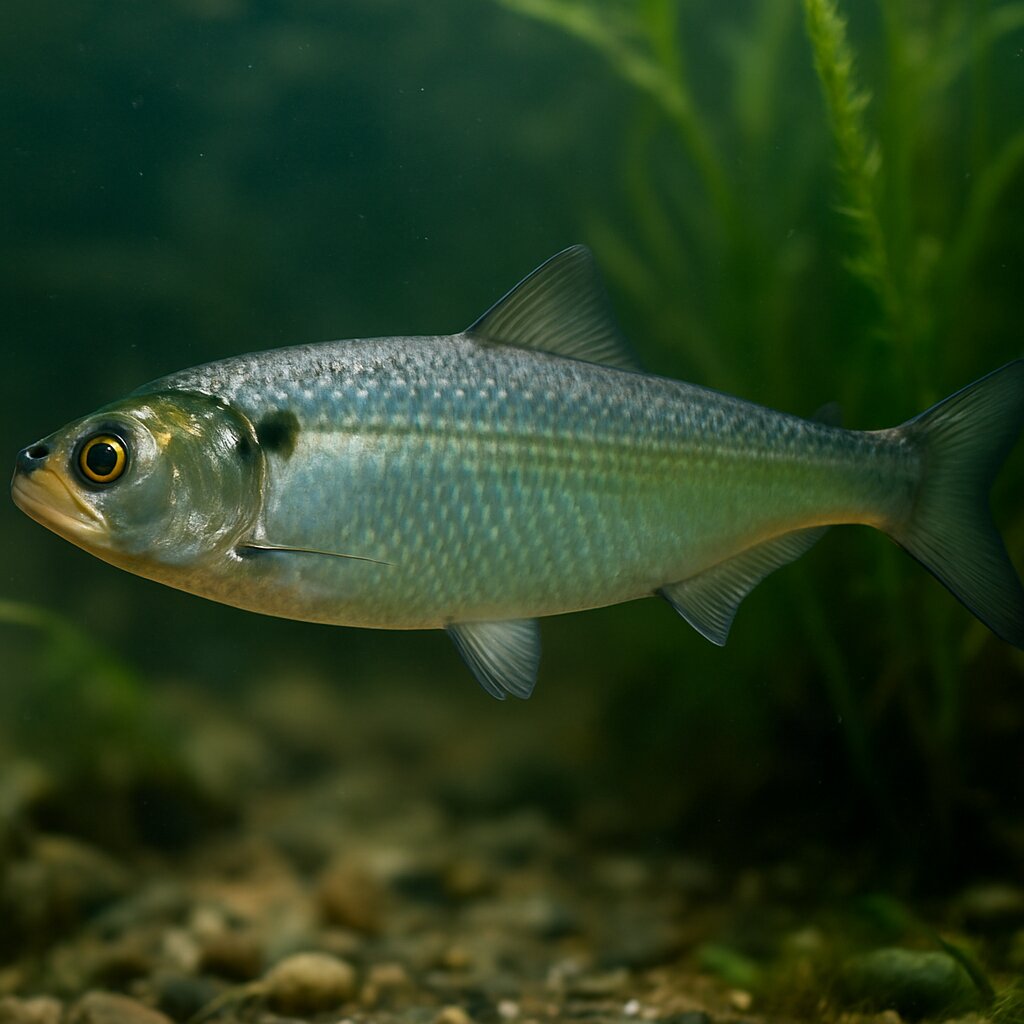
Allis shad
Alosa alosa
Gorgeous silver, fast-swimming shad that spends most of its life in the sea and then surges up big rivers in noisy, surface-spawning schools. It grows huge for a herring-type fish and needs cool, ultra-oxygenated water and tons of open space, so it is a public-aquarium species rather than a home tank fish.
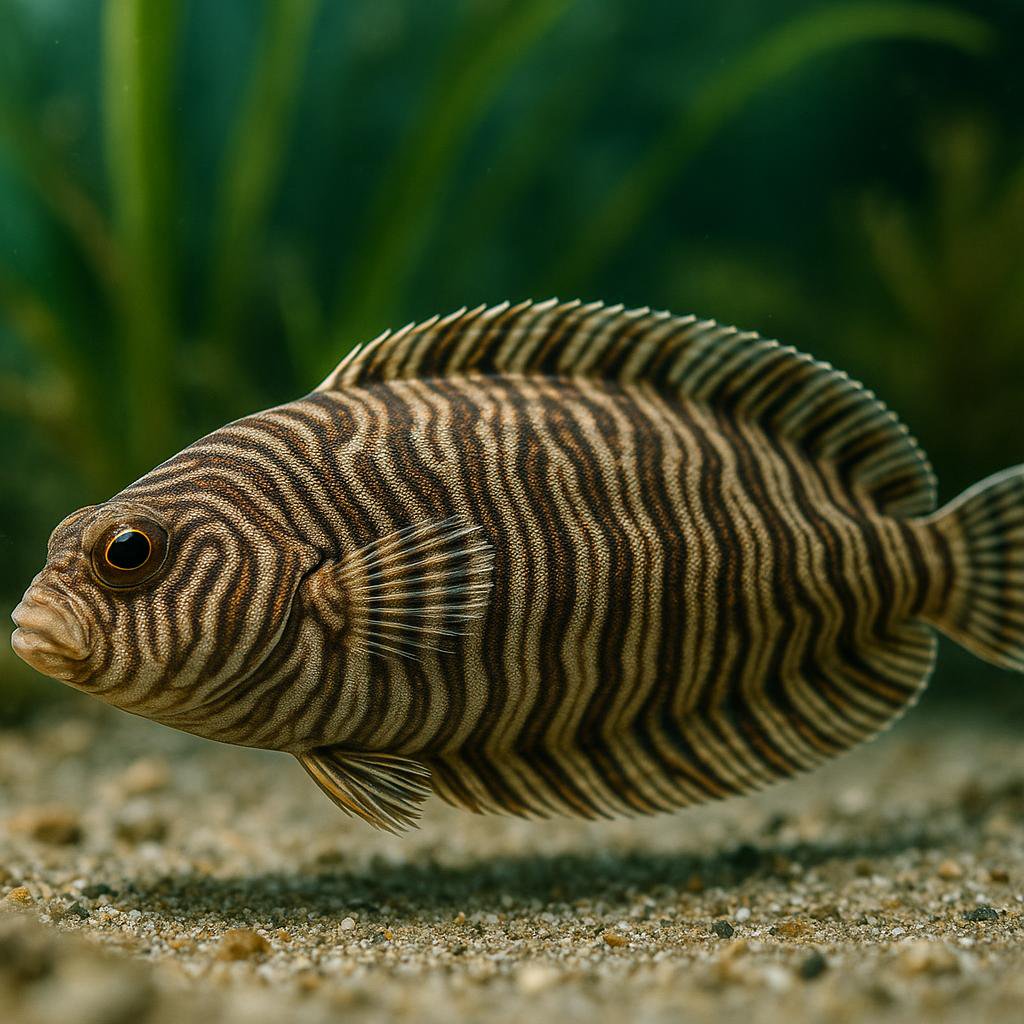
Annandale's zebra sole
Zebrias annandalei
Zebrias annandalei is a small demersal sole from coastal India that inhabits sandy or muddy bottoms and buries for camouflage. It is rarely kept in home aquaria and would require a specialized marine sand-bottom setup and appropriate feeding.
Antarctic dragonfish
Vomeridens infuscipinnis
Deep down around Antarctica, this sleek dragonfish cruises the water column like a little submarine, nearly neutrally buoyant so it can hover above the seafloor. It munches almost exclusively on Antarctic krill and lives in near-freezing water 500-800 m down, so it is a cool species to read about, not one for home tanks.
Looking for other species?