

No established common name
Ventrifossa macrodon
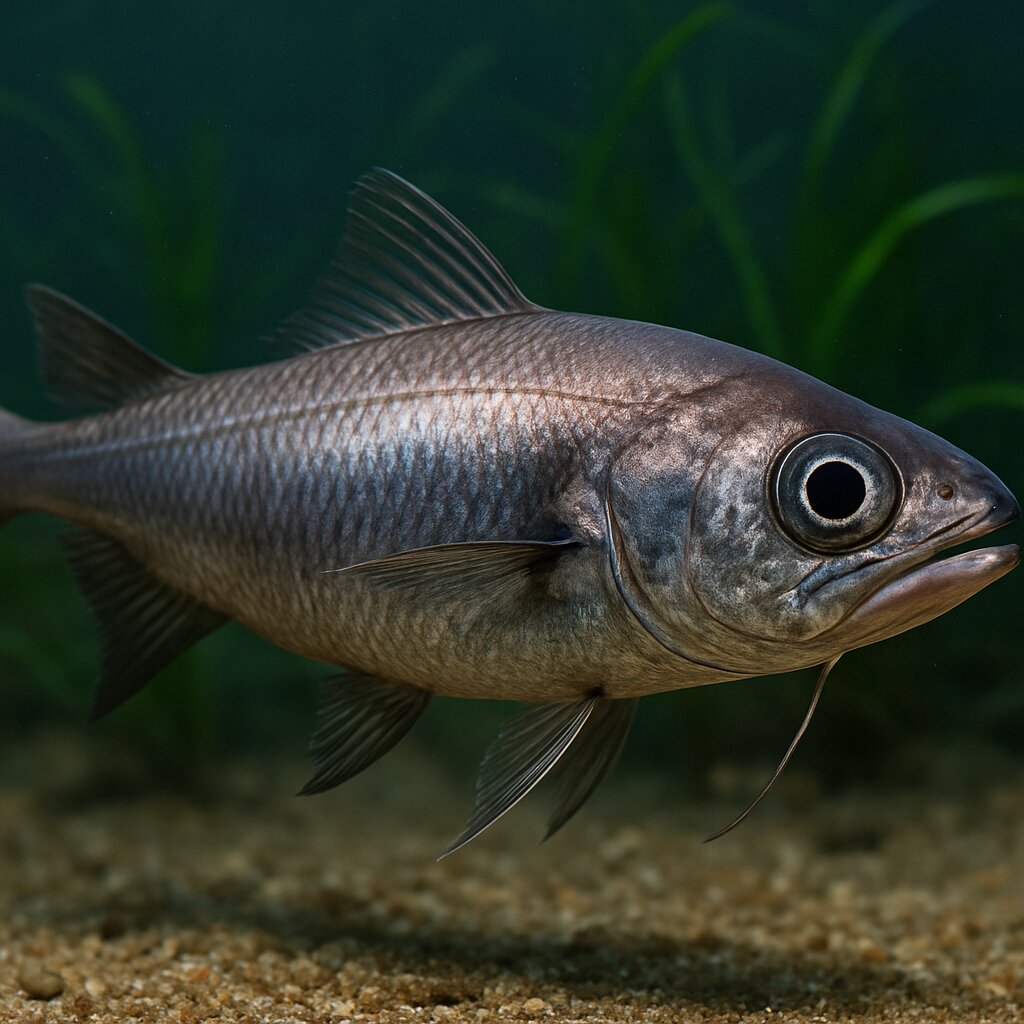
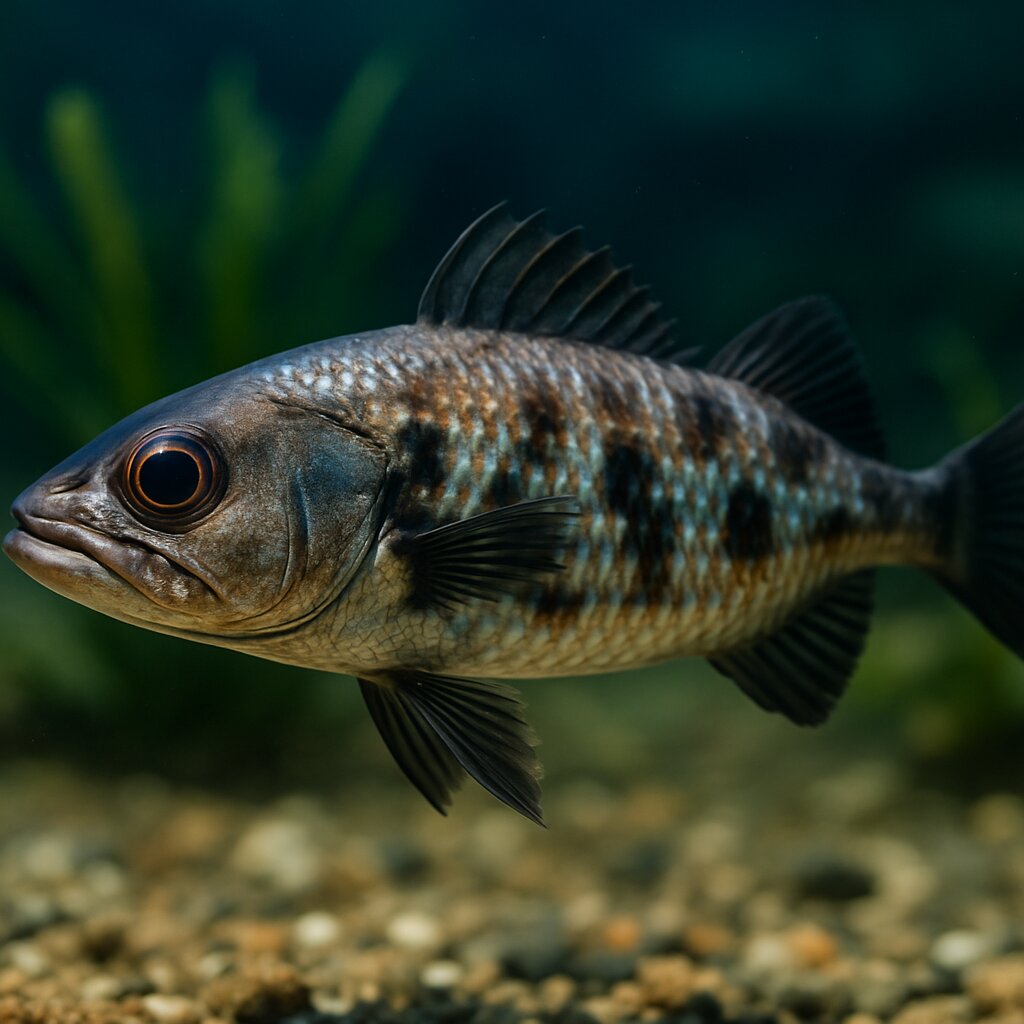
Ventrifossa macrodon exhibits a robust body with distinctively long, forked caudal fin and a pattern of dark spots on a light background.
This page includes AI-generated images. Why am I seeing AI images?
About the No established common name
A deep-sea rattail from the Sala y Gomez Ridge in the southeast Pacific, this fish lives way down in near-freezing water and reaches around 40 cm with that classic long whiptail profile. It is a cold, high-pressure environment specialist and really more of a research subject than something for home aquariums.
Quick Facts
Size
40 cm
Temperament
Aggressive
Difficulty
Expert
Min Tank Size
0 gallons
Lifespan
unknown
Origin
Southeast Pacific (Sala y Gomez Ridge)
Diet
Carnivore - benthic invertebrates and small fishes; opportunistic scavenger
Water Parameters
1.9-2.1°C
7.8-8.2
0-0 dGH
Care Notes
- Think public-aquarium scale: 500+ liters with a serious chiller set 6-10 C and rock-steady; keep the tank very dim (red viewing light is fine).
- Give it a 2-5 cm bed of fine sand/mud and lots of open runway; use gentle, laminar bottom flow and sponge-guard pump intakes so it does not sandblast its snout.
- Run 35 ppt salinity (1.025-1.027 sg) and pH 7.9-8.2; drive oxygen hard with a big skimmer and air, keep ammonia/nitrite at zero and nitrate under 20 ppm.
- Feed at lights-out via a long tube right to the bottom: thawed marine mysis, finely chopped shrimp/clam, or thin squid strips, scented with a bit of clam juice. Small portions 3-4x weekly at first (then 2-3x when settled) and siphon leftovers immediately.
- Best kept solo; if you insist on company, choose only chilled-water, slow, non-aggressive fish and avoid anything fast or nippy, plus no crabs or shrimp you want to keep.
- Handling kills these fast: skip rough QT and meds; if you must quarantine, use a large, dim, chilled bin with pristine water and move the fish only in a water-filled container (no nets).
- Common failures are barotrauma and slow starvation; watch for bloating, listless hovering, or refusing food and react by checking water and offering smaller, scent-heavy feedings. Keep temp swings under 1 C per day and do 10-15% cold water changes weekly.
- Breeding is a non-starter here: no captive records and they are deep spawners with pelagic larvae, so keep a single specimen and do not try to pair them.
Compatibility
Good Tankmates
- Big, calm midwater fish that ignore bottom cruisers and are too wide to gulp
- Similar-sized deepwater oddballs with thick skin or spines that discourage bullying
- Public-aquarium-scale catsharks or smoothhounds that are not hyper territorial
- Rugged, non-nippy scavengers that feed up in the water column so they do not compete on the sand
- Another rattail of similar size added at the same time, with plenty of room and hides
Avoid
- Anything bitey or pickery like triggers and large puffers
- Small fish and shrimp or crabs - it will treat them as snacks
- Big ambush predators like groupers, frogfish, large lionfish, and moray eels
- Territorial bottom dwellers that fight for floor space and caves
Where they come from
Ventrifossa macrodon is a deep-sea grenadier (rattail) from continental slope habitats in the Indo-Pacific. Think muddy bottoms, near darkness, and cold water hundreds to over a thousand meters down. They cruise slowly over soft sediment picking at invertebrates and scraps.
These are true deepwater fish. Keeping one is a project for an experienced coldwater marine keeper with a serious chiller and oversized life support.
Setting up their tank
- Tank size: 240+ gallons with lots of floor space. A 6-foot tank lets them cruise without kinking that long tail.
- Temperature: 6-10 C is the realistic home range; colder (4-8 C) is even better if your chiller can hold it. Stability matters more than chasing a number.
- Salinity: 33-35 ppt. pH 8.0-8.3. Keep ammonia and nitrite at zero, nitrate as low as you can.
- Oxygen: crank it. Strong aeration and surface agitation, plus a big skimmer. Cold water holds more O2, but deepwater fish still demand a lot.
- Flow: broad, gentle flow across the bottom. Avoid blasting the substrate; they work close to the sand.
- Lighting: very dim. Use red-spectrum viewing lights if you want to watch them without spooking them.
- Substrate: fine sand (sugar-grade) or a sand-mud mix, 2-5 cm deep. No sharp gravel. Give them long open stretches and a few smooth, rounded shelters.
- Filtration: heavy-duty biofilter and skimmer. Pre-filters and guards on all intakes so that tail does not get sucked in.
- Noise control: quiet pumps and vibration dampening. They startle hard in noisy setups.
- Lid: tight-fitting cover. They are not typical jumpers, but spooks happen.
Acclimate in near-darkness and cold water. Drip slowly, keep oxygen high, and move the fish in a container rather than a net to protect the tail and skin.
What to feed them
They are benthic scavenger-predators. Sinking, meaty foods are the way to go.
- Starter foods: live or freshly thawed mysis, enriched brine shrimp, chopped clam, squid strips, finely chopped prawn, krill, and marine worms.
- Tools: use a feeding tube or long tongs to drop food right in front of them. Let it hit the sand and sit a moment; they hunt by scent.
- Routine: small portions once daily, or every other day in very cold systems. Watch the belly profile and adjust.
- Training: once they take thawed items, you can try soft sinking pellets. Mix a few with chopped seafood and let them soak up the juices.
- Supplements: vitamin-enrich frozen foods a couple times a week to avoid deficiencies.
Avoid messy overfeeding on fine sand. Uneaten food rots fast at low temps and can crash oxygen. Target feed and siphon leftovers.
How they behave and who they get along with
Slow, methodical, mostly crepuscular to nocturnal. They nose along the bottom and may pause to hover in place. Not aggressive, but they have a good-sized mouth and will test anything bite-sized.
- Best as a single specimen. They do not need company, and space is more valuable than a second fish.
- Tankmates must be calm, coldwater, and non-competitive feeders of similar size. Fast, active fish will outcompete them at mealtime.
- Skip ornamental shrimp, crabs, and tiny fish. They are food in a dim, cold tank.
- Avoid fin-nippers and pushy species. The long tail is easy to damage.
Red or very dim blue lights during feeding help them relax and come out. Give them a predictable dusk feeding window.
Breeding tips
There are no credible reports of Ventrifossa macrodon breeding in captivity. Like other grenadiers, they are broadcast spawners with pelagic eggs and likely seasonal cues linked to depth, temperature, and pressure. This is not a realistic project in home aquaria.
Common problems to watch for
- Post-capture injuries and barotrauma: deepwater fish can arrive with internal damage. Signs include positive buoyancy, gas in tissues, or loss of equilibrium. There is no reliable fix, so source as carefully as possible.
- Refusal to feed: try live mysids, finely chopped seafood, and feed at lights-out. Reduce light and foot traffic around the tank.
- Temperature stress: swings over a degree or two in a day can trigger breathing issues and inactivity. Use a robust chiller and a controller with alarms.
- Low oxygen: rapid opercular movement, hanging at the surface. Add more aeration and reduce organics. Clean skimmer necks often in cold systems.
- Tail abrasions and intake injuries: use fine sand, smooth decor, and cover all pump intakes. Treat infected scrapes in a separate, chilled hospital tank.
- Medication sensitivity: avoid blanket copper or harsh treatments. Observation-first quarantine works best. If needed, use gentle options like praziquantel for worms and targeted antibiotics for confirmed bacterial issues.
- Competition at feeding time: even a single fast tankmate can starve a grenadier. If you must mix species, feed the rattail first with a tube.
If the fish is floating, has bulging eyes, or shows gas under the skin shortly after arrival, it may be decompression-related damage. Do not attempt to vent the fish. Keep water cold, dark, and highly oxygenated, but outcomes are often poor.
Similar Species
Other marine aggressive species you might be interested in.
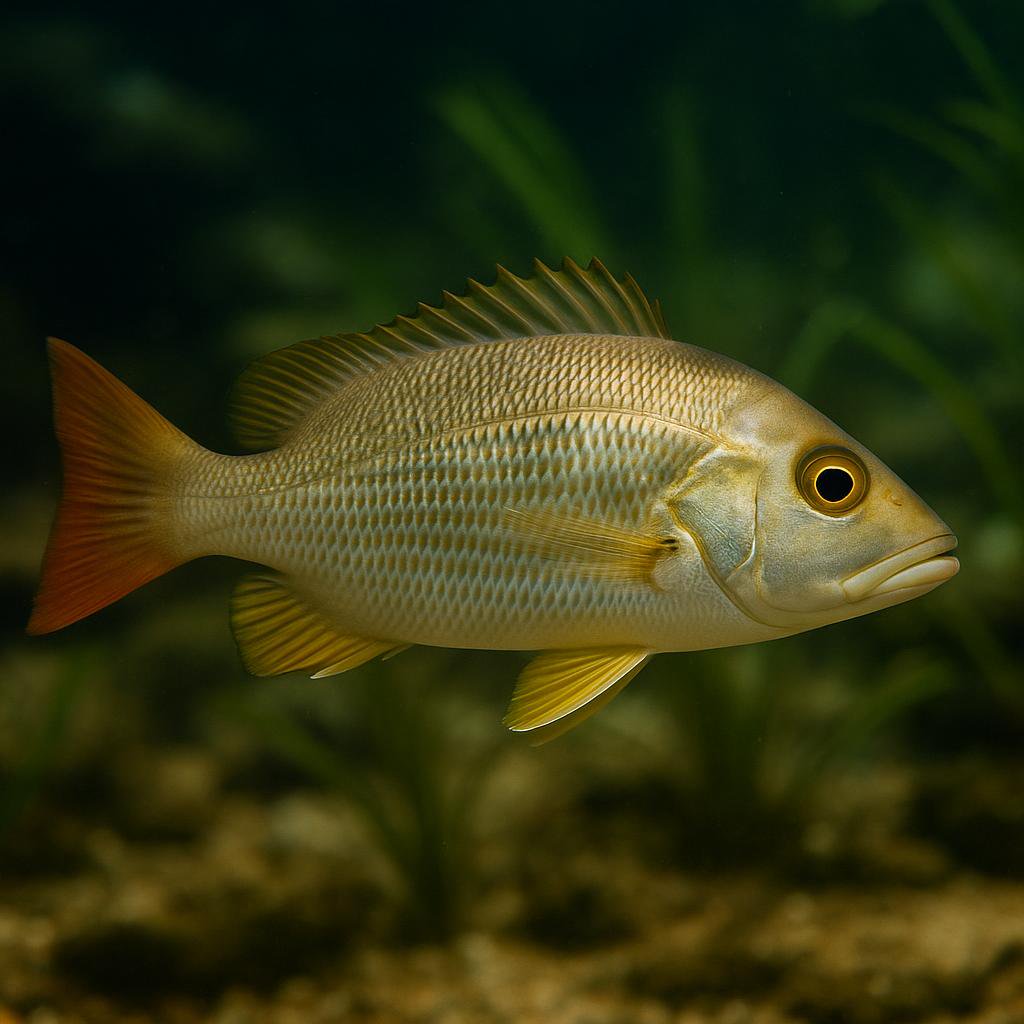
African red snapper
Lutjanus agennes
This is a true snapper from West Africa - a big, fast-growing predator that goes from coastal reefs to brackish lagoons and estuaries (especially as a juvenile). Super cool fish in the wild, but it gets absolutely huge and will eat smaller tankmates once it has the mouth for it, so its really more of a public-aquarium scale animal than a home-aquarium fish.
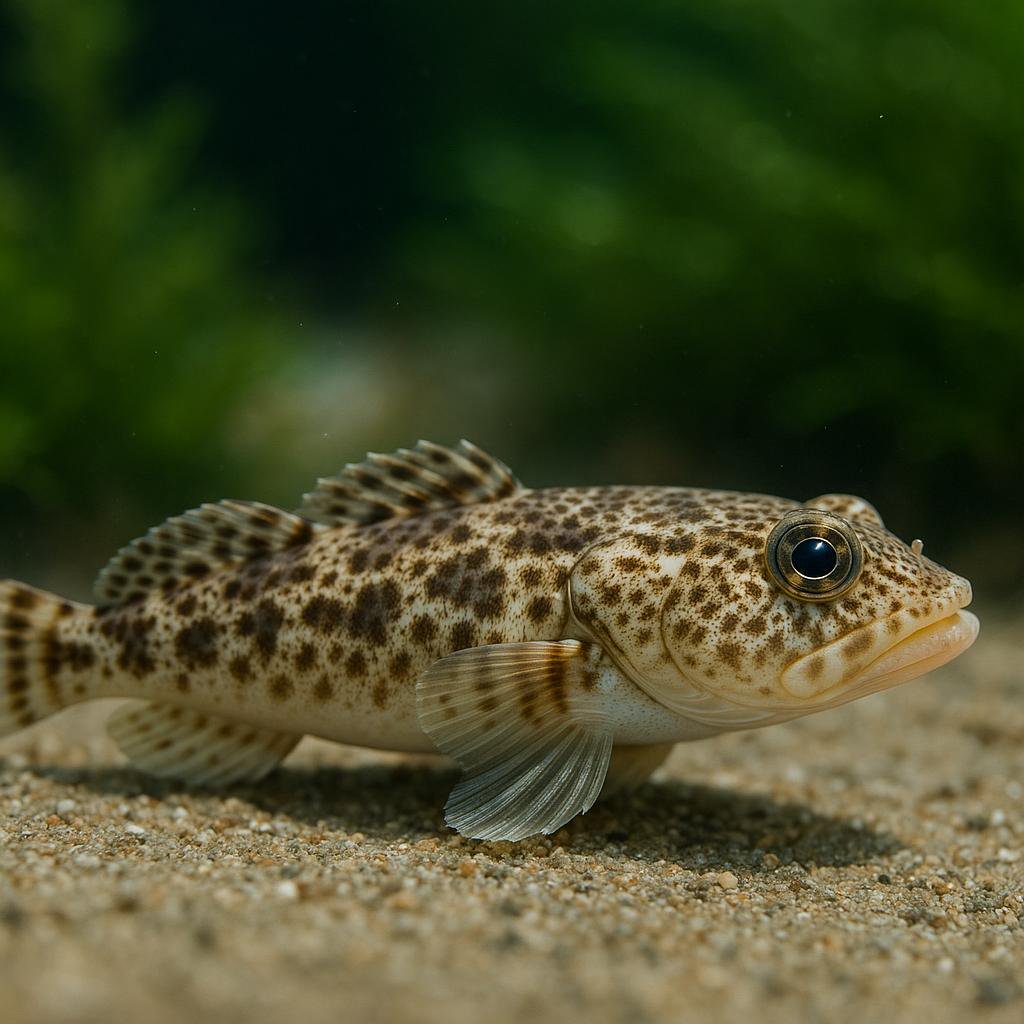
Banded stargazer
Kathetostoma binigrasella
This is a New Zealand stargazer that lives half-buried in sand or mud with its eyes pointed up, waiting to rocket upward and nail passing prey. It has those neat dark saddle-bands across the back (especially as a juvenile), and like other stargazers it is venomous with spines near the gill cover/pectoral area - definitely a look-dont-touch fish.
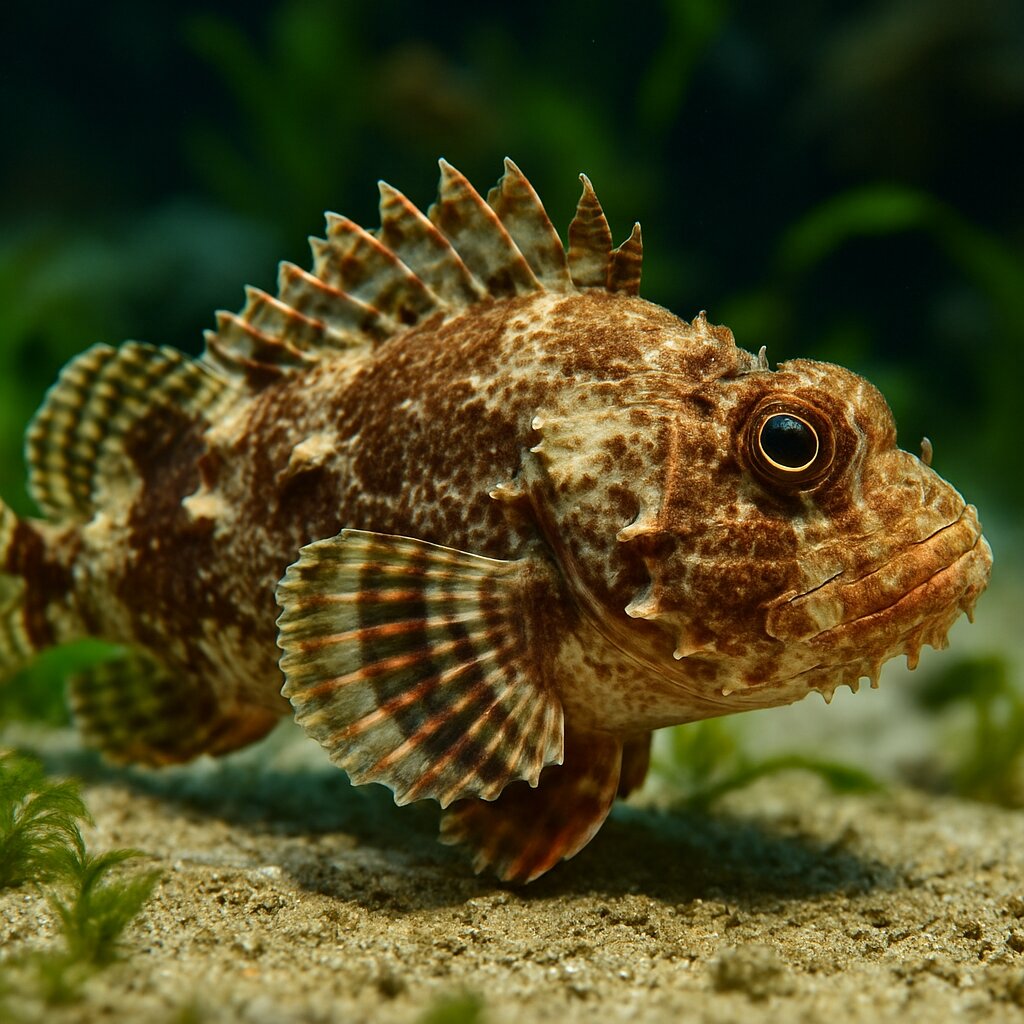
Bandfin scorpionfish
Scorpaenopsis vittapinna
Think tiny ambush predator that vanishes into rubble and coral bits, then flashes a dark band on its pelvic and anal fins when it shifts. It tops out around 3 inches, packs venomous spines, and loves to gulp unsuspecting shrimp and small fish. Super cool to watch once it settles, but it absolutely demands careful handling and smart tankmate choices.
Blackfin stargazer
Ichthyscopus nigripinnis
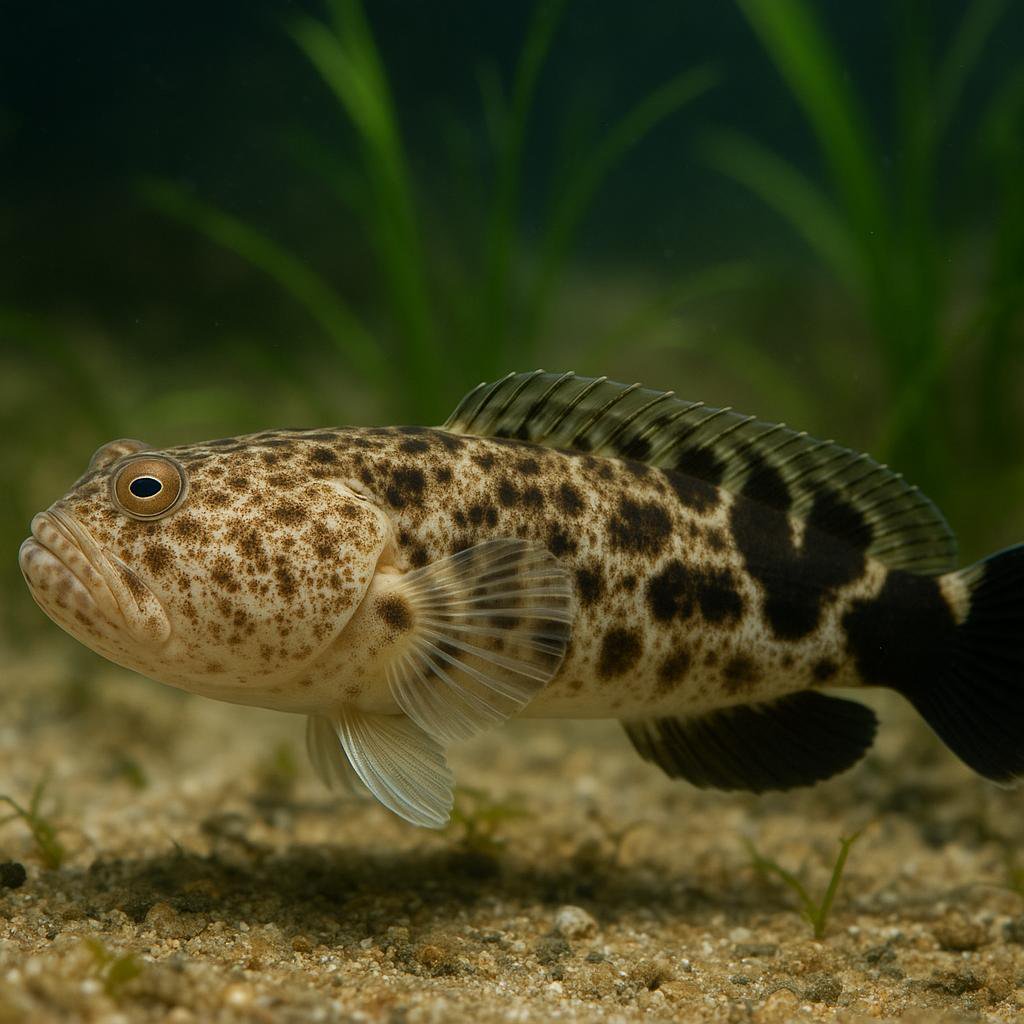
This is a little sand-sitting stargazer from Australia that likes to lie in wait with its eyes up top and nail passing prey. That black mark on the front part of the dorsal fin is basically its signature. Cool fish, but its more of a wild marine predator than something you set up in a typical home aquarium.
Brownspotted stargazer
Uranoscopus fuscomaculatus
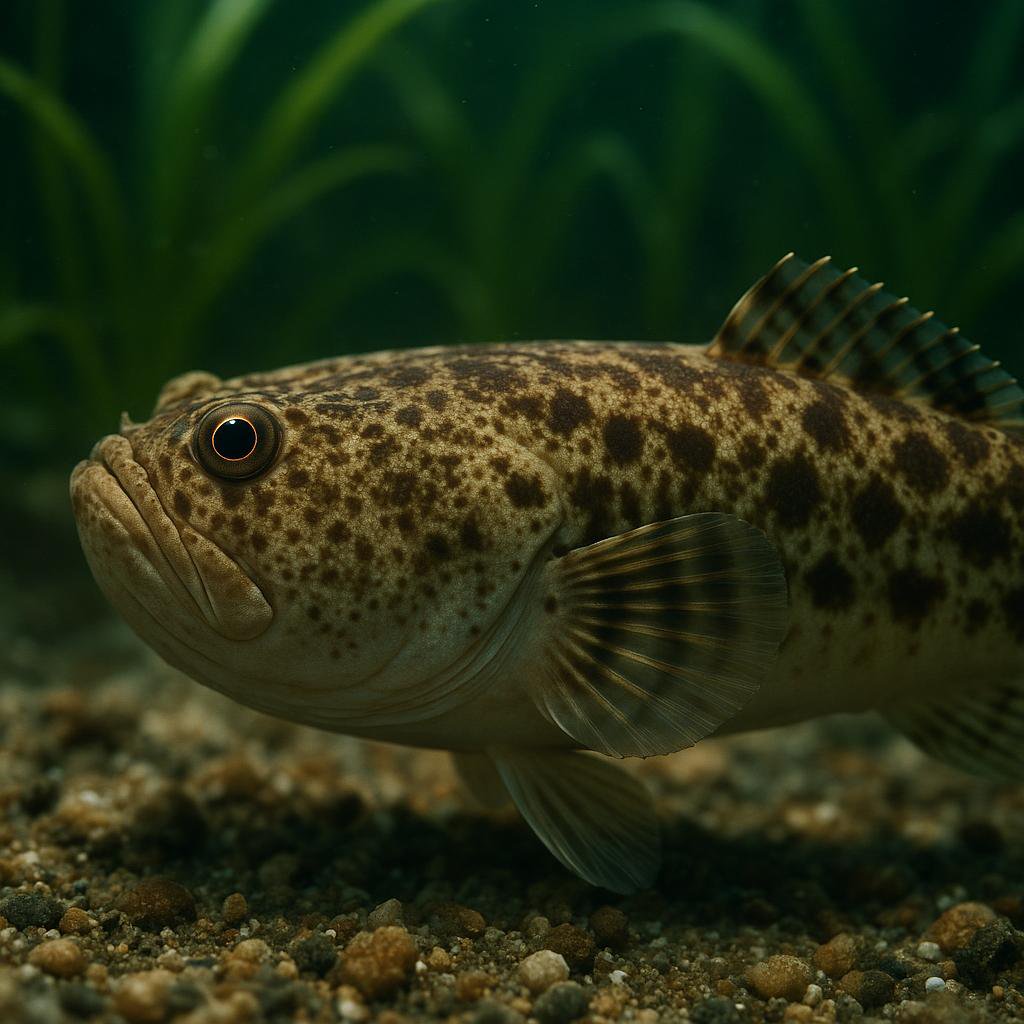
A deep demersal stargazer recorded at 366–389 m that lies buried in sand or mud to ambush prey. Distribution is Southwestern Pacific (Vanuatu and Fiji). Given its deep, cold habitat and specialized requirements, it is not a practical aquarium species.
Bullseye puffer
Sphoeroides annulatus
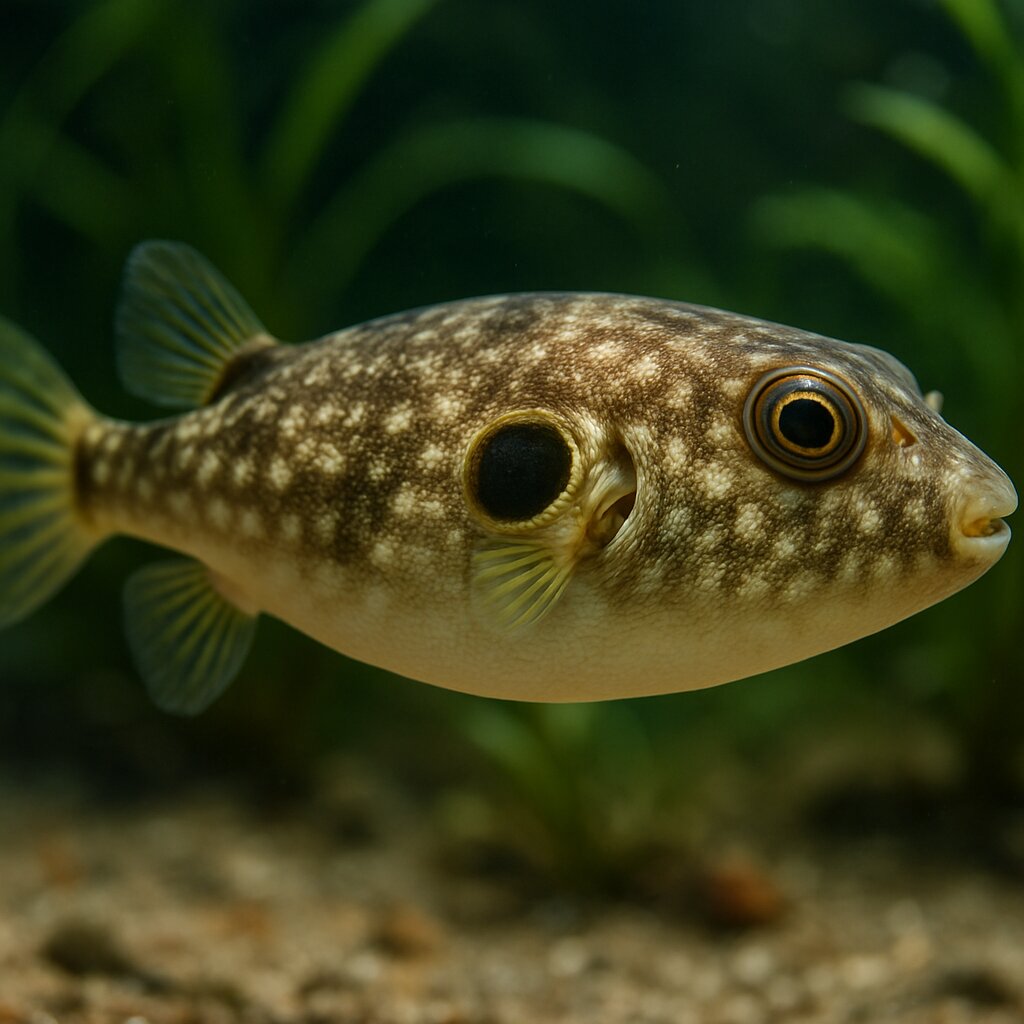
Big personality in a football-shaped body with pale rings along the back that make a bullseye pattern. This is a stout Eastern Pacific puffer that crunches snails and crabs with ease and needs true saltwater and lots of room. Super cool to watch, but it turns nippy with tankmates and grows into a serious, messy eater.
More to Explore
Discover more marine species.
Abe's eelpout
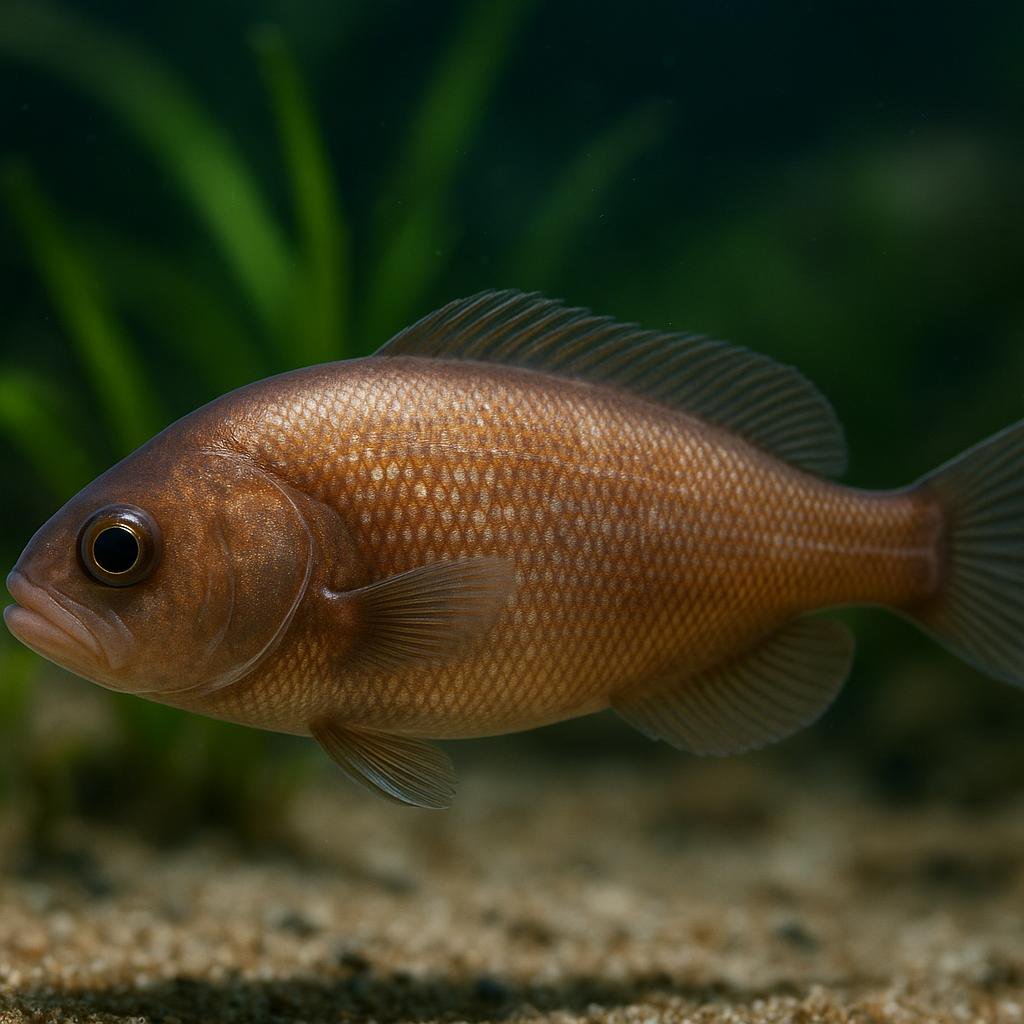
Japonolycodes abei
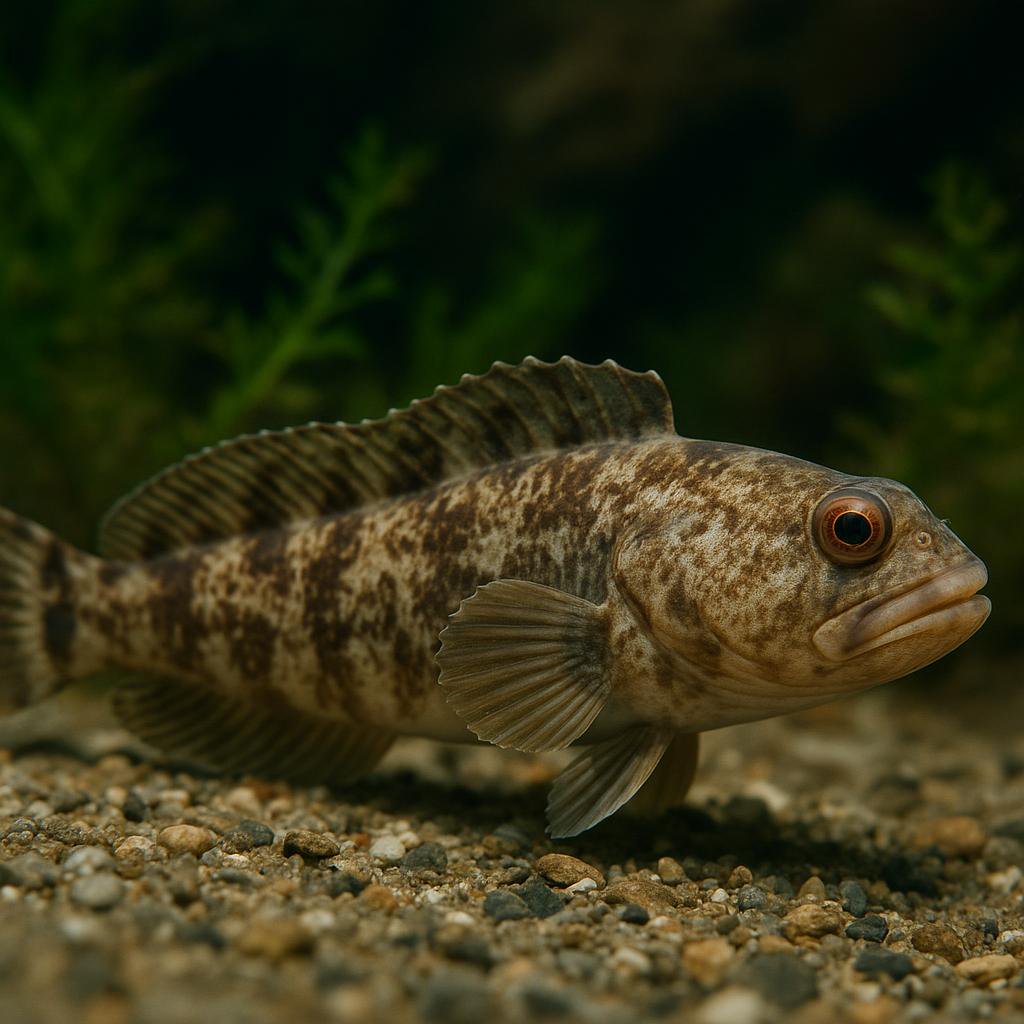
Japonolycodes abei is a temperate, deepwater demersal eelpout (family Zoarcidae) endemic to Japan (Kumano-nada Sea reported; other sources also report Sagami Bay and Tosa Bay). It is the only species in the genus Japonolycodes and occurs roughly 40-300 m depth, making it an uncommon/atypical aquarium species.
Affinis blind cusk-eel
Barathronus affinis
Barathronus affinis is a tiny, super-weird deep-sea blind cusk-eel from the western-central Indian Ocean. It is one of those gelatinous, loose-skinned brotula-type fishes that live way down in the dark and are basically never seen alive, so almost everything we know comes from preserved specimens and taxonomic work.
Aleutian skate
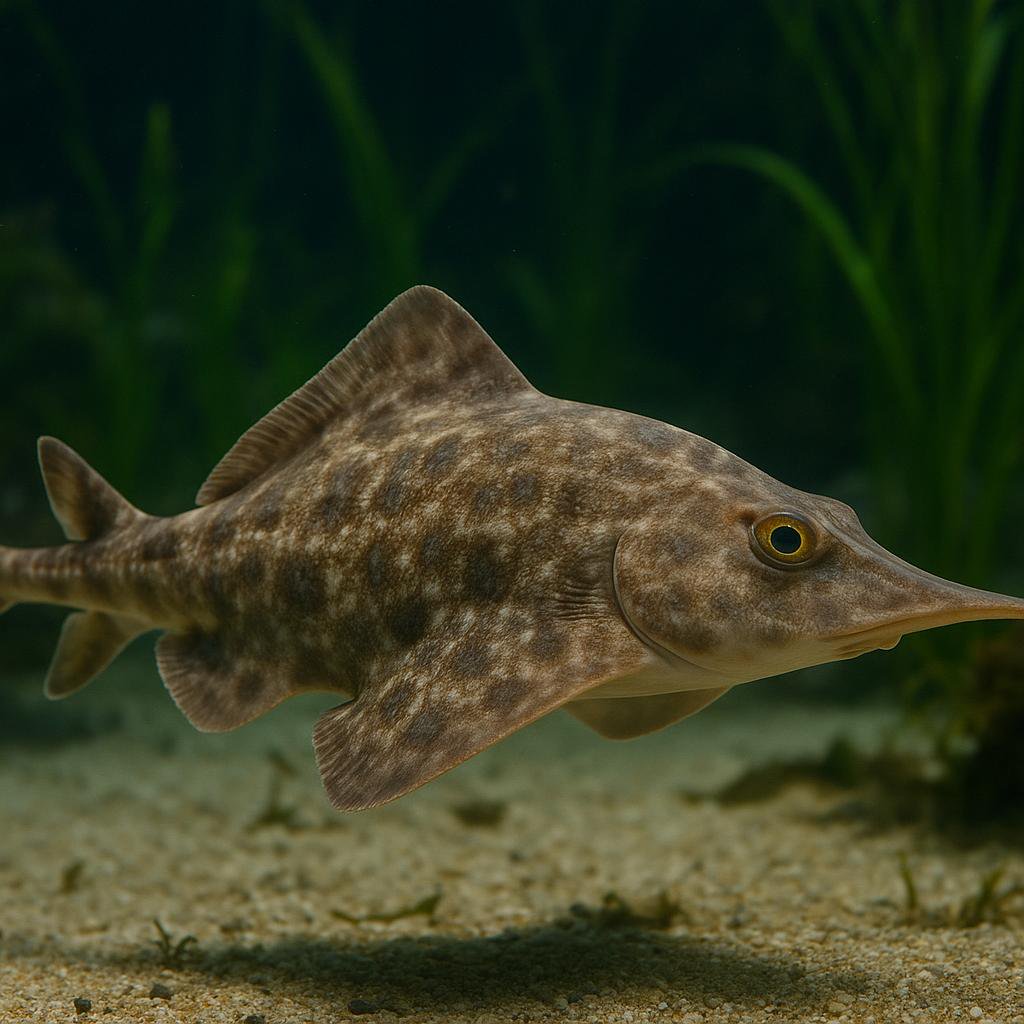
Bathyraja aleutica
This is a big, cold-water deep-slope skate from the North Pacific that cruises muddy bottoms and eats chunky benthic prey like crabs and shrimp. The really cool bit is its egg-laying skate life - it does distinct pairing (the classic skate "embrace") and drops those tough egg cases on the seafloor. Not an aquarium fish at all unless you're basically running a public-aquarium-style chilled system.
Allis shad
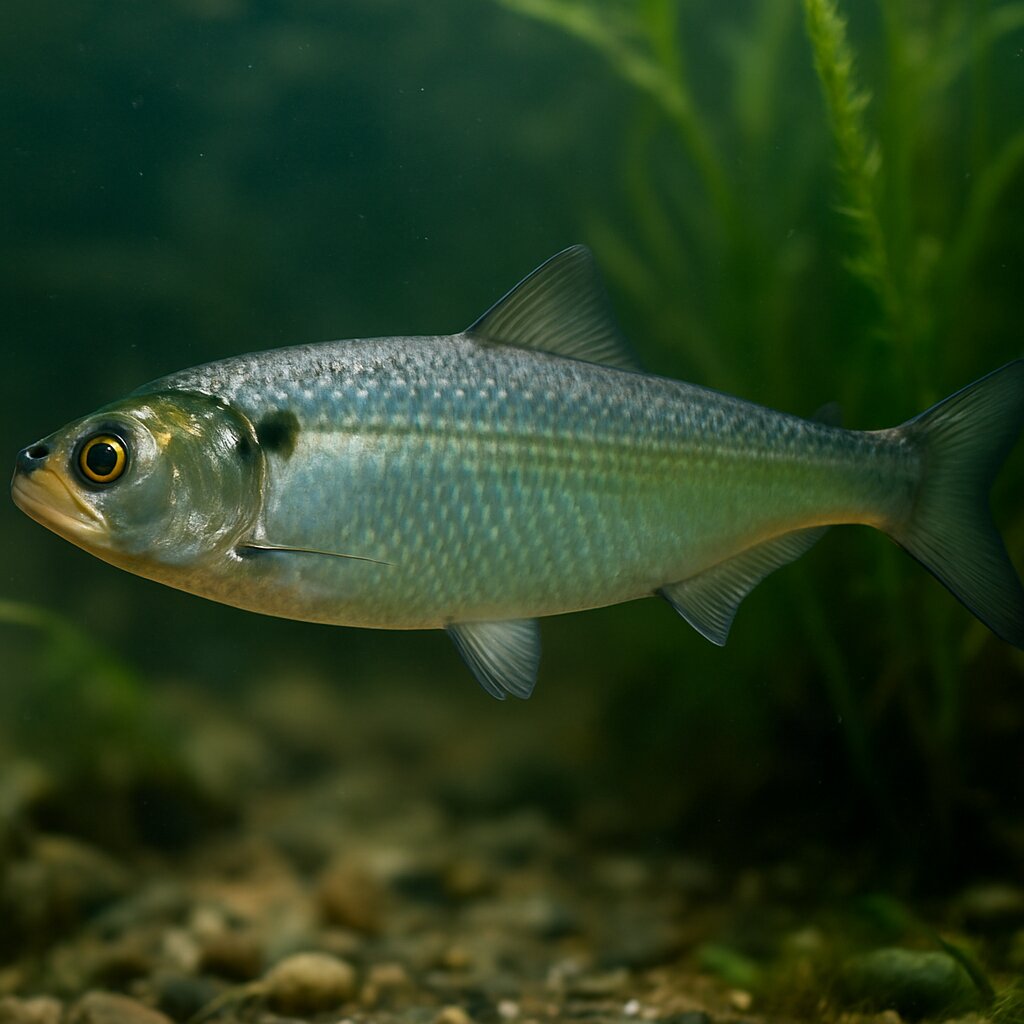
Alosa alosa
Gorgeous silver, fast-swimming shad that spends most of its life in the sea and then surges up big rivers in noisy, surface-spawning schools. It grows huge for a herring-type fish and needs cool, ultra-oxygenated water and tons of open space, so it is a public-aquarium species rather than a home tank fish.
Annandale's zebra sole
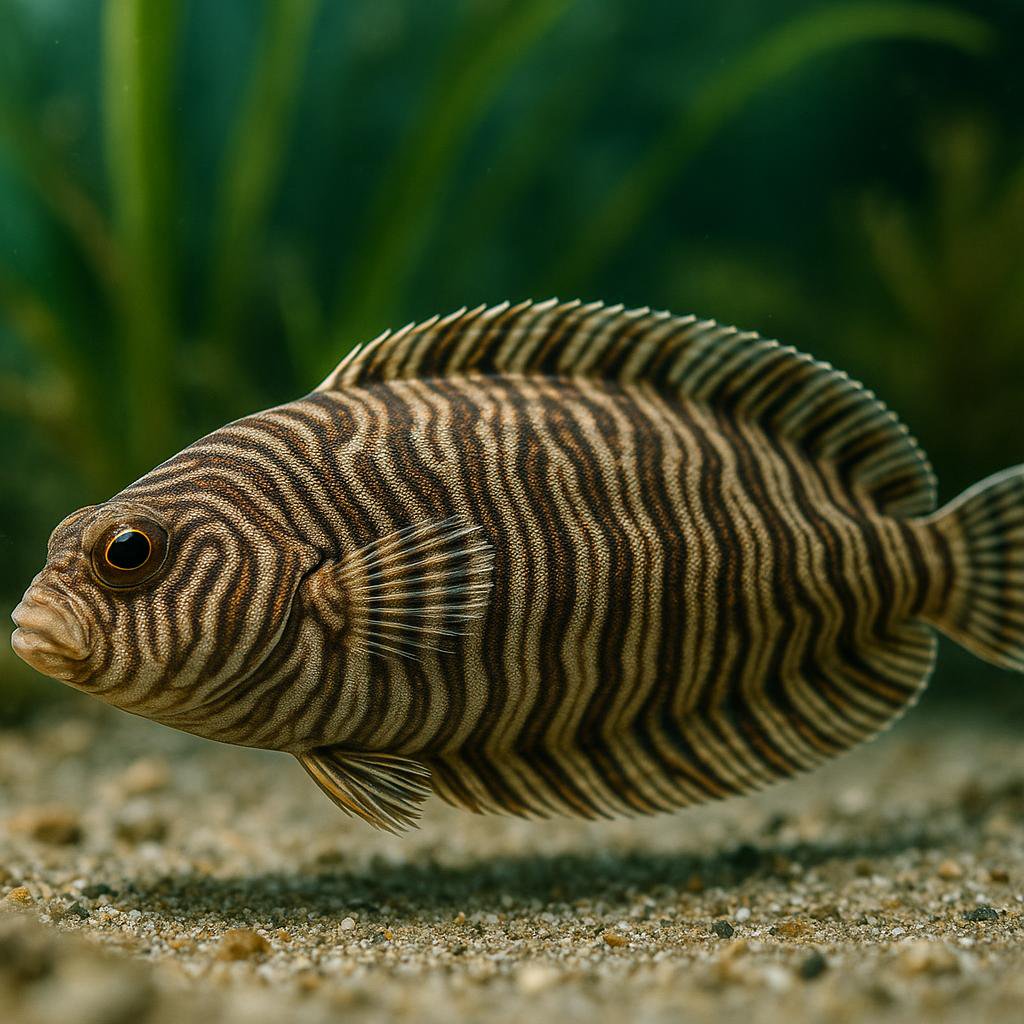
Zebrias annandalei
Zebrias annandalei is a small demersal sole from coastal India that inhabits sandy or muddy bottoms and buries for camouflage. It is rarely kept in home aquaria and would require a specialized marine sand-bottom setup and appropriate feeding.
Antarctic dragonfish
Vomeridens infuscipinnis
Deep down around Antarctica, this sleek dragonfish cruises the water column like a little submarine, nearly neutrally buoyant so it can hover above the seafloor. It munches almost exclusively on Antarctic krill and lives in near-freezing water 500-800 m down, so it is a cool species to read about, not one for home tanks.
Looking for other species?