

Whitebanded sharpnose wrasse
Wetmorella albofasciata
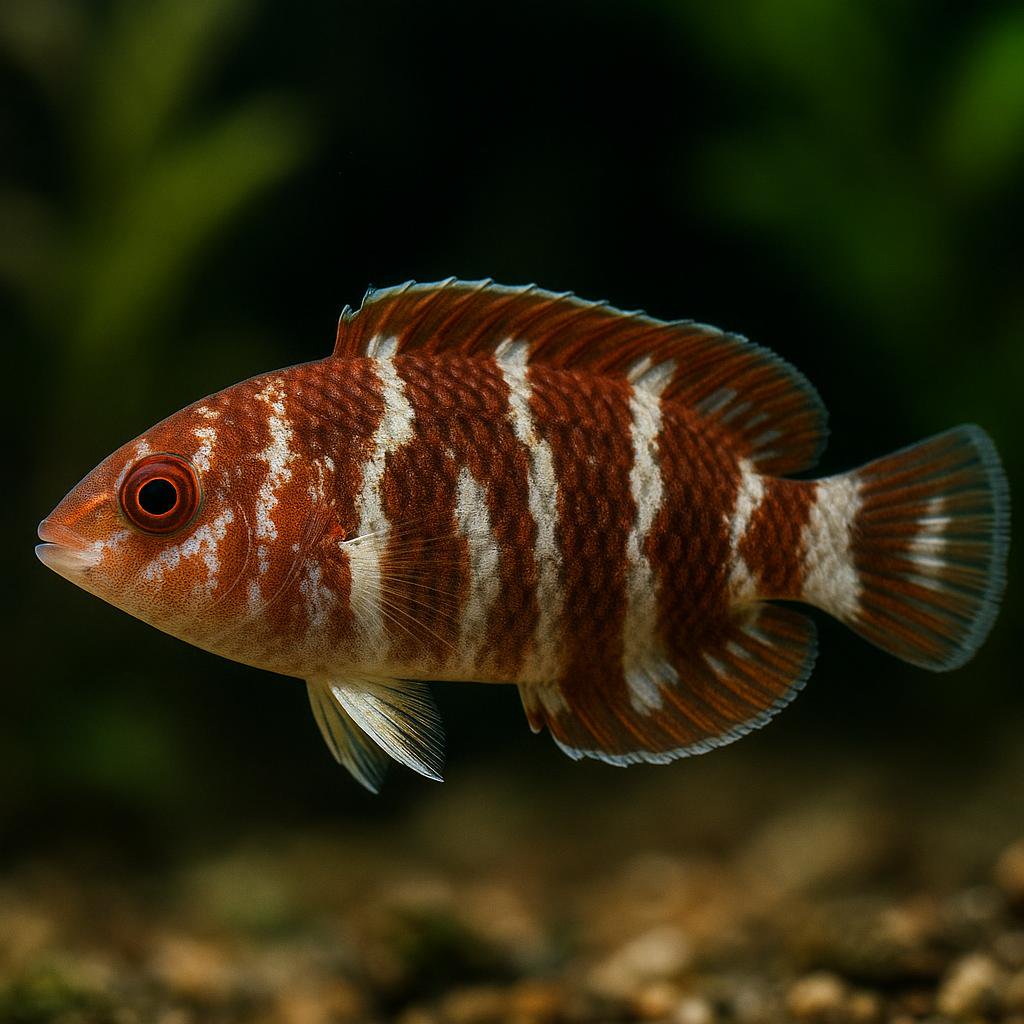
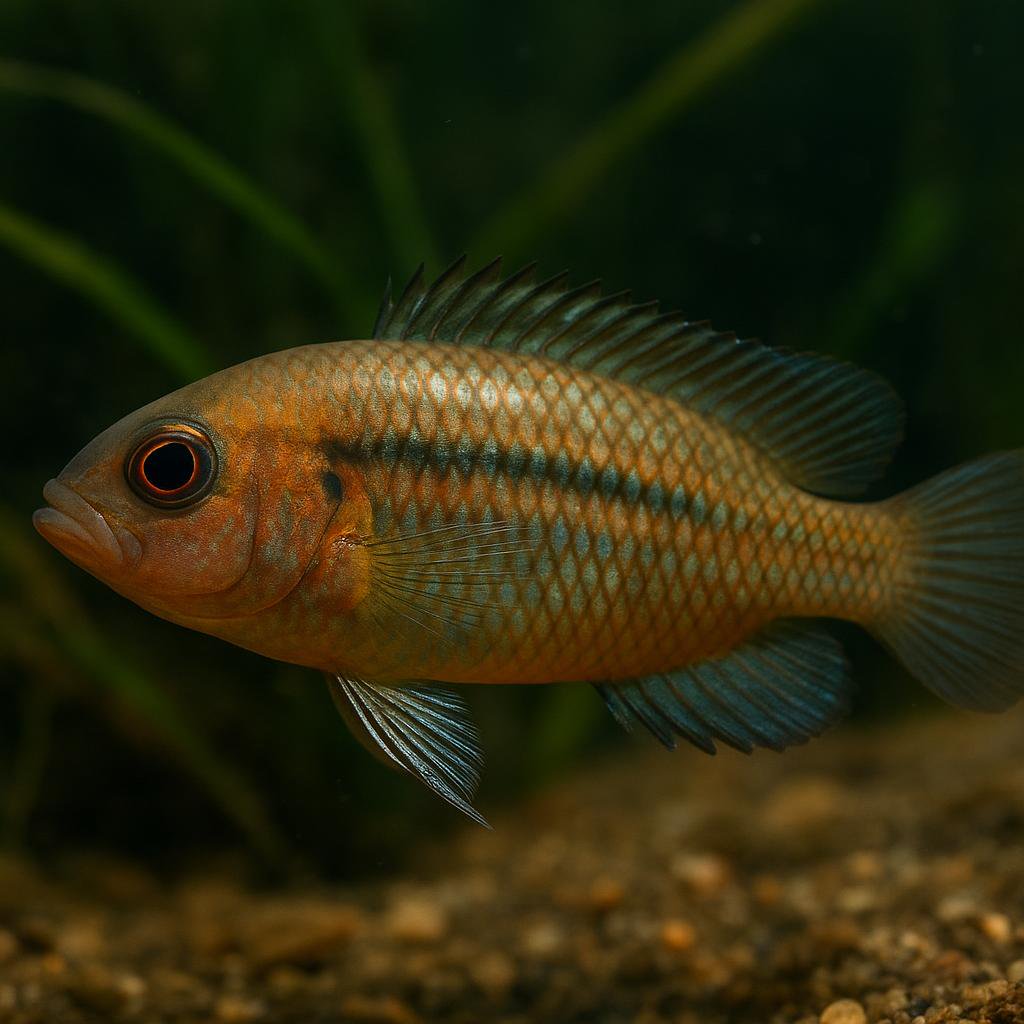
The Whitebanded sharpnose wrasse features a slender body with a prominent blue line along its snout and distinct white horizontal bands.
This page includes AI-generated images. Why am I seeing AI images?
About the Whitebanded sharpnose wrasse
This is one of those tiny, cryptic wrasses that spends a lot of time weaving through rockwork and poking into little cracks like it is on a constant scavenger hunt. The big eyes and sharp snout give it a weird-cute "mini predator" look, and it really shines in a peaceful reef where it feels safe enough to come out and cruise.
Also known as
Quick Facts
Size
6 cm
Temperament
Peaceful
Difficulty
Intermediate
Min Tank Size
20 gallons
Lifespan
4-7 years
Origin
Indo-Pacific
Diet
Carnivore - small meaty foods (mysis, brine, finely chopped seafood), pods/live rock microfauna
Water Parameters
22-26°C
8.1-8.4
Need a heater for this species?
This species needs 22-26°C in a 20 gallon tank. Use our heater calculator to find the right wattage.
Calculate heater sizeCare Notes
- Give it lots of rockwork with tight caves and overhangs - this fish is a peek-and-dart wrasse and will stay stressed if it has nowhere to vanish.
- Keep a lid or mesh top on the tank; they can jump when spooked, especially right after lights out or during acclimation.
- Stable reef-style water is the game: ~22-26 C (72-79 F), salinity ~1.020-1.025, pH 8.1-8.4, and keep nutrients reasonable so it stays bold and eating.
- Feed small meaty stuff 1-2 times a day: mysis, brine + spirulina, finely chopped shrimp, and good pellets once it recognizes them; new arrivals often need frozen foods to get started.
- They are great with peaceful reef fish (gobies, blennies, small tangs, clowns) but skip housing them with bully wrasses, dottybacks, or aggressive hawkfish that will pin them in the rocks.
- Watch for it getting outcompeted at feeding time - if it hides during meals, target feed with a pipette near its cave so it actually gets food.
- Quarantine if you can: they can show flukes/ich like any wrasse, and they do not love harsh copper; praziquantel for flukes and observation is usually the safer route.
Compatibility
Good Tankmates
- Other small, mellow reef fish like gobies (watchman, neon, clown goby) - they mostly mind their own business and the sharpnose wrasse just cruises the rockwork hunting pods
- Blennies like tailspot or bicolor (assuming they are not the rare jerk) - fun perchers, not really competing for the same space, and they do fine with a shy wrasse
- Peaceful dartfish/firefish - they hang in the water column and the Wetmorella sticks to caves and ledges, so you get a nice spread of activity without drama
- Peaceful community reef fish that won't outcompete/harass it (e.g., calm gobies, firefish, some fairy/flasher wrasses) - monitor feeding so Wetmorella isn't starved out.
- Reef-safe small angels that are on the calmer side (like cherub/flameback) - generally OK if the angel is not a terror and there are plenty of hiding spots for the sharpnose
- Clownfish in the more chill category (ocellaris/percula) - usually works, just watch a hosting pair in a small tank because they can get pushy around their corner
Avoid
- Aggressive dottybacks (especially pseudochromis like bicolor or fridmani when they decide to own the whole rock pile) - they can harass this wrasse nonstop and keep it hiding
- Hawkfish (flame/longnose) - not always evil, but they are classic 'perch and pounce' types and will bully or stress a shy little wrasse, plus they snack on small shrimp too
- Big, territorial wrasses (sixline, fourline, most Halichoeres in a tight tank) - they tend to outcompete and chase Wetmorella, and the sharpnose usually loses that argument
- Triggers and larger aggressive fish (most triggers, big damsels, nasty maroon clowns) - too boisterous, too food-competitive, and the sharpnose ends up pinned in the rocks
Where they come from
Whitebanded sharpnose wrasses (Wetmorella albofasciata) are little reef wrasses from the Indo-Pacific. In the wild they hang around rubbly reef slopes and tight crevices, popping out to grab tiny prey and then vanishing again. That "peek out, grab food, disappear" behavior is exactly what you will see in your tank too.
Setting up their tank
Think "safe maze of rock" more than "wide open swimming lane." These guys are small, but they are not bold like a sixline. If they do not have hiding spots, they stay stressed and you barely see them.
- Tank size: 20-30 gallons can work for one, bigger is always easier if you have pushy tankmates
- Rockwork: lots of holes, overhangs, and tight caves (they love to thread through branching rock)
- Flow: moderate, not blasting their favorite hideouts
- Lighting: any reef lighting is fine, but give shaded zones so they feel comfortable coming out
- Cover: a lid or tight mesh top - they can and will jump when spooked
If there is even a small gap around your lid, assume the wrasse will find it. I have lost one to a tiny opening at the back corner that I swore was "too small."
They do fine in a typical stable reef system: 1.025-ish salinity, temps in the upper 70s F, and low-to-moderate nutrients. Stability matters more than chasing a specific number. Also, they appreciate a mature tank with lots of micro-life in the rocks.
What to feed them
These are micro-predators. A new sharpnose wrasse often ignores big chunky foods at first and goes hunting between feedings. Once they settle in, most become solid eaters, but you usually have to meet them halfway.
- Best starters: live copepods, live baby brine, or enriched frozen cyclops
- Frozen staples: mysis (smaller pieces), brine shrimp (enriched), finely chopped seafood blends
- Pellets/flakes: some learn eventually, but do not count on it early on
Feed small amounts more often, especially at first. Two to four quick feedings beats one big dump of food. They are pickers and can get outcompeted.
If you have a pod population (refugium, pod hotel, or just mature rock), it really helps with that "in between meals" grazing. If your tank is newer or super sterile, plan on heavier frozen feeding and keep an eye on body condition.
How they behave and who they get along with
Whitebanded sharpnose wrasses are generally peaceful and a bit shy. They spend a lot of time weaving through rockwork and hovering close to cover. Once they feel safe, they become one of those fish you notice constantly because they are always doing something.
- Good tankmates: other calm reef fish (gobies, blennies, dartfish, small angels with manners, peaceful tangs in bigger tanks)
- Use caution: hyper/territorial wrasses (sixlines can be a problem), dottybacks, hawkfish that bully or ambush
- Avoid: big aggressive fish that keep them pinned in the rocks
Reef safety: they are generally coral-safe. They may snack on tiny crustaceans, so if you are trying to maintain a big ornamental pod/amphipod population, expect them to hunt.
They are not the type to start fights, but they also do not like being harassed. If another fish claims the same cave network, the sharpnose usually loses. Give them multiple escape routes and more than one "home base" in the rock.
Breeding tips
Breeding in home aquariums is not common. Like many wrasses, they are pelagic spawners (eggs and larvae drifting in the water column), so raising babies is the hard part, not getting adults to pair up.
If you ever see a "rush" into the water column around dusk with quick circling, that is often courtship/spawning behavior in wrasses. A calm tank with a natural-ish light ramp (or just a consistent schedule) makes that more likely.
If you are serious about trying, you are in live foods and larval rearing territory (rotifers, copepod nauplii, dedicated rearing setup). For most of us, the realistic goal is keeping a healthy, well-fed fish and enjoying the personality.
Common problems to watch for
- Not eating at first: very common - offer smaller foods and give them quiet time to settle
- Getting outcompeted: watch during feeding; they can look "fine" but slowly lose weight
- Jumping: usually happens in the first week or after a scare
- Skin issues/parasites: marine ich and flukes can hit wrasses; watch for flashing, heavy breathing, and faded color
- Stress from bullying: if they never leave the rocks after the first couple weeks, suspect a tankmate problem
A sharpnose wrasse that is pinched behind the head or looks hollow in the belly is already running on empty. Step up feeding frequency and reduce competition fast.
Quarantine can be tricky with shy wrasses because a bare tank can stress them out. If you QT, add some PVC elbows for cover and keep lighting subdued. Whether you QT or not, the biggest success factor I have seen is this: a calm tank, lots of rock cover, and food they actually recognize.
Similar Species
Other marine peaceful species you might be interested in.
Banggai Cardinalfish
Pterapogon kauderni
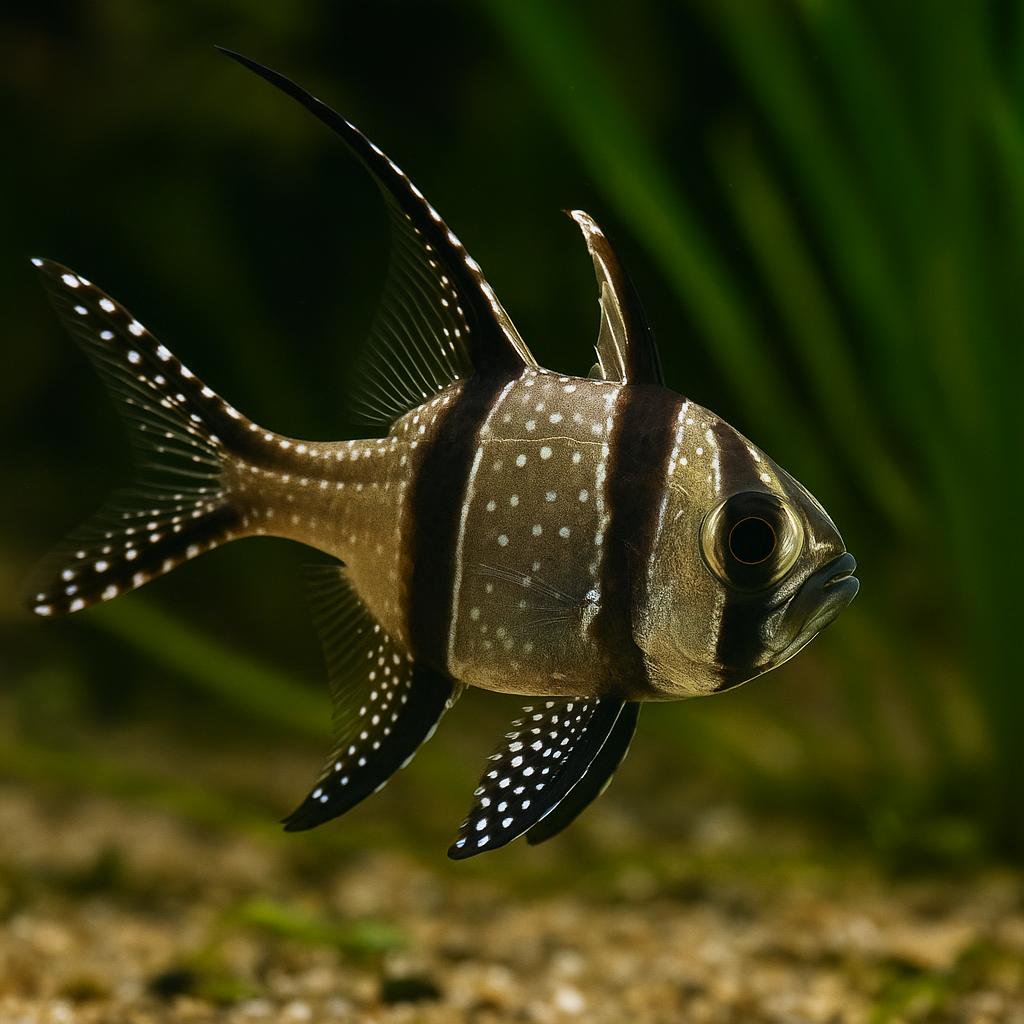
Banggai cardinals just sort of hover like little underwater satellites, and the bold black bars with those long, polka-dotted fins look unreal under reef lighting. They're super chill most of the time, but once a pair forms you'll see real "fish drama," and the male will even mouthbrood the babies like a champ.
Bicolored foxface
Siganus uspi
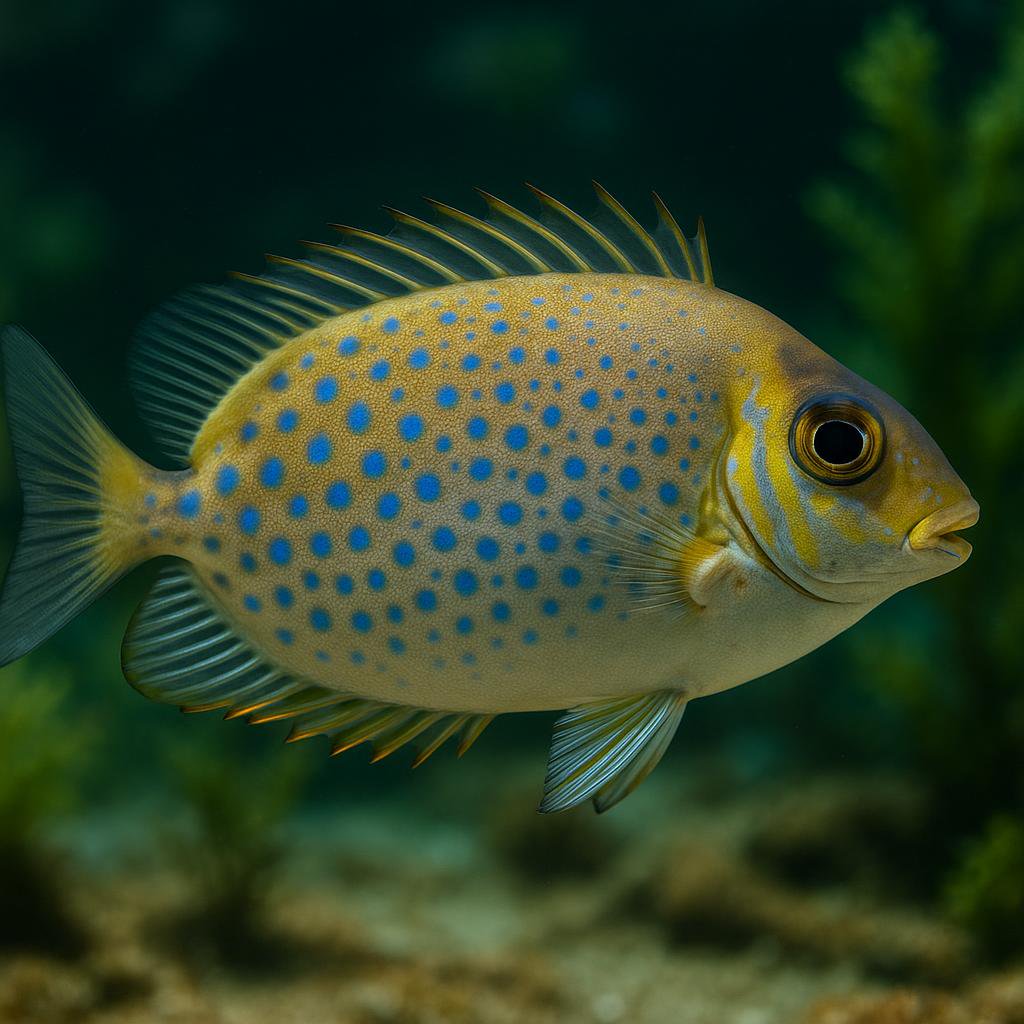
A Fiji native with a sharp two-tone look, the bicolored foxface is half deep brown and half yellow with a crisp line between. It spends the day grazing algae and can snap into a mottled camouflage when spooked; those tall dorsal spines are venomous, so other fish usually keep their distance.
Blackfin slatey
Diagramma melanacrum
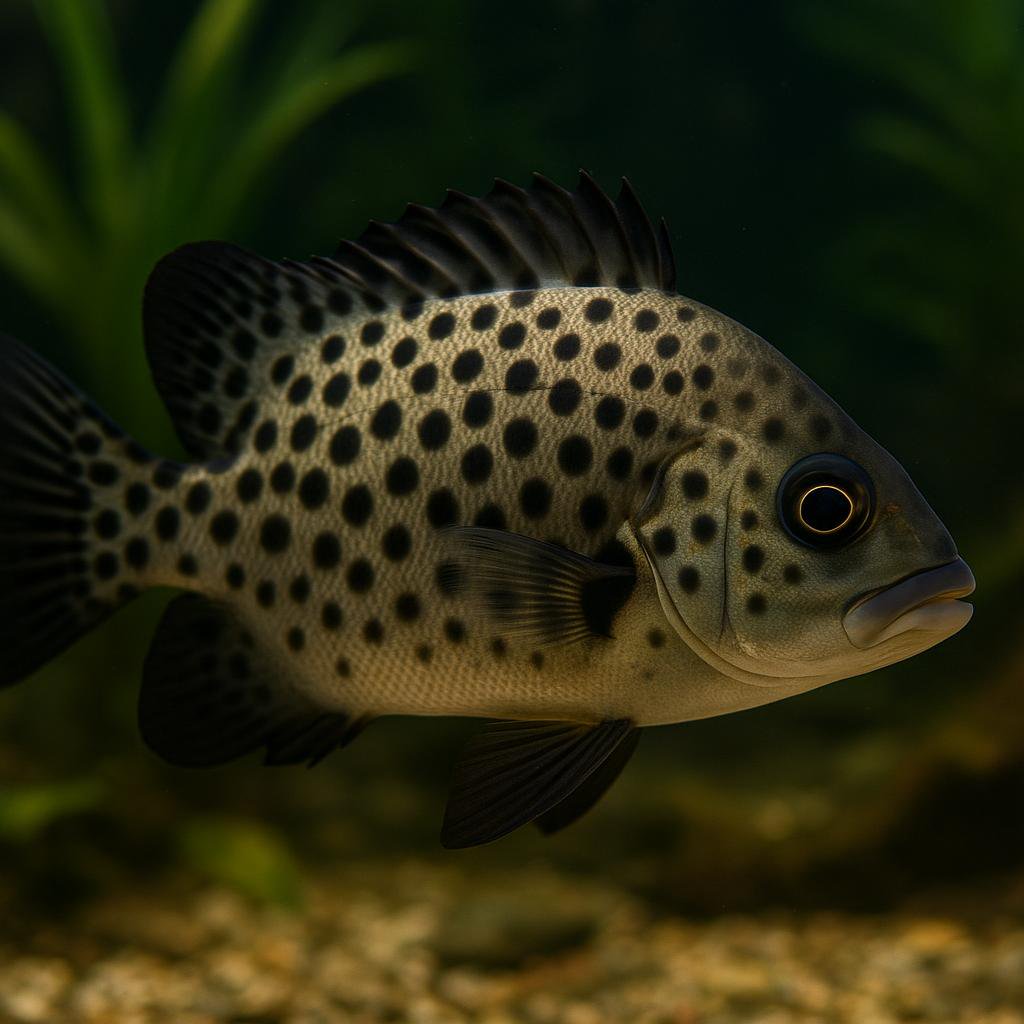
A large sweetlips from Southeast Asian reefs with a pale silvery-yellow body sprinkled in dark spots and distinct black pelvic and anal fins. Juveniles linger in silty shallows, while adults rest in small groups on deeper reef walls by day and roam at night to pick off crabs, shrimp, and other invertebrates.
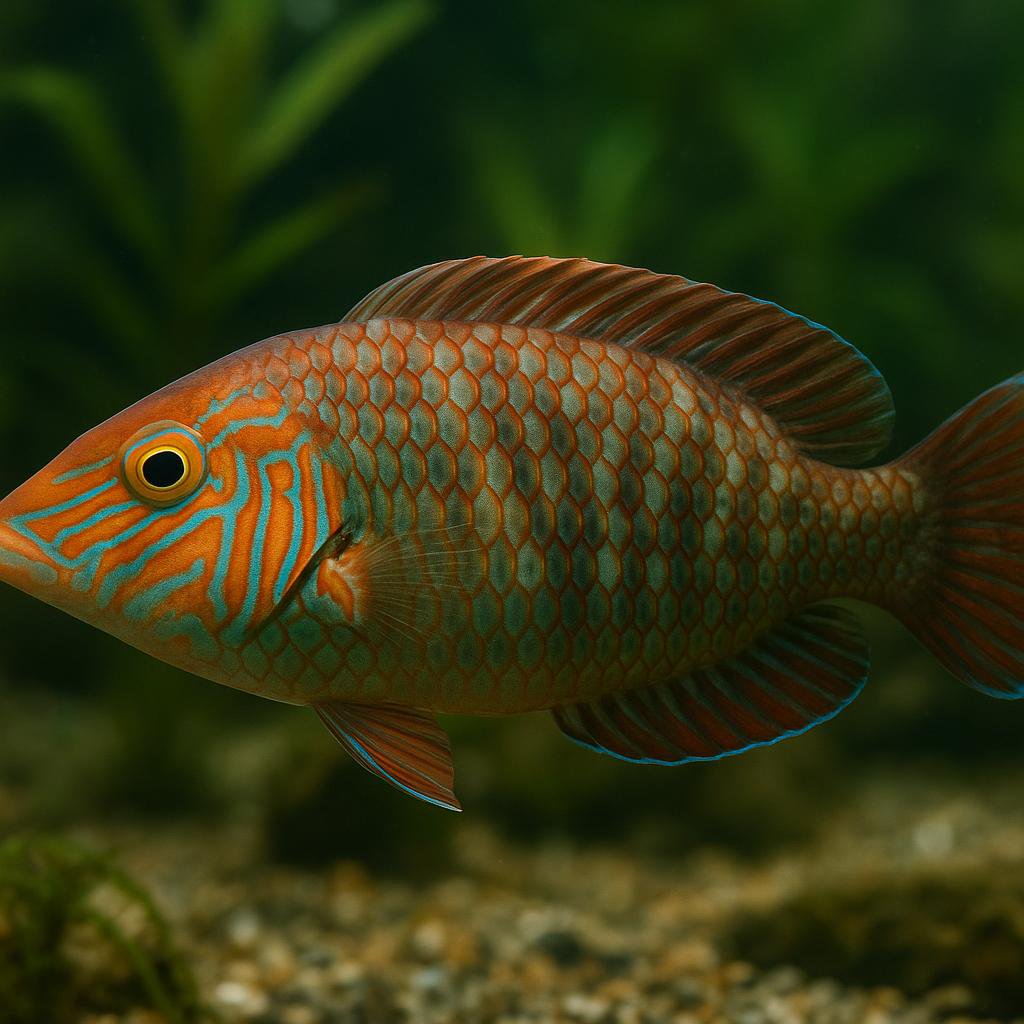
Blackspot razorfish
Iniistius dea
This is one of the coolest "knife-bodied" wrasses - it hangs over open sand and, when it gets spooked or wants to sleep, it literally torpedoes straight into the sand. Give it a deep, fine sand bed and it will act totally different (and way more natural) than a typical rock-hugging reef wrasse. Adults are usually shy and cruisy with tankmates, but they are not forgiving about rough handling or sketchy setups.
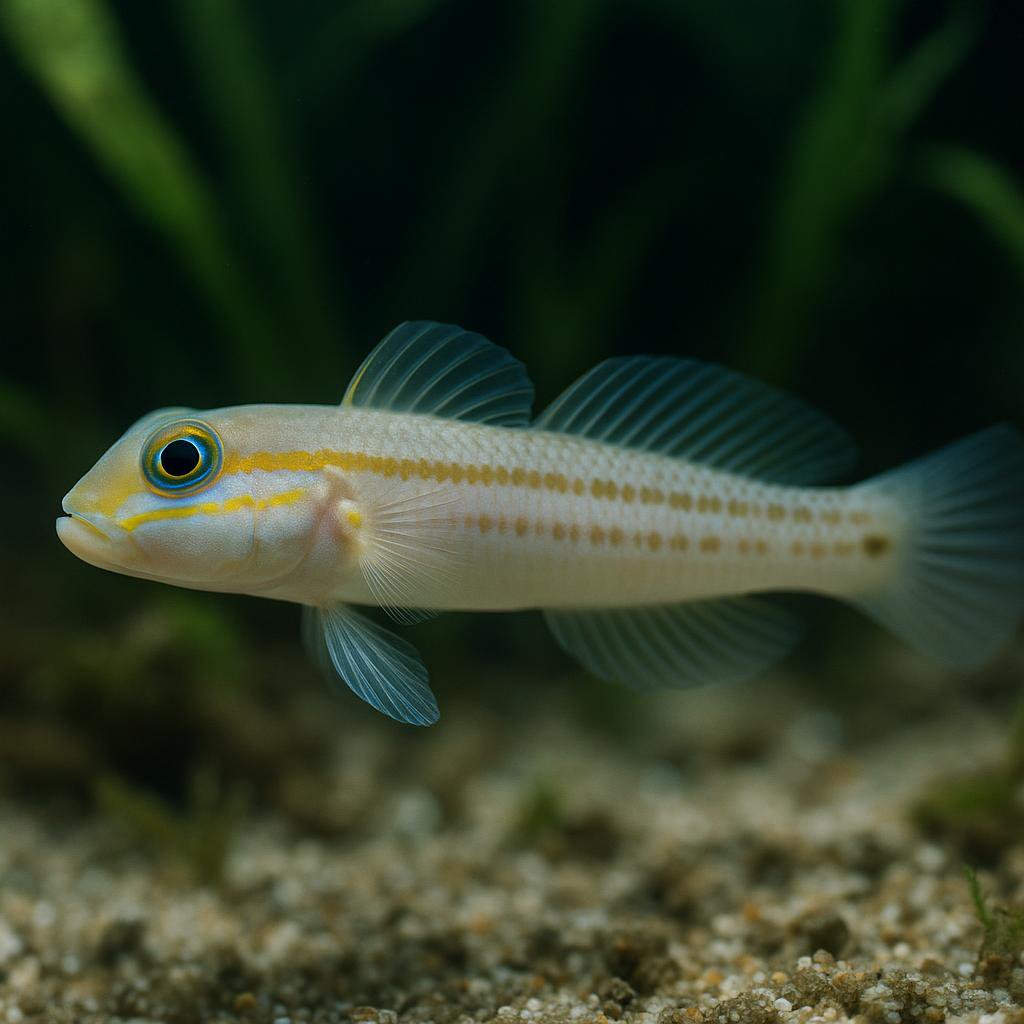
Blueband goby
Valenciennea strigata
This is that classic gold/yellow-headed sand-sifting goby with the little blue cheek stripe-always busy, always rearranging your sandbed. In a reef tank it'll spend the day taking mouthfuls of sand, filtering out tiny critters/foods, then "snowing" clean sand back out, and it'll usually claim a burrow area (often as a pair in the wild). It's super cool behavior-wise, but you really do need a mature tank with a proper sandbed and a lid because they can jump.
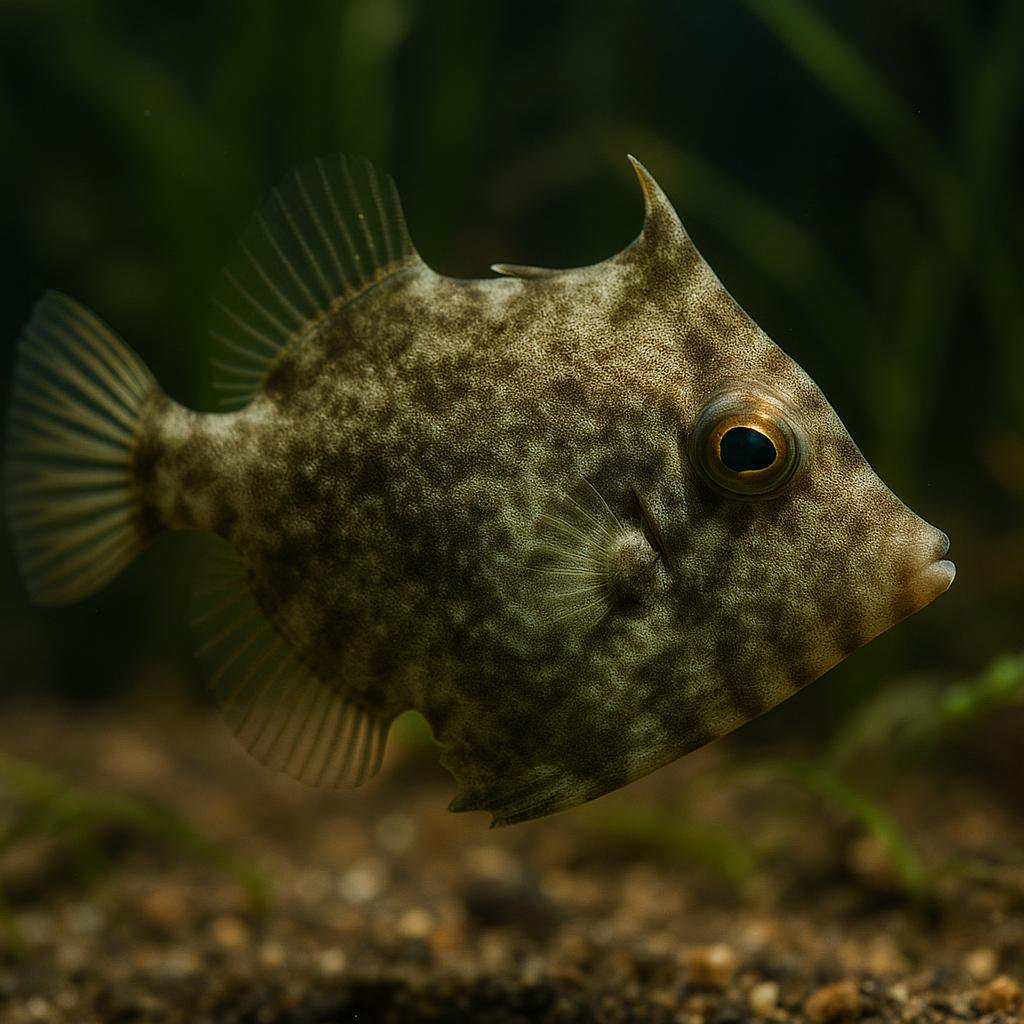
Bristletail Filefish (Aiptasia-Eating Filefish)
Acreichthys tomentosus
This little weirdo is one of my favorites because it's got that goofy filefish "face," a knack for wedging itself into rockwork, and a ton of personality once it settles in. People love them for the chance they'll snack on nuisance Aiptasia, but even when they're not on pest patrol they're just fun to watch cruise around and pick at stuff all day.
More to Explore
Discover more marine species.
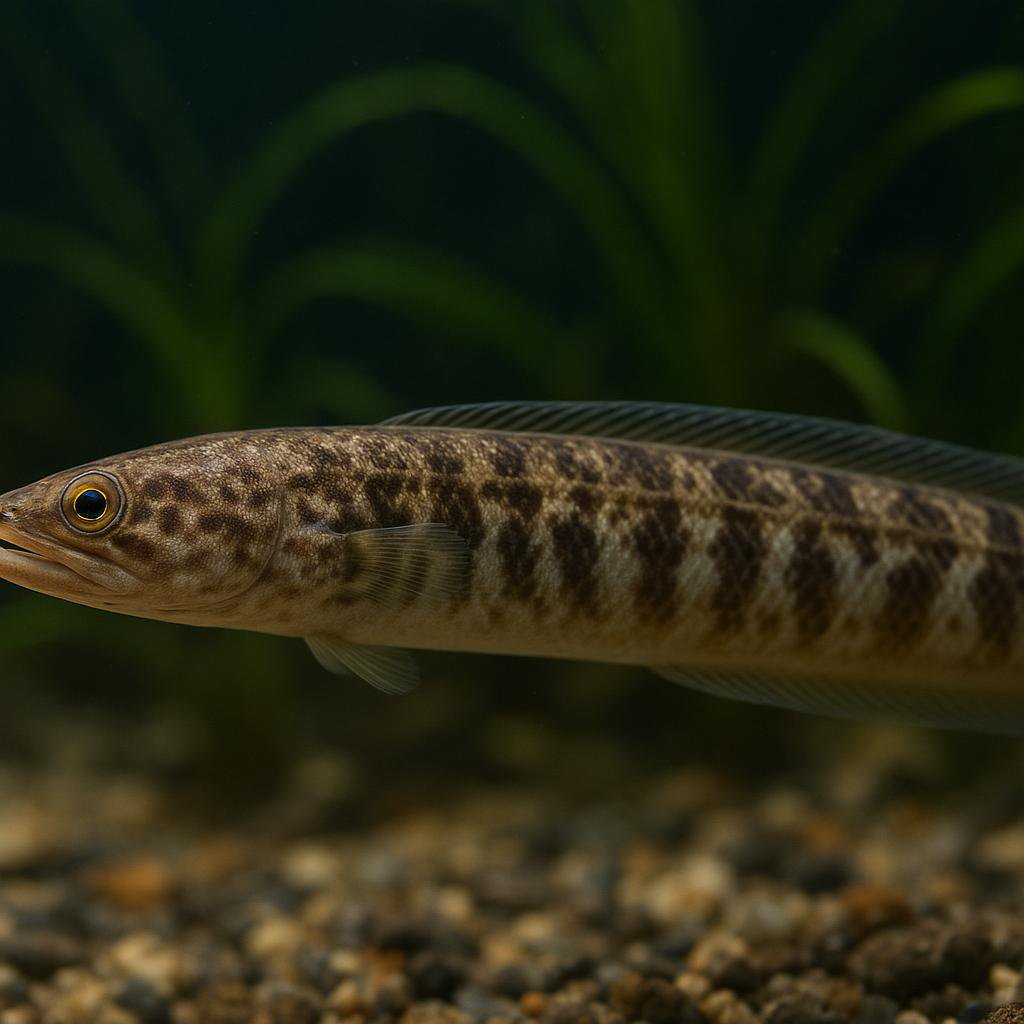
Blackspotted snake eel
Quassiremus ascensionis
A tropical marine snake eel that buries in soft substrates (sand/mud/gravel) with only the head exposed to ambush prey. Recorded to 71 cm TL and occurs mainly in the western Atlantic (also Brazil) and at Ascension Island; typically found in shallow inshore habitats to ~12 m, including sand and seagrass (turtle grass) areas.
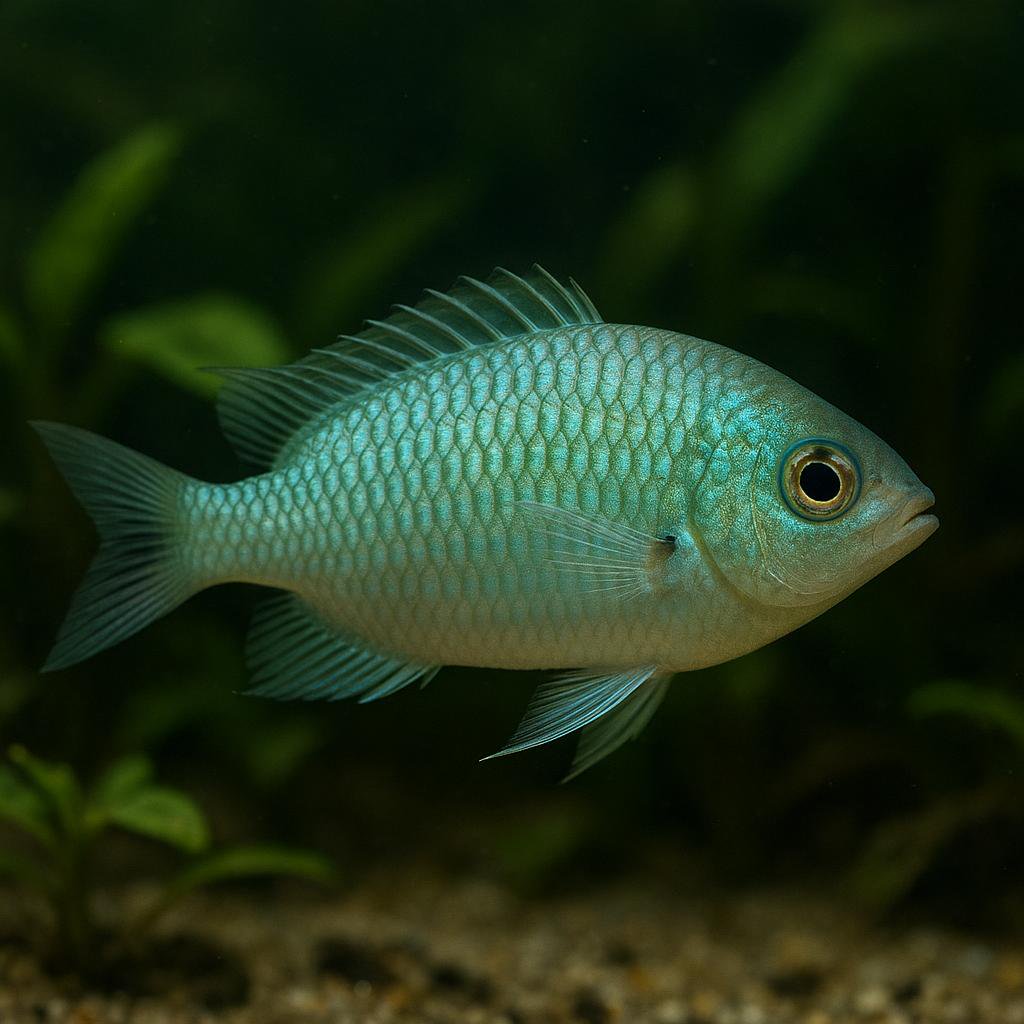
Blue Green Chromis (Green Chromis)
Chromis viridis
Blue Green Chromis are those shimmery little green-blue darts you'll see zipping around the top of a reef tank, always looking like they're catching the light just right. They're super fun in a group because they hover and cruise together, but they've got a bit of a "pecking order" thing going on if the tank's tight or the group's too small.
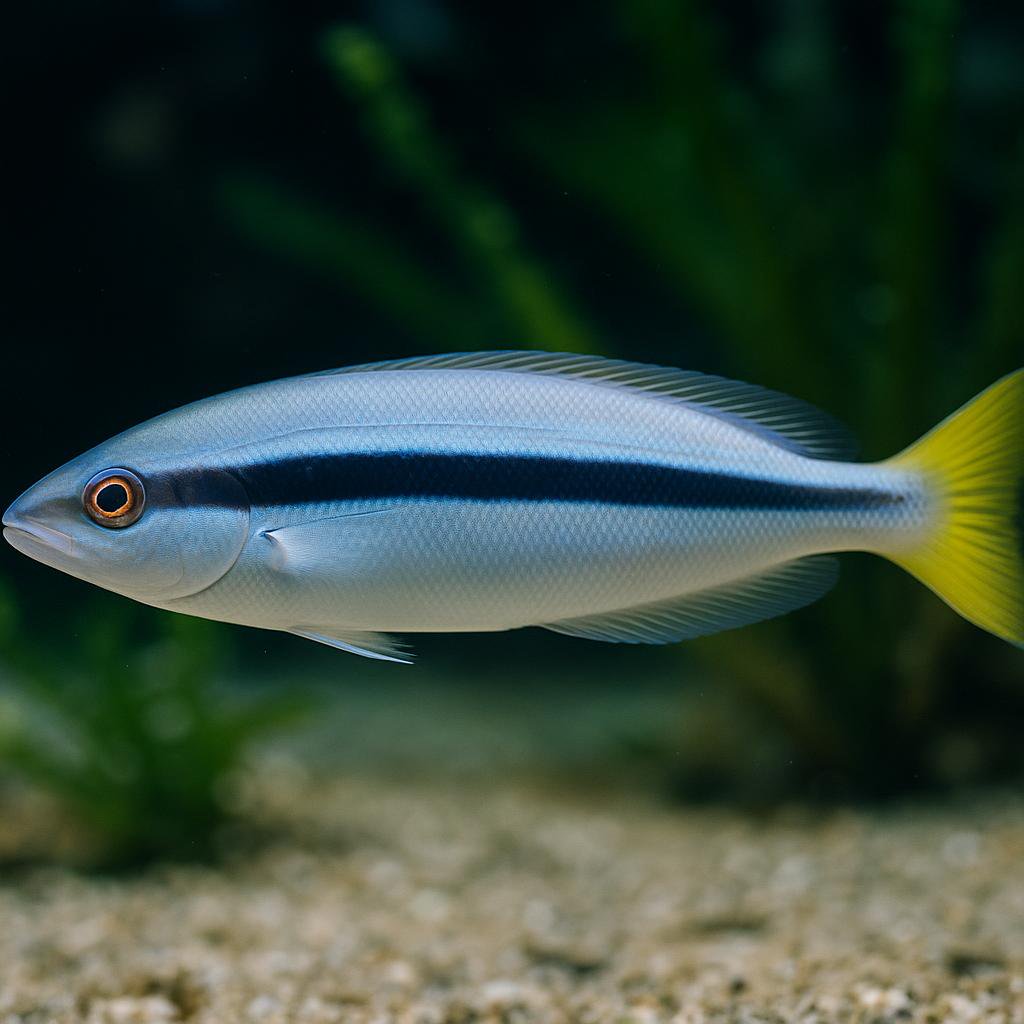
Blue blanquillo
Malacanthus latovittatus
A long, slim tilefish with a bold black side stripe and a blue head that fades down the body. It hovers high above the reef and darts back to a sand-rubble burrow, often living as a monogamous pair; in tanks it is fast, jump-prone, and will eat small crustaceans and tiny fish.
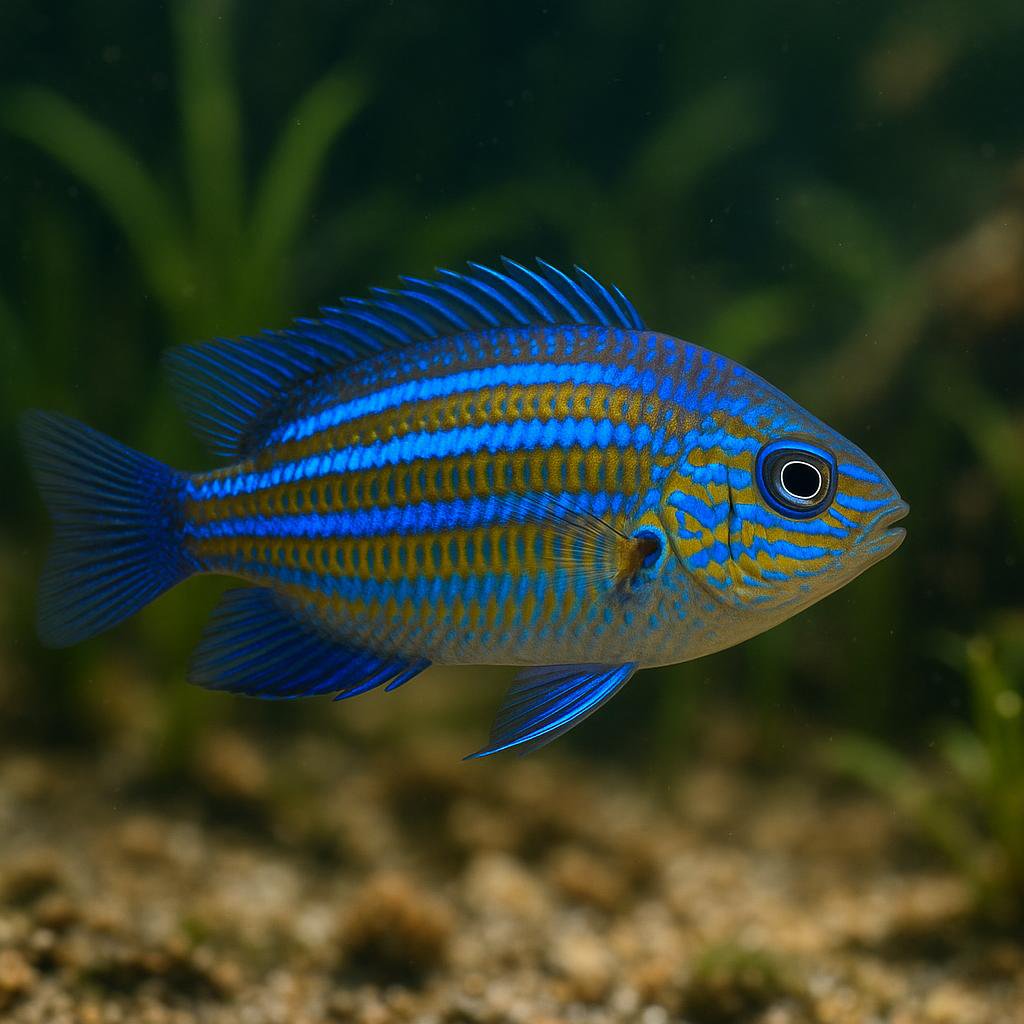
Blueline demoiselle
Chrysiptera caeruleolineata
A little reef damsel with a bright electric-blue line riding over a yellow body, it tends to live deeper on rubble slopes and hugs the bottom in small groups. In aquariums it prefers dimmer light, plenty of rock cover, and frequent small feedings of planktony foods; males guard eggs stuck to the substrate.
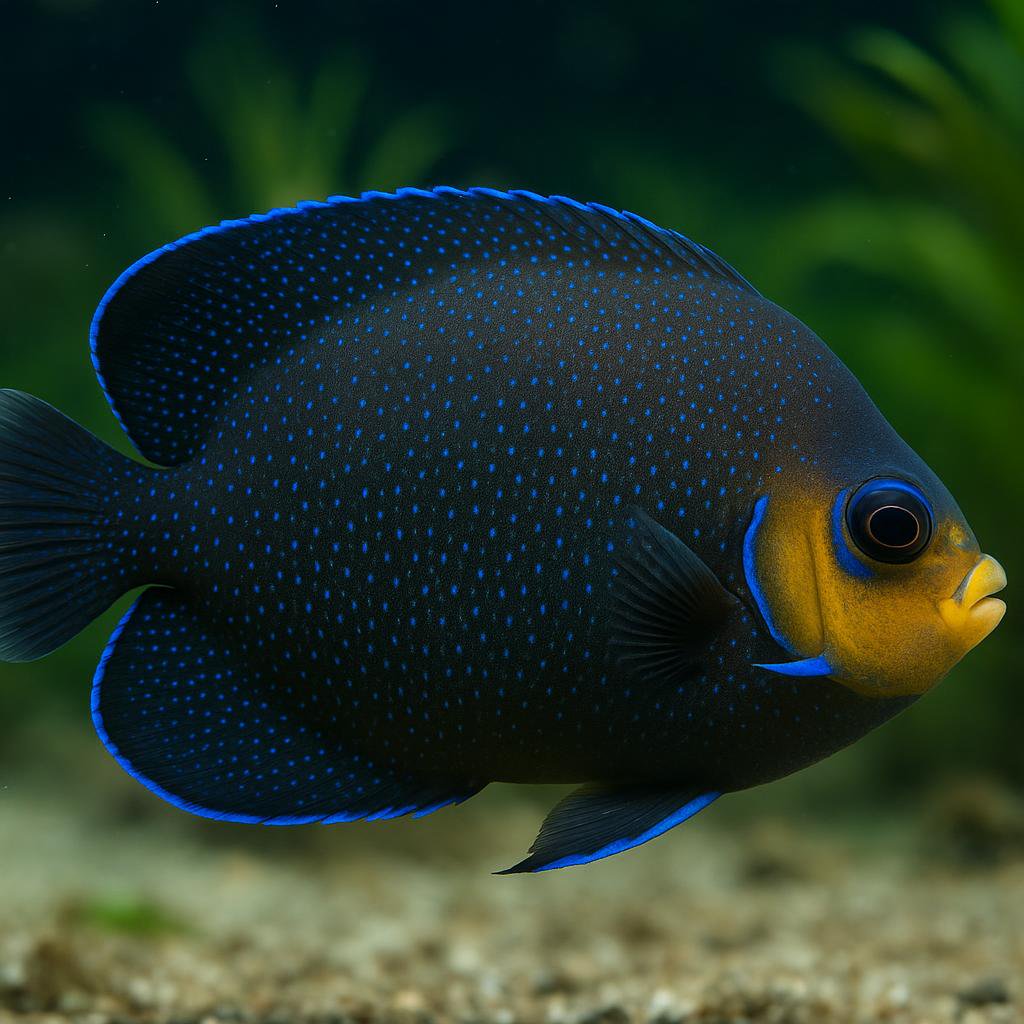
Bluespotted angelfish
Chaetodontoplus caeruleopunctatus
A medium Pomacanthid from the Philippines, it has a dusky body dusted with tiny electric-blue spots and a yellow tail. In the wild it browses sponges and tunicates on deeper reefs, so it thrives only in mature tanks with lots of live rock and frequent feedings.
Bluespotted dottyback
Pseudochromis persicus
A striking dark-bodied dottyback covered in tiny blue spots from the Persian Gulf and nearby western Indian Ocean reefs. It grows larger than most dottybacks and throws a lot of attitude for its size, staking out caves and defending them hard. Best for roomy marine setups with robust tankmates and plenty of rockwork to break lines of sight.
Looking for other species?