

New Zealand rough skate
Zearaja nasuta
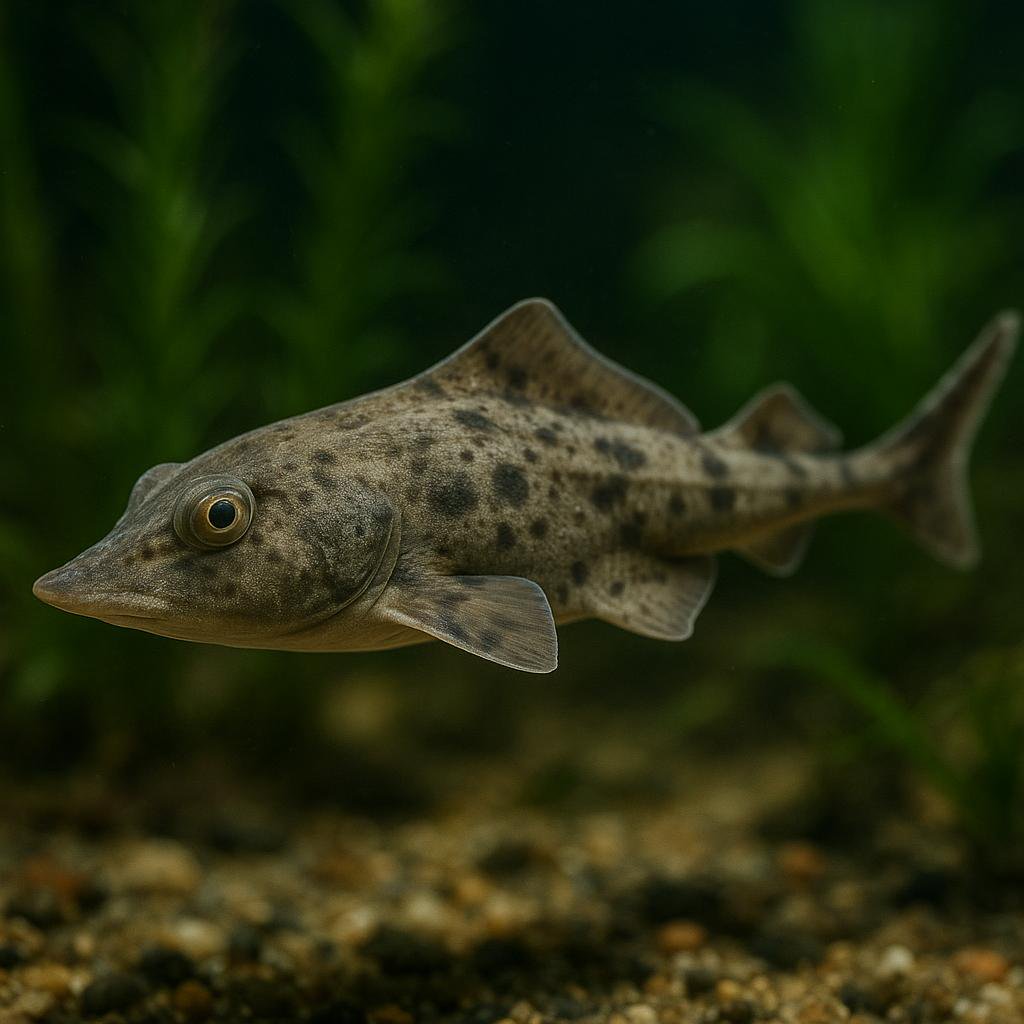
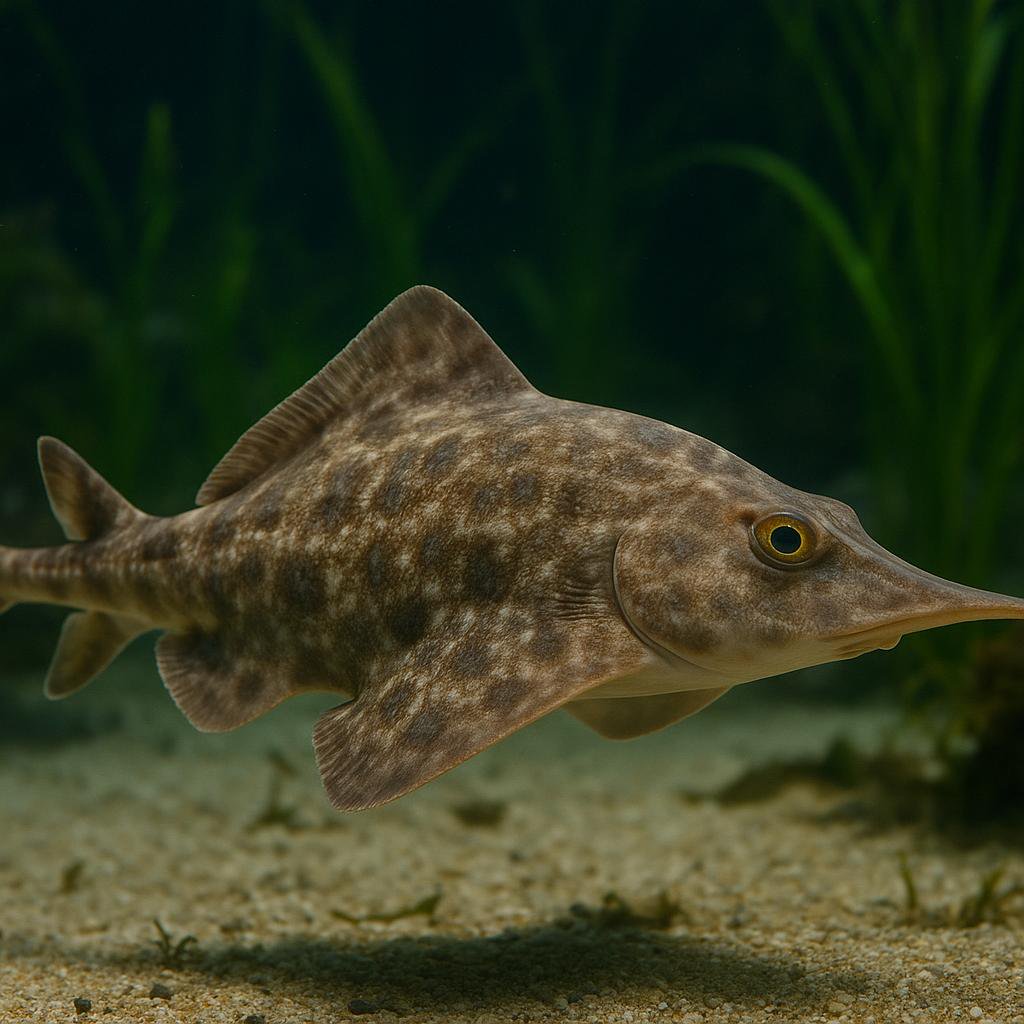
The New Zealand rough skate has a flattened body with rough, textured skin and is predominantly grey-brown, featuring distinctive dark mottling.
This page includes AI-generated images. Why am I seeing AI images?
About the New Zealand rough skate
Zearaja nasuta is a big, cold-water skate from New Zealand that spends its time on the bottom, often half-buried in sand. It is an egg-layer that drops those classic "mermaid's purse" capsules in sandy or muddy areas, and it hunts down fish, crabs, shellfish, and worms. Super cool animal, but not something that belongs in a normal home aquarium due to its size and cold marine needs.
Also known as
Quick Facts
Size
118 cm TL
Temperament
Peaceful
Difficulty
Expert
Min Tank Size
2000 gallons
Lifespan
up to 9 years
Origin
Southwest Pacific (New Zealand)
Diet
Carnivore - fish, shellfish, crabs, worms
Water Parameters
7.4-12.6°C
7.8-8.4
8-12 dGH
Need a heater for this species?
This species needs 7.4-12.6°C in a 2000 gallon tank. Use our heater calculator to find the right wattage.
Calculate heater sizeCare Notes
- Give it a big, wide footprint tank (think 8-10+ ft long) with a soft sand bed - they want floor space, not rock towers, and rough decor will chew up the disc and snout.
- Keep it cold and stable: 45-55F (7-13C) with a chiller, strong oxygenation, and serious flow turnover; warm spikes and low O2 will wreck them fast.
- Aim for natural seawater numbers and keep them steady: salinity 1.024-1.026, pH around 8.0-8.3, ammonia/nitrite 0, and keep nitrate low (under ~20 ppm) or you will see chronic stress and poor feeding.
- Feed meaty marine foods off tongs on the sand - squid, shrimp, smelt, silversides, clam, and chunks of marine fish; soak in vitamins/iodine and rotate foods so it does not turn into a picky eater.
- Do not keep it with nippy fish or anything that will outcompete it at feeding time; avoid triggers, puffers, big wrasses, and aggressive sharks, and stick to calm coldwater tankmates that will not bite fins or steal every bite.
- Watch for snout and belly abrasions plus fin edge rot - those usually come from rough substrate, sharp rock, or poor water, and they can go downhill quickly if you do not fix the cause.
- They are escape-prone and strong: tight lid, protected intakes, and no powerheads they can pin themselves to; skates love to wedge into corners and you do not want them stuck on a grate.
- Breeding is possible but slow: they lay tough egg cases and will pick a quiet sandy area, so give hiding zones and do not rearrange the tank constantly; eggs need the same cold, high-oxygen water and a long incubation.
Compatibility
Good Tankmates
- Other calm, sand-loving rays and skates of similar size (think other small-to-medium benthic elasmobranchs). They mostly just cruise and bury, so as long as nobody is bullying or outcompeting them, it stays drama-free.
- Peaceful, non-nippy midwater fish that are too big to swallow, like larger anthias or mellow damsels (not the psychotic ones). They hang up in the water column and usually ignore the skate.
- Chill bottom buddies that keep to themselves and are not bitey, like larger gobies that perch and scoot around the sand, or dragonets if the tank is mature and food is steady.
- Docile, open-water fish like bamboo sharks or other laid-back small sharks (only if the system is huge, with lots of floor space, and everyone is on the same feeding schedule). They tend to coexist if nobody is competing hard for the same meaty foods.
- Non-aggressive catsharks and houndsharks that are not pushy at feeding time (again, big footprint tanks). The rough skate is peaceful, so the main trick is pairing it with stuff that does not harass it or steal every bite.
- Large, calm scavengers like big, well-behaved serpent stars or sea cucumbers can work in some setups, since they clean up leftovers without bothering the skate (just keep an eye on anything that tries to climb on the skate).
Avoid
- Triggerfish (especially queens, clowns, undulates, etc.) - they love to pick, bite, and test things, and a skate is basically a big moving target. Even one 'curious' trigger can shred fins and tail edges.
- Large aggressive puffers and porcupinefish - they are notorious for chewing on ray and skate fins. Might look fine for weeks and then you wake up to bite marks.
- Groupers and other big ambush predators - if it fits in their mouth, it is food. And even if it does not, they can still batter the skate at feeding time and stress it out nonstop.
- Nippy, territorial wrasses and damsels that harass anything on the sand (mean sixlines, big Thalassoma wrasses, nasty damsels). The skate will not fight back, it will just get worn down.
Where they come from
The New Zealand rough skate (Zearaja nasuta) is a cold-temperate skate from waters around New Zealand and nearby southern Australia. Think deeper, darker coastal-to-shelf habitats with steady temps, lots of sand and mud, and not a ton of flashy reef structure. They are built for cruising the bottom and ambushing food, not weaving through rocks.
This is an expert-only animal for a reason: it is a large, coldwater, high-oxygen, high-waste predator. If you do not already have cold marine life support experience, start with a smaller temperate species first.
Setting up their tank
Plan around footprint, not gallons. Skates need floor space to glide, turn, and bury, and they hate bumping their snout and wing tips on tight decor. A wide, open tank with rounded corners (or a big oval/round system) beats a tall show tank every time.
- Tank size: realistically public-aquarium scale. For a rough skate, think several meters of uninterrupted bottom space. If you are asking if a typical home tank is enough, it is not.
- Substrate: fine sand, deep enough for light burying. Avoid crushed coral and sharp grains - that is how you get belly and fin abrasions.
- Rockwork: keep it minimal and smooth. No jagged live rock piles. Give them open lanes, not obstacle courses.
- Filtration: oversized skimmer, big bio capacity, and a way to export nitrate (water changes, macro refugium, denitrification). Predators produce a lot of waste.
- Flow and oxygen: strong circulation but not a sandstorm. Big surface agitation and redundancy on aeration.
- Temperature: cold-temperate. You will be running chillers and backups. Stability matters more than chasing a specific number.
- Lighting: they do not need bright light. Dimmer lighting reduces stress and encourages feeding.
Heat is the silent killer with coldwater elasmobranchs. Plan for summer, power outages, and chiller failure. Redundant chillers, alarms, and a generator plan are not optional at this level.
Use overflows and intakes that cannot trap a wing tip. I like big strainers and slow intake velocities. Also, cover any pump inlets inside the tank. Skates will sit on things you would not expect.
If you have never kept a skate: practice your system with messy feeders first (rays/skates are basically living protein skimmers in reverse). If your filtration cannot keep up with a pile of shrimp and fish scraps, it will not keep up with the skate.
What to feed them
They are bottom-feeding predators. In captivity you are basically trying to offer a varied seafood diet while keeping the water clean and the nutrition balanced. The trick is getting them onto dead foods and not letting them become picky.
- Staples: squid, scallop, prawn/shrimp, marine fish flesh (smelt, herring, silversides), clams/mussels (meat only).
- Treats/variety: crab, krill, bits of octopus (not too fatty), occasional live shore crab if legal and disease-free (use sparingly).
- Avoid: freshwater feeder fish, goldfish, and oily or questionable bait fish. Also avoid anything with sharp shells or spines.
- Supplements: rotate foods and use a marine vitamin/iodine supplement on thawed items if your diet is heavy on one or two ingredients.
Most skates learn fast if you target feed with long tongs. Offer small pieces at first so they do not spit it out and lose interest. Once they are confident, you can increase chunk size. I prefer multiple smaller feeds over one giant meal, mainly to keep the water from getting wrecked and to avoid regurgitation.
Thaw in tank water, pour off the thaw juice, then feed. That little step cuts down on the nutrient spike and keeps your skimmer from going nuts.
How they behave and who they get along with
Rough skates are generally calm, but they are still predators with a big mouth and a strong feeding response. They spend a lot of time cruising the bottom, resting, and partially burying. They are not a centerpiece that wants attention - they want space and predictable routines.
- Good tankmates: other cold-temperate species that can handle the same temps and are not small enough to be eaten.
- Bad tankmates: anything bitey (trigger-type behavior), fin nippers, aggressive feeders, and fish that harass from above.
- Also bad: bottom fish that compete for the same food (fast, pushy feeders) or that have spines that can injure the skate if swallowed.
If it fits in their mouth, they will eventually try. I have seen skates ignore a fish for months and then decide one night that it is dinner.
Handling stress shows up as refusing food, pacing the glass, or constant hiding/burying. Most of the time the fix is not a medication - it is tank layout, temperature stability, and making feeding calm and consistent.
Breeding tips
Breeding rough skates in private setups is rare, mostly because the systems big enough to keep adults comfortably are rare. Like other skates, they are oviparous and lay egg cases (the classic "mermaid's purse").
- You need mature male and female, lots of space, and long-term stable coldwater conditions.
- Egg cases may get dropped in quiet corners or near gentle flow. Protect them from curious tankmates and powerhead intakes.
- Incubation is slow in cool water. Expect a long wait and do not mess with the egg case unless you have to.
If you ever do get egg cases, document dates, temps, and any changes. That kind of record is gold for temperate elasmobranch husbandry.
Common problems to watch for
Most issues trace back to three things: temperature/oxygen, physical damage, and water quality. These are tough animals in the ocean, but in a closed box they do not forgive shortcuts.
- Heat stress: heavy breathing, lethargy, refusing food. Fix the temp problem first, then improve oxygenation.
- Low oxygen/high CO2: rapid gilling, hanging in high-flow areas. Increase surface agitation, check chiller and skimmer, and confirm your room ventilation.
- Ammonia/nitrite exposure: appetite drop, red patches, odd behavior. Predators can outgrow your biofilter fast.
- Nose, belly, and fin abrasions: from sharp substrate, rough rock, or tight turns. These can turn into infections.
- Poor feeding response or "picky" behavior: often from too-large chunks, too much live food early on, or being bullied at meal time.
- Parasites and infections: wild-caught elasmobranchs can bring baggage. Quarantine is hard at this scale, so prevention and sourcing matter.
Be careful with medications. Many common fish meds are not elasmobranch-friendly, especially anything copper-based. Always verify compatibility for skates before you add anything to the system.
My personal checklist when something feels off: confirm temperature with a second thermometer, check dissolved oxygen if you can, test ammonia right away, then look for physical scrapes and watch breathing rate. If those basics are stable, then I start thinking about diet, competition at feeding time, and possible pathogens.
Similar Species
Other marine peaceful species you might be interested in.
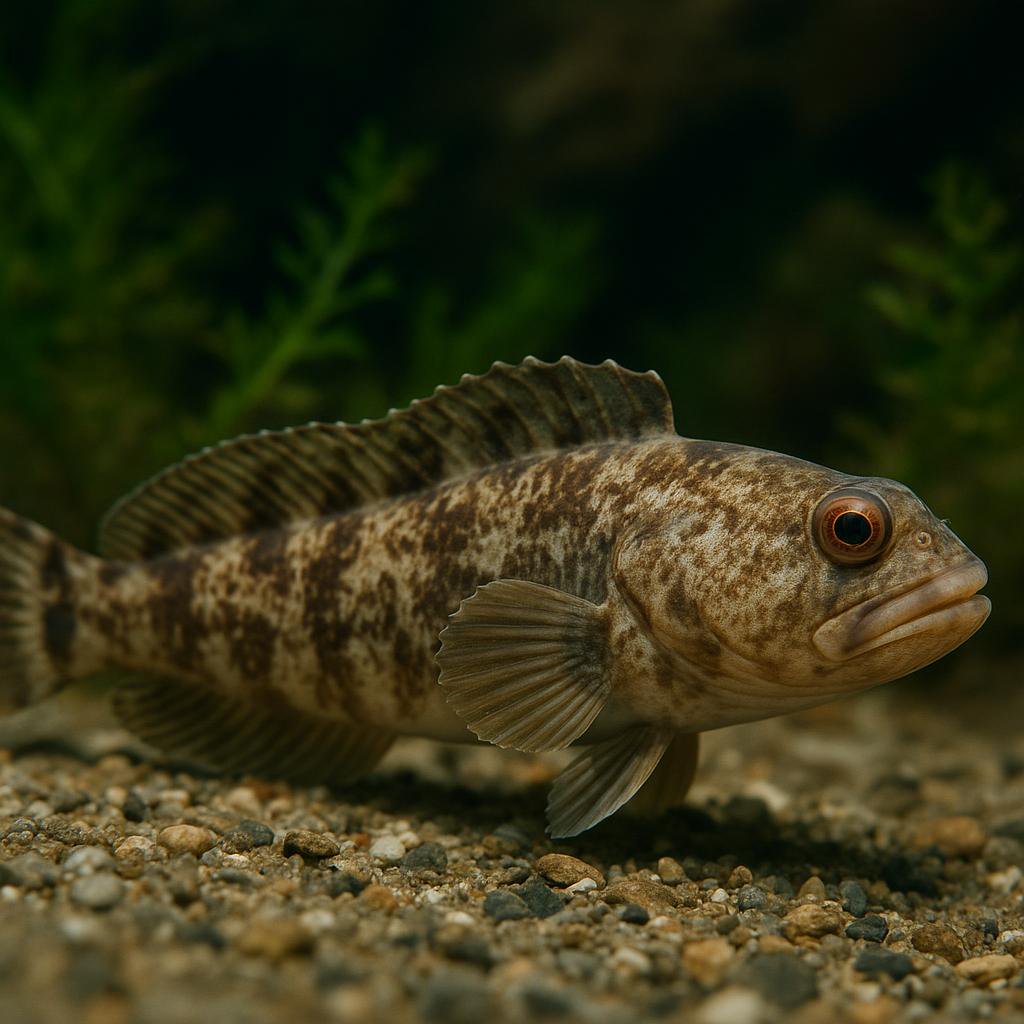
Abe's eelpout
Japonolycodes abei
Japonolycodes abei is a temperate, deepwater demersal eelpout (family Zoarcidae) endemic to Japan (Kumano-nada Sea reported; other sources also report Sagami Bay and Tosa Bay). It is the only species in the genus Japonolycodes and occurs roughly 40-300 m depth, making it an uncommon/atypical aquarium species.
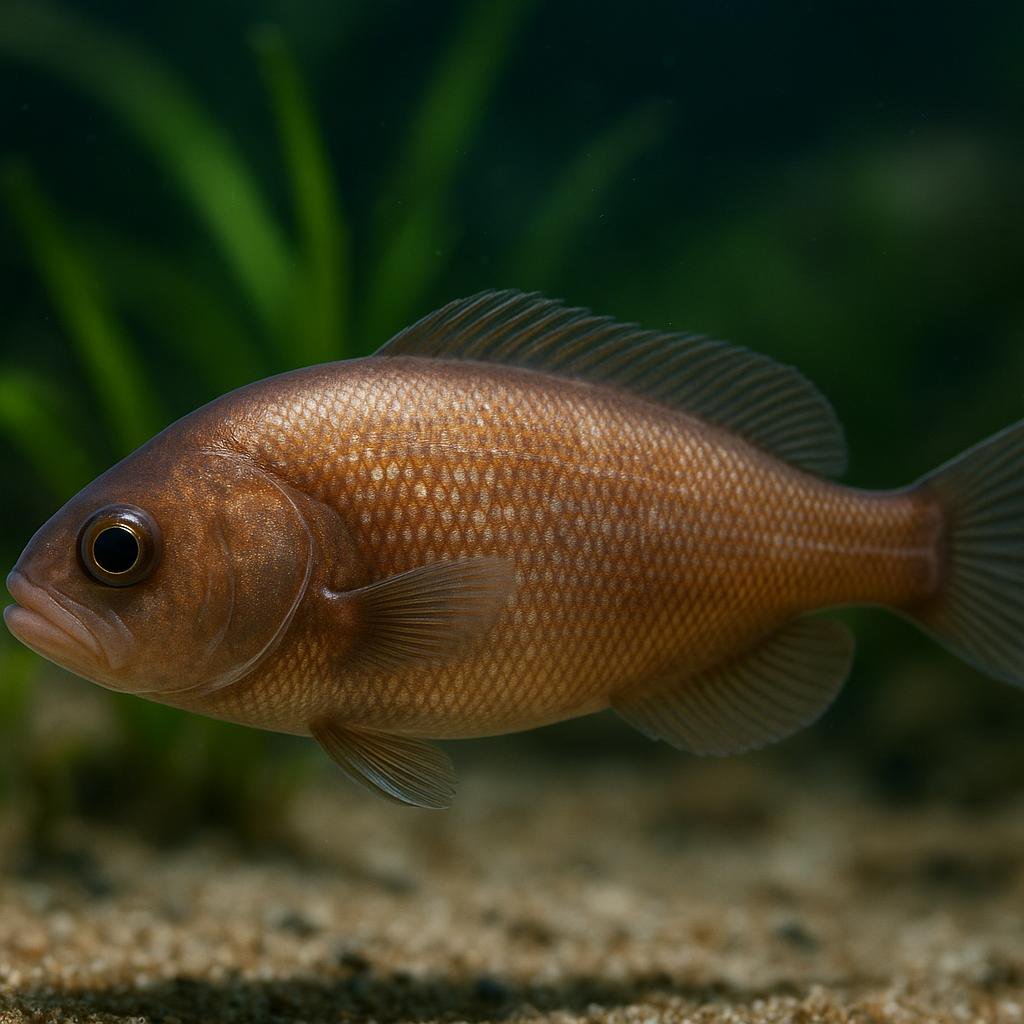
Affinis blind cusk-eel
Barathronus affinis
Barathronus affinis is a tiny, super-weird deep-sea blind cusk-eel from the western-central Indian Ocean. It is one of those gelatinous, loose-skinned brotula-type fishes that live way down in the dark and are basically never seen alive, so almost everything we know comes from preserved specimens and taxonomic work.
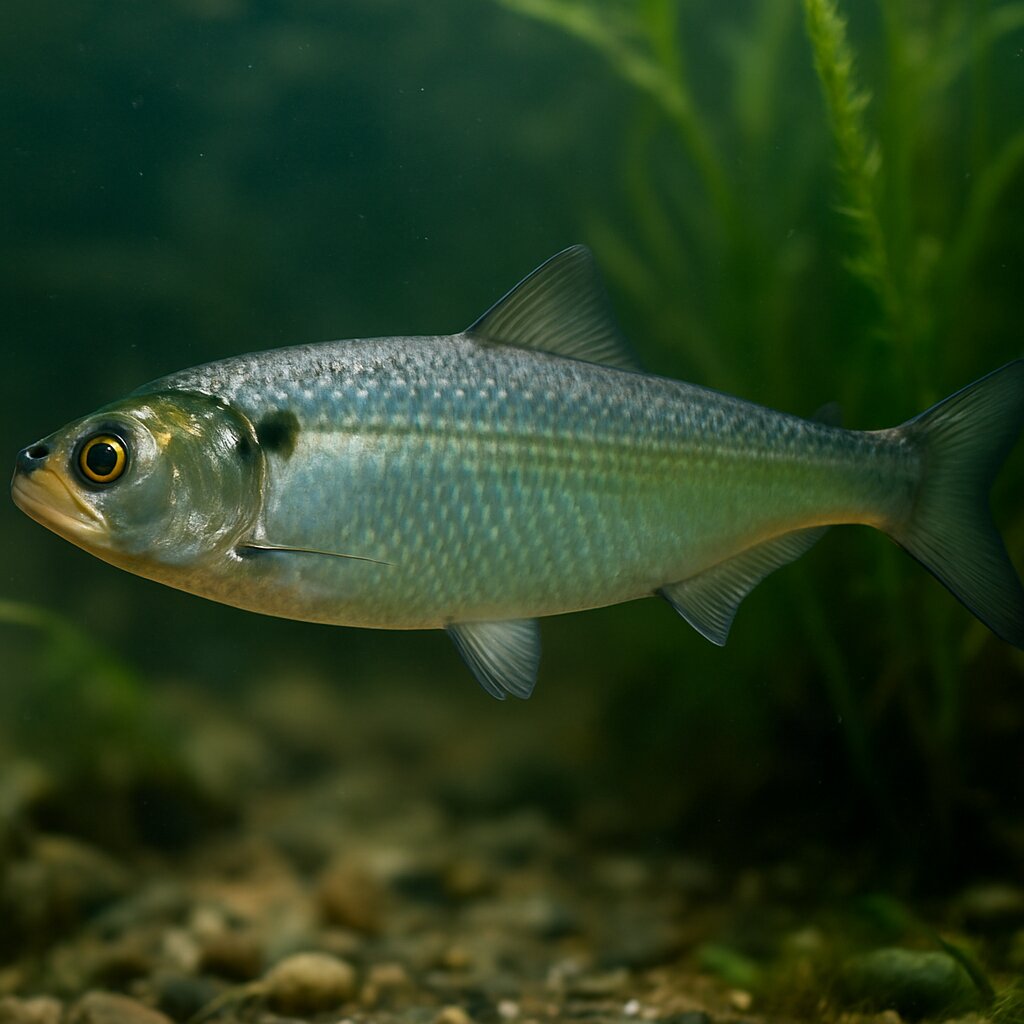
Allis shad
Alosa alosa
Gorgeous silver, fast-swimming shad that spends most of its life in the sea and then surges up big rivers in noisy, surface-spawning schools. It grows huge for a herring-type fish and needs cool, ultra-oxygenated water and tons of open space, so it is a public-aquarium species rather than a home tank fish.
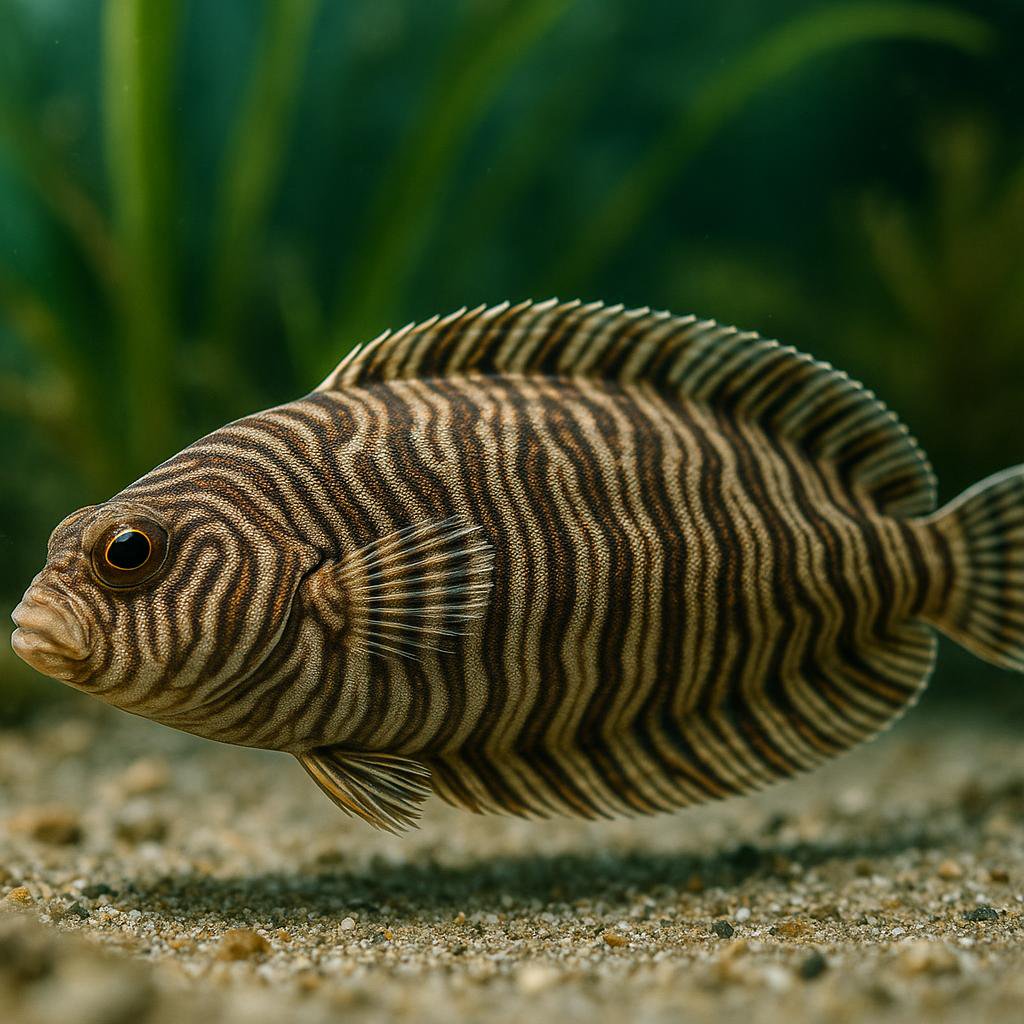
Annandale's zebra sole
Zebrias annandalei
Zebrias annandalei is a small demersal sole from coastal India that inhabits sandy or muddy bottoms and buries for camouflage. It is rarely kept in home aquaria and would require a specialized marine sand-bottom setup and appropriate feeding.
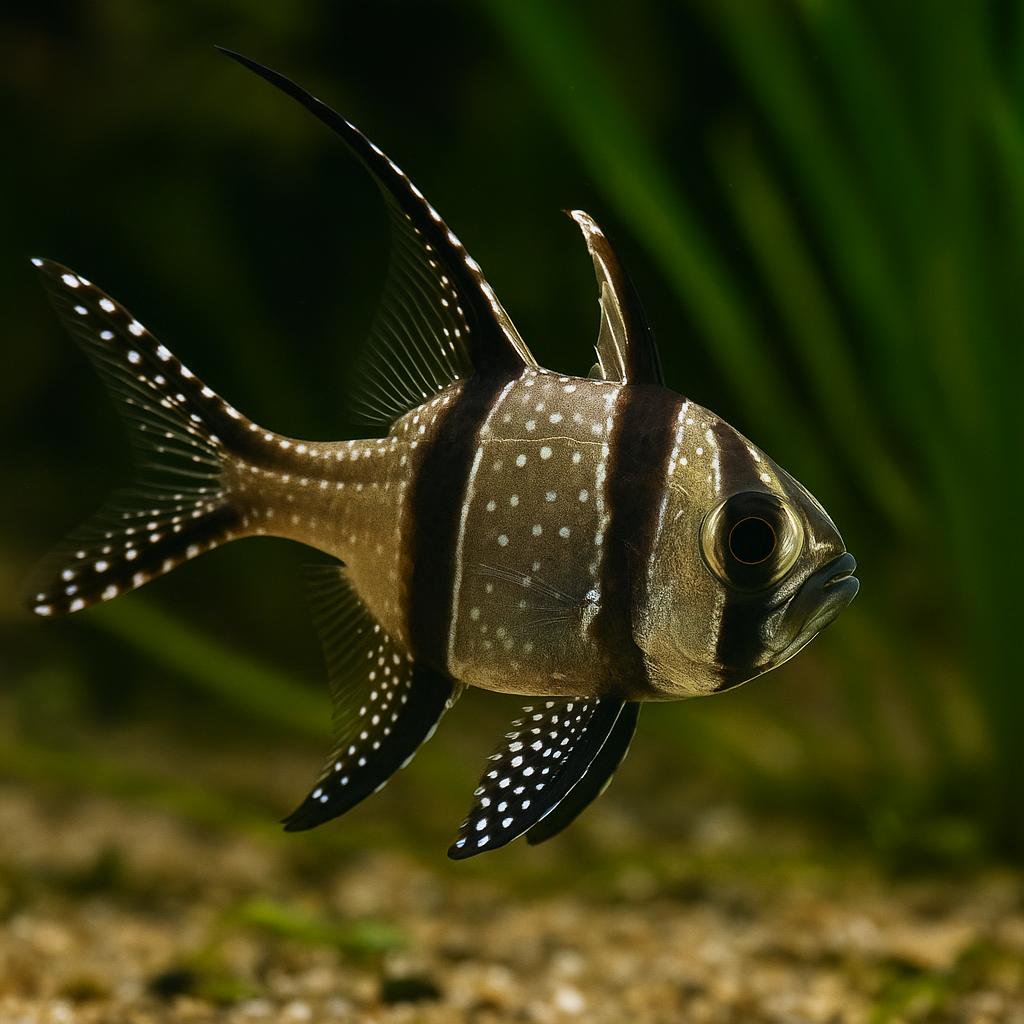
Banggai Cardinalfish
Pterapogon kauderni
Banggai cardinals just sort of hover like little underwater satellites, and the bold black bars with those long, polka-dotted fins look unreal under reef lighting. They're super chill most of the time, but once a pair forms you'll see real "fish drama," and the male will even mouthbrood the babies like a champ.
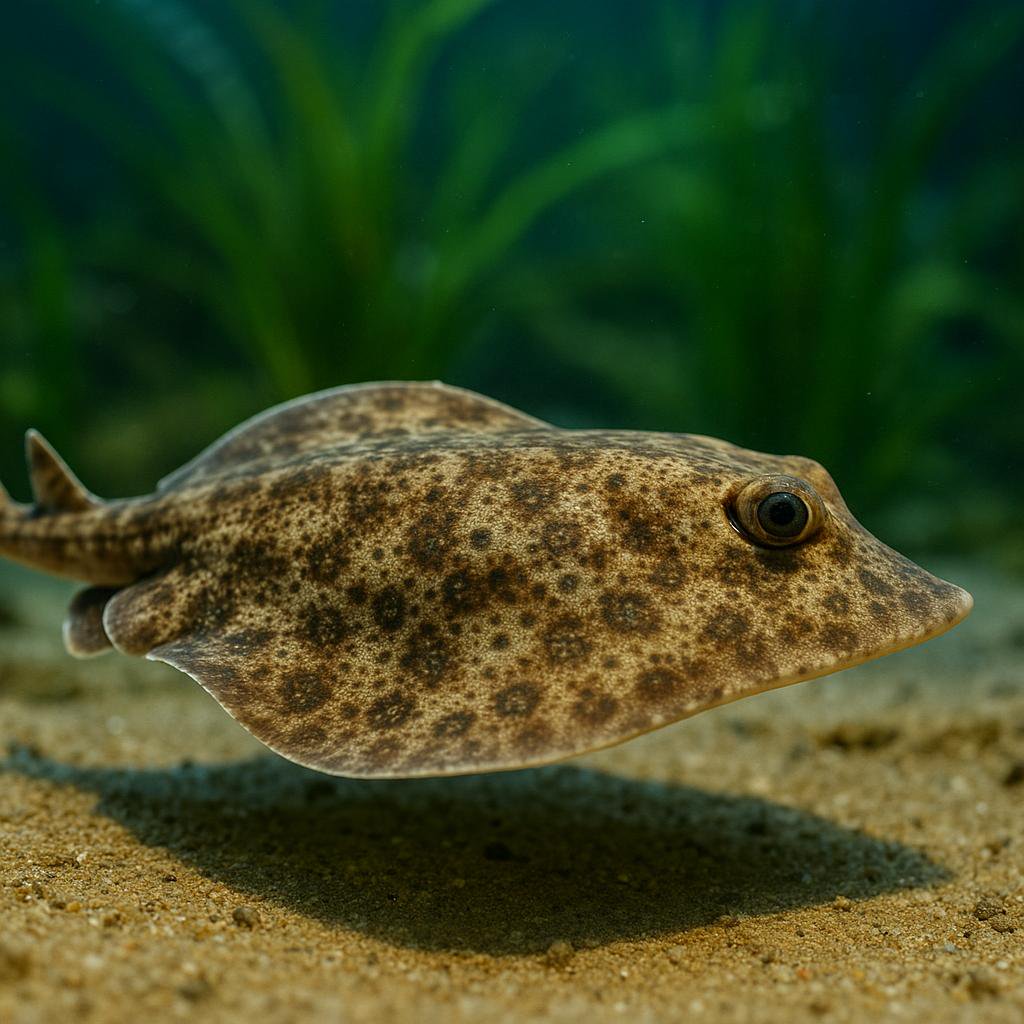
Barbedwire-tailed skate
Notoraja martinezi
Notoraja martinezi is a deepwater skate from the eastern Pacific (Costa Rica down to Ecuador) that lives way down on soft bottoms. The tail is the giveaway - it is lined with strong, hooked thorns that really do look like barbed wire. This is absolutely not an aquarium fish; it is a cold, high-pressure deep-sea animal with basically no practical home care info because it is not kept in the hobby.
More to Explore
Discover more marine species.
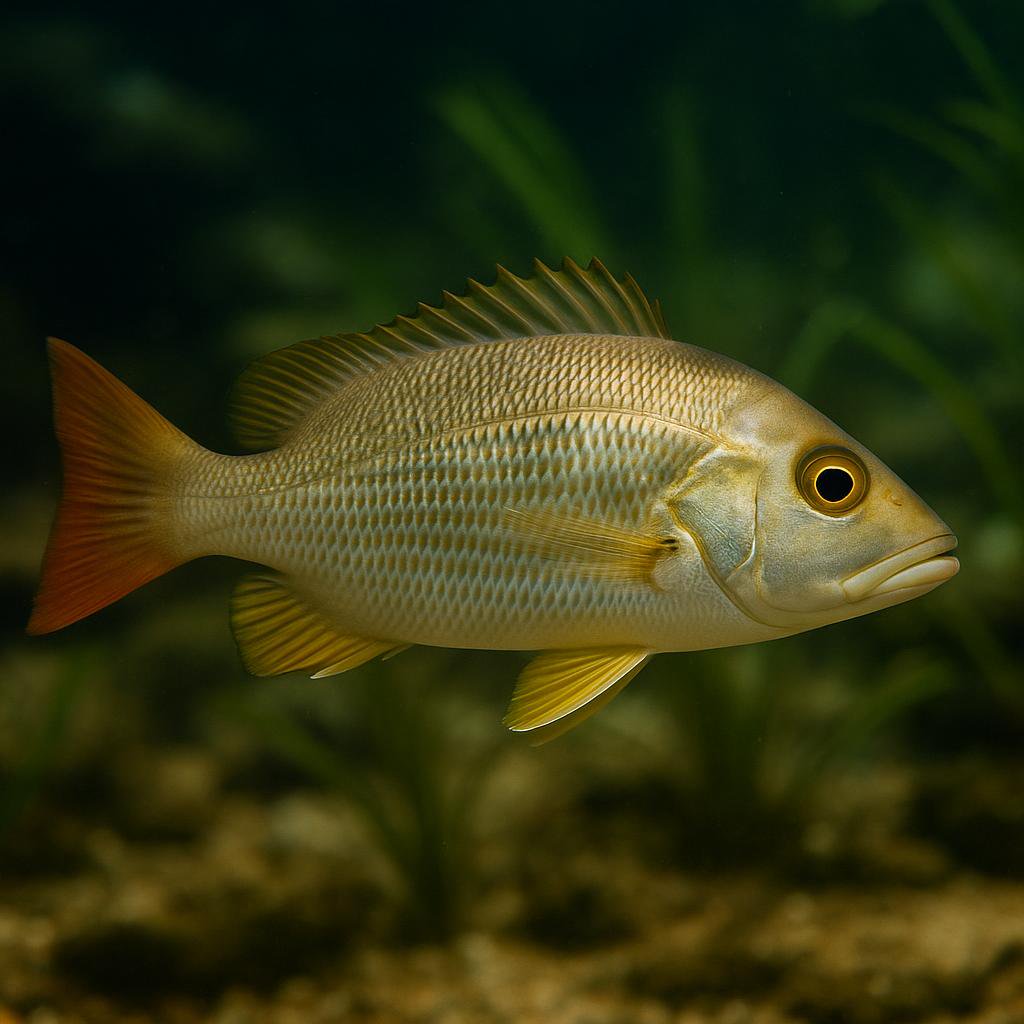
African red snapper
Lutjanus agennes
This is a true snapper from West Africa - a big, fast-growing predator that goes from coastal reefs to brackish lagoons and estuaries (especially as a juvenile). Super cool fish in the wild, but it gets absolutely huge and will eat smaller tankmates once it has the mouth for it, so its really more of a public-aquarium scale animal than a home-aquarium fish.
Aleutian skate
Bathyraja aleutica
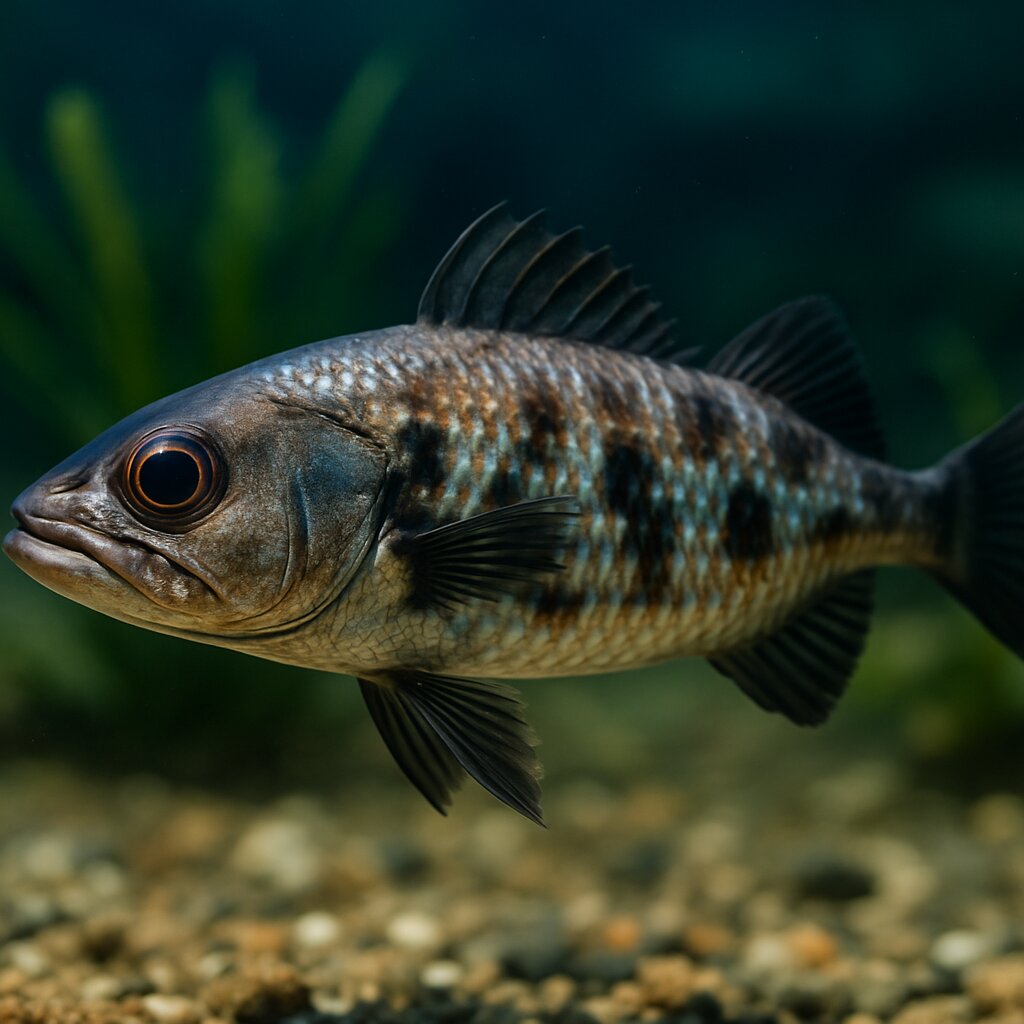
This is a big, cold-water deep-slope skate from the North Pacific that cruises muddy bottoms and eats chunky benthic prey like crabs and shrimp. The really cool bit is its egg-laying skate life - it does distinct pairing (the classic skate "embrace") and drops those tough egg cases on the seafloor. Not an aquarium fish at all unless you're basically running a public-aquarium-style chilled system.
Antarctic dragonfish
Vomeridens infuscipinnis
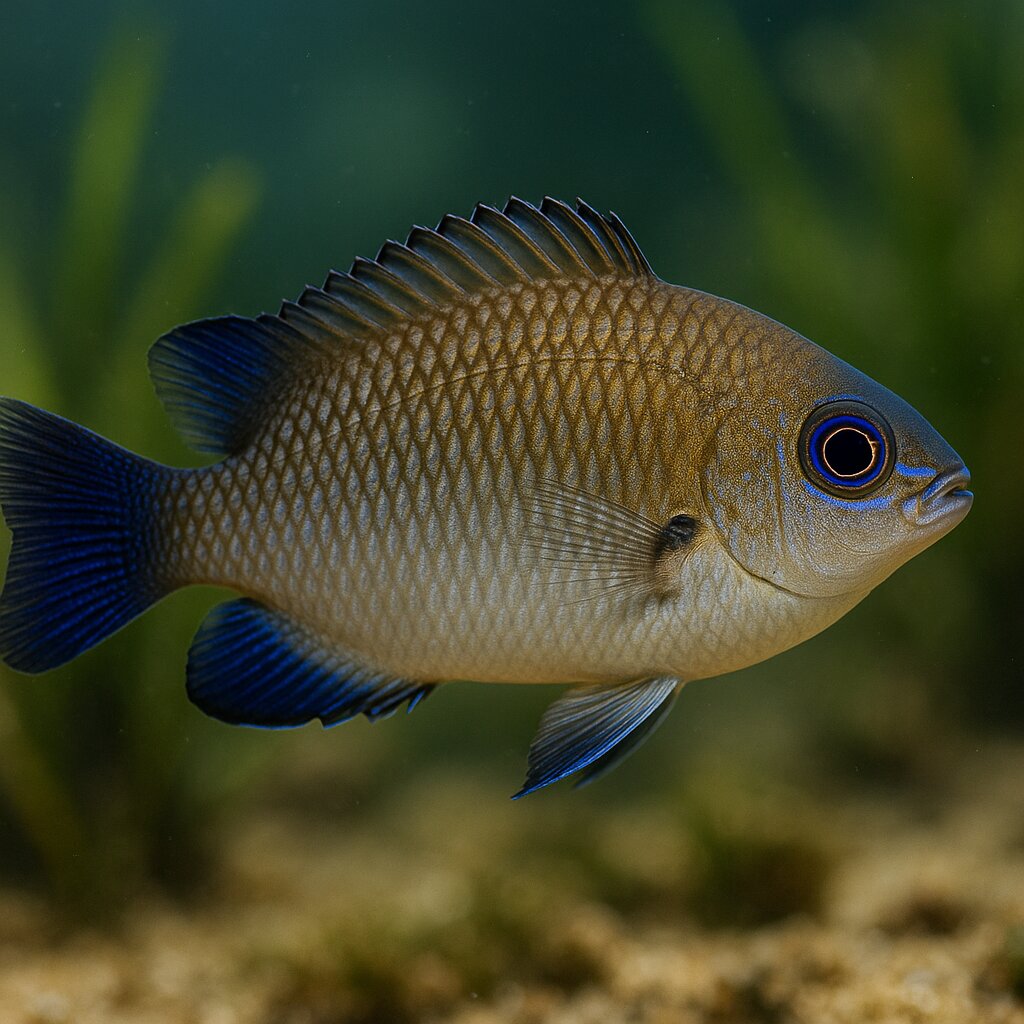
Deep down around Antarctica, this sleek dragonfish cruises the water column like a little submarine, nearly neutrally buoyant so it can hover above the seafloor. It munches almost exclusively on Antarctic krill and lives in near-freezing water 500-800 m down, so it is a cool species to read about, not one for home tanks.
Arabian demoiselle
Neopomacentrus sindensis
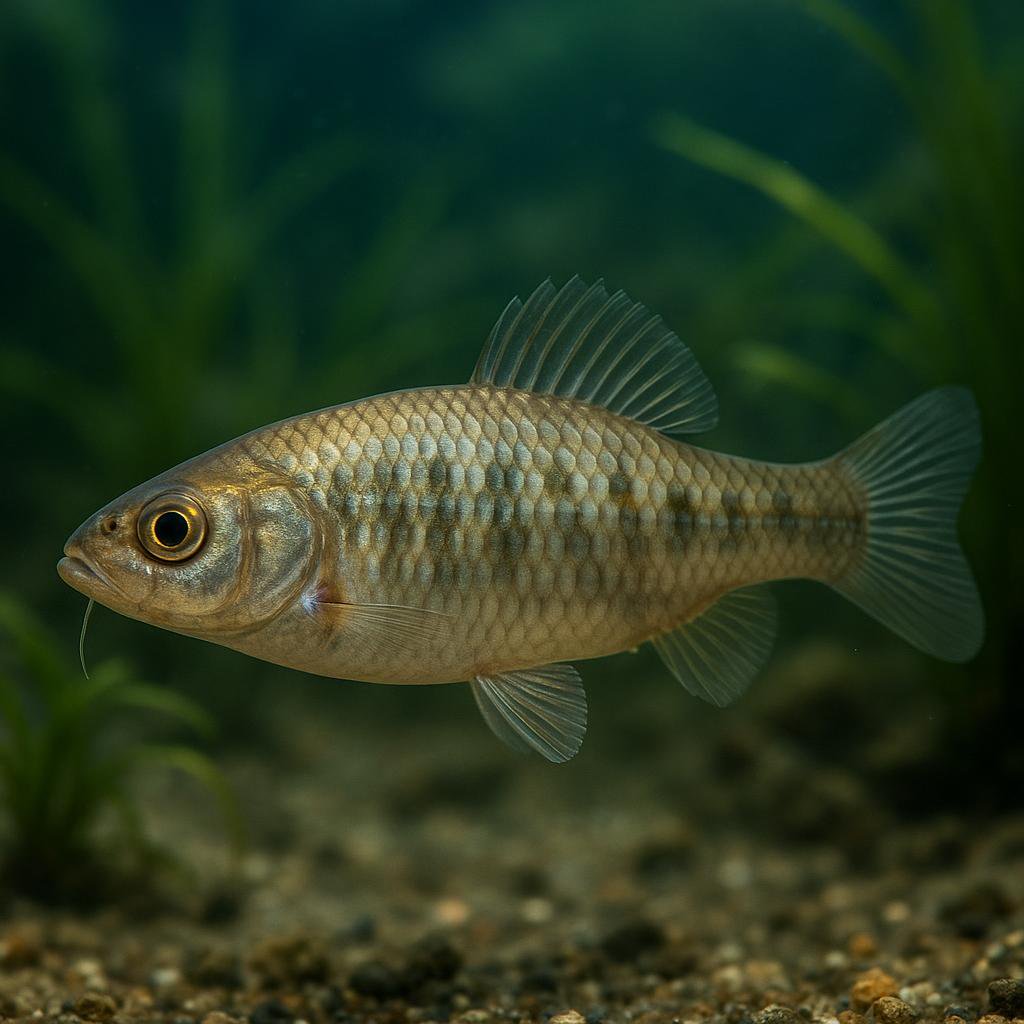
A small lyretail damsel from the Persian Gulf and Arabian Sea, it hangs in loose groups around coral heads, rocks, and even pier pilings picking zooplankton from the flow. Think classic damsel toughness with a slightly milder attitude than the real bruisers, plus subtle yellow tail accents. Males clean a patch, get a mate to lay eggs there, and then stand guard fanning the clutch.
Arabian spiny eel
Notacanthus indicus
Notacanthus indicus is a deep-sea spiny eel (family Notacanthidae; not a true eel) known from the Arabian Sea on the continental slope at roughly ~960–1,046 m depth, with reported maximum length around 20 cm TL; it is a deep-water bycatch species and not established in the aquarium trade.
Arctic rockling
Gaidropsarus argentatus
This is a deepwater North Atlantic rockling (a cod relative) that hangs out on soft bottoms way down the slope. It is a cold-water, bottom-hugging predator that snoots around for crustaceans and will also take small fish when it gets the chance.
Looking for other species?