

River garfish (halfbeak)
Zenarchopterus clarus
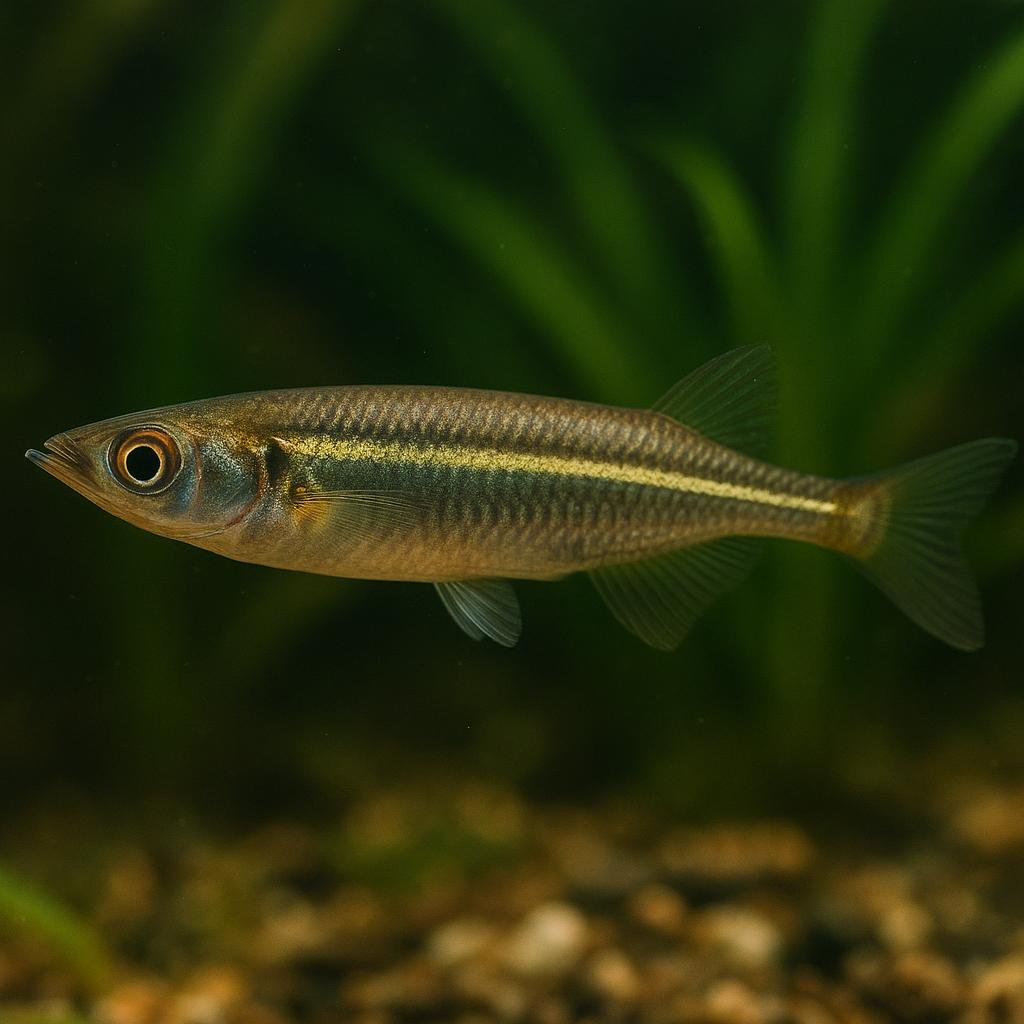
The River garfish has an elongated, slender body, distinctive beak-like jaws, and displays iridescent green-blue scales with a silvery underside.
This page includes AI-generated images. Why am I seeing AI images?
About the River garfish (halfbeak)
Zenarchopterus clarus is a true halfbeak - that long lower jaw is built for picking stuff off the surface. Its a tropical, surface-cruising fish from the Western Central Pacific (Thailand and Borneo), and it reproduces via internal fertilization with ovoviviparous young.
Also known as
Quick Facts
Size
unknown
Temperament
Peaceful
Difficulty
Expert
Min Tank Size
40 gallons
Lifespan
unknown
Origin
Southeast Asia (Western Central Pacific)
Diet
Omnivore/insectivore - surface foods like insects, small crustaceans, and meaty frozen foods; will sometimes take flakes/pellets once trained
Water Parameters
24-28°C
7.5-8.4
10-25 dGH
Need a heater for this species?
This species needs 24-28°C in a 40 gallon tank. Use our heater calculator to find the right wattage.
Calculate heater sizeCare Notes
- Give them a long tank with a tight lid - they launch at the surface when spooked, and floor-surfing happens fast. Leave a clear top layer for cruising and use gentle flow so they are not fighting current all day.
- Run full marine salinity around 1.020-1.025 SG and keep it stable; they get sulky and beat up when salinity swings. Aim for reef-like temps (24-28 C / 75-82 F) and keep ammonia/nitrite at zero because they are surface-breathers and show stress early.
- They are surface feeders, so floating foods are your friend: small floating pellets, chopped shrimp, mysis, and live/blackworms if you are trying to get them eating. Feed small amounts 2-3 times a day and watch that food does not sink before they notice it.
- Keep them in a group (5+ if you can) or a larger pair setup, otherwise the odd fish gets picked on and hides. Use a dimmer light or lots of surface cover (floating macroalgae or fake plants) to calm them down.
- Tankmates: think calm midwater fish that will not outcompete them at the surface - small wrasses, gobies, blennies can work if they are not hyper. Avoid fast, aggressive feeders (damsels, big wrasses) and anything that can nip fins or harass the surface.
- Watch the surface: oily film, low oxygen, or too much agitation can mess with their feeding and stress them out; run a skimmer and keep the surface clean. They also spook from sudden lights-on, so use a ramped light or turn room lights on first.
- Breeding is rare in marine tanks; if you get gravid females, you will notice a fuller belly and they may drop live young, but the adults and tankmates will snack on them. If you want a shot, move the female to a quiet breeder tank with surface cover and pull her back out right after.
Compatibility
Good Tankmates
- Other halfbeaks - best kept as a small group so the skittishness and surface squabbles spread out (aim for more females than males if you can).
- Small, peaceful brackish livebearers like mollies (especially the more streamlined types) - they hang midwater and usually ignore the surface halfbeaks.
- Bumblebee gobies (Brachygobius spp.) - they mind their own business on the bottom and dont compete much at the surface.
- Knight gobies (Stigmatogobius sadanundio) - solid brackish tank fish that mostly stay low and are usually fine with surface halfbeaks in roomy setups.
- Figure-8 puffers - only if you get a genuinely mellow individual and the tank is big with lots of sight breaks; some ignore halfbeaks, some turn into fin-nippers.
- Mono argentus or scats - only when the halfbeaks are full grown and the tank is large; these guys are active but generally not out to bully surface fish.
Avoid
- Archerfish - they are surface hunters and will outcompete halfbeaks at feeding time, and bigger ones can make halfbeaks disappear.
- Fin-nippers and pushy semi-aggressive fish (many puffers, some larger monos in cramped tanks, trigger-like personalities) - halfbeaks get stressed and shredded fast.
- Anything big enough to swallow them (bigger brackish predators like larger groupers/trevallies/murrels) - halfbeaks are basically bite-sized surface snacks.
- Tiny fry and micro fish you want to raise - halfbeaks are peaceful but still opportunistic at the surface and will pick off small live food-sized tank mates.
Where they come from
Zenarchopterus clarus is one of the halfbeaks people lump under "river garfish." In the wild they hang near the surface in calm coastal waters, river mouths, and mangroves where fresh and salt water mix. They are built for that top inch of water - long lower jaw, quick darts, always watching for tiny prey.
You listed water type as marine. Most halfbeaks sold in the hobby do better in brackish to full marine depending on collection locale. If you cannot confirm collection source, start them in lower salinity and move up slowly over a couple weeks while watching appetite and breathing.
Setting up their tank
Think "surface fish first." They do not care about your fancy rockwork if the top is a choppy mess or they are stressed by reflections. Give them a long tank with lots of uninterrupted swimming room, calmer flow up top, and a lid that fits like it was glued on.
- Tank size: I would not keep a group in less than a 4 foot tank. Bigger is way easier with these.
- Group size: 6+ if you can. Singles and pairs get twitchy and one fish often becomes the punching bag.
- Cover: Tight lid and block every gap around plumbing. Halfbeaks jump like they get paid for it.
- Surface: Leave open water, but add floating cover (fake plants, floating macro, or even a strip of floating rings) so they feel secure.
- Flow: Strong filtration is fine, just break up surface blast. Aim returns along the back wall or use a spray bar to avoid constant surface turbulence.
- Lighting: Not too bright at the surface. Dimmer lights or floaters reduce spooking and glass surfing.
- Salinity: If you are keeping them marine, raise salinity gradually. Sudden moves are where people lose them.
They are jumpers and they launch from a standing start. A mesh top with weight on it beats a loose glass canopy every time. Also watch condensation gaps at the back - that is how they escape.
I like a simple layout: sand, some rock or wood kept low, and most structure pushed to the sides so the middle and the whole surface stays open. They spend 90% of their time in the top third, so build for that.
What to feed them
Feeding is the make-or-break part. Halfbeaks are surface hunters and many arrive used to live foods. Once they recognize you as "food person" they get bold, but the first couple weeks can be touchy.
- Best starters: live or freshly killed foods near the surface (enriched adult brine shrimp, mysis, small ghost shrimp, chopped prawn, blackworms where legal).
- Frozen staples: mysis, chopped krill, finely chopped clam, quality marine blends. Thaw and offer at the surface with a turkey baster.
- Dry foods: some learn to take small floating pellets or flakes, but do not count on it at first. Train slowly by mixing with frozen.
- Feeding style: small meals 2-3 times a day beats one big dump. They are built for picking all day.
Use a floating feeding ring. It keeps food from getting blown around and teaches them a "spot" to hit. It also lets shyer fish eat without competing in the whole tank.
Avoid feeder guppies/minnows. Besides disease risk, fatty freshwater feeders can wreck marine and brackish predators long term.
How they behave and who they get along with
They are alert, skittish, and fast. Most of their "drama" is at the surface: chasing, pecking, and little dominance spats. In a big enough group, that spreads out and you get a cool, cruising school instead of one stressed fish.
- Good tankmates: calm marine/brackish fish that stay mid to lower levels and will not steal every bite at the surface.
- Avoid: aggressive surface feeders (some damsels, dottybacks), fast boisterous eaters that outcompete them, and anything large enough to view them as snacks.
- Also avoid: fin nippers. Halfbeaks have delicate fins and they get ragged fast in the wrong crowd.
They spook easily and slam into lids and glass. If you see frantic dashes at the corners, reduce reflections (background on the sides), dim the lights, and add surface cover.
One more thing: their beak gets damaged more easily than people think. Rough netting, chasing them around, or letting them panic into hard decor can leave them with a bent or scraped jaw. After that, feeding gets harder.
Breeding tips
Breeding Zenarchopterus in home aquariums is uncommon, and I would treat it as a "nice surprise" goal rather than a plan. Many halfbeaks are livebearers (or have very advanced eggs), and you will often just notice a tiny, needle-like youngster at the surface one day if things line up.
- Keep a well-fed group with both sexes and lots of surface cover so females are not constantly harassed.
- Feed heavy on small meaty foods and keep water quality steady. Sudden salinity swings tend to shut them down.
- If you spot fry: move the adults or move the fry. Adults will pick them off, especially at feeding time.
- First foods for fry: newly hatched brine shrimp, copepods, and other tiny live foods offered at the surface.
If you are trying to breed them seriously, confirm the exact species and whether your population is actually Z. clarus. Halfbeaks get mixed up in the trade, and breeding details can change between species.
Common problems to watch for
Most losses come from three things: jumping, refusing food after import, and slow decline from stress or poor water stability. They can look fine right up until they do not.
- Jumping: the number one killer. Fix the lid before you buy the fish.
- Starvation: new fish may ignore frozen. Start with live foods, then wean onto frozen once they are eating with confidence.
- Beak injuries: caused by panic dashes, rough handling, or hard decor near the surface.
- External parasites: flashing, clamped fins, rapid breathing. Quarantine helps a lot, but choose meds carefully if you are running marine inverts.
- Wasting while still "eating": often competition at the surface. Watch who is actually getting food and separate bullies if needed.
- Surface film and low oxygen: they live at the top, so oily films and poor gas exchange hit them first.
Spend time just watching them eat. With halfbeaks, a quick "they ate" is not enough. You want to see each fish take multiple bites, not just the bold ones.
Similar Species
Other marine peaceful species you might be interested in.
Abe's eelpout
Japonolycodes abei
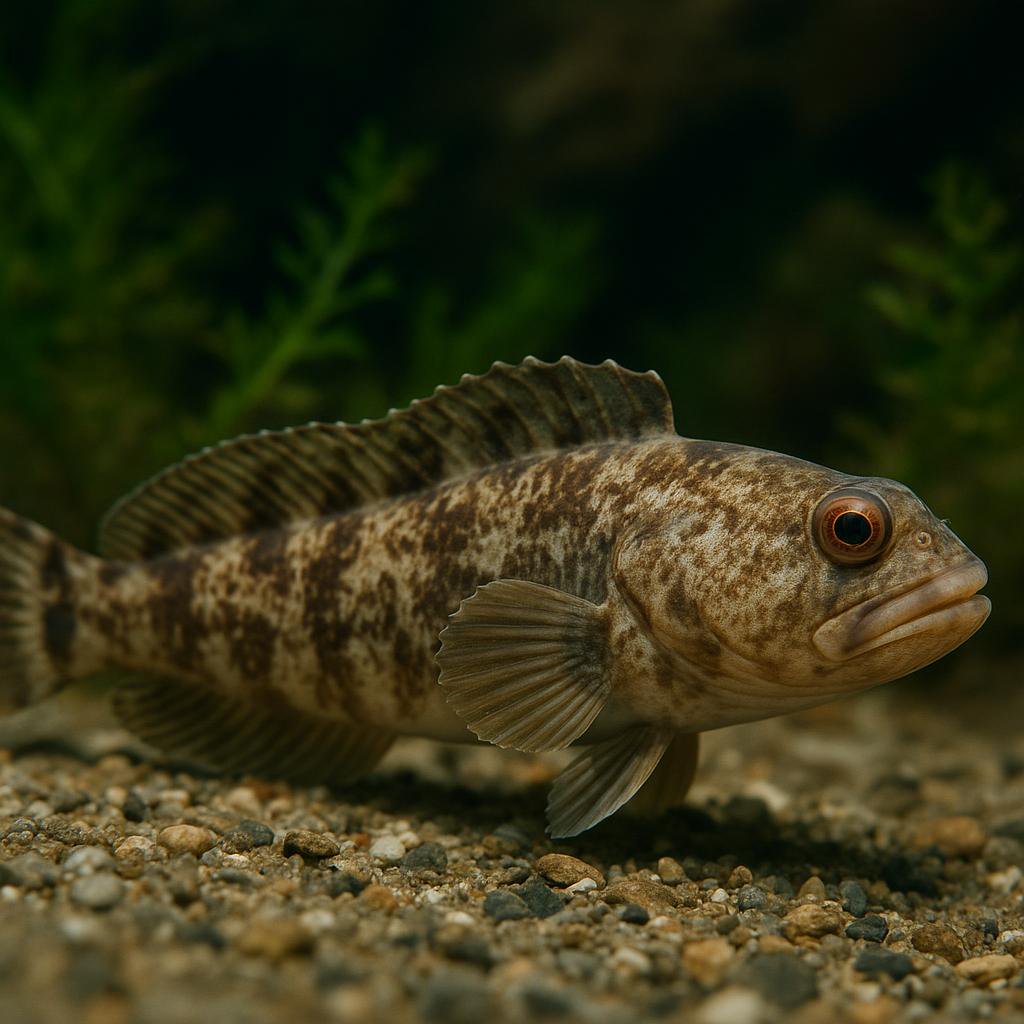
Japonolycodes abei is a temperate, deepwater demersal eelpout (family Zoarcidae) endemic to Japan (Kumano-nada Sea reported; other sources also report Sagami Bay and Tosa Bay). It is the only species in the genus Japonolycodes and occurs roughly 40-300 m depth, making it an uncommon/atypical aquarium species.
Affinis blind cusk-eel
Barathronus affinis
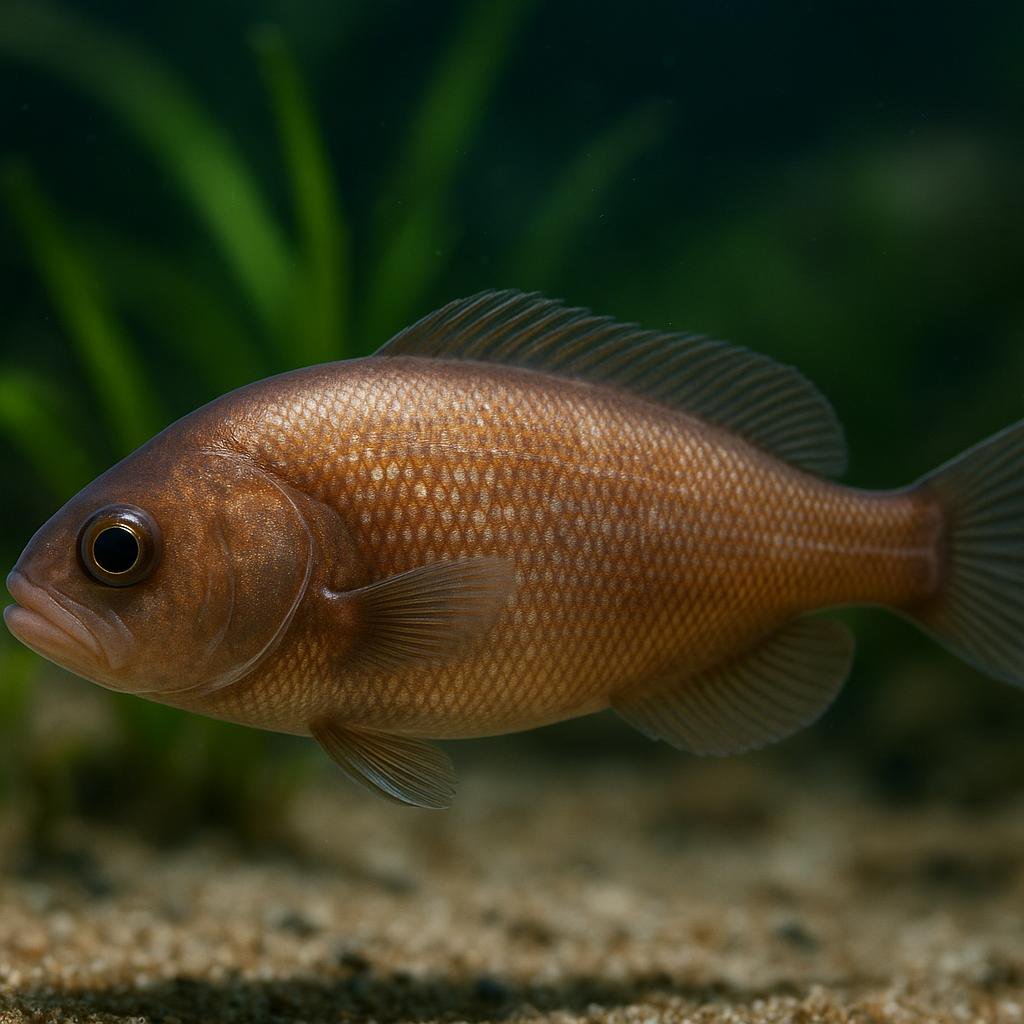
Barathronus affinis is a tiny, super-weird deep-sea blind cusk-eel from the western-central Indian Ocean. It is one of those gelatinous, loose-skinned brotula-type fishes that live way down in the dark and are basically never seen alive, so almost everything we know comes from preserved specimens and taxonomic work.
Allis shad
Alosa alosa
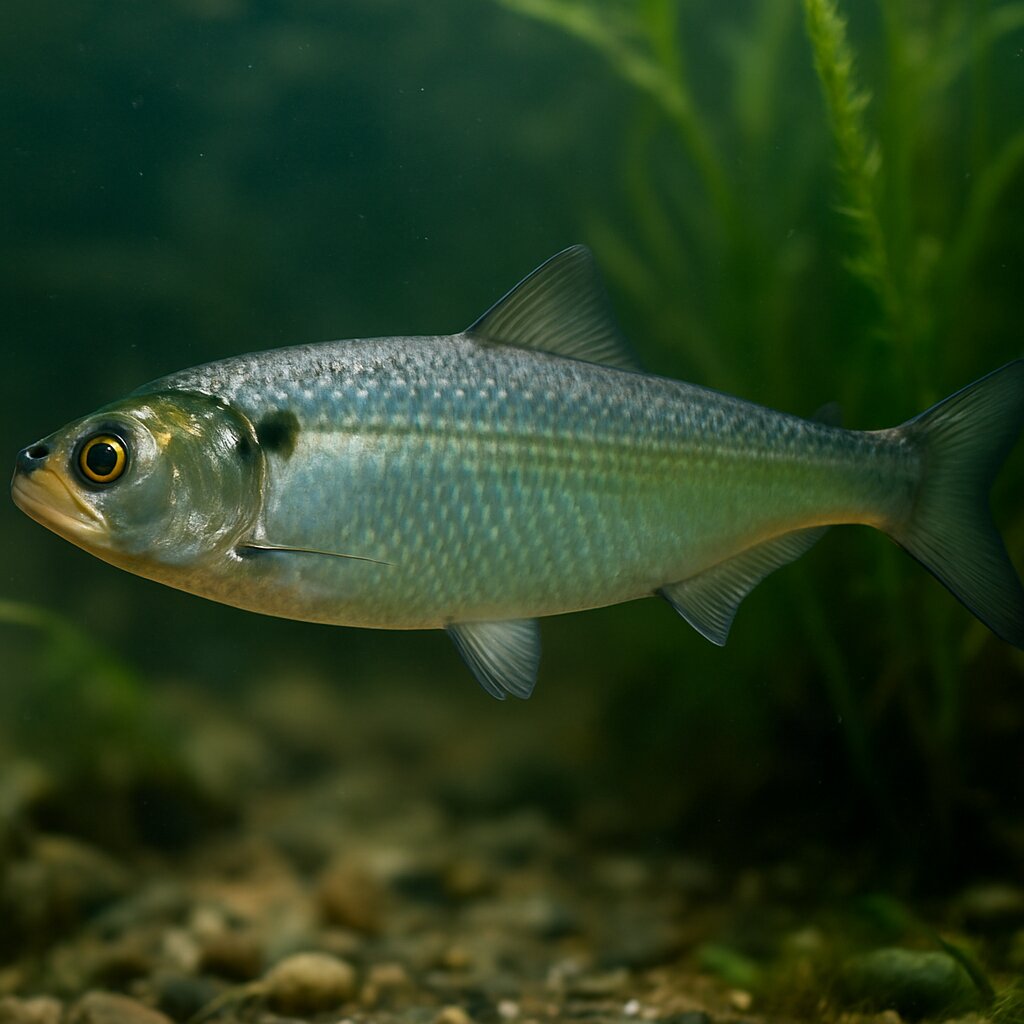
Gorgeous silver, fast-swimming shad that spends most of its life in the sea and then surges up big rivers in noisy, surface-spawning schools. It grows huge for a herring-type fish and needs cool, ultra-oxygenated water and tons of open space, so it is a public-aquarium species rather than a home tank fish.
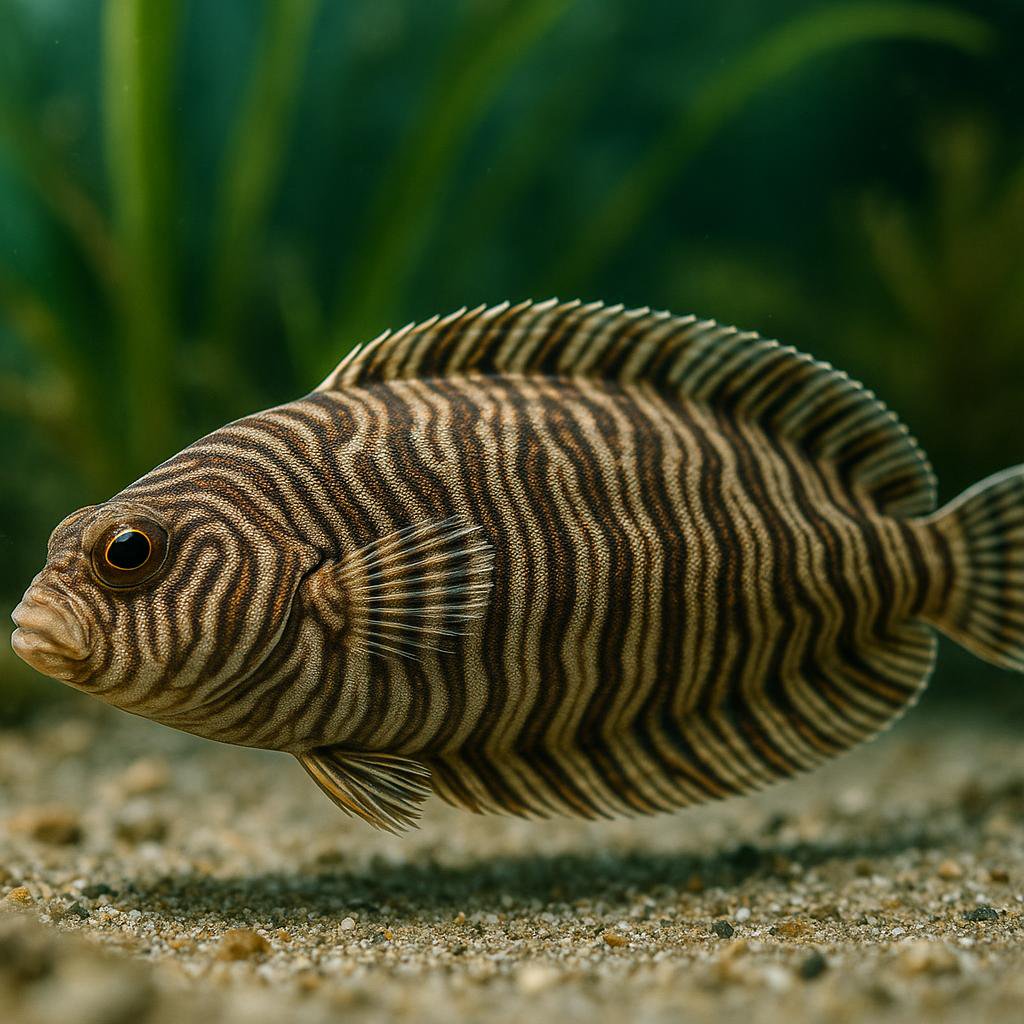
Annandale's zebra sole
Zebrias annandalei
Zebrias annandalei is a small demersal sole from coastal India that inhabits sandy or muddy bottoms and buries for camouflage. It is rarely kept in home aquaria and would require a specialized marine sand-bottom setup and appropriate feeding.
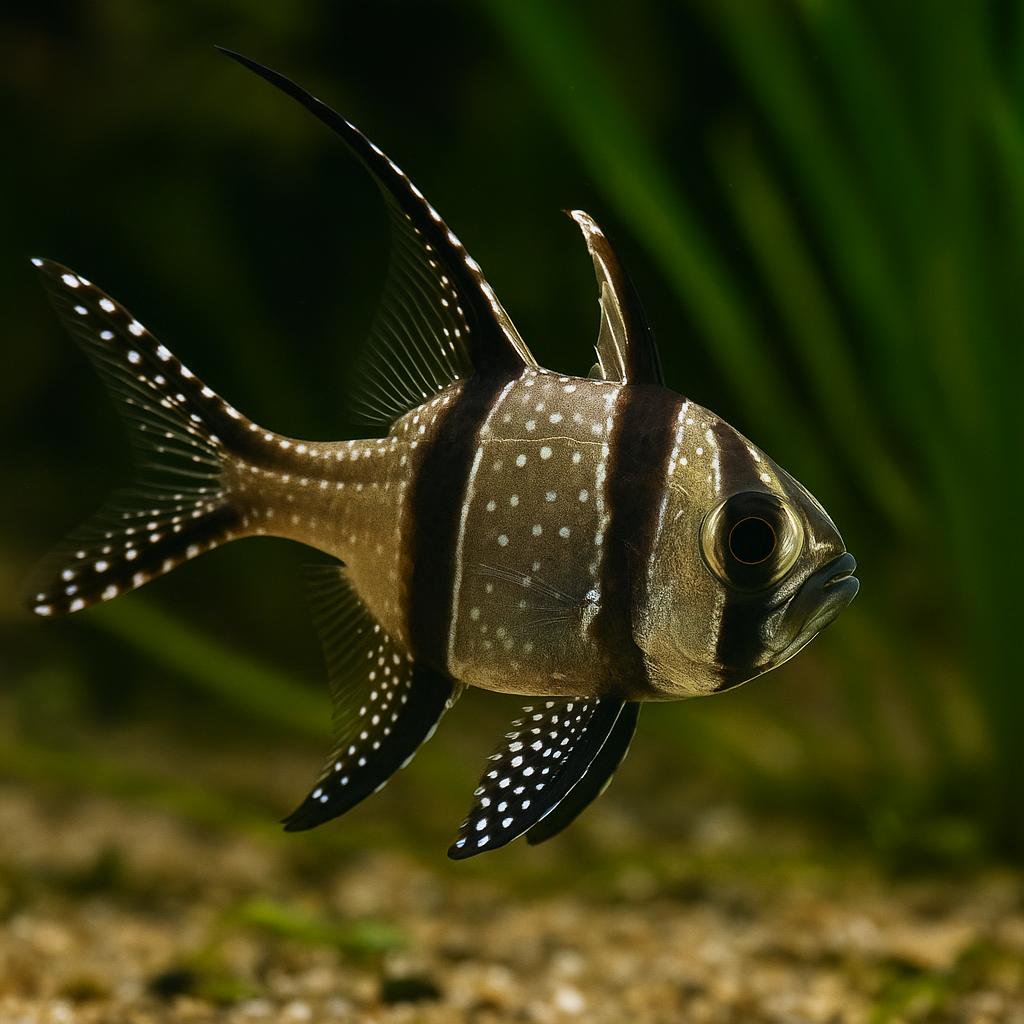
Banggai Cardinalfish
Pterapogon kauderni
Banggai cardinals just sort of hover like little underwater satellites, and the bold black bars with those long, polka-dotted fins look unreal under reef lighting. They're super chill most of the time, but once a pair forms you'll see real "fish drama," and the male will even mouthbrood the babies like a champ.
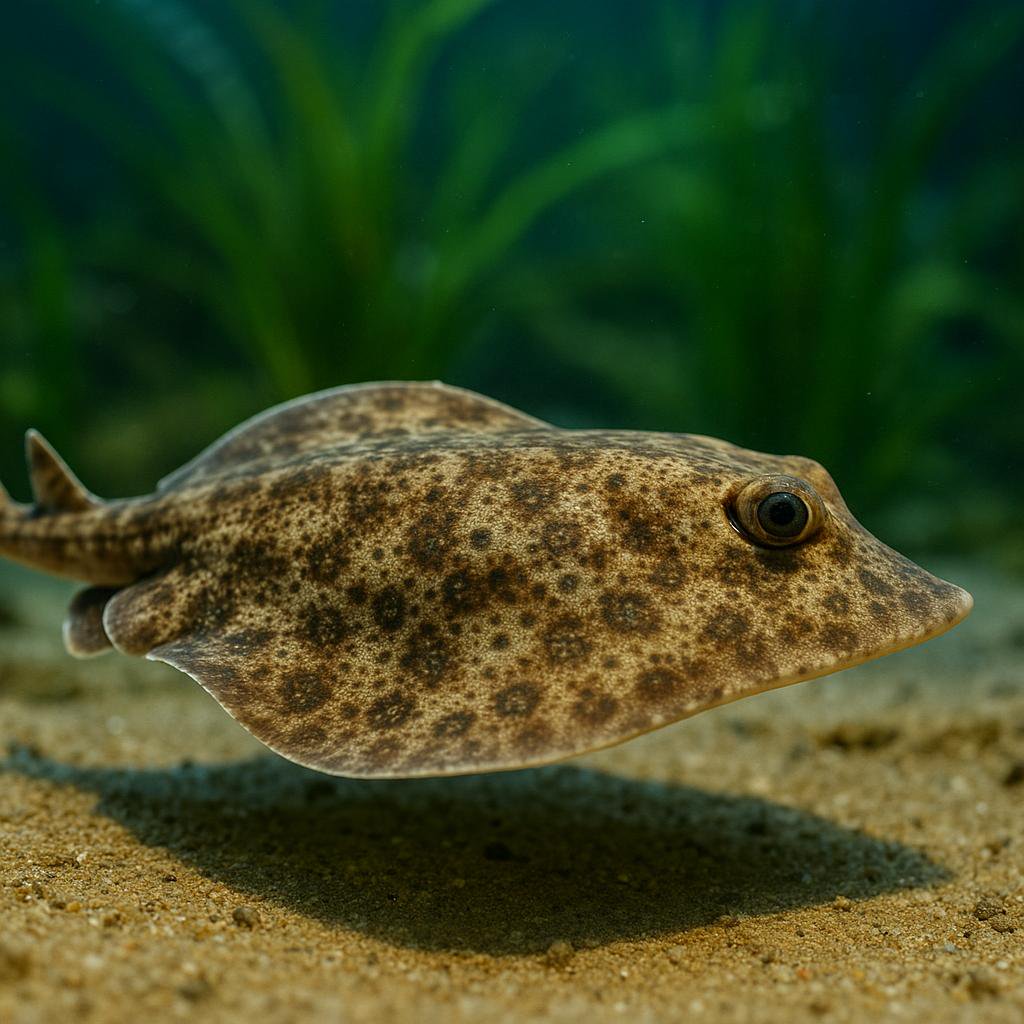
Barbedwire-tailed skate
Notoraja martinezi
Notoraja martinezi is a deepwater skate from the eastern Pacific (Costa Rica down to Ecuador) that lives way down on soft bottoms. The tail is the giveaway - it is lined with strong, hooked thorns that really do look like barbed wire. This is absolutely not an aquarium fish; it is a cold, high-pressure deep-sea animal with basically no practical home care info because it is not kept in the hobby.
More to Explore
Discover more marine species.
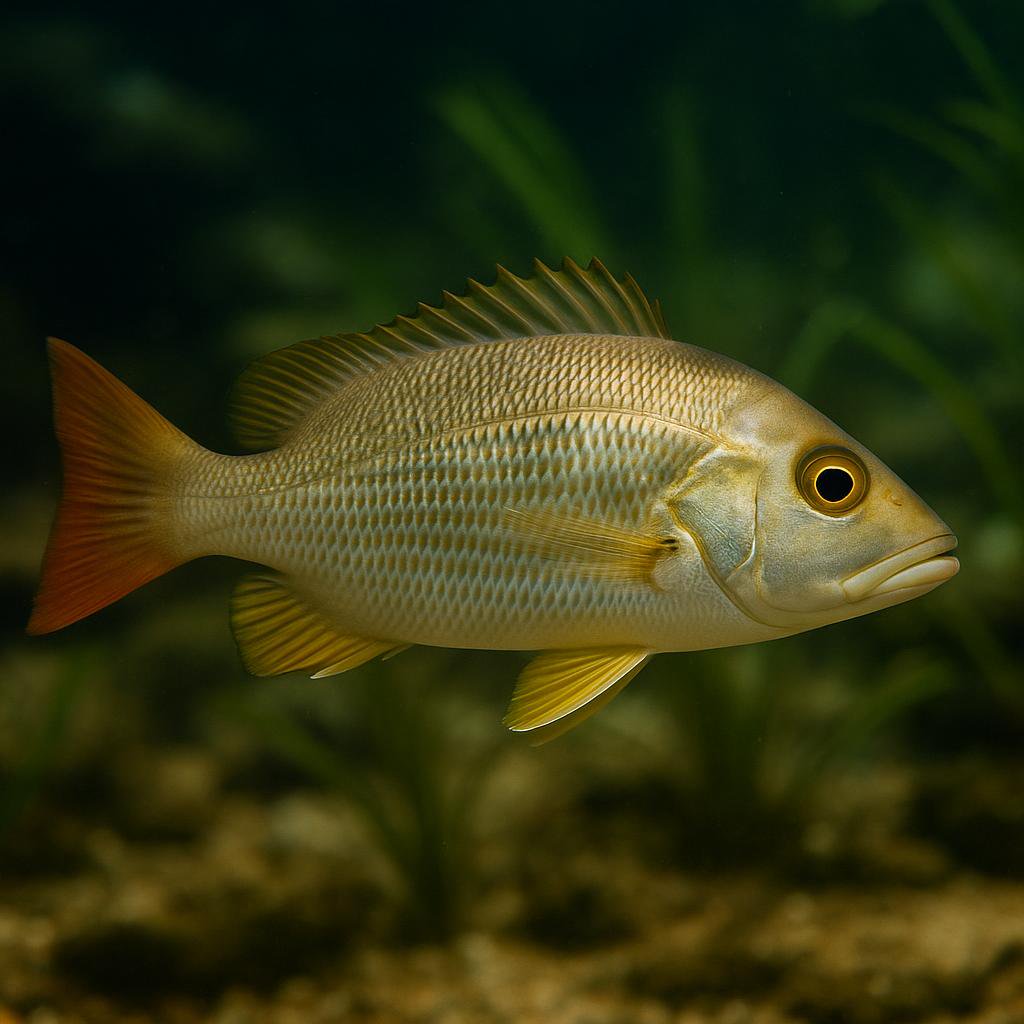
African red snapper
Lutjanus agennes
This is a true snapper from West Africa - a big, fast-growing predator that goes from coastal reefs to brackish lagoons and estuaries (especially as a juvenile). Super cool fish in the wild, but it gets absolutely huge and will eat smaller tankmates once it has the mouth for it, so its really more of a public-aquarium scale animal than a home-aquarium fish.
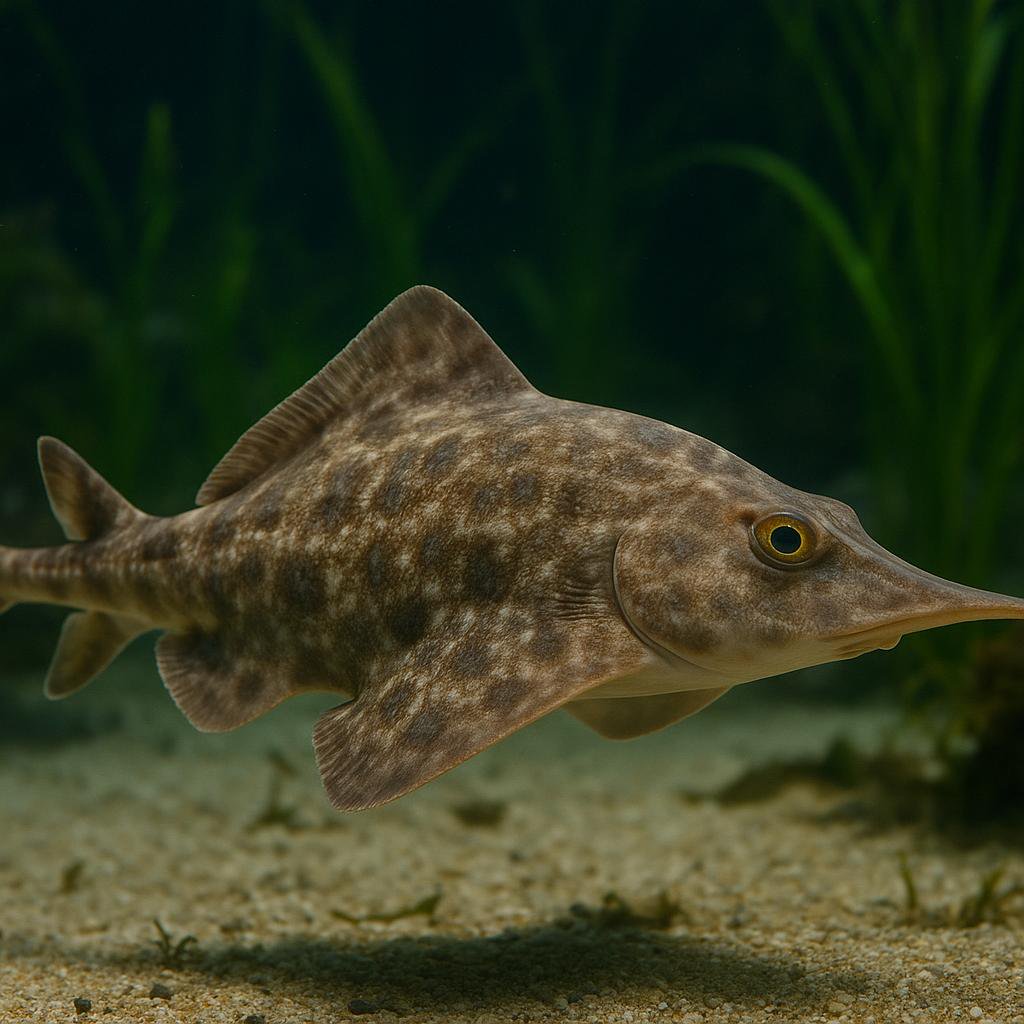
Aleutian skate
Bathyraja aleutica
This is a big, cold-water deep-slope skate from the North Pacific that cruises muddy bottoms and eats chunky benthic prey like crabs and shrimp. The really cool bit is its egg-laying skate life - it does distinct pairing (the classic skate "embrace") and drops those tough egg cases on the seafloor. Not an aquarium fish at all unless you're basically running a public-aquarium-style chilled system.
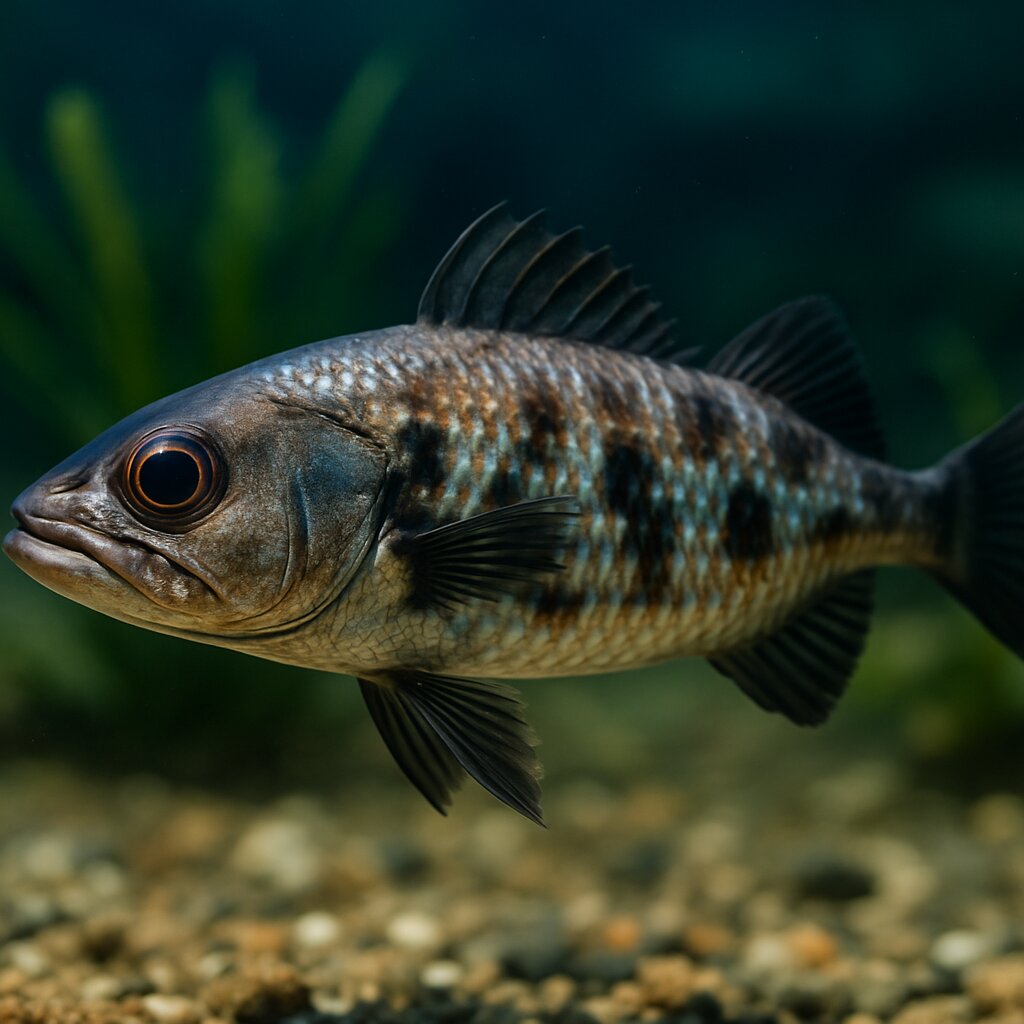
Antarctic dragonfish
Vomeridens infuscipinnis
Deep down around Antarctica, this sleek dragonfish cruises the water column like a little submarine, nearly neutrally buoyant so it can hover above the seafloor. It munches almost exclusively on Antarctic krill and lives in near-freezing water 500-800 m down, so it is a cool species to read about, not one for home tanks.
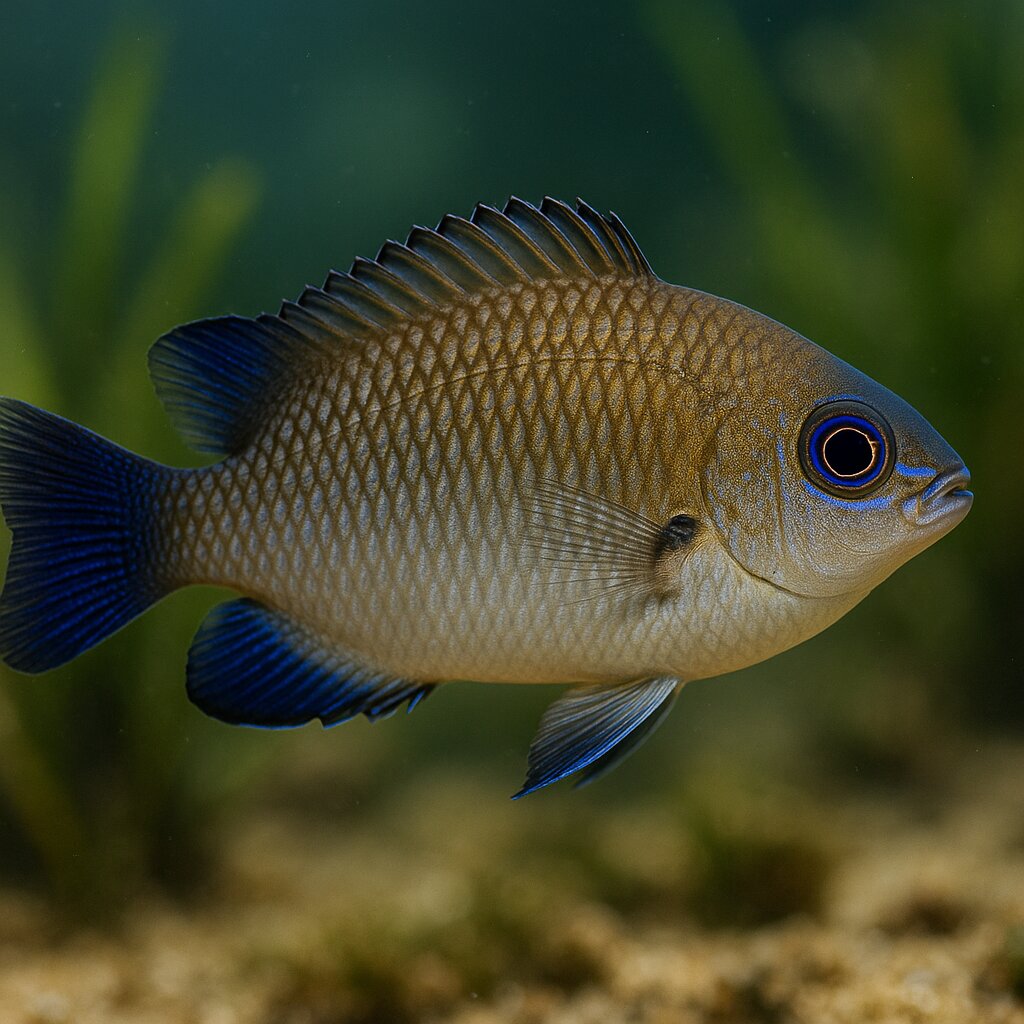
Arabian demoiselle
Neopomacentrus sindensis
A small lyretail damsel from the Persian Gulf and Arabian Sea, it hangs in loose groups around coral heads, rocks, and even pier pilings picking zooplankton from the flow. Think classic damsel toughness with a slightly milder attitude than the real bruisers, plus subtle yellow tail accents. Males clean a patch, get a mate to lay eggs there, and then stand guard fanning the clutch.
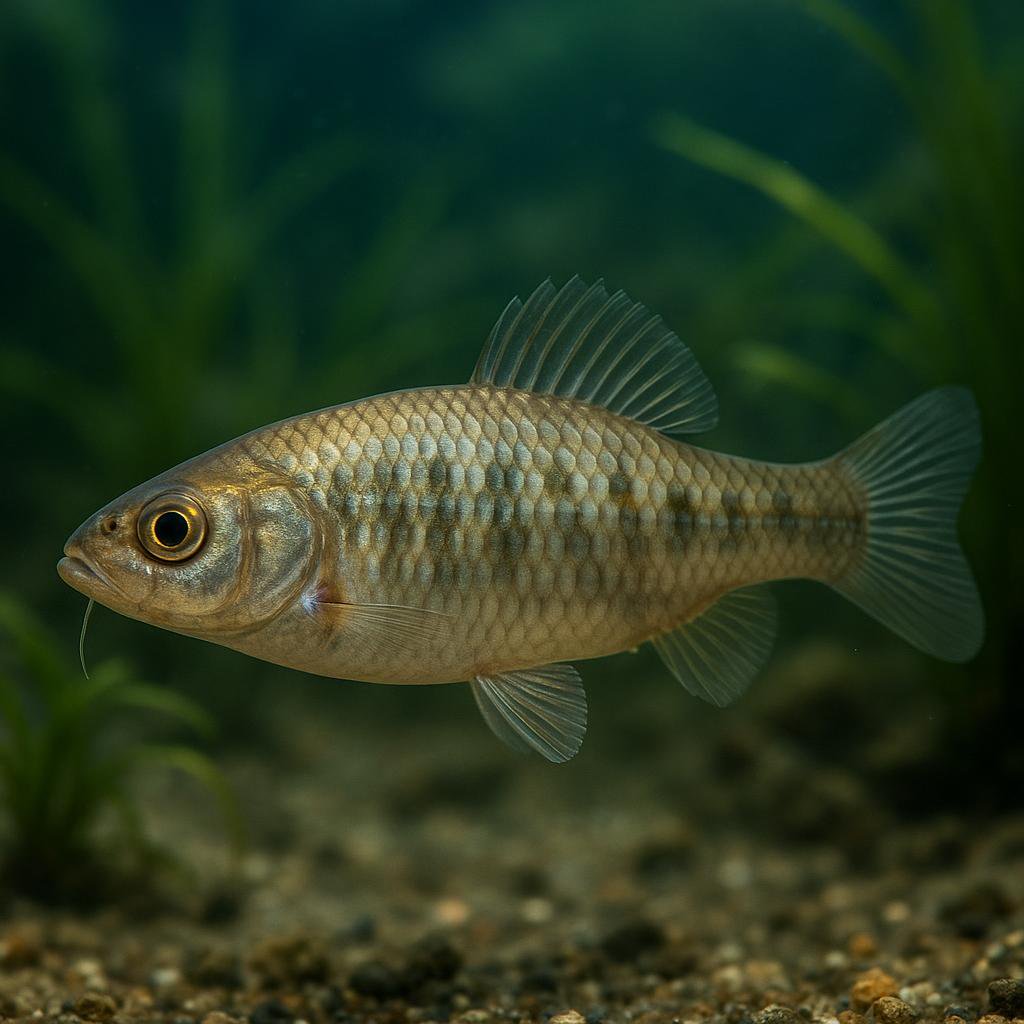
Arabian spiny eel
Notacanthus indicus
Notacanthus indicus is a deep-sea spiny eel (family Notacanthidae; not a true eel) known from the Arabian Sea on the continental slope at roughly ~960–1,046 m depth, with reported maximum length around 20 cm TL; it is a deep-water bycatch species and not established in the aquarium trade.
Arctic rockling
Gaidropsarus argentatus
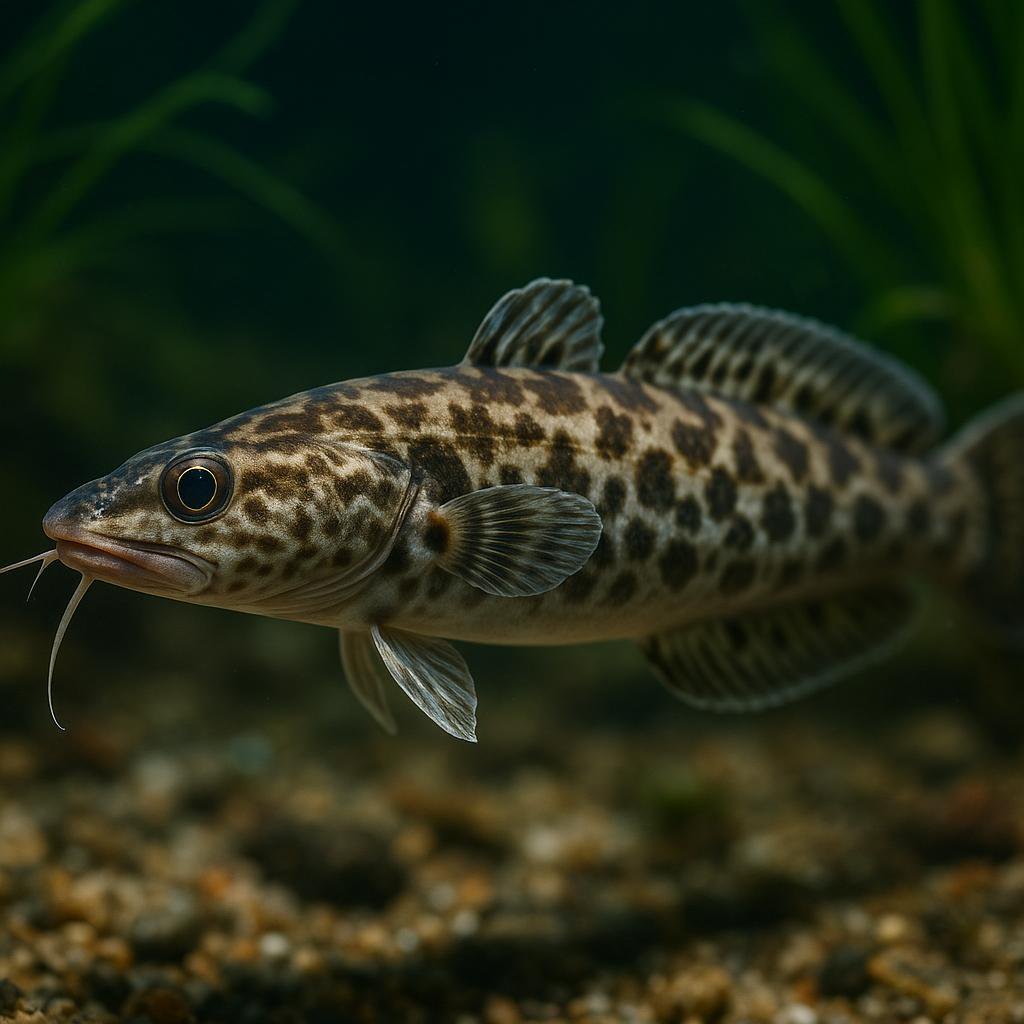
This is a deepwater North Atlantic rockling (a cod relative) that hangs out on soft bottoms way down the slope. It is a cold-water, bottom-hugging predator that snoots around for crustaceans and will also take small fish when it gets the chance.
Looking for other species?