

Search Species
Search for fish species by common or scientific name, or use filters to browse by water type, size, temperament, and difficulty.
Found 275 species
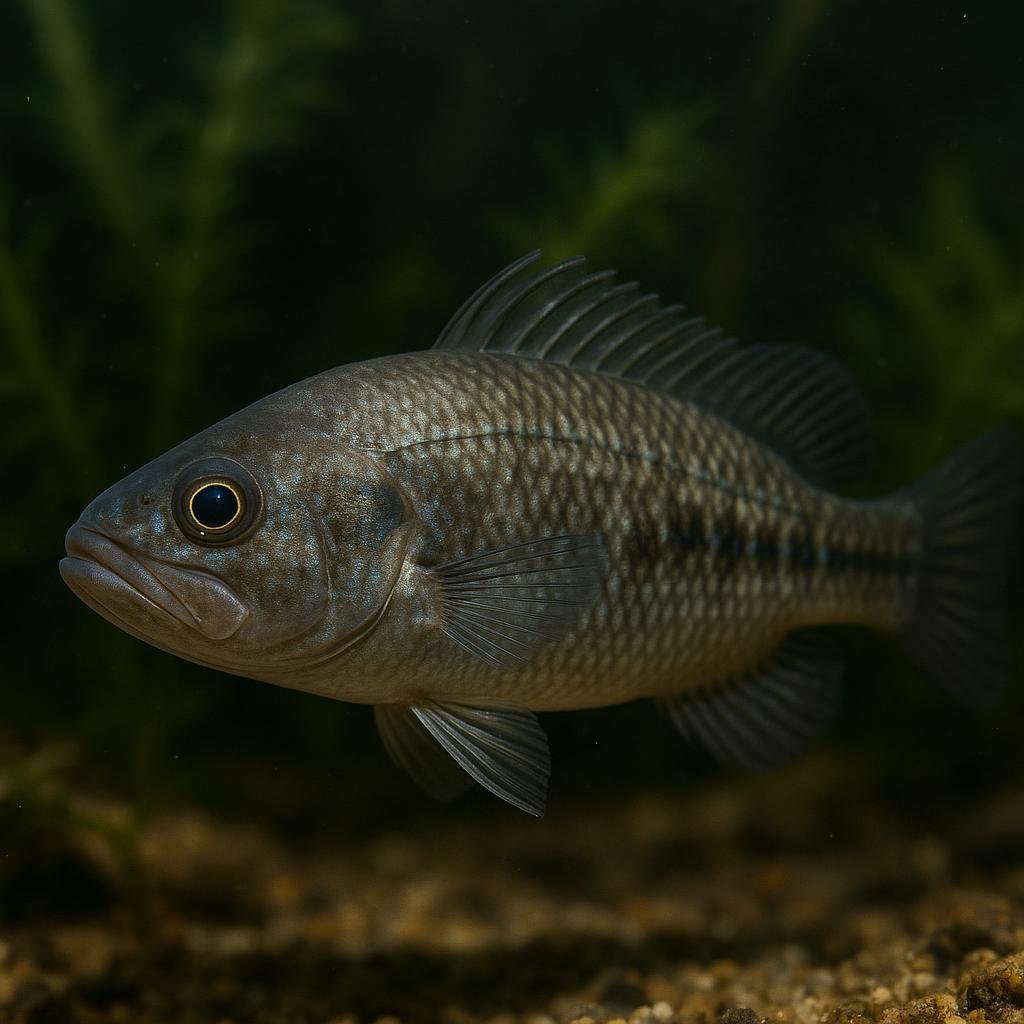
Robust assfish
Bassozetus robustus
Bassozetus robustus (robust assfish) is a deep-sea marine cusk-eel (Ophidiidae) with a circumglobal distribution in tropical to temperate waters. It occurs at great depths (reported to >1000 m and to over 4000 m). Reproduction is oviparous and has been described as producing buoyant/pelagic eggs (reported as occurring in a gelatinous egg mass in some references). It is not an aquarium species, as its habitat conditions (depth/pressure and deep-sea environment) cannot be replicated in typical home systems.
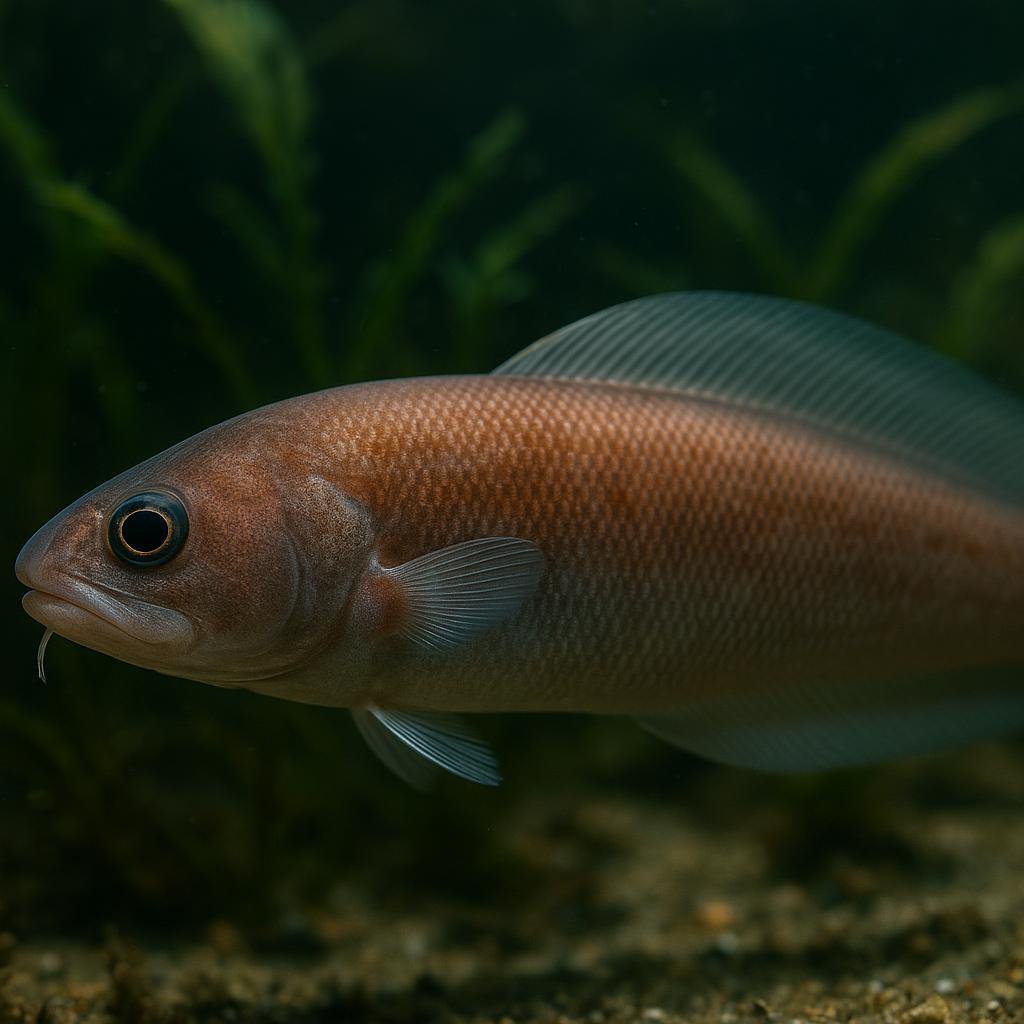
Roule's abyssal cusk
Barathronus roulei
Barathronus roulei is a deep-sea bythitid/brotula-type fish from the Northeast Atlantic, recorded from deep water (e.g., ~1349 m). It is extremely rarely encountered and not an aquarium species due to collection and decompression/pressure constraints.
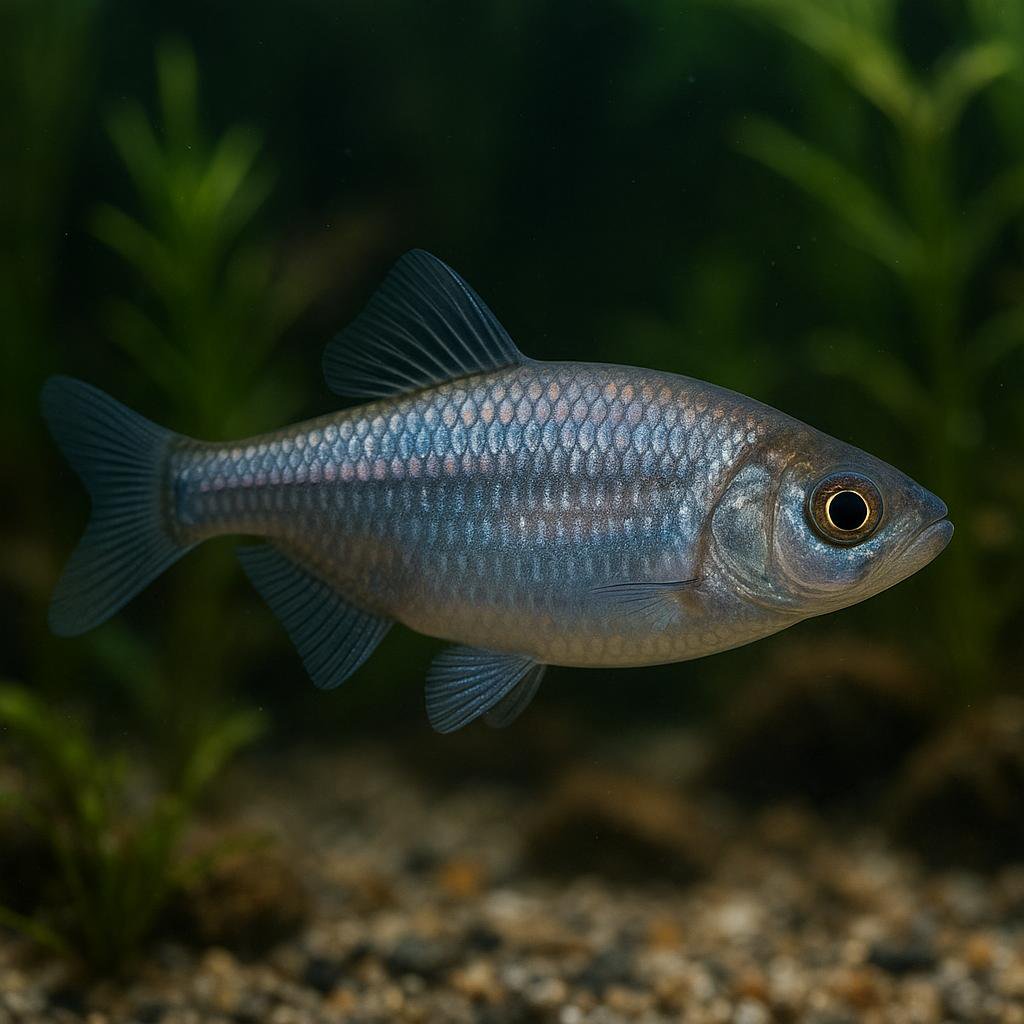
Roule's smooth-head
Rouleina livida
Rouleina livida is a deep-sea slickhead (family Alepocephalidae) that lives way down in the bathypelagic zone, not something you will ever see in the aquarium trade. It tops out around 34 cm standard length and has those classic deep-sea vibes like huge eyes plus little light organs (photophores) around the head and jaw.
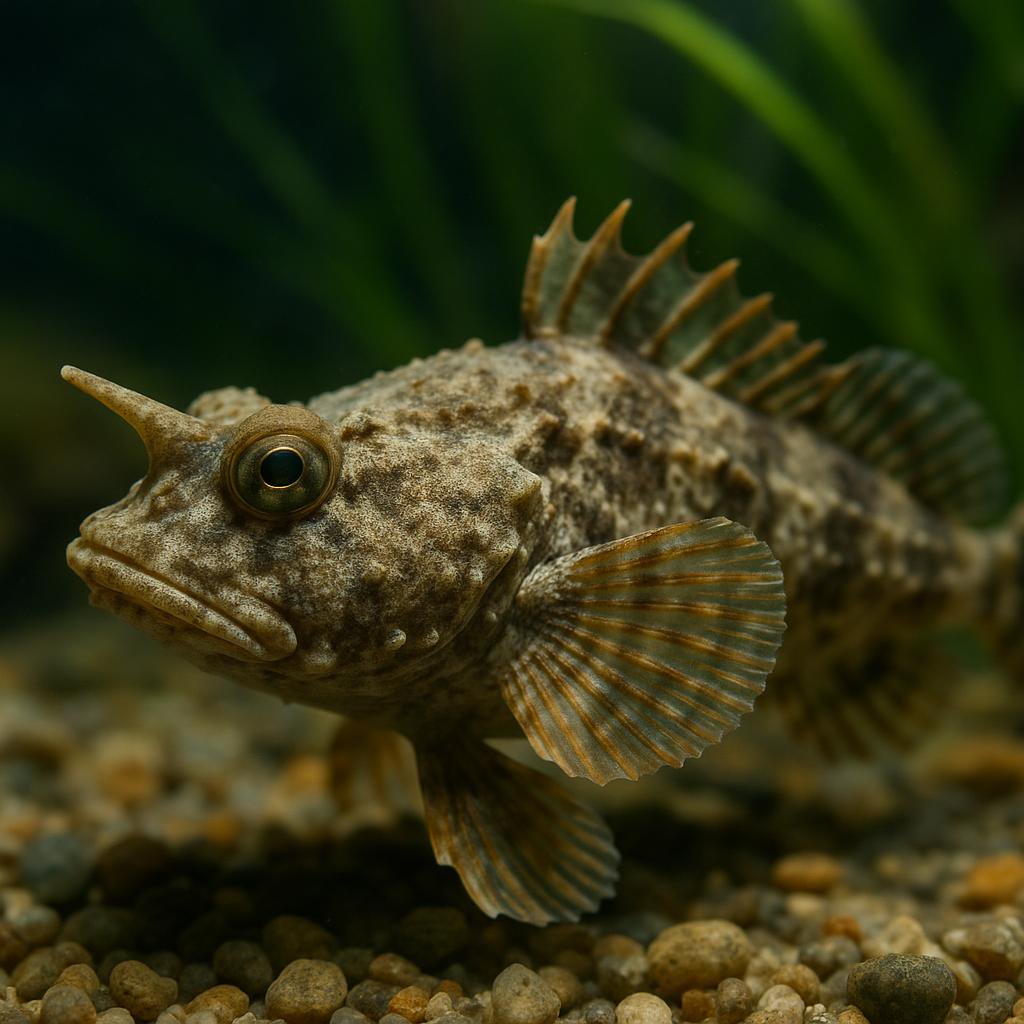
Roundel batfish
Zalieutes elater
Zalieutes elater is a weird little "walking" batfish that lives on sand and mud bottoms and basically scoots around like a tiny sea creature robot. The coolest giveaway is the pair of orange-and-black eye-spots (ocelli) on its back, plus it has a short anglerfish-style lure it uses to ambush small crustaceans and fish.
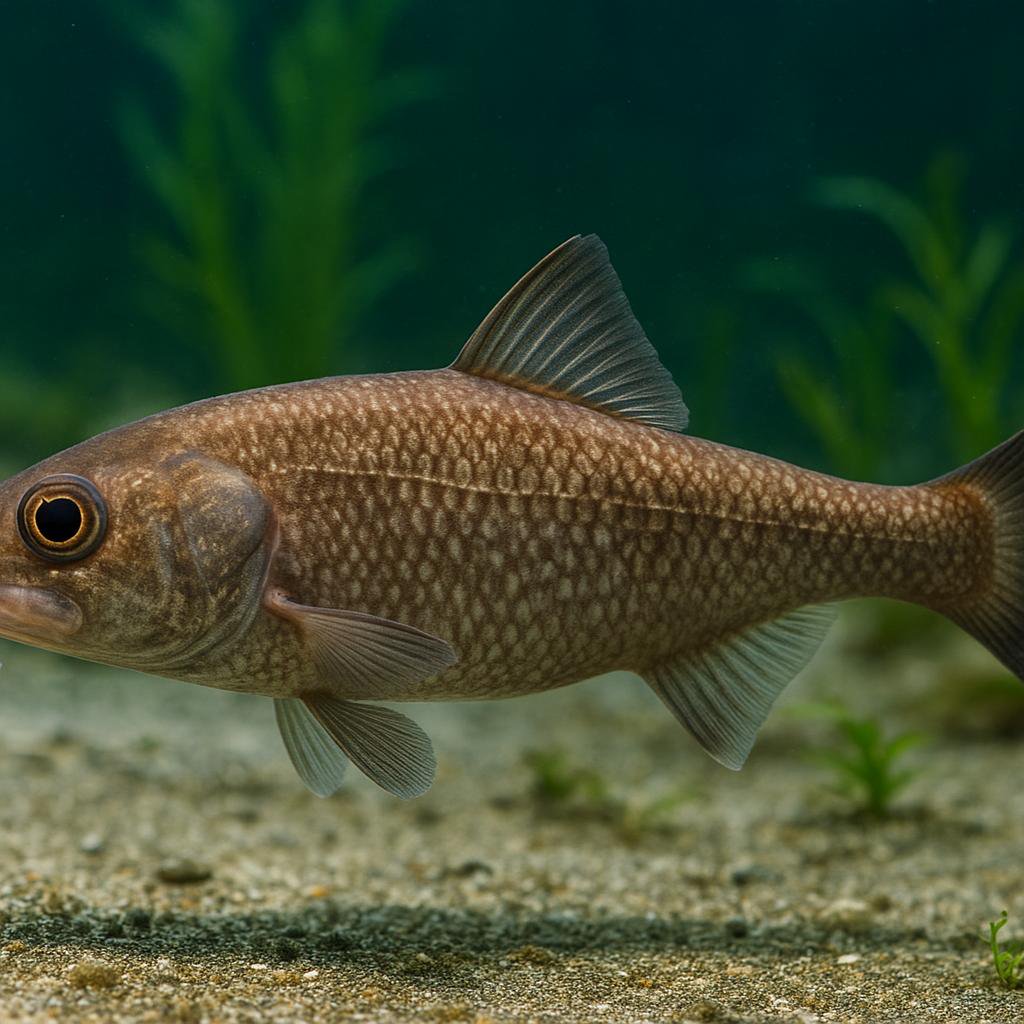
Saikai grenadier (rattail)
Ventrifossa saikaiensis
This is a deepwater grenadier (rattail) from the western Pacific - the kind of fish that lives way down on the slope where its "aquarium" is basically cold, dark, and high pressure. It tops out around 25 cm and has that classic rattail look with a chin barbel, plus a ventral light organ. Cool animal, but realistically its not an aquarium species at all unless youre talking public-aquarium level coldwater deep-sea systems.
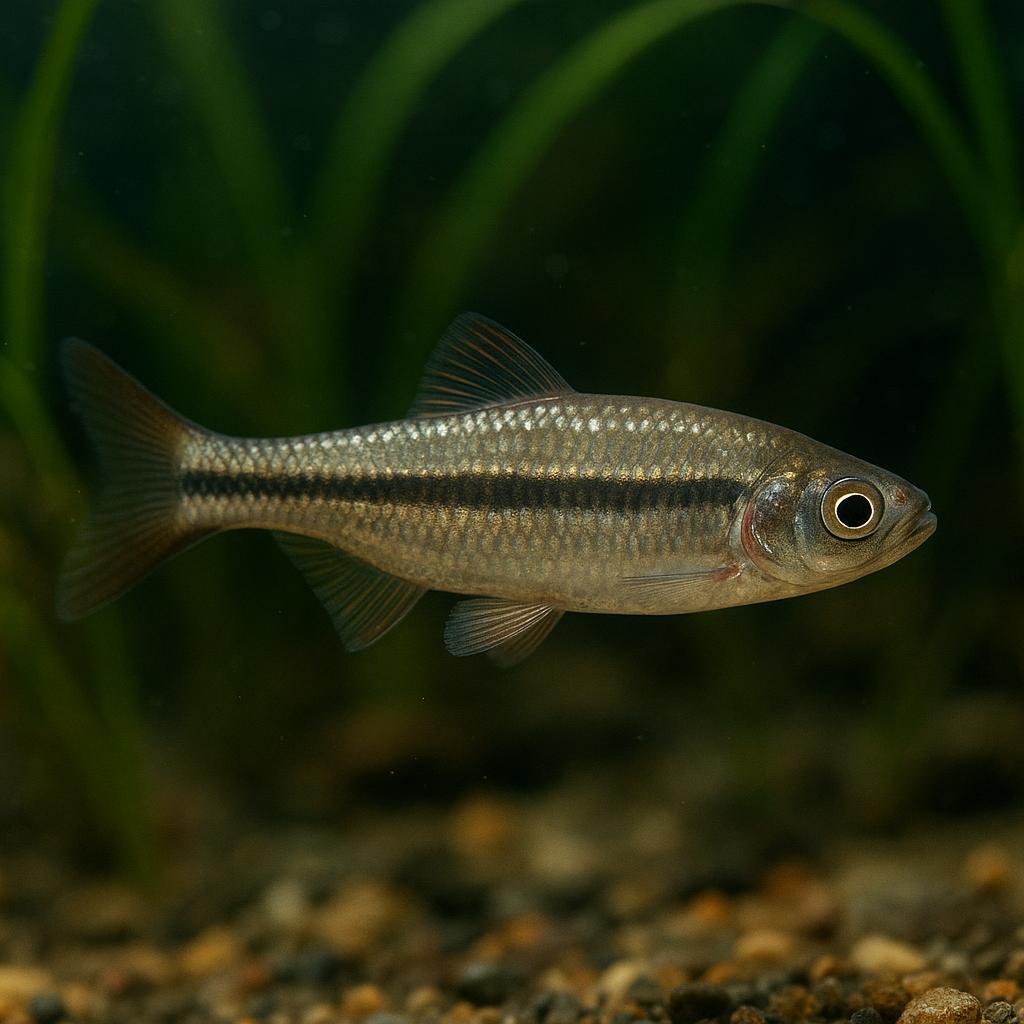
Samoan surf sardine
Iso nesiotes
Iso nesiotes (Samoan surf sardine) is a very small surf-zone marine fish (family Isonidae) reported from places such as American Samoa and Pitcairn Island, inhabiting surf and waves around rocky headlands and reefs. Maximum reported size is about 4 cm TL; detailed life-history and aquarium husbandry information is limited.
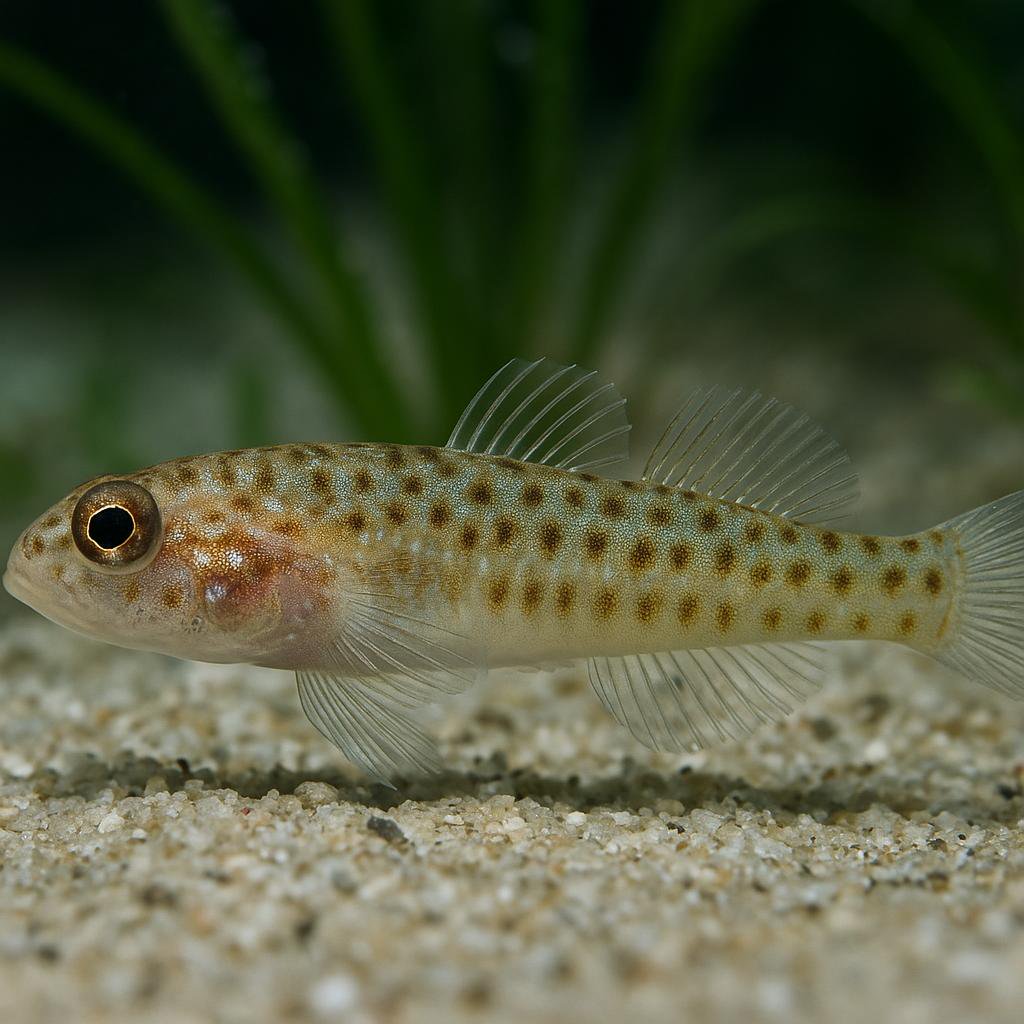
Sand submarine
Limnichthys nitidus
Limnichthys nitidus is a tiny marine sandburrower found on surge-swept, coarse-sand patches near reefs (about 4–20 m), where it buries in sand and may occur in small groups. Aquarium suitability is not well documented in authoritative aquarium references; husbandry requirements are therefore uncertain and should be presented as experimental/rarely-kept rather than as established care.
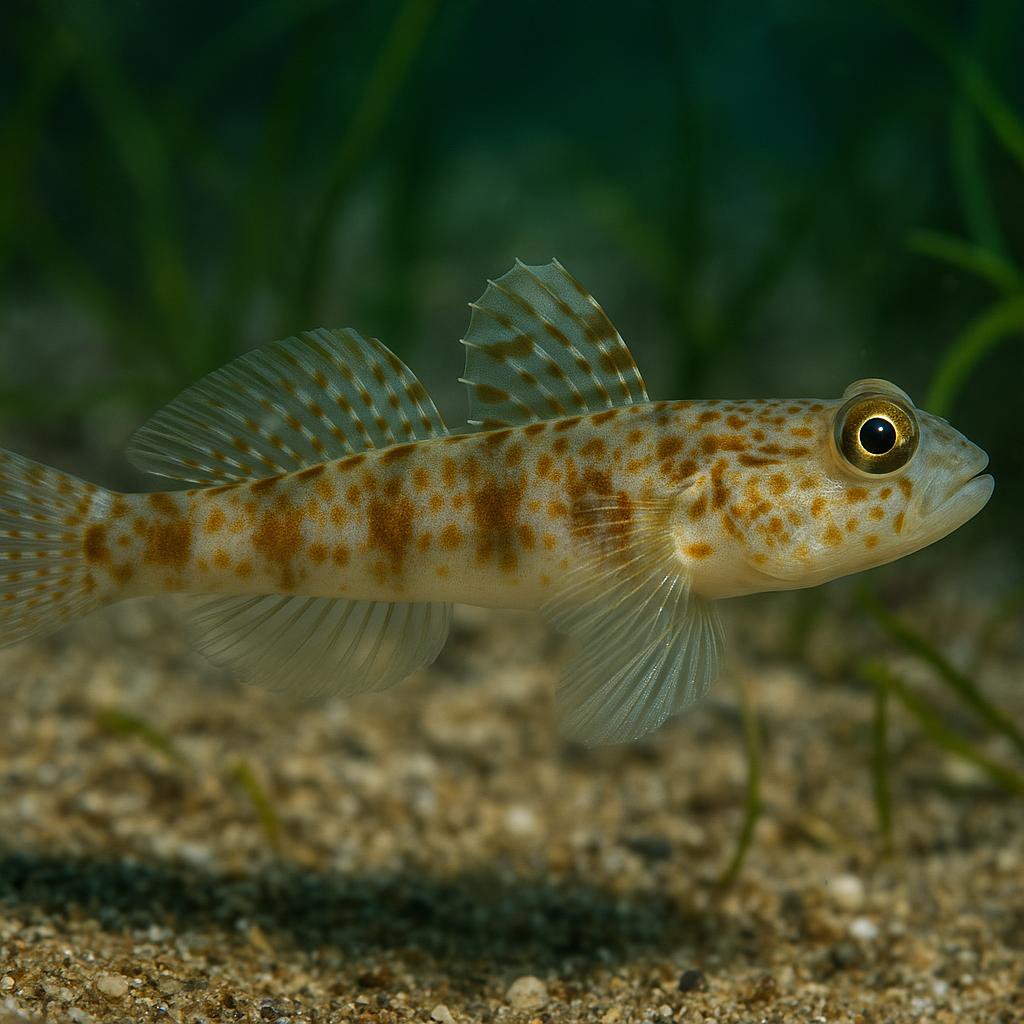
Sanzo's goby
Lesueurigobius sanzi
Sanzo's goby is a small offshore goby from the eastern Atlantic and western Mediterranean that lives out on muddy sand/mud bottoms in fairly deep water. Its whole vibe is a subtle, bottom-hugging demersal fish rather than a rockpool goby, so its "best life" is more about open sandy areas than reefy structure.
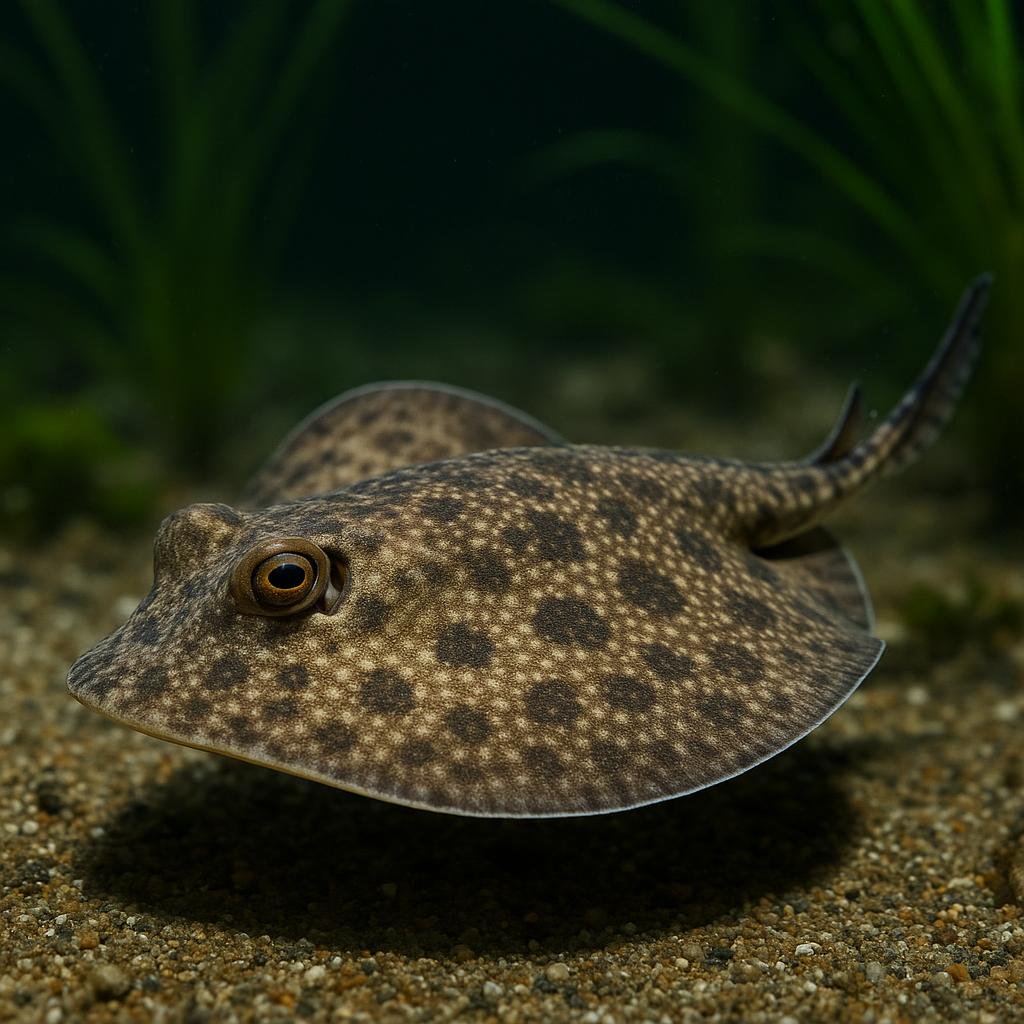
Saw-spined round ray
Urotrygon serrula
Urotrygon serrula is a small round stingray from the Eastern Pacific that spends its time hugging the bottom in coastal waters. It is not really an aquarium species - even though it stays fairly small, it is a marine ray with specialized needs and a venomous spine, so it belongs in professional-scale setups, not a typical home tank.
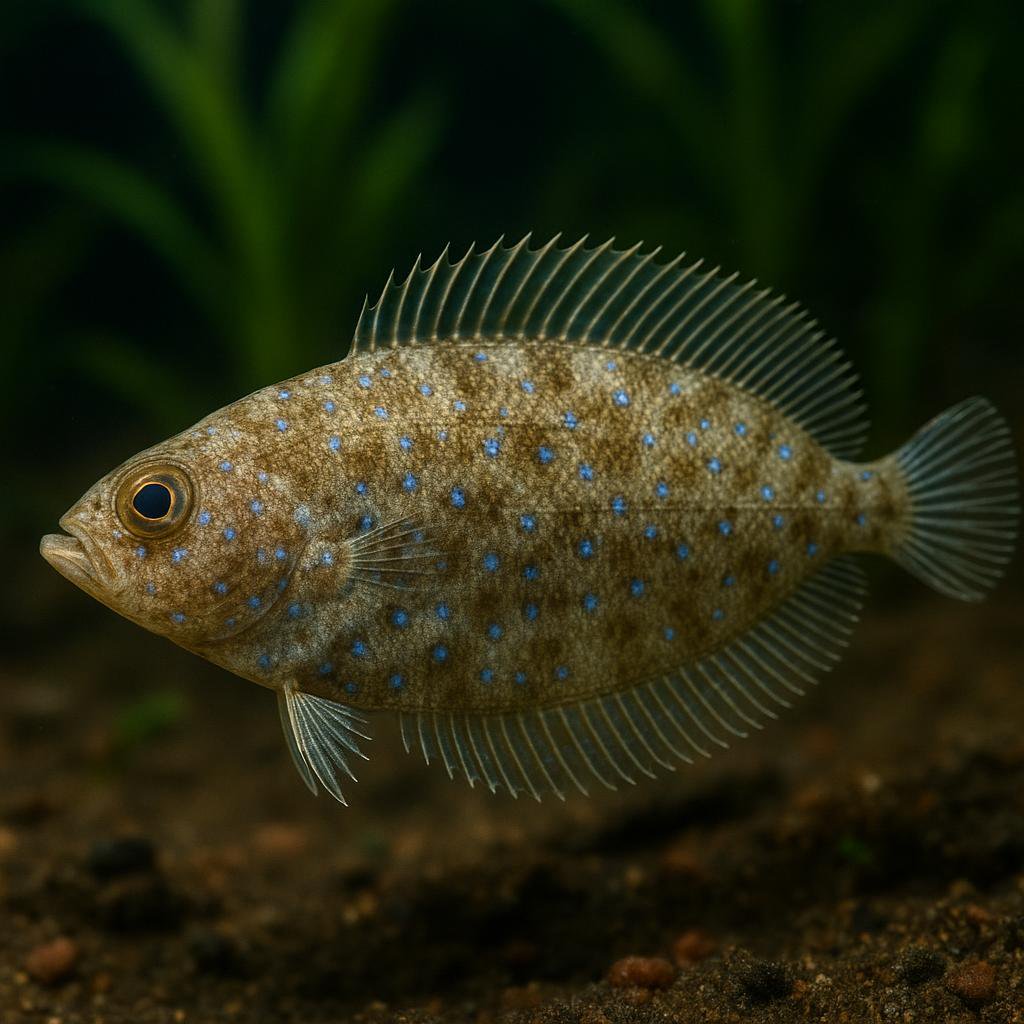
Saya scaldfish
Arnoglossus sayaensis
Arnoglossus sayaensis is a marine lefteye flounder (Bothidae) described from the Saya de Malha Bank in the western Indian Ocean; FishBase lists a maximum size of 14.7 cm SL. It is reported from deep water (about 191–254 m) and is a bottom-dwelling flatfish.
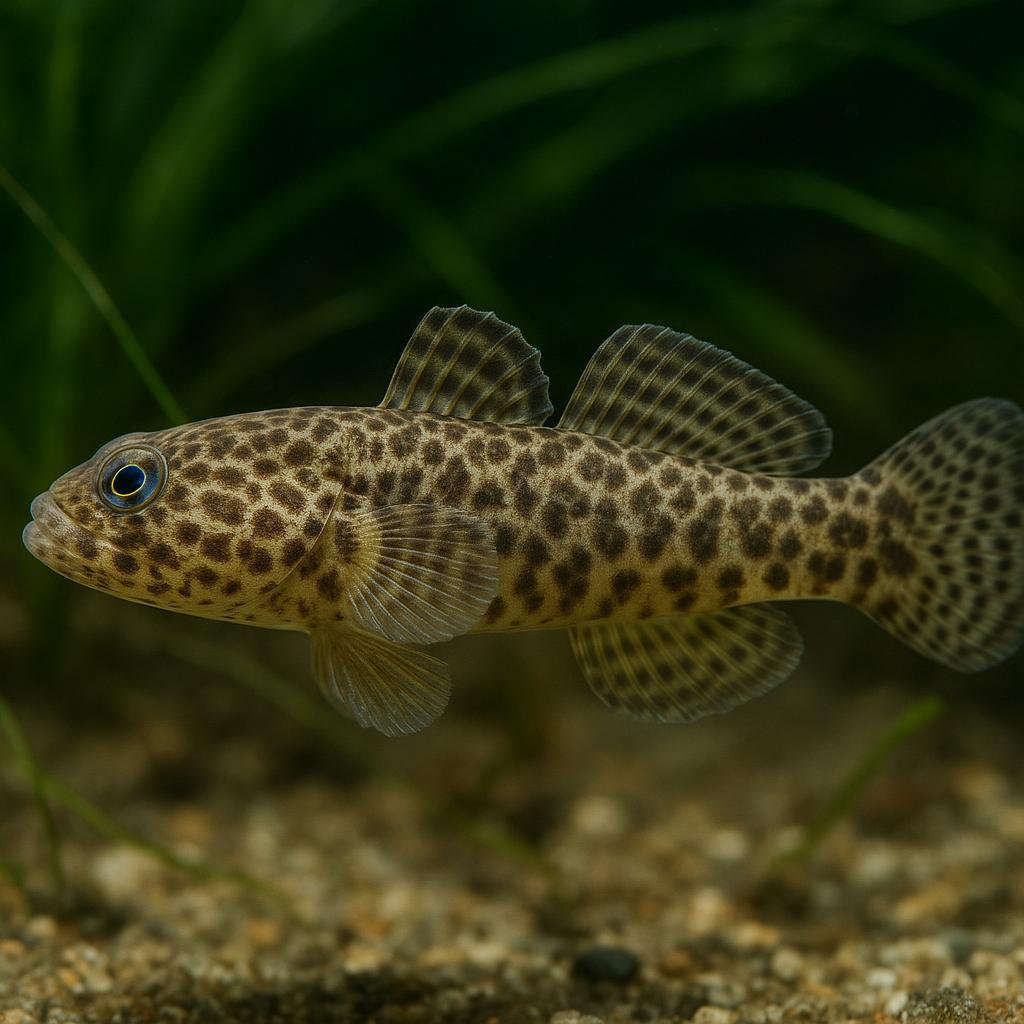
Scale-eyed flounder
Lepidoblepharon ophthalmolepis
Deepwater bathydemersal citharid flounder from the western Pacific, reported from ~310–428 m on mud bottoms. Notable for very large eyes on the right side that are covered with scales. Rare and apparently not marketed; aquarium husbandry is essentially undocumented and this species is not a practical home-aquarium fish.
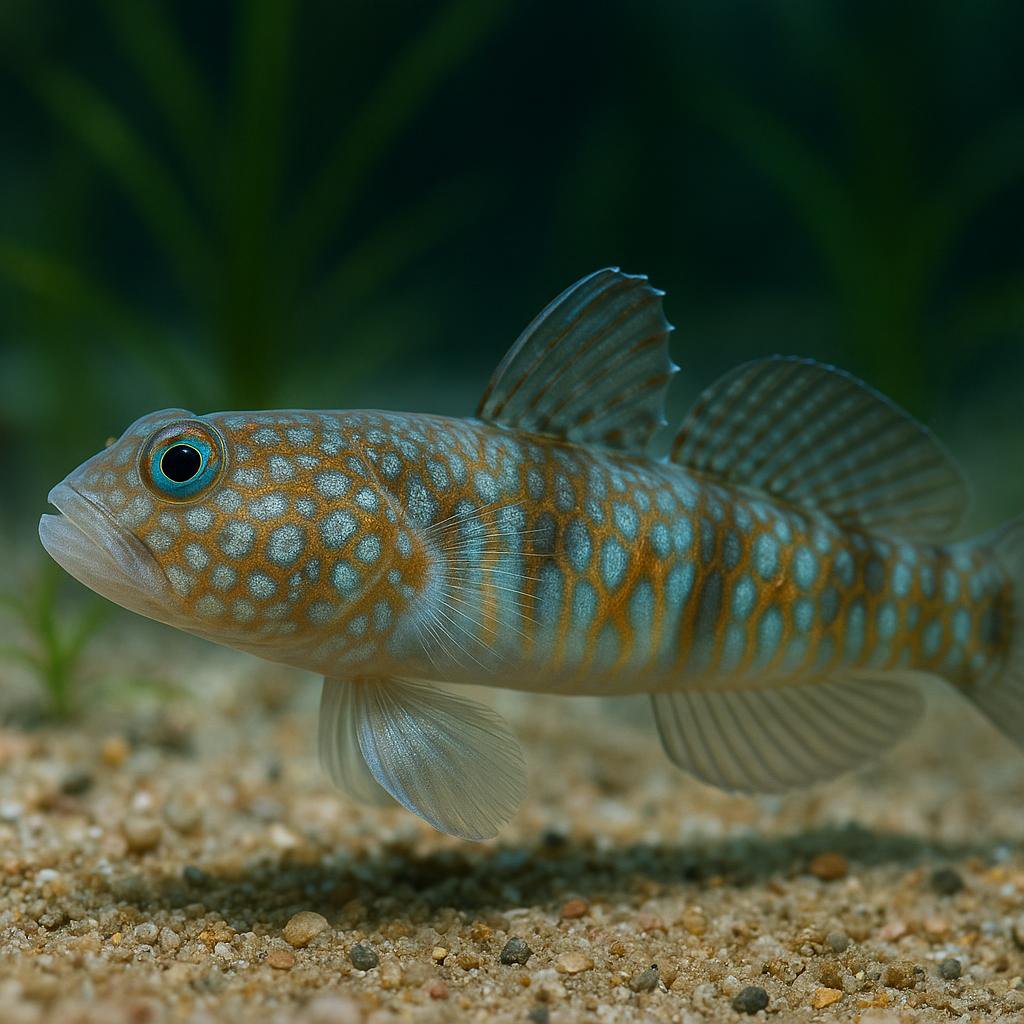
Scalycheek shrimpgoby
Vanderhorstia lepidobucca
This is a tiny shrimp-associated goby described from Sulawesi, Indonesia. Like other Vanderhorstia, it is associated with burrows made by alpheid snapping shrimp (Alpheus spp.), where the goby typically hovers/stands guard near the burrow entrance. Maximum reported size is 4.0 cm SL.