

Search Species
Search for fish species by common or scientific name, or use filters to browse by water type, size, temperament, and difficulty.
Found 42 species
-1771297475.jpg)
Orange chromide
Pseudetroplus maculatus (syn. Etroplus maculatus)
This is that cute little Indian/Sri Lankan cichlid with the big black "shoulder" spot and a warm gold/orange glow when it's happy. It'll do the classic cichlid thing where it gets a bit pushy when breeding, but most of the time it's pretty chill-especially if you keep a small group. Super cool bonus: the parents actively tend the eggs and fry, and the babies even graze on the parents' skin mucus for a bit.
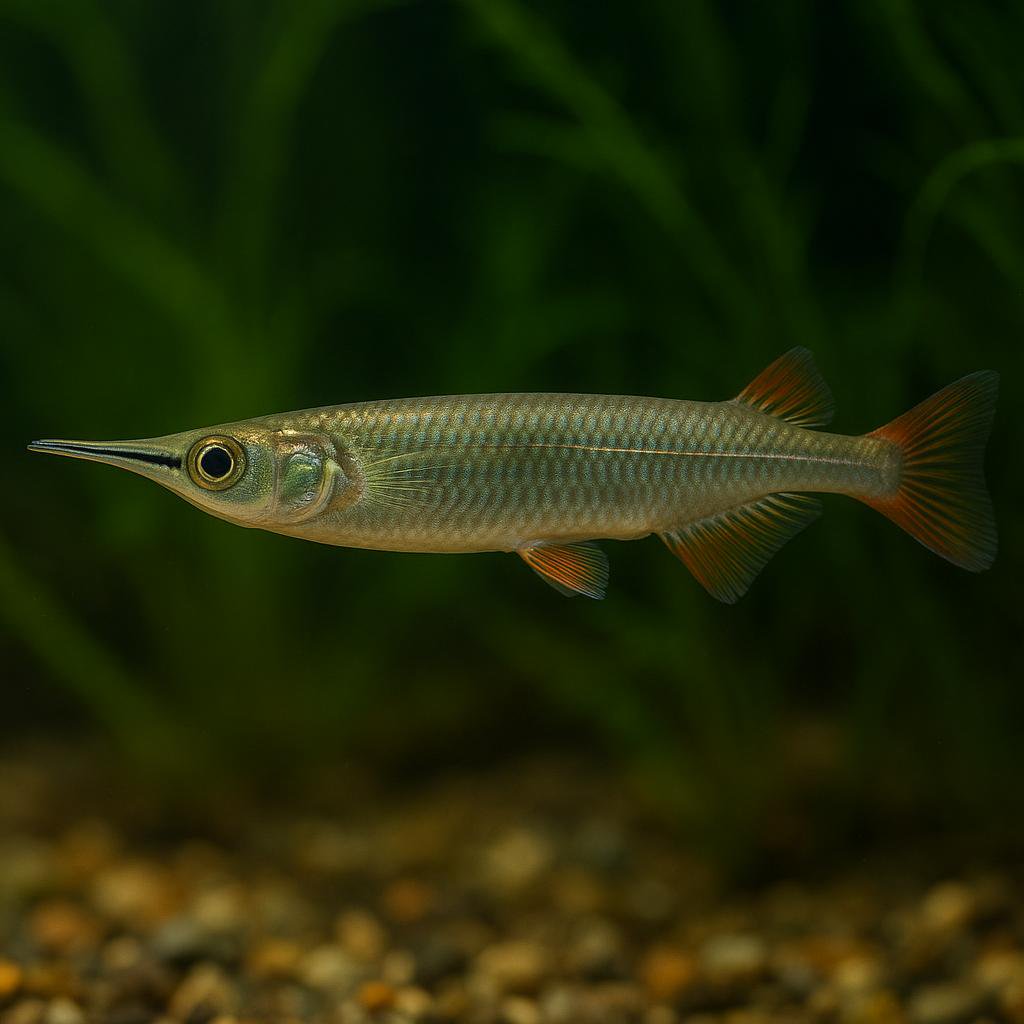
River garfish
Zenarchopterus xiphophorus
This is a slim, surface-hugging halfbeak from the mouth of a river in Sumatra, and it has that classic "half-beak" look where the lower jaw sticks out. Its biology is way more "wild fish" than "pet shop fish" - think open-water cruising up top and spooking easily if the tank is busy or uncovered.
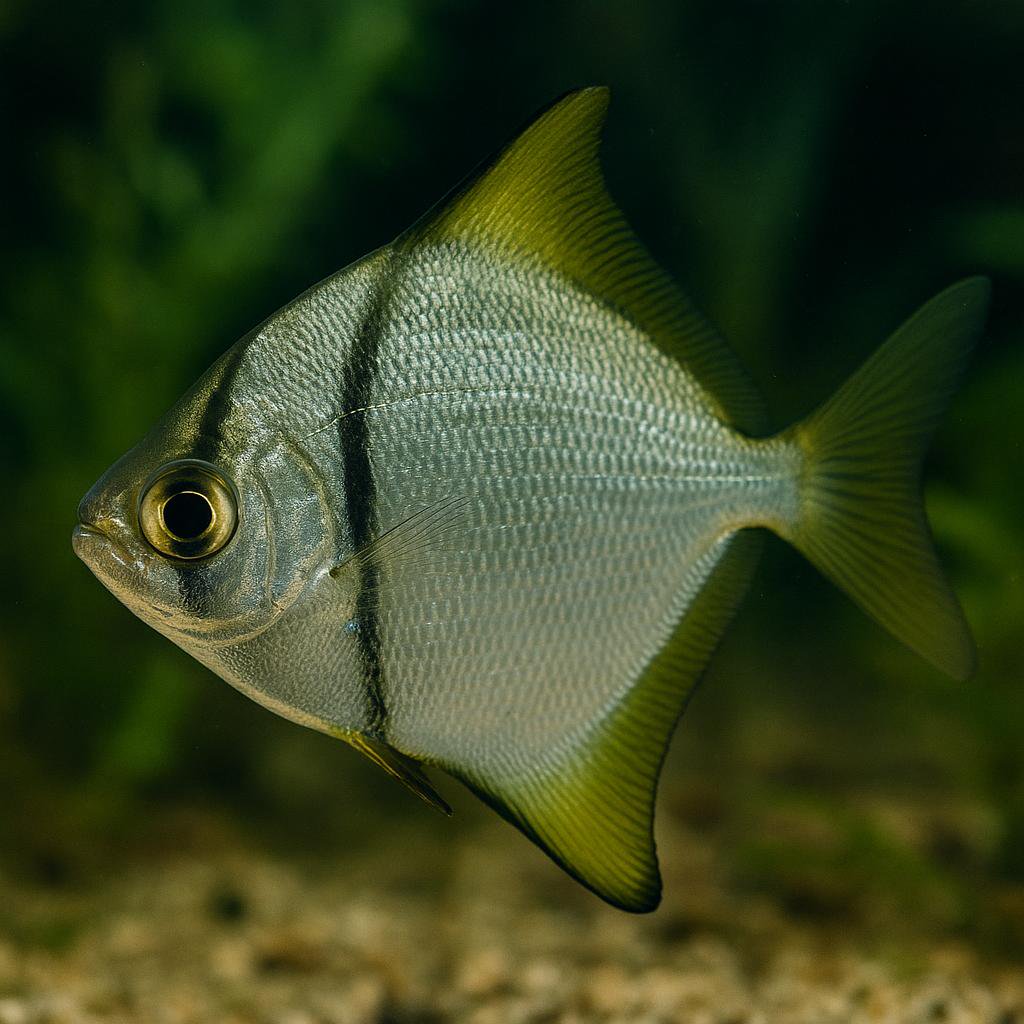
Silver moony (Mono)
Monodactylus argenteus
Silver moonies are those shiny, diamond-shaped "mono" fish you see cruising nonstop in brackish tanks-super active and way more fun to watch when they're in a proper group. They start out in estuaries (often sold too small and too fresh), and the big "gotcha" is they really want you to ramp them up to stronger brackish/near-marine as they grow. Feed them like a hungry, messy omnivore and give them swimming room, and they're absolute show-stealers.
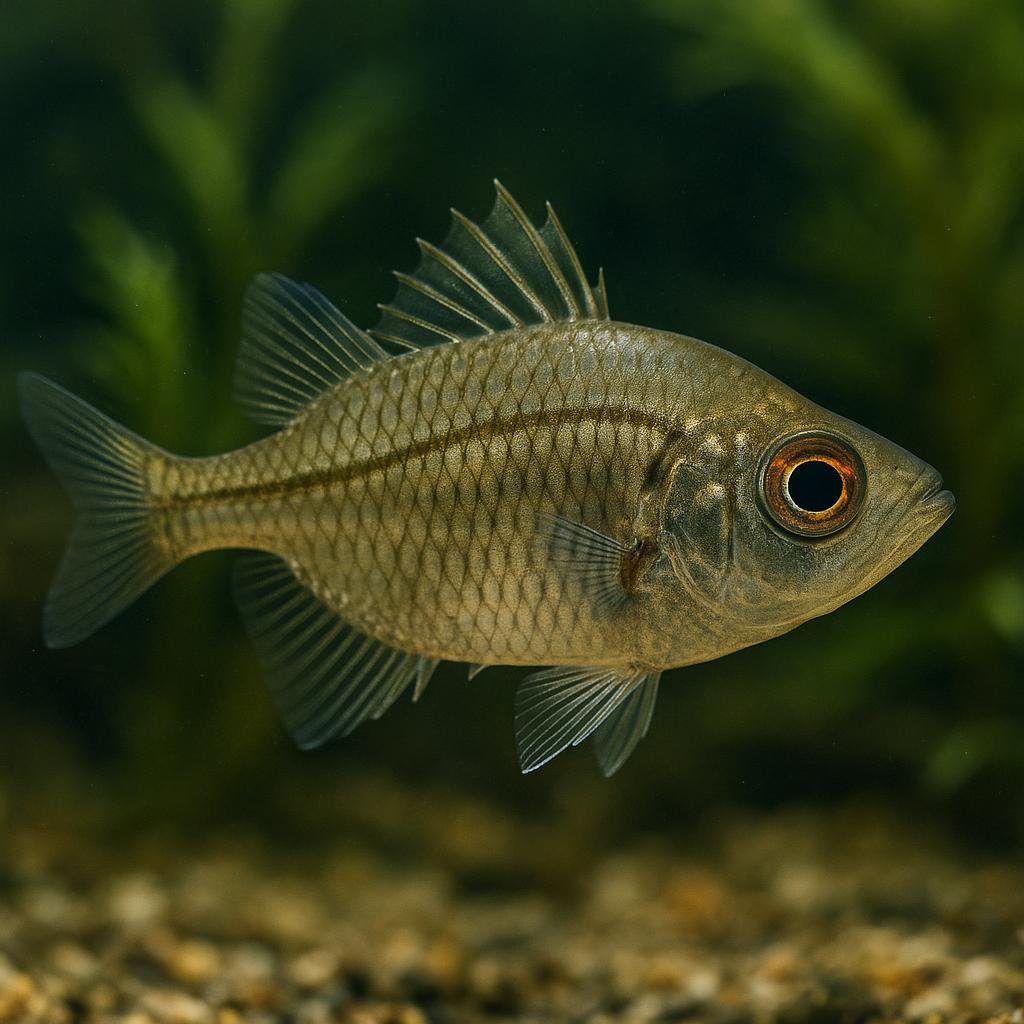
Singapore glassy perchlet
Ambassis kopsii
Ambassis kopsii is one of those cool little see-through mangrove/estuary fish that likes to hang out in a tight group, flashing silver in the light. It naturally lives where fresh and saltwater mix, so it does best when you treat it like a calm, slightly brackish schooling fish and give it lots of friends.
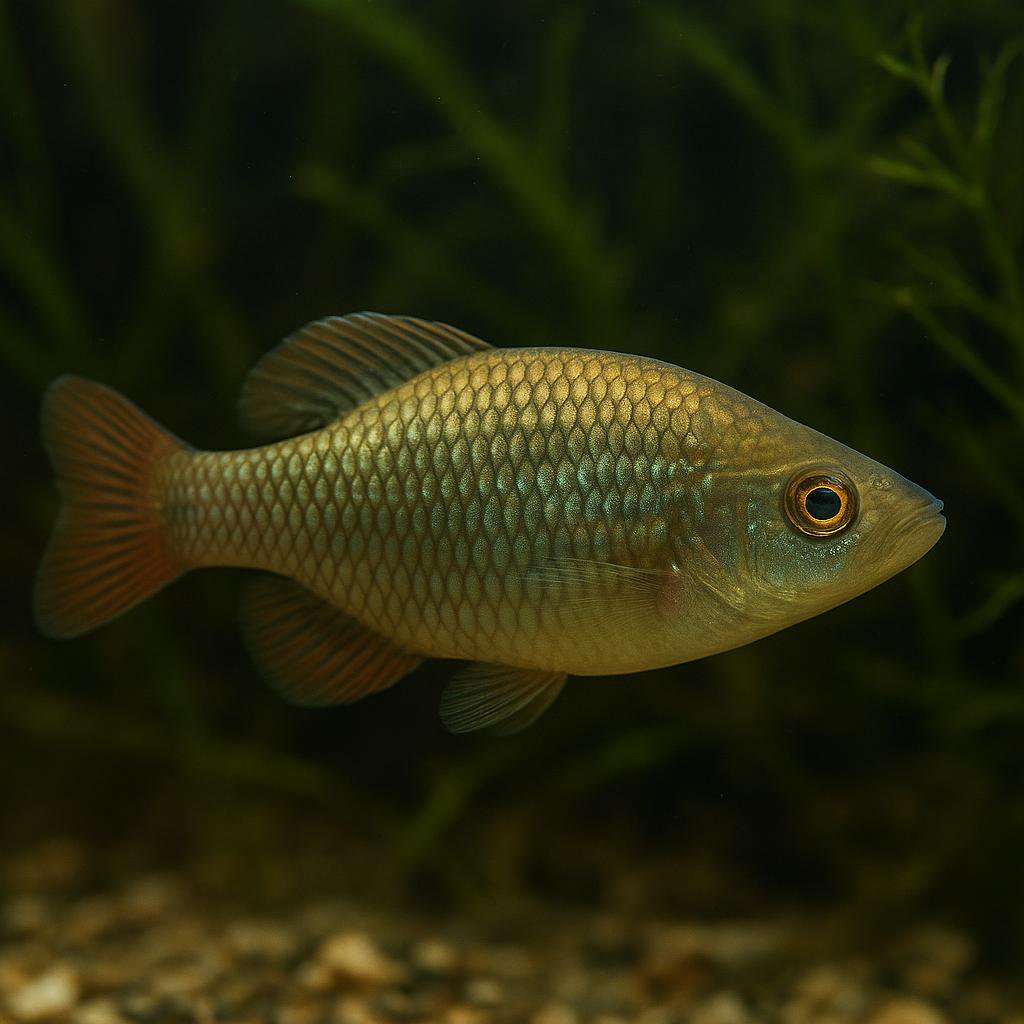
Slender mudskipper
Zappa confluentus
This is a tiny New Guinea mudskipper that lives around tidal mudflats by murky, brackish river water, and it can do the classic mudskipper trick of air-breathing when it is out of the water. In aquarium terms, think of it less like a regular "fish" and more like a little amphibious goby that wants a land area, lots of damp mud/sand to perch on, and calm brackish conditions.
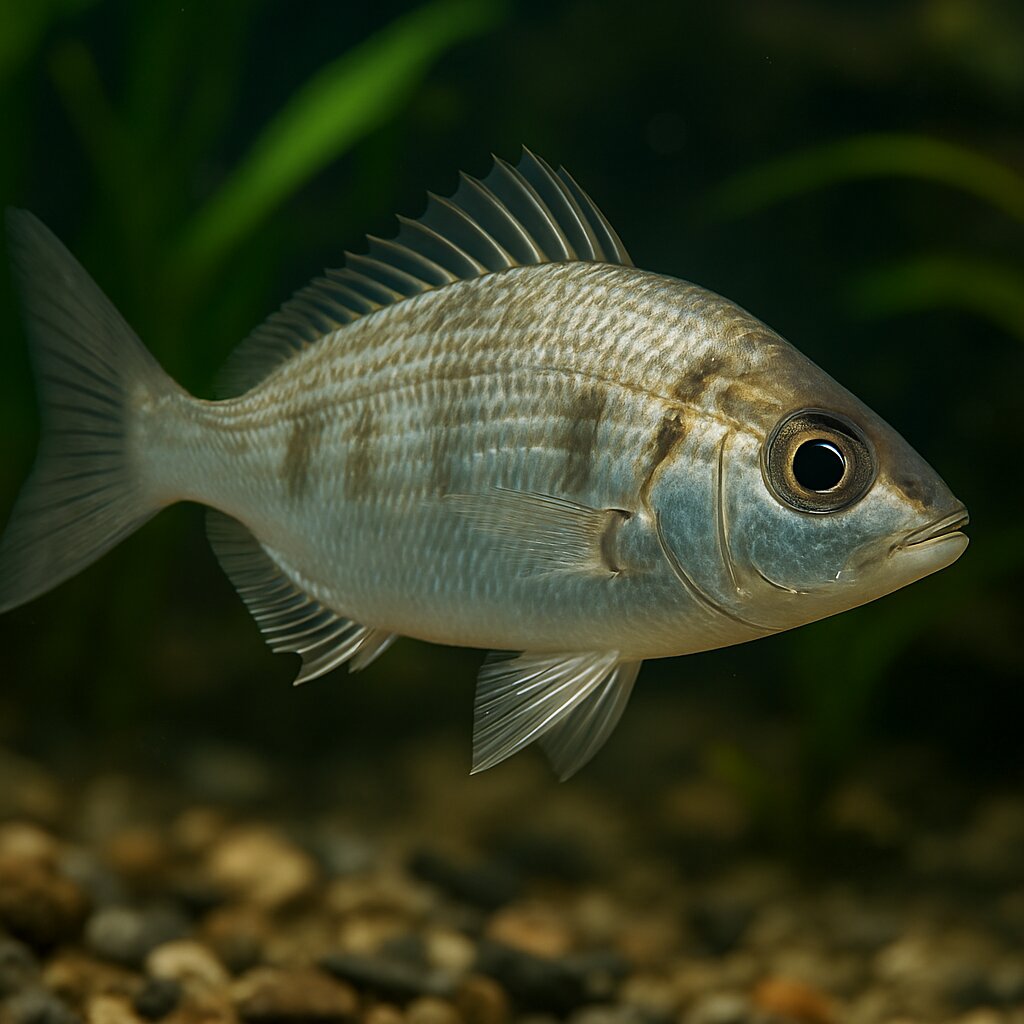
Small Chinese silver-biddy
Gerres decacanthus
Think of a quick, silvery sand-sifter that cruises shallow bays and estuaries, flashing as it turns. In a tank it uses that stretchy mojarra mouth to puff sand and pick tiny critters, and it really settles in when kept as a small group with open swimming space and a soft sand bed.
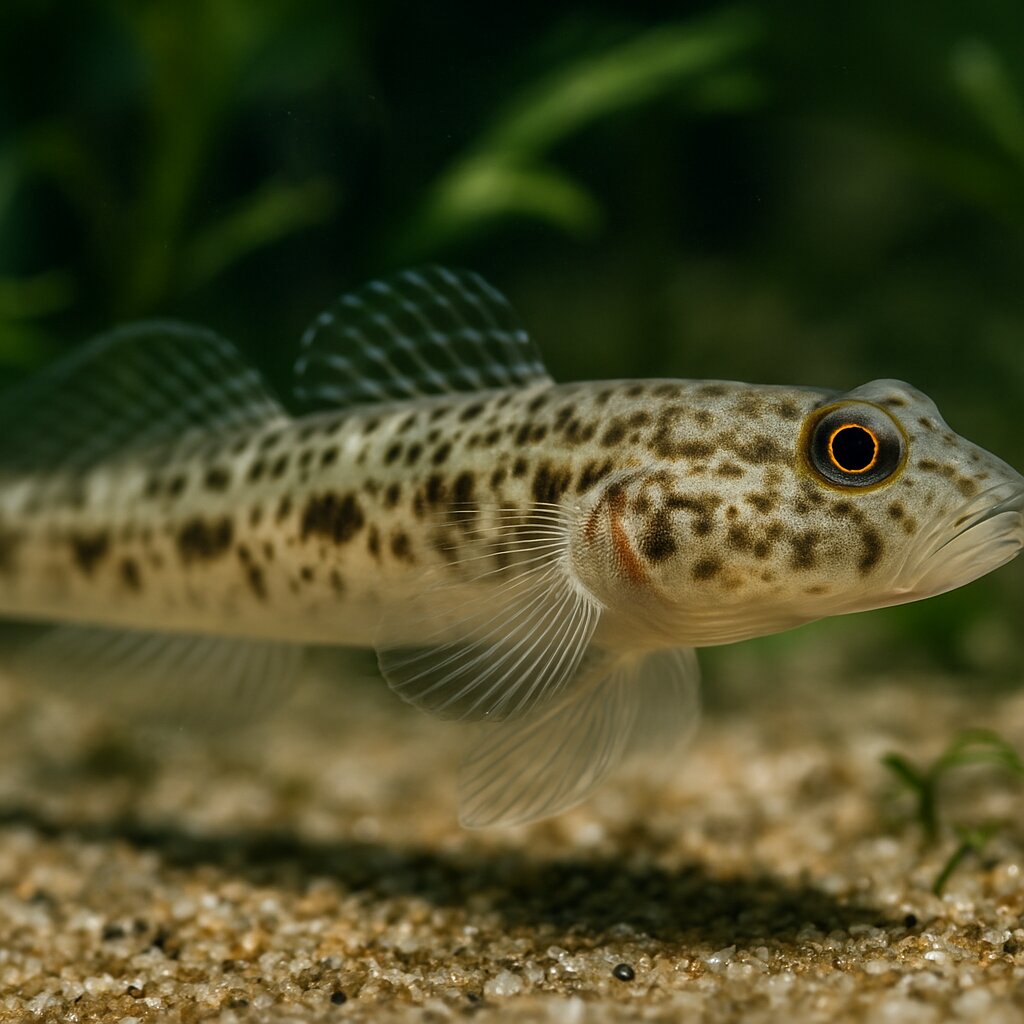
Southern longfin goby
Favonigobius lateralis
Neat little sand-dwelling goby that hangs out in seagrass beds and sandy estuaries around Australia and New Zealand. It perches on the bottom and even shimmies into the sand, so a fine sandy substrate is a must. Keep it in lightly brackish water and it will happily pick at small meaty foods.
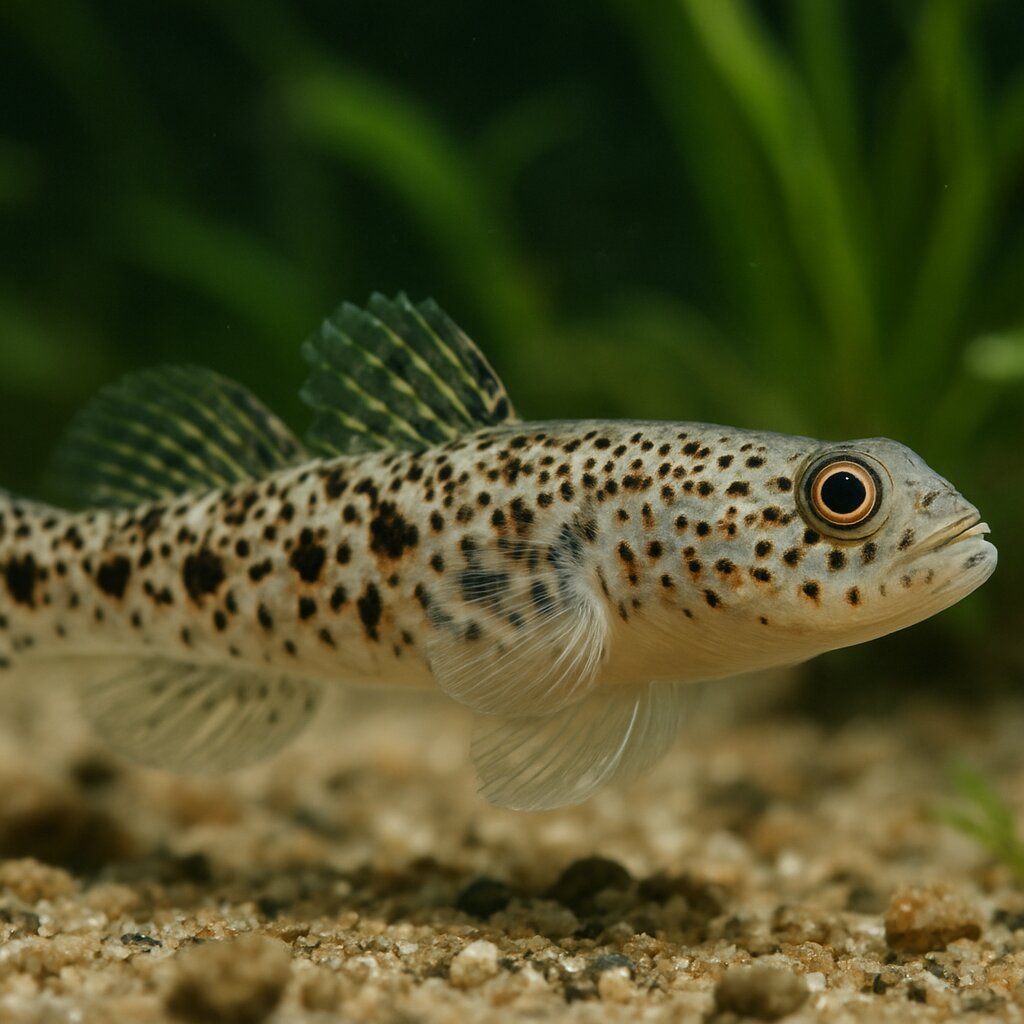
Speckled goby
Redigobius isognathus
A tiny estuary goby with a neat checkered body pattern and a surprisingly big mouth for such a small fish. It hangs out on the bottom, scooting between shells and rocks, and will happily pick at tiny crustaceans and other bite-size foods. Folks sometimes confuse it with the similar R. bikolanus, and it does great in lightly brackish setups with hard, alkaline water.
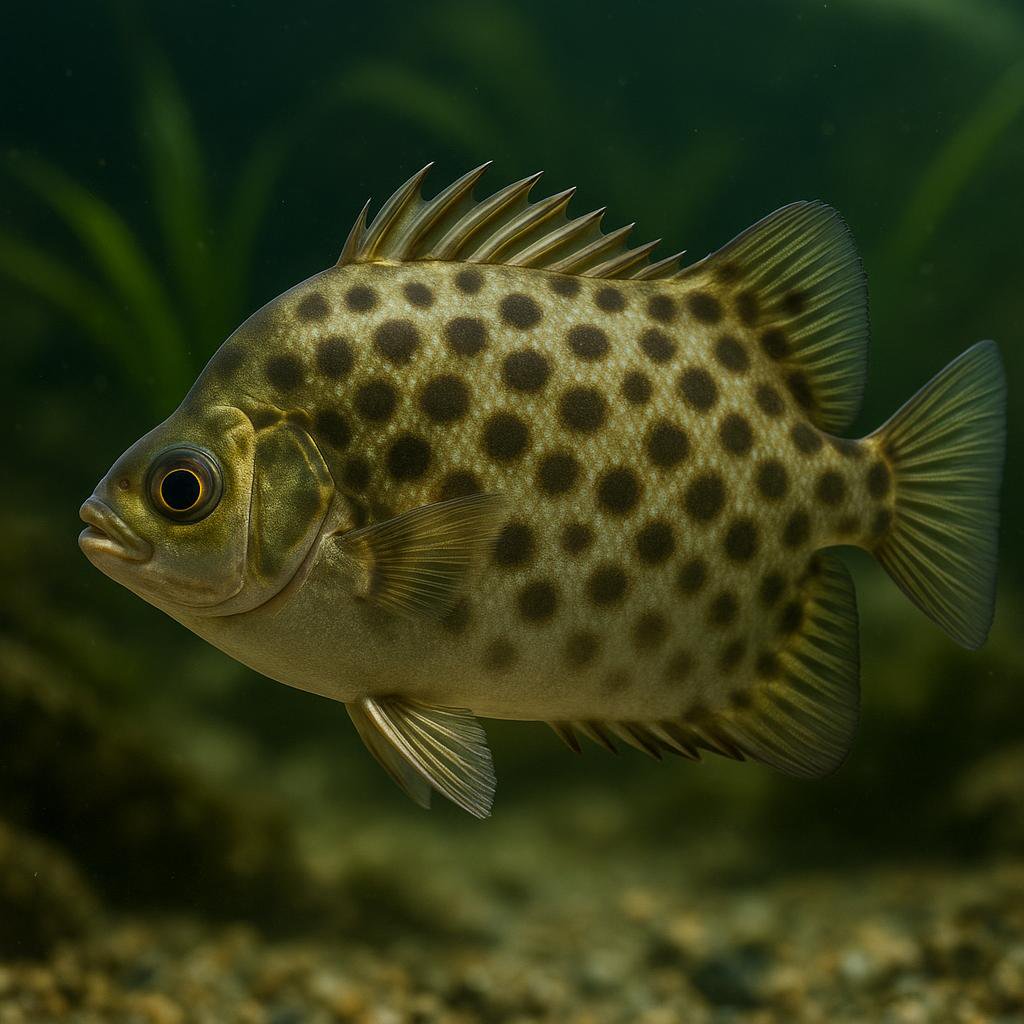
Spotted scat
Scatophagus argus
Spotted scats are those chunky, disc-shaped brackish fish with the peppered "polka dot" pattern that changes a lot as they grow. They cruise around in groups, eat basically anything you offer, and they're tough as nails-just don't fall into the super common trap of keeping them in straight freshwater long-term.
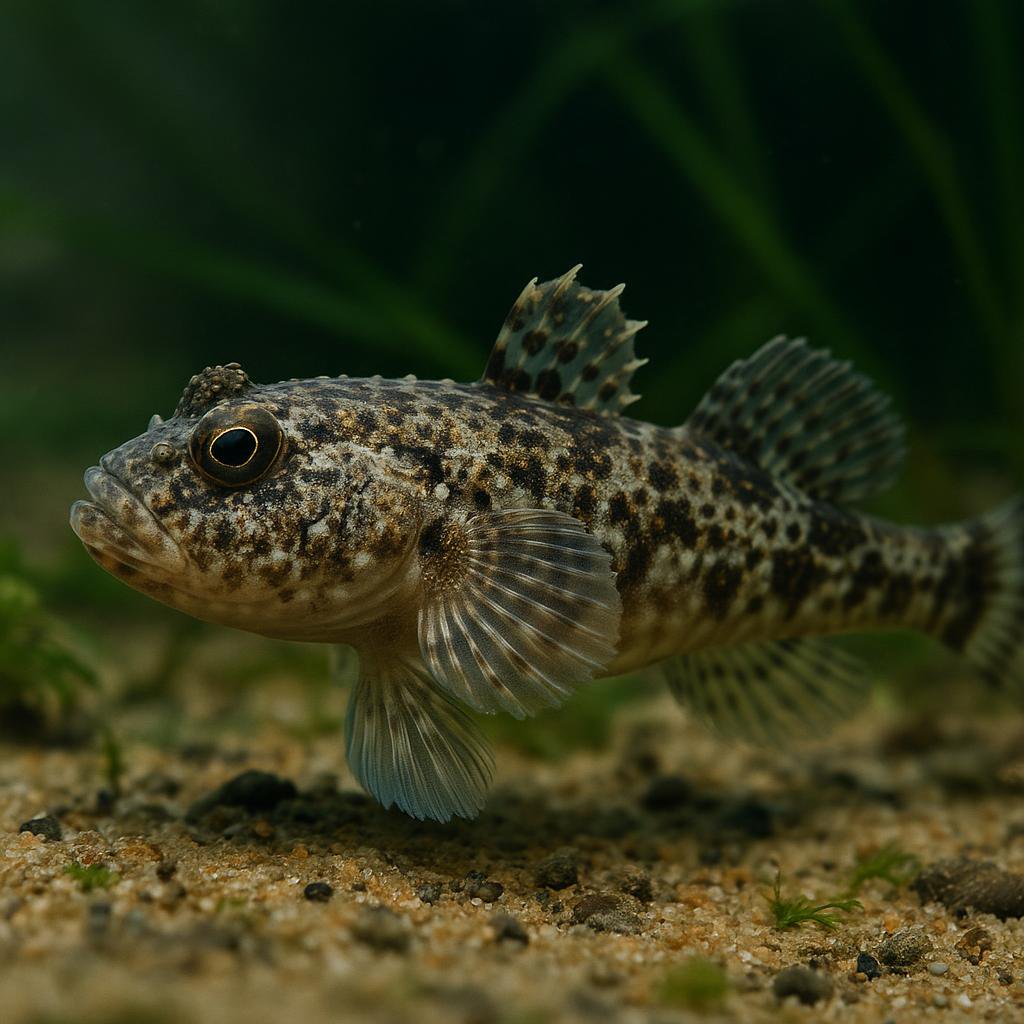
Stellate tadpole-goby
Benthophilus stellatus
This is one of those weird little bottom-huggers from the Black Sea/Azov/Caspian region - big head, narrow tail, and a body covered in tiny bony bumps. It spends its time on mud and sand in cooler water, picking at small invertebrates, and it is way more of a coldwater/brackish oddball than a typical tropical aquarium goby.
Stripe-face Calamiana
Eugnathogobius mindora
This is a teeny-tiny estuary goby that hangs out on the bottom in mangrove and tidal creek habitats. Its little striped face and speckly fins are the main "wow" factor, but the real charm is watching it perch and scoot around like a mini dragon. Not something you see in the aquarium trade much, and it is easy to mis-ID as other small brackish gobies.
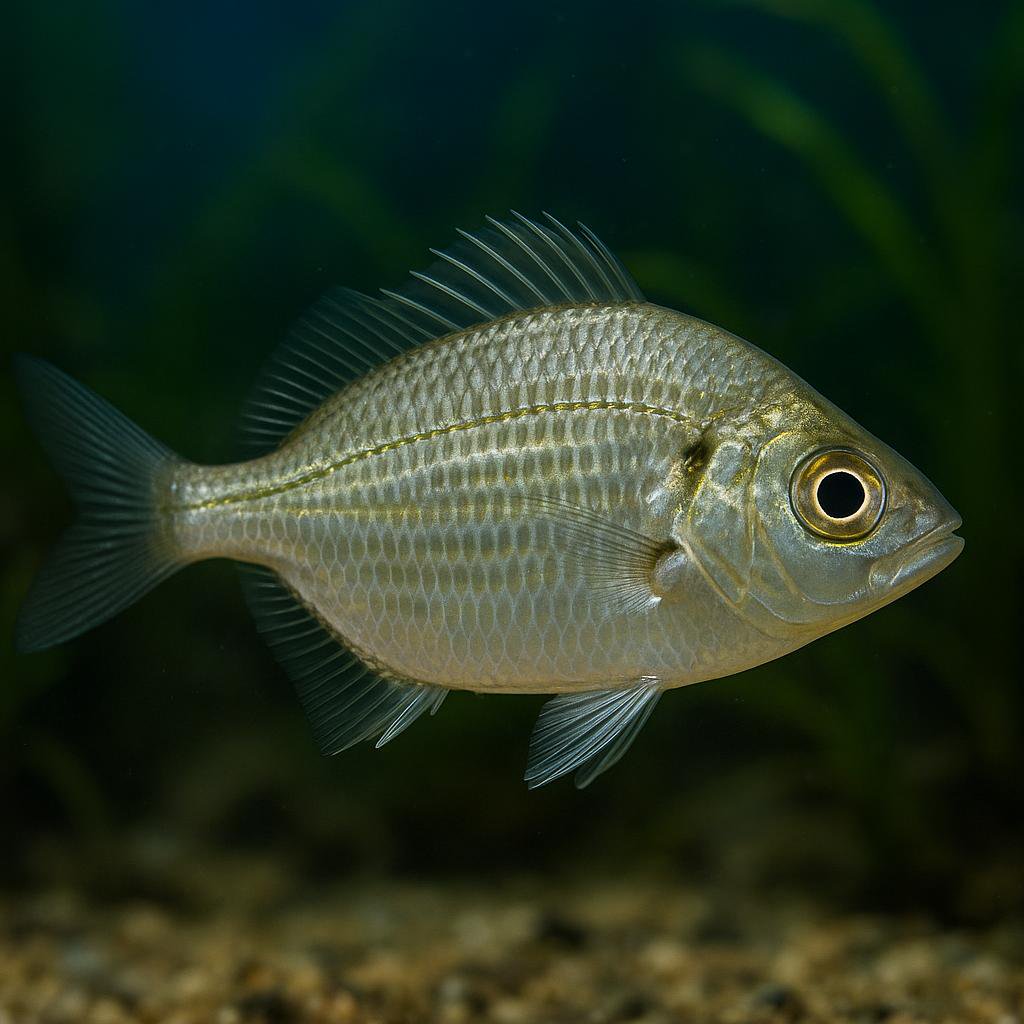
Tidewater mojarra
Eucinostomus harengulus
Tidewater mojarras are those sleek, silvery little estuary fish with the crazy-protrusible mouth they use to pick and vacuum tiny critters out of sand and mud. They show up around seagrass, mangroves, and shallow muddy flats, and theyll even push up into lower-salinity creeks and tributaries when conditions are right.