

Kanazawa sand lance
Ammodytoides kanazawai
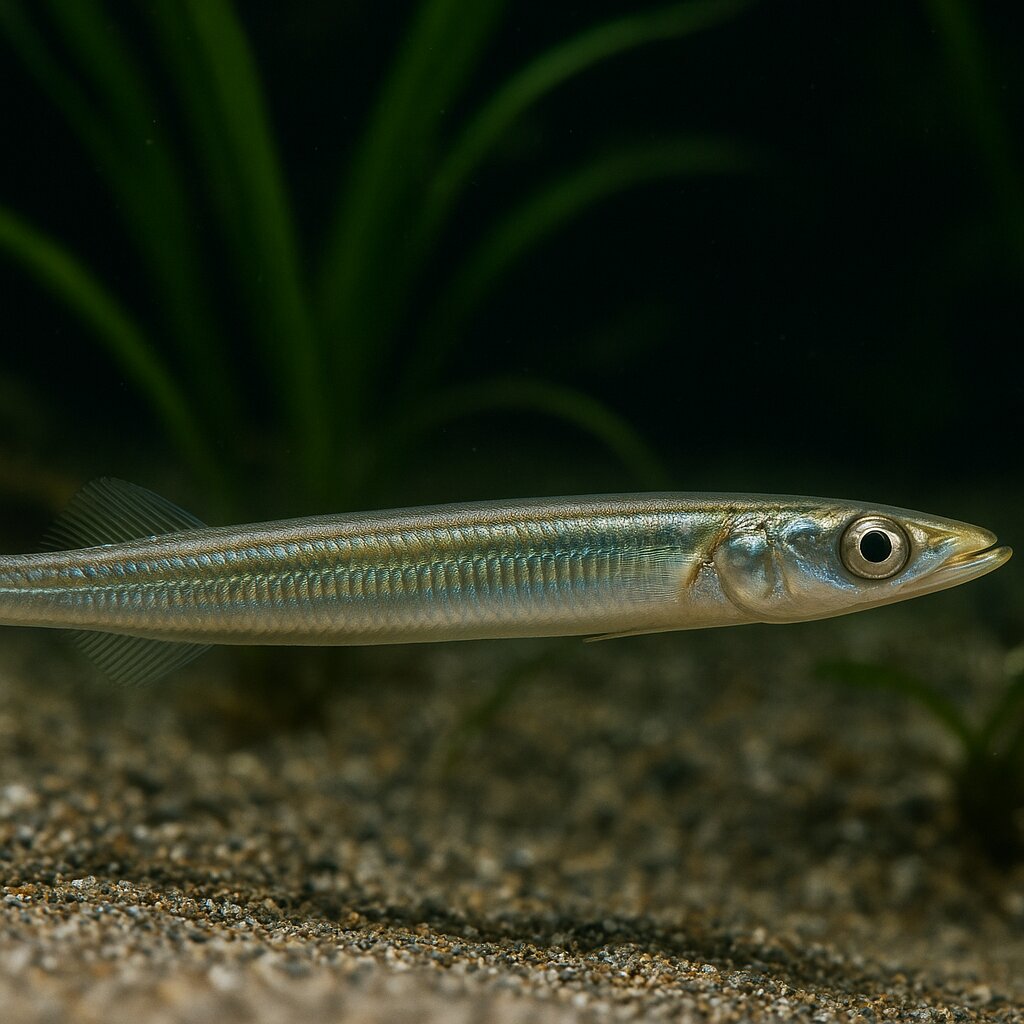
The Kanazawa sand lance features a slender, elongated body with a distinctive bluish-green back and silvery sides, ideal for burrowing in sand.
This page includes AI-generated images. Why am I seeing AI images?
About the Kanazawa sand lance
Think of a tiny silver dart that lives to dive into sand - that is this little sand-burrowing planktivore from Japan’s Ogasawara Islands. It tops out around 6.3 cm and was described in 2013 from a specimen trawled at roughly 95-99 m off Chichijima, so you pretty much never see it in home aquariums. Neat fish to read about, but best left in the ocean unless you run a serious marine setup with open water and fine sand for it to rocket into. ([fishbase.se](https://fishbase.se/summary/Ammodytoides-kanazawai.html))
Also known as
Quick Facts
Size
6.3 cm
Temperament
Peaceful
Difficulty
Expert
Min Tank Size
75 gallons
Lifespan
5-7 years
Origin
Northwest Pacific (Japan - Ogasawara Islands)
Diet
Planktivore - mainly zooplankton like copepods and other small crustaceans
Water Parameters
20-29°C
8-8.4
300-400 dGH
Need a heater for this species?
This species needs 20-29°C in a 75 gallon tank. Use our heater calculator to find the right wattage.
Calculate heater sizeCare Notes
- Use a 36 inch+ tank with a 3-4 inch bed of fine sugar-grade sand and a big open sand patch; coarse grains will scrape them up when they dive.
- They bolt and jump when spooked, so run a tight-fitting lid, cover pump intakes, and ramp lights on and off.
- Keep 1.025-1.026 salinity, 23-25 C, high oxygen with steady laminar flow, 0 ammonia/nitrite, and nitrate under 10 ppm.
- They are plankton pickers: offer live copepods, enriched baby brine, calanus, or fish eggs, then try frozen cyclops or finely shaved mysis; feed tiny portions 4-6x daily.
- A refugium that overflows pods and a slow-dose plankton drip keep them grazing between hand feedings so they do not starve.
- Tankmates need to be chill and non-competitive (assessors, small chromis, pipefish); avoid wrasses, dottybacks, hawkfish, sand-sifters, and anything that could swallow a pencil.
- Quarantine with a tray of fine sand and dim light; transfer in a specimen cup, not a net, and track body condition since they can look fine while starving.
- Breeding is basically off the table at home; they are broadcast spawners with tiny pelagic larvae.
Compatibility
Good Tankmates
- Cardinals like Banggai and pajama - mellow, slow eaters that wont spook a sand-burier
- Calm dartfish and firefish (Nemateleotris, Ptereleotris) that hang midwater and ignore burrowers
- Shrimp-goby pairs and watchman gobies that keep to their burrows (plenty of sand and hidey holes)
- Tiny cleaner and clown gobies that dont nip or outcompete for food
- Possum wrasse and pink-streaked wrasse - small, gentle pickers rather than boisterous hunters
- Assessors (yellow or blue) and other laid-back micro basslets that mind their own caves
Avoid
- Predators that swallow slender fish like lionfish, larger hawkfish, and groupers
- Big, rowdy wrasses like Thalassoma, Coris, and large Halichoeres that cruise the sand and harass timid fish
- Territorial bullies like damsels and dottybacks that will pin a shy sand-burier in a corner
- Fast, competitive feeders like anthias and hyper tangs that vacuum up the food before a sand lance can grab any
Where they come from
Kanazawa sand lances are Indo-Pacific reef fish you mostly see on clean, open sand next to rubble and patch reefs. Think southern Japan down through the Coral Triangle. They hang in the water column picking plankton, and the second something spooks them, they shoot straight into the sand like a needle. Watching that first time is wild.
Setting up their tank
These are not plug-and-play fish. If you cannot dedicate a deep, fine sand bed and plenty of gentle open water space, skip them. The burrowing is not optional - it is how they sleep and how they calm down.
- Tank size: 75 gallons or larger for a small group. A 4-foot tank length minimum. Longer is better than taller.
- Sand: 4-6 inches of sugar-fine aragonite (0.2-1 mm). Anything coarse (crushed coral, big oolite) will scuff them up.
- Rockwork: Keep rock off the sand on supports or a base plate so it cannot collapse when they dig. Leave open sand lanes at the front and sides.
- Flow: Moderate, high-oxygen, with a broad laminar pattern. Aim for 15-25x turnover but do not blast the sand bed. Gyres high on the back wall work well.
- Lid: Full coverage, tight mesh with every gap sealed. They launch like darts if startled.
- Lighting: Normal reef lighting is fine. A gentle ramp up/down helps prevent panic dashes.
- Water: 23-26 C (73-79 F), 1.024-1.026 SG, pH 8.1-8.4, low nutrients. Strong gas exchange is your friend.
Do not try them in a bare-bottom or shallow-sand tank. They will stress, stop eating, and you will lose them.
Acclimation: Dim the lights, drip-acclimate to match salinity and temp, and release them near open sand. Walk away and let them bury. Have live foods ready that same day.
Quarantine is doable, but set up QT with a bin of fine sand at least 4 inches deep. Bare QT makes them crash fast. Use an air stone and a tight lid.
What to feed them
They are plankton pickers. New arrivals often ignore frozen at first, so plan on live foods for the first week or two.
- Live: Copepods (Tigriopus, Apocyclops), enriched baby brine (48-hour enriched, not freshly hatched), live Calanus if you can get it.
- Frozen: Calanus, Cyclops, finely chopped mysis, small fish roe, finely shaved PE mysis, high-quality marine micro-plankton blends.
- Dry: Very hit-or-miss. If they ever take a small pelleted plankton food, count yourself lucky. I would not rely on it.
Feed small amounts 3-6 times a day at first. They do best with lots of tiny meals drifting by rather than a single big dump of food.
Training to frozen: Start every feeding with a squirt of live pods or enriched baby brine in the flow, then immediately follow with frozen Cyclops or Calanus. Over a week or two they start snapping at the frozen right along with the live.
Enrich live brine with a DHA-rich product for 12-24 hours. Plain brine is basically fish popcorn and will not sustain them.
How they behave and who they get along with
They hang midwater in gentle current, take a few bites, then pivot and hover again. Any sharp movement and they vanish into the sand. They spend nights buried and pop out at first light.
- Temperament: Peaceful, skittish, highly reactive to sudden motion.
- Group size: They feel safer in a small group (3-5) if the tank is long with multiple bury zones. Solo can work, but they are bolder in groups.
- Good neighbors: Peaceful planktivores like chromis, smaller anthias (in big tanks), cardinalfish, dartfish, flasher/fairy wrasses that do not harass. Also fine with most corals if you leave them open sand.
- Avoid: Aggressive wrasses, dottybacks, hawkfish, larger angels and tangs that will outcompete and intimidate. Skip sand-sifting gobies that constantly rain sand and may invade their bury spots. Predators are a hard no.
Powerheads with exposed intakes are a hazard. Use guards. A panic dash into a pump can end badly.
Breeding tips
I have not seen any credible captive spawnings for Ammodytoides, and mine never showed pairing behavior. In the wild they are planktonic spawners with tiny pelagic larvae. Even if they spawned in a tank, rearing would need greenwater, copepod cultures, and a dedicated setup. Fun to think about, but not a realistic project for home aquaria right now.
Common problems to watch for
- Refusing food: Very common early on. Have live pods ready before you buy. Use frequent, small feedings and follow with frozen.
- Injury from coarse sand: Scraped snouts and missing scales show your sand is too sharp or too big.
- Jumping: They launch when spooked. Lids save lives.
- Getting outcompeted: Fast eaters will starve them. Target the flow toward the sand lance area and feed more, smaller portions.
- Low oxygen: They crash fast in stale water. Keep strong surface agitation and clean filters.
- Parasites: Like other wild-caught planktivores, they can carry worms. Once they take food, a couple rounds of praziquantel-laced feed helps. Be gentle with medications; copper and formalin can be rough on sensitive fish.
Rock collapses happen. If you let them burrow under unstable rock, one shift can pin or crush them. Support your scape on a solid base before adding sand.
Day-to-day, the best early health indicator is how fast they pop out to feed. A bold, curious fish that meets the food halfway is on track. A fish that lingers buried after the food cloud passes needs attention right away.
Similar Species
Other marine peaceful species you might be interested in.
Abe's eelpout
Japonolycodes abei
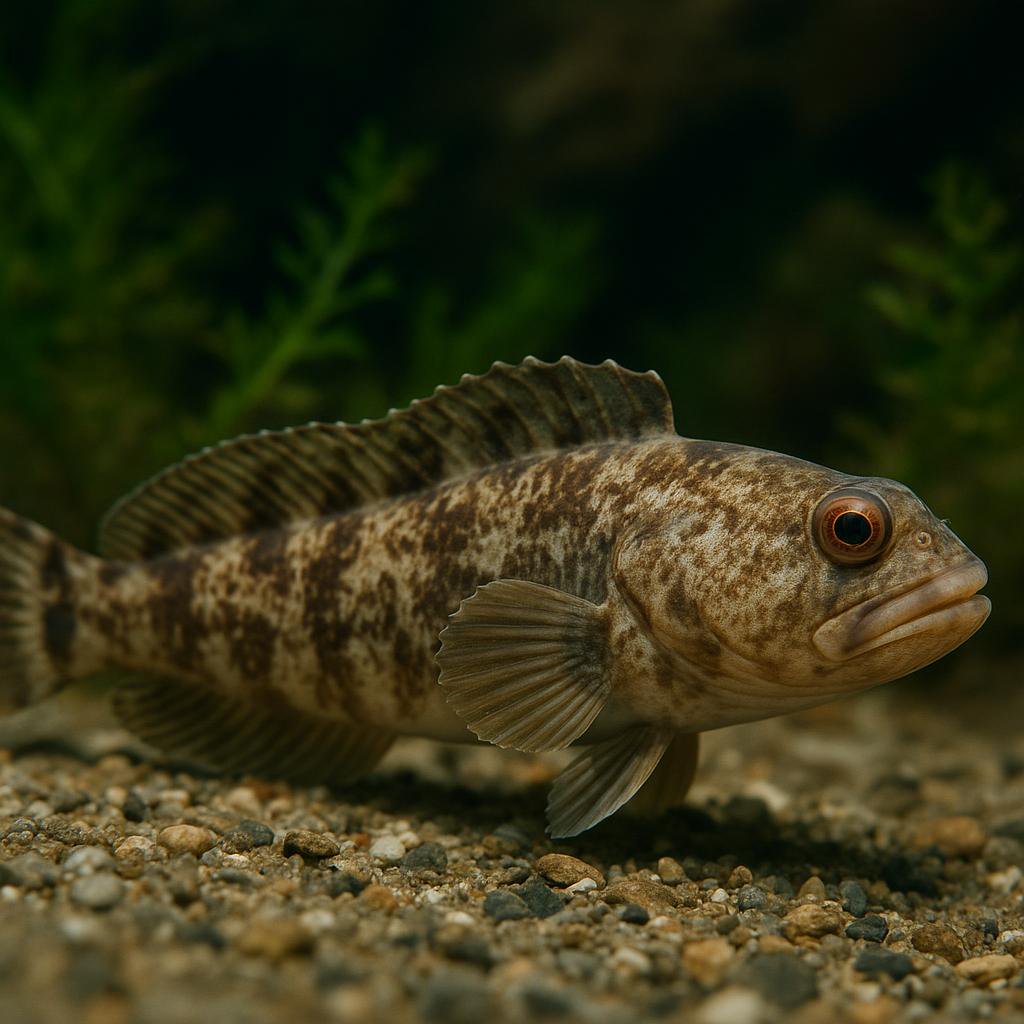
Japonolycodes abei is a temperate, deepwater demersal eelpout (family Zoarcidae) endemic to Japan (Kumano-nada Sea reported; other sources also report Sagami Bay and Tosa Bay). It is the only species in the genus Japonolycodes and occurs roughly 40-300 m depth, making it an uncommon/atypical aquarium species.
Affinis blind cusk-eel
Barathronus affinis
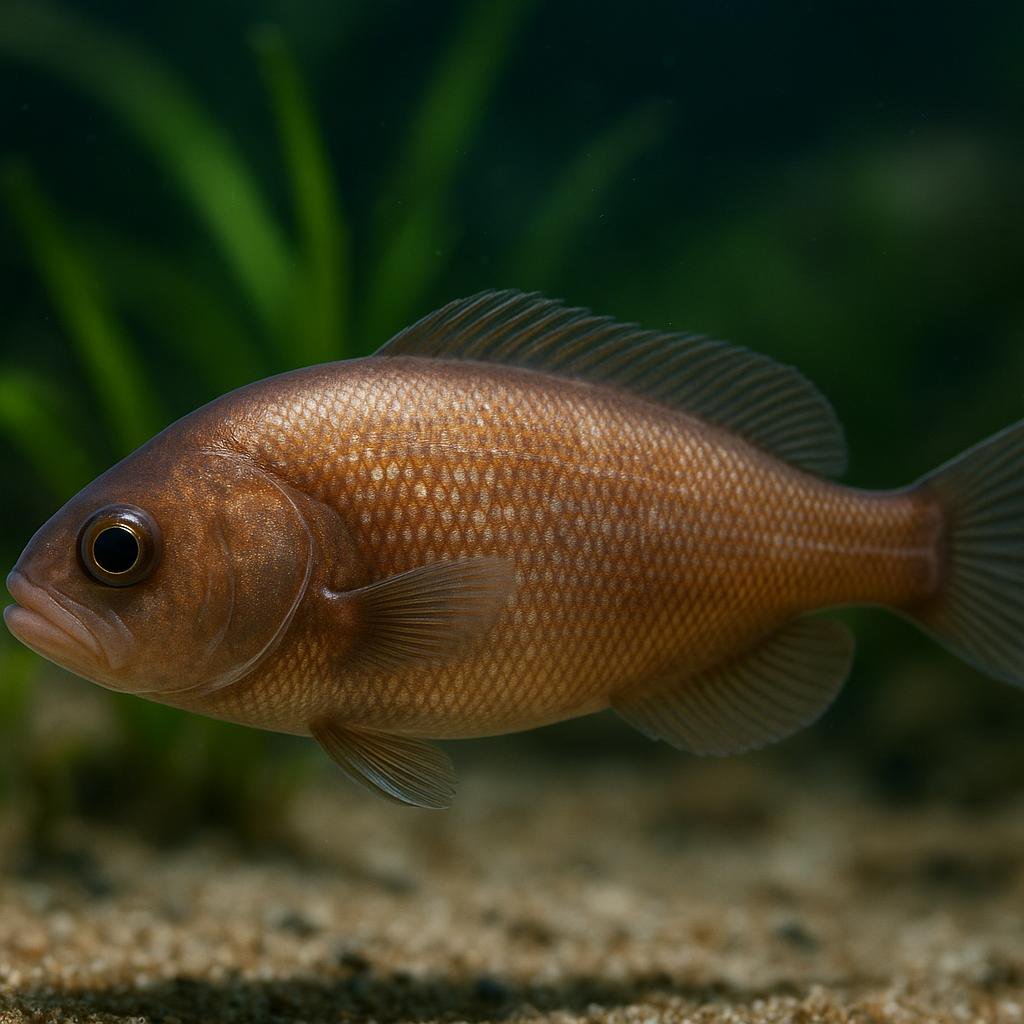
Barathronus affinis is a tiny, super-weird deep-sea blind cusk-eel from the western-central Indian Ocean. It is one of those gelatinous, loose-skinned brotula-type fishes that live way down in the dark and are basically never seen alive, so almost everything we know comes from preserved specimens and taxonomic work.
Allis shad
Alosa alosa
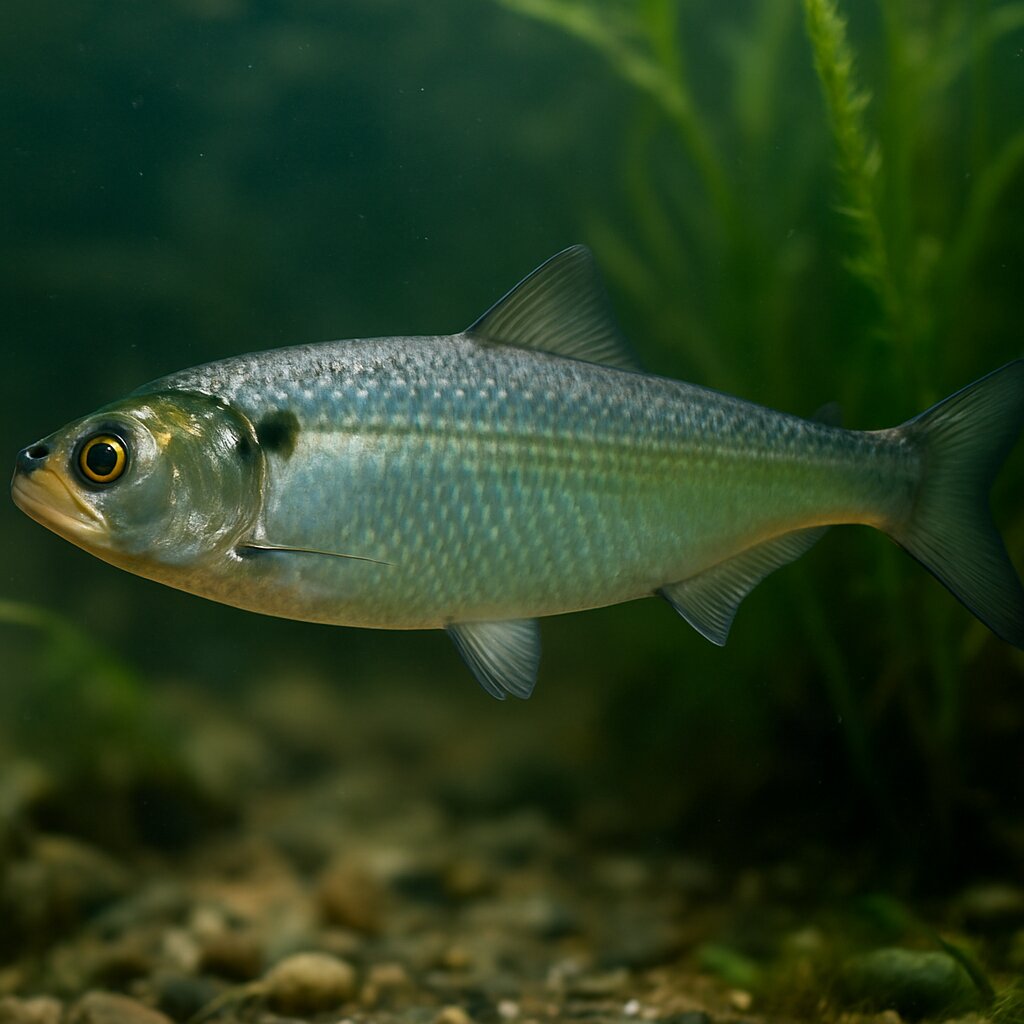
Gorgeous silver, fast-swimming shad that spends most of its life in the sea and then surges up big rivers in noisy, surface-spawning schools. It grows huge for a herring-type fish and needs cool, ultra-oxygenated water and tons of open space, so it is a public-aquarium species rather than a home tank fish.
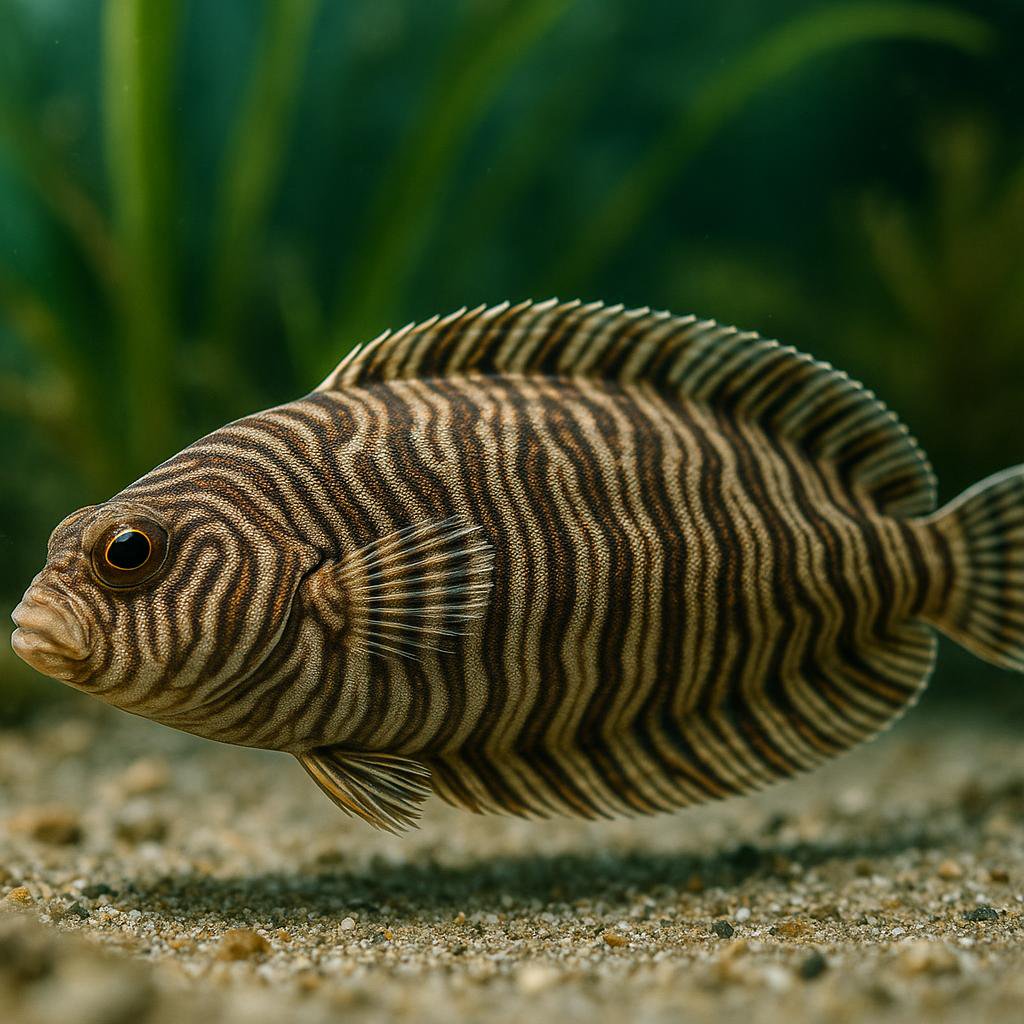
Annandale's zebra sole
Zebrias annandalei
Zebrias annandalei is a small demersal sole from coastal India that inhabits sandy or muddy bottoms and buries for camouflage. It is rarely kept in home aquaria and would require a specialized marine sand-bottom setup and appropriate feeding.
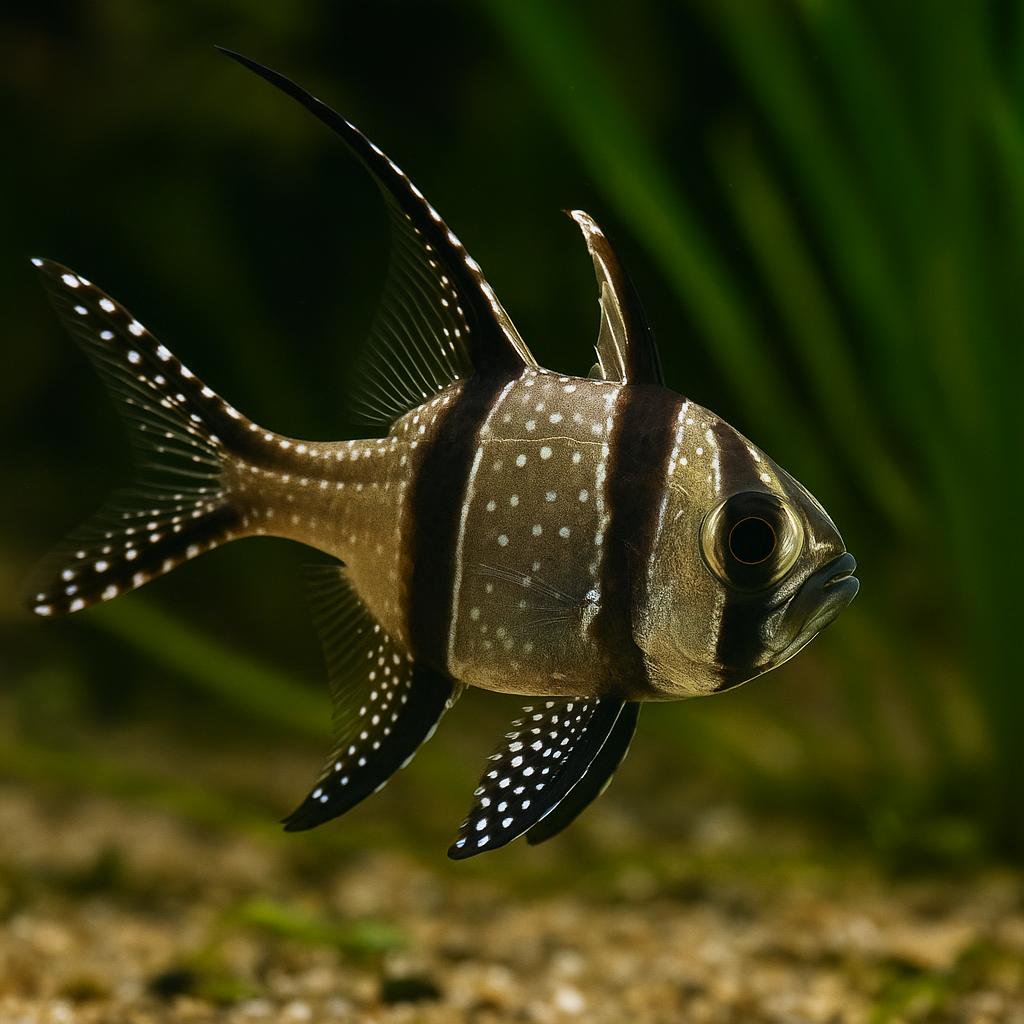
Banggai Cardinalfish
Pterapogon kauderni
Banggai cardinals just sort of hover like little underwater satellites, and the bold black bars with those long, polka-dotted fins look unreal under reef lighting. They're super chill most of the time, but once a pair forms you'll see real "fish drama," and the male will even mouthbrood the babies like a champ.
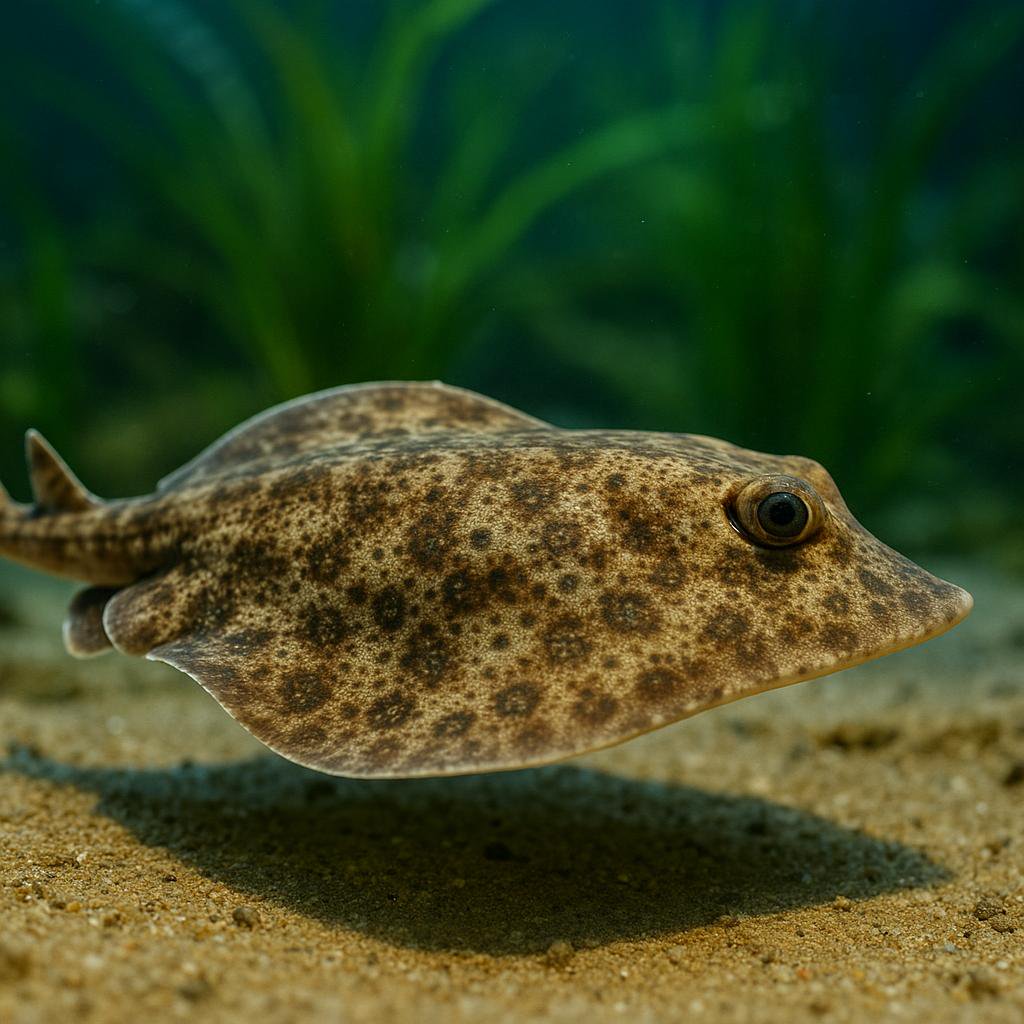
Barbedwire-tailed skate
Notoraja martinezi
Notoraja martinezi is a deepwater skate from the eastern Pacific (Costa Rica down to Ecuador) that lives way down on soft bottoms. The tail is the giveaway - it is lined with strong, hooked thorns that really do look like barbed wire. This is absolutely not an aquarium fish; it is a cold, high-pressure deep-sea animal with basically no practical home care info because it is not kept in the hobby.
More to Explore
Discover more marine species.
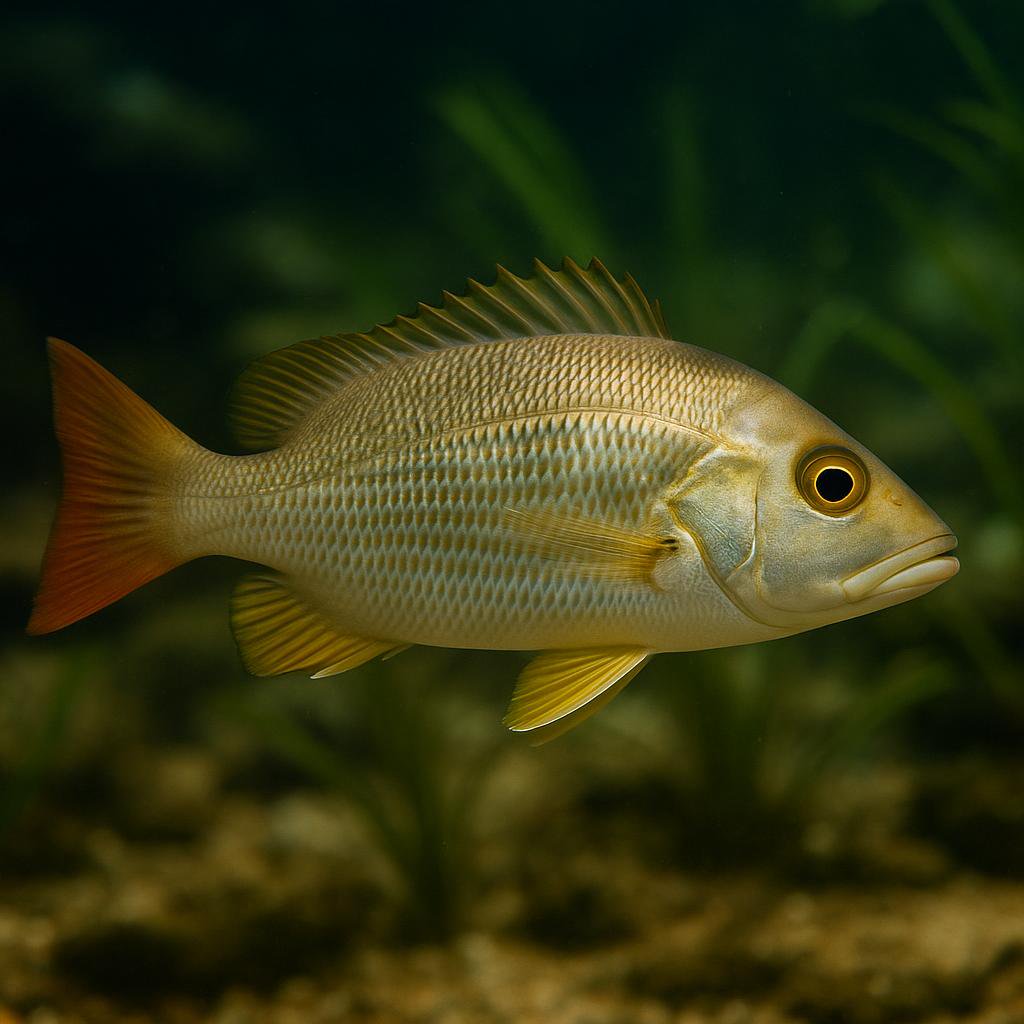
African red snapper
Lutjanus agennes
This is a true snapper from West Africa - a big, fast-growing predator that goes from coastal reefs to brackish lagoons and estuaries (especially as a juvenile). Super cool fish in the wild, but it gets absolutely huge and will eat smaller tankmates once it has the mouth for it, so its really more of a public-aquarium scale animal than a home-aquarium fish.
Aleutian skate
Bathyraja aleutica
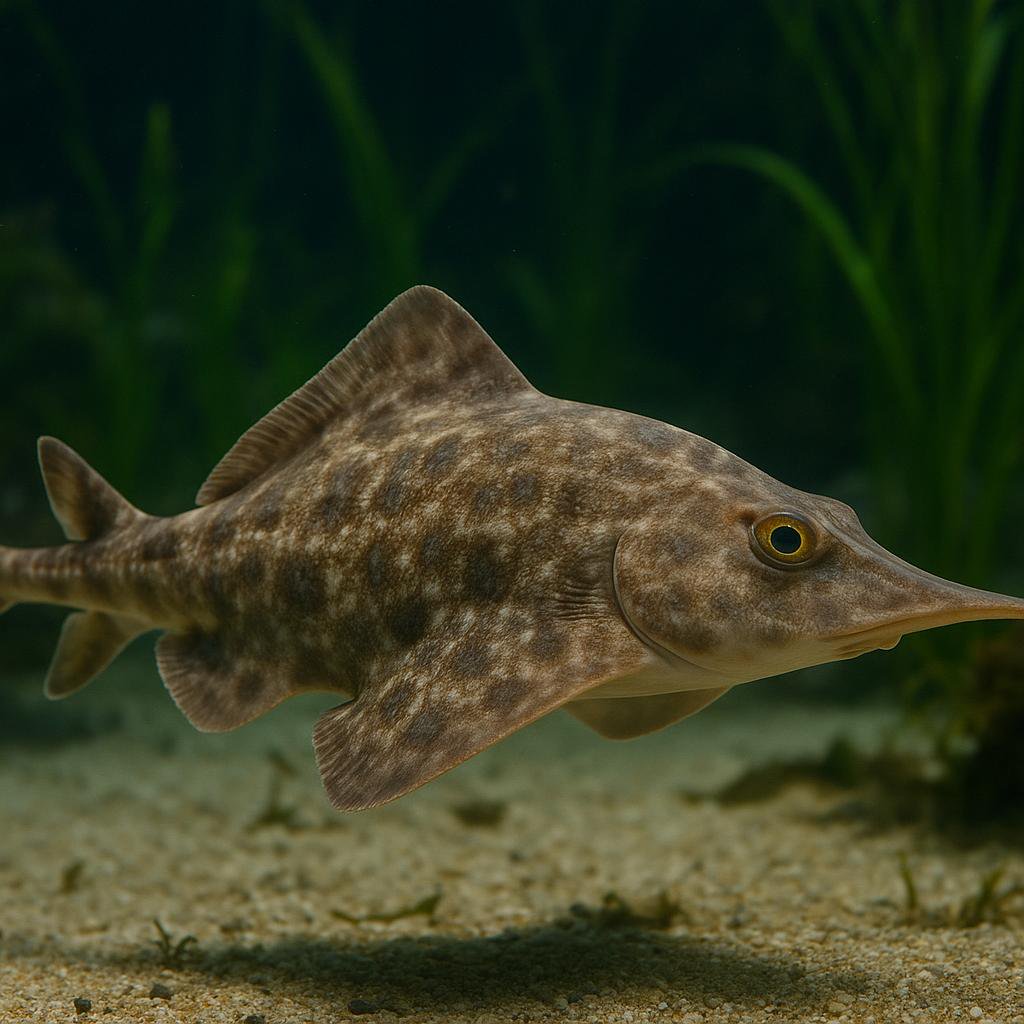
This is a big, cold-water deep-slope skate from the North Pacific that cruises muddy bottoms and eats chunky benthic prey like crabs and shrimp. The really cool bit is its egg-laying skate life - it does distinct pairing (the classic skate "embrace") and drops those tough egg cases on the seafloor. Not an aquarium fish at all unless you're basically running a public-aquarium-style chilled system.
Antarctic dragonfish
Vomeridens infuscipinnis
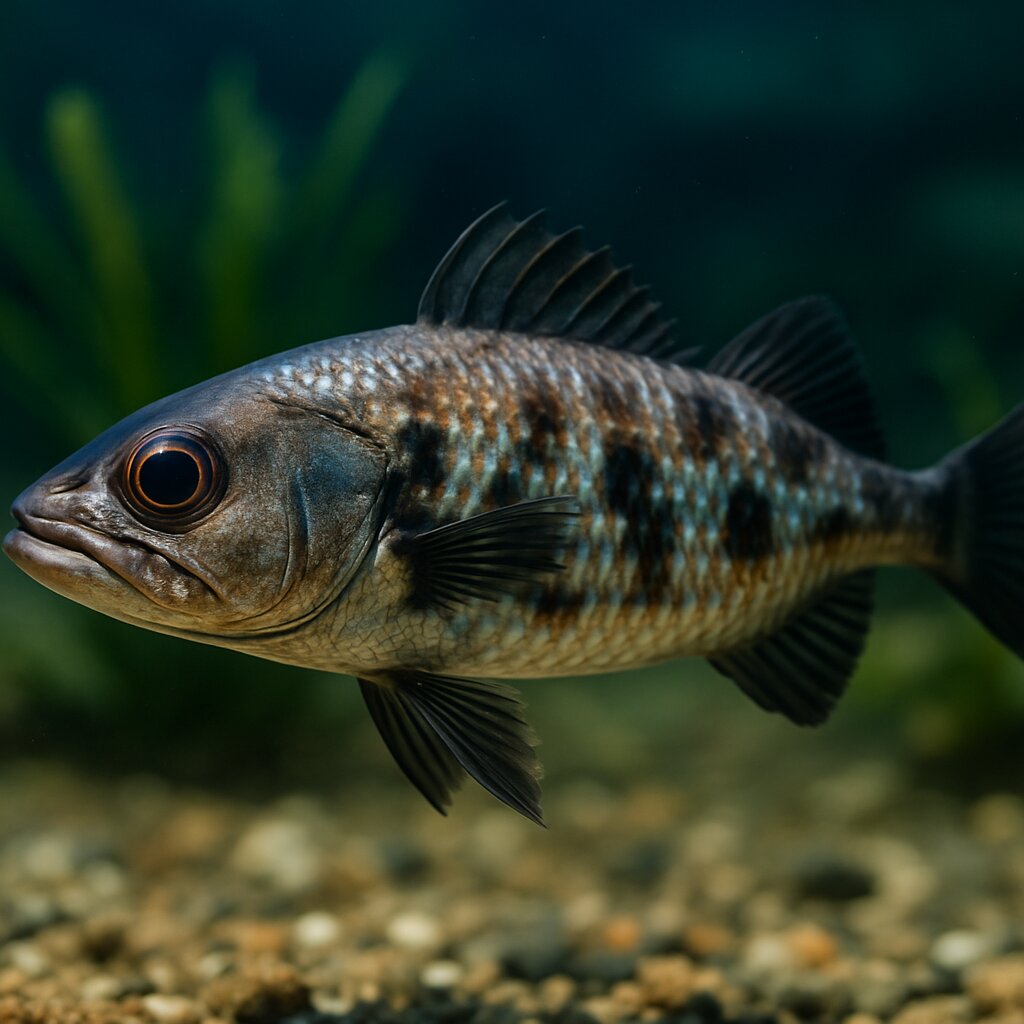
Deep down around Antarctica, this sleek dragonfish cruises the water column like a little submarine, nearly neutrally buoyant so it can hover above the seafloor. It munches almost exclusively on Antarctic krill and lives in near-freezing water 500-800 m down, so it is a cool species to read about, not one for home tanks.
Arabian demoiselle
Neopomacentrus sindensis
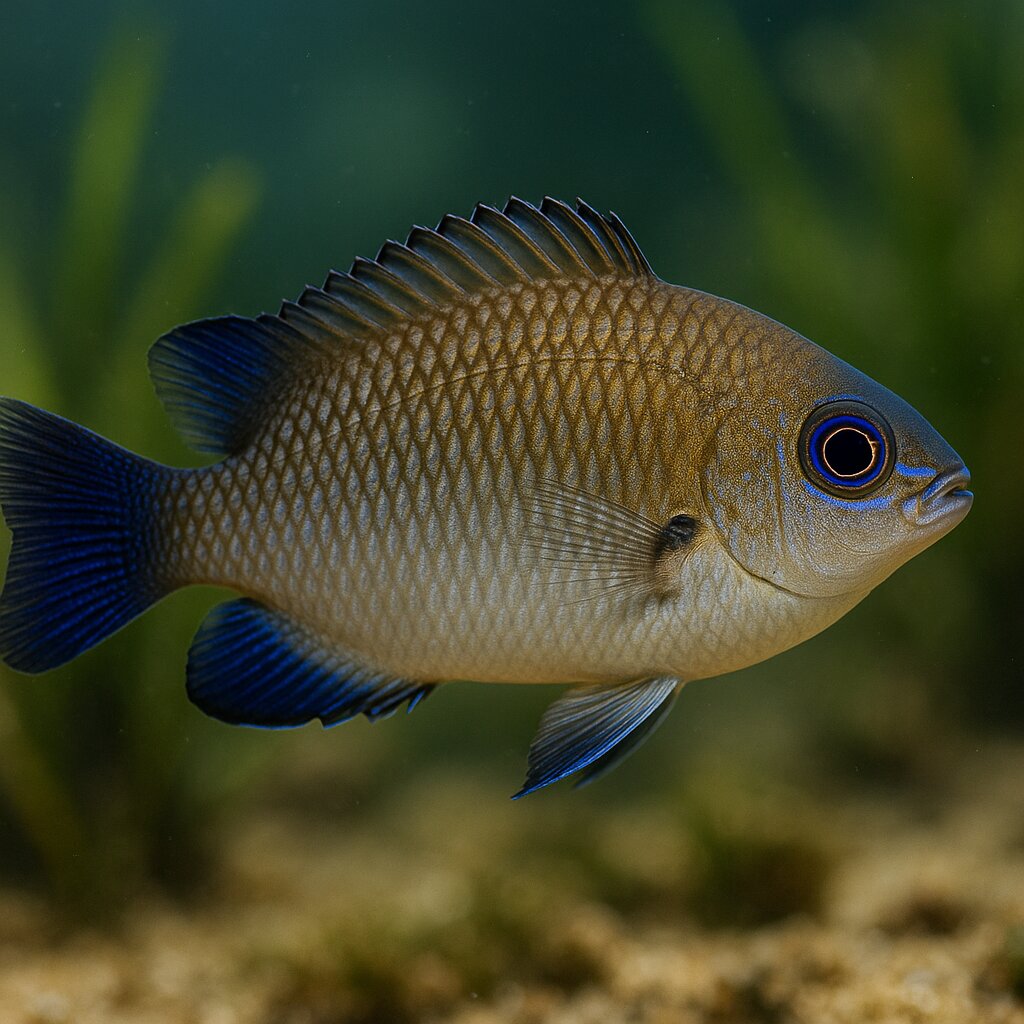
A small lyretail damsel from the Persian Gulf and Arabian Sea, it hangs in loose groups around coral heads, rocks, and even pier pilings picking zooplankton from the flow. Think classic damsel toughness with a slightly milder attitude than the real bruisers, plus subtle yellow tail accents. Males clean a patch, get a mate to lay eggs there, and then stand guard fanning the clutch.
Arabian spiny eel
Notacanthus indicus
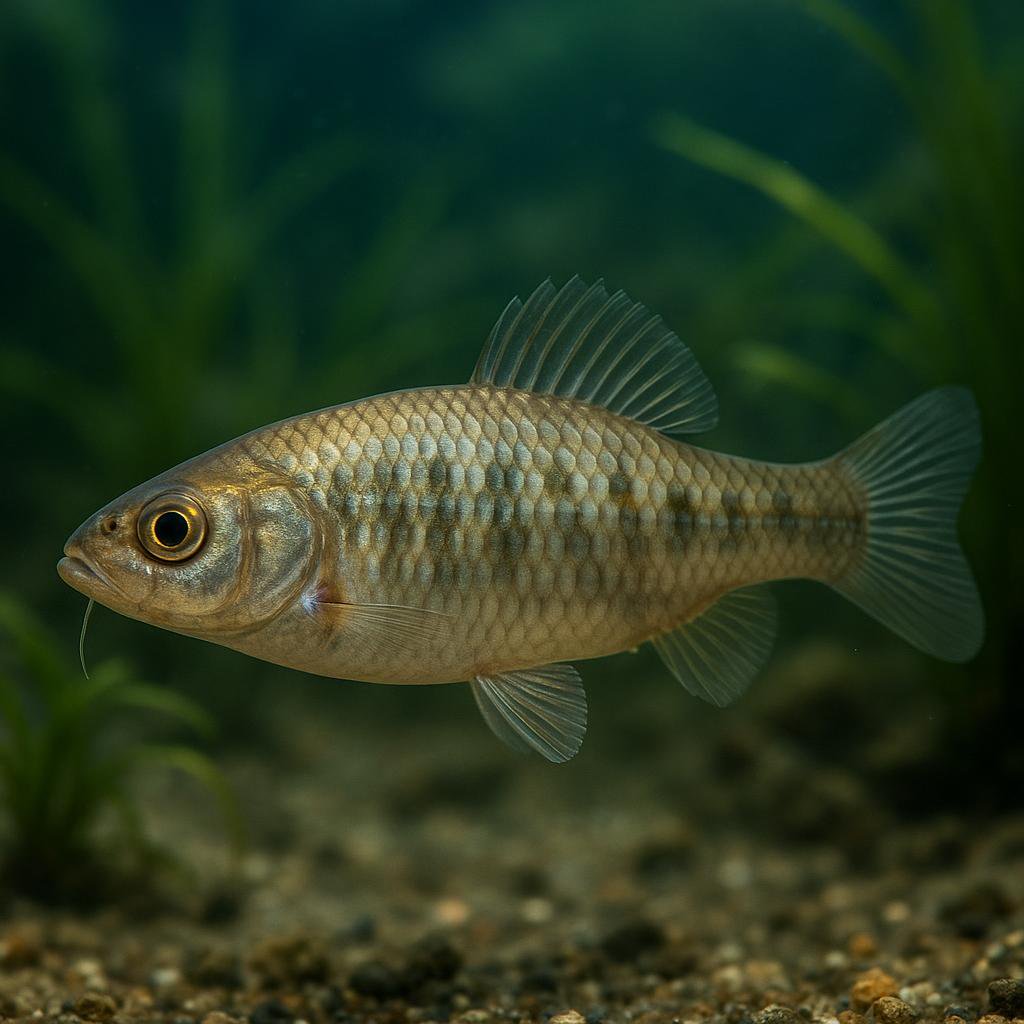
Notacanthus indicus is a deep-sea spiny eel (family Notacanthidae; not a true eel) known from the Arabian Sea on the continental slope at roughly ~960–1,046 m depth, with reported maximum length around 20 cm TL; it is a deep-water bycatch species and not established in the aquarium trade.
Arctic rockling
Gaidropsarus argentatus
This is a deepwater North Atlantic rockling (a cod relative) that hangs out on soft bottoms way down the slope. It is a cold-water, bottom-hugging predator that snoots around for crustaceans and will also take small fish when it gets the chance.
Looking for other species?