

Kimura's sole
Aseraggodes kimurai
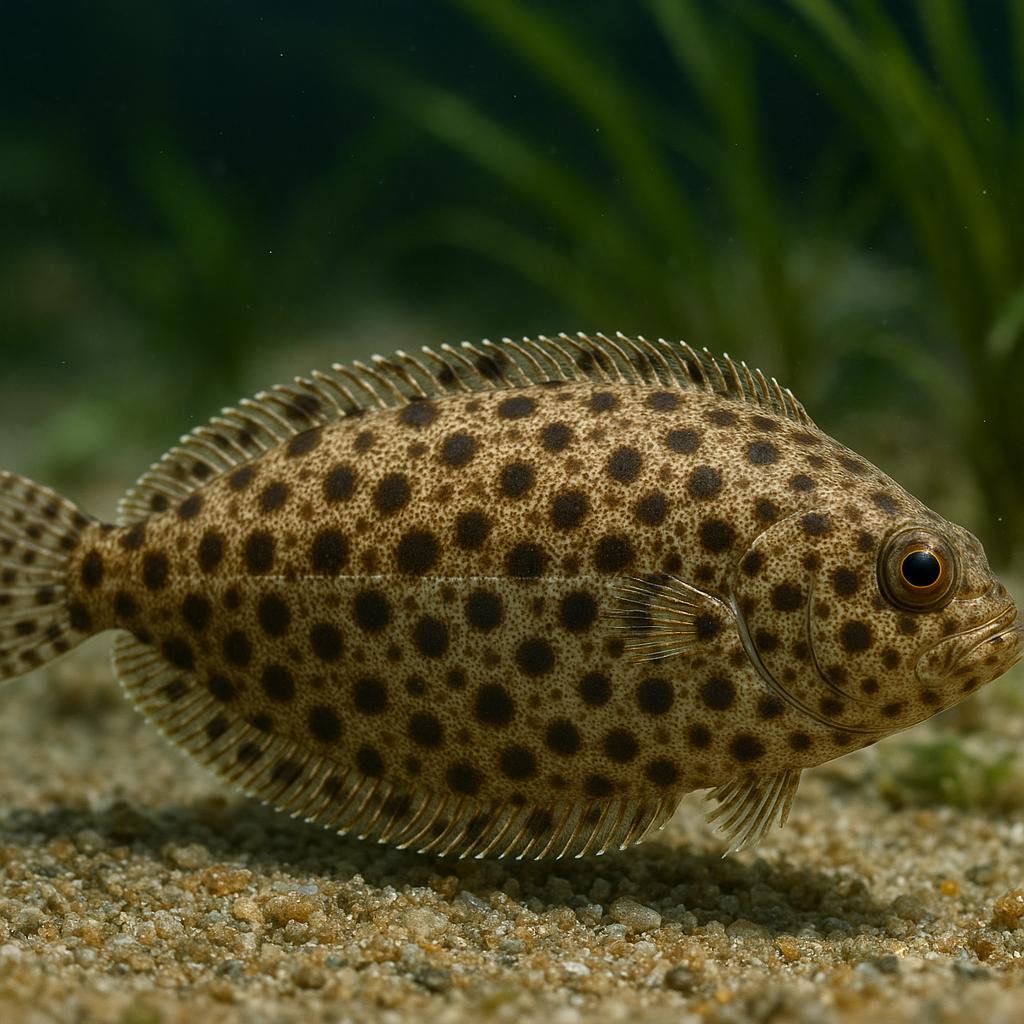
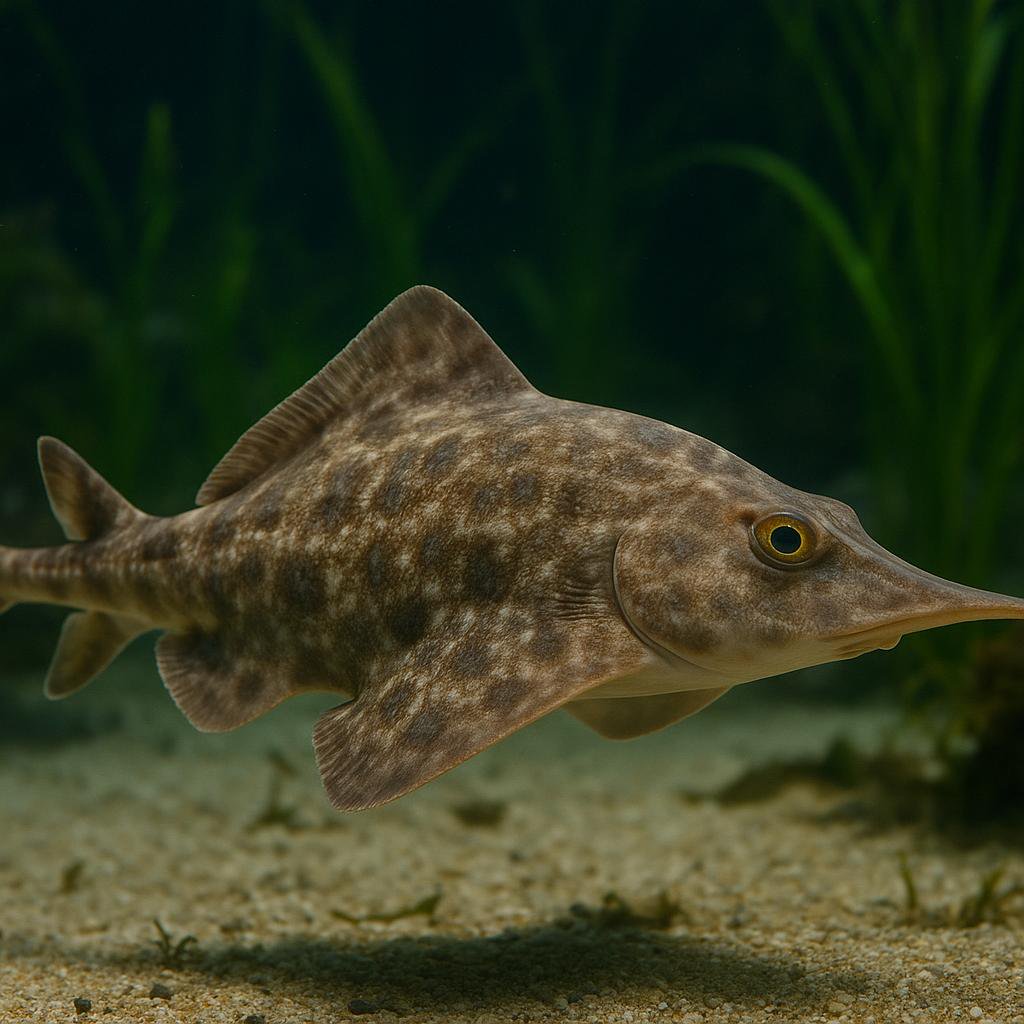
Kimura's sole has a flattened body with a pale brown coloration and distinct dark spots, aiding in camouflage against the seabed.
This page includes AI-generated images. Why am I seeing AI images?
About the Kimura's sole
Aseraggodes kimurai is a tiny little marine sole (flatfish) from the western Pacific that spends its life glued to the bottom, blending into sand and rubble like a living leaf. Its whole vibe is stealth and camouflage, and it is the kind of fish you forget is even there until it scoots and re-buries itself. Super cool animal, but honestly not really an aquarium fish because it is a specialized bottom-dweller that wants live micro-food and a mature sandbed.
Also known as
Quick Facts
Size
7.2 cm SL
Temperament
Peaceful
Difficulty
Expert
Min Tank Size
30 gallons
Lifespan
3-7 years
Origin
Western Pacific (Philippines)
Diet
Carnivore - tiny worms and crustaceans; in captivity usually needs live foods (copepods, amphipods, worms) and may take small frozen foods only after training
Water Parameters
24-28°C
8-8.4
8-12 dGH
Need a heater for this species?
This species needs 24-28°C in a 30 gallon tank. Use our heater calculator to find the right wattage.
Calculate heater sizeCare Notes
- Give it a big, mature sandbed (fine oolitic or sugar-size) with gentle flow over the bottom - coarse sand and sharp rubble will tear up the belly and fins.
- Keep salinity steady around 1.025-1.026 and temperature 24-26 C (75-79 F); they hate swingy tanks more than they hate slightly off numbers.
- Cover every pump and overflow intake - these soles love hugging edges and can get pinned or sucked in overnight.
- Feeding is the whole game: start with live enriched blackworms or small live shrimp if it is shy, then train onto thawed mysis, chopped clam, and small pieces of shrimp dropped right in front of its face with tongs.
- Feed after lights dim or with the room lights low; they are way bolder at dusk and you will waste less food to the water column.
- Tankmates need to be calm and not food-competitive - think small gobies, blennies, pipefish; skip wrasses, dottybacks, hawkfish, and anything that will out-hustle it at feeding time.
- Watch for rapid breathing and frayed edges on the fins - that usually means sand irritation, intake injuries, or a parasite load; this species does poorly with harsh copper, so plan on a gentle quarantine approach.
Compatibility
Good Tankmates
- Small, chill gobies (neon goby, clown goby, watchman goby) - they mind their own business and do not hassle a little sole that just wants to disappear into the sand
- Firefish (dartfish) - peaceful, hangs in the water column, and usually leaves bottom critters alone, so the sole can cruise the sand without getting bullied
- Flasher or fairy wrasses (the more peaceful ones) - active midwater fish that are not typically out to pick on a flatfish, just keep them well fed and avoid the really pushy wrasses
- Small reef-safe basslets like a chalk bass - generally calm and predictable, and they are not constantly nosing through the sand looking for the same food
- Peaceful clowns (ocellaris or percula) - fine as long as they are not a mega-territorial pair guarding a huge anemone right on the sandbed
- Blennies that perch more than they prowl (tailspot blenny, bicolor blenny) - usually good neighbors since the sole is a sand sitter and the blenny is a rock sitter
Avoid
- Aggressive or hyper-territorial wrasses (sixline, some larger Halichoeres, any bully wrasse) - they can pester the sole nonstop and outcompete it hard at feeding time
- Triggers and puffers - even the 'smaller' ones love to investigate and nip, and a flatfish is basically a moving target on the sand
- Hawkfish (especially flame hawkfish) - they perch, watch, and then lunge, and I have seen them pick on small bottom fish that try to stay hidden
- Big dottybacks or mean basslets (like an adult royal gramma with an attitude in a tight tank) - anything that defends caves hard and chases will keep a peaceful sole stressed and pinned down
Where they come from
Kimura's sole (Aseraggodes kimurai) is one of those little Indo-Pacific sand-flats fish that almost never shows up in the average reef tank. Think shallow coastal areas with fine sand, scattered rubble, and lots of tiny critters moving through the substrate. They are built to disappear, and in the wild they spend most of their time half-buried and ambushing micro-prey.
If you are looking for a fish that cruises the glass and begs for pellets, this is the opposite of that. The appeal is watching a perfectly camouflaged predator do its subtle, weird flatfish things.
Setting up their tank
The tank lives or dies by the sandbed. Give them a wide footprint and calm, stable conditions. I have had the best luck treating them like a delicate sandbed specialist, not a "reef oddball" you can toss into any mixed setup.
- Tank size: bigger footprint beats tall. I would not bother under 30-40 gallons, and 50+ with lots of sand is nicer.
- Sand: fine aragonite, around 0.5-1 mm. Depth 2-3 inches so they can bury without scraping on glass.
- Flow: moderate overall, but create low-flow zones over the sand where the sole can sit without getting blasted.
- Rockwork: keep it stable and leave open sand patches. A few rubble piles near the sandline are great for pods and worms.
- Filtration: strong biofiltration and a skimmer help because you will be feeding meaty foods. Keep nutrients from swinging.
- Lighting: they do not care, but bright light can make them hide more. Provide shaded areas.
Avoid coarse crushed coral or sharp sand. These fish drag their belly and fins across the substrate and can get irritated or injured surprisingly easily.
Lids matter. Most soles are not famous jumpers, but stressed fish do dumb things, and they can launch if spooked. Also cover powerhead intakes and overflow teeth. A flatfish that gets pinned to an intake rarely survives.
What to feed them
Feeding is the make-or-break part, and it is why I call them expert level. Many arrive skinny and used to hunting live microfauna all day. You are basically teaching a stealth ambush predator that frozen food is food.
- Best starters: live blackworms (if you can do them safely), live enriched brine, live mysis, small live ghost shrimp.
- Once eating: frozen mysis, chopped raw shrimp, chopped clam, fish roe, small pieces of squid. Keep pieces small - they have small mouths.
- Target feeding: use a long pipette or feeding stick and drop food right in front of the head. They will often strike only when it is within an inch or two.
- Schedule: small feedings daily at first. After they are settled, you can usually go to 4-6 times per week, but watch body condition.
- Support food web: a mature tank with pods, worms, and microfauna helps a ton, especially during the first month.
Feed after lights dim or during lower activity hours. Mine took food more confidently when the tank was calm and the other fish were not doing drive-bys.
Do not assume they are eating because food disappears. Tankmates and cleanup crews steal everything. If you do not see the sole strike and swallow, count it as not fed.
How they behave and who they get along with
They are peaceful, shy, and easy to bully. Most of the time you will see a pair of eyes and a faint outline in the sand, then a quick little scoot to a new spot. They are not active swimmers, and they do not compete well at feeding time.
- Good tankmates: calm gobies, small blennies, cardinalfish, pipefish (with caution), peaceful wrasses that are not sand bullies.
- Avoid: dottybacks, hawkfish, big wrasses, triggers, puffers, big hermits, and anything that "tests" flat fish with nips.
- Shrimp and crabs: small shrimp can become food. Big cleaner shrimp usually ignore them, but I have seen cleaners steal food right off the sand.
- Other sand sitters: watch competition with dragonets, sand-sifting gobies, and aggressive burrowing species. Food and stress are the issue.
Skip sand-sifting stars and heavy sand-sifting gobies. You want a living sandbed, not one that gets constantly churned and stripped of microfauna.
They can handle reef-safe inverts fine, but I would not put them in a "high chaos" reef where food hits the water and a swarm descends instantly. Aseraggodes are the fish you build a calm corner of the tank around.
Breeding tips
Realistically, breeding Kimura's sole in home aquaria is a long-shot. Flatfish larvae are tiny, pelagic, and demanding, and the metamorphosis stage is a whole project by itself. I have not seen consistent hobby-level reports of successful rearing for this species.
If you ever do see courtship, it is usually subtle: more active cruising at dusk, brief pairing, and then back to hiding. If you want to try, you would be looking at a dedicated larval setup and a strong live-food program (rotifers, copepods, and later tiny Artemia), plus immaculate water quality.
Common problems to watch for
Most issues with this species are not "mystery diseases". They are slow-burn husbandry problems: starvation, stress, and injuries from the wrong substrate or too much competition.
- Refusing food: very common after shipping. Try live foods, reduce tank traffic, and target feed in a quiet spot.
- Slow starvation: the fish looks "fine" until it suddenly is not. Watch the body behind the head and along the midline - you want gentle fullness, not a razor look.
- Sand rash and belly sores: usually from coarse substrate, high flow pushing them around, or bacterial infection after abrasion.
- Being outcompeted: even peaceful fish can steal every bite. If you cannot reliably target feed, consider moving the sole to a quieter tank.
- Parasites: wild-caught soles can carry flukes or other hitchhikers. Scratching, excess mucus, cloudy eyes, and rapid breathing are clues.
- Buried all the time: normal to a point, but if it never moves and never feeds, treat it as a red flag, not "just shy."
Quarantine helps, but do it in a way that fits the fish: a shallow QT with a container of fine sand (or a sand tray you can remove), dim light, and lots of cover. Bare-bottom + bright light often equals a stressed, fasting sole.
Be careful with medications in a sanded QT. Some treatments bind to substrate or become harder to manage. If you need to treat, many keepers use an inert sand tray they can pull during dosing, then replace after water changes.
If you are willing to baby them through the first few weeks and you like fish that reward patience, they are awesome. Just go in expecting a project, not a plug-and-play addition.
Similar Species
Other marine peaceful species you might be interested in.
Abe's eelpout
Japonolycodes abei
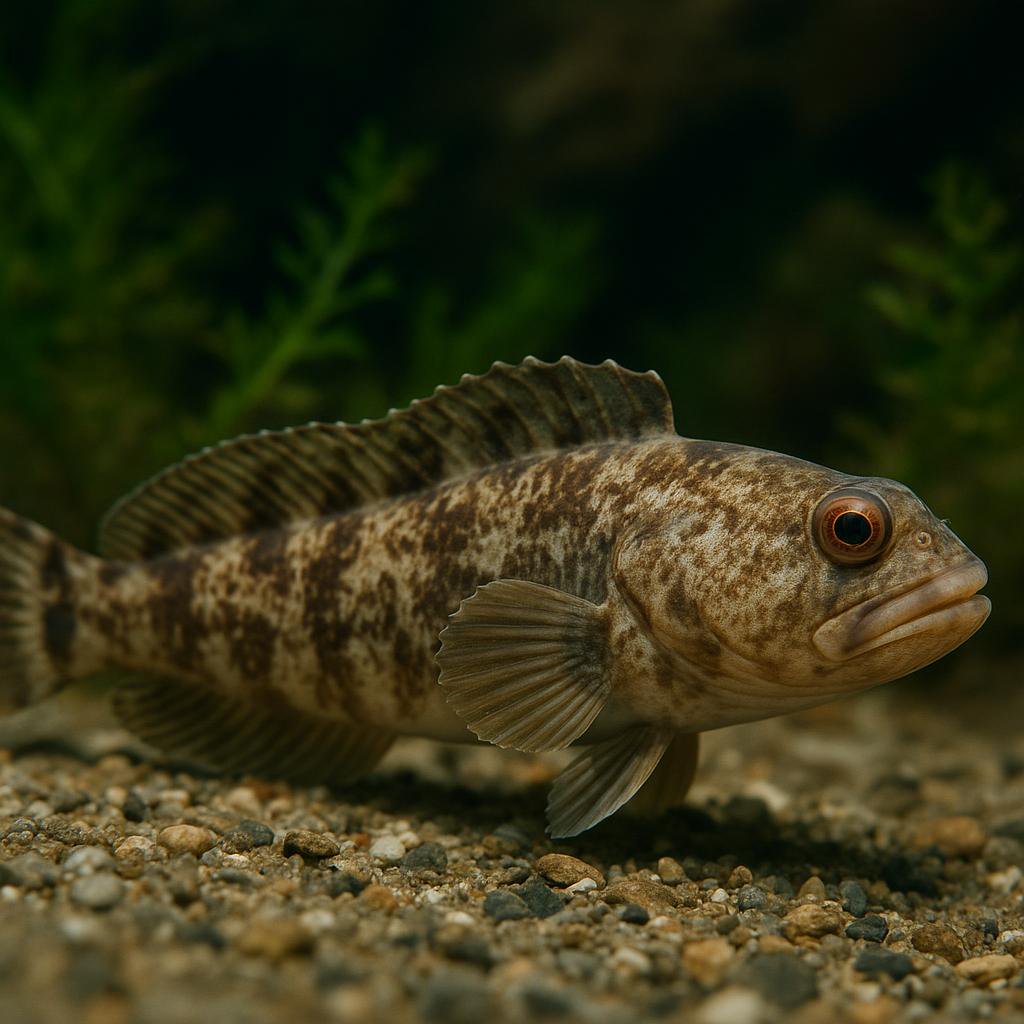
Japonolycodes abei is a temperate, deepwater demersal eelpout (family Zoarcidae) endemic to Japan (Kumano-nada Sea reported; other sources also report Sagami Bay and Tosa Bay). It is the only species in the genus Japonolycodes and occurs roughly 40-300 m depth, making it an uncommon/atypical aquarium species.
Affinis blind cusk-eel
Barathronus affinis
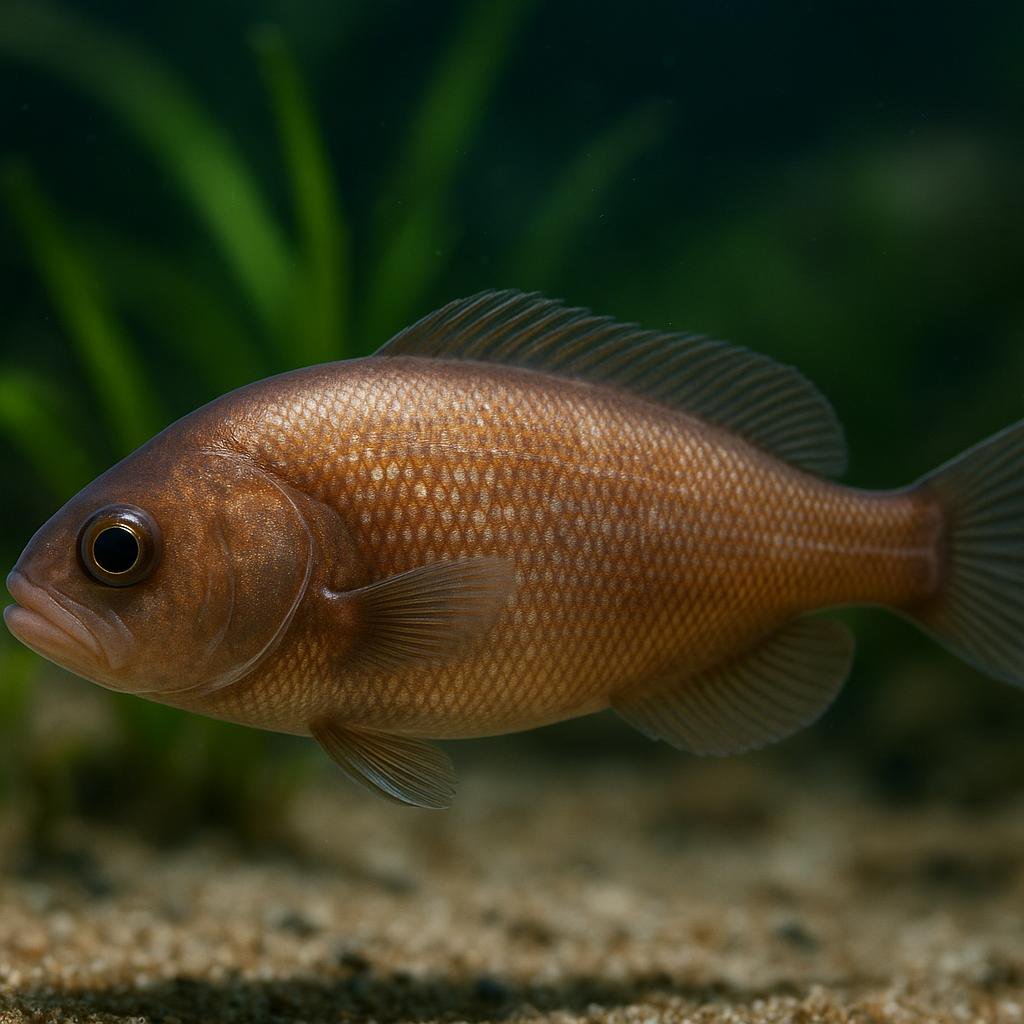
Barathronus affinis is a tiny, super-weird deep-sea blind cusk-eel from the western-central Indian Ocean. It is one of those gelatinous, loose-skinned brotula-type fishes that live way down in the dark and are basically never seen alive, so almost everything we know comes from preserved specimens and taxonomic work.
Allis shad
Alosa alosa
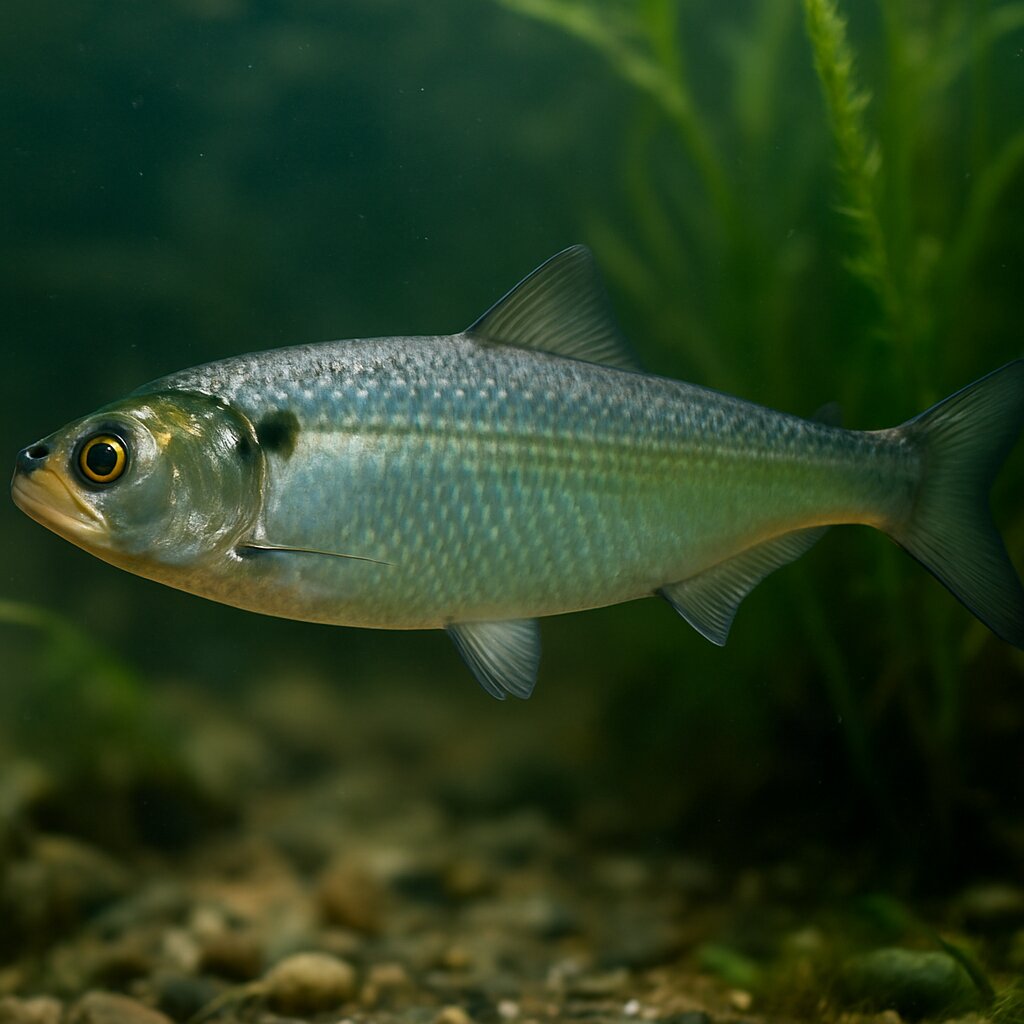
Gorgeous silver, fast-swimming shad that spends most of its life in the sea and then surges up big rivers in noisy, surface-spawning schools. It grows huge for a herring-type fish and needs cool, ultra-oxygenated water and tons of open space, so it is a public-aquarium species rather than a home tank fish.
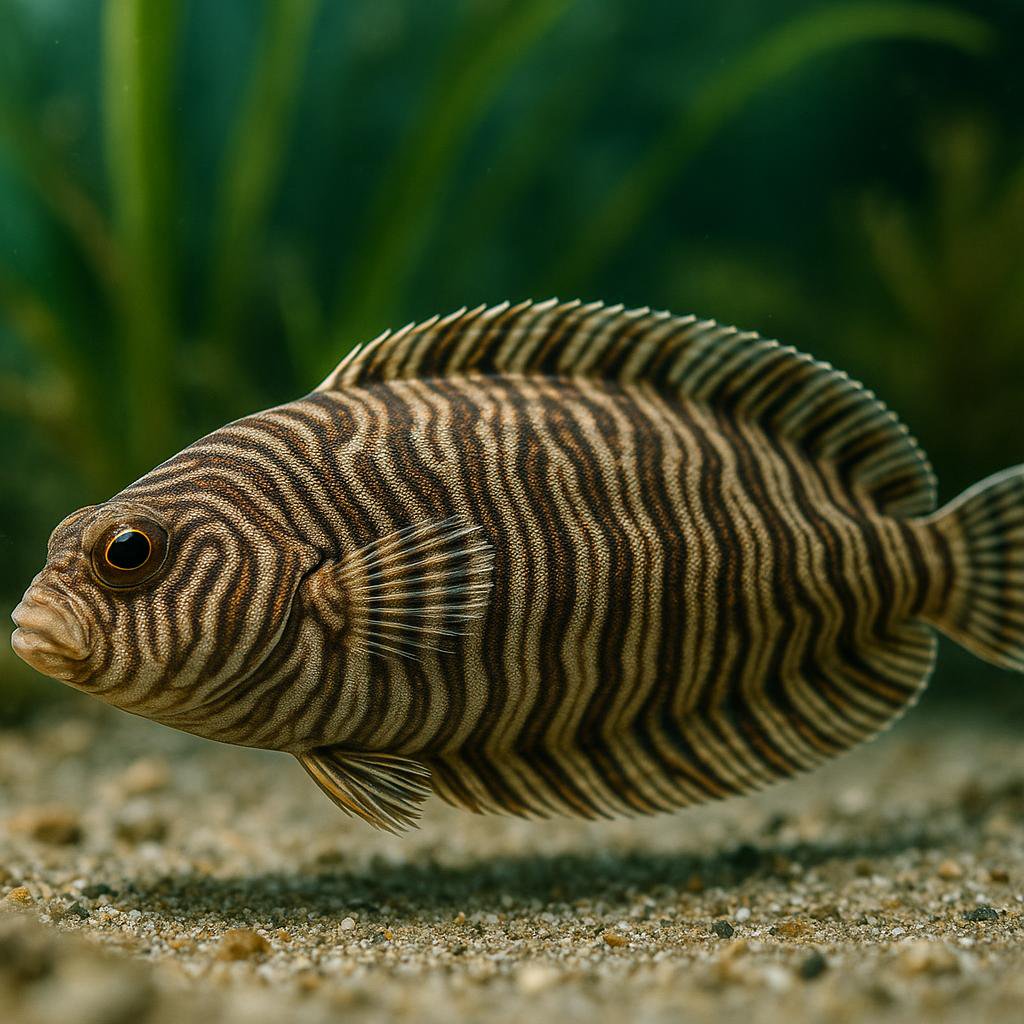
Annandale's zebra sole
Zebrias annandalei
Zebrias annandalei is a small demersal sole from coastal India that inhabits sandy or muddy bottoms and buries for camouflage. It is rarely kept in home aquaria and would require a specialized marine sand-bottom setup and appropriate feeding.
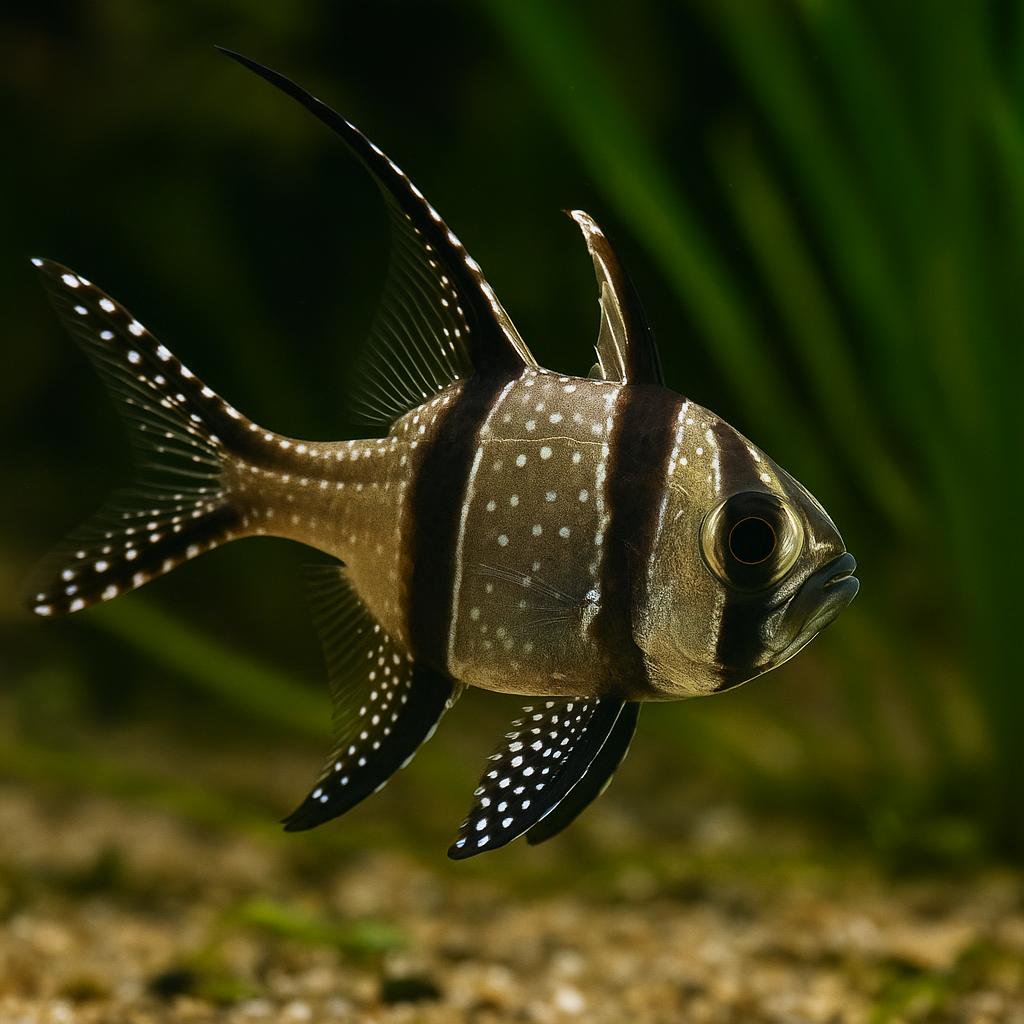
Banggai Cardinalfish
Pterapogon kauderni
Banggai cardinals just sort of hover like little underwater satellites, and the bold black bars with those long, polka-dotted fins look unreal under reef lighting. They're super chill most of the time, but once a pair forms you'll see real "fish drama," and the male will even mouthbrood the babies like a champ.
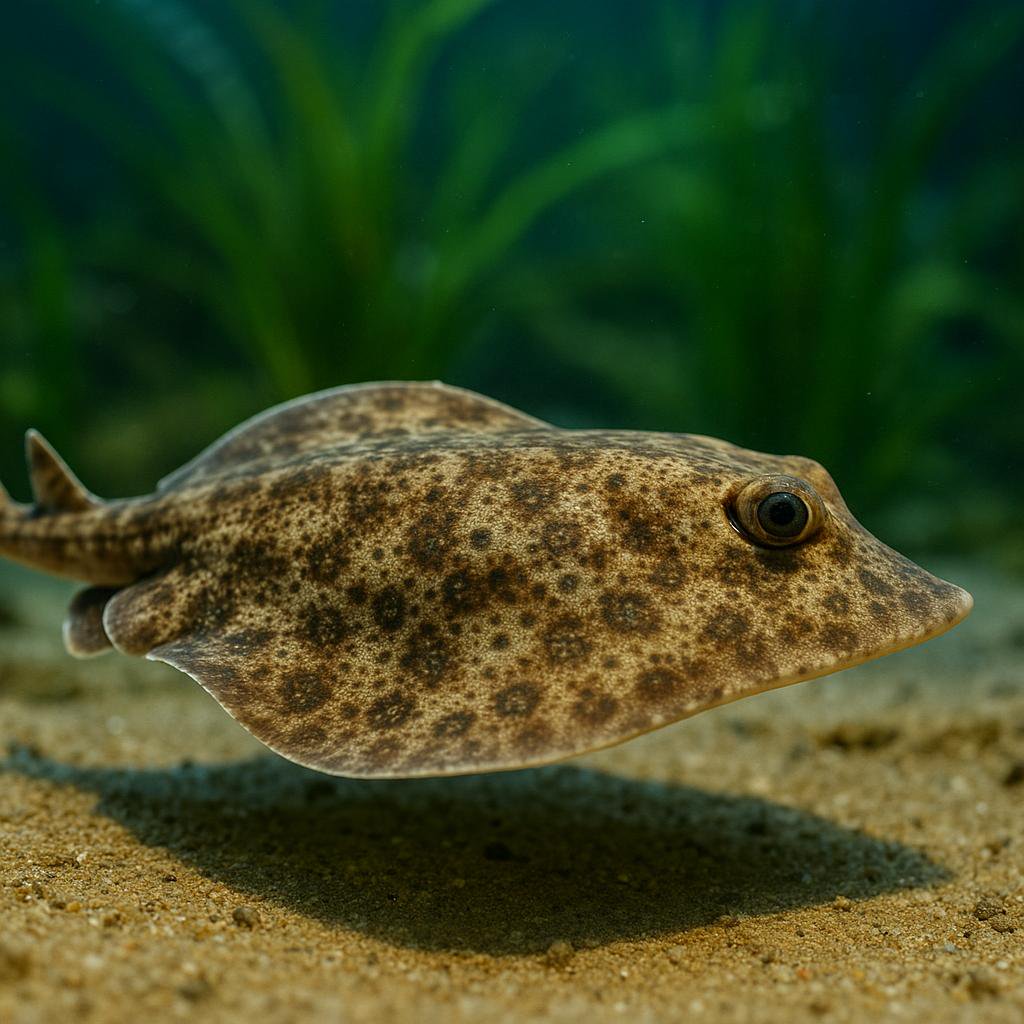
Barbedwire-tailed skate
Notoraja martinezi
Notoraja martinezi is a deepwater skate from the eastern Pacific (Costa Rica down to Ecuador) that lives way down on soft bottoms. The tail is the giveaway - it is lined with strong, hooked thorns that really do look like barbed wire. This is absolutely not an aquarium fish; it is a cold, high-pressure deep-sea animal with basically no practical home care info because it is not kept in the hobby.
More to Explore
Discover more marine species.
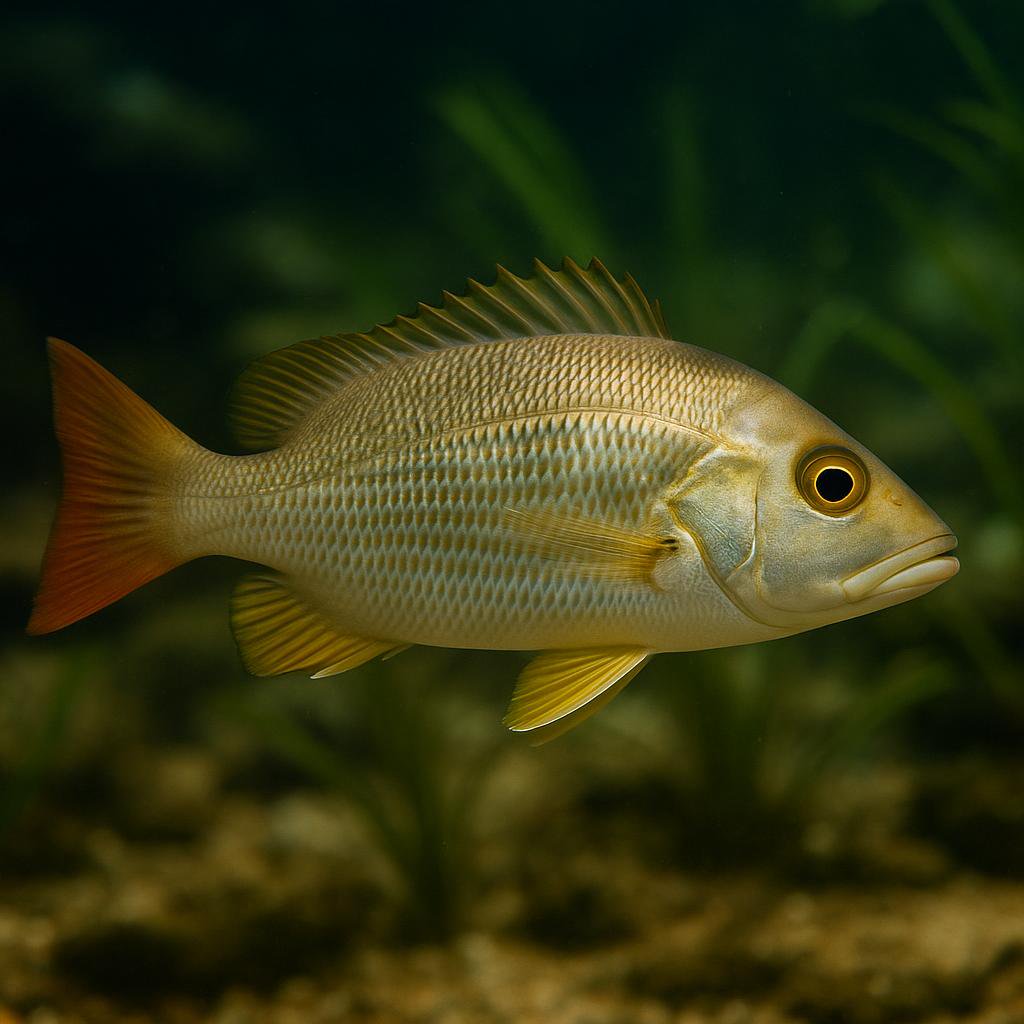
African red snapper
Lutjanus agennes
This is a true snapper from West Africa - a big, fast-growing predator that goes from coastal reefs to brackish lagoons and estuaries (especially as a juvenile). Super cool fish in the wild, but it gets absolutely huge and will eat smaller tankmates once it has the mouth for it, so its really more of a public-aquarium scale animal than a home-aquarium fish.
Aleutian skate
Bathyraja aleutica
This is a big, cold-water deep-slope skate from the North Pacific that cruises muddy bottoms and eats chunky benthic prey like crabs and shrimp. The really cool bit is its egg-laying skate life - it does distinct pairing (the classic skate "embrace") and drops those tough egg cases on the seafloor. Not an aquarium fish at all unless you're basically running a public-aquarium-style chilled system.
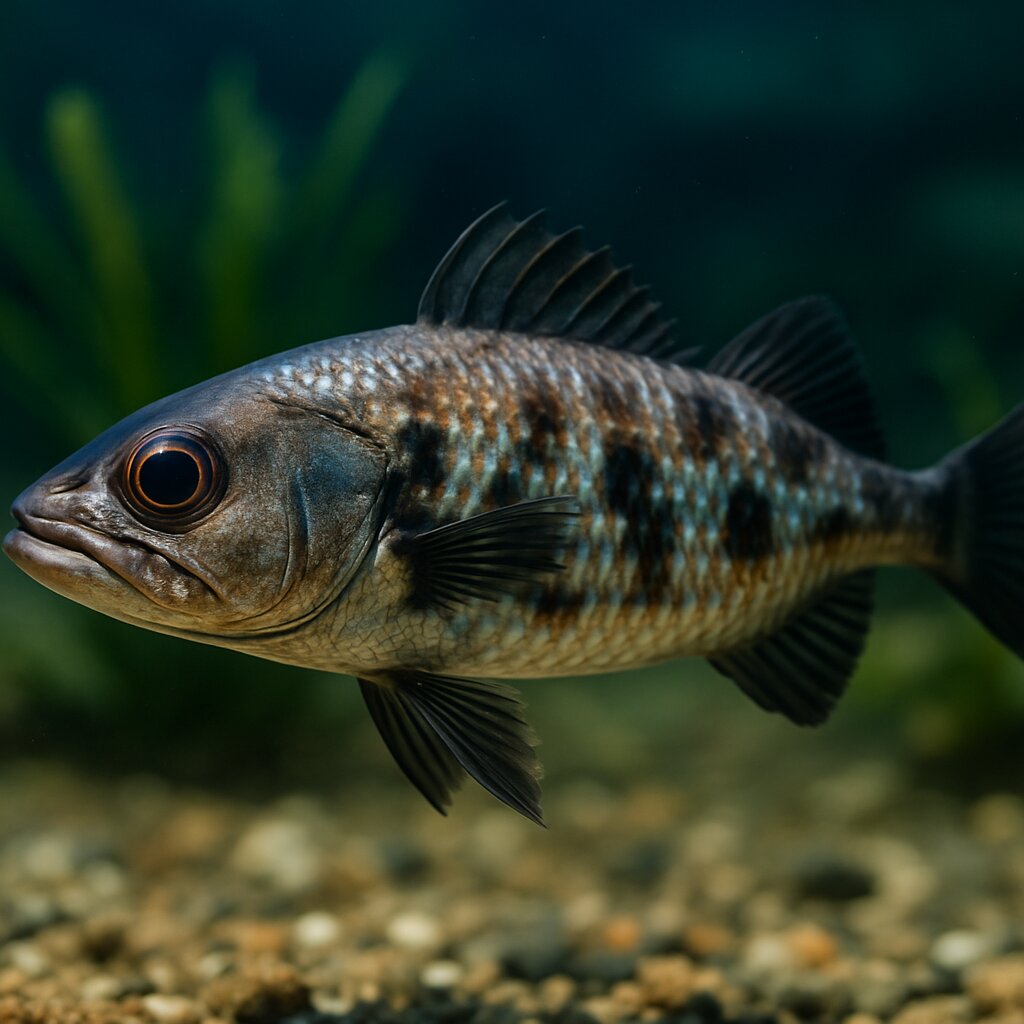
Antarctic dragonfish
Vomeridens infuscipinnis
Deep down around Antarctica, this sleek dragonfish cruises the water column like a little submarine, nearly neutrally buoyant so it can hover above the seafloor. It munches almost exclusively on Antarctic krill and lives in near-freezing water 500-800 m down, so it is a cool species to read about, not one for home tanks.
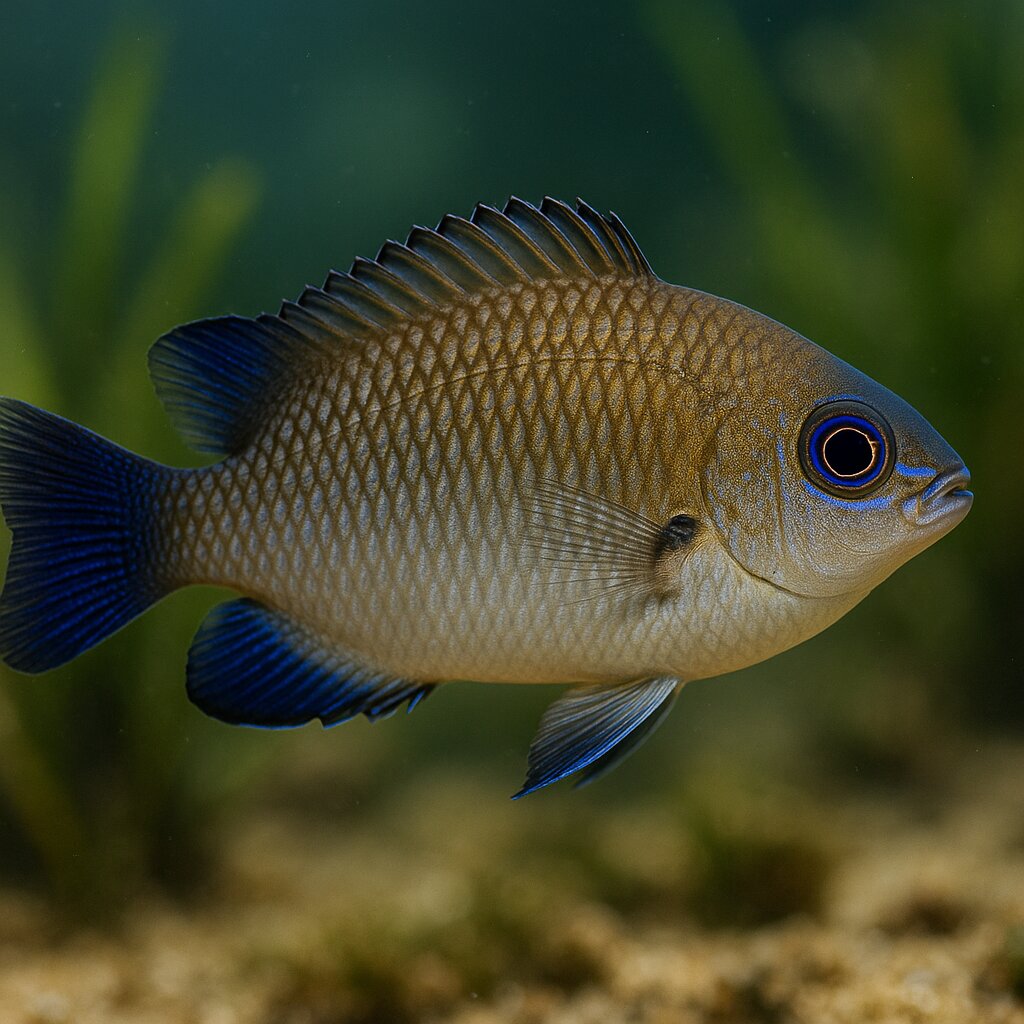
Arabian demoiselle
Neopomacentrus sindensis
A small lyretail damsel from the Persian Gulf and Arabian Sea, it hangs in loose groups around coral heads, rocks, and even pier pilings picking zooplankton from the flow. Think classic damsel toughness with a slightly milder attitude than the real bruisers, plus subtle yellow tail accents. Males clean a patch, get a mate to lay eggs there, and then stand guard fanning the clutch.
Arabian spiny eel
Notacanthus indicus
Notacanthus indicus is a deep-sea spiny eel (family Notacanthidae; not a true eel) known from the Arabian Sea on the continental slope at roughly ~960–1,046 m depth, with reported maximum length around 20 cm TL; it is a deep-water bycatch species and not established in the aquarium trade.
Arctic rockling
Gaidropsarus argentatus
This is a deepwater North Atlantic rockling (a cod relative) that hangs out on soft bottoms way down the slope. It is a cold-water, bottom-hugging predator that snoots around for crustaceans and will also take small fish when it gets the chance.
Looking for other species?