

Stareater
Astronesthes zetgibbsi
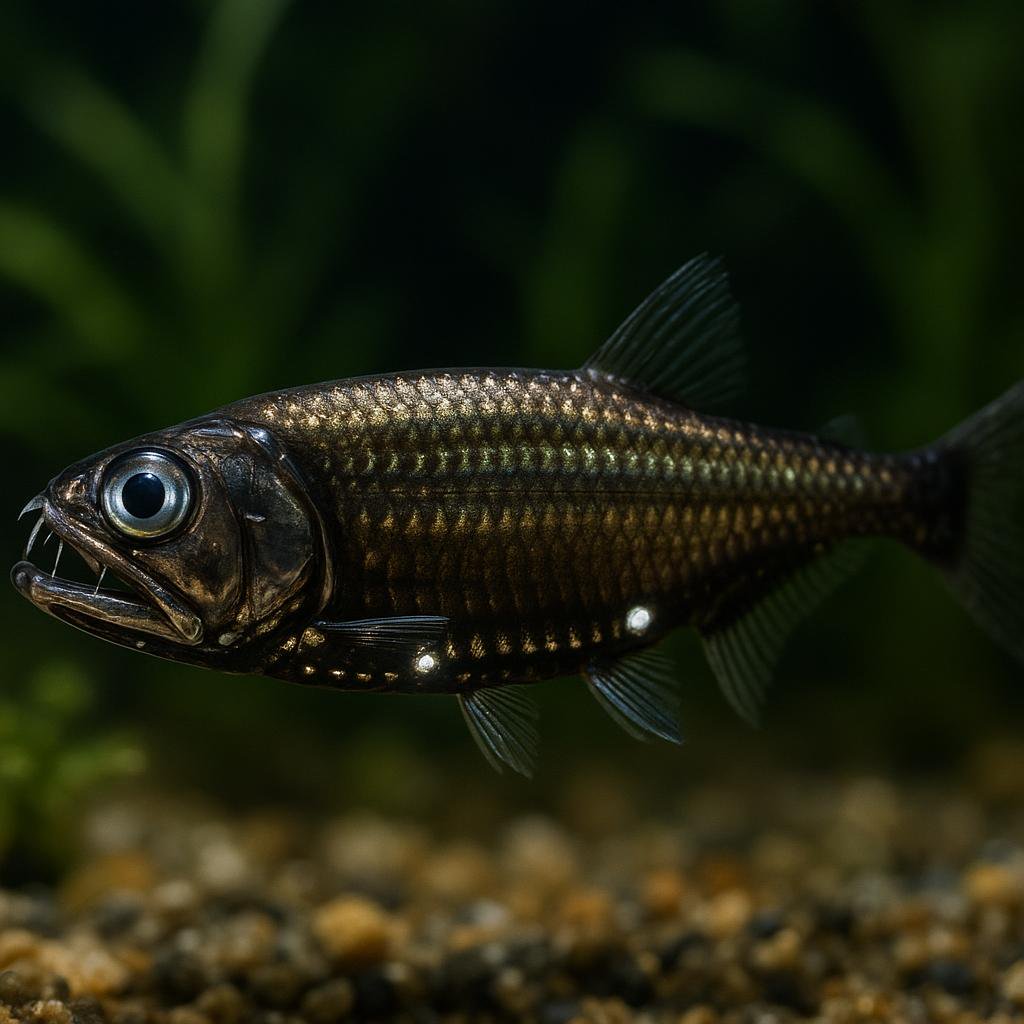
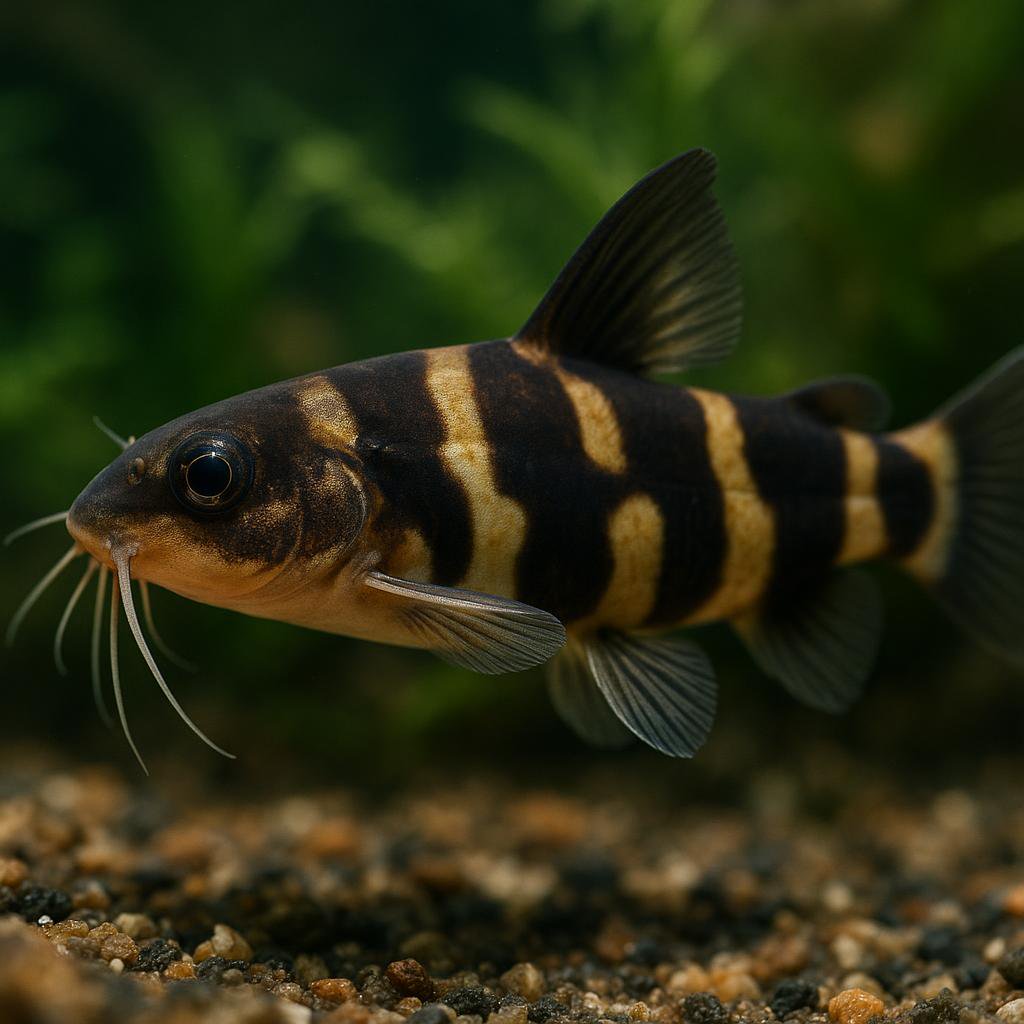
The Zetgibbs snaggletooth features a translucent body with large eyes, elongated teeth, and distinct dark stripes along its flanks.
This page includes AI-generated images. Why am I seeing AI images?
About the Stareater
A small pelagic-oceanic marine snaggletooth (family Stomiidae) known from the South Pacific high seas, reported from roughly 40–120 m depth and reaching about 10.3 cm SL (female).
Also known as
Quick Facts
Size
10.3 cm SL
Temperament
Semi-aggressive
Difficulty
Expert
Min Tank Size
300 gallons
Lifespan
unknown
Origin
South Pacific
Diet
Carnivore - small fishes and zooplankton (typical stomiid predator)
Water Parameters
8-18°C
7.8-8.4
8-12 dGH
Need a heater for this species?
This species needs 8-18°C in a 300 gallon tank. Use our heater calculator to find the right wattage.
Calculate heater sizeCare Notes
- This is a pelagic-oceanic species (reported 40–120 m depth) and is not associated with reef structure; do not assume standard aquarium habitat features (caves/rockwork) are relevant, and captive husbandry is not well documented for this species.
- Feed like a hunter: small meaty marine foods (mysis, chopped shrimp, squid, enriched krill) 3-5x/week instead of huge meals, and use tongs to keep fingers safe.
- Skip freshwater feeder fish and fatty silversides as staples - they foul the tank and wreck nutrition; rotate marine-based foods and add vitamins once or twice a week.
- Tankmates need to be too big to swallow and chill enough not to harass it; avoid tiny fish, shrimp, and anything that pecks at eyes/fins.
- They do best with low flow zones to hang in, but you still need serious filtration and oxygenation because heavy feeding plus a secretive fish equals sneaky ammonia spikes.
- Watch for jaw/face injuries from smashing into glass during light changes and for cloudy eyes after netting - use a dim ramp-up light schedule and a soft container, not a net, when moving it.
Compatibility
Good Tankmates
- Other midwater deepwater predators about the same size (other Astronesthes snaggletooths, some similar bristlemouths) - they mostly ignore each other if they have room and you keep them well fed
- Sturdier mesopelagic types that are not bite-sized (bigger hatchetfish, larger lanternfish) - quick swimmers, not finny, and they do better with the same low-light vibe
- Tough, non-territorial bottom hangers that are too big to inhale (larger cusk-eels or similar deep reef oddballs) - they stay out of the snaggletooth's strike zone most of the time
- Bigger, mellow midwater fish that do not pick fights and can handle cooler, dim setups (some larger cardinal-type fish or other low-light planktivores) - the key is 'not snack sized'
Avoid
- Small fish that fit in its mouth (tiny gobies, small cardinals, small chromis, juvenile anything) - they will eventually disappear, usually at night or when lights are low
- Nippy or pushy fish that harass tank mates (dottybacks, damsels, aggressive wrasses) - they stress the snaggletooth out and can trigger constant sparring
- Slow, long-finned or 'hovering' fish (banners, longfin butterflies, fancy fin shapes) - they get picked at or nailed during feeding lunges
Where they come from
Zetgibbs snaggletooth (Astronesthes zetgibbsi) is a deep-sea stomiid - one of those dragonfish relatives that lives way down in the dark, cold water. You are basically trying to keep an animal built for midnight at a few hundred (or more) meters, where the light is dim, the food shows up when it shows up, and everything is slow.
If you have only kept reef fish or even typical "marine predators," this is a different game. Think cold, dark, and very stable.
Setting up their tank
I would not put one of these in a normal tropical marine setup. The biggest hurdle is temperature and stress. Warm water and bright lights tend to end the story fast.
- Chiller-driven system: aim cold (roughly 39-50F / 4-10C). Pick a target and keep it steady.
- Dim lighting: low ambient room light or a very weak, blue-leaning fixture. Give them real darkness periods.
- Covered tank: tight lid and sealed gaps. Deep-sea fish can spook-launch, and you will not get a second chance.
- Plenty of open water: they are midwater hunters. Use rock decor sparingly and keep it low so you still have swimming space.
- Gentle, broad flow: avoid blasting them with powerheads. Think slow ocean drift, not reef surge.
- Serious filtration: oversized skimmer if your water can support it at low temp, plus big biofilter. These fish are messy eaters when they do eat.
- Stable salinity: 1.024-1.026 is a reasonable range, but stability beats chasing numbers.
- Quarantine setup: you will want a separate cold QT. Moving them between temps is rough, so plan ahead.
Transport and acclimation are where most losses happen. Match temperature first, then salinity. Rushing a deep-sea fish through a warm room in a bucket can be enough to do damage.
Substrate is optional. Bare bottom makes it easier to keep clean and lets you spot uneaten food. If you do use sand, go thin and easy to siphon.
What to feed them
They are predators that key in on movement. Mine ignored pellets and most dead foods at first. Live or "twitchy" foods usually get the first feeding response, then you can work toward frozen.
- Best starters: live ghost shrimp, small live marine shrimp, or live feeder fish from a safe source (not freshwater feeders as a staple).
- Transition foods: thawed mysis, chopped krill, chopped shrimp, silversides cut to size, squid strips.
- Scent helps: soak in clam juice or use a small piece of fresh seafood to get interest.
- Presentation: long feeding tongs and a gentle wiggle. Keep it slow - quick jerks can spook them.
- Frequency: small meals, not big dumps. Deep-sea fish often do better with modest portions every couple days than a huge weekly gorge. Watch the body shape and adjust.
Feed with the room lights low and give them time. If you stand there in bright light tapping the glass, you are basically telling them a predator is hovering overhead.
Uneaten food is your enemy in a cold system. It rots slower, so it can look "fine" while it is still wrecking water quality. Siphon leftovers right after the attempt.
How they behave and who they get along with
Astronesthes are ambushy midwater hunters with a big mouth and serious teeth. They are not "mean" in the territorial sense, but anything that fits can become dinner. They also stress easily, especially with active tankmates.
- Best kept species-only, or with very carefully chosen coldwater fish that are too large to swallow and not hyperactive.
- Avoid fast, nippy fish and anything that competes hard at feeding time.
- Avoid crustaceans you care about. If it moves and fits, it is on the menu.
- Give them hiding dim zones (PVC elbows work) even if they spend most time hovering. They like having a retreat.
Do not mix with tropical marine fish. The temperature mismatch alone makes it a non-starter, and chasing a "middle" temp usually means everyone suffers.
Breeding tips
Honestly, captive breeding is not something I would plan on. Deep-sea stomiids have breeding triggers we do not really replicate at home (depth-related cues, seasonal currents, and food cycles). If someone tells you they are routinely breeding these in home aquaria, I would want receipts.
If you ever see courtship behavior (pairing up, repeated close swimming, changes in feeding), document it. Notes on temperature, photoperiod, and feeding history would be valuable to the hobby.
Common problems to watch for
Most issues come down to stress, temperature swings, and feeding failures. These fish do not "bounce back" the way a hardy reef fish might.
- Refusing food: very common after shipping. Try darker conditions, live prey to kick-start, and reduce disturbance around the tank.
- Mouth injuries: they can bite glass or decor when startled. Keep the tank calm and avoid sharp rockwork.
- Bloat or regurgitation: often from overfeeding large items. Go smaller pieces and slower pace.
- Water quality creep: cold tanks can fool you because things look stable. Test for ammonia/nitrite and keep nitrate from climbing.
- Parasites from feeders: live foods can bring problems. Quarantine feeders when possible and use the cleanest source you can.
- Temperature swings: even a few degrees can stress them. Insulate plumbing, use a reliable controller, and have a plan for power outages.
Have backup power for the chiller and circulation. In a cold marine system, losing flow or temp control for a few hours can spiral fast.
If you are determined to keep A. zetgibbsi, treat it like a long-term project: stable coldwater system, patient feeding work, and low-stress handling. They are incredible fish, but they do not forgive shortcuts.
Similar Species
Other marine semi-aggressive species you might be interested in.
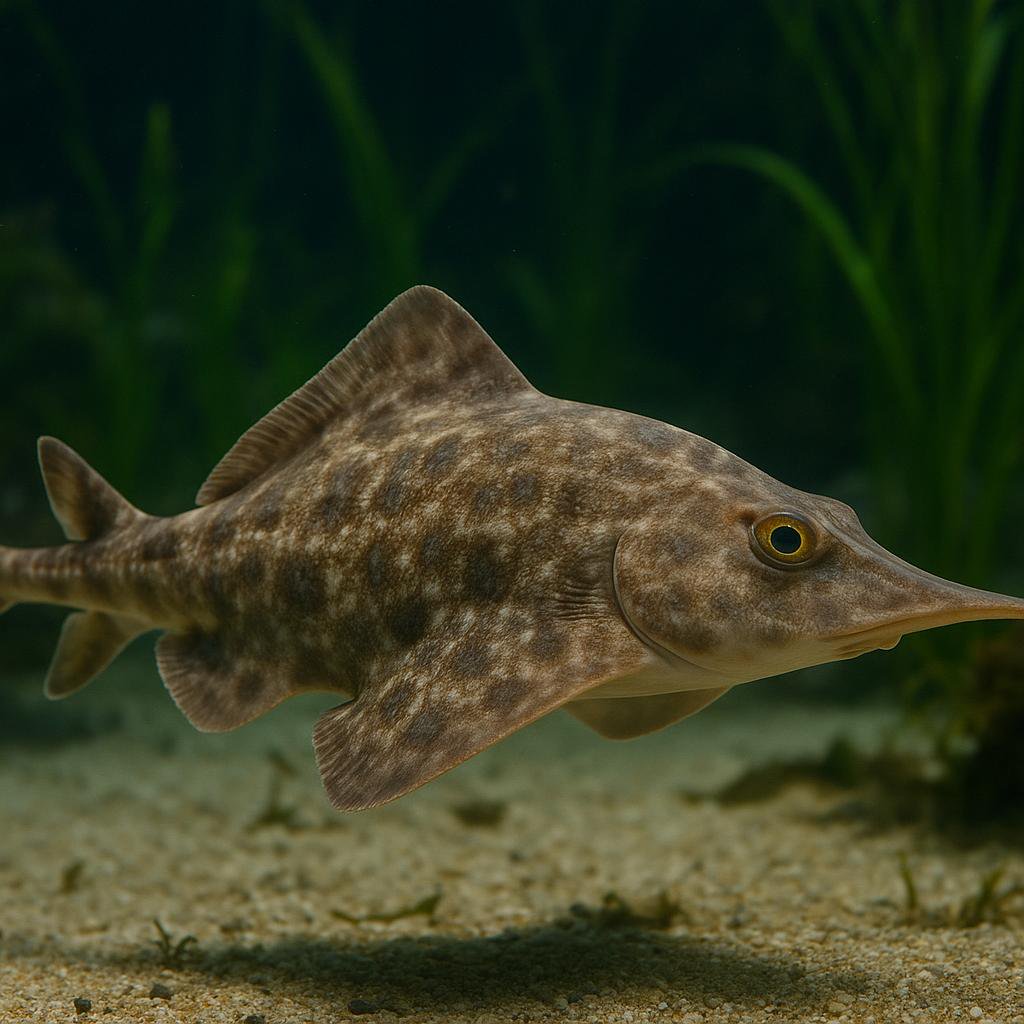
Aleutian skate
Bathyraja aleutica
This is a big, cold-water deep-slope skate from the North Pacific that cruises muddy bottoms and eats chunky benthic prey like crabs and shrimp. The really cool bit is its egg-laying skate life - it does distinct pairing (the classic skate "embrace") and drops those tough egg cases on the seafloor. Not an aquarium fish at all unless you're basically running a public-aquarium-style chilled system.
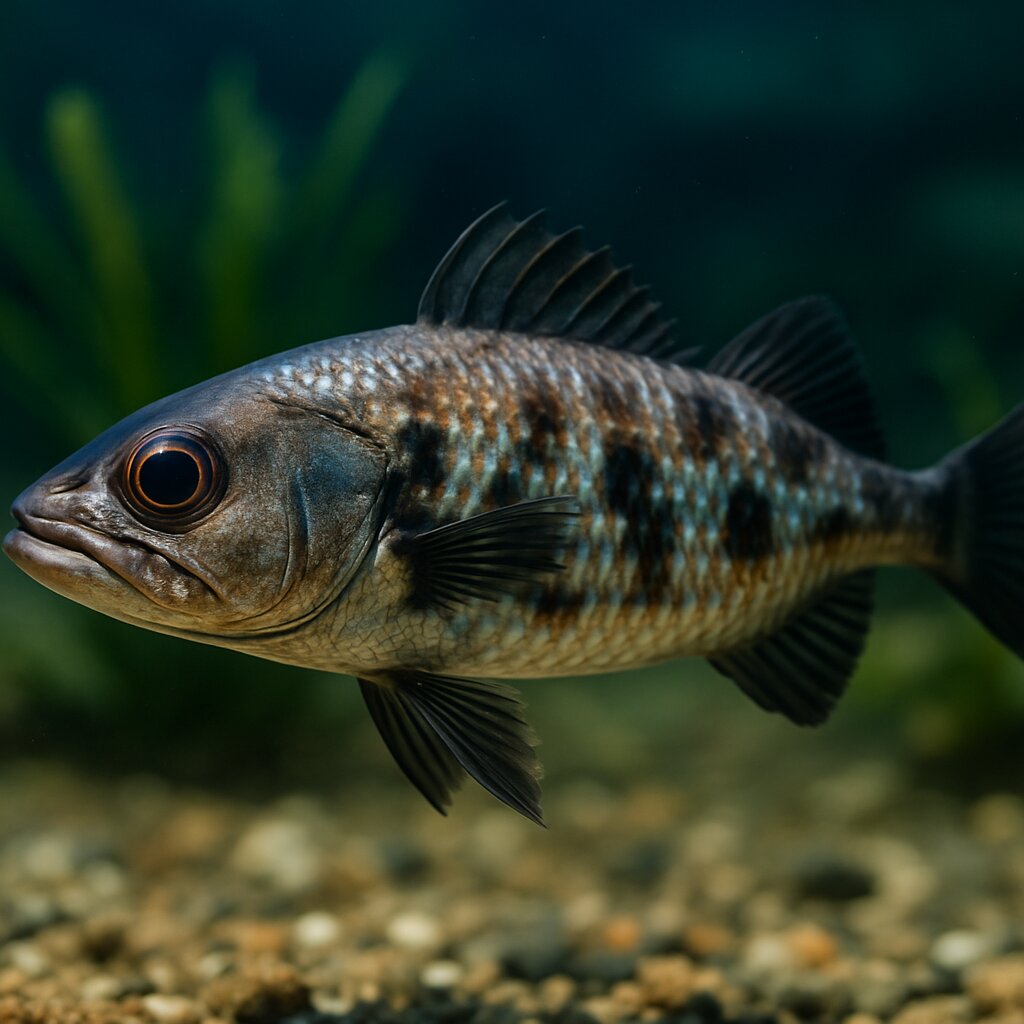
Antarctic dragonfish
Vomeridens infuscipinnis
Deep down around Antarctica, this sleek dragonfish cruises the water column like a little submarine, nearly neutrally buoyant so it can hover above the seafloor. It munches almost exclusively on Antarctic krill and lives in near-freezing water 500-800 m down, so it is a cool species to read about, not one for home tanks.
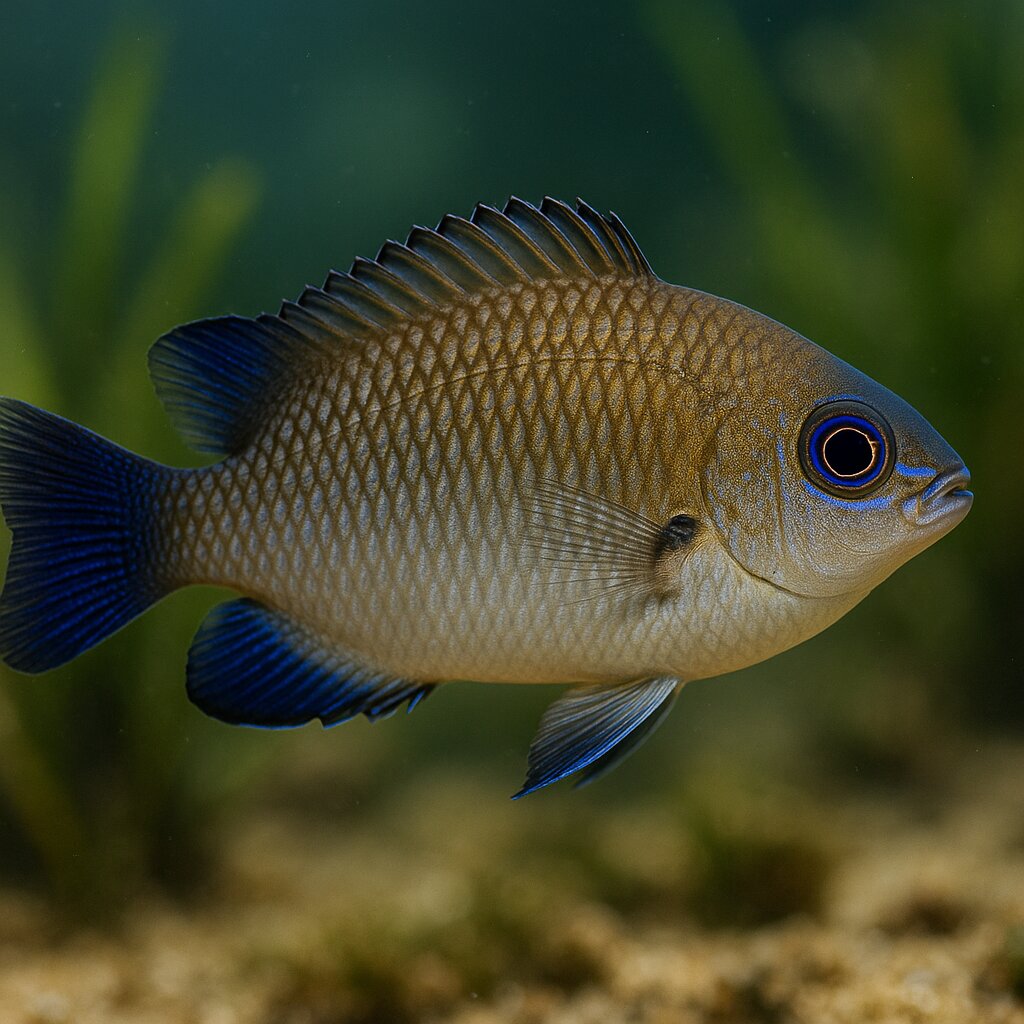
Arabian demoiselle
Neopomacentrus sindensis
A small lyretail damsel from the Persian Gulf and Arabian Sea, it hangs in loose groups around coral heads, rocks, and even pier pilings picking zooplankton from the flow. Think classic damsel toughness with a slightly milder attitude than the real bruisers, plus subtle yellow tail accents. Males clean a patch, get a mate to lay eggs there, and then stand guard fanning the clutch.
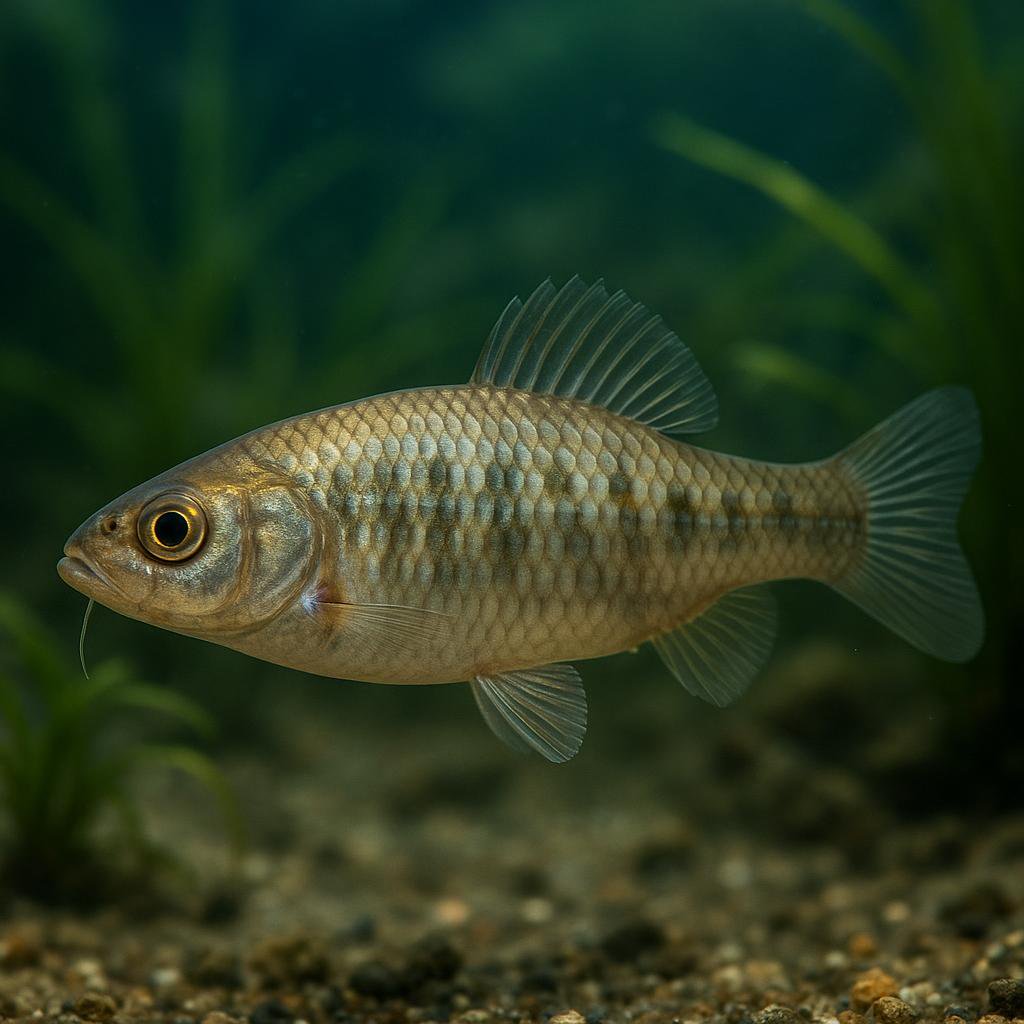
Arabian spiny eel
Notacanthus indicus
Notacanthus indicus is a deep-sea spiny eel (family Notacanthidae; not a true eel) known from the Arabian Sea on the continental slope at roughly ~960–1,046 m depth, with reported maximum length around 20 cm TL; it is a deep-water bycatch species and not established in the aquarium trade.
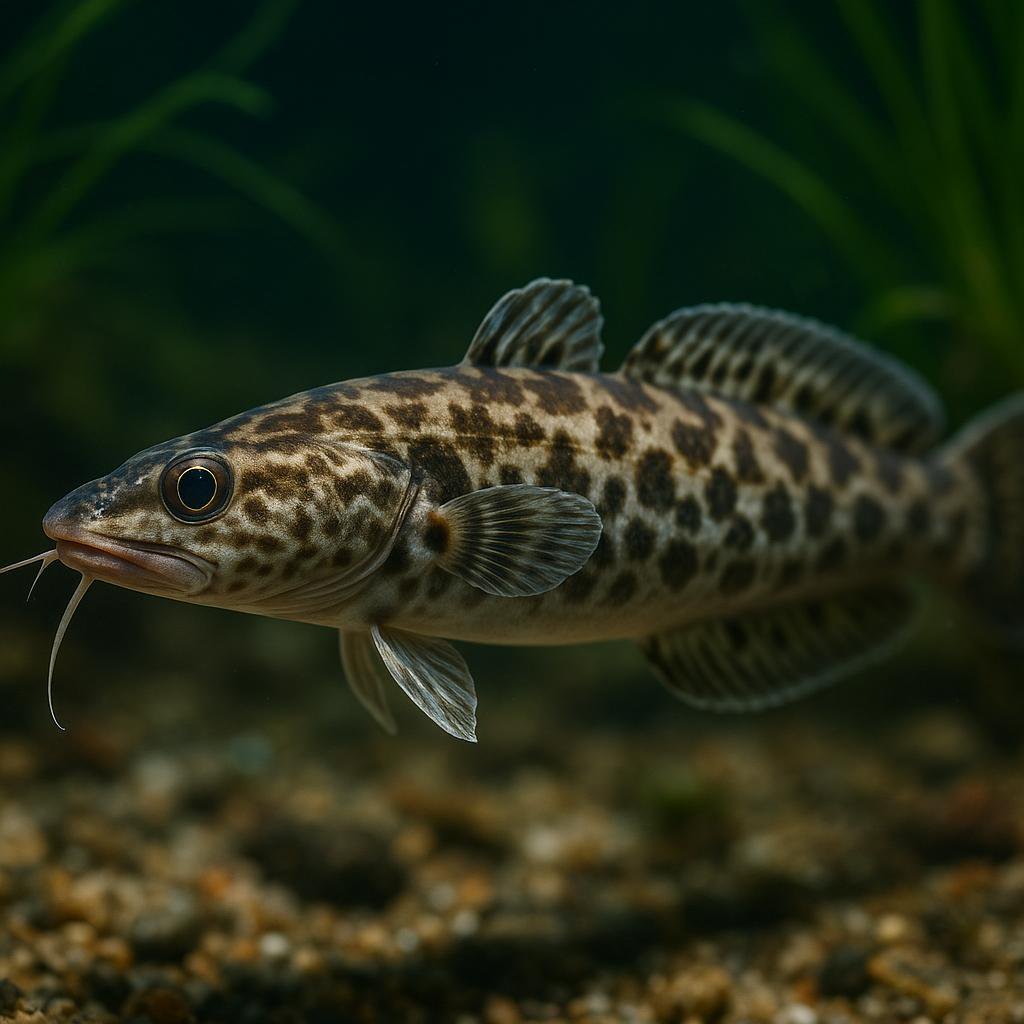
Arctic rockling
Gaidropsarus argentatus
This is a deepwater North Atlantic rockling (a cod relative) that hangs out on soft bottoms way down the slope. It is a cold-water, bottom-hugging predator that snoots around for crustaceans and will also take small fish when it gets the chance.
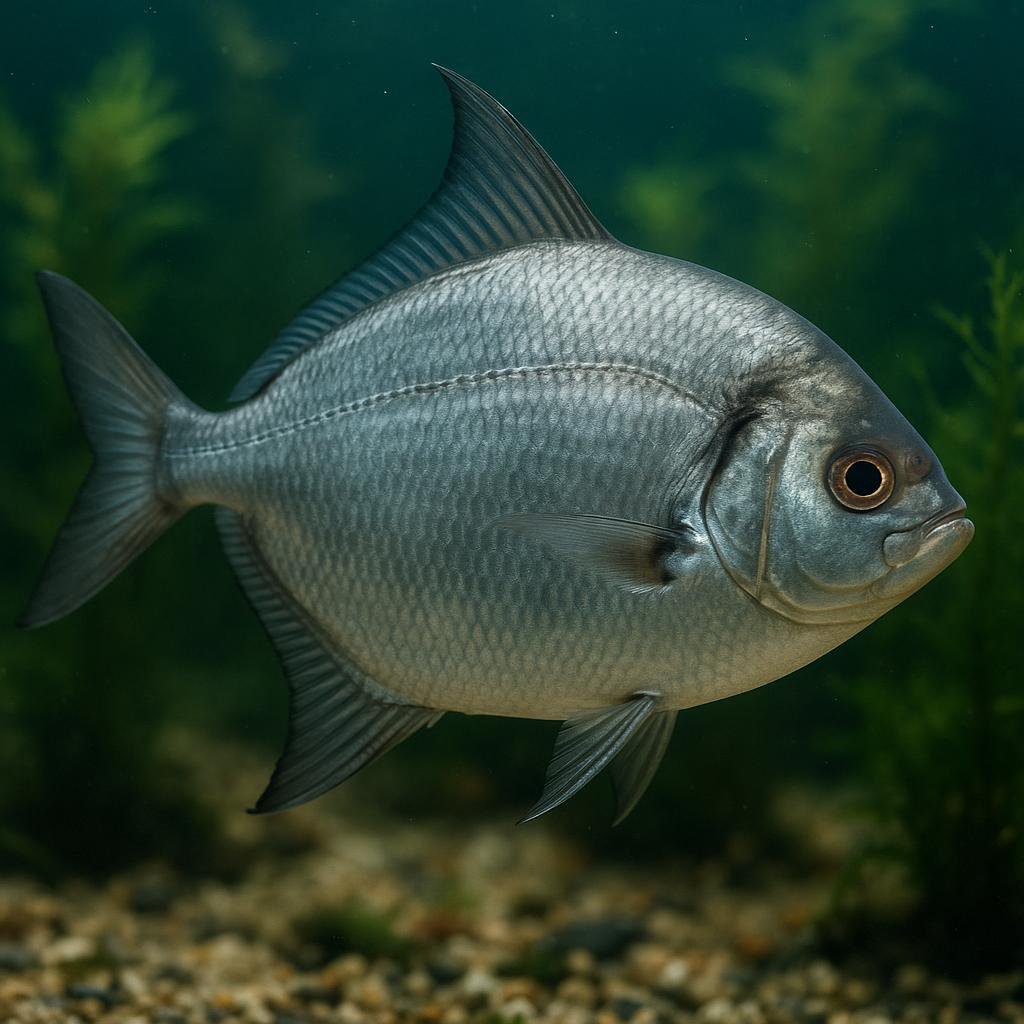
Atlantic pomfret
Brama brama
Brama brama is the Atlantic pomfret (aka Ray's bream) - a deep-bodied, open-ocean pelagic fish that cruises around in small schools and follows water temps. It is a legit big, wild marine species (not an aquarium fish) that eats other small sea critters like fish and squid, and it ranges across a huge chunk of the Atlantic plus parts of the Indian and South Pacific.
More to Explore
Discover more marine species.
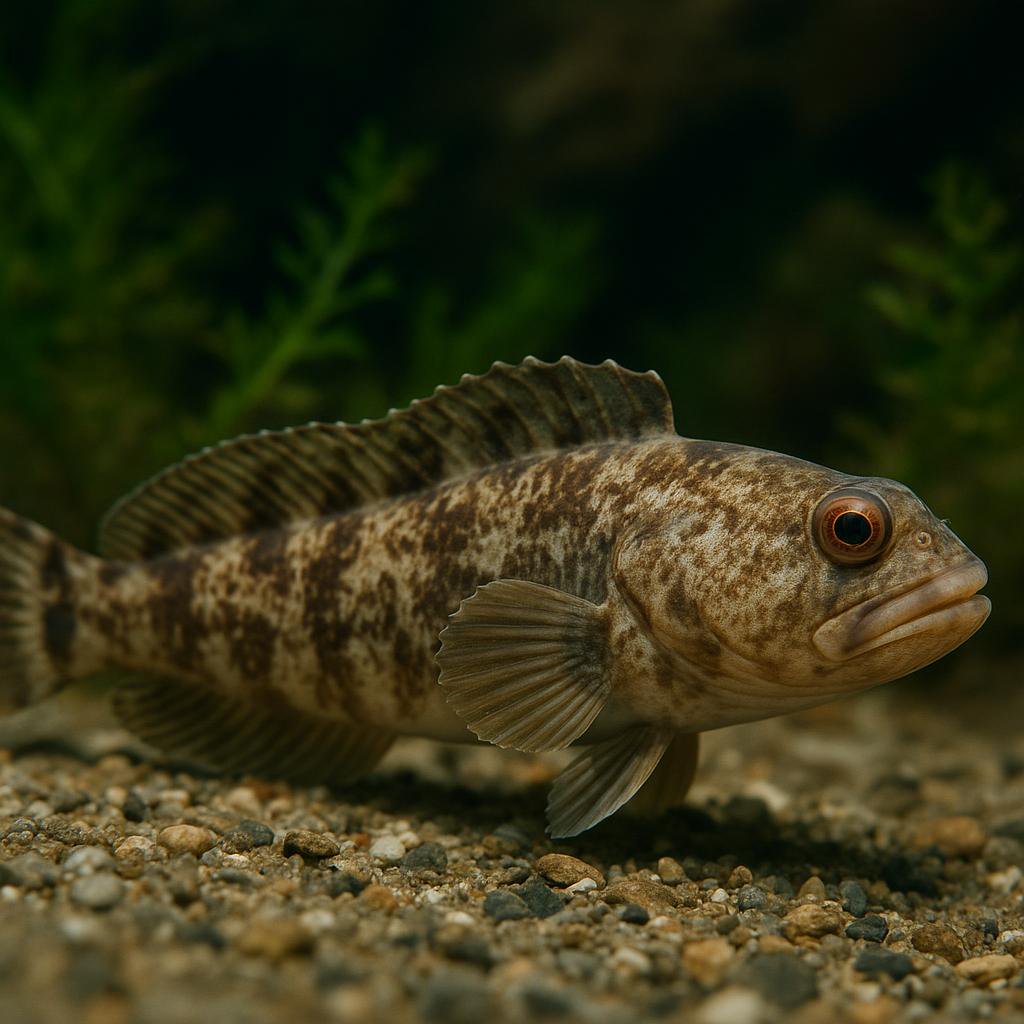
Abe's eelpout
Japonolycodes abei
Japonolycodes abei is a temperate, deepwater demersal eelpout (family Zoarcidae) endemic to Japan (Kumano-nada Sea reported; other sources also report Sagami Bay and Tosa Bay). It is the only species in the genus Japonolycodes and occurs roughly 40-300 m depth, making it an uncommon/atypical aquarium species.
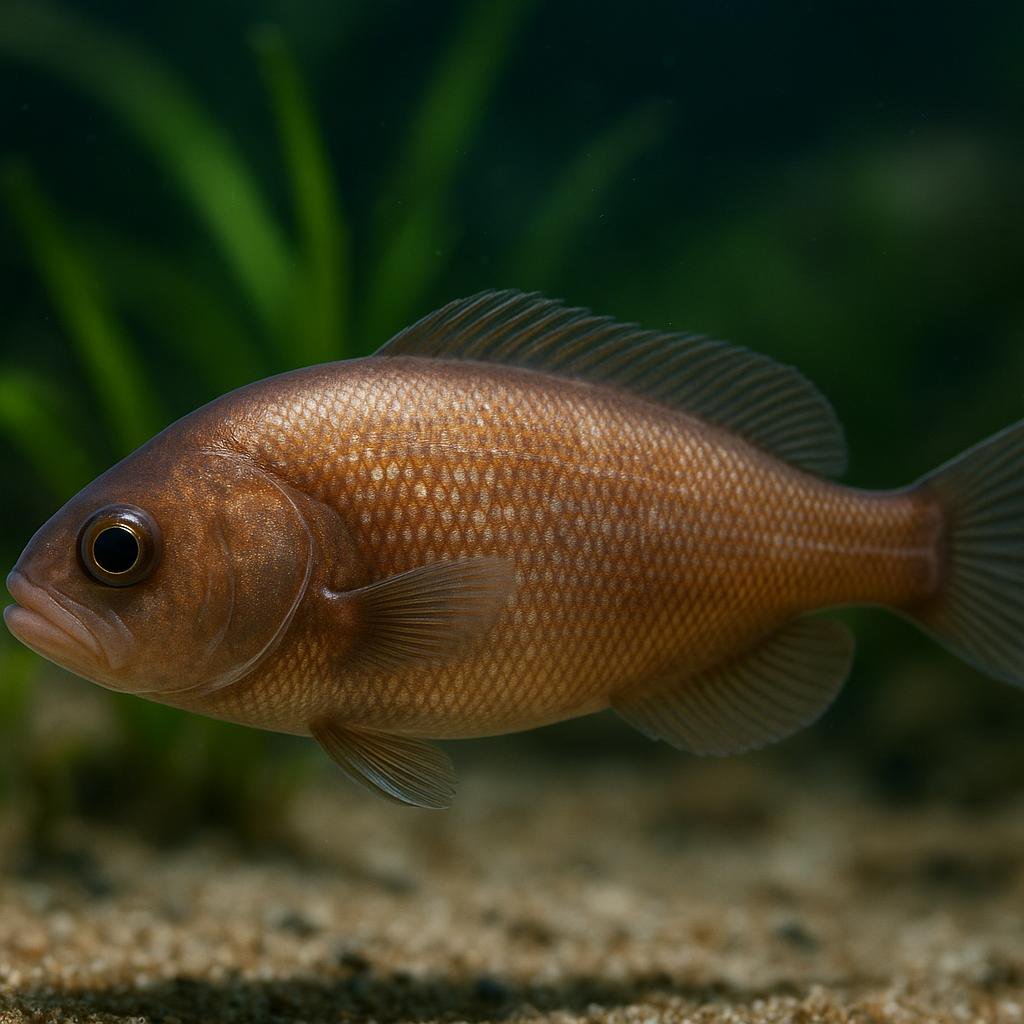
Affinis blind cusk-eel
Barathronus affinis
Barathronus affinis is a tiny, super-weird deep-sea blind cusk-eel from the western-central Indian Ocean. It is one of those gelatinous, loose-skinned brotula-type fishes that live way down in the dark and are basically never seen alive, so almost everything we know comes from preserved specimens and taxonomic work.
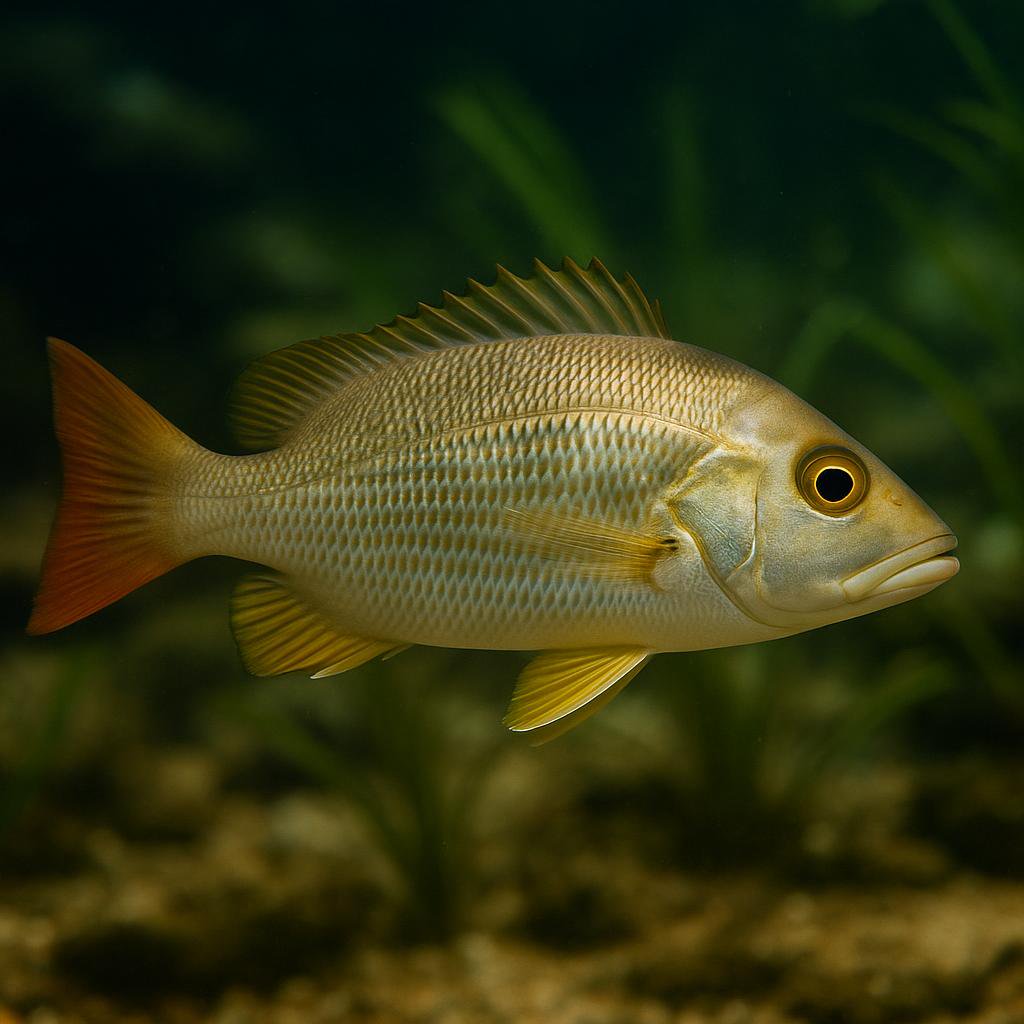
African red snapper
Lutjanus agennes
This is a true snapper from West Africa - a big, fast-growing predator that goes from coastal reefs to brackish lagoons and estuaries (especially as a juvenile). Super cool fish in the wild, but it gets absolutely huge and will eat smaller tankmates once it has the mouth for it, so its really more of a public-aquarium scale animal than a home-aquarium fish.
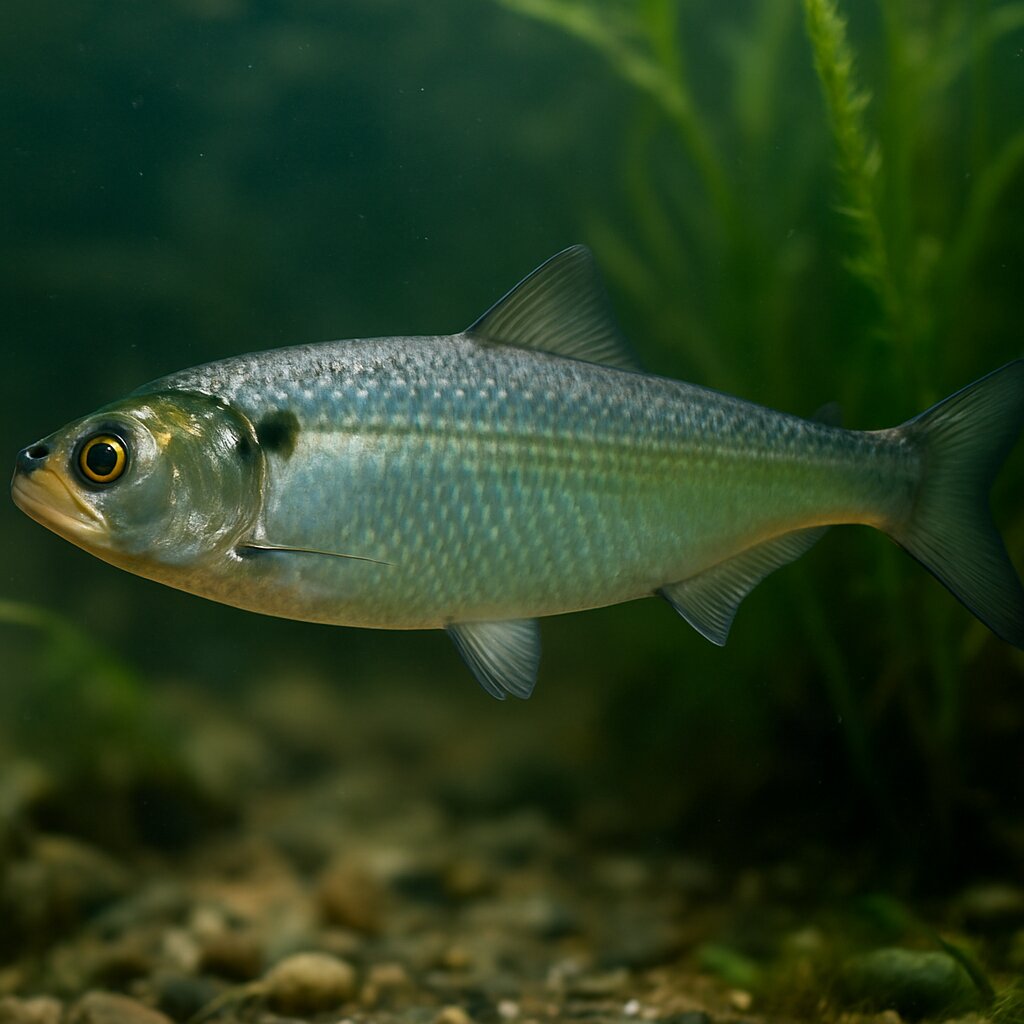
Allis shad
Alosa alosa
Gorgeous silver, fast-swimming shad that spends most of its life in the sea and then surges up big rivers in noisy, surface-spawning schools. It grows huge for a herring-type fish and needs cool, ultra-oxygenated water and tons of open space, so it is a public-aquarium species rather than a home tank fish.
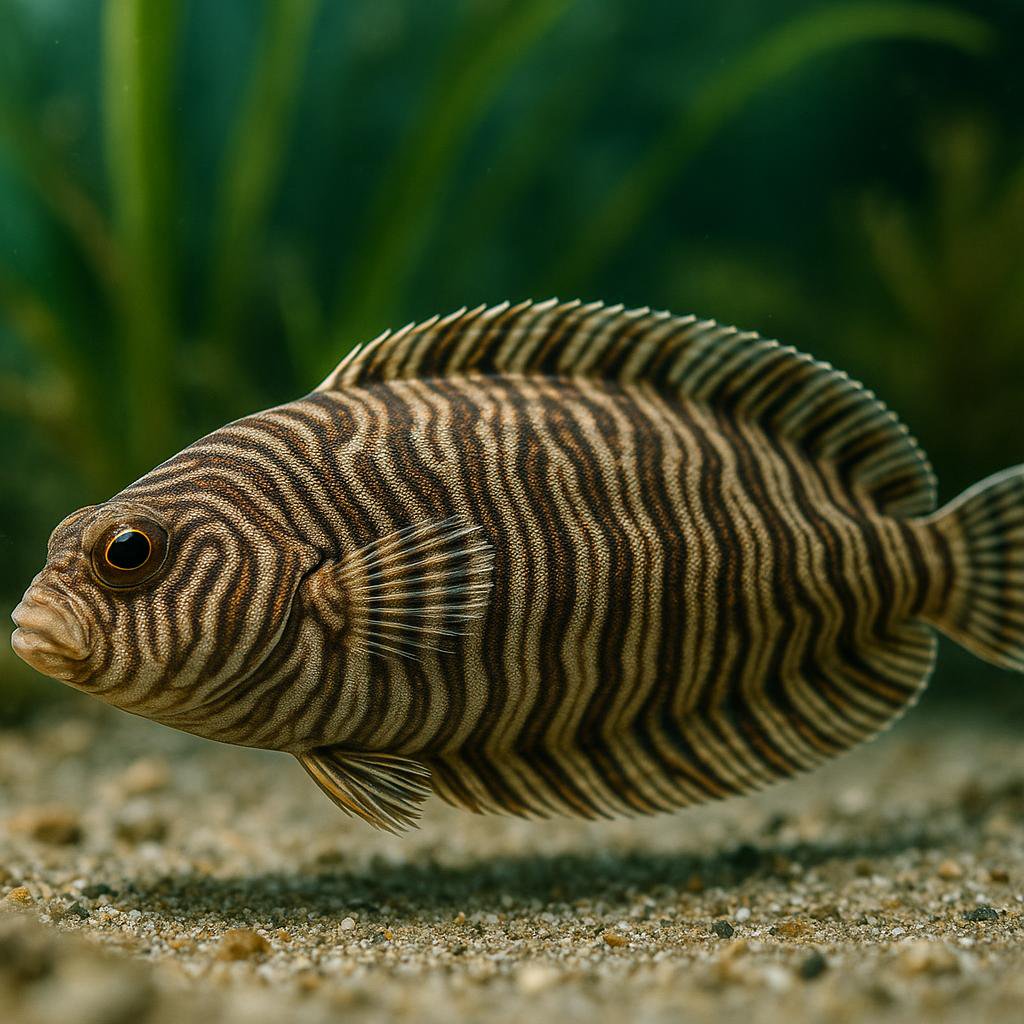
Annandale's zebra sole
Zebrias annandalei
Zebrias annandalei is a small demersal sole from coastal India that inhabits sandy or muddy bottoms and buries for camouflage. It is rarely kept in home aquaria and would require a specialized marine sand-bottom setup and appropriate feeding.
Australian sawtail catshark
Figaro boardmani
Figaro boardmani is a small, deepwater Australian catshark with these cool saw-like ridges of spiny denticles along the tail and a neat pattern of dark saddle bands. It lives way down on the outer continental shelf and slope, so its natural water is cold, dim, and stable - totally not a typical home-aquarium fish. Diet-wise its a predator that goes after fish, crustaceans, and cephalopods.
Looking for other species?