

Bidentate conger
Xenomystax bidentatus
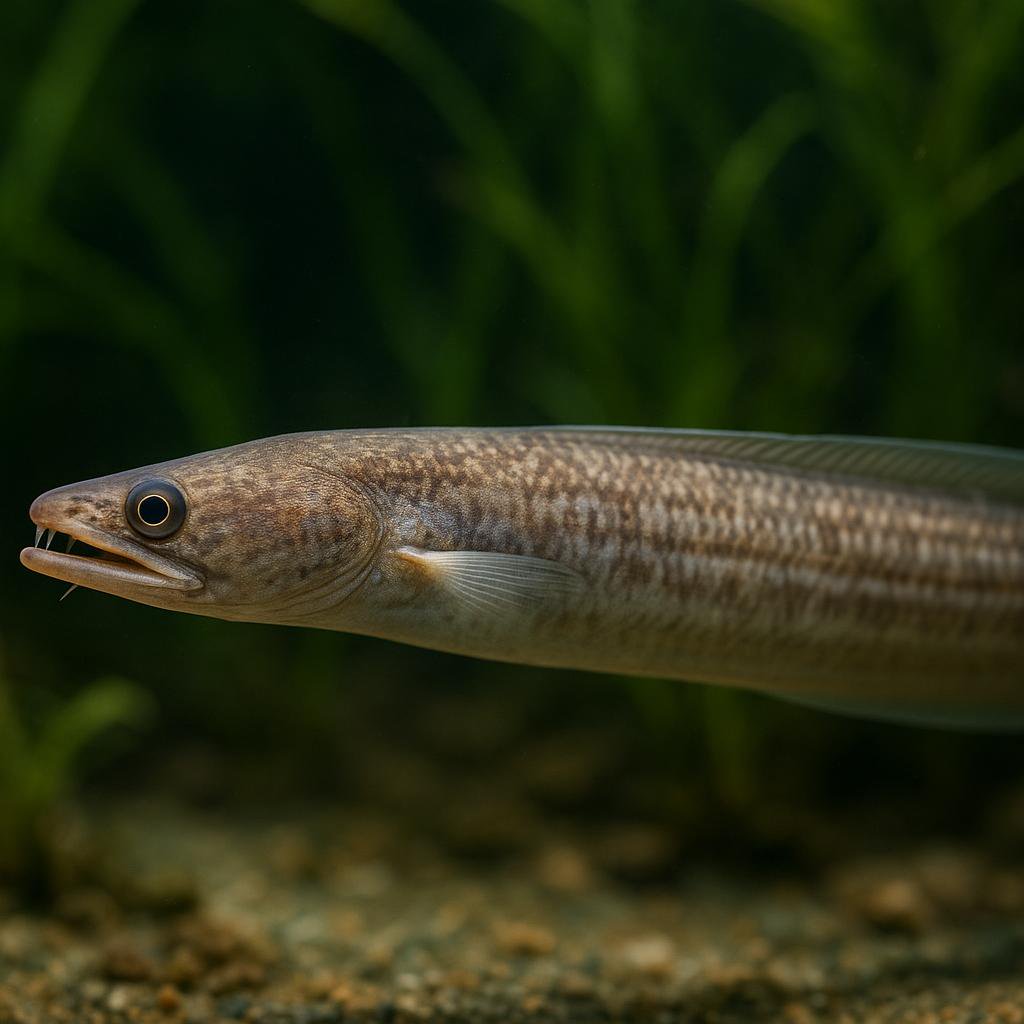
Xenomystax bidentatus features a distinctive laterally compressed body with a yellowish-brown coloration and prominent, elongated dorsal and anal fins.
This page includes AI-generated images. Why am I seeing AI images?
About the Bidentate conger
A deepwater conger eel (family Congridae) from the tropical western central Atlantic off northern South America, reported from roughly 494–604 m depth; not a species typically encountered in the aquarium trade.
Quick Facts
Size
25.4 cm
Temperament
Semi-aggressive
Difficulty
Expert
Min Tank Size
180 gallons
Lifespan
unknown
Origin
Western Central Atlantic (northern South America)
Diet
Carnivore - small fishes and invertebrates (typical conger eel predator)
Water Parameters
24-28°C
8-8.4
8-12 dGH
Need a heater for this species?
This species needs 24-28°C in a 180 gallon tank. Use our heater calculator to find the right wattage.
Calculate heater sizeCare Notes
- Give it a long tank with a tight-fitting lid and zero gaps - these congers are escape artists and will find the one hole you forgot.
- Build a cave system with big PVC elbows (2-4 in) and rockwork that cannot shift; they wedge hard and will topple loose stacks.
- Run stable marine salinity appropriate for your system and maintain temperature consistent with tropical marine holding conditions; provide excellent oxygenation and secure hiding spaces.
- Feed after lights-out with tongs: chunks of shrimp, squid, silversides, and marine fish flesh; smaller meals 2-3 times a week beats dumping a giant portion that rots in the rocks.
- Do not keep with anything you would not be OK losing - if it fits in the mouth, it is food; avoid tiny fish, shrimp, and crabs.
- Tankmates that work are big, tough fish that do not pick at eels (larger triggers can be risky, so watch for fin nipping); avoid aggressive morays that will fight for caves.
- Quarantine and deworm if you can (praziquantel is commonly used in marine QT) because wild-caught congers often come in with internal parasites and will waste away even if they are eating.
- Watch for scrapes and mouth damage from rock gaps and netting; use a specimen container to move it, and treat injuries early because infections spread fast in eels.
Compatibility
Good Tankmates
- Bigger, sturdy groupers (not the mega swallow-your-eel types) - stuff like a decent-sized Cephalopholis or Epinephelus that can hold its own, but won't fit the conger in its mouth. They usually just do the "you stay in your cave, I'll stay by my rock" thing.
- Medium to large snappers like lane/mangrove-sized Lutjanus - bold enough to not get bullied, fast enough to avoid the conger's ambush vibes at feeding time.
- Tough wrasses that sleep in rock/sand and don't hover near the eel hole - think hogfish and chunkier Halichoeres types. They tend to ignore the conger and get on with their day.
- Adult triggerfish with a reasonable attitude - picasso, niger, bluejaw. The conger doesn't care about them, and they usually don't mess with it if there's plenty of food and hiding spots.
- Bigger scorpionfish/lionfish types that are too large to be considered food - volitans lion or chunky scorpionfish. As long as they're similar size and you're not mixing tiny juveniles, they can co-exist in the same "predator tank" vibe.
- Other larger morays and eels of similar size (carefully) - if the tank is big, lots of caves, and you feed well, they can tolerate each other. I'd still watch for territory drama when one claims the best hole.
Avoid
- Small fish that look like snacks - damsels, chromis, small wrasses, gobies, blennies. A bidentate conger is an ambush predator and sooner or later it usually turns into "missing fish mystery."
- Tiny bottom perchers and burrowers - jawfish, small sand-sleeping wrasses, shrimp gobies. They hang right where the conger cruises and it's just not a fair matchup.
- Super aggressive bitey stuff that targets eyes and fins - big dottybacks, really nasty triggers, or anything that won't stop picking at the eel's face. Stress and injuries add up fast with eels.
- Inverts you care about - shrimp, crabs, and a lot of snails. If it fits in the mouth or can be pinned, it's on the menu, especially at night.
Where they come from
Bidentate congers (Xenomystax bidentatus) are deepwater-ish Atlantic conger eels. You will see them associated with outer reef slopes and sandy/muddy bottoms, tucked into holes and cracks during the day and roaming at night. That background explains basically everything about keeping them: dim light, lots of shelter, and food that moves and smells like something worth chasing.
Most of the ones that show up in the trade are wild-caught and often a bit beat up from collection and shipping. Plan on a slow, gentle acclimation and a quiet first few weeks.
Setting up their tank
This is an expert fish because the tank has to be built around it. Think "secure eel bunker" more than "pretty reef display." They are strong, flexible, and curious, and they will test every lid gap you forgot about.
- Tank size: I would not bother under 180 gallons, and 240+ is where it starts feeling sane. They get long, and they need turning room.
- Lid: tight-fitting, weighted, and sealed around plumbing. Any slot bigger than a pencil will get inspected.
- Rockwork: stable and glued/epoxied. Make caves with real "roof" pieces, not just a leaning rock they can bulldoze.
- Hides: PVC sections work great (2-3 inch and larger depending on the eel). Bury/cover them so it feels like a burrow.
- Substrate: sand is fine. Keep it shallow enough you can clean it. They are messy eaters.
- Flow and oxygen: moderate flow with strong surface agitation. Big predators plus heavy feeding means oxygen drops faster than you expect.
- Filtration: oversize everything. Big skimmer, plenty of bio capacity, and a plan for nutrient export (water changes, refugium, roller, whatever you run).
- Lighting: they do not need bright light. Dim areas and overhangs help them settle in.
Do not trust "reef-safe" overflow teeth or mesh tops. Use rigid screen or acrylic with no flex, and block every cord/pipe notch. If they can get their snout into it, they can usually get the rest of themselves through it.
Give them a couple of secure caves so they can pick a favorite. If they only have one hide, they can get weirdly defensive about it, and tankmates will pay the price.
What to feed them
They are carnivores and they are built to grab and swallow. Mine did best on a rotation of meaty marine foods, offered with tongs so I could control the mess and keep fingers out of the "food zone."
- Staples: chunks of shrimp, squid, scallop, clam, and marine fish flesh (not oily freshwater stuff).
- Whole items: silversides or similar marine feeder fish occasionally, or pieces sized so they can swallow without wrestling for 10 minutes.
- Variety: mix in shell-on shrimp or clam to help keep the jaw working naturally.
- Feeding schedule: adults usually 2-3 times per week is plenty. Juveniles can take smaller meals a bit more often.
- Vitamins: soak occasionally if you are feeding mostly one or two items for a while. It helps with long-term gaps.
Teach it the "tongs mean food" routine. Start with smelly foods (clam or shrimp) and hold the piece right at the cave entrance. Once they associate you with food, they settle down and you can feed without a feeding frenzy.
Watch the bite. Even a "small" conger has serious leverage. Use long tongs, keep hands out of the water during feeding, and do not let kids or guests hand-feed.
If it ignores food at first, do not panic. Newly imported eels often sulk. Keep lights low, offer food after the room is dark, and try again the next night. A live blackworm or live saltwater shrimp can jump-start a stubborn one, but I use live only as a short bridge to frozen.
How they behave and who they get along with
Most of the time they are secretive and surprisingly calm... until feeding time. They are not "community" fish. Anything that can fit in their mouth is on the menu eventually, and they can be rough even with fish they cannot swallow.
- Best tankmates: robust, non-nippy fish that stay out of caves (bigger tangs, larger angels, some triggers with caution).
- Avoid: small fish, bottom-sleepers, slow hoverers, and anything shrimp/crab-shaped (cleaner shrimp are snacks).
- Risky: puffers and aggressive triggers that may bite the eel's face/eyes. An eel with a damaged mouth stops eating fast.
- Multiple eels: possible in a huge tank with lots of hides, but expect competition. I would not do it unless you have a backup plan.
They will redecorate. If your rock stack is not locked in place, they can shift it during night patrols. Build as if you are keeping a small bulldozer.
You will see them most at dusk and after lights out. A red flashlight is handy if you want to watch without spooking them back into the cave.
Breeding tips
Realistically, breeding Xenomystax bidentatus in home aquariums is not a thing right now. Conger-type eels have complex life cycles with pelagic larvae (leptocephalus stage), and getting adults to spawn plus raising larvae is far beyond normal hobby gear.
If you ever see someone claiming "captive-bred bidentate conger," treat it like a big claim and ask for details. Most will be wild fish, period.
Common problems to watch for
These are the headaches I have actually run into with big marine eels, and most of them trace back to stress, escape opportunities, or water quality getting away from you because feeding is heavy.
- Escapes: the number one killer. Check the lid every time you do maintenance. A slightly shifted top is all it takes.
- Refusing food: common after import. Usually improves with dim light, quiet, and offering food at night. Also check for mouth damage.
- Mouth/face injuries: from shipping, from rubbing on sharp rock, or from tankmates nipping. Keep caves smooth and avoid sharp rubble.
- Ammonia/nitrite spikes: heavy feeding plus a new or undersized biofilter is a bad combo. These fish do not tolerate "cycling with the eel in."
- Nitrate creep and dirty substrate: they are messy. Siphon leftovers, run a big skimmer, and do water changes before the tank looks "bad."
- External parasites: wild fish can bring ich/velvet. Quarantine is hard with eels but doable with a secure lid, PVC hides, and stable salinity.
- Power outages/low oxygen: big predators in warm water burn oxygen fast. Battery air or a generator plan is not optional at this level.
After feeding, give the tank 10-15 minutes, then net out or siphon any missed chunks. That one habit keeps your water from turning into soup.
If you want to succeed long-term, treat it like a messy, strong, nocturnal predator that wants a safe cave and clean water. Build the tank around that, and they are actually pretty steady captives once they settle in.
Similar Species
Other marine semi-aggressive species you might be interested in.
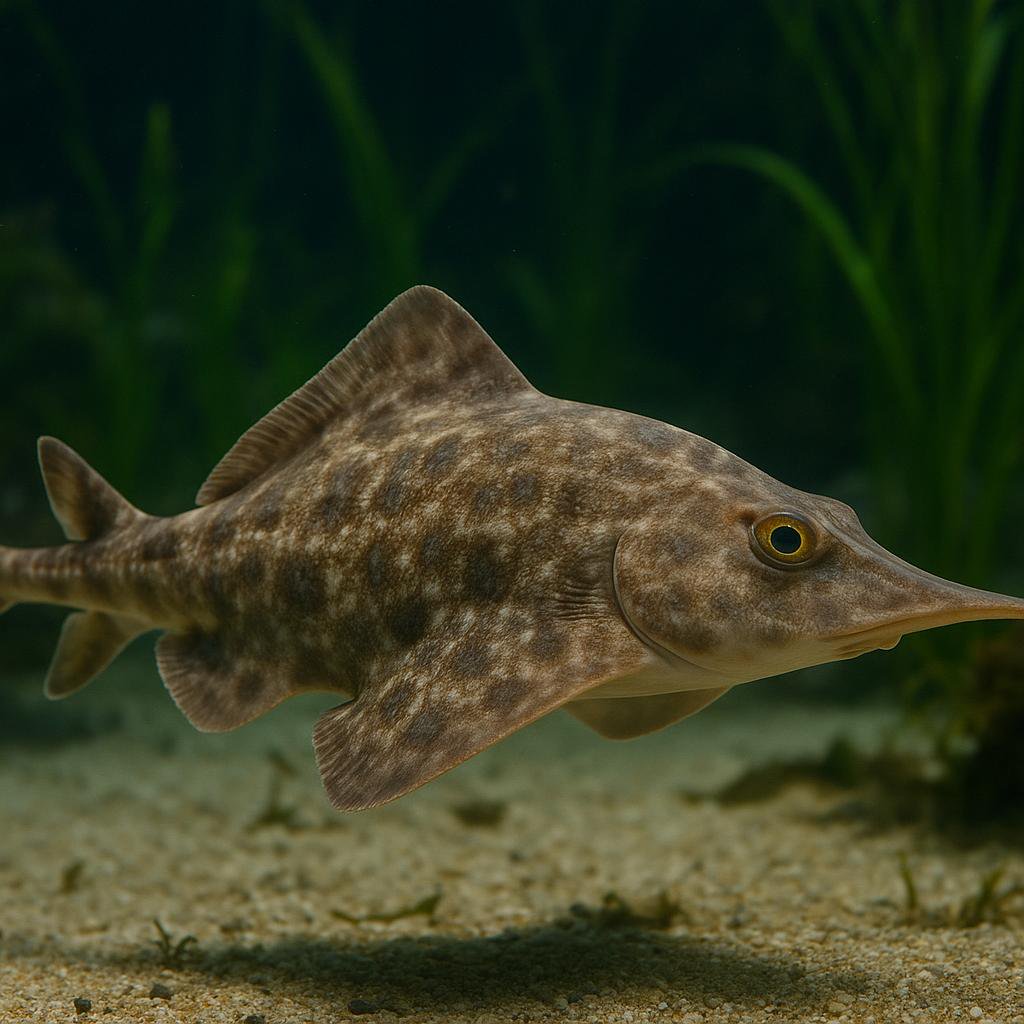
Aleutian skate
Bathyraja aleutica
This is a big, cold-water deep-slope skate from the North Pacific that cruises muddy bottoms and eats chunky benthic prey like crabs and shrimp. The really cool bit is its egg-laying skate life - it does distinct pairing (the classic skate "embrace") and drops those tough egg cases on the seafloor. Not an aquarium fish at all unless you're basically running a public-aquarium-style chilled system.
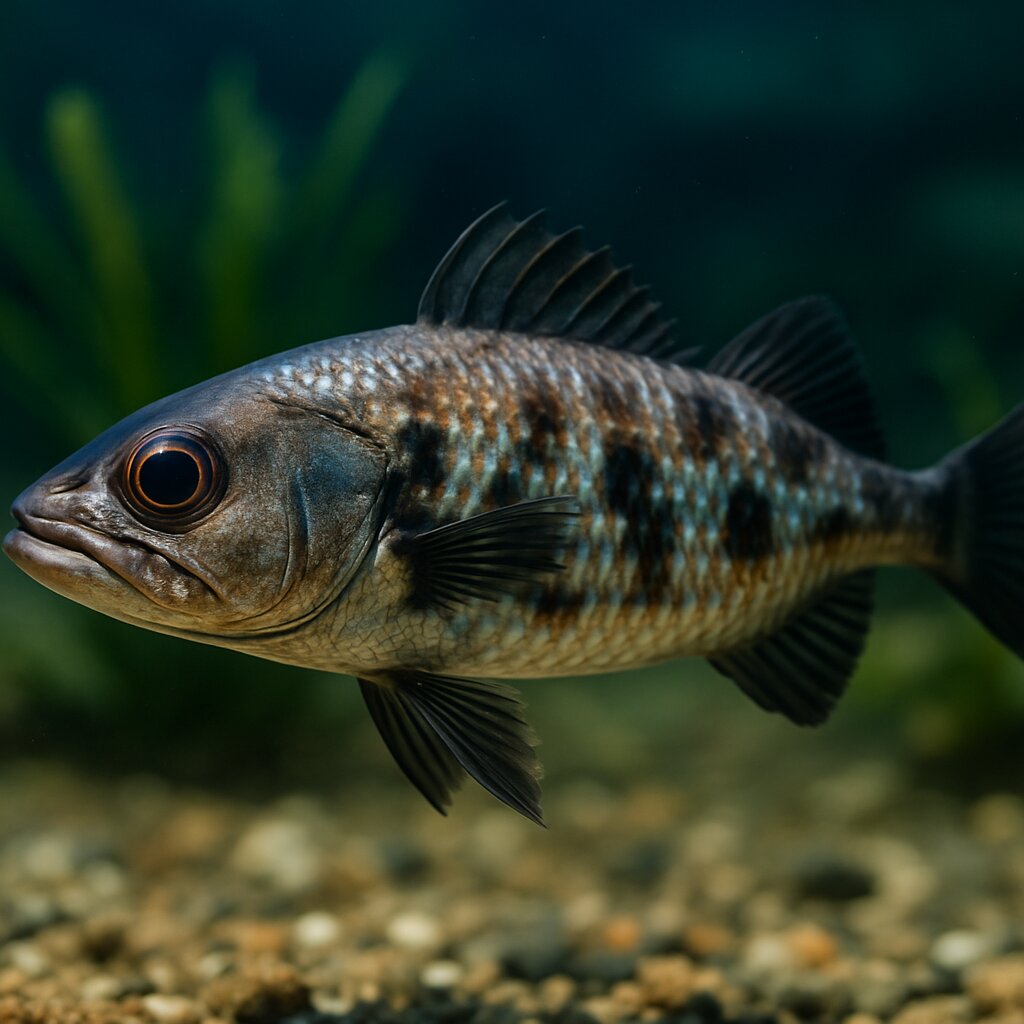
Antarctic dragonfish
Vomeridens infuscipinnis
Deep down around Antarctica, this sleek dragonfish cruises the water column like a little submarine, nearly neutrally buoyant so it can hover above the seafloor. It munches almost exclusively on Antarctic krill and lives in near-freezing water 500-800 m down, so it is a cool species to read about, not one for home tanks.
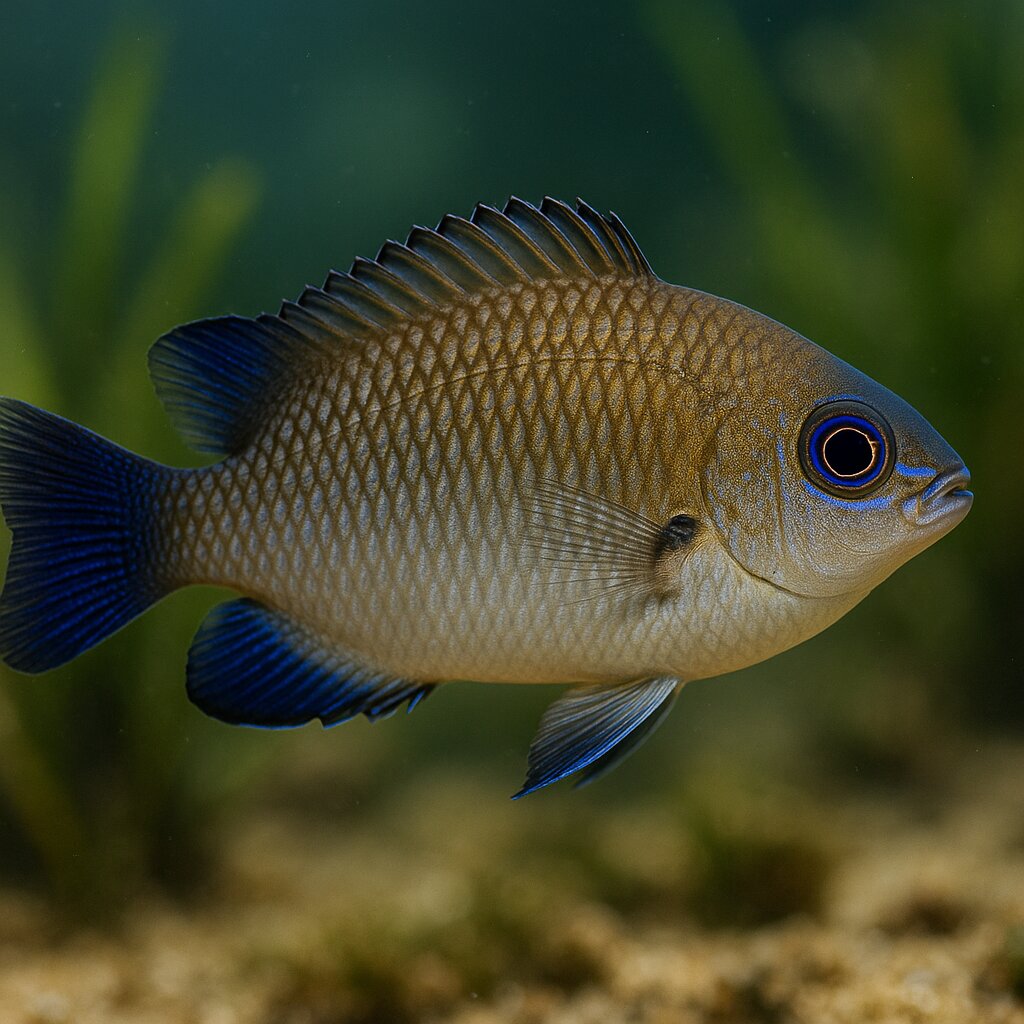
Arabian demoiselle
Neopomacentrus sindensis
A small lyretail damsel from the Persian Gulf and Arabian Sea, it hangs in loose groups around coral heads, rocks, and even pier pilings picking zooplankton from the flow. Think classic damsel toughness with a slightly milder attitude than the real bruisers, plus subtle yellow tail accents. Males clean a patch, get a mate to lay eggs there, and then stand guard fanning the clutch.
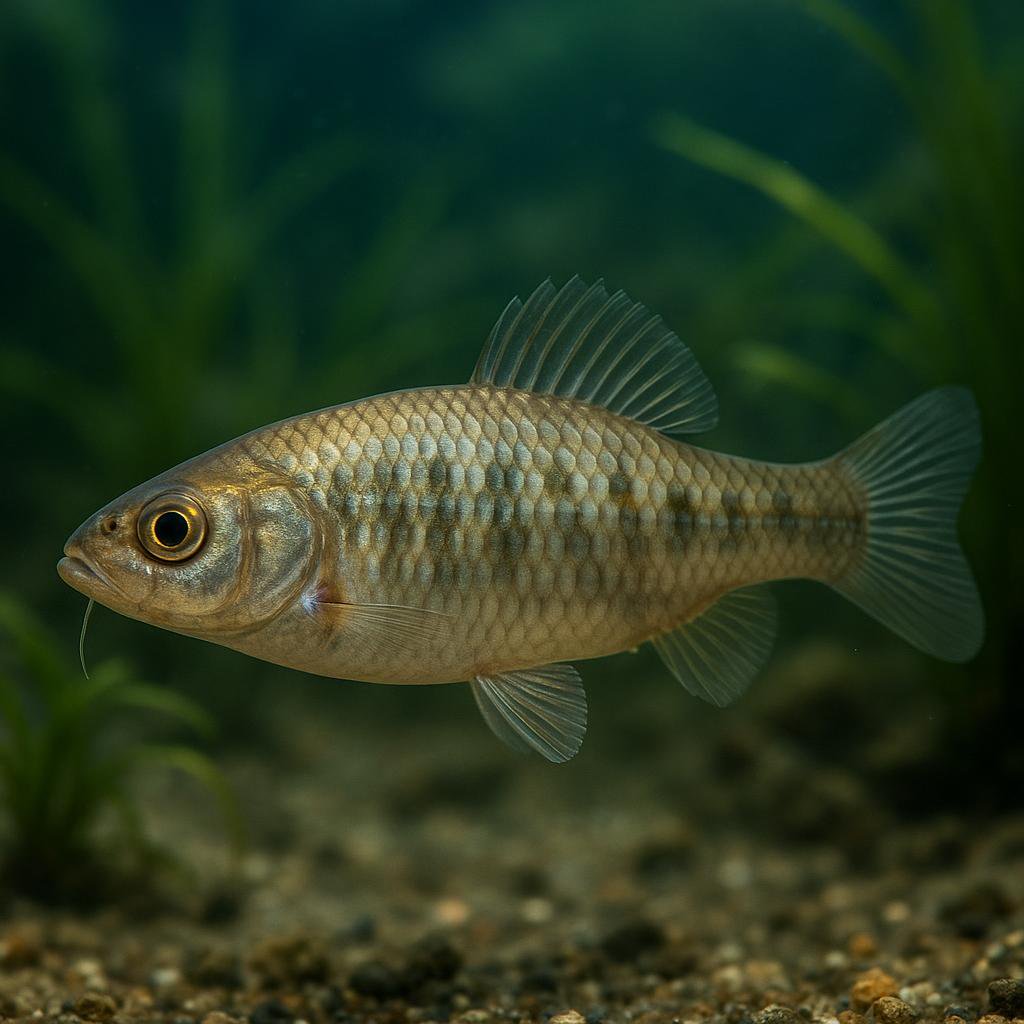
Arabian spiny eel
Notacanthus indicus
Notacanthus indicus is a deep-sea spiny eel (family Notacanthidae; not a true eel) known from the Arabian Sea on the continental slope at roughly ~960–1,046 m depth, with reported maximum length around 20 cm TL; it is a deep-water bycatch species and not established in the aquarium trade.
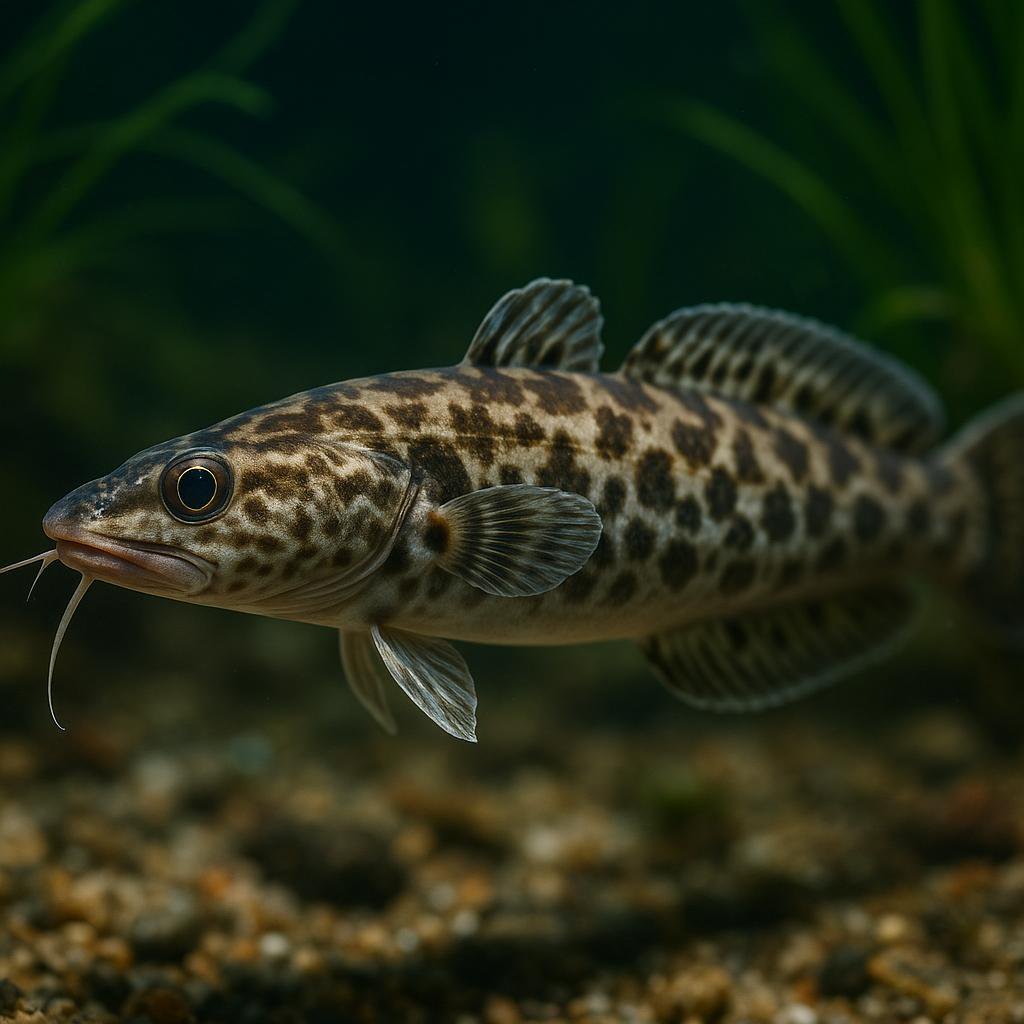
Arctic rockling
Gaidropsarus argentatus
This is a deepwater North Atlantic rockling (a cod relative) that hangs out on soft bottoms way down the slope. It is a cold-water, bottom-hugging predator that snoots around for crustaceans and will also take small fish when it gets the chance.
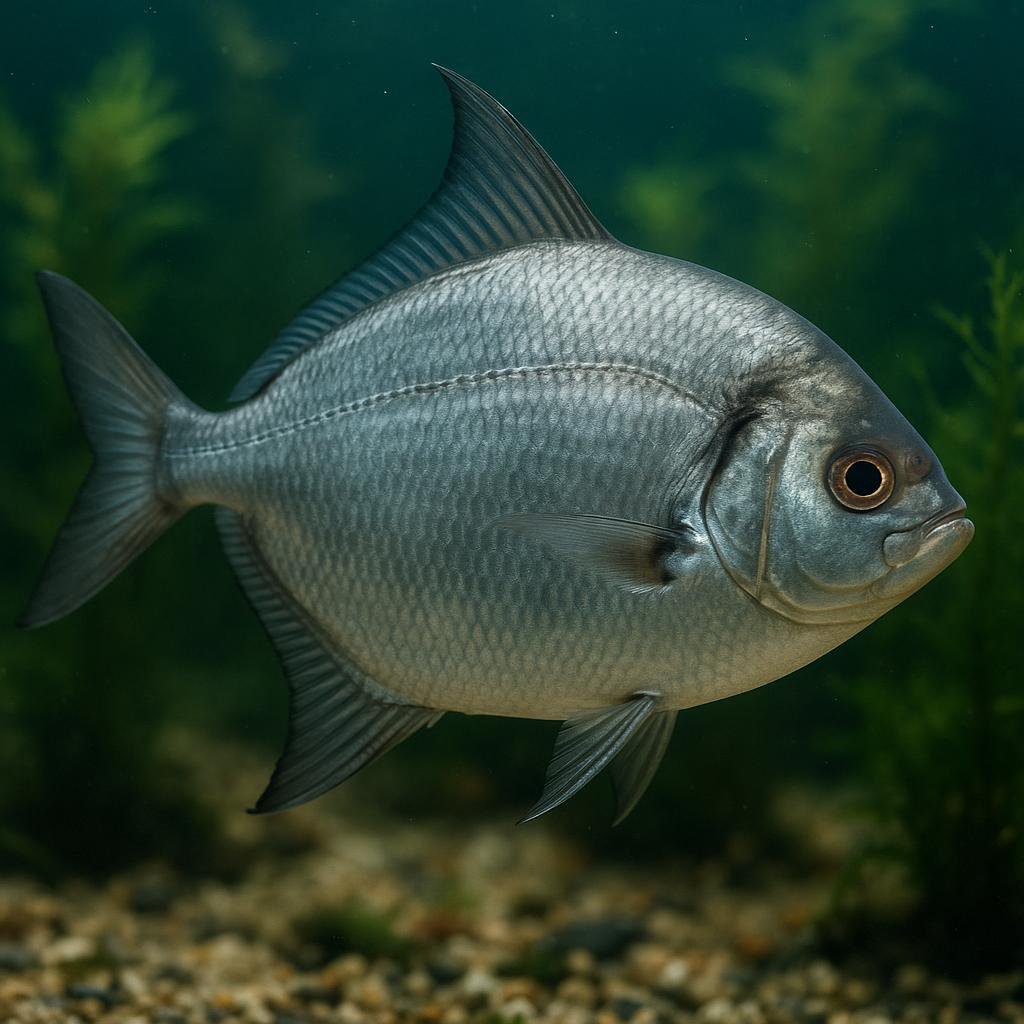
Atlantic pomfret
Brama brama
Brama brama is the Atlantic pomfret (aka Ray's bream) - a deep-bodied, open-ocean pelagic fish that cruises around in small schools and follows water temps. It is a legit big, wild marine species (not an aquarium fish) that eats other small sea critters like fish and squid, and it ranges across a huge chunk of the Atlantic plus parts of the Indian and South Pacific.
More to Explore
Discover more marine species.
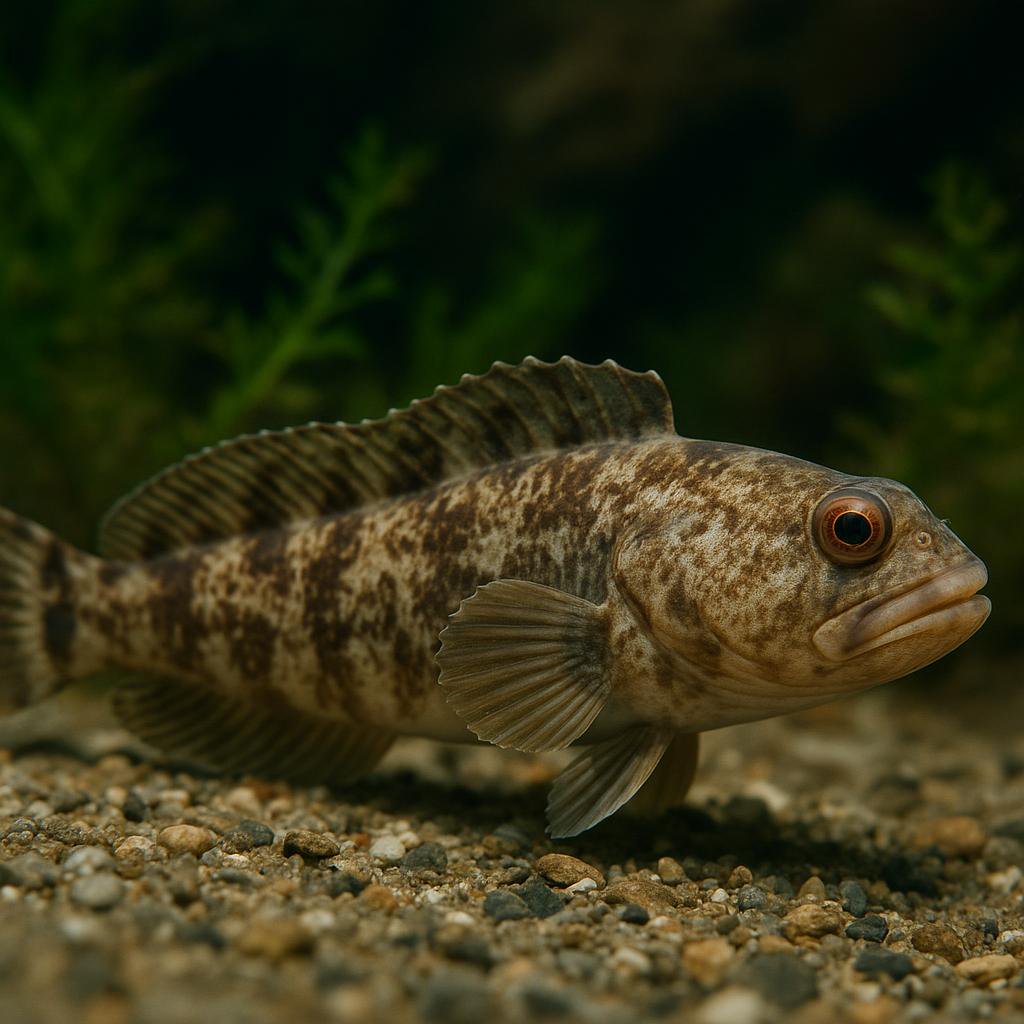
Abe's eelpout
Japonolycodes abei
Japonolycodes abei is a temperate, deepwater demersal eelpout (family Zoarcidae) endemic to Japan (Kumano-nada Sea reported; other sources also report Sagami Bay and Tosa Bay). It is the only species in the genus Japonolycodes and occurs roughly 40-300 m depth, making it an uncommon/atypical aquarium species.
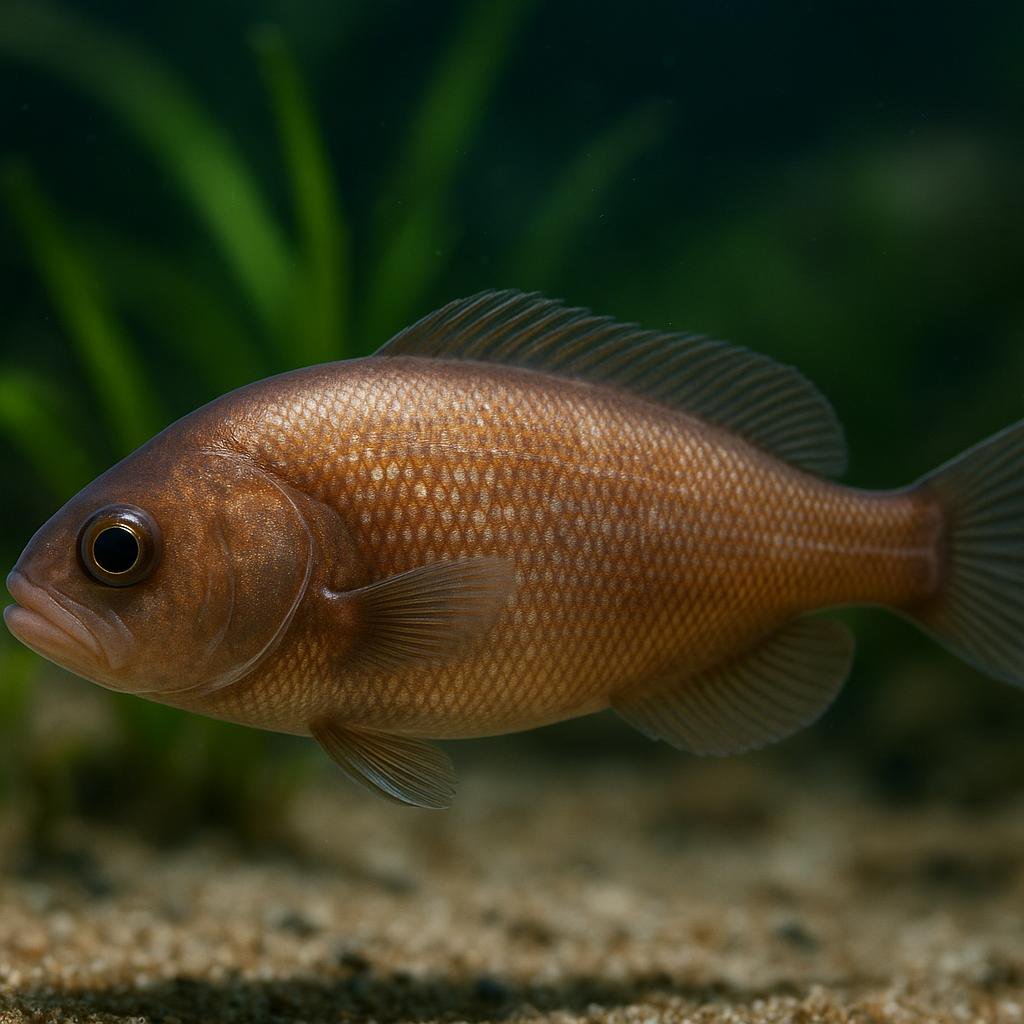
Affinis blind cusk-eel
Barathronus affinis
Barathronus affinis is a tiny, super-weird deep-sea blind cusk-eel from the western-central Indian Ocean. It is one of those gelatinous, loose-skinned brotula-type fishes that live way down in the dark and are basically never seen alive, so almost everything we know comes from preserved specimens and taxonomic work.
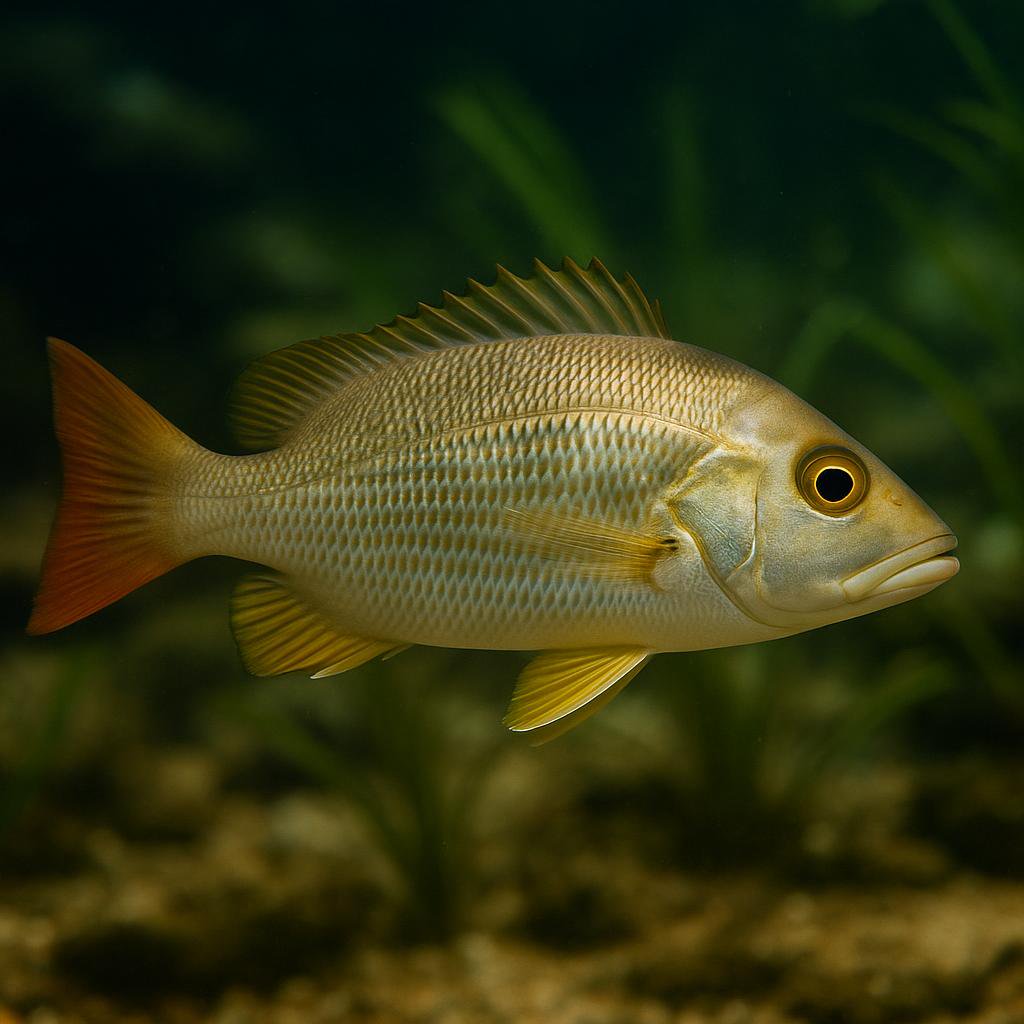
African red snapper
Lutjanus agennes
This is a true snapper from West Africa - a big, fast-growing predator that goes from coastal reefs to brackish lagoons and estuaries (especially as a juvenile). Super cool fish in the wild, but it gets absolutely huge and will eat smaller tankmates once it has the mouth for it, so its really more of a public-aquarium scale animal than a home-aquarium fish.
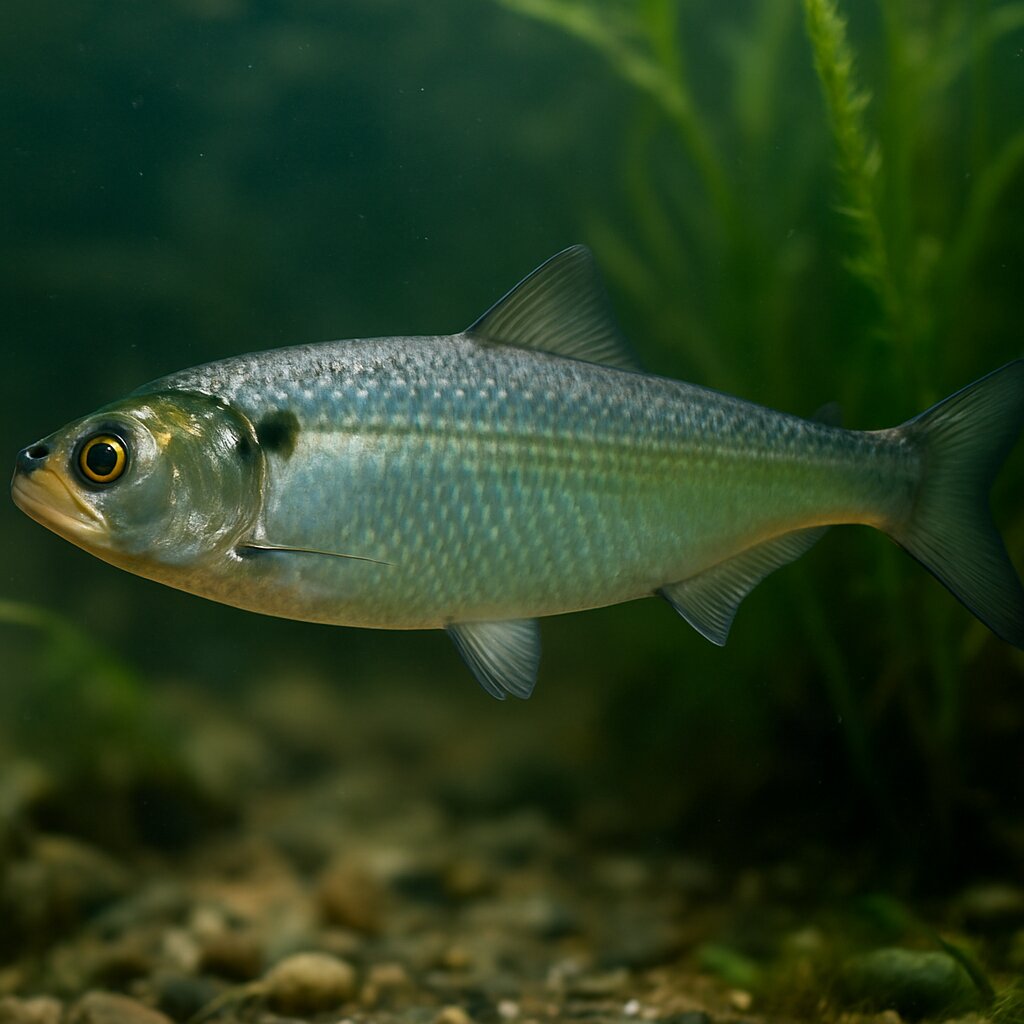
Allis shad
Alosa alosa
Gorgeous silver, fast-swimming shad that spends most of its life in the sea and then surges up big rivers in noisy, surface-spawning schools. It grows huge for a herring-type fish and needs cool, ultra-oxygenated water and tons of open space, so it is a public-aquarium species rather than a home tank fish.
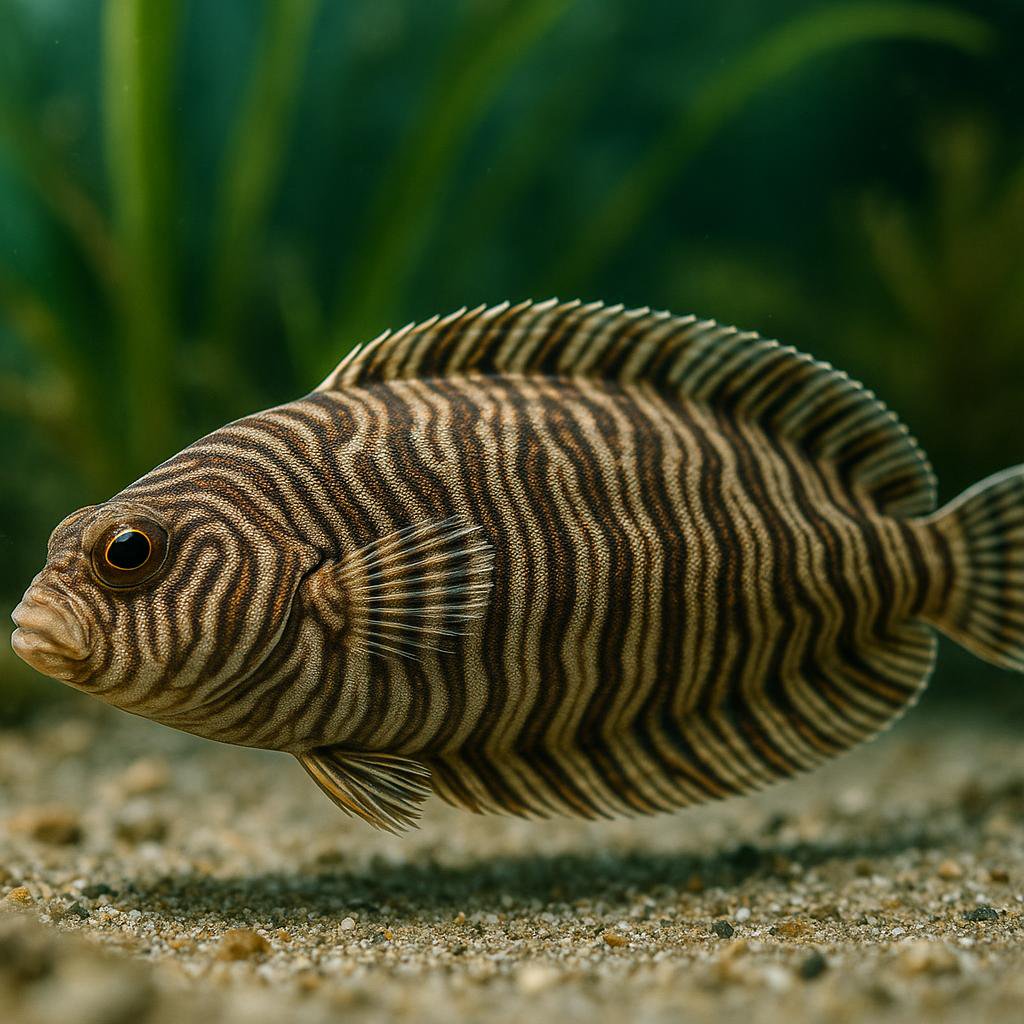
Annandale's zebra sole
Zebrias annandalei
Zebrias annandalei is a small demersal sole from coastal India that inhabits sandy or muddy bottoms and buries for camouflage. It is rarely kept in home aquaria and would require a specialized marine sand-bottom setup and appropriate feeding.
Australian sawtail catshark
Figaro boardmani
Figaro boardmani is a small, deepwater Australian catshark with these cool saw-like ridges of spiny denticles along the tail and a neat pattern of dark saddle bands. It lives way down on the outer continental shelf and slope, so its natural water is cold, dim, and stable - totally not a typical home-aquarium fish. Diet-wise its a predator that goes after fish, crustaceans, and cephalopods.
Looking for other species?