

Deep-sea dragonfish
Bathophilus kingi
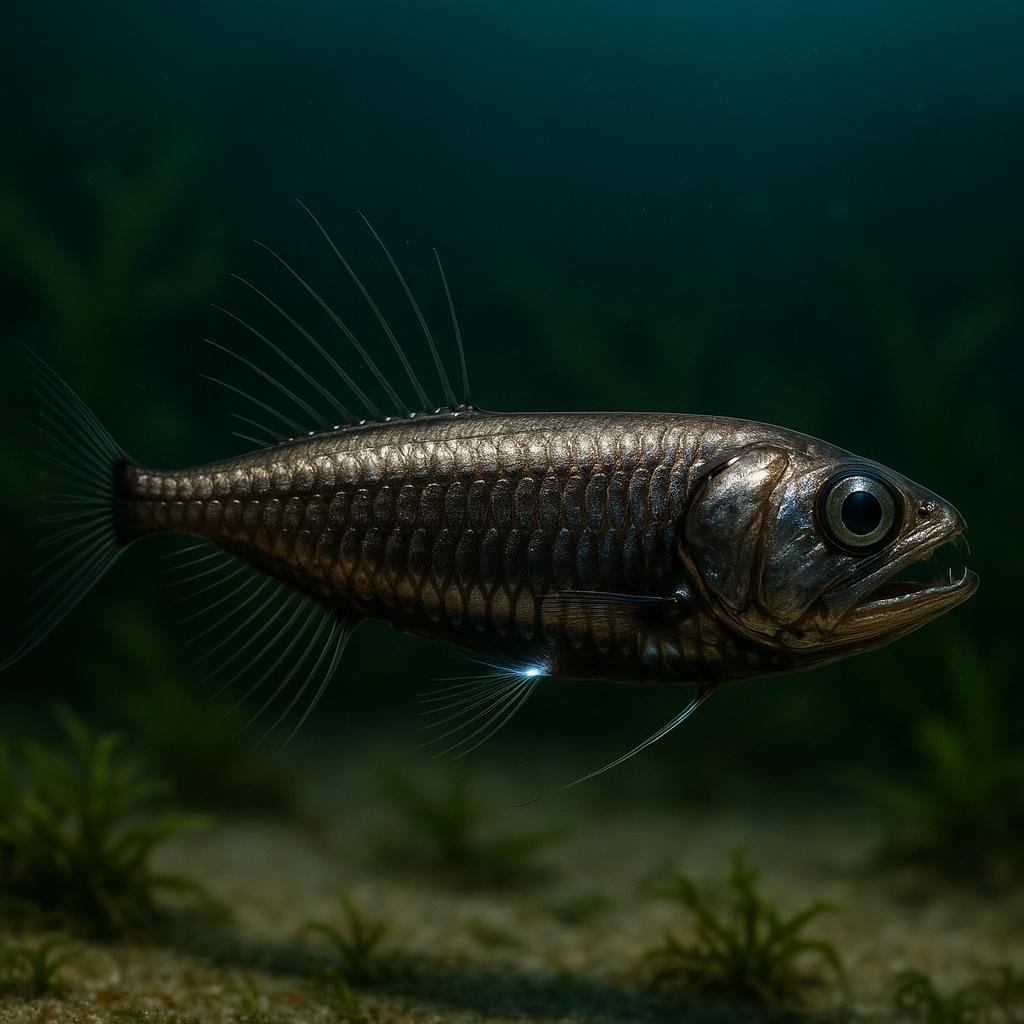
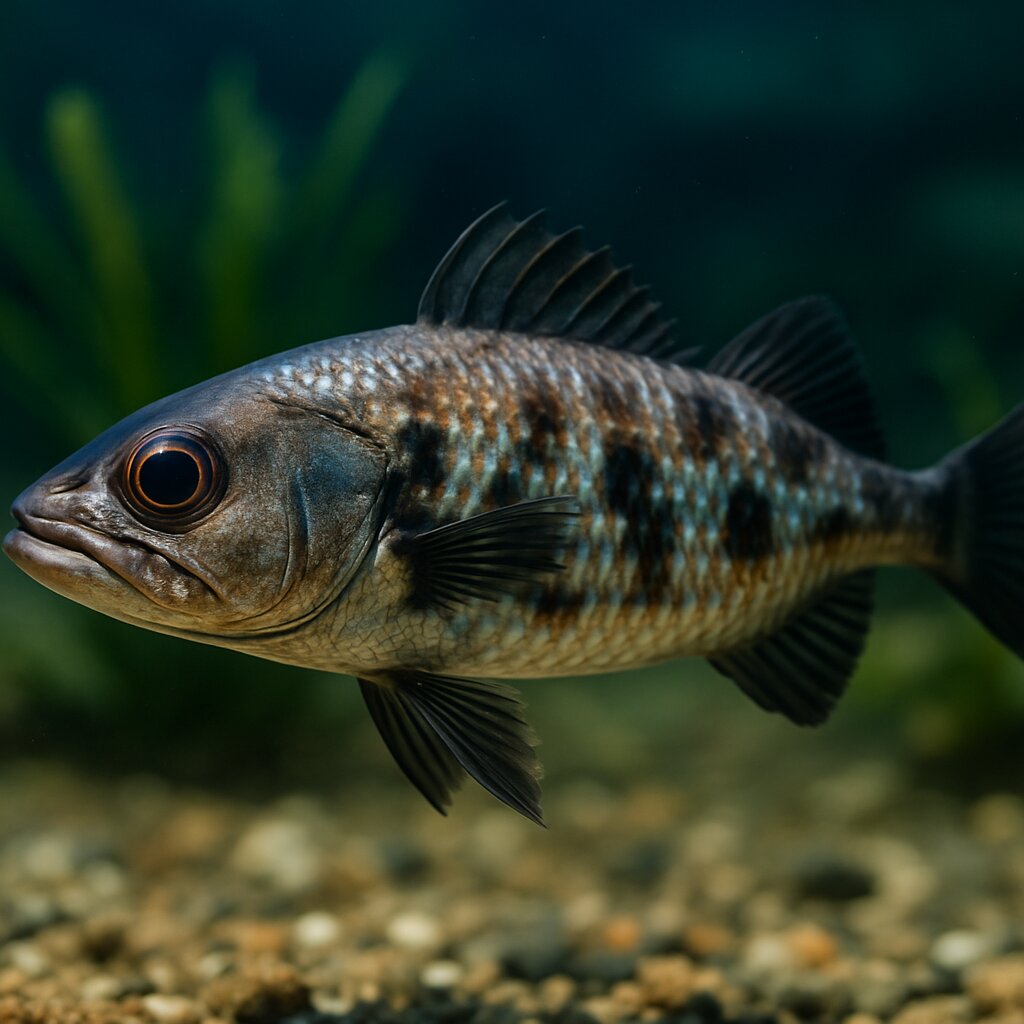
Kingi dragonfish exhibit a dark, deep-sea coloration with bioluminescent photophores along the body and elongated fang-like teeth.
This page includes AI-generated images. Why am I seeing AI images?
About the Deep-sea dragonfish
Bathophilus kingi is a small bathypelagic barbeled dragonfish (family Stomiidae) recorded from the Western Central Pacific (Papua New Guinea) and the Southeast Pacific (Chile). It inhabits deep open water from near the surface to about 1,100 m and is a predatory species. It is not suitable for aquaria; deep‑sea pressure, cold, and darkness are beyond home‑tank conditions and survival typically requires specialized systems used by research/public aquaria.
Quick Facts
Size
10.4 cm
Temperament
Aggressive
Difficulty
Expert
Min Tank Size
0 gallons
Lifespan
unknown
Origin
Western Central Pacific and Southeast Pacific
Diet
Carnivore - deep-water predator on small fishes and invertebrates
Care Notes
- Not suitable for home aquaria. Bathophilus kingi is a deep‑sea (bathypelagic) predator collected from up to ~1,100 m depth; survival typically requires specialized, chilled and often pressurized systems used by research/public aquaria.
Compatibility
Avoid
- Home aquaria (deep‑sea species requiring conditions not achievable in standard tanks; do not attempt to keep).
Where they come from
Kingi dragonfish (Bathophilus kingi) is a deep-sea stomiid - one of those midnight-zone predators with photophores (light organs) built in. They're collected from open ocean waters at serious depth, so the animal you see in captivity is basically a slice of the deep brought up to sea-level. That backstory explains almost every challenge with them: pressure change, light sensitivity, shipping damage, and a lifestyle built around ambush feeding in the dark.
Real talk: long-term success with Bathophilus in a normal home aquarium is rare. The biggest hurdle isn't "water quality" - it's decompression and the injuries/stress that come with capture and transport from deep water.
Setting up their tank
If you try one, think more like a public-aquarium holding system than a reef tank. You want a dim, quiet, chilled, ultra-stable marine setup with a lot of room to drift and zero chaos. Bright lights and busy flow patterns just keep them stressed and bouncing into things.
- Lighting: very low. If you want to watch it, use red/very dim lighting and keep the photoperiod short.
- Flow: gentle, even flow. Avoid strong jets and wavemakers aimed across the tank.
- Aquascape: minimal hard rock. Use smooth structures or PVC caves so it can't shred itself on sharp edges.
- Filtration: oversized mechanical + biological, plus carbon. These fish are messy eaters and you will be feeding meaty foods.
- Cover: tight lid. Not because they jump like a wrasse, but because spooked deepwater fish can rocket upward.
Give it "dark corners". I used blacked-out sides/back and left one small viewing panel. It sounds extreme, but it made a noticeable difference in how often the fish stayed calm and settled.
Temperature is a big deal with deepwater species. Many come in already stressed, and warm water accelerates that downhill slide. If you can't run a reliably chilled marine system, I'd pass.
What to feed them
They are built to inhale prey. In the wild it's fish, shrimp, and whatever drifts into range. In captivity the main battle is getting them to recognize non-living food, and doing it without blasting the tank with excess nutrients.
- Best starters: live or very fresh marine-origin items (ghost shrimp can work short-term, but marine prey is better).
- Transition foods: thawed silversides, smelt, small pieces of marine fish, squid strips, shrimp, krill (sparingly - it can be messy).
- Presentation: feeding tongs or a clear feeding stick, slow movement, no sudden splashing. Offer in low light.
- Portioning: small meals more often beats a huge gorge that fouls the water.
- Clean-up: siphon leftovers right away. These fish tear food and bits drift everywhere.
Scent is your friend. I had the best luck thawing food in a little tank water and "juicing" it with the thaw liquid, then wiggling it gently with tongs. If they miss, don't keep jabbing at them - reset and try again later.
Avoid freshwater feeder fish. Besides the parasite risk, the fatty acid profile is wrong for marine predators over time. If you use live foods at all, keep it temporary and controlled.
How they behave and who they get along with
They're not "community fish" in any normal sense. Most of the time they hover and wait, and then they strike fast. Anything that fits in their mouth is food, and anything that doesn't fit can still get bitten or stressed by the hunting behavior.
- Temperament: predatory, but not a brawler. More ambush than chase.
- Tankmates: best kept alone. If you must, only with very calm, similarly deepwater, non-competitive species (and even then, expect problems).
- Activity: mostly crepuscular/nocturnal in captivity, especially if you keep the light low.
- Handling: don't. Netting and air exposure go badly. Use a specimen container underwater if you ever have to move it.
A stressed dragonfish will often stop feeding first, then start "glass surfing" or spiraling. In my experience that was usually a combo of too much light, too much flow, or physical damage from shipping/capture showing up later.
Breeding tips
Breeding Bathophilus in home aquariums is basically in the realm of deep-sea biology papers, not hobbyist spawns. Even sexing them is not straightforward, and their natural reproduction involves a life at depth with pressures and cues we do not replicate.
If you ever see eggs/larvae (very unlikely), treat it like pelagic marine larvae: separate kreisel-style flow, tiny live foods (rotifers, copepods), and extremely stable, clean water. But I'd go in expecting this to be observational, not a project you can "dial in."
Common problems to watch for
Most losses with kingi dragonfish happen early, and they are usually tied to capture/shipping trauma and stress. Your job is basically to keep everything calm and consistent while the fish either settles in or declines.
- Refusal to eat: very common after import. Try low light, quiet surroundings, and scent-heavy foods. Avoid constant "testing" with food every hour.
- Buoyancy issues: can show up after decompression. Fish may float, sink, or struggle to hold position.
- Mouth/jaw damage: these predators can injure themselves striking glass or hard decor, or arrive with damage from capture.
- Rapid wasting: even if they eat, some never recover from the metabolic hit of collection and transport.
- Secondary infections: torn fins, skin abrasions, and mouth injuries can turn into bacterial problems fast in warm or dirty water.
If you see persistent buoyancy problems or repeated surface floating right after arrival, that's often not something you can "fix" with hobby techniques. Keep the lights low, reduce stress, and avoid chasing the fish around trying to intervene.
Keep a simple log for the first month: temp, salinity, feeding attempts, what it actually swallowed, and any odd swimming. With a fish this touchy, patterns matter, and you'll catch small issues before they snowball.
Similar Species
Other marine aggressive species you might be interested in.
African red snapper
Lutjanus agennes
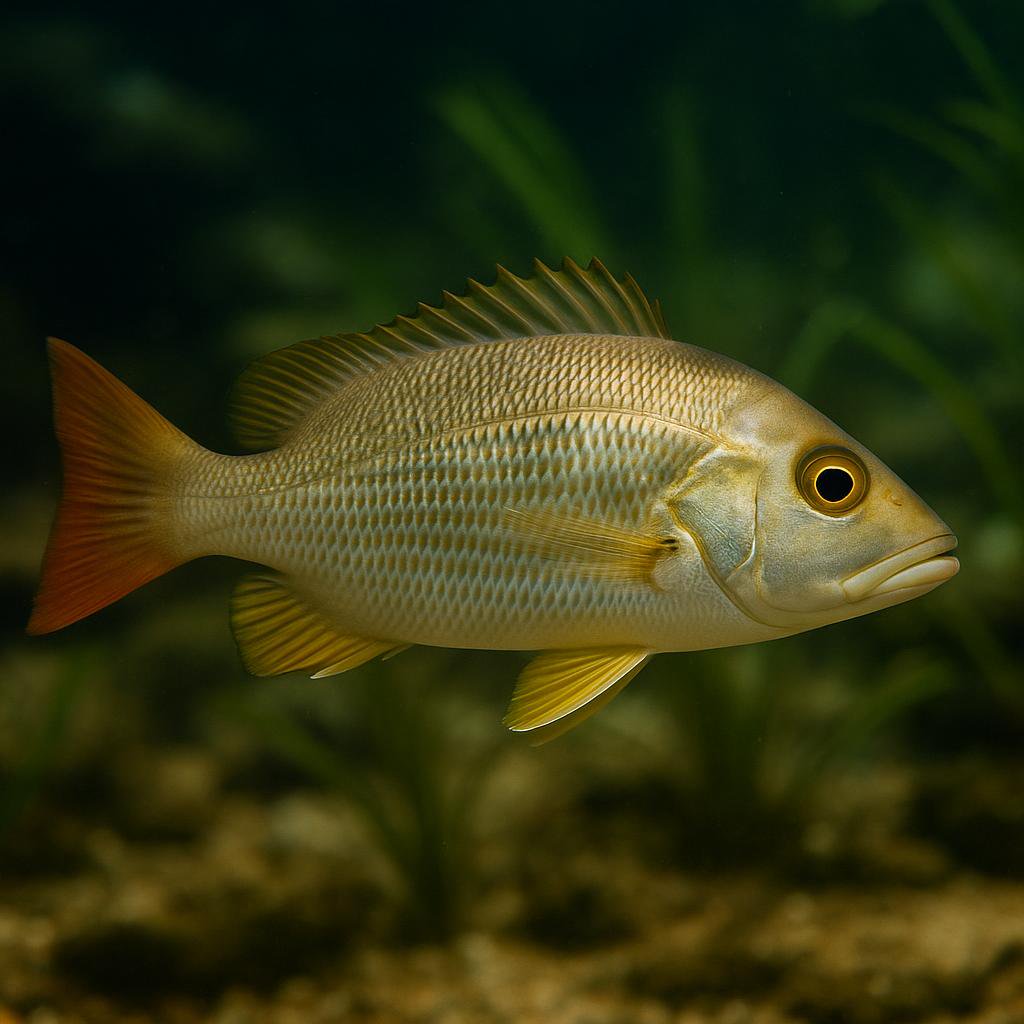
This is a true snapper from West Africa - a big, fast-growing predator that goes from coastal reefs to brackish lagoons and estuaries (especially as a juvenile). Super cool fish in the wild, but it gets absolutely huge and will eat smaller tankmates once it has the mouth for it, so its really more of a public-aquarium scale animal than a home-aquarium fish.
Banded stargazer
Kathetostoma binigrasella
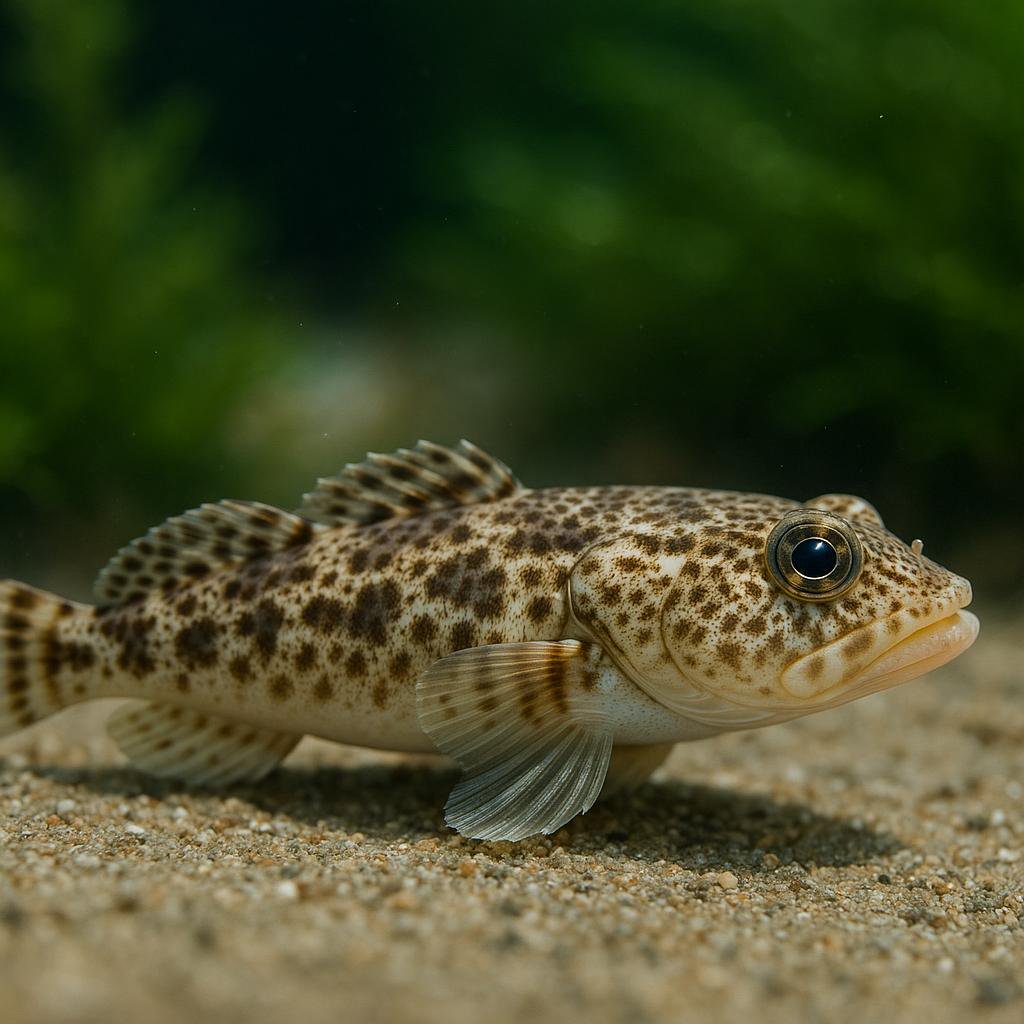
This is a New Zealand stargazer that lives half-buried in sand or mud with its eyes pointed up, waiting to rocket upward and nail passing prey. It has those neat dark saddle-bands across the back (especially as a juvenile), and like other stargazers it is venomous with spines near the gill cover/pectoral area - definitely a look-dont-touch fish.
Bandfin scorpionfish
Scorpaenopsis vittapinna
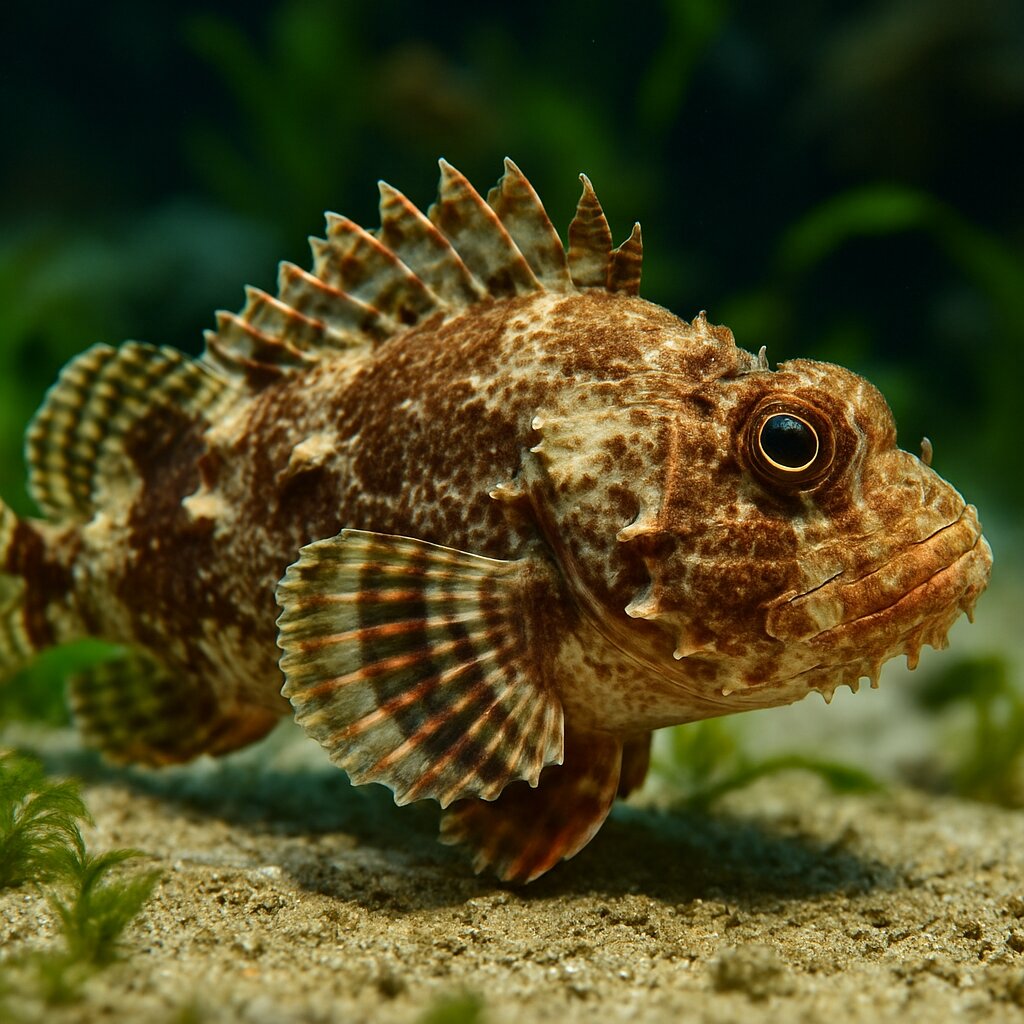
Think tiny ambush predator that vanishes into rubble and coral bits, then flashes a dark band on its pelvic and anal fins when it shifts. It tops out around 3 inches, packs venomous spines, and loves to gulp unsuspecting shrimp and small fish. Super cool to watch once it settles, but it absolutely demands careful handling and smart tankmate choices.
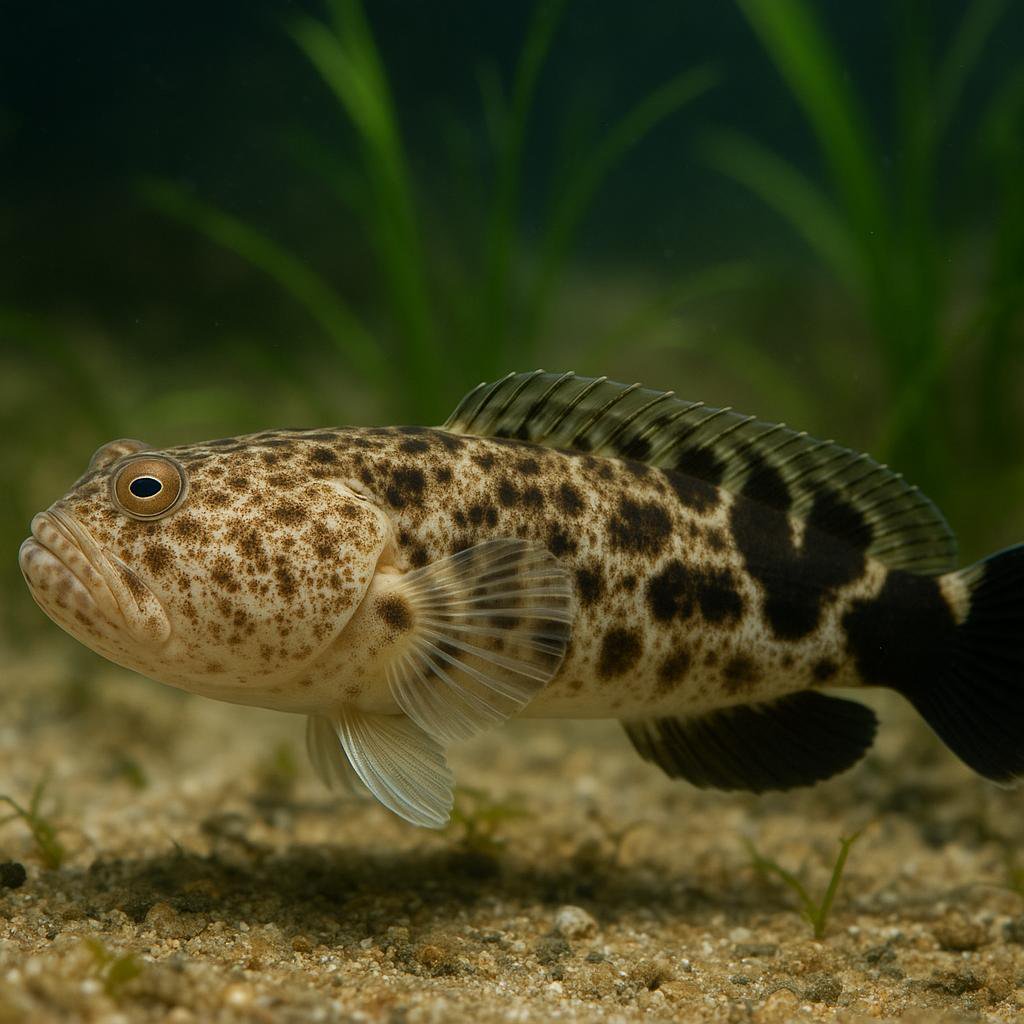
Blackfin stargazer
Ichthyscopus nigripinnis
This is a little sand-sitting stargazer from Australia that likes to lie in wait with its eyes up top and nail passing prey. That black mark on the front part of the dorsal fin is basically its signature. Cool fish, but its more of a wild marine predator than something you set up in a typical home aquarium.
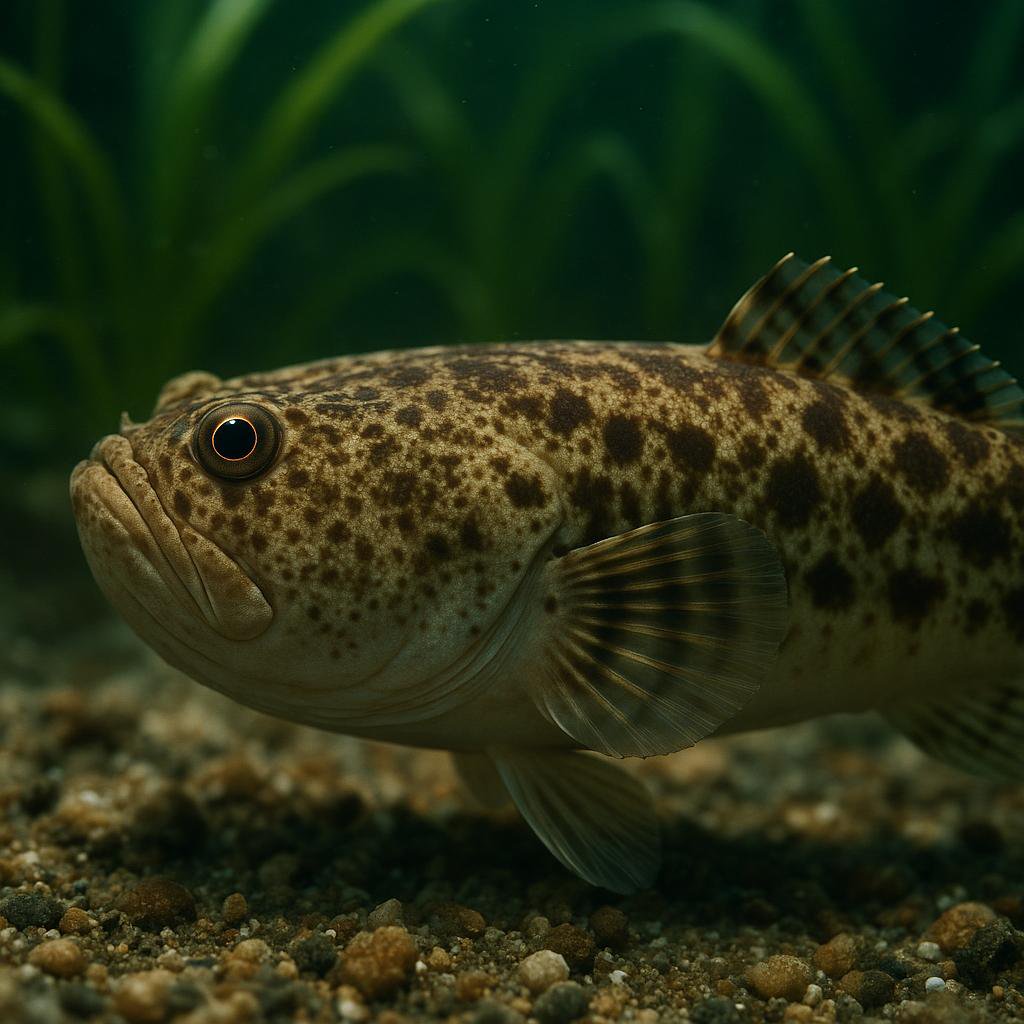
Brownspotted stargazer
Uranoscopus fuscomaculatus
A deep demersal stargazer recorded at 366–389 m that lies buried in sand or mud to ambush prey. Distribution is Southwestern Pacific (Vanuatu and Fiji). Given its deep, cold habitat and specialized requirements, it is not a practical aquarium species.
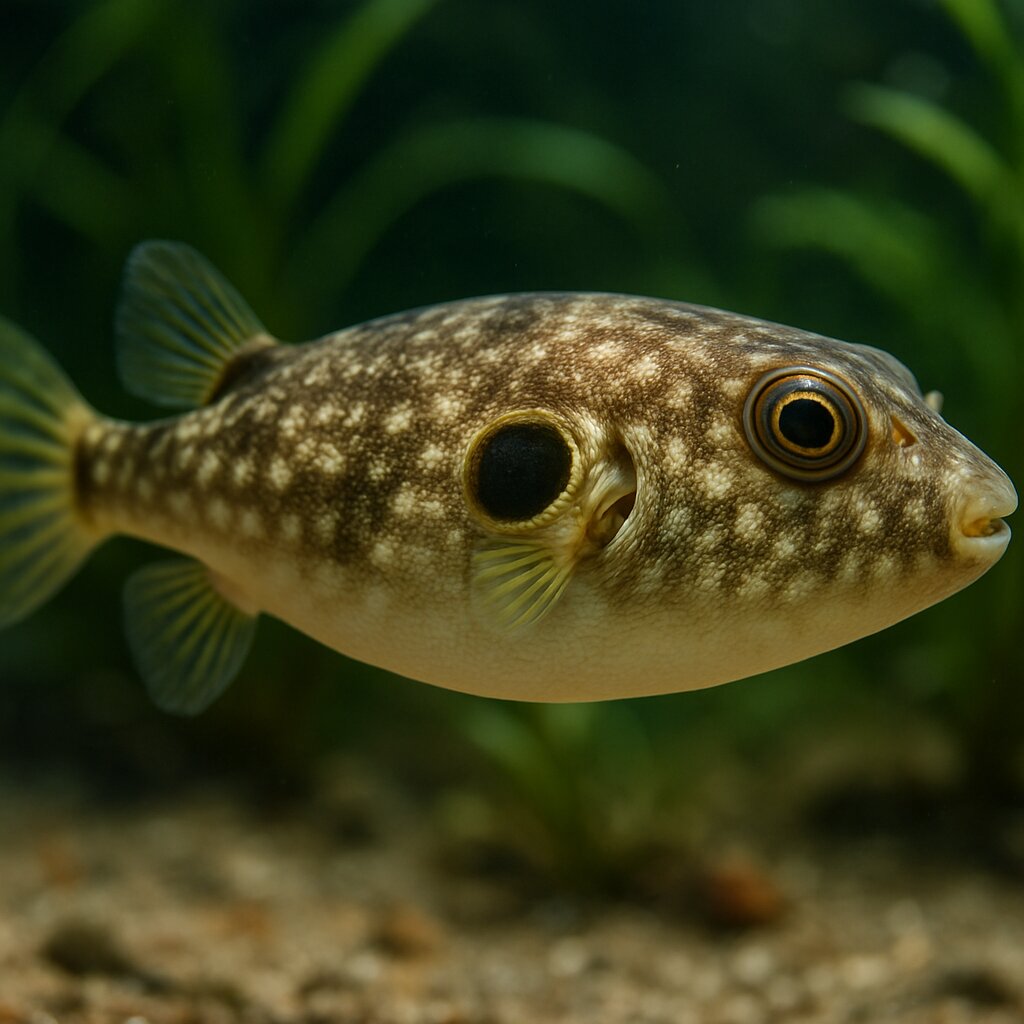
Bullseye puffer
Sphoeroides annulatus
Big personality in a football-shaped body with pale rings along the back that make a bullseye pattern. This is a stout Eastern Pacific puffer that crunches snails and crabs with ease and needs true saltwater and lots of room. Super cool to watch, but it turns nippy with tankmates and grows into a serious, messy eater.
More to Explore
Discover more marine species.
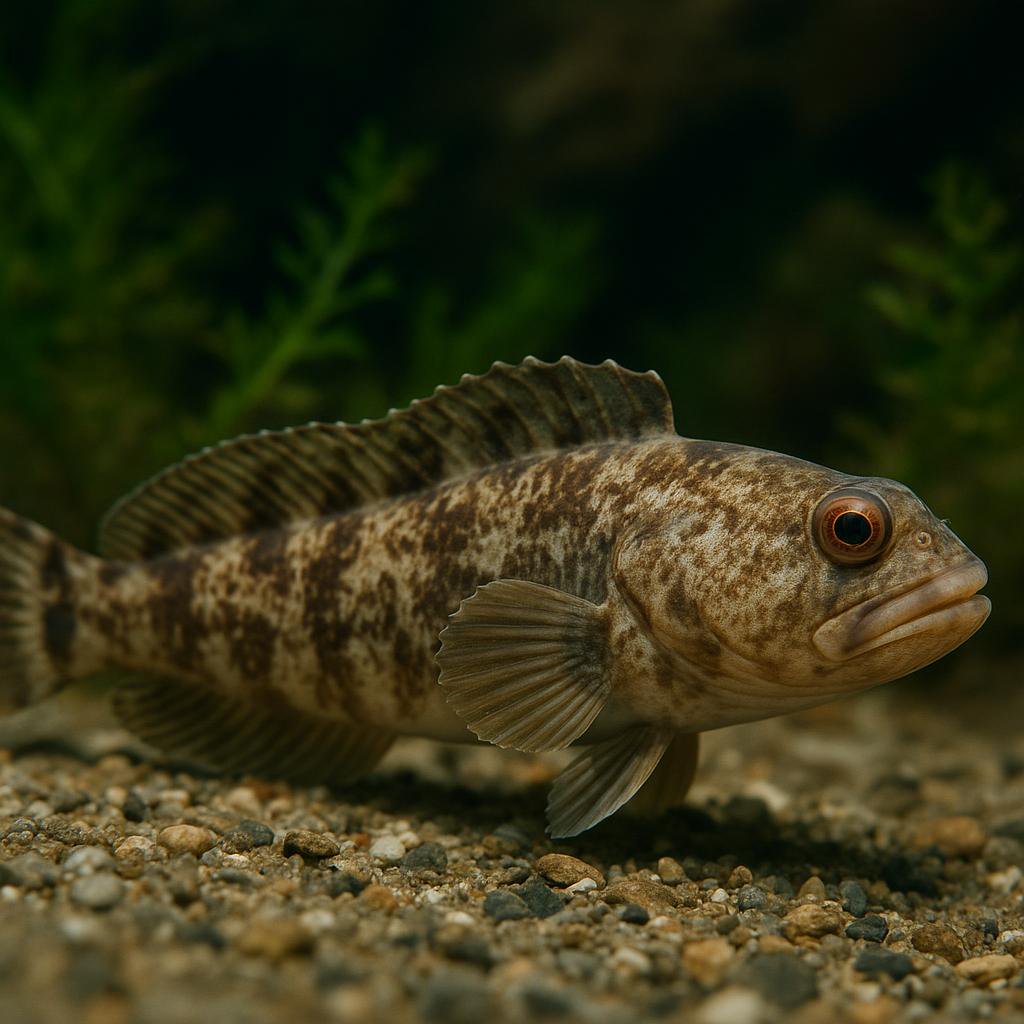
Abe's eelpout
Japonolycodes abei
Japonolycodes abei is a temperate, deepwater demersal eelpout (family Zoarcidae) endemic to Japan (Kumano-nada Sea reported; other sources also report Sagami Bay and Tosa Bay). It is the only species in the genus Japonolycodes and occurs roughly 40-300 m depth, making it an uncommon/atypical aquarium species.
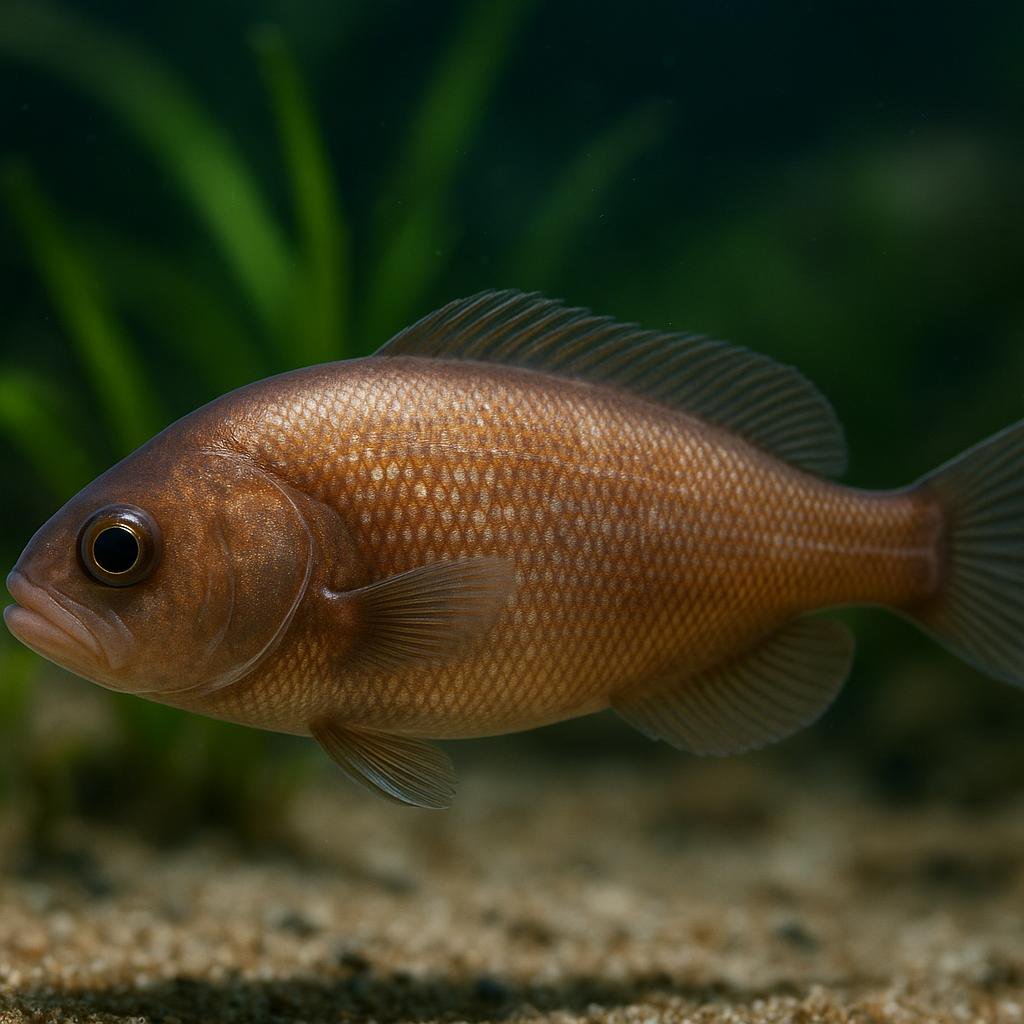
Affinis blind cusk-eel
Barathronus affinis
Barathronus affinis is a tiny, super-weird deep-sea blind cusk-eel from the western-central Indian Ocean. It is one of those gelatinous, loose-skinned brotula-type fishes that live way down in the dark and are basically never seen alive, so almost everything we know comes from preserved specimens and taxonomic work.
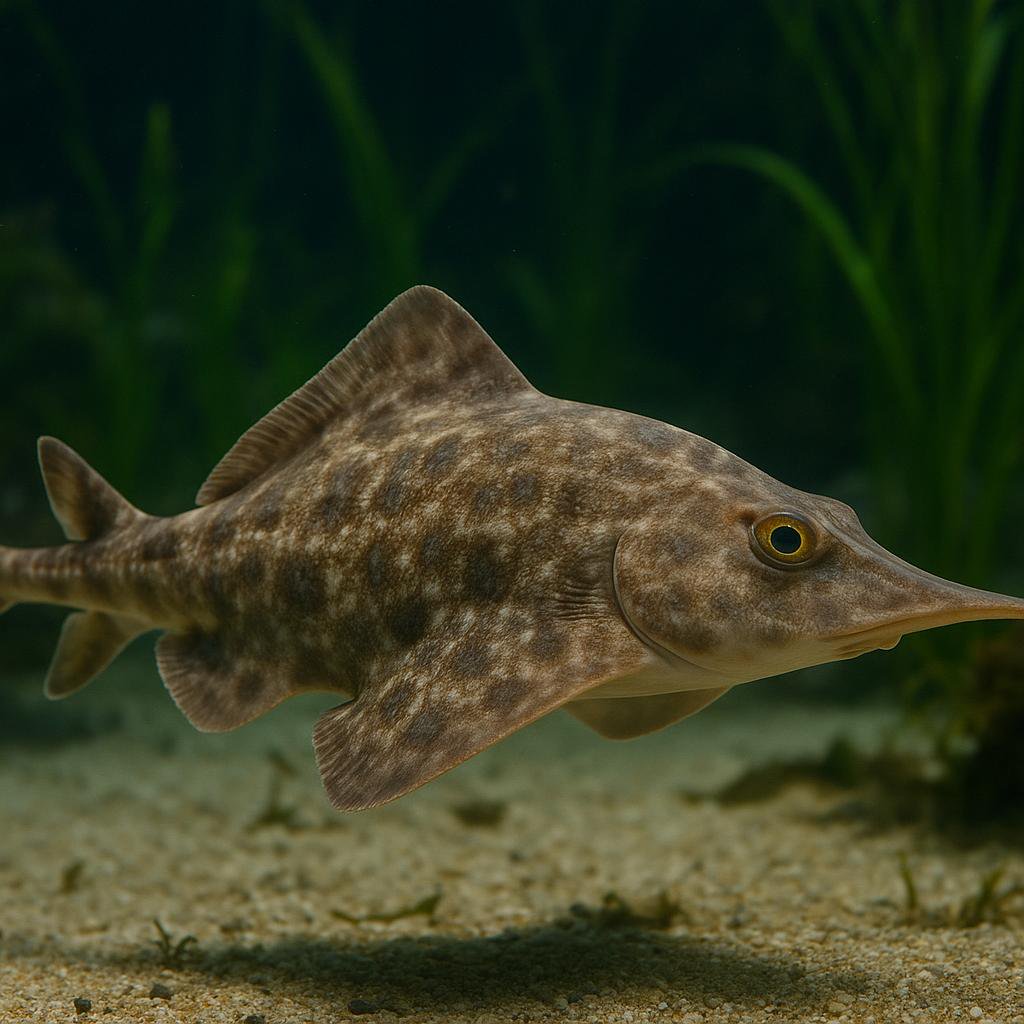
Aleutian skate
Bathyraja aleutica
This is a big, cold-water deep-slope skate from the North Pacific that cruises muddy bottoms and eats chunky benthic prey like crabs and shrimp. The really cool bit is its egg-laying skate life - it does distinct pairing (the classic skate "embrace") and drops those tough egg cases on the seafloor. Not an aquarium fish at all unless you're basically running a public-aquarium-style chilled system.
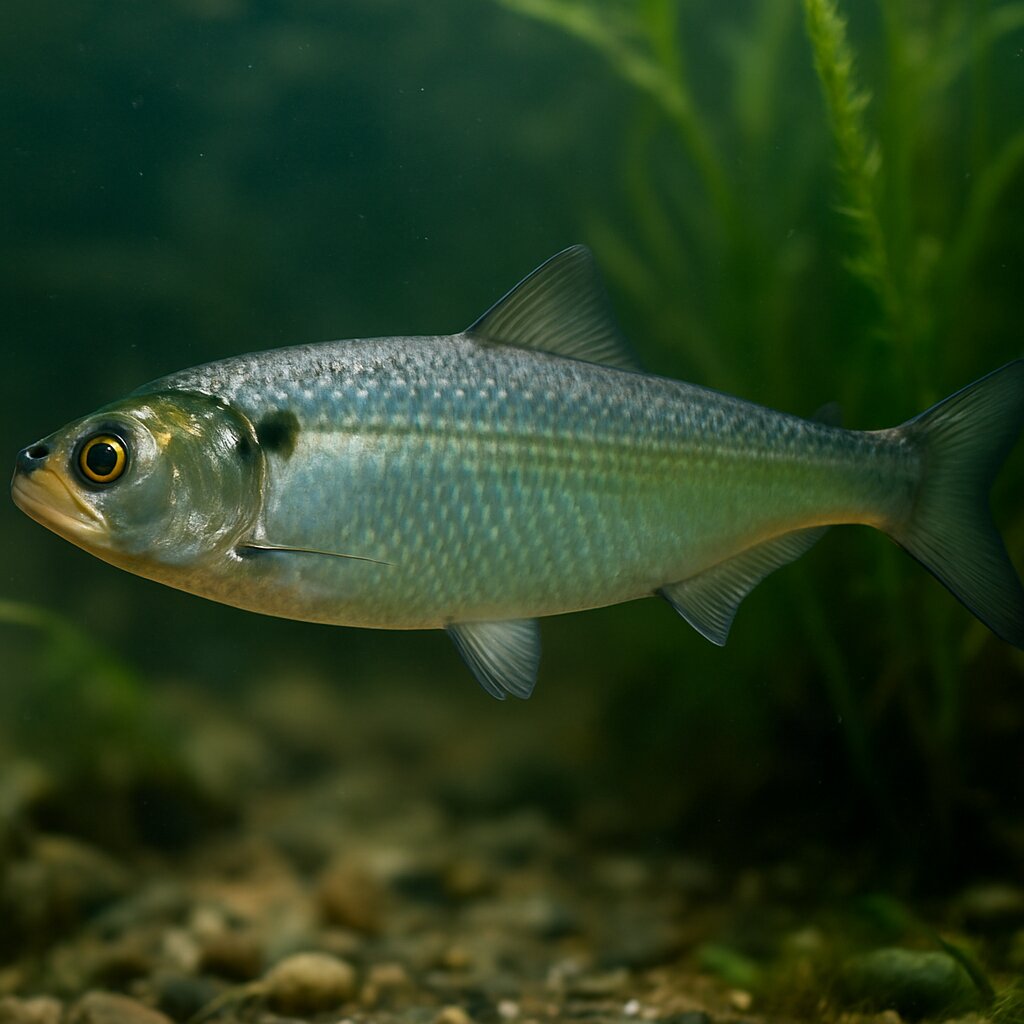
Allis shad
Alosa alosa
Gorgeous silver, fast-swimming shad that spends most of its life in the sea and then surges up big rivers in noisy, surface-spawning schools. It grows huge for a herring-type fish and needs cool, ultra-oxygenated water and tons of open space, so it is a public-aquarium species rather than a home tank fish.
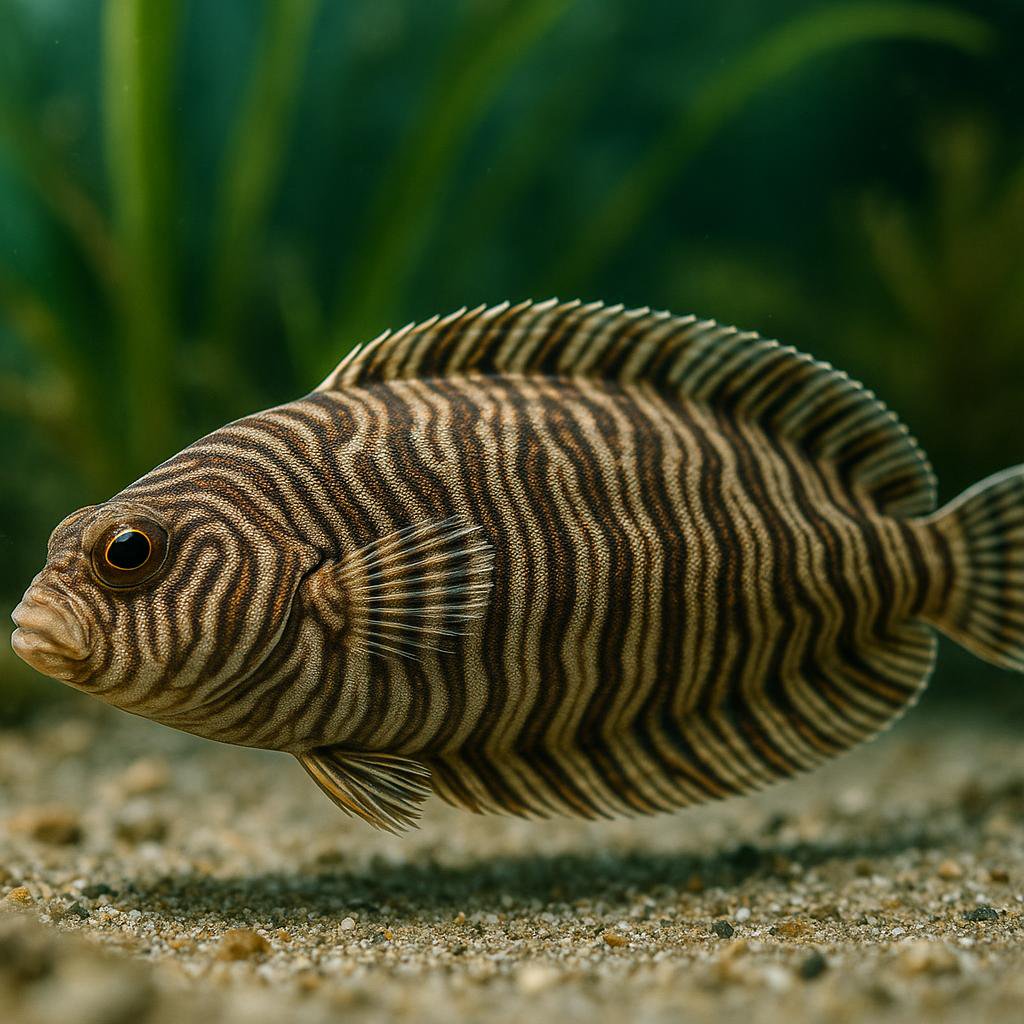
Annandale's zebra sole
Zebrias annandalei
Zebrias annandalei is a small demersal sole from coastal India that inhabits sandy or muddy bottoms and buries for camouflage. It is rarely kept in home aquaria and would require a specialized marine sand-bottom setup and appropriate feeding.
Antarctic dragonfish
Vomeridens infuscipinnis
Deep down around Antarctica, this sleek dragonfish cruises the water column like a little submarine, nearly neutrally buoyant so it can hover above the seafloor. It munches almost exclusively on Antarctic krill and lives in near-freezing water 500-800 m down, so it is a cool species to read about, not one for home tanks.
Looking for other species?