

Longnose conger
Bathycongrus wallacei
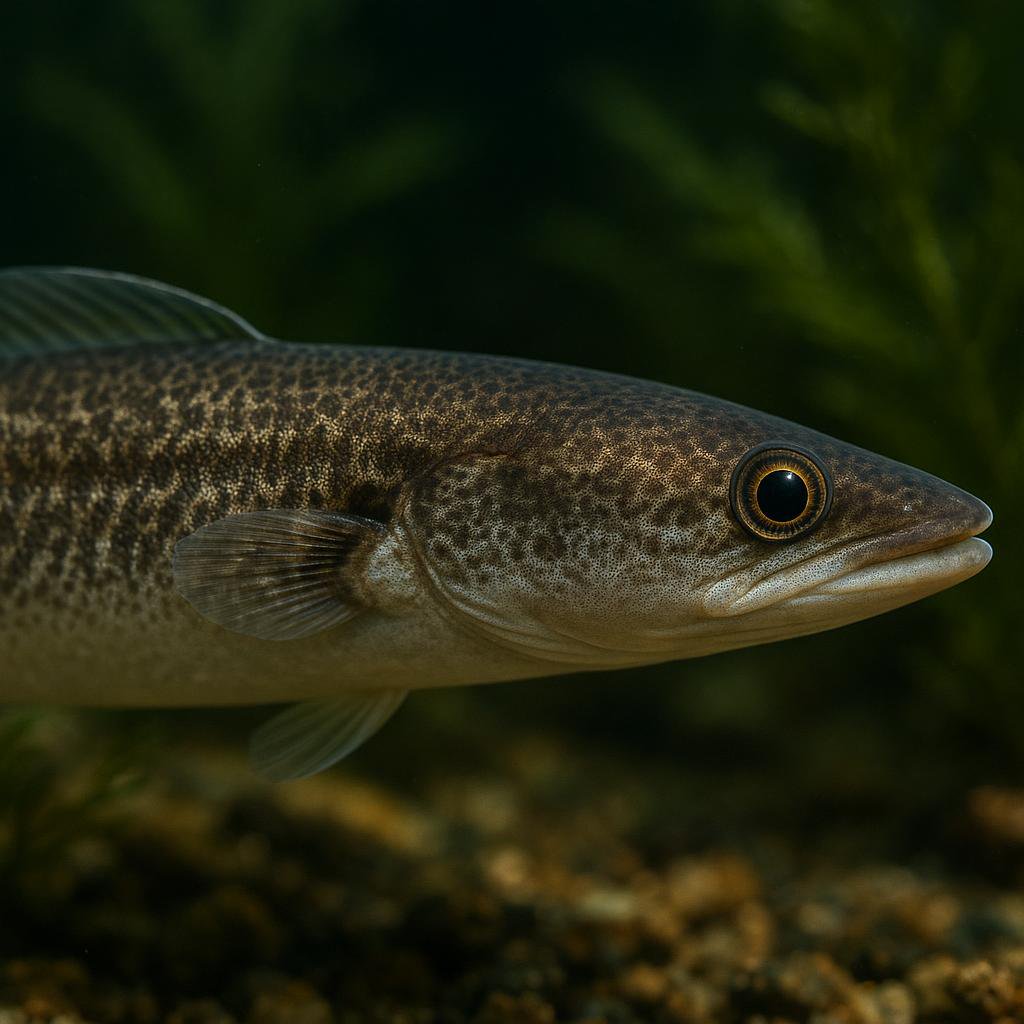
The Longnose conger has an elongated body with a pointed snout and features a pale grey to brown coloration, often with darker mottling.
This page includes AI-generated images. Why am I seeing AI images?
About the Longnose conger
This is a marine, deepwater (bathydemersal) conger eel reported from roughly 250-500 m depth in the Indo-West Pacific (including the southwestern Indian Ocean and Japan/Taiwan). It is a pale greyish eel shading paler below, with dorsal/anal fins that become increasingly blackish posteriorly and a black caudal fin; maximum reported total length is about 55 cm.
Quick Facts
Size
55 cm
Temperament
Semi-aggressive
Difficulty
Expert
Min Tank Size
300 gallons
Lifespan
10-20 years
Origin
Indo-West Pacific
Diet
Carnivore - meaty marine foods (fish, crustaceans), likely a bottom-hunting predator/scavenger
Water Parameters
4-12°C
7.8-8.4
8-12 dGH
Need a heater for this species?
This species needs 4-12°C in a 300 gallon tank. Use our heater calculator to find the right wattage.
Calculate heater sizeCare Notes
- This species is a deepwater conger (reported from ~250-500 m) and is not a standard aquarium animal; specific care needs for this species are not well documented in aquarium literature.
- Build a burrow-friendly layout: deep sand (or fine rubble) plus big PVC pipes/rock caves it can fully disappear into, and keep the rockwork locked down so it cannot undermine it.
- Feed meaty marine foods after lights-out: chunks of shrimp, squid, clam, and fish flesh on tongs; start small and steady, and do not let it learn that your fingers mean food.
- Do not trust it with small fish, shrimp, or crabs - if it fits in the mouth, it is dinner; pick tankmates that are too big to swallow and not nippy.
- Avoid fin-nippers and aggressive pickers (triggerfish, large wrasses, some puffers) because they will harass the eel and you will end up with torn skin and infections.
- Watch for scrape wounds around the head and snout from wedging into rock, and treat early; pristine water and a stress-free hideout beat meds most of the time.
Compatibility
Avoid
- Small fish that can fit in the conger's mouth - gobies, firefish, small blennies, young cardinals, tiny chromis - these tend to turn into midnight snacks once the eel settles in
- Slow, fancy-finned or snoozy fish like lionfish, leafy scorpionfish, and longfin varieties - not because the conger hates them, but because feeding time gets sketchy and accidental bites happen
- Hyper-aggressive cave owners like big dottybacks or mean triggers - they will try to claim the same rockwork and keep the eel stressed and hiding (or start a real fight)
- Crustaceans you care about - cleaner shrimp, peppermint shrimp, small crabs - congers are hunters and if it can be grabbed, it usually will be eventually
Where they come from
Longnose congers (Bathycongrus wallacei) are the kind of eel you usually see mentioned in deep-reef and slope collections, not in everyday hobby talk. They are marine, secretive, and built for poking their face out of a hole while the rest of the body stays buried or wedged into rock.
That background matters because they do not behave like a "swimming eel". Think ambush predator that wants a secure den, low drama, and predictable food.
Setting up their tank
This is an expert fish for one main reason: keeping them is less about fancy numbers and more about preventing the two classic eel disasters - escape and starvation. If you can lock down the tank and get it eating reliably, you are most of the way there.
Treat every gap like an exit. Any opening a finger can fit into is an opening an eel will test at 2 a.m. Lid, cable cutouts, overflow teeth, plumbing holes - block them all.
Go bigger than you think, not because they "need to swim", but because stable water and room for multiple den options makes everything easier. I would not bother below a 180 gallon for an adult-sized conger-type eel, and bigger is nicer if you want tankmates.
- Rockwork: build it like a cave system, not a tower. Wide base, lots of contact points, nothing that can topple if an eel wedges under it.
- Dens: PVC elbows or lengths of 2-3 inch PVC hidden in the rock are gold. Give at least two choices so it can relocate if spooked.
- Substrate: fine sand helps if it likes to dig. Avoid sharp crushed coral that can scrape the belly.
- Flow: moderate, with calmer pockets near the dens. Blasting the cave entrances tends to keep them stressed and reclusive.
- Filtration: heavy. They are messy carnivores and you will feel it in your nitrates fast.
Put your rock on the glass or on eggcrate, then add sand around it. If the eel digs under a rock that is sitting on sand, you can get a rockslide.
Aim for normal reef salinity and temperature and focus on stability. These guys do not appreciate big swings, and once an eel goes off food it can be a pain to turn around.
What to feed them
They are predators. In my experience, the first month is about getting a consistent feeding response and making sure food actually reaches the eel instead of the cleanup crew.
- Best staples: chunks of marine fish (not freshwater feeders), shrimp, squid, clam, scallop, and other meaty marine foods.
- Good variety: rotate foods so you are not just feeding one thing forever.
- Avoid as a main diet: silversides every time (fatty and can foul water), and anything from unknown bait sources that reeks or looks off.
Use feeding tongs and present the food right at the den entrance. Once they learn the routine, they will usually poke out and grab. If you just toss food in, crabs, shrimp, and bold fish often steal it and the eel slowly loses weight.
Do not hand feed. Their strike is fast and they do not have great "aim" in the moment. Use long tongs and keep your fingers out of the zone.
Feeding frequency depends on size. Smaller individuals can eat smaller portions 2-3 times a week. Bigger eels do fine with a couple solid meals weekly. Watch body shape: you want a thick, muscular look behind the head, not a pinched neck or visible backbone.
How they behave and who they get along with
Expect a lot of "eel being an eel": hiding most of the day, head out at dusk, and a strong feeding response once it recognizes you. They are not typically out cruising like a snowflake eel.
Tankmates are where people get burned. Anything that fits in the mouth is on the menu eventually, and anything that harasses the eel can keep it from feeding.
- Safer tankmates: larger, confident fish that will not pick at it and are too big to be eaten (think bigger tangs, large angels, some triggers with caution).
- Risky: small fish, shrimp, crabs, and "cute" bottom dwellers. If you like your clean-up crew, you probably will not for long.
- Avoid: aggressive fin nippers and fish that wedge into the same holes (they turn dens into a constant fight).
If you want to see the eel more, keep lighting a bit gentler and give it a den that faces the front glass. They will often adopt the cave that feels safest, not the one you think looks best.
Breeding tips
Realistically, breeding Bathycongrus wallacei in home aquariums is not a thing right now. Conger-type eels have complex life cycles with pelagic larvae, and we do not have a reliable hobby playbook for conditioning and raising them.
If you keep more than one, do it because you have a huge system and a plan, not because you expect a pair. Multiple eels often end up with territory issues unless the tank is enormous with lots of separate dens.
Common problems to watch for
- Escapes: the number one killer. Secure lids and block every gap, including overflows and back chambers.
- Not eating after arrival: common with shy eels. Reduce traffic around the tank, dim the lights, and offer food at dusk with tongs.
- Internal damage from rockwork: unstable rocks can crush or scrape them. Build rockwork like you are eel-proofing for digging and wedging.
- Poor water quality from heavy feeding: big carnivore meals can spike nutrients fast. Oversize the skimmer, run carbon, and do consistent water changes.
- Mouth and snout injuries: happens when they hit the lid or scrape against sharp rock. Smooth the den entrances and remove abrasive rubble.
- Parasites and shipping stress: observe for rapid breathing, excess mucus, flashing, and refusal to feed. Quarantine is tough with escape artists, but a dedicated, covered QT with PVC hides is worth it.
If it is not eating, try smaller, smellier pieces (fresh clam or shrimp usually gets a reaction) and feed after lights out with just a room light on. Once it takes a few tong-fed meals, it usually settles into a routine.
Copper and eels can be a tricky combo. If you ever have to medicate, research the specific product and be conservative. I prefer working with a fish vet or experienced marine-only source for a plan rather than guessing.
Similar Species
Other marine semi-aggressive species you might be interested in.
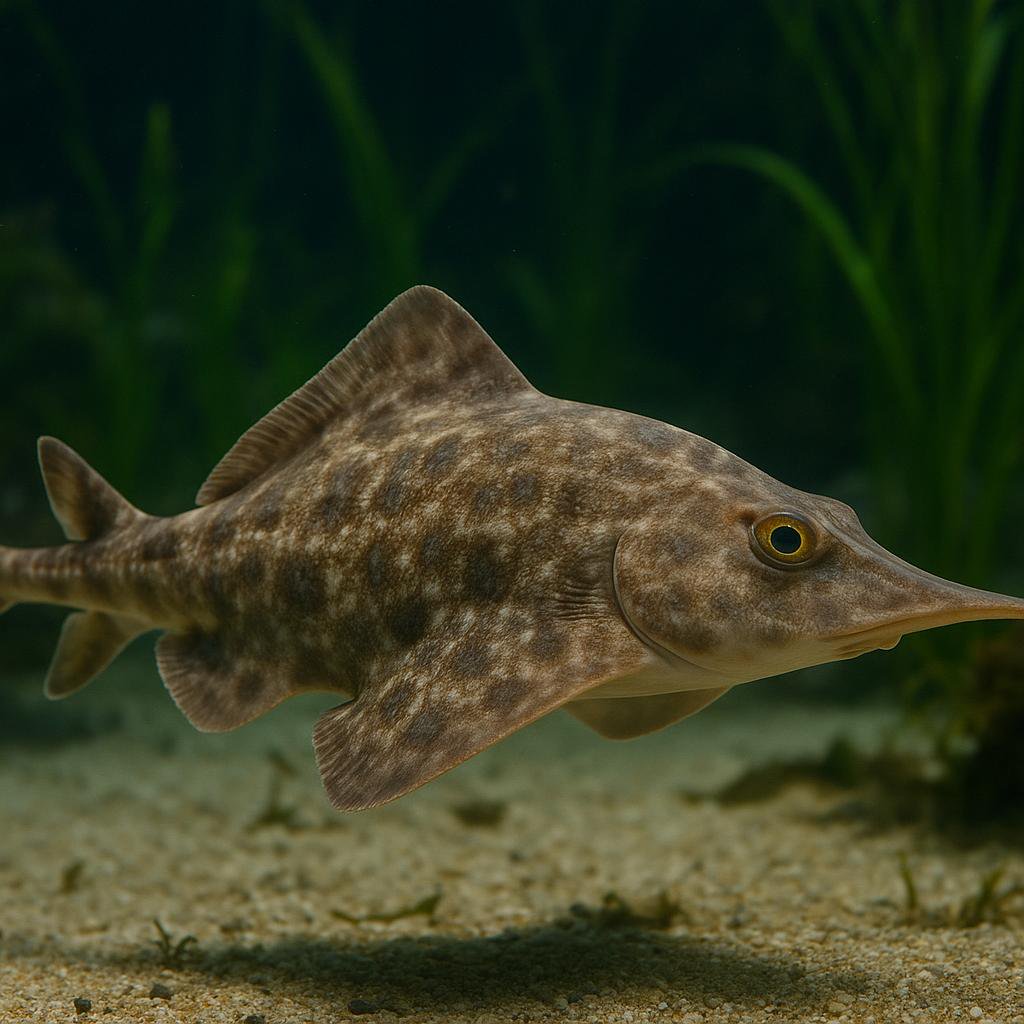
Aleutian skate
Bathyraja aleutica
This is a big, cold-water deep-slope skate from the North Pacific that cruises muddy bottoms and eats chunky benthic prey like crabs and shrimp. The really cool bit is its egg-laying skate life - it does distinct pairing (the classic skate "embrace") and drops those tough egg cases on the seafloor. Not an aquarium fish at all unless you're basically running a public-aquarium-style chilled system.
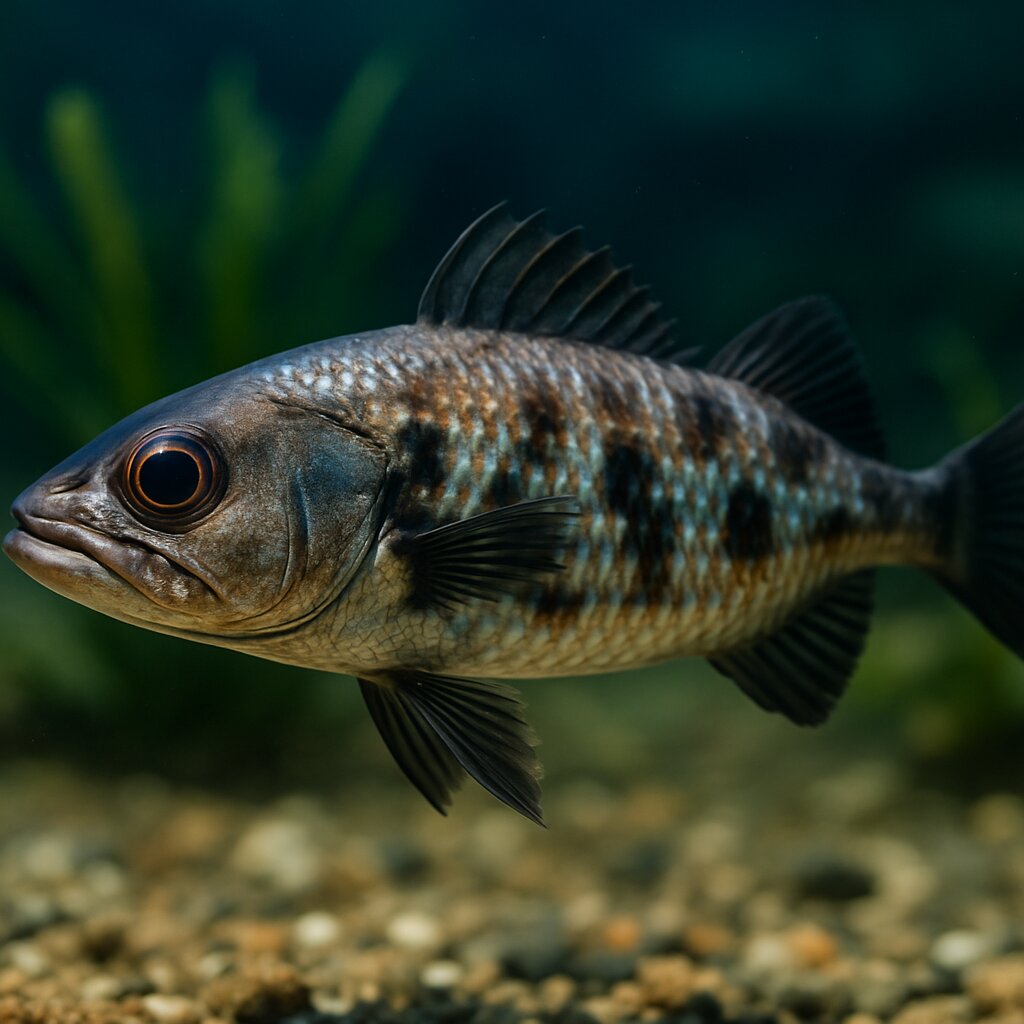
Antarctic dragonfish
Vomeridens infuscipinnis
Deep down around Antarctica, this sleek dragonfish cruises the water column like a little submarine, nearly neutrally buoyant so it can hover above the seafloor. It munches almost exclusively on Antarctic krill and lives in near-freezing water 500-800 m down, so it is a cool species to read about, not one for home tanks.
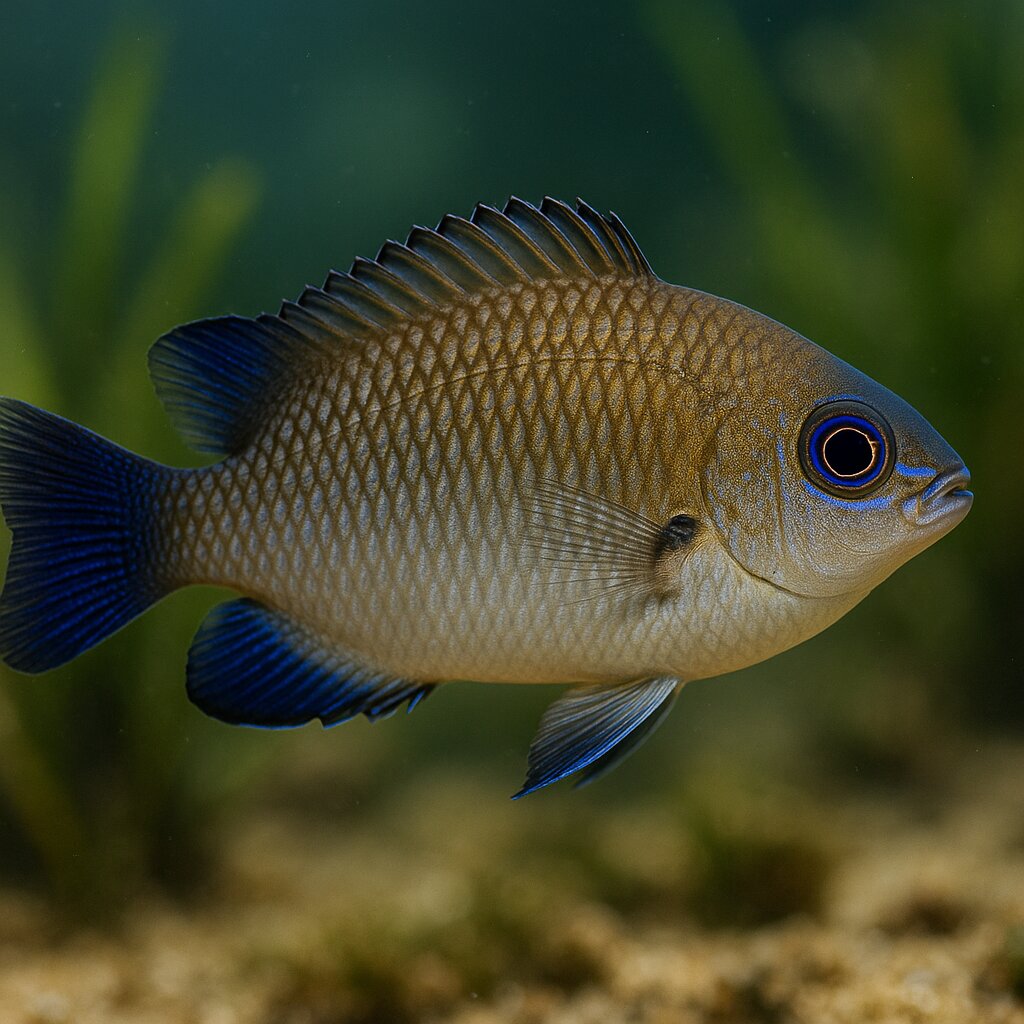
Arabian demoiselle
Neopomacentrus sindensis
A small lyretail damsel from the Persian Gulf and Arabian Sea, it hangs in loose groups around coral heads, rocks, and even pier pilings picking zooplankton from the flow. Think classic damsel toughness with a slightly milder attitude than the real bruisers, plus subtle yellow tail accents. Males clean a patch, get a mate to lay eggs there, and then stand guard fanning the clutch.
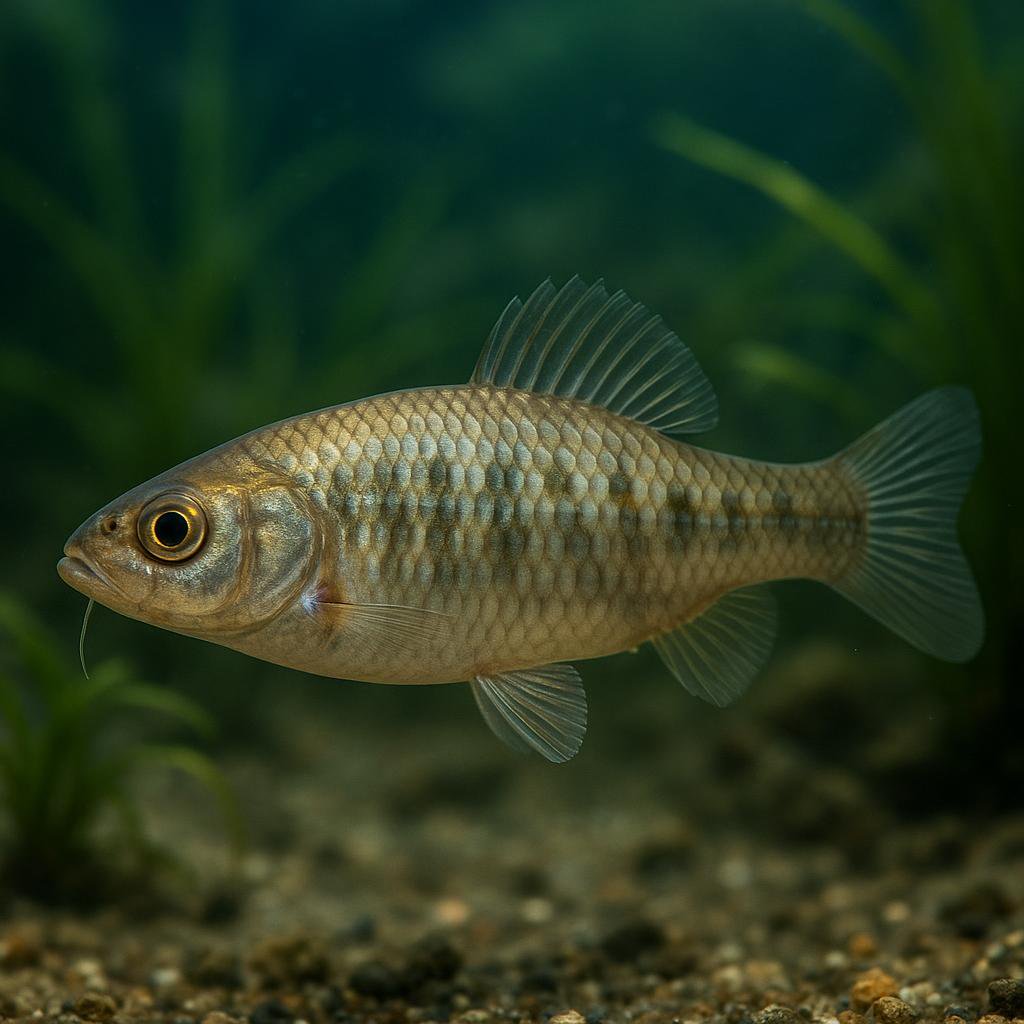
Arabian spiny eel
Notacanthus indicus
Notacanthus indicus is a deep-sea spiny eel (family Notacanthidae; not a true eel) known from the Arabian Sea on the continental slope at roughly ~960–1,046 m depth, with reported maximum length around 20 cm TL; it is a deep-water bycatch species and not established in the aquarium trade.
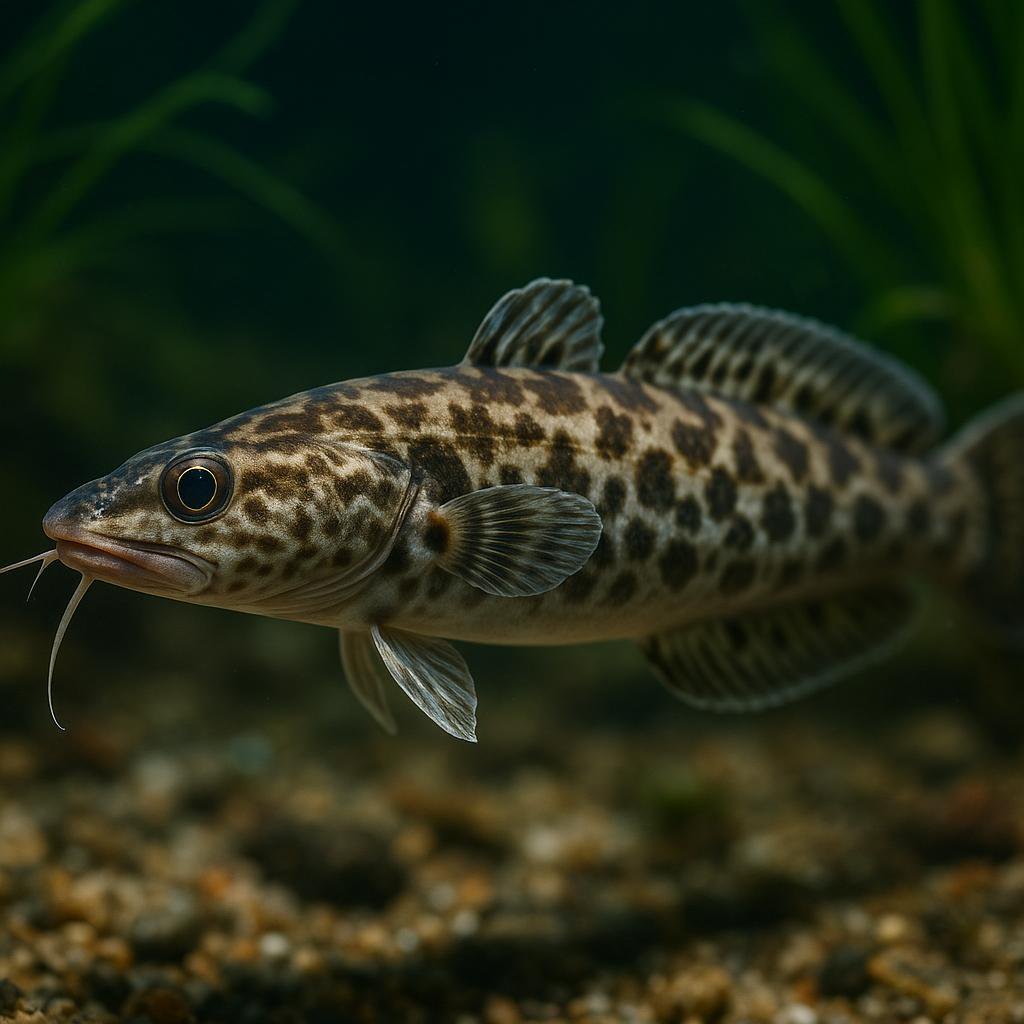
Arctic rockling
Gaidropsarus argentatus
This is a deepwater North Atlantic rockling (a cod relative) that hangs out on soft bottoms way down the slope. It is a cold-water, bottom-hugging predator that snoots around for crustaceans and will also take small fish when it gets the chance.
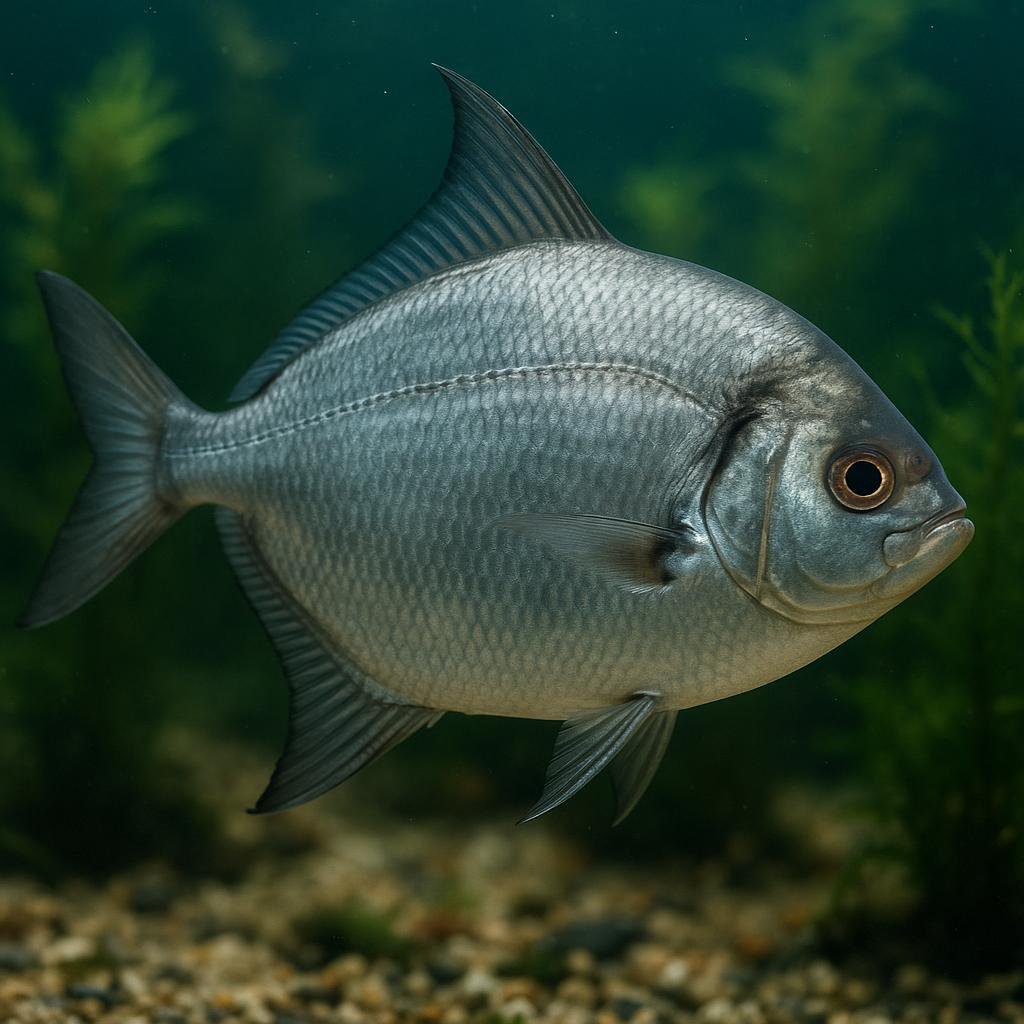
Atlantic pomfret
Brama brama
Brama brama is the Atlantic pomfret (aka Ray's bream) - a deep-bodied, open-ocean pelagic fish that cruises around in small schools and follows water temps. It is a legit big, wild marine species (not an aquarium fish) that eats other small sea critters like fish and squid, and it ranges across a huge chunk of the Atlantic plus parts of the Indian and South Pacific.
More to Explore
Discover more marine species.
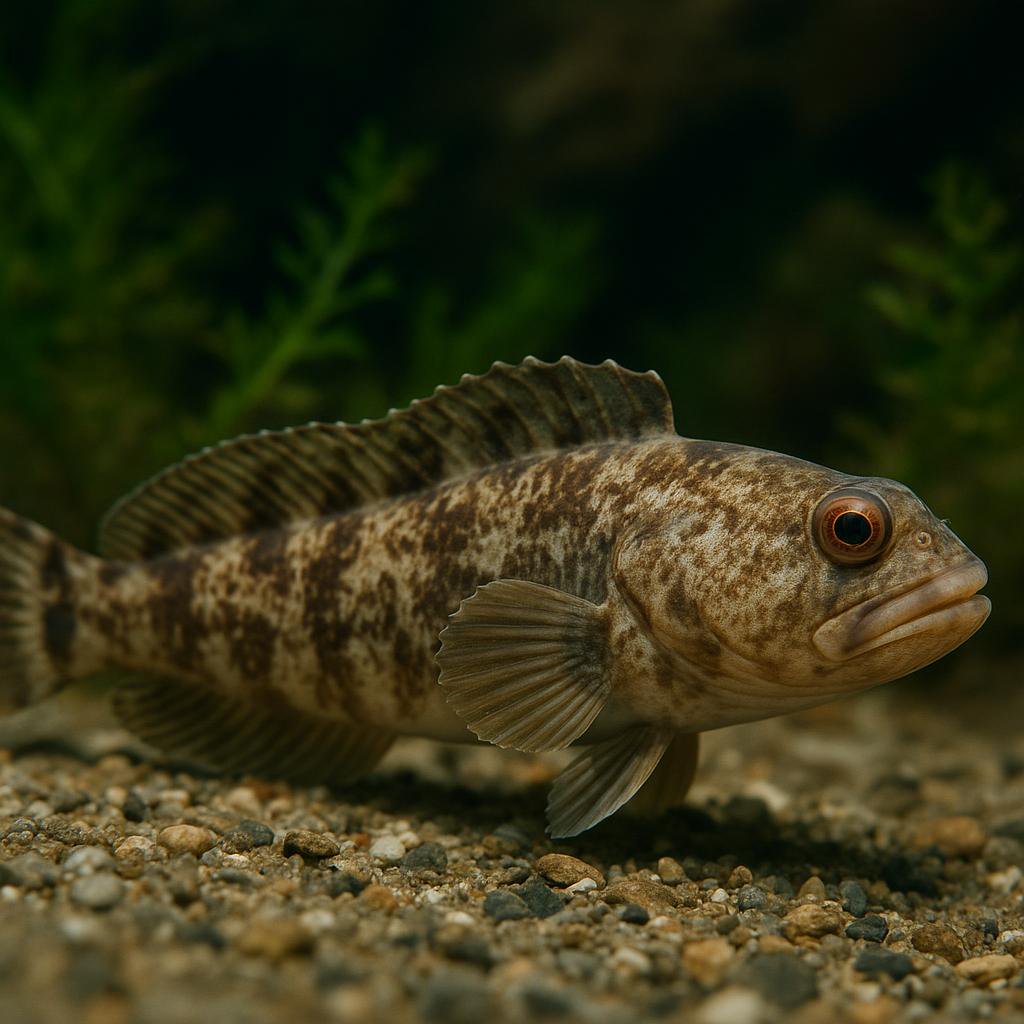
Abe's eelpout
Japonolycodes abei
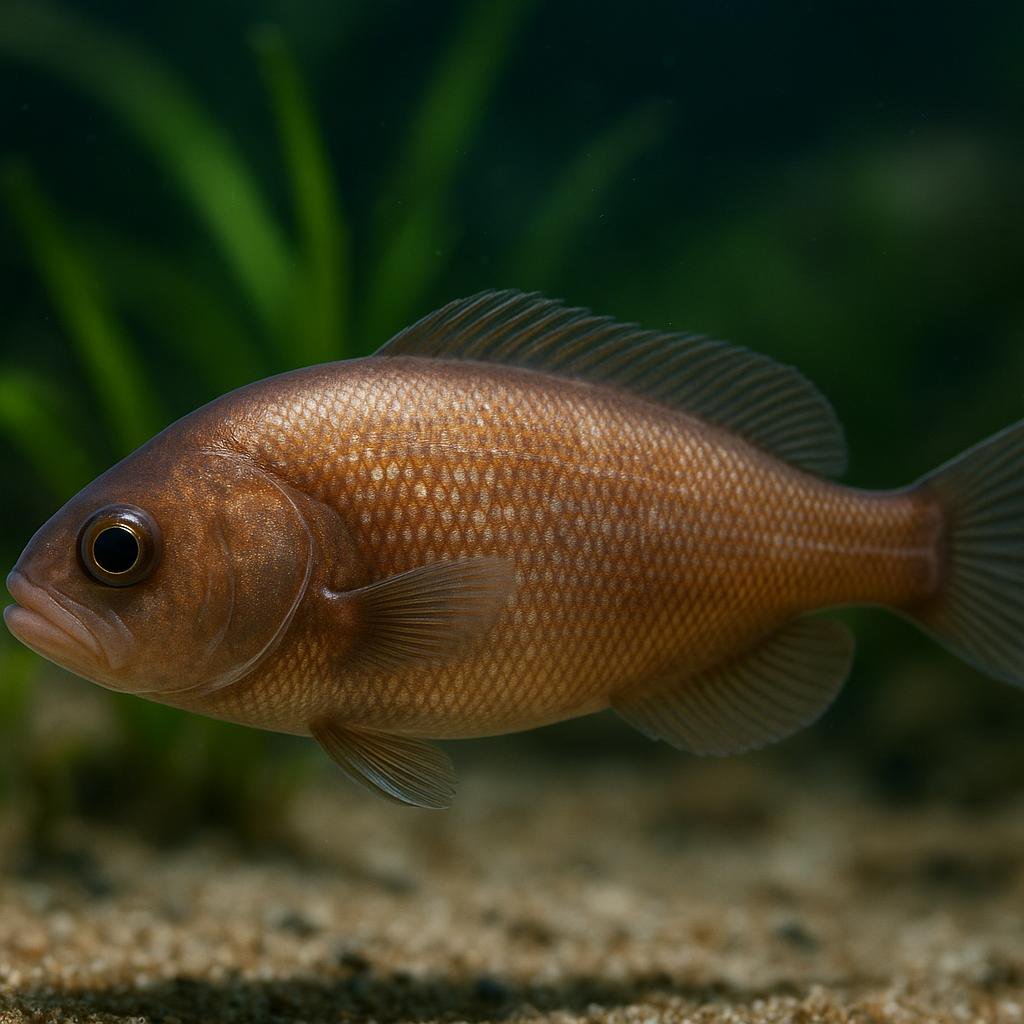
Japonolycodes abei is a temperate, deepwater demersal eelpout (family Zoarcidae) endemic to Japan (Kumano-nada Sea reported; other sources also report Sagami Bay and Tosa Bay). It is the only species in the genus Japonolycodes and occurs roughly 40-300 m depth, making it an uncommon/atypical aquarium species.
Affinis blind cusk-eel
Barathronus affinis
Barathronus affinis is a tiny, super-weird deep-sea blind cusk-eel from the western-central Indian Ocean. It is one of those gelatinous, loose-skinned brotula-type fishes that live way down in the dark and are basically never seen alive, so almost everything we know comes from preserved specimens and taxonomic work.
African red snapper
Lutjanus agennes
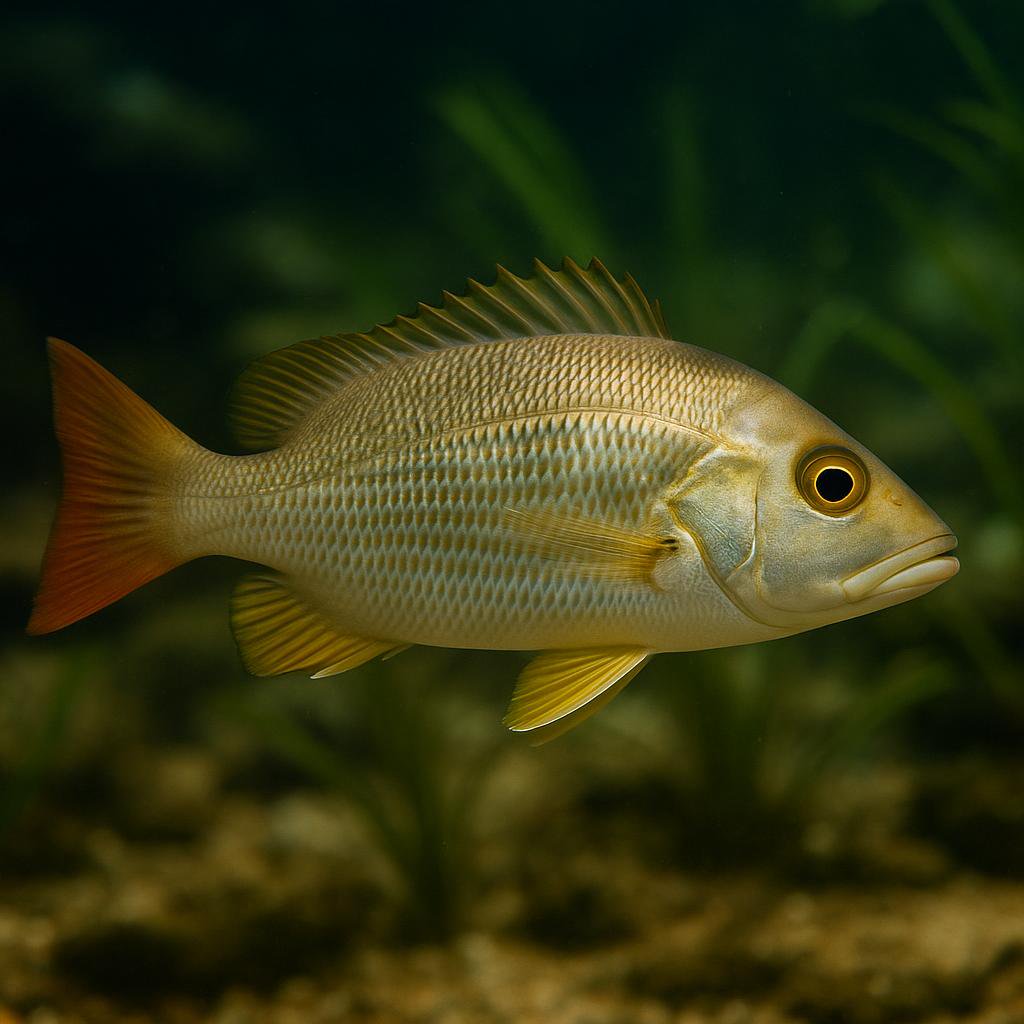
This is a true snapper from West Africa - a big, fast-growing predator that goes from coastal reefs to brackish lagoons and estuaries (especially as a juvenile). Super cool fish in the wild, but it gets absolutely huge and will eat smaller tankmates once it has the mouth for it, so its really more of a public-aquarium scale animal than a home-aquarium fish.
Allis shad
Alosa alosa
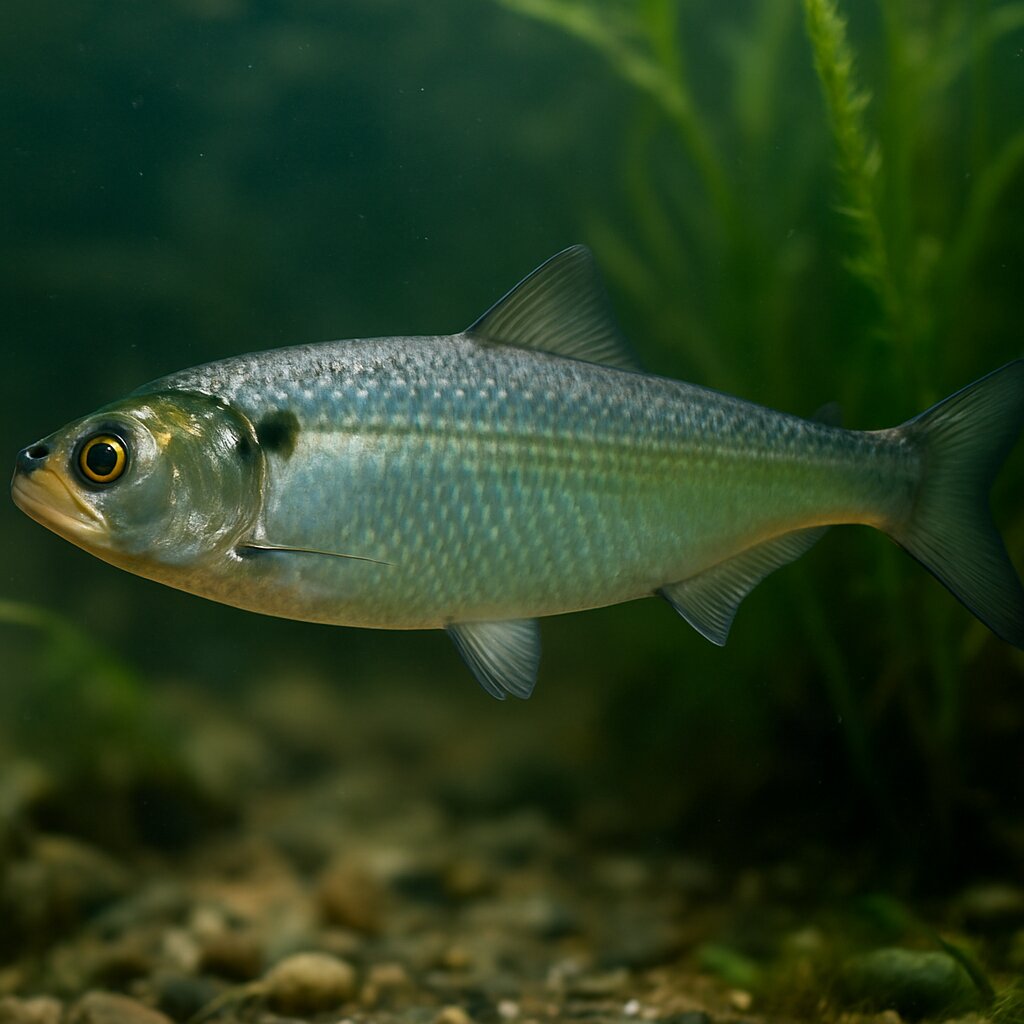
Gorgeous silver, fast-swimming shad that spends most of its life in the sea and then surges up big rivers in noisy, surface-spawning schools. It grows huge for a herring-type fish and needs cool, ultra-oxygenated water and tons of open space, so it is a public-aquarium species rather than a home tank fish.
Annandale's zebra sole
Zebrias annandalei
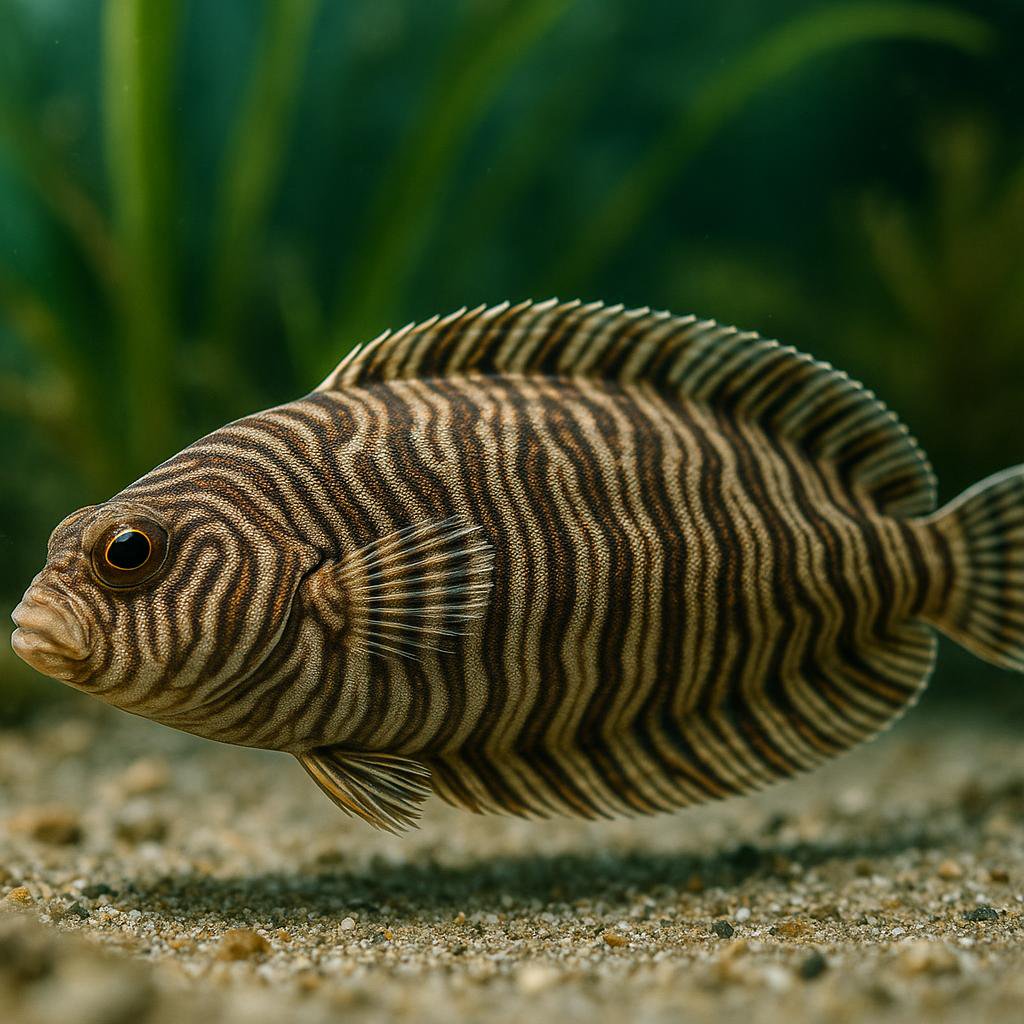
Zebrias annandalei is a small demersal sole from coastal India that inhabits sandy or muddy bottoms and buries for camouflage. It is rarely kept in home aquaria and would require a specialized marine sand-bottom setup and appropriate feeding.
Australian sawtail catshark
Figaro boardmani
Figaro boardmani is a small, deepwater Australian catshark with these cool saw-like ridges of spiny denticles along the tail and a neat pattern of dark saddle bands. It lives way down on the outer continental shelf and slope, so its natural water is cold, dim, and stable - totally not a typical home-aquarium fish. Diet-wise its a predator that goes after fish, crustaceans, and cephalopods.
Looking for other species?