

Codheaded rattail
Bathygadus cottoides
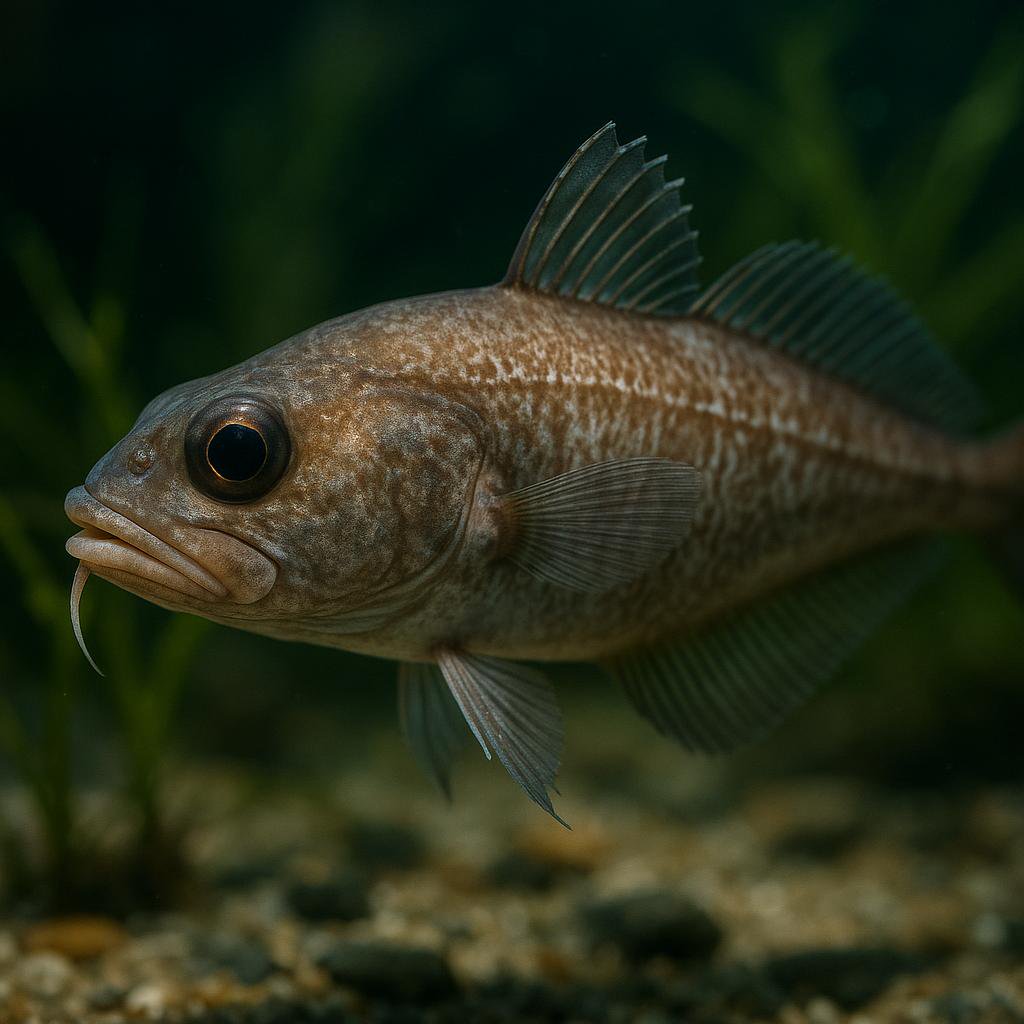
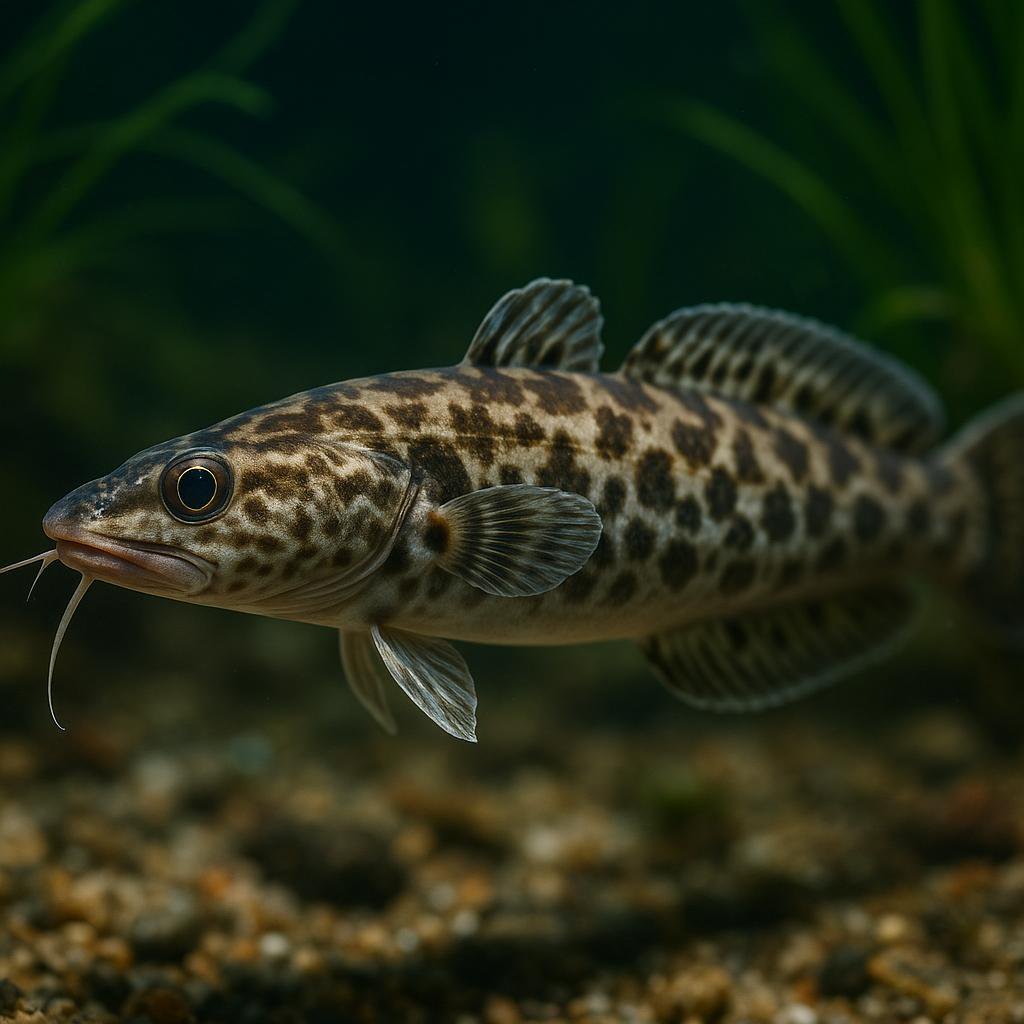
The Codheaded rattail features a slender, elongated body with a distinctive large, flattened head and pale, translucent skin.
This page includes AI-generated images. Why am I seeing AI images?
About the Codheaded rattail
This is a true deep-sea rattail that lives way down the continental slope - like 1000+ meters deep. In the wild its cruising cold, dark bottom water from Mozambique over toward Australia and New Zealand, topping out around 24 cm. Neat fish, but its basically impossible to keep long-term in a normal aquarium because it needs near-freezing temps and deepwater conditions.
Also known as
Quick Facts
Size
24 cm TL
Temperament
Peaceful
Difficulty
Expert
Min Tank Size
500 gallons
Lifespan
unknown
Origin
Southern Indian Ocean and Southwest Pacific
Diet
Carnivore - benthic invertebrates and small fishes (deepwater benthic predator/scavenger)
Water Parameters
2.2-5.5°C
7.8-8.4
8-12 dGH
Need a heater for this species?
This species needs 2.2-5.5°C in a 500 gallon tank. Use our heater calculator to find the right wattage.
Calculate heater sizeCare Notes
- This is a deepwater rattail, so plan for a cold marine system (think 39-50F / 4-10C) with a chiller you trust, not a "cool room" workaround.
- Give it floor space and dim light, not tall reefscape - lots of open sand/mud-like bottom, scattered rock for breaks, and strong oxygenation without blasting it with direct flow.
- Keep salinity steady around 1.024-1.026 and stop chasing weird "deep sea" numbers; the real make-or-break is stable cold temp and high dissolved oxygen.
- Feed like a predator that likes soft, meaty stuff: thawed mysis, chopped shrimp, squid, and small marine fish pieces, with a feeding stick so the food hits the bottom where it hunts.
- Do small, frequent meals at first (they come in thin and stressed), then settle into 3-4 feedings a week once its weight and hunting response look normal.
- Tankmates: only other coldwater, non-aggressive fish that will not outcompete it at feeding time; avoid fast midwater pigs and anything that nips or harasses slow bottom cruisers.
- Watch for barotrauma and shipping damage (floaty, bloated, can not stay down) and be ready to keep lights low and handling minimal - these guys do not bounce back like hardy reef fish.
- Breeding in home tanks is basically a unicorn - focus on long-term stability, because getting one to eat confidently for months is the real win with this species.
Compatibility
Good Tankmates
- Other small, mellow deepwater gadiform types (small grenadiers/rattails, small hakes, little codlets) - they mostly just cruise and mind their own business, so nobody gets stressed
- Peaceful, non-nippy midwater fish that like cooler marine temps (think small sandperches, mellow berycids/alfonsino-type fish where legal and available) - the key is calm behavior and similar temperature needs
- Small, chill benthic fish that are not territorial about caves (softer-temperament eelpouts, some sleeper-goby type fish in cooler systems) - give lots of open sand and they will just share the bottom
- Medium peaceful scavengers like small brittle stars, serpent stars, and non-predatory cucumbers (for a true coldwater setup) - helps clean up leftovers without bugging the fish
- Passive cleanup crew that can handle cooler water (snails, some urchins) - they do their thing and the rattail generally ignores them
Avoid
- Anything that is basically a shrimp-shaped snack (peppermint/cleaner shrimp, small decorative shrimp) - codheaded rattails are peaceful, but they are still little predators and will absolutely test if it fits in their mouth
- Aggressive or territorial rock/cave bullies (dottybacks, big damsels, many hawkfish, triggerfish) - they will harass it or outcompete it, and the rattail will just sulk and stop feeding
- Fast, food-obsessed pigs (bigger wrasses, larger anthias groups in warmer setups) - they do not usually attack, but they will steal every feeding and your rattail will slowly waste away
- Anything large enough to view it as prey (bigger groupers, big scorpionfish, big anglerfish) - if it can swallow it, it will
Where they come from
Codheaded rattails (Bathygadus cottoides) are deepwater gadiform fish - think continental slope, cold, dark, high pressure. They are the kind of animal that spends its life cruising just off the bottom, picking up whatever edible bits it can find. That background explains basically every challenge with them in captivity: temperature, food, stress, and barotrauma.
If you are seeing these offered cheaply or as a "rare oddball," be skeptical. Most specimens hit the hobby via bycatch and do poorly unless you already run true coldwater, low-light systems and can handle deepwater acclimation.
Setting up their tank
This is an expert fish because the tank is more like a coldwater marine life-support system than a typical reef or fish-only setup. You are trying to give a deepwater scavenger a calm, cold, dim place to settle without banging its head or burning energy fighting flow.
Temperature is the big one. These fish come from cold depths, so a normal 76-78F tropical marine tank is a slow death. Plan on a chiller and insulation, and put the tank somewhere that does not get sun or heat swings.
- Coldwater range: aim roughly 39-50F (4-10C). If you cannot hold this steadily, skip this species.
- Big footprint matters more than height. They patrol the bottom and do better with floor space.
- Low light. I keep the tank dim and use red/very low-output lighting for viewing.
- Gentle, broad flow. Enough to keep oxygen high and waste moving, not enough to pin the fish in place.
- Soft bottom (fine sand) or bare bottom with rubber mat. Avoid sharp rock piles - these fish spook and scrape easily.
- Lots of low caves/overhangs and open lanes. You want "hide and hover" spots, not a rock maze.
Use oversized mechanical filtration and be religious about export (skimmer, roller mat, water changes). Deepwater scavengers are messy eaters, and coldwater systems can accumulate organics faster than you expect.
Salinity can be normal marine (around 1.024-1.026), but stability matters more than chasing a number. Keep oxygen high - coldwater holds more O2, but these fish still sulk and crash fast in stale water. I run heavy aeration and make sure the skimmer is actually pulling.
Decompression/barotrauma is a real issue with deepwater fish. If the specimen came up fast, it may have internal damage you cannot fix. Avoid buying fish that are floating, bloated, unable to right themselves, or breathing hard in the bag.
What to feed them
They are not picky in the "will eat meaty stuff" sense, but they can be picky about recognizing food in a bright, busy tank. Mine did best once I stopped trying to make it compete and started target feeding near its favorite corner.
- Good staples: chopped squid, shrimp, clams/mussels, scallop, smelt/silversides (appropriately sized), marine fish flesh in rotation.
- Sinking items are your friend. Get the food down to the bottom and keep it there.
- Soak occasionally in a vitamin supplement if you are feeding mostly frozen.
- Feed smaller portions more often at first (they can go off food if they get stressed). After settling, 2-3 solid meals per week can work depending on body condition and temperature.
Use feeding tongs or a feeding stick and place the food right on the bottom. If you drop food into the water column, faster fish will steal it and the rattail will just sit there looking confused.
Watch the belly line. You want a gently rounded look, not pinched in behind the head. At cold temps their metabolism is slower, so do not fall into the trap of overfeeding just because you do not see constant activity.
How they behave and who they get along with
They are generally calm, bottom-oriented, and a little spooky. Expect long periods of hovering and short bursts of movement. A lot of the "personality" is really about whether they feel safe enough to come out.
Tankmates are tricky because your temperature limits you to other coldwater species, and because anything bold will outcompete them for food. Also, anything that nips or harasses will keep them pinned in hiding.
- Best tankmates: other peaceful coldwater fish that are not aggressive feeders, plus non-stinging inverts that tolerate coldwater.
- Avoid: fast, pushy feeders; fin nippers; anything that will climb on them (some large crabs) or ambush them.
- Assume they will eat very small fish/shrimp if it fits. They are scavengers and opportunists.
If you see a rattail constantly glass-surfing, breathing hard, or wedging itself into odd corners, think stress: too warm, too bright, too much flow, or tankmates crowding it.
Breeding tips
Realistically, breeding Bathygadus cottoides in home aquaria is not something hobbyists are doing. They are deepwater spawners, and even if you got eggs, you would be looking at specialized coldwater larval rearing that is closer to research lab work than normal fishkeeping.
If you ever end up with a confirmed male/female pair that settles and feeds well, the best "breeding tip" I can give is to focus on long-term stability: cold, clean water, consistent feeding, and zero harassment. Sometimes deepwater fish will surprise you with spawning behavior once they stop being stressed, but plan your setup assuming it will not happen.
Common problems to watch for
Most losses with this species are not from some exotic disease - it is husbandry mismatch or collection damage. The fish looks fine for a few weeks, then slowly fades because the environment is wrong or it never fully recovered from the trip up.
- Heat stress: rapid breathing, refusing food, lethargy. If the chiller fails, you do not have much time.
- Barotrauma/internal injury: floating, buoyancy problems, sudden decline without external signs.
- Starvation by competition: fish is "alive" but slowly gets thin because it never gets enough food on the bottom.
- Skin scrapes and secondary infections: from rockwork, frantic dashes, or net damage. Dim the tank and give it open lanes.
- Poor water quality in cold systems: uneaten meaty food rots fast. Ammonia spikes can happen after a single bad feeding.
- Chronic stress: too bright, too much flow, constant foot traffic. They stay hidden and stop eating.
Do not medicate casually. Coldwater fish can react differently to common marine meds, and many treatments are less forgiving at low temps. Quarantine is great, but match temperature and keep the environment very calm.
If you take anything away: these are not "hard" because they are aggressive or fragile in the usual sense. They are hard because you are trying to keep a deep, cold, low-light fish in a world built for warm reef animals. If you already run coldwater marine and you are patient with feeding, they can be oddly rewarding to keep.
Similar Species
Other marine peaceful species you might be interested in.
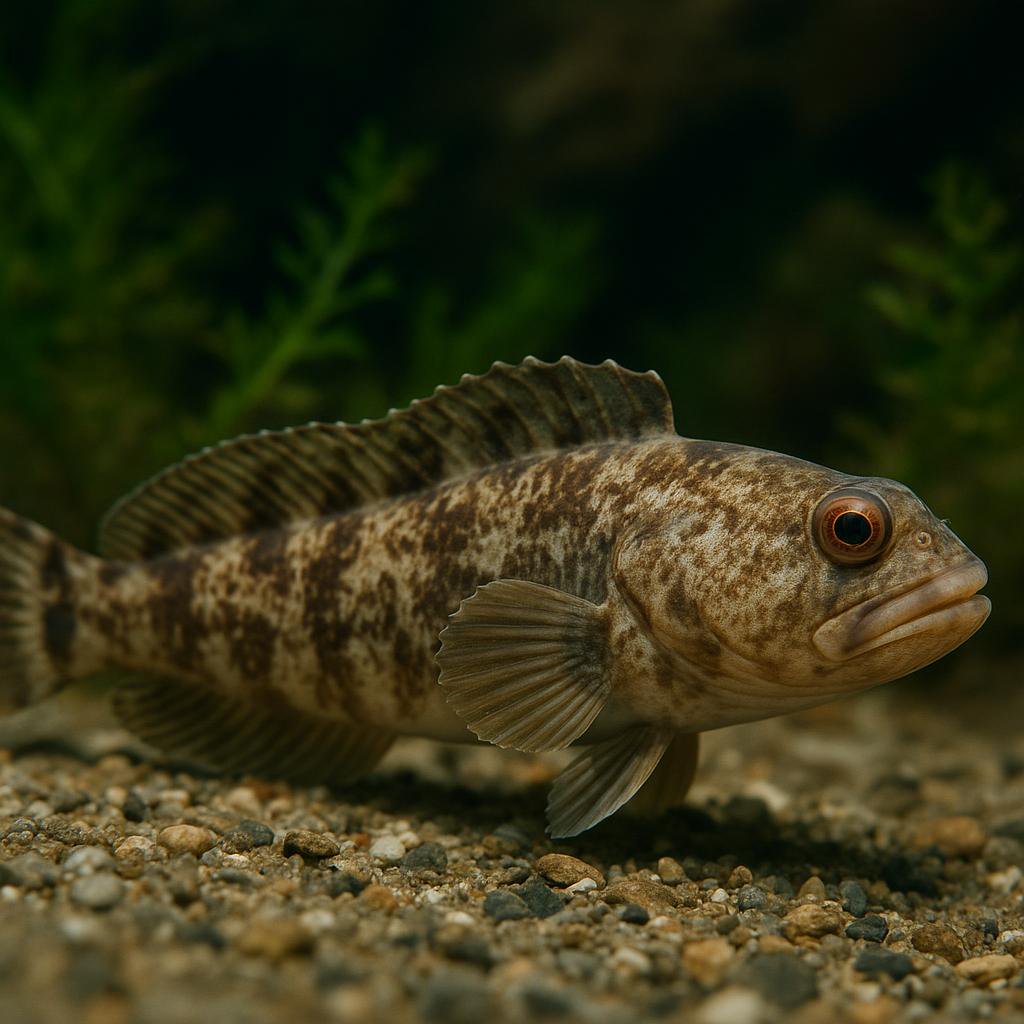
Abe's eelpout
Japonolycodes abei
Japonolycodes abei is a temperate, deepwater demersal eelpout (family Zoarcidae) endemic to Japan (Kumano-nada Sea reported; other sources also report Sagami Bay and Tosa Bay). It is the only species in the genus Japonolycodes and occurs roughly 40-300 m depth, making it an uncommon/atypical aquarium species.
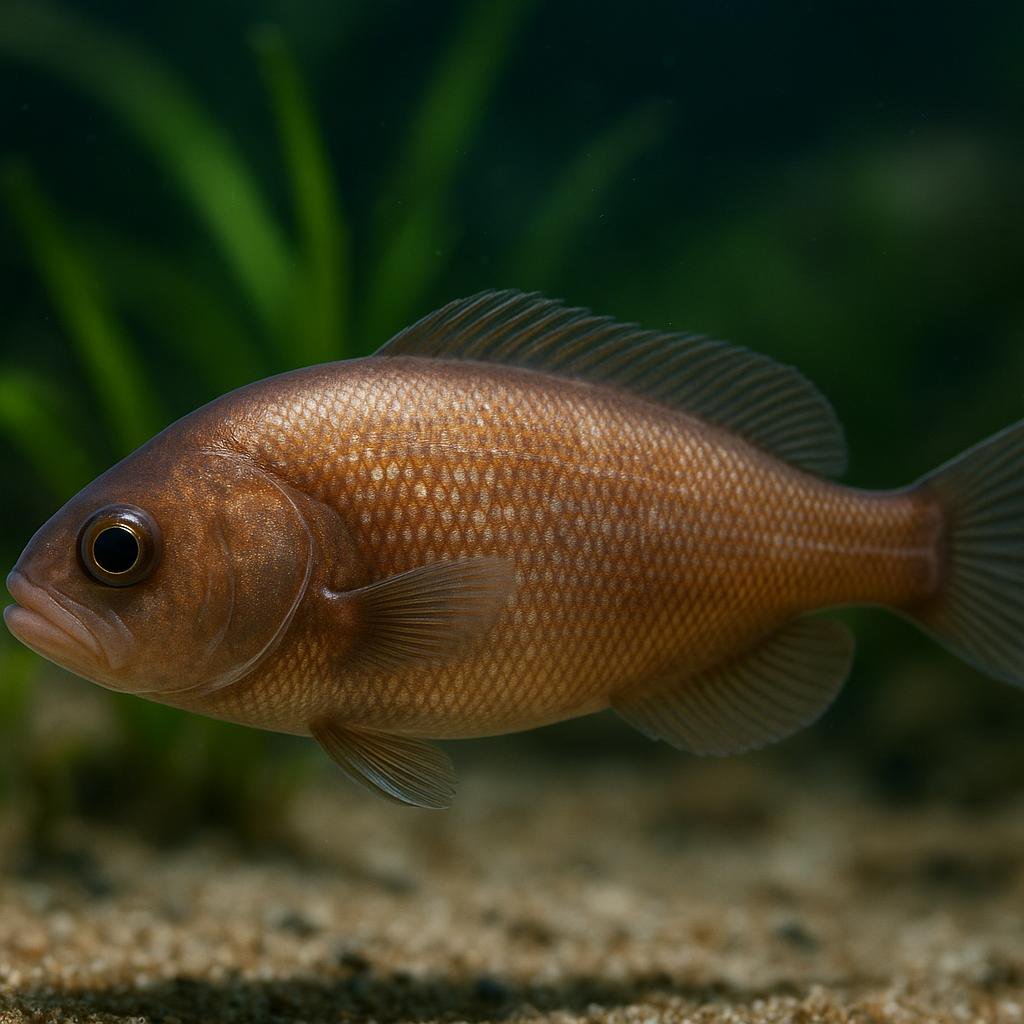
Affinis blind cusk-eel
Barathronus affinis
Barathronus affinis is a tiny, super-weird deep-sea blind cusk-eel from the western-central Indian Ocean. It is one of those gelatinous, loose-skinned brotula-type fishes that live way down in the dark and are basically never seen alive, so almost everything we know comes from preserved specimens and taxonomic work.
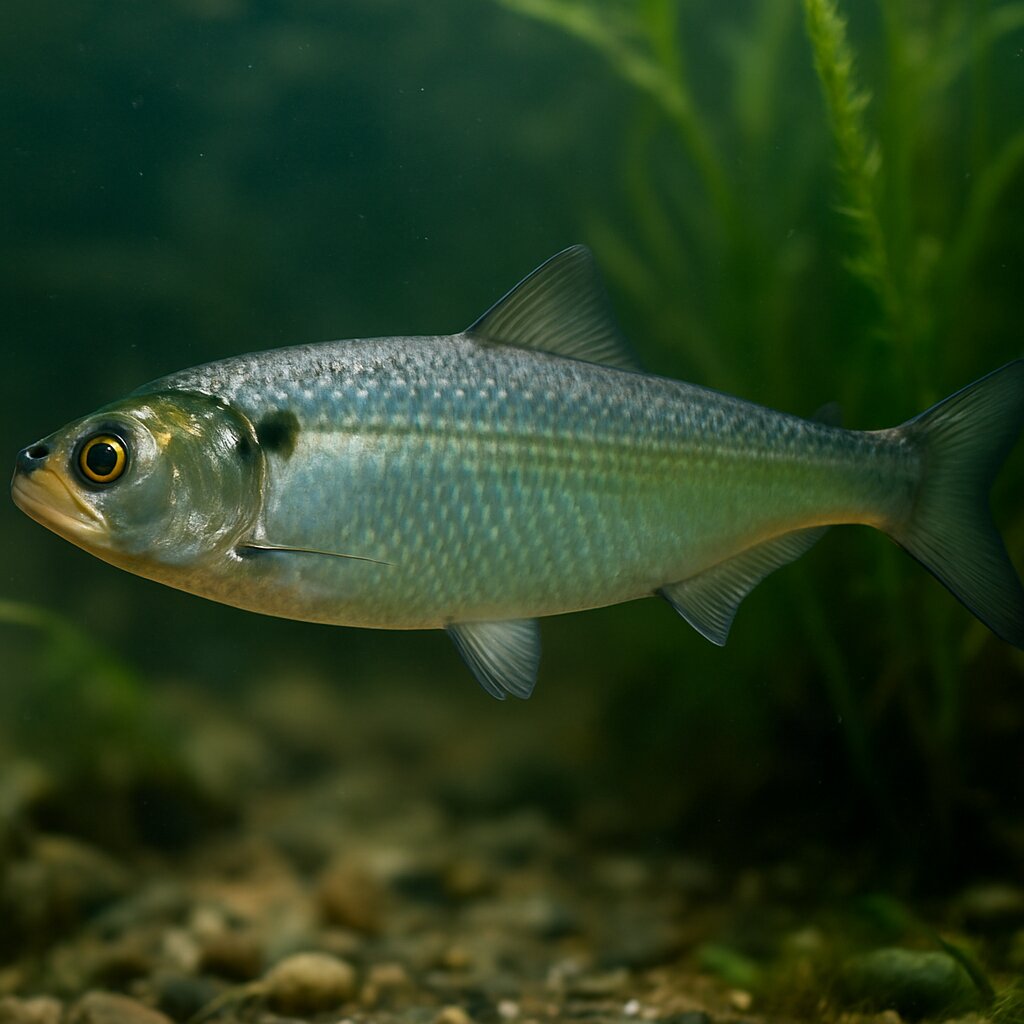
Allis shad
Alosa alosa
Gorgeous silver, fast-swimming shad that spends most of its life in the sea and then surges up big rivers in noisy, surface-spawning schools. It grows huge for a herring-type fish and needs cool, ultra-oxygenated water and tons of open space, so it is a public-aquarium species rather than a home tank fish.
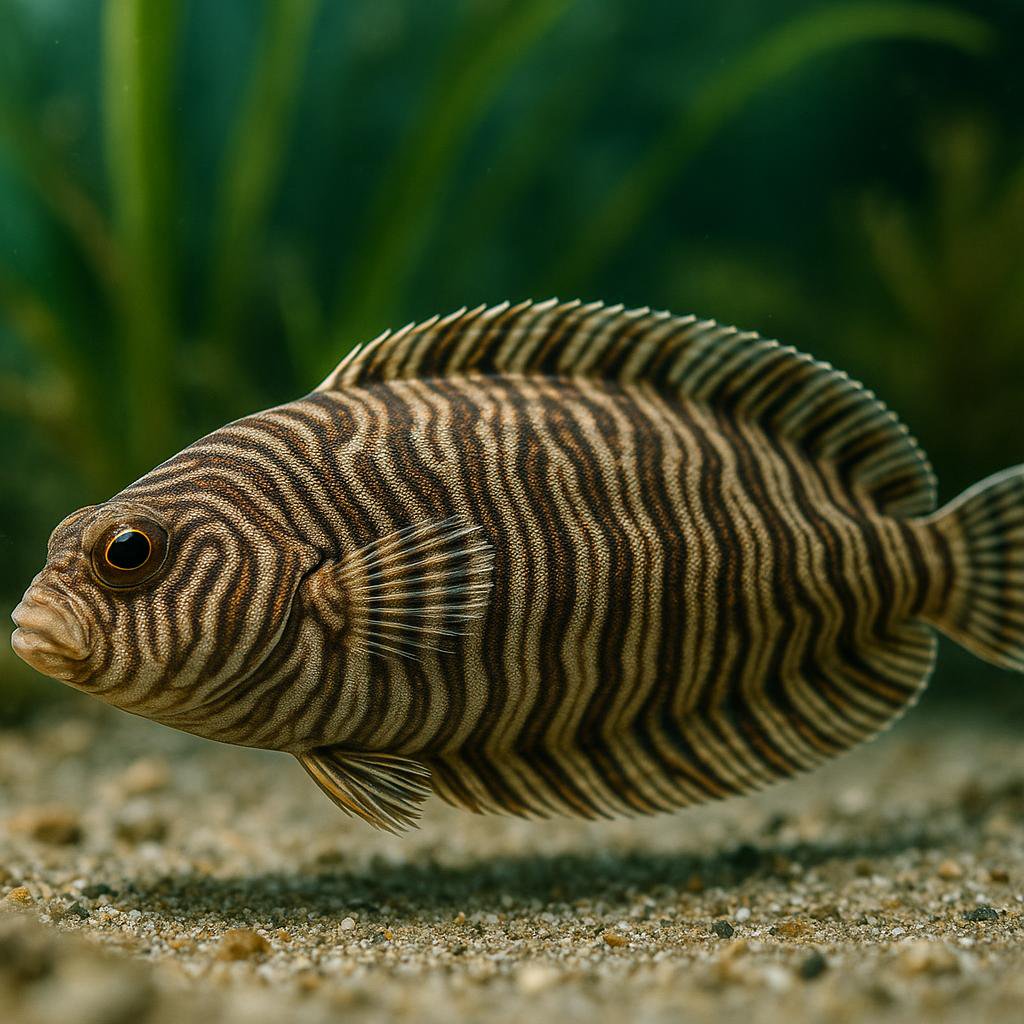
Annandale's zebra sole
Zebrias annandalei
Zebrias annandalei is a small demersal sole from coastal India that inhabits sandy or muddy bottoms and buries for camouflage. It is rarely kept in home aquaria and would require a specialized marine sand-bottom setup and appropriate feeding.
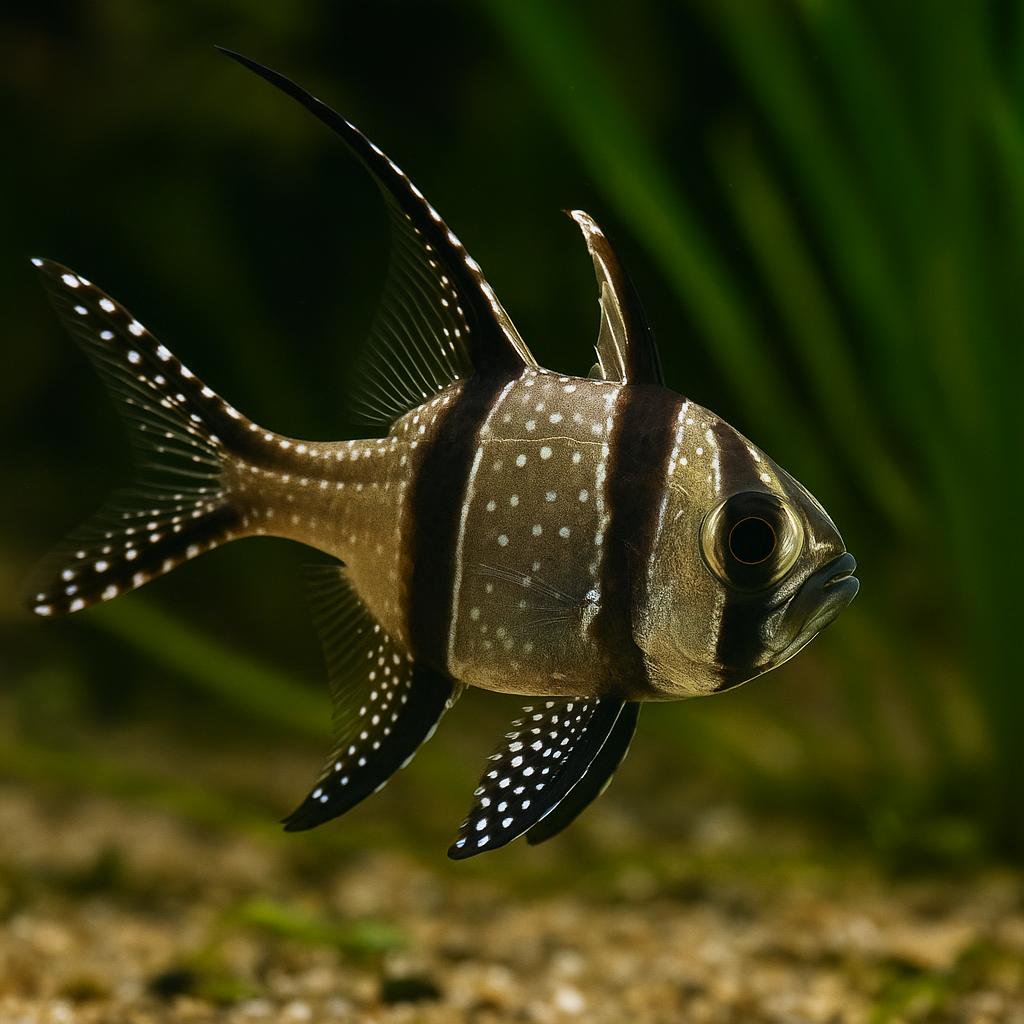
Banggai Cardinalfish
Pterapogon kauderni
Banggai cardinals just sort of hover like little underwater satellites, and the bold black bars with those long, polka-dotted fins look unreal under reef lighting. They're super chill most of the time, but once a pair forms you'll see real "fish drama," and the male will even mouthbrood the babies like a champ.
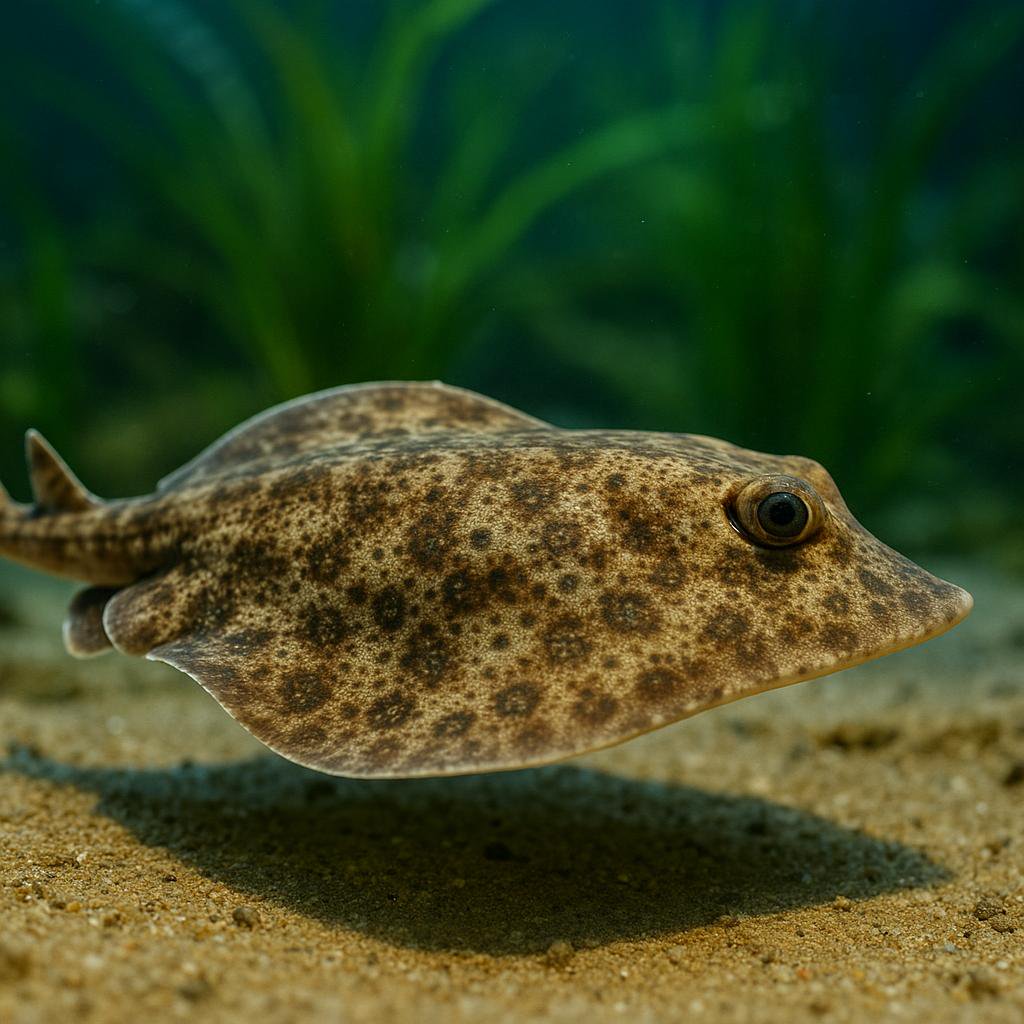
Barbedwire-tailed skate
Notoraja martinezi
Notoraja martinezi is a deepwater skate from the eastern Pacific (Costa Rica down to Ecuador) that lives way down on soft bottoms. The tail is the giveaway - it is lined with strong, hooked thorns that really do look like barbed wire. This is absolutely not an aquarium fish; it is a cold, high-pressure deep-sea animal with basically no practical home care info because it is not kept in the hobby.
More to Explore
Discover more marine species.
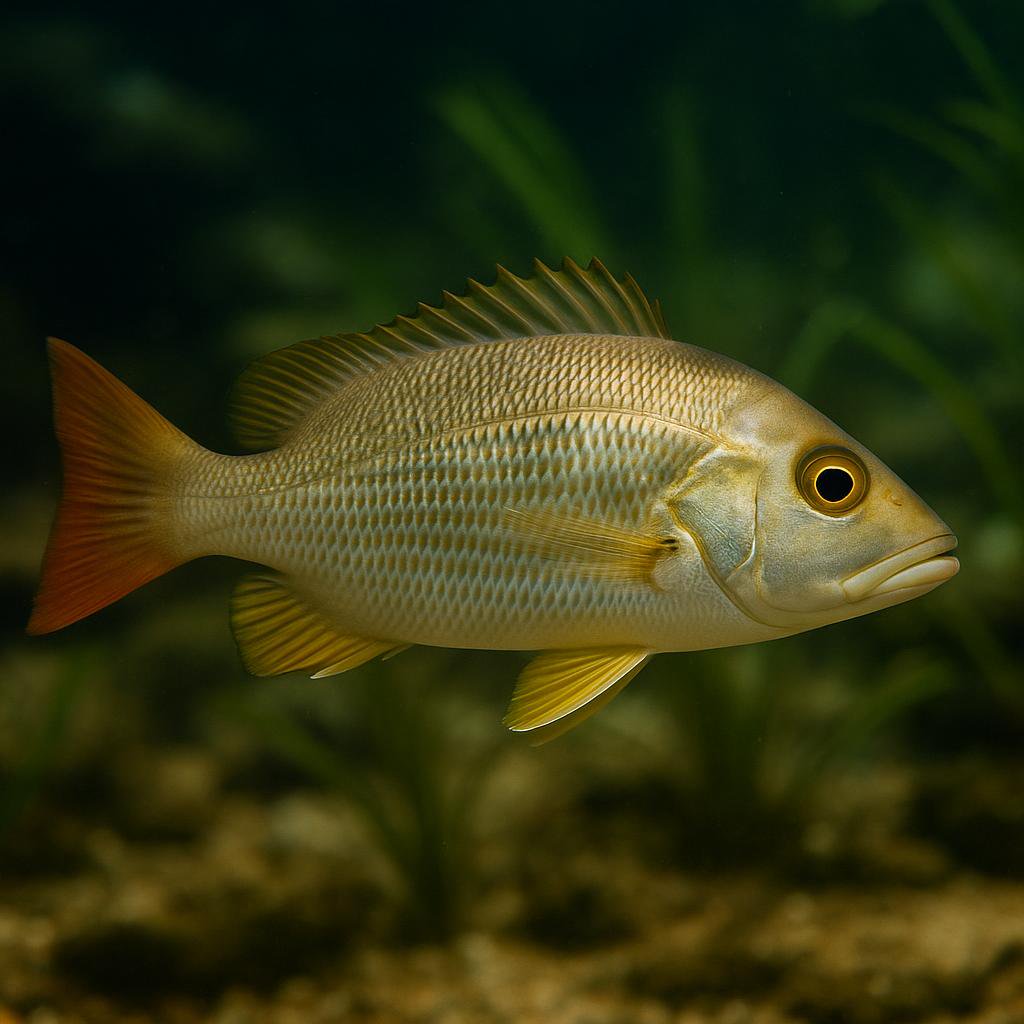
African red snapper
Lutjanus agennes
This is a true snapper from West Africa - a big, fast-growing predator that goes from coastal reefs to brackish lagoons and estuaries (especially as a juvenile). Super cool fish in the wild, but it gets absolutely huge and will eat smaller tankmates once it has the mouth for it, so its really more of a public-aquarium scale animal than a home-aquarium fish.
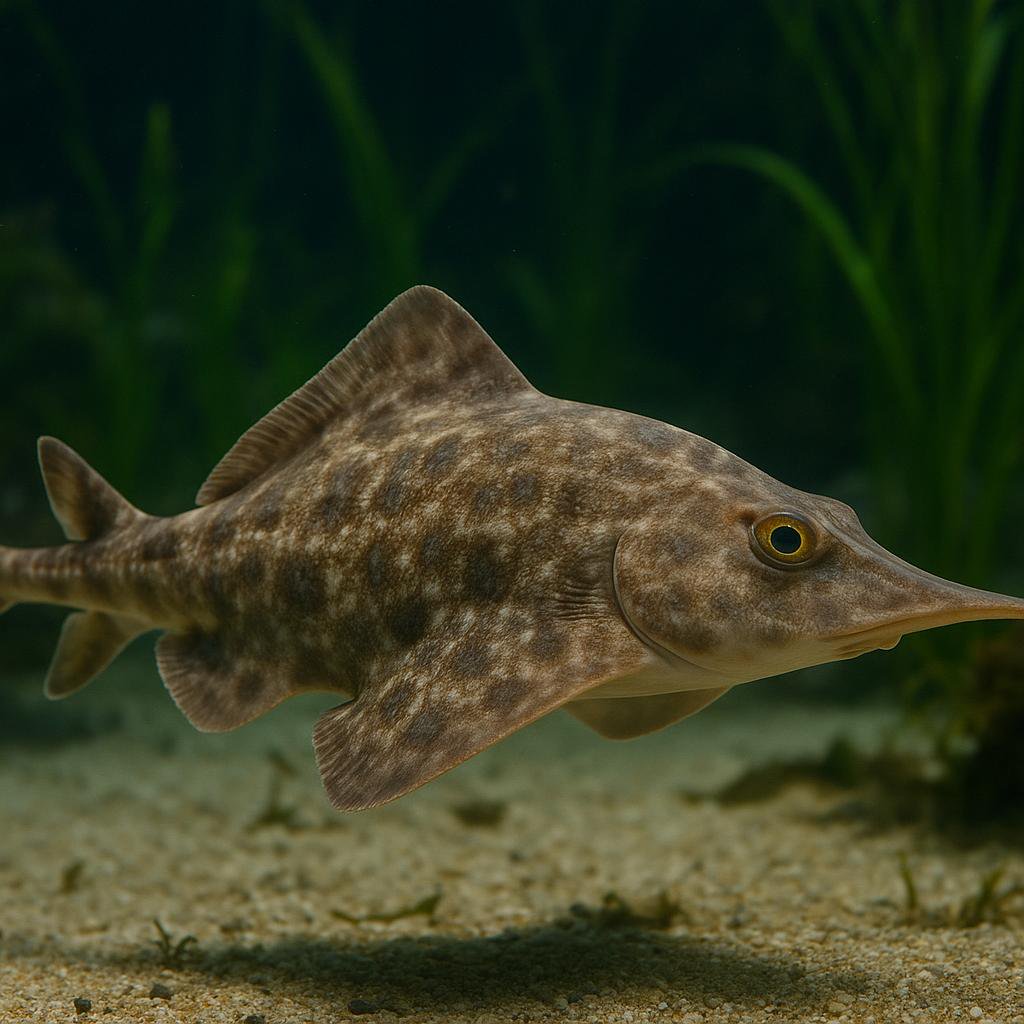
Aleutian skate
Bathyraja aleutica
This is a big, cold-water deep-slope skate from the North Pacific that cruises muddy bottoms and eats chunky benthic prey like crabs and shrimp. The really cool bit is its egg-laying skate life - it does distinct pairing (the classic skate "embrace") and drops those tough egg cases on the seafloor. Not an aquarium fish at all unless you're basically running a public-aquarium-style chilled system.
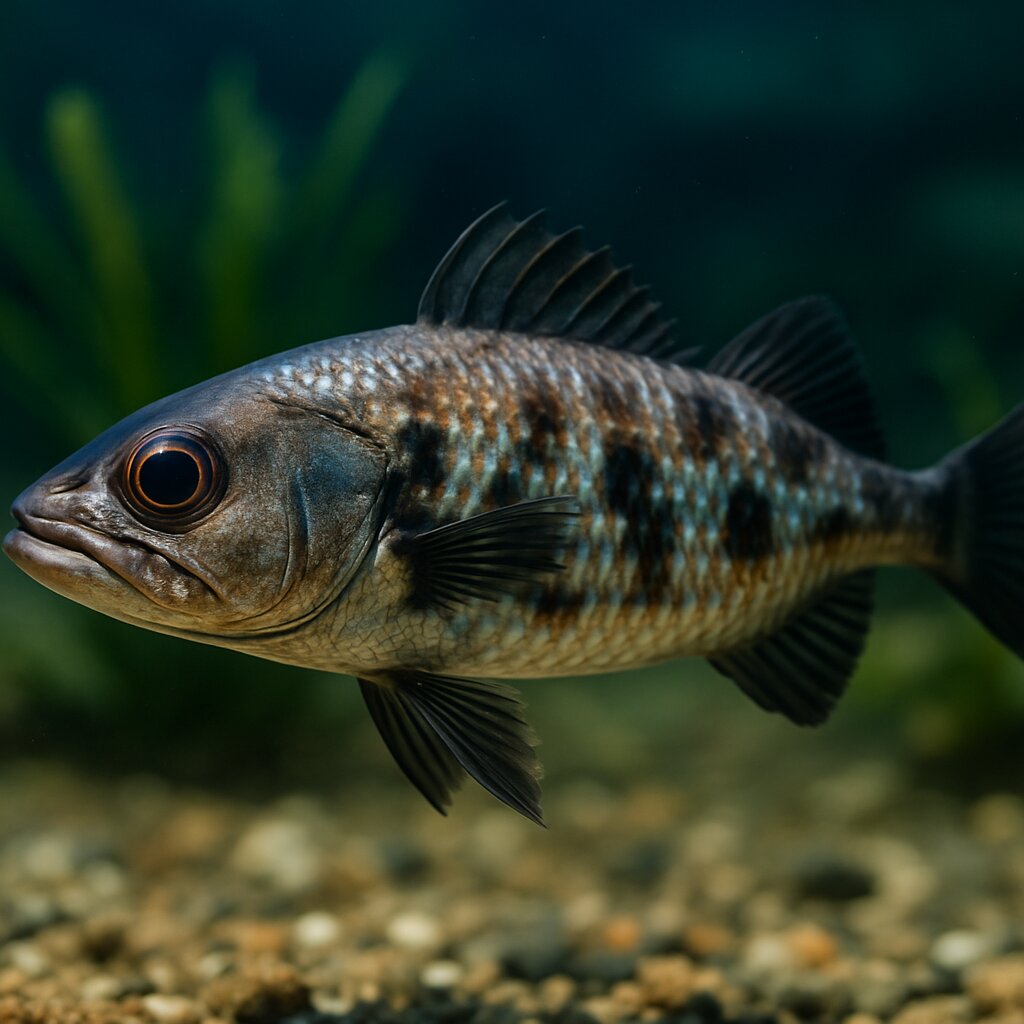
Antarctic dragonfish
Vomeridens infuscipinnis
Deep down around Antarctica, this sleek dragonfish cruises the water column like a little submarine, nearly neutrally buoyant so it can hover above the seafloor. It munches almost exclusively on Antarctic krill and lives in near-freezing water 500-800 m down, so it is a cool species to read about, not one for home tanks.
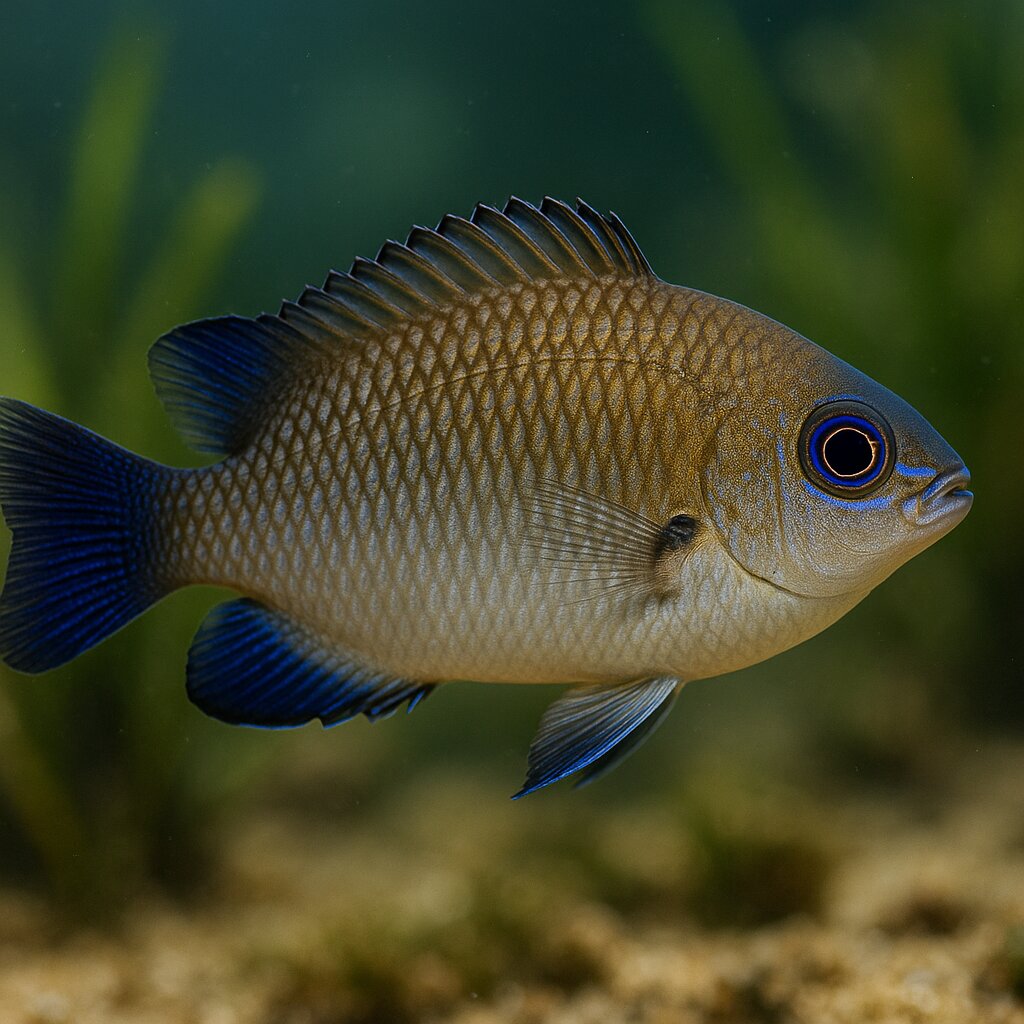
Arabian demoiselle
Neopomacentrus sindensis
A small lyretail damsel from the Persian Gulf and Arabian Sea, it hangs in loose groups around coral heads, rocks, and even pier pilings picking zooplankton from the flow. Think classic damsel toughness with a slightly milder attitude than the real bruisers, plus subtle yellow tail accents. Males clean a patch, get a mate to lay eggs there, and then stand guard fanning the clutch.
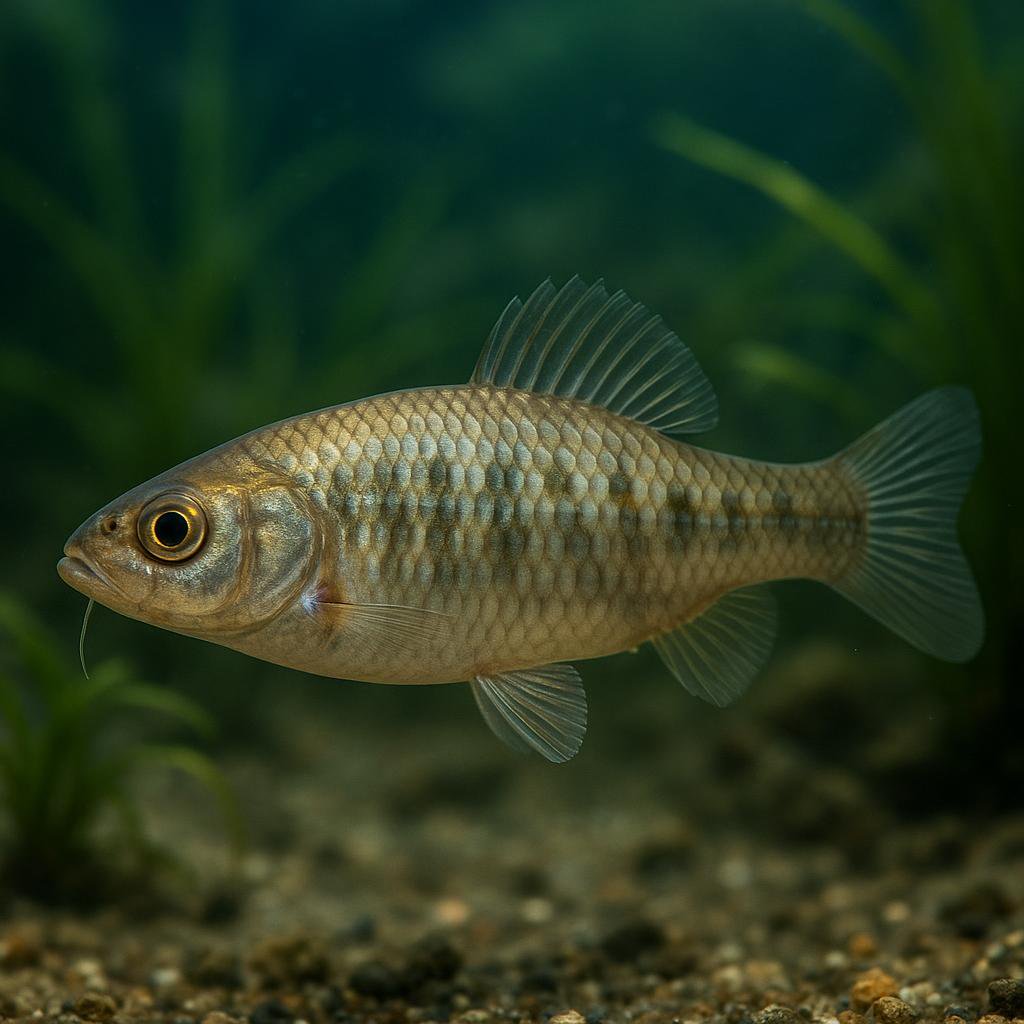
Arabian spiny eel
Notacanthus indicus
Notacanthus indicus is a deep-sea spiny eel (family Notacanthidae; not a true eel) known from the Arabian Sea on the continental slope at roughly ~960–1,046 m depth, with reported maximum length around 20 cm TL; it is a deep-water bycatch species and not established in the aquarium trade.
Arctic rockling
Gaidropsarus argentatus
This is a deepwater North Atlantic rockling (a cod relative) that hangs out on soft bottoms way down the slope. It is a cold-water, bottom-hugging predator that snoots around for crustaceans and will also take small fish when it gets the chance.
Looking for other species?