

Barlip reef-eel
Uropterygius kamar
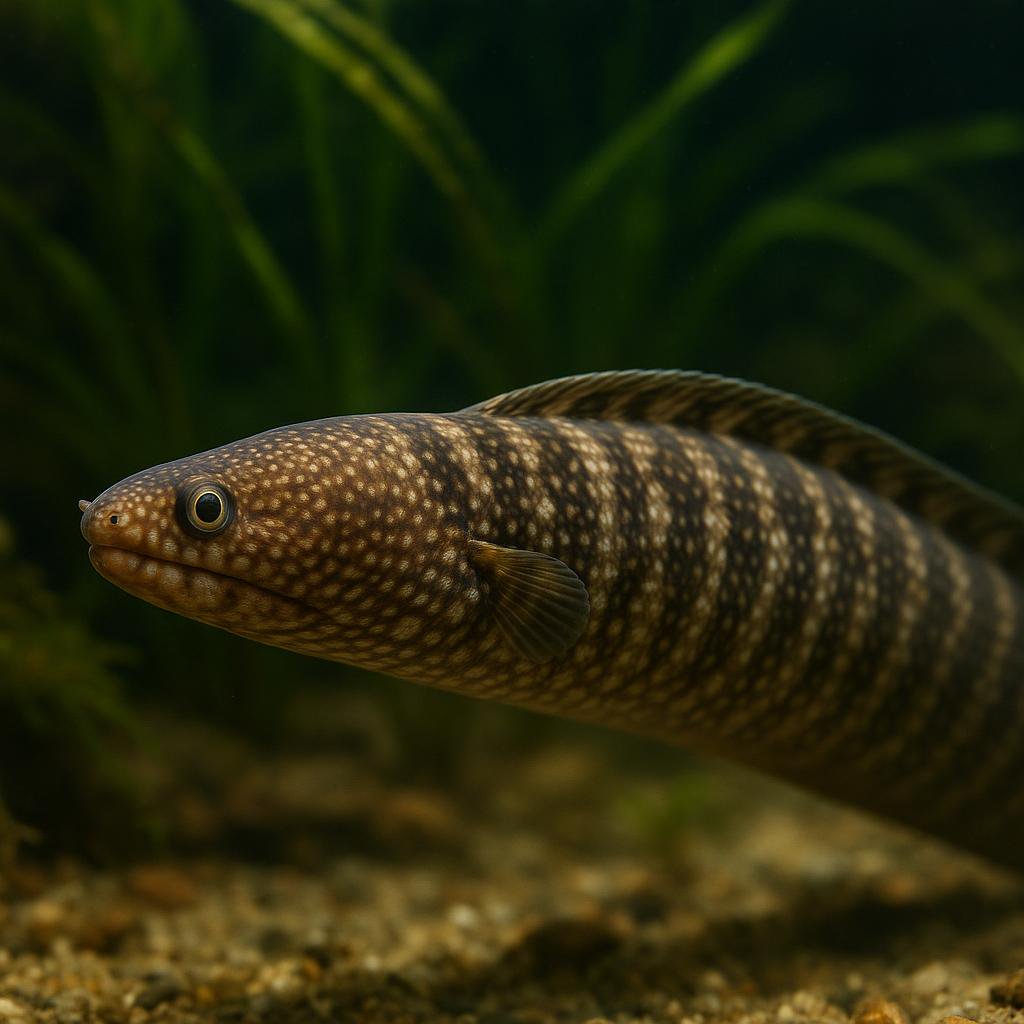
The Barlip reef-eel exhibits a slender, elongated body with a distinctively patterned mix of brown and yellow hues along its length.
This page includes AI-generated images. Why am I seeing AI images?
About the Barlip reef-eel
Uropterygius kamar is a smaller moray (a reef-eel) that spends its time tucked into rockwork and coral rubble, poking its head out when it smells food. FishBase notes it comes in two color morphs and lives on reef-associated rubble areas, so in a tank it really appreciates lots of tight caves and crevices. Like most morays its whole vibe is secretive ambush predator, not open-water swimmer.
Also known as
Quick Facts
Size
37 cm
Temperament
Semi-aggressive
Difficulty
Advanced
Min Tank Size
55 gallons
Lifespan
10-20 years
Origin
Indo-Pacific
Diet
Carnivore - meaty marine foods like shrimp, squid, fish flesh; will eat crustaceans and small fish it can catch
Water Parameters
24-26°C
7.9-8.3
8-12 dGH
Need a heater for this species?
This species needs 24-26°C in a 55 gallon tank. Use our heater calculator to find the right wattage.
Calculate heater sizeCare Notes
- Give it a rockwork maze with lots of tight holes and shaded ledges - they feel safest when they can wedge in so only the head sticks out. Cover every gap and run a tight lid because they can snake through openings you would not believe.
- Keep salinity steady around 1.025-1.026 and do not let pH sag (aim 8.1-8.4); they get cranky fast if your tank swings day to day. Strong biofiltration helps since messy meaty foods add up quick.
- Feed after lights-out when it is actually hunting - tongs make life easy. Rotate chunkier marine foods like shrimp, squid, clam, and silversides, and soak in vitamins now and then to dodge deficiency issues.
- Train it to take food from a feeding stick and you will stop it from mugging tankmates at dinner time. If it keeps missing, turn down the flow for the feeding window so the scent trail stays put.
- Tankmates: think sturdy fish that sleep off the bottom and are too big to swallow; avoid tiny gobies, shrimp, crabs, and anything that perches where the eel hunts. Also skip other eels unless the tank is big and you have plenty of separate caves, because turf wars happen.
- Watch for escape attempts, scraped noses, and cloudy eyes from ramming rocks or lids - they do this when stressed or hungry. If it starts cruising the glass at odd hours, check salinity and ammonia first, then look for a bully stealing its cave.
- Breeding in home tanks is basically a lottery - if you ever see two doing tight circling at dusk and one gets noticeably plumper, you might get eggs, but raising the larvae is a whole different beast. If you want any shot, keep the tank calm at night and do not blast the rockwork with bright lights.
Compatibility
Good Tankmates
- Chunky, calm reef fish that hold their ground but are not bullies - think dwarf angels (flame, coral beauty) or a well-behaved foxface. They mostly ignore the eel and the eel mostly ignores them.
- Medium-to-larger wrasses that are always on the move (Halichoeres types, melanurus, yellow coris). Too quick to get hassled, and they are not usually interested in poking into the eel's cave all day.
- Tangs and surgeonfish (kole tang, yellow tang, etc.). They stay in their lane, cruise the rockwork, and dont look like 'food' to the eel.
- Clownfish and other tougher damsel-ish reef fish that can handle some attitude (bigger clowns, chromis in a decent group). The eel may spook at feeding time but generally leaves them alone if they are not tiny.
- Rabbitfish and similar algae grazers (one-spots, foxface). Good 'big peaceful' vibe and they wont harass the eel, plus the eel is not built to chase them down.
- Larger, confident gobies that stick to a burrow and arent bite-sized (watchman goby sized up, not the tiny nanos). As long as the goby isnt small enough to be a snack, this can work fine with lots of rockwork.
Avoid
- Tiny fish and shrimp-sized tankmates - neon gobies, small blennies, firefish, sexy shrimp, cleaner shrimp. If it fits in the eels mouth, sooner or later it usually becomes 'night shift food'.
- Aggressive hole-hoggers and cave brawlers like dottybacks, hawkfish, or pushy damsels that live in the rocks. They love the same nooks and will pick at the eel or stress it out constantly.
- Big nasty predators that escalate things - triggers, large groupers, and mean lionfish types. Even if they dont eat the eel, they can out-muscle it, steal all the food, and turn the tank into a boxing match.
Where they come from
Barlip reef-eels (Uropterygius kamar) are little reef morays from the Indo-Pacific. You mostly see them tied to rubble zones and reef edges where they can wedge into tight cracks and poke their head out to hunt. They are built for that life: skinny, secretive, and very comfortable in places your other fish will never fit.
Setting up their tank
Think like an eel, not like a display fish. If your rockwork has 20 caves but none of them are a snug 3/4 inch crack, your barlip will still feel exposed. Mine settled in fastest when I gave it multiple tight hideouts and let it choose.
- Tank size: I would not bother under 30 gallons for an adult, and bigger is always easier for stability.
- Rockwork: build a maze of crevices and tunnels. Use epoxy or putty to lock rocks so nothing shifts when the eel bulldozes through.
- Substrate: sand is fine, bare bottom is fine. They are more about rock cracks than burrowing.
- Flow: moderate. You want oxygen and clean water, but not a jet blasting their favorite hole.
- Lighting: not picky. They show themselves more in lower light or during feeding.
Lid the tank like you mean it. Any gap around plumbing, corners, or a loose screen top is an exit. If the eel can fit its head through, it can leave.
I like to give them at least two or three known hideouts spaced around the tank. That way they can retreat if a bolder fish claims one spot. A short length of PVC tucked behind rock can work, but natural-looking cracks seem to make them braver.
Skip sharp, topple-prone rock towers. Reef-eels will push and wedge, especially at night. Secure the structure so it cannot collapse.
What to feed them
They are meaty-food predators. If you are expecting a fish that grazes or takes pellets like a champ, this is not that animal. The good news is once they recognize the feeding routine, they usually eat very well.
- Best staples: thawed shrimp, silversides or other marine fish pieces, squid, clam, scallop, and chunks of marine mix.
- Offer variety: rotating foods keeps them from getting stuck on one item and covers nutritional gaps.
- How often: smaller meals 2-3 times per week works well for most adults. Juveniles can go a bit more often.
- How to feed: use tongs or a feeding stick and place food near their hideout entrance.
If they ignore food, try feeding after lights-out with a dim room light. A lot of barlips act way bolder once the tank calms down.
Avoid freshwater feeder fish. Besides parasite risk, the fatty acid profile is not great for marine predators long-term.
Expect a learning curve at first. Some come in only taking live foods. If that happens, I have had luck weaning by offering fresh-dead shrimp or clam on tongs, wiggling it gently, and being consistent. Do not leave uneaten meaty food to rot in the rocks.
How they behave and who they get along with
Barlip reef-eels are shy ambush hunters. Most of the day you will see a head poking out, then a quick retreat. At night they cruise more. They are not usually the terror-moray people imagine, but they will absolutely eat what fits in their mouth.
- Good tankmates: medium, confident reef fish that will not pick at the eel (tangs, larger wrasses, dwarf angels with caution, many damsels in bigger tanks).
- Risky tankmates: tiny gobies, small blennies, small cardinalfish, and decorative shrimp. If it is bite-sized, assume it is food.
- Avoid: aggressive triggerfish, big hawkfish, and anything that harasses or nips the eel at its cave entrance.
Reef-safe with corals, yes. Reef-safe with clean-up crew, it depends. Snails and many crabs are usually ignored, but shrimp are a common casualty.
One behavior that surprises people: they can be clumsy. They will wedge through rock and occasionally dislodge frags. If you keep corals, glue your frags down and do not balance anything precariously on the rock.
Breeding tips
In home aquariums, breeding Uropterygius species is pretty rare. Even if you get a male and female, the real roadblock is raising the larvae - moray eels have a long leptocephalus larval stage that is extremely specialized. I treat this species as a display predator, not a breeding project.
If you ever see spawning behavior (more open swimming, pairing, or eggs), document it and share it with the community. Solid observations on these eels are still uncommon.
Common problems to watch for
- Escapes: the number one killer. Cover every gap, weigh down lids, and secure mesh tops.
- Refusing food after arrival: common. Give them quiet, lots of hiding spots, and try nighttime feeding with tongs.
- Poor water quality from heavy foods: big meaty diets can spike nutrients fast. Strong filtration, regular maintenance, and not overfeeding go a long way.
- Injuries from rockwork: scrapes happen if the eel squeezes through sharp rubble or unstable structures shift.
- External parasites: less tolerant of harsh treatments than many scaled fish. Quarantine protocols and careful medication choices matter.
Be careful with copper and other meds. Eels do not handle some treatments the way your tang does. If you need to medicate, research eel-safe approaches and dose cautiously.
If your barlip suddenly starts wandering the glass a lot during the day, that is usually a sign something is off: water quality, bullying, or its favorite cave got taken. Check parameters, watch tankmate behavior, and add another tight hide if you need to.
Similar Species
Other marine semi-aggressive species you might be interested in.
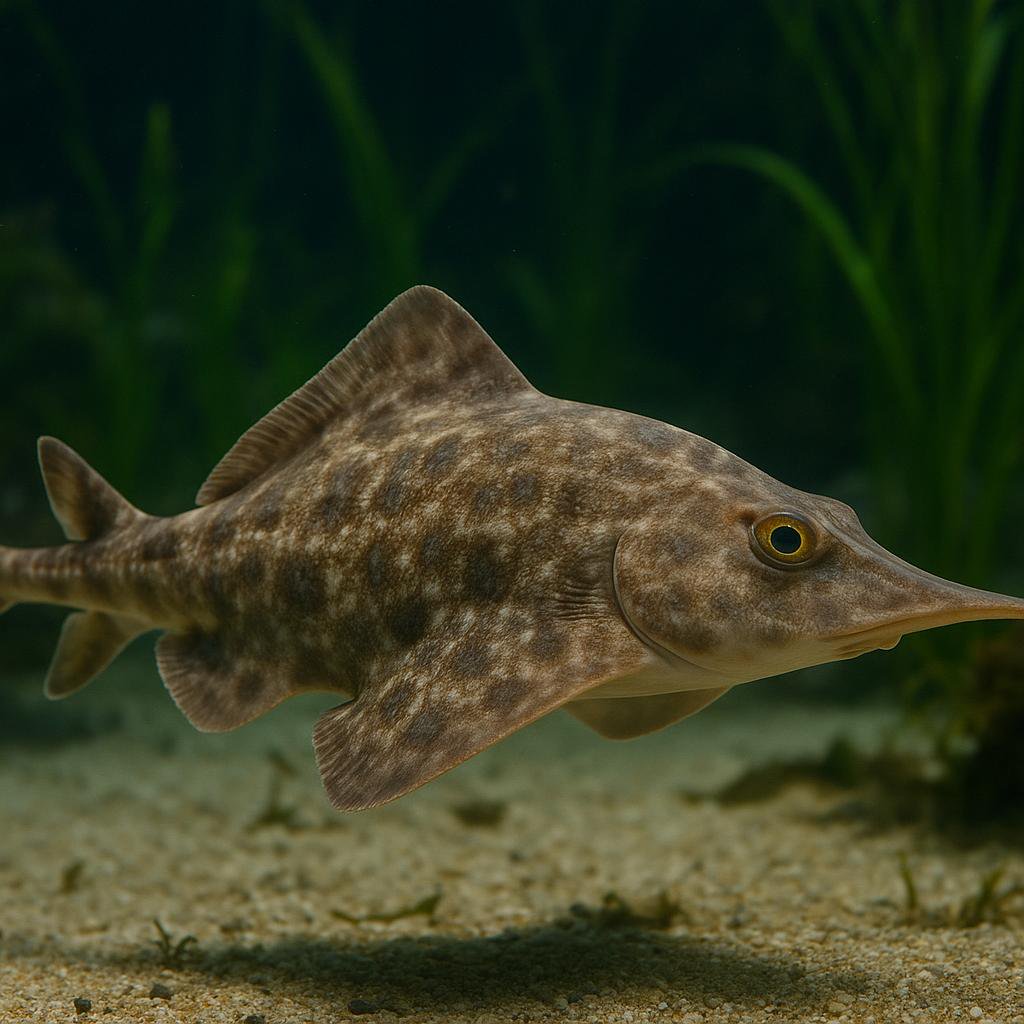
Aleutian skate
Bathyraja aleutica
This is a big, cold-water deep-slope skate from the North Pacific that cruises muddy bottoms and eats chunky benthic prey like crabs and shrimp. The really cool bit is its egg-laying skate life - it does distinct pairing (the classic skate "embrace") and drops those tough egg cases on the seafloor. Not an aquarium fish at all unless you're basically running a public-aquarium-style chilled system.
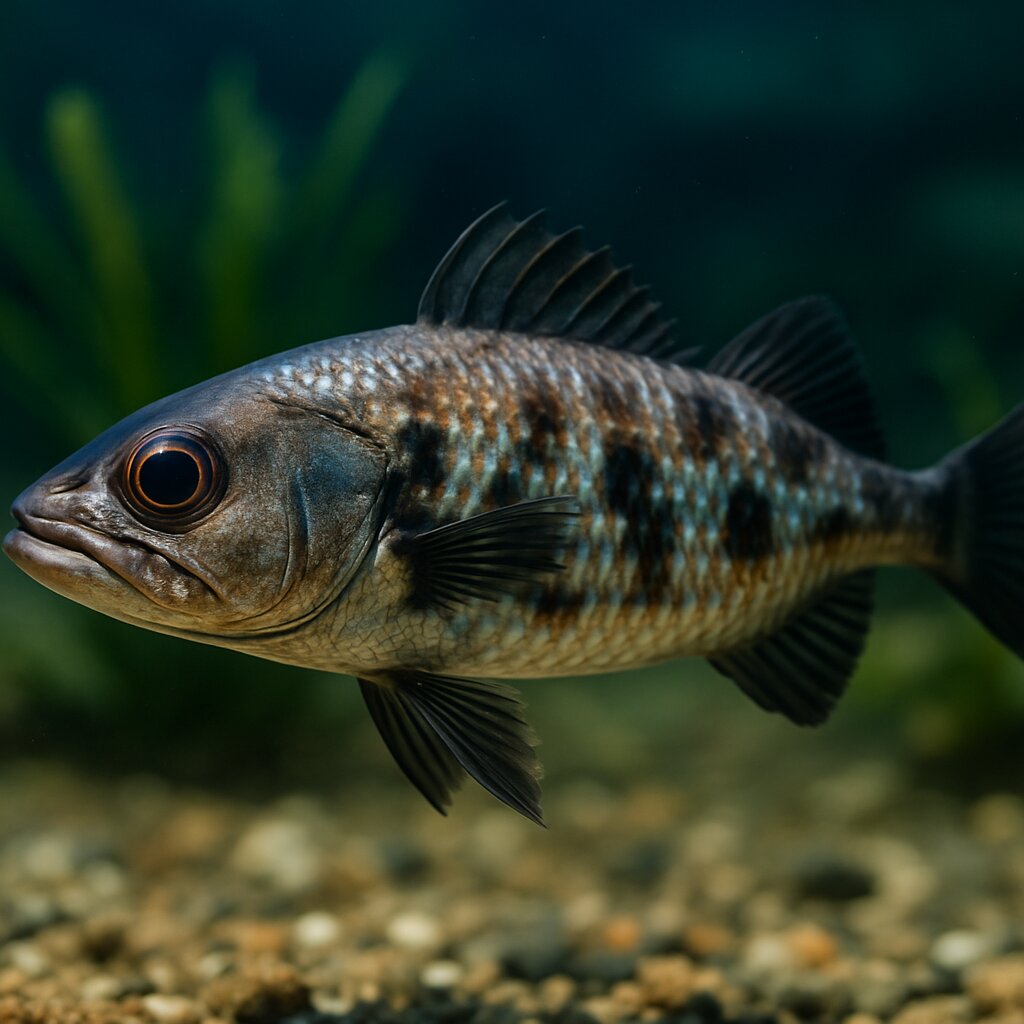
Antarctic dragonfish
Vomeridens infuscipinnis
Deep down around Antarctica, this sleek dragonfish cruises the water column like a little submarine, nearly neutrally buoyant so it can hover above the seafloor. It munches almost exclusively on Antarctic krill and lives in near-freezing water 500-800 m down, so it is a cool species to read about, not one for home tanks.
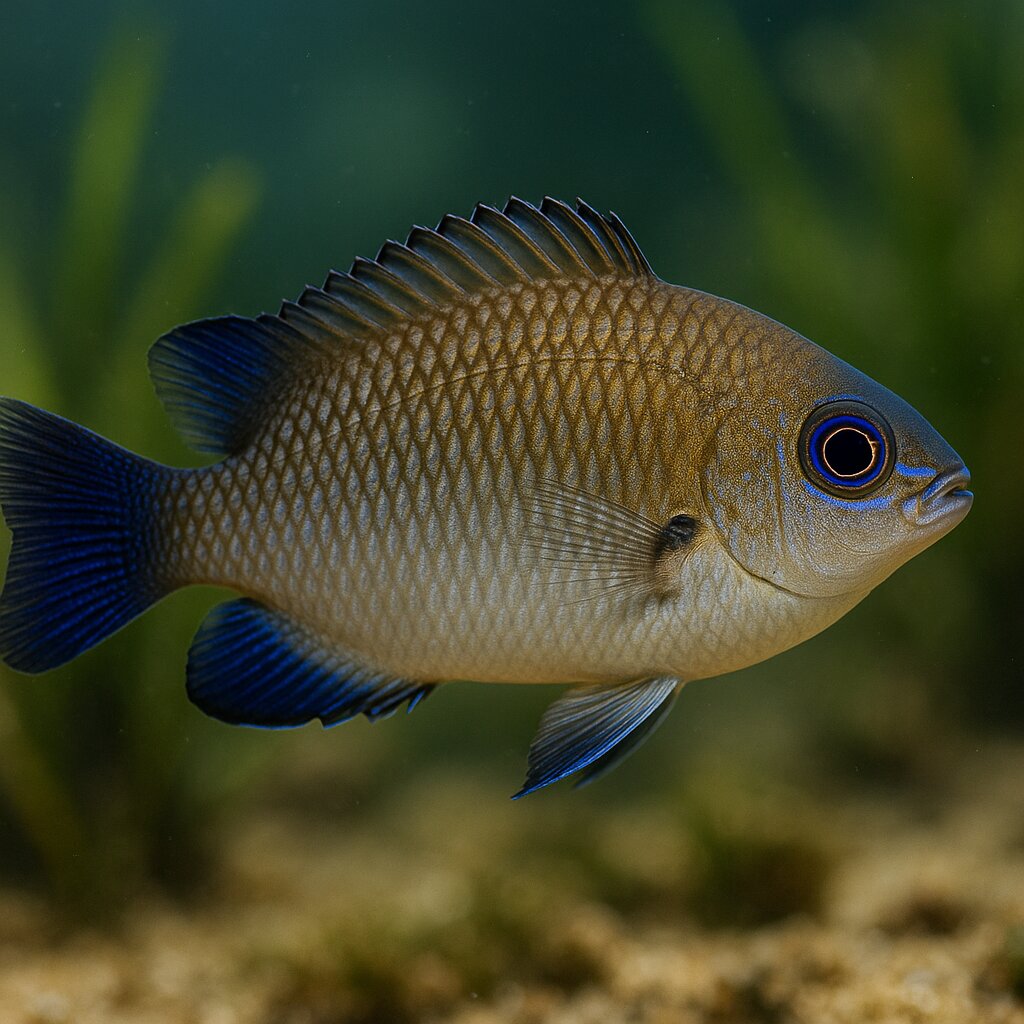
Arabian demoiselle
Neopomacentrus sindensis
A small lyretail damsel from the Persian Gulf and Arabian Sea, it hangs in loose groups around coral heads, rocks, and even pier pilings picking zooplankton from the flow. Think classic damsel toughness with a slightly milder attitude than the real bruisers, plus subtle yellow tail accents. Males clean a patch, get a mate to lay eggs there, and then stand guard fanning the clutch.
Arabian spiny eel
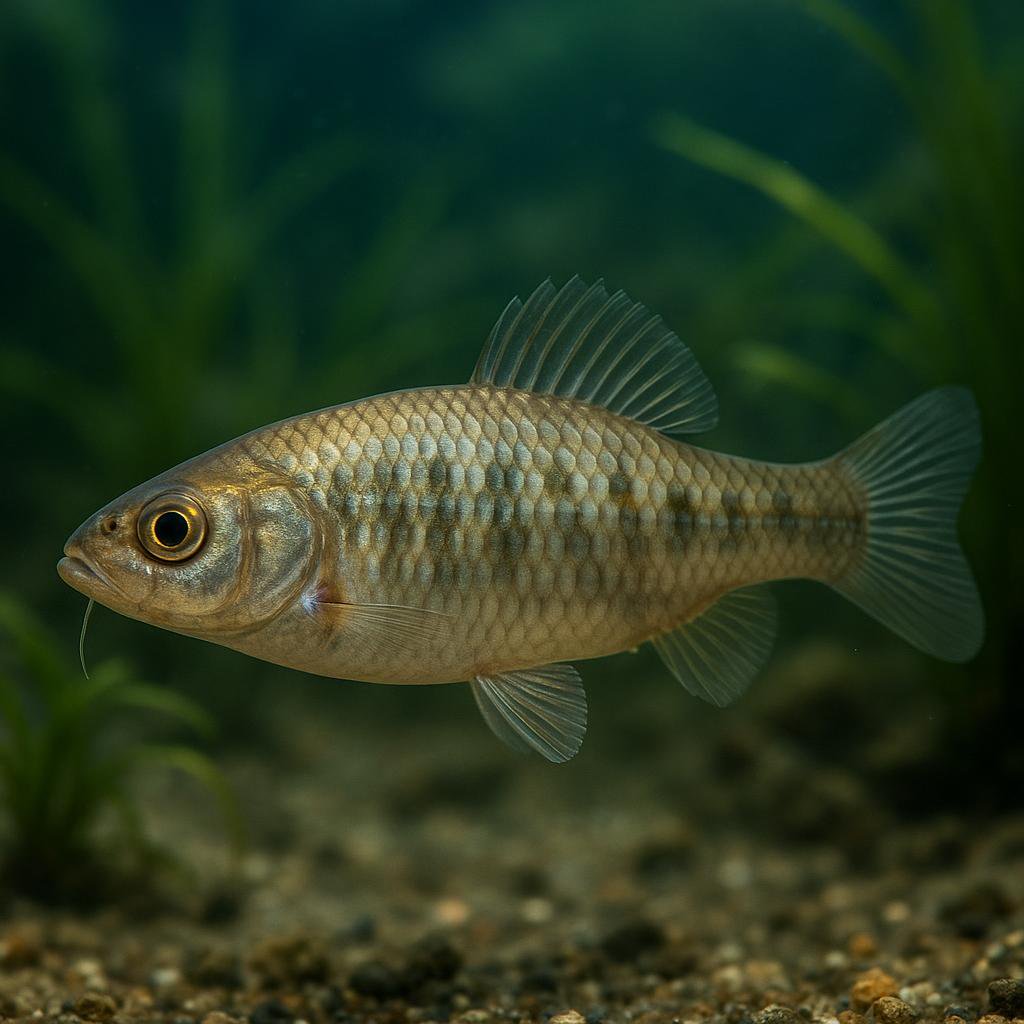
Notacanthus indicus
Notacanthus indicus is a deep-sea spiny eel (family Notacanthidae; not a true eel) known from the Arabian Sea on the continental slope at roughly ~960–1,046 m depth, with reported maximum length around 20 cm TL; it is a deep-water bycatch species and not established in the aquarium trade.
Arctic rockling
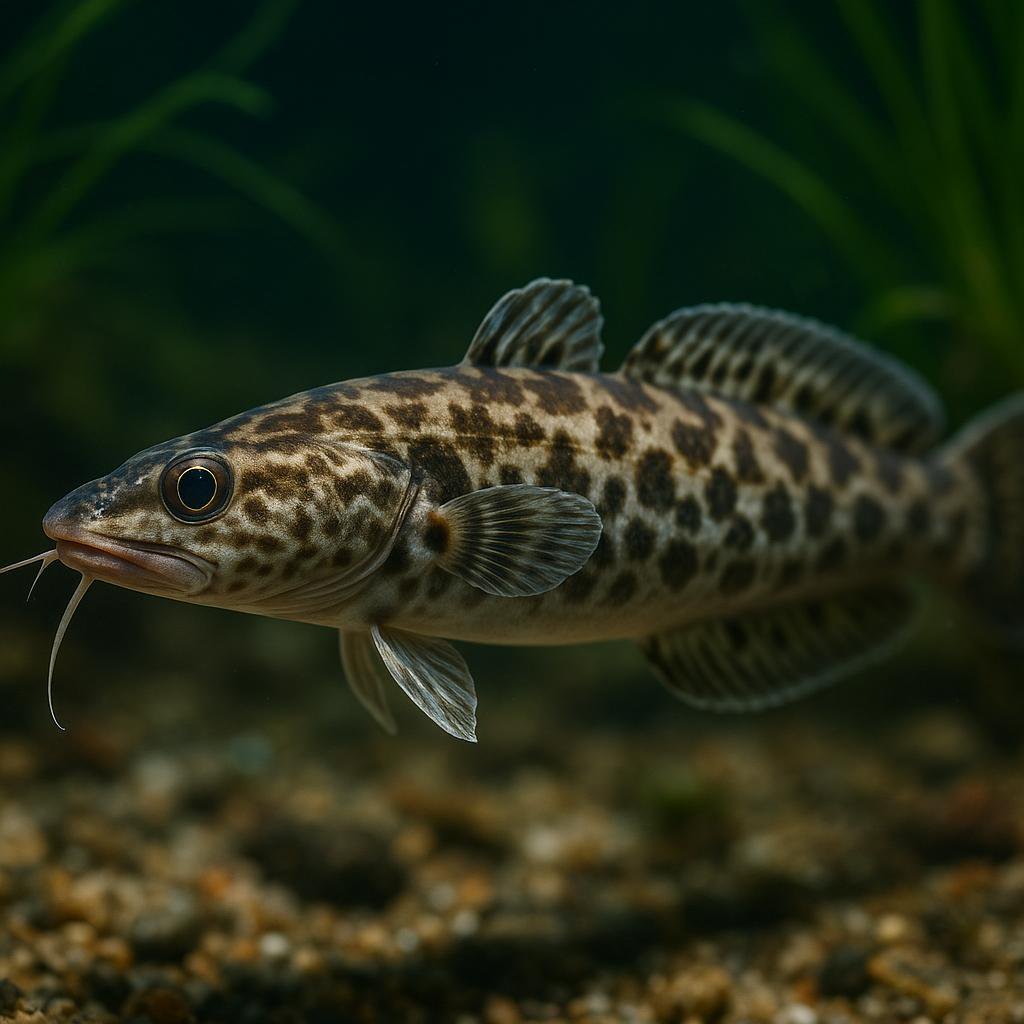
Gaidropsarus argentatus
This is a deepwater North Atlantic rockling (a cod relative) that hangs out on soft bottoms way down the slope. It is a cold-water, bottom-hugging predator that snoots around for crustaceans and will also take small fish when it gets the chance.
Atlantic pomfret
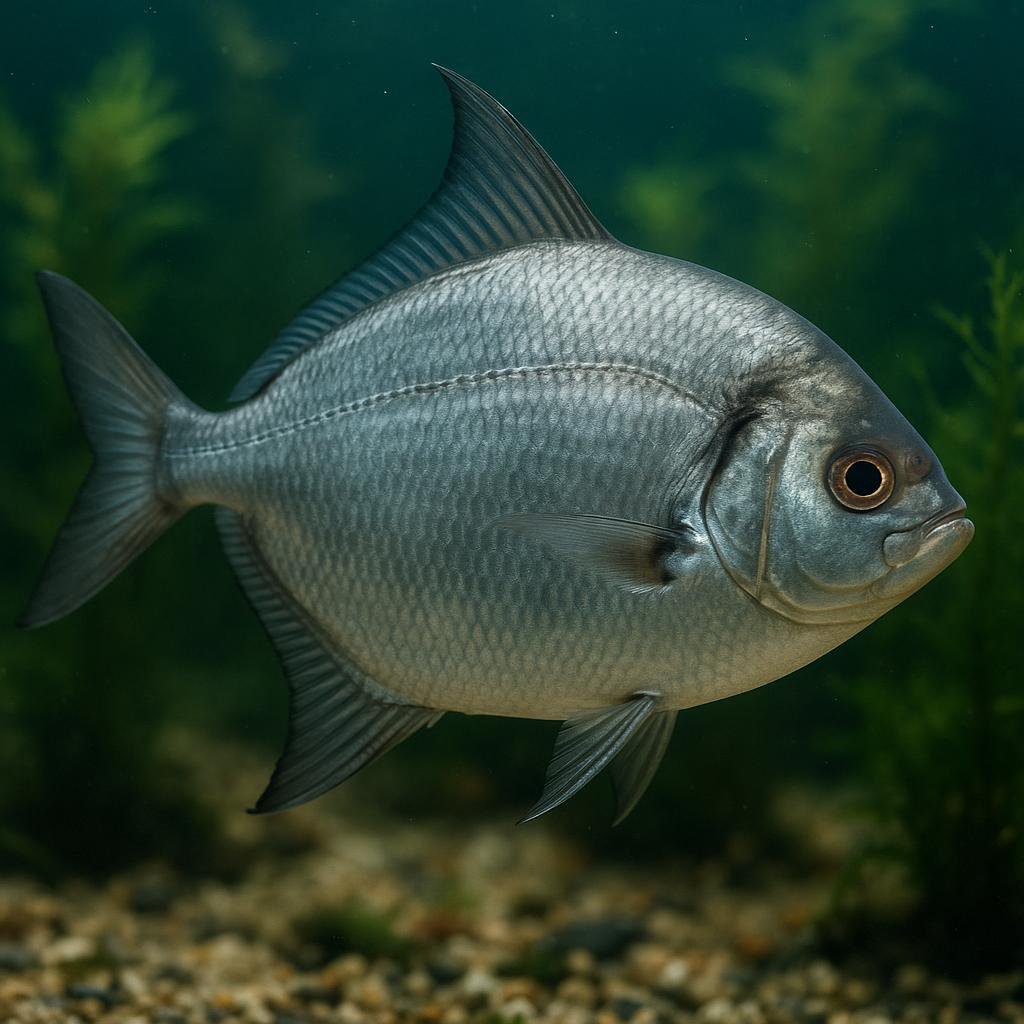
Brama brama
Brama brama is the Atlantic pomfret (aka Ray's bream) - a deep-bodied, open-ocean pelagic fish that cruises around in small schools and follows water temps. It is a legit big, wild marine species (not an aquarium fish) that eats other small sea critters like fish and squid, and it ranges across a huge chunk of the Atlantic plus parts of the Indian and South Pacific.
More to Explore
Discover more marine species.
Abe's eelpout
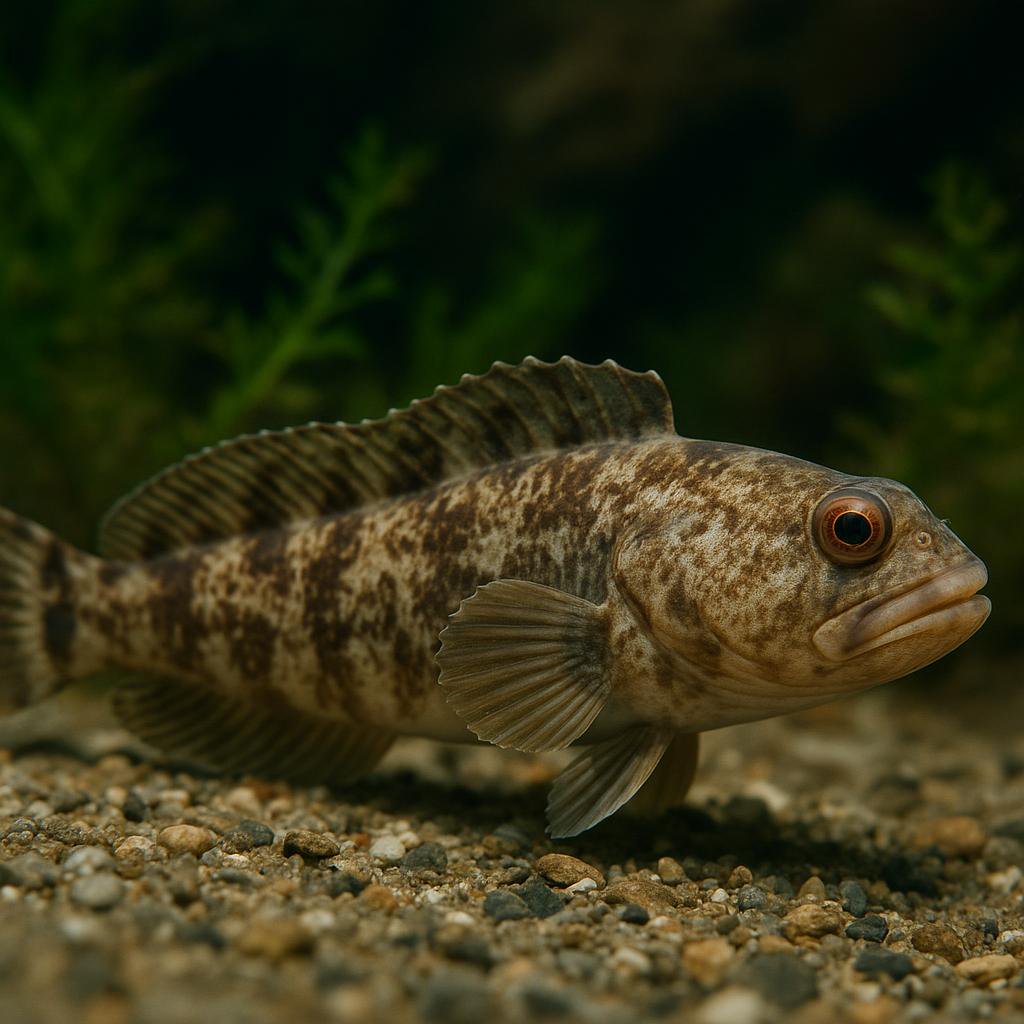
Japonolycodes abei
Japonolycodes abei is a temperate, deepwater demersal eelpout (family Zoarcidae) endemic to Japan (Kumano-nada Sea reported; other sources also report Sagami Bay and Tosa Bay). It is the only species in the genus Japonolycodes and occurs roughly 40-300 m depth, making it an uncommon/atypical aquarium species.
Affinis blind cusk-eel
Barathronus affinis
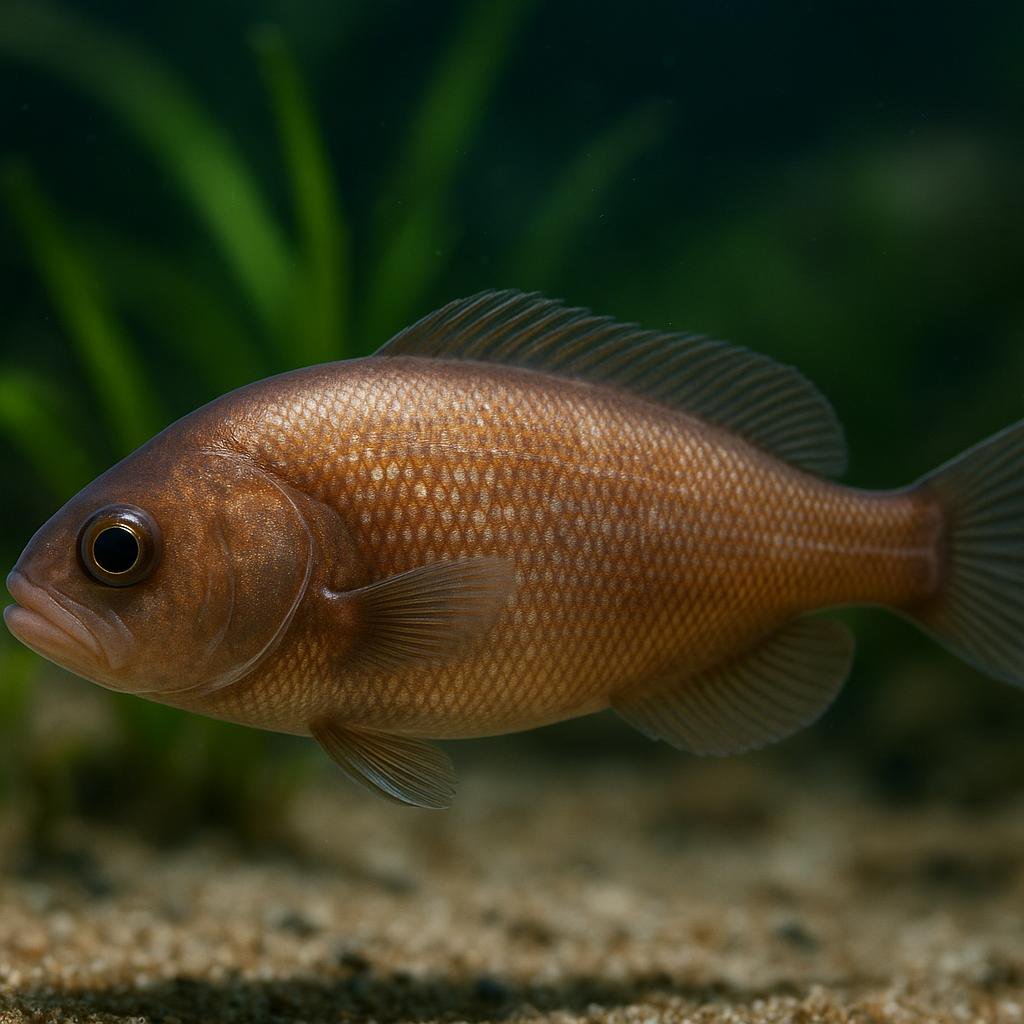
Barathronus affinis is a tiny, super-weird deep-sea blind cusk-eel from the western-central Indian Ocean. It is one of those gelatinous, loose-skinned brotula-type fishes that live way down in the dark and are basically never seen alive, so almost everything we know comes from preserved specimens and taxonomic work.
African red snapper
Lutjanus agennes
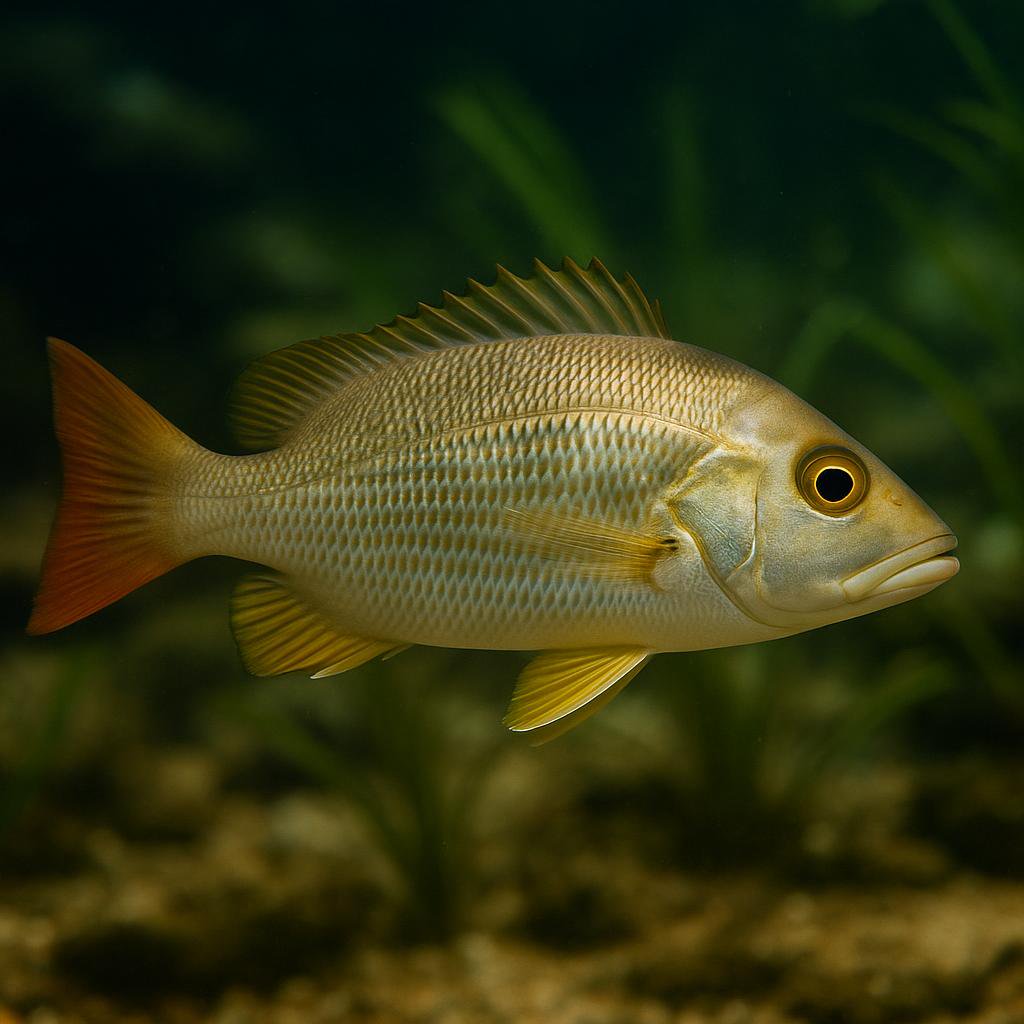
This is a true snapper from West Africa - a big, fast-growing predator that goes from coastal reefs to brackish lagoons and estuaries (especially as a juvenile). Super cool fish in the wild, but it gets absolutely huge and will eat smaller tankmates once it has the mouth for it, so its really more of a public-aquarium scale animal than a home-aquarium fish.
Allis shad
Alosa alosa
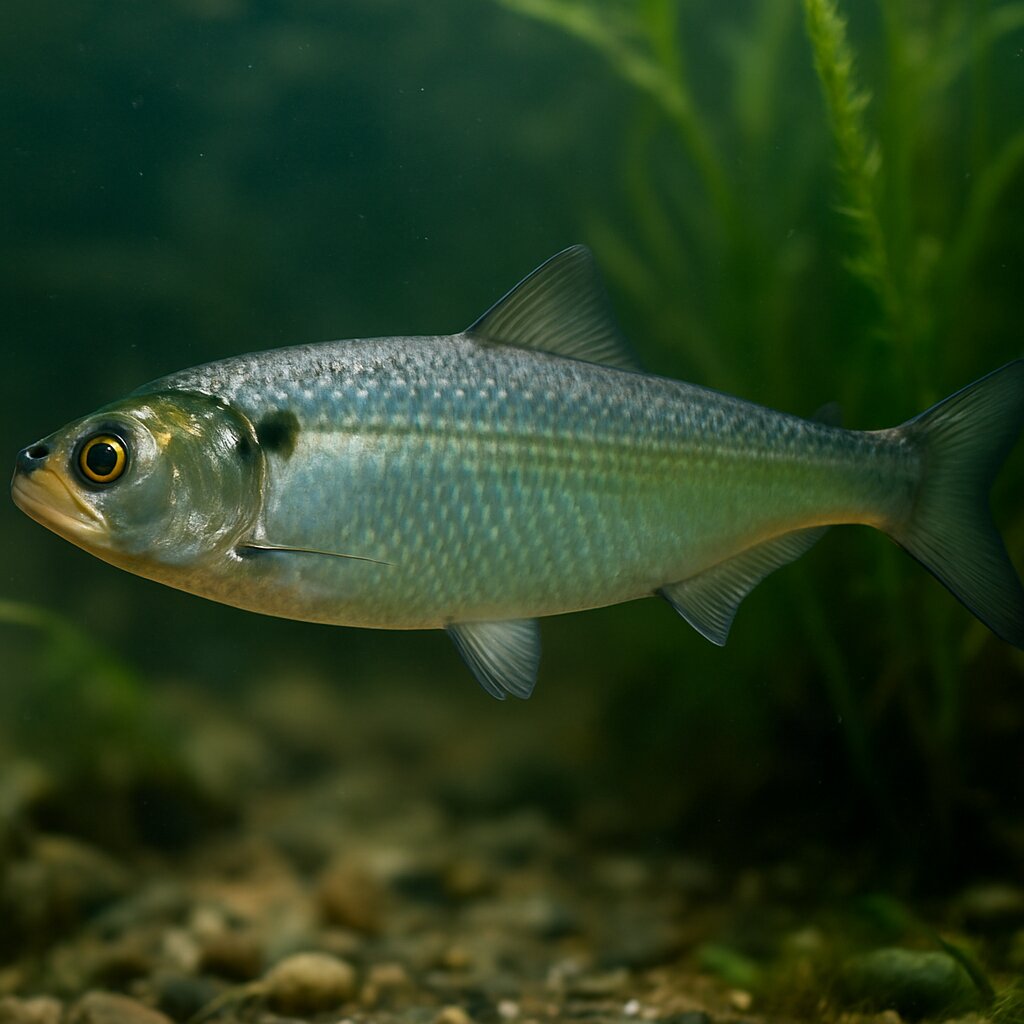
Gorgeous silver, fast-swimming shad that spends most of its life in the sea and then surges up big rivers in noisy, surface-spawning schools. It grows huge for a herring-type fish and needs cool, ultra-oxygenated water and tons of open space, so it is a public-aquarium species rather than a home tank fish.
Annandale's zebra sole
Zebrias annandalei
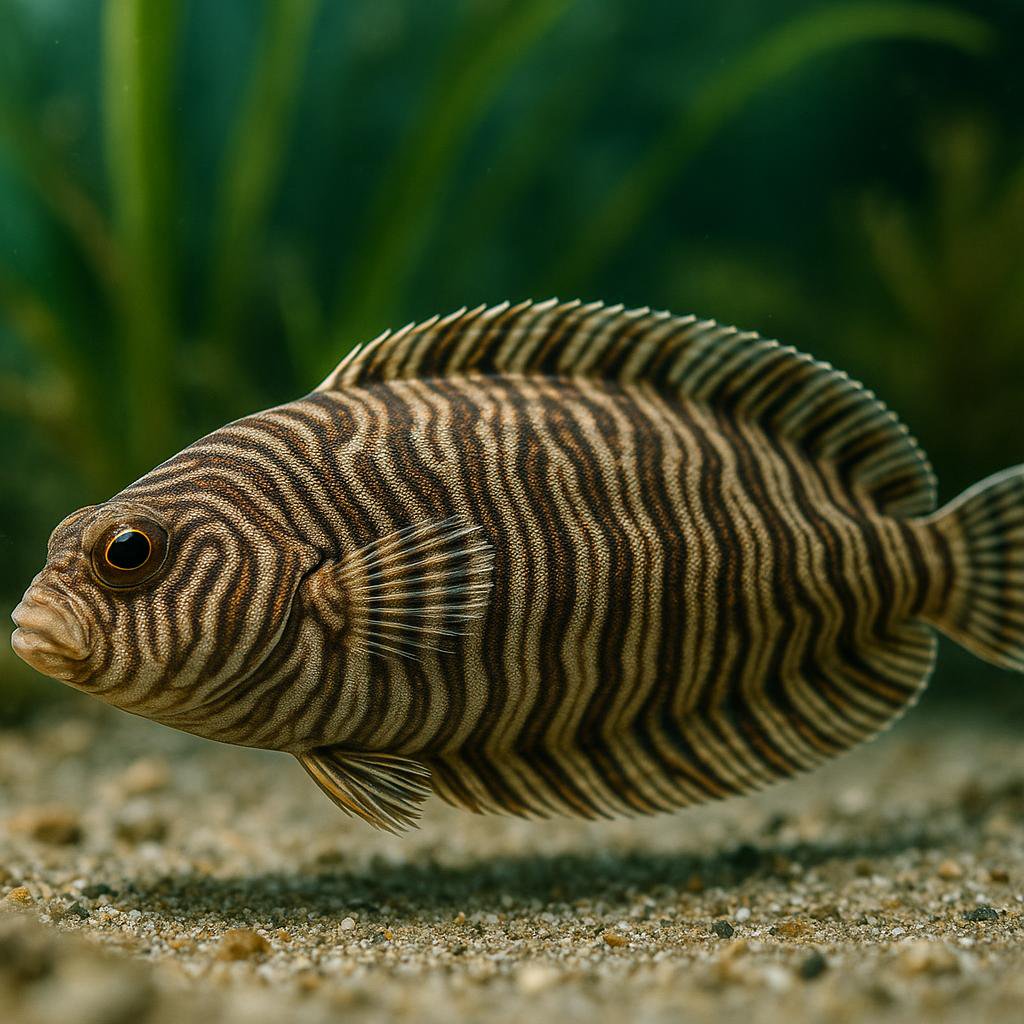
Zebrias annandalei is a small demersal sole from coastal India that inhabits sandy or muddy bottoms and buries for camouflage. It is rarely kept in home aquaria and would require a specialized marine sand-bottom setup and appropriate feeding.
Australian sawtail catshark
Figaro boardmani
Figaro boardmani is a small, deepwater Australian catshark with these cool saw-like ridges of spiny denticles along the tail and a neat pattern of dark saddle bands. It lives way down on the outer continental shelf and slope, so its natural water is cold, dim, and stable - totally not a typical home-aquarium fish. Diet-wise its a predator that goes after fish, crustaceans, and cephalopods.
Looking for other species?