

Cartier's deepwater snake eel
Benthenchelys cartieri
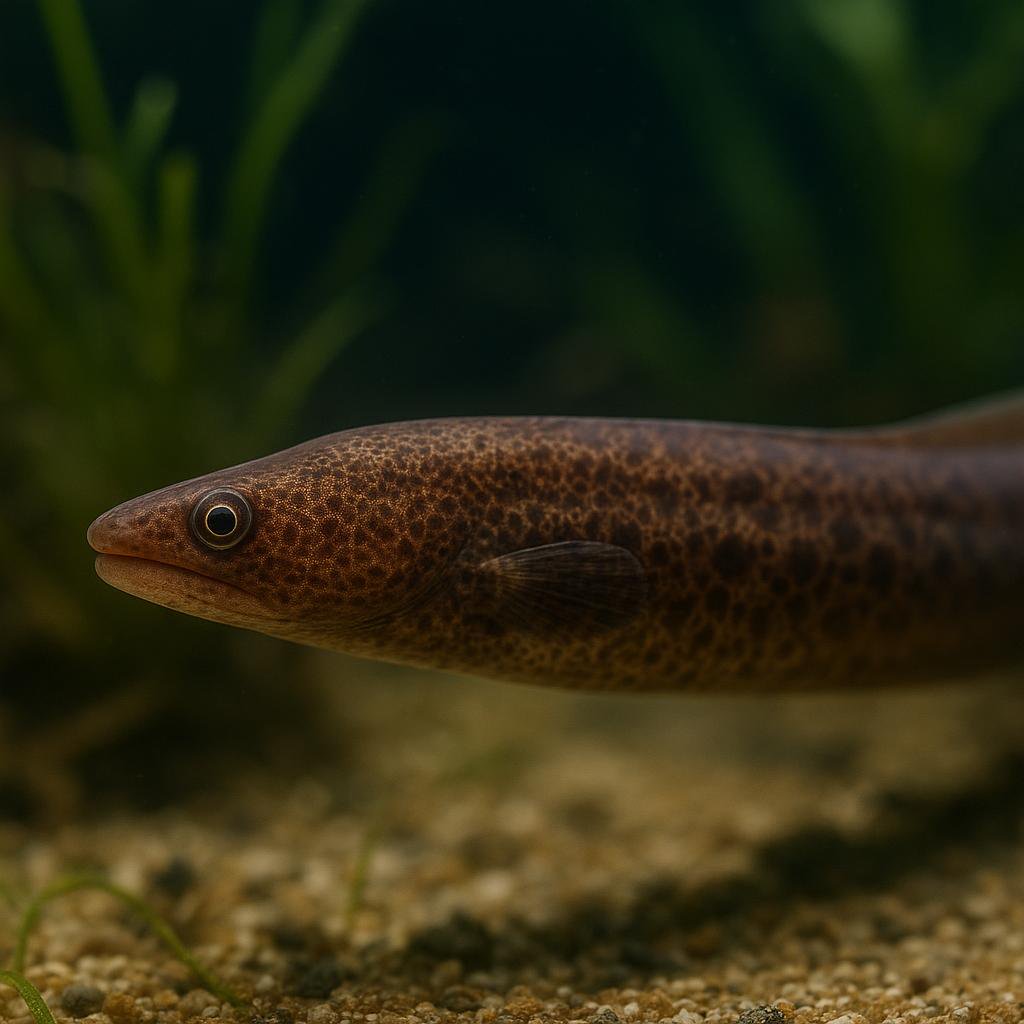
Cartier's deepwater snake eel features a slender, elongated body, with a mottled brownish coloration and small, sharp teeth.
This page includes AI-generated images. Why am I seeing AI images?
About the Cartier's deepwater snake eel
A deepwater marine snake eel (Ophichthidae) known from the Philippines (Western Central Pacific). FishBase notes members of the genus Benthenchelys are pelagic; recorded depth range to 1168 m. Not an established aquarium species.
Also known as
Quick Facts
Size
9.6 cm SL
Temperament
Peaceful
Difficulty
Expert
Min Tank Size
0 gallons
Lifespan
unknown
Origin
Western Central Pacific (Philippines)
Diet
Carnivore - likely small crustaceans and other tiny drifting prey (not established for aquariums)
Care Notes
- This is a deepwater pelagic eel (genus Benthenchelys) with recorded depth to 1168 m; aquarium husbandry is not established and should not be assumed to match burrowing snake-eel care (e.g., deep sand beds).
- Go light on sharp rock rubble and coral skeletons where it burrows, or you will see nose scrapes and mouth damage fast. Build rockwork stable on the glass, then add sand around it so it cannot undermine and topple things.
- Feed like a predator that hunts by smell: thawed marine meaty foods (silversides, shrimp, squid, clam, fish flesh) on feeding tongs works best. Start at lights-out and be patient - once it learns the routine, it will take food from the same spot.
- Do not keep it with tiny fish or shrimp you care about - anything that fits in its mouth is on the menu. Safer tankmates are calm, non-nippy midwater fish; avoid triggers, puffers, and big wrasses that will chew on an eel's face when it peeks out.
- Quarantine is rough because it buries and you will think it vanished, so use a covered QT with a large PVC tube and a sand tray if you can. Watch for skin abrasions turning into infections and treat early, because eels go downhill fast once they stop eating.
- Copper meds are a bad time with eels, and this species does not handle harsh treatments well - if you need parasite control, lean toward tank-transfer/QT observation and targeted meds you know are eel-safe. If it stops feeding, check for high nitrates, low oxygen at night, or bullying before you start throwing chemicals at it.
- Breeding in captivity is basically a non-event; deepwater eels have larval stages that are not practical to raise at home. If you see two together, assume it is tolerance, not a pair bond, and still feed heavy so they do not 'solve' the problem by eating each other.
Compatibility
Good Tankmates
- Peaceful midwater fish that mind their own business - fairy and flasher wrasses (Cirrhilabrus, Paracheilinus) are usually perfect because they stay out in the water column and do not pick on burrowers
- Chill planktivore types like chromis (Chromis viridis and similar) - they are fast, non-territorial most of the time, and wont hassle an eel that is mostly hiding during the day
- Smaller, peaceful reef-safe angels like a coral beauty or flame angel (Centropyge) if your tank is big enough and the angel is not a bully - they generally ignore a deepwater snake eel
- Calm sand-sitters like a watchman goby (Cryptocentrus) or other non-aggressive gobies - they share the bottom without turning it into a turf war, as long as everyone has their own hole
- Peaceful, not-too-nippy tangs or bristletooths (Ctenochaetus) - good in larger setups, they cruise the rockwork and typically leave the eel alone
- Not established in aquaria; compatibility with reef fish/invertebrates is unknown.
Avoid
- Aggressive territorial fish - big dottybacks, damsels with an attitude, and mean triggers can stress it out and may bite at the head when it peeks out
- Large predatory wrasses and hogfish (Coris, Bodianus) - they love to flip sand and investigate holes, and they can harass or injure a shy snake eel that is trying to stay buried
- Groupers, large hawkfish, and other ambush predators - if it fits in their mouth, they will try, and even if they cannot swallow it they can do serious damage
- Fin-nippers and peckers like some puffers and bigger butterflyfish - they can turn the eels face into a chew toy when it is feeding or sticking its head out
Where they come from
Cartier's deepwater snake eel (Benthenchelys cartieri) is one of those animals that reminds you the ocean is basically another planet. They show up on deep slopes and muddy bottoms, well below the comfy reef zone most of our hobby fish come from.
That deepwater origin drives almost everything about keeping them: they are built for dim light, cooler and steadier water, and a life spent buried with just the head poking out waiting for food to drift by.
If you're thinking "snowflake eel but rarer," stop right there. This is a very different kind of eel with very different needs, and it does not forgive shortcuts.
Setting up their tank
Give them space to disappear. A deep sand bed is not optional in my experience. Mine settled in the day I gave it 4-6 inches of fine sand and stopped trying to wedge under rocks.
Go for a larger footprint over height. You want a long tank with calm zones where the sand stays put. Flow that blasts the bottom turns their world into a sandstorm and you'll see them stressed and roaming.
- Tank size: I'd start at 125 gallons for an adult-sized eel, more if you want tankmates.
- Substrate: fine sand, 4-6 inches. Skip sharp crushed coral.
- Rockwork: stable and on the glass, not sitting on sand they can undermine.
- Lighting: low to moderate. They do not need bright reef lighting and often hate it.
- Flow: moderate overall, but keep the bottom calmer with smart pump placement.
- Filtration: heavy. Big skimmer, lots of biological capacity, and carbon helps with meaty-food funk.
Escape artist level: extreme. Every gap, overflow, plumbing hole, and lid corner needs to be sealed. If a credit card fits, the eel can eventually find it.
Temperature is the make-or-break piece. This species is from deep water, so standard 78-80F reef temps are not where I'd keep them long term. A chiller and a stable controller setup is the realistic path here, and stability matters more than chasing a specific number. If you can't keep temps steady (especially in summer), I would not attempt this eel.
Do not put them in a new tank. They react badly to swings in ammonia/nitrite and even "mild" nitrate spikes after big feedings. Mature, boring, stable systems win.
What to feed them
They are ambush predators. Once they learn your routine, they will take food from tongs, but most start off shy and will only eat when they feel hidden. Feeding at dusk with lights dimmed made a big difference for me.
- Best staples: thawed marine meaty foods like shrimp, squid, clam, scallop, marine fish flesh (sparingly).
- Also good: quality frozen carnivore blends and chopped raw seafood from a trusted source.
- Avoid: freshwater feeder fish, goldfish, and anything oily/dirty that fouls water fast.
- Portions: smaller pieces more often beats one huge meal.
- Schedule: juveniles 3-4 times/week, adults 2-3 times/week (watch body condition).
Use long feeding tongs and offer the food right at the burrow entrance. If you drop food into the open, faster fish will steal it and the eel may stop trying.
Keep an eye on the "neck" area behind the head. A healthy snake eel has some thickness there, not a pinched look. If it's getting skinny, bump feeding frequency and make sure tankmates are not outcompeting it.
How they behave and who they get along with
Most of the time you will see a head sticking out of the sand, watching the room. They're not a constant cruiser like some morays. At night they may roam more, especially if they feel underfed or exposed.
They are predators, but not usually bullies. The risk goes the other way: pushy fish can stress them out and keep them from eating. Calm, deep-bodied tankmates generally work better than zippy sand-sifters.
- Good fits: peaceful to semi-peaceful fish that won't harass the eel (bigger angels, tangs, some wrasses if not too hyper).
- Avoid: small fish you wouldn't mind disappearing, tiny gobies/blennies, and anything that sleeps in the sand.
- Avoid: aggressive triggers, large puffers, and fish that nip faces and fins.
- Avoid: crustaceans you care about. If it fits in the mouth, it is food.
- Bottom crew: choose snails and tougher inverts carefully, and accept losses.
Sand-sifting fish and starfish can cause problems. They constantly disturb the eel's burrow and you end up with an eel that stays out, paces, and refuses food.
Breeding tips
Breeding this species in home aquariums is basically not a thing. Deepwater eels have complex larval stages (leptocephalus larvae) that drift in the plankton, and getting from spawning to settlement is way beyond what most of us can pull off.
If you keep more than one, don't count on a "pair." You might just be housing two predators that tolerate each other until they don't. If you ever see serious biting or one eel hogging the only good burrow, separate them.
Common problems to watch for
The big ones I see with deepwater snake eels are stress from exposure, heat, and feeding issues. They can look "fine" right up until they stop eating and then they slide fast.
- Not eating: usually from too much light, too much bottom flow, harassment by tankmates, or a tank that is too new.
- Mouth/face injuries: from hitting lids, rock edges, or fighting tongs. Keep rockwork smooth near the burrow zone and use soft-tipped tongs.
- Skin damage and infections: often tied to sharp substrate, poor water quality, or repeated handling. Fine sand and stable water help a lot.
- Escapes: almost always a lid or overflow gap problem, especially after a water change or rearranging pumps.
- Rapid breathing/lethargy: check oxygen, temperature spikes, and ammonia immediately. Meaty feeding plus warm water can crater oxygen overnight.
Do not "dig them out" to show friends. If you need to move one, use a container and guide it in gently. Nets and grabbing are a good way to tear skin and start a nasty infection.
If you want a single takeaway: treat this eel like a deepwater animal, not a reef eel. Dimmer, cooler, calmer, sandier, and very stable. If you can give it that, they are fascinating to keep. If you cannot, they tend to slowly fall apart and it's rough to watch.
Similar Species
Other marine peaceful species you might be interested in.
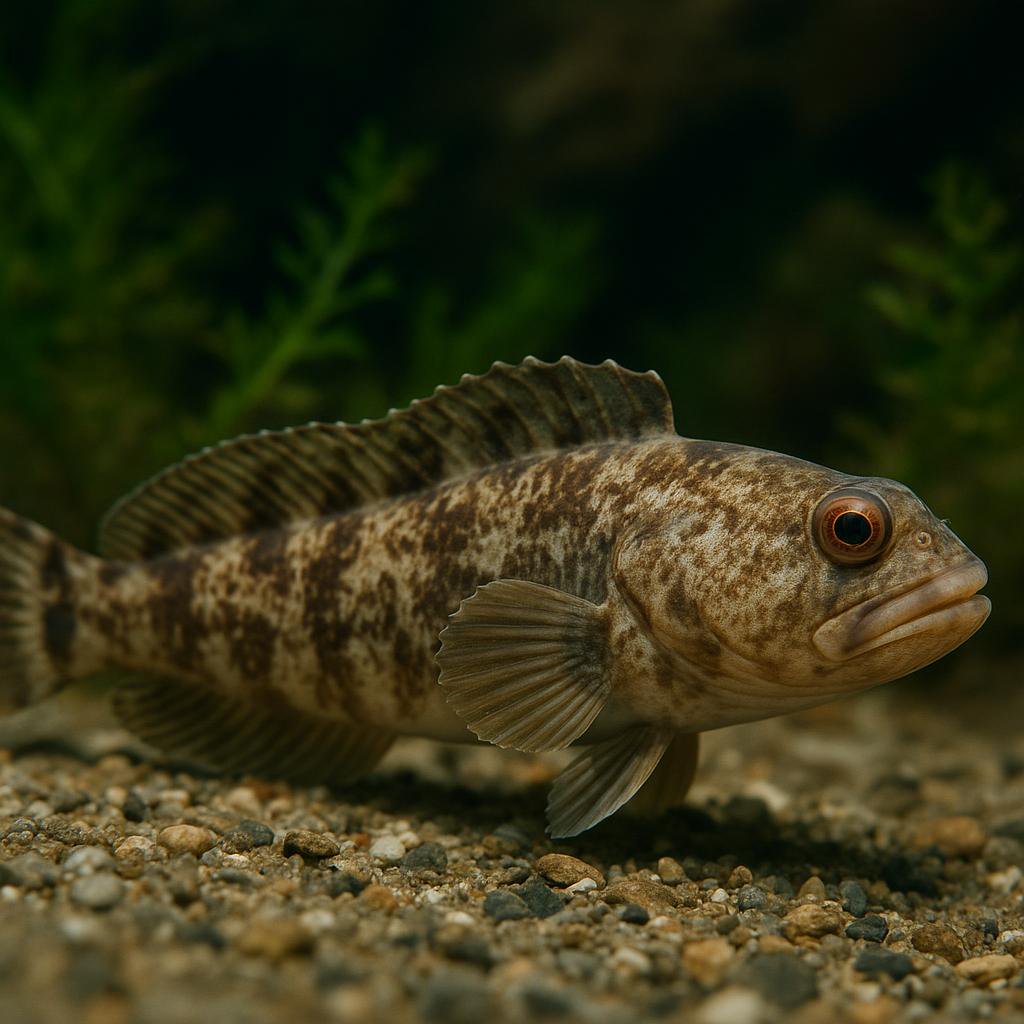
Abe's eelpout
Japonolycodes abei
Japonolycodes abei is a temperate, deepwater demersal eelpout (family Zoarcidae) endemic to Japan (Kumano-nada Sea reported; other sources also report Sagami Bay and Tosa Bay). It is the only species in the genus Japonolycodes and occurs roughly 40-300 m depth, making it an uncommon/atypical aquarium species.
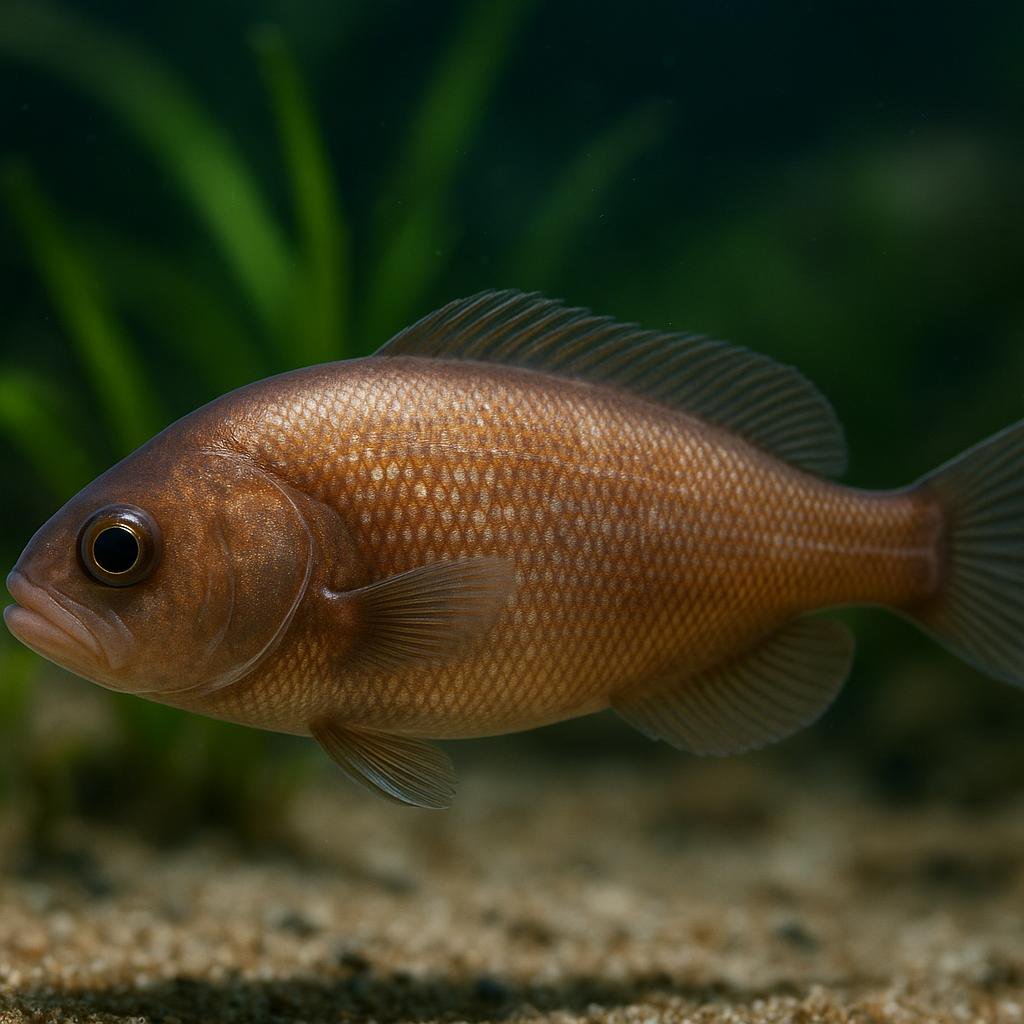
Affinis blind cusk-eel
Barathronus affinis
Barathronus affinis is a tiny, super-weird deep-sea blind cusk-eel from the western-central Indian Ocean. It is one of those gelatinous, loose-skinned brotula-type fishes that live way down in the dark and are basically never seen alive, so almost everything we know comes from preserved specimens and taxonomic work.
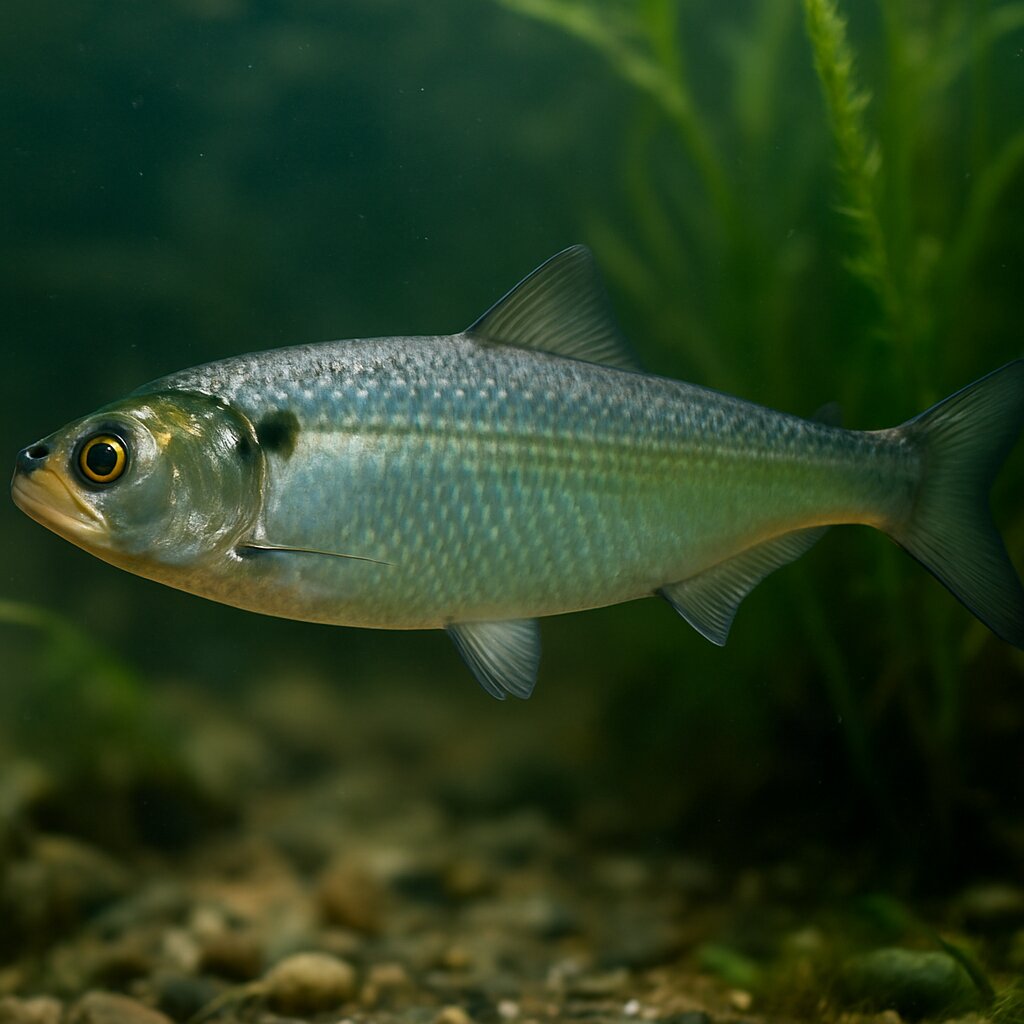
Allis shad
Alosa alosa
Gorgeous silver, fast-swimming shad that spends most of its life in the sea and then surges up big rivers in noisy, surface-spawning schools. It grows huge for a herring-type fish and needs cool, ultra-oxygenated water and tons of open space, so it is a public-aquarium species rather than a home tank fish.
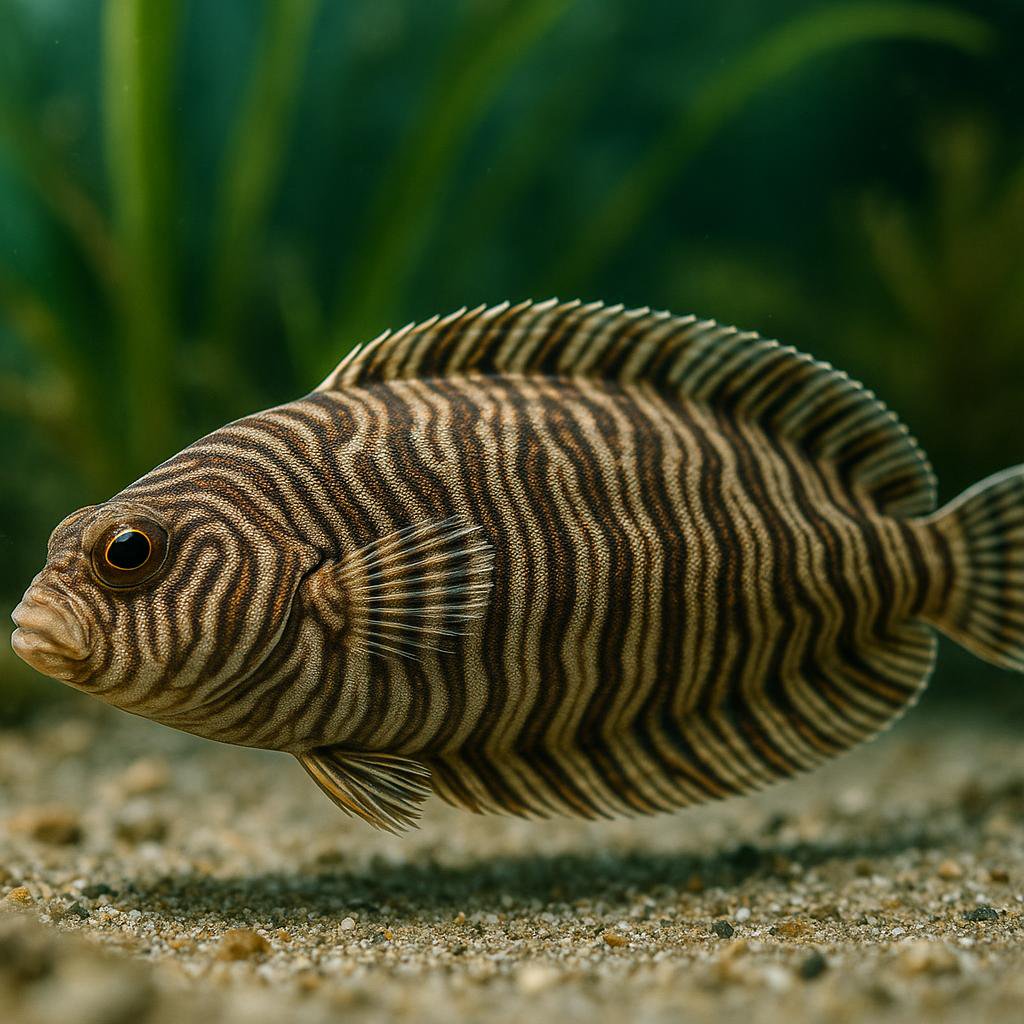
Annandale's zebra sole
Zebrias annandalei
Zebrias annandalei is a small demersal sole from coastal India that inhabits sandy or muddy bottoms and buries for camouflage. It is rarely kept in home aquaria and would require a specialized marine sand-bottom setup and appropriate feeding.
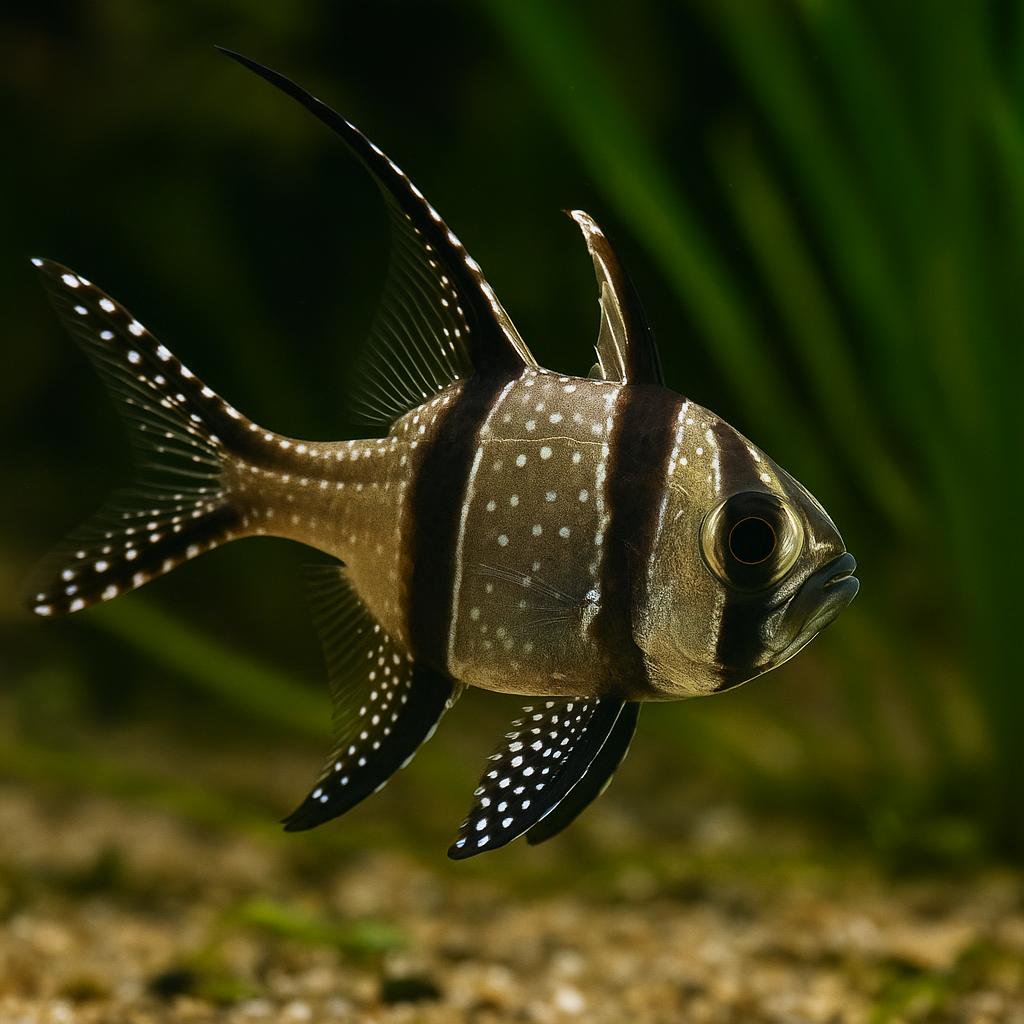
Banggai Cardinalfish
Pterapogon kauderni
Banggai cardinals just sort of hover like little underwater satellites, and the bold black bars with those long, polka-dotted fins look unreal under reef lighting. They're super chill most of the time, but once a pair forms you'll see real "fish drama," and the male will even mouthbrood the babies like a champ.
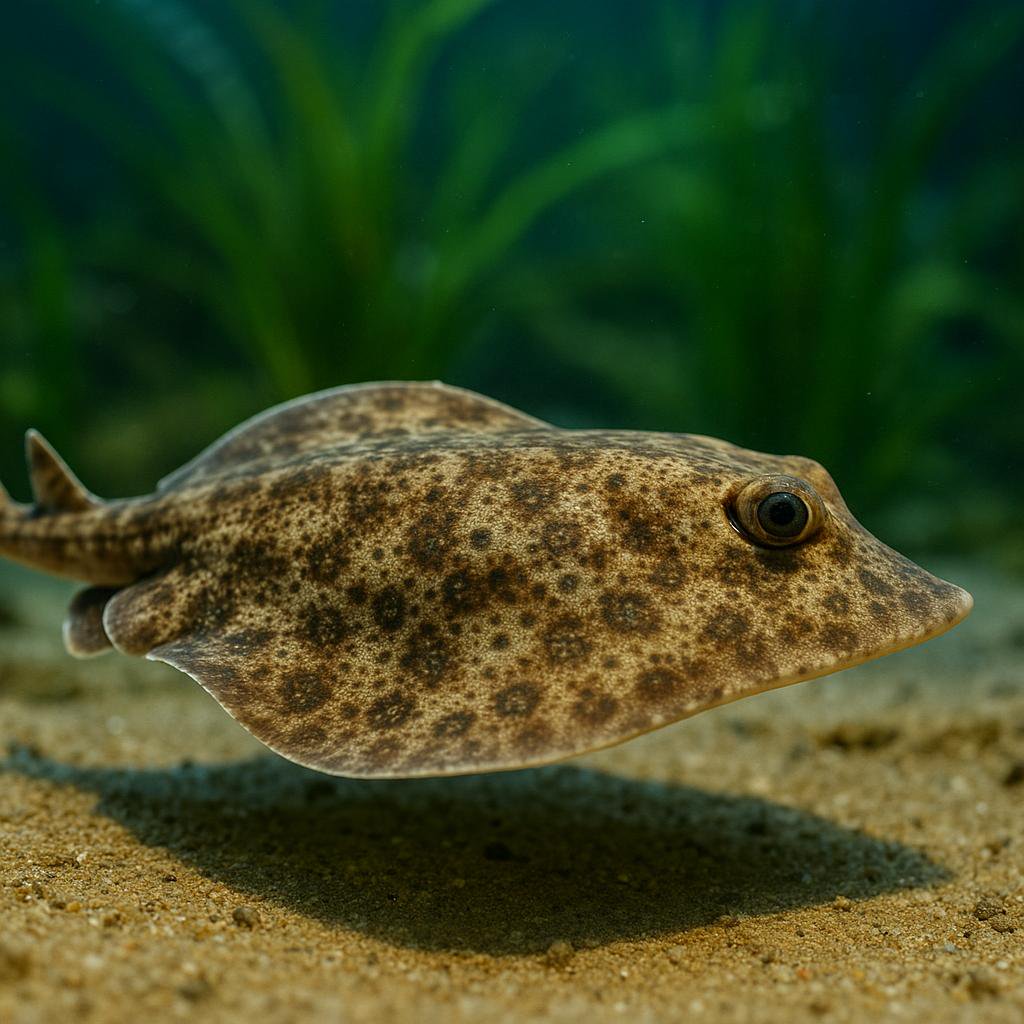
Barbedwire-tailed skate
Notoraja martinezi
Notoraja martinezi is a deepwater skate from the eastern Pacific (Costa Rica down to Ecuador) that lives way down on soft bottoms. The tail is the giveaway - it is lined with strong, hooked thorns that really do look like barbed wire. This is absolutely not an aquarium fish; it is a cold, high-pressure deep-sea animal with basically no practical home care info because it is not kept in the hobby.
More to Explore
Discover more marine species.
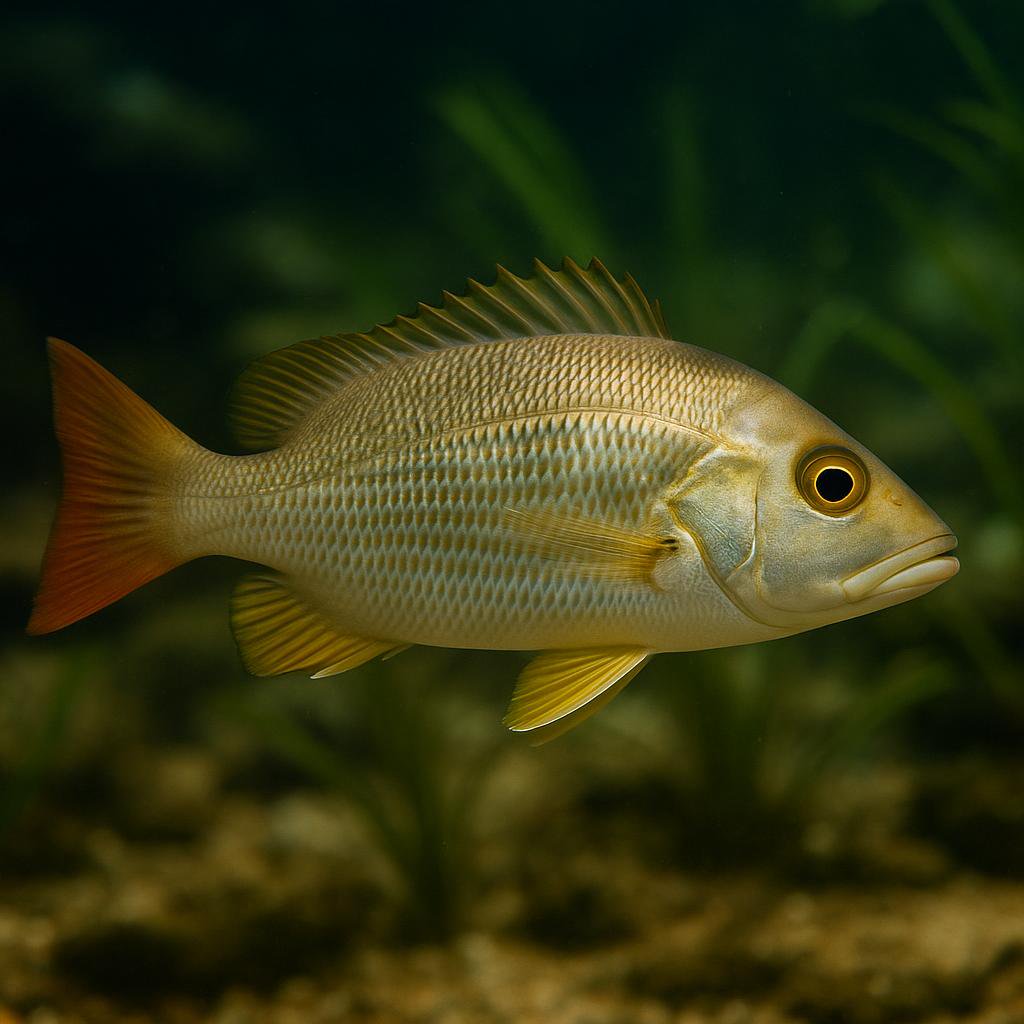
African red snapper
Lutjanus agennes
This is a true snapper from West Africa - a big, fast-growing predator that goes from coastal reefs to brackish lagoons and estuaries (especially as a juvenile). Super cool fish in the wild, but it gets absolutely huge and will eat smaller tankmates once it has the mouth for it, so its really more of a public-aquarium scale animal than a home-aquarium fish.
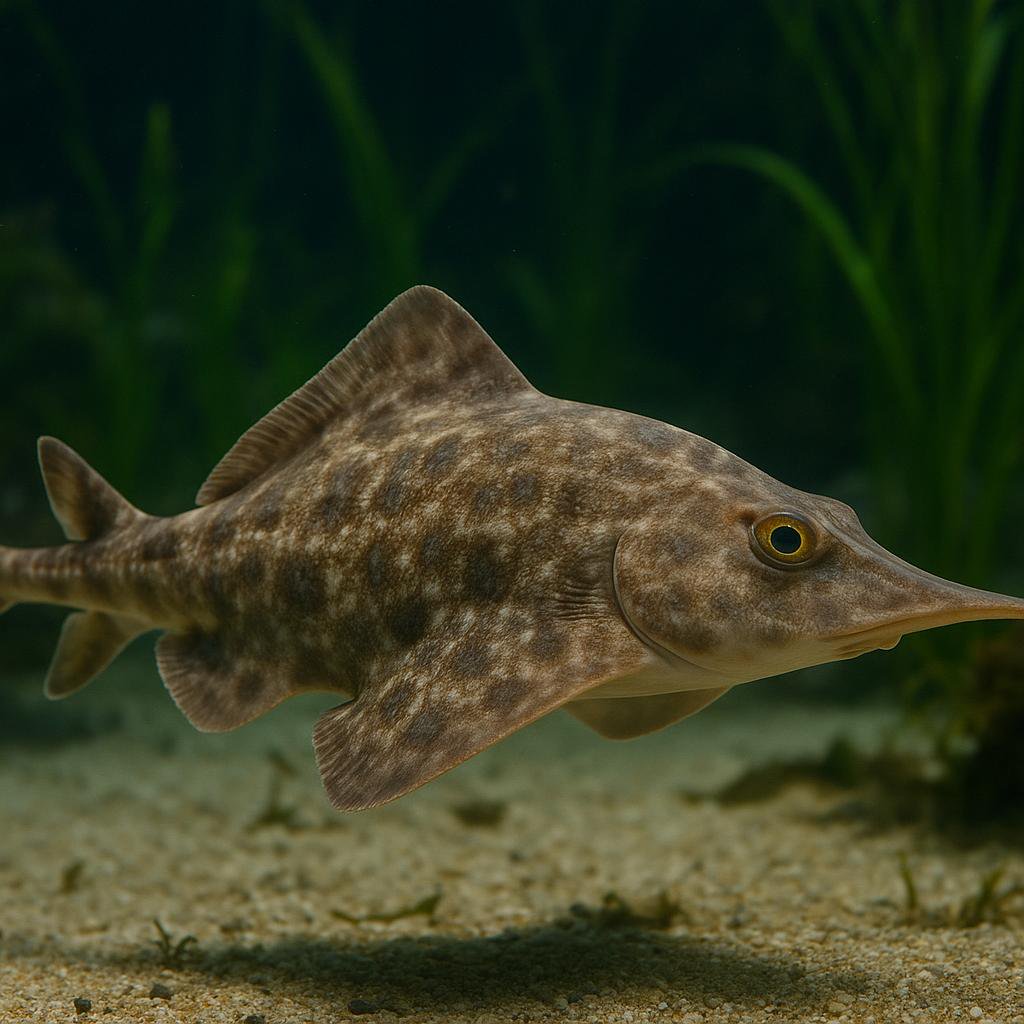
Aleutian skate
Bathyraja aleutica
This is a big, cold-water deep-slope skate from the North Pacific that cruises muddy bottoms and eats chunky benthic prey like crabs and shrimp. The really cool bit is its egg-laying skate life - it does distinct pairing (the classic skate "embrace") and drops those tough egg cases on the seafloor. Not an aquarium fish at all unless you're basically running a public-aquarium-style chilled system.
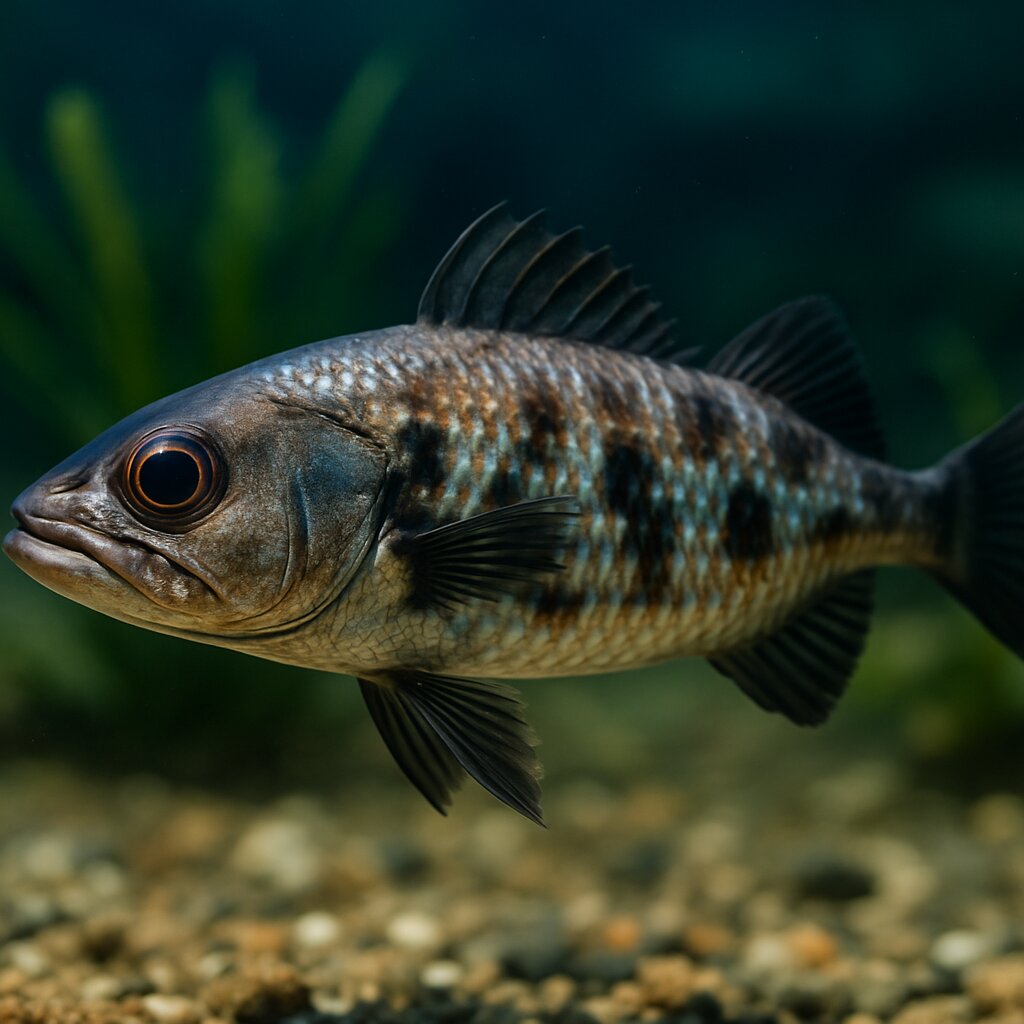
Antarctic dragonfish
Vomeridens infuscipinnis
Deep down around Antarctica, this sleek dragonfish cruises the water column like a little submarine, nearly neutrally buoyant so it can hover above the seafloor. It munches almost exclusively on Antarctic krill and lives in near-freezing water 500-800 m down, so it is a cool species to read about, not one for home tanks.
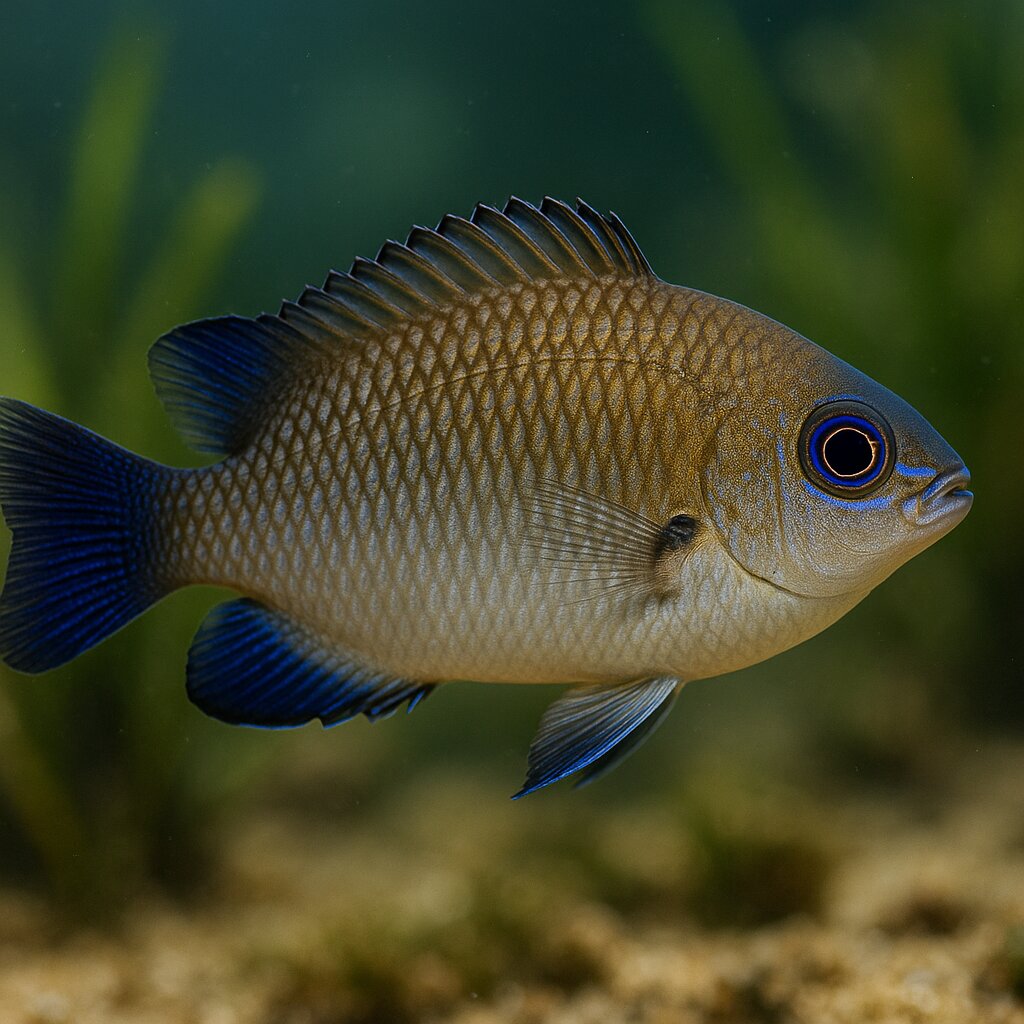
Arabian demoiselle
Neopomacentrus sindensis
A small lyretail damsel from the Persian Gulf and Arabian Sea, it hangs in loose groups around coral heads, rocks, and even pier pilings picking zooplankton from the flow. Think classic damsel toughness with a slightly milder attitude than the real bruisers, plus subtle yellow tail accents. Males clean a patch, get a mate to lay eggs there, and then stand guard fanning the clutch.
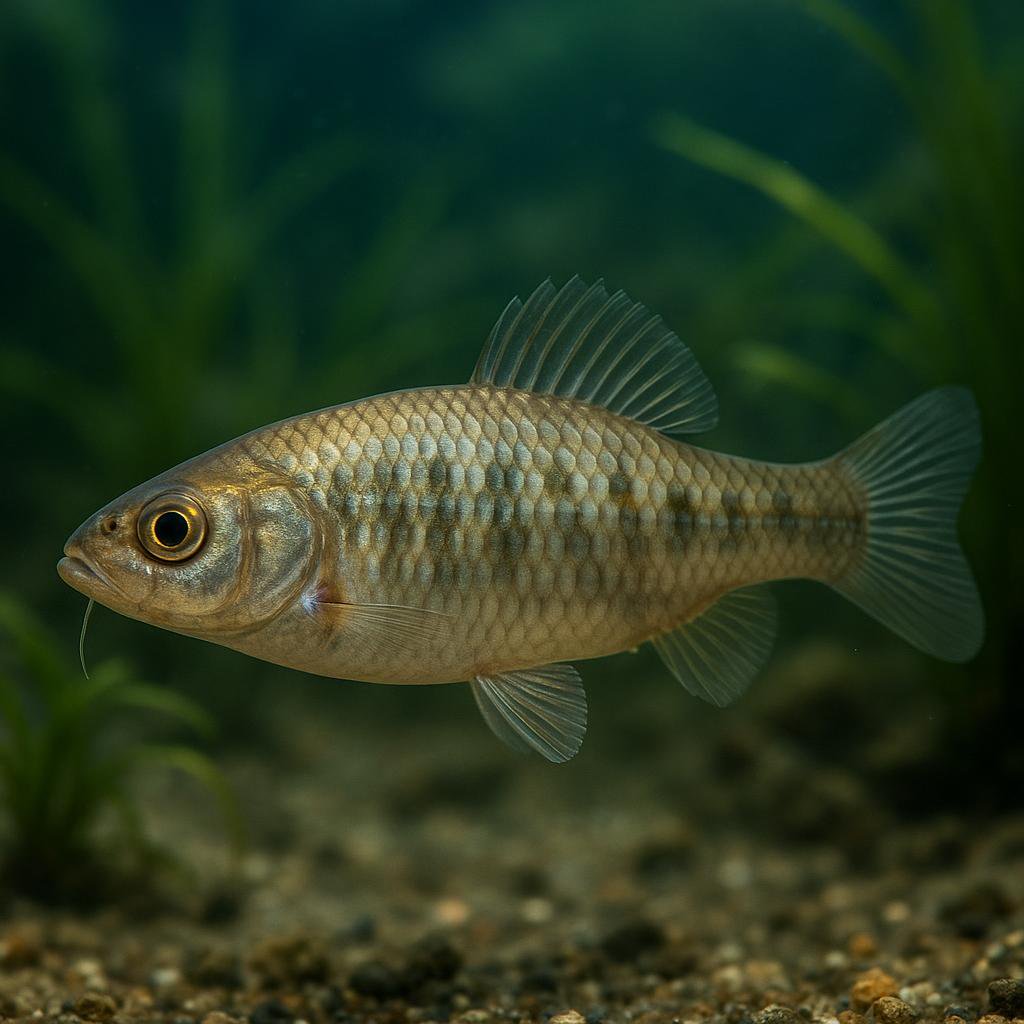
Arabian spiny eel
Notacanthus indicus
Notacanthus indicus is a deep-sea spiny eel (family Notacanthidae; not a true eel) known from the Arabian Sea on the continental slope at roughly ~960–1,046 m depth, with reported maximum length around 20 cm TL; it is a deep-water bycatch species and not established in the aquarium trade.
Arctic rockling
Gaidropsarus argentatus
This is a deepwater North Atlantic rockling (a cod relative) that hangs out on soft bottoms way down the slope. It is a cold-water, bottom-hugging predator that snoots around for crustaceans and will also take small fish when it gets the chance.
Looking for other species?