

Candy Hogfish
Bodianus bimaculatus
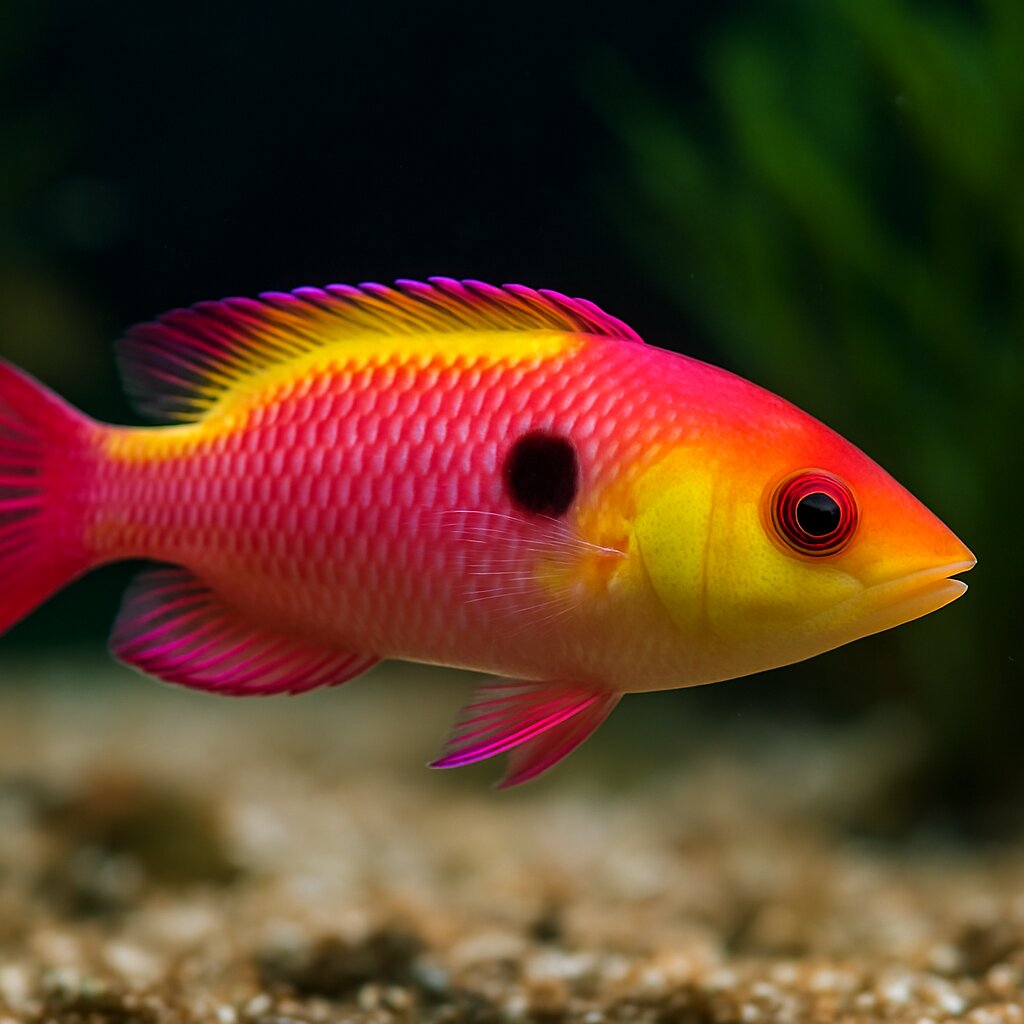
The Candy Hogfish features a striking body with red and yellow patterns, and distinctive white spots along its flanks.
This page includes AI-generated images. Why am I seeing AI images?
About the Candy Hogfish
Think of this little hog as a bright-yellow torpedo with pink-red candy stripes and two telltale black dots. It zips around the rockwork all day, nosing and even blowing into crevices for snacks, and it stays small enough to fit a modest reef as long as you plan around tiny shrimp.
Also known as
Quick Facts
Size
4 inches
Temperament
Peaceful
Difficulty
Intermediate
Min Tank Size
30 gallons
Lifespan
5-8 years
Origin
Indo-Pacific
Diet
Carnivore - mysis, brine shrimp, chopped seafood; accepts pellets and flakes
Water Parameters
22-27°C
8.1-8.4
8-12 dGH
Need a heater for this species?
This species needs 22-27°C in a 30 gallon tank. Use our heater calculator to find the right wattage.
Calculate heater sizeCare Notes
- Give it a 40+ gallon tank with lots of rock caves and a tight lid; they cruise fast and absolutely jump.
- Run 76-78 F, 1.024-1.026 salinity, pH 8.1-8.4, zero ammonia/nitrite, and nitrates under ~20 ppm; they hate swings more than exact numbers.
- Feed small meaty foods 2-3 times daily (mysis, chopped shrimp, clam, quality marine pellets); toss in vitamin-soaked bites once or twice a week for color and appetite.
- Reef-safe with corals, but it will hunt tiny ornamental shrimp, small crabs, feather dusters, and very small snails; skip sexy/peppermint shrimp and micro hermits.
- Semi-bold but can be pushy; keep with similarly sized or larger fish and avoid very timid species like firefish and tiny gobies, or add the hogfish last.
- They sleep wedged in rockwork, not sand, so give snug caves and dim the lights down at night to prevent spooks.
- New arrivals often come in thin and can carry ich or velvet; quarantine, feed heavy, and keep aeration up because they suck oxygen fast when stressed.
- They are protogynous; a small one will usually turn male over time, but actual breeding is a no-go in home tanks due to pelagic larvae.
Compatibility
Good Tankmates
- Chill clowns like ocellaris/percula that stand their ground
- Fairy and flasher wrasses around the same size; add together so nobody claims the rockwork
- Anthias and easygoing chromis that cruise midwater
- Heftier gobies and blennies (watchman, starry, tailspot) that ignore him
- Royal gramma and assessor basslets that keep to their caves
- Dwarf angels (coral beauty, flame) in tanks with room to roam
Avoid
- Big bullies and predators like triggers, large Thalassoma wrasses, and groupers
- Other hogfish or very similar Bodianus species that invite dominance fights
- Ultra-timid nanos (firefish, tiny dartfish, neon gobies) that get spooked or outcompeted
- Spiky-tempered dottybacks and mean damsels that pick at anything
Candy hogfish are small, bold wrasses with big personalities. Mine has been a rockwork explorer since day one and quickly became the first fish to the food. They are not hard once settled, but they do have a few quirks worth knowing.
Where they come from
They show up all over the Western Pacific - Philippines to Fiji and nearby islands. Picture outer reef slopes with broken rubble and caves. Juveniles tuck into crevices, and adults cruise the rock looking for tiny crustaceans. That constant picking makes them fun to watch in a reef tank.
Setting up their tank
Shoot for at least a 40-gallon tank. They stay around 4 inches, but they are active and like territory. Think sturdy rockwork with caves and overhangs. They do not bury in sand like some wrasses, so focus on rock, not deep sand.
- Rockwork: Build tunnels and shaded pockets so they can duck out of sight.
- Lid: Tight-fitting top is non-negotiable. They jump, especially the first couple weeks.
- Flow: Moderate, with some calmer lanes through the rock.
- Lighting: Nothing special needed; set it for your corals if it is a reef.
- Water: 75-79 F (24-26 C), salinity 1.024-1.026, pH 8.0-8.4, nitrate under ~20 ppm.
- Filtration: A skimmer helps. They are meaty eaters, so nutrient control matters.
- Acclimation: Drip acclimate, lights dim/off for day one. Let them pick a cave and settle.
Stack rock with line-of-sight breaks. A couple of archways or a U-shaped canyon goes a long way for reducing chasing.
They may snack on small ornamental shrimp (sexy, anemone, tiny cleaners) and sometimes very small crabs/snails. If your cleanup crew is precious to you, pick tankmates accordingly.
What to feed them
Carnivore through and through. Mine took frozen mysis on day one, then learned pellets after a week. Small meals 2-3 times a day beats one big dump. Variety keeps the colors sharp and the fish engaged.
- Frozen mysis and chopped krill or shrimp
- Quality marine pellets (1-2 mm) - soak briefly so they sink
- Blended seafood foods (LRS, Rods, Hikari Marine Cuisine, etc.)
- Clam on the half shell once a week for enrichment
- Occasional enriched brine as a treat, not the staple
- A vitamin/garlic soak a couple times a week if the fish is new or off feed
Use a turkey baster to puff food into their cave at first. Once they build confidence, you will not need to target feed. Training to a feeding ring also helps pellets disappear into them, not your overflow.
How they behave and who they get along with
They are semi-aggressive and very food motivated. Usually fine in a mixed community, but they can push around timid fish if they were there first. Keep just one candy hogfish per tank unless you are aiming for a pair in a very large setup.
- Good: tangs (in bigger tanks), dwarf angels, larger fairy/flashers, halichoeres wrasses, anthias, clowns, dottybacks with backbone, larger gobies.
- Use caution: firefish, tiny dartfish, small timid gobies, very docile wrasses. Introduce those first if you plan to mix.
- Avoid: very small ornamental shrimp, tiny hermits, and other Bodianus hogfish (they will fight).
Order of introduction matters. Skittish fish first, candy hogfish later. Feed a little extra the first week so it is less inclined to harass while hunting.
Breeding tips
They are pelagic spawners and change sex like many wrasses. Spawning happens up in the water column at dusk. Rearing the eggs and larvae is specialized and not something I have seen pulled off in a home tank. If you are determined, start with a large system, a noticeable size difference between two fish, long dusk period on the lights, and be ready for planktonic food cultures and a dedicated rearing setup.
You might see courtship rushes around lights-out in mature pairs. Eggs drift and vanish into filtration quickly, so most people never notice them.
Common problems to watch for
- Jumping: First week is the riskiest. Keep the lid tight and gaps taped.
- Shrimp predation: They usually test small shrimp. Plan your cleanup crew with that in mind.
- Aggression spikes: Often tied to hunger or cramped rockwork. Add a hide, feed smaller but more frequent meals.
- Shipping stress and not eating: Start with mysis and clam to kickstart appetite.
- Parasites: Ich and flukes are the big ones. Quarantine pays off.
- Mouth scrapes: They wedge into rock at night. Minor scuffs usually heal with clean water and good diet.
- Color wash-out: One-note diets do that. Rotate foods and add a vitamin soak now and then.
Quarantine for 2-4 weeks if you can. Mine handled a low, stable copper treatment fine, but wrasses can be touchy at high levels. I prefer observation with Prazipro for flukes and only use copper if I see spots or flashing. Keep the QT covered; they jump there too.
Do not assume reef-safe means shrimp-safe. If you absolutely want shrimp, add larger ones (adult cleaners) after the hogfish is settled and well fed, and be ready with a backup plan.
Similar Species
Other marine peaceful species you might be interested in.
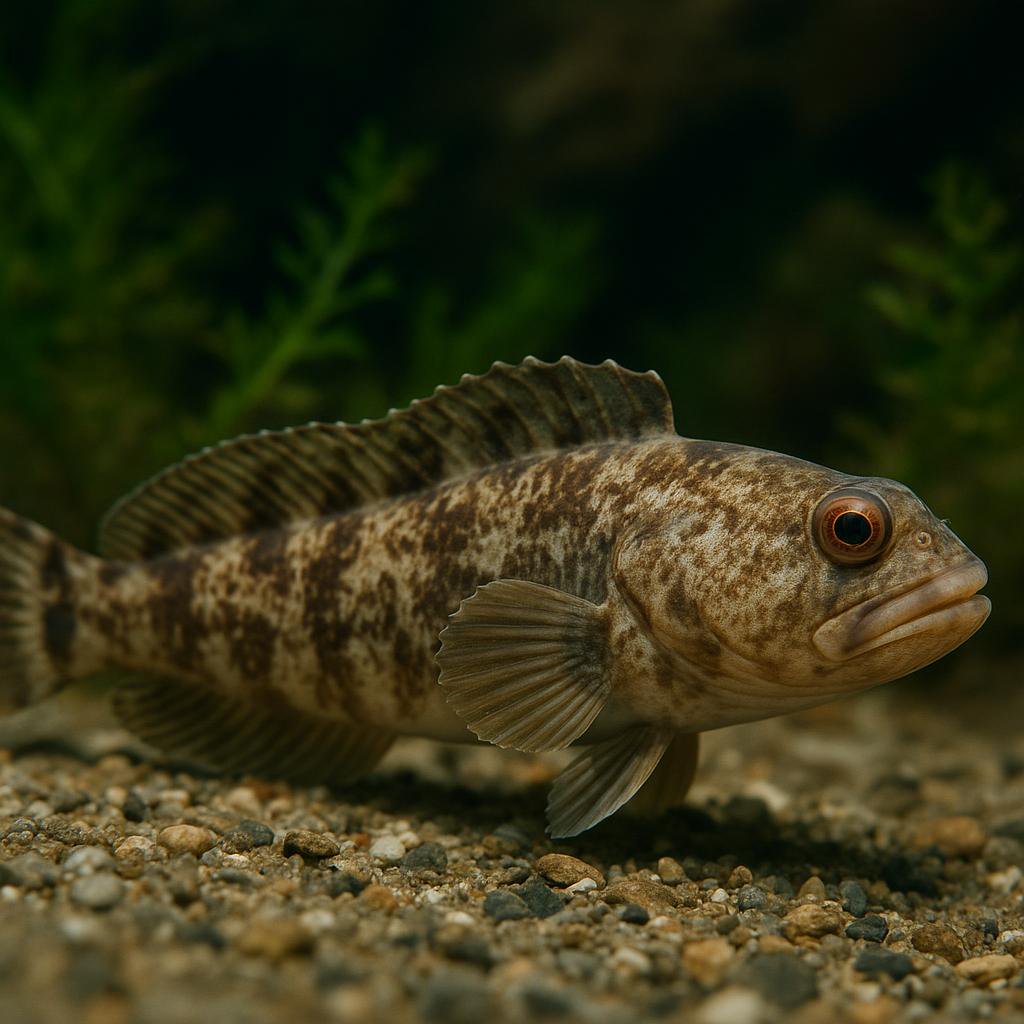
Abe's eelpout
Japonolycodes abei
Japonolycodes abei is a temperate, deepwater demersal eelpout (family Zoarcidae) endemic to Japan (Kumano-nada Sea reported; other sources also report Sagami Bay and Tosa Bay). It is the only species in the genus Japonolycodes and occurs roughly 40-300 m depth, making it an uncommon/atypical aquarium species.
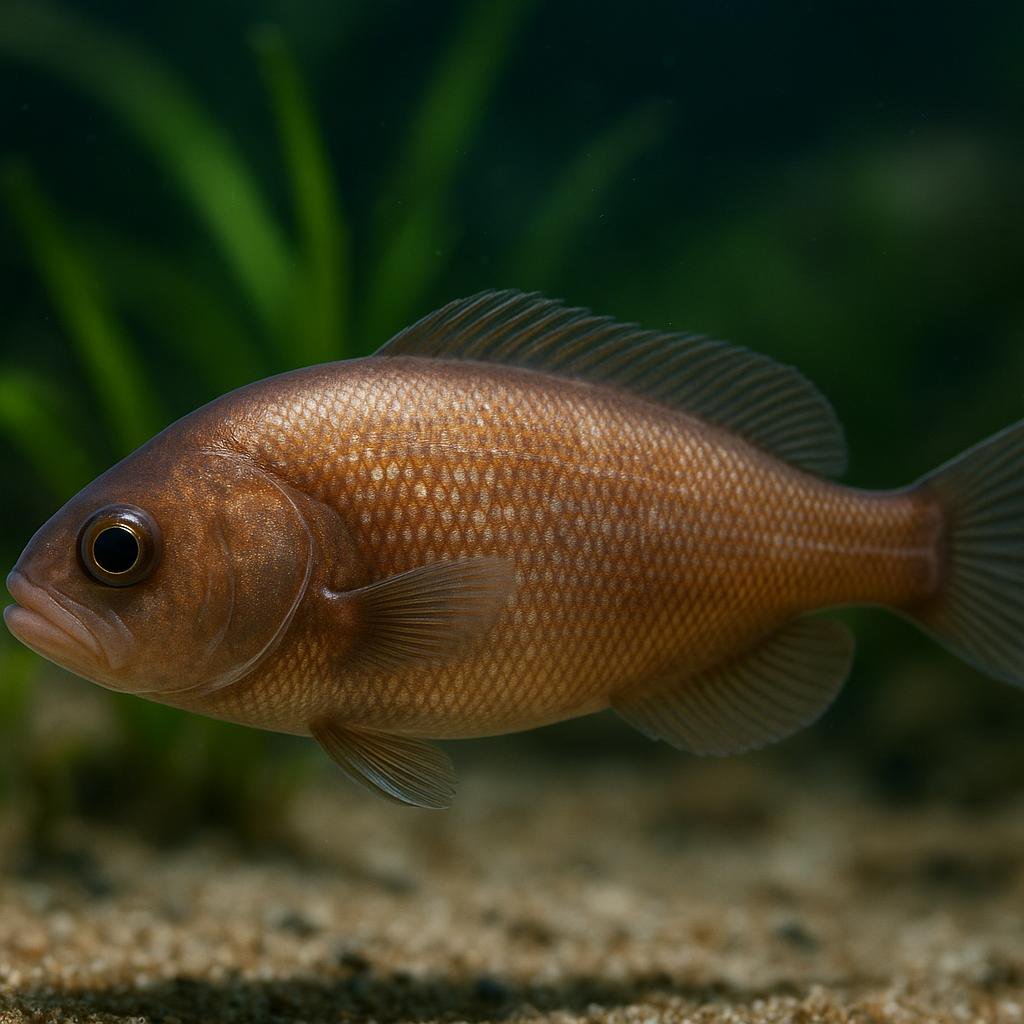
Affinis blind cusk-eel
Barathronus affinis
Barathronus affinis is a tiny, super-weird deep-sea blind cusk-eel from the western-central Indian Ocean. It is one of those gelatinous, loose-skinned brotula-type fishes that live way down in the dark and are basically never seen alive, so almost everything we know comes from preserved specimens and taxonomic work.
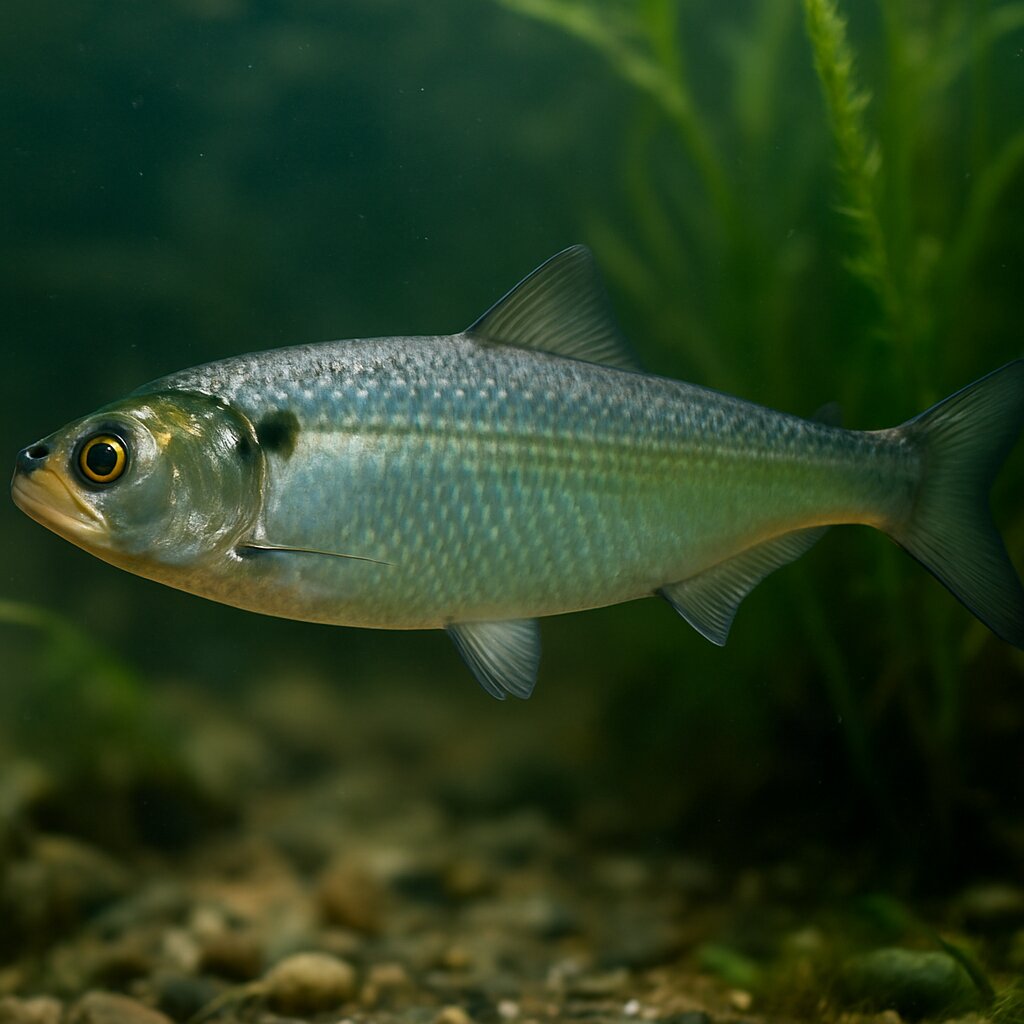
Allis shad
Alosa alosa
Gorgeous silver, fast-swimming shad that spends most of its life in the sea and then surges up big rivers in noisy, surface-spawning schools. It grows huge for a herring-type fish and needs cool, ultra-oxygenated water and tons of open space, so it is a public-aquarium species rather than a home tank fish.
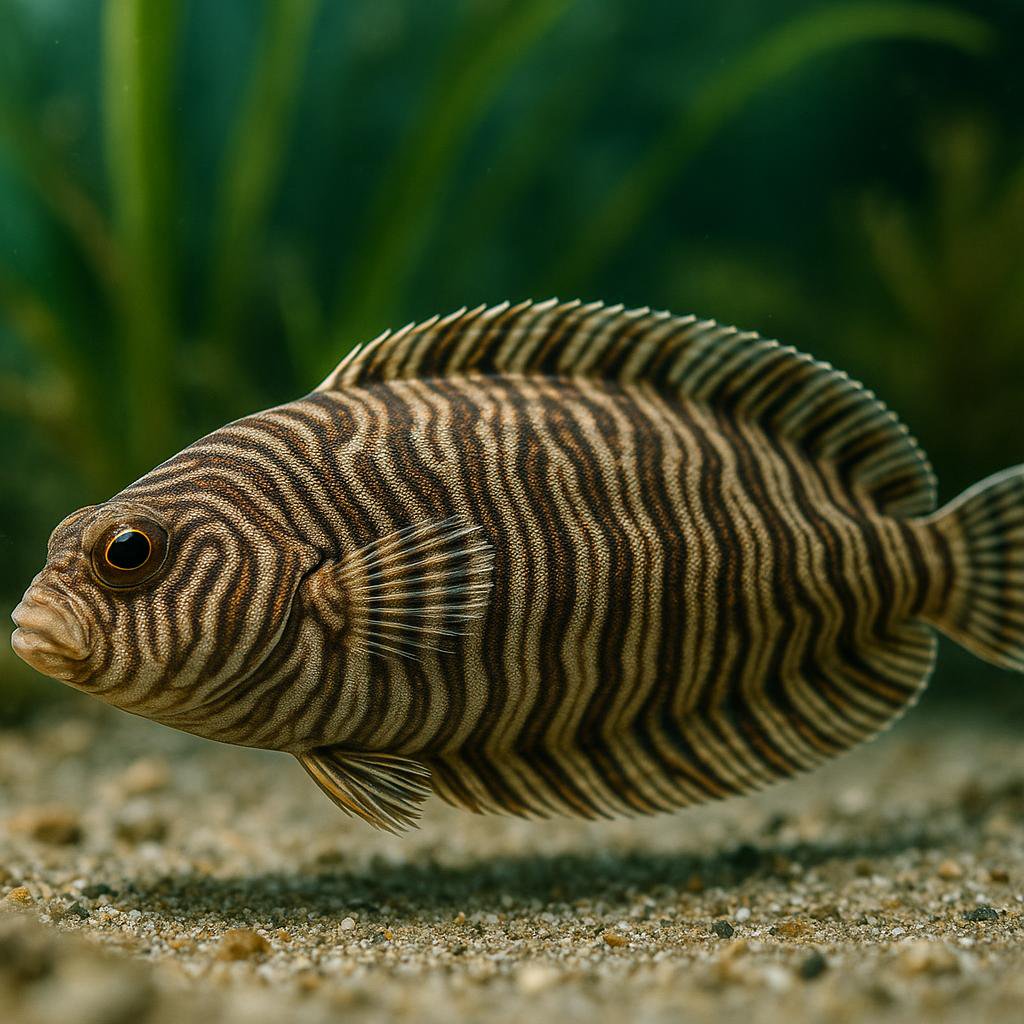
Annandale's zebra sole
Zebrias annandalei
Zebrias annandalei is a small demersal sole from coastal India that inhabits sandy or muddy bottoms and buries for camouflage. It is rarely kept in home aquaria and would require a specialized marine sand-bottom setup and appropriate feeding.
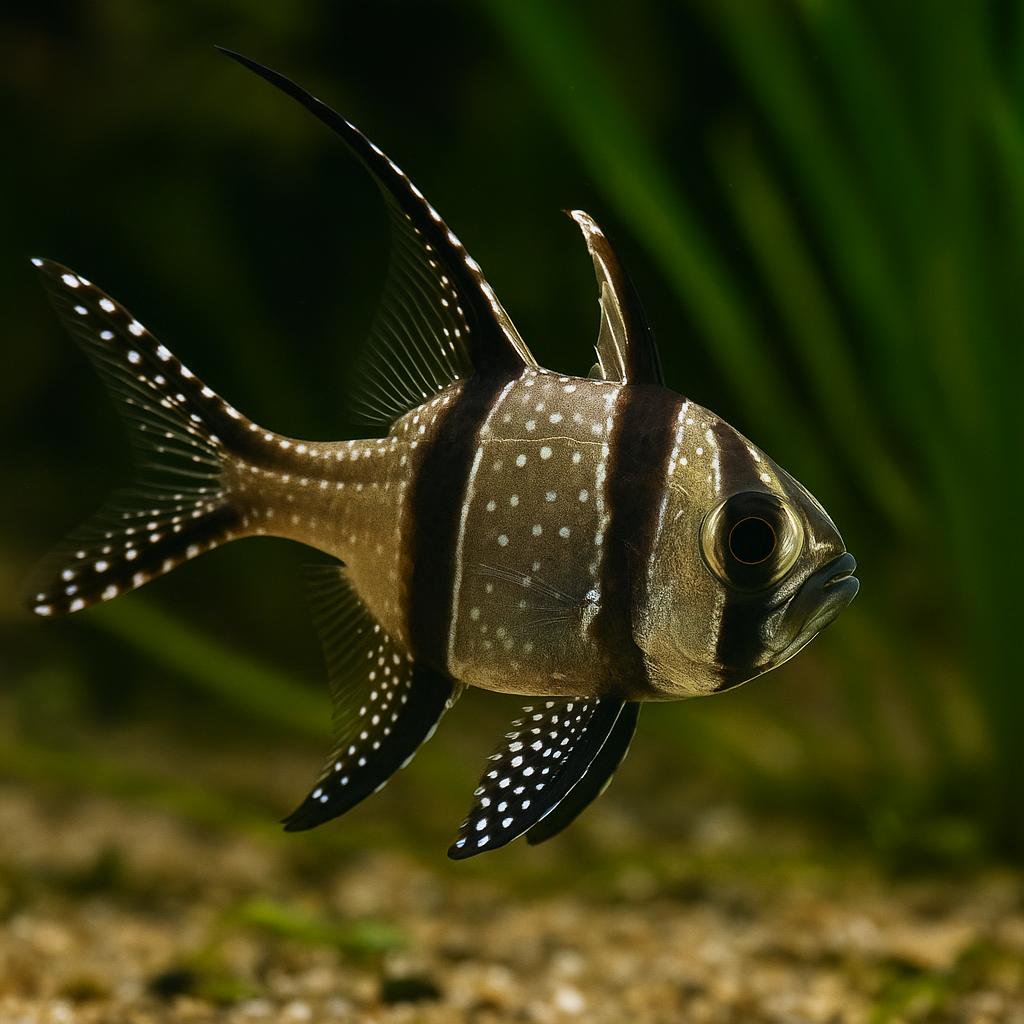
Banggai Cardinalfish
Pterapogon kauderni
Banggai cardinals just sort of hover like little underwater satellites, and the bold black bars with those long, polka-dotted fins look unreal under reef lighting. They're super chill most of the time, but once a pair forms you'll see real "fish drama," and the male will even mouthbrood the babies like a champ.
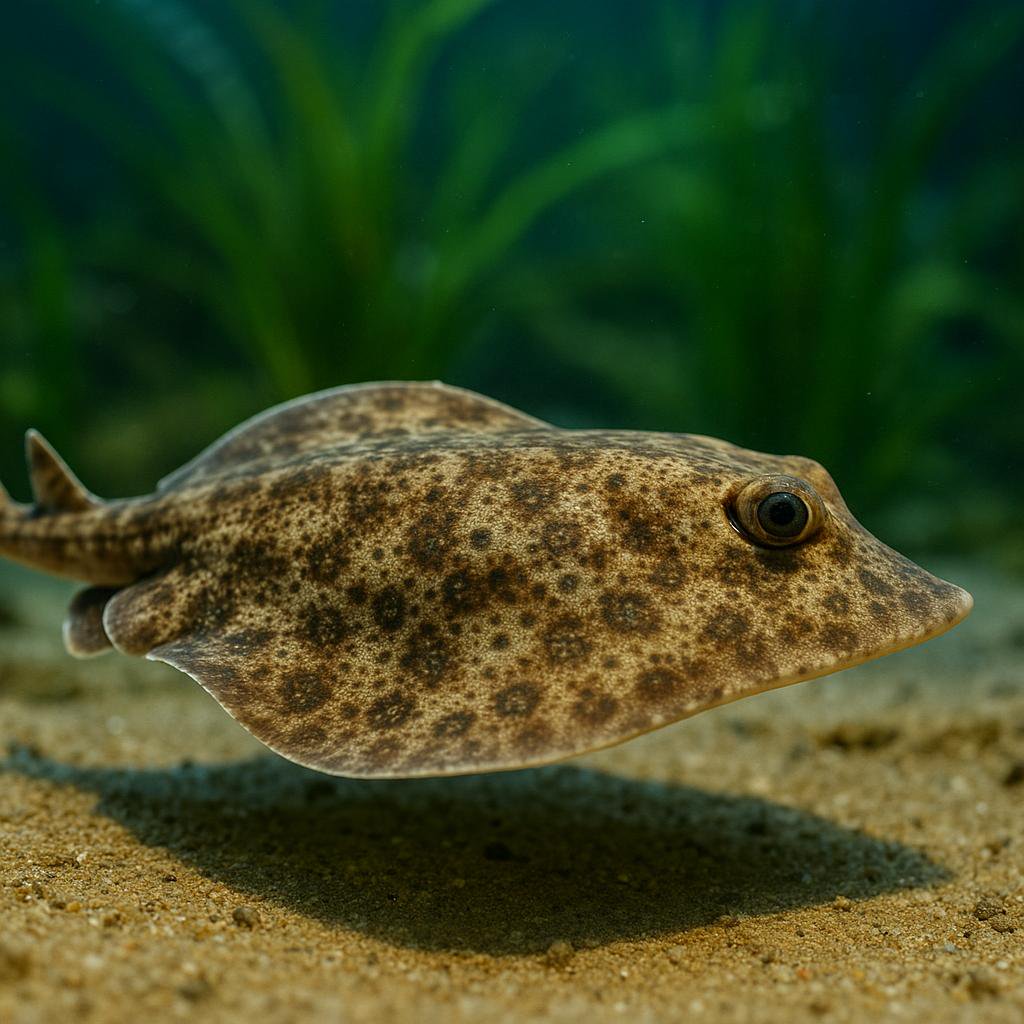
Barbedwire-tailed skate
Notoraja martinezi
Notoraja martinezi is a deepwater skate from the eastern Pacific (Costa Rica down to Ecuador) that lives way down on soft bottoms. The tail is the giveaway - it is lined with strong, hooked thorns that really do look like barbed wire. This is absolutely not an aquarium fish; it is a cold, high-pressure deep-sea animal with basically no practical home care info because it is not kept in the hobby.
More to Explore
Discover more marine species.
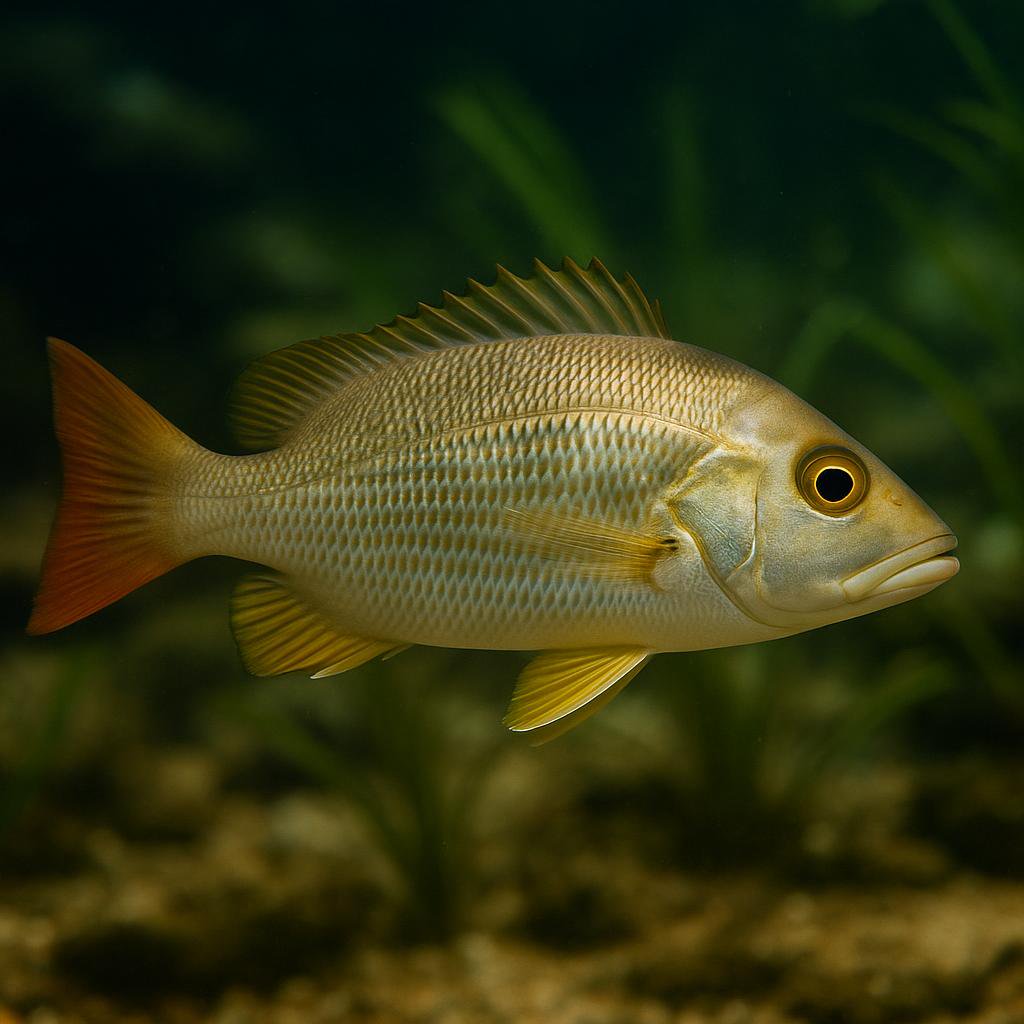
African red snapper
Lutjanus agennes
This is a true snapper from West Africa - a big, fast-growing predator that goes from coastal reefs to brackish lagoons and estuaries (especially as a juvenile). Super cool fish in the wild, but it gets absolutely huge and will eat smaller tankmates once it has the mouth for it, so its really more of a public-aquarium scale animal than a home-aquarium fish.
Aleutian skate
Bathyraja aleutica
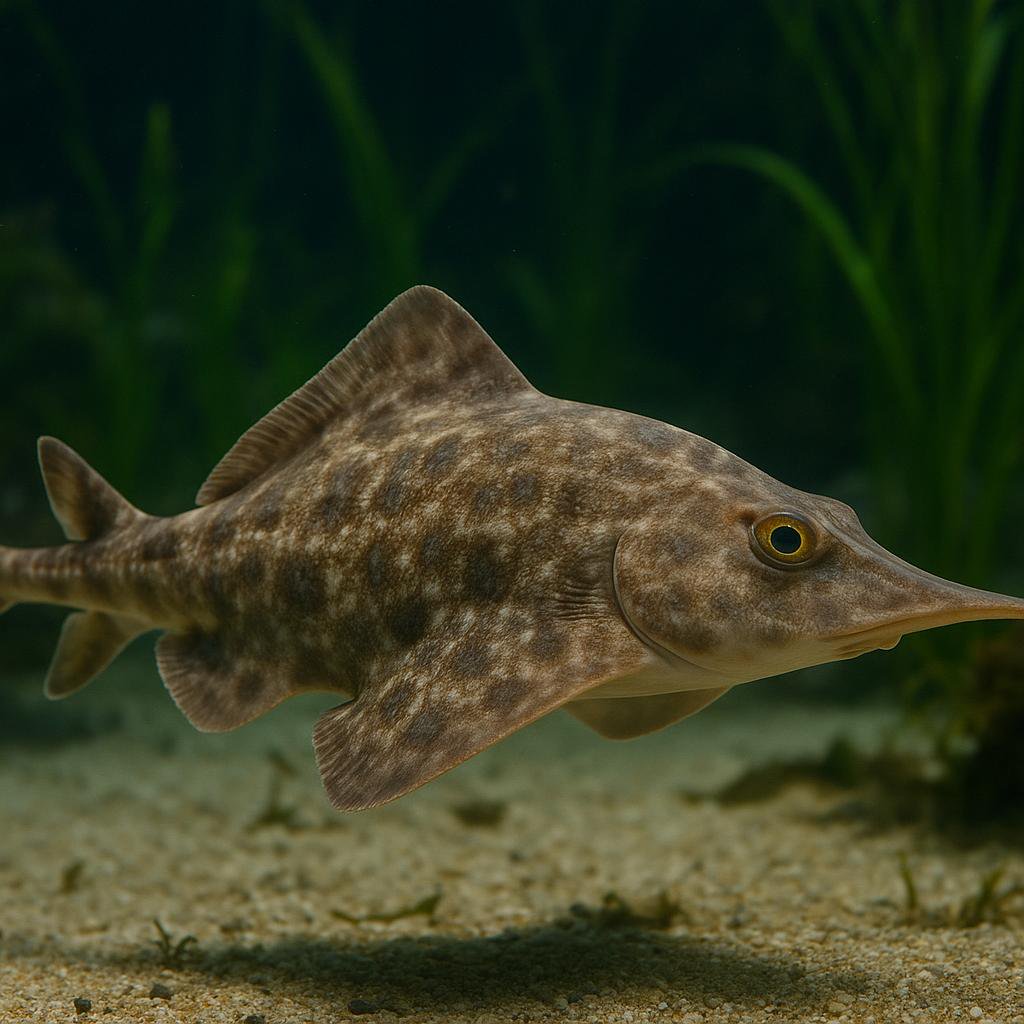
This is a big, cold-water deep-slope skate from the North Pacific that cruises muddy bottoms and eats chunky benthic prey like crabs and shrimp. The really cool bit is its egg-laying skate life - it does distinct pairing (the classic skate "embrace") and drops those tough egg cases on the seafloor. Not an aquarium fish at all unless you're basically running a public-aquarium-style chilled system.
Antarctic dragonfish
Vomeridens infuscipinnis
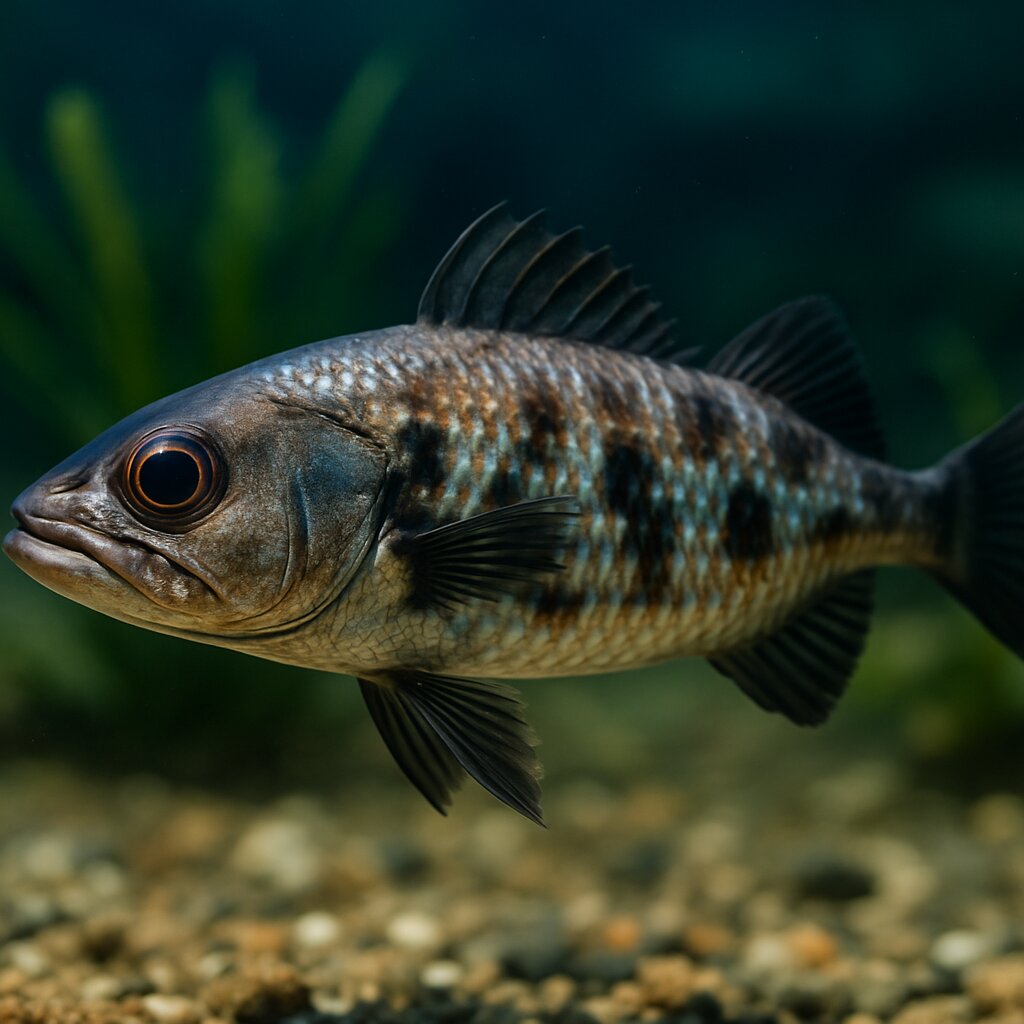
Deep down around Antarctica, this sleek dragonfish cruises the water column like a little submarine, nearly neutrally buoyant so it can hover above the seafloor. It munches almost exclusively on Antarctic krill and lives in near-freezing water 500-800 m down, so it is a cool species to read about, not one for home tanks.
Arabian demoiselle
Neopomacentrus sindensis
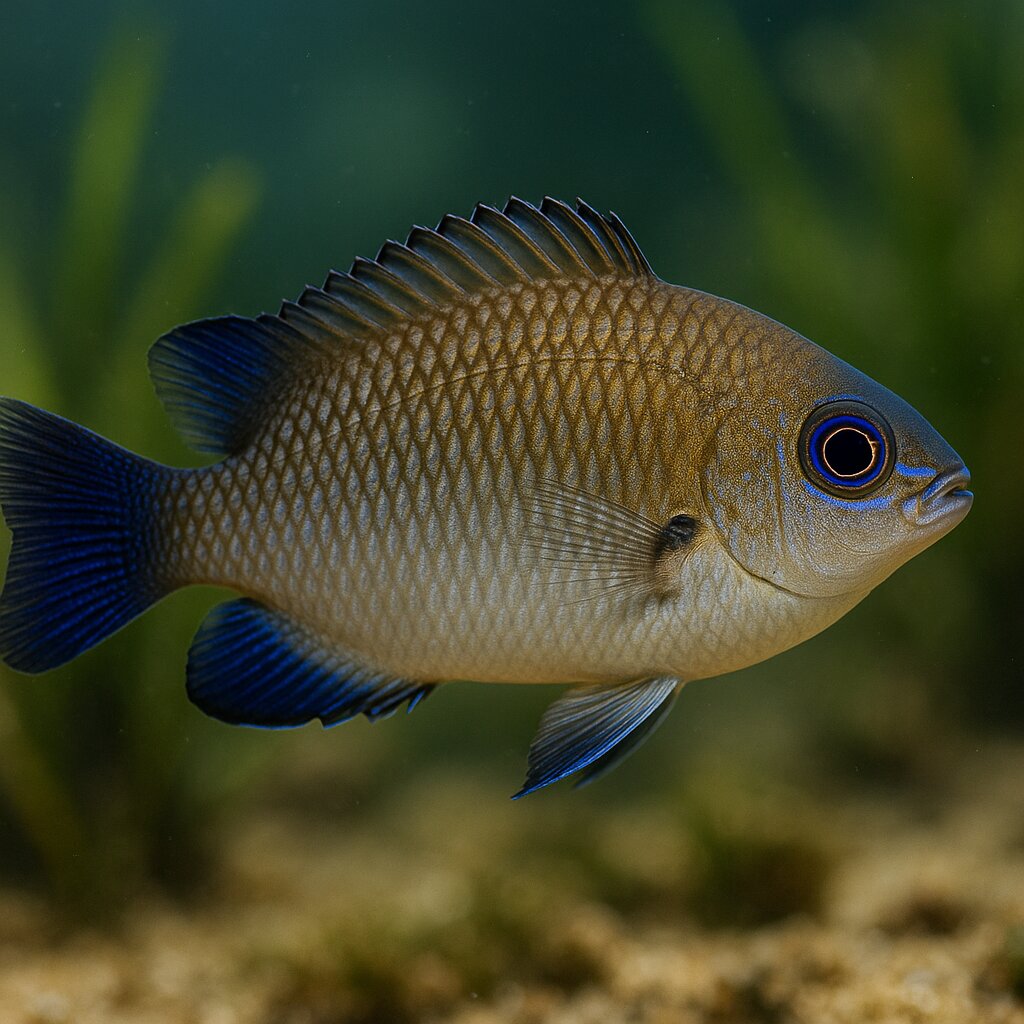
A small lyretail damsel from the Persian Gulf and Arabian Sea, it hangs in loose groups around coral heads, rocks, and even pier pilings picking zooplankton from the flow. Think classic damsel toughness with a slightly milder attitude than the real bruisers, plus subtle yellow tail accents. Males clean a patch, get a mate to lay eggs there, and then stand guard fanning the clutch.
Arabian spiny eel
Notacanthus indicus
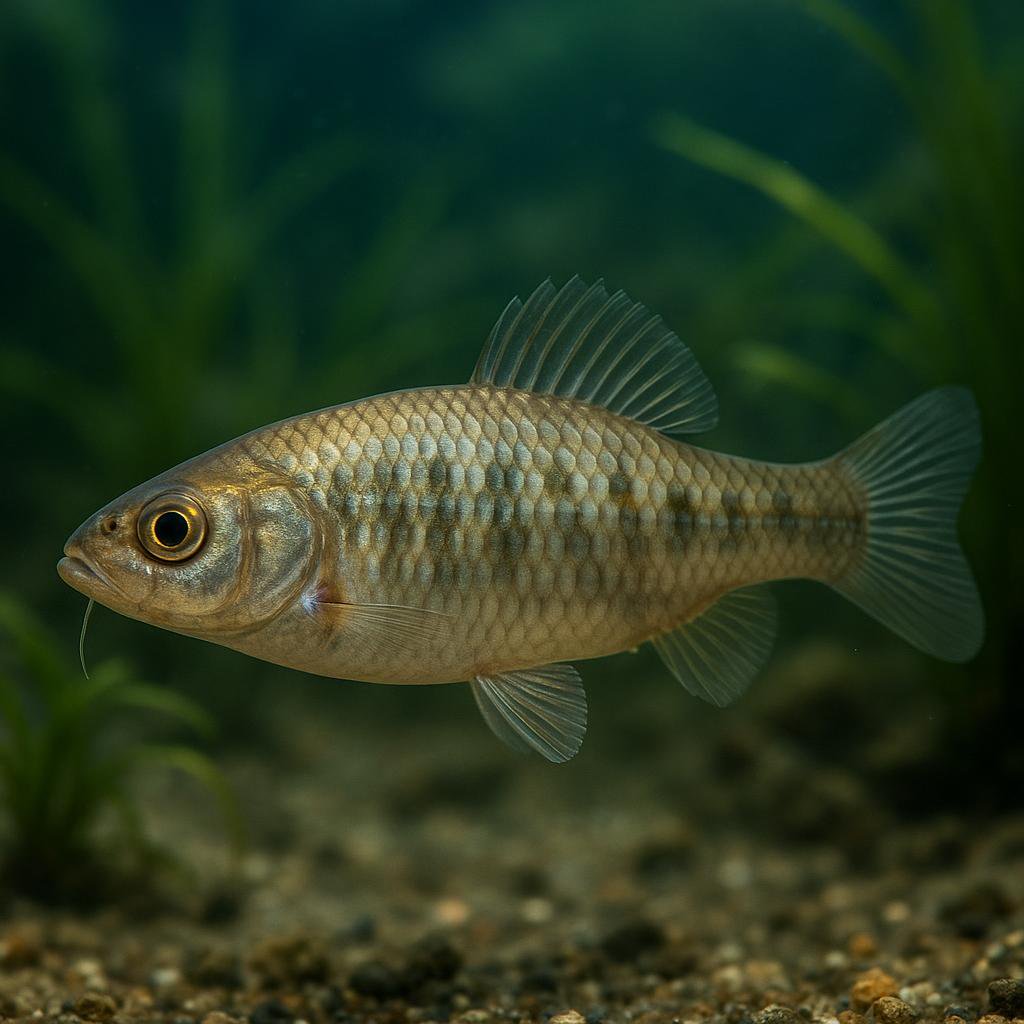
Notacanthus indicus is a deep-sea spiny eel (family Notacanthidae; not a true eel) known from the Arabian Sea on the continental slope at roughly ~960–1,046 m depth, with reported maximum length around 20 cm TL; it is a deep-water bycatch species and not established in the aquarium trade.
Arctic rockling
Gaidropsarus argentatus
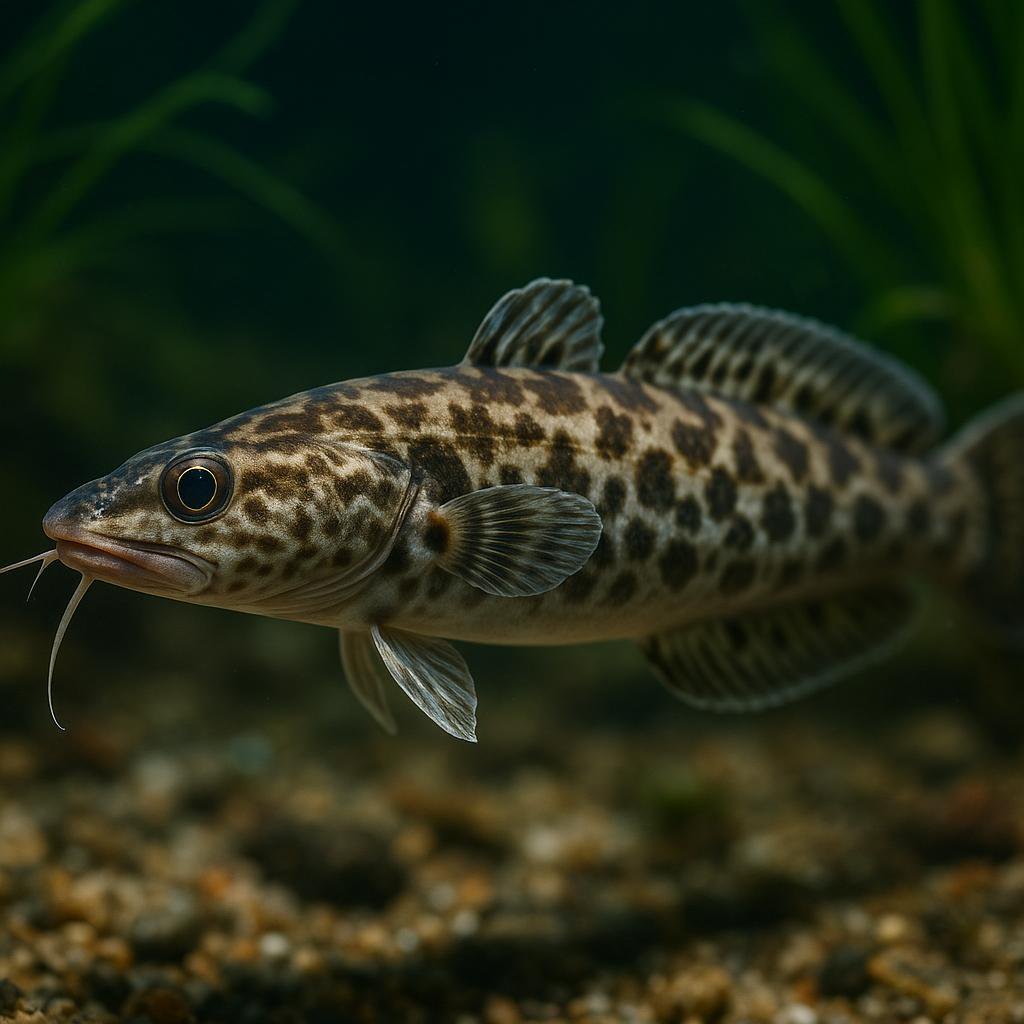
This is a deepwater North Atlantic rockling (a cod relative) that hangs out on soft bottoms way down the slope. It is a cold-water, bottom-hugging predator that snoots around for crustaceans and will also take small fish when it gets the chance.
Looking for other species?