

Barred snake eel
Quassiremus polyclitellum
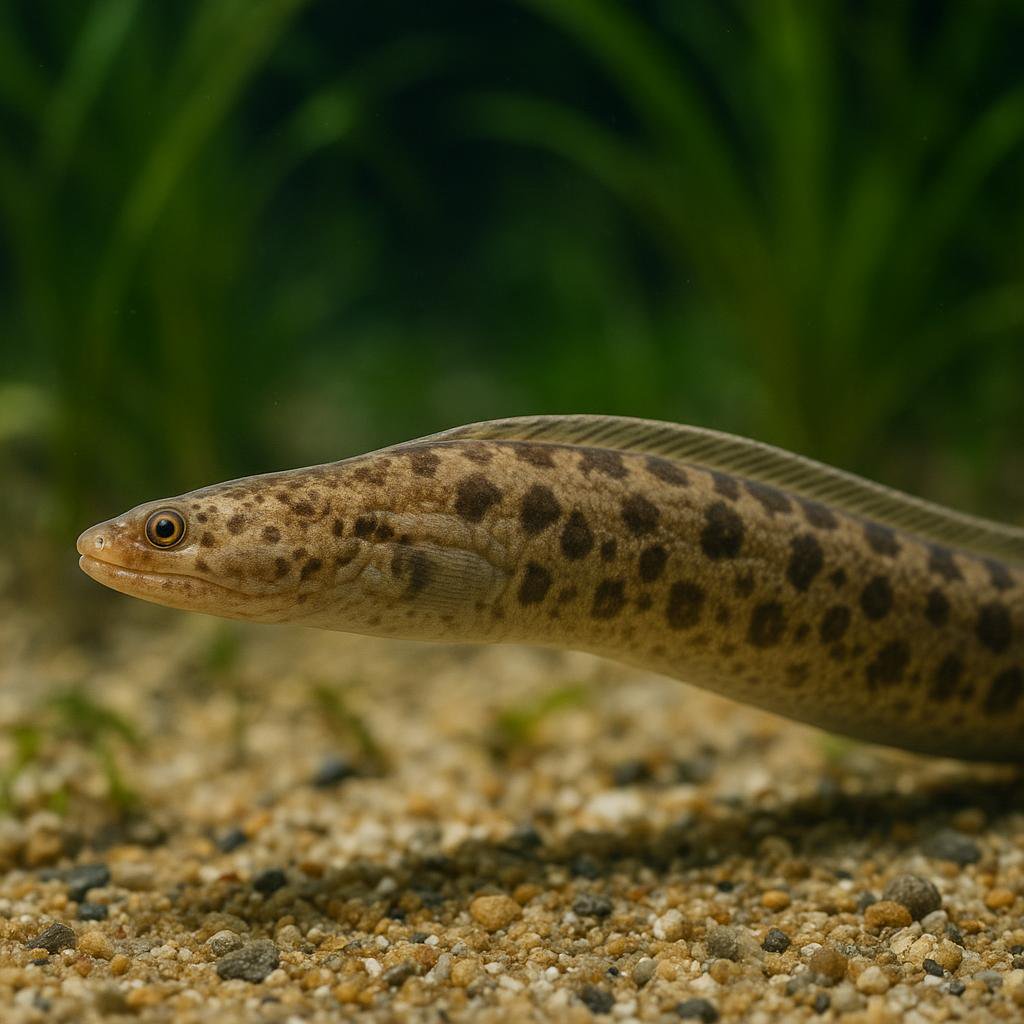
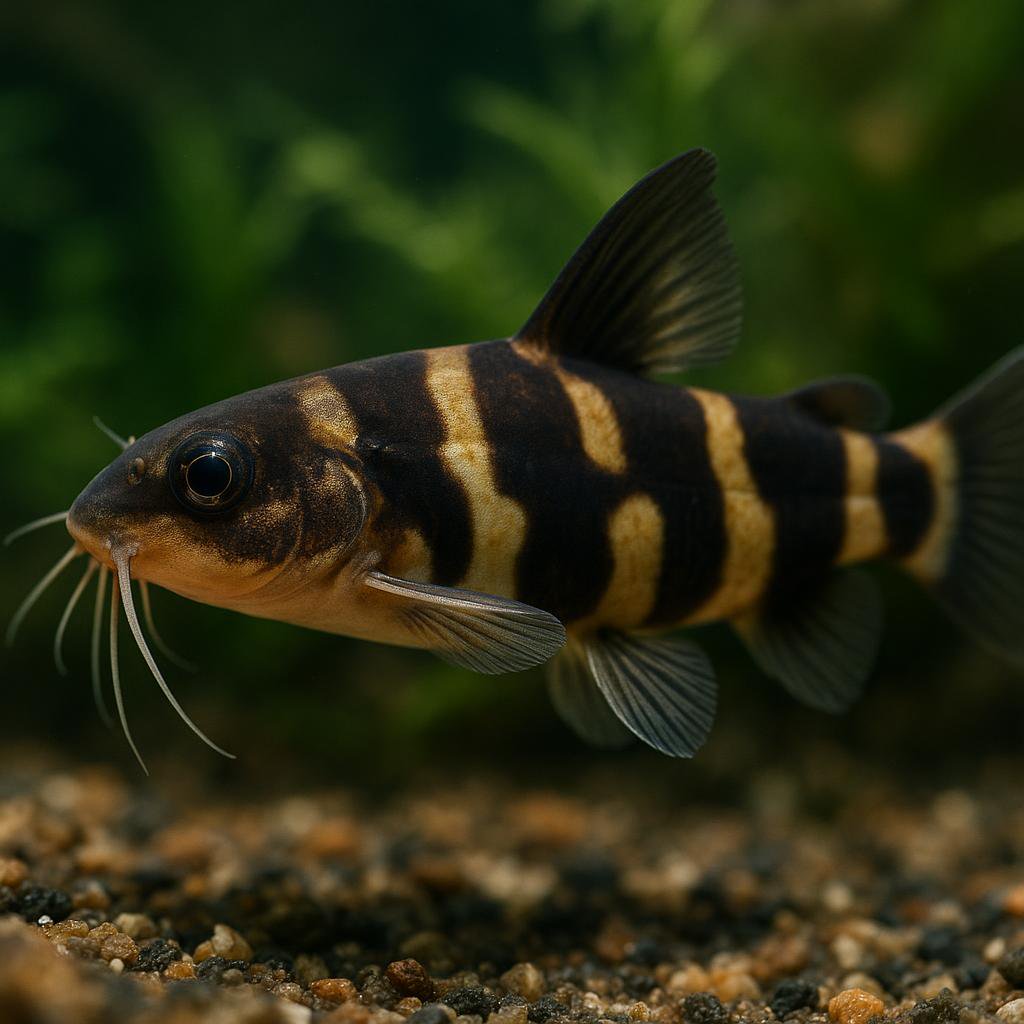
The Barred snake eel exhibits a slender, elongated body with distinctive dark bars against a light beige background, aiding in camouflage.
This page includes AI-generated images. Why am I seeing AI images?
About the Barred snake eel
This is a temperate, demersal snake eel (Ophichthidae) known from New Zealand, collected from moderately deep water over rocky ground (reported depth range ~35–58 m). It is not commonly represented in aquarium care literature and should be considered a wild marine species rather than a typical aquarium trade eel.
Also known as
Quick Facts
Size
79.5 cm SL
Temperament
Semi-aggressive
Difficulty
Expert
Min Tank Size
300 gallons
Lifespan
unknown
Origin
Southwest Pacific (New Zealand)
Diet
Carnivore - likely small fishes and crustaceans (not well-documented in hobby sources)
Water Parameters
10-18°C
8-8.4
8-12 dGH
Need a heater for this species?
This species needs 10-18°C in a 300 gallon tank. Use our heater calculator to find the right wattage.
Calculate heater sizeCare Notes
- Give it a long tank with a deep sand bed (4-6 inches) because it wants to burrow, not cruise open water. Use fine sand only - crushed coral will scrape them up and you will be chasing infections.
- Lock the lid down like you mean it - they are serious escape artists and will snake through tiny gaps around plumbing and cords. I tape mesh over every opening and still double-check after maintenance.
- Keep salinity stable (typical full-strength marine conditions) and maintain excellent water quality. This species is listed as temperate and occurs at moderate depth over rocky ground; species-specific captive temperature requirements are not well documented in aquarium references, so avoid presenting a warm tropical range as definitive without source support.
- Feed at dusk or lights-out with tongs: chunks of shrimp, squid, clam, silversides, and other meaty marine foods. Start with smaller pieces and don't overdo it - big meals can mean regurgitation and a nasty ammonia spike in the sand.
- Tankmates need to be calm and not bitey: think larger, non-aggressive fish that will not pick at a hidden eel. Skip triggers, big wrasses, puffers, and anything that will harass it or steal every bite.
- Assume anything small enough to fit in its mouth will eventually disappear, even if it seems shy at first. Also watch ornamental shrimp and crabs - they are basically snacks.
- Most problems I have seen are from abrasions (rough substrate or rockfalls) and starvation (they hide and lose weight quietly). Make a stable rock structure on the glass, then add sand, and check body condition weekly - a pinched belly means you need to adjust feeding fast.
Compatibility
Good Tankmates
- Chunky, chill wrasses that can handle themselves (Halichoeres types like melanurus or yellow coris). They are awake in the day, not timid, and usually too big to be seen as food. Still feed the eel well so it does not go "snack hunting" at night.
- Tangs and rabbitfish (yellow tang, kole tang, foxface). Fast, tough, and not interested in the eel. They mostly ignore each other as long as the eel has caves and sand to burrow in.
- Medium-to-large angelfish (flame, coral beauty, or bigger if the tank is big). They are bold enough to not get spooked, and they do not sleep on the sand where the eel cruises.
- Damsels and chromis in a "not tiny" size range (think 2.5-3 inches up). They are quick and street-smart, and they do not usually get picked off unless they are small or the eel is underfed.
- Hawkfish (flame hawk, longnose hawk). Perchy, confident fish that hold their ground. They do not mess with the eel much, and the eel generally cannot be bothered with them if they are not bite-sized.
- Bigger sand-sifting gobies like diamond watchman (in a roomy tank with plenty of sand and hides). They can coexist if both have space, but keep an eye out at lights-out since the eel is a night prowler.
Avoid
- Tiny fish that look like eel snacks - small gobies, small blennies, firefish, juvenile chromis. If it can fit in the eel's mouth, it is eventually going to test that idea, usually at night.
- Small crustaceans and "clean-up crew" you actually care about - cleaner shrimp, peppermint shrimp, tiny crabs. Barred snake eels are opportunistic, and those guys tend to disappear once the eel settles in.
- Other eels or similar burrowers in tight quarters (especially more aggressive morays). They compete for the same caves and can get into shoving matches, plus feeding time turns into a mess.
- Super pushy fish that harass at the eel's hide (big triggerfish, large dottybacks, nasty damsels). Stress makes the eel stay hidden and skip meals, and then you get a hungry eel problem.
Where they come from
Barred snake eels (Quassiremus polyclitellum) are Indo-Pacific fish you tend to see associated with sandy flats and rubble zones near reefs. They are classic "burrow first, ask questions later" animals - most of their day is spent hidden with just the head out, waiting for food to drift by.
If you are thinking "cool, an eel that will cruise around all day," this is not that. The fun is in watching a secretive predator settle in and start acting confident enough to poke its face out when you walk into the room.
Setting up their tank
This is an expert fish mostly because of escape risk, feeding quirks, and the way they test your aquascape. Give it a tank with a big, stable footprint and build for a burrower, not a show fish.
- Tank size: I would not bother under 125 gallons, and bigger is easier. They use floor space more than height.
- Substrate: 3-6 inches of fine sand. Coarse gravel is a recipe for scrapes and a stressed eel that never settles.
- Rockwork: stable, sitting on the glass or on acrylic rods, not on top of the sand they will excavate.
- Flow: moderate. You want good turnover, but not a sandstorm that collapses their burrow.
- Filtration: oversized skimmer and strong mechanical filtration. Eels are messy eaters.
Lid the tank like you mean it. Any gap is a plan. Cover overflows, cable cutouts, and the back corners. If you can fit a pencil through it, an eel can eventually work it.
I like to give them at least two "starter" hides. A length of PVC (1.5-2 inch depending on the eel) partially buried under the sand works great. They will still dig their own tunnels, but the PVC gives them a safe base right away and helps them settle faster.
Put rock directly on the bottom before sand. They will undermine anything perched on sand, and you do not want a rockslide with an eel living underneath.
What to feed them
Think meaty marine foods. These guys are hunters that key in on smell and movement, and many will ignore flakes and pellets forever. The biggest early win is getting them eating confidently on a schedule.
- Staples: silversides (appropriately sized), strips of squid, shrimp, clam, scallop, marine fish flesh
- Good variety: chunks of mussel, krill (as part of a mix), fresh/frozen seafood blend that is not full of binders
- Feeding method: long feeding tongs or a feeding stick right at the burrow entrance
- Frequency: juveniles 3-4 times a week, larger individuals 2-3 times a week. Do not overdo it just because they beg.
Avoid freshwater feeder fish and goldfish. They are not a healthy long-term food and they foul water fast. Stick to marine-based foods.
New arrivals sometimes only take live food at first. If you go that route, use live saltwater ghost shrimp or small marine mollies temporarily, then transition to thawed foods by mixing in dead items and gradually reducing the live. Once they learn the tongs mean dinner, life gets way easier.
How they behave and who they get along with
They are ambush predators with a strong "if it fits, it is food" mindset. Most of the time they are shy and invisible. Feeding time is when you see the personality: quick strikes, strong suction, and a habit of grabbing more sand than you think possible.
- Good tankmates: larger, confident reef fish that will not pick at the eel and are too big to swallow (tangs, larger angels, bigger wrasses with caution)
- Risky tankmates: small gobies, blennies, small wrasses, small cardinals - basically anything bite-sized
- Inverts: small shrimp and crabs are snacks. Large cleaner shrimp sometimes last, sometimes do not. I would not bet on it.
- Other eels: possible in very large systems with multiple burrows and similar size, but still a gamble and you need a plan B.
You will see a lot less of them if the tank is bright and barren. A deeper sand bed, some rubble zones, and calmer lighting periods usually gets them bolder over time.
They can also be surprisingly strong for their size. If you keep corals, plan for occasional sand avalanches and the odd frag getting buried. I learned to mount anything valuable up higher and keep the sand movers away from the base of the rockscape.
Breeding tips
Breeding barred snake eels in home aquariums is basically not a thing. Like many eels, they have a complex life cycle and larval stage that is not realistically raised in standard setups. The best "breeding tip" I can give is: do not buy a pair expecting results, and focus on long-term health instead.
Common problems to watch for
- Escapes: number one killer. Tight lid, guarded overflow, and no open-back gaps.
- Refusing food: common in new eels. Dim lights, give them a secure burrow, offer strong-smelling foods (clam, shrimp), and feed after lights out.
- Sandbed abrasions and infections: usually from rough substrate, sharp rock, or poor water. Fine sand and stable rockwork help a lot.
- Poor water quality from messy feeding: uneaten chunks disappear into the sand and spike nutrients. Target feed and remove leftovers.
- Ich/velvet sensitivity: eels can handle treatment poorly depending on the med. Quarantine new fish, and research any medication before dosing an eel tank.
Be careful with copper and other harsh meds. Many eel keepers avoid copper in the display and use a separate treatment plan. If you need to treat, do your homework on the exact product and dose, and watch the eel closely.
If your eel is constantly pacing the glass or repeatedly abandoning burrows, I take that as a sign something is off: too much light, not enough sand depth, tankmates stressing it, or unstable rock that keeps collapsing tunnels. Fix the environment and you usually fix the behavior.
Similar Species
Other marine semi-aggressive species you might be interested in.
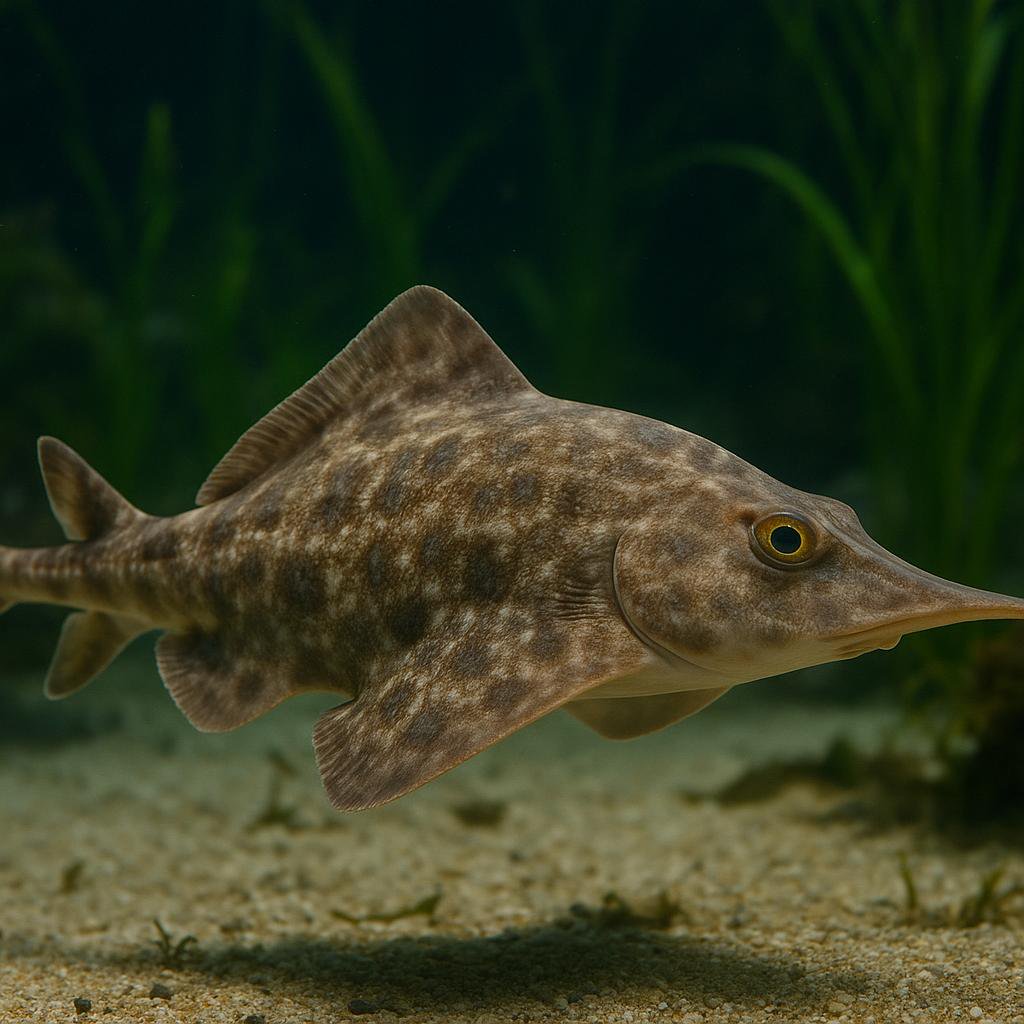
Aleutian skate
Bathyraja aleutica
This is a big, cold-water deep-slope skate from the North Pacific that cruises muddy bottoms and eats chunky benthic prey like crabs and shrimp. The really cool bit is its egg-laying skate life - it does distinct pairing (the classic skate "embrace") and drops those tough egg cases on the seafloor. Not an aquarium fish at all unless you're basically running a public-aquarium-style chilled system.
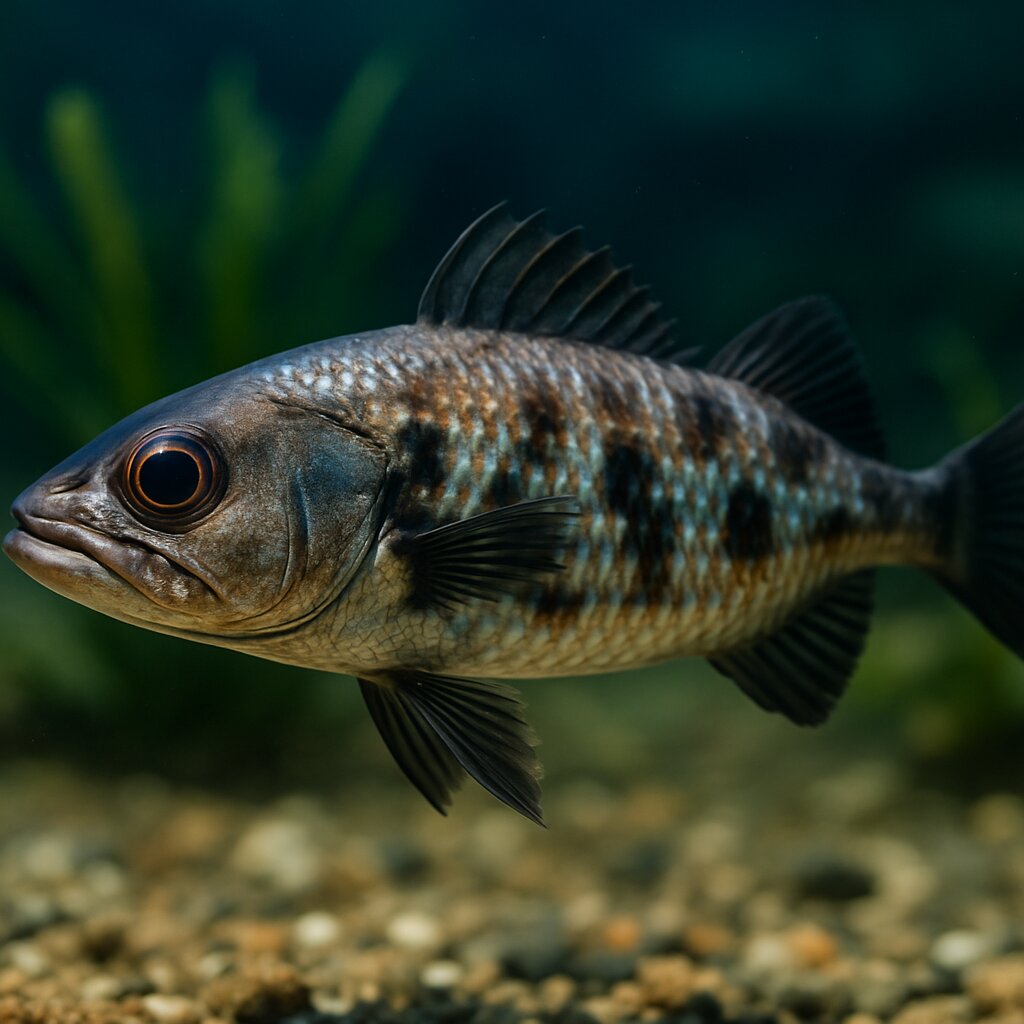
Antarctic dragonfish
Vomeridens infuscipinnis
Deep down around Antarctica, this sleek dragonfish cruises the water column like a little submarine, nearly neutrally buoyant so it can hover above the seafloor. It munches almost exclusively on Antarctic krill and lives in near-freezing water 500-800 m down, so it is a cool species to read about, not one for home tanks.
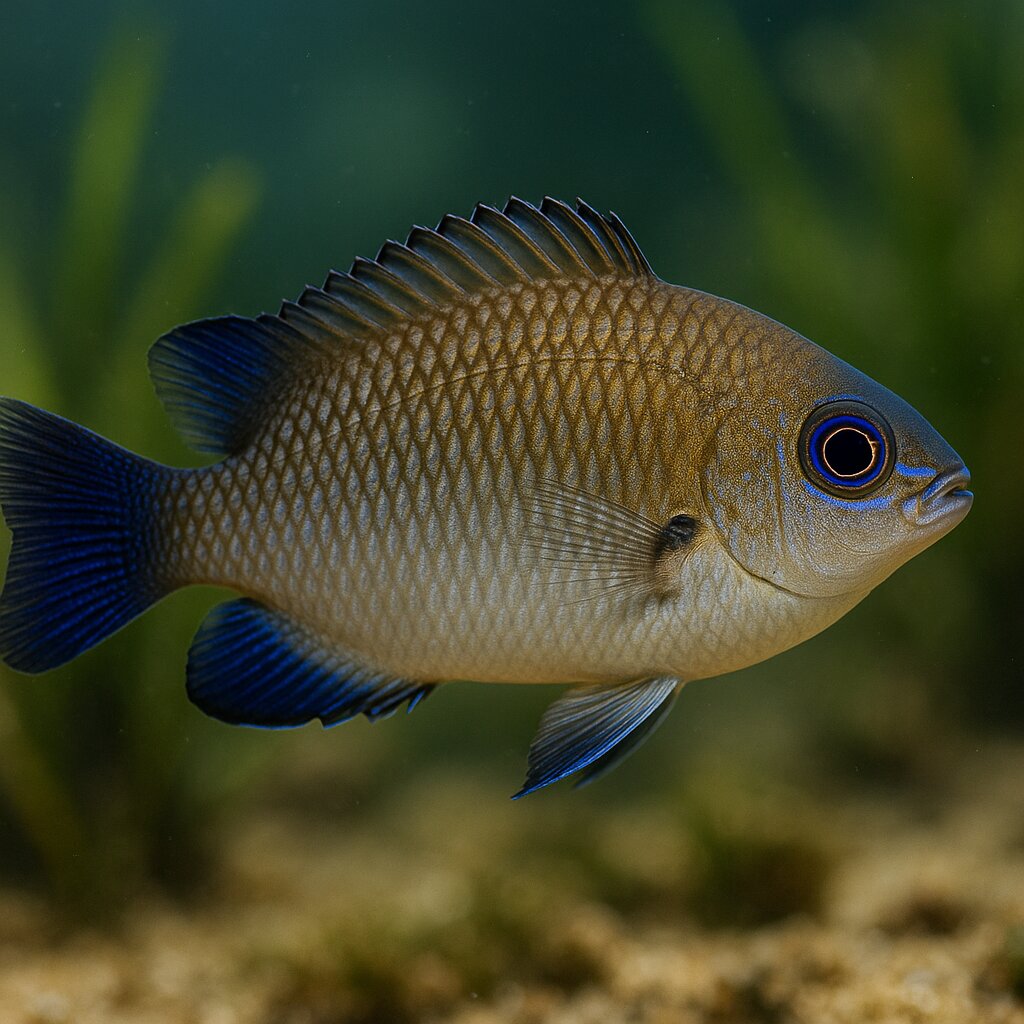
Arabian demoiselle
Neopomacentrus sindensis
A small lyretail damsel from the Persian Gulf and Arabian Sea, it hangs in loose groups around coral heads, rocks, and even pier pilings picking zooplankton from the flow. Think classic damsel toughness with a slightly milder attitude than the real bruisers, plus subtle yellow tail accents. Males clean a patch, get a mate to lay eggs there, and then stand guard fanning the clutch.
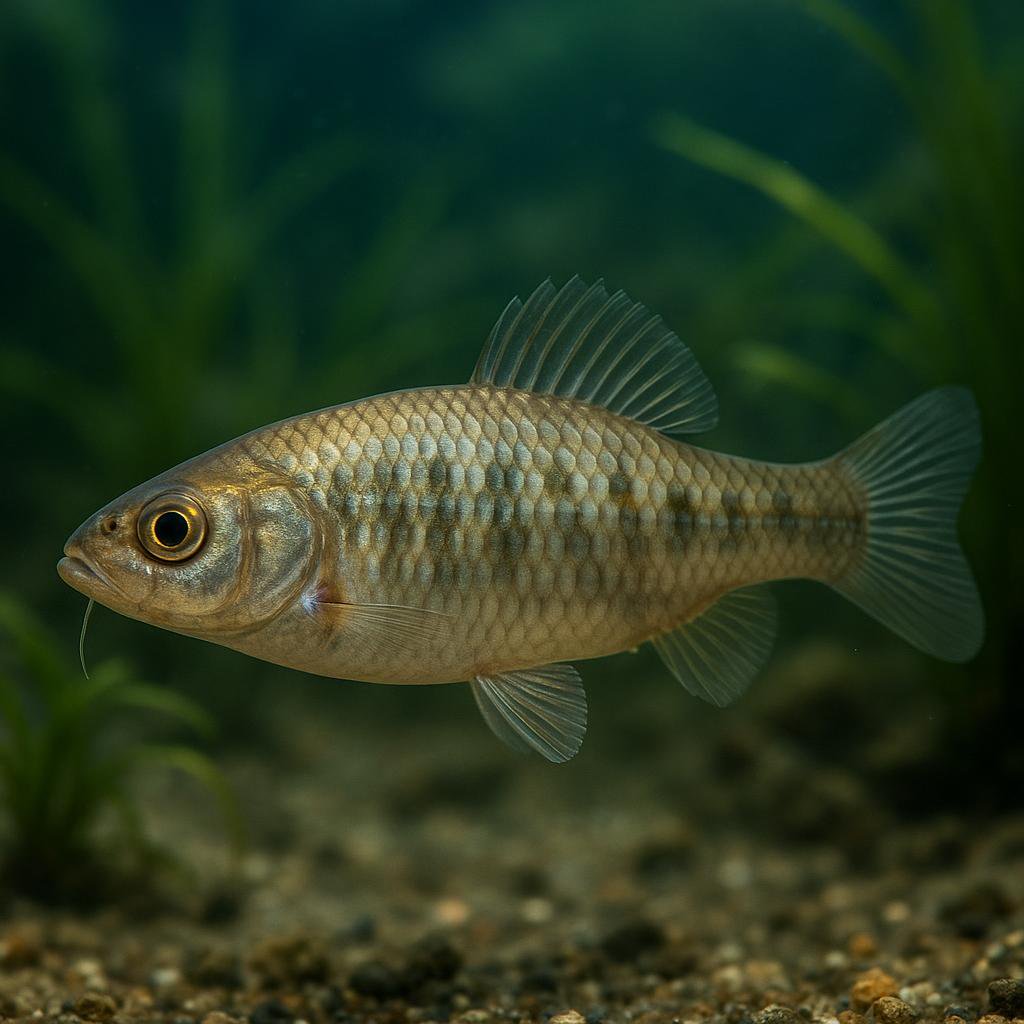
Arabian spiny eel
Notacanthus indicus
Notacanthus indicus is a deep-sea spiny eel (family Notacanthidae; not a true eel) known from the Arabian Sea on the continental slope at roughly ~960–1,046 m depth, with reported maximum length around 20 cm TL; it is a deep-water bycatch species and not established in the aquarium trade.
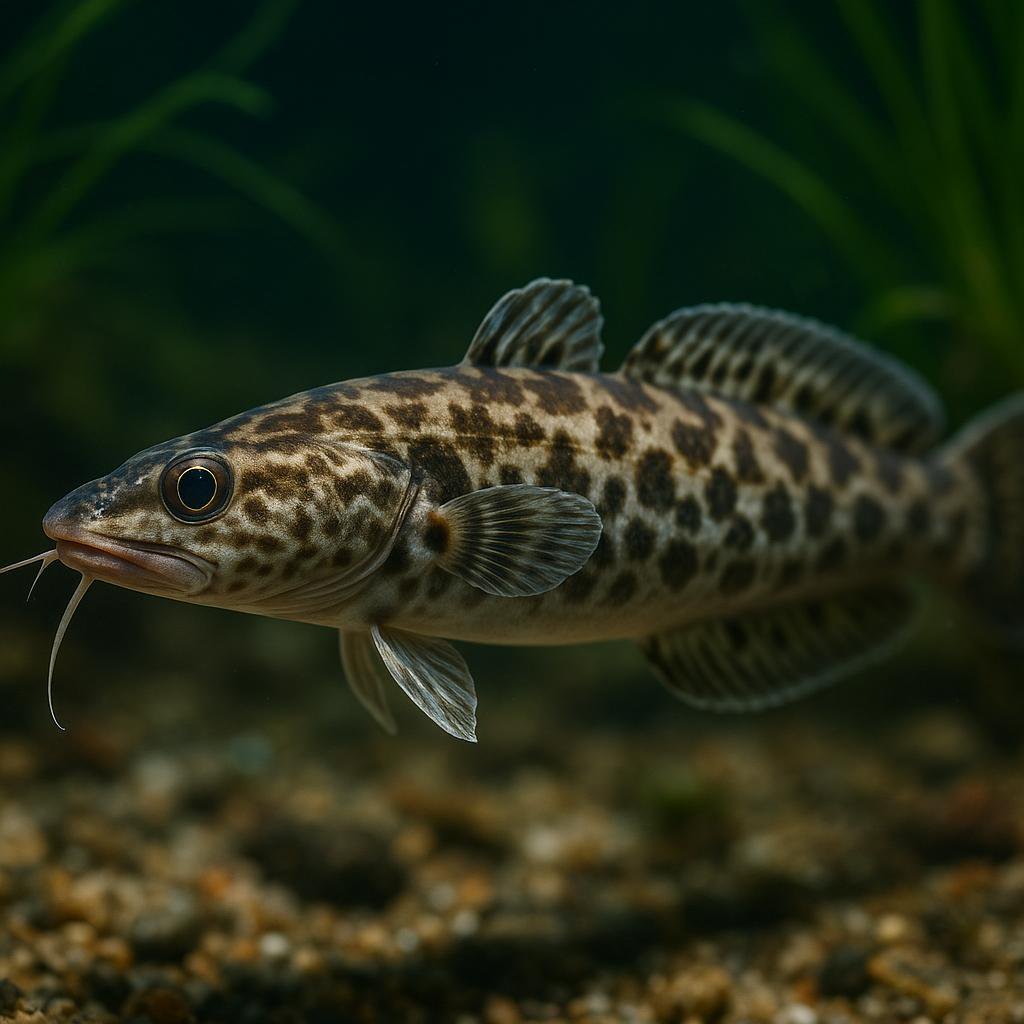
Arctic rockling
Gaidropsarus argentatus
This is a deepwater North Atlantic rockling (a cod relative) that hangs out on soft bottoms way down the slope. It is a cold-water, bottom-hugging predator that snoots around for crustaceans and will also take small fish when it gets the chance.
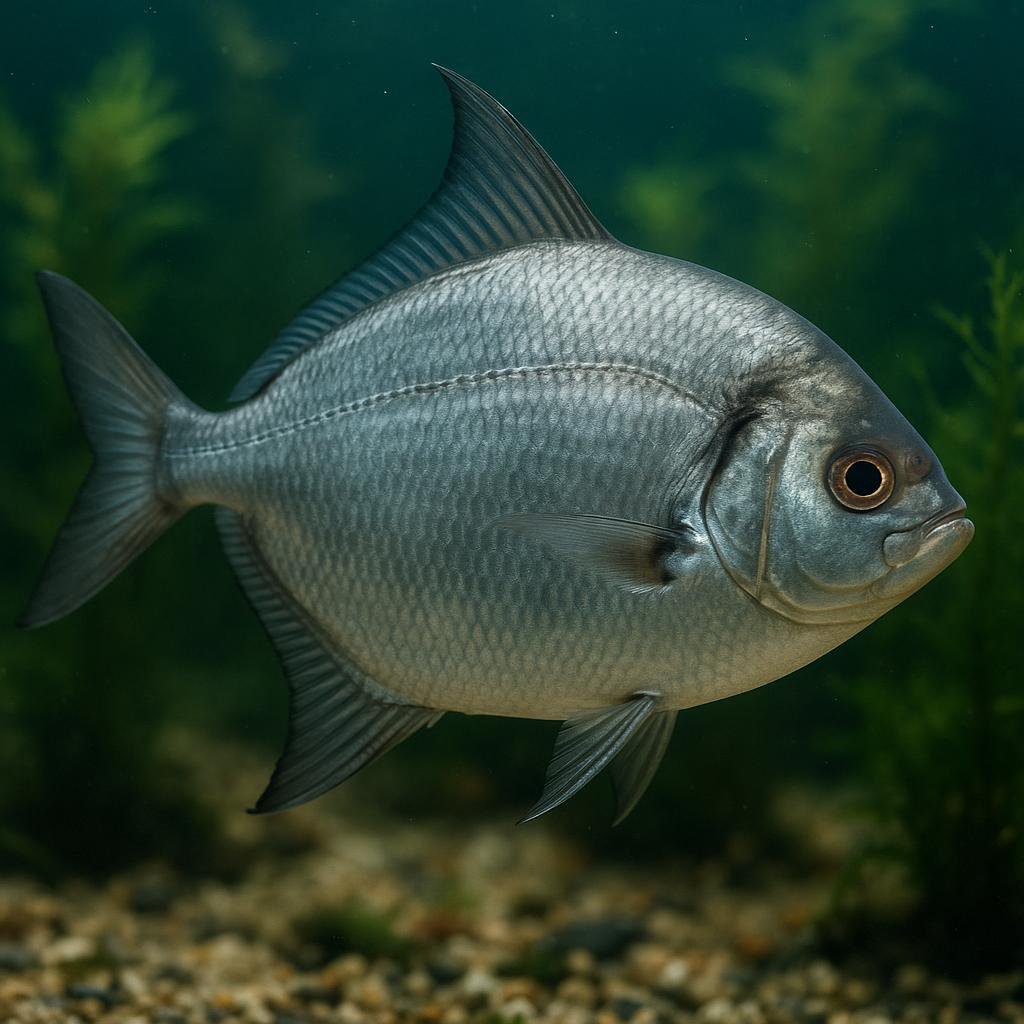
Atlantic pomfret
Brama brama
Brama brama is the Atlantic pomfret (aka Ray's bream) - a deep-bodied, open-ocean pelagic fish that cruises around in small schools and follows water temps. It is a legit big, wild marine species (not an aquarium fish) that eats other small sea critters like fish and squid, and it ranges across a huge chunk of the Atlantic plus parts of the Indian and South Pacific.
More to Explore
Discover more marine species.
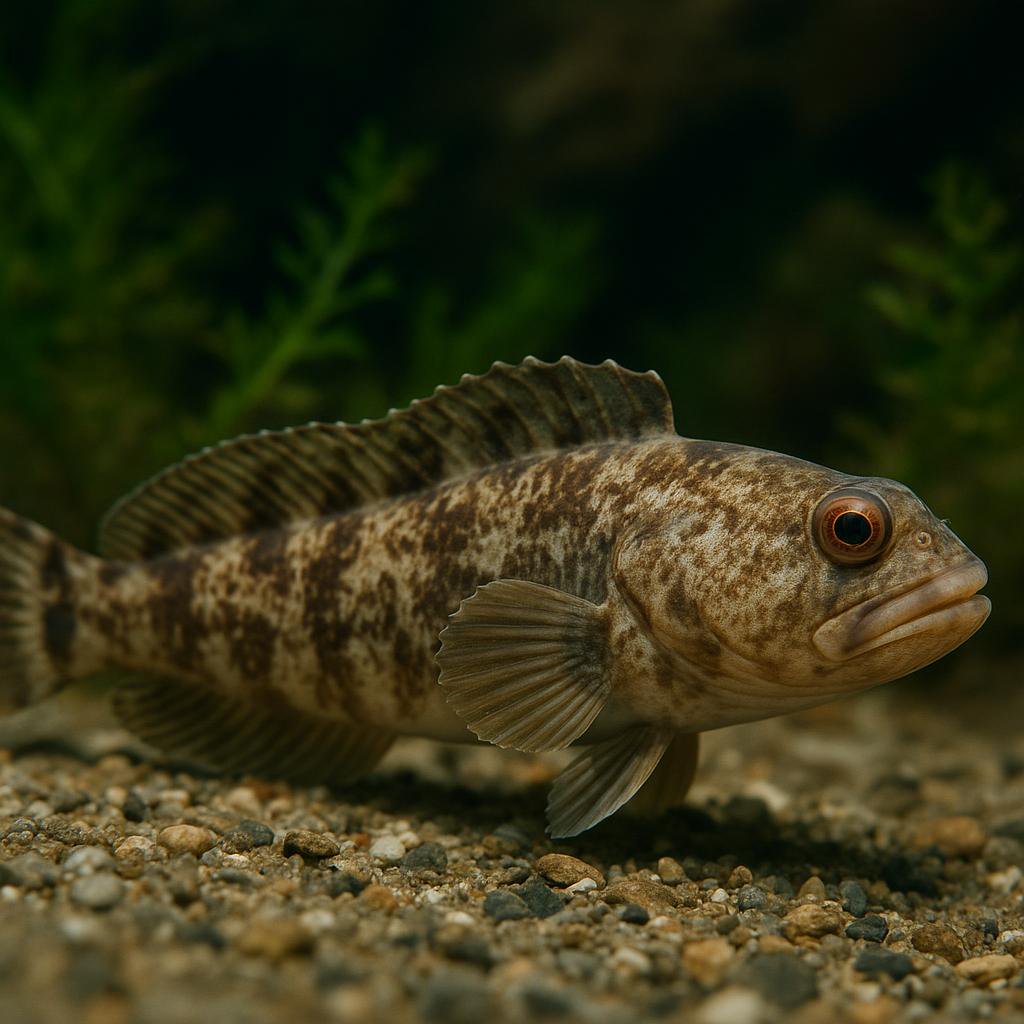
Abe's eelpout
Japonolycodes abei
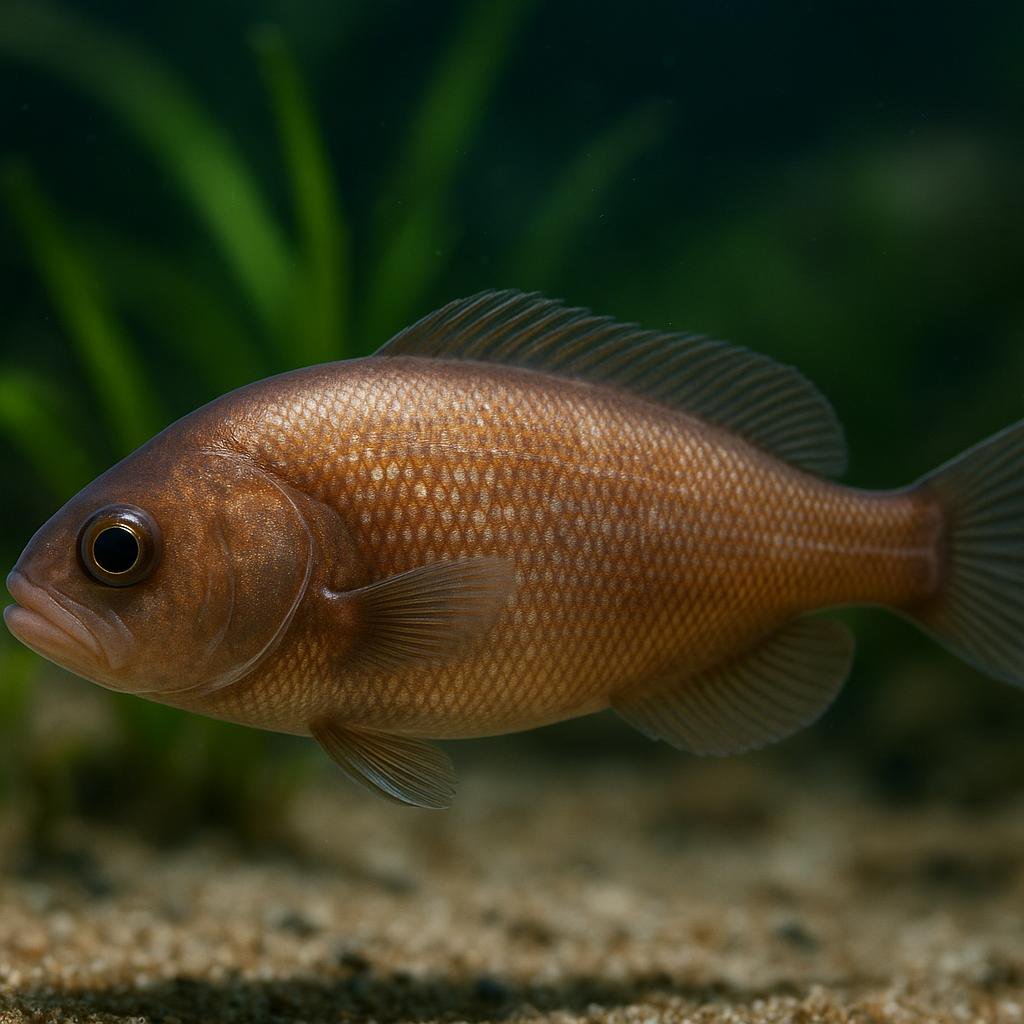
Japonolycodes abei is a temperate, deepwater demersal eelpout (family Zoarcidae) endemic to Japan (Kumano-nada Sea reported; other sources also report Sagami Bay and Tosa Bay). It is the only species in the genus Japonolycodes and occurs roughly 40-300 m depth, making it an uncommon/atypical aquarium species.
Affinis blind cusk-eel
Barathronus affinis
Barathronus affinis is a tiny, super-weird deep-sea blind cusk-eel from the western-central Indian Ocean. It is one of those gelatinous, loose-skinned brotula-type fishes that live way down in the dark and are basically never seen alive, so almost everything we know comes from preserved specimens and taxonomic work.
African red snapper
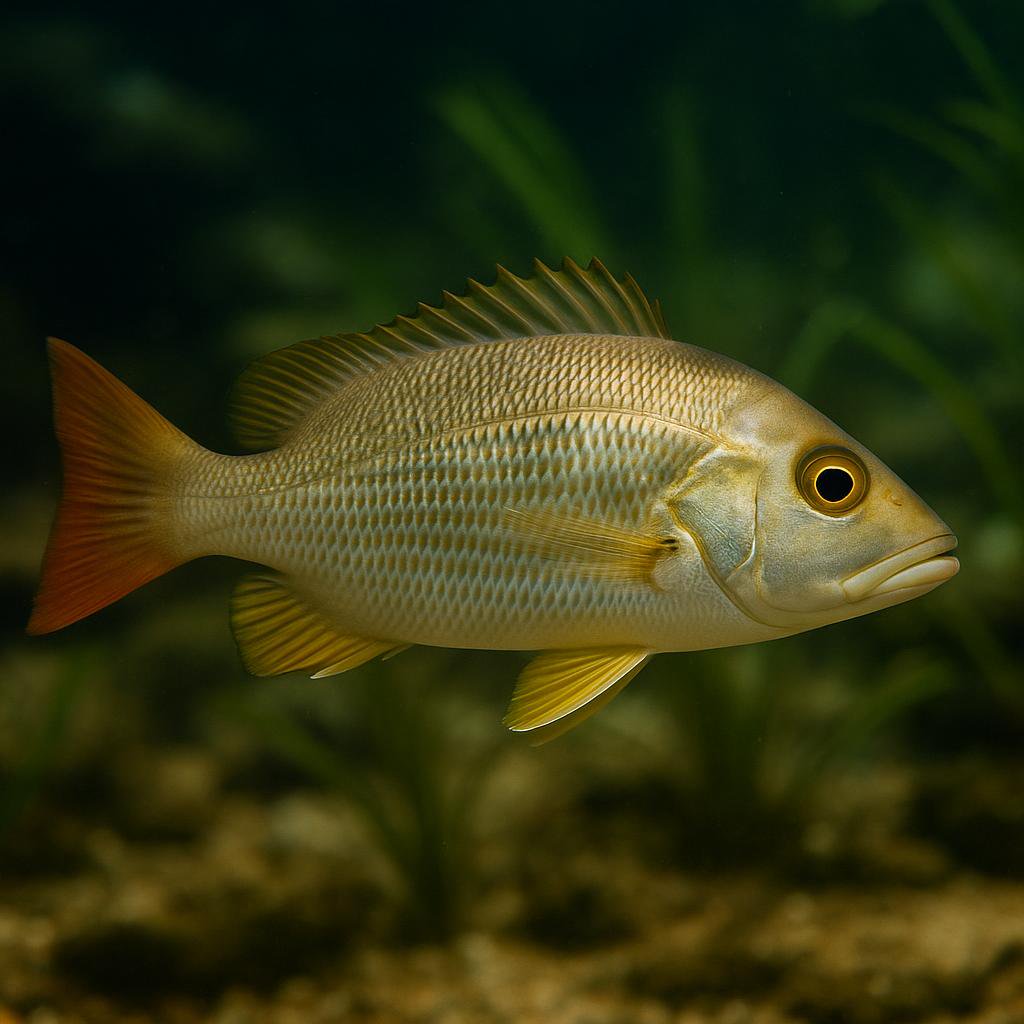
Lutjanus agennes
This is a true snapper from West Africa - a big, fast-growing predator that goes from coastal reefs to brackish lagoons and estuaries (especially as a juvenile). Super cool fish in the wild, but it gets absolutely huge and will eat smaller tankmates once it has the mouth for it, so its really more of a public-aquarium scale animal than a home-aquarium fish.
Allis shad
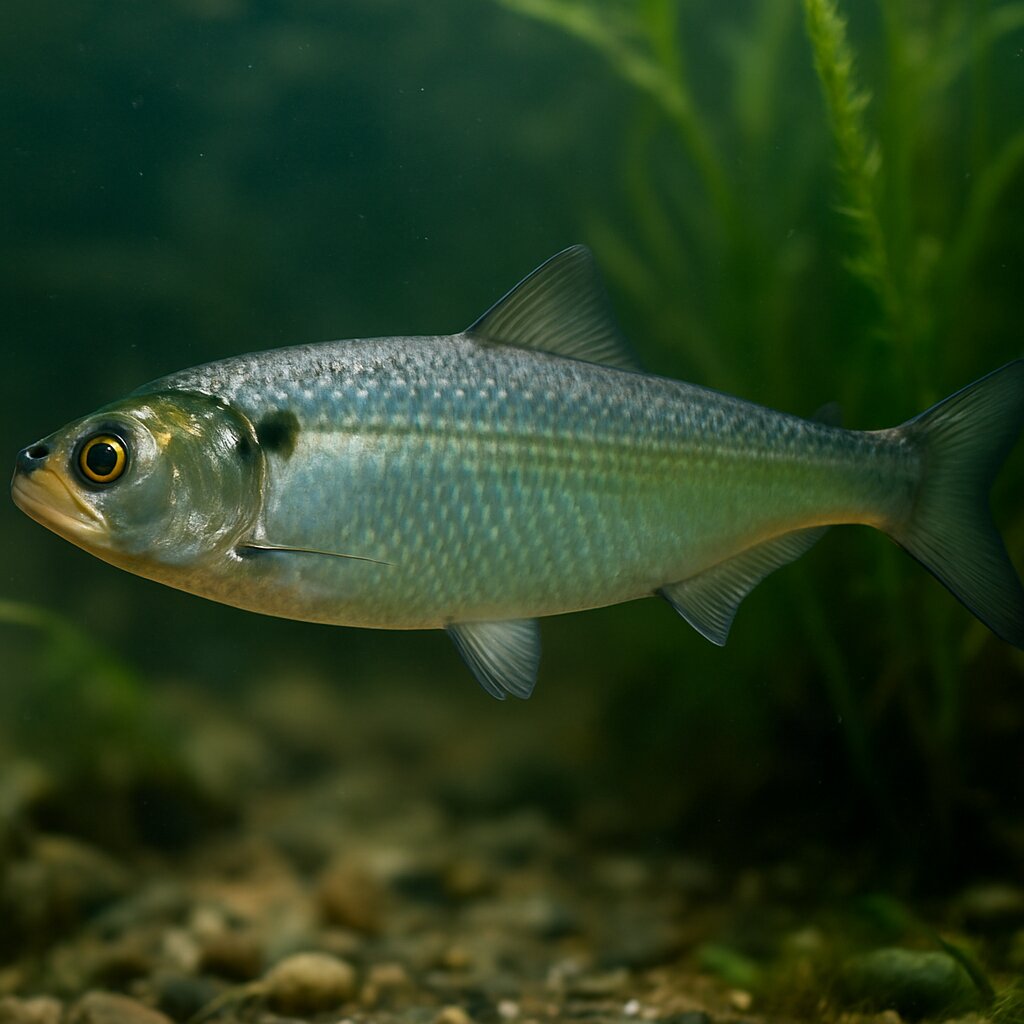
Alosa alosa
Gorgeous silver, fast-swimming shad that spends most of its life in the sea and then surges up big rivers in noisy, surface-spawning schools. It grows huge for a herring-type fish and needs cool, ultra-oxygenated water and tons of open space, so it is a public-aquarium species rather than a home tank fish.
Annandale's zebra sole
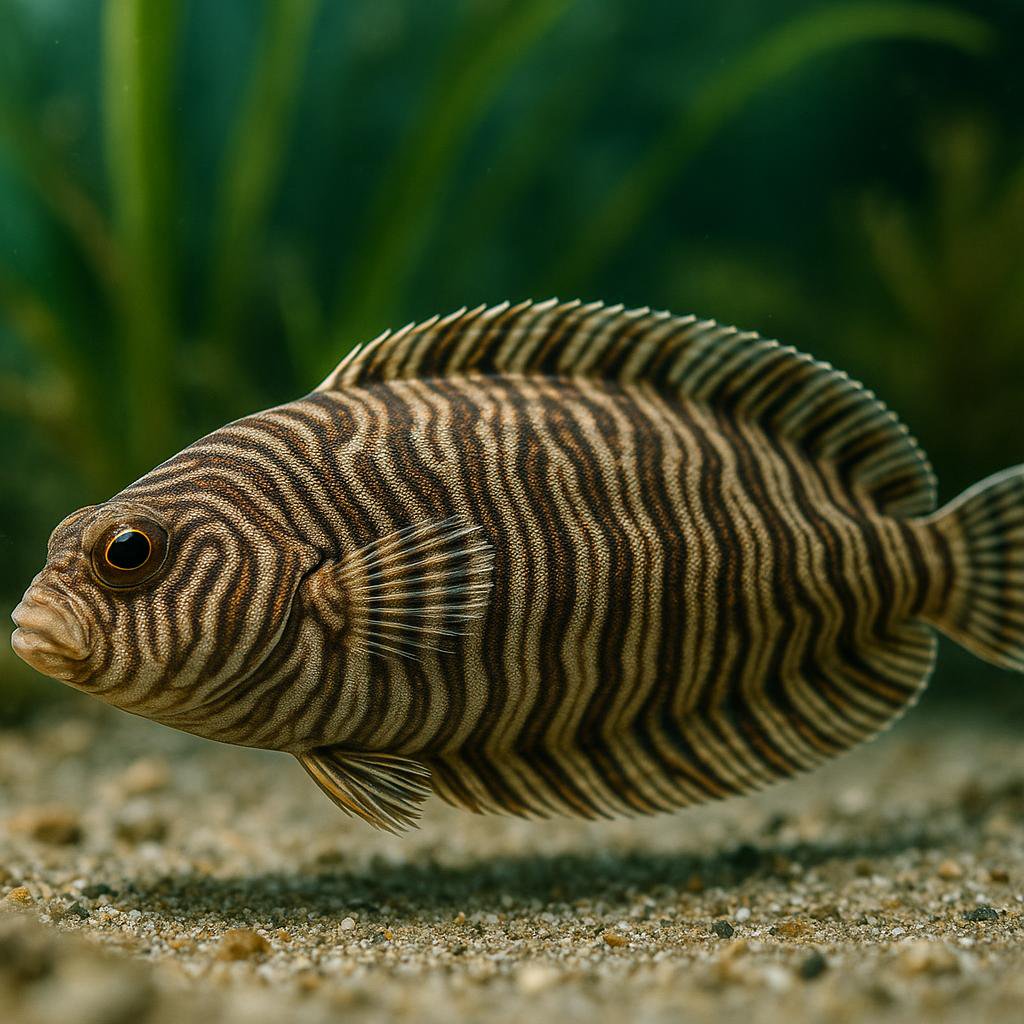
Zebrias annandalei
Zebrias annandalei is a small demersal sole from coastal India that inhabits sandy or muddy bottoms and buries for camouflage. It is rarely kept in home aquaria and would require a specialized marine sand-bottom setup and appropriate feeding.
Australian sawtail catshark
Figaro boardmani
Figaro boardmani is a small, deepwater Australian catshark with these cool saw-like ridges of spiny denticles along the tail and a neat pattern of dark saddle bands. It lives way down on the outer continental shelf and slope, so its natural water is cold, dim, and stable - totally not a typical home-aquarium fish. Diet-wise its a predator that goes after fish, crustaceans, and cephalopods.
Looking for other species?