

Bradbury's batfish
Coelophrys bradburyae
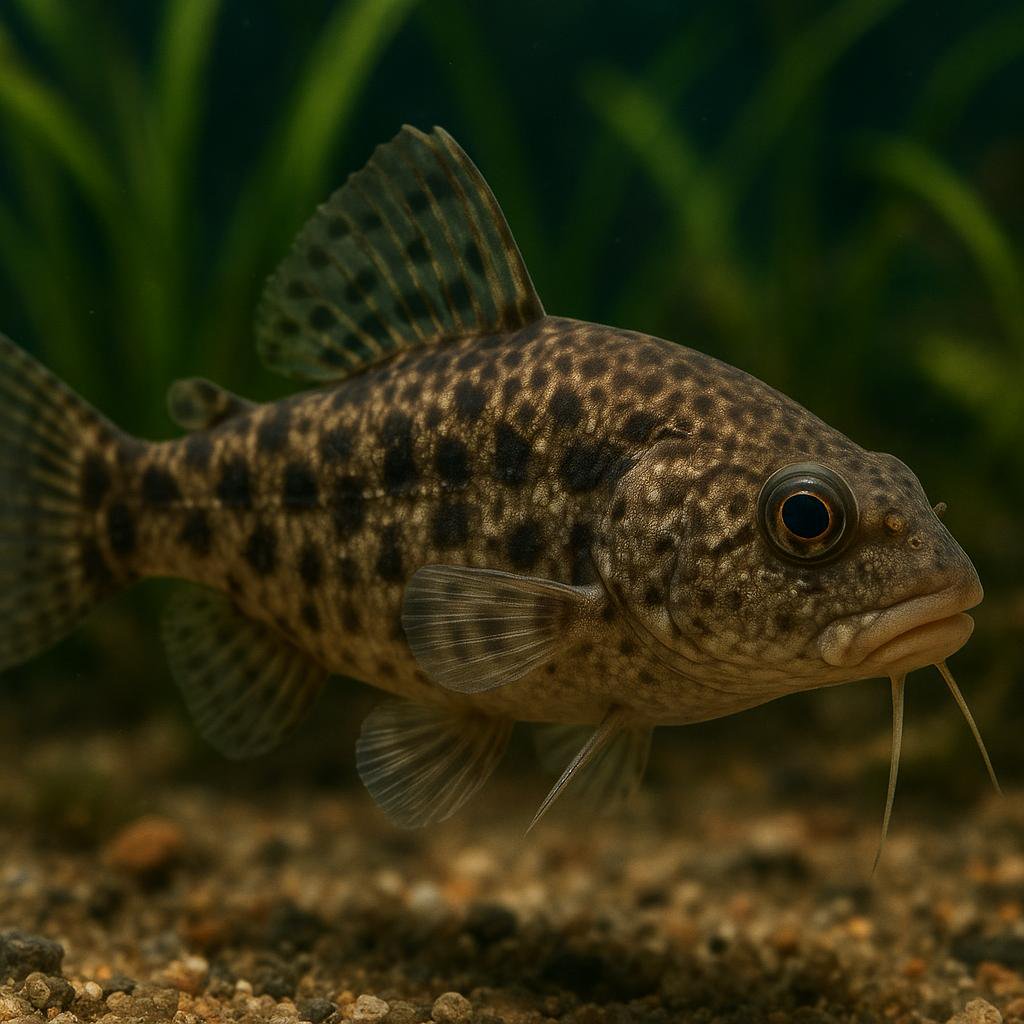
Bradbury's batfish features a flattened, disc-like body, pale tan coloration, and distinctive pectoral fins that resemble wings.
This page includes AI-generated images. Why am I seeing AI images?
About the Bradbury's batfish
A tiny deep-sea batfish (family Ogcocephalidae) known from deep water off Japan; the original description was based on a single specimen collected at 557–595 m, and the species remains poorly known.
Also known as
Quick Facts
Size
5.8 cm
Temperament
Peaceful
Difficulty
Expert
Min Tank Size
0 gallons
Lifespan
unknown
Origin
Western Pacific (Japan)
Diet
Carnivore - unknown in detail
Care Notes
- Give it a big, mature sandbed (fine sand) with low flow and lots of open bottom space - these batfish are sit-and-wait hunters and hate being blasted around.
- No established aquarium parameters are published for Coelophrys bradburyae; it is a deep-sea species described from material collected at 557–595 m off Japan, and it should generally be considered non-viable for typical home aquaria.
- They are picky and lazy feeders at first - start with live foods (ghost shrimp, small shore crabs, live mollies acclimated to salt) and then wean onto thawed silversides, shrimp, or squid on feeding tongs right in front of the lure.
- Feed smaller portions more often (every other day or so) and watch the belly - they will gorge and then sit, and fatty foods can wreck them if you overdo it.
- Tankmates need to be calm and not food-competitive: avoid wrasses, triggers, puffers, and anything that will steal food, nip the lure, or crawl over it; slow, non-aggressive bottom fish are the only semi-safe picks.
- Cover intakes and overflows - they can wedge into weird spots and get pinned by suction, especially when they are stressed or newly introduced.
- Red flags: torn lure/filaments, cloudy eyes, rapid breathing, or refusing food for more than a couple weeks; most losses come from shipping damage plus starvation, so quarantine and get it eating early.
- Breeding in tanks is basically a lottery - they are deepwater/spawn-in-the-water-column types, so do not buy one expecting babies; focus on long-term feeding and keeping stress low.
Compatibility
Good Tankmates
- No reliable compatibility guidance exists for Coelophrys bradburyae in home aquaria; this deep-sea species is not meaningfully compatible with typical reef/community tank stocking plans.
- Other peaceful gobies (neon gobies, clown gobies) - calm, not bitey, and usually smart enough to stay out of the mouth-sized danger zone
- Dragonets like a scooter blenny/dragonet (Synchiropus) - peaceful and slow, and they cruise for pods instead of picking on weird-shaped fish
- Firefish (Nemateleotris) - gentle open-water types that dont spend their day inspecting and pecking at everything on the bottom
- Tiny, well-behaved blennies like tailspot blenny (Ecsenius stigmatura) - generally peaceful and not the fin-nipping, bully kind
- Cleaner shrimp (like skunk cleaners) and small, non-predatory inverts - batfish are ambush hunters, but they usually ignore cleaners and you want tankmates that wont harass them
Avoid
- Hawkfish (flame hawkfish, etc.) - they perch and pounce, can be pushy, and they love picking at slower, weirder fish and stealing food right off the bottom
- Dottybacks (pseudochromis) - classic small tank terrors, super territorial, and they will absolutely stress a peaceful, sedentary batfish
- Aggressive or nippy wrasses (sixline, some halichoeres) - constant motion, constant attitude, and they can harass or outcompete the batfish at feeding time
- Triggers and puffers - too curious and too bitey, they tend to harass oddball bottom sitters and can take chunks out of fins or spines
Where they come from
Bradbury's batfish (Coelophrys bradburyae) is one of those deepwater oddballs that looks like it was designed by committee. They are collected from deeper slopes and seamount-y habitats where the light is low and food is hit-or-miss. That deepwater origin drives almost everything about how they handle captivity: they do not like bright, busy reef tanks, and they do not handle shipping stress like a hardy clownfish would.
This is an expert-only fish for a reason. Most losses happen in the first few weeks from shipping damage, starvation, or infections that show up after the stress of collection.
Setting up their tank
Think of this fish as a sit-and-wait ambush predator that wants a calm, dim corner and stable water. Give it space on the bottom, lots of low caves/overhangs, and no sandstorm flow. The fish is not built to compete, and it will not appreciate you blasting it with reef-level light and current.
- Tank size: I would not do one in anything smaller than 40-50 gallons, and bigger is nicer for stability. They do not need swimming length, they need stable conditions and a quiet footprint.
- Aquascape: broad ledges, caves, and shaded pockets. Leave open sand or a flat rock area where it can perch and hunt.
- Substrate: fine sand works, but keep it clean. Detritus piles around these guys fast because they sit in one place.
- Flow: low to moderate, but break it up. You want gentle movement, not a powerhead pointed at its face.
- Lighting: subdued. If you run strong lights, create shaded zones with rockwork and consider a shorter photoperiod.
If you can, start with a tank that has been running a long time and has a mature pod population. Even if you plan to train it to frozen, that early "something is always moving" food availability can buy you time.
Water parameters are just standard marine reef ranges, but the real trick is avoiding swings. Keep salinity steady, keep nitrate reasonable, and do not let oxygen drop at night. Deepwater fish can react badly to sloppy aeration, especially in warm rooms.
Cover the tank. Batfish can lunge and scoot, and stressed new arrivals sometimes end up on the floor even though they are not classic jumpers.
What to feed them
Feeding is the whole game with Coelophrys. A lot of them arrive thin and they do not recognize pellets or flakes. You are basically teaching a weird, sedentary predator that dead stuff on tongs is food. Some learn. Some never do.
- Best starter foods: live ghost shrimp, small live marine shrimp, live blackworms (if you can source clean ones), and sometimes live mysis.
- Transition foods: thawed mysis, chopped raw shrimp, pieces of squid, and small strips of fish flesh (not oily, not seasoned).
- Feeding method: long tongs or a feeding stick right in front of the mouth, with the pumps paused so the food does not blow away.
- Frequency: small offerings daily at first. Once it is taking frozen reliably and has some weight, you can shift to every other day.
I have the best luck feeding right after lights dim. They often act more confident in lower light, and you are not fighting daytime tank bullies.
Watch the belly. A batfish that is not gaining weight is on a timer. Do not assume it is eating just because food disappears. Tankmates and cleanup crews will steal meals fast.
How they behave and who they get along with
They are basically living furniture with teeth. Most of the day they sit, blend in, and wait. The "lure" (their little fishing rod) is real, and they will use it if they are comfortable. They are not aggressive in the chasing sense, but anything that fits in the mouth is potential food.
- Good tankmates: calm, non-competitive fish that will not harass it and will not steal every bite (think small, peaceful species that stay in the water column).
- Bad tankmates: fast feeders (wrasses, anthias), nippy fish (some angels, triggers), and anything that perches on it or picks at skin (some hawkfish).
- Inverts: expect it to eat small shrimp and tiny crabs if it can catch them. Large cleaner shrimp sometimes survive, but do not bet on it.
Do not mix it with small gobies, blennies, or tiny cardinalfish unless you are fine with them turning into dinner. If it fits, it is food.
They do best as a feature fish in a species-leaning setup. A busy community tank is usually a slow-motion failure: the batfish loses meals, stays stressed, and you are left wondering why it is fading.
Breeding tips
Realistically, breeding Bradbury's batfish in home aquariums is not something most of us can plan for. Deepwater anglers and batfish have complicated spawning behavior, and even sexing them is not straightforward. If you ever keep two that tolerate each other, consider it luck, not a repeatable recipe.
If you do observe courtship or egg release, document everything: temperature, photoperiod, moonlights, feeding schedule, and time of day. For rare fish like this, good notes are genuinely useful to other keepers.
Common problems to watch for
Most issues with this species come down to three things: they arrive damaged, they do not eat, or they get infections after stress. They can look "fine" while actually declining, so you have to be a little paranoid in a good way.
- Starvation: hollow belly, pinched look behind the head, weak response to food. Act early with live foods and target feeding.
- Shipping/stress damage: torn fins, abrasions on the belly, red patches. Keep lighting low and avoid handling.
- Bacterial infections: redness, cloudy patches, fin rot, ulcers. These can escalate fast in a stressed deepwater fish.
- Parasites: heavy breathing, flashing, excess mucus. Quarantine is tough with reluctant eaters, but skipping it can burn you.
- Low oxygen/high heat: rapid breathing and lethargy, especially at night. Add surface agitation and keep temperatures steady.
Be careful with copper and other harsh meds. If you have to treat, do it with a plan and close observation. These guys are not forgiving, and appetite usually gets worse under medication.
The single best "quality of life" move: give it a calm feeding zone. Turn off pumps for a few minutes, use a feeding stick, and do not let cleaner shrimp or hermits mob the food before the batfish commits.
Similar Species
Other marine peaceful species you might be interested in.
Abe's eelpout
Japonolycodes abei
Japonolycodes abei is a temperate, deepwater demersal eelpout (family Zoarcidae) endemic to Japan (Kumano-nada Sea reported; other sources also report Sagami Bay and Tosa Bay). It is the only species in the genus Japonolycodes and occurs roughly 40-300 m depth, making it an uncommon/atypical aquarium species.
Affinis blind cusk-eel
Barathronus affinis
Barathronus affinis is a tiny, super-weird deep-sea blind cusk-eel from the western-central Indian Ocean. It is one of those gelatinous, loose-skinned brotula-type fishes that live way down in the dark and are basically never seen alive, so almost everything we know comes from preserved specimens and taxonomic work.
Allis shad
Alosa alosa
Gorgeous silver, fast-swimming shad that spends most of its life in the sea and then surges up big rivers in noisy, surface-spawning schools. It grows huge for a herring-type fish and needs cool, ultra-oxygenated water and tons of open space, so it is a public-aquarium species rather than a home tank fish.
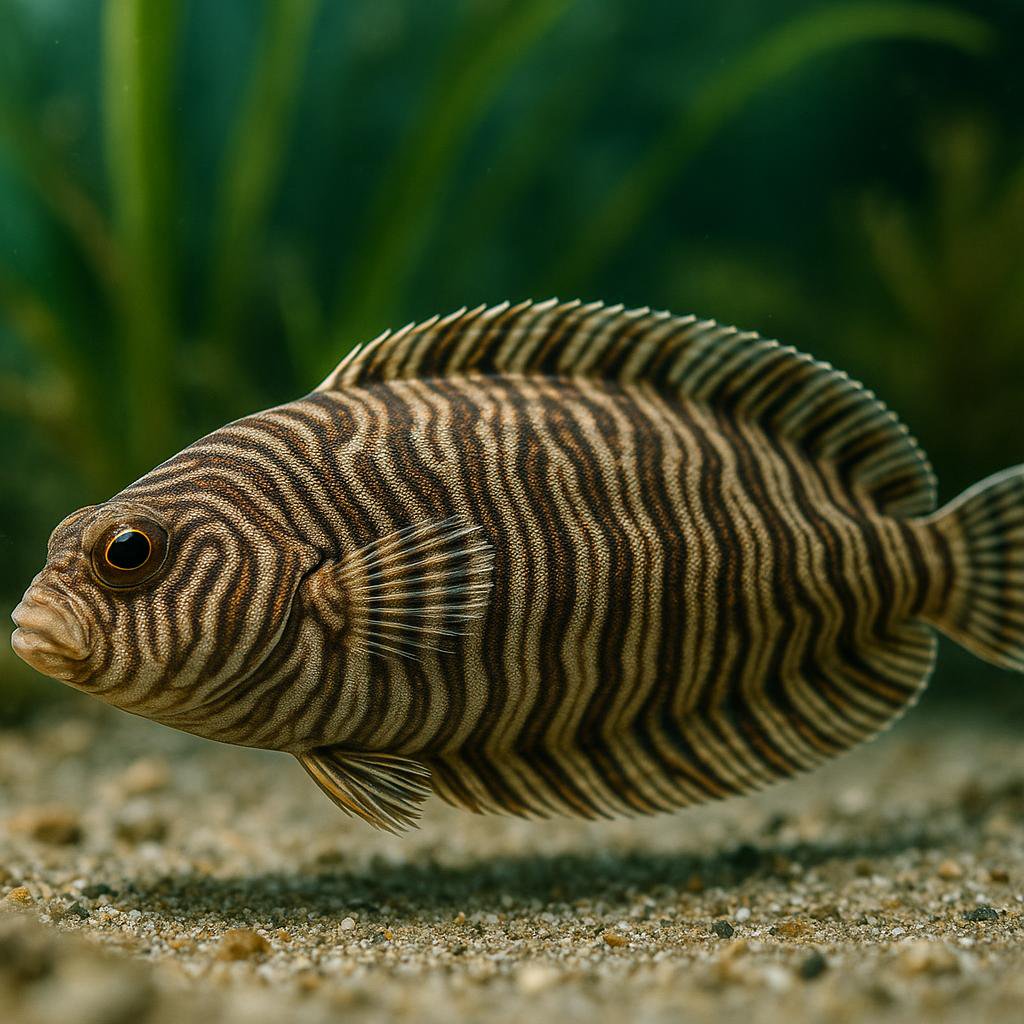
Annandale's zebra sole
Zebrias annandalei
Zebrias annandalei is a small demersal sole from coastal India that inhabits sandy or muddy bottoms and buries for camouflage. It is rarely kept in home aquaria and would require a specialized marine sand-bottom setup and appropriate feeding.
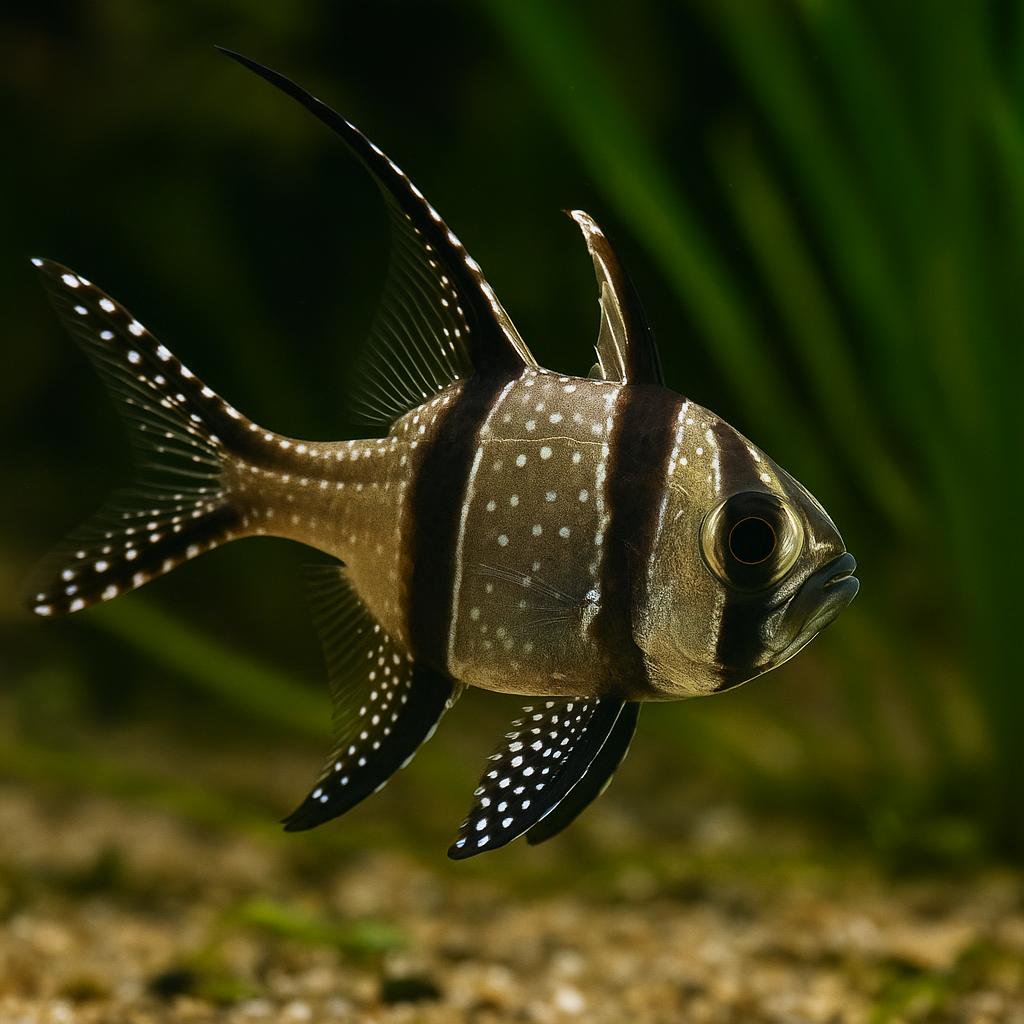
Banggai Cardinalfish
Pterapogon kauderni
Banggai cardinals just sort of hover like little underwater satellites, and the bold black bars with those long, polka-dotted fins look unreal under reef lighting. They're super chill most of the time, but once a pair forms you'll see real "fish drama," and the male will even mouthbrood the babies like a champ.
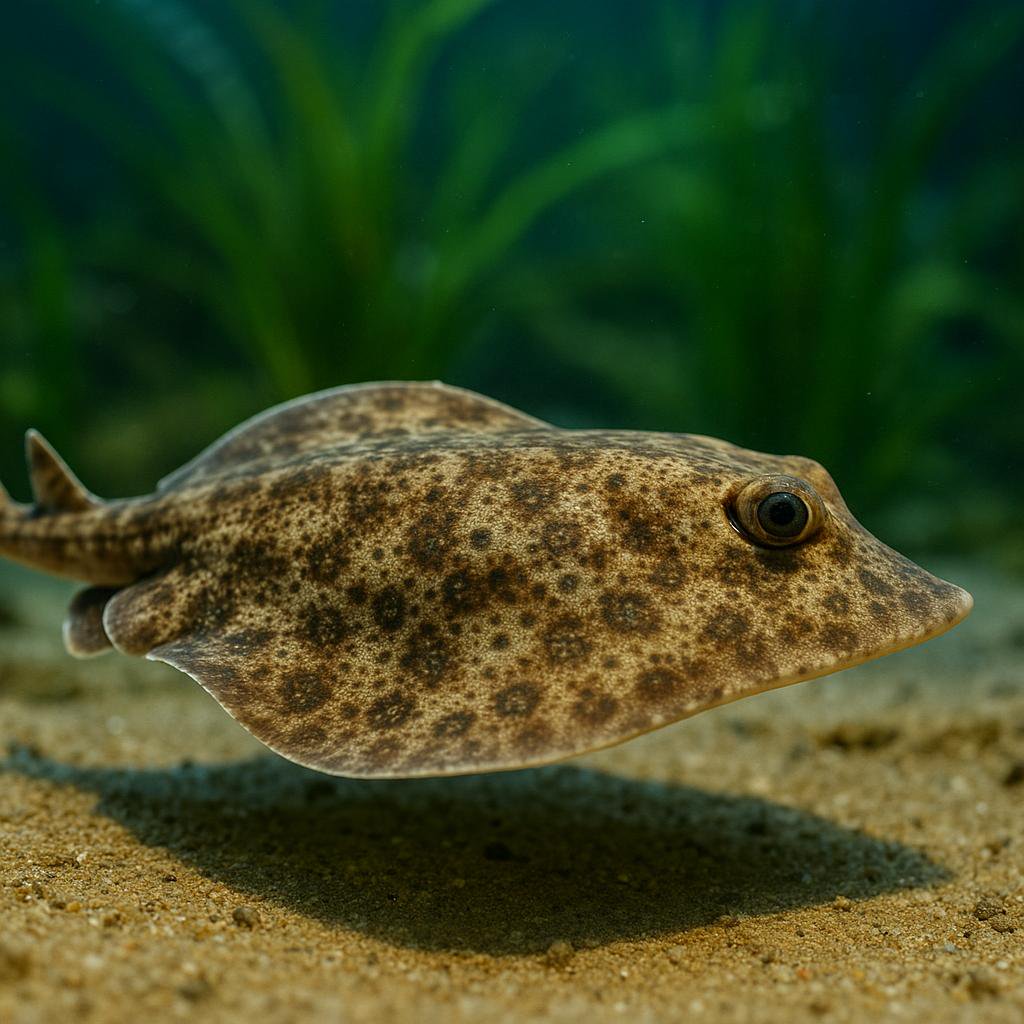
Barbedwire-tailed skate
Notoraja martinezi
Notoraja martinezi is a deepwater skate from the eastern Pacific (Costa Rica down to Ecuador) that lives way down on soft bottoms. The tail is the giveaway - it is lined with strong, hooked thorns that really do look like barbed wire. This is absolutely not an aquarium fish; it is a cold, high-pressure deep-sea animal with basically no practical home care info because it is not kept in the hobby.
More to Explore
Discover more marine species.
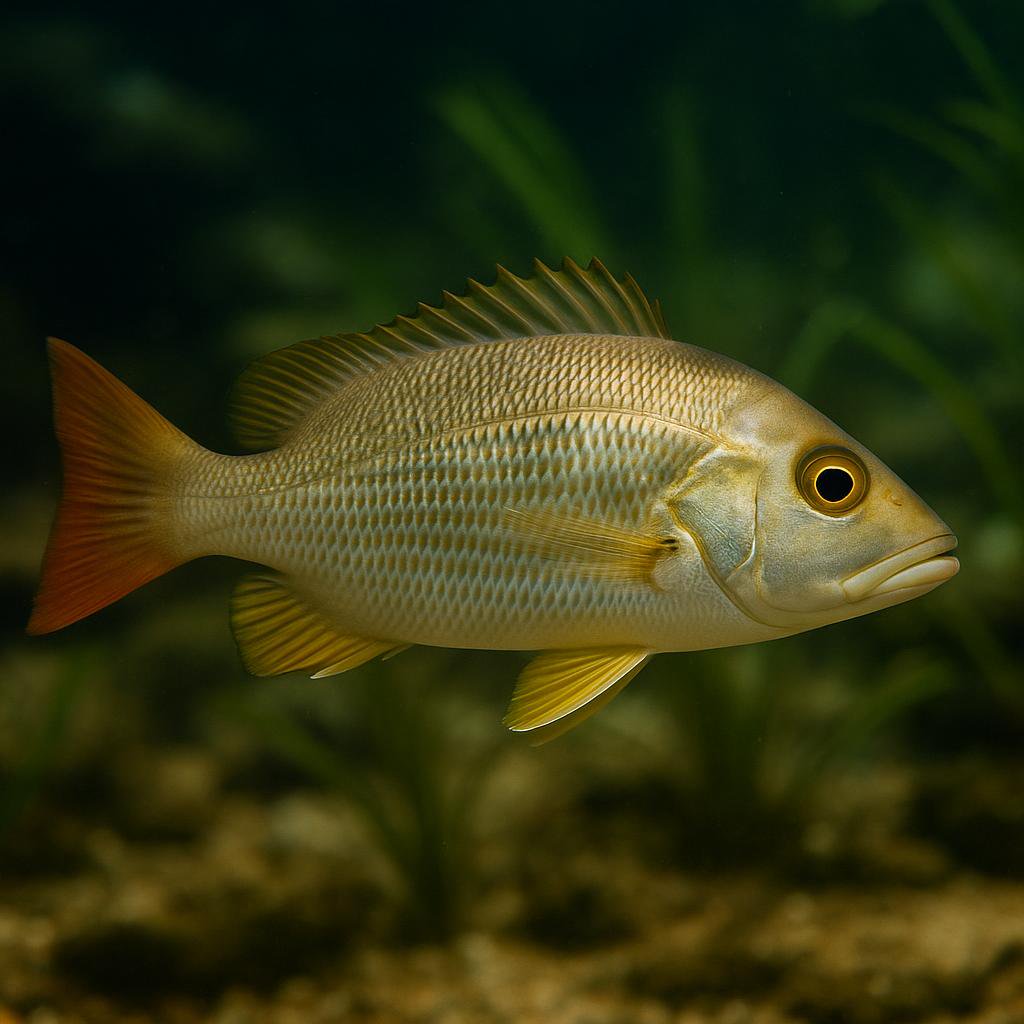
African red snapper
Lutjanus agennes
This is a true snapper from West Africa - a big, fast-growing predator that goes from coastal reefs to brackish lagoons and estuaries (especially as a juvenile). Super cool fish in the wild, but it gets absolutely huge and will eat smaller tankmates once it has the mouth for it, so its really more of a public-aquarium scale animal than a home-aquarium fish.
Aleutian skate
Bathyraja aleutica
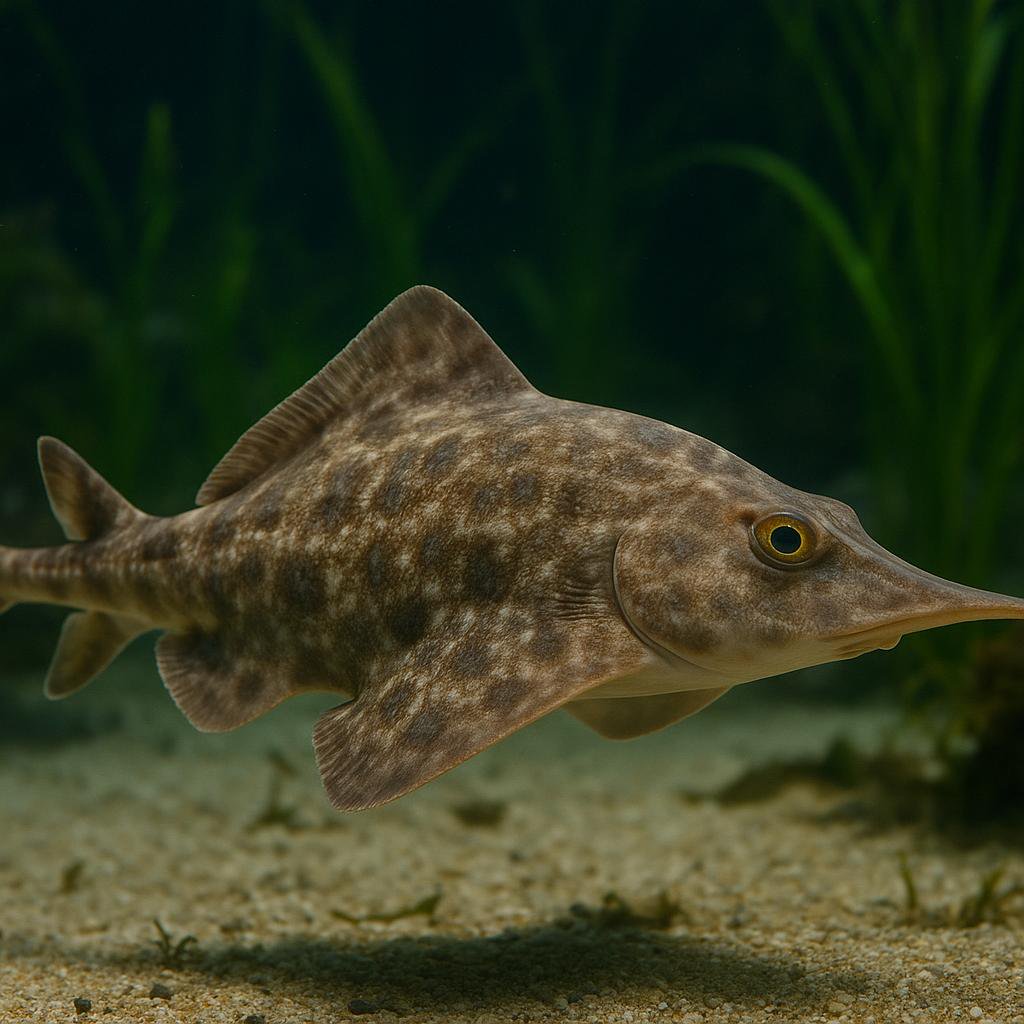
This is a big, cold-water deep-slope skate from the North Pacific that cruises muddy bottoms and eats chunky benthic prey like crabs and shrimp. The really cool bit is its egg-laying skate life - it does distinct pairing (the classic skate "embrace") and drops those tough egg cases on the seafloor. Not an aquarium fish at all unless you're basically running a public-aquarium-style chilled system.
Antarctic dragonfish
Vomeridens infuscipinnis
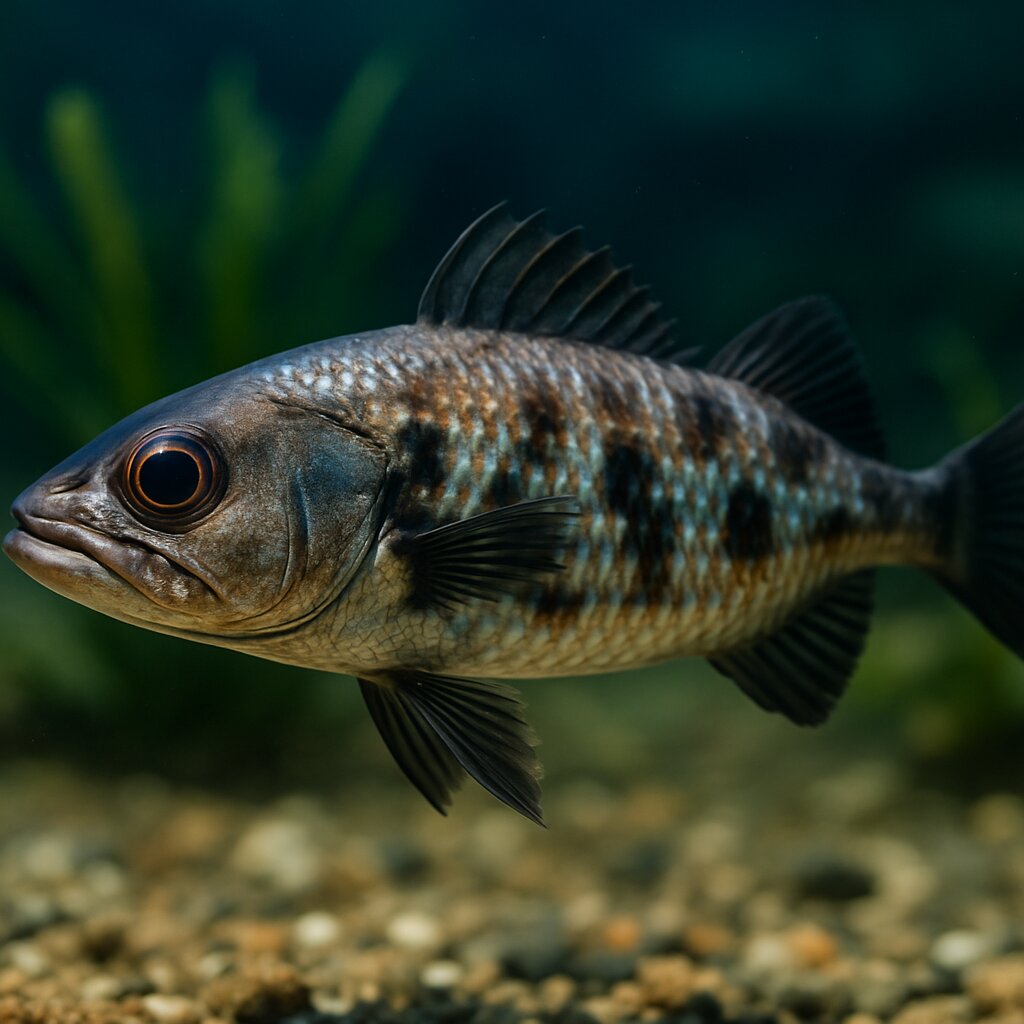
Deep down around Antarctica, this sleek dragonfish cruises the water column like a little submarine, nearly neutrally buoyant so it can hover above the seafloor. It munches almost exclusively on Antarctic krill and lives in near-freezing water 500-800 m down, so it is a cool species to read about, not one for home tanks.
Arabian demoiselle
Neopomacentrus sindensis
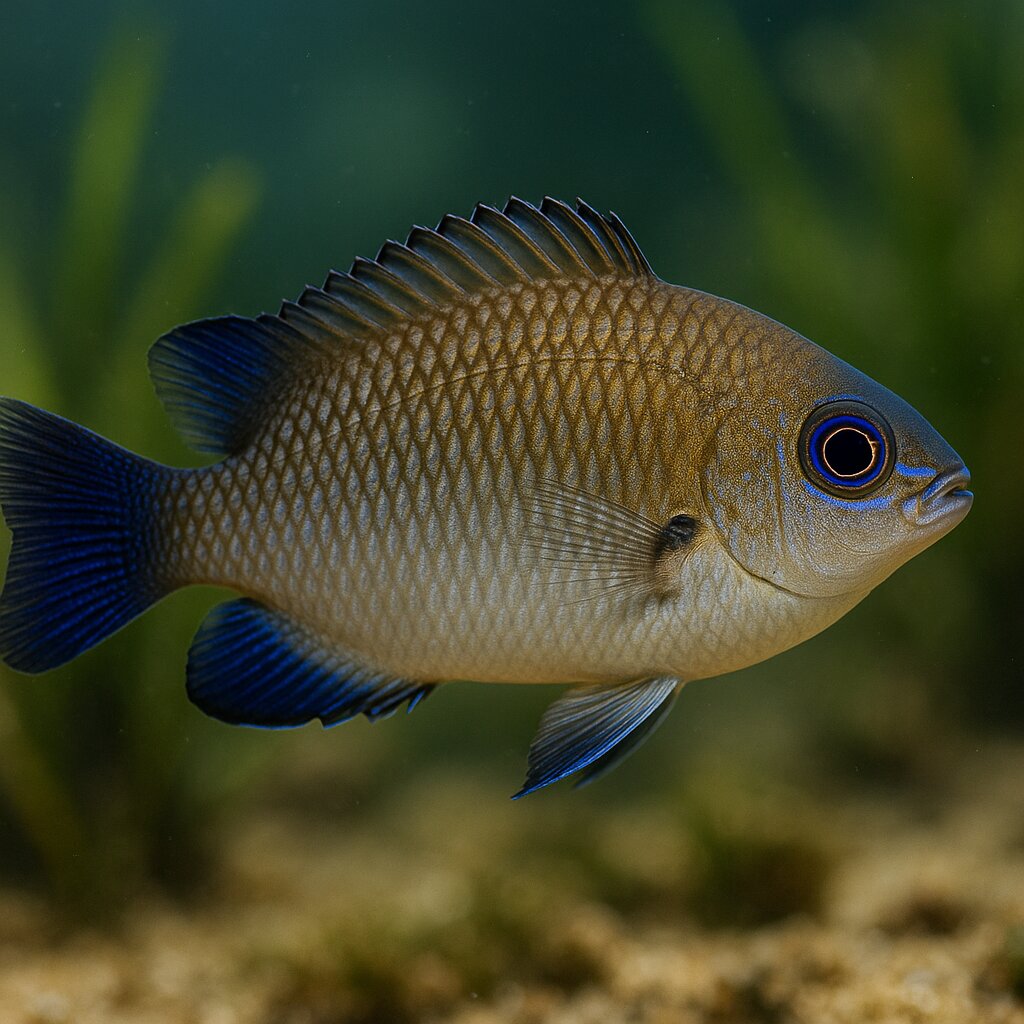
A small lyretail damsel from the Persian Gulf and Arabian Sea, it hangs in loose groups around coral heads, rocks, and even pier pilings picking zooplankton from the flow. Think classic damsel toughness with a slightly milder attitude than the real bruisers, plus subtle yellow tail accents. Males clean a patch, get a mate to lay eggs there, and then stand guard fanning the clutch.
Arabian spiny eel
Notacanthus indicus
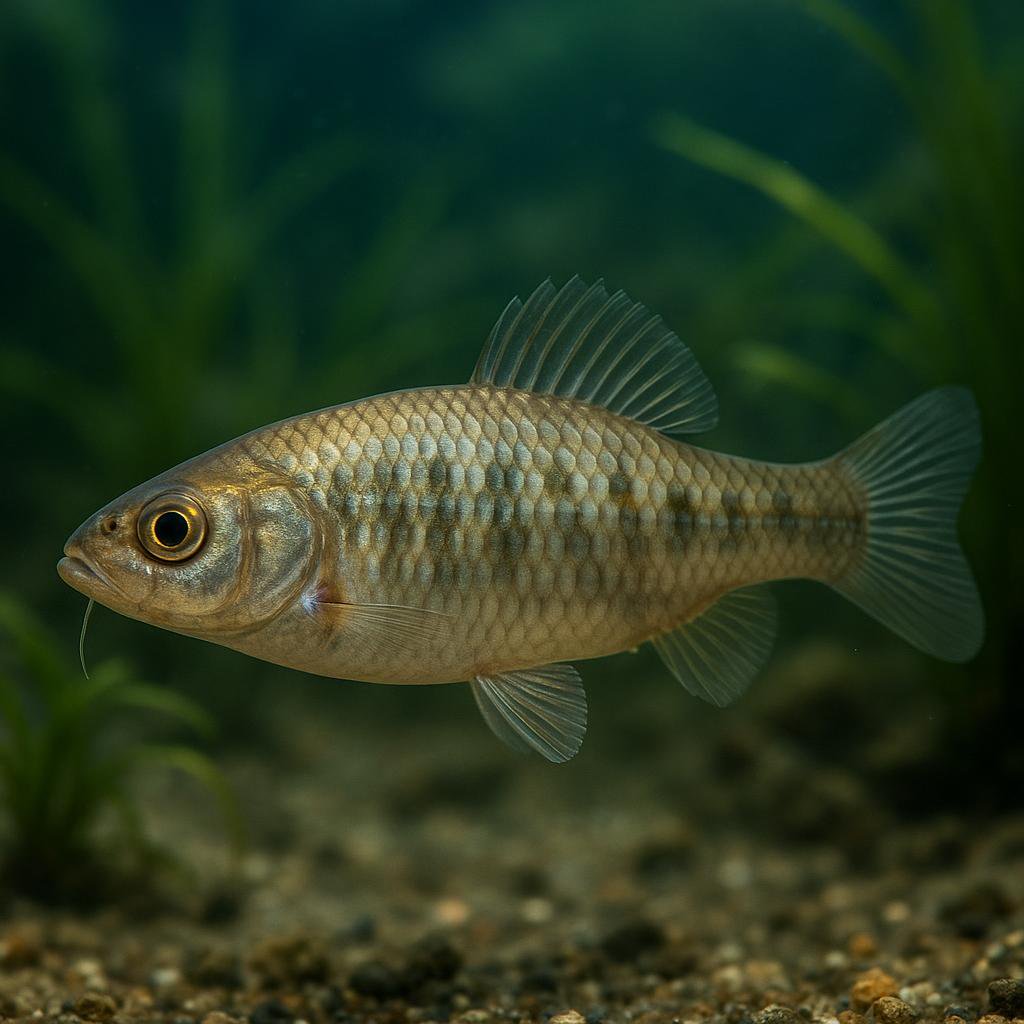
Notacanthus indicus is a deep-sea spiny eel (family Notacanthidae; not a true eel) known from the Arabian Sea on the continental slope at roughly ~960–1,046 m depth, with reported maximum length around 20 cm TL; it is a deep-water bycatch species and not established in the aquarium trade.
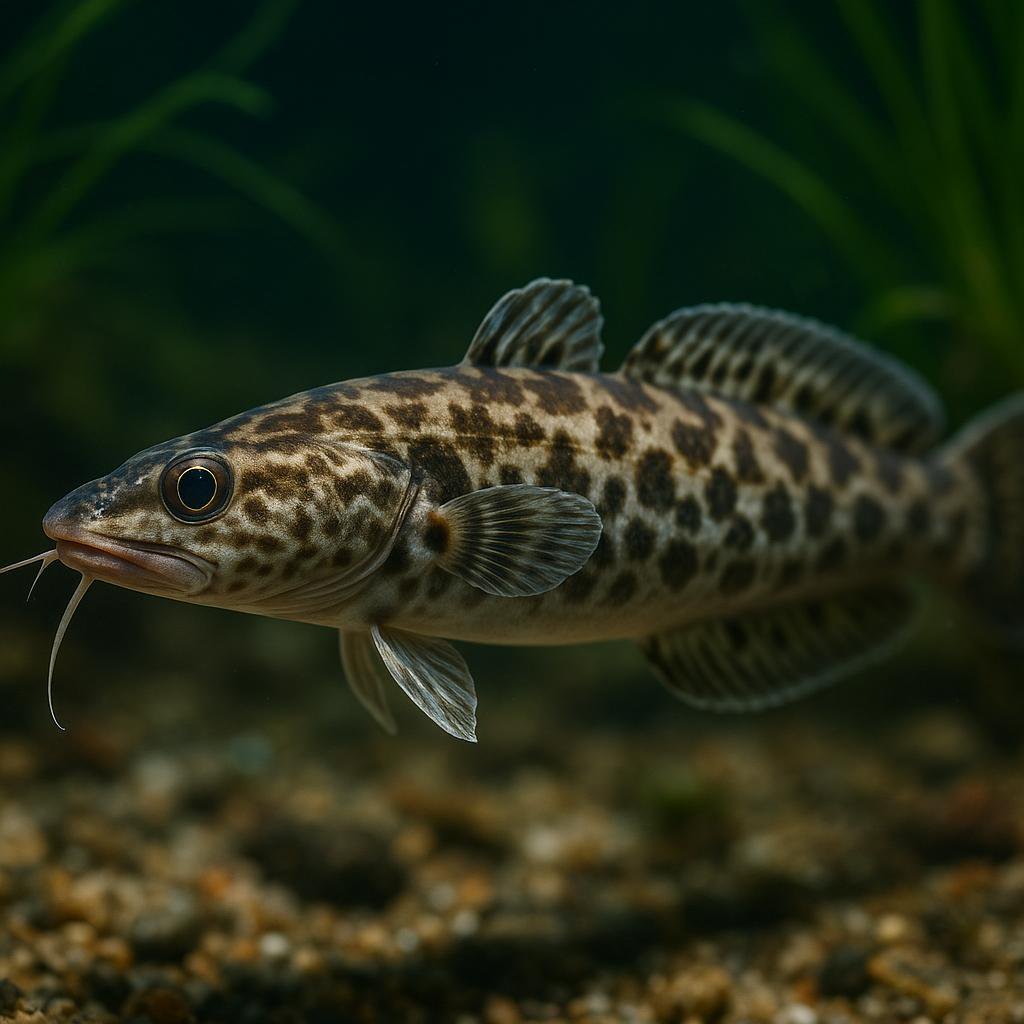
Arctic rockling
Gaidropsarus argentatus
This is a deepwater North Atlantic rockling (a cod relative) that hangs out on soft bottoms way down the slope. It is a cold-water, bottom-hugging predator that snoots around for crustaceans and will also take small fish when it gets the chance.
Looking for other species?