

Deep-water arrowtooth eel
Dysomma intermedium
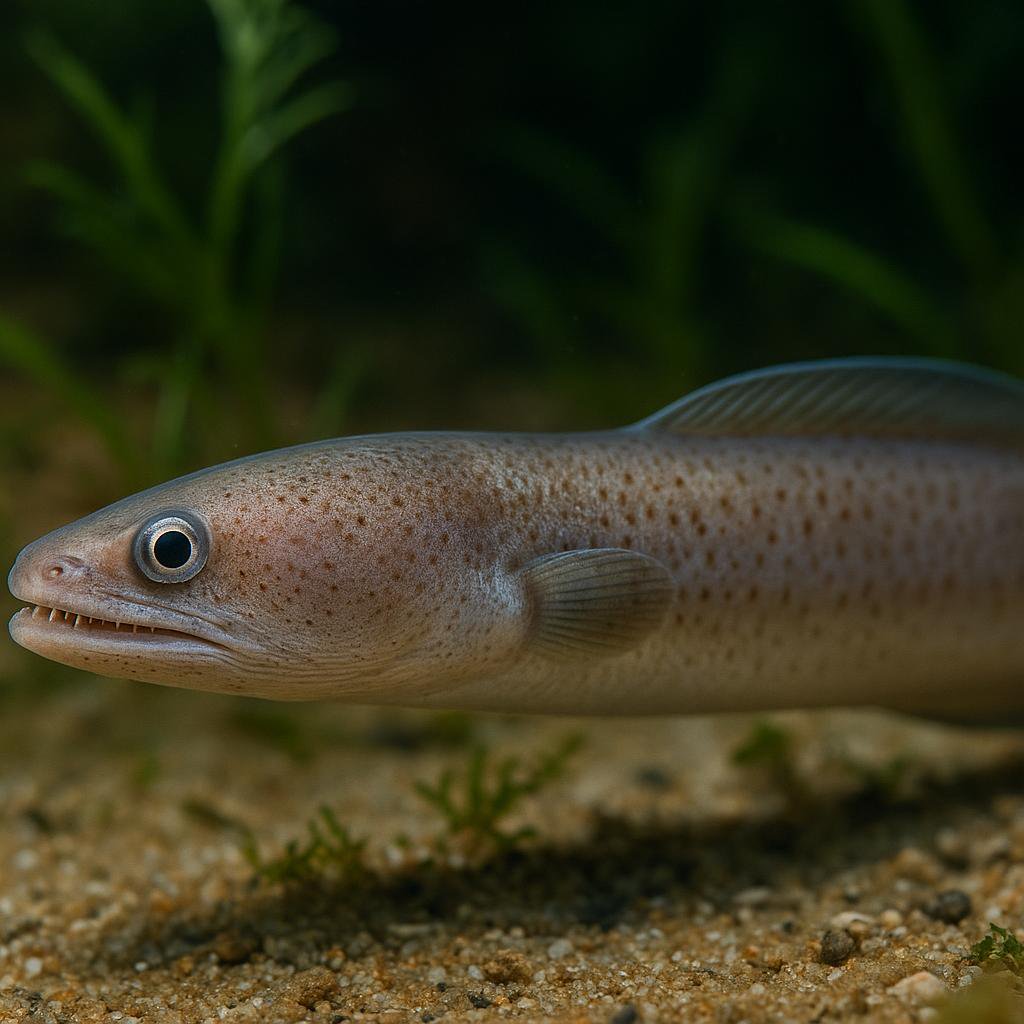
The Deep-water arrowtooth eel features an elongated body with a pale, translucent skin and distinctively large, forward-facing jaws.
This page includes AI-generated images. Why am I seeing AI images?
About the Deep-water arrowtooth eel
Dysomma intermedium is a marine cutthroat eel from the South China Sea off Vietnam, described in 2024 and currently only known from its type series. It is an eel-shaped, bottom-associated fish that lives around 50-80 m depth, so its "aquarium care" is basically not a normal home-hobby species situation. Cool bit of trivia: FishBase lists no established common name for it, which is pretty typical for newly described deepwater eels.
Quick Facts
Size
52.5 cm TL
Temperament
Semi-aggressive
Difficulty
Expert
Min Tank Size
180 gallons
Lifespan
unknown
Origin
Western Pacific (Vietnam, South China Sea)
Diet
Carnivore - likely fishes/crustaceans/worms (not well documented for this species)
Water Parameters
20-26°C
8-8.4
8-12 dGH
Need a heater for this species?
This species needs 20-26°C in a 180 gallon tank. Use our heater calculator to find the right wattage.
Calculate heater sizeCare Notes
- Give it a long footprint and real burrowing depth - think 4-6 inches of fine sand/mud-like substrate plus lots of PVC tubes and rock caves. If it can't disappear completely, it will stay stressed and stop eating.
- Keep the water cool for a reef fish - mid to low 70s F is where they hold up best, and they do not like swings. Strong oxygenation and steady salinity around 1.025-1.026 helps because these deep-water types crash fast when the tank gets stuffy.
- Use a tight lid and seal every gap around plumbing - these eels are escape artists and can climb surprisingly well at night. Cover powerhead intakes too, because they will wedge into anything tube-shaped.
- Feed after lights-out with tongs: small strips of shrimp, squid, clam, and marine fish flesh, and rotate in vitamin-soaked pieces so it doesn't fade out over time. If it only takes live food at first, use live ghost shrimp as a bridge, then swap to thawed once it associates tongs with dinner.
- Tankmates need to be calm and not bitey - avoid triggers, large wrasses, and anything that will pick at a buried eel. Also avoid tiny fish and shrimp you care about, because if it fits in the mouth, it will eventually vanish.
- Run oversized filtration and stay on top of nitrate because heavy meaty feeding makes these tanks foul quickly. If you smell the tank or see the eel breathing hard at the surface, you are already behind on oxygen and waste export.
- Breeding in captivity is basically a unicorn - they are deep-water spawners and you will not casually pair them off in a home tank. Focus on long-term stability and getting it reliably on frozen foods instead.
Compatibility
Good Tankmates
- Medium-to-large, calmish reef fish like tangs and foxfaces - they mostly ignore the eel, and they are too big to be seen as food
- Dwarf angels (flame, coral beauty, potters) in a roomy rockwork setup - they are confident enough to not get bullied, and usually stay out of the eel's hunting zone
- Fairy and flasher wrasses (the active open-water types) - fast, alert, and not usually sleeping right on the sand where the eel patrols
- Anthias groups (lyretail, bartletts) - quick midwater feeders; just keep them well-fed so nobody is hanging low and sluggish at lights-out
- Biggish rabbitfish and hardy damsels like chromis (not the tiny, delicate kind) - tough, speedy, and generally not tempting as prey
Avoid
- Smaller, peaceful fish like neon gobies, firefish, small blennies, and tiny wrasses - deep-water arrowtooth eels are ambush feeders and will absolutely snack on bite-sized tank mates, especially at night
- Slow perchers and sand-sleepers like jawfish, watchman gobies, and many Halichoeres-type wrasses - anything that dozes on/near the sand is asking to get grabbed
- Aggressive pickers and fin-nippers like big dottybacks, mean damsels, or triggerfish - they will stress the eel and some will bite at the head when it peeks out
Where they come from
Dysomma intermedium is one of those deep-water, mud-and-rubble eels that most divers never see. They turn up as bycatch sometimes, usually from deeper slopes where its dim, cool, and there are lots of cracks to vanish into. That deep-water background explains almost every headache people run into with them in home tanks: light, temperature, and stress.
If you are used to "reef eels" like snowflakes or zebras, reset your expectations. This one is more like a nervous burrower that wants dark, tight cover and calm surroundings.
Setting up their tank
Think "secure bunker" first, display tank second. You want a system that stays stable, runs on the cooler side for marine, and gives the eel a place to disappear without scraping its face.
- Tank size: I would not bother under 75 gallons, and 90-120 makes life easier once it starts moving around at night.
- Temperature: aim cool (roughly 70-74F). Warm reef temps tend to push stress and fast metabolism in deep-water fish.
- Salinity: standard marine (1.024-1.026). Keep it steady.
- Flow: moderate. Enough to keep oxygen high, not so much that the eel gets blasted out of its hide.
- Lighting: subdued. If you run bright lights, give it shaded caves and overhangs.
The big trick is structure. I like building a rock "maze" with lots of tight slots, then backing that up with a sand bed it can nose into. PVC works too, and honestly it is sometimes safer than jagged live rock for the first few weeks.
Lock the lid down. This is an eel. Tiny gaps around plumbing, feeding doors, or cable cutouts are escape routes. Cover them or you will eventually find a crispy surprise.
Quarantine is also not optional at this difficulty level. Deep-water fish often arrive beat up and stressed, and a full display with aggressive tankmates is a rough place to recover.
What to feed them
Plan on target feeding. Mine would not compete in the water column, and it definitely would not chase pellets around with tangs and wrasses doing laps. Offer food after lights out or at dusk, and use tongs or a feeding stick so the eel learns the routine.
- Best staples: thawed marine meaty foods (silversides in appropriate size, chunks of squid, shrimp, scallop, clam, smelt, and other marine fish flesh).
- Good variety: enriched mysis or chopped krill for smaller individuals, but meaty chunks usually get the strongest response.
- Avoid: freshwater feeder fish, goldfish, and other fatty freshwater stuff - it can cause long-term issues.
- Supplements: soak occasionally in a vitamin/HUFA product if it will take it.
If it is shy, start with the stinkiest foods (clam, squid) and hold the piece just outside its hide. Stay still. Once it bites, let it chew and back into cover. Rushing this is how you get spit-outs and a scared eel.
Feed smaller meals more often at first (every 2-3 days), then you can usually settle into a steady schedule. Watch the body shape. A healthy eel looks rounded behind the head and along the body, not pinched.
How they behave and who they get along with
Expect a nocturnal, secretive fish. Daytime sightings might be just a snout and eyes poking out. At night, it will cruise low, check holes, and try to ambush anything it thinks it can swallow.
- Temperament: not a "mean" eel, but it is a predator. If it fits in the mouth, it is food.
- Best tankmates: larger, calm fish that do not pester hides (bigger angels, tangs, larger cardinals, some triggers with caution).
- Bad tankmates: tiny fish, small gobies/blennies, ornamental shrimp, and anything that likes to pick at faces and fins (some wrasses and aggressive damsels can be a problem).
- Inverts: snails and most crabs usually get ignored, but shrimp are a gamble and often become dinner.
Do not pair it with other eels unless you have a big system and a backup plan. Stress plus competition for holes can turn into bite marks fast.
One more real-world note: deep-water species can be weirdly sensitive to "busy" tanks. Constant motion, bright light, and fish that shove their way into caves will keep it hiding and skipping meals.
Breeding tips
Breeding in home aquariums is basically a non-starter. Like many eels, they have a larval stage that drifts in the open ocean (leptocephalus larvae), and we do not have a reliable way to close that cycle at home. If you ever see two individuals paired up, consider it a fun observation, not a breeding project.
Common problems to watch for
Most losses with this species come from shipping stress, refusal to feed, and injuries from poor hides or bad tankmate choices. If you keep it calm, cool, and well-fed, you have a real shot. If you treat it like a standard reef eel, it usually goes downhill.
- Refusing food: common early on. Reduce light, offer tighter cover, feed at night, and try different scents (clam usually works).
- Mouth and snout abrasions: from sharp rock or repeatedly ramming into rough hides. Smooth out the den, add PVC, and keep water clean.
- Parasites (marine ich/velvet): deep-water fish can crash fast. Quarantine and be ready with a treatment plan that matches your system.
- Bacterial infections: often show up after injuries. Look for redness, swelling, cloudy patches, or rapid breathing.
- Escapes: almost always a lid/gap issue.
If it is breathing hard or hanging out in the open during the day, treat that as a warning sign. Check oxygen, temperature, ammonia/nitrite, and whether a tankmate has been harassing it. These eels do not "pose" in the open when they feel good.
Similar Species
Other marine semi-aggressive species you might be interested in.
Aleutian skate
Bathyraja aleutica
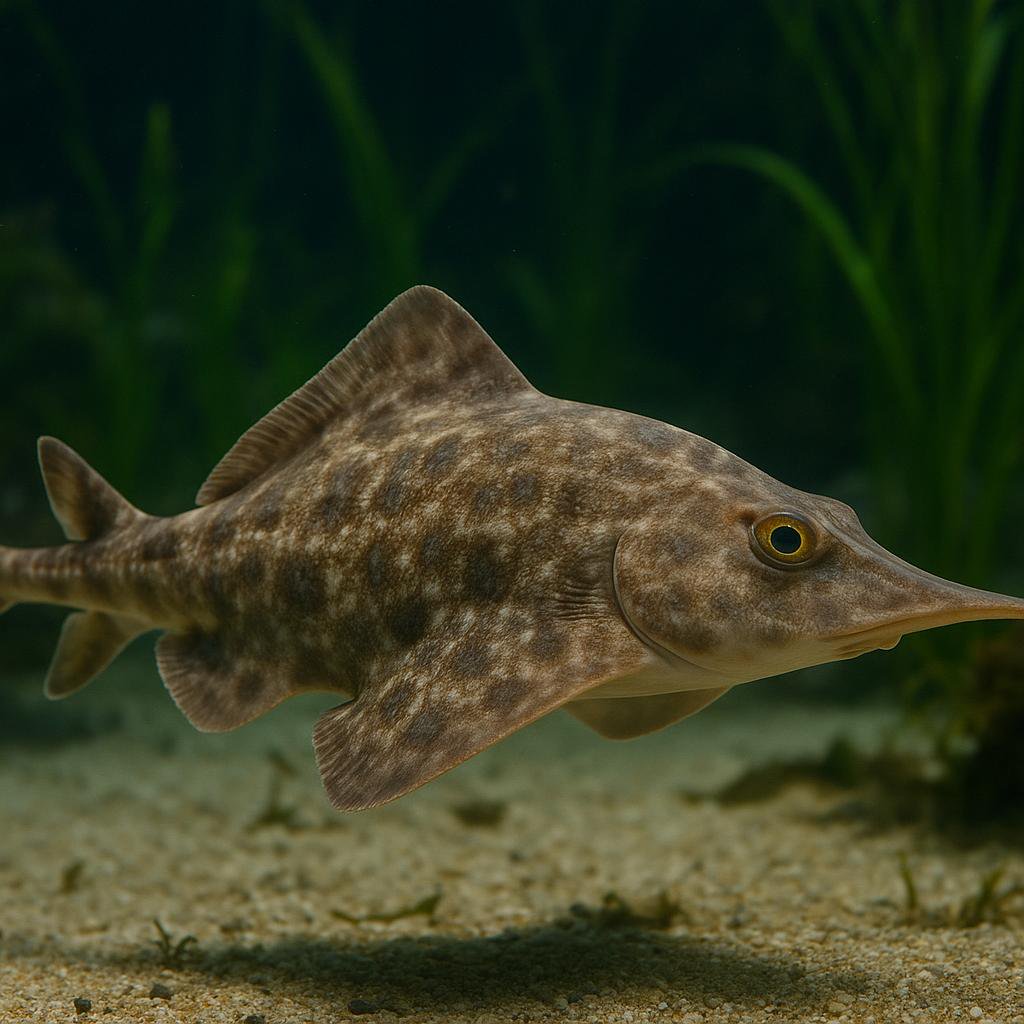
This is a big, cold-water deep-slope skate from the North Pacific that cruises muddy bottoms and eats chunky benthic prey like crabs and shrimp. The really cool bit is its egg-laying skate life - it does distinct pairing (the classic skate "embrace") and drops those tough egg cases on the seafloor. Not an aquarium fish at all unless you're basically running a public-aquarium-style chilled system.
Antarctic dragonfish
Vomeridens infuscipinnis
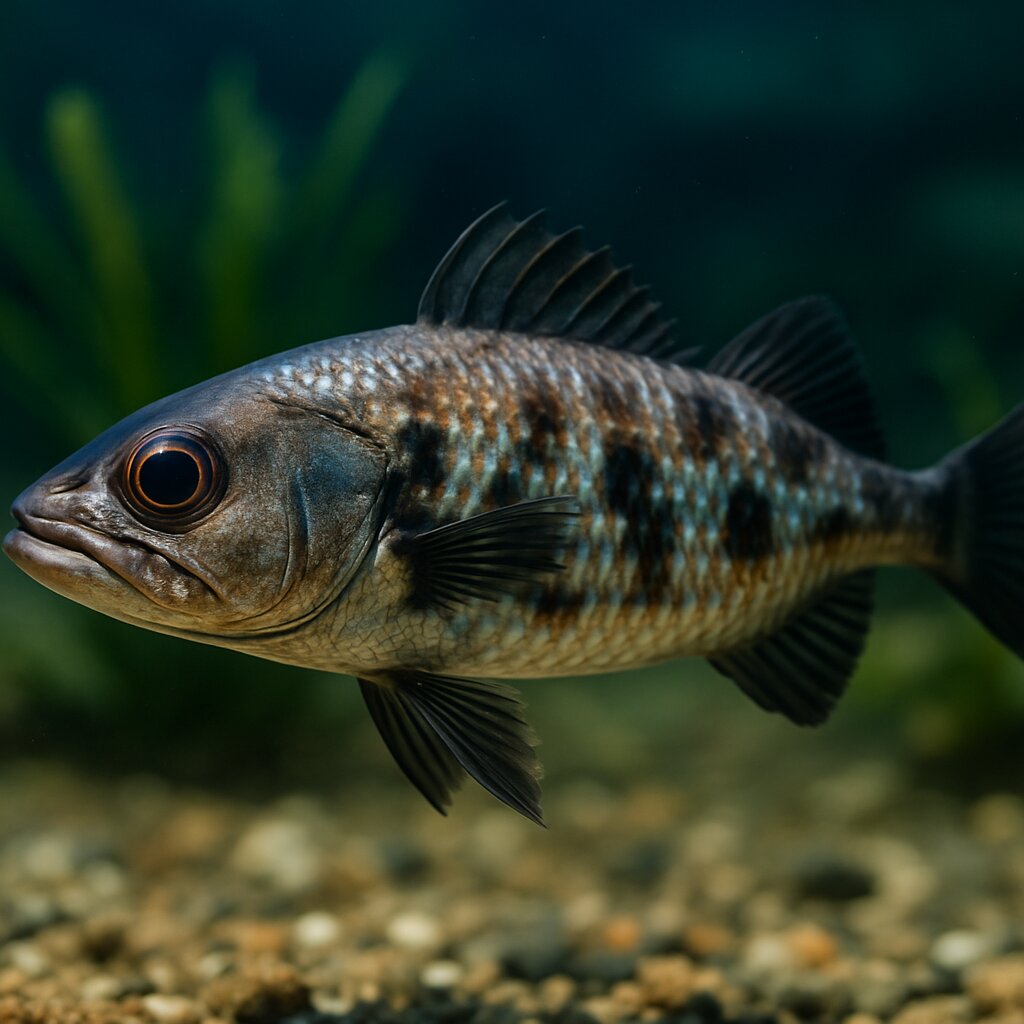
Deep down around Antarctica, this sleek dragonfish cruises the water column like a little submarine, nearly neutrally buoyant so it can hover above the seafloor. It munches almost exclusively on Antarctic krill and lives in near-freezing water 500-800 m down, so it is a cool species to read about, not one for home tanks.
Arabian spiny eel
Notacanthus indicus
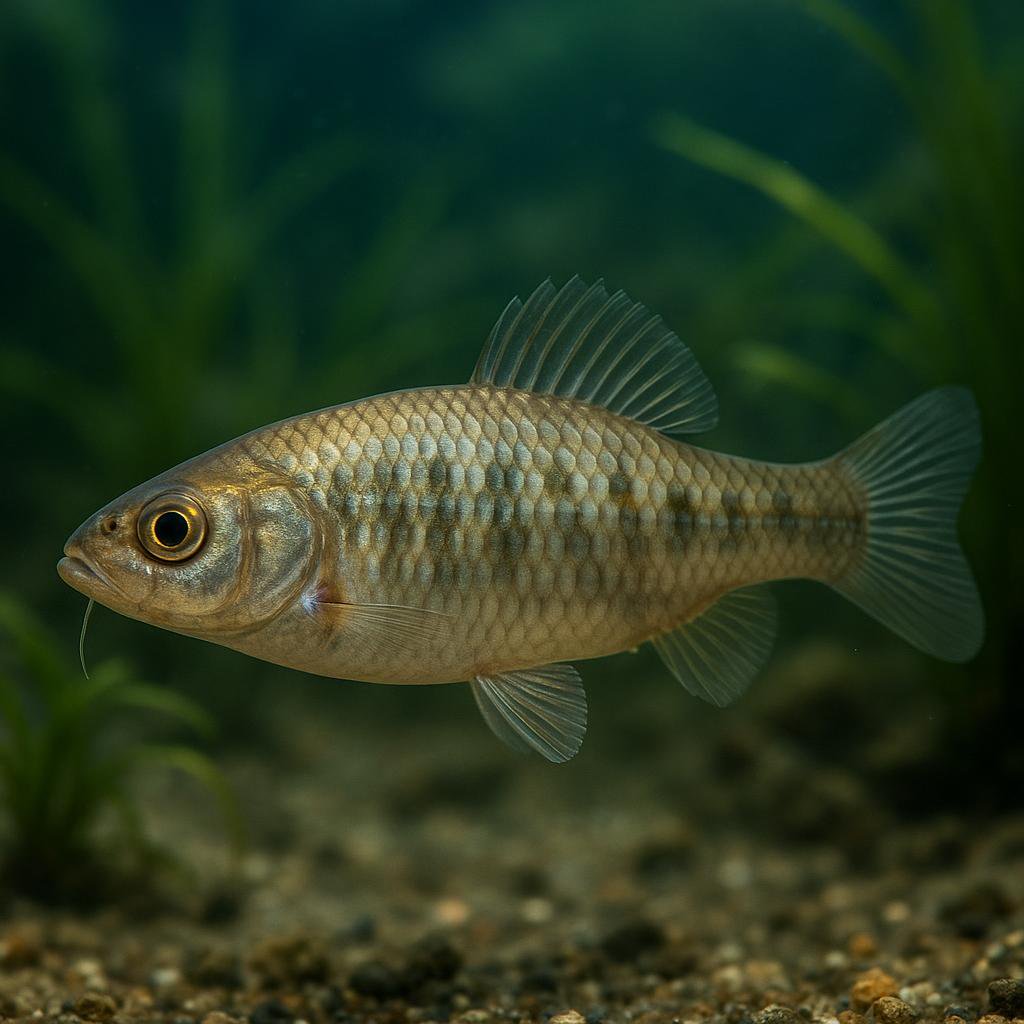
Notacanthus indicus is a deep-sea spiny eel (family Notacanthidae; not a true eel) known from the Arabian Sea on the continental slope at roughly ~960–1,046 m depth, with reported maximum length around 20 cm TL; it is a deep-water bycatch species and not established in the aquarium trade.
Arctic rockling
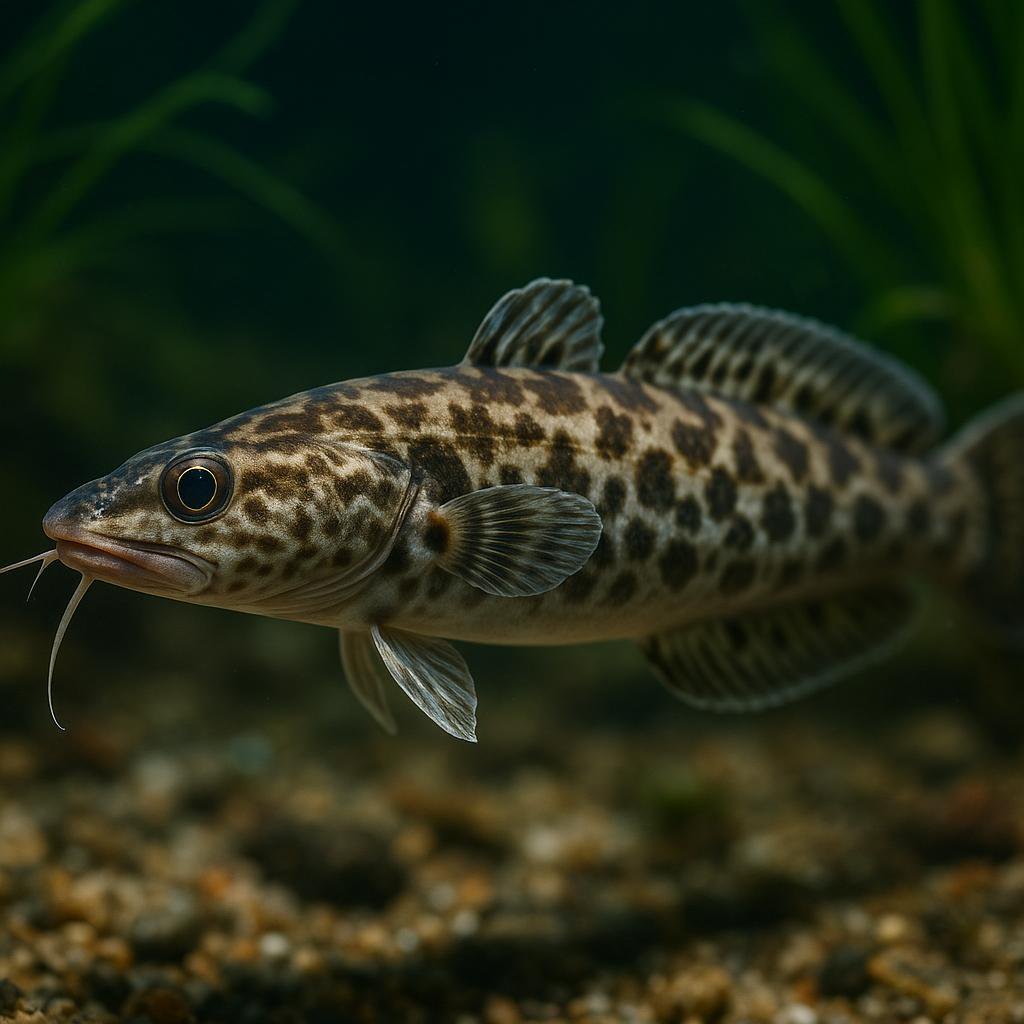
Gaidropsarus argentatus
This is a deepwater North Atlantic rockling (a cod relative) that hangs out on soft bottoms way down the slope. It is a cold-water, bottom-hugging predator that snoots around for crustaceans and will also take small fish when it gets the chance.
Atlantic pomfret
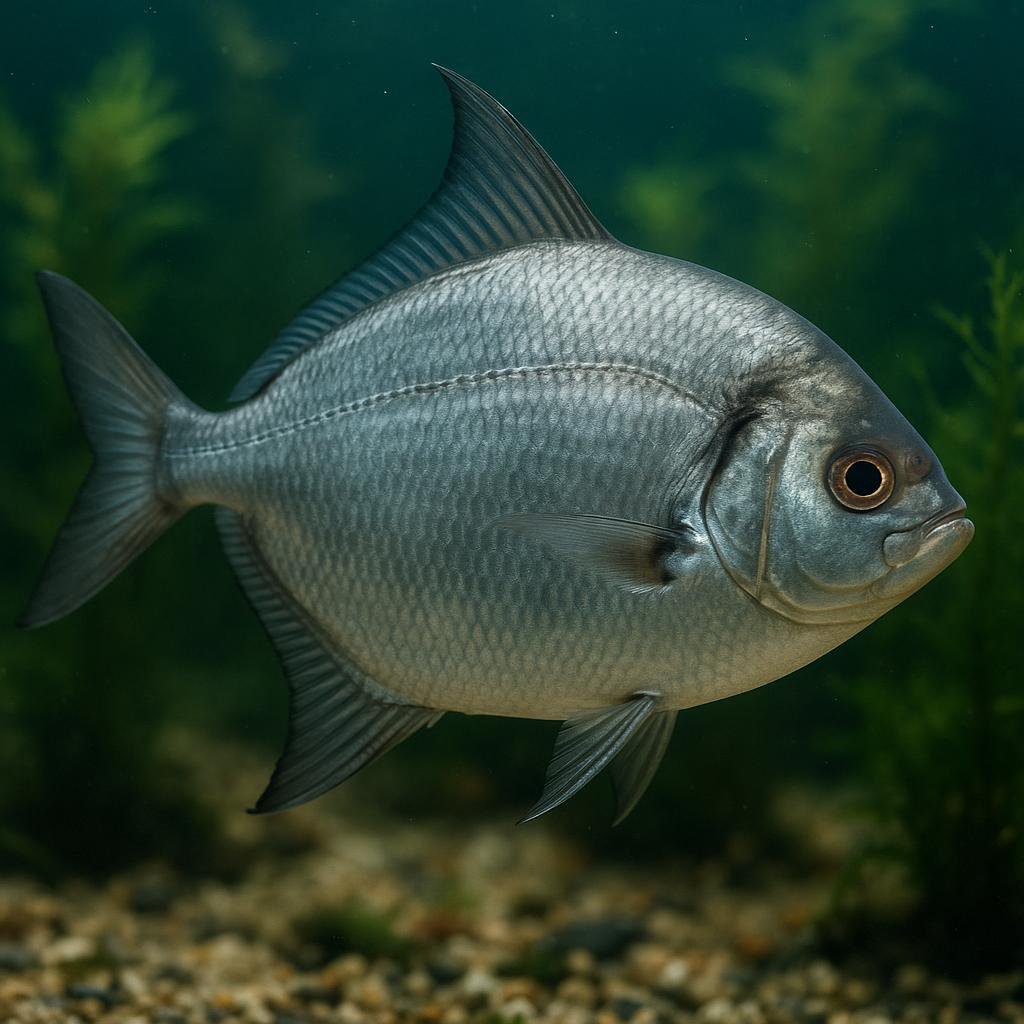
Brama brama
Brama brama is the Atlantic pomfret (aka Ray's bream) - a deep-bodied, open-ocean pelagic fish that cruises around in small schools and follows water temps. It is a legit big, wild marine species (not an aquarium fish) that eats other small sea critters like fish and squid, and it ranges across a huge chunk of the Atlantic plus parts of the Indian and South Pacific.
Australian sawtail catshark
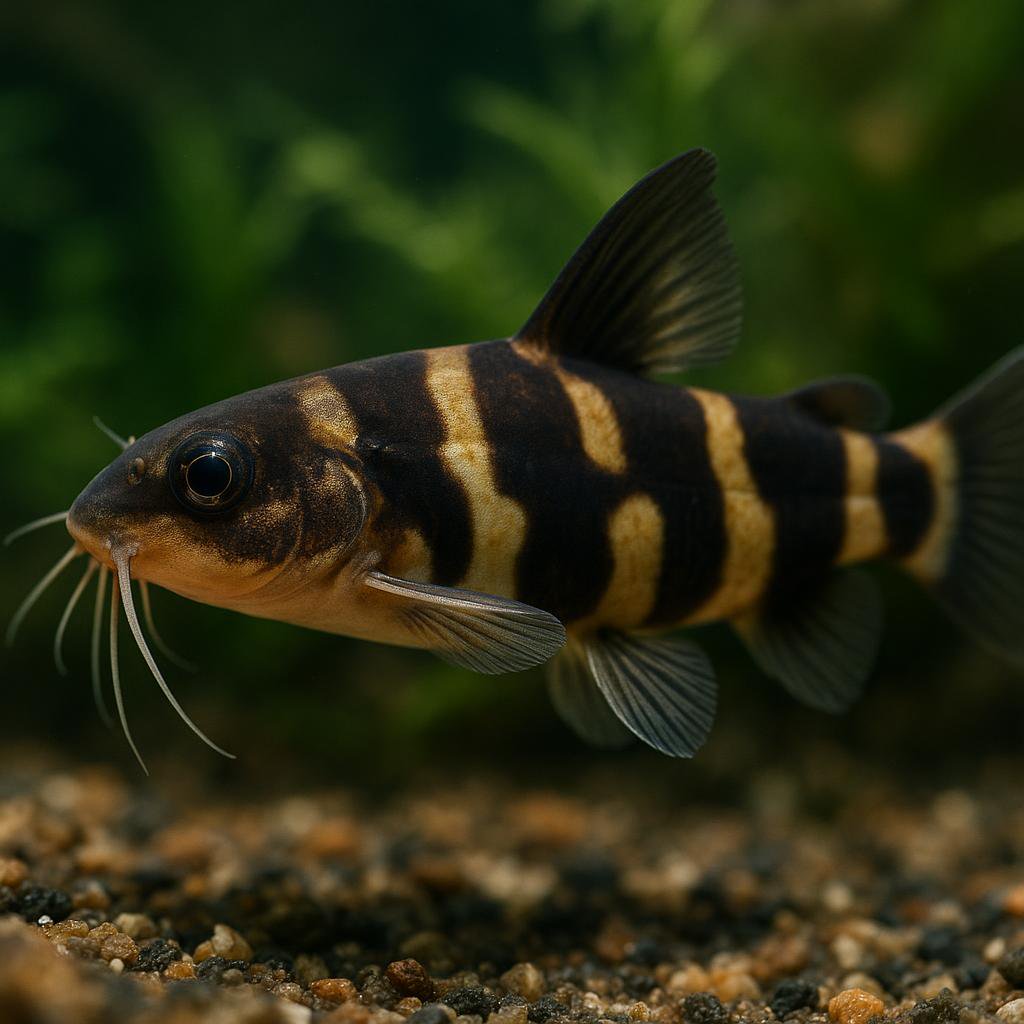
Figaro boardmani
Figaro boardmani is a small, deepwater Australian catshark with these cool saw-like ridges of spiny denticles along the tail and a neat pattern of dark saddle bands. It lives way down on the outer continental shelf and slope, so its natural water is cold, dim, and stable - totally not a typical home-aquarium fish. Diet-wise its a predator that goes after fish, crustaceans, and cephalopods.
More to Explore
Discover more marine species.
Abe's eelpout
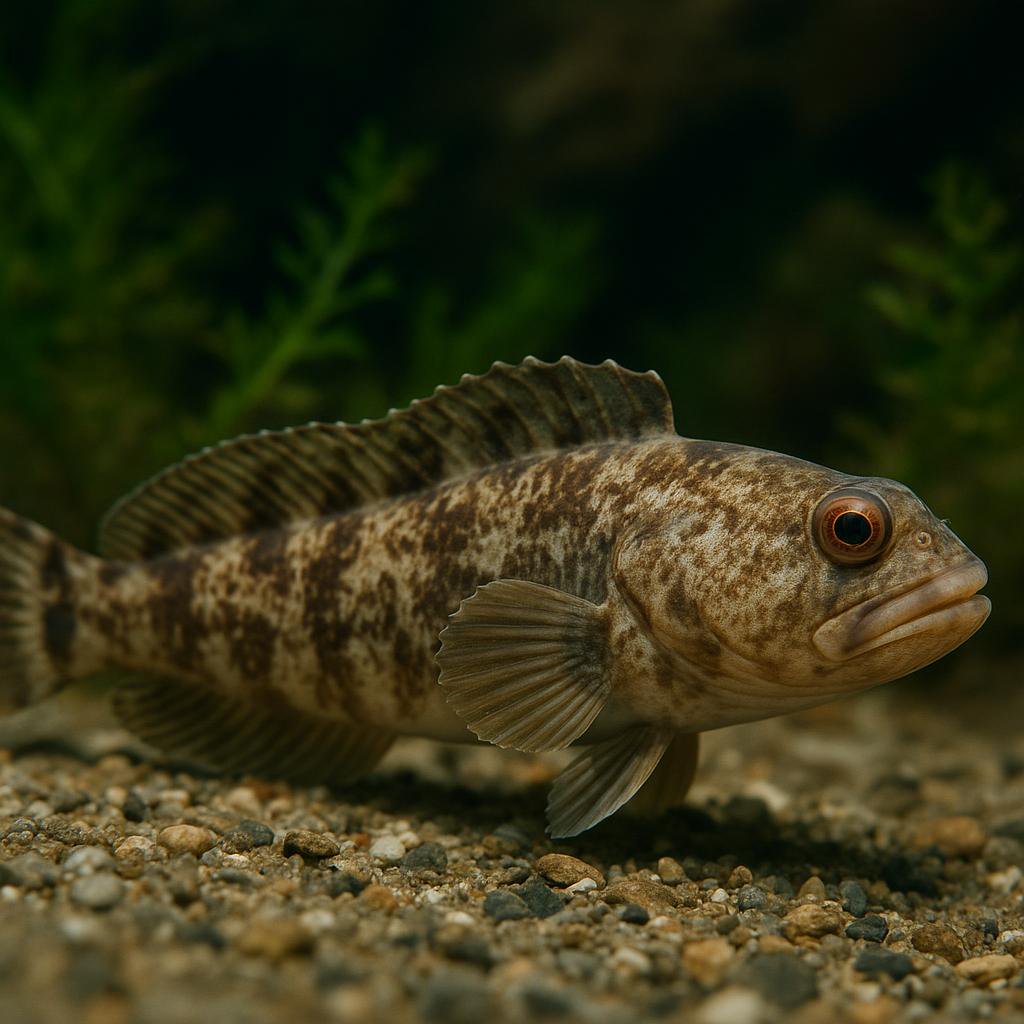
Japonolycodes abei
Japonolycodes abei is a temperate, deepwater demersal eelpout (family Zoarcidae) endemic to Japan (Kumano-nada Sea reported; other sources also report Sagami Bay and Tosa Bay). It is the only species in the genus Japonolycodes and occurs roughly 40-300 m depth, making it an uncommon/atypical aquarium species.
Affinis blind cusk-eel
Barathronus affinis
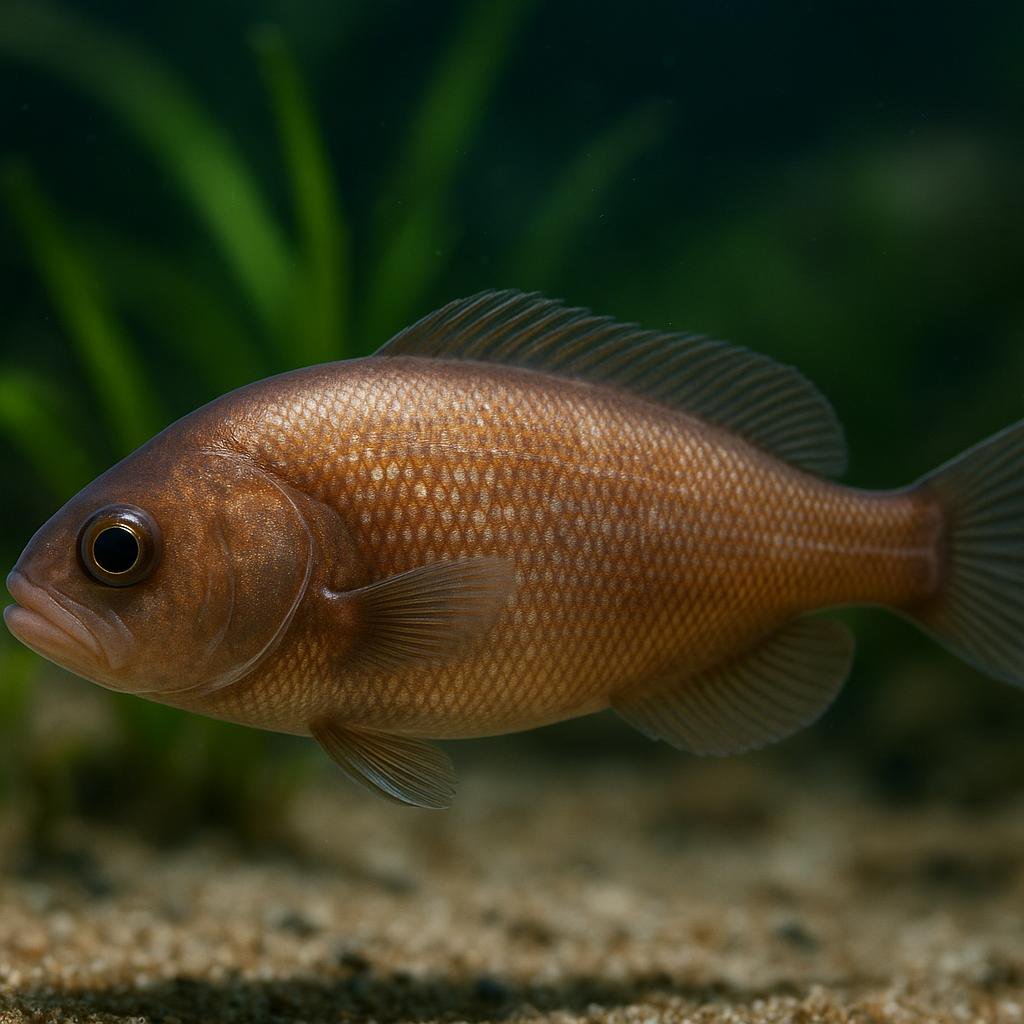
Barathronus affinis is a tiny, super-weird deep-sea blind cusk-eel from the western-central Indian Ocean. It is one of those gelatinous, loose-skinned brotula-type fishes that live way down in the dark and are basically never seen alive, so almost everything we know comes from preserved specimens and taxonomic work.
African red snapper
Lutjanus agennes
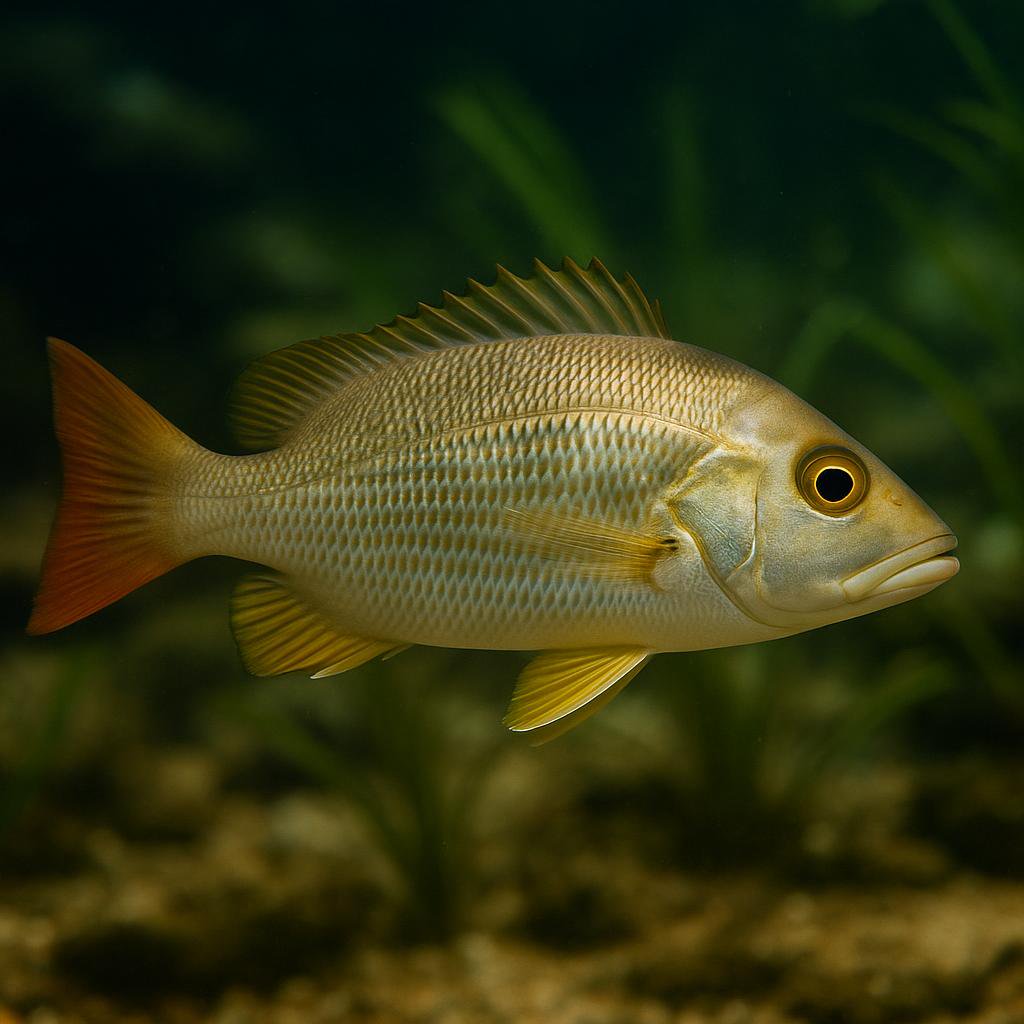
This is a true snapper from West Africa - a big, fast-growing predator that goes from coastal reefs to brackish lagoons and estuaries (especially as a juvenile). Super cool fish in the wild, but it gets absolutely huge and will eat smaller tankmates once it has the mouth for it, so its really more of a public-aquarium scale animal than a home-aquarium fish.
Allis shad
Alosa alosa
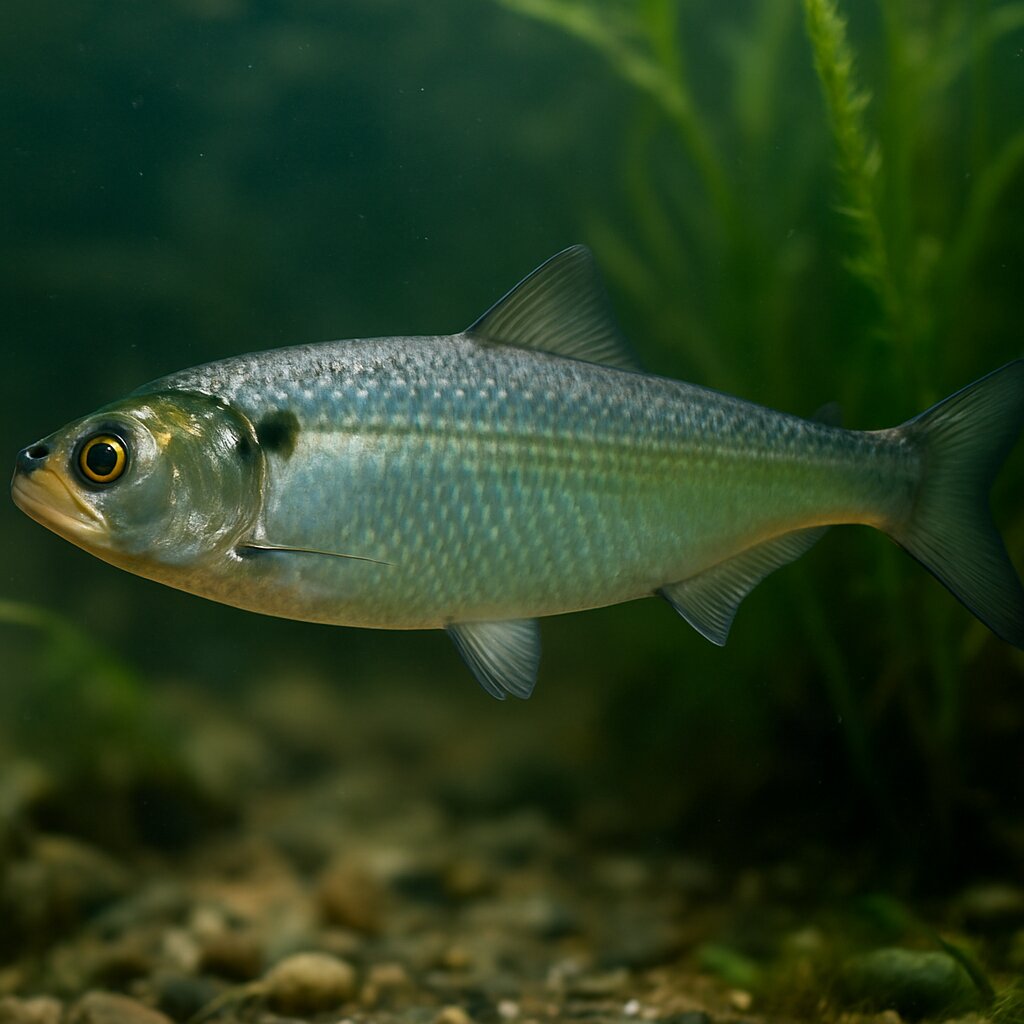
Gorgeous silver, fast-swimming shad that spends most of its life in the sea and then surges up big rivers in noisy, surface-spawning schools. It grows huge for a herring-type fish and needs cool, ultra-oxygenated water and tons of open space, so it is a public-aquarium species rather than a home tank fish.
Annandale's zebra sole
Zebrias annandalei
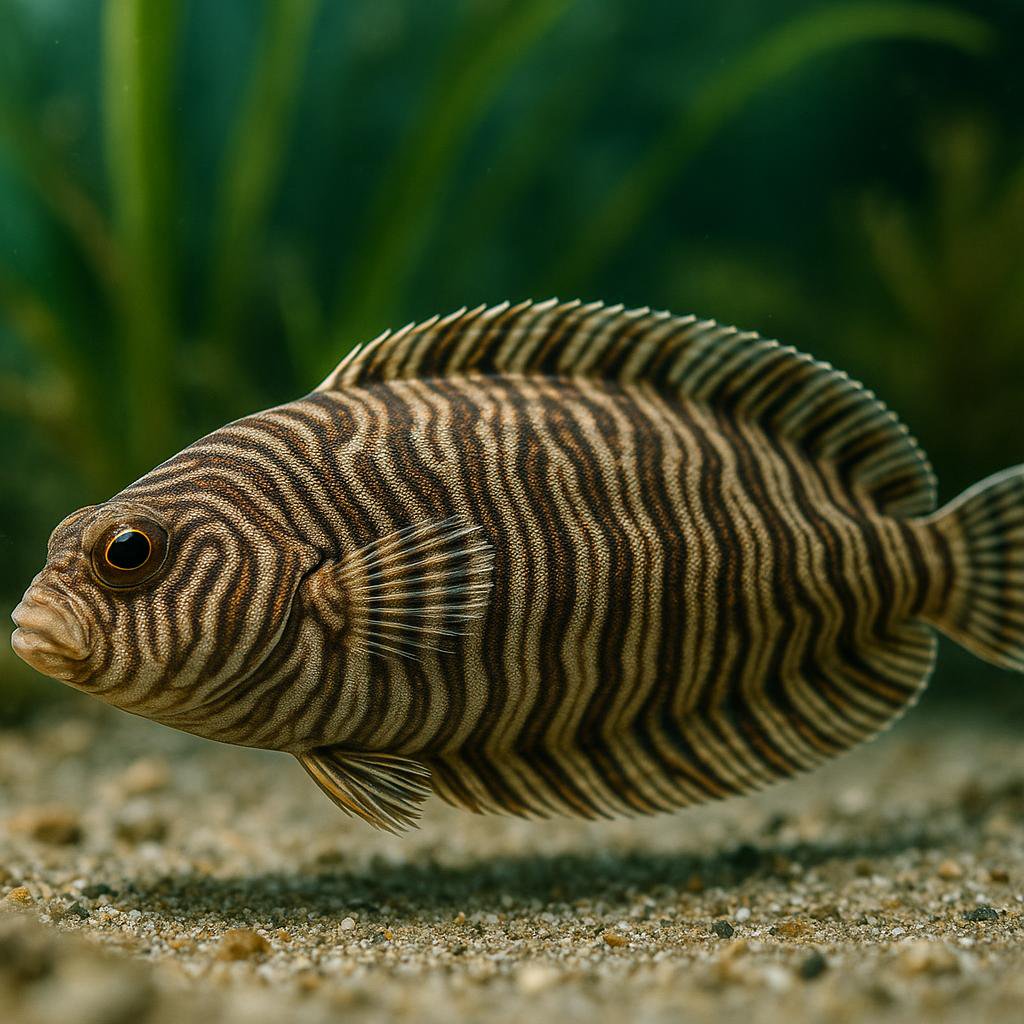
Zebrias annandalei is a small demersal sole from coastal India that inhabits sandy or muddy bottoms and buries for camouflage. It is rarely kept in home aquaria and would require a specialized marine sand-bottom setup and appropriate feeding.
Banded stargazer
Kathetostoma binigrasella
This is a New Zealand stargazer that lives half-buried in sand or mud with its eyes pointed up, waiting to rocket upward and nail passing prey. It has those neat dark saddle-bands across the back (especially as a juvenile), and like other stargazers it is venomous with spines near the gill cover/pectoral area - definitely a look-dont-touch fish.
Looking for other species?