

Stippled spoon-nose eel
Echiophis punctifer
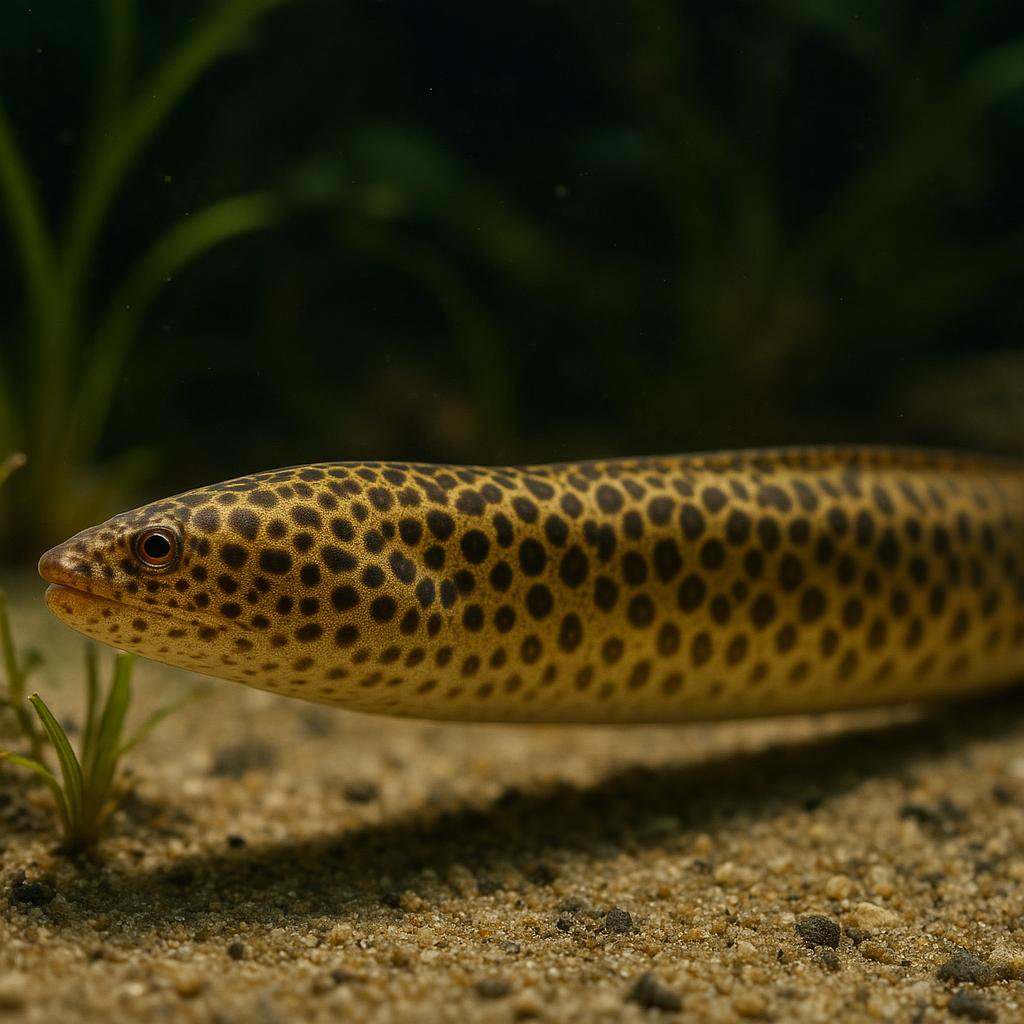
The Stippled spoon-nose eel features a slender, elongated body with a distinctive flattened head and a mottled pattern of dark and light coloration.
This page includes AI-generated images. Why am I seeing AI images?
About the Stippled spoon-nose eel
Echiophis punctifer (stippled spoon-nose eel) is a large marine snake eel that burrows in soft substrates such as sand or mud. Reported maximum length is up to about 180 cm TL; due to size and burrowing behavior, it is best suited to very large, escape-proof marine systems and a carnivorous diet.
Also known as
Quick Facts
Size
180 cm
Temperament
Semi-aggressive
Difficulty
Expert
Min Tank Size
300 gallons
Lifespan
10-20 years
Origin
Western & Eastern Atlantic
Diet
Carnivore - meaty marine foods (fish and crustaceans)
Water Parameters
19.5-27.2°C
8-8.4
8-12 dGH
Need a heater for this species?
This species needs 19.5-27.2°C in a 300 gallon tank. Use our heater calculator to find the right wattage.
Calculate heater sizeCare Notes
- Burrowing species that uses soft bottoms (sand/mud). Provide a large footprint with a deep, fine substrate and ensure any rockwork is secured on the bottom/glass before adding sand so burrowing cannot undermine structures.
- Lock the lid down like you mean it - these eels are escape artists and will find any gap around overflows, cords, and lids. Cover intakes with strainers/foam and use a tight mesh screen over overflow teeth so it does not get sucked in on a night roam.
- Keep salinity steady at 1.024-1.026 and temp around 75-78F, with strong biological filtration because it is a messy carnivore. Nitrates creeping high usually shows up as poor appetite and heavy breathing, so do big water changes before you see symptoms.
- Feed after lights-out with tongs: chunks of marine meaty stuff (silversides, squid, shrimp, clam, marine fish flesh) 2-3 times a week for adults. Avoid freshwater feeders, and soak in vitamins now and then to head off long-term deficiencies.
- Tankmates need to be too big to swallow and too tough to get bullied: large wrasses, tangs, rabbitfish, and bigger angels usually work if they do not pick at it. Skip tiny fish, ornamental shrimp/crabs, and slow bottom fish that sleep in the open (it will hunt them).
- Quarantine is worth the hassle - they come in with flukes and bacterial mouth/nose issues from shipping damage. Watch for excess yawning, scratching, cloudy eyes, or a raw snout, and treat early because they go downhill fast once they stop eating.
- If it refuses food, check stress points first: bright lighting with no cover, coarse substrate, or too much daytime traffic around the tank. Offer scentier foods (fresh clam, squid) on tongs and keep hands out of the tank so it does not associate you with danger.
- Breeding in home tanks is basically a lottery ticket - they are not commonly sexed and spawning is rarely reported. If you ever see one getting very plump and another shadowing it, keep the tank calm and covered, but do not count on raising larvae.
Compatibility
Good Tankmates
- Medium-to-large, confident tankmates that mind their own business - think tangs and rabbitfish (Zebrasoma, Ctenochaetus, Siganus). They are fast, not bite-sized, and usually ignore the eel once they learn its routine.
- Bigger wrasses that are always on the move - like Halichoeres and Thalassoma. They do well because they are alert and quick, and they do not hover around the eel's hide like a snack.
- Angelfish that are too chunky to be considered prey - medium/large Centropyge (bigger individuals) and Pomacanthus types in a suitably sized tank. They are bold enough to not get bullied, and the eel usually just wants food, not a feud.
- Dwarf or medium groupers and hawkfish that are similar size and not tiny - they can work if everyone is well-fed and you have lots of caves. The eel is semi-aggressive but mostly opportunistic, so avoid pairing with anything it can swallow.
- Big, tough damsels and chromis in a larger setup (and not the micro ones) - they are quick and can handle some attitude. Just do not expect "peaceful reef vibes" with damsels in general.
Avoid
- Small fish that fit in its mouth - gobies, blennies, firefish, small cardinals, small chromis. If it can be swallowed, it will eventually get "tested" at night, especially once the eel settles in.
- Slow or dopey perchers and "sleepy" fish that hang near the bottom - mandarins, scooters, and similar. They are easy targets because they do not bolt fast when the eel goes hunting.
- Crustacean-heavy clean-up crew and shrimp "tankmates" - cleaner shrimp, peppermint shrimp, small crabs. Not a fish, but worth saying: this eel tends to treat them like a buffet, especially after lights out.
- Hyper-aggressive fin-nippers or brawlers that keep picking at its head - some triggers and big mean wrasses. The eel can hold its own, but constant harassment ends in shredded fins and stress for everyone.
Where they come from
The stippled spoon-nose eel (Echiophis punctifer) is a marine snake eel from Indo-Pacific reef flats and sandy lagoons. You will usually find them half-buried in sand with just the head showing, waiting to ambush small fish and crustaceans. That lifestyle explains basically every rule for keeping one.
Setting up their tank
Think "burrowing predator" first, "display fish" second. If you do the sand and the escape-proofing right, the rest gets a lot easier.
- Tank size: bigger than you think. I would not bother under 75 gallons, and 125+ is a lot more comfortable once it puts on length.
- Substrate: fine sand, deep enough to bury in (3-6 inches). Skip sharp crushed coral - they scrape themselves up.
- Rockwork: stable and on the glass, not sitting on the sand. They dig and can undermine piles.
- Flow: moderate. You want good oxygenation but not a sandstorm.
- Hiding zones: open sandy areas plus a few shaded overhangs or PVC elbows tucked behind rock.
- Filtration: strong skimming and plenty of bio. These are messy eaters and you will be feeding meaty foods.
- Lighting: whatever suits your reef/fish system. The eel does not care, but it will act bolder in dimmer zones.
Escape-proofing is non-negotiable. Cover every gap: lid corners, overflow teeth, plumbing holes, mesh around return lines. If its head fits, the rest follows. I have seen snake eels vanish through openings you would swear were too small.
Powerheads and intakes need guards. A burrowing eel can get pinned or shredded if it investigates an unprotected intake at night.
Water parameters are standard reef-range marine, but stability matters more than chasing numbers. Big swings and low oxygen are what seem to knock them back. Quarantine is also tricky with burrowers, so plan a QT tank with sand in a tray or a large PVC setup where it can feel secure.
What to feed them
These are ambush predators. Many will ignore flakes and pellets forever, and some arrive only willing to take live foods. The goal is to convert to dead/frozen so you can control nutrition and avoid parasite roulette.
- Best staples: thawed shrimp, squid strips, clam, mussel, scallop, chunks of marine fish (not freshwater feeders).
- Great "starter" foods for picky new arrivals: live ghost shrimp or live saltwater mollies (short-term only), then wean onto thawed.
- How to offer: long feeding tongs or a feeding stick. Present the food near the burrow entrance and hold still.
- Portion and schedule: 2-3 times per week for adults is usually plenty. Juveniles may take smaller meals more often.
- Vitamins: soak foods occasionally (especially if you rely on shrimp/squid) to prevent long-term deficiencies.
If it will only take live at first, use live shrimp to get a feeding response, then mix in thawed shrimp on the same stick. Once it grabs, do not play tug-of-war. Let it swallow and build confidence.
Watch your fingers. They are not "aggressive" in the usual sense, but they hit fast and do not always aim perfectly when food is in front of them.
How they behave and who they get along with
Most of the time you will see a head poking out of the sand and not much else. At dusk and night, they cruise and re-bury. They are surprisingly strong, and they remodel sand like a tiny bulldozer.
- Temperament: predatory, not mean. Anything that fits in the mouth is food.
- Tankmates that usually work: larger, confident fish that will not pick at it (tangs, larger angels, many wrasses, robust triggers with caution).
- Tankmates to avoid: small fish, slender fish, sleeping-on-sand fish, and basically all shrimp/crabs you care about.
- Other eels: possible, but only in big systems with multiple burrow zones. Mixing eel species can go fine or go sideways fast if one decides the other looks edible.
- Reef compatibility: corals are generally safe, but the eel may topple frags and shift sand onto low corals. Secure everything.
If you want to actually see it, give it a predictable feeding routine at the same spot. Mine learned the "tongs at the corner" signal and would pop out within a minute.
Breeding tips
Breeding this species in home aquariums is basically not a thing. Like many marine eels, they have a larval stage that drifts in the plankton (leptocephalus), which is a whole different level of challenge. If you ever see two adults interacting, assume it is territory or feeding-related, not spawning behavior.
Common problems to watch for
- Escapes: the number one killer. Re-check lids after every maintenance session.
- Refusing food: common after shipping. Reduce stress, dim the tank, offer live as a bridge, and do not hover.
- Internal parasites: wild-caught predators can carry them. Weight loss despite eating is a red flag.
- Injuries from rock/substrate: abrasions from coarse substrate or unstable rockwork show up as raw patches or swelling.
- Mouth damage: from biting rock/tongs or from struggling with oversized food chunks. Feed smaller pieces.
- Poor oxygenation: heavy feeding plus warm water can drop O2 at night. Strong surface agitation and a skimmer help a lot.
- Copper and harsh meds: many eels handle some treatments poorly. If you medicate, research the exact drug and dose carefully and watch behavior closely.
Do not keep it with ornamental shrimp if you want to keep the shrimp. Even "well-fed" snake eels will eventually take the easy meal, usually at night.
If you are set on this eel, set the tank up like you are keeping an escape artist that lives under the sand and eats like a small shark. Do that, and they are actually pretty hardy once settled in - just not forgiving of shortcuts.
Similar Species
Other marine semi-aggressive species you might be interested in.
Aleutian skate
Bathyraja aleutica
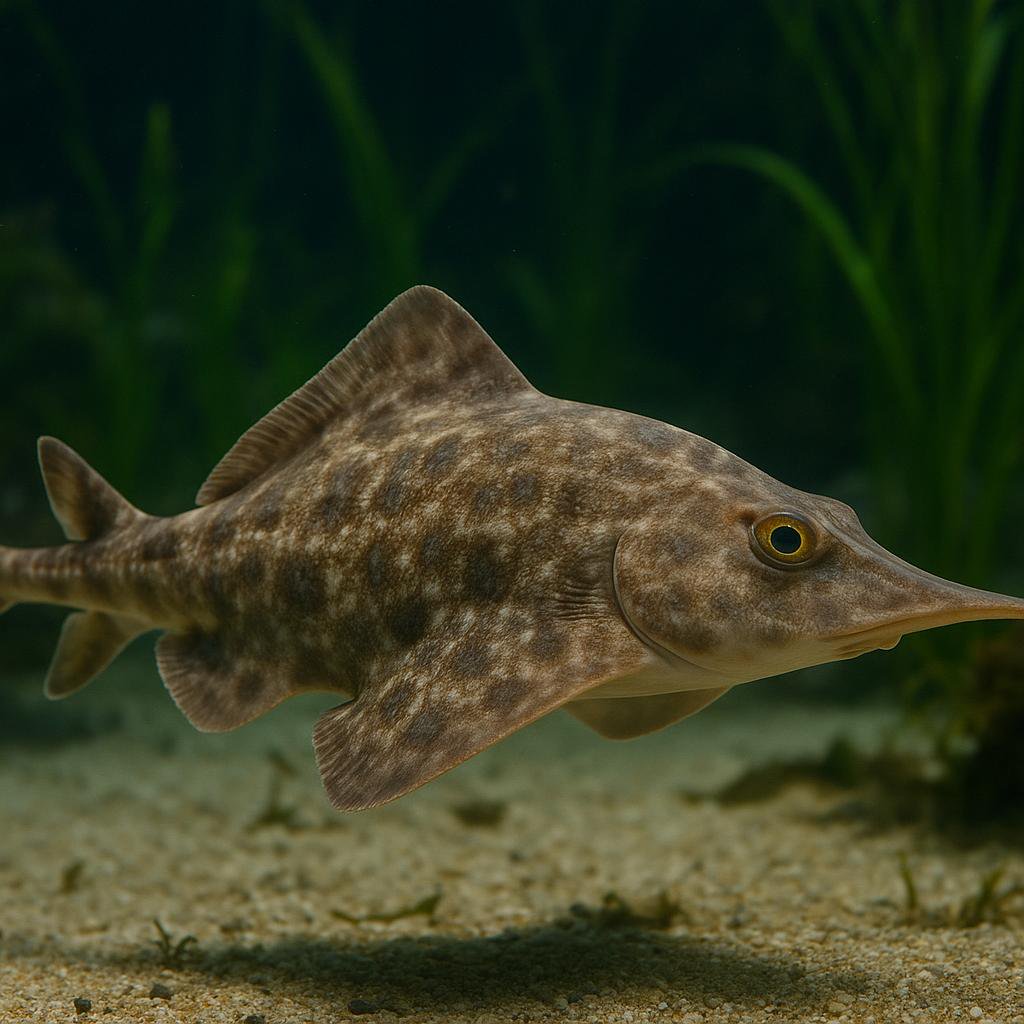
This is a big, cold-water deep-slope skate from the North Pacific that cruises muddy bottoms and eats chunky benthic prey like crabs and shrimp. The really cool bit is its egg-laying skate life - it does distinct pairing (the classic skate "embrace") and drops those tough egg cases on the seafloor. Not an aquarium fish at all unless you're basically running a public-aquarium-style chilled system.
Antarctic dragonfish
Vomeridens infuscipinnis
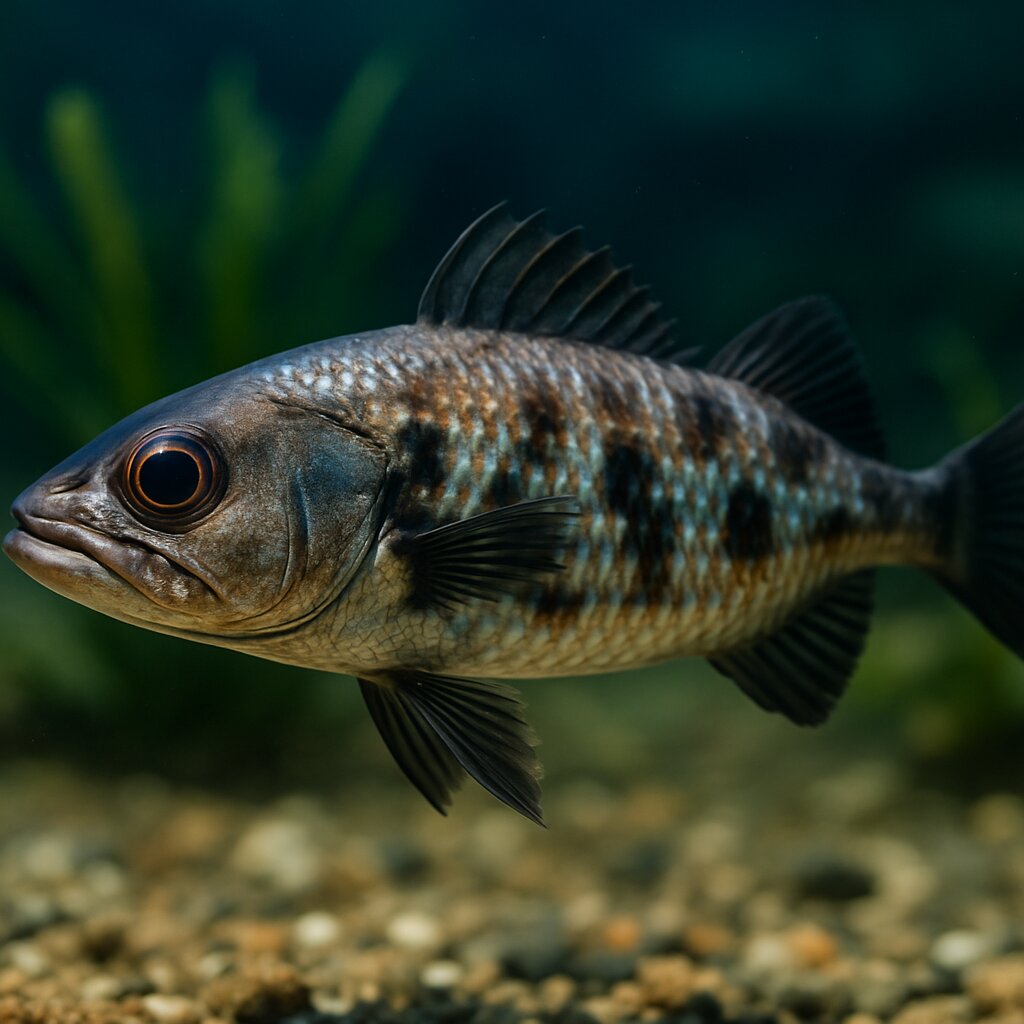
Deep down around Antarctica, this sleek dragonfish cruises the water column like a little submarine, nearly neutrally buoyant so it can hover above the seafloor. It munches almost exclusively on Antarctic krill and lives in near-freezing water 500-800 m down, so it is a cool species to read about, not one for home tanks.
Arabian spiny eel
Notacanthus indicus
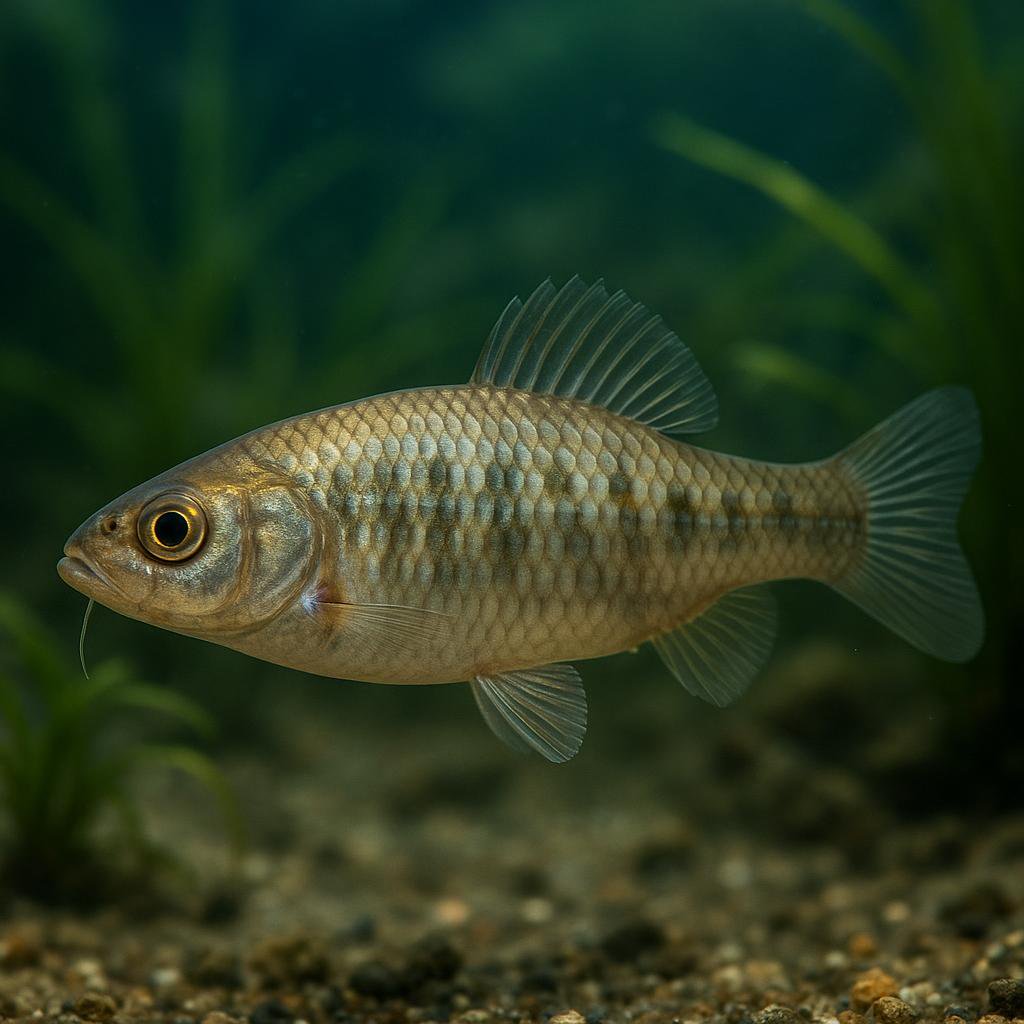
Notacanthus indicus is a deep-sea spiny eel (family Notacanthidae; not a true eel) known from the Arabian Sea on the continental slope at roughly ~960–1,046 m depth, with reported maximum length around 20 cm TL; it is a deep-water bycatch species and not established in the aquarium trade.
Arctic rockling
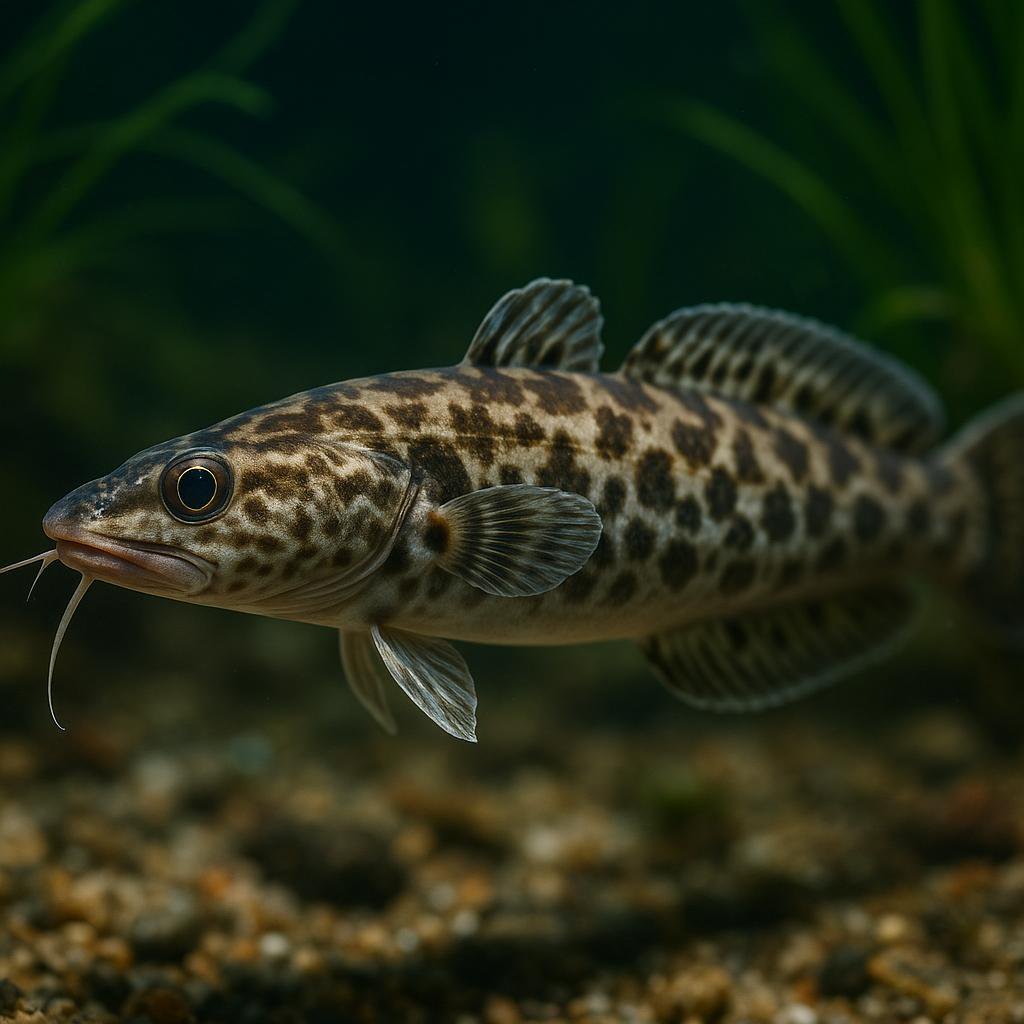
Gaidropsarus argentatus
This is a deepwater North Atlantic rockling (a cod relative) that hangs out on soft bottoms way down the slope. It is a cold-water, bottom-hugging predator that snoots around for crustaceans and will also take small fish when it gets the chance.
Atlantic pomfret
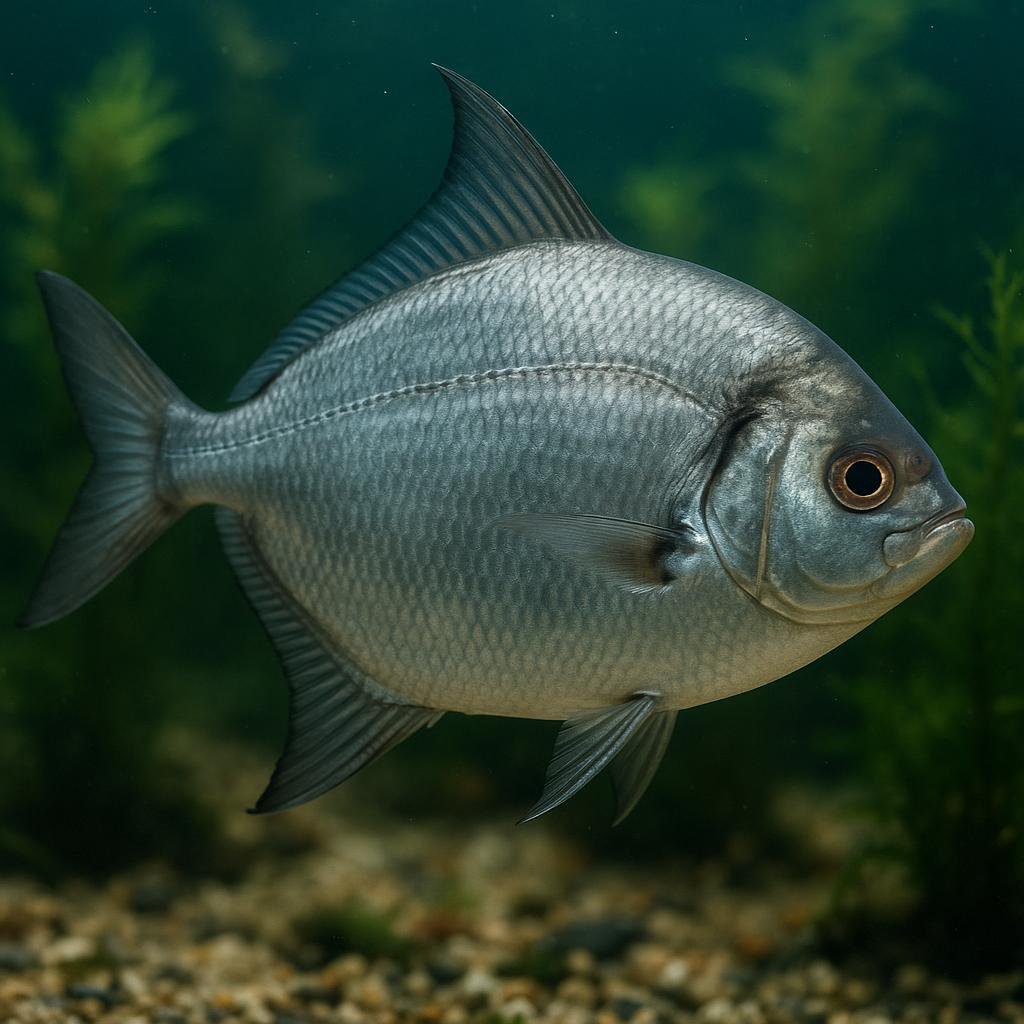
Brama brama
Brama brama is the Atlantic pomfret (aka Ray's bream) - a deep-bodied, open-ocean pelagic fish that cruises around in small schools and follows water temps. It is a legit big, wild marine species (not an aquarium fish) that eats other small sea critters like fish and squid, and it ranges across a huge chunk of the Atlantic plus parts of the Indian and South Pacific.
Australian sawtail catshark
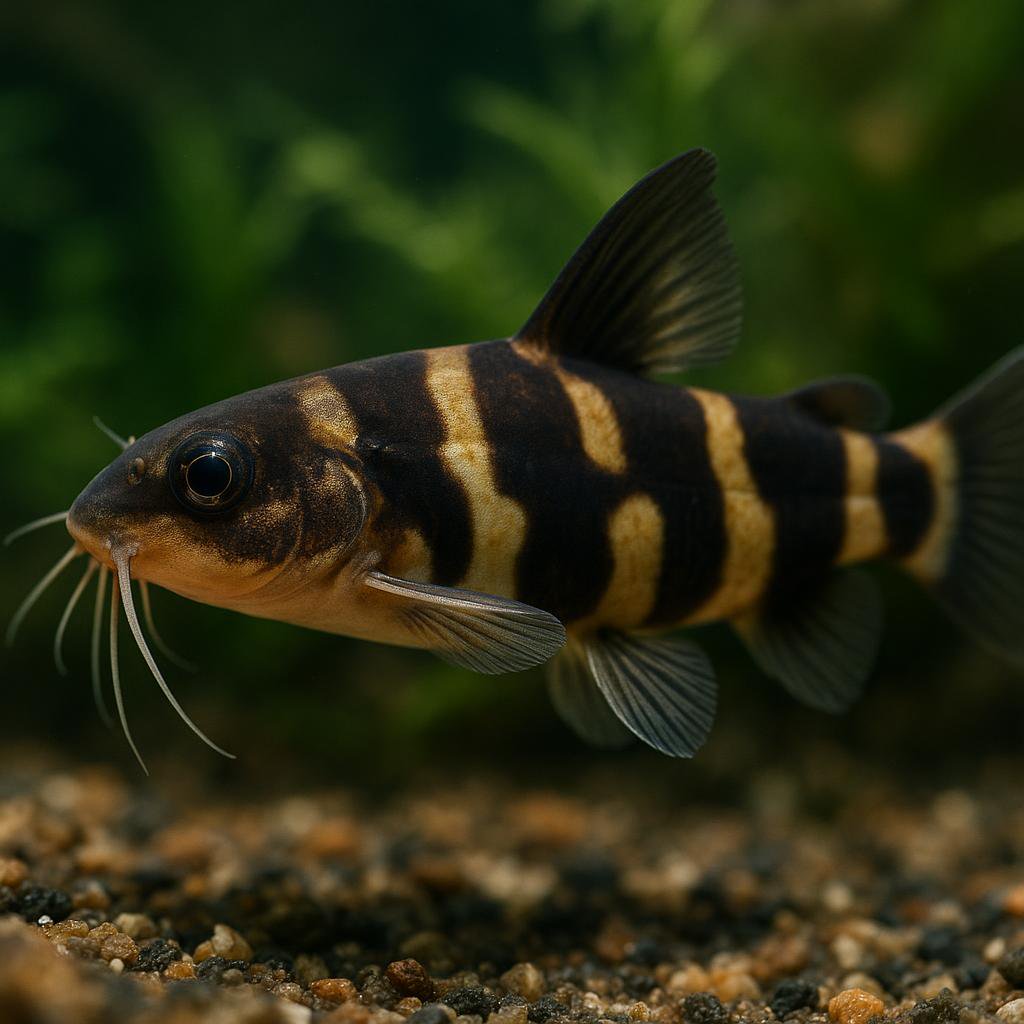
Figaro boardmani
Figaro boardmani is a small, deepwater Australian catshark with these cool saw-like ridges of spiny denticles along the tail and a neat pattern of dark saddle bands. It lives way down on the outer continental shelf and slope, so its natural water is cold, dim, and stable - totally not a typical home-aquarium fish. Diet-wise its a predator that goes after fish, crustaceans, and cephalopods.
More to Explore
Discover more marine species.
Abe's eelpout
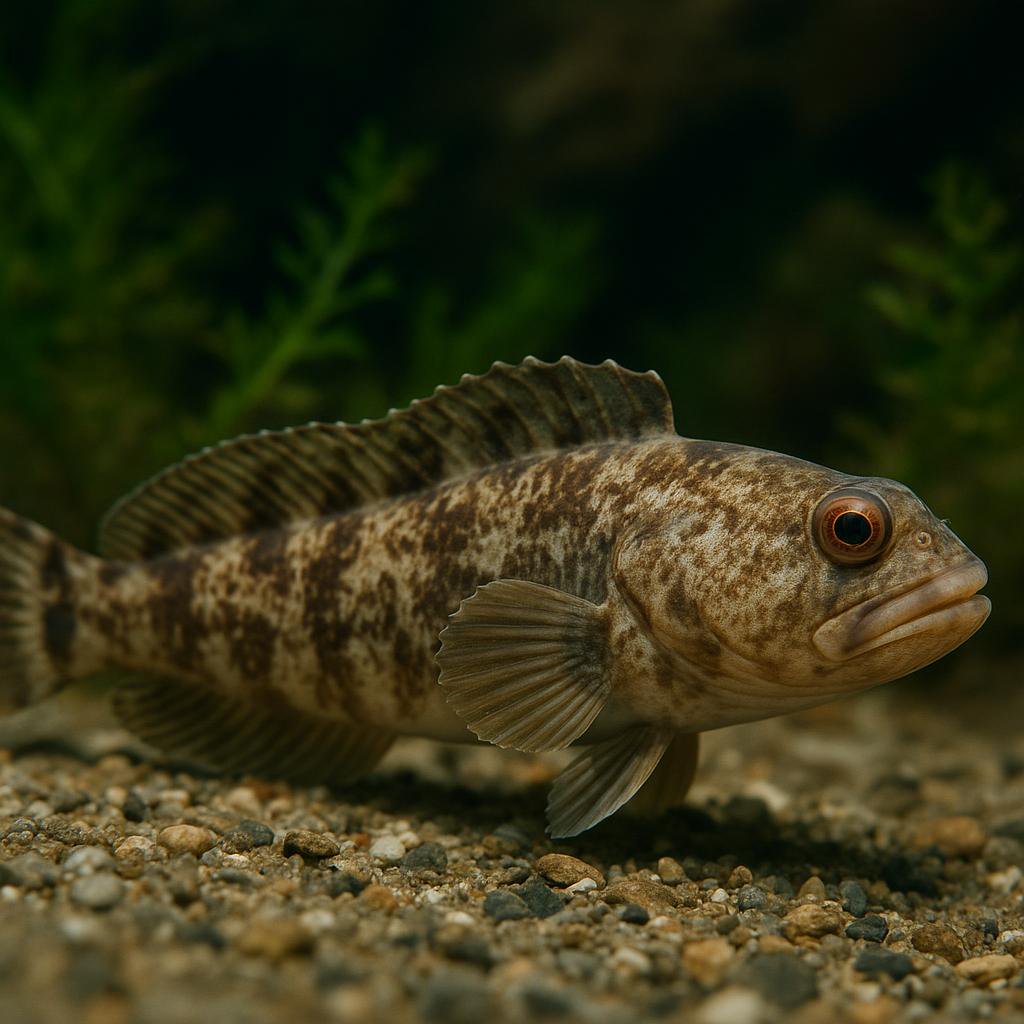
Japonolycodes abei
Japonolycodes abei is a temperate, deepwater demersal eelpout (family Zoarcidae) endemic to Japan (Kumano-nada Sea reported; other sources also report Sagami Bay and Tosa Bay). It is the only species in the genus Japonolycodes and occurs roughly 40-300 m depth, making it an uncommon/atypical aquarium species.
Affinis blind cusk-eel
Barathronus affinis
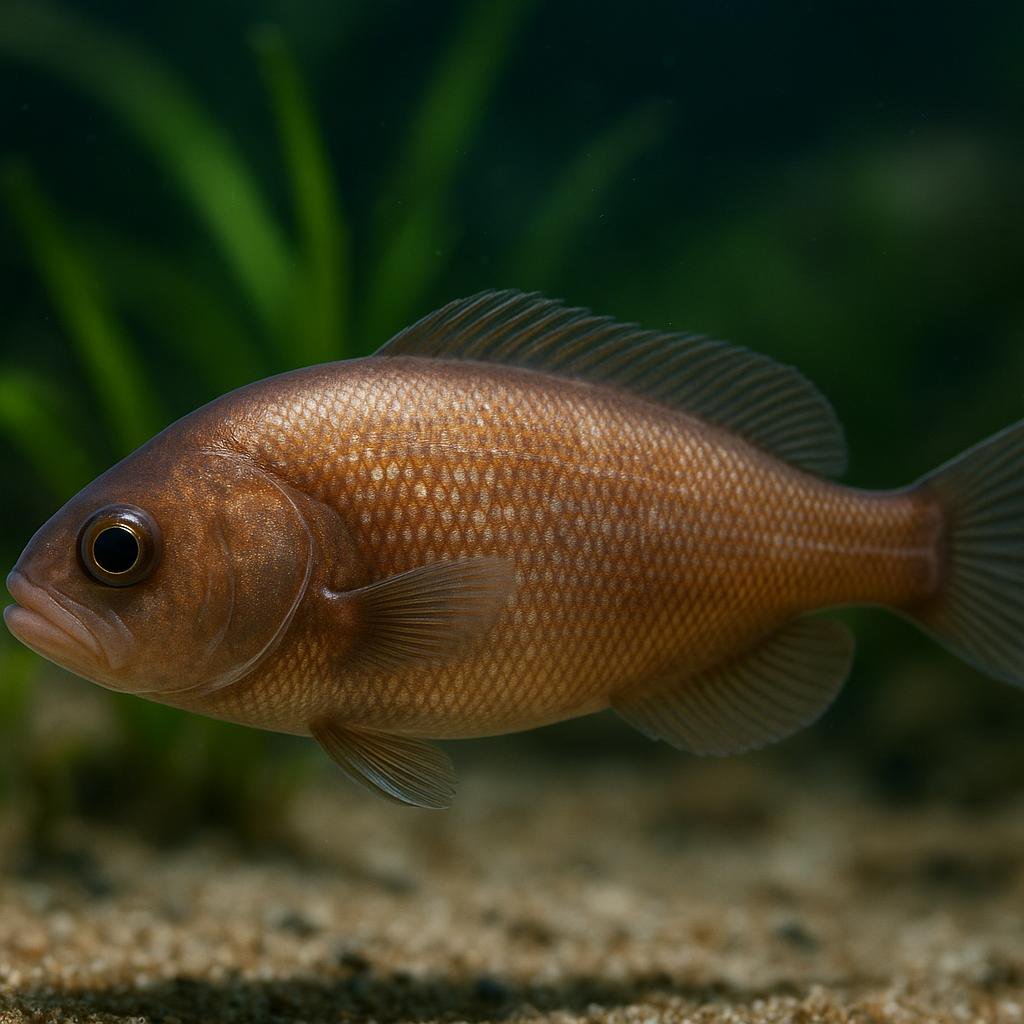
Barathronus affinis is a tiny, super-weird deep-sea blind cusk-eel from the western-central Indian Ocean. It is one of those gelatinous, loose-skinned brotula-type fishes that live way down in the dark and are basically never seen alive, so almost everything we know comes from preserved specimens and taxonomic work.
African red snapper
Lutjanus agennes
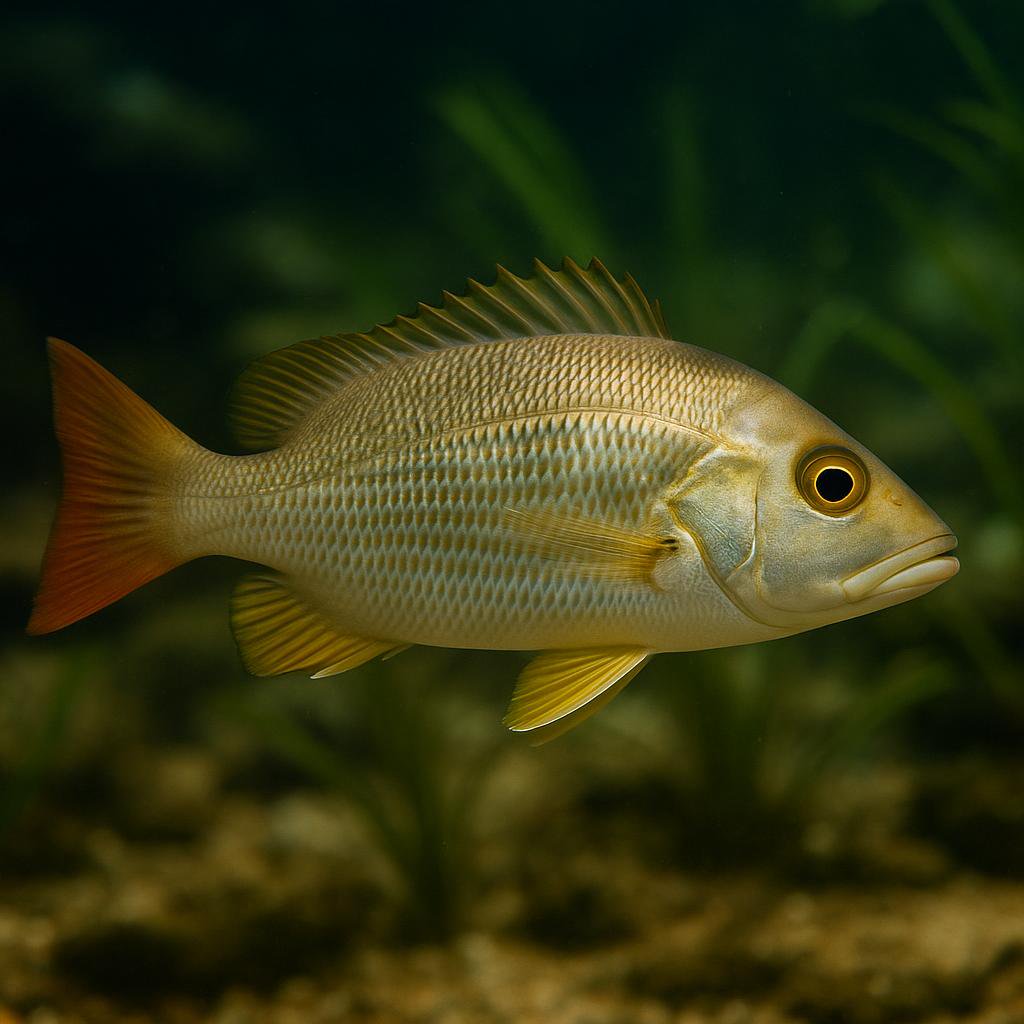
This is a true snapper from West Africa - a big, fast-growing predator that goes from coastal reefs to brackish lagoons and estuaries (especially as a juvenile). Super cool fish in the wild, but it gets absolutely huge and will eat smaller tankmates once it has the mouth for it, so its really more of a public-aquarium scale animal than a home-aquarium fish.
Allis shad
Alosa alosa
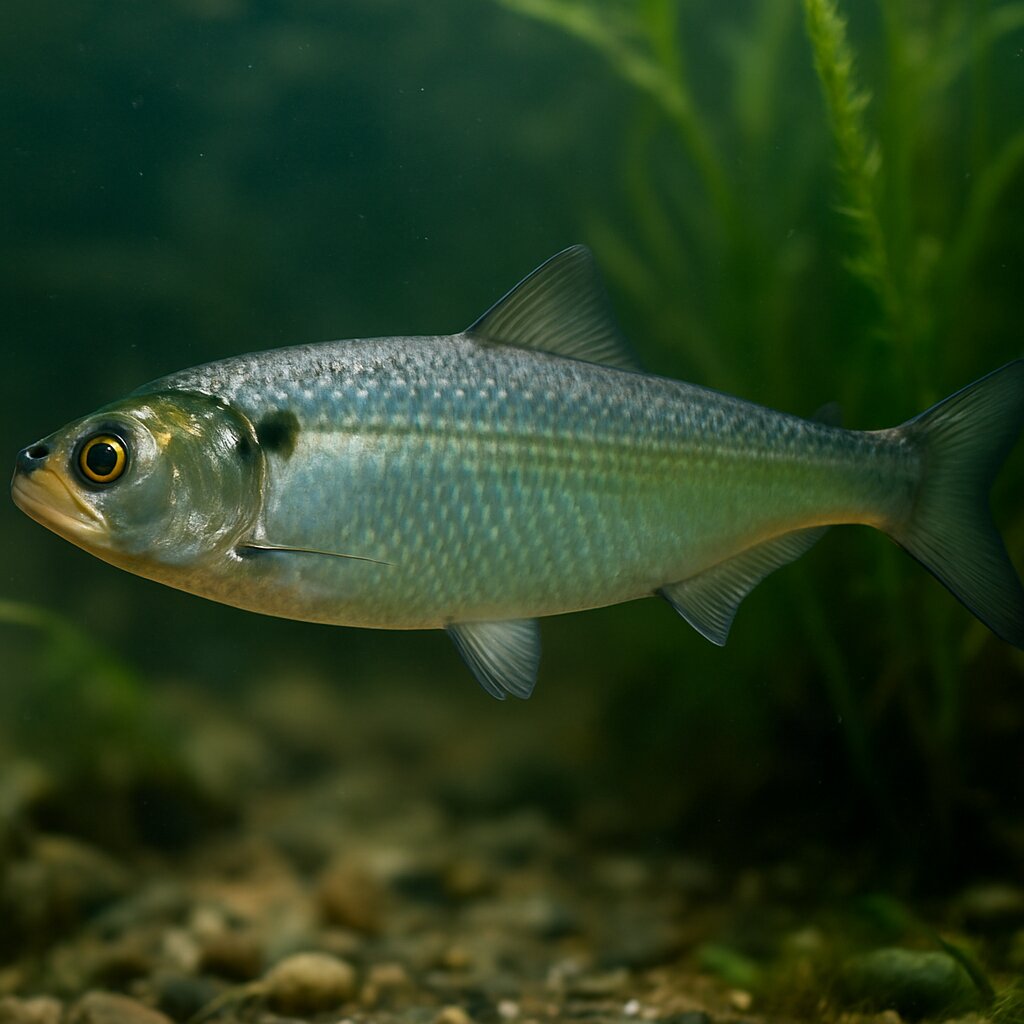
Gorgeous silver, fast-swimming shad that spends most of its life in the sea and then surges up big rivers in noisy, surface-spawning schools. It grows huge for a herring-type fish and needs cool, ultra-oxygenated water and tons of open space, so it is a public-aquarium species rather than a home tank fish.
Annandale's zebra sole
Zebrias annandalei
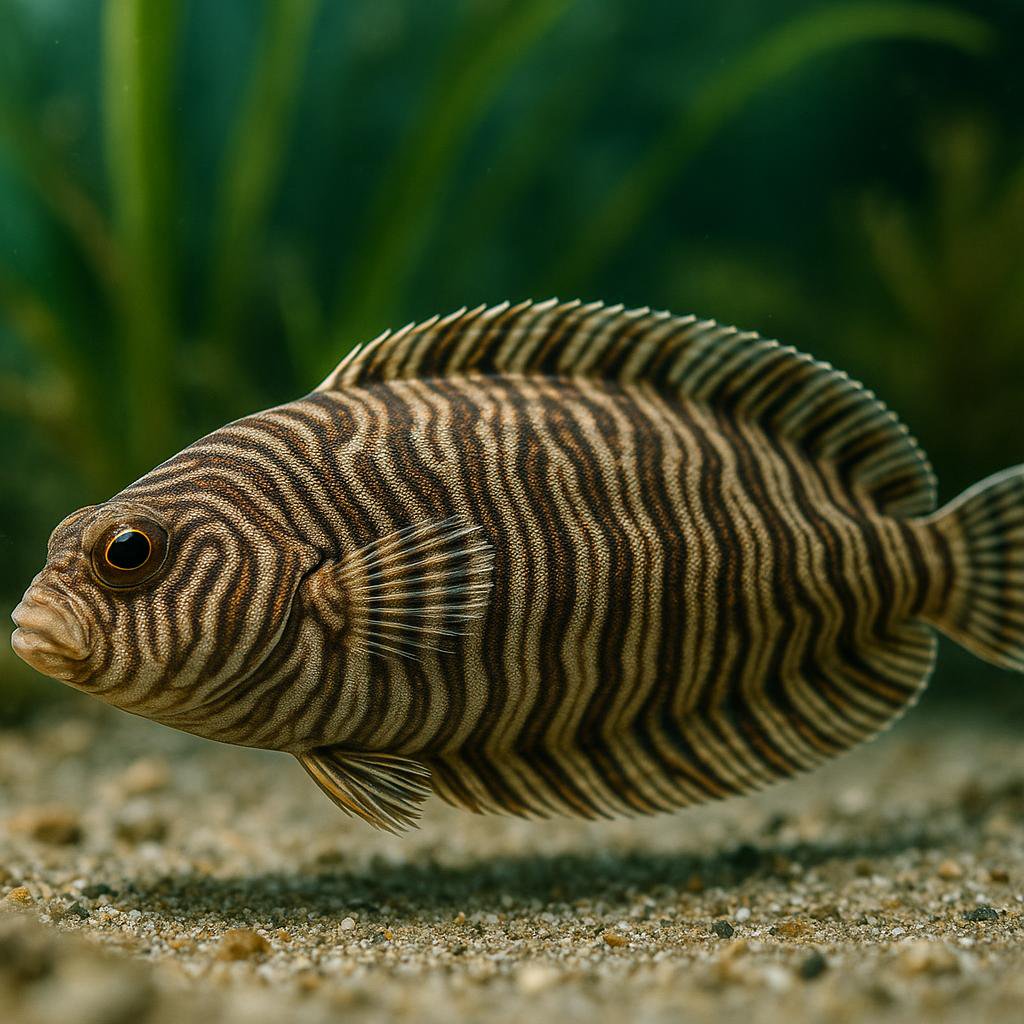
Zebrias annandalei is a small demersal sole from coastal India that inhabits sandy or muddy bottoms and buries for camouflage. It is rarely kept in home aquaria and would require a specialized marine sand-bottom setup and appropriate feeding.
Banded stargazer
Kathetostoma binigrasella
This is a New Zealand stargazer that lives half-buried in sand or mud with its eyes pointed up, waiting to rocket upward and nail passing prey. It has those neat dark saddle-bands across the back (especially as a juvenile), and like other stargazers it is venomous with spines near the gill cover/pectoral area - definitely a look-dont-touch fish.
Looking for other species?