

Machete
Elops affinis
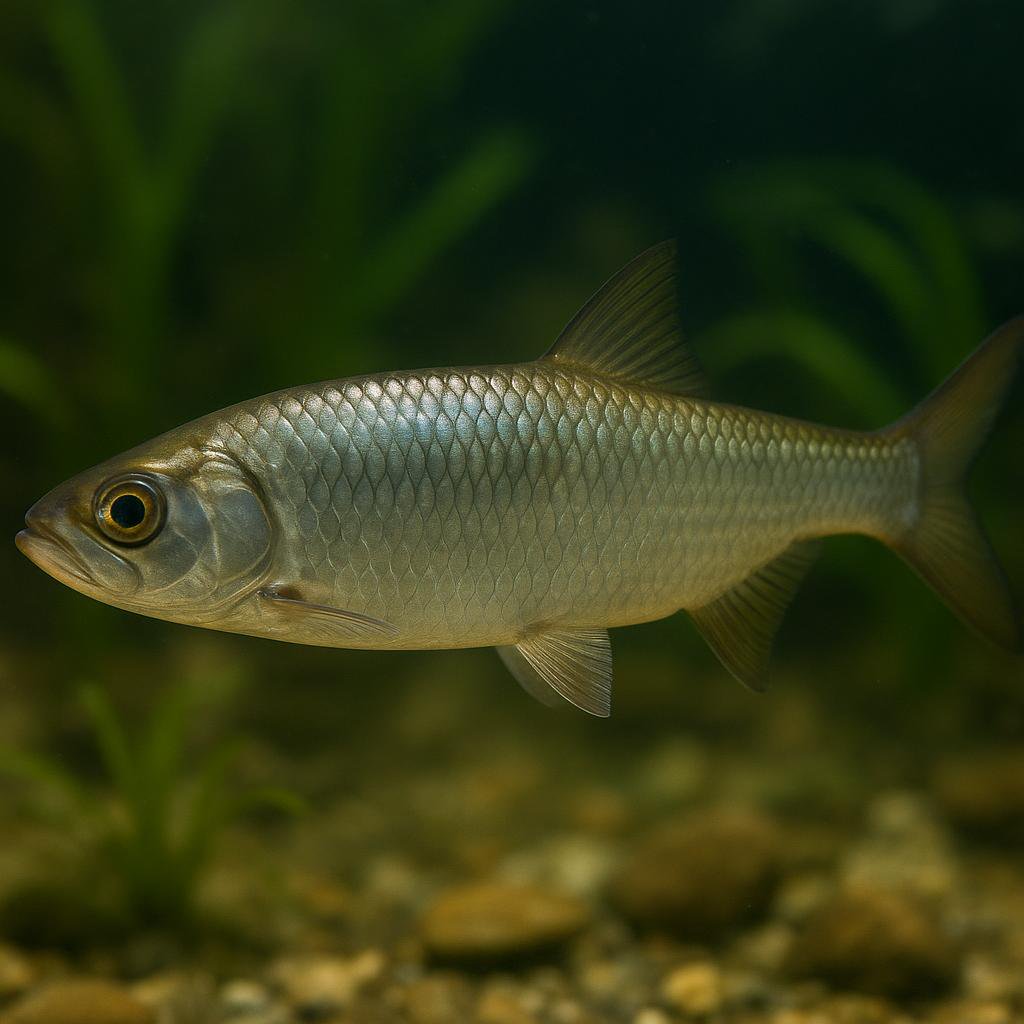
The Machete (Elops affinis) features a streamlined body, long pectoral fins, and a distinctive silver coloration with blue-green reflections.
This page includes AI-generated images. Why am I seeing AI images?
About the Machete
Elops affinis is a sleek, super-silver coastal predator (a ladyfish) that cruises surf zones, bays, and estuaries in schools and will happily push into brackish lagoons. Its life cycle is pretty cool - spawning happens offshore, and the clear, ribbon-like larvae drift in toward the coast before they grow into those fast, fork-tailed little missiles.
Also known as
Quick Facts
Size
91 cm
Temperament
Semi-aggressive
Difficulty
Expert
Min Tank Size
300 gallons
Lifespan
8-15 years
Origin
Eastern Pacific (southern California to Peru, including the Gulf of California)
Diet
Carnivore - small fish and shrimp/crustaceans (meaty frozen foods in captivity)
Water Parameters
20.4-29.1°C
7.5-8.5
8-20 dGH
Need a heater for this species?
This species needs 20.4-29.1°C in a 300 gallon tank. Use our heater calculator to find the right wattage.
Calculate heater sizeCare Notes
- Plan for a big, long tank and a tight lid - Machetes are fast, spook easily, and they jump like missiles. Open swimming room matters more than decor, but give them a few PVC tubes or mangrove roots to chill out.
- Run it brackish, not barely-salty: think 1.005-1.012 SG (use a refractometer, swing-arm hydrometers lie) and keep it stable. They handle a range, but they get beat up quick by sloppy salinity changes.
- They are oxygen hogs - push hard surface agitation and strong flow, and do not let the water get warm and stagnant. If they are hanging near the surface all day, assume low oxygen or high waste first.
- Feed like a predator: silversides, shrimp, squid, krill, and quality carnivore pellets once they take them; smaller fish do better with multiple smaller meals. Skip feeder goldfish and go easy on super-fatty stuff or they get chunky and lazy.
- Anything that fits in their mouth is food, and anything nippy will shred their fins - avoid small community fish and avoid tiger barbs, puffers, and bitey cichlids. Best tankmates are other big, tough brackish fish that can handle speed and flow (and are too large to swallow).
- Quarantine is not optional - they are magnets for marine ich/velvet-type issues when stressed, and brackish tanks can make treatments tricky. If you see flashing or fine dusting, move fast with diagnosis and treatment that matches your salinity.
- Breeding at home is basically not a thing: they are coastal spawners and the larvae are leptocephalus (weird eel-like stage) that is a nightmare to raise. Treat them as a display/predator project, not a breeding project.
Compatibility
Good Tankmates
- Scats (Scatophagus argus) - they like the same brackish setup, they are tough, and they do not get pushed around when the machete gets feisty at feeding time.
- Monos (Monodactylus spp.) - fast, schooling, and hard to bully. They can handle the machete's zoomy, predatory vibe as long as they are not tiny.
- Archerfish (Toxotes spp.) - works in bigger brackish tanks. Similar attitude and speed, and they are not bite-sized once grown. Lots of surface room helps.
- Brackish catfish like striped eel catfish (Plotosus lineatus) or other sturdy brackish-tolerant cats - good 'mind their business' tank mates that can take some chaos. Not small ones.
- Adult molly groups (Poecilia sphenops/latipinna) - only if they are full-grown and you have plenty of them. They are quick and brackish-happy, but babies and small adults can become snacks.
- Other large, robust brackish fish that are not swallowable - think 'can not fit in the machete's mouth' first, then temperament second.
Avoid
- Small community fish (guppies, small tetras, danios, tiny gobies) - if it fits in the mouth, it is food. Even if it lives for a week, it will eventually disappear.
- Slow fish with long fins (angelfish, bettas, fancy mollies/guppies) - they get stressed and shredded in a semi-aggressive, high-speed brackish setup.
- Nippy, aggressive brawlers (some cichlids, larger puffers) - they either harass the machete nonstop or turn the tank into a constant sparring match.
Where they come from
Elops affinis (often called machete, Pacific ladyfish, or just ladyfish) comes from the eastern Pacific coast - think surf zones, lagoons, estuaries, and mangrove-y backwaters from Mexico down into parts of Central America. They cruise in and out with the tides, so they are naturally built for changing salinity and lots of open-water swimming.
That lifestyle tells you most of what you need to know: they are fast, jumpy, oxygen-hungry predators that like room, flow, and clean water. They are not a "cute oddball" for a mixed brackish community. They are basically a skinny little torpedo.
Setting up their tank
If you are thinking "I have a 55" - stop right there. These fish get long, they move nonstop, and they spook hard. The minimum tank that felt even remotely fair for a juvenile group was a long footprint with serious surface area. Bigger is always better with this one.
- Tank size: Plan for a very large, long tank (think 6 ft+). Small tanks turn into smashed noses and constant pacing.
- Lid: Tight-fitting, no gaps. They jump like they are paid to do it.
- Flow and oxygen: Strong filtration and surface agitation. They are open-water fish and hate stale water.
- Salinity: Brackish that you can measure and keep steady with a refractometer (not a swing-arm).
- Layout: Open swimming lanes. Keep decor to the edges. Use smooth stuff, because they will scrape themselves at speed.
A machete that startles in a cramped tank will launch, ping the lid, and/or slam into glass. Nose damage is common if you undersize the tank or keep lighting and traffic too chaotic.
Substrate is not a big deal. Sand looks natural and is easy to vacuum. What matters more is stability: heater that can keep up, rock-solid salinity top-offs (brackish still evaporates as freshwater), and filtration that can handle messy feedings.
For salinity, I had the best results keeping them in the mid-brackish range and not bouncing it around. They tolerate change, but they do not thank you for it. Pick a target specific gravity and hold it there with consistent mixing and top-off habits.
What to feed them
They are predators that want meaty foods and they burn calories fast. The trick is getting them onto a routine so they do not go from "fine" to "skinny" before you notice. In my tanks they ate aggressively once settled, but new arrivals can sulk for a bit.
- Staples: silversides, lancefish, smelt chunks, shrimp, squid, marine fish flesh (varied).
- Frozen foods: mysis and krill for smaller juveniles, then larger pieces as they grow.
- Live foods: can be useful to start reluctant fish, but do not build a whole plan around feeders.
- Pellets: some individuals learn them, many do not. If yours takes them, great - still rotate real seafood.
Feed smaller portions more often instead of one huge meal. They digest better, stay in condition, and you get less of that "predator sludge" building up in the filter.
Avoid fatty freshwater feeder fish as a main diet. Long term it is a bad deal for marine/brackish predators. If you use any live foods, quarantine them or you are basically importing parasites on purpose.
I also recommend soaking frozen foods in vitamins now and then, especially if you are leaning heavily on a couple items. Variety is your friend here. A machete on a narrow diet can start looking hollow behind the head even if it is eating.
How they behave and who they get along with
They are active, nervous, and very aware of motion outside the tank. Mine were way calmer in a group, but that also means you are committing to more tank and more food. Solo fish can be jumpier and spend more time doing laps.
Tankmates are mostly about size and speed. If it fits in their mouth, it is food. If it cannot compete at feeding time, it is going to starve. Slow brackish favorites (scats, monos, archers) can get outcompeted unless you are really on top of feeding strategy.
- Good candidates: other large, fast brackish/marine-leaning fish that can handle strong flow and aggressive feeding.
- Bad candidates: small fish, slow fish, long-finned fish, or anything timid.
- Inverts: do not expect shrimp/crabs to last.
They are not usually "mean" in the classic cichlid sense. Most problems are predation, food competition, and stress from crowding.
Breeding tips
Breeding in home aquariums is basically a non-starter. In the wild they spawn offshore and the larvae (leptocephalus stage) drift and develop in ways that are not realistic to replicate in a typical fishroom. If someone tells you they bred them in a normal brackish setup, I would want receipts.
If your goal is breeding projects, pick a different brackish fish. If your goal is keeping a cool, challenging predator healthy long-term, focus on space, water quality, and diet.
Common problems to watch for
- Jumping and impact injuries: the big one. Tight lid, calm environment, and enough swimming room help a lot.
- Refusing food after shipping: give them dimmer light at first, keep the tank quiet, offer smaller meaty items, and do not chase them with nets.
- Skin damage and secondary infections: often from panic darts into decor or glass. Keep hardscape smooth and open.
- Parasites from live foods or wild-caught stock: quarantine is your best friend with this species.
- Rapid weight loss: they can look fine and then suddenly look like a knife. Increase feeding frequency and vary foods.
- Nitrate creep from heavy feeding: big water changes and serious filtration, otherwise they get run down.
Do not treat them like a "brackish community fish" that you can squeeze into a medium tank. Most failures are not mysterious - they are space, stress, and stability issues.
If you keep salinity consistent, keep the water moving and clean, and give them a long runway to swim, they are hardy in their own way. But they are unforgiving if you cut corners. This is one of those fish where the tank has to be built around the fish, not the other way around.
Similar Species
Other marine semi-aggressive species you might be interested in.
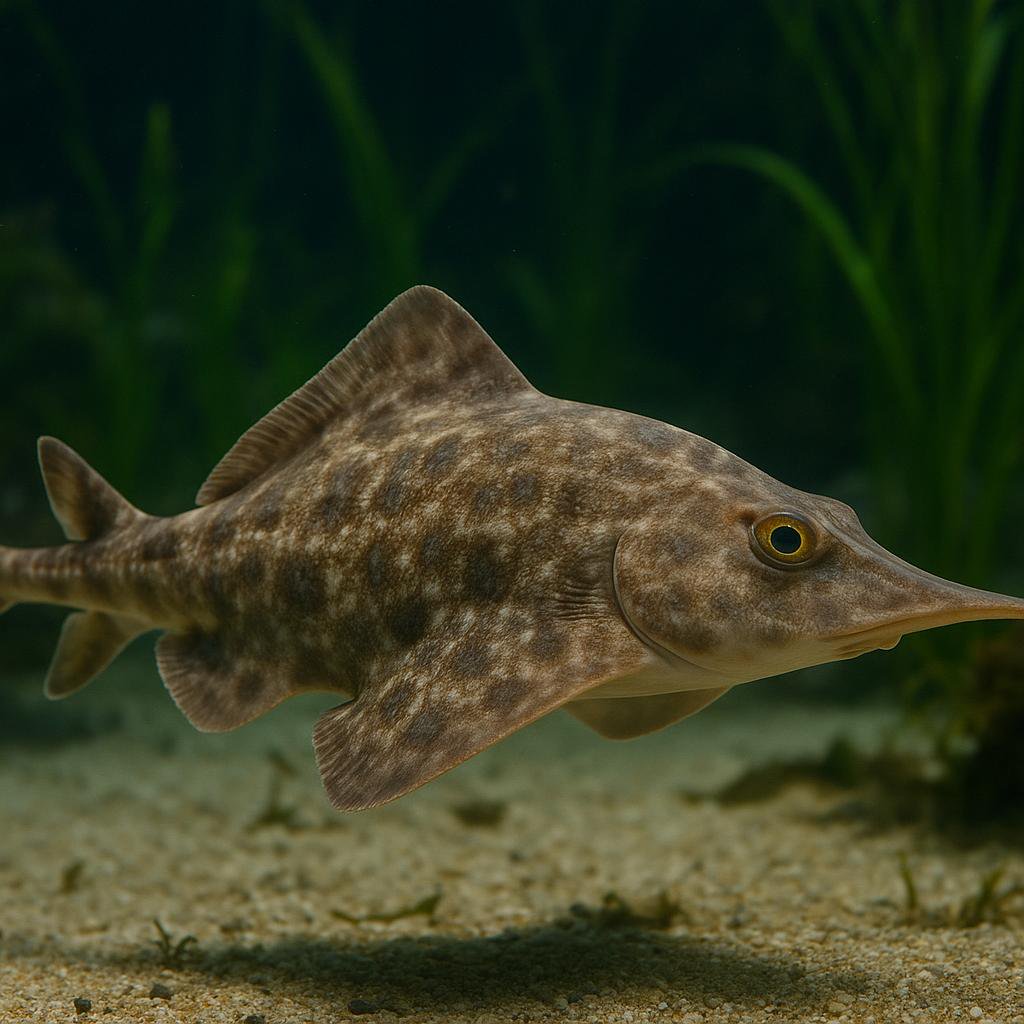
Aleutian skate
Bathyraja aleutica
This is a big, cold-water deep-slope skate from the North Pacific that cruises muddy bottoms and eats chunky benthic prey like crabs and shrimp. The really cool bit is its egg-laying skate life - it does distinct pairing (the classic skate "embrace") and drops those tough egg cases on the seafloor. Not an aquarium fish at all unless you're basically running a public-aquarium-style chilled system.
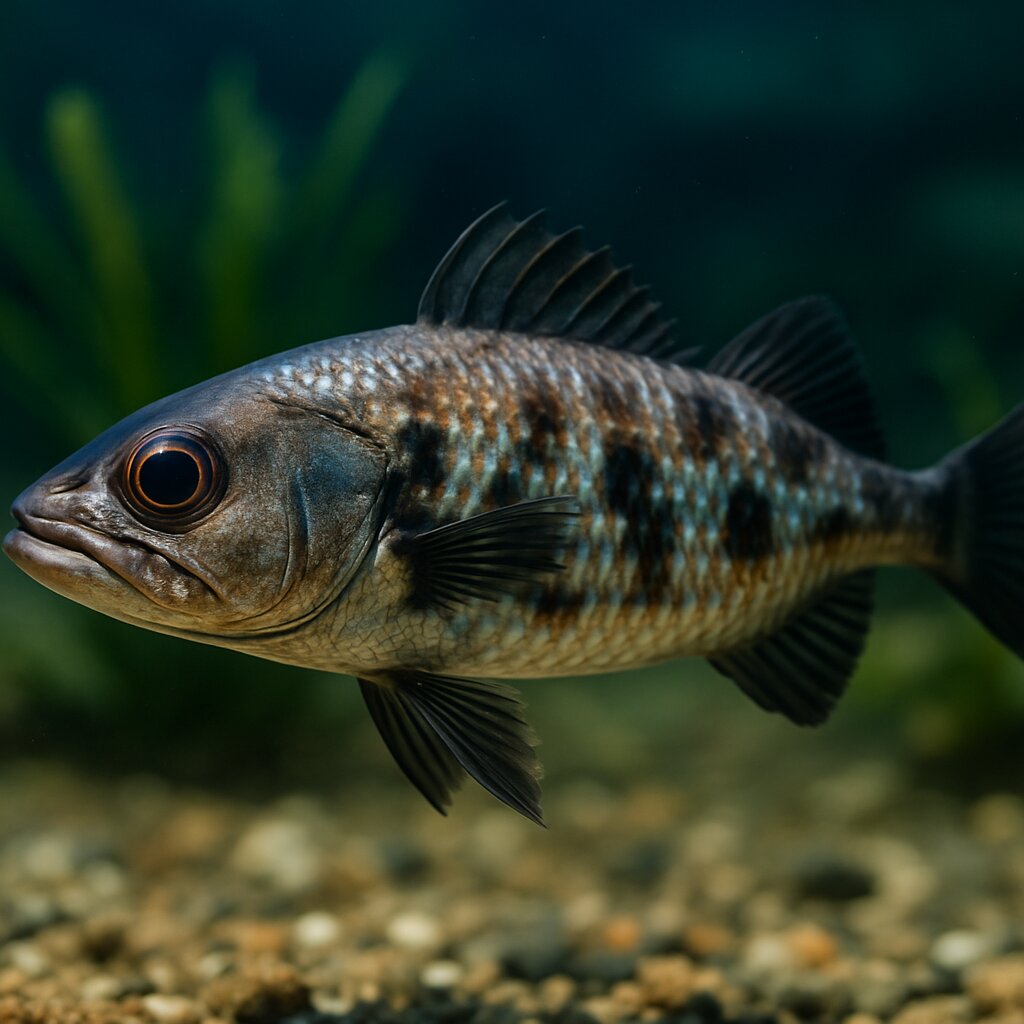
Antarctic dragonfish
Vomeridens infuscipinnis
Deep down around Antarctica, this sleek dragonfish cruises the water column like a little submarine, nearly neutrally buoyant so it can hover above the seafloor. It munches almost exclusively on Antarctic krill and lives in near-freezing water 500-800 m down, so it is a cool species to read about, not one for home tanks.
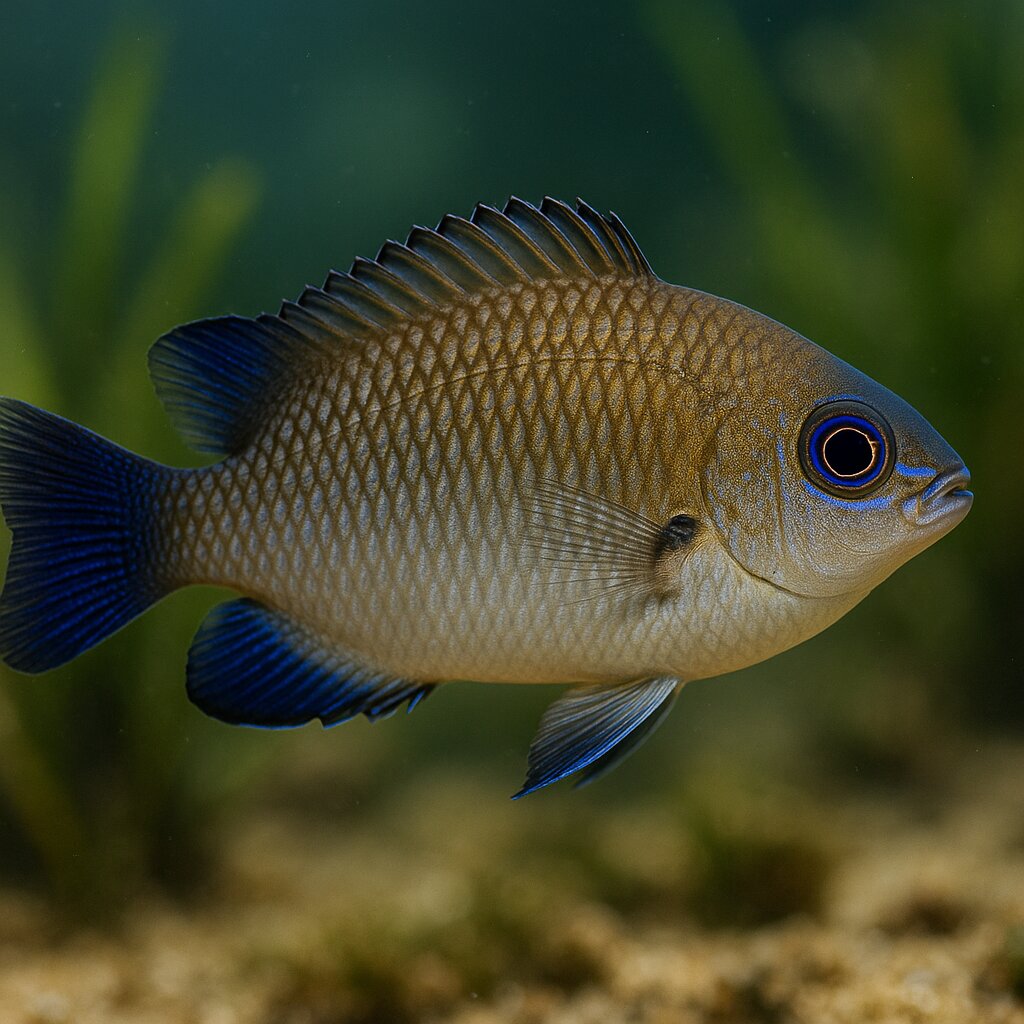
Arabian demoiselle
Neopomacentrus sindensis
A small lyretail damsel from the Persian Gulf and Arabian Sea, it hangs in loose groups around coral heads, rocks, and even pier pilings picking zooplankton from the flow. Think classic damsel toughness with a slightly milder attitude than the real bruisers, plus subtle yellow tail accents. Males clean a patch, get a mate to lay eggs there, and then stand guard fanning the clutch.
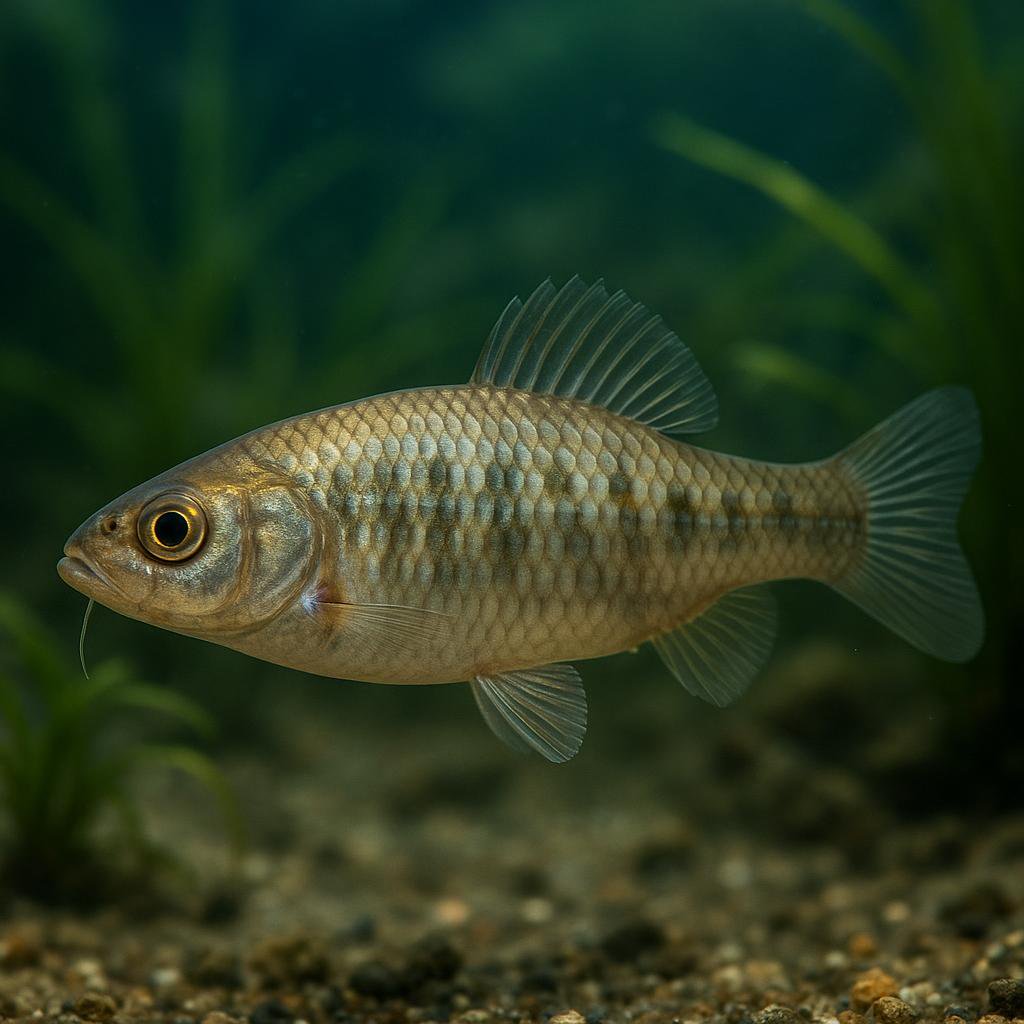
Arabian spiny eel
Notacanthus indicus
Notacanthus indicus is a deep-sea spiny eel (family Notacanthidae; not a true eel) known from the Arabian Sea on the continental slope at roughly ~960–1,046 m depth, with reported maximum length around 20 cm TL; it is a deep-water bycatch species and not established in the aquarium trade.
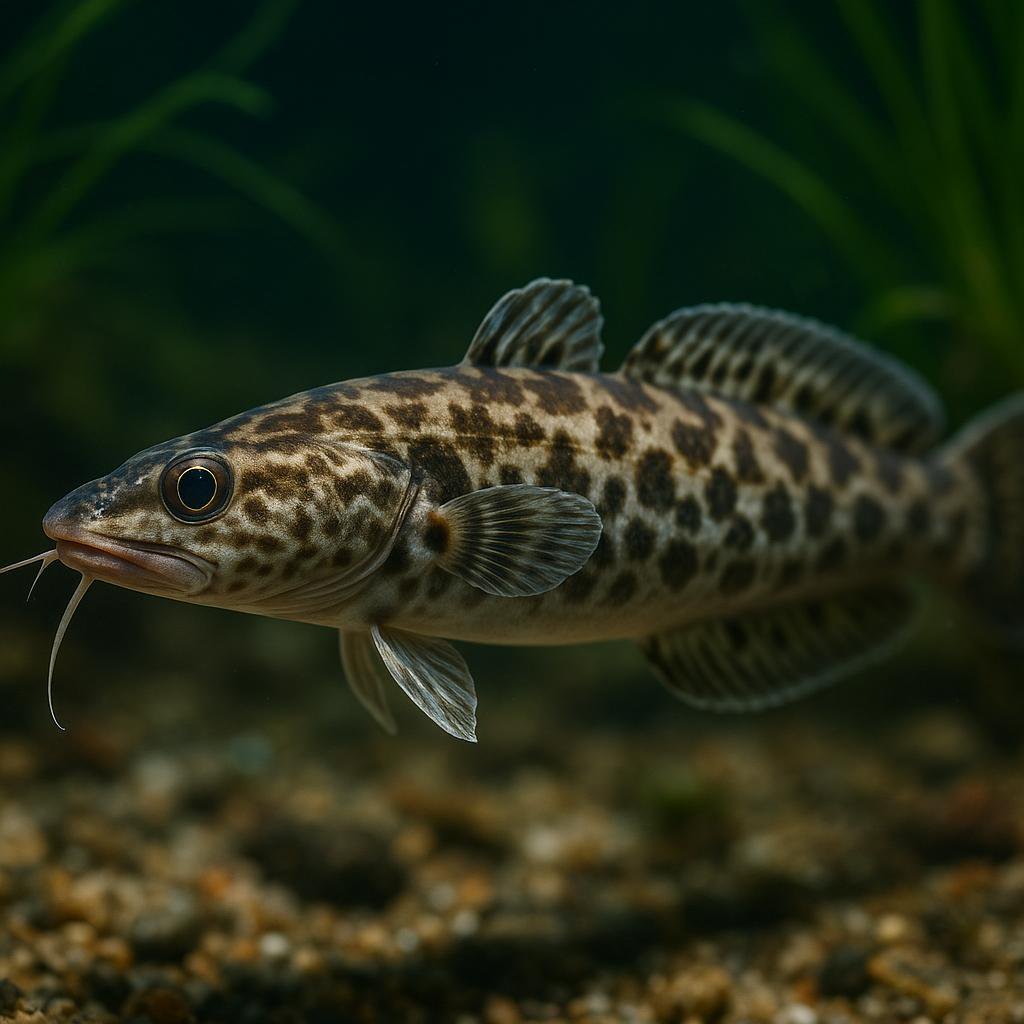
Arctic rockling
Gaidropsarus argentatus
This is a deepwater North Atlantic rockling (a cod relative) that hangs out on soft bottoms way down the slope. It is a cold-water, bottom-hugging predator that snoots around for crustaceans and will also take small fish when it gets the chance.
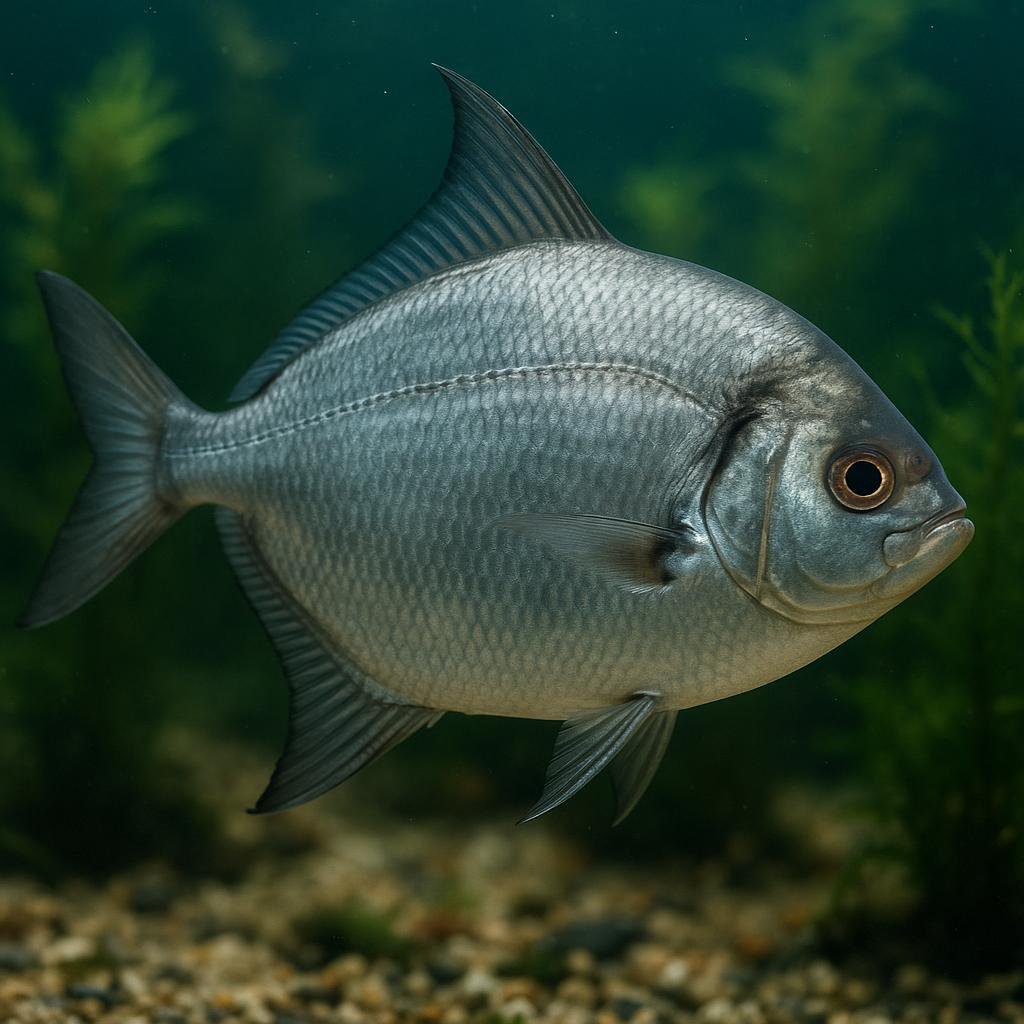
Atlantic pomfret
Brama brama
Brama brama is the Atlantic pomfret (aka Ray's bream) - a deep-bodied, open-ocean pelagic fish that cruises around in small schools and follows water temps. It is a legit big, wild marine species (not an aquarium fish) that eats other small sea critters like fish and squid, and it ranges across a huge chunk of the Atlantic plus parts of the Indian and South Pacific.
More to Explore
Discover more marine species.
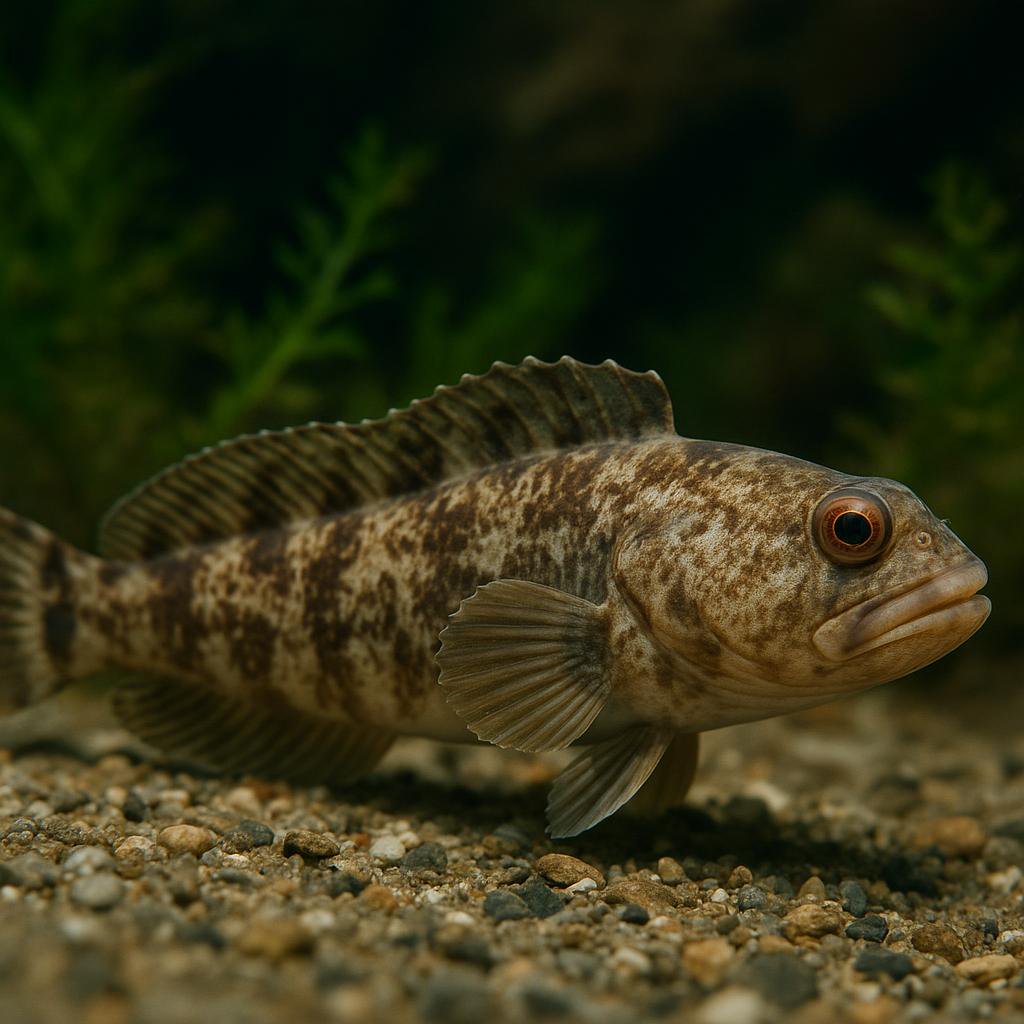
Abe's eelpout
Japonolycodes abei
Japonolycodes abei is a temperate, deepwater demersal eelpout (family Zoarcidae) endemic to Japan (Kumano-nada Sea reported; other sources also report Sagami Bay and Tosa Bay). It is the only species in the genus Japonolycodes and occurs roughly 40-300 m depth, making it an uncommon/atypical aquarium species.
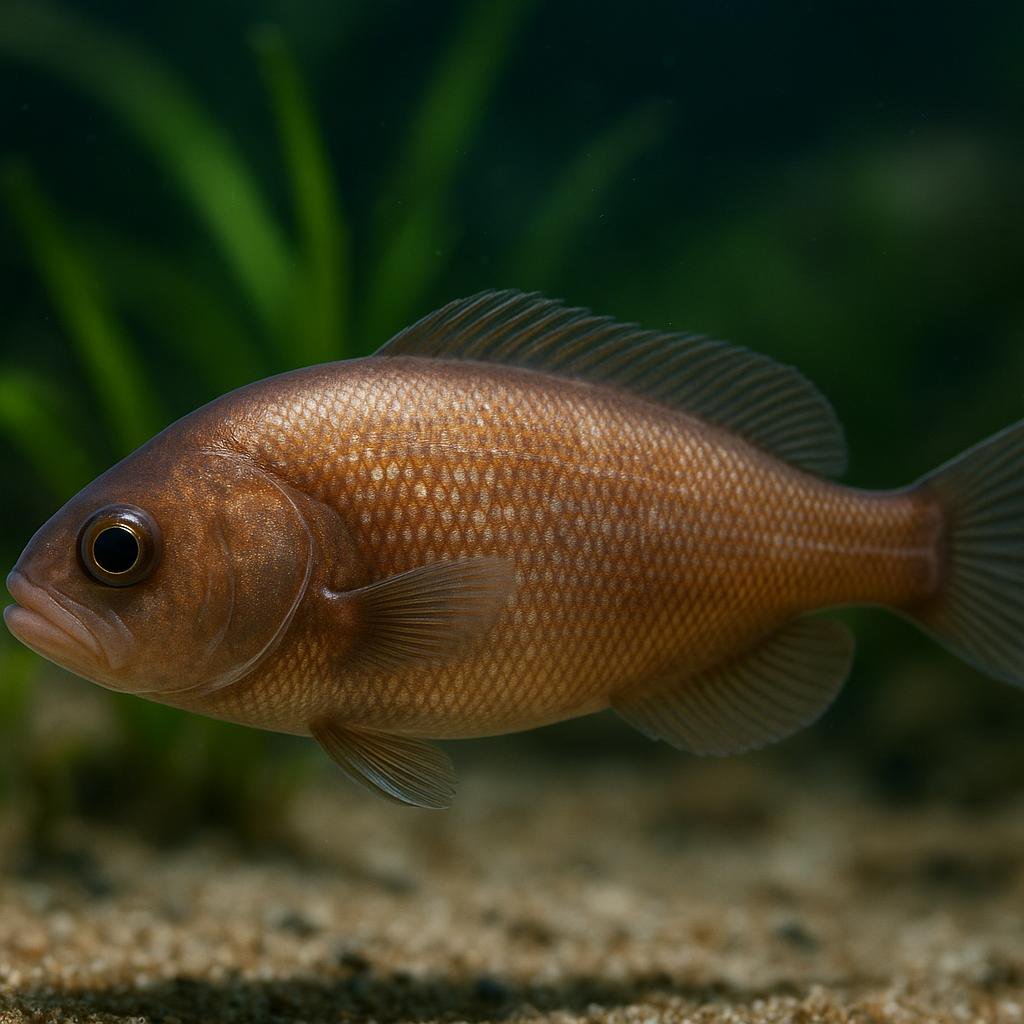
Affinis blind cusk-eel
Barathronus affinis
Barathronus affinis is a tiny, super-weird deep-sea blind cusk-eel from the western-central Indian Ocean. It is one of those gelatinous, loose-skinned brotula-type fishes that live way down in the dark and are basically never seen alive, so almost everything we know comes from preserved specimens and taxonomic work.
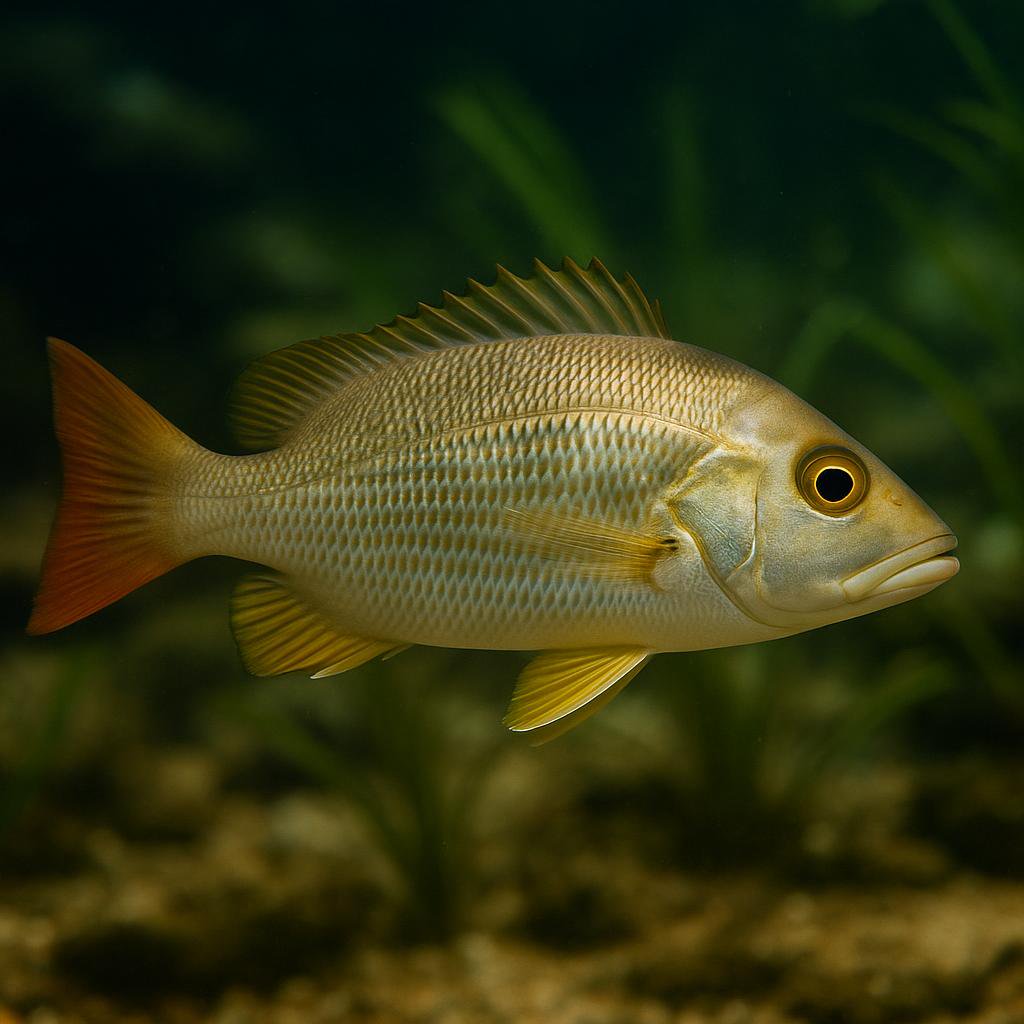
African red snapper
Lutjanus agennes
This is a true snapper from West Africa - a big, fast-growing predator that goes from coastal reefs to brackish lagoons and estuaries (especially as a juvenile). Super cool fish in the wild, but it gets absolutely huge and will eat smaller tankmates once it has the mouth for it, so its really more of a public-aquarium scale animal than a home-aquarium fish.
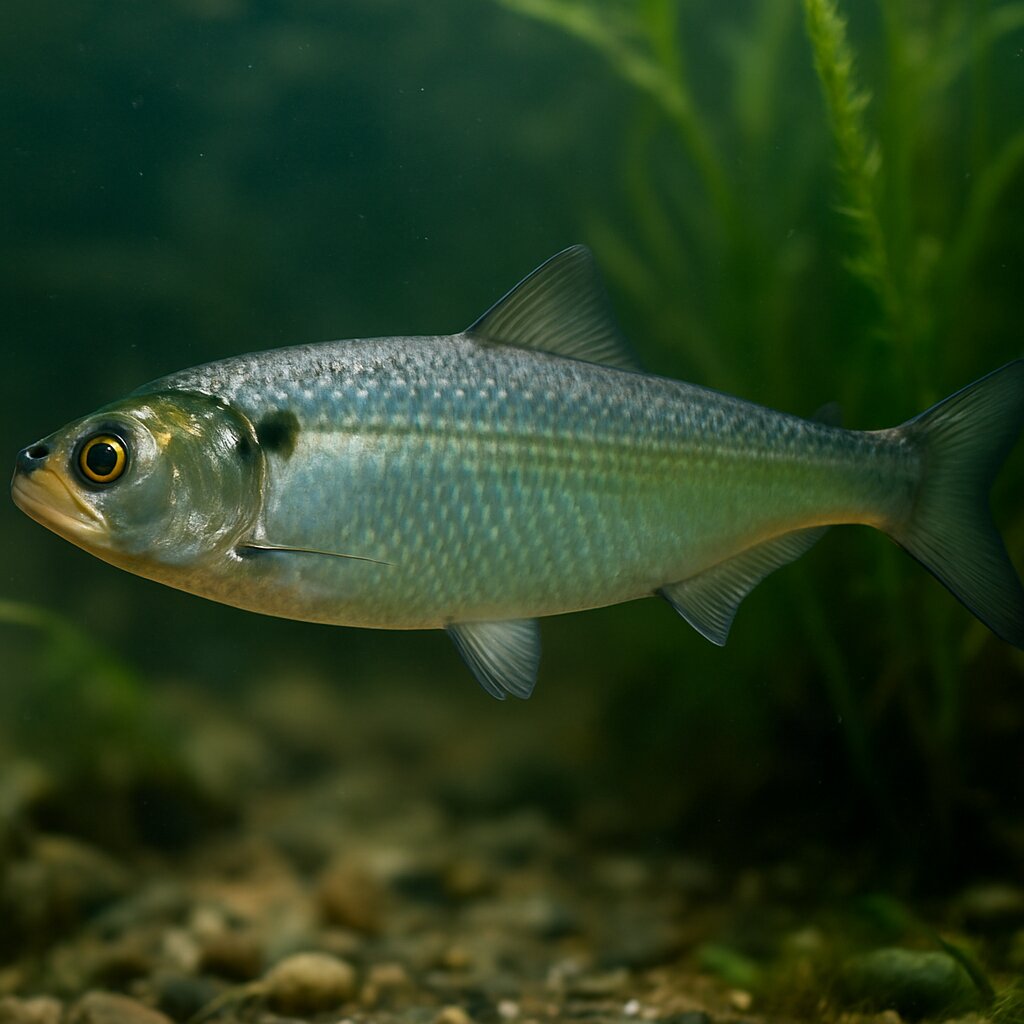
Allis shad
Alosa alosa
Gorgeous silver, fast-swimming shad that spends most of its life in the sea and then surges up big rivers in noisy, surface-spawning schools. It grows huge for a herring-type fish and needs cool, ultra-oxygenated water and tons of open space, so it is a public-aquarium species rather than a home tank fish.
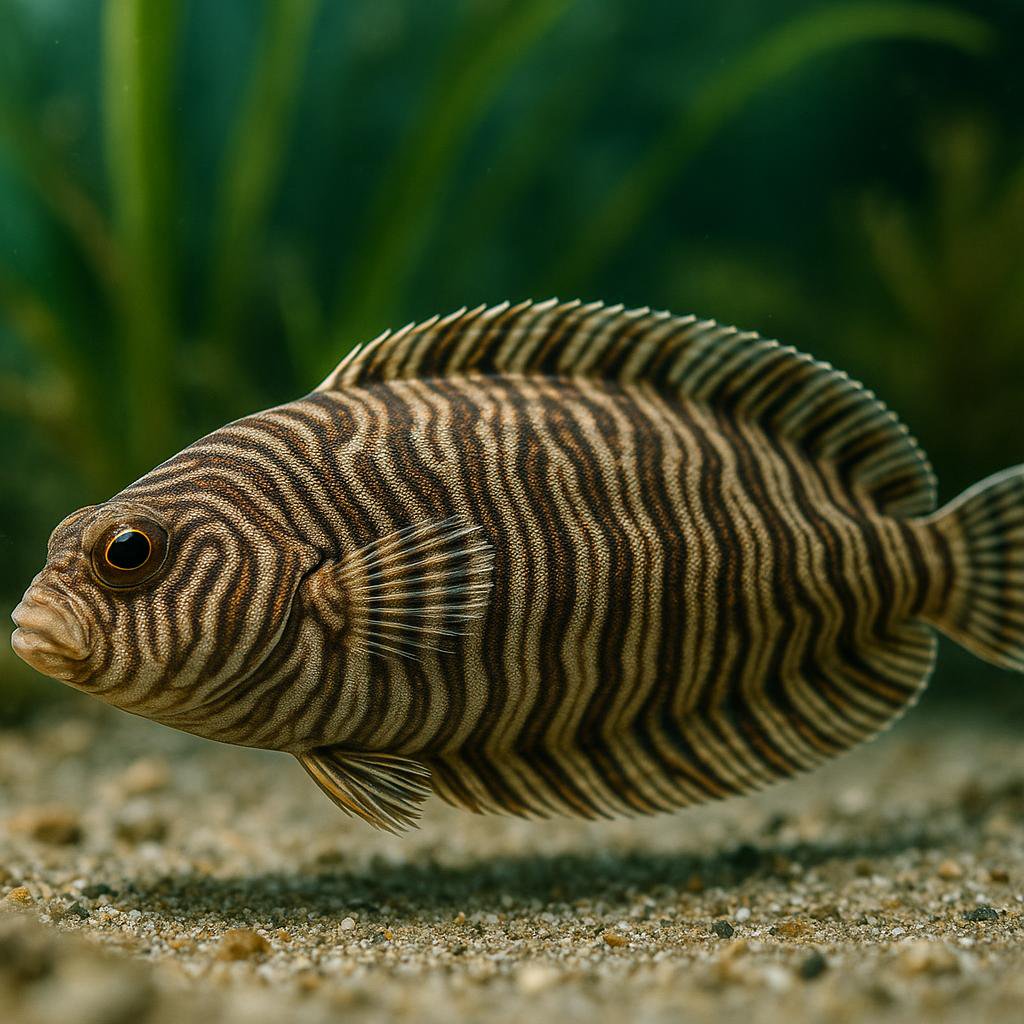
Annandale's zebra sole
Zebrias annandalei
Zebrias annandalei is a small demersal sole from coastal India that inhabits sandy or muddy bottoms and buries for camouflage. It is rarely kept in home aquaria and would require a specialized marine sand-bottom setup and appropriate feeding.
Australian sawtail catshark
Figaro boardmani
Figaro boardmani is a small, deepwater Australian catshark with these cool saw-like ridges of spiny denticles along the tail and a neat pattern of dark saddle bands. It lives way down on the outer continental shelf and slope, so its natural water is cold, dim, and stable - totally not a typical home-aquarium fish. Diet-wise its a predator that goes after fish, crustaceans, and cephalopods.
Looking for other species?