

Miracle triplefin
Enneapterygius mirabilis
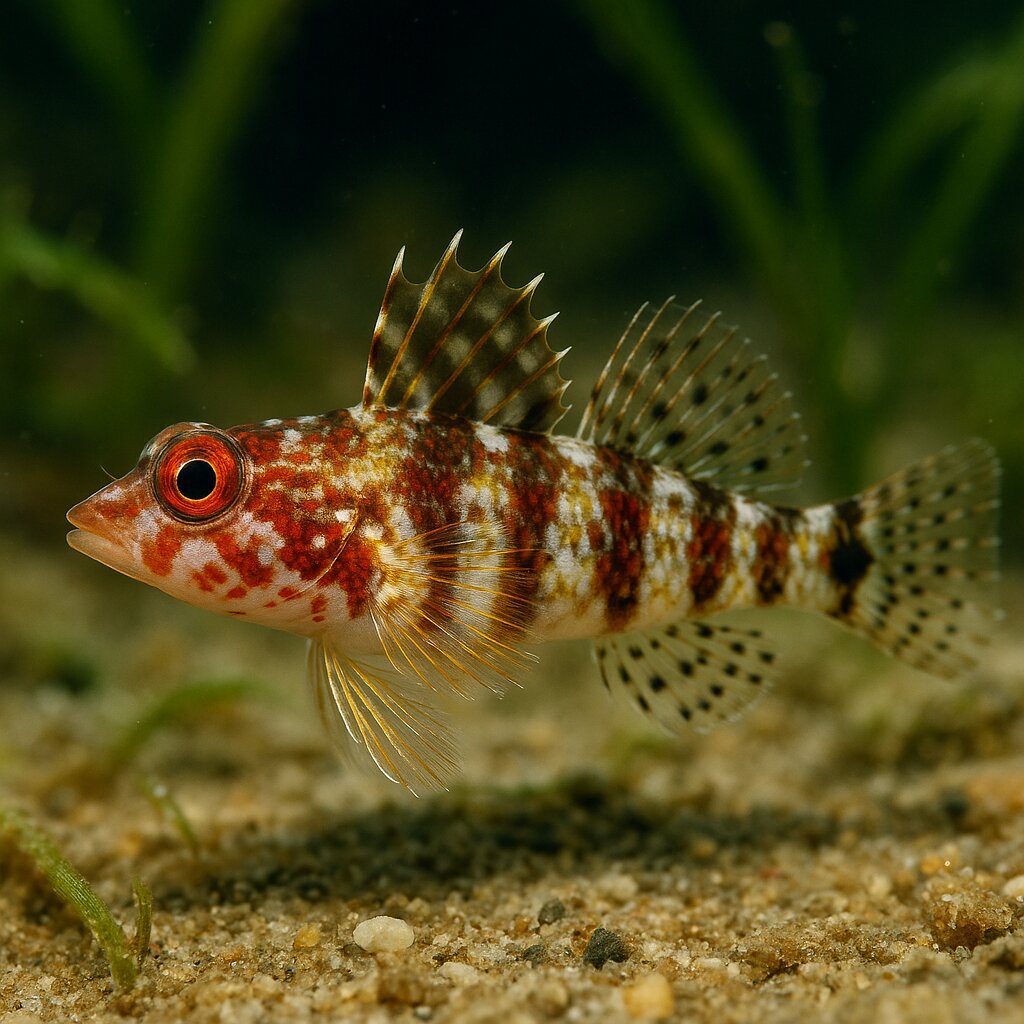
The Miracle triplefin features vibrant orange and blue stripes along its body, complemented by a distinctively elongated dorsal fin.
This page includes AI-generated images. Why am I seeing AI images?
About the Miracle triplefin
This is a tiny reef perch that hops around the rockwork and flashes big pectoral fins and a tall first dorsal when it is fired up. It sticks to outer reef slopes in the Southwest Pacific and tops out around 3 cm, so think micro-reef showpiece rather than community fish. Give it mature live rock full of pods and it becomes a fun little hunter to watch.
Also known as
Quick Facts
Size
3 cm
Temperament
Peaceful
Difficulty
Advanced
Min Tank Size
10 gallons
Lifespan
2-3 years
Origin
Southwest Pacific
Diet
Carnivore - tiny benthic invertebrates like copepods and amphipods; may accept very small frozen foods
Water Parameters
26-29°C
8-8.4
300-400 dGH
Need a heater for this species?
This species needs 26-29°C in a 10 gallon tank. Use our heater calculator to find the right wattage.
Calculate heater sizeCare Notes
- Give them a mature rock-rubble reef with ledges and shaded nooks; 20g+ and a tight lid since they can jump when spooked.
- Keep numbers steady: 1.025-1.026 SG, 75-79 F, pH 8.1-8.4; aim for low nutrients (nitrate under 10-15 ppm, phosphate under 0.1) and high oxygen via surface agitation.
- They hunt microfauna, so feed 2-3 small meals a day of live pods, enriched baby brine, calanus, and finely chopped mysis; target feed with a pipette at their perch.
- Pick gentle, slow feeders for tankmates (neon gobies, clown gobies, small cardinals); skip hawkfish, dottybacks, damsels, big wrasses, and grabby crabs.
- One male per tank unless you have a bigger footprint with sight breaks; a male plus 1-2 females works in 30g+ with extra hides.
- Moderate, non-blasting flow with some calm perches, and give shaded areas since they spend time under ledges.
- Spawning is doable: they stick eggs in crevices and the male guards; raising larvae needs rotifers or copepod nauplii and greenwater, which is a project.
- Big risk is slow starvation in new, sterile tanks; if you see a pinched belly, seed pods, add a refugium, and bump live foods; acclimate slowly and avoid big temp swings.
Compatibility
Good Tankmates
- Tiny peaceful gobies like trimma, eviota, and neon gobies - they mind their business and share rock perches fine.
- Firefish/dartfish (magnifica, decora) - calm midwater buddies; just keep a tight lid since both can jump.
- Mellow nano wrasses like possum wrasse and pink-streaked wrasse - gentle hunters that won't bully; just watch pod competition.
- Small, chill cardinals like threadfins (Zoramia/Apogon leptacanthus) - cruise up top and ignore the triplefin.
- Clown gobies and tailspot blennies - similar vibe and perching style; usually no drama if there's decent rockwork.
Avoid
- Dottybacks and pugnacious basslets (pseudochromis) - they'll hunt or harass small perchers hard.
- Sixline wrasse and other hyper wrasses - too pushy and outcompete for food; often turn on quiet fish.
- Hawkfish - sit-and-pounce predators that may nail a small triplefin.
- Damsels and aggressive clownfish strains - too territorial for a shy little rock sitter.
Where they come from
Miracle triplefins are tiny perchers from shallow tropical Indo-Pacific reefs. You find them tucked into coral rubble, ledges, and surge zones, usually in clear, well-oxygenated water. They hop from rock to rock and watch the world go by like little sentinels.
Setting up their tank
Think mature micro-reef, not a bare quarantine box. They hunt the rock for tiny crustaceans all day, so you want a tank that has real life in it.
- Size: 10-15 gal for a single fish, 20-30 gal for a small group (one male with 2-3 females). Bigger is always easier.
- Age: Let the tank run at least 4-6 months so pods and biofilms establish.
- Rockwork: Lots of nooks, overhangs, and vertical faces. They like to perch facing the current. Add a rubble zone.
- Flow: Moderate to strong, with some turbulence. Give them high-flow perches and quieter retreats.
- Lighting: Anything from low to moderate reef lighting works. They do not need intense light.
- Lid: Tight-fitting mesh lid. These guys can hop and will find gaps.
- Guards: Cover overflows and pump intakes with mesh or sponge so they do not end up in the filter.
- Water: 1.024-1.026 SG, 24-26 C (75-79 F), pH 8.1-8.4, 0 ammonia/nitrite, keep nitrate reasonable (<20 ppm).
If you run a refugium or a pod hotel, place it upstream of their favorite perch so the current delivers snacks right to them.
What to feed them
They are micro-predators. Expect to start with live foods, then work them onto frozen. A constantly replenished pod population makes your life much easier.
- Staples: Live copepods (Tisbe, Tigriopus, Apocyclops). Seed the tank and refugium regularly at first.
- Transition foods: Live baby brine shrimp, enriched for 12-24 hours (Selcon/Algamac) so they are not just empty calories.
- Frozen options they usually accept: Cyclops, calanus, baby brine, finely minced mysis, fish roe. Target-feed with a pipette near their perch.
- Frequency: Small meals 2-4x per day. They have fast metabolisms and small stomachs.
- Dry foods: Rarely taken. Some individuals learn to peck tiny pellets, but do not count on it.
I like to squirt a little cloud of frozen cyclops into the flow just upstream of their favorite rock. They will hop out, pick a few, and retreat. Repeat that a couple times per session.
How they behave and who they get along with
They spend most of the day perched, darting a few inches to snatch moving specks. They are not strong swimmers and they do not compete well with fast, aggressive feeders.
- Temperament: Peaceful but territorial with their own kind, especially males. One male per tank unless you have a larger footprint and clear sight breaks.
- Good tankmates: Small, calm fish that pick rather than chase food - tiny gobies (Trimma, Eviota), clown gobies, small cardinals, pipefish and seahorses in species-focused setups, cleaner shrimp.
- Avoid: Wrasses, dottybacks, damsels, larger clowns, hawkfish, basslets, and anything boisterous or predatory that will outcompete or eat them.
- Reef safety: They ignore corals and clams. They will hunt tiny crustaceans, so extremely small ornamental shrimps can be at risk.
If a fish blasts through feeding time like a missile, it is the wrong roommate. The triplefin will sit there watching its dinner blow past.
Breeding tips
Triplefins are substrate spawners. With good feeding and the right social setup, you can see courtship in a home tank, but raising the larvae is a serious project.
- Setup: One male with 2-3 females, lots of small caves and shells. Males display and guard a nest site.
- Spawning: Eggs are laid on rock or in crevices and guarded by the male. You might spot the male parked at the same hole for days.
- Larvae: Tiny and pelagic. Standard rotifers are often too big; copepod nauplii (Parvocalanus/Acartia) work better. Greenwater method helps keep food density up.
- Plan: If you want to try rearing, pull the egg-laden rock to a separate kreisel or round tub with gentle circular flow right before hatch. Have live foods ready before you ever see eggs.
Sexing is easier in breeding condition: males show stronger contrast and more assertive perching and display behavior around their chosen nest spot.
Common problems to watch for
- Starvation in slow motion: They peck all day but still lose weight if the tank is new or they only get unenriched baby brine. Enrich and feed often.
- Getting outcompeted: If another fish hoovers every morsel first, the triplefin will fade. Solve the roommate problem or target-feed in a quiet corner.
- Jumping and surfing overflows: Use a tight lid and guard intakes.
- Shipping stress and flukes: Quarantine and observe. Praziquantel is usually well-tolerated. Go gentle with harsh meds and keep aeration high.
- Low oxygen: They come from surge zones. Stagnant water or power outages hit them hard. Keep good surface agitation and have a backup air pump.
Do not buy one for a brand new reef. Without a mature pod base, most miracle triplefins waste away even if they peck at food in front of you.
Pick individuals that are alert and perching boldly. In the bag, look for fish that track movement and make short hops. Sunken bellies or listless fish are a hard pass.
Similar Species
Other marine peaceful species you might be interested in.
Abe's eelpout
Japonolycodes abei
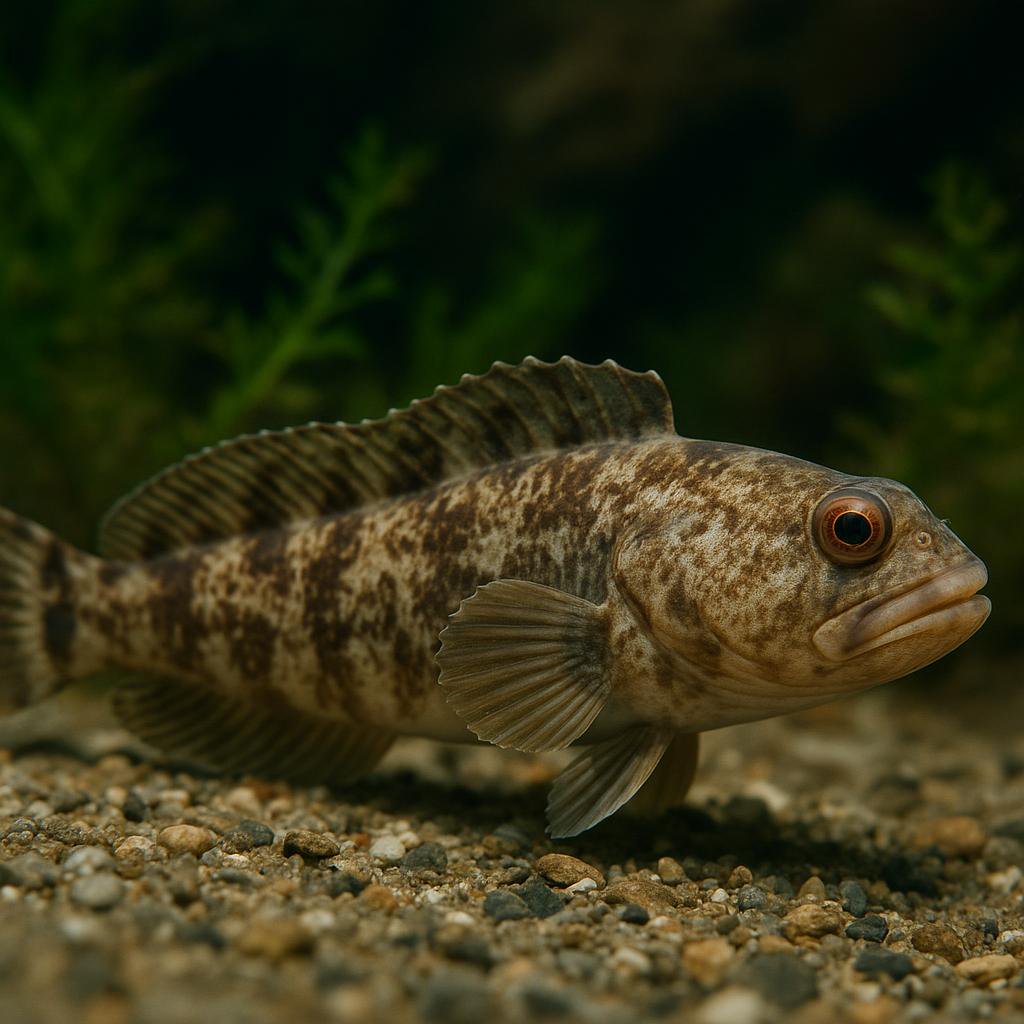
Japonolycodes abei is a temperate, deepwater demersal eelpout (family Zoarcidae) endemic to Japan (Kumano-nada Sea reported; other sources also report Sagami Bay and Tosa Bay). It is the only species in the genus Japonolycodes and occurs roughly 40-300 m depth, making it an uncommon/atypical aquarium species.
Affinis blind cusk-eel
Barathronus affinis
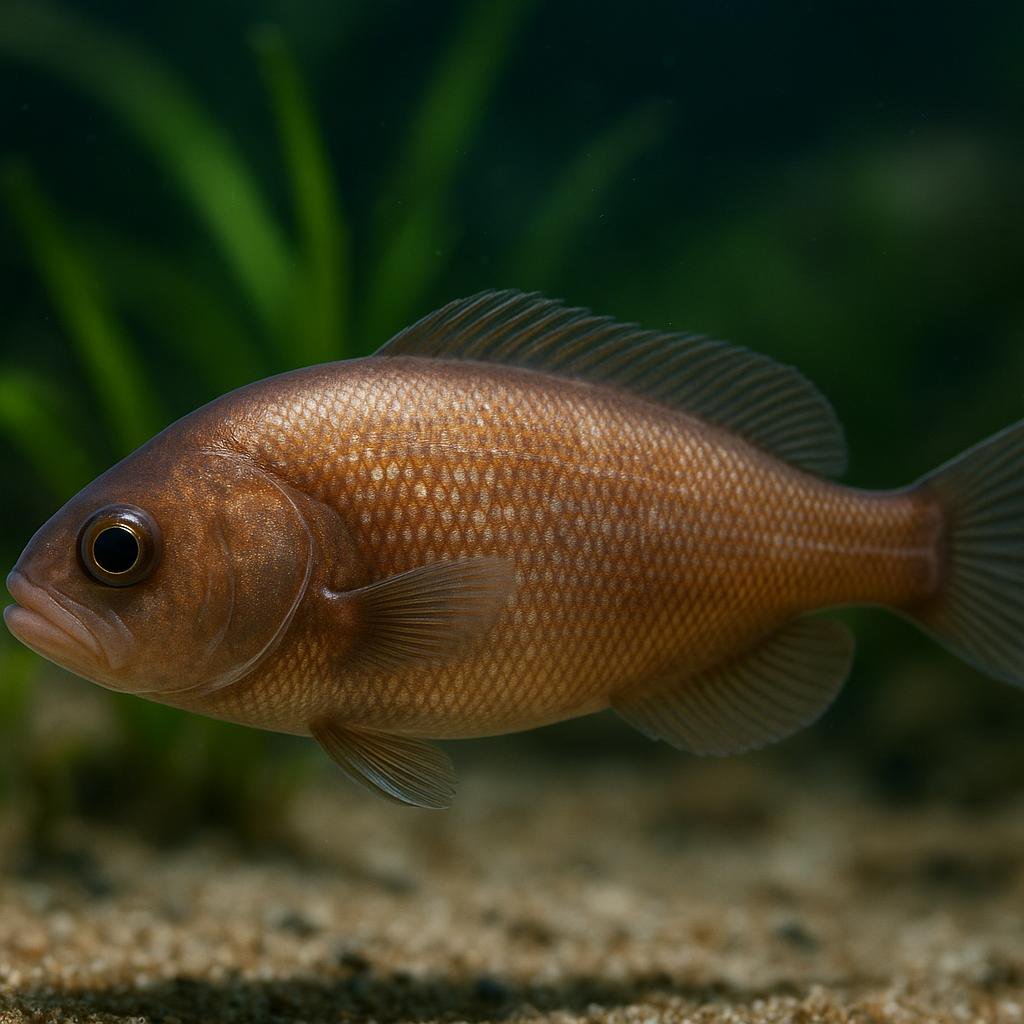
Barathronus affinis is a tiny, super-weird deep-sea blind cusk-eel from the western-central Indian Ocean. It is one of those gelatinous, loose-skinned brotula-type fishes that live way down in the dark and are basically never seen alive, so almost everything we know comes from preserved specimens and taxonomic work.
Allis shad
Alosa alosa
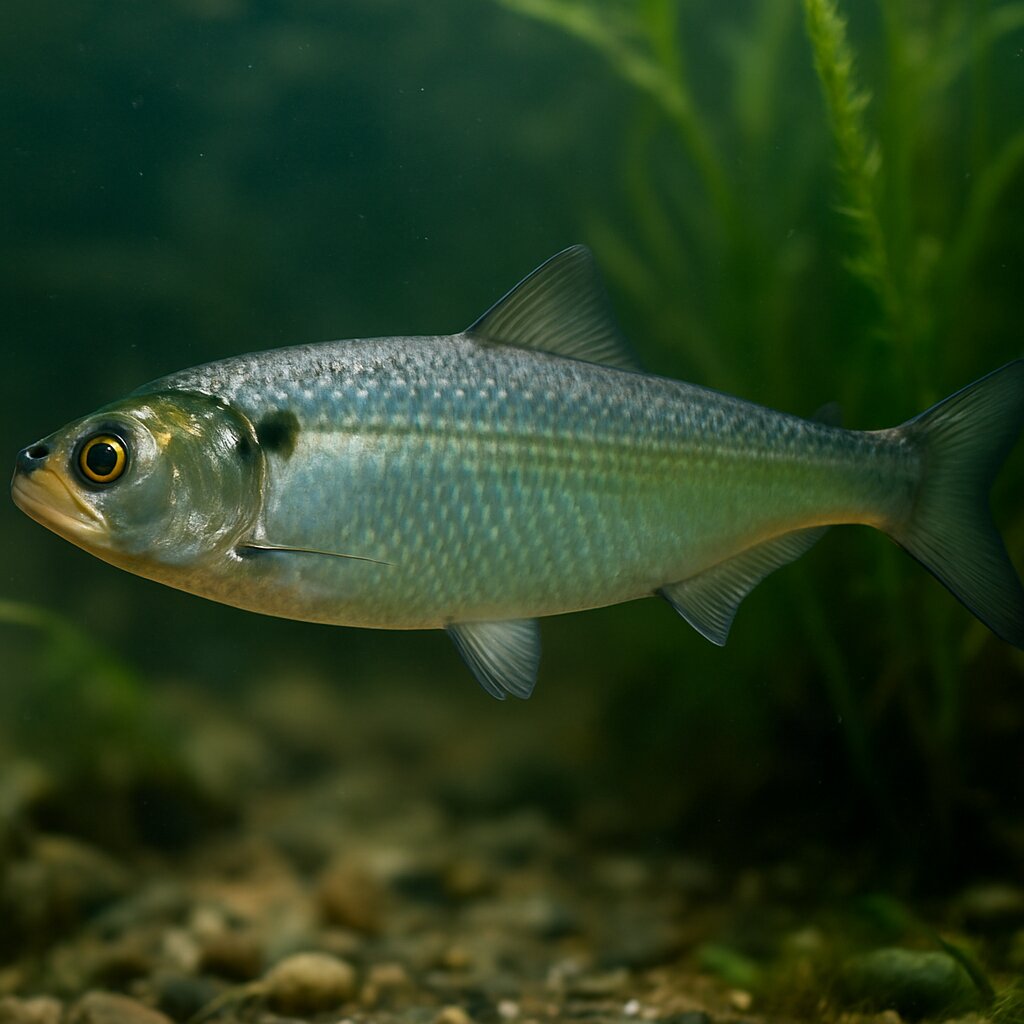
Gorgeous silver, fast-swimming shad that spends most of its life in the sea and then surges up big rivers in noisy, surface-spawning schools. It grows huge for a herring-type fish and needs cool, ultra-oxygenated water and tons of open space, so it is a public-aquarium species rather than a home tank fish.
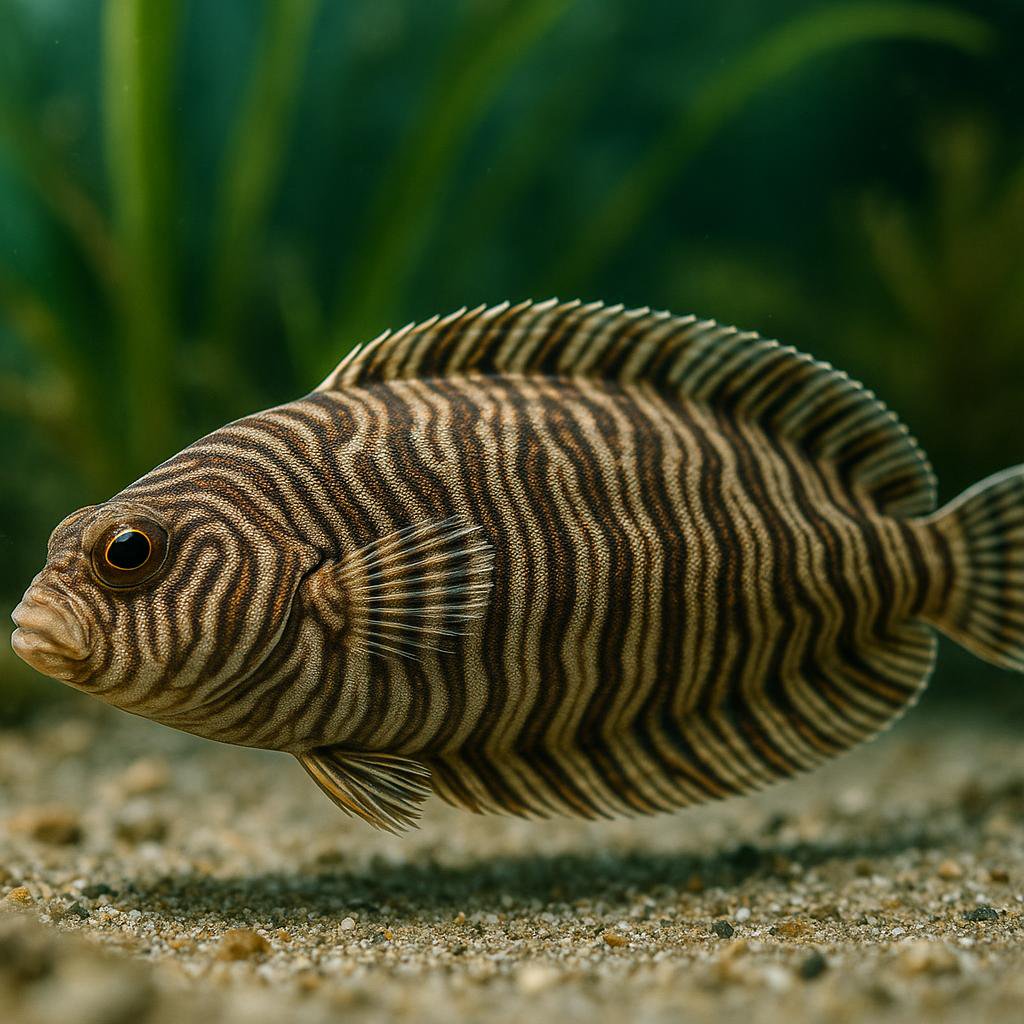
Annandale's zebra sole
Zebrias annandalei
Zebrias annandalei is a small demersal sole from coastal India that inhabits sandy or muddy bottoms and buries for camouflage. It is rarely kept in home aquaria and would require a specialized marine sand-bottom setup and appropriate feeding.
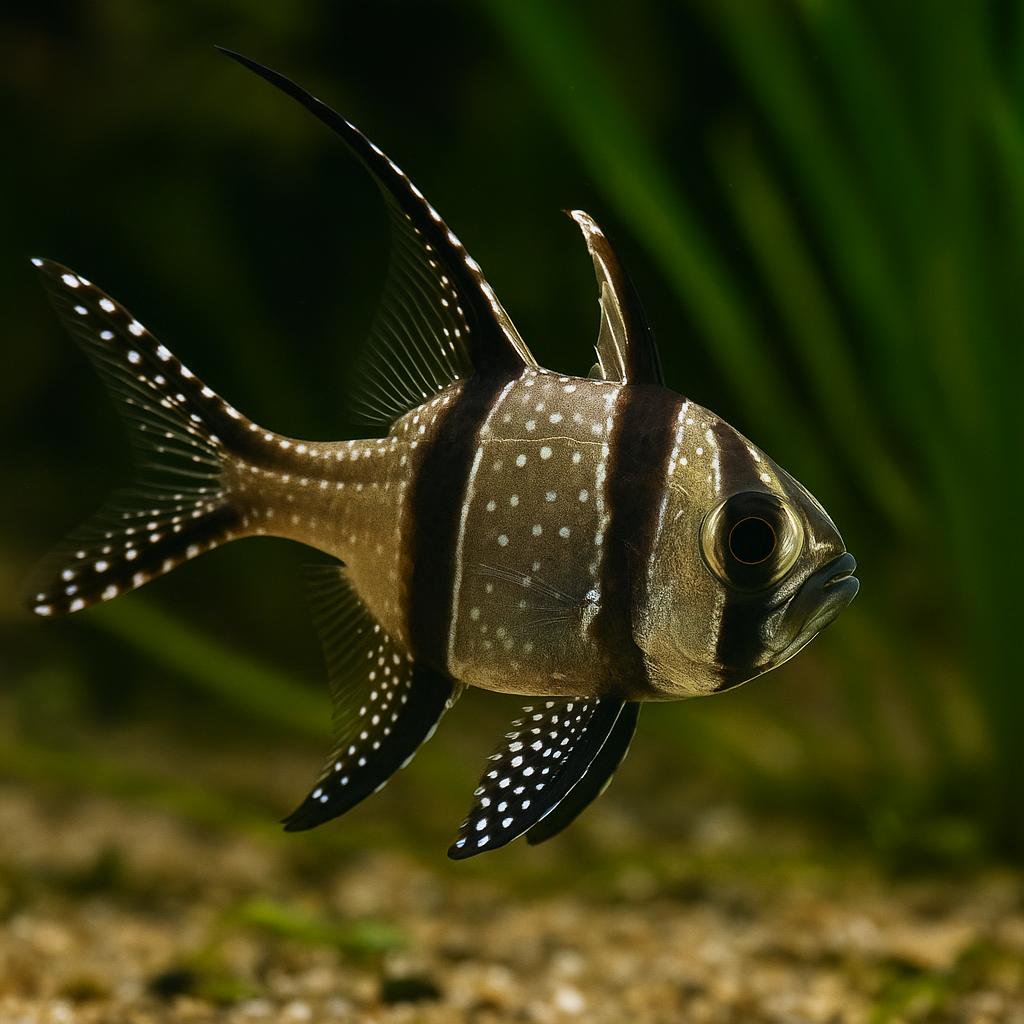
Banggai Cardinalfish
Pterapogon kauderni
Banggai cardinals just sort of hover like little underwater satellites, and the bold black bars with those long, polka-dotted fins look unreal under reef lighting. They're super chill most of the time, but once a pair forms you'll see real "fish drama," and the male will even mouthbrood the babies like a champ.
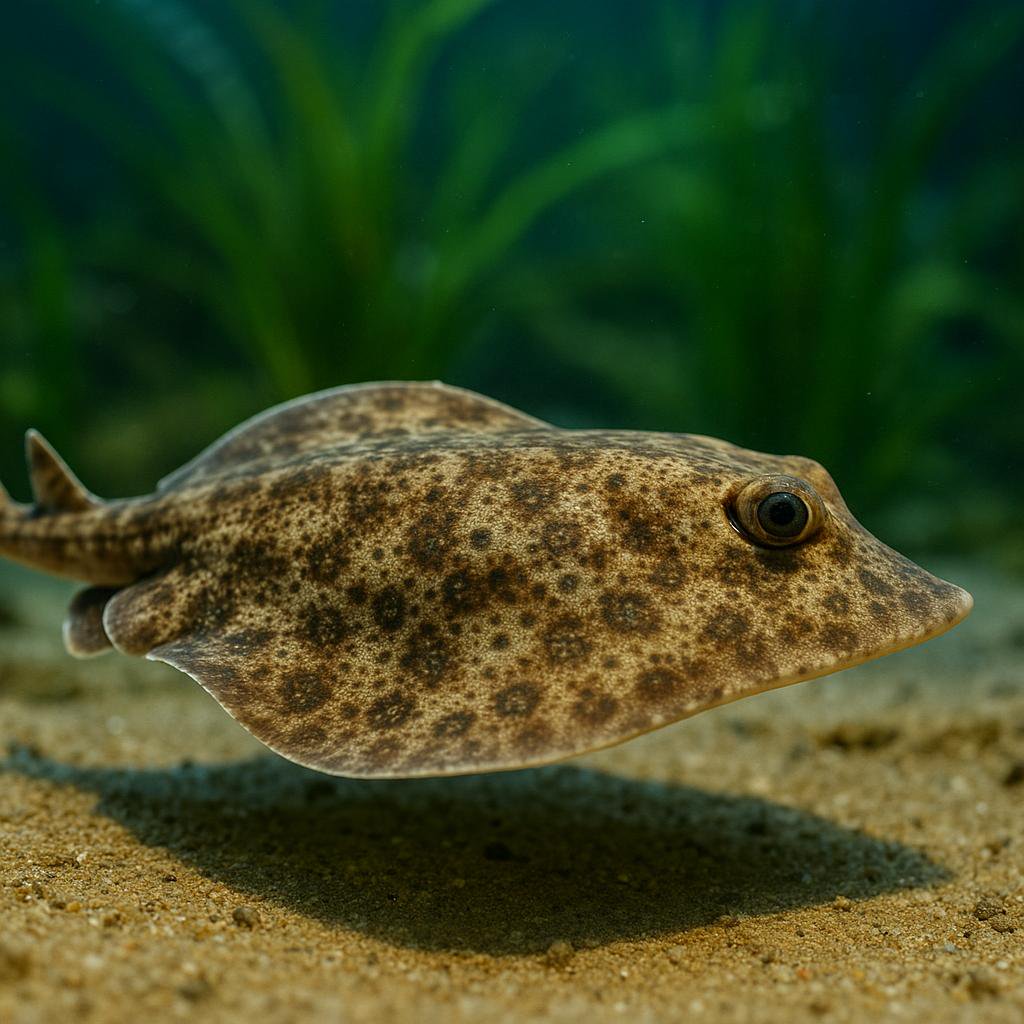
Barbedwire-tailed skate
Notoraja martinezi
Notoraja martinezi is a deepwater skate from the eastern Pacific (Costa Rica down to Ecuador) that lives way down on soft bottoms. The tail is the giveaway - it is lined with strong, hooked thorns that really do look like barbed wire. This is absolutely not an aquarium fish; it is a cold, high-pressure deep-sea animal with basically no practical home care info because it is not kept in the hobby.
More to Explore
Discover more marine species.
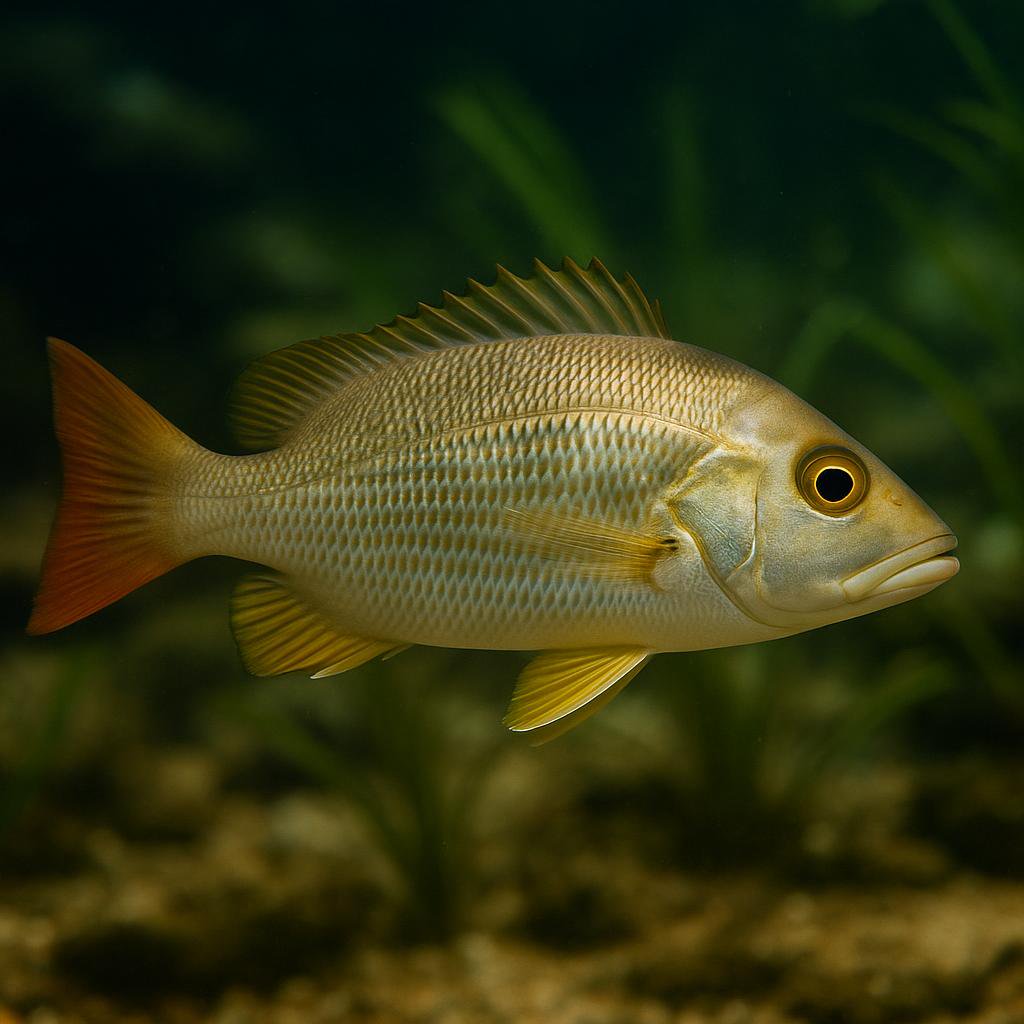
African red snapper
Lutjanus agennes
This is a true snapper from West Africa - a big, fast-growing predator that goes from coastal reefs to brackish lagoons and estuaries (especially as a juvenile). Super cool fish in the wild, but it gets absolutely huge and will eat smaller tankmates once it has the mouth for it, so its really more of a public-aquarium scale animal than a home-aquarium fish.
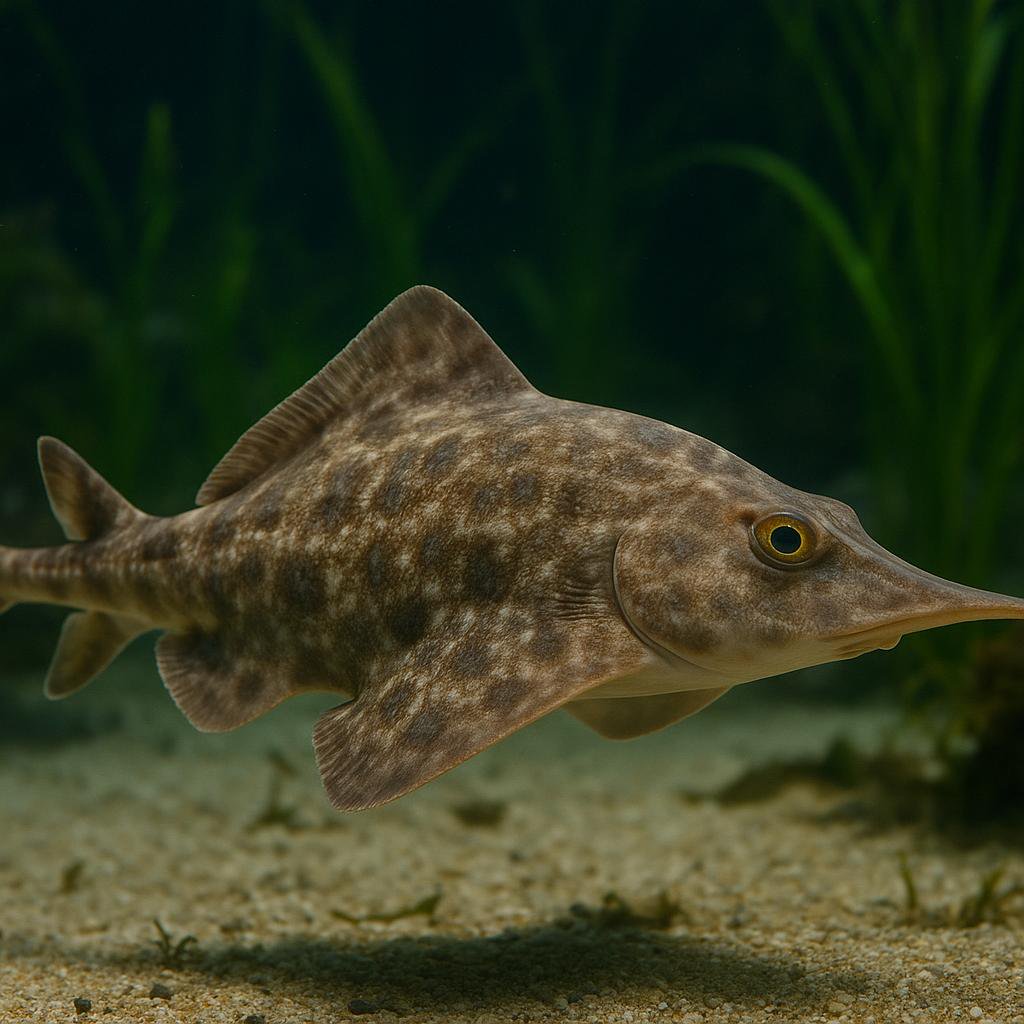
Aleutian skate
Bathyraja aleutica
This is a big, cold-water deep-slope skate from the North Pacific that cruises muddy bottoms and eats chunky benthic prey like crabs and shrimp. The really cool bit is its egg-laying skate life - it does distinct pairing (the classic skate "embrace") and drops those tough egg cases on the seafloor. Not an aquarium fish at all unless you're basically running a public-aquarium-style chilled system.
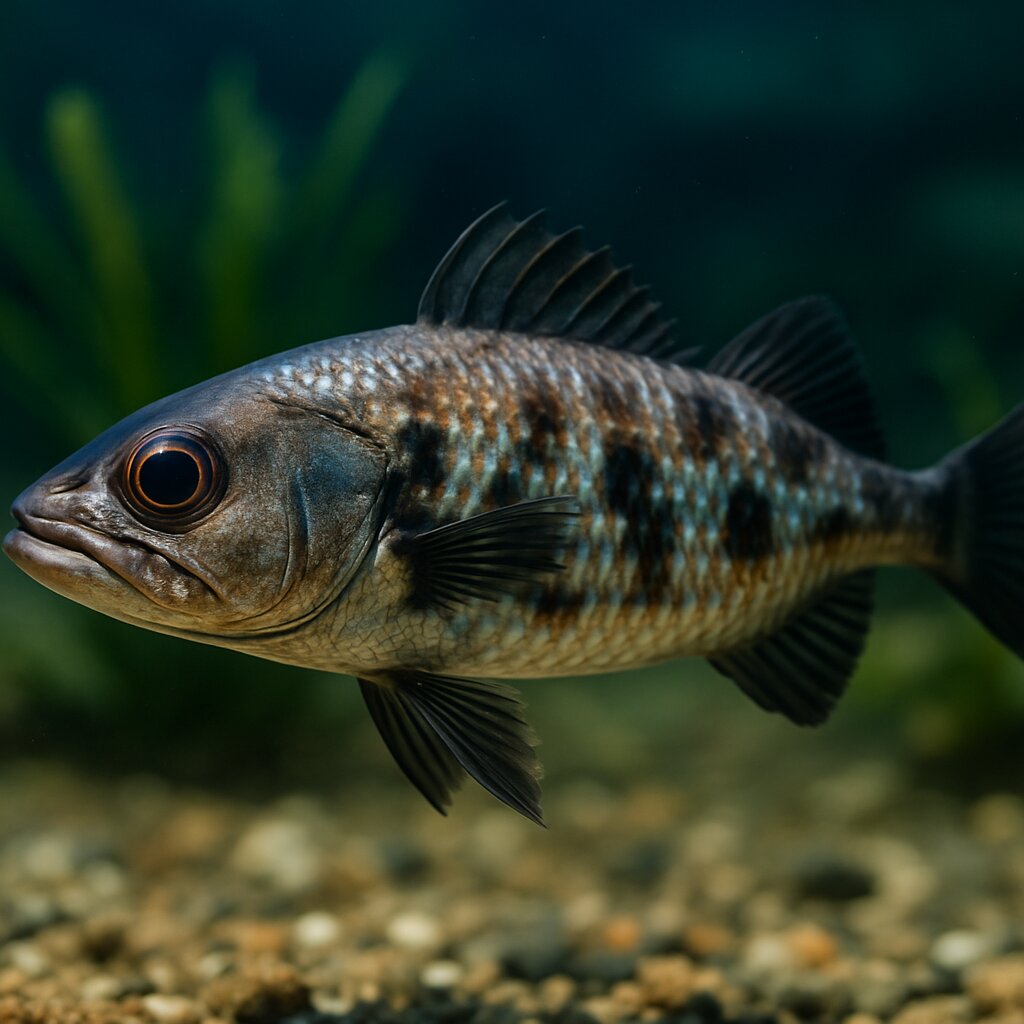
Antarctic dragonfish
Vomeridens infuscipinnis
Deep down around Antarctica, this sleek dragonfish cruises the water column like a little submarine, nearly neutrally buoyant so it can hover above the seafloor. It munches almost exclusively on Antarctic krill and lives in near-freezing water 500-800 m down, so it is a cool species to read about, not one for home tanks.
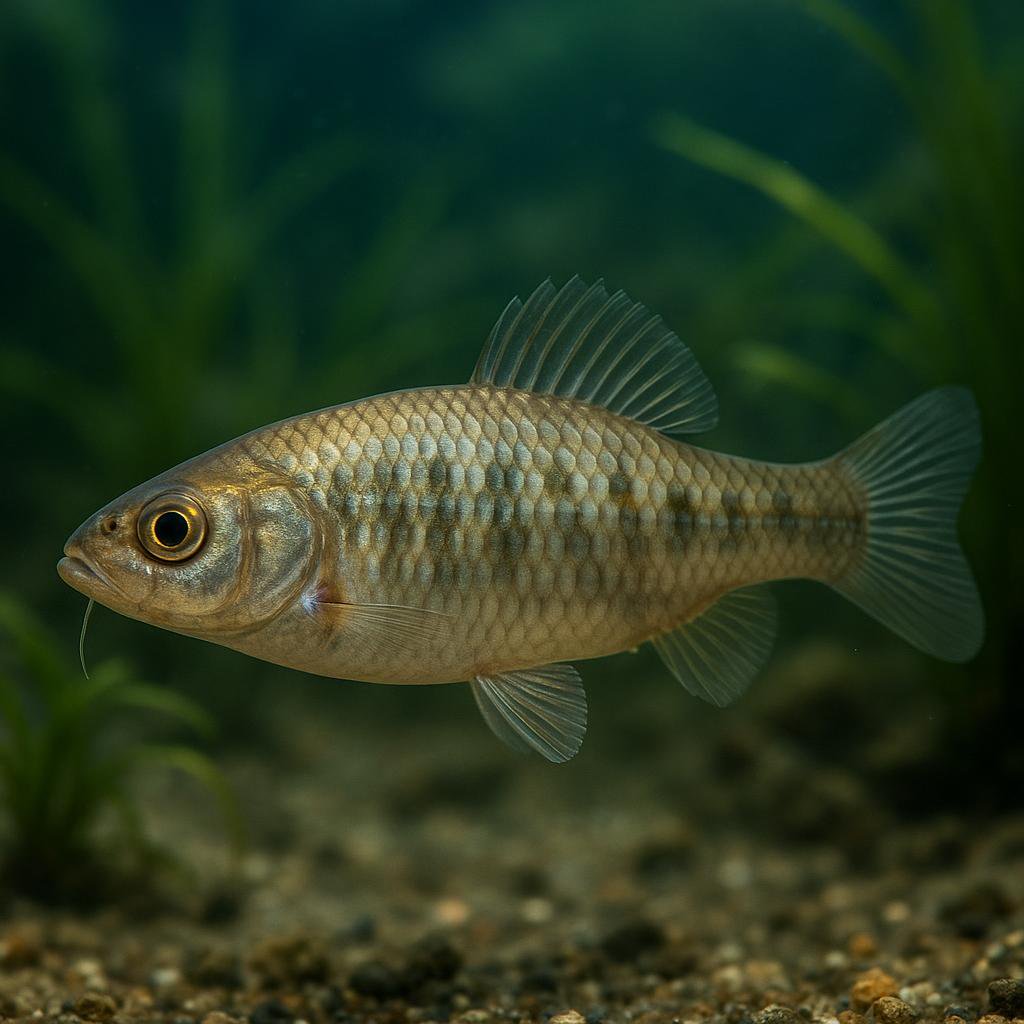
Arabian spiny eel
Notacanthus indicus
Notacanthus indicus is a deep-sea spiny eel (family Notacanthidae; not a true eel) known from the Arabian Sea on the continental slope at roughly ~960–1,046 m depth, with reported maximum length around 20 cm TL; it is a deep-water bycatch species and not established in the aquarium trade.
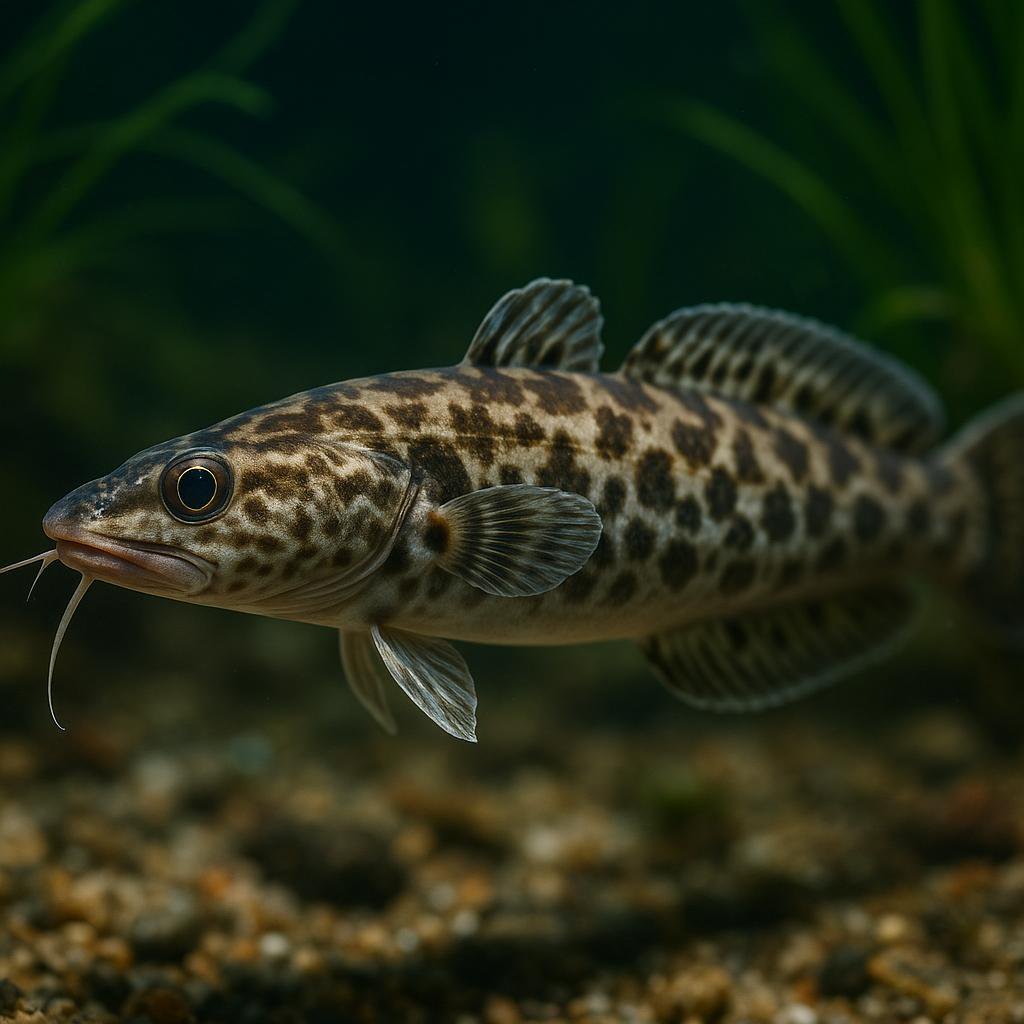
Arctic rockling
Gaidropsarus argentatus
This is a deepwater North Atlantic rockling (a cod relative) that hangs out on soft bottoms way down the slope. It is a cold-water, bottom-hugging predator that snoots around for crustaceans and will also take small fish when it gets the chance.
Atlantic pomfret
Brama brama
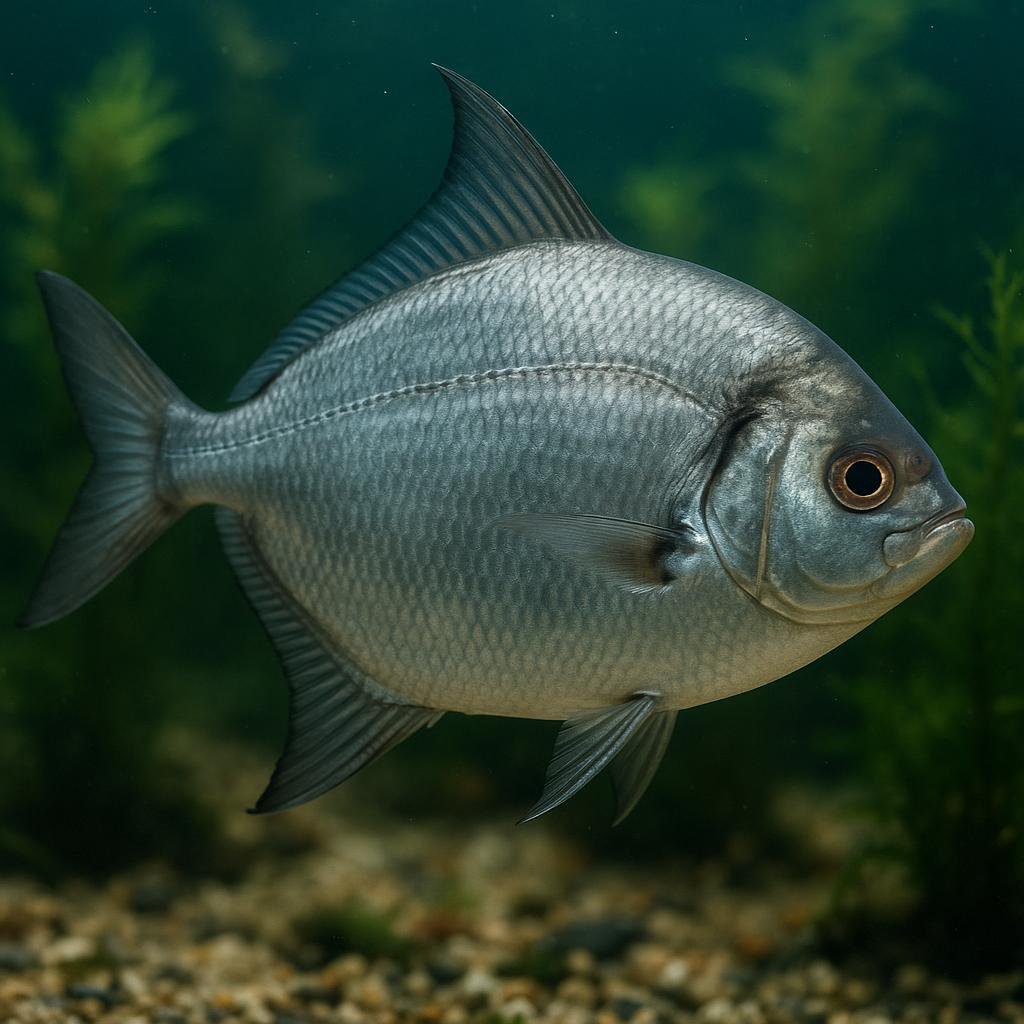
Brama brama is the Atlantic pomfret (aka Ray's bream) - a deep-bodied, open-ocean pelagic fish that cruises around in small schools and follows water temps. It is a legit big, wild marine species (not an aquarium fish) that eats other small sea critters like fish and squid, and it ranges across a huge chunk of the Atlantic plus parts of the Indian and South Pacific.
Looking for other species?