

Sharpchin flyingfish
Fodiator acutus
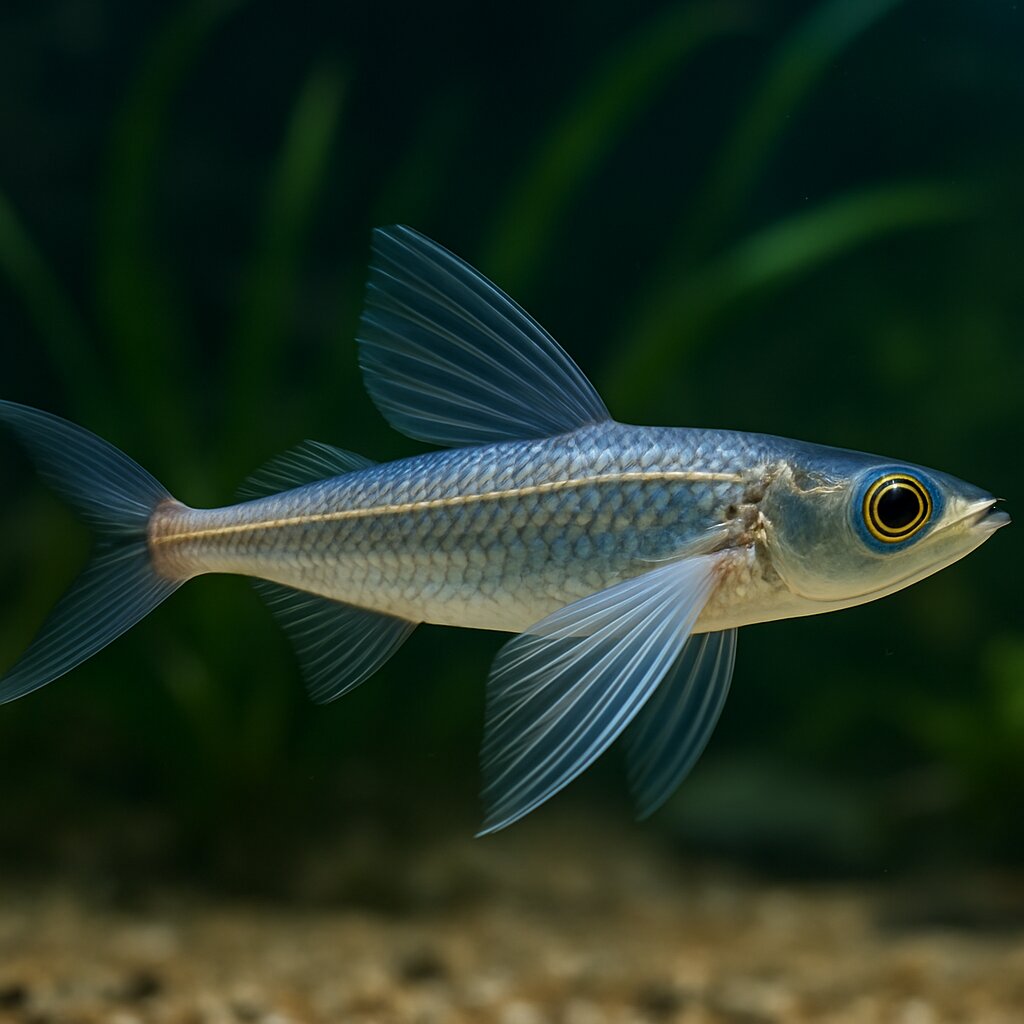
Sharpchin flyingfish features a streamlined body with elongated pectoral fins and a distinctive sharp chin, exhibiting a bluish-grey coloration.
This page includes AI-generated images. Why am I seeing AI images?
About the Sharpchin flyingfish
Think of this as the ocean’s little glider — a sleek, silvery fish that can burst out of the water and coast on those oversized fins. It cruises near the surface in warm seas and snaps up tiny drifting critters. Super cool to watch in the wild, but it really belongs in the open ocean, not a living room tank.
Also known as
Quick Facts
Size
25 cm (10 inches)
Temperament
Peaceful
Difficulty
Expert
Min Tank Size
300 gallons
Lifespan
2-5 years
Origin
Eastern Pacific and Eastern Atlantic
Diet
Carnivore - zooplankton, small crustaceans, fish larvae
Water Parameters
18.1-28.1°C
8.1-8.4
300-400 dGH
Need a heater for this species?
This species needs 18.1-28.1°C in a 300 gallon tank. Use our heater calculator to find the right wattage.
Calculate heater sizeCare Notes
- Give it runway: think 8-10 ft long and 300+ gallons with a totally unobstructed surface lane; lock down a tight 100% cover (fine mesh or polycarbonate) with zero gaps and drop the waterline 2-3 inches.
- Keep water at 76-80 F, sg 1.025-1.026, pH 8.1-8.4; push high oxygen with strong surface agitation and a big skimmer, and run a steady laminar current along the tank length.
- It eats at the surface on the move, so feed 3-5 small meals daily; start with live enriched adult brine or mysids, then wean to frozen mysis/krill and tiny chopped prawn or marine pellets tossed into the surface flow.
- Skip rowdy or nippy tankmates; go with calm midwater fish (chromis, anthias, smaller tangs) and avoid triggers, large wrasses, groupers, lionfish, or anything that slams the surface.
- Quarantine in a long, bare tank with a tight lid and dim lights; hit flukes with praziquantel and internal worms via medicated food (metronidazole/levamisole), and move it out of shipping water fast to dodge ammonia burn.
- Most jumping happens at lights-out, so ramp lights down and leave room lights on low for 20-30 minutes; screen overflows and powerhead intakes so it cannot wedge or shred fins.
- Watch body condition: a hollow spot behind the head means it is underfed; increase feeding frequency and use vitamin/omega enrichments (Selcon) until it fills out.
- Breeding is a long shot in home tanks; they scatter sticky eggs on floating stuff, so if you want to experiment, add floating yarn mops, but larvae need plankton and kreisel-style rearing.
Compatibility
Good Tankmates
- Cardinalfish like Banggai and pajama that hover midwater and wont nip
- Firefish and other dartfish that keep to themselves and wont crowd the surface
- Mellow chromis types (think green chromis) in a roomy tank with good current
- Fairy and flasher wrasses, the gentle reef-safe ones, not the bruiser coris types
- Small gobies and blennies that stick to the rocks and sand and ignore the surface zone
- Peaceful anthias groups, if you can keep up with heavy feeding so nobody gets outcompeted
Avoid
- Predators that swallow slim fish, like lionfish, groupers, or snappers
- Nippy or territorial damsels and sergeant majors that chase open-water fish
- Triggers and big puffers that bite fins or test everything with their teeth
- Very boisterous tangs or surgeonfish gangs that will spook jumpy surface fish
Where they come from
Sharpchin flyingfish are open-ocean sprinters from the eastern Pacific, showing up from the Gulf of California down past Peru and around the Galapagos. You see them at dusk and night near drift lines and flotsam, picking plankton and launching into the air when spooked. They are built for long, fast runs at the surface, not for weaving through rocks like a reef fish.
This species is an expert-only project. Think public-aquarium style space, immaculate water, and a lid that absolutely cannot fail. Most do poorly in home tanks. If you are wavering on any of this, choose another fish.
Setting up their tank
Give them runway, not a maze. Long, open water with strong oxygenation and a bulletproof cover is the whole game. Big footprint beats height every time.
- Tank size and shape: 8 ft x 3 ft footprint or larger is where it starts to make sense. Think 300-500 gallons for a small group. A lagoon or trough-style tank is even better.
- Lid: Solid, tight, and padded. Use polycarbonate sheets or tight 1/8 in mesh with weatherstripping. Cover every gap, overflow, and cable notch. Add a soft bumper strip around the inner rim to prevent snout damage during panicked jumps.
- Flow and gas exchange: Strong surface agitation, high oxygen, and a big skimmer. Aim for a broad gyre rather than chaotic blasts.
- Lighting: Moderate and even. Avoid sudden on-off shocks. Ramp lights up and down or use a dim night light to prevent startle launches.
- Aquascape: Minimal. Keep rockwork low and away from the front 2-3 ft so they have clear lanes. No stinging corals or anemones under their flight path.
- Parameters: 22-25 C, 1.025-1.026 sg, pH 8.1-8.4, ammonia and nitrite 0, nitrate as low as you can keep it reliably (<20 ppm), lots of dissolved oxygen.
Jumping is not a possibility, it is a certainty. They do it at lights-on, lights-off, and any time they are startled. Plan the lid first, then the rest of the build.
Handling and acclimation: Dim the room, float and drip as usual, but move the fish with a large specimen container, not a net. Nets shred those big pectorals. Keep the lid on even during acclimation.
What to feed them
They are surface pickers that chase plankton in current. You will have the best luck starting with moving foods and then sneaking in frozen. Small, frequent feedings beat big meals.
- Starter foods: Live mysis, enriched adult brine shrimp (short term), live copepods and amphipods, small gut-loaded ghost shrimp if available and marine-acclimated.
- Frozen and prepared: PE mysis, chopped krill, chopped raw shrimp, Calanus, enriched brine, prawn roe or other marine fish eggs. They often take fish eggs first.
- Feeding method: Use a feeding ring at the surface and a gentle current so food drifts by like plankton. Target the twilight period when they are most willing.
- Schedule: 3-6 small feedings per day while settling in, then at least 2-3 once they are eating well.
- Supplements: Soak offerings in a HUFA-vitamin product to help with stress and tissue repair.
If they ignore food, kill the flow for 30 seconds, drop a small amount of fish eggs, then restart a gentle surface current. Once they are striking, mix in finely chopped mysis on the next round.
How they behave and who they get along with
They are nervous sprinters, not bullies. Expect lots of circling near the surface, quick dashes, and big startle responses. In groups they pace together, which helps them settle, but that magnifies the space you need.
- Best kept: Species-only or with very calm, midwater planktivores that will not chase the same food aggressively.
- Good maybes: A peaceful Chromis group in a huge system, gentle bannerfish species like Heniochus diphreutes in public-aquarium scale tanks, or marine halfbeaks. Keep stocking light.
- Avoid: Wrasses that patrol the surface, tangs that herd and flash, triggers, groupers, lionfish, jacks, fast damsels, dottybacks. Anything nippy or predatory is a no.
- Reef notes: They ignore corals, but they crash-land. Stinging corals and anemones are a hazard. If you must keep corals, keep them low and away from the open lanes.
One or a small group? A calm single can work, but two may bicker. If you try a group, think 3-5 and very spacious. More bodies without space just means more panic.
Breeding tips
They scatter adhesive eggs on floating debris in the wild. In captivity, you would need floating spawning mops or rafts, very gentle surface flow, and a separate larval setup. If eggs appear, they will stick to the mop by fine filaments.
Hatching and rearing is the roadblock. The larvae are pelagic, tiny, and fragile. You would be running greenwater, dense live copepods, and probably a kreisel-style rearing tank. This is beyond home setups and there are no reliable reports of full-cycle success in hobby tanks. Worth knowing, but do not count on it.
Common problems to watch for
- Jump injuries: Snout abrasions, bent rays in the big pectorals. Pad the rim, close every gap, and keep lighting changes gentle.
- Refusal to eat: Start with motion and scent. Try fish eggs at dusk, then mix in mysis. Keep water spotless to reduce stress.
- Surface crashing: Too-bright lights or sudden on-off triggers this. Use ramps and a dim night light.
- Oxygen stress: They are high-oxygen fish. If they are piping at the surface, boost aeration and check skimmer and flow.
- Shipping wear and bacterial fray: Torn fins and scuffed snouts are common on arrival. Pristine water and vitamin-rich diet usually fix it; avoid rough nets and chasing.
- Parasites: Quarantine is wise but tricky. Use a large, lidded QT with calm flow. Observe for velvet and external worms. Treat only if you are set up to do it safely.
Ethics check: Many flyingfish fail in captivity due to space and stress. If you cannot give them a huge, tightly covered, high-oxygen system and frequent feedings, skip this species. There are plenty of open-water fish that adapt far better.
Similar Species
Other marine peaceful species you might be interested in.
Abe's eelpout
Japonolycodes abei
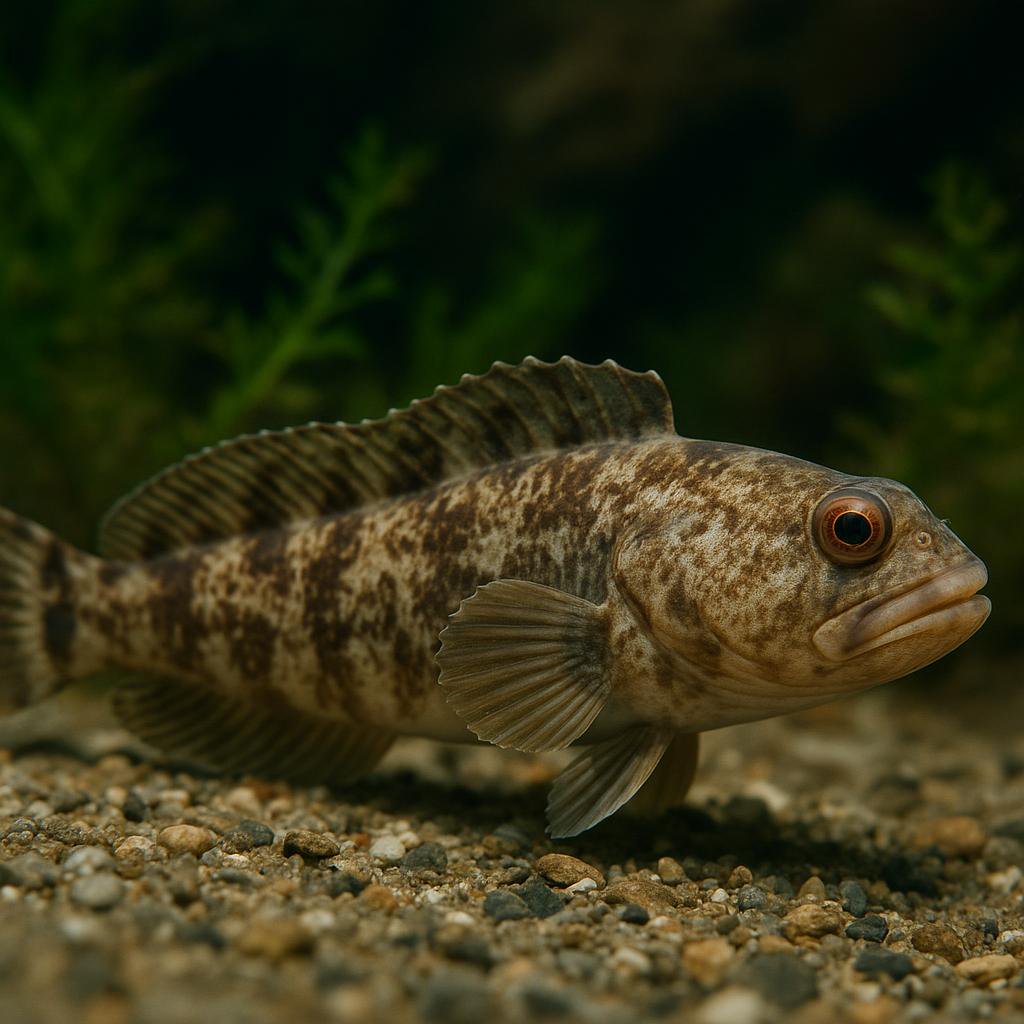
Japonolycodes abei is a temperate, deepwater demersal eelpout (family Zoarcidae) endemic to Japan (Kumano-nada Sea reported; other sources also report Sagami Bay and Tosa Bay). It is the only species in the genus Japonolycodes and occurs roughly 40-300 m depth, making it an uncommon/atypical aquarium species.
Affinis blind cusk-eel
Barathronus affinis
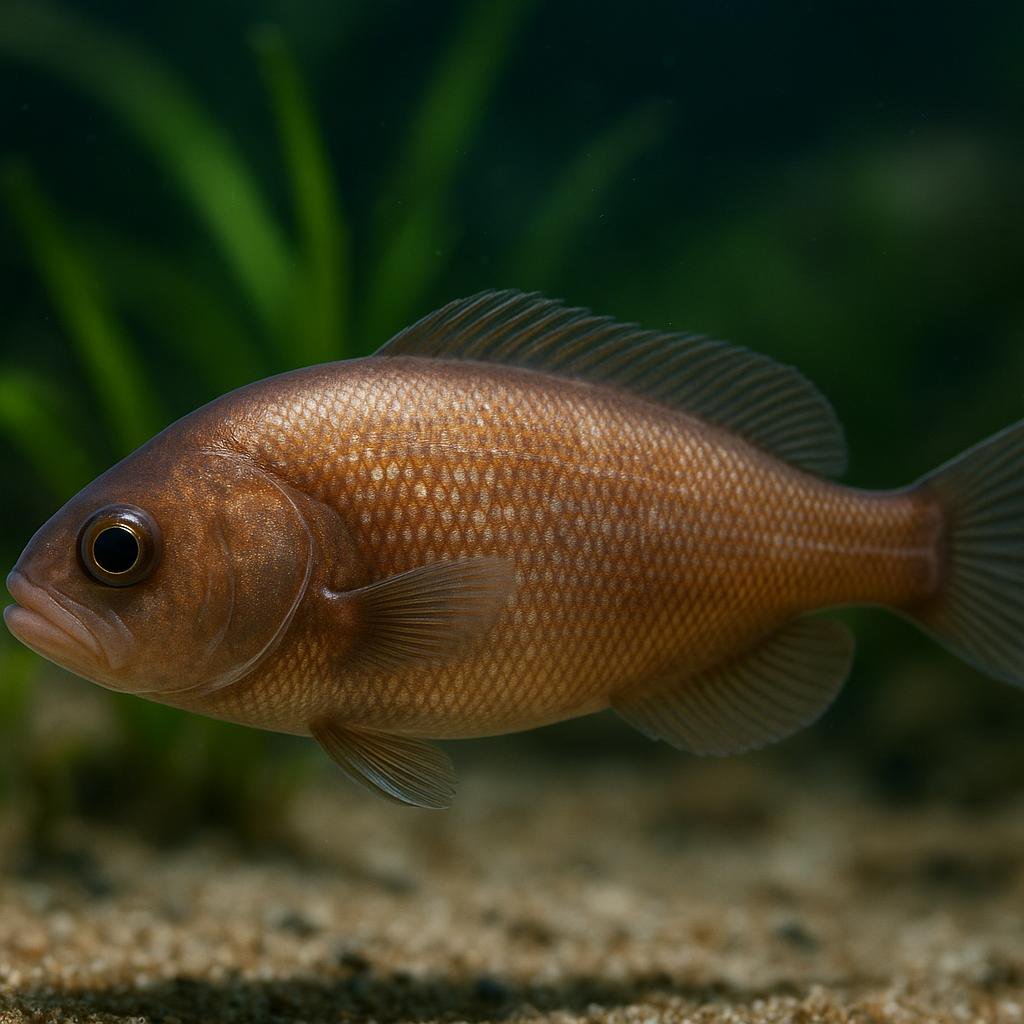
Barathronus affinis is a tiny, super-weird deep-sea blind cusk-eel from the western-central Indian Ocean. It is one of those gelatinous, loose-skinned brotula-type fishes that live way down in the dark and are basically never seen alive, so almost everything we know comes from preserved specimens and taxonomic work.
Allis shad
Alosa alosa
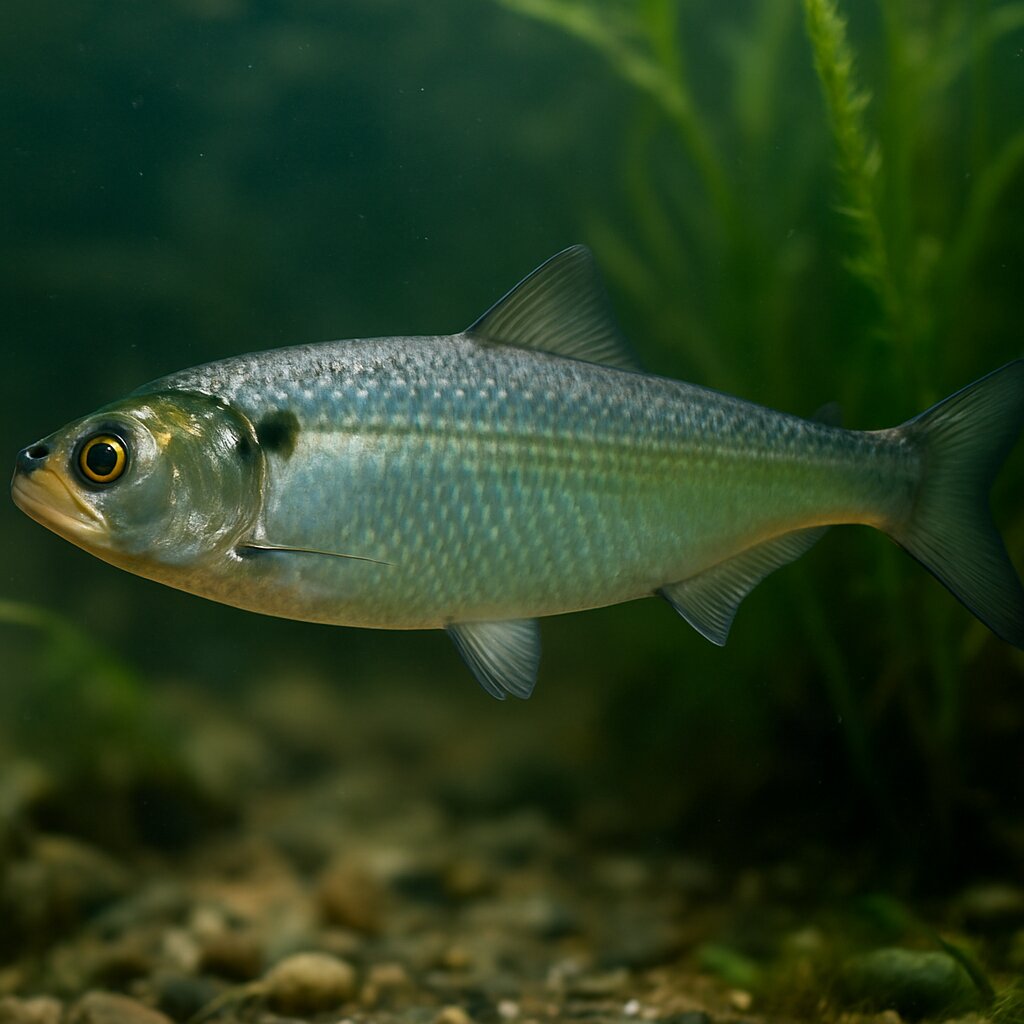
Gorgeous silver, fast-swimming shad that spends most of its life in the sea and then surges up big rivers in noisy, surface-spawning schools. It grows huge for a herring-type fish and needs cool, ultra-oxygenated water and tons of open space, so it is a public-aquarium species rather than a home tank fish.
Annandale's zebra sole
Zebrias annandalei
Zebrias annandalei is a small demersal sole from coastal India that inhabits sandy or muddy bottoms and buries for camouflage. It is rarely kept in home aquaria and would require a specialized marine sand-bottom setup and appropriate feeding.
Banggai Cardinalfish
Pterapogon kauderni
Banggai cardinals just sort of hover like little underwater satellites, and the bold black bars with those long, polka-dotted fins look unreal under reef lighting. They're super chill most of the time, but once a pair forms you'll see real "fish drama," and the male will even mouthbrood the babies like a champ.
Barbedwire-tailed skate
Notoraja martinezi
Notoraja martinezi is a deepwater skate from the eastern Pacific (Costa Rica down to Ecuador) that lives way down on soft bottoms. The tail is the giveaway - it is lined with strong, hooked thorns that really do look like barbed wire. This is absolutely not an aquarium fish; it is a cold, high-pressure deep-sea animal with basically no practical home care info because it is not kept in the hobby.
More to Explore
Discover more marine species.
African red snapper
Lutjanus agennes
This is a true snapper from West Africa - a big, fast-growing predator that goes from coastal reefs to brackish lagoons and estuaries (especially as a juvenile). Super cool fish in the wild, but it gets absolutely huge and will eat smaller tankmates once it has the mouth for it, so its really more of a public-aquarium scale animal than a home-aquarium fish.
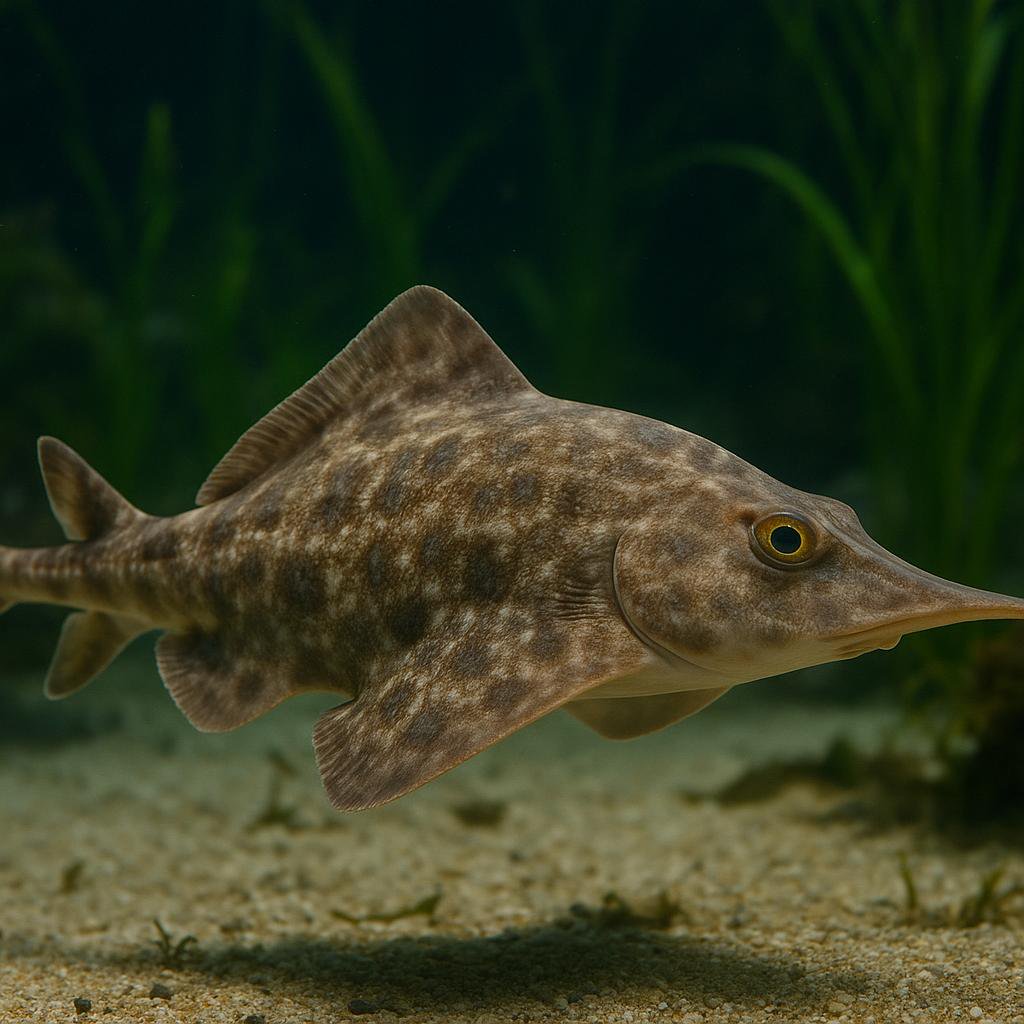
Aleutian skate
Bathyraja aleutica
This is a big, cold-water deep-slope skate from the North Pacific that cruises muddy bottoms and eats chunky benthic prey like crabs and shrimp. The really cool bit is its egg-laying skate life - it does distinct pairing (the classic skate "embrace") and drops those tough egg cases on the seafloor. Not an aquarium fish at all unless you're basically running a public-aquarium-style chilled system.
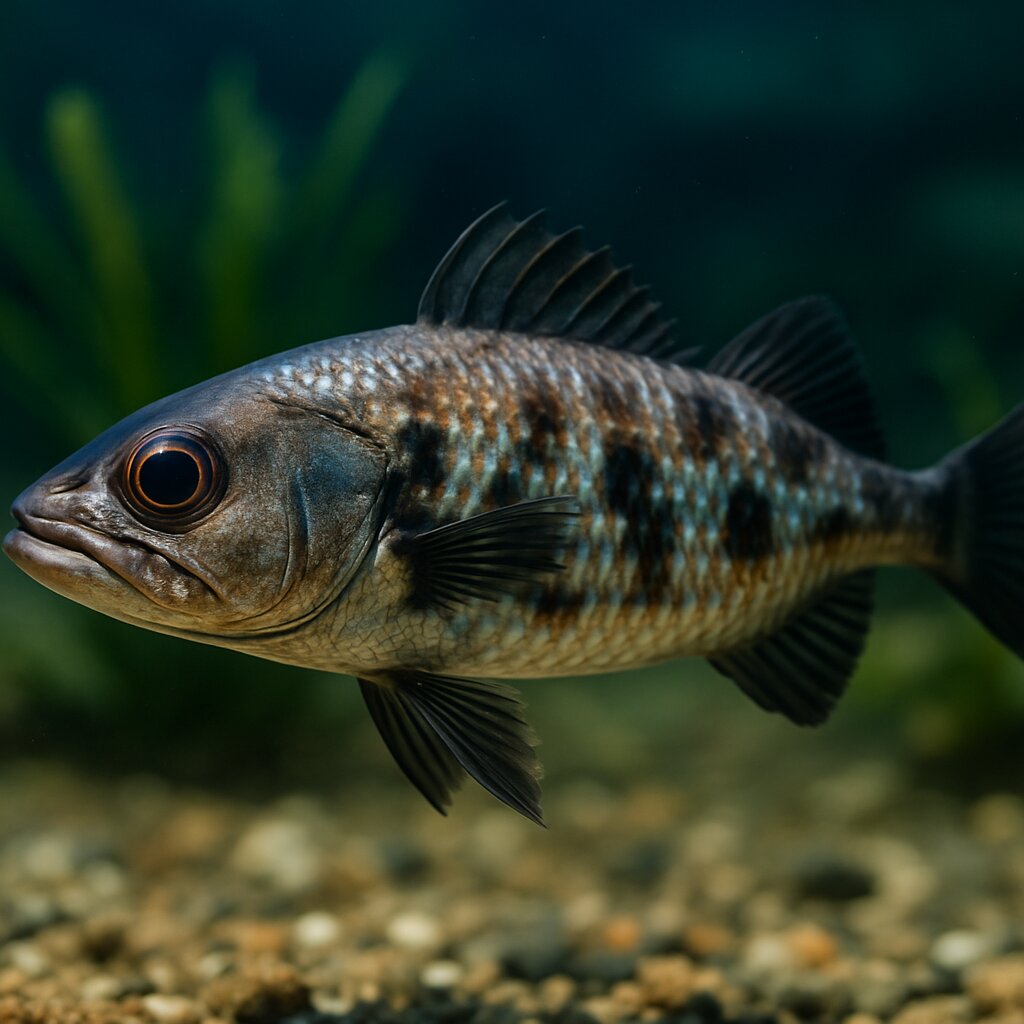
Antarctic dragonfish
Vomeridens infuscipinnis
Deep down around Antarctica, this sleek dragonfish cruises the water column like a little submarine, nearly neutrally buoyant so it can hover above the seafloor. It munches almost exclusively on Antarctic krill and lives in near-freezing water 500-800 m down, so it is a cool species to read about, not one for home tanks.
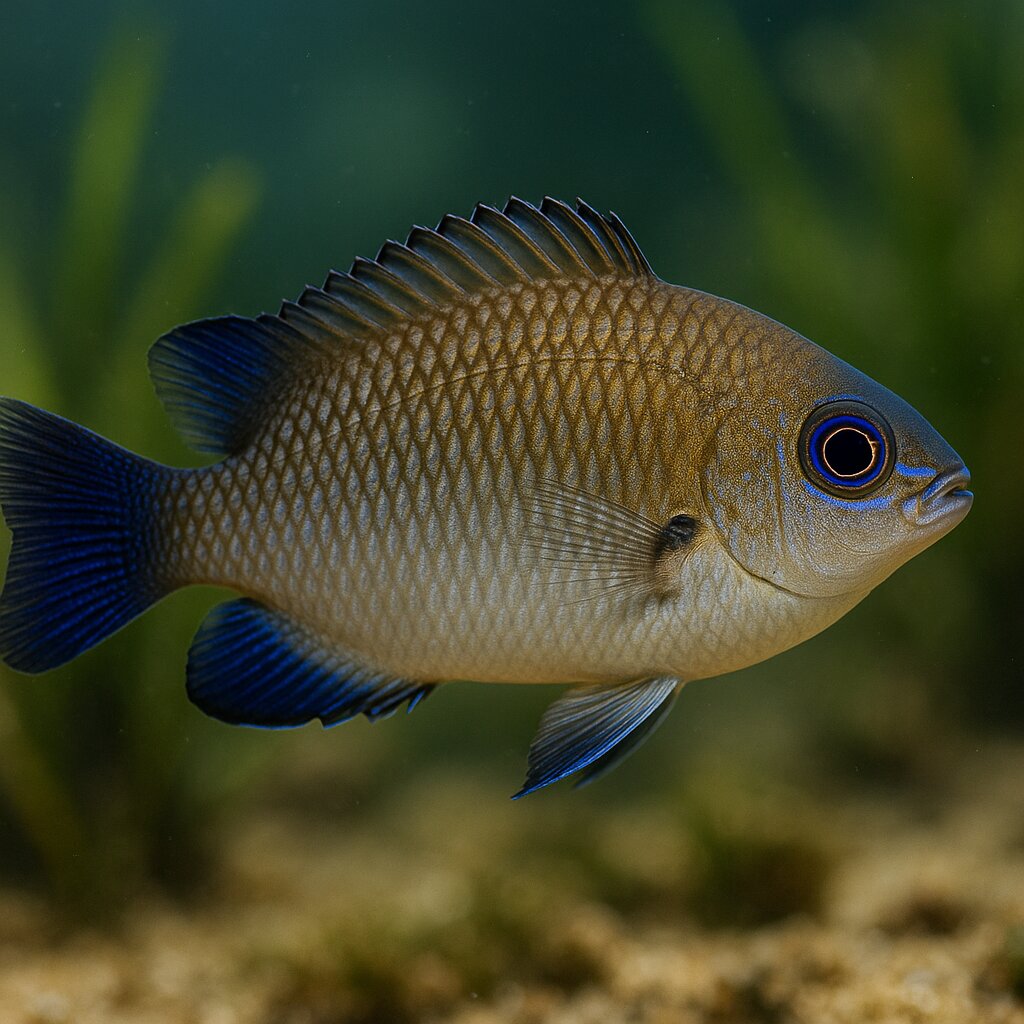
Arabian demoiselle
Neopomacentrus sindensis
A small lyretail damsel from the Persian Gulf and Arabian Sea, it hangs in loose groups around coral heads, rocks, and even pier pilings picking zooplankton from the flow. Think classic damsel toughness with a slightly milder attitude than the real bruisers, plus subtle yellow tail accents. Males clean a patch, get a mate to lay eggs there, and then stand guard fanning the clutch.
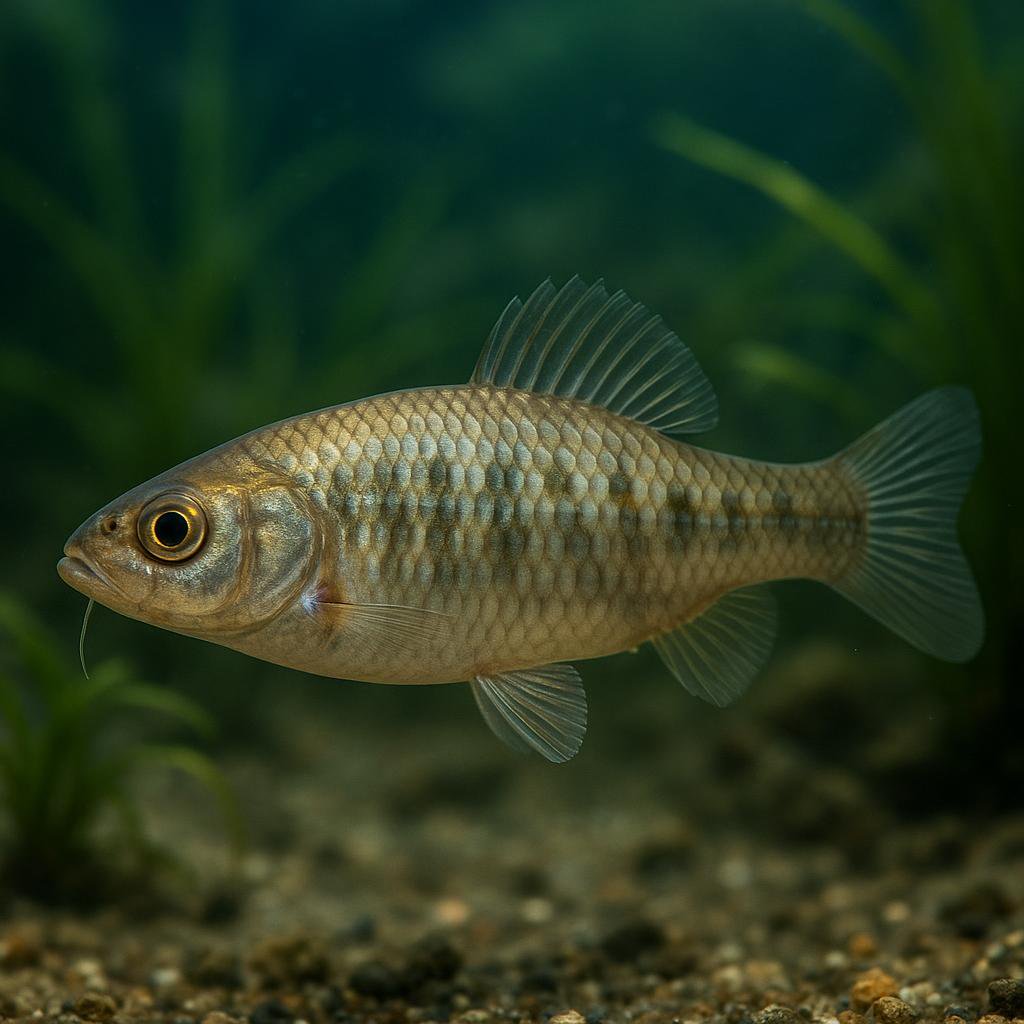
Arabian spiny eel
Notacanthus indicus
Notacanthus indicus is a deep-sea spiny eel (family Notacanthidae; not a true eel) known from the Arabian Sea on the continental slope at roughly ~960–1,046 m depth, with reported maximum length around 20 cm TL; it is a deep-water bycatch species and not established in the aquarium trade.
Arctic rockling
Gaidropsarus argentatus
This is a deepwater North Atlantic rockling (a cod relative) that hangs out on soft bottoms way down the slope. It is a cold-water, bottom-hugging predator that snoots around for crustaceans and will also take small fish when it gets the chance.
Looking for other species?