

Pacific sharpchin flyingfish
Fodiator rostratus
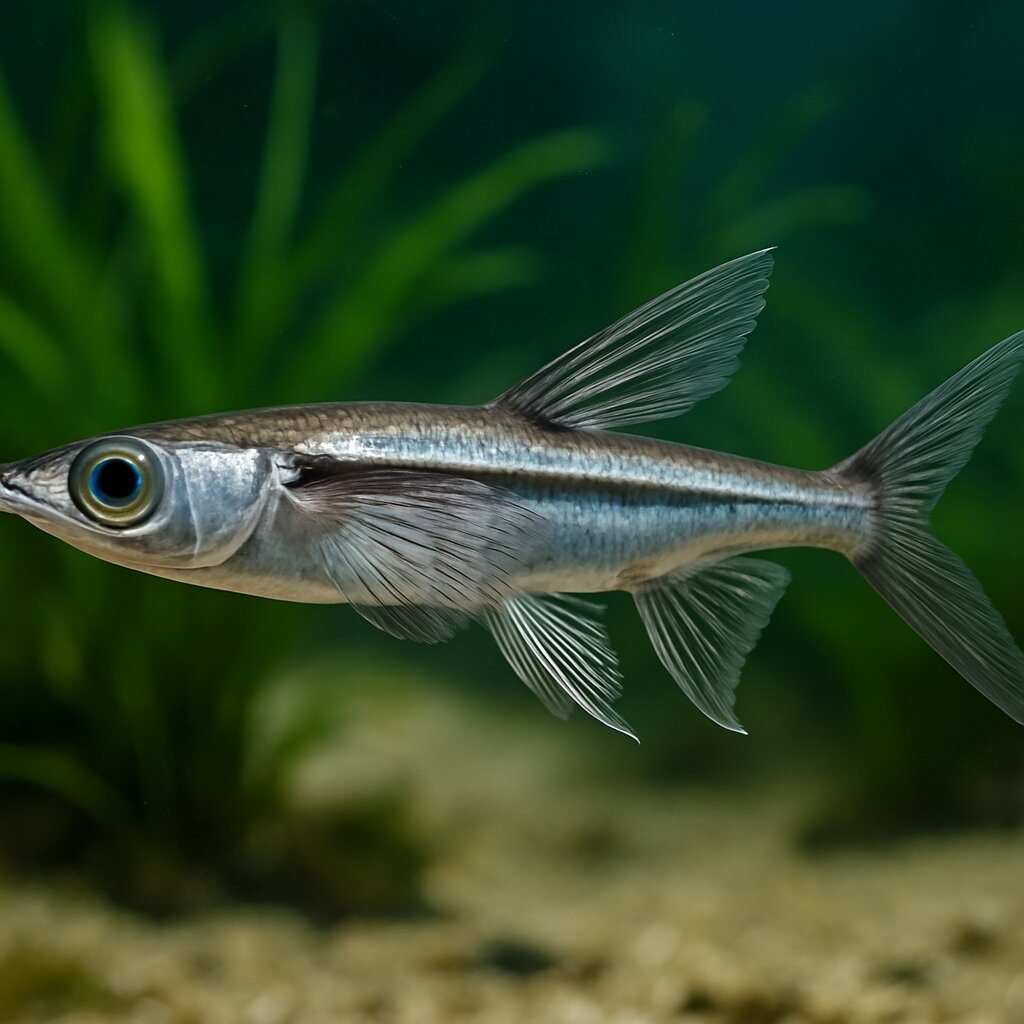
Pacific sharpchin flyingfish showcase a streamlined body with a prominent, sharp chin and long, wing-like pectoral fins, enabling gliding above water.
This page includes AI-generated images. Why am I seeing AI images?
About the Pacific sharpchin flyingfish
A sleek Eastern Pacific flyingfish that skims the surface on big pectoral "wings" and a pointy lower jaw. It is a super fast, open-water planktivore that will rocket right out of a tank, so it really needs public-aquarium scale water and a rock-solid lid. Watching them cruise the surface and burst into glide mode is wild.
Also known as
Quick Facts
Size
7.5 inches
Temperament
Peaceful
Difficulty
Expert
Min Tank Size
300 gallons
Lifespan
1-2 years
Origin
Eastern Pacific
Diet
Planktivore - zooplankton, fish eggs/larvae; in captivity offer small meaty marine foods (mysis, enriched brine, copepods)
Water Parameters
16-26°C
8-8.4
300-400 dGH
Need a heater for this species?
This species needs 16-26°C in a 300 gallon tank. Use our heater calculator to find the right wattage.
Calculate heater sizeCare Notes
- Think public-aquarium scale: 10+ ft long, 500+ gal, mostly open water, and a zero-gap lid using rigid mesh or acrylic because they launch hard.
- Run clean, high-oxygen water with strong skimming and steady laminar flow; aim for 1.025 sg, 24-26 C, pH 8.1-8.4, and nitrate under 20 ppm.
- Keep the scape minimal and smooth, diffuse the lighting, and block reflections on the glass so they do not smash their snout when they spook.
- Start with moving foods at the surface like live mysis, amphipods, and calanus. Then switch to frozen mysis, PE Calanus, small krill, and thin silverside strips; feed 3-5 small meals per day with vitamin-omega enrichments.
- Tankmates need to be fast but calm open-water fish; in a truly huge system a small group added together can work, but skip triggers, big wrasses, lionfish, groupers, and nippy tangs or damsels.
- Quarantine in a long, tightly covered tub with strong aeration and dim light; move them in a water-filled specimen container, not a net, to protect the rostrum and pectorals.
- They panic easily, so ramp lights up and down, keep lids latched after any maintenance, and pad sharp edges or overflows with smooth plastic.
- Breeding-wise they scatter adhesive eggs on floating debris; if they ever spawn, collect eggs on a floating mop, but rearing larvae needs live plankton and kreisel flow that most home setups cannot provide.
Compatibility
Good Tankmates
- Peaceful midwater planktivores like green chromis and Bartletts/lyretail anthias - active but not nippy, and they ignore the flyingfish cruising the top
- Genicanthus angels (swallowtail/lamark) - open-water, non-nippy angels that mind their business
- Fairy and flasher wrasses (Cirrhilabrus/Paracheilinus) - fast but gentle, wont hassle the wings
- Cardinalfish like banggai and pajama - mellow midwater hangers that wont spook surface cruisers
- Bottom types that keep to their lane: sand-sifting gobies and small blennies
- Mellow grazers like kole/tomini tangs and rabbitfish (foxface) in a big tank - busy with algae, not fin-pickers
Avoid
- Anything nippy or mean: triggers, large angels that sample fins (queen/emperor), and combative damsels/sergeant majors
- Ambush or gulp predators: lionfish, scorpionfish, groupers, big hawkfish - a cruising flyingfish becomes a midnight snack
- Hyper-territorial speedsters like sohal, clown, and achilles tangs - they chase and make jumpy fish launch
Where they come from
Pacific sharpchin flyingfish cruise the top few feet of the eastern Pacific, from around Baja/Sea of Cortez down along Central America to Peru. They spend their lives out in the blue, skimming just under the surface by day and coming up to feed at night, often around lights. Think big open water and long, fast sprints.
Setting up their tank
These are open-water missiles. If you do not give them space and a safe ceiling, they will launch, and you will lose them. I only recommend them in very large, rounded tanks or public-aquarium style systems.
- Footprint and volume: start at 400-600 gallons for a small group, bigger is better. Long runs matter more than depth.
- Shape: oval or round corners. Straight glass boxes cause crash injuries. Think lagoon-style or circular.
- Cover: tight, rigid lid with 1/4 inch clear mesh under it. Leave 3-4 inches between waterline and lid. Pad any frame with foam tape or pipe insulation.
- Flow: strong, even, surface-oriented current. Create a gentle raceway the fish can surf. Hide intakes and cover them with fine guards.
- Lighting: moderate and even. Use sunrise/sunset ramps. Sudden on/off makes them bolt.
- Water: 1.024-1.026 SG, 23-26 C (73-79 F), pH 8.1-8.4, high oxygen, very low nutrients. Oversized skimmer and good gas exchange.
- Decor: almost none. Smooth walls, dark background, no sharp rock near the surface.
Expect jump attempts the first week and any time lights change, someone walks up fast, or you open a lid. Keep the room calm. Ramp lights over 45-60 minutes.
Quarantine in a large, dim, bare tub with a tight net lid and rounded corners. Paper the sides so they do not see reflections. Move them with a soft tub, not a net.
What to feed them
They are surface hunters that pick off zooplankton and tiny fishes. Getting them to eat aquarium foods is the make-or-break part. Start with movement at the surface, then transition to frozen.
- Day 1-7: live foods at the surface - live mysid shrimp, enriched adult brine (temporary), live copepods (Acartia/Apocyclops), and small silverside slivers flicked to skip across the top.
- Week 2: introduce frozen Calanus, Cyclops, finely chopped mysis, and fish eggs (capelin/masago). Feed while current pushes food in a loop near the surface.
- Use a floating feeding ring so food does not sink right away. They key in on stuff that skitters.
- Enrich frozen/live with HUFA vitamins (Selcon or similar) for a week or two.
- Frequency: 4-6 small feeds daily at first, then 3-4 once they are steady. They burn calories like crazy.
Clear any oily film on the surface so food spreads and they can breathe well. Aim a gentle return at the surface and skim aggressively.
How they behave and who they get along with
Skittish but curious. They cruise high in the water column, then suddenly sprint. Groups of 3-6 settle better than singletons if the tank is big enough. They do not spar much with each other once food is plentiful.
Tankmates are tricky. Anything fast, nippy, or predatory will keep them on edge. Slow grazers below them are usually fine, but I have had the best outcomes in species-only setups.
- Best: species-only in a huge, calm tank.
- If you must mix: peaceful, non-nippy midwater fish that ignore the surface (think mellow butterflyfish or larger blennies well below them). Test carefully.
- Avoid: triggers, large wrasses, jacks, groupers, aggressive tangs, damsels, dottybacks, and anything that chases movement.
They hate sudden shadows overhead. A dark ceiling or canopy and consistent room traffic patterns help a lot.
Breeding tips
They scatter adhesive eggs near the surface and stick them to floating stuff. Spawning in home tanks is rare, but you can sometimes get eggs if you give them a place to put them.
- Float a few yarn mops or soft spawning brushes near the surface, away from high flow.
- Run a dim blue moonlight schedule. Spawning (if it happens) is usually at night or early morning.
- Check mops daily. Eggs have tendrils and will cling. Move them to a gentle, round hatching tub with the same water.
- Larvae need greenwater and tiny live copepods (Parvocalanus/Acartia nauplii). Bubbles should be incredibly soft, or use a kreisel-style flow.
- Be realistic: rearing rates are very low without dedicated plankton culture. This is a project for advanced breeders with copepod systems already running.
Do not try to raise larvae on newly hatched brine alone. They will starve. Copepod nauplii are the size and swim pattern they cue on.
Common problems to watch for
- Jump injuries: snout and eye scrapes from hitting lids. Pad hard edges and give headroom.
- Starvation: they look busy but may not actually eat. Watch bellies and feces, not just strike attempts.
- Shipping stress and parasites: flukes and Cryptocaryon show up often. Gentle, roomy quarantine with observation and targeted treatments (prazipro for flukes; copper only if you can monitor closely).
- Fin fray and secondary infections: any abrasion can go south fast. Keep water ultra clean; have a broad-spectrum antibiotic on hand in a hospital tub.
- Surface hypoxia: if they hang and gulp at the top, you need more gas exchange and flow.
This species is an expert-only project. If your setup is not huge, rounded, tightly covered, and already stable, do not attempt it. Most losses come from jumping and slow starvation, not disease.
Similar Species
Other marine peaceful species you might be interested in.
Abe's eelpout
Japonolycodes abei
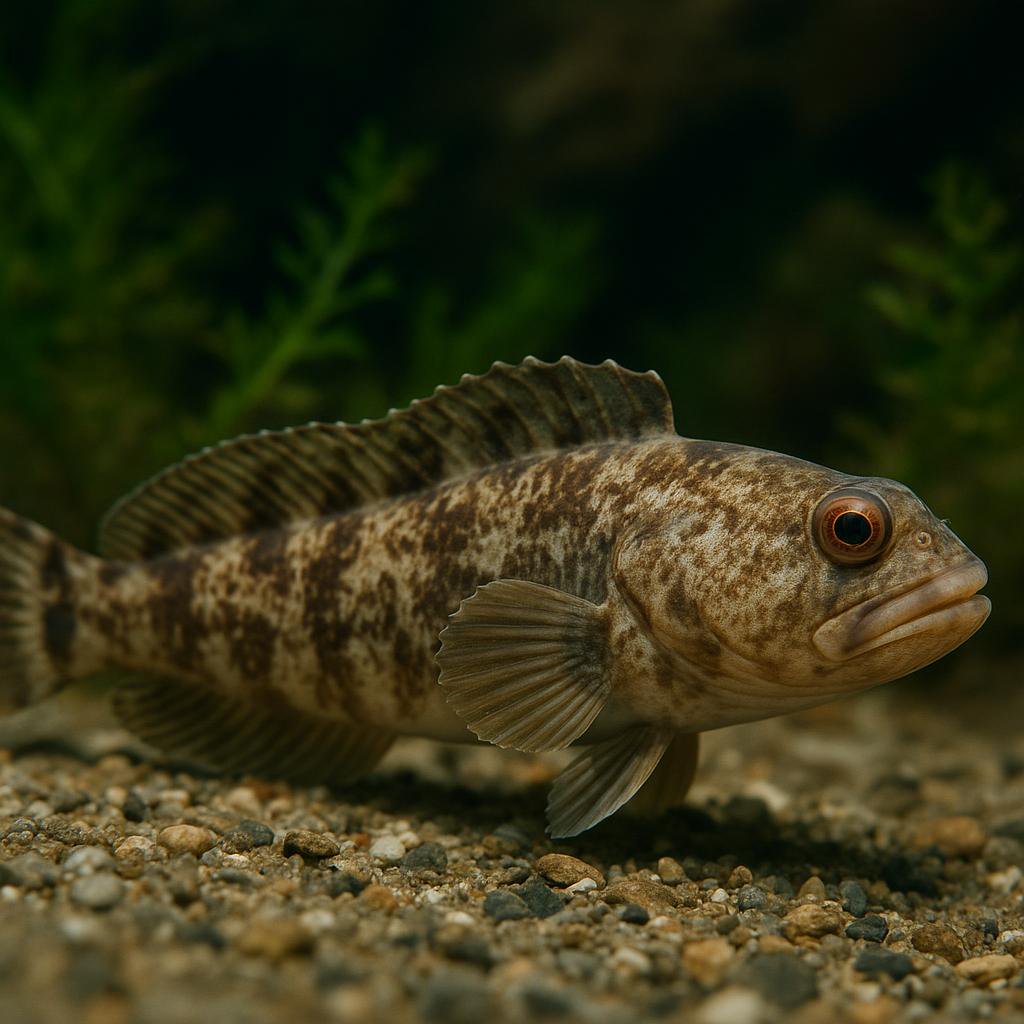
Japonolycodes abei is a temperate, deepwater demersal eelpout (family Zoarcidae) endemic to Japan (Kumano-nada Sea reported; other sources also report Sagami Bay and Tosa Bay). It is the only species in the genus Japonolycodes and occurs roughly 40-300 m depth, making it an uncommon/atypical aquarium species.
Affinis blind cusk-eel
Barathronus affinis
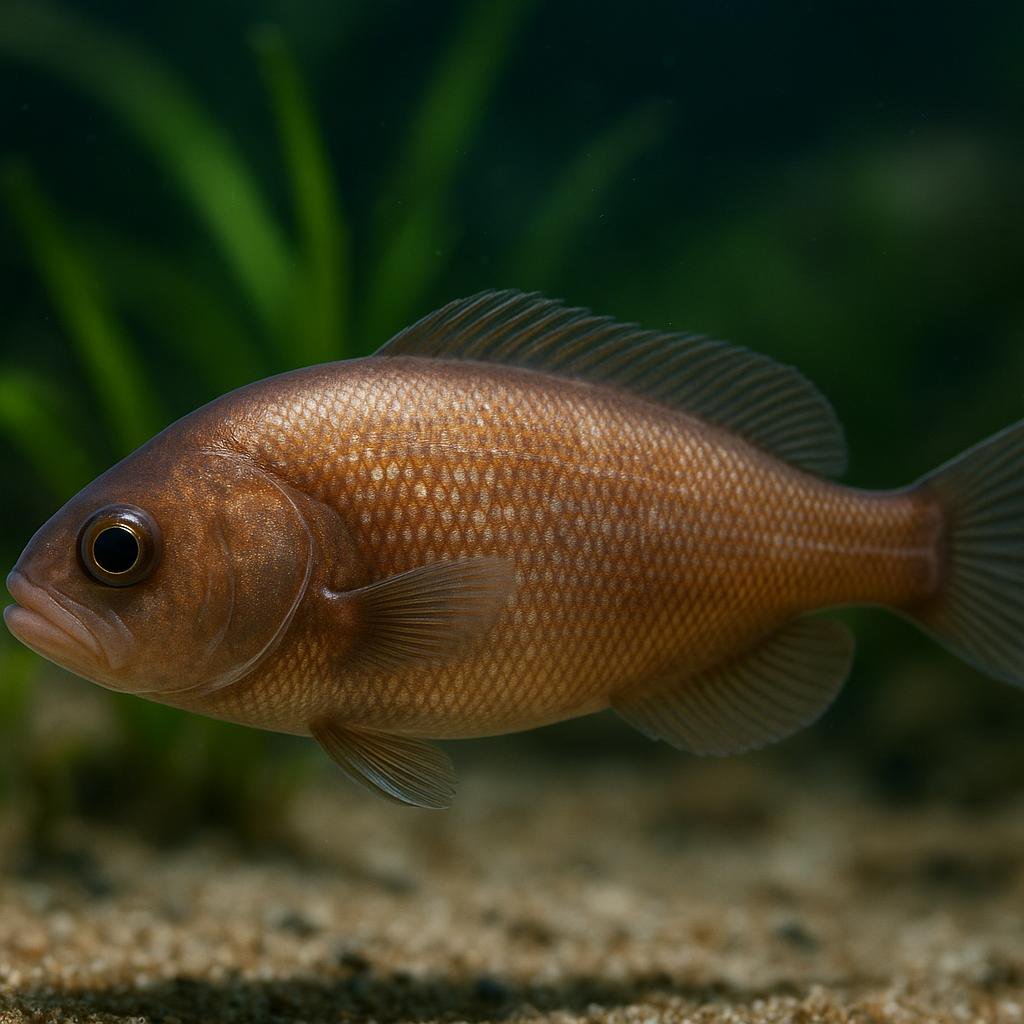
Barathronus affinis is a tiny, super-weird deep-sea blind cusk-eel from the western-central Indian Ocean. It is one of those gelatinous, loose-skinned brotula-type fishes that live way down in the dark and are basically never seen alive, so almost everything we know comes from preserved specimens and taxonomic work.
Allis shad
Alosa alosa
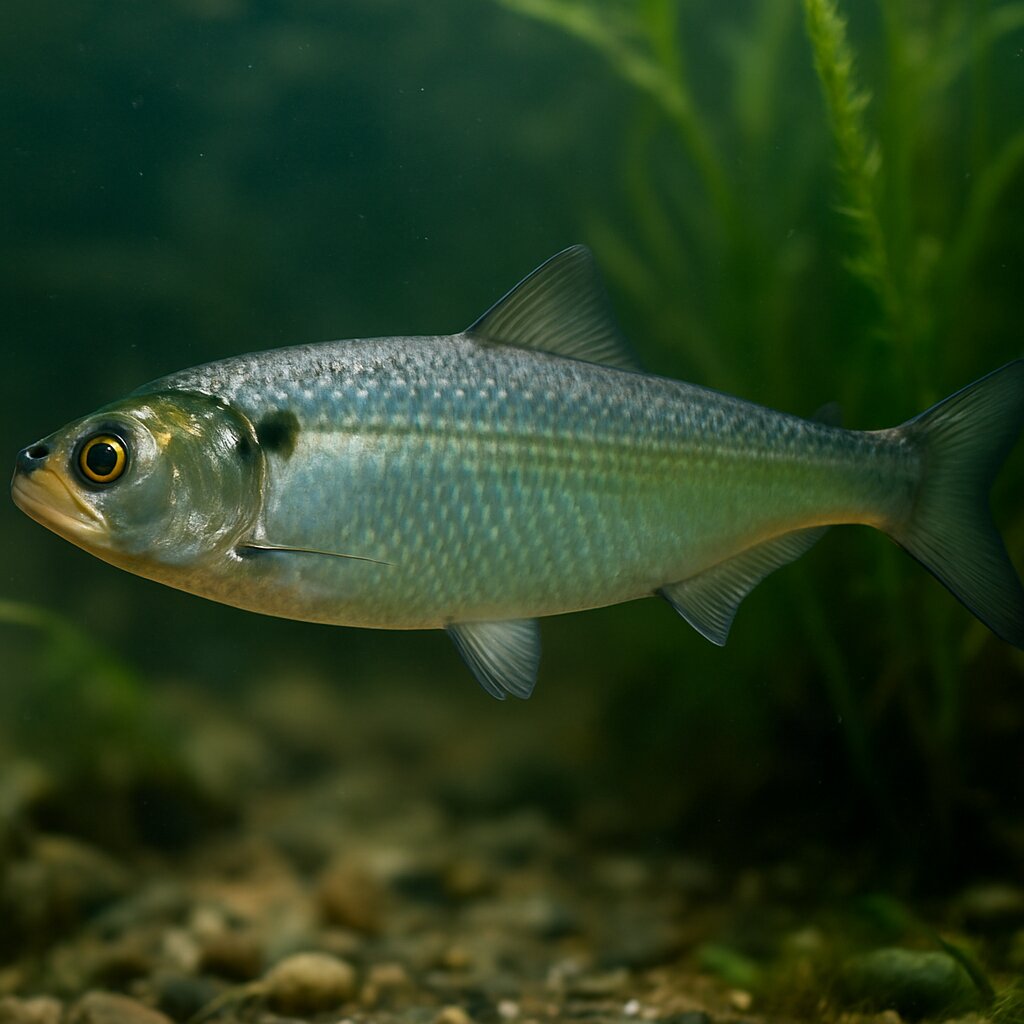
Gorgeous silver, fast-swimming shad that spends most of its life in the sea and then surges up big rivers in noisy, surface-spawning schools. It grows huge for a herring-type fish and needs cool, ultra-oxygenated water and tons of open space, so it is a public-aquarium species rather than a home tank fish.
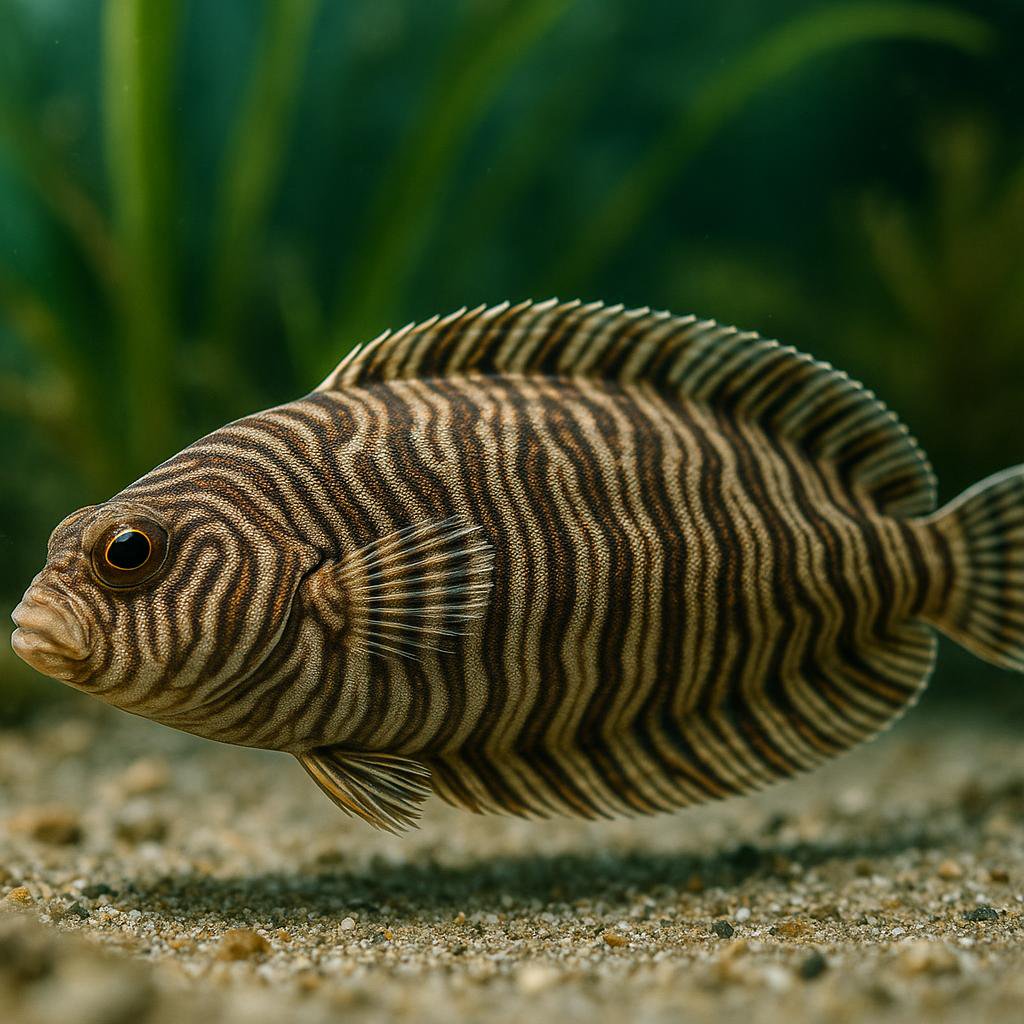
Annandale's zebra sole
Zebrias annandalei
Zebrias annandalei is a small demersal sole from coastal India that inhabits sandy or muddy bottoms and buries for camouflage. It is rarely kept in home aquaria and would require a specialized marine sand-bottom setup and appropriate feeding.
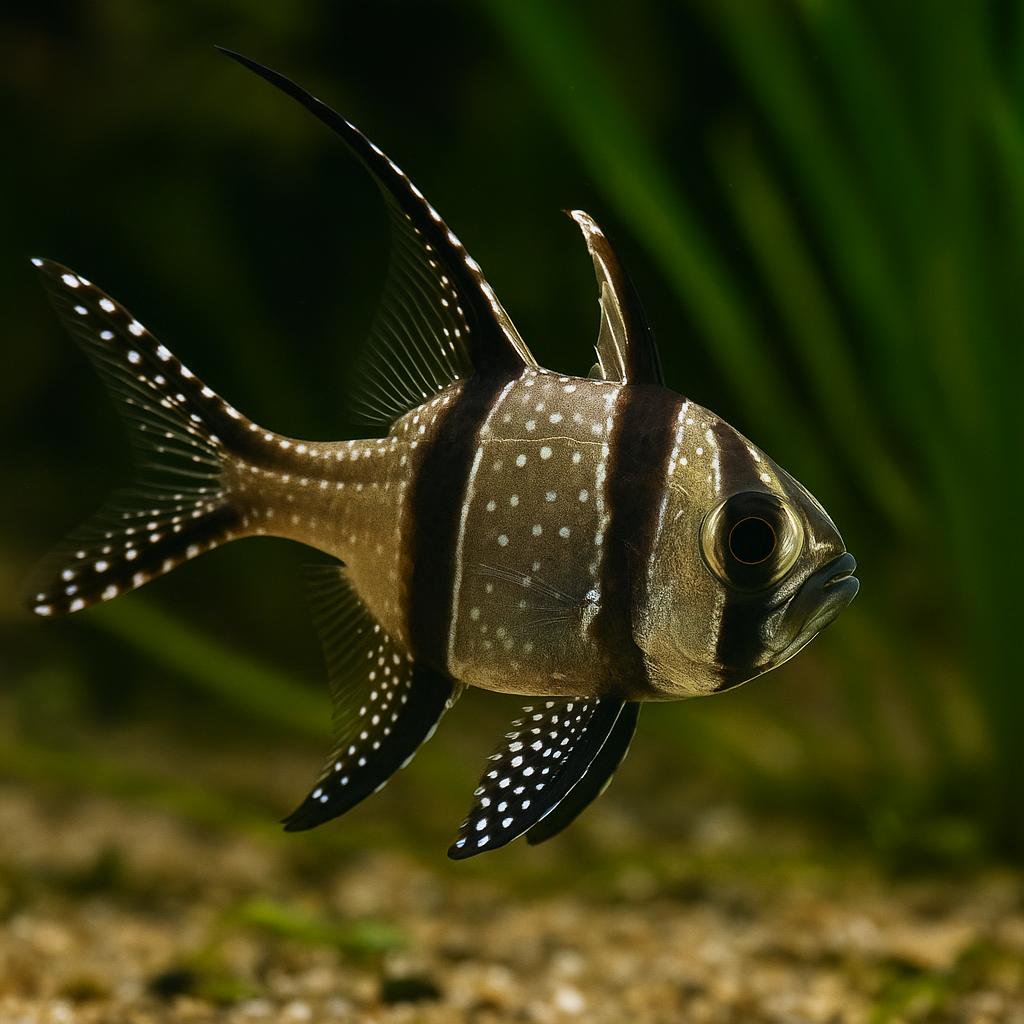
Banggai Cardinalfish
Pterapogon kauderni
Banggai cardinals just sort of hover like little underwater satellites, and the bold black bars with those long, polka-dotted fins look unreal under reef lighting. They're super chill most of the time, but once a pair forms you'll see real "fish drama," and the male will even mouthbrood the babies like a champ.
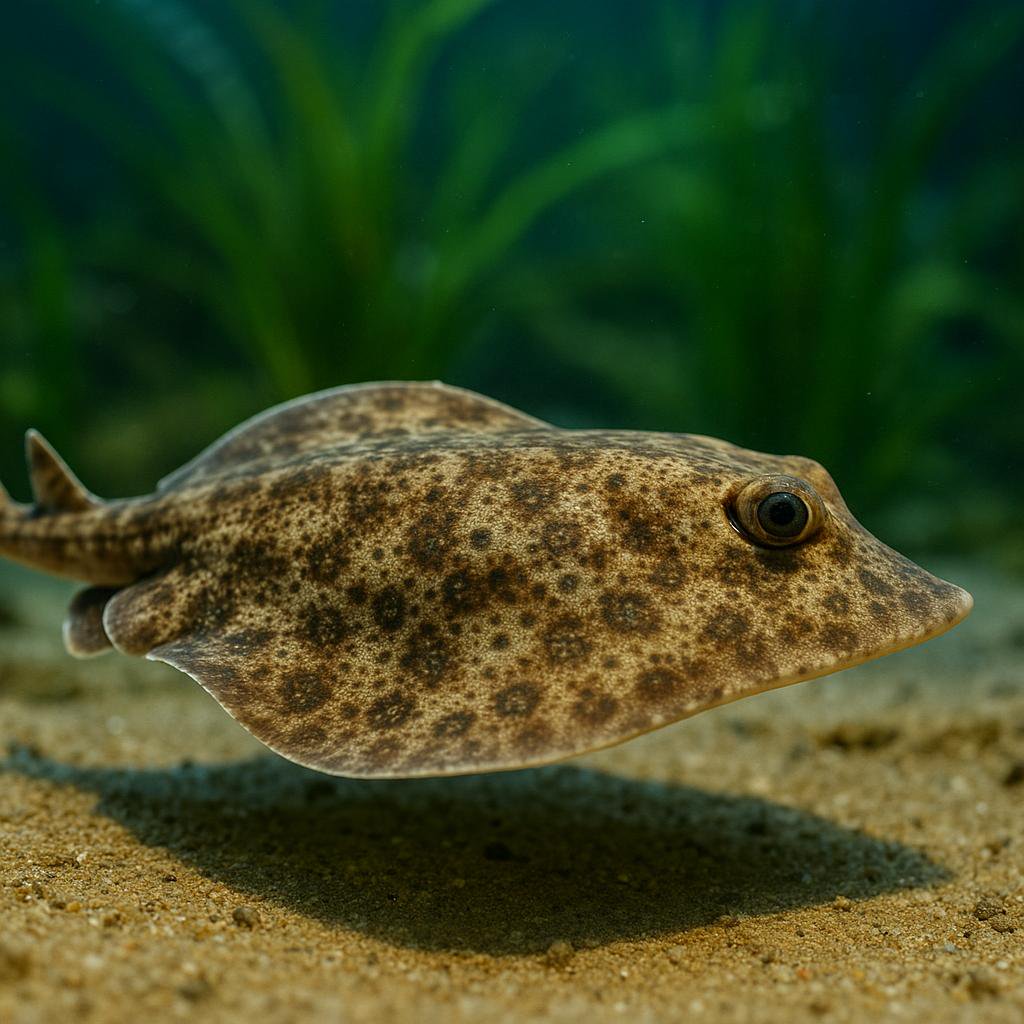
Barbedwire-tailed skate
Notoraja martinezi
Notoraja martinezi is a deepwater skate from the eastern Pacific (Costa Rica down to Ecuador) that lives way down on soft bottoms. The tail is the giveaway - it is lined with strong, hooked thorns that really do look like barbed wire. This is absolutely not an aquarium fish; it is a cold, high-pressure deep-sea animal with basically no practical home care info because it is not kept in the hobby.
More to Explore
Discover more marine species.
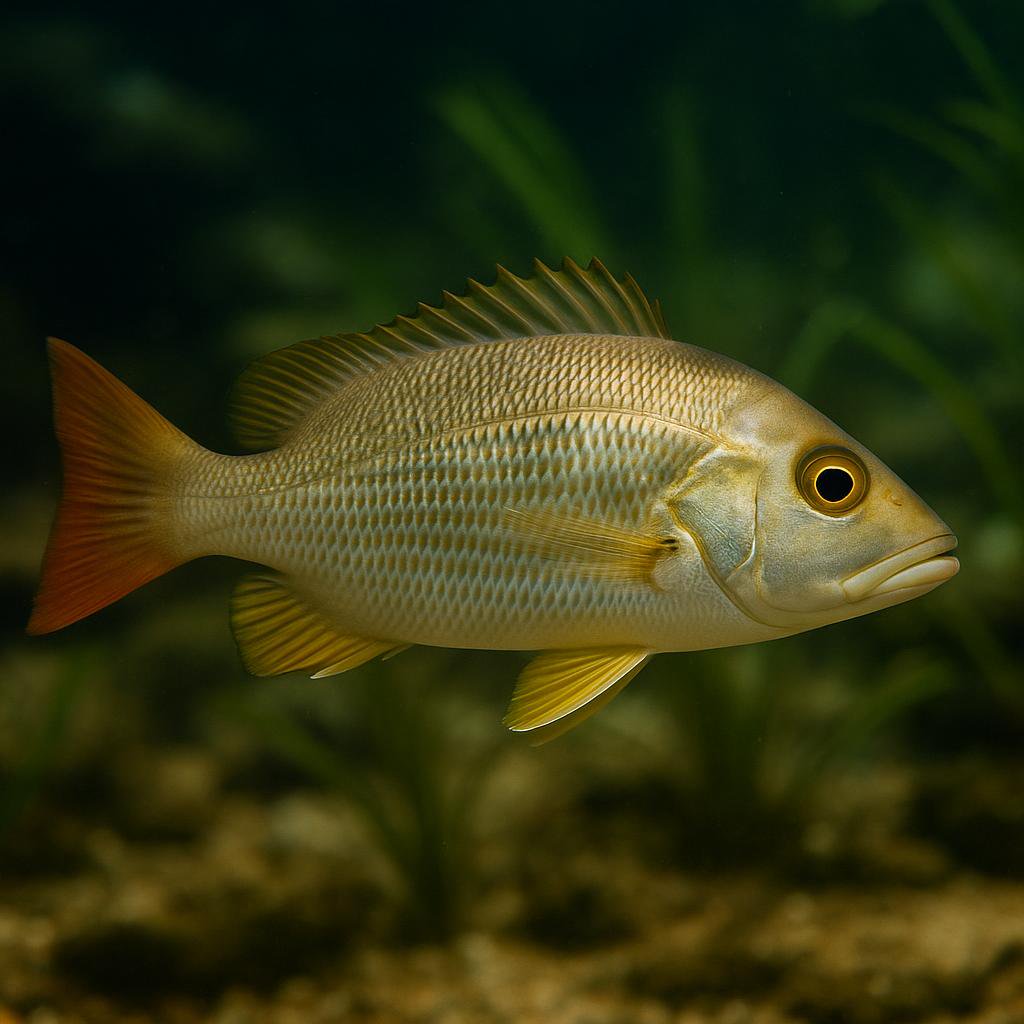
African red snapper
Lutjanus agennes
This is a true snapper from West Africa - a big, fast-growing predator that goes from coastal reefs to brackish lagoons and estuaries (especially as a juvenile). Super cool fish in the wild, but it gets absolutely huge and will eat smaller tankmates once it has the mouth for it, so its really more of a public-aquarium scale animal than a home-aquarium fish.
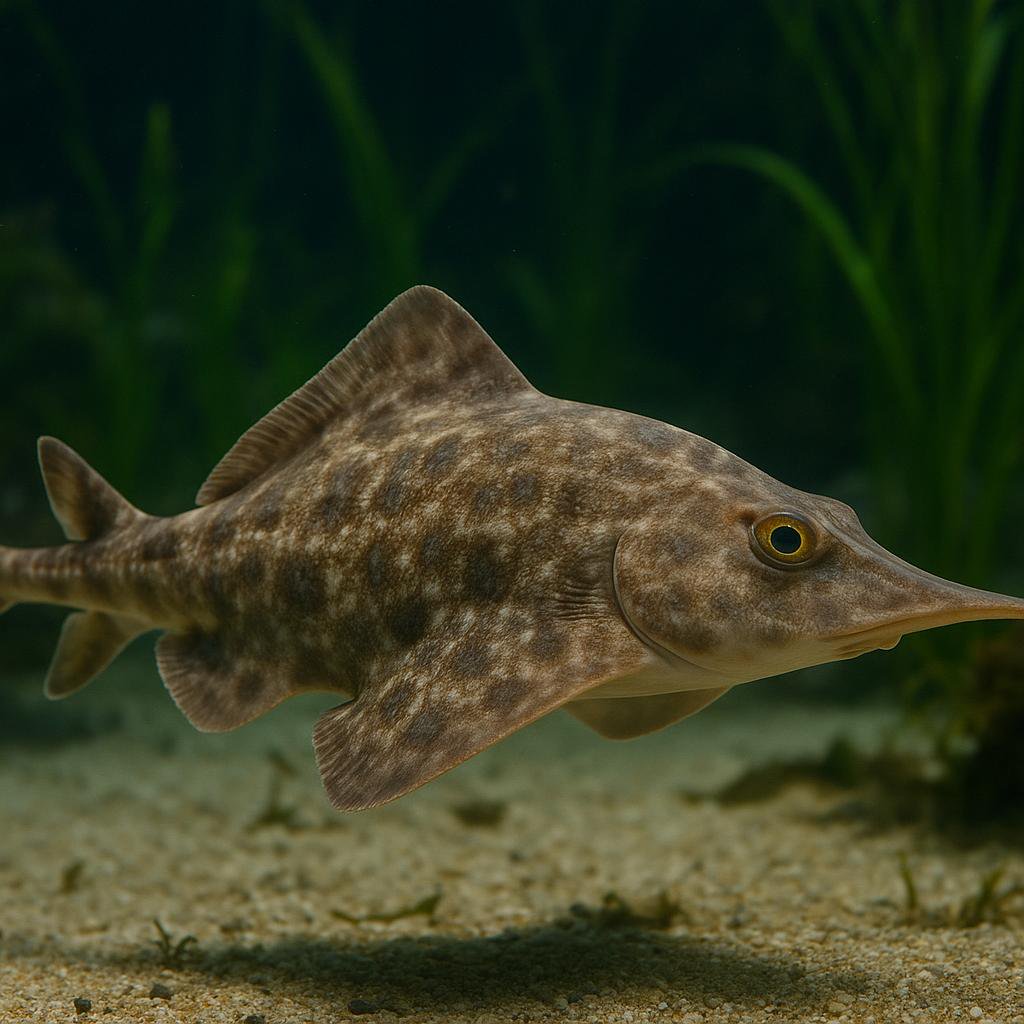
Aleutian skate
Bathyraja aleutica
This is a big, cold-water deep-slope skate from the North Pacific that cruises muddy bottoms and eats chunky benthic prey like crabs and shrimp. The really cool bit is its egg-laying skate life - it does distinct pairing (the classic skate "embrace") and drops those tough egg cases on the seafloor. Not an aquarium fish at all unless you're basically running a public-aquarium-style chilled system.
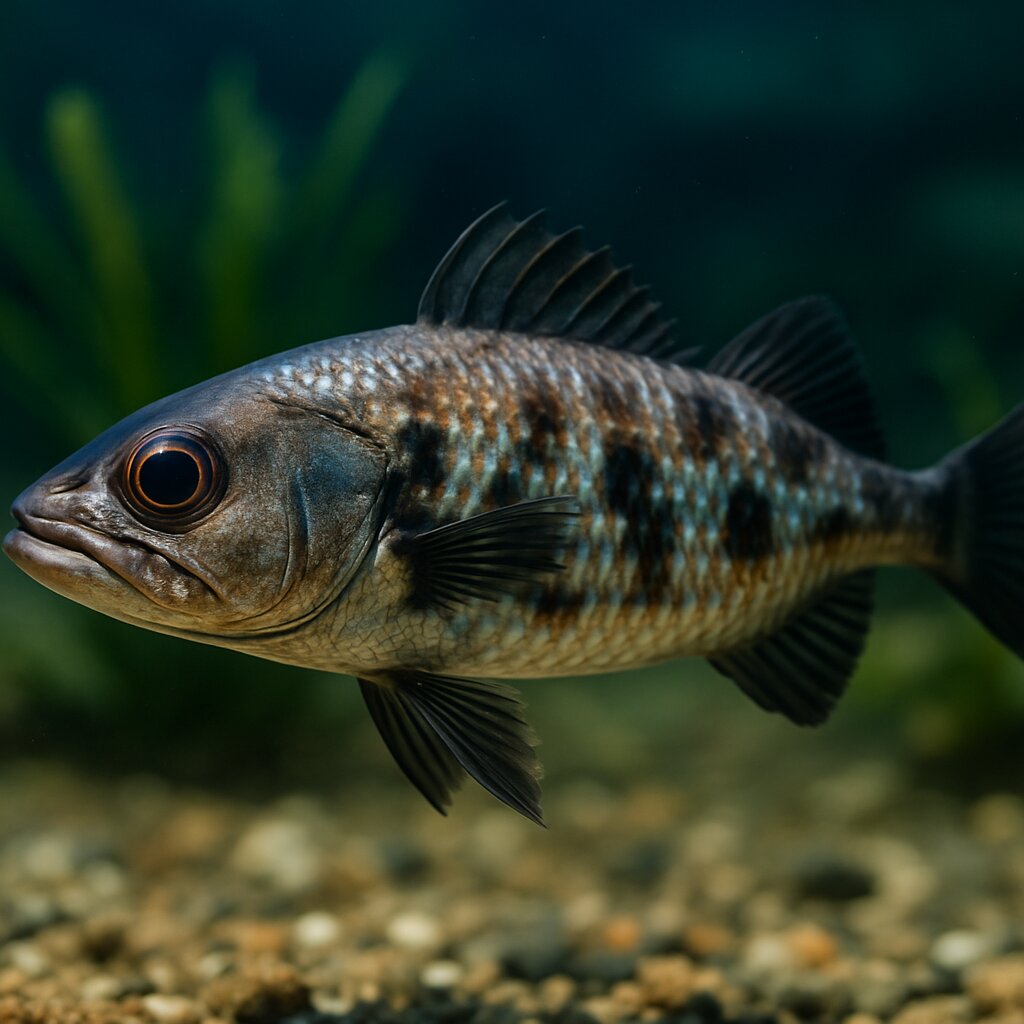
Antarctic dragonfish
Vomeridens infuscipinnis
Deep down around Antarctica, this sleek dragonfish cruises the water column like a little submarine, nearly neutrally buoyant so it can hover above the seafloor. It munches almost exclusively on Antarctic krill and lives in near-freezing water 500-800 m down, so it is a cool species to read about, not one for home tanks.
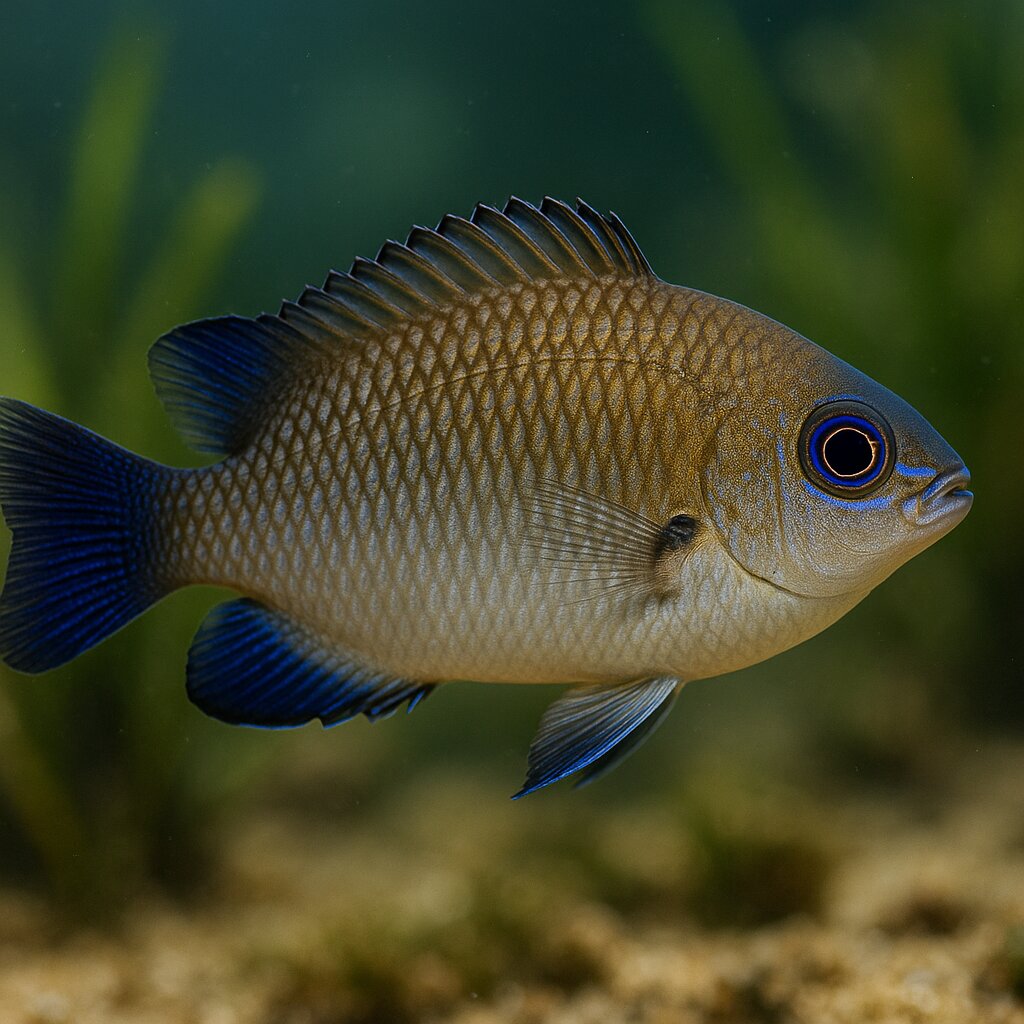
Arabian demoiselle
Neopomacentrus sindensis
A small lyretail damsel from the Persian Gulf and Arabian Sea, it hangs in loose groups around coral heads, rocks, and even pier pilings picking zooplankton from the flow. Think classic damsel toughness with a slightly milder attitude than the real bruisers, plus subtle yellow tail accents. Males clean a patch, get a mate to lay eggs there, and then stand guard fanning the clutch.
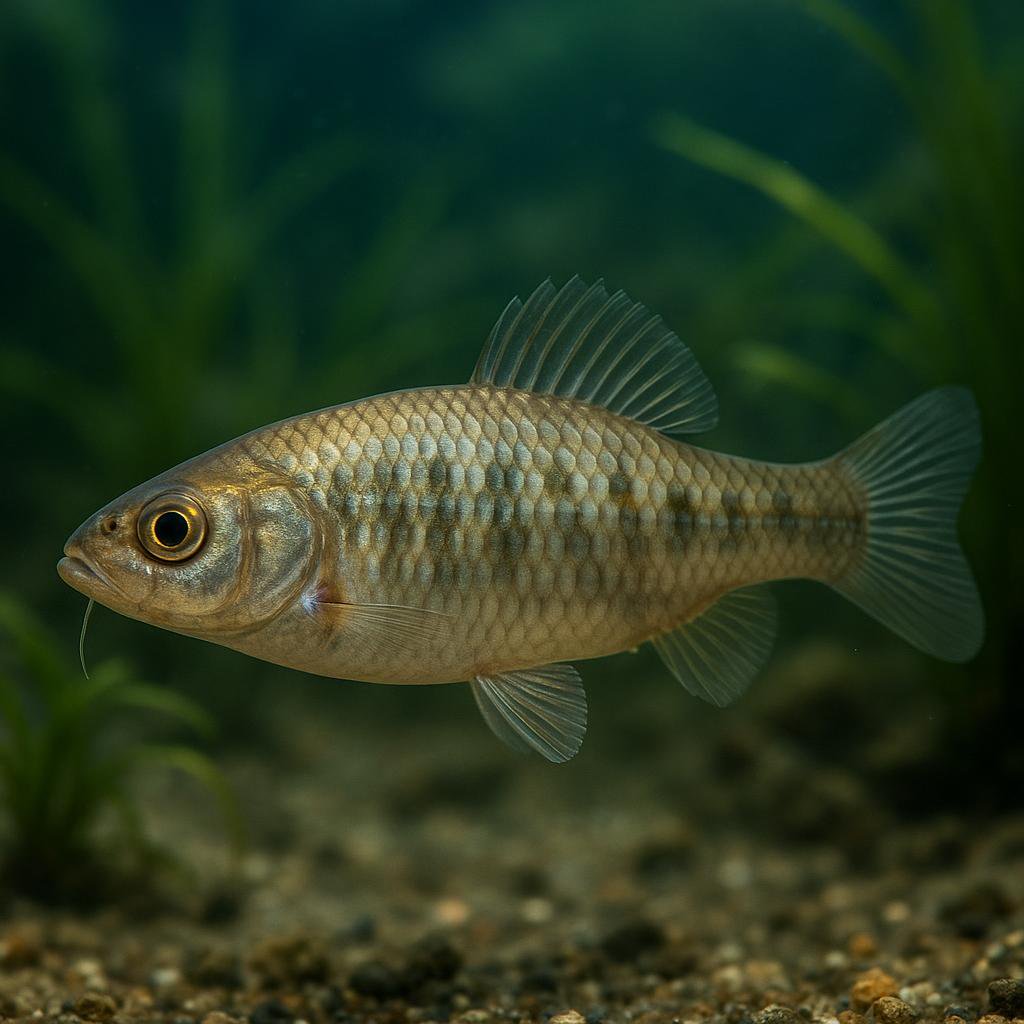
Arabian spiny eel
Notacanthus indicus
Notacanthus indicus is a deep-sea spiny eel (family Notacanthidae; not a true eel) known from the Arabian Sea on the continental slope at roughly ~960–1,046 m depth, with reported maximum length around 20 cm TL; it is a deep-water bycatch species and not established in the aquarium trade.
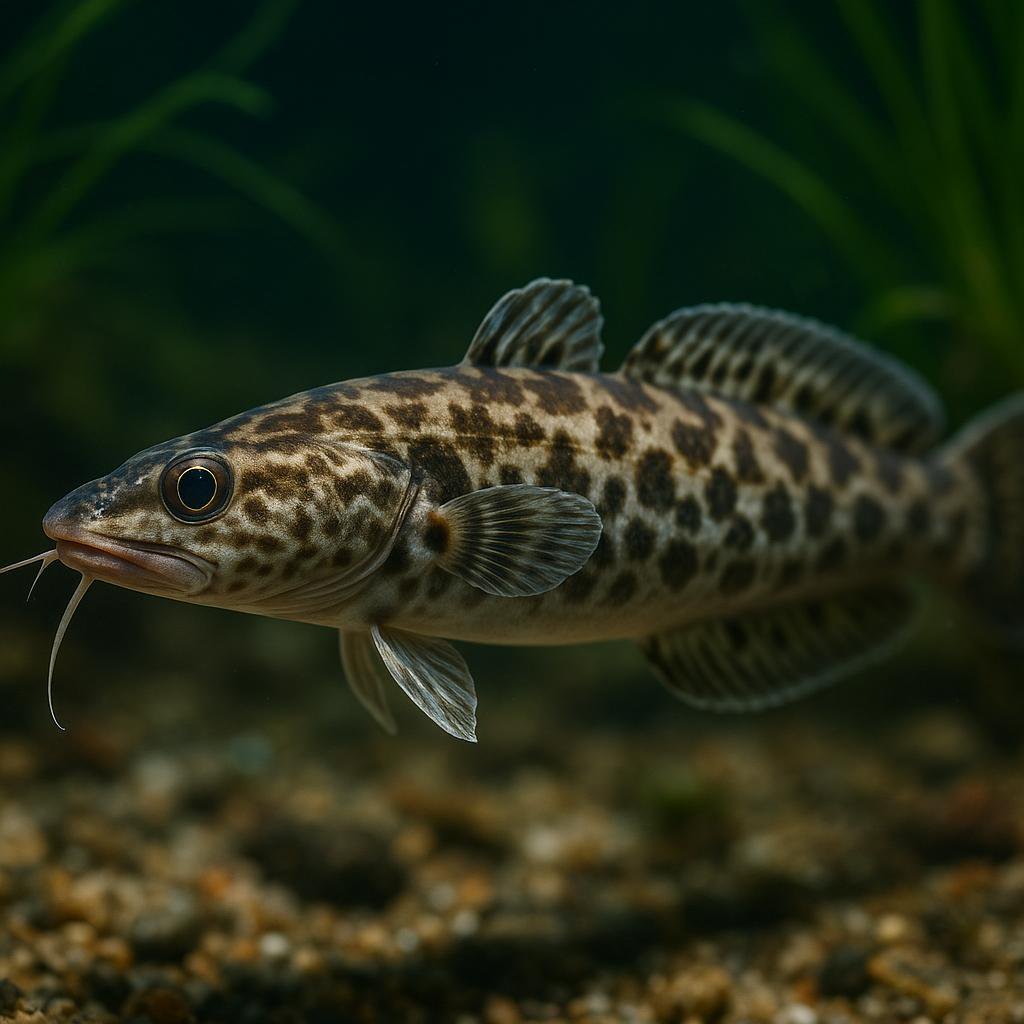
Arctic rockling
Gaidropsarus argentatus
This is a deepwater North Atlantic rockling (a cod relative) that hangs out on soft bottoms way down the slope. It is a cold-water, bottom-hugging predator that snoots around for crustaceans and will also take small fish when it gets the chance.
Looking for other species?