

Spotted robust triplefin
Forsterygion capito
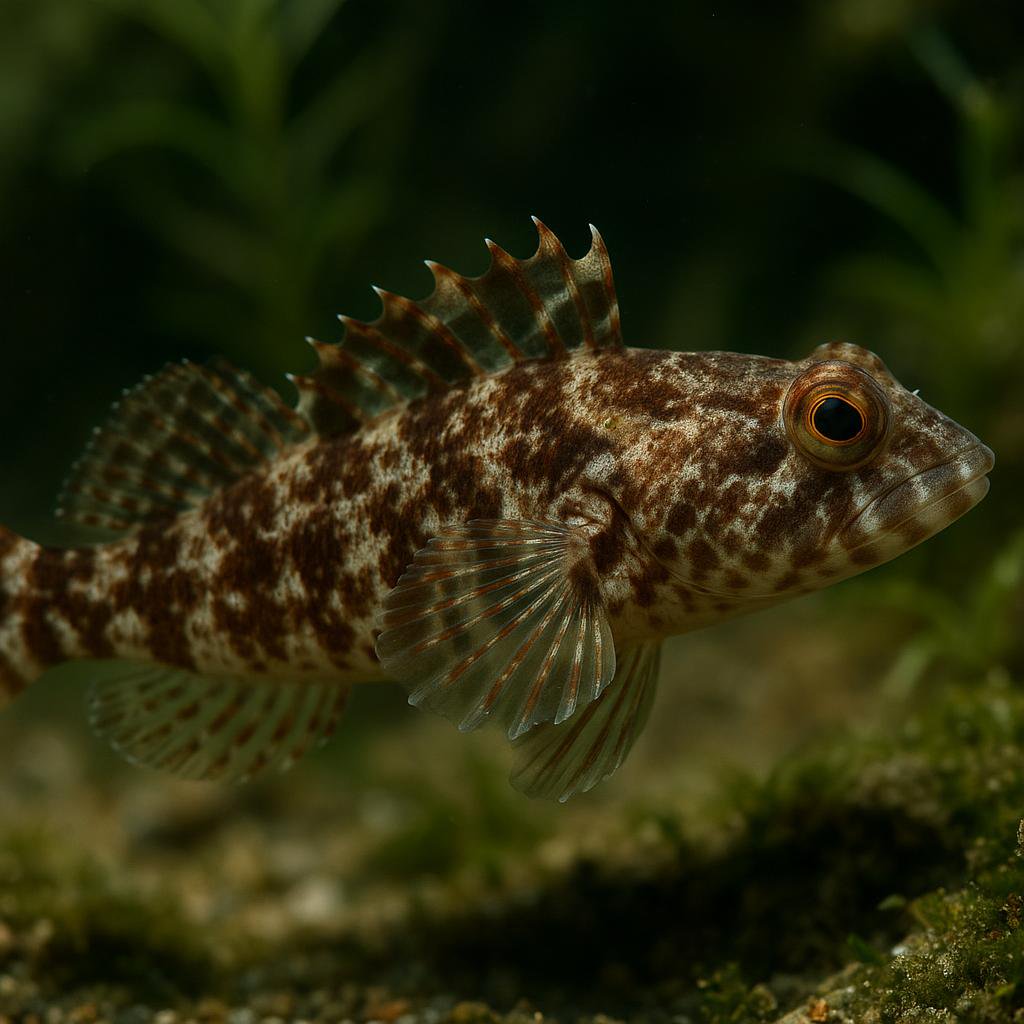
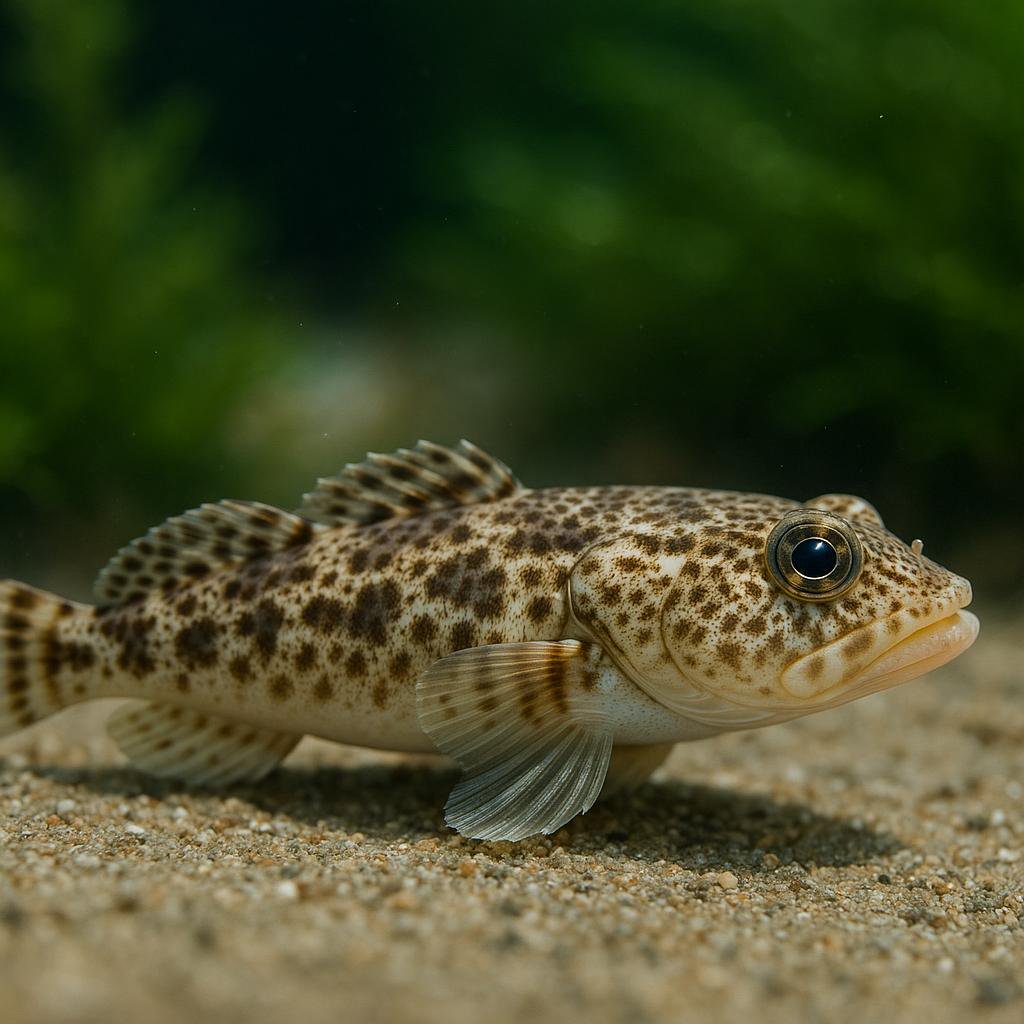
The Spotted robust triplefin exhibits a robust body with brownish coloration marked by distinctive dark spots and elongated dorsal fins.
This page includes AI-generated images. Why am I seeing AI images?
About the Spotted robust triplefin
This is a little New Zealand triplefin that hangs out in rock pools and shallow sheltered reefs, perched on rocks and scooting around to hunt tiny critters. The cool part is the breeding behavior - the male sets up and guards a nest under a rock, and they can darken up a lot in season.
Also known as
Quick Facts
Size
9.4 cm SL
Temperament
Semi-aggressive
Difficulty
Advanced
Min Tank Size
20 gallons
Lifespan
2-5 years
Origin
Southwest Pacific (New Zealand)
Diet
Carnivore - small benthic invertebrates (worms, molluscs, amphipods); would take small frozen/live meaty foods in captivity
Water Parameters
12-20°C
8-8.4
8-12 dGH
Need a heater for this species?
This species needs 12-20°C in a 20 gallon tank. Use our heater calculator to find the right wattage.
Calculate heater sizeCare Notes
- Give it a coldwater marine setup with lots of rock rubble, tight crevices, and a few flat stones - they spend their day perched and darting, not cruising open water.
- Keep conditions temperate/cool and well-oxygenated (this is a temperate New Zealand coastal species found intertidally to shallow subtidal in sheltered bays/harbours). Use a stable marine salinity appropriate for a marine system.
- Moderate to strong flow is your friend, but break it up with sheltered perches so it can sit in the lee and still grab food drifting past.
- Feed small meaty stuff 1-2 times a day: enriched brine, mysis, finely chopped shrimp, copepods; they can be shy at first so target feed with a pipette near their favorite perch.
- Tankmates: calm coldwater fish and inverts are fine, but skip aggressive wrasses, big gobies/blennies, and anything that will outcompete it at feeding time or pick at its fins.
- Cover every gap - these guys can rocket out when spooked, especially during lights-on or when you put your hands in the tank.
- Breeding is doable if you keep a male and a couple females: the male claims a flat rock, they lay sticky eggs in a patch, and he guards and fans them; give him multiple smooth stones so he does not fight over the only good nest.
Compatibility
Good Tankmates
- Small, not-too-pushy rock perchers like other hardy triplefins/blennies of similar size (best if you add them together and give tons of holes and ledges so everyone can claim a spot)
- Medium-small gobies that mostly mind their own business (watchman-type or sand gobies) as long as they have their own burrow zone away from the triplefin s favorite rock
- Tougher bottom cruisers like small sculpins (where legal/available) that don t get intimidated easily and aren t delicate about a little posturing
- Most clean-up crew and inverts (snails, hermits, urchins) and even bigger shrimp if the triplefin is well fed - they re usually more about chasing fish off their rock than hunting inverts
Avoid
- Slow, fancy-finned or hovery fish (seahorses, pipefish, longfin stuff) - the triplefin can stress them out by constantly darting at them and guarding its patch
- Big bullies and real predators (hawkfish, larger wrasses, groupers, big scorpionfish) - either they ll harass the triplefin nonstop or just eventually eat it
Where they come from
Spotted robust triplefins (Forsterygion capito) are little coastal rock-dwellers from New Zealand. You find them in tide pools and shallow reefs where the water can be surgy, bright, and full of hiding cracks. That background explains basically everything about them in a tank: they want structure, perches, and lots of micro-food drifting by.
Setting up their tank
Think "mini rocky shoreline" more than "open reef display." Triplefins spend their day hopping between perches, peeking out of holes, and doing short darting swims. If your aquascape is just a couple of big rocks with open sand, they look stressed and act skittish.
- Tank size: I would not keep one in less than 20 gallons, and I like 30+ if you want tankmates. They are small, but they use every inch of rockwork.
- Rockwork: Build a maze. Lots of small caves, overhangs, and tight crevices. They love narrow slots where only their head sticks out.
- Flow: Moderate to strong, but not a sandblaster. Aim for lots of random movement around the rock faces.
- Lighting: They do fine under normal reef lighting, but give them shaded spots so they can retreat.
- Lid: They can pop upward when spooked. A tight-fitting cover saves you heartbreak.
- Water: Keep it stable like a reef tank. Salinity around 1.025, temp in the mid-60s to low-70s F works well depending on your system. Stability matters more than chasing a magic number.
These are an advanced pick mostly because they do not tolerate sloppy, swinging water and they can be picky eaters at first. I would only add one once the tank is mature and growing some natural life on the rocks.
A mature tank really helps. I have had the best luck when there is already copepod and amphipod activity, plus a little film algae and microfauna on the rock. It gives them something to hunt between meals and helps them settle in.
What to feed them
They are micro-predators. In the wild they pick at tiny crustaceans and worms all day. In captivity, the biggest challenge is getting them confidently taking prepared foods, then keeping weight on without blasting your nutrients.
- Best starters: live baby brine shrimp, live copepods, or live blackworms (if you have a safe source and rinse well).
- Once they are eating: enriched frozen baby brine, finely chopped mysis, calanus, cyclops, and other small meaty frozen blends.
- Prepared foods: some will take tiny pellets eventually, but do not count on it. Frozen and live are your friends.
- Feeding style: small amounts more often beats one big dump. They are built for constant picking.
Target feeding works. I use a pipette and squirt a little cloud of food right at their favorite perch. Once they learn the routine, they come out fast.
Watch the belly line. A healthy triplefin looks a bit "filled out" behind the head, not pinched. If you see them losing mass, step back and add more small feedings and more live options until they rebound.
How they behave and who they get along with
They have big personality in a small body. Most of the day they perch, pivot, and watch you. They can be territorial about a favorite hole, especially as they mature.
- Best tankmates: peaceful, non-competitive fish that do not hover in the same rock crevices. Think small gobies that stick to sand, gentle blennies (species-dependent), and calm inverts.
- Avoid: aggressive dottybacks, hawkfish, larger wrasses, and anything that sees small perchers as snacks. Also avoid fast, greedy feeders that will outcompete them at every meal.
- Inverts: generally fine with cleaner shrimp and snails. Tiny decorative shrimp may get sampled if they fit in the mouth.
- Corals: they are usually reef-safe. The main issue is them perching on fleshy corals if the rockwork forces them to.
They are perchers. Give them "lookout spots" (flat rocks, ledges) so they are not forced to sit on coral frags.
If you want more than one, plan the rockwork like you are designing a tiny apartment complex. Multiple separate cave networks with sight breaks helps a lot. Even then, watch for one fish getting bullied off food.
Breeding tips
They can spawn in captivity, and the behavior is fun to watch. Males typically claim a little nest site (a tight cave or underside of a rock) and guard eggs. The hard part is raising the larvae, not getting eggs.
- Give them nest options: small caves, short lengths of PVC tucked under rock, and flat stones with a tight gap underneath.
- Conditioning: lots of small meaty foods and steady water. You will see more display and territory behavior when they are ready.
- If you find eggs: the male will guard and fan them. Try not to mess with the nest area.
- Larvae: plan for live plankton foods (rotifers, copepod nauplii) and a separate rearing setup if you want a real shot.
If your goal is to raise babies, you will need a dedicated larval setup and live food culture. In a mixed reef tank, the larvae are basically free snacks.
Common problems to watch for
- Not eating after introduction: very common. Keep lights lower for a day or two, offer live foods, and feed near their perch with a pipette.
- Getting outcompeted: they are not built for food stampedes. If tankmates rush food, you will need to target feed or rethink the stocking.
- Jumping: usually happens when startled or chased. Cover gaps around plumbing and lids.
- Weight loss: often from too-infrequent feeding or too-large food items. Go smaller, more frequent, and add pods if you can.
- Stress from barren rockwork: they hide nonstop, breathe fast, and stay pale. Add more structure and shaded crevices.
- Parasites and shipping damage: wild fish can arrive rough. Quarantine helps a lot, especially if they are not eating right away.
The fastest way to lose one is combining a new, shy triplefin with bold, fast feeders in a fresh tank. Mature rock, lots of hiding, and a feeding plan from day one makes a huge difference.
Similar Species
Other marine semi-aggressive species you might be interested in.
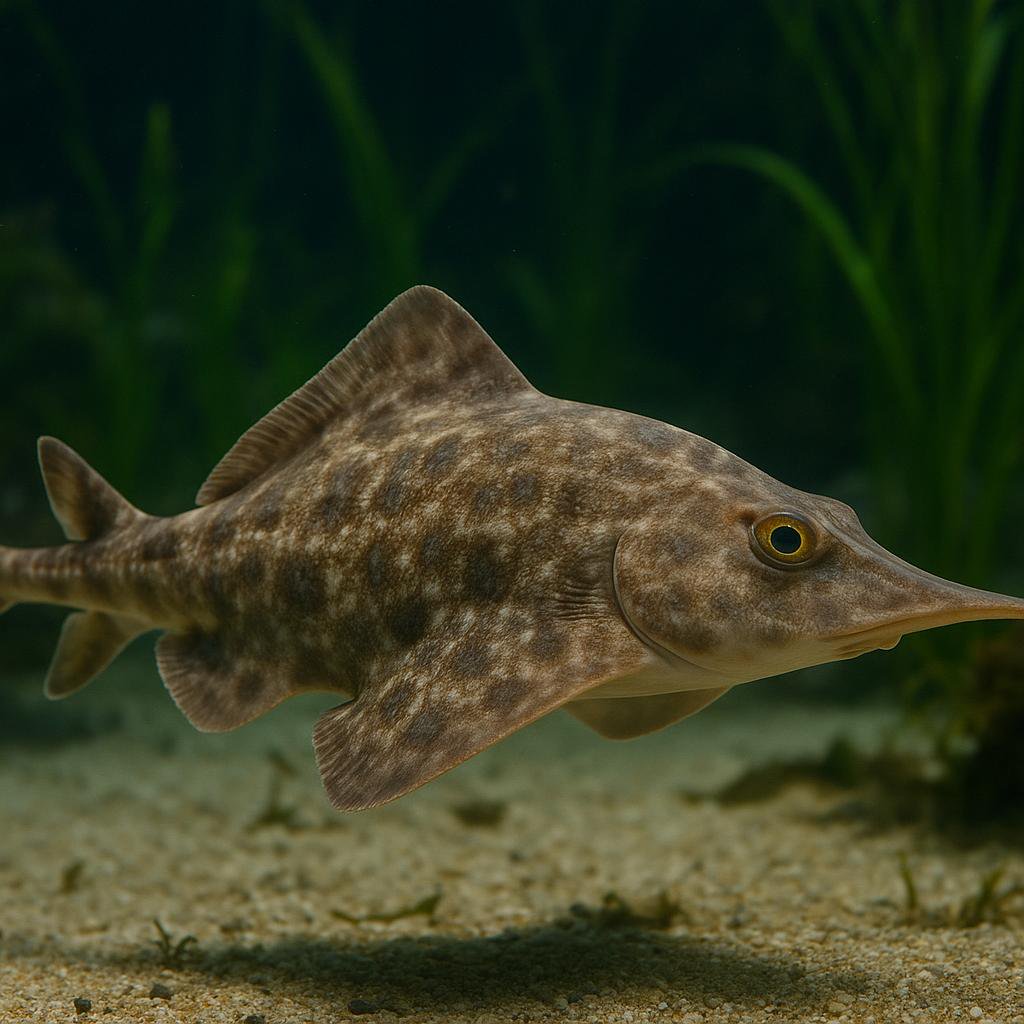
Aleutian skate
Bathyraja aleutica
This is a big, cold-water deep-slope skate from the North Pacific that cruises muddy bottoms and eats chunky benthic prey like crabs and shrimp. The really cool bit is its egg-laying skate life - it does distinct pairing (the classic skate "embrace") and drops those tough egg cases on the seafloor. Not an aquarium fish at all unless you're basically running a public-aquarium-style chilled system.
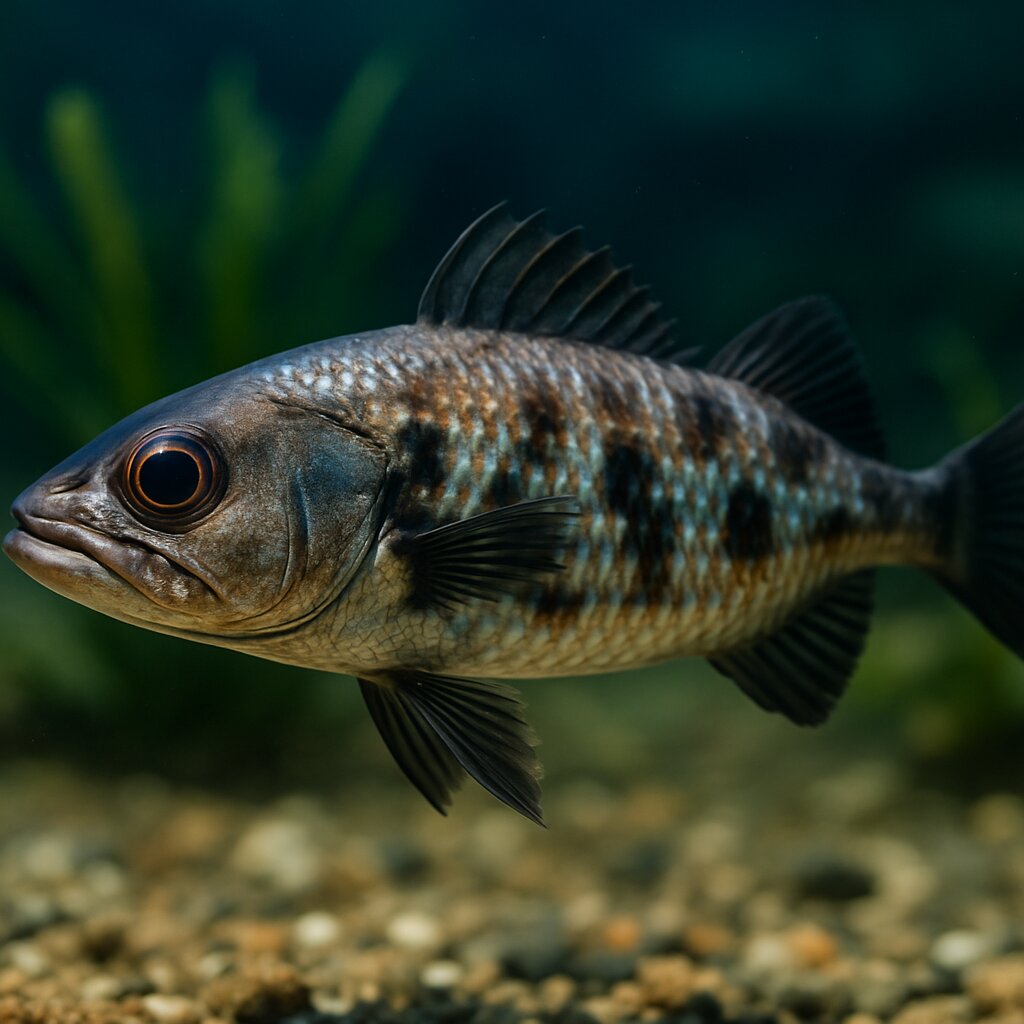
Antarctic dragonfish
Vomeridens infuscipinnis
Deep down around Antarctica, this sleek dragonfish cruises the water column like a little submarine, nearly neutrally buoyant so it can hover above the seafloor. It munches almost exclusively on Antarctic krill and lives in near-freezing water 500-800 m down, so it is a cool species to read about, not one for home tanks.
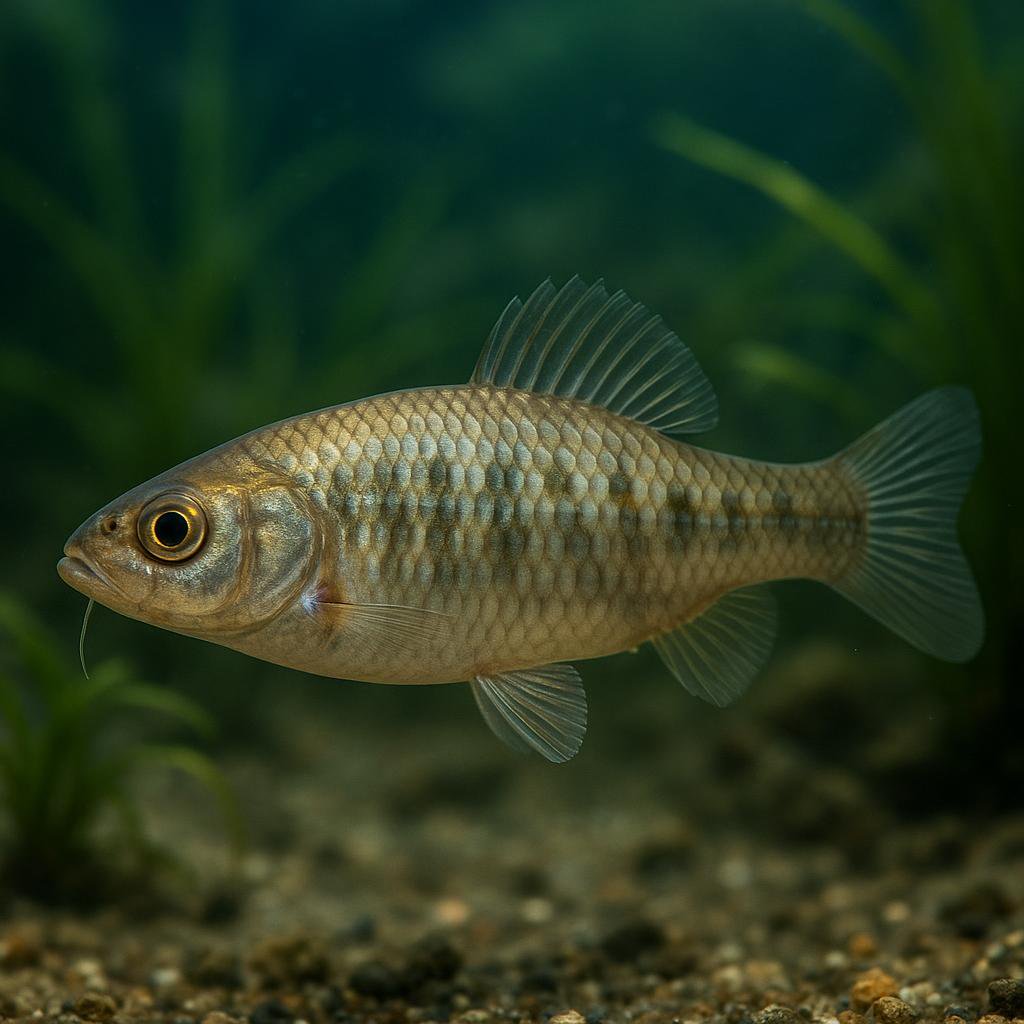
Arabian spiny eel
Notacanthus indicus
Notacanthus indicus is a deep-sea spiny eel (family Notacanthidae; not a true eel) known from the Arabian Sea on the continental slope at roughly ~960–1,046 m depth, with reported maximum length around 20 cm TL; it is a deep-water bycatch species and not established in the aquarium trade.
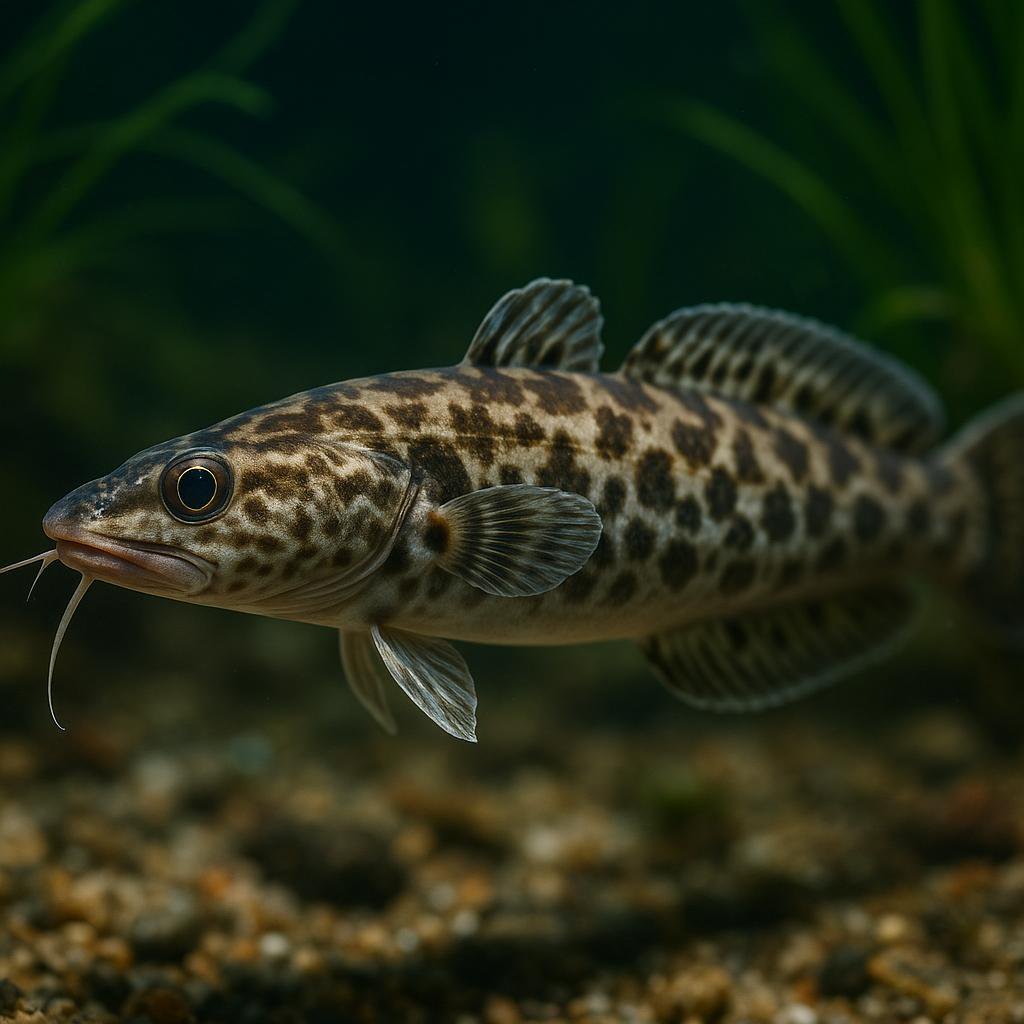
Arctic rockling
Gaidropsarus argentatus
This is a deepwater North Atlantic rockling (a cod relative) that hangs out on soft bottoms way down the slope. It is a cold-water, bottom-hugging predator that snoots around for crustaceans and will also take small fish when it gets the chance.
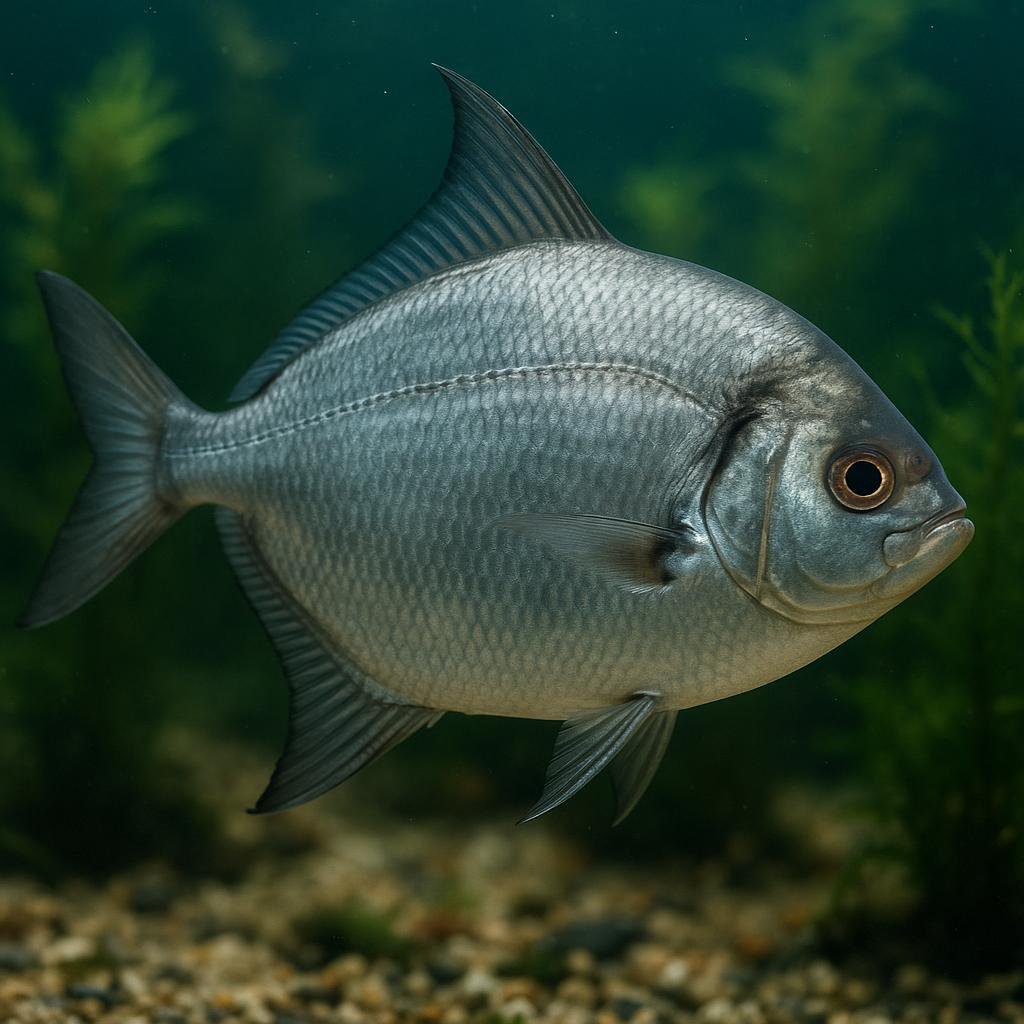
Atlantic pomfret
Brama brama
Brama brama is the Atlantic pomfret (aka Ray's bream) - a deep-bodied, open-ocean pelagic fish that cruises around in small schools and follows water temps. It is a legit big, wild marine species (not an aquarium fish) that eats other small sea critters like fish and squid, and it ranges across a huge chunk of the Atlantic plus parts of the Indian and South Pacific.
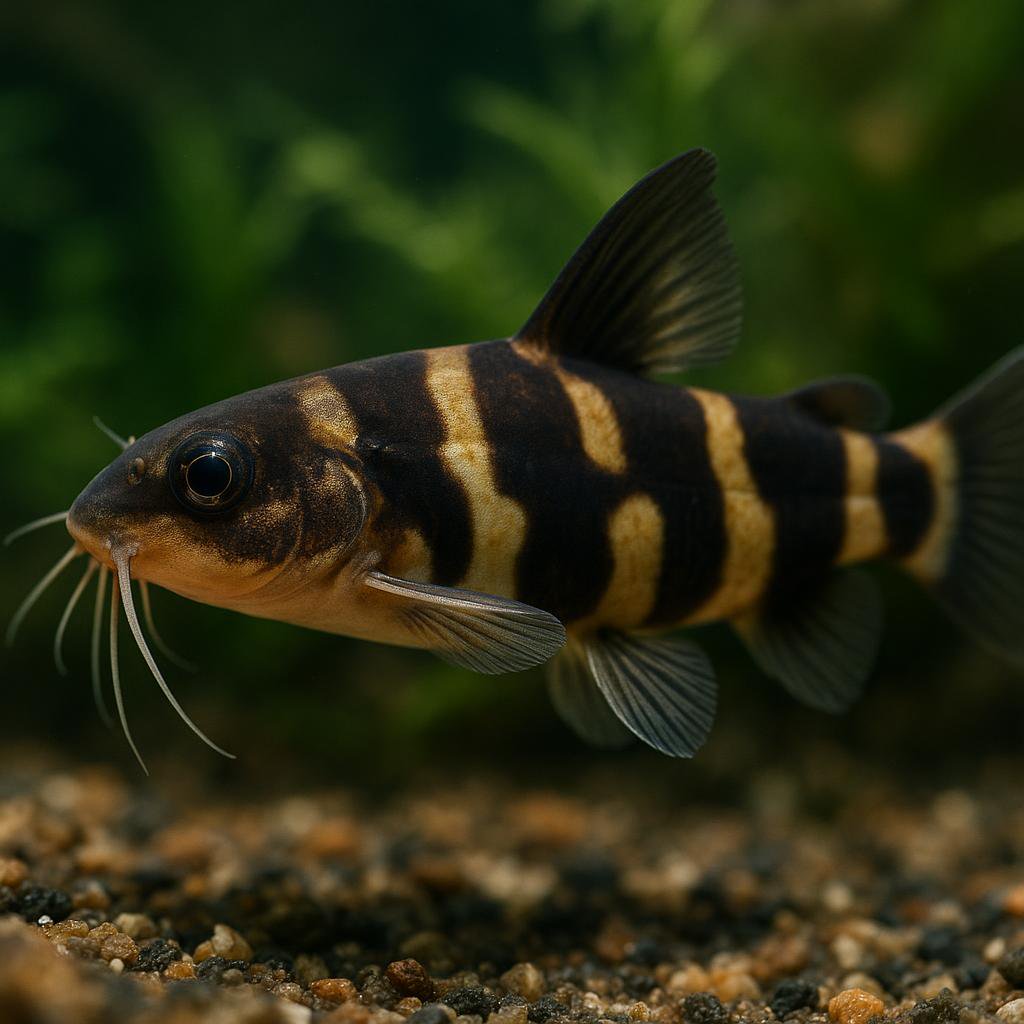
Australian sawtail catshark
Figaro boardmani
Figaro boardmani is a small, deepwater Australian catshark with these cool saw-like ridges of spiny denticles along the tail and a neat pattern of dark saddle bands. It lives way down on the outer continental shelf and slope, so its natural water is cold, dim, and stable - totally not a typical home-aquarium fish. Diet-wise its a predator that goes after fish, crustaceans, and cephalopods.
More to Explore
Discover more marine species.
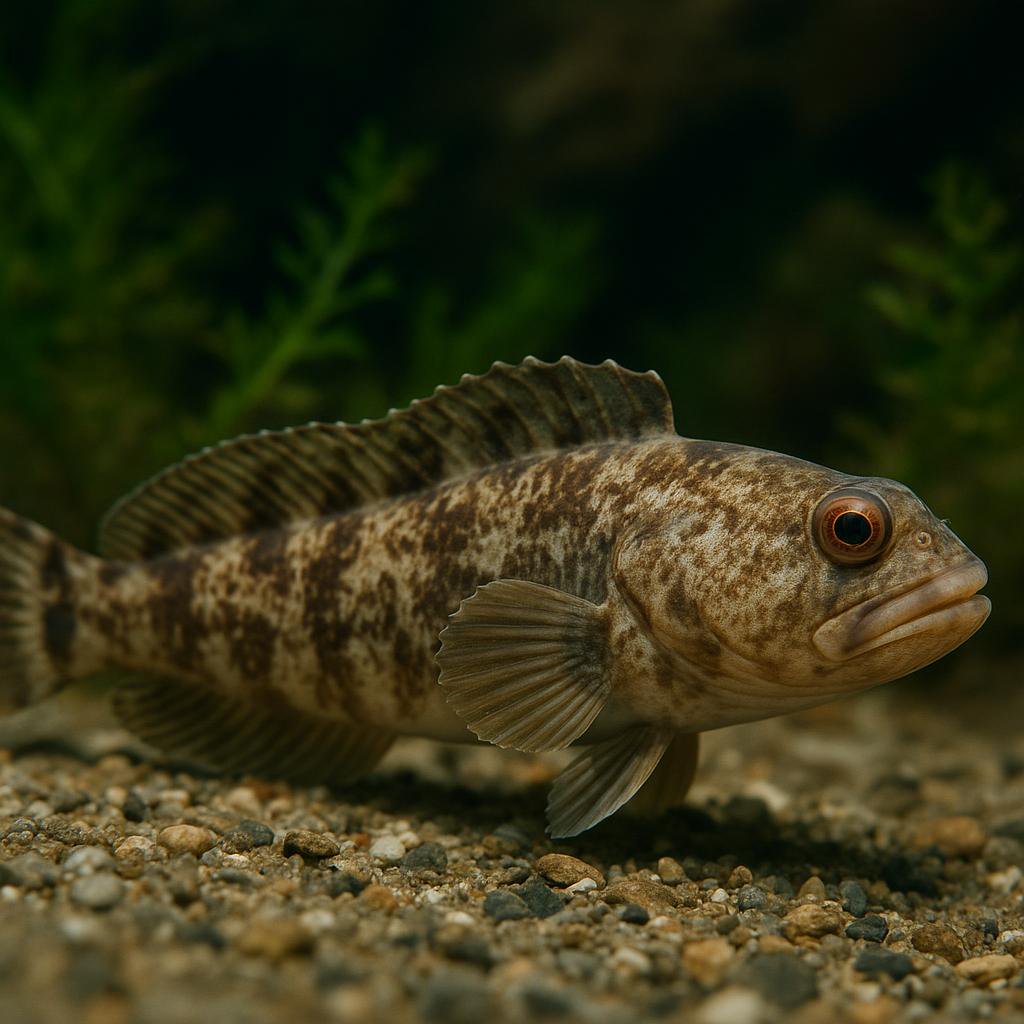
Abe's eelpout
Japonolycodes abei
Japonolycodes abei is a temperate, deepwater demersal eelpout (family Zoarcidae) endemic to Japan (Kumano-nada Sea reported; other sources also report Sagami Bay and Tosa Bay). It is the only species in the genus Japonolycodes and occurs roughly 40-300 m depth, making it an uncommon/atypical aquarium species.
Affinis blind cusk-eel
Barathronus affinis
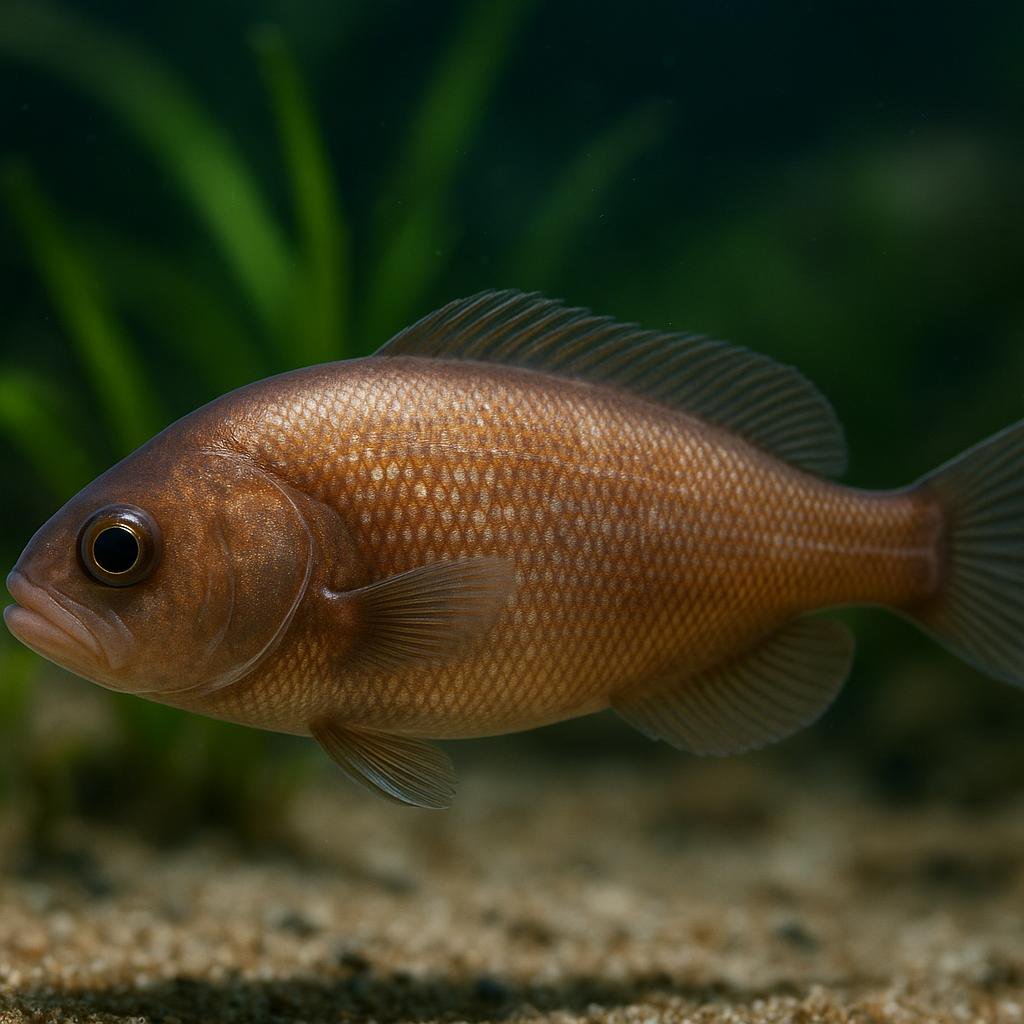
Barathronus affinis is a tiny, super-weird deep-sea blind cusk-eel from the western-central Indian Ocean. It is one of those gelatinous, loose-skinned brotula-type fishes that live way down in the dark and are basically never seen alive, so almost everything we know comes from preserved specimens and taxonomic work.
African red snapper
Lutjanus agennes
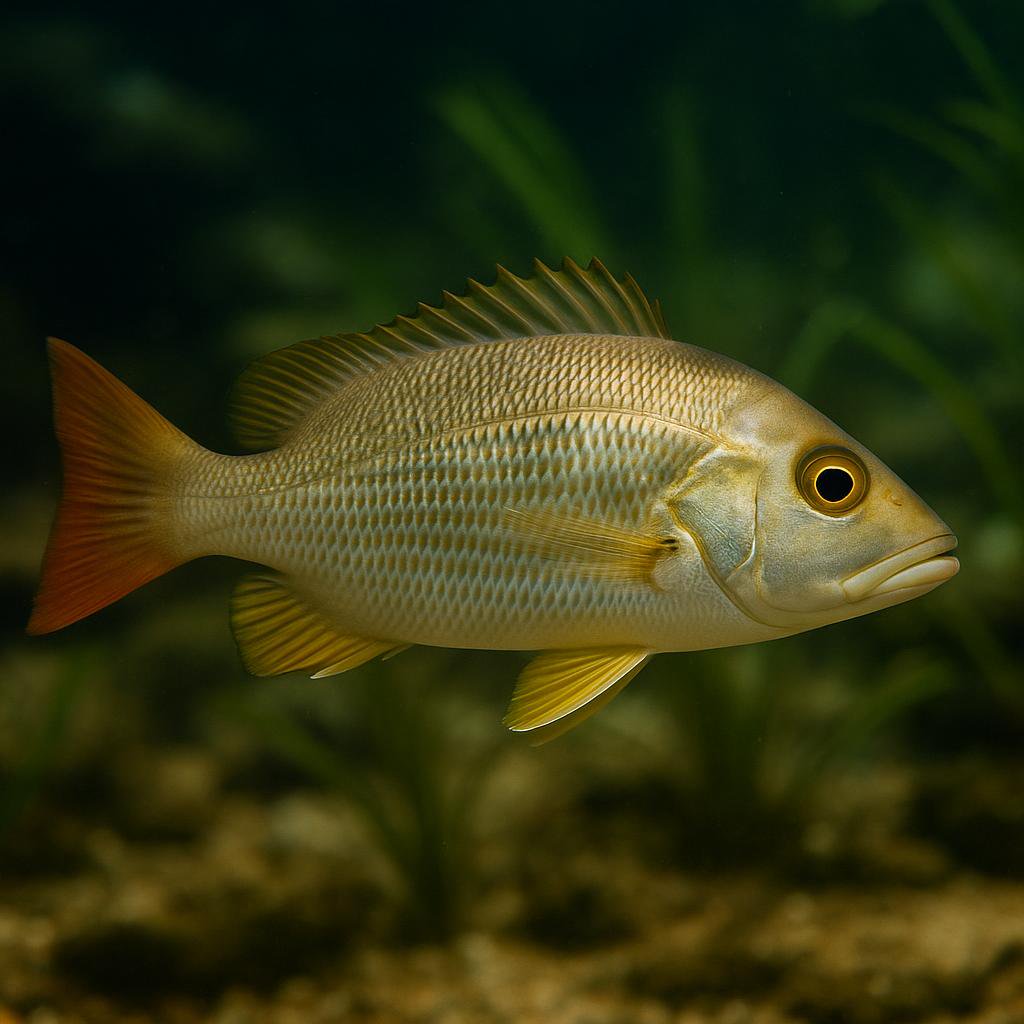
This is a true snapper from West Africa - a big, fast-growing predator that goes from coastal reefs to brackish lagoons and estuaries (especially as a juvenile). Super cool fish in the wild, but it gets absolutely huge and will eat smaller tankmates once it has the mouth for it, so its really more of a public-aquarium scale animal than a home-aquarium fish.
Allis shad
Alosa alosa
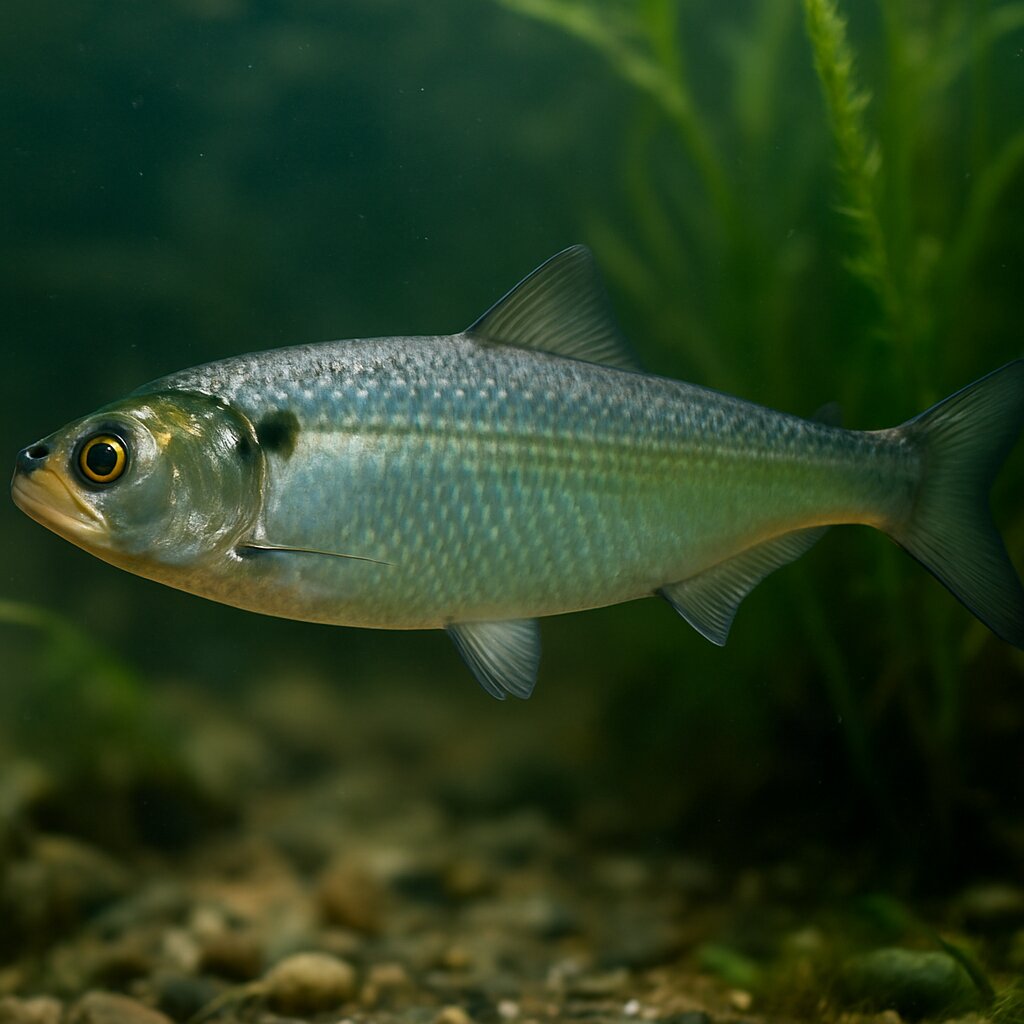
Gorgeous silver, fast-swimming shad that spends most of its life in the sea and then surges up big rivers in noisy, surface-spawning schools. It grows huge for a herring-type fish and needs cool, ultra-oxygenated water and tons of open space, so it is a public-aquarium species rather than a home tank fish.
Annandale's zebra sole
Zebrias annandalei
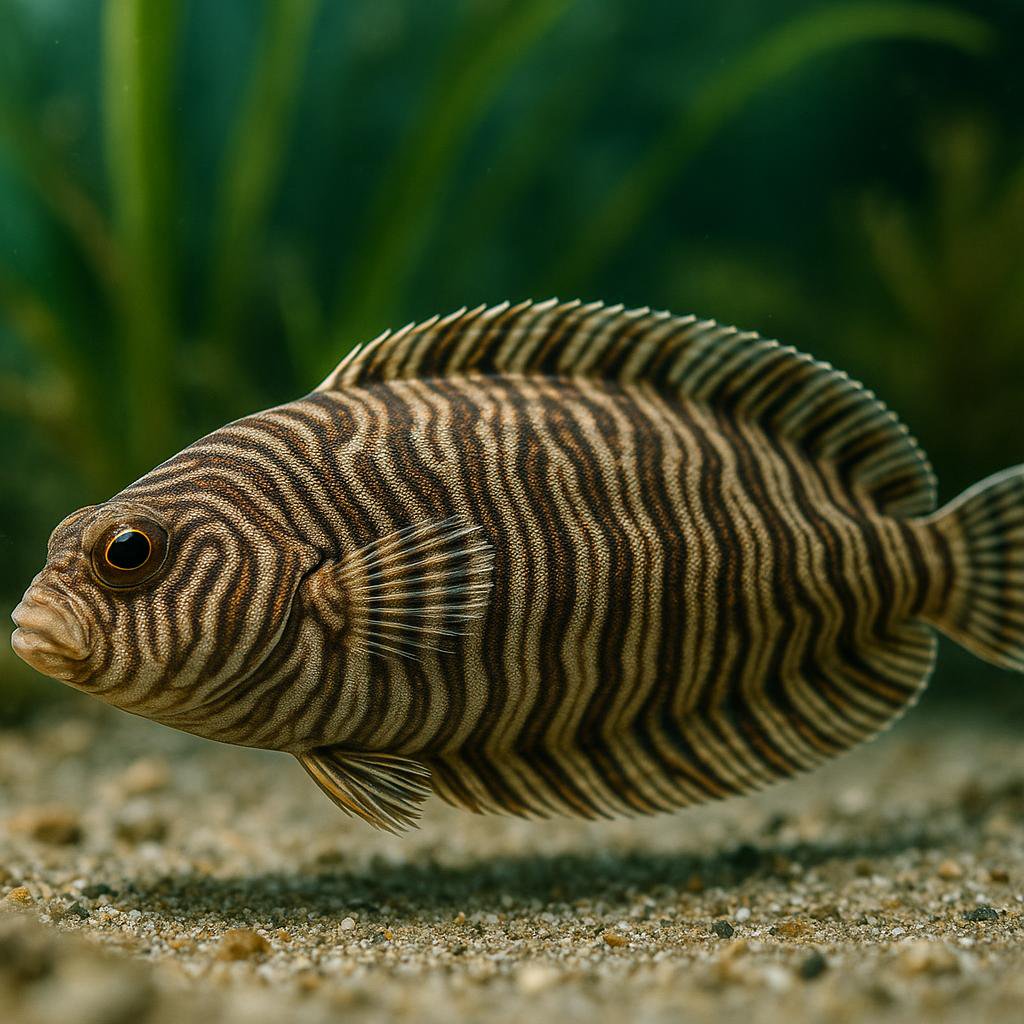
Zebrias annandalei is a small demersal sole from coastal India that inhabits sandy or muddy bottoms and buries for camouflage. It is rarely kept in home aquaria and would require a specialized marine sand-bottom setup and appropriate feeding.
Banded stargazer
Kathetostoma binigrasella
This is a New Zealand stargazer that lives half-buried in sand or mud with its eyes pointed up, waiting to rocket upward and nail passing prey. It has those neat dark saddle-bands across the back (especially as a juvenile), and like other stargazers it is venomous with spines near the gill cover/pectoral area - definitely a look-dont-touch fish.
Looking for other species?