

Thompson's poacher
Freemanichthys thompsoni
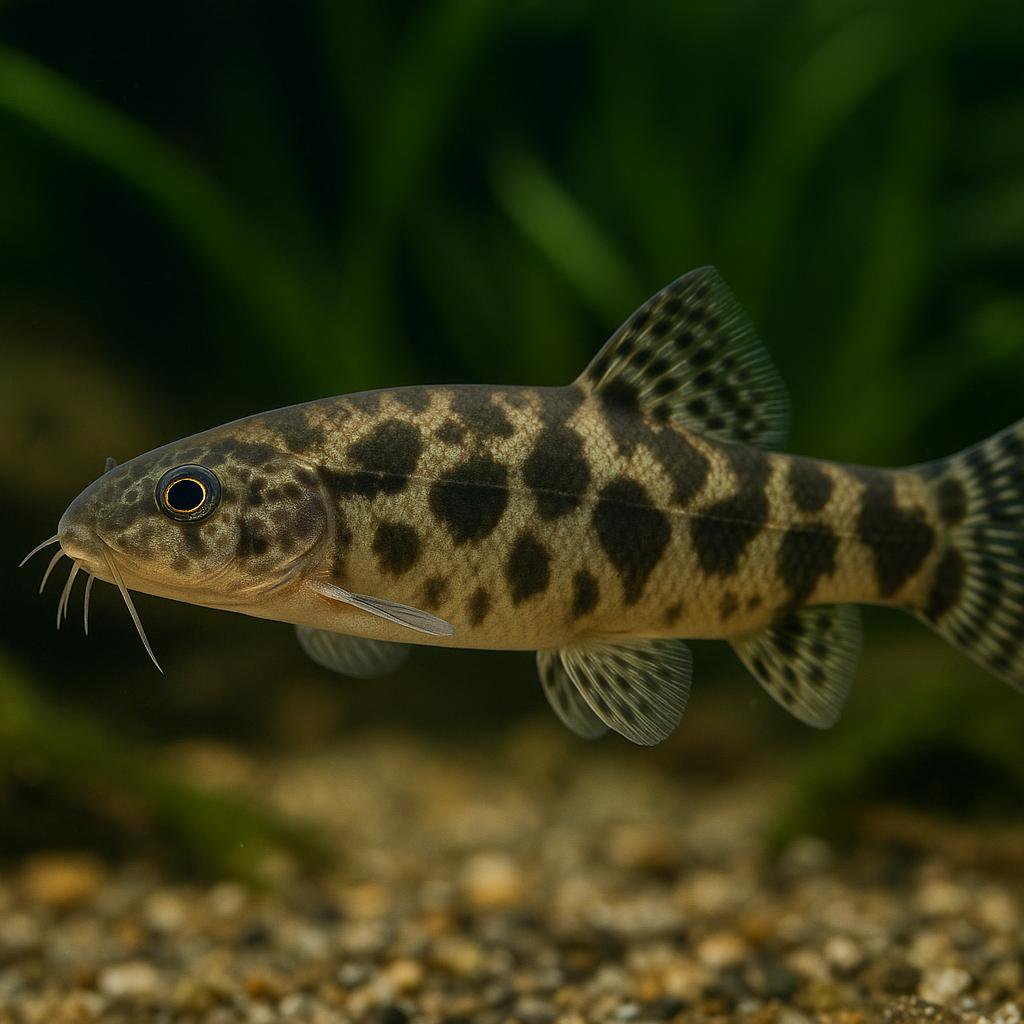
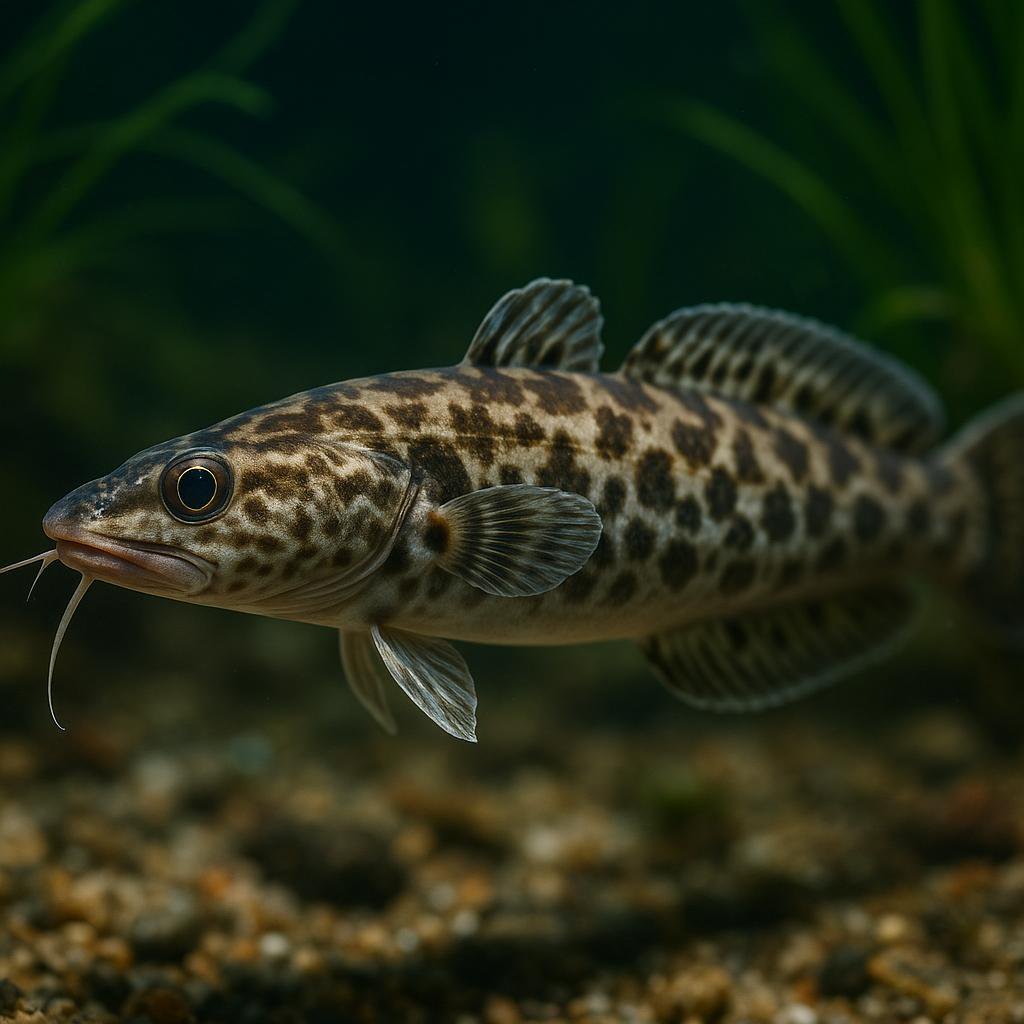
Thompson's poacher features a slender body, a mottled dark brown coloration with lighter spots, and elongated dorsal and anal fins.
This page includes AI-generated images. Why am I seeing AI images?
About the Thompson's poacher
Freemanichthys thompsoni is a temperate, demersal marine poacher (family Agonidae) from the northwestern Pacific, reported from roughly 10–300 m depth and reaching about 22 cm total length. Because it is a coldwater/deeper-water species, it is rarely suitable for typical tropical marine aquaria and would require specialized chilled, high-oxygen systems if kept.
Also known as
Quick Facts
Size
22 cm
Temperament
Peaceful
Difficulty
Expert
Min Tank Size
75 gallons
Lifespan
unknown
Origin
Northwest Pacific (Japan, Sea of Japan, Sea of Okhotsk)
Diet
Carnivore/invertivore - likely small benthic invertebrates (typical poacher/agonid feeding)
Water Parameters
0.2-13.8°C
8-8.4
7-12 dGH
Need a heater for this species?
This species needs 0.2-13.8°C in a 75 gallon tank. Use our heater calculator to find the right wattage.
Calculate heater sizeCare Notes
- Set them up like a cold, rocky tidepool - lots of rubble, tight caves, and crevices they can wedge into. They hate bright open sand flats, so break up line-of-sight with rock piles.
- This is a cold-temperate/deeper-water marine species; if kept, it requires a reliably chilled, high-oxygen marine system. Avoid typical tropical reef temperatures unless a species-specific reference indicates otherwise.
- They are perch-and-pounce hunters, so feed small meaty stuff: live or frozen mysis, enriched brine, chopped krill, and tiny pieces of clam. Target feed with a turkey baster right to their hide so faster fish do not steal everything.
- Skip aggressive or hyperactive tankmates - wrasses, damsels, and most hungry rockfish will stress them or outcompete them. Think calm coldwater companions that will not bully and will not fit them in their mouth.
- They are cryptic and can look 'gone' for days, especially after shipping; give them multiple bolt-holes and do not keep rearranging rock. If they are constantly out in the open, something is stressing them.
- Watch for skin damage and fin rot from rough handling or getting pinned in tight rock gaps, especially if flow blasts them into rocks. Quarantine is worth it because they do not handle parasites well when already stressed.
- Breeding is not common in home tanks, but if you ever see courtship, expect eggs placed in a protected spot and guardy behavior. The hard part is raising tiny larvae in coldwater - you would need live foods and a plan, not just luck.
Compatibility
Good Tankmates
- Other peaceful gobies like neon gobies (Elacatinus spp.) - good little community types that do not bully, and they are quick enough to not get harassed
- Blennies with a mellow vibe, like tailspot blennies (Ecsenius stigmatura) - lots of personality but usually not looking for a fight, and they do not outcompete a shy eater too badly
- Small, peaceful planktivores like firefish (Nemateleotris spp.) - calm tankmates that will not pick on a poacher, just make sure everybody gets food
Avoid
- Anything big and pushy like dottybacks (Pseudochromis spp.) - they love to own the rockwork and will hassle shy bottom fish nonstop
- Aggressive or territorial damsels (many Chrysiptera, Dascyllus) - they can turn a peaceful tank into a constant chase scene, and poachers do not handle that well
- Hawkfish (like flame hawkfish, Neocirrhites armatus) - not always evil, but they are predatory and bossy, and they can sit right on a poacher's favorite spot and make feeding a pain
- Fast, food-hogging bruisers like larger wrasses or big tangs - not because they will always attack, but because they will outcompete a poacher at mealtime and stress it out
Where they come from
Thompson's poacher (Freemanichthys thompsoni) is one of those cold-water oddballs from the North Pacific. Think deeper, rocky areas with current, low light, and a lot of sitting-and-waiting for food to drift by. If you try to keep it like a typical reef fish, it usually goes downhill fast.
This is a temperate, not tropical, marine fish. The biggest make-or-break is temperature.
Setting up their tank
Plan around two things: cold water and a fish that wants to perch and wedge itself into structure. I kept mine in a temperate setup with a chiller and lots of rockwork, and it spent most of the day posted up like a little armored gargoyle.
- Temperature: keep it cold and steady. Aim roughly 50-60F (10-16C). Short warm spells are what usually start the slide.
- Tank size: bigger than you think for stability. I would not bother under 40 gallons, and 75+ gallons makes temperature and nutrients easier to manage.
- Aquascape: rock piles, ledges, and caves. They like hard surfaces and tight spots, not open sand flats.
- Flow: moderate, with calmer pockets. Give it a place where food can settle and it can hold position without getting blasted.
- Lighting: subdued is fine. Bright reef lighting is not doing you any favors here.
- Substrate: sand is OK, but rockwork matters more. Make sure rocks are stable and cannot shift.
Do not skip the lid. These fish can launch when spooked, especially during acclimation or late-night tank maintenance.
Filtration-wise, think messy predator. You want strong mechanical filtration you actually clean, plus plenty of biological capacity. I also liked running carbon because some of the foods that work best for them can funk up the water if you get lazy.
What to feed them
They are built for ambush and snapping up meaty bits. Mine took frozen pretty readily once it recognized tongs as the dinner bell, but the first couple weeks can be stubborn.
- Frozen mysis (a staple once they accept it)
- Chopped krill (use smaller pieces than you think)
- Enriched brine shrimp (good for tempting, not a long-term main food)
- Chopped clam, squid, or shrimp (rinse well to keep the water cleaner)
- Small live foods as a jump-start if it will not take frozen (live mysids, live ghost shrimp acclimated to salt, or similar)
Target feeding helps a lot. Use long tongs or a feeding stick and place food right in front of its perch. They are not built to chase food around a high-flow tank.
Feed smaller amounts more often at first. A new poacher that gets one big meal and then goes ignored for days can sulk and stop responding. Once it is settled, you can usually land on a steady routine (every other day or so) depending on size and tank temp.
How they behave and who they get along with
Expect a sit-and-stare fish. It is not "active" in the way most people mean, but it is super interesting up close. They perch, adjust their position, and do short bursts to grab food. Mine was bold at feeding time and invisible the rest of the day.
- Best tankmates: other temperate species with similar temperature needs and calm behavior
- Avoid: fast, aggressive feeders that will steal everything before the poacher reacts
- Avoid: anything small enough to fit in its mouth (it is still a predator)
- Use caution: nippy fish that pick at fins or harass bottom-perchers
Compatibility is mostly about temperature. Even "peaceful" tropical fish are a bad match because somebody is going to be kept at the wrong temp.
They are generally not looking for trouble, but they will defend a favorite crevice. Give multiple perching spots and line-of-sight breaks if you are keeping more than one bottom-dweller.
Breeding tips
Breeding in home aquariums is rare and, honestly, not something most people should plan around. Spawning cues for temperate marine fish often involve seasonal temperature shifts, photoperiod changes, and a lot of live food at the right time. If you ever see courtship behavior, you are already in pretty deep with a dedicated temperate system.
If you want to take a swing at it, focus on keeping the fish long-term first: stable cold temps, heavy feeding, and low stress. Most losses happen way before breeding is on the table.
Common problems to watch for
- Heat stress: the silent killer. Gasping, lethargy, hiding constantly, and loss of appetite can show up after a warm spell.
- Shipping damage and refusal to eat: they can arrive beat up or spooked. Give low light, quiet, and offer small meaty foods right on the perch.
- Starvation-by-competition: looks "fine" but slowly gets thinner because tankmates outcompete it at every feeding.
- Poor water quality from heavy meaty feeding: cloudy water, rising nitrate, and film on the surface if you overdo it or do not clean mechanical filtration.
- External parasites and bacterial issues after stress: watch for frayed fins, redness, or rapid breathing. Quarantine is your friend with a fish this sensitive.
If you see a poacher stop eating and it is also running warm (even a few degrees above where you keep it), fix temperature first. Chasing meds while the tank is too warm usually ends badly.
My general rule with these: if something is off, slow down and simplify. Dim the lights, reduce activity around the tank, offer a small high-smell food (mysis or chopped clam), and check temperature and oxygenation before you do anything else.
Similar Species
Other marine peaceful species you might be interested in.
Abe's eelpout
Japonolycodes abei
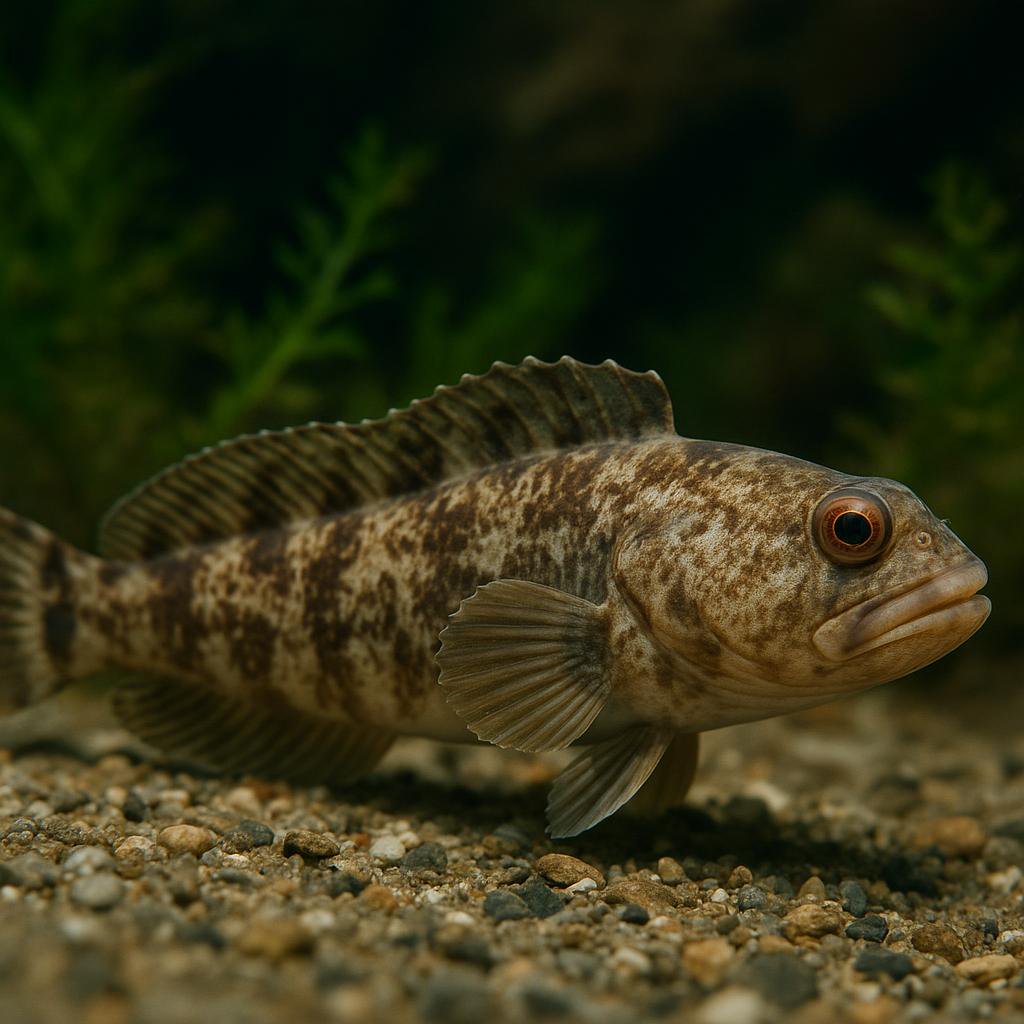
Japonolycodes abei is a temperate, deepwater demersal eelpout (family Zoarcidae) endemic to Japan (Kumano-nada Sea reported; other sources also report Sagami Bay and Tosa Bay). It is the only species in the genus Japonolycodes and occurs roughly 40-300 m depth, making it an uncommon/atypical aquarium species.
Affinis blind cusk-eel
Barathronus affinis
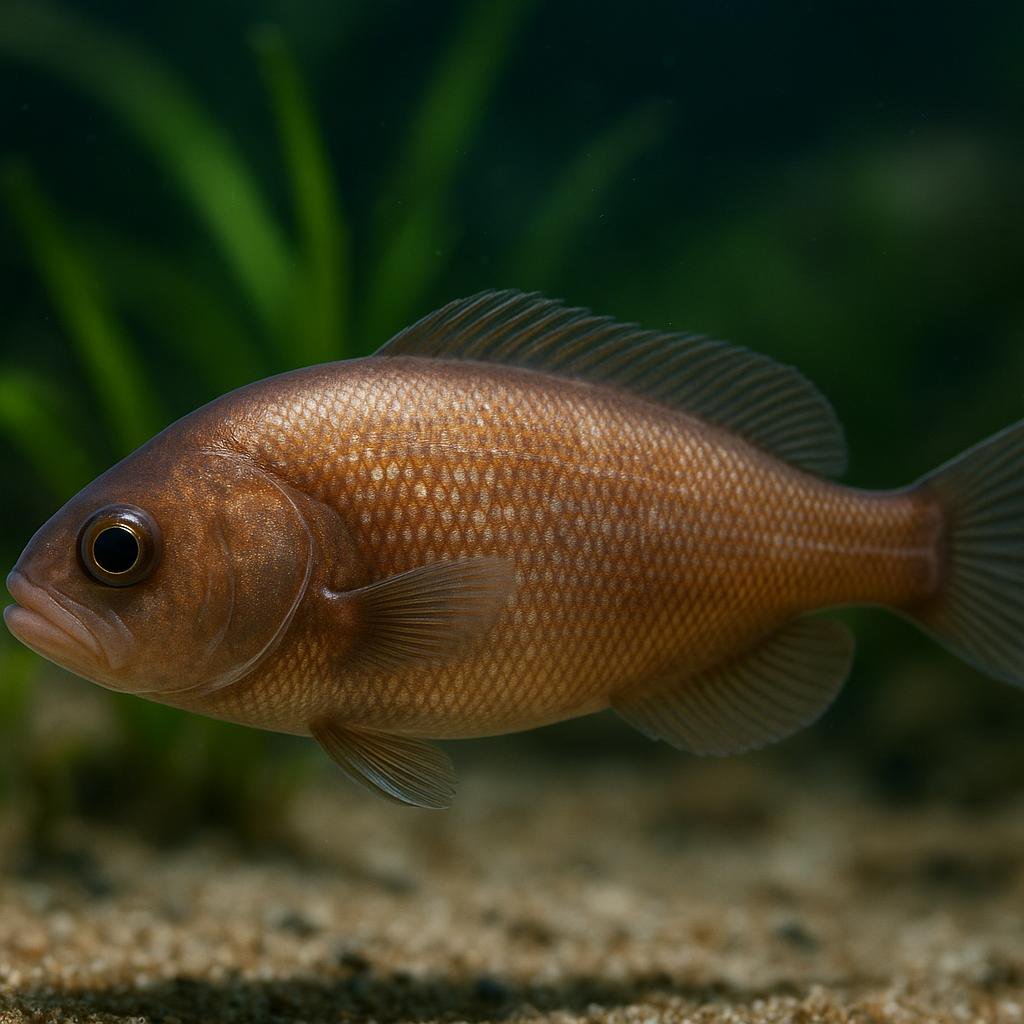
Barathronus affinis is a tiny, super-weird deep-sea blind cusk-eel from the western-central Indian Ocean. It is one of those gelatinous, loose-skinned brotula-type fishes that live way down in the dark and are basically never seen alive, so almost everything we know comes from preserved specimens and taxonomic work.
Allis shad
Alosa alosa
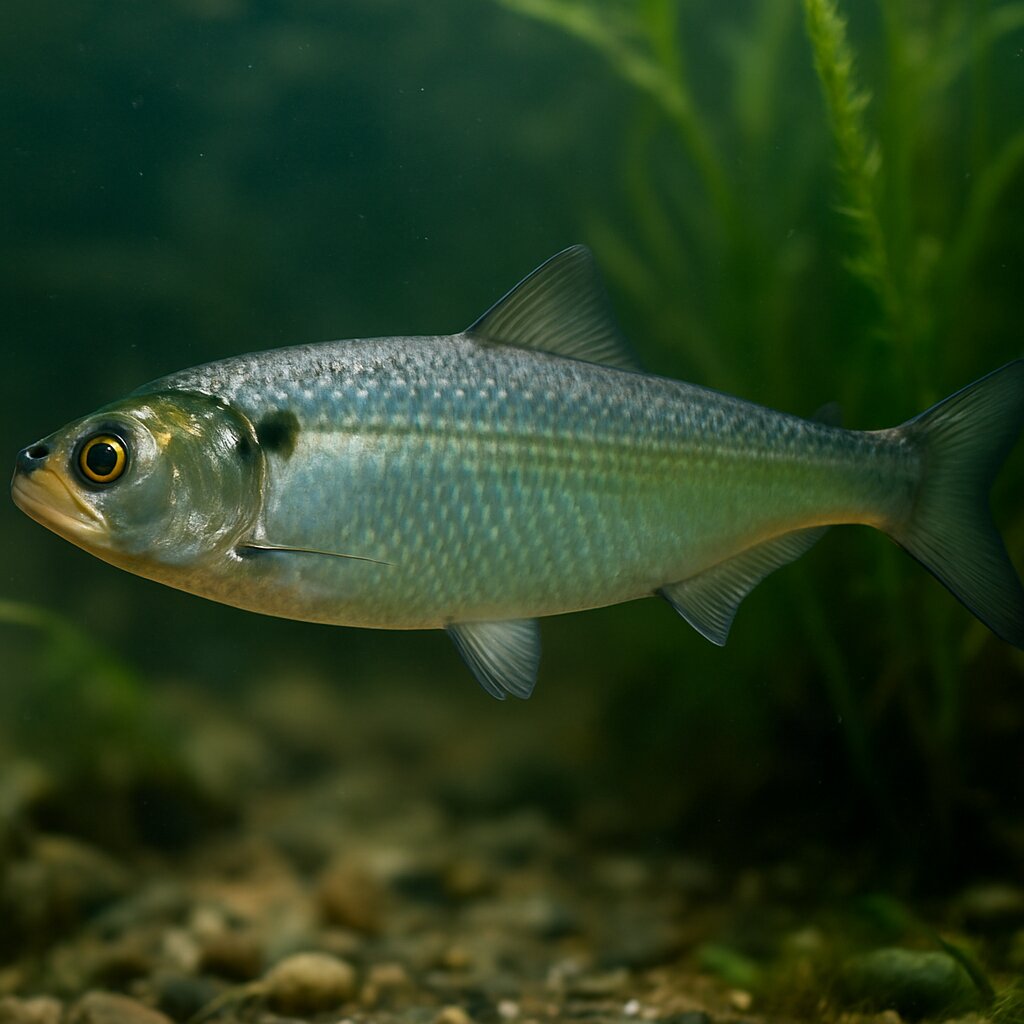
Gorgeous silver, fast-swimming shad that spends most of its life in the sea and then surges up big rivers in noisy, surface-spawning schools. It grows huge for a herring-type fish and needs cool, ultra-oxygenated water and tons of open space, so it is a public-aquarium species rather than a home tank fish.
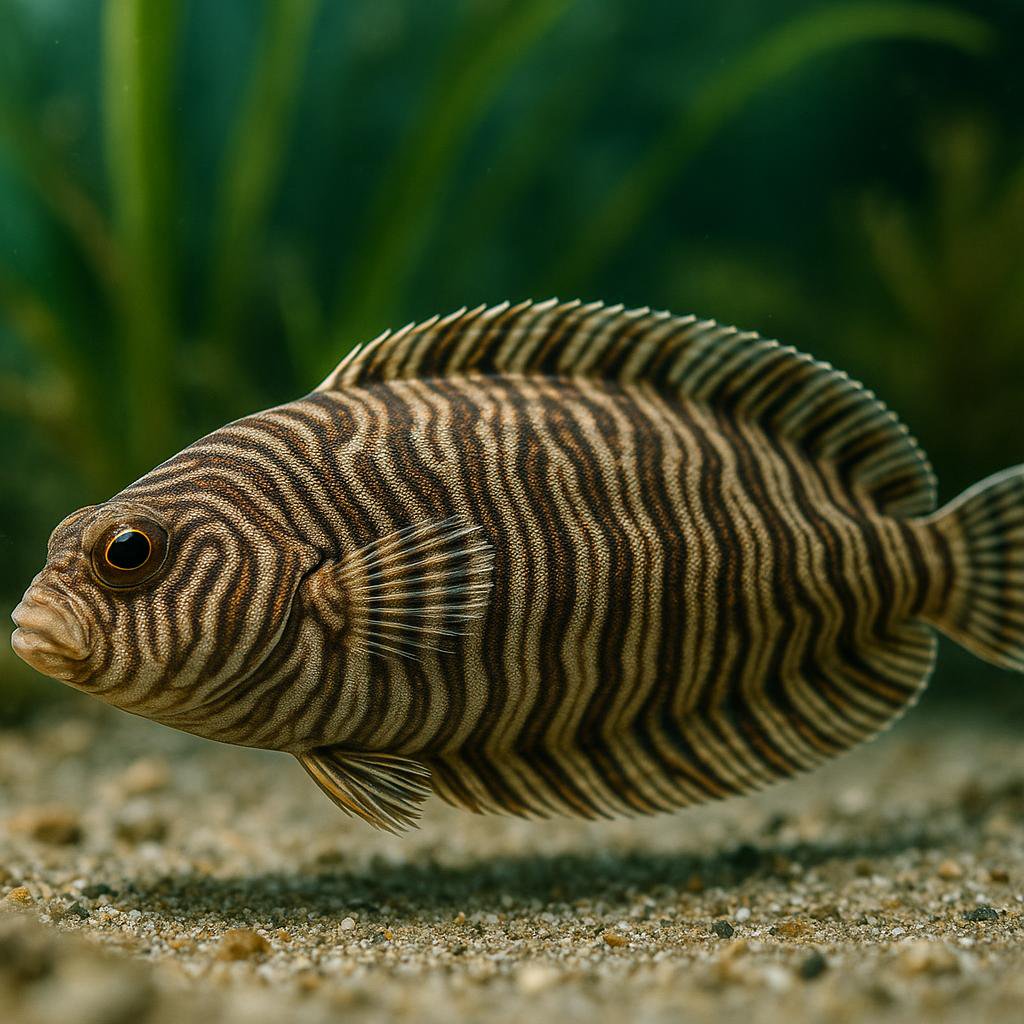
Annandale's zebra sole
Zebrias annandalei
Zebrias annandalei is a small demersal sole from coastal India that inhabits sandy or muddy bottoms and buries for camouflage. It is rarely kept in home aquaria and would require a specialized marine sand-bottom setup and appropriate feeding.
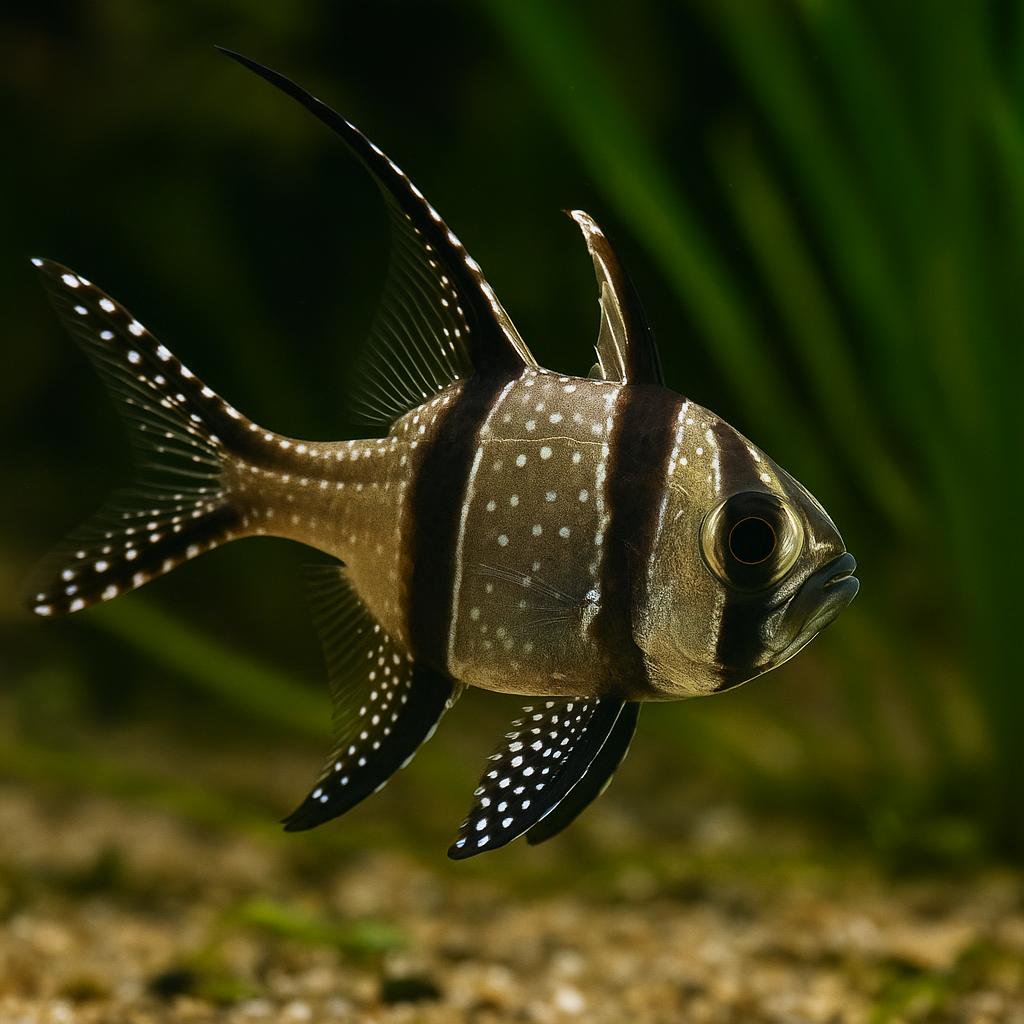
Banggai Cardinalfish
Pterapogon kauderni
Banggai cardinals just sort of hover like little underwater satellites, and the bold black bars with those long, polka-dotted fins look unreal under reef lighting. They're super chill most of the time, but once a pair forms you'll see real "fish drama," and the male will even mouthbrood the babies like a champ.
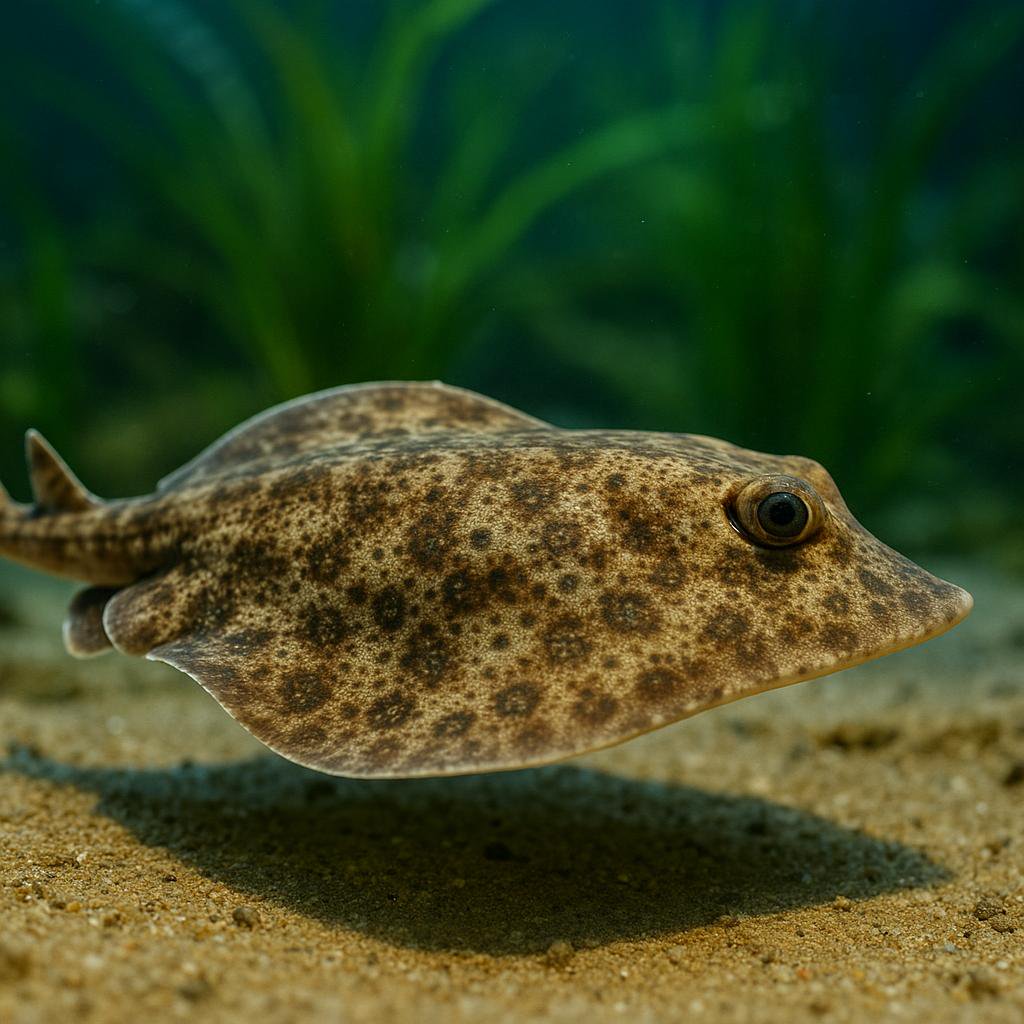
Barbedwire-tailed skate
Notoraja martinezi
Notoraja martinezi is a deepwater skate from the eastern Pacific (Costa Rica down to Ecuador) that lives way down on soft bottoms. The tail is the giveaway - it is lined with strong, hooked thorns that really do look like barbed wire. This is absolutely not an aquarium fish; it is a cold, high-pressure deep-sea animal with basically no practical home care info because it is not kept in the hobby.
More to Explore
Discover more marine species.
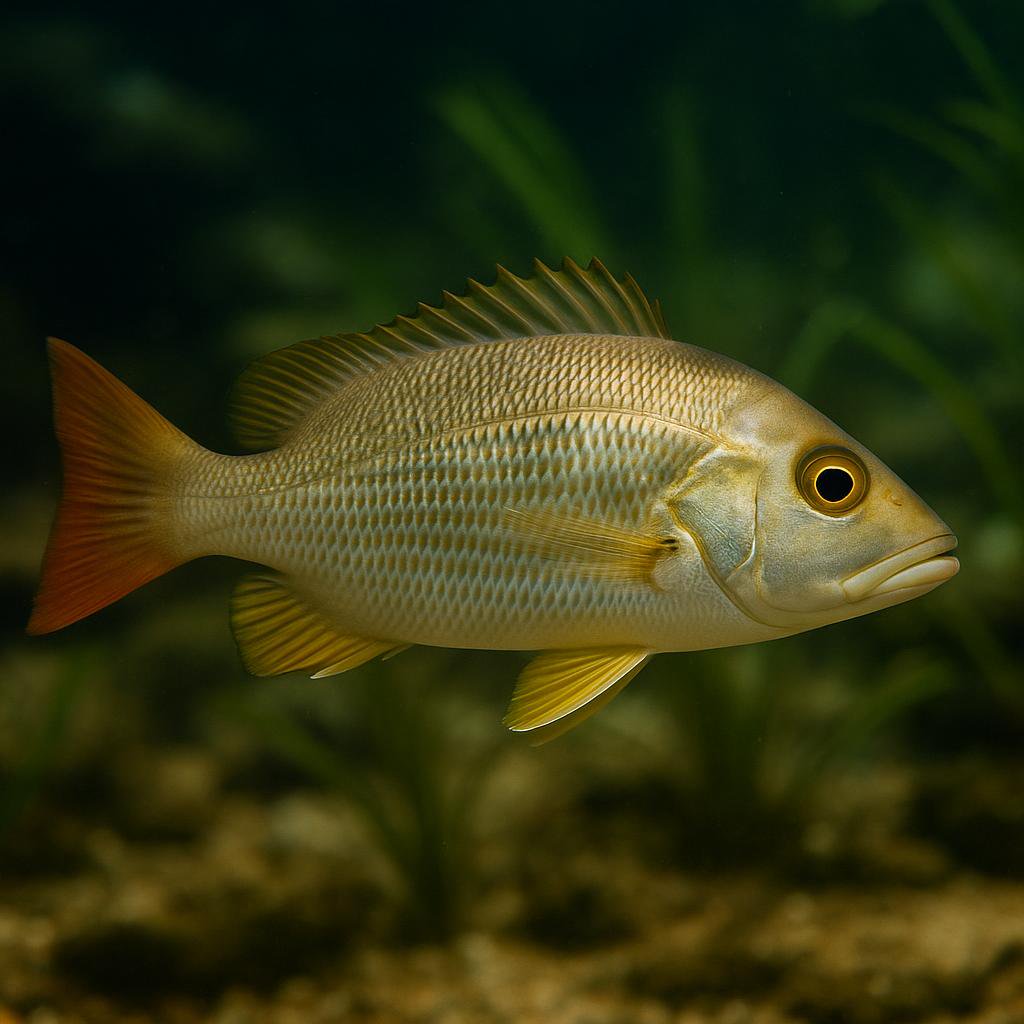
African red snapper
Lutjanus agennes
This is a true snapper from West Africa - a big, fast-growing predator that goes from coastal reefs to brackish lagoons and estuaries (especially as a juvenile). Super cool fish in the wild, but it gets absolutely huge and will eat smaller tankmates once it has the mouth for it, so its really more of a public-aquarium scale animal than a home-aquarium fish.
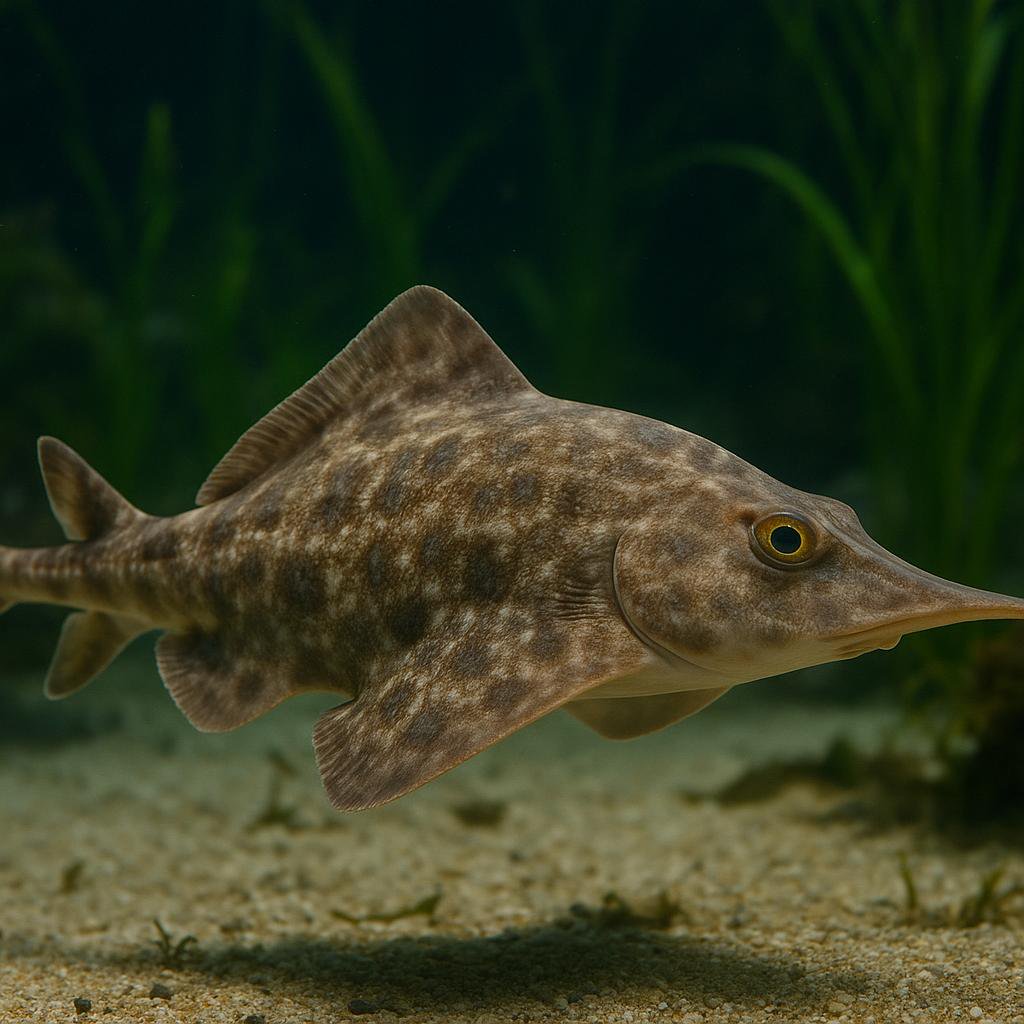
Aleutian skate
Bathyraja aleutica
This is a big, cold-water deep-slope skate from the North Pacific that cruises muddy bottoms and eats chunky benthic prey like crabs and shrimp. The really cool bit is its egg-laying skate life - it does distinct pairing (the classic skate "embrace") and drops those tough egg cases on the seafloor. Not an aquarium fish at all unless you're basically running a public-aquarium-style chilled system.
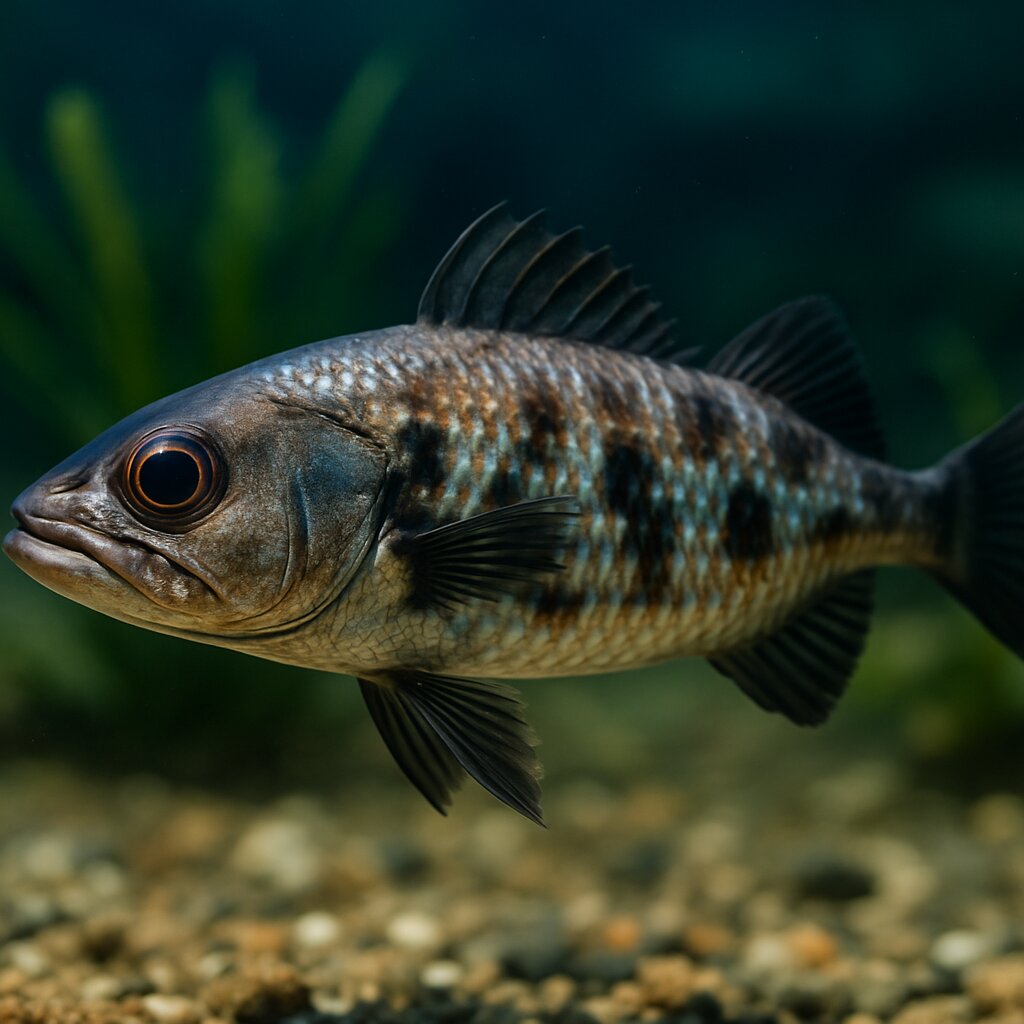
Antarctic dragonfish
Vomeridens infuscipinnis
Deep down around Antarctica, this sleek dragonfish cruises the water column like a little submarine, nearly neutrally buoyant so it can hover above the seafloor. It munches almost exclusively on Antarctic krill and lives in near-freezing water 500-800 m down, so it is a cool species to read about, not one for home tanks.
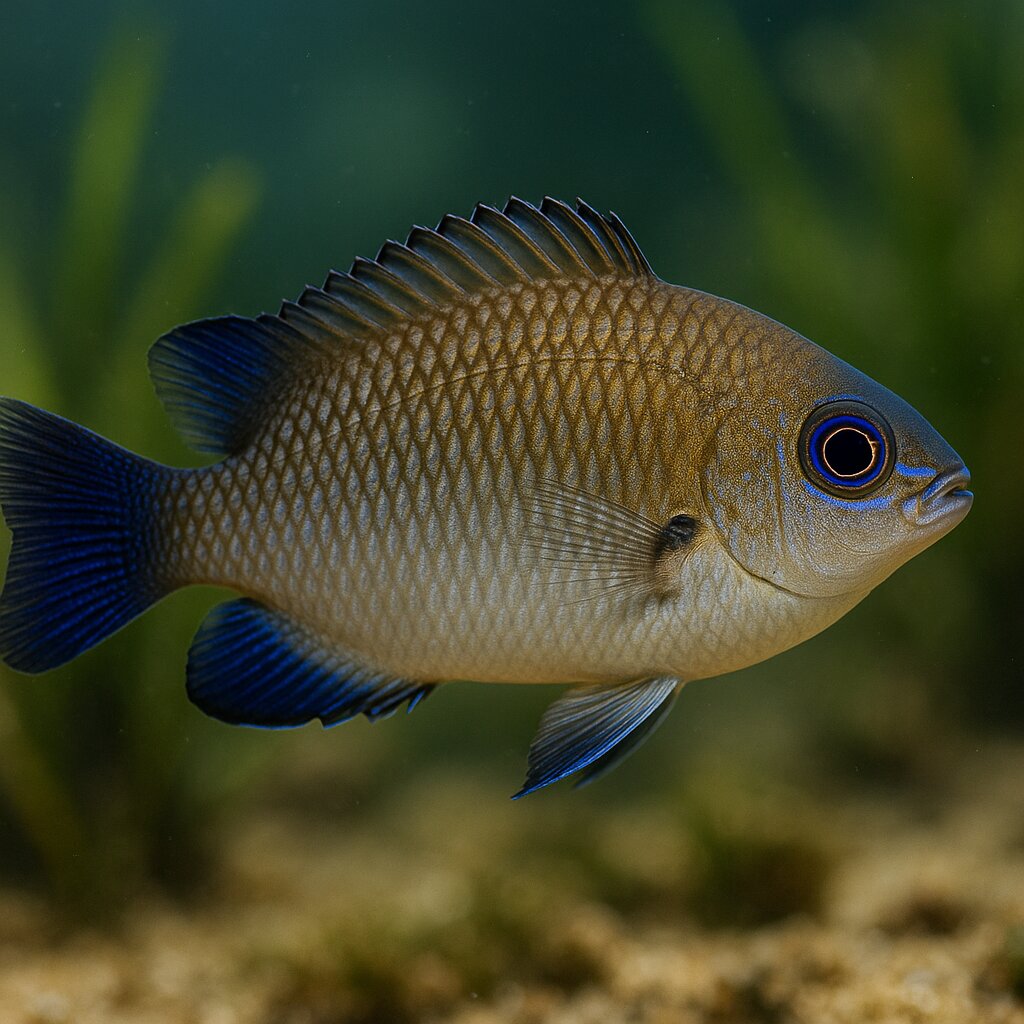
Arabian demoiselle
Neopomacentrus sindensis
A small lyretail damsel from the Persian Gulf and Arabian Sea, it hangs in loose groups around coral heads, rocks, and even pier pilings picking zooplankton from the flow. Think classic damsel toughness with a slightly milder attitude than the real bruisers, plus subtle yellow tail accents. Males clean a patch, get a mate to lay eggs there, and then stand guard fanning the clutch.
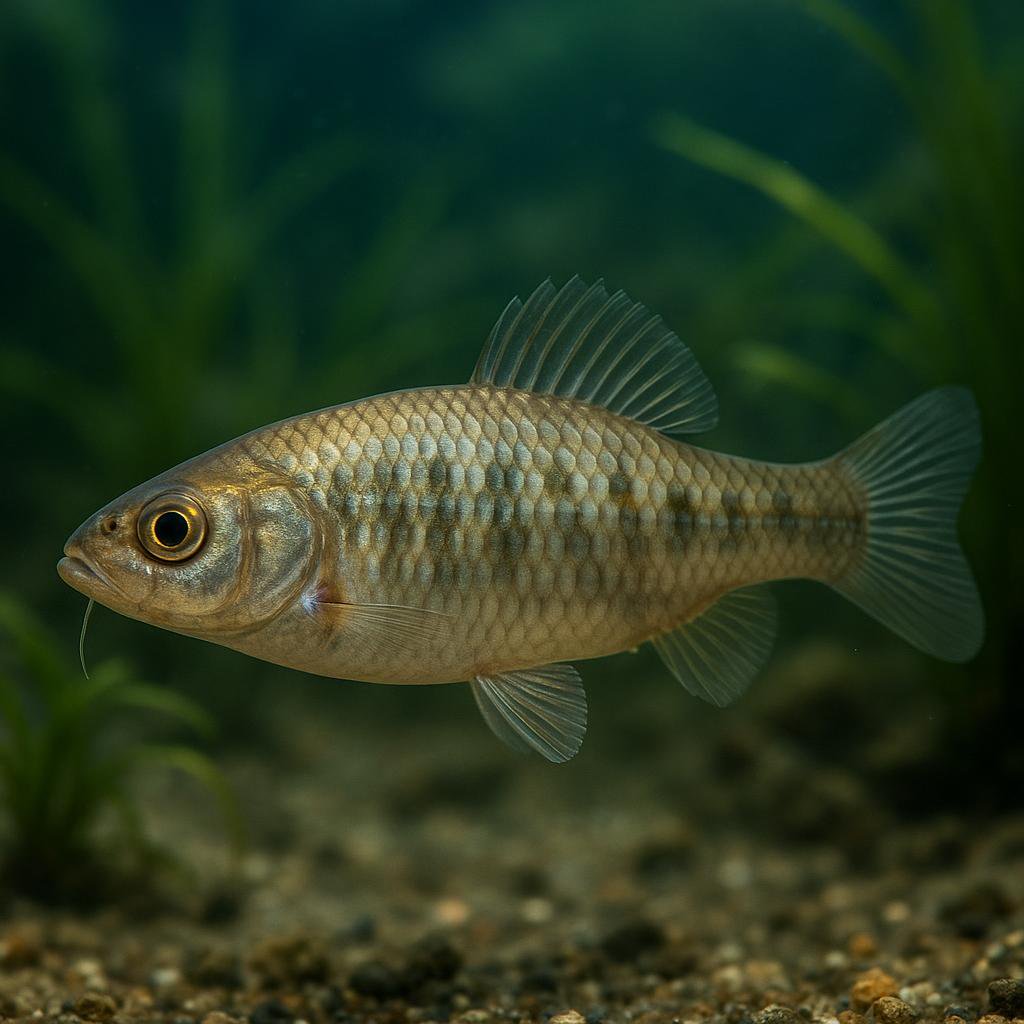
Arabian spiny eel
Notacanthus indicus
Notacanthus indicus is a deep-sea spiny eel (family Notacanthidae; not a true eel) known from the Arabian Sea on the continental slope at roughly ~960–1,046 m depth, with reported maximum length around 20 cm TL; it is a deep-water bycatch species and not established in the aquarium trade.
Arctic rockling
Gaidropsarus argentatus
This is a deepwater North Atlantic rockling (a cod relative) that hangs out on soft bottoms way down the slope. It is a cold-water, bottom-hugging predator that snoots around for crustaceans and will also take small fish when it gets the chance.
Looking for other species?