

Freshwater shark
Wallago attu
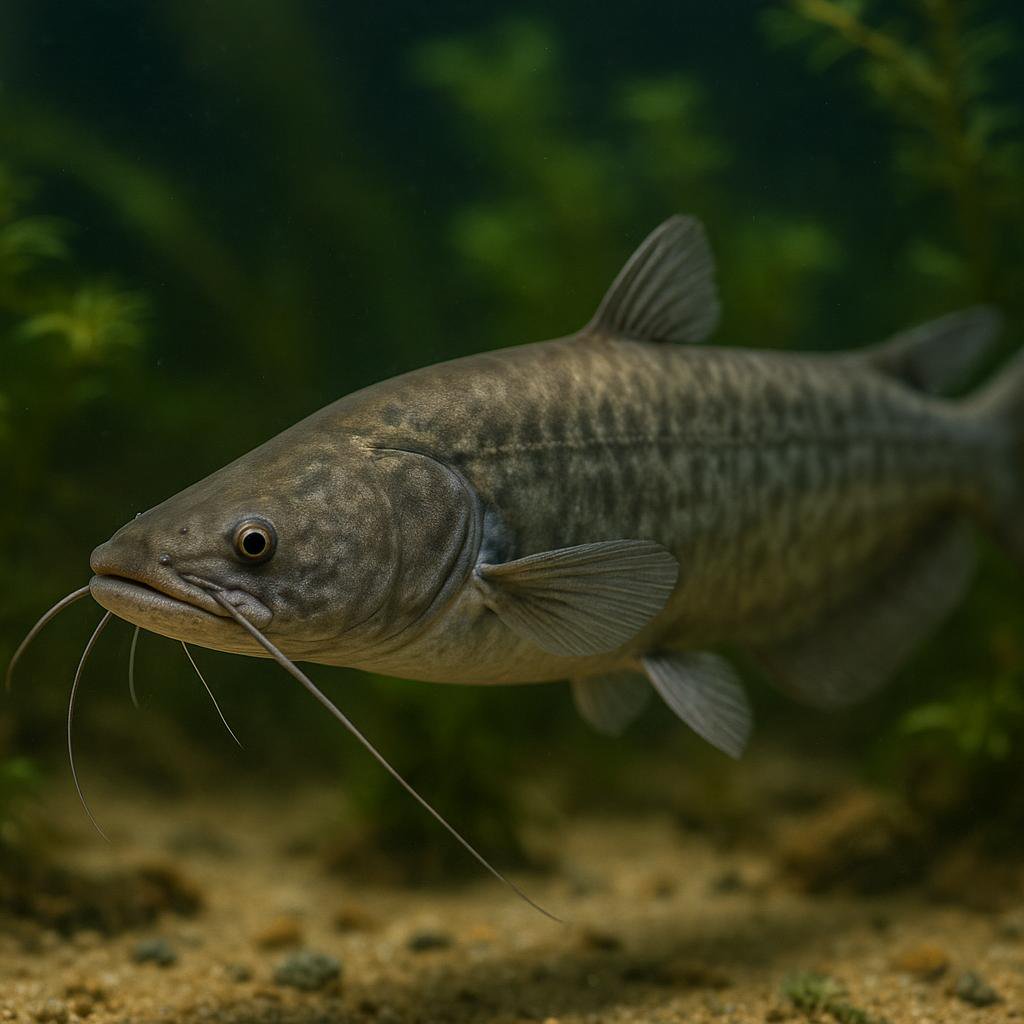
The Wallago attu features an elongated body, a prominent dorsal fin, and dark gray to olive coloration with pale underbellies.
This page includes AI-generated images. Why am I seeing AI images?
About the Freshwater shark
Wallago attu is one of those true monster sheatfish - a long, compressed catfish with a ridiculously huge, deeply cleft mouth that makes it an absolute vacuum cleaner for anything it can catch. In the wild it hangs around deep, slower water over mud or silt and spends a lot of time tucked into holes and cover. In aquariums its main care requirement is simple but brutal: space (think indoor pond), because it gets enormous and anything smaller than it is food.
Also known as
Quick Facts
Size
240 cm
Temperament
Semi-aggressive
Difficulty
Expert
Min Tank Size
1450 gallons
Lifespan
8-10 years
Origin
South and Southeast Asia
Diet
Carnivore/piscivore - fish, crustaceans, mollusks; will take meaty frozen/prepared foods when young but remains a predator
Water Parameters
24-28°C
6.5-7.5
2-20 dGH
Need a heater for this species?
This species needs 24-28°C in a 1450 gallon tank. Use our heater calculator to find the right wattage.
Calculate heater sizeCare Notes
- Plan for a monster: juveniles outgrow tanks fast, and adults really want a pond-sized setup. Think 10+ ft footprint with lots of open water, heavy-duty lids, and nothing breakable near the tank.
- They freak out and slam the glass when spooked, so keep lighting subdued and give them a couple big, smooth hiding spots (PVC tubes or rounded driftwood). Skip sharp rocks and spiky decor - torn skin and barbels happen fast.
- Water numbers: keep it warm and stable (about 24–28 °C / 75–82 °F), pH around neutral (6.5–7.5), and ammonia/nitrite at 0 with nitrate kept low via big water changes.
- Filtration has to be ridiculous: oversize sump or multiple canisters, plus strong aeration. They produce a ton of waste and oxygen demand jumps after big meals.
- Feeding: they are predators, so use chunky meaty foods (fish fillet, shrimp, mussel, quality carnivore pellets) and feed 2-3 times a week for big fish to avoid fatty liver. Do not use feeder goldfish/rosies - they bring parasites and wreck water quality.
- Tankmates: best kept alone in practice. Strongly predatory and will attempt to swallow even near‑same‑size fish; only in truly pond‑scale systems have comparably large, non‑aggressive species sometimes coexisted.
- Watch for jaw and snout injuries from panic-dashing - cover edges, keep the room calm, and use a background on the sides to reduce startle reflections. Keep meds on hand for bacterial infections because wounds in warm water go downhill quick.
- Breeding in home aquariums is essentially unreported; reproduction has been achieved in large outdoor earth ponds in Asia, not typical tanks.
Compatibility
Good Tankmates
- Big, thick-bodied cyprinids like tinfoil barbs (Barbonymus schwanenfeldii) - fast, not easily bullied, and usually too deep-bodied to be casually swallowed once they are grown out
- Large, tough cichlids that can handle themselves (think adult Oscars, big Severums) - only in very big tanks with lots of open water, and only if everyone is already similar size
- Large catfish that mind their own business like adult Synodontis (big species) - they stay armored and tend to avoid the shark's strike zone
- Big plecos like common pleco or sailfin pleco - they stick to wood and glass, and the Wallago usually ignores them if they are not bite-sized
- Other monster fish with similar needs like adult giant gourami - works best when both are already large, in a pond-sized setup, with tons of filtration
Avoid
- Anything small enough to fit in its mouth - tetras, guppies, rasboras, juvenile barbs, small rainbows - with Wallago attu it is not 'if', its 'when'
- Long-finned or slow fish like fancy goldfish, angelfish, bettas - they look like an easy snack and they cannot dodge a hit
- Most tankmates; species is best kept alone due to extreme predation risk.
- Other aggressive predators like snakeheads or aggressive knifefish - you are basically setting up a turf war, and somebody gets shredded
Where they come from
Wallago attu is a big predatory catfish from South and Southeast Asia - think river systems like the Indus, Ganges, and parts of Myanmar and Thailand. People call it a "freshwater shark" because of the long, torpedo body and the way it hunts in open water, but its attitude is pure catfish.
In the wild it deals with seasonal changes, murky water, and strong current. That background matters because this fish is built for space, oxygen, and eating other fish.
Setting up their tank
I will be blunt: this is not a "big aquarium" fish, it is a "private pond or indoor pool" fish once it grows. Juveniles can be started in a very large tank for a while, but they outgrow normal home setups fast.
Plan for the adult, not the cute 8 inch juvenile. If you cannot provide a massive system (or have a realistic long-term home lined up), do not buy one.
They are powerful swimmers and they spook hard. Give them long straight runs, rounded corners if you can, and keep the layout simple so they do not smash themselves on decor during a nighttime bolt.
- Footprint first: long and wide beats tall. Open swimming room matters more than depth.
- Filtration: think pond-level turnover and bio capacity. Big sump, big prefilter, easy access for cleaning.
- Flow and oxygen: strong surface movement and plenty of dissolved oxygen. They sulk in stale water.
- Substrate and decor: sand or bare bottom is easiest. If you use wood/rocks, keep them smooth and pinned down.
- Lid: tight and heavy. They can surge upward and launch when startled.
For water parameters, do not obsess over a magic number. Stable, clean freshwater wins. I have had the best results keeping nitrates low with big water changes and over-filtering rather than chasing pH. Warm tropical temps are fine, just keep oxygen high because warmer water holds less.
Dim lighting helps. If the tank is bright, add floating plants or shaded areas so the fish is not on edge all day.
What to feed them
Wallago attu is a predator with a serious gape. Juveniles will take meaty foods right away, and adults will happily eat fish, shrimp, and chunks of anything that smells like protein.
- Staples: white fish fillet, shrimp, prawns, mussel, squid (not every day), earthworms
- Convenient options: quality carnivore pellets once they accept them, frozen silversides or similar
- Treats: live foods like earthworms or feeder shrimp from a safe source
Skip cheap feeder goldfish/rosy reds. They bring parasites, and the fatty profile is rough on predators long-term.
Do not overdo oily foods or mammal meat. Beef heart and chicken are popular in some circles, but I have seen big predators get fatty and sluggish on that stuff. Better to rotate seafood and fish-based foods and keep portions sensible.
Feeding rhythm: smaller fish can eat more often, but adults do better with larger meals a few times a week. If the belly stays rounded for days, you are feeding too heavy.
How they behave and who they get along with
They are not community fish. Even if yours seems calm, it is a sit-and-wait hunter that can flip the switch fast. Anything that fits in the mouth is food, and a lot more fits than you think.
- Temperament: predatory, can be skittish, can be surprisingly bold at feeding time
- Activity: often more active at dusk/night, but they learn your schedule
- Tankmate rule: if you are asking "will it eat this?" the answer is probably yes
If you insist on tankmates, you are looking at very large, robust fish that cannot be swallowed and will not harass it. Even then, you are rolling the dice, and the tank has to be huge so everyone has room to get away. A stressed Wallago can panic and injure itself, and a crowded tank makes that more likely.
They can learn to take food from tongs. That is great for training and safety, because you can place food right in front of them and avoid a feeding frenzy that batters the tank.
Breeding tips
Breeding Wallago attu in home aquariums is basically a non-event. They are big, seasonal river spawners, and most successful breeding is done in ponds or commercial settings where you can mimic monsoon cues or use hormones.
If you ever end up with a mature pair in a pond, the rough idea is heavy feeding leading into large water changes and a rainy-season style shift (slightly cooler water and big fresh water influx). But in a typical glass tank setup, it is not something to count on.
Common problems to watch for
- Injury from spooking: scraped snout, torn fins, broken whiskers from hitting decor or lids
- Water quality crashes: big predators make big waste, and they go downhill fast if filtration or maintenance slips
- Bloat/constipation: from overfeeding, too much oily food, or not enough variety
- Parasites from live feeders: especially if you use store feeders or outdoor-caught fish
- Aggression accidents: tankmates disappearing overnight or sudden bullying in tight quarters
If your Wallago stops eating, check the basics first: oxygen, ammonia/nitrite, and temperature. I have seen them refuse food just because the surface agitation was weak after a pump got clogged.
Quarantine anything you plan to feed or add as a tankmate. With a fish this valuable (and this messy to medicate in a giant system), prevention is way easier than trying to treat an outbreak after the fact.
Similar Species
Other freshwater semi-aggressive species you might be interested in.
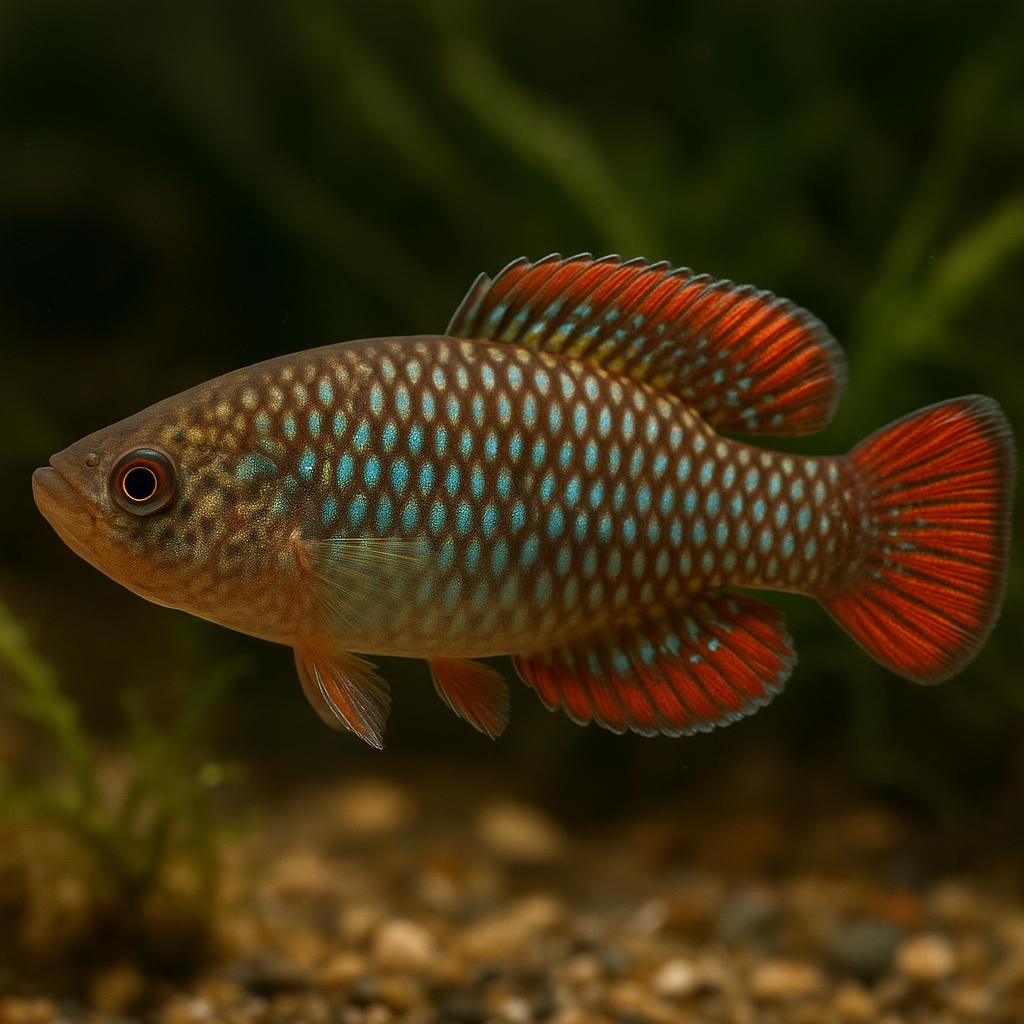
American flagfish
Jordanella floridae
Jordanella floridae is that little Florida native with the red-and-cream striping that really does look like a tiny flag once a male colors up. They graze algae like champs (especially stringy/hair algae), but they have a bit of attitude - give them plants and space so the bossy behavior stays manageable. Bonus: the male guards the eggs and will actively fan them, which is pretty fun to watch.
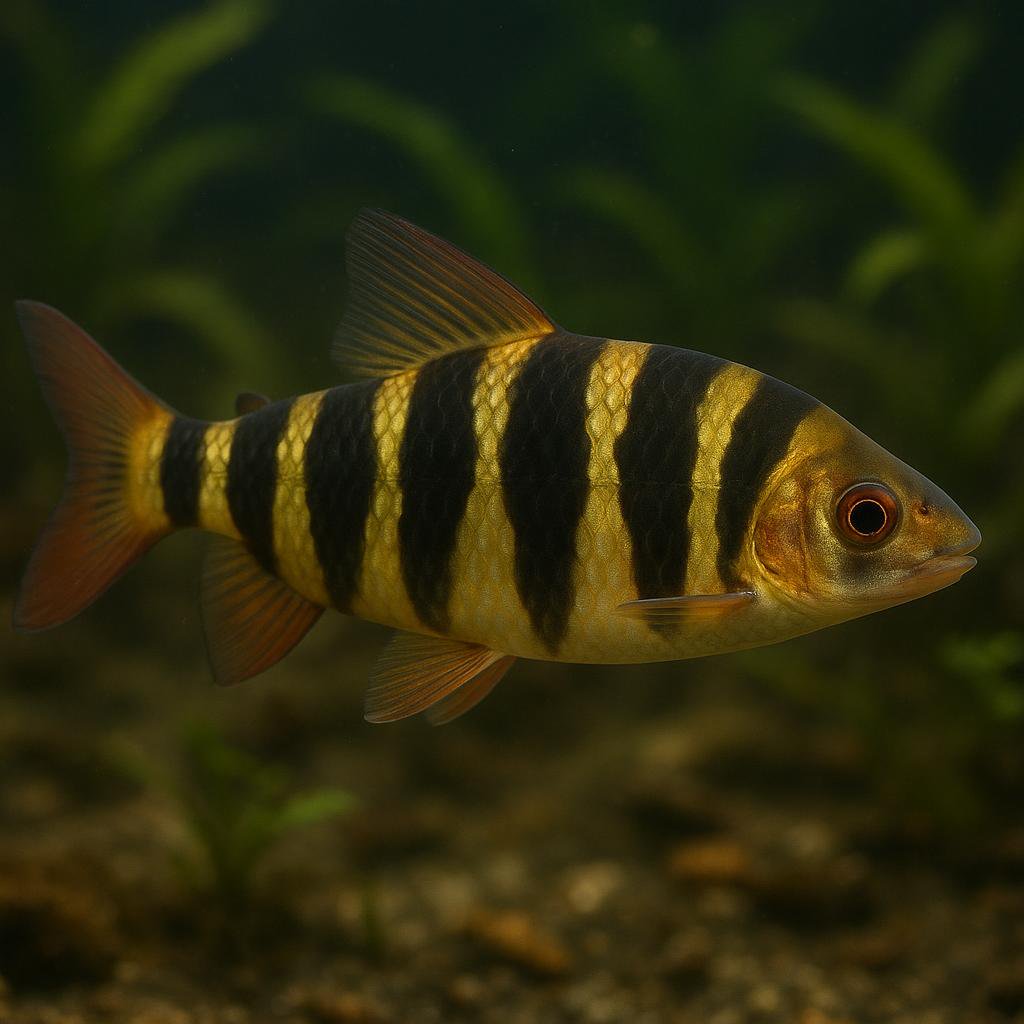
Banded Leporinus
Leporinus fasciatus
Banded Leporinus are those torpedo-shaped, black-and-yellow striped fish that look like they're wearing a little prison outfit-and they stay on the move. They've got a ton of personality and they're awesome to watch cruising and picking at stuff, but they're also the kind of fish that will redecorate your tank and "taste test" anything soft-looking.
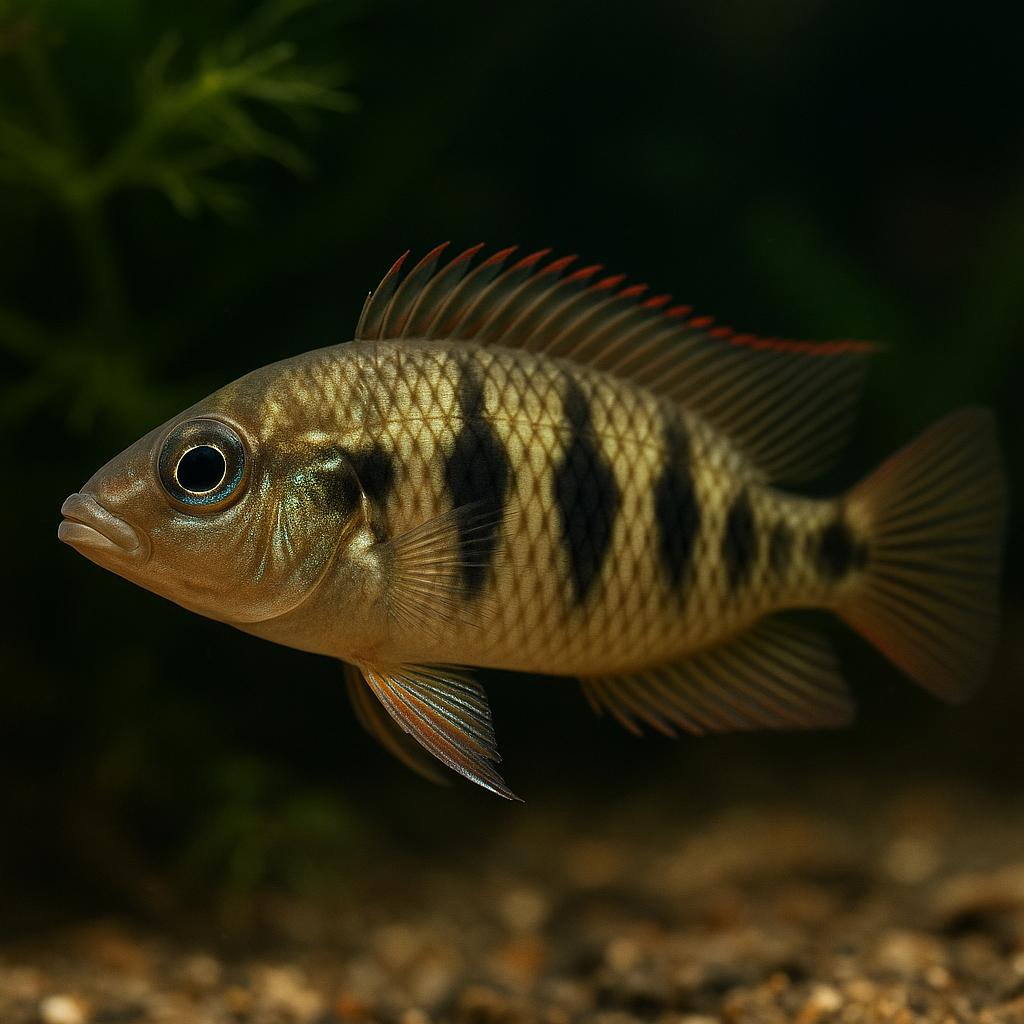
Bandi cichlid
Wallaceochromis signatus
A West African dwarf cichlid from Guinea's Bandi River, this fish shows crisp vertical bars and spotted fins with red highlights. Females have a bold black spot at the base of the tail, and pairs guard eggs and fry in caves, which makes their parental behavior fun to watch.
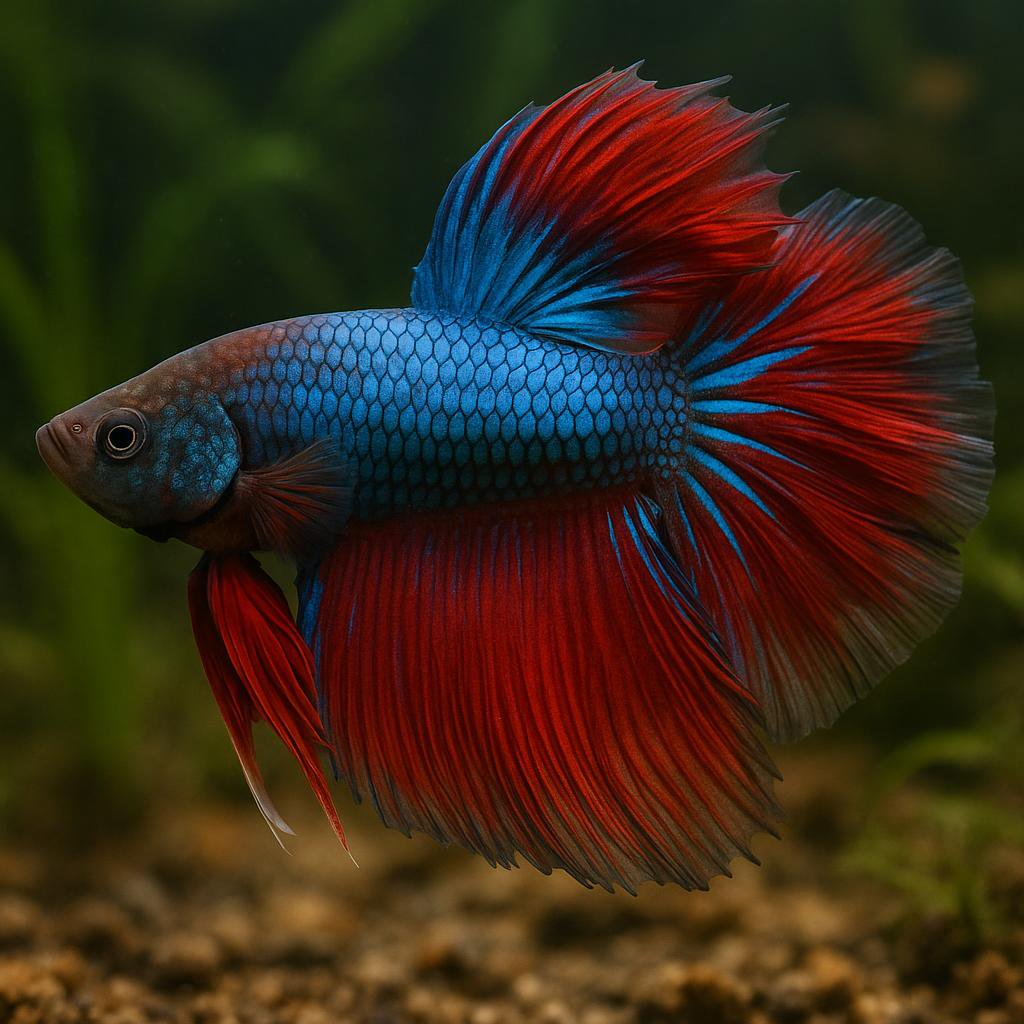
Betta
Betta splendens
Betta fish, also known as Siamese fighting fish, are popular for their striking colors and flowing fins. They are known for their territorial nature, especially males, which can display aggressive behavior towards each other.
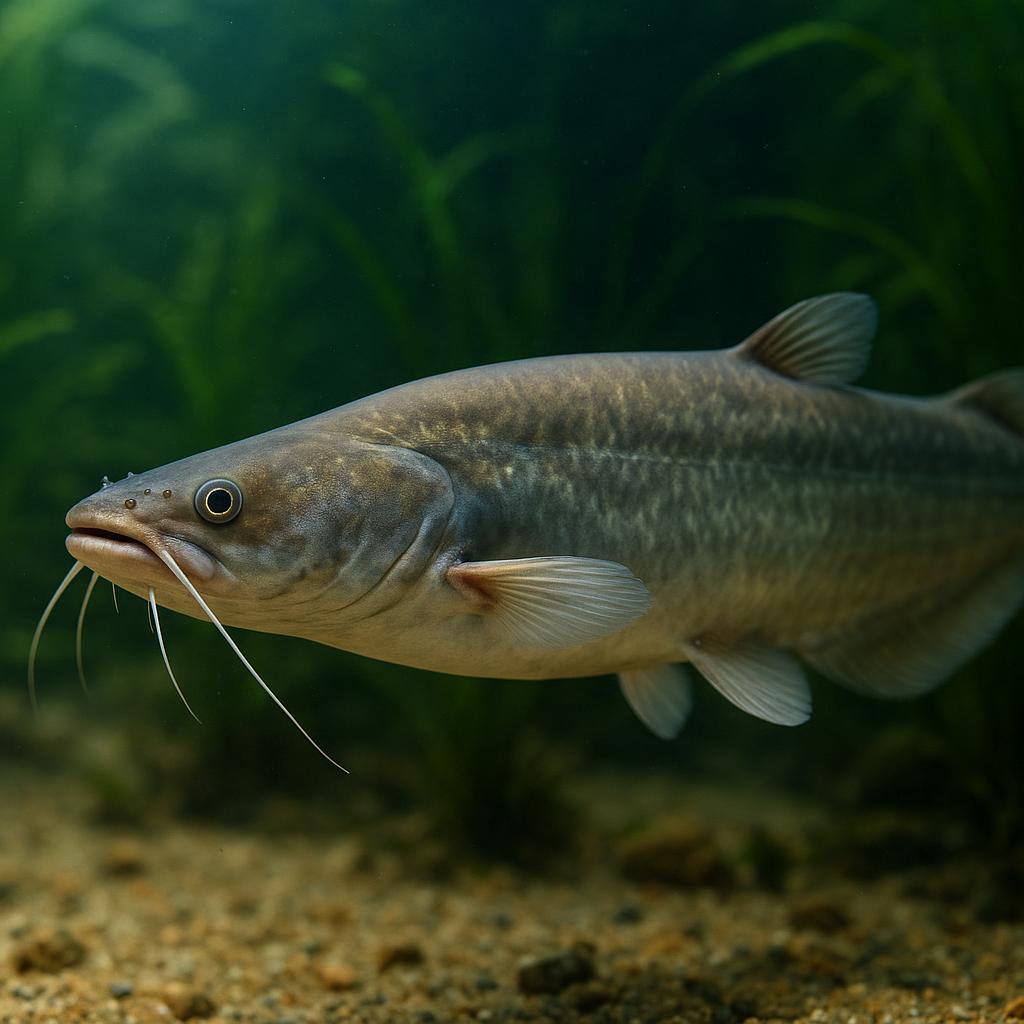
Blackhawk catfish
Wallagonia micropogon
Wallagonia micropogon is a giant Southeast Asian sheatfish with an eel-like body and a huge, scoop-like mouth for hunting other fish. It is native to the Mekong and middle Chao Phraya basins and was long confused with Wallagonia leerii, which makes IDs and care notes tricky. Stunning as a juvenile but it grows to true megafish size, so it is only realistic for expert keepers or public aquariums.
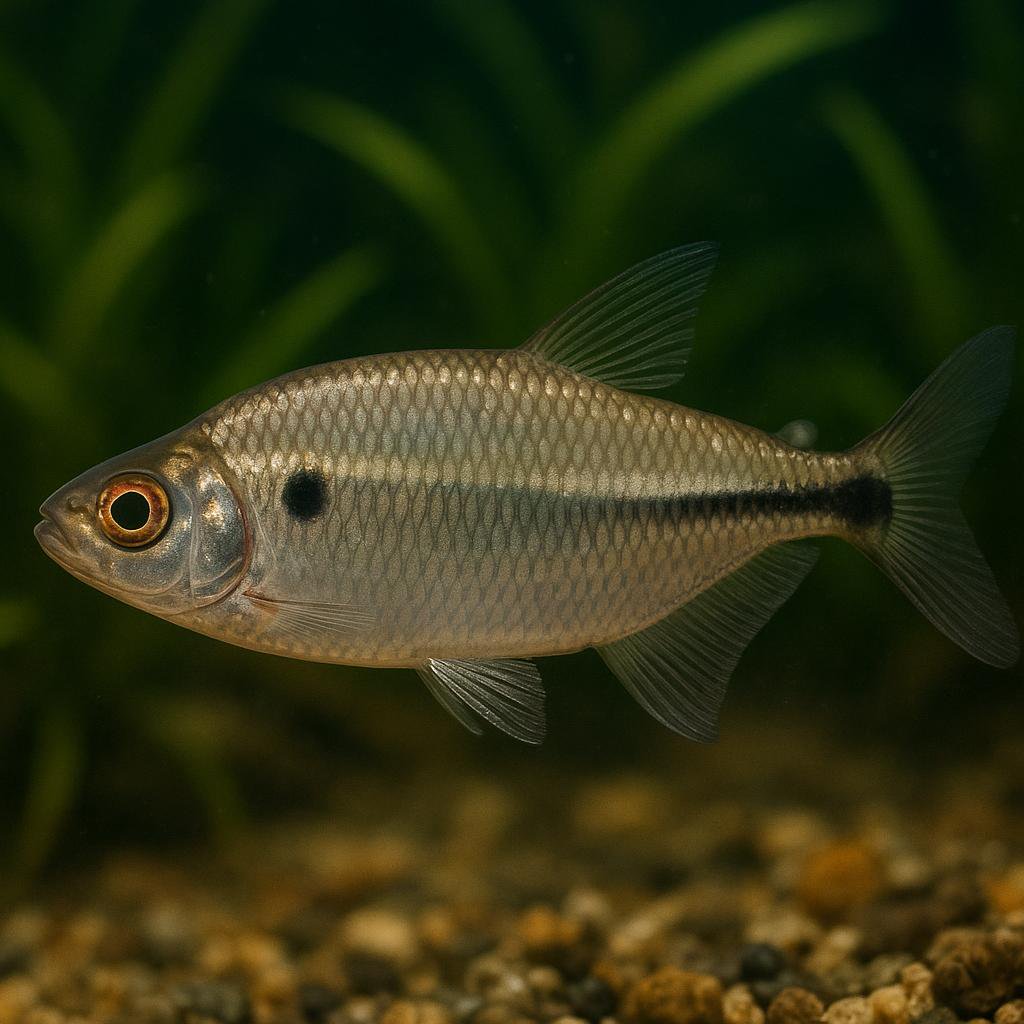
Boulenger's Featherfin Tetra
Bryconaethiops boulengeri
A big, fast African tetra from the Congo River basin, it cruises the mid-to-upper water in active groups and flashes a bold broken stripe along its flanks. In the wild it hunts insects at the surface and can leap, so aquariums need tight lids. Keep it with robust tankmates it cannot swallow.
More to Explore
Discover more freshwater species.
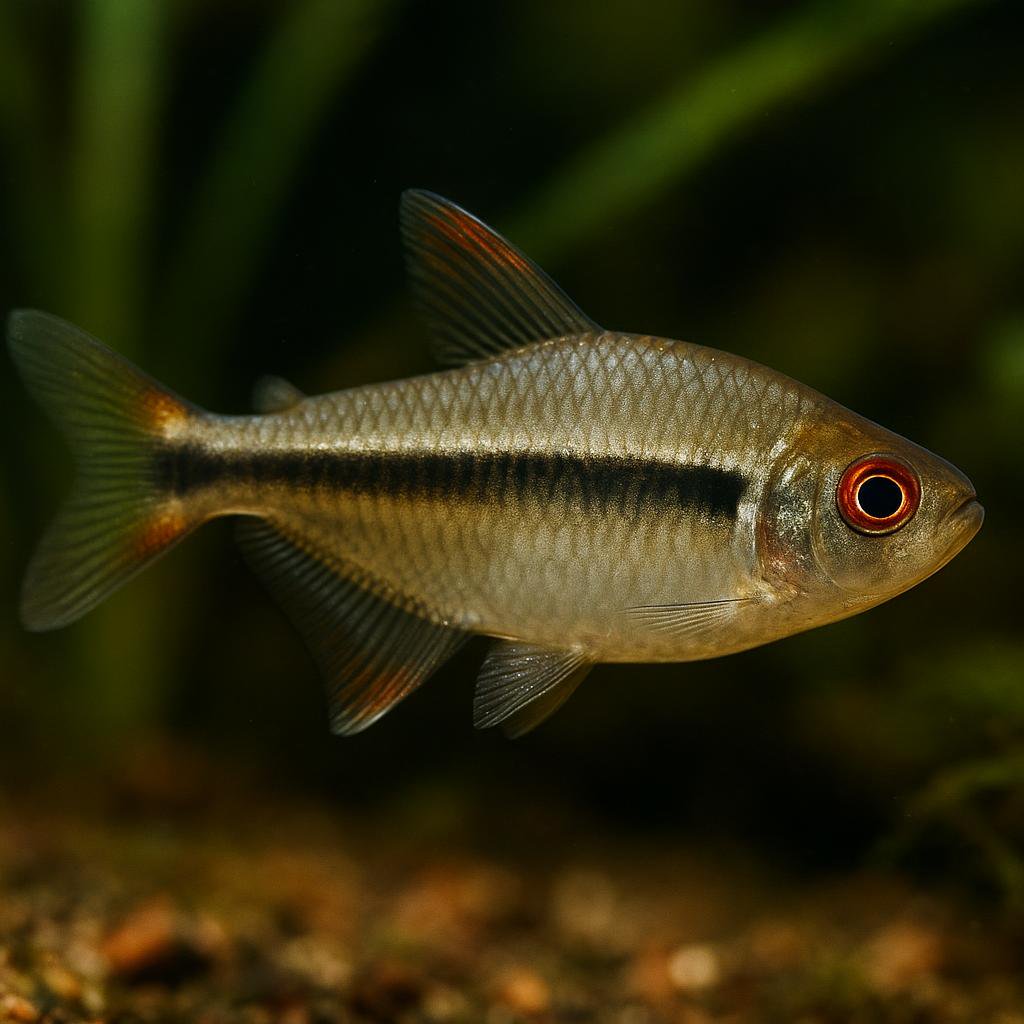
Amapa tetra
Hyphessobrycon amapaensis
This is a tiny, super sleek little tetra with a clean red stripe down the side that really pops once its settled in. It does best in a planted, slightly tinted "creek-style" setup and looks way cooler when you keep a proper group so they school and flash that line together. If you can give it soft, slightly acidic water and a calm community, its an easy fish to fall for.
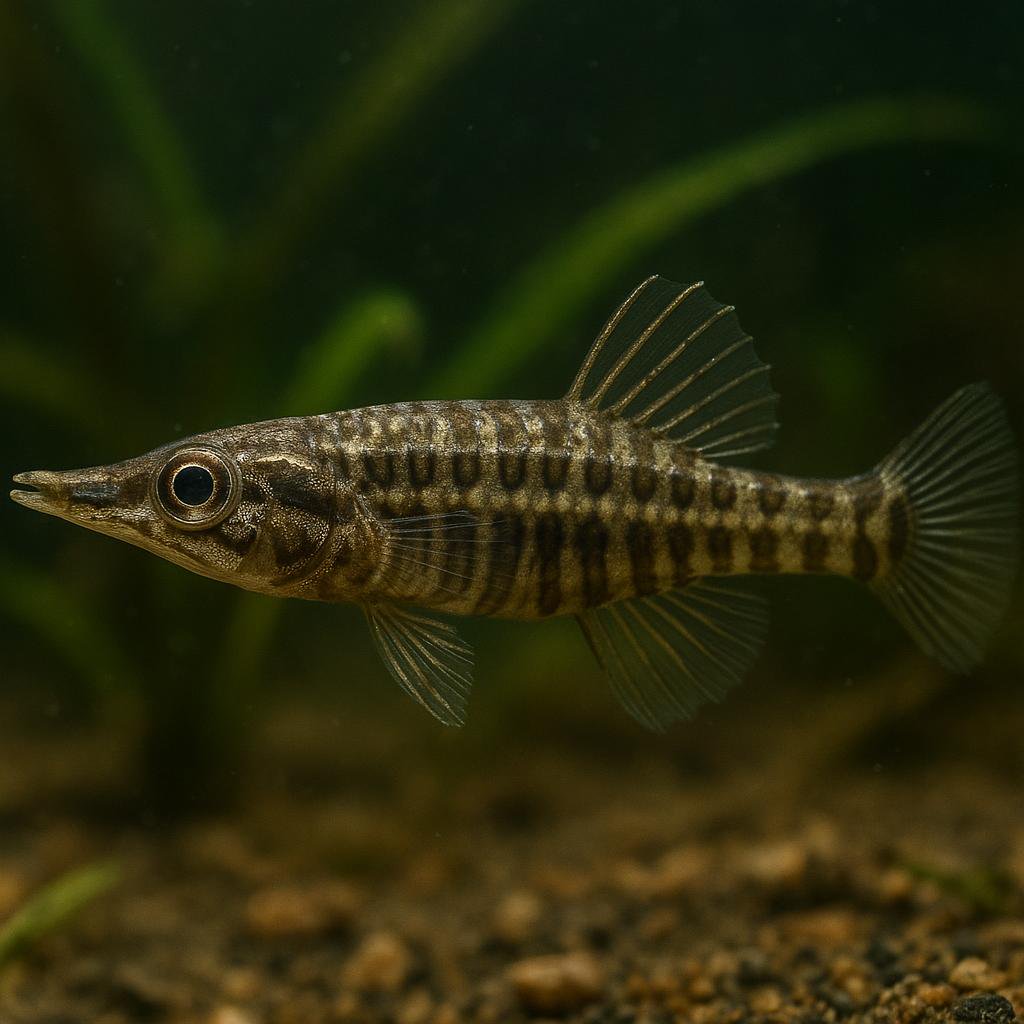
Armoured stickleback
Indostomus paradoxus
This is that goofy little "freshwater seahorse"-looking fish that just kind of perches and scoots around like a tiny armored twig. Its whole vibe is slow, sneaky micropredator - once its settled in, you will catch it stalking microfoods and doing these subtle little posture displays. The big trick is feeding: they do best when you can provide lots of small live foods in a calm, planted tank.
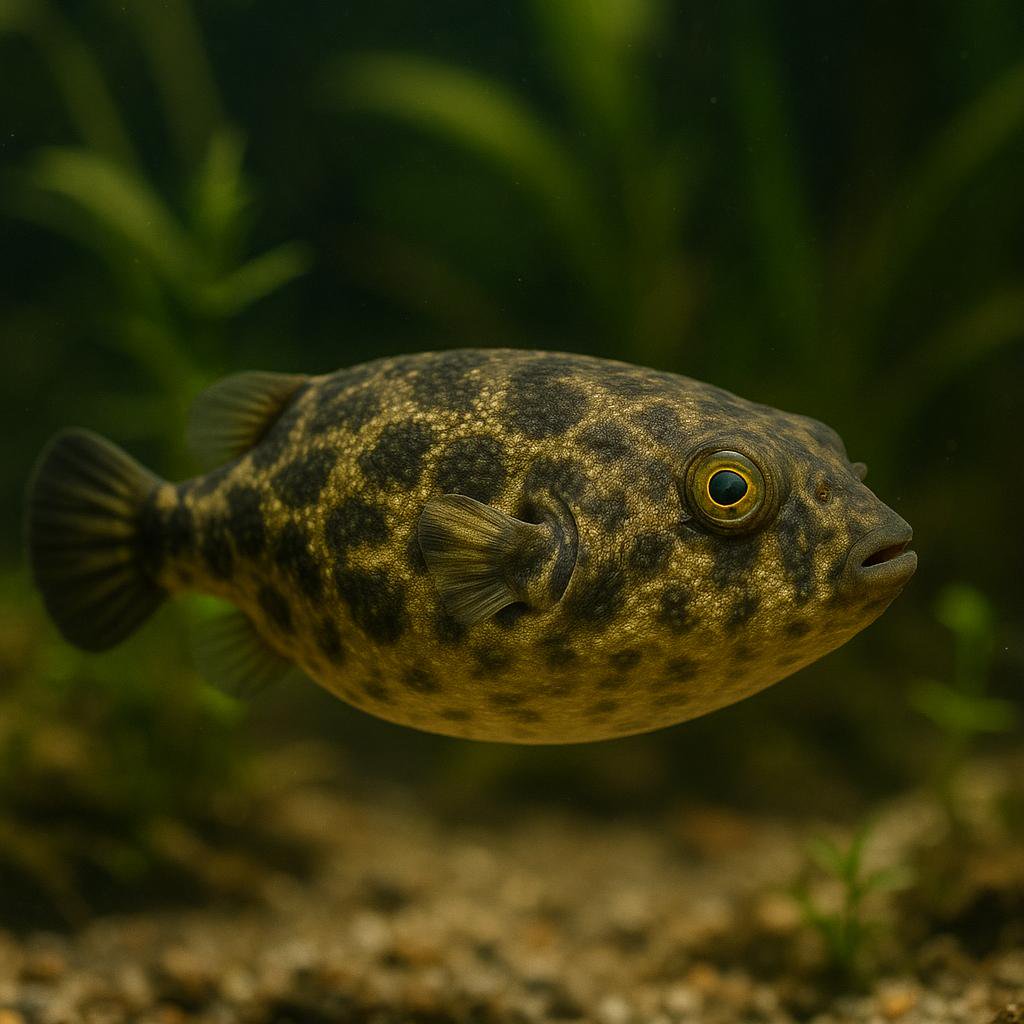
Arrowhead puffer
Pao suvattii
Pao suvattii is that sneaky Mekong puffer that likes to sit low and ambush food, and it has that super recognizable arrow/V pattern on its back. Gorgeous fish with tons of personality, but it is absolutely not a community guy - plan on a solo, species-only setup if you want everybody to stay in one piece.
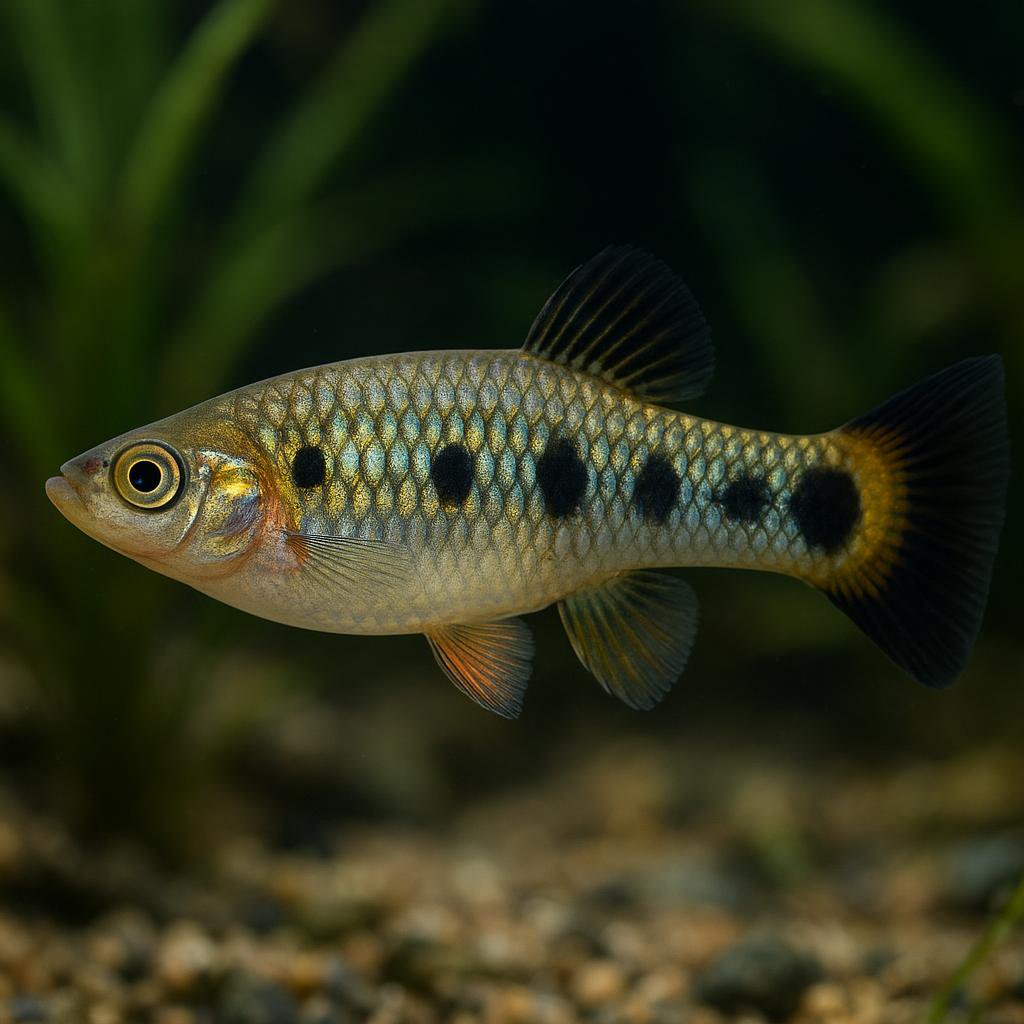
Bishop toothcarp
Brachyrhaphis episcopi
This is a tiny Panamanian livebearer that does best when you treat it more like a shy wild fish than a fancy guppy-lots of cover, calm vibes, and really clean water. The fun part is watching the males posture and spar while the females cruise around dropping fully-formed fry about once a month.
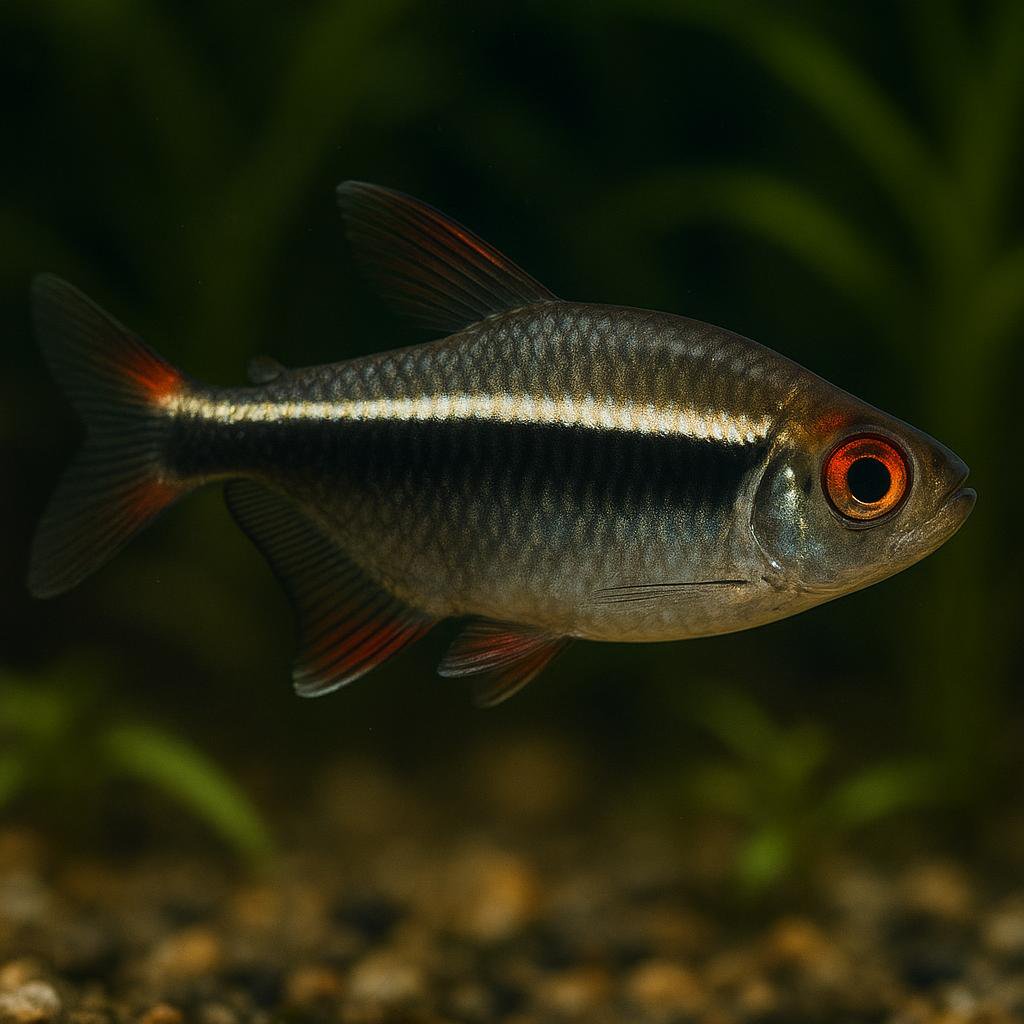
Black Neon Tetra
Hyphessobrycon herbertaxelrodi
Black neons are one of those little tetras that look kinda understated until the light hits them-then that bright stripe pops and they shimmer when the school turns together. They're super chill, always cruising mid-water, and they make a tank feel "alive" without being hectic. If you keep a nice group, they get bolder and you'll see way more of their personality.
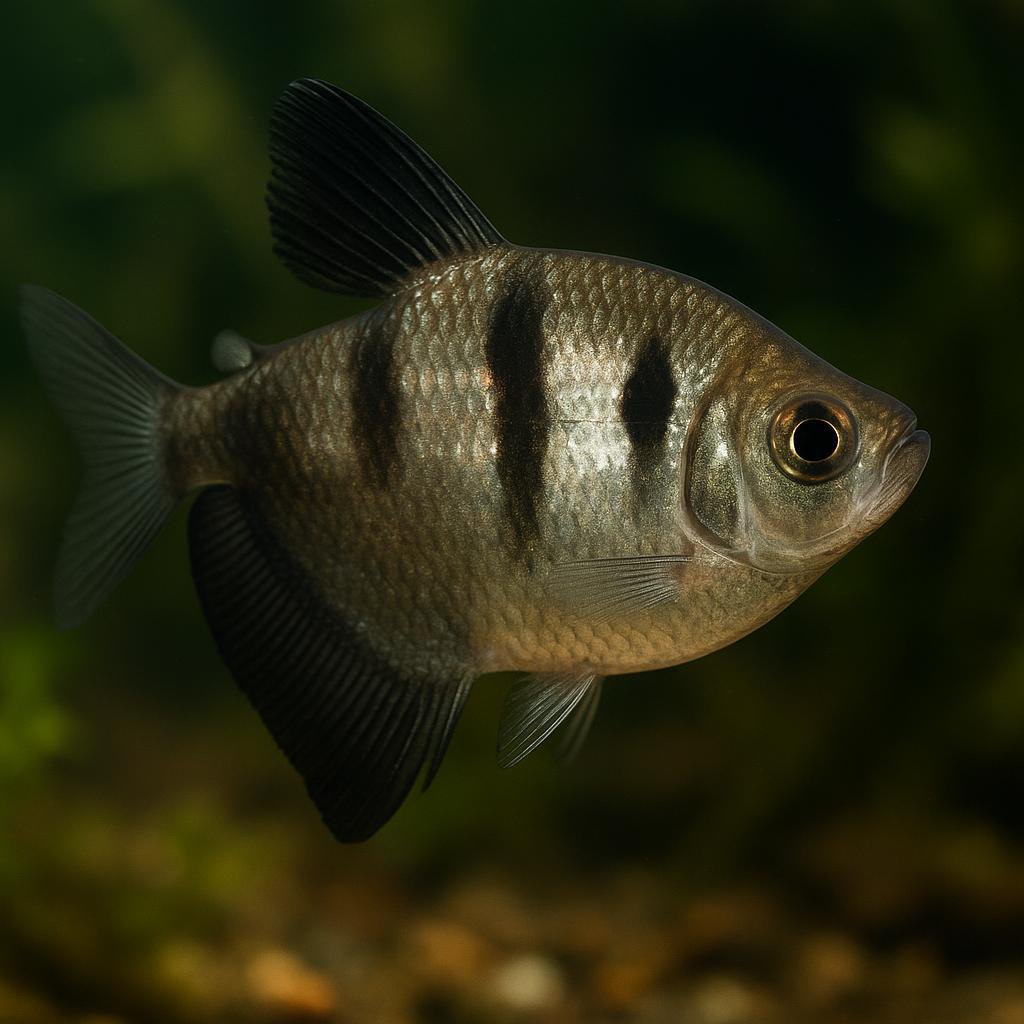
Black Skirt Tetra (Black Widow Tetra)
Gymnocorymbus ternetzi
Black skirts are those little "suit-and-tie" tetras with the dark bands and flowing fins that look way fancier than they should for how tough they are. They're super active midwater fish, and when you keep a proper group they do that tight, zippy schooling thing that makes the whole tank feel alive. Just give them enough buddies and finny tankmates they won't be tempted to nip.
Looking for other species?