

Faufré noir
Grammonus ater
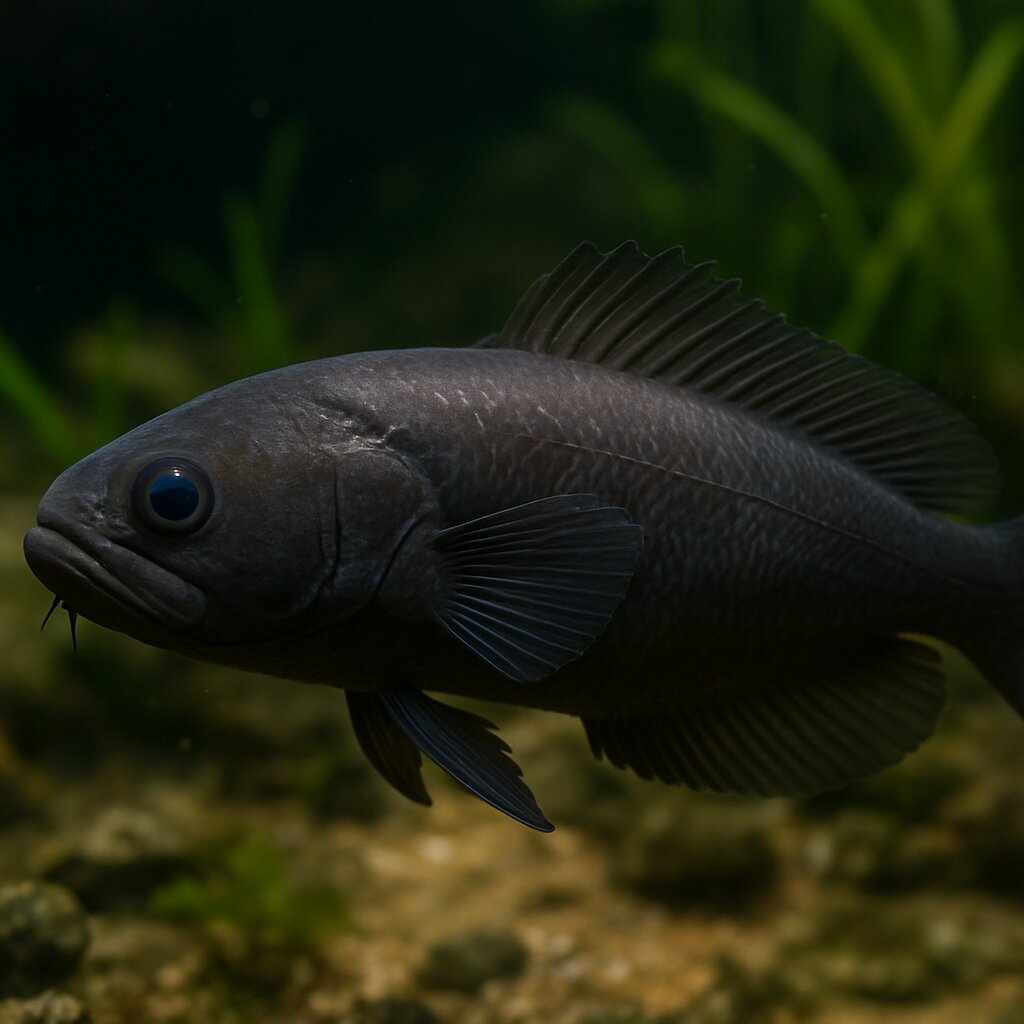
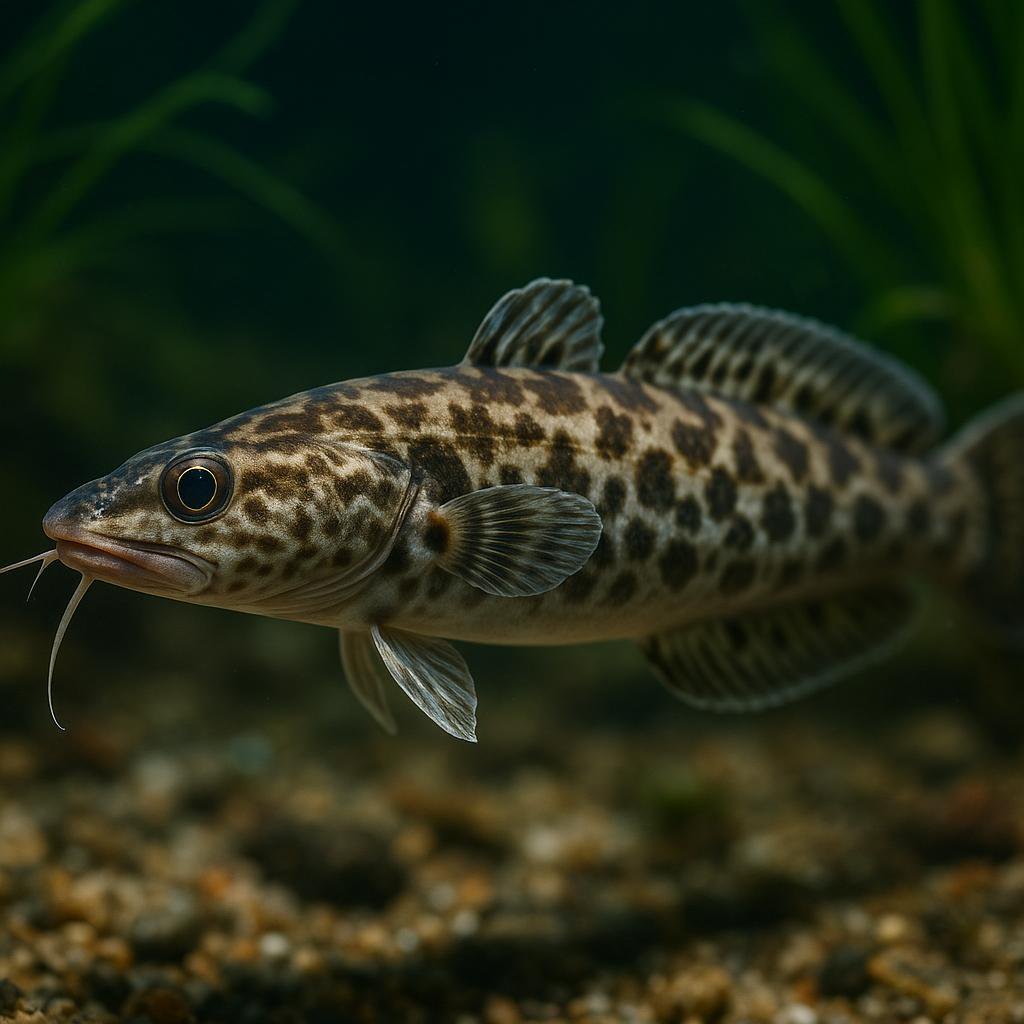
The Black brotula features a slender, elongated body with a dark brown to black coloration and a distinctively long dorsal fin.
This page includes AI-generated images. Why am I seeing AI images?
About the Faufré noir
A small Mediterranean cave brotula that slips out at night to hunt and tucks deep into crevices by day. It has an eel-like body with one long fin from back to tail and even gives birth to live young. Super cool if you are into cryptic species, but it is rarely seen in the trade.
Also known as
Quick Facts
Size
12 cm
Temperament
Peaceful
Difficulty
Expert
Min Tank Size
30 gallons
Lifespan
5-8 years
Origin
Mediterranean
Diet
Carnivore - small crustaceans and tiny fish; will take frozen meaty foods like mysis and chopped shrimp
Water Parameters
17.4-20.1°C
7.8-8.4
10-18 dGH
Need a heater for this species?
This species needs 17.4-20.1°C in a 30 gallon tank. Use our heater calculator to find the right wattage.
Calculate heater sizeCare Notes
- Give it a rock-heavy cave tank with real depth to the hides; think stacked ledges, tight crevices, and PVC tunnels under the rock, plus a tight lid because they snake into gaps and overflows.
- Run it cool and oxygen-rich: 17-21 C (63-70 F), 1.025-1.026 salinity, pH 8.0-8.3, and strong gas exchange; a chiller is typically required for temperate systems.
- Feed at night right at the cave mouth with a baster; start with live foods (mysis, enriched brine, blackworms, amphipods) and then wean to frozen mysis and finely chopped clam or shrimp.
- Do small, frequent night feeds (1-2 times) rather than big daytime meals; they are shy and will miss food if it is dumped in under bright lights.
- Choose only temperate Mediterranean tankmates that avoid caves (e.g., Apogon imberbis, Chromis chromis adults); avoid tropical species and cave-claiming fishes. Expect predation on very small crustaceans.
- They hate bright light and hard flow; give a long dusk period or use a red flashlight to coax them out, and keep the den area in low flow.
- In QT, give a dark hide or they will go off food; go light on copper and harsh meds since they are sensitive, and focus on clean water and targeted feeding.
- Bythitids are livebearers, so a settled pair can drop a few miniatures in the rockwork; if you spot tiny black slivers at night, kill the pumps and flood the area with rotifers and newly hatched brine to give them a chance.
Compatibility
Good Tankmates
- Adult Mediterranean species such as Apogon imberbis and Chromis chromis
- Mediterranean Anthias anthias adults in cool-water systems
Avoid
- Tropical tangs and rabbitfish (Acanthuridae, Siganidae)
- Tropical fairy and flasher wrasses (Cirrhilabrus, Paracheilinus)
- Ocellaris/Percula clownfish (Amphiprion ocellaris, A. percula)
- Dwarf angelfishes (Centropyge spp.; tropical)
- Cave-claiming basslets/dottybacks (e.g., grammas, Pseudochromis spp.)
- Large predatory fishes (e.g., morays, groupers)
- Very small benthic fishes and tiny crustaceans (snack-sized and vulnerable at night)
- Triggers and large puffers - pushy, nippy bullies that will stress a shy crevice dweller
Where they come from
Black brotulas are cave-loving fish from the eastern Atlantic and Mediterranean. Think rocky walls, crevices, and the twilight zones of reefs where sunlight fades. They spend daylight wedged deep in cracks, then slide out at night to hunt small crustaceans.
Despite the eel-like look, this is a brotula (family Bythitidae), not a moray. Many bythitids are livebearers, and Grammonus ater is reported to be viviparous.
Setting up their tank
They do best in a dim, cool marine tank with lots of tight hides. Height is less important than floor space and rockwork. For a single fish, I like 30-40 gallons with a heavy, stable rock pile. Bigger if you want tankmates.
- Temperature: 18-22 C (64-72 F). A chiller helps in warm climates.
- Salinity: 1.025-1.026, pH 8.0-8.3, low nitrate.
- Aquascape: deep crevices, caves, and PVC pieces hidden in rock. Multiple den options.
- Substrate: fine sand with rubble pockets. They like to back into tight spots.
- Lighting: low. Blue evening lighting is fine; avoid blasting the rockwork with high PAR.
- Flow: moderate overall, but create calm zones inside caves.
- Lid: tight-fitting. Block every gap and cover overflows.
A red flashlight lets you watch them after lights out without spooking them.
Escape artist. Cover cable cutouts, weirs, and even small gaps around plumbing. They can snake through tiny openings.
Give them time. Mine hid for a full week after going into the display. I left the lights low, fed the tank after dark, and resisted the urge to keep peeking in the cave all day.
What to feed them
They are nocturnal pickers that follow scent more than they chase. New arrivals often need live or very smelly food to get going. Start at night, right at the cave mouth.
- Live foods to start: live mysis, ghost shrimp, amphipods, blackworms.
- Frozen/silverside bits: PE mysis, finely chopped raw prawn, clam, squid, fish slivers.
- Transition trick: wiggle food on tongs at the den, or use a feeding tube to drop it in gently.
- Soak occasionally in vitamins/omega-3 (e.g., Selcon) once they are taking frozen.
Feed small amounts nightly at first. Once eating frozen reliably, every other night works. I aim for a slightly rounded belly that flattens by the next feeding. Overfeeding in a low-light tank sneaks up on you, so pull uneaten bits with a turkey baster.
A ceramic feeding dish or a short length of PVC right at the front glass makes target feeding easy and keeps food out of the rock pile.
How they behave and who they get along with
Quiet, secretive, and mostly active at night. They are not bullies, but they are predators. If it fits in that narrow mouth, it is on the menu after dark.
- Good tankmates: peaceful, mid-water fish that ignore caves, like larger cardinals, assessors, chromis, and mellow fairy wrasses. Also fine with larger, non-nippy gobies and blennies.
- Borderline: small dartfish and tiny gobies can become snacks. Cleaner shrimp are very risky.
- Avoid: aggressive cave-claimers (dottybacks), boisterous wrasses that pry into holes, triggers, large hawkfish, and groupers.
- With their own kind: possible in a larger tank only if you provide many cave options spaced out. Otherwise, expect cave disputes.
Ornamental shrimp and very small fish are not safe. You might never see the strike, because it happens after lights out.
If you plan a community, add the brotula first, let it settle, then add calm tankmates. Feeding competition is the main headache. Target feed the brotula while the rest of the tank is busy with broadcast food.
Breeding tips
Bythitids are livebearers, and this species is reported to give birth to fully formed young. Hobby reports are rare, but a well-fed, settled pair in a cool, dim tank might drop a small brood in a cave.
- Sexing is tricky. A bonded pair will share a cave without chasing.
- Feed heavily with varied meaty foods and keep temps stable on the cooler side.
- Gestation can be months. Birth tends to happen at night.
- Newborns are relatively large. Start with newly hatched enriched brine shrimp, copepods, and tiny mysis if they will take it.
- Move the female or the fry to a quiet rearing tank with a sponge filter and lots of hiding structure.
If you are serious about trying, provide multiple snug caves and minimize disturbances. Logging night-time observations with a red light helps catch the event.
Common problems to watch for
- Not eating: lights too bright, too much daytime activity, or food presented too far from the den. Switch to night feedings and try live mysis or ghost shrimp to kickstart the response.
- Overheating and low oxygen: they come from cooler, deeper water. Above 23 C you may see rapid gilling and listlessness. Add aeration and cool the water slowly.
- Scrapes from rockwork: they wedge hard into holes. Keep water clean and flow gentle in caves. Use quarantine if wounds look fuzzy or reddened.
- Parasites from collection: quarantine in dim light. They can be touchy with copper; I keep copper on the low end if used, or consider alternative treatments and lots of oxygenation.
- Competition: active daytime fish eat everything first. Target feed and consider dimming the tank at feeding time.
- Jumping and vanishing into overflows: run mesh lids and cover downpipes and pump intakes with guards.
Do not blast a new black brotula with bright lights or aggressive tankmates. Most losses I have seen were from stress and starvation, not disease.
Similar Species
Other marine peaceful species you might be interested in.
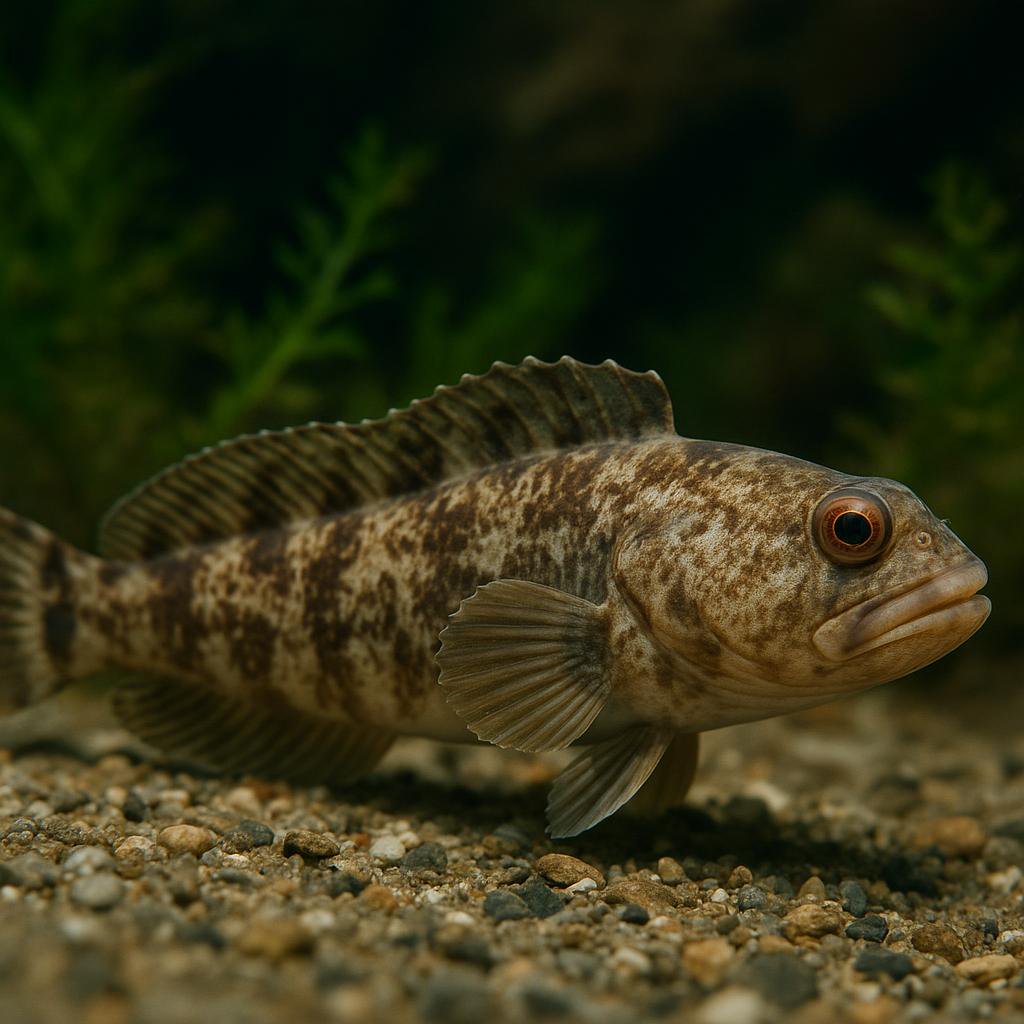
Abe's eelpout
Japonolycodes abei
Japonolycodes abei is a temperate, deepwater demersal eelpout (family Zoarcidae) endemic to Japan (Kumano-nada Sea reported; other sources also report Sagami Bay and Tosa Bay). It is the only species in the genus Japonolycodes and occurs roughly 40-300 m depth, making it an uncommon/atypical aquarium species.
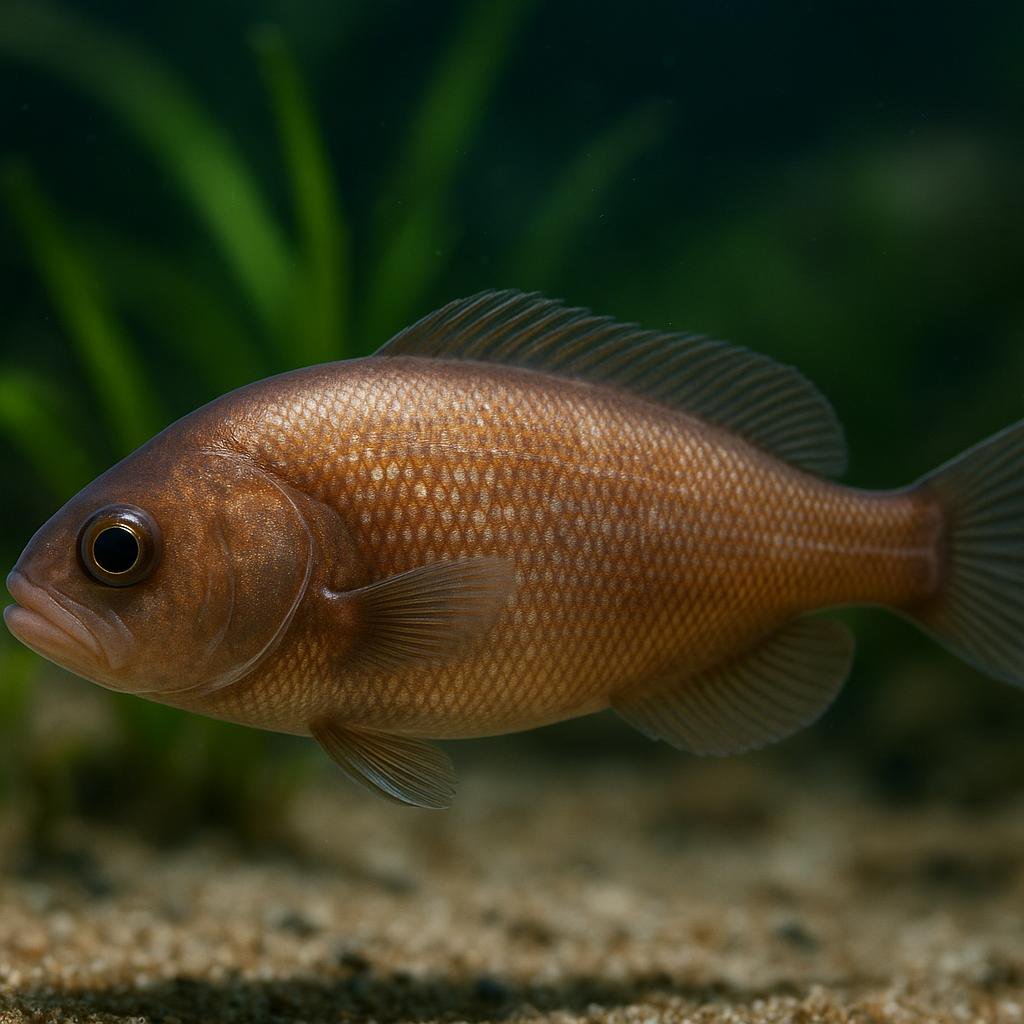
Affinis blind cusk-eel
Barathronus affinis
Barathronus affinis is a tiny, super-weird deep-sea blind cusk-eel from the western-central Indian Ocean. It is one of those gelatinous, loose-skinned brotula-type fishes that live way down in the dark and are basically never seen alive, so almost everything we know comes from preserved specimens and taxonomic work.
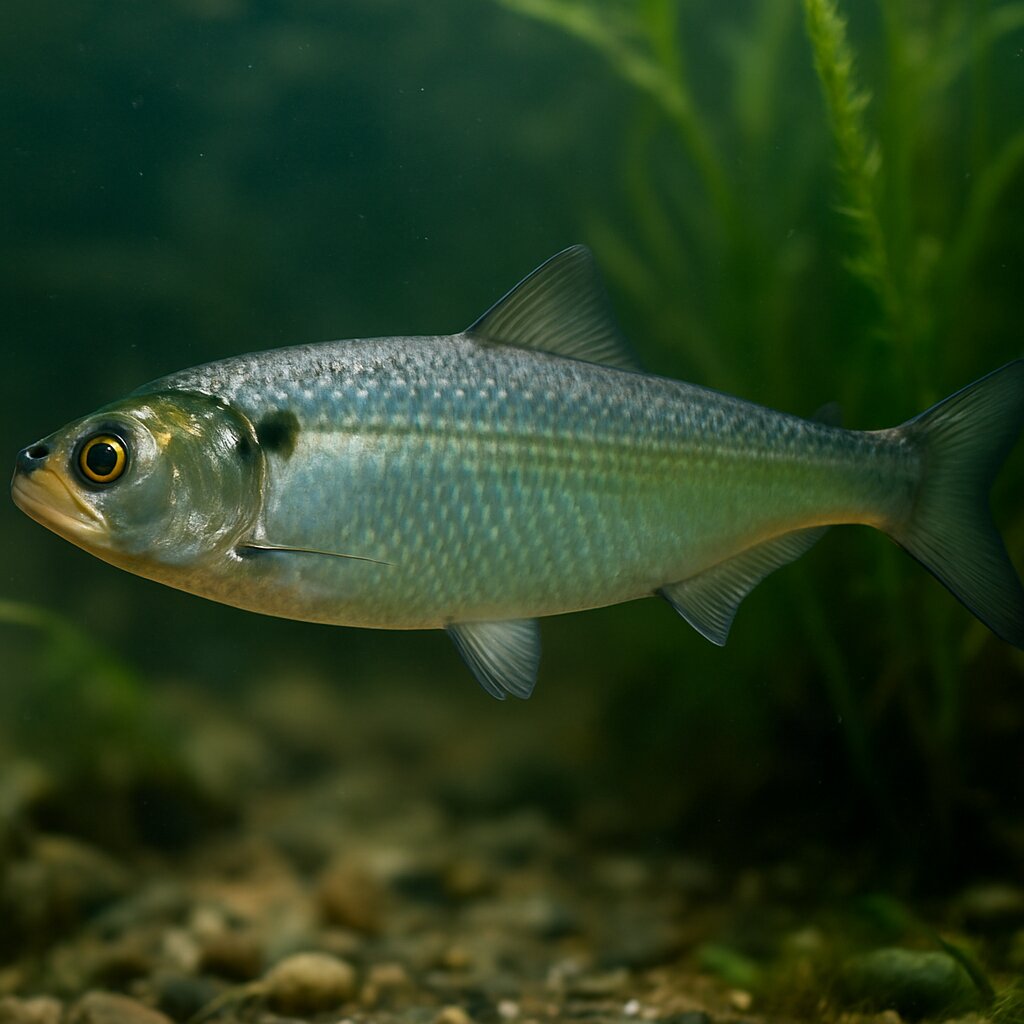
Allis shad
Alosa alosa
Gorgeous silver, fast-swimming shad that spends most of its life in the sea and then surges up big rivers in noisy, surface-spawning schools. It grows huge for a herring-type fish and needs cool, ultra-oxygenated water and tons of open space, so it is a public-aquarium species rather than a home tank fish.
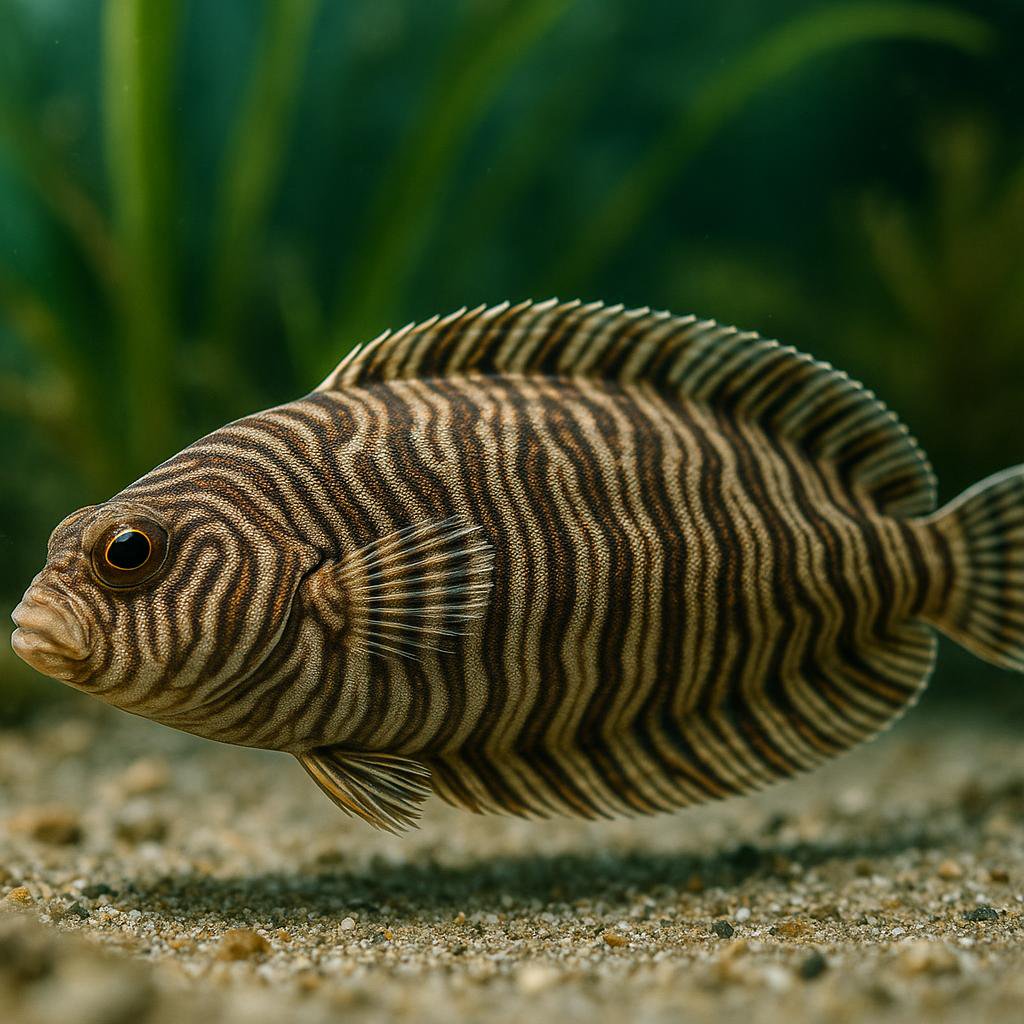
Annandale's zebra sole
Zebrias annandalei
Zebrias annandalei is a small demersal sole from coastal India that inhabits sandy or muddy bottoms and buries for camouflage. It is rarely kept in home aquaria and would require a specialized marine sand-bottom setup and appropriate feeding.
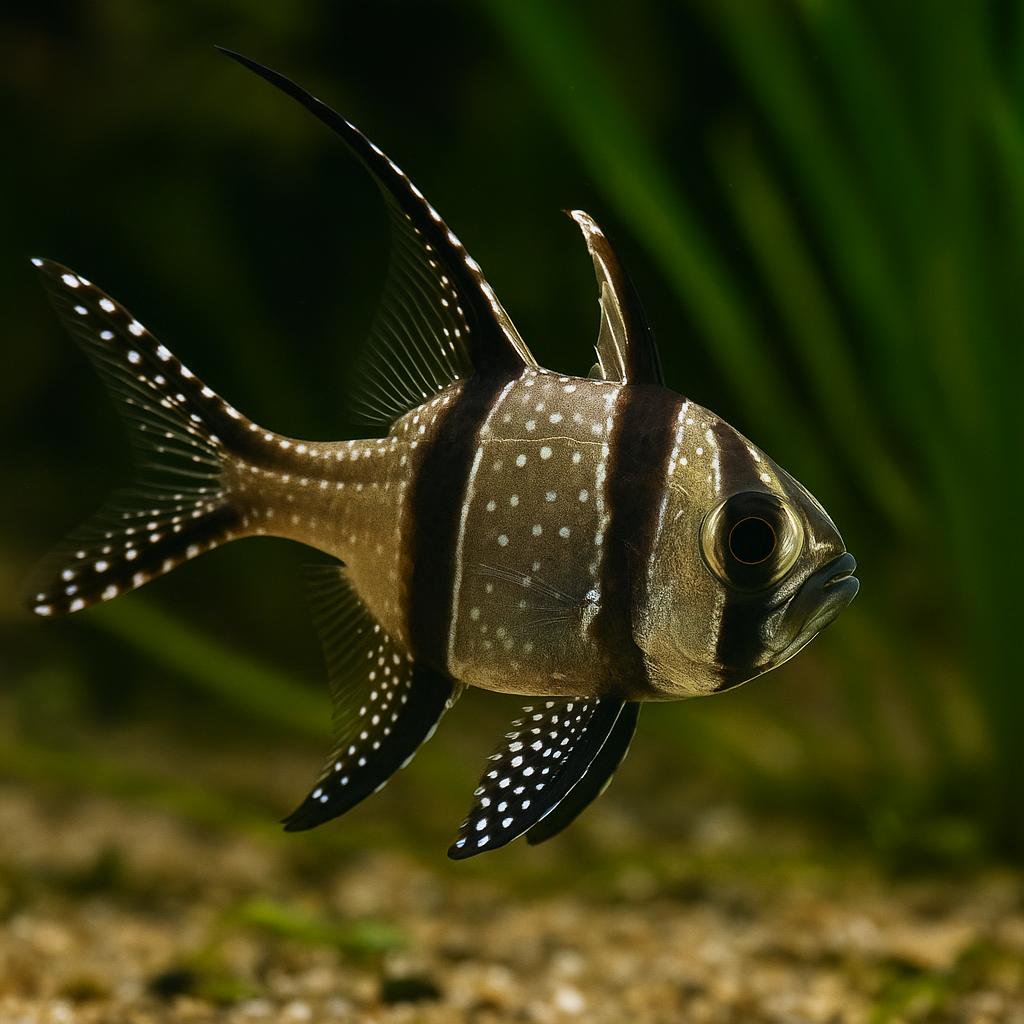
Banggai Cardinalfish
Pterapogon kauderni
Banggai cardinals just sort of hover like little underwater satellites, and the bold black bars with those long, polka-dotted fins look unreal under reef lighting. They're super chill most of the time, but once a pair forms you'll see real "fish drama," and the male will even mouthbrood the babies like a champ.
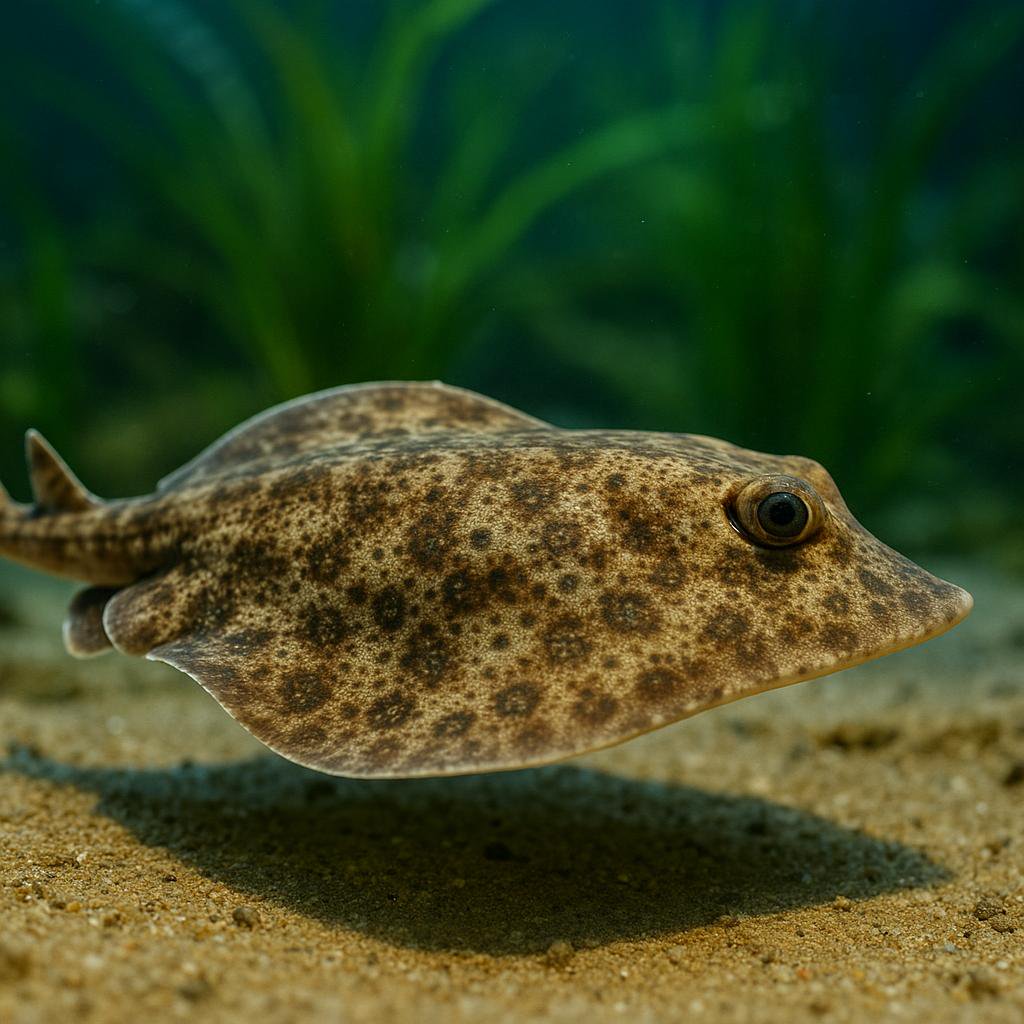
Barbedwire-tailed skate
Notoraja martinezi
Notoraja martinezi is a deepwater skate from the eastern Pacific (Costa Rica down to Ecuador) that lives way down on soft bottoms. The tail is the giveaway - it is lined with strong, hooked thorns that really do look like barbed wire. This is absolutely not an aquarium fish; it is a cold, high-pressure deep-sea animal with basically no practical home care info because it is not kept in the hobby.
More to Explore
Discover more marine species.
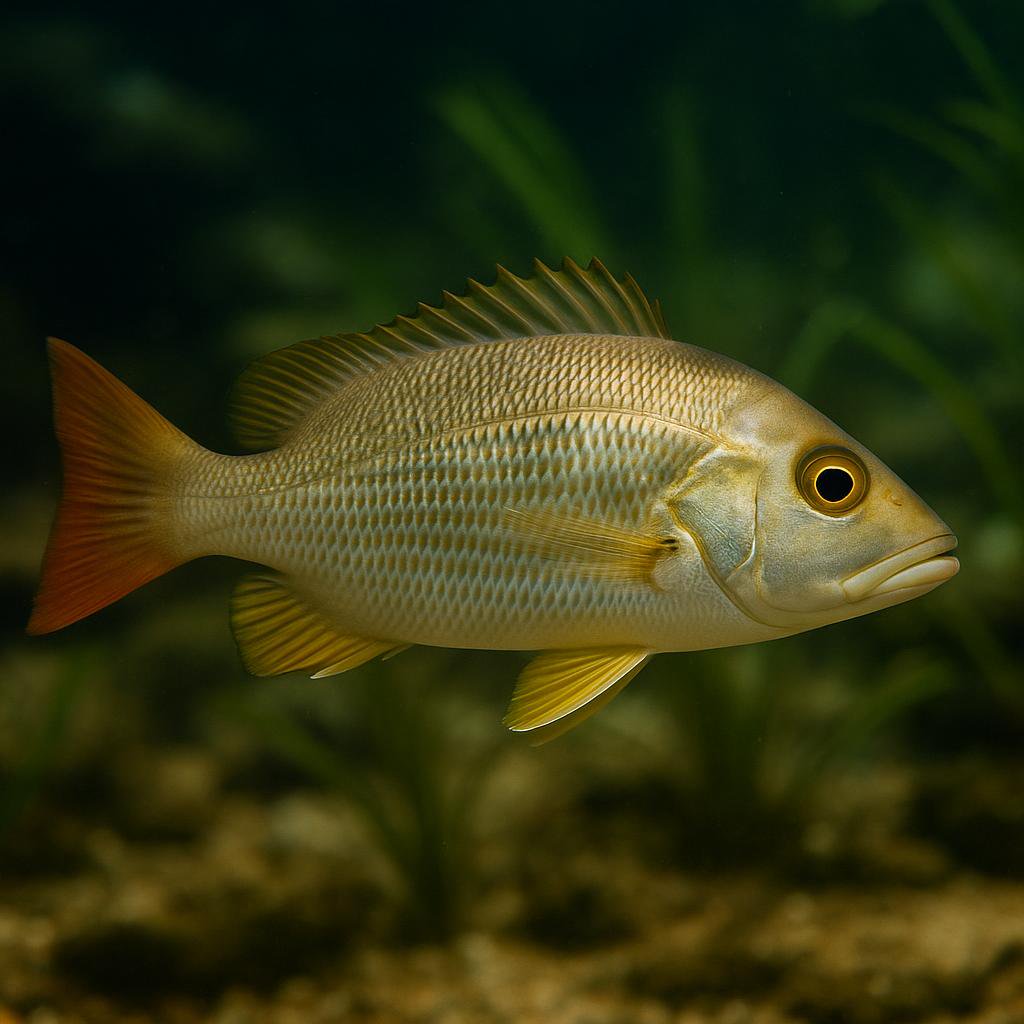
African red snapper
Lutjanus agennes
This is a true snapper from West Africa - a big, fast-growing predator that goes from coastal reefs to brackish lagoons and estuaries (especially as a juvenile). Super cool fish in the wild, but it gets absolutely huge and will eat smaller tankmates once it has the mouth for it, so its really more of a public-aquarium scale animal than a home-aquarium fish.
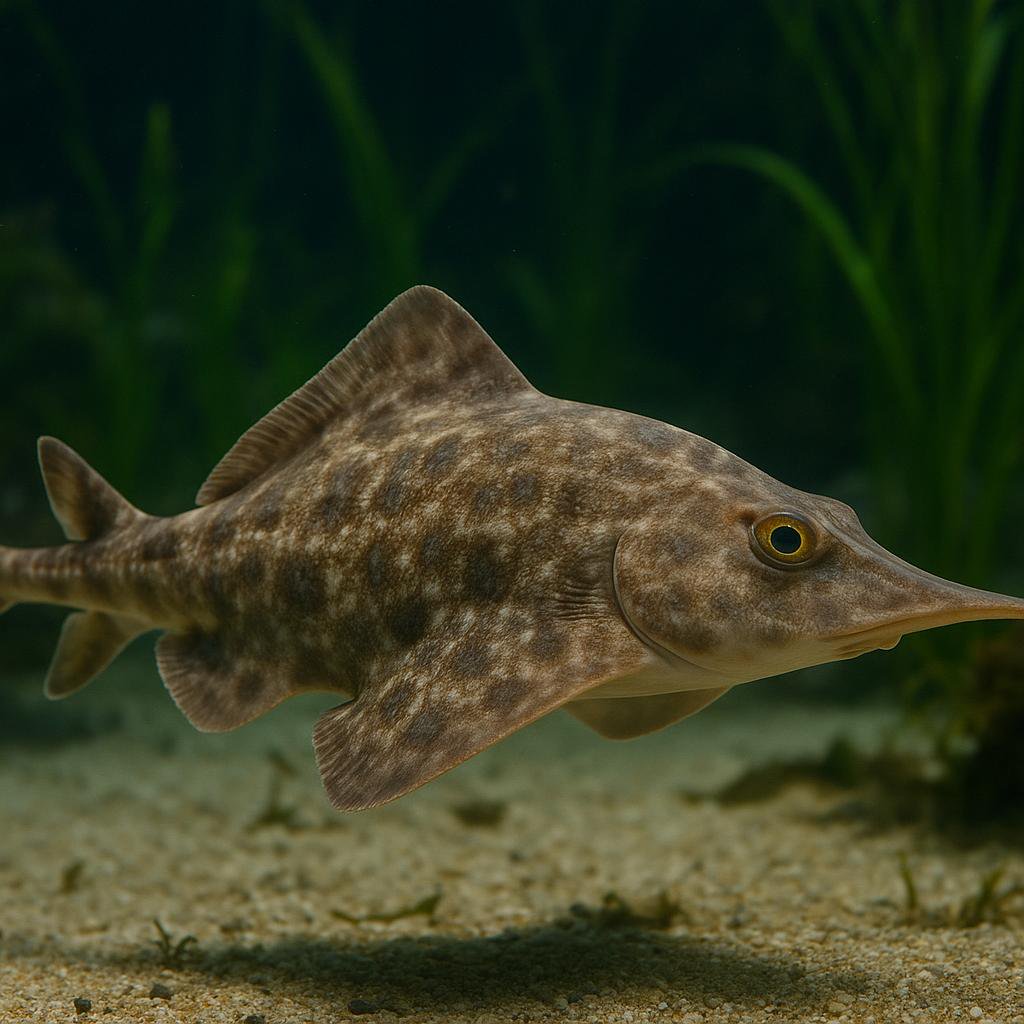
Aleutian skate
Bathyraja aleutica
This is a big, cold-water deep-slope skate from the North Pacific that cruises muddy bottoms and eats chunky benthic prey like crabs and shrimp. The really cool bit is its egg-laying skate life - it does distinct pairing (the classic skate "embrace") and drops those tough egg cases on the seafloor. Not an aquarium fish at all unless you're basically running a public-aquarium-style chilled system.
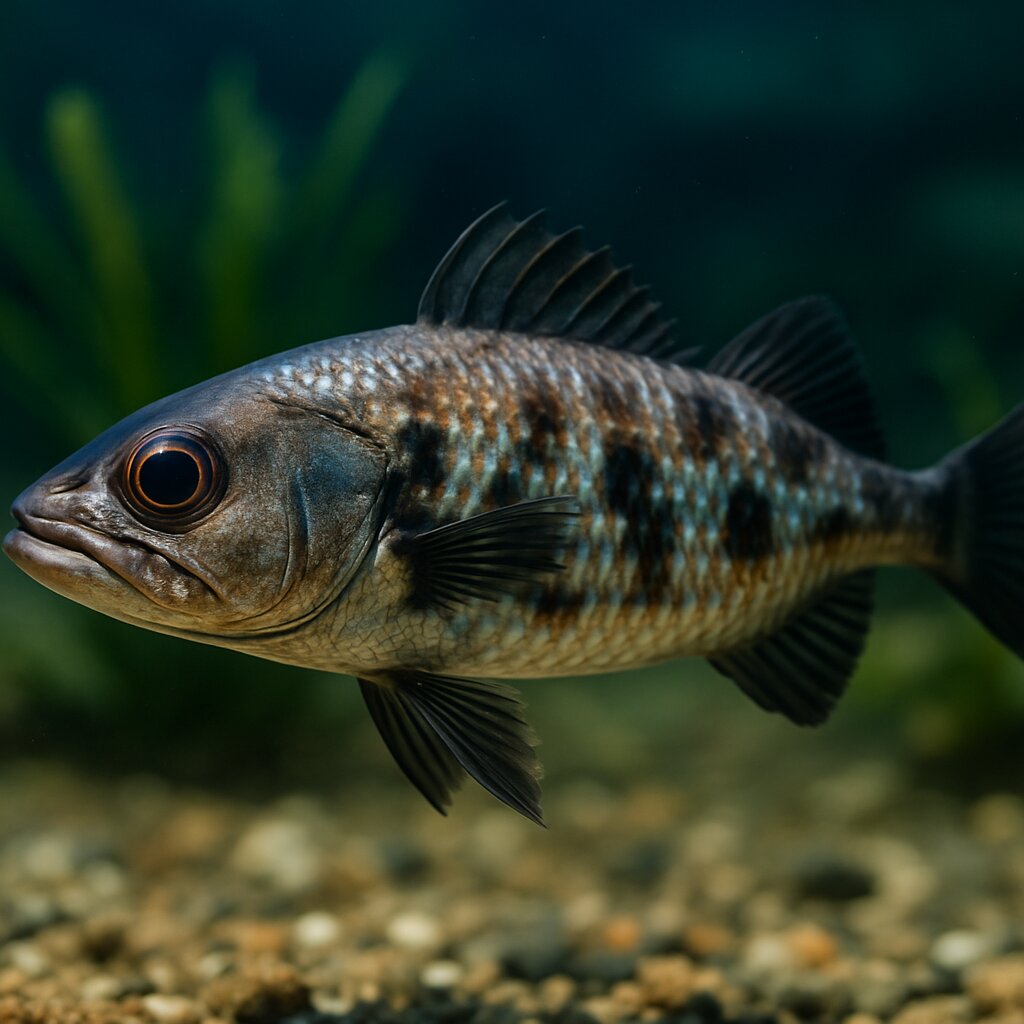
Antarctic dragonfish
Vomeridens infuscipinnis
Deep down around Antarctica, this sleek dragonfish cruises the water column like a little submarine, nearly neutrally buoyant so it can hover above the seafloor. It munches almost exclusively on Antarctic krill and lives in near-freezing water 500-800 m down, so it is a cool species to read about, not one for home tanks.
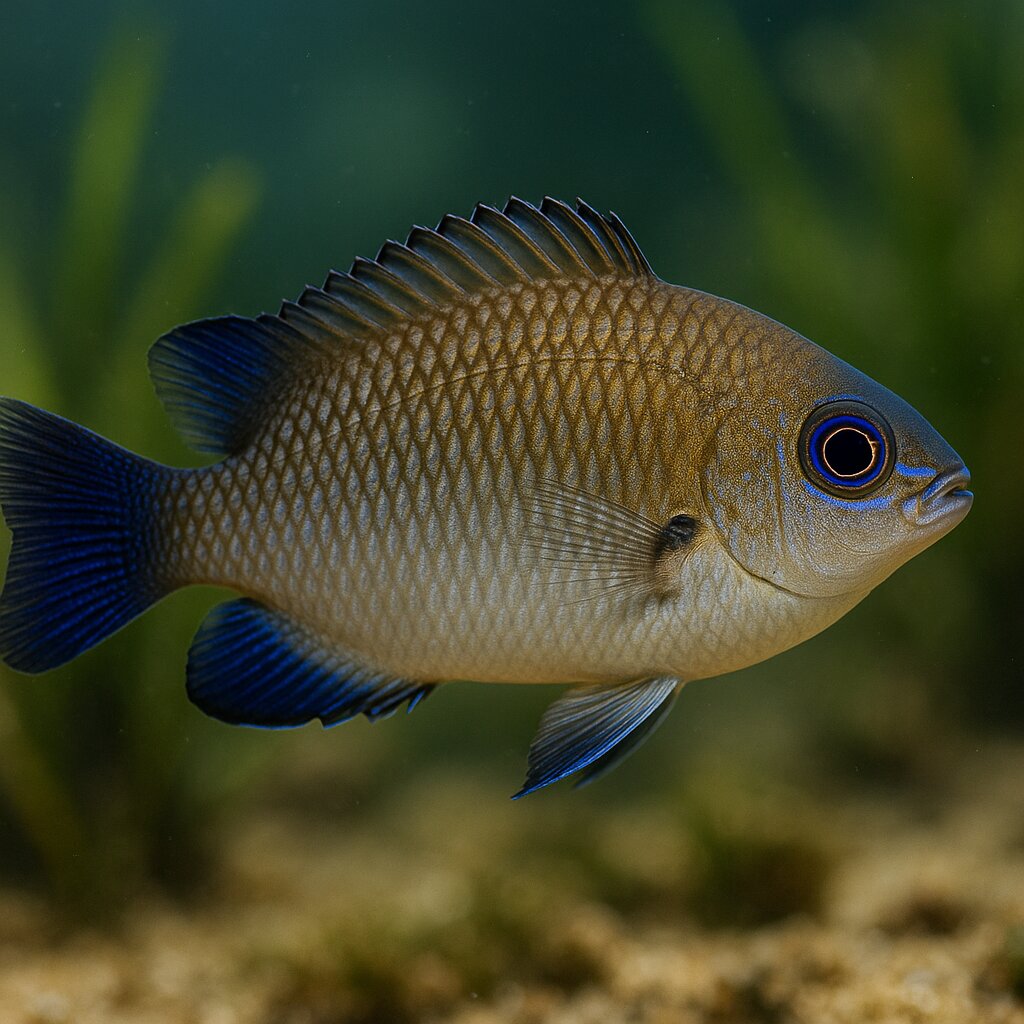
Arabian demoiselle
Neopomacentrus sindensis
A small lyretail damsel from the Persian Gulf and Arabian Sea, it hangs in loose groups around coral heads, rocks, and even pier pilings picking zooplankton from the flow. Think classic damsel toughness with a slightly milder attitude than the real bruisers, plus subtle yellow tail accents. Males clean a patch, get a mate to lay eggs there, and then stand guard fanning the clutch.
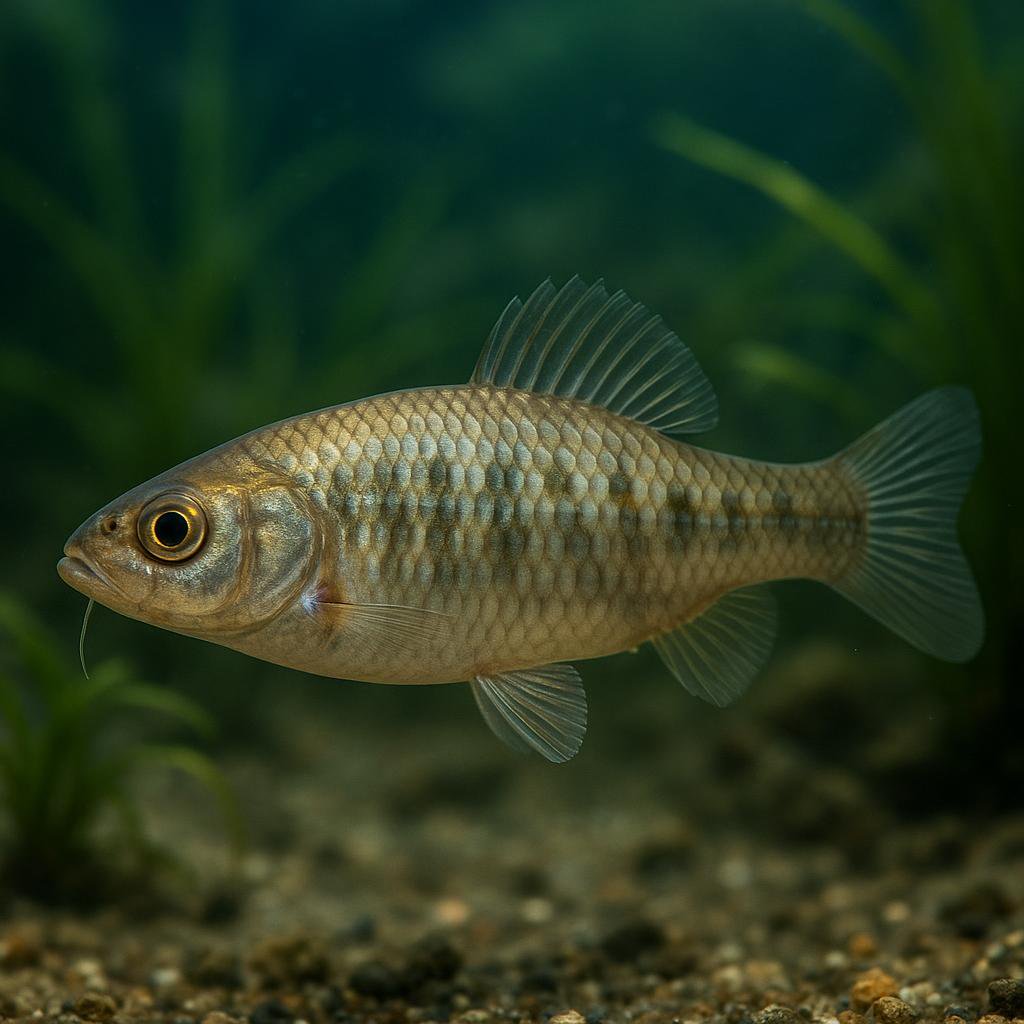
Arabian spiny eel
Notacanthus indicus
Notacanthus indicus is a deep-sea spiny eel (family Notacanthidae; not a true eel) known from the Arabian Sea on the continental slope at roughly ~960–1,046 m depth, with reported maximum length around 20 cm TL; it is a deep-water bycatch species and not established in the aquarium trade.
Arctic rockling
Gaidropsarus argentatus
This is a deepwater North Atlantic rockling (a cod relative) that hangs out on soft bottoms way down the slope. It is a cold-water, bottom-hugging predator that snoots around for crustaceans and will also take small fish when it gets the chance.
Looking for other species?