

Fish doctor
Gymnelus viridis
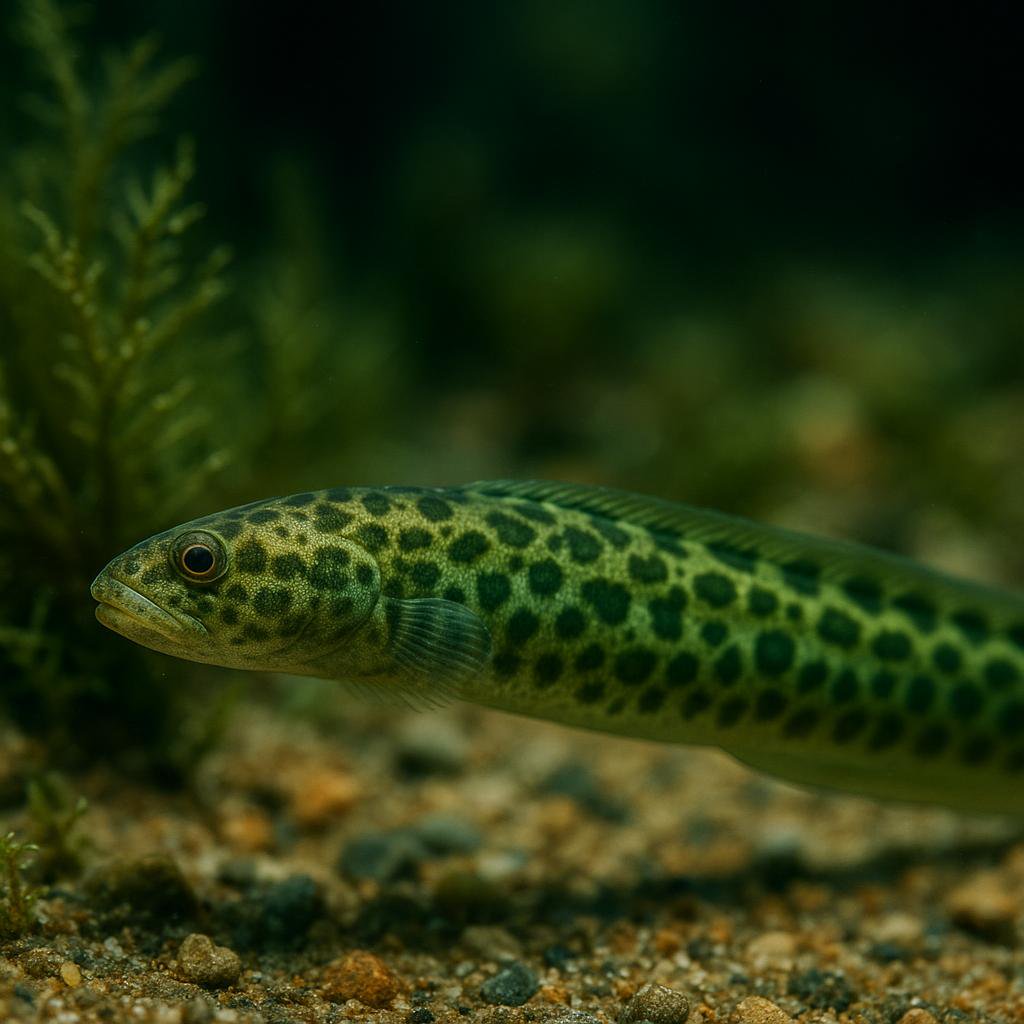
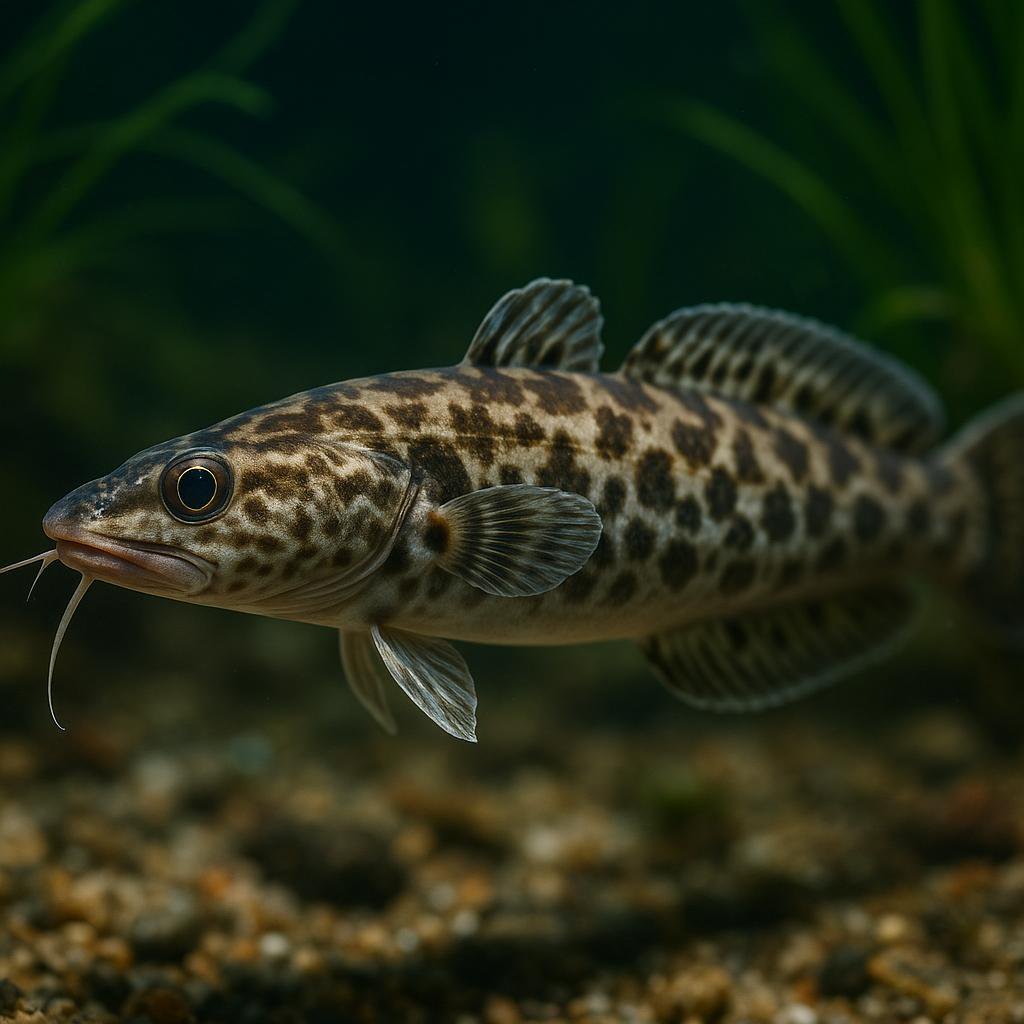
Fish doctor (Gymnelus viridis) exhibits a slender body with vibrant greenish hues and distinct dark spots along its flanks.
This page includes AI-generated images. Why am I seeing AI images?
About the Fish doctor
Gymnelus viridis (the fish doctor) is a cold-water Arctic eelpout with a long, scaleless, eel-like body that likes hugging the bottom in sand/mud and seaweed. It is a true marine fish from polar seas, feeding on crustaceans and other meaty bottom critters - basically a little benthic hunter built for chilly water.
Quick Facts
Size
56 cm
Temperament
Peaceful
Difficulty
Expert
Min Tank Size
75 gallons
Lifespan
unknown
Origin
Arctic (Greenland, Canadian Arctic; also Bering Sea and Barents Sea)
Diet
Carnivore - crustaceans, worms, clams; meaty frozen foods
Water Parameters
-1-6°C
7.8-8.4
8-12 dGH
Need a heater for this species?
This species needs -1-6°C in a 75 gallon tank. Use our heater calculator to find the right wattage.
Calculate heater sizeCare Notes
- Plan on a coldwater marine setup, not a normal reef tank - keep it around 40-50F (4-10C) with a chiller, and run high oxygen and strong circulation because warm, stale water wipes them out fast.
- Give it a tight, eel-proof lid and block every gap around plumbing; they are skinny and will climb glass and vanish through holes you swear are too small.
- Build the tank like a burrow field: piles of rock with deep crevices, rubble zones, and a few short PVC caves; they chill in cover and get stressed in open, bright setups.
- Feeding is easy if you go meaty: small chunks of shrimp, clam, squid, and silversides, plus live or thawed mysis; use feeding tongs and target-feed so faster fish do not steal everything.
- Keep them with other coldwater, non-nippy, non-competitive fish and inverts; avoid anything that pecks fins (most wrasses, triggers) and avoid tiny tankmates that look like snacks.
- Watch salinity and pH swings hard - aim for 1.024-1.026 and pH around 8.0-8.3, but the real killer is rapid changes during water swaps in chilled systems.
- Common problems: skin damage from rough rock and bad handling (use a container, not a net), and bacterial/fungal issues after scrapes; pristine, cold, oxygen-rich water and quick treatment saves them.
- Breeding is not a casual project - they are seasonal coldwater spawners, and if you ever see a swollen belly or eggs, keep disturbance low and expect eggs/larvae to need planktonic foods and very stable cold conditions.
Compatibility
Good Tankmates
- Small, chill coldwater sculpins (like tiny Myoxocephalus-type sculpins) - they mostly ignore each other and both just do the bottom-perch thing. Give lots of rocks and little caves so nobody has to share a favorite spot.
- Non-aggressive gunnels/pricklebacks of similar size (other coldwater eel-like perchers) - works if the tank has plenty of hiding places and you do not cram multiple similar bottom predators into a tight footprint.
- Peaceful coldwater gobies (small coastal gobies) - they are not pushy, they stick to their lanes, and they do not harass a Fish Doctor while it is trying to wedge into a rock crack.
- Midwater, non-nippy coldwater fish that are too big to be food (think small schooling forage fish but sized safely) - they keep the tank feeling alive without messing with the gunnel on the bottom.
- Calm inverts like snails, small hermits, and tougher shrimp - generally fine as long as the shrimp are not bite-sized. If it fits in the mouth, you are basically offering a snack.
- Other Fish Doctors only with lots of space and lots of hides - they are peaceful, but they still want their own bolt-hole. Crowding is what turns 'peaceful' into 'why are you in my cave.'
Avoid
- Anything big and pushy - greenling, larger sculpins, aggressive wrasses - they will outcompete it for food and can stress it into hiding all day.
- Nippy fin-pickers and constant peckers - they will harass the gunnel when it is parked on the bottom or sticking its head out of a crevice, and the gunnel is not built for that kind of drama.
- Tiny fish or shrimp that can fit in its mouth - peaceful does not mean it will not eat a bite-sized tank mate at 2 AM.
Where they come from
Fish doctor (Gymnelus viridis) is a cold-water eelblenny from the North Atlantic and Arctic-ish coasts. Think rocky bottoms, kelp, and chilly water that stays cold year-round. They are built for that world: lots of hiding, short bursts of movement, and a metabolism that does not appreciate tropical reef temps.
If you are used to reef fish, the biggest mental shift is temperature. This species is not a "run it at 78F and see" kind of fish.
Setting up their tank
Plan the whole tank around cold water. A chiller is basically part of the fish. Aim for stable, cold temps (most folks keep them in the low-to-mid 50s F, sometimes a bit higher depending on collection locale). Stability matters more than chasing a specific number, but warm spikes will wear them out fast.
They want a rubble-and-rock maze more than open swimming space. Mine spent most of the day wedged in a crevice with just the face out, then came out at feeding time like a tiny sea monster. Give them multiple tight hides so they can choose a spot and you are not forcing them into the only cave.
- Tank size: I would not do smaller than 30 gallons for one, bigger if you want tankmates
- Filtration: strong biofilter and decent mechanical filtration (they are meaty-food fish, so waste adds up)
- Flow: moderate, not a sandblaster; give calmer pockets near the rockwork
- Substrate: sand or fine gravel is fine, but rockwork stability matters more (they will wedge and push)
- Lighting: they do not care; keep it comfortable for you and any cold-water macros/inverts
Secure every lid gap. Gymnelus are escape artists in the way only long, flexible fish can be. If a finger fits, a fish might fit.
Build rockwork like you are designing a lobster den: lots of cracks, tunnels, and dead-end crevices. PVC elbows hidden under rock can work as backup hides and make it easier to catch them if you ever need to.
What to feed them
These are predators that expect meaty, marine foods. In my experience, they usually take frozen pretty readily once they settle, but you may need to start with scentier stuff to get that first strong feeding response.
- Great staples: thawed silversides (appropriately sized), chopped shrimp, clam, mussel, squid
- Also works: pieces of marine fish flesh, prawn, krill (as a treat, not the whole diet)
- If they are picky: live ghost shrimp or small marine crustaceans can jump-start feeding (then transition to frozen)
Feed smaller portions, not huge dumps. They will gorge if you let them, and in cold tanks leftover food hangs around and fouls the water. I liked target-feeding with tongs near their hide so the food did not end up behind the rocks.
Use feeding tongs and be patient. Hold the food still and let them decide to strike. Once they learn the routine, they get bold fast.
Do not keep them with ornamental shrimp or small crabs you are attached to. If it fits in their mouth, it is food. If it almost fits, they will still try.
How they behave and who they get along with
Fish doctor are mostly "sit and ambush" with short bursts of activity. They are not a constant swimmer, and they are not a showy centerpiece in the tropical sense. The fun is watching the personality: curious head pokes, stalking moves, and that quick snap at food.
They can be fine with other cold-water fish that are too big to be eaten and not hyper-aggressive. The main issues are (1) predation on small tankmates and (2) them getting outcompeted at feeding time by faster fish.
- Good match: calm cold-water species that will not pick at them and will not steal every bite
- Avoid: small fish, tiny sculpins/blennies, ornamental shrimp, small crabs, anything that sleeps on the bottom and can be gulped
- Also avoid: aggressive rock-dwellers that will try to evict them from hides
Mixing cold-water fish with tropical marine fish is a dead end. Someone loses to temperature, and it is usually the cold-water specialist.
Breeding tips
Breeding in home aquaria is not common, mostly because getting a compatible pair, keeping them long-term, and matching seasonal cues is a big ask. In the wild, a lot of cold-water species key off seasonal temperature and photoperiod changes.
If you ever try it, think like a cold-water breeder: long, stable ownership, excellent conditioning on varied meaty foods, and a plan to mimic seasonal shifts slowly (not sudden swings). Provide multiple secure caves and do not disturb the rockwork once they claim territory.
If you are hoping to raise babies, have a rotifer/copecpod plan and a separate rearing setup ready. Cold-water larval rearing is its own hobby.
Common problems to watch for
Most issues I have seen with this type of fish come from warm water, sloppy oxygenation, and water quality sliding because of meaty feeding. They are tough in the right environment, but they do not forgive a tank that runs like a neglected predator bin.
- Temperature creep: rooms warm up, chillers get undersized, summer hits - watch it daily
- Low oxygen: cold water holds more oxygen, but heavy feeding and low flow still cause trouble; add surface agitation
- Ammonia/nitrite spikes: common in new systems or after overfeeding; predator diets load biofilters fast
- Refusing food: often stress, temperature too warm, too much competition, or not enough secure hiding
- Mouth injuries: from grabbing rocks or tongs; feed carefully and do not make them lunge at hard surfaces
If they start hanging out in the open looking "restless" or breathing hard, do not assume it is personality. Check temperature and oxygen first, then ammonia.
Quarantine is worth the effort. Cold-water fish often come in with baggage, and treating issues is easier in a bare QT where you can control temp, observe feeding, and keep meds away from inverts.
Similar Species
Other marine peaceful species you might be interested in.
Abe's eelpout
Japonolycodes abei
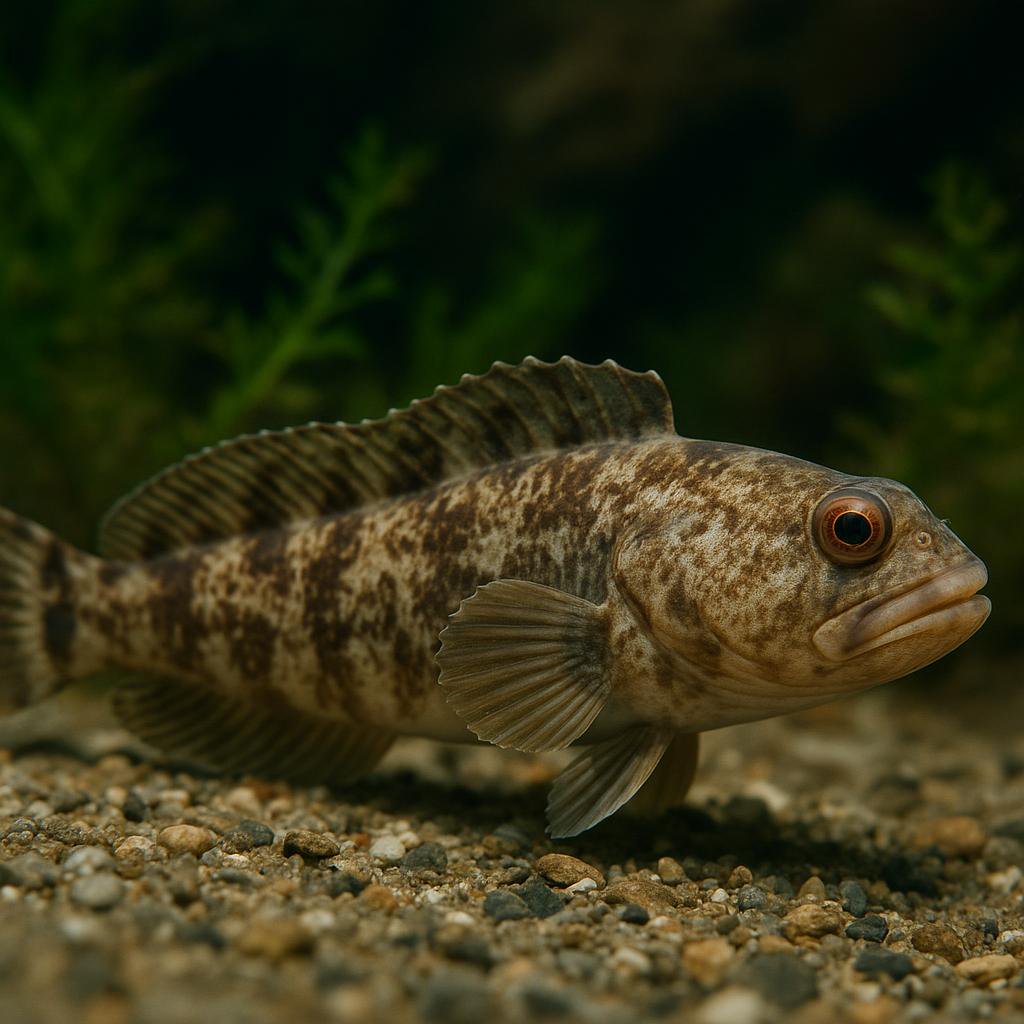
Japonolycodes abei is a temperate, deepwater demersal eelpout (family Zoarcidae) endemic to Japan (Kumano-nada Sea reported; other sources also report Sagami Bay and Tosa Bay). It is the only species in the genus Japonolycodes and occurs roughly 40-300 m depth, making it an uncommon/atypical aquarium species.
Affinis blind cusk-eel
Barathronus affinis
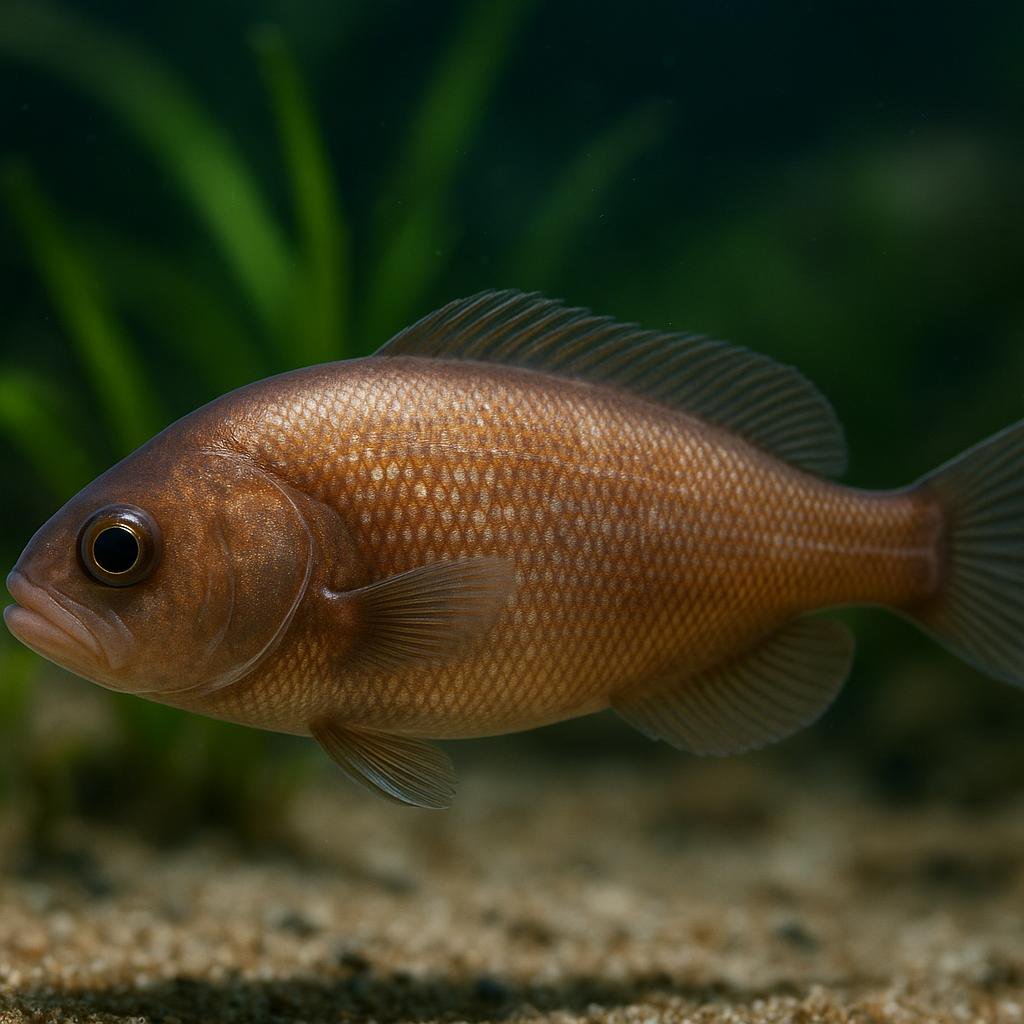
Barathronus affinis is a tiny, super-weird deep-sea blind cusk-eel from the western-central Indian Ocean. It is one of those gelatinous, loose-skinned brotula-type fishes that live way down in the dark and are basically never seen alive, so almost everything we know comes from preserved specimens and taxonomic work.
Allis shad
Alosa alosa
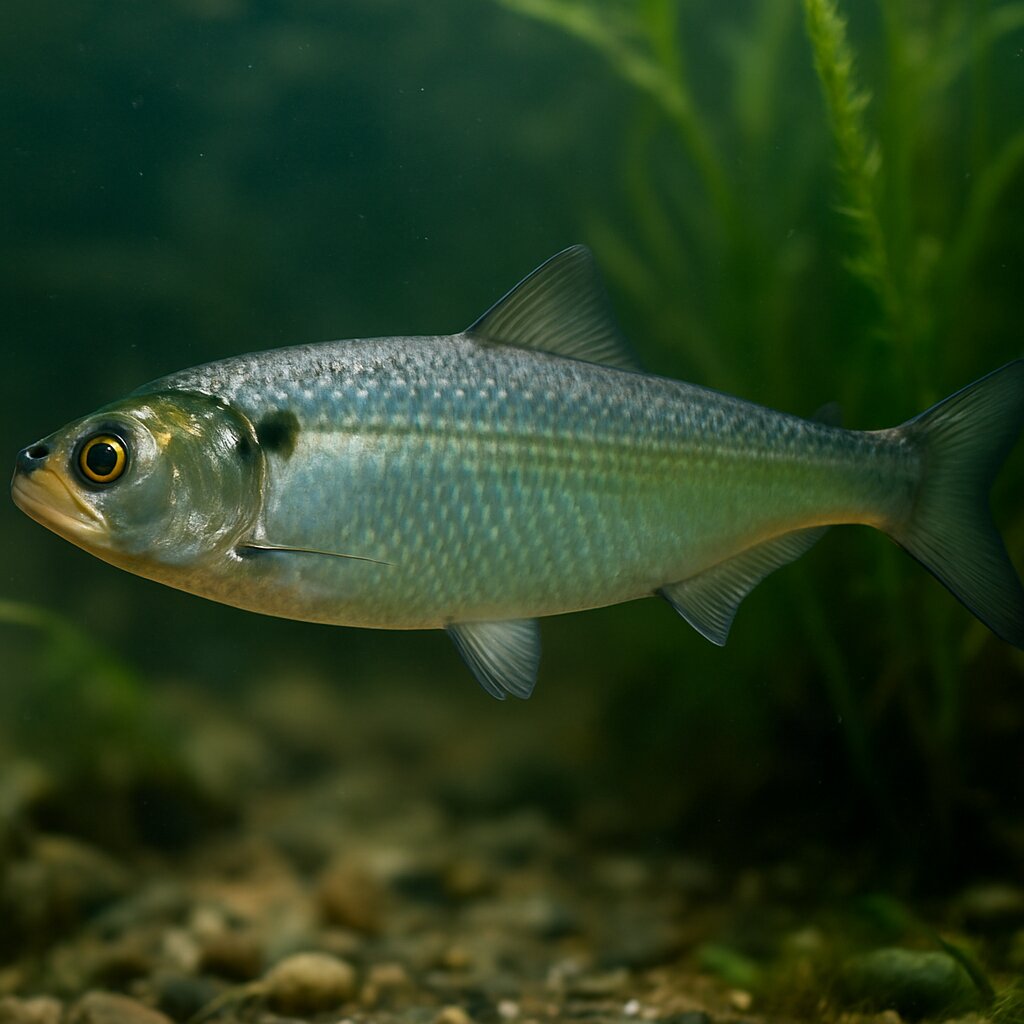
Gorgeous silver, fast-swimming shad that spends most of its life in the sea and then surges up big rivers in noisy, surface-spawning schools. It grows huge for a herring-type fish and needs cool, ultra-oxygenated water and tons of open space, so it is a public-aquarium species rather than a home tank fish.
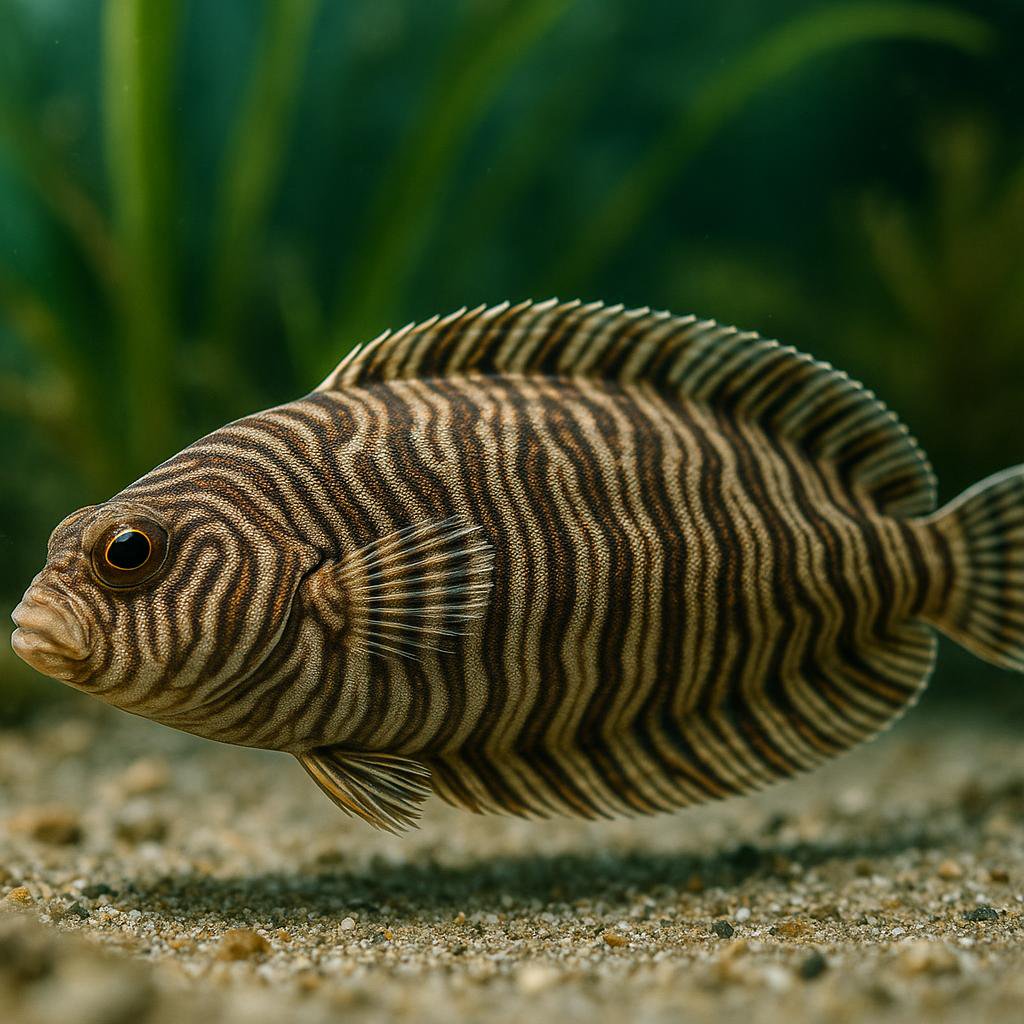
Annandale's zebra sole
Zebrias annandalei
Zebrias annandalei is a small demersal sole from coastal India that inhabits sandy or muddy bottoms and buries for camouflage. It is rarely kept in home aquaria and would require a specialized marine sand-bottom setup and appropriate feeding.
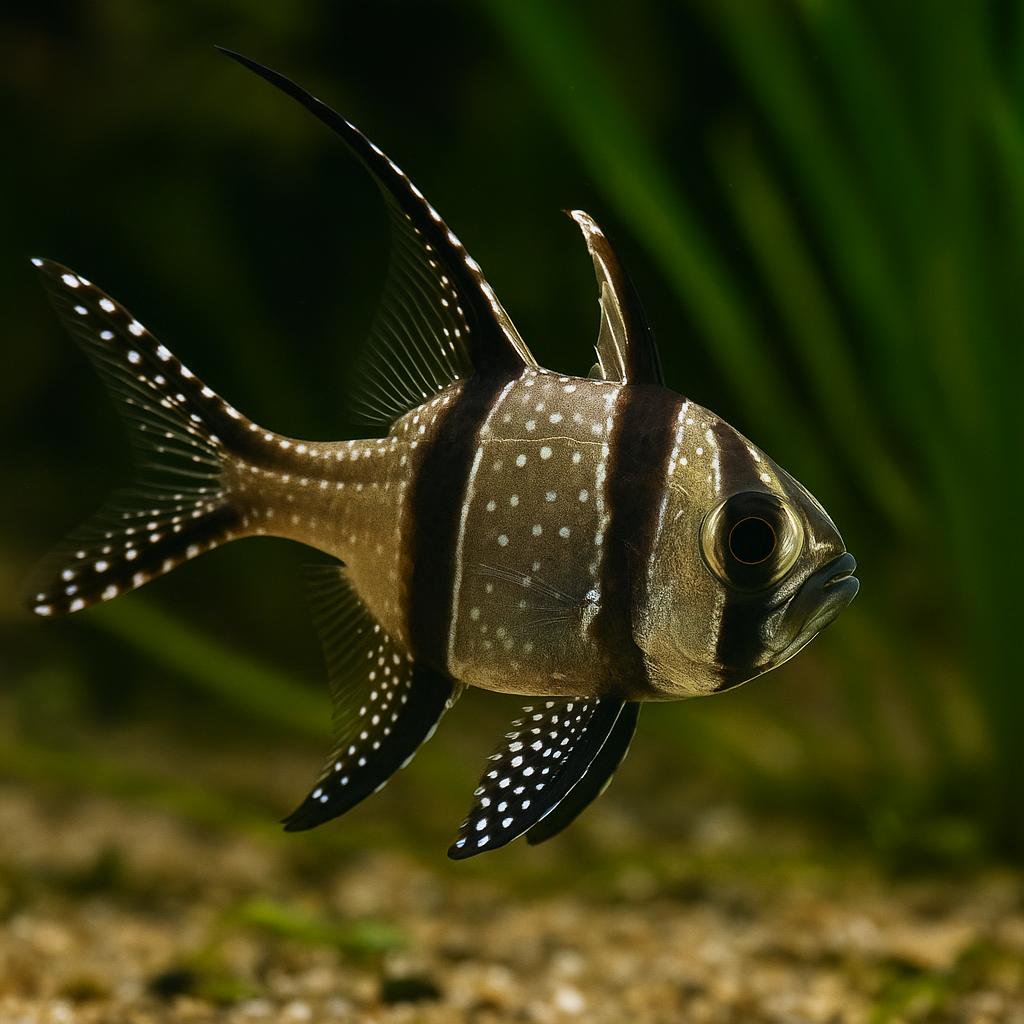
Banggai Cardinalfish
Pterapogon kauderni
Banggai cardinals just sort of hover like little underwater satellites, and the bold black bars with those long, polka-dotted fins look unreal under reef lighting. They're super chill most of the time, but once a pair forms you'll see real "fish drama," and the male will even mouthbrood the babies like a champ.
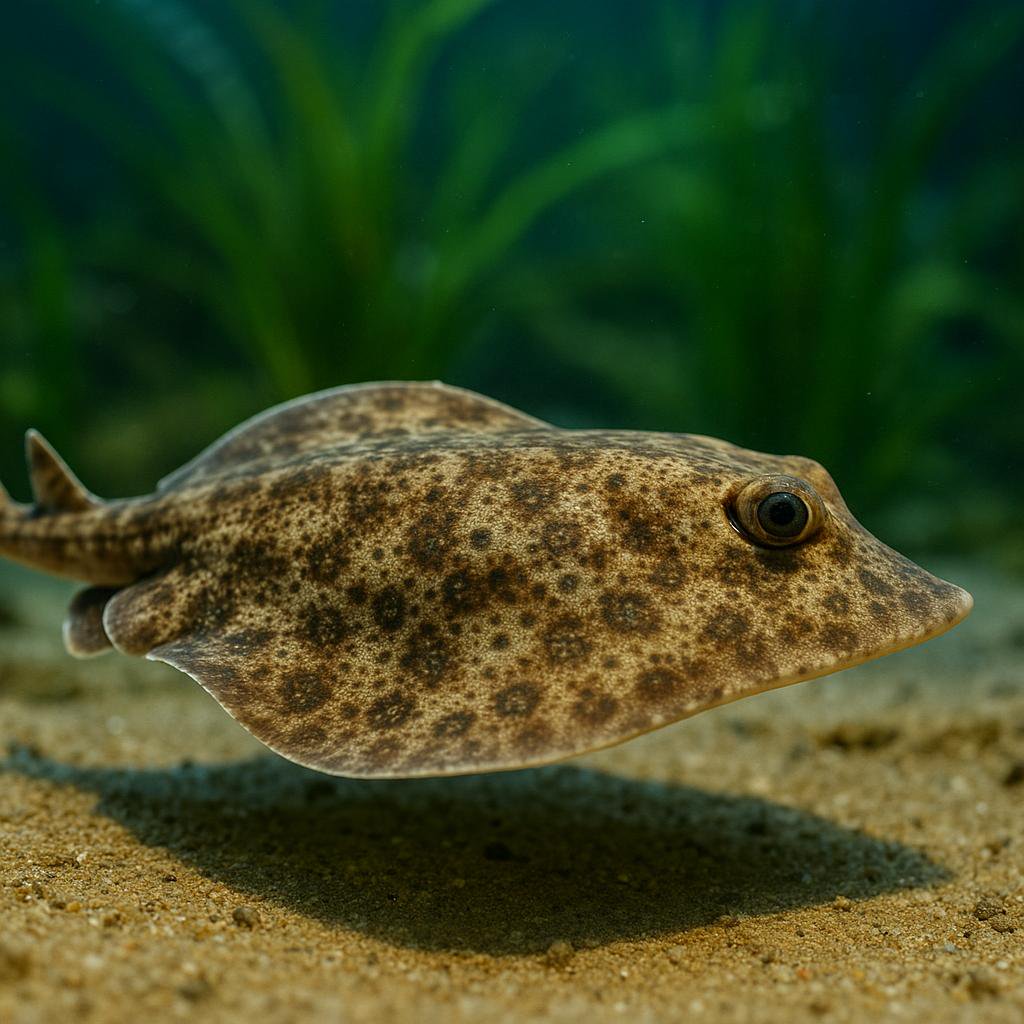
Barbedwire-tailed skate
Notoraja martinezi
Notoraja martinezi is a deepwater skate from the eastern Pacific (Costa Rica down to Ecuador) that lives way down on soft bottoms. The tail is the giveaway - it is lined with strong, hooked thorns that really do look like barbed wire. This is absolutely not an aquarium fish; it is a cold, high-pressure deep-sea animal with basically no practical home care info because it is not kept in the hobby.
More to Explore
Discover more marine species.
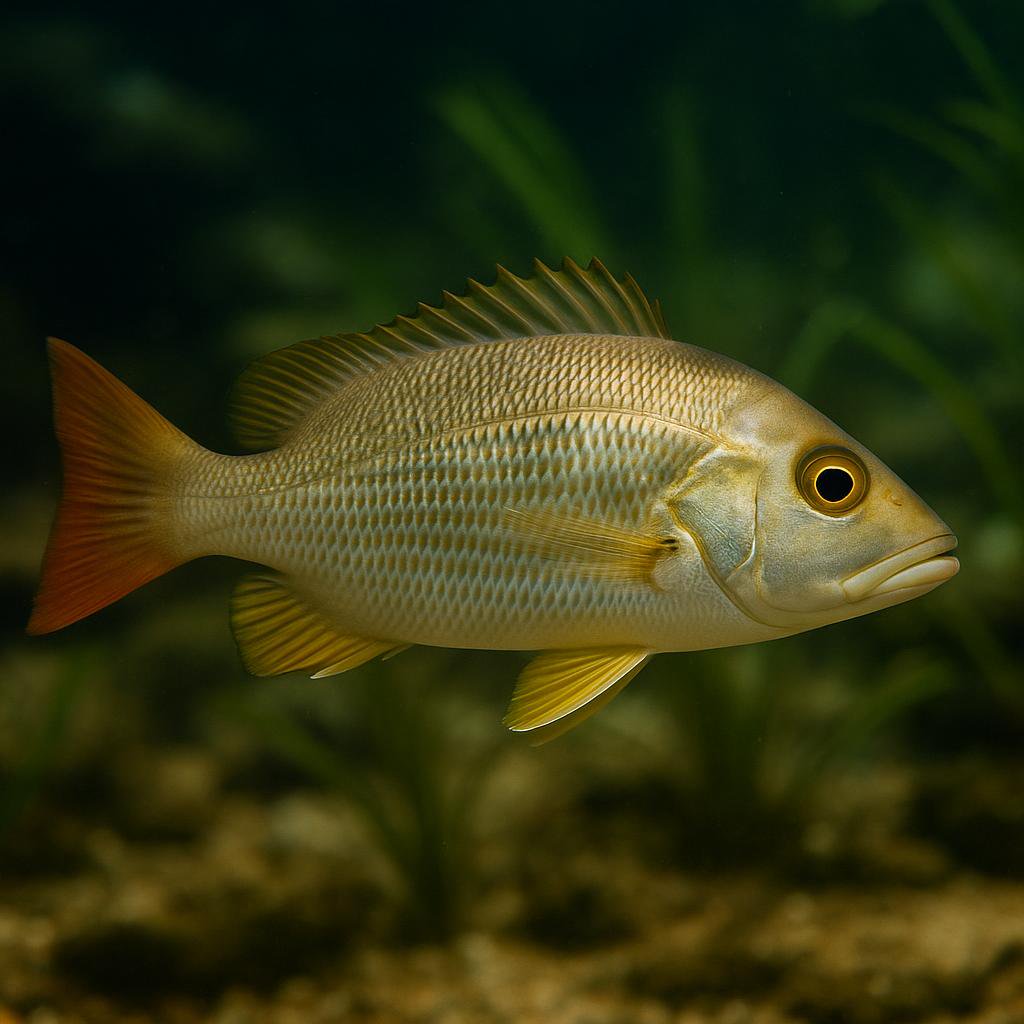
African red snapper
Lutjanus agennes
This is a true snapper from West Africa - a big, fast-growing predator that goes from coastal reefs to brackish lagoons and estuaries (especially as a juvenile). Super cool fish in the wild, but it gets absolutely huge and will eat smaller tankmates once it has the mouth for it, so its really more of a public-aquarium scale animal than a home-aquarium fish.
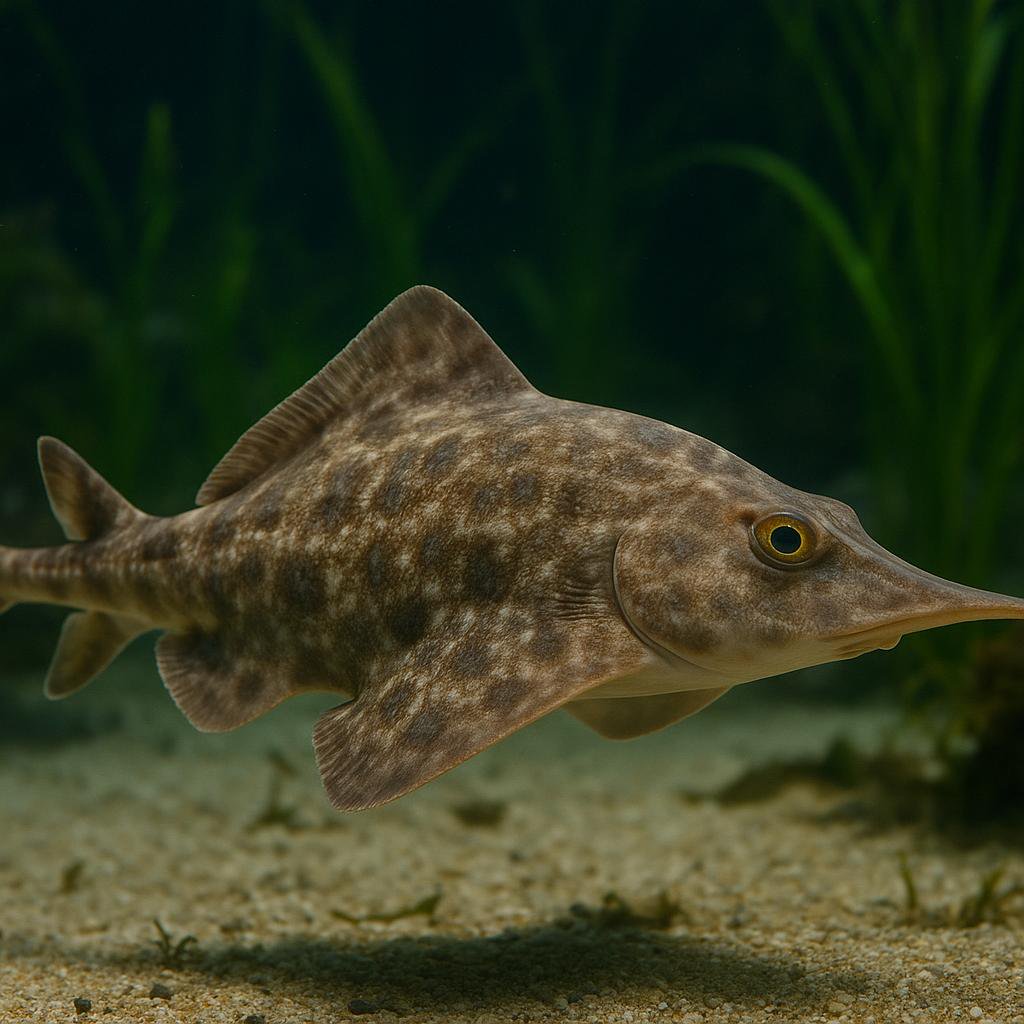
Aleutian skate
Bathyraja aleutica
This is a big, cold-water deep-slope skate from the North Pacific that cruises muddy bottoms and eats chunky benthic prey like crabs and shrimp. The really cool bit is its egg-laying skate life - it does distinct pairing (the classic skate "embrace") and drops those tough egg cases on the seafloor. Not an aquarium fish at all unless you're basically running a public-aquarium-style chilled system.
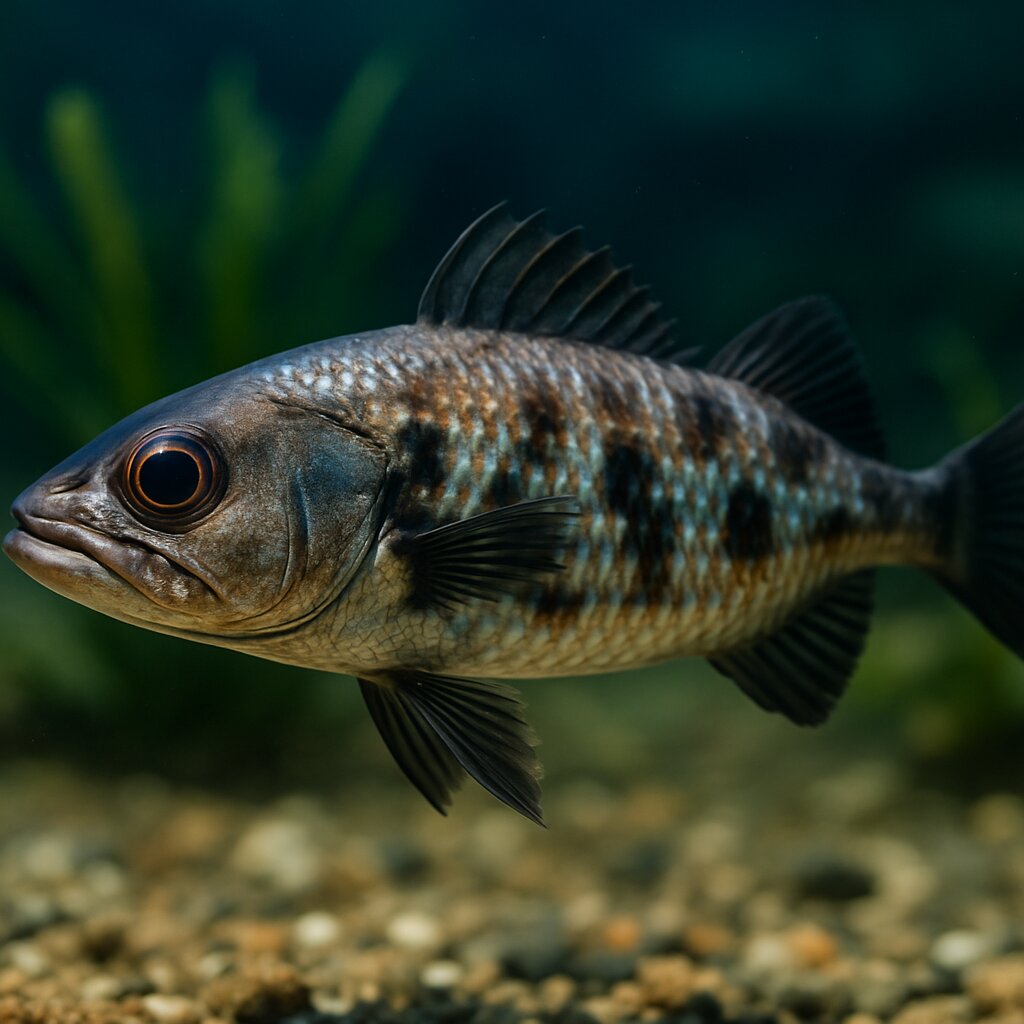
Antarctic dragonfish
Vomeridens infuscipinnis
Deep down around Antarctica, this sleek dragonfish cruises the water column like a little submarine, nearly neutrally buoyant so it can hover above the seafloor. It munches almost exclusively on Antarctic krill and lives in near-freezing water 500-800 m down, so it is a cool species to read about, not one for home tanks.
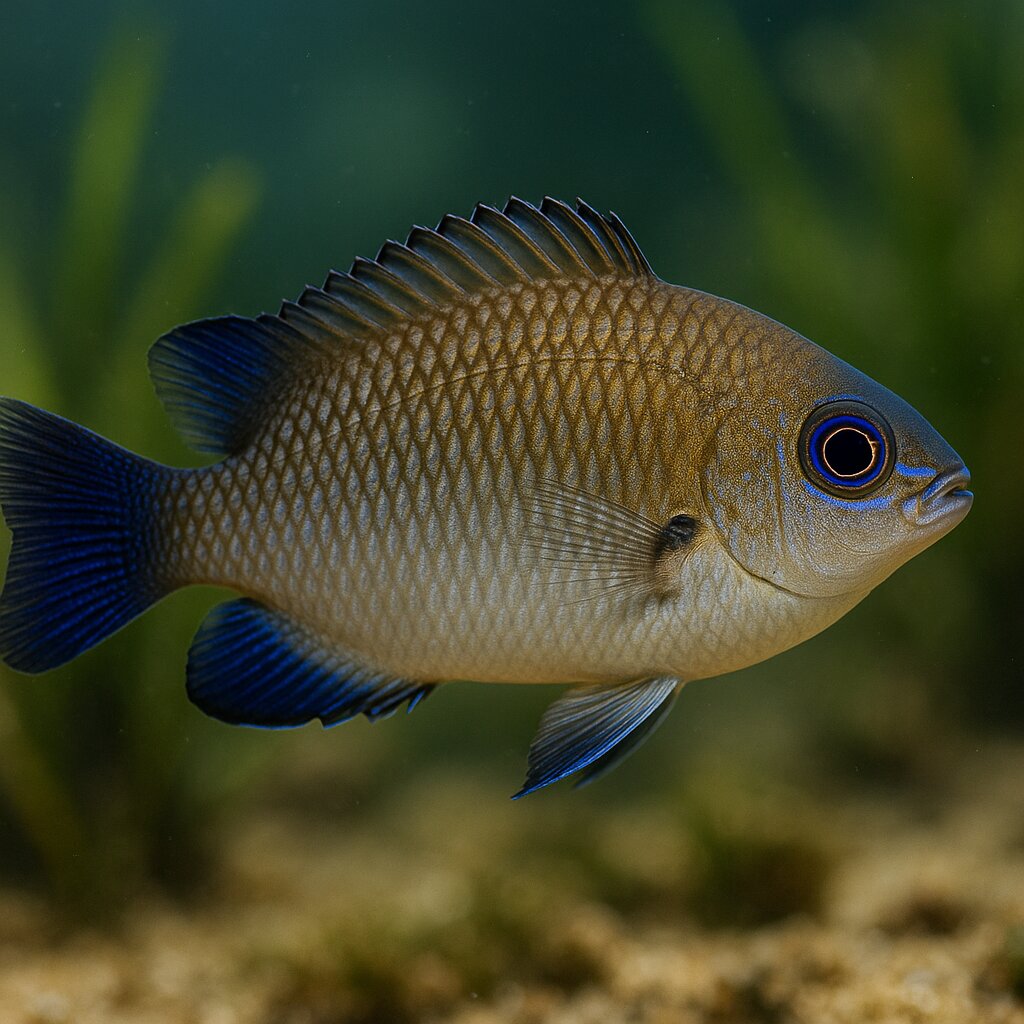
Arabian demoiselle
Neopomacentrus sindensis
A small lyretail damsel from the Persian Gulf and Arabian Sea, it hangs in loose groups around coral heads, rocks, and even pier pilings picking zooplankton from the flow. Think classic damsel toughness with a slightly milder attitude than the real bruisers, plus subtle yellow tail accents. Males clean a patch, get a mate to lay eggs there, and then stand guard fanning the clutch.
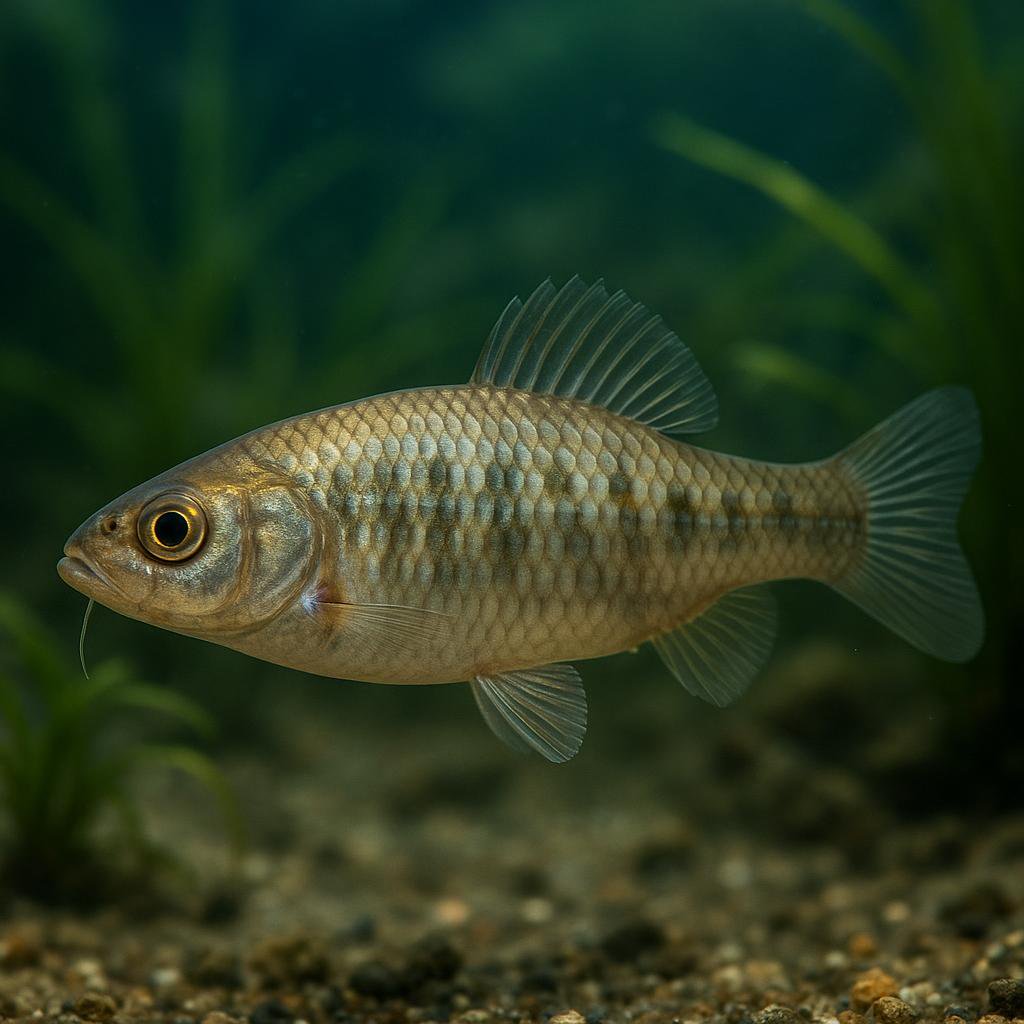
Arabian spiny eel
Notacanthus indicus
Notacanthus indicus is a deep-sea spiny eel (family Notacanthidae; not a true eel) known from the Arabian Sea on the continental slope at roughly ~960–1,046 m depth, with reported maximum length around 20 cm TL; it is a deep-water bycatch species and not established in the aquarium trade.
Arctic rockling
Gaidropsarus argentatus
This is a deepwater North Atlantic rockling (a cod relative) that hangs out on soft bottoms way down the slope. It is a cold-water, bottom-hugging predator that snoots around for crustaceans and will also take small fish when it gets the chance.
Looking for other species?