

Flabby whalefish
Gyrinomimus grahami
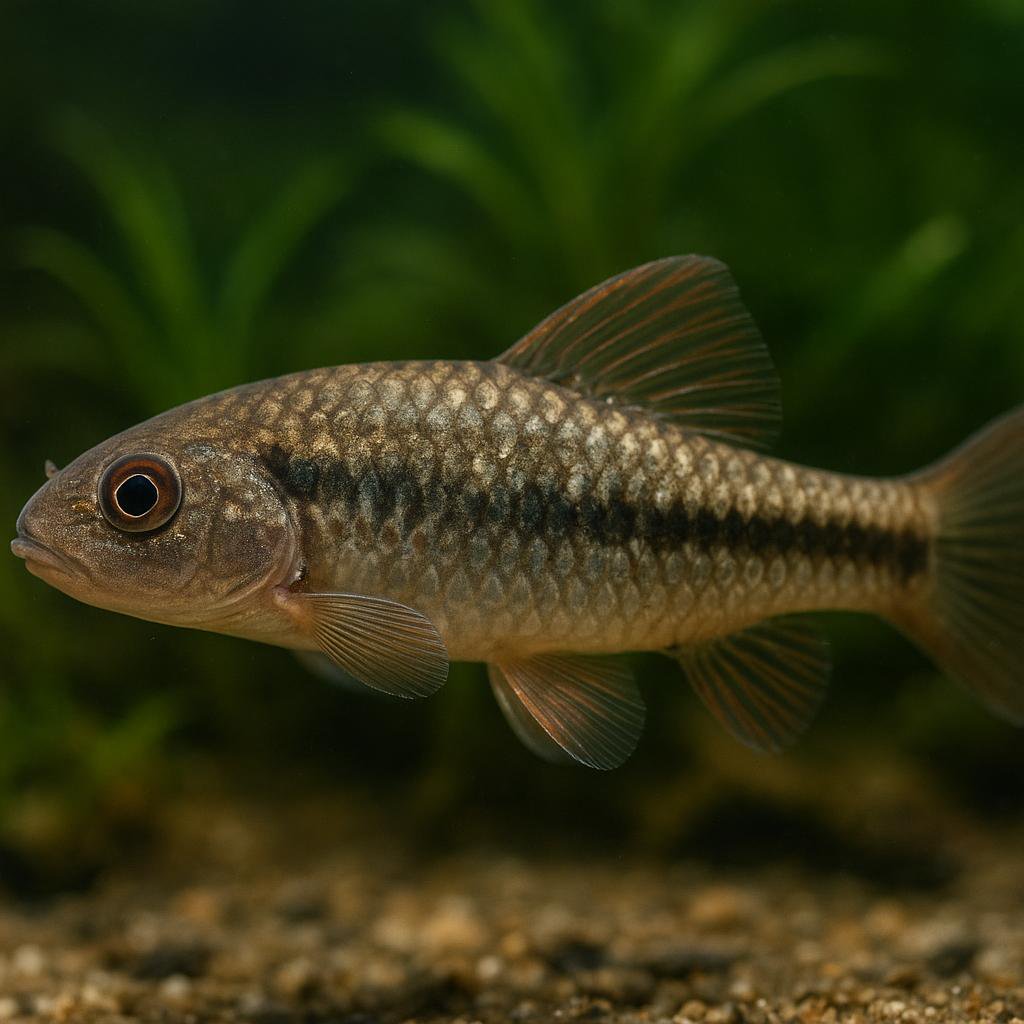
Flabby whalefish exhibit a flattened, pale body with a distinctive, elongated dorsal fin and large, upward-facing eyes.
This page includes AI-generated images. Why am I seeing AI images?
About the Flabby whalefish
Gyrinomimus grahami is a deep-sea flabby whalefish from the Southern Ocean-ish parts of the world - big head, huge mouth, tiny eyes, and a super soft-bodied look. Its adult females are described as dark with reddish tones and orangey fins, and it lives crazy-deep in the bathypelagic zone, so its whole vibe is built around life in perpetual darkness.
Also known as
Quick Facts
Size
31 cm SL
Temperament
Semi-aggressive
Difficulty
Expert
Min Tank Size
0 gallons
Origin
Southern Hemisphere (temperate southern oceans, circumglobal)
Diet
Carnivore - mainly crustaceans (deep-sea zooplankton/crustacean prey)
Water Parameters
2-8°C
7.8-8.4
7-12 dGH
Care Notes
- Real talk: a Flabby whalefish is a deep-sea animal and basically not a home-aquarium fish - they crash fast without chilled, high-pressure systems, so plan on a specialized pressurized, refrigerated setup (public-aquarium tier).
- Temperature is the first deal-breaker: keep it in the deep-sea range (think single-digit C, roughly 2-6 C) and don't let it creep up during water changes or pump heat - warm water usually equals a quick spiral.
- Flow and lighting: low light and gentle, steady circulation; blast flow and bright reef lighting stress them out and they tend to stop feeding.
- Feeding: target feed meaty marine foods (small fish, shrimp, squid strips, large krill) with tongs or a feeding stick after lights-down; they are built for infrequent big meals, so feed 2-3 times a week and remove leftovers fast.
- Tankmates: keep it solo or with other coldwater, non-nippy fish; avoid anything that can harass it or outcompete it at feeding time, and avoid tiny fish that look like food.
- Watch for barotrauma-style issues (buoyancy weirdness, floating/rolling) and abrasion on the mouth and fins - they spook easily and bump into hard decor, so go with smooth rockwork and lots of open water.
- Breeding: don't count on it - their life history is deep-sea and weirdly specialized, and captive spawning is basically unheard of outside serious research setups.
Compatibility
Avoid
- None for a home marine tank - flabby whalefish (Gyrinomimus grahami) is a deep-sea fish that does not survive standard aquarium conditions (pressure, temperature, oxygen, diet), so there are no realistic, proven "good tank mates" to recommend.
- Avoid basically all common reef and fish-only picks (clownfish, tangs, wrasses, anthias, gobies) - if you somehow had one alive, it is a gulp-feeder and anything that fits in its mouth is food, and anything too big will stress it out.
- Avoid small schooling fish (chromis, small cardinals) - their size and behavior make them prone to predation, particularly in low light.
- Avoid aggressive/nippy fish (triggerfish, larger wrasses, damsels, puffers) - they may harass a slower, oddly-shaped deepwater fish significantly, and they exhibit strong competition during feeding times.
Where they come from
Flabby whalefish (Gyrinomimus grahami) is a deep-sea fish. Not just "a little deeper than your reef" deep - think dark, cold water with steady conditions and basically no daily swings. That background explains why they are such a headache in captivity: they are built for stable pressure, stable temps, and low-light life.
Real talk: this is an expert-only species mostly because the deep-sea collection and decompression process is where things go wrong. Even if your tank is perfect, getting a healthy specimen is the biggest hurdle.
Setting up their tank
If you are picturing a typical marine display tank, reset your expectations. You are aiming for a dim, calm, cold, very stable system. The fish is not going to appreciate bright lights, high flow, lots of rockwork to bang into, or a tank that sees regular hands-in maintenance.
- Tank size: bigger is your friend, mostly for stability. I would not even consider one in a small system. Think 200+ gallons if you want a fighting chance.
- Temperature: coldwater chiller territory. Keep it steady, not swinging day to night.
- Lighting: low. Give them shade and let your eyes adjust rather than blasting the tank.
- Flow: moderate and smooth. Avoid chaotic, high-velocity jets.
- Aquascape: open water with some gentle structure. No spiky rock mazes.
- Filtration: oversized, quiet, and consistent. Deep-sea fish do not like drama.
If you cannot run a chiller with tight control and have a plan for power outages, do not attempt this fish. A few degrees of swing that your reef fish shrug off can be a big deal here.
I would also keep the system "boring": stable salinity, stable pH, and minimal tinkering. Automate top-off, keep lids tight to reduce evaporation swings, and make maintenance predictable. This is one of those fish where your best move is leaving it alone as much as you can.
What to feed them
In the wild they are predators of small animals drifting around in the dark. In captivity, the big challenge is getting them to recognize non-live food and making sure they actually swallow it. You are not feeding flakes here.
- Start with: live foods if needed to trigger feeding (depending on the individual and how beat-up it is from shipping).
- Transition foods: enriched frozen items like mysis, krill pieces, chopped shrimp, and other meaty marine fare.
- Target feeding: use feeding tongs or a long pipette so the food drifts past the fish, not blasted at its face.
- Enrichment: soak foods periodically (HUFA-style enrichment) since deep-sea species often arrive depleted.
Feed in low light and keep the room calm. I have had fish ignore food all day, then take it readily once the tank lights are dim and there is no movement around the glass.
Watch body condition rather than assuming a schedule. Some individuals do better with smaller, more frequent meals. Just be careful: heavy feeding in a cold, low-biolife system can foul water fast if you are not on top of export.
How they behave and who they get along with
These are not community fish in any normal sense. They are generally not "aggressive" like a trigger, but they are predators and they are easily stressed. Stress is what kills a lot of deepwater fish in tanks - not a single dramatic event, just constant low-grade harassment and bright, busy surroundings.
- Best setup: species-only or with very few, very calm tankmates.
- Avoid: fast darting fish, nippy fish, anything that will compete hard at feeding time.
- Also avoid: small fish or shrimp you are not willing to lose.
- Tank vibe: quiet, low traffic, and predictable.
If it is constantly hiding, pressing into corners, or refusing food after it had been eating, assume stress first: lighting, flow, tankmates, or too much activity outside the tank.
Breeding tips
Breeding flabby whalefish in home aquariums is basically not a thing. You are dealing with a deep-sea life history, unknown triggers, and likely a need for conditions we cannot realistically replicate (and that is before you even talk about getting a compatible pair in good shape).
If someone is selling you a story about easy captive breeding for this species, treat it as a red flag.
Common problems to watch for
Most problems with this species are the slow, frustrating kind. The fish looks "fine" until it is not. Your job is to notice small changes early.
- Decompression and shipping damage: buoyancy issues, lethargy, odd swimming, sudden decline after arrival.
- Temperature stress: rapid breathing, refusal to eat, hanging in high-flow areas or right at the surface.
- Light stress: constantly hiding, pale coloration, feeding only after lights-out (or not at all).
- Starvation: slow weight loss because it is not competing well or not recognizing food.
- Water quality slide: in cold systems, uneaten food can rot while the fish still seems calm. Test, observe, and siphon leftovers.
Quarantine is tricky with deep-sea fish because meds and higher temps that work for typical marine QT can backfire. If you do QT, keep it cold, dim, and stable, and be very conservative with treatments.
If you are determined to try one, spend most of your effort on the unsexy parts: sourcing from someone who knows deepwater handling, keeping temperature rock-steady, and getting it feeding consistently. That is where success or failure usually happens.
Similar Species
Other marine semi-aggressive species you might be interested in.
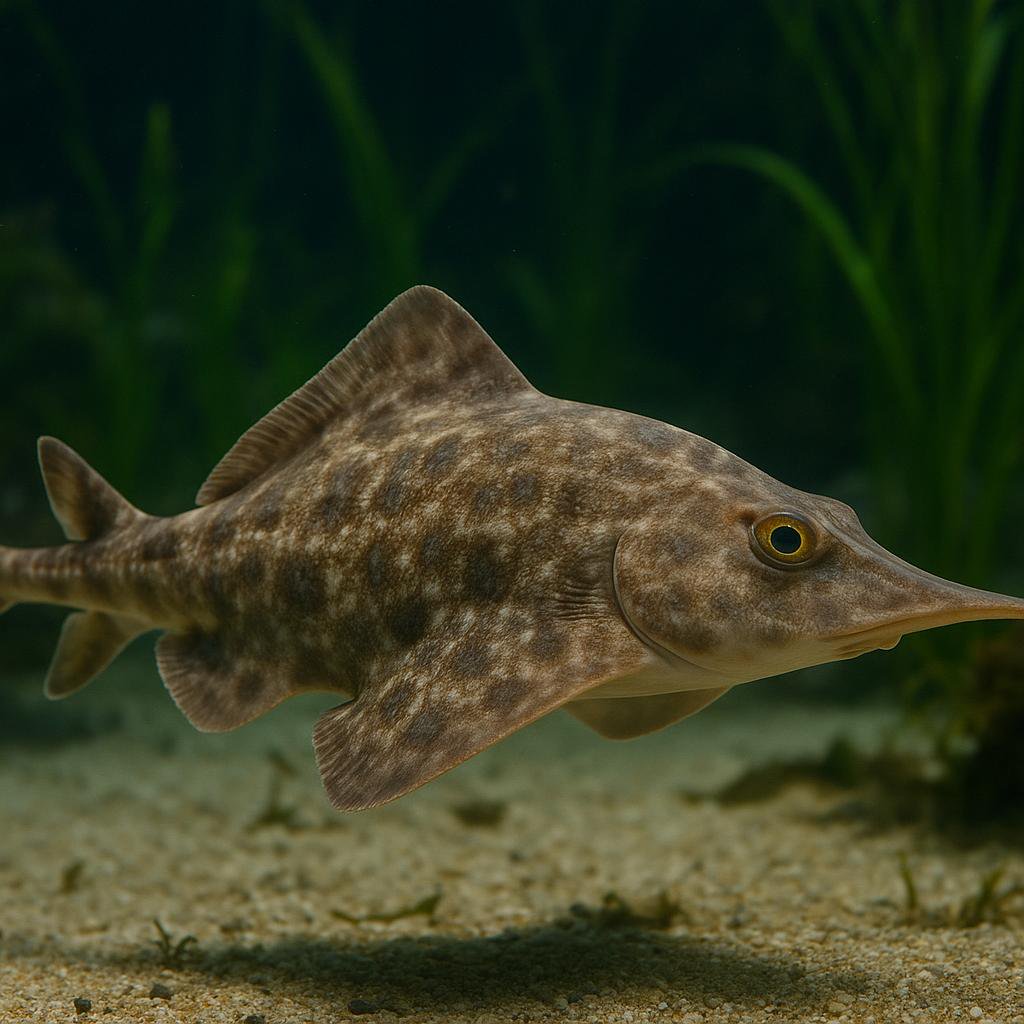
Aleutian skate
Bathyraja aleutica
This is a big, cold-water deep-slope skate from the North Pacific that cruises muddy bottoms and eats chunky benthic prey like crabs and shrimp. The really cool bit is its egg-laying skate life - it does distinct pairing (the classic skate "embrace") and drops those tough egg cases on the seafloor. Not an aquarium fish at all unless you're basically running a public-aquarium-style chilled system.
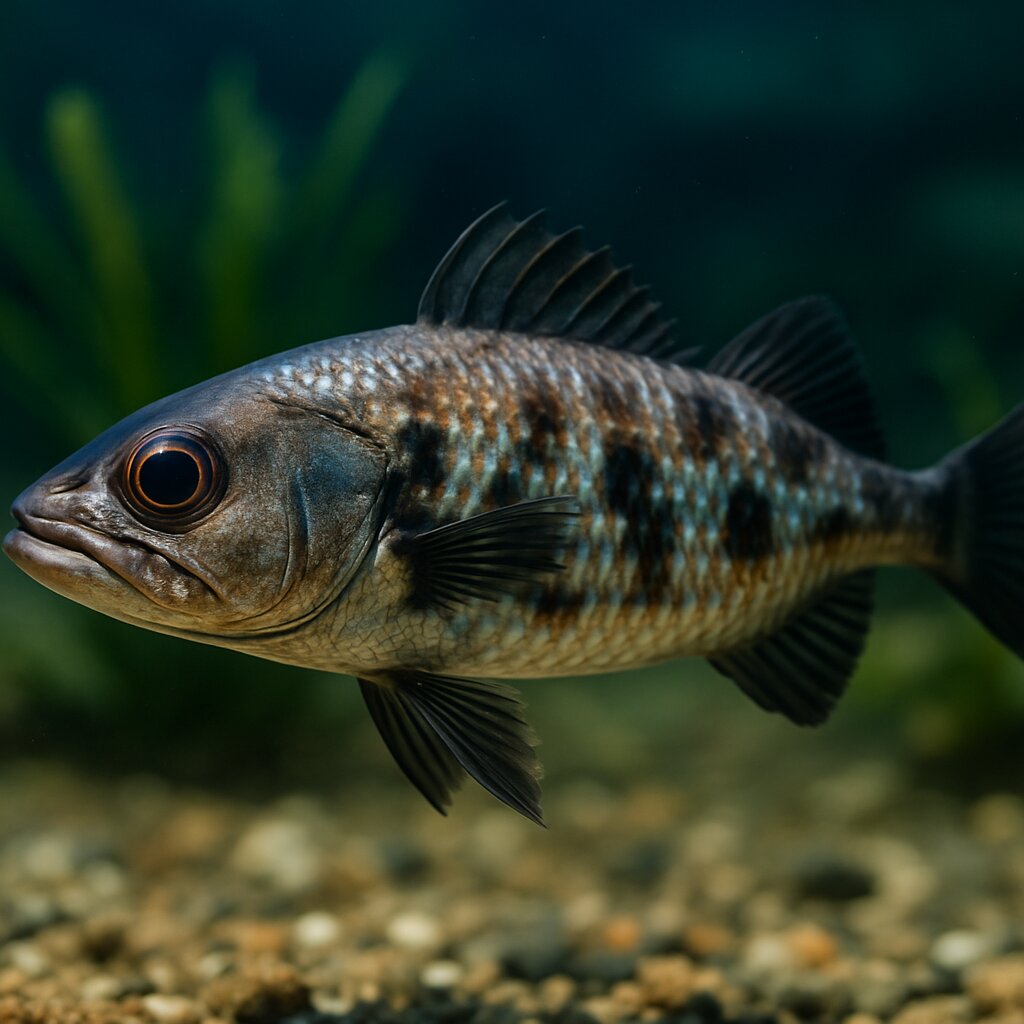
Antarctic dragonfish
Vomeridens infuscipinnis
Deep down around Antarctica, this sleek dragonfish cruises the water column like a little submarine, nearly neutrally buoyant so it can hover above the seafloor. It munches almost exclusively on Antarctic krill and lives in near-freezing water 500-800 m down, so it is a cool species to read about, not one for home tanks.
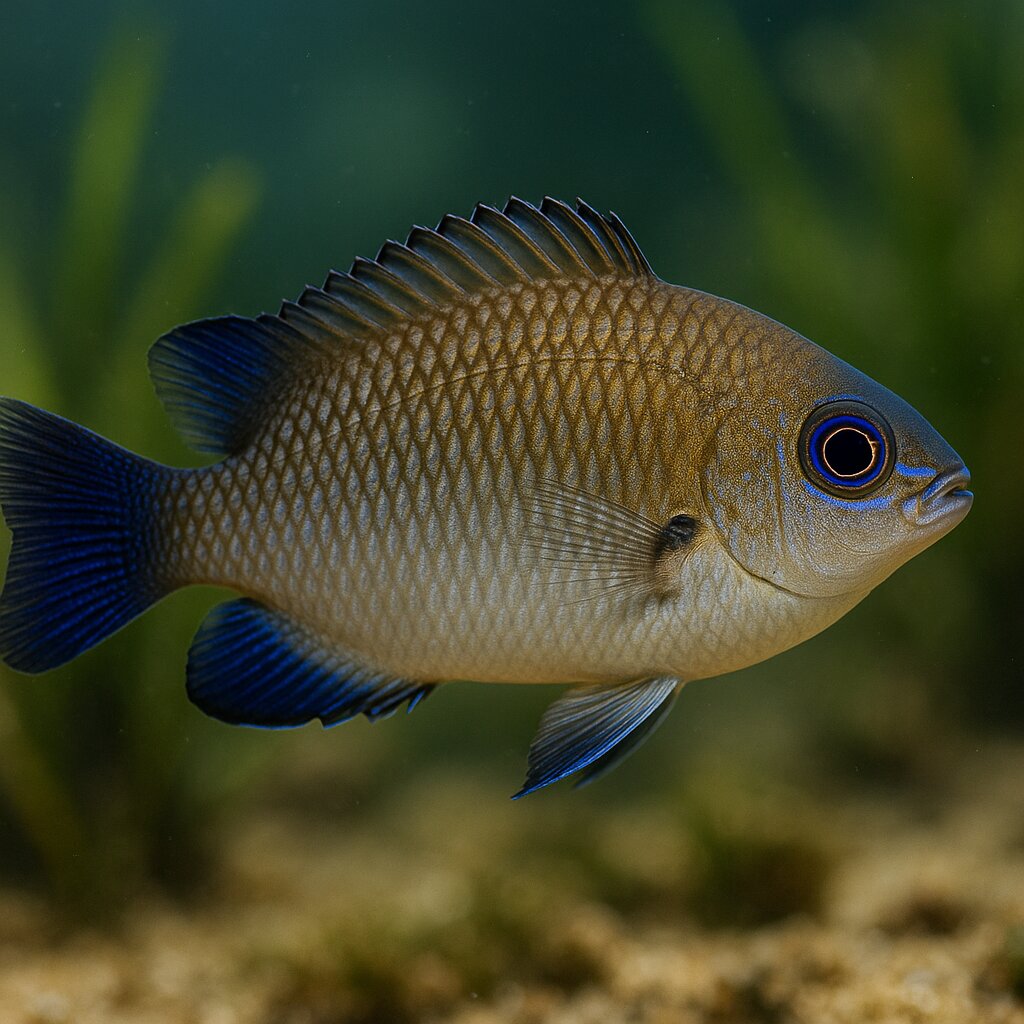
Arabian demoiselle
Neopomacentrus sindensis
A small lyretail damsel from the Persian Gulf and Arabian Sea, it hangs in loose groups around coral heads, rocks, and even pier pilings picking zooplankton from the flow. Think classic damsel toughness with a slightly milder attitude than the real bruisers, plus subtle yellow tail accents. Males clean a patch, get a mate to lay eggs there, and then stand guard fanning the clutch.
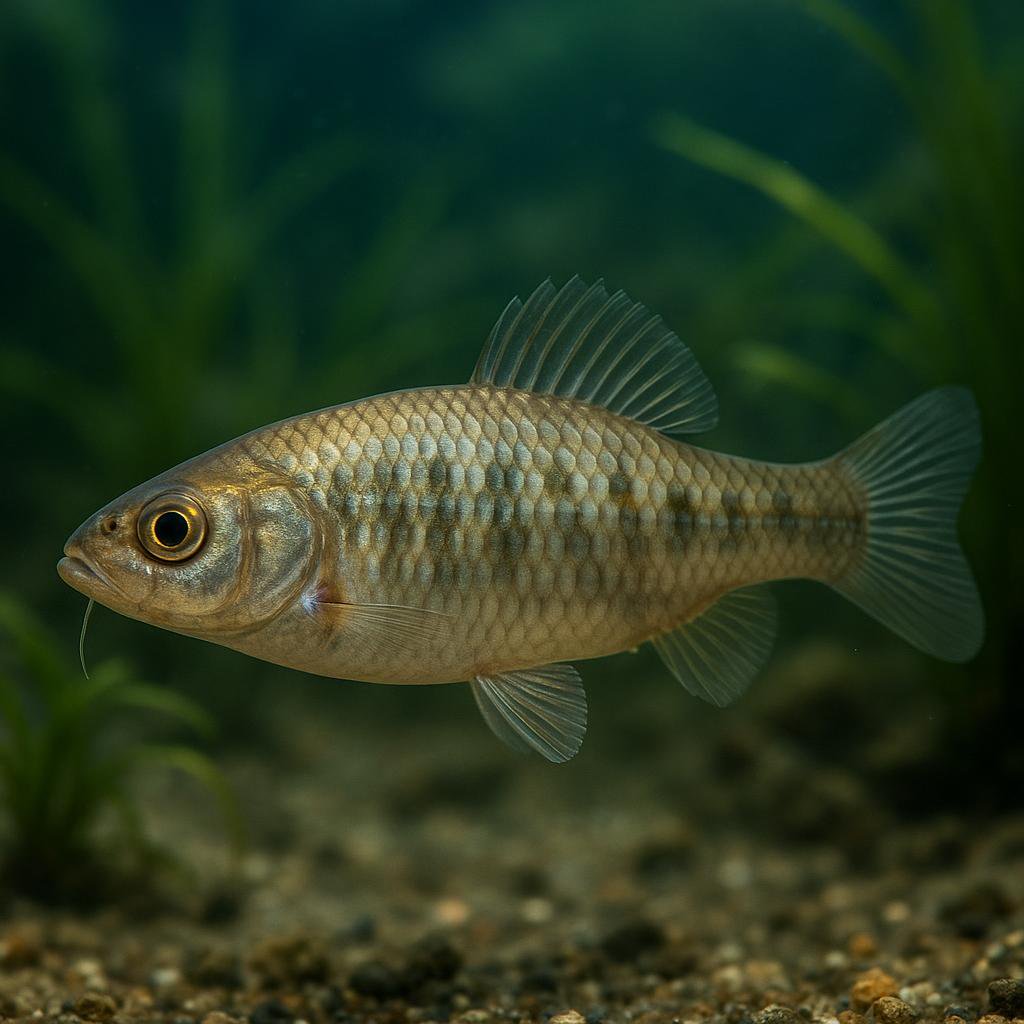
Arabian spiny eel
Notacanthus indicus
Notacanthus indicus is a deep-sea spiny eel (family Notacanthidae; not a true eel) known from the Arabian Sea on the continental slope at roughly ~960–1,046 m depth, with reported maximum length around 20 cm TL; it is a deep-water bycatch species and not established in the aquarium trade.
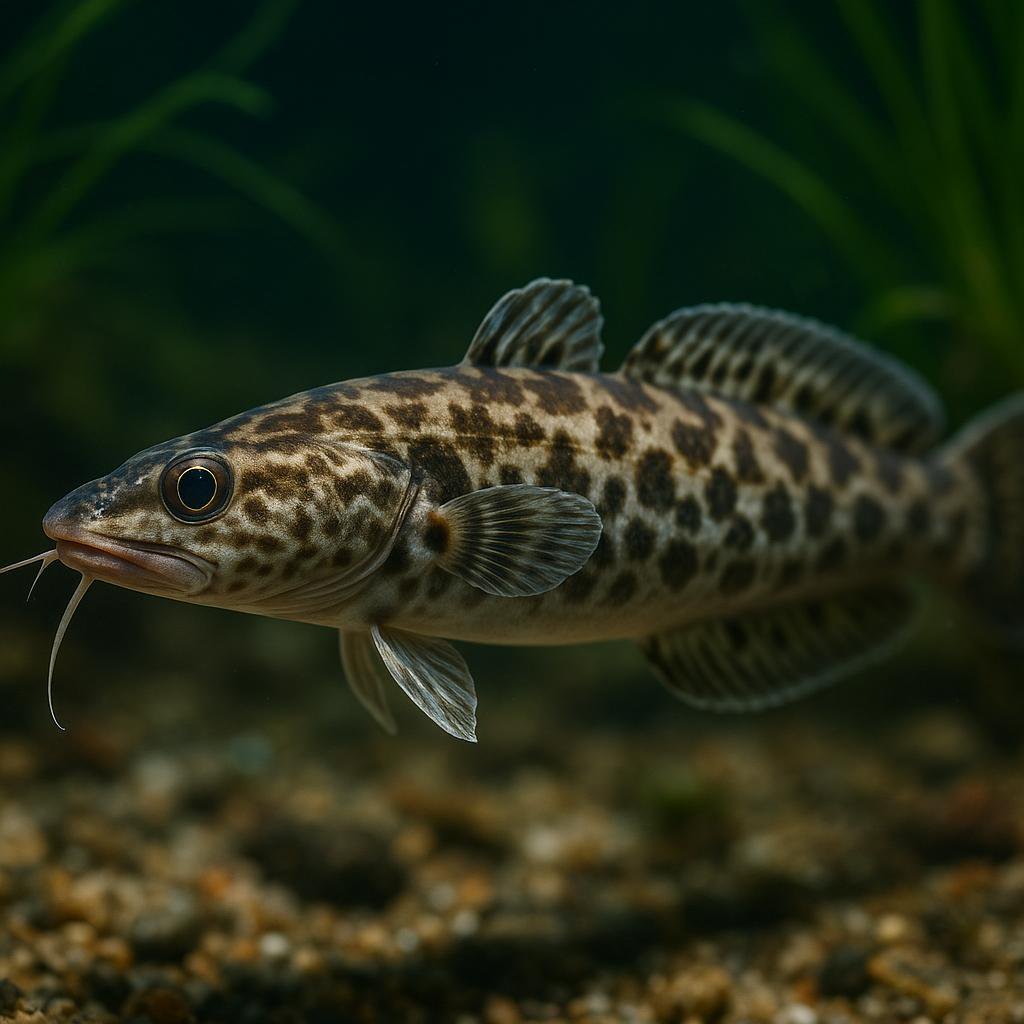
Arctic rockling
Gaidropsarus argentatus
This is a deepwater North Atlantic rockling (a cod relative) that hangs out on soft bottoms way down the slope. It is a cold-water, bottom-hugging predator that snoots around for crustaceans and will also take small fish when it gets the chance.
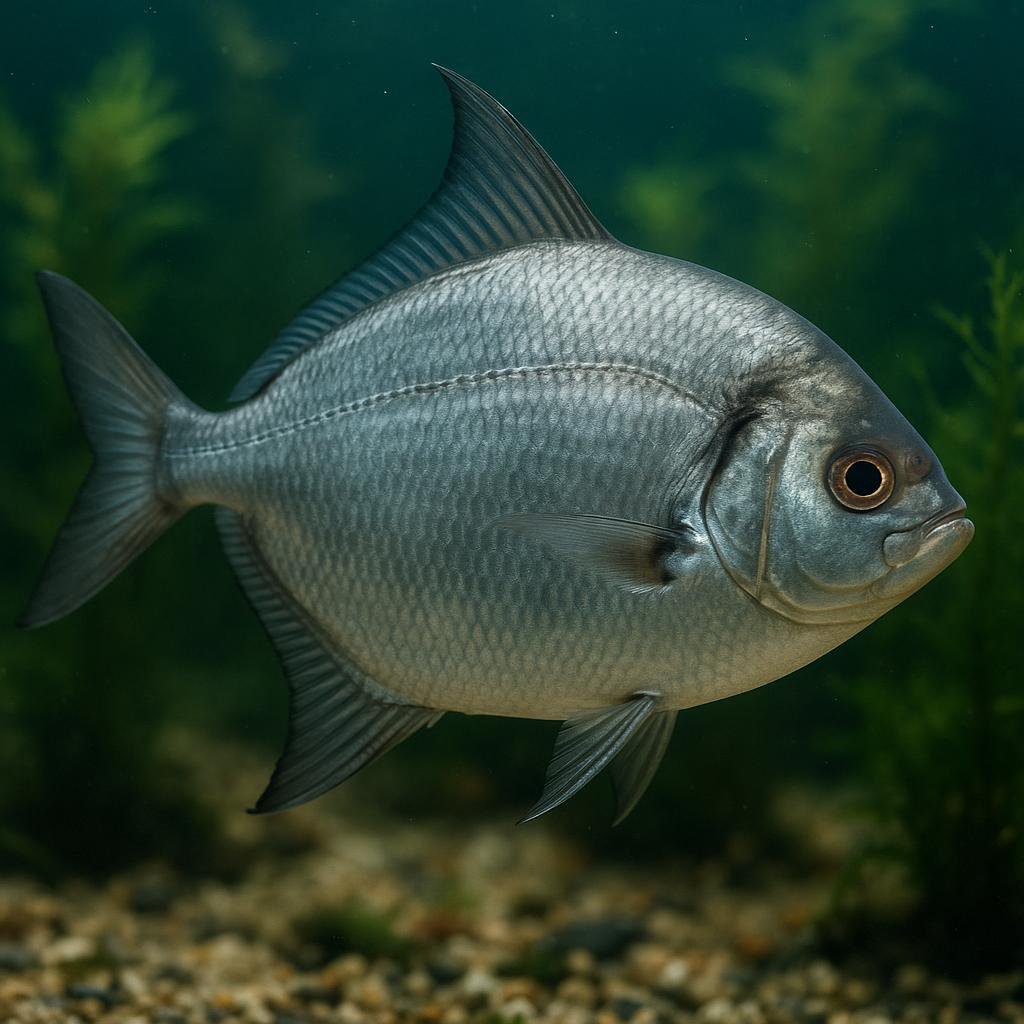
Atlantic pomfret
Brama brama
Brama brama is the Atlantic pomfret (aka Ray's bream) - a deep-bodied, open-ocean pelagic fish that cruises around in small schools and follows water temps. It is a legit big, wild marine species (not an aquarium fish) that eats other small sea critters like fish and squid, and it ranges across a huge chunk of the Atlantic plus parts of the Indian and South Pacific.
More to Explore
Discover more marine species.
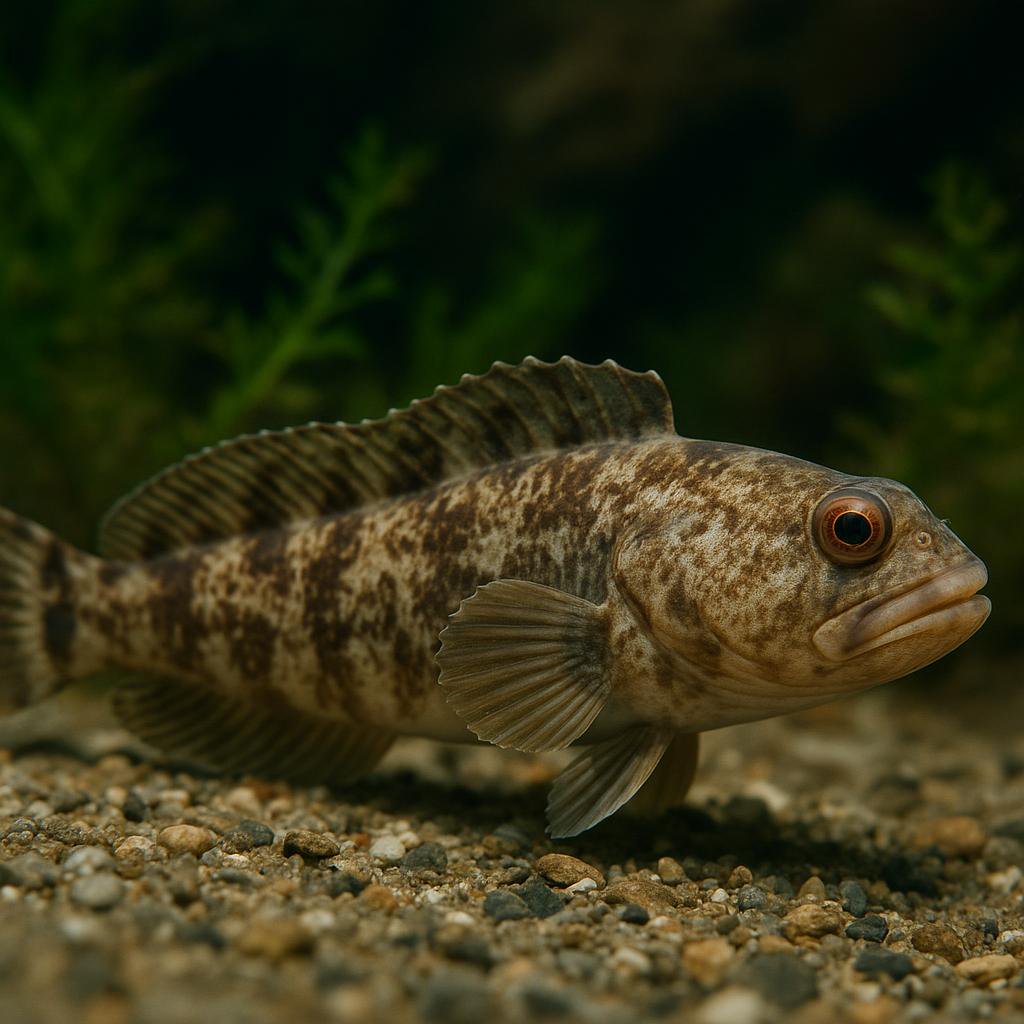
Abe's eelpout
Japonolycodes abei
Japonolycodes abei is a temperate, deepwater demersal eelpout (family Zoarcidae) endemic to Japan (Kumano-nada Sea reported; other sources also report Sagami Bay and Tosa Bay). It is the only species in the genus Japonolycodes and occurs roughly 40-300 m depth, making it an uncommon/atypical aquarium species.
Affinis blind cusk-eel
Barathronus affinis
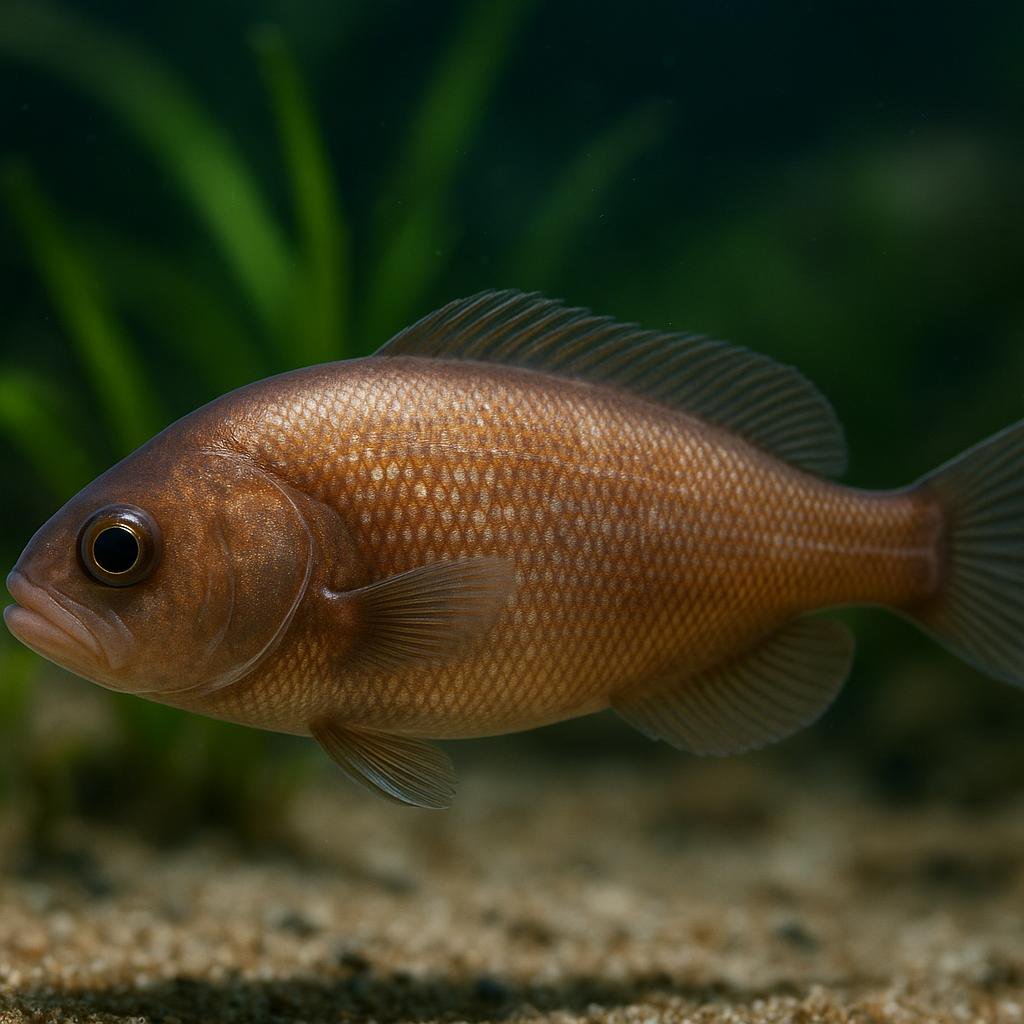
Barathronus affinis is a tiny, super-weird deep-sea blind cusk-eel from the western-central Indian Ocean. It is one of those gelatinous, loose-skinned brotula-type fishes that live way down in the dark and are basically never seen alive, so almost everything we know comes from preserved specimens and taxonomic work.
African red snapper
Lutjanus agennes
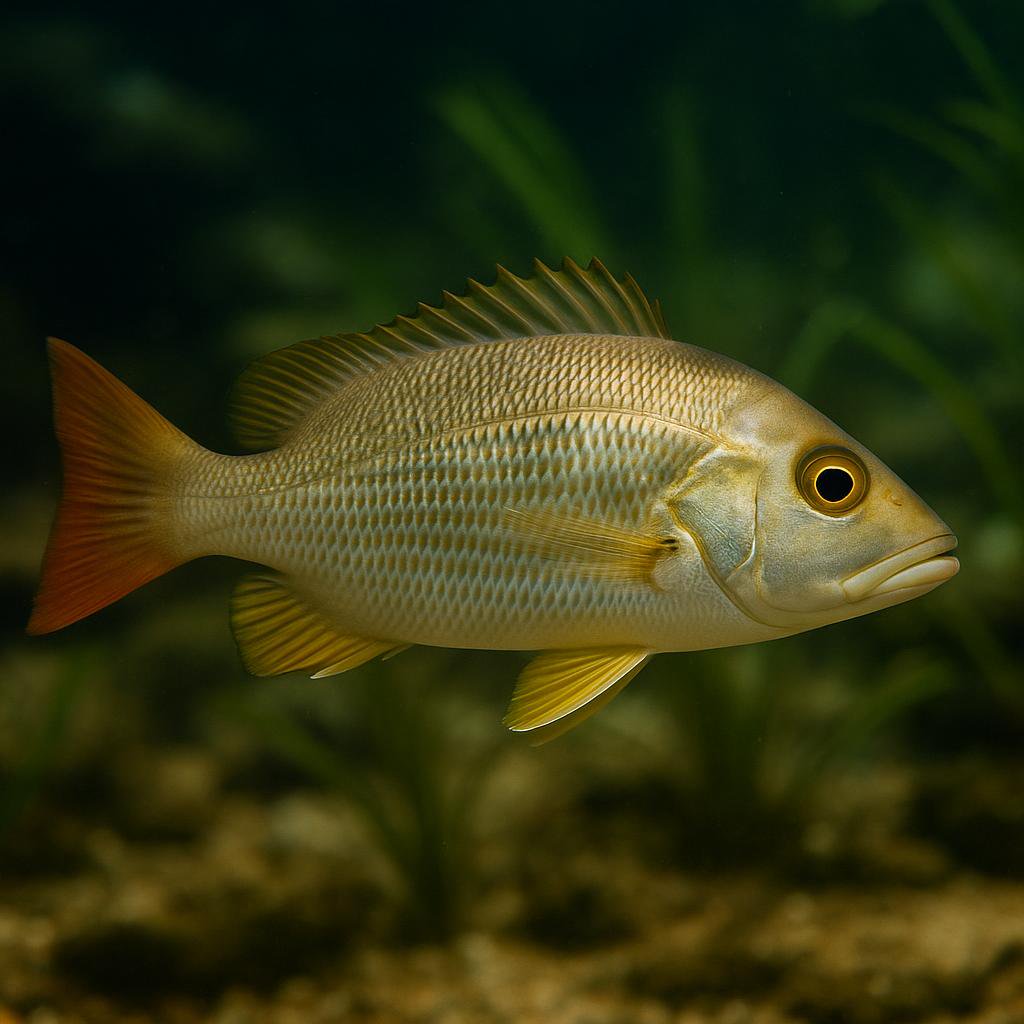
This is a true snapper from West Africa - a big, fast-growing predator that goes from coastal reefs to brackish lagoons and estuaries (especially as a juvenile). Super cool fish in the wild, but it gets absolutely huge and will eat smaller tankmates once it has the mouth for it, so its really more of a public-aquarium scale animal than a home-aquarium fish.
Allis shad
Alosa alosa
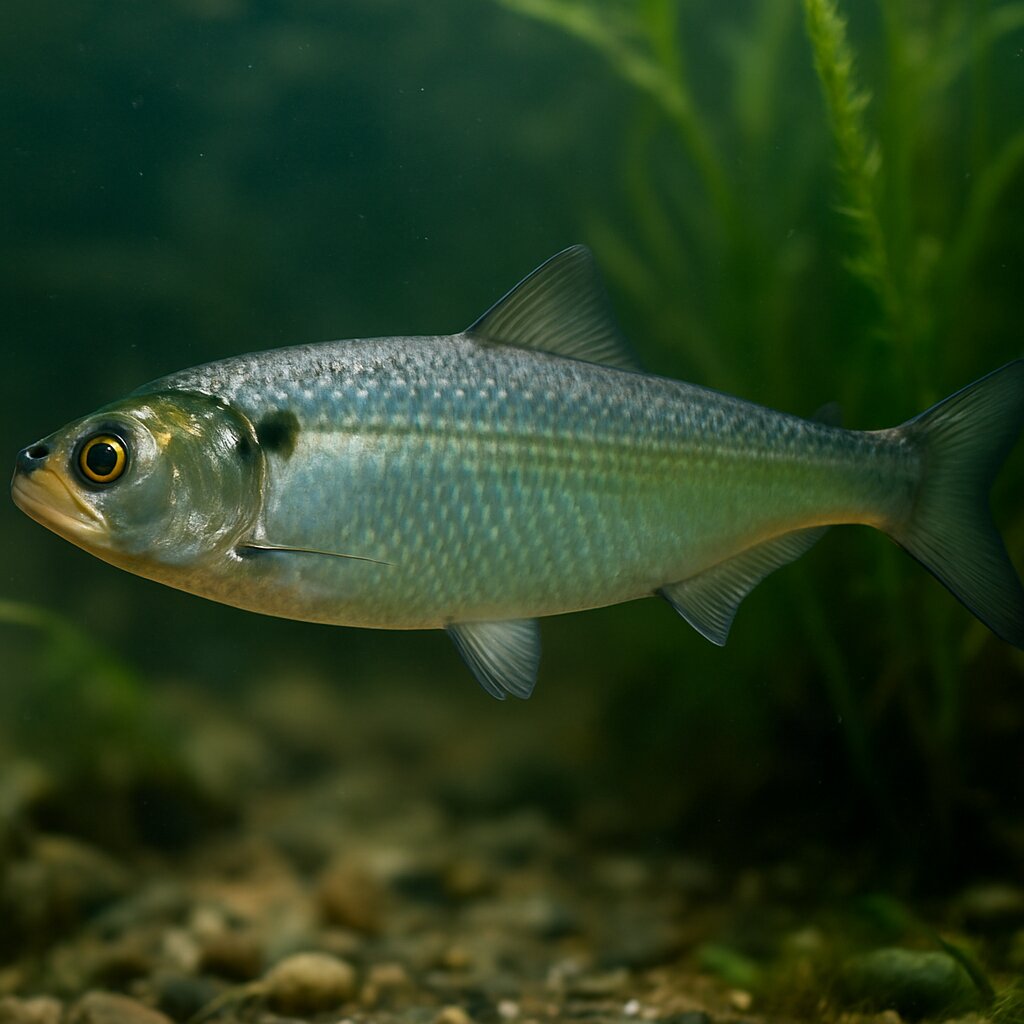
Gorgeous silver, fast-swimming shad that spends most of its life in the sea and then surges up big rivers in noisy, surface-spawning schools. It grows huge for a herring-type fish and needs cool, ultra-oxygenated water and tons of open space, so it is a public-aquarium species rather than a home tank fish.
Annandale's zebra sole
Zebrias annandalei
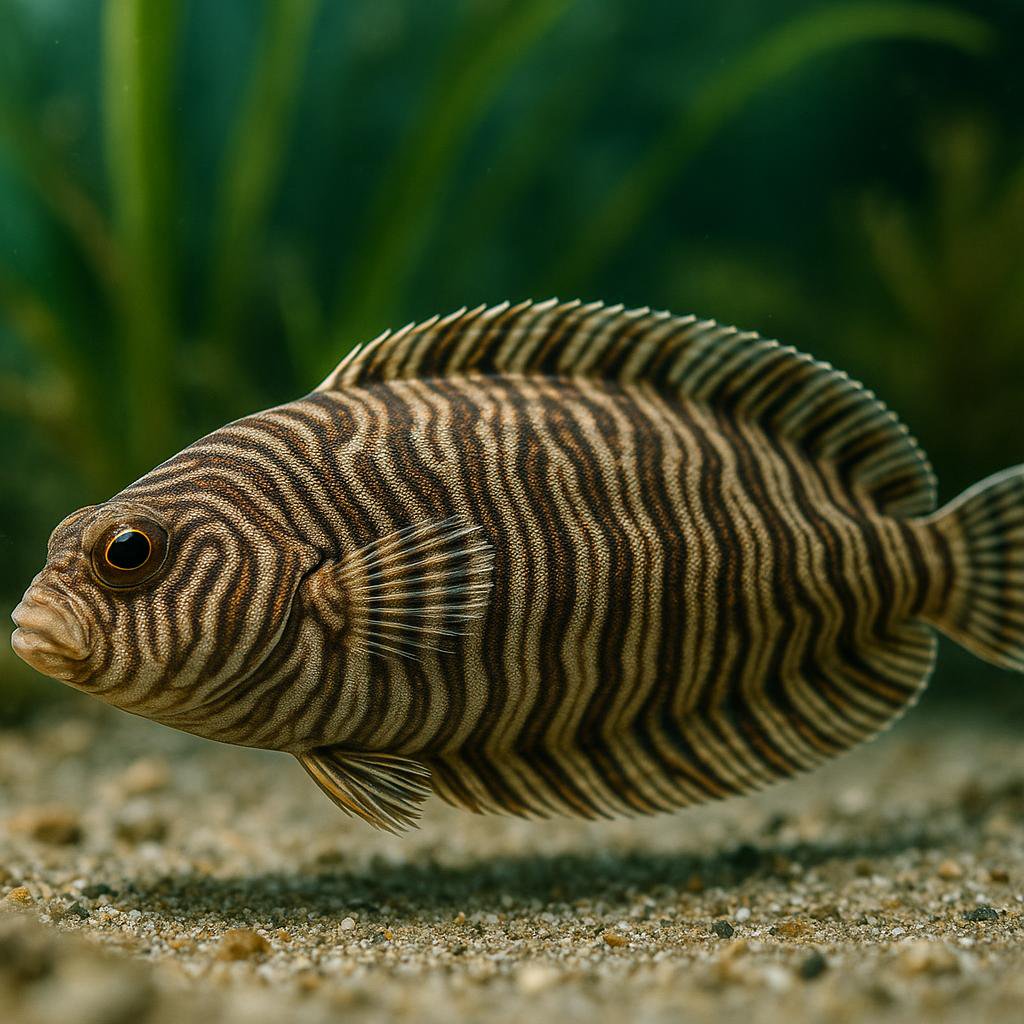
Zebrias annandalei is a small demersal sole from coastal India that inhabits sandy or muddy bottoms and buries for camouflage. It is rarely kept in home aquaria and would require a specialized marine sand-bottom setup and appropriate feeding.
Australian sawtail catshark
Figaro boardmani
Figaro boardmani is a small, deepwater Australian catshark with these cool saw-like ridges of spiny denticles along the tail and a neat pattern of dark saddle bands. It lives way down on the outer continental shelf and slope, so its natural water is cold, dim, and stable - totally not a typical home-aquarium fish. Diet-wise its a predator that goes after fish, crustaceans, and cephalopods.
Looking for other species?