

Masked greenling
Hexagrammos octogrammus
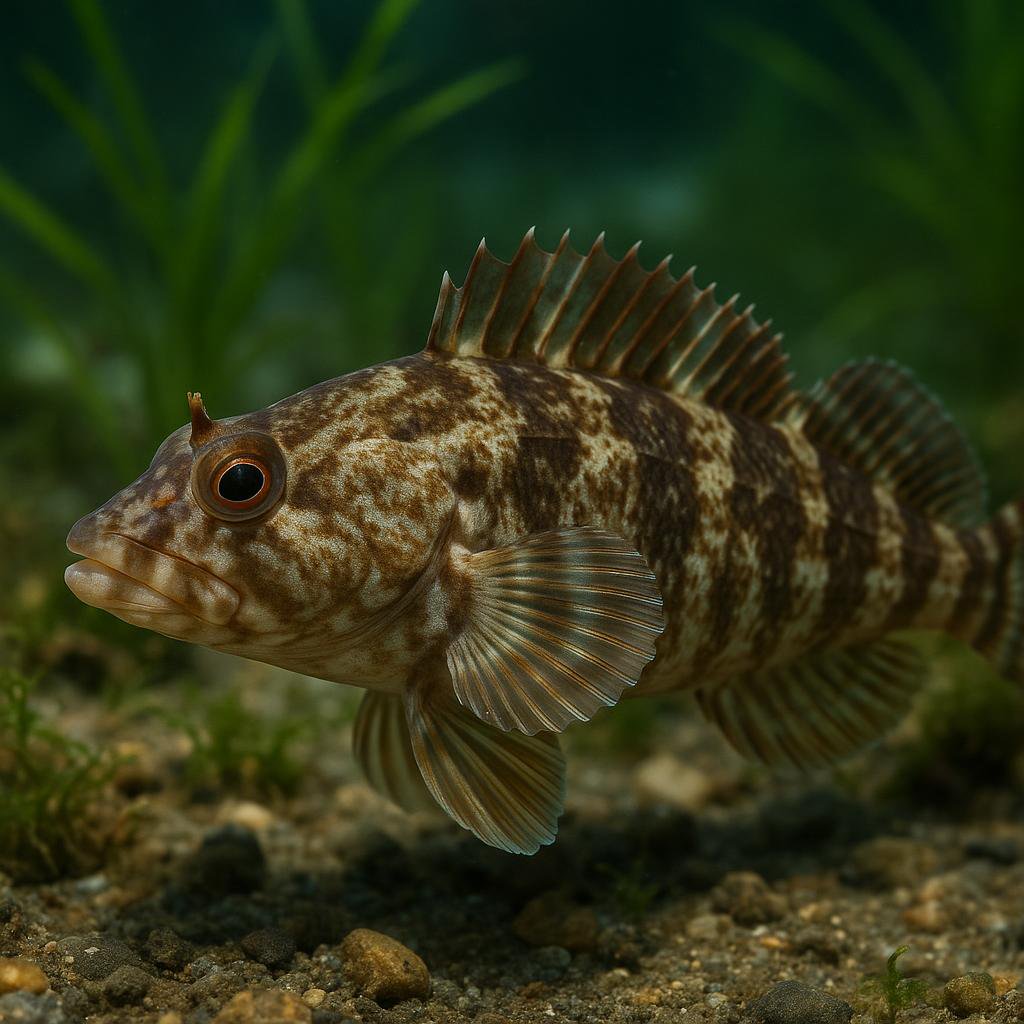
The masked greenling features a vibrant green body with distinctive blue spots and a prominent, elongated dorsal fin.
This page includes AI-generated images. Why am I seeing AI images?
About the Masked greenling
Masked greenling is a cold-water North Pacific greenling that hangs around shallow rocky areas and kelp, cruising the bottom and picking off crustaceans. One of the coolest quirks is the family trick of eye/cornea color shifting in different light, which is just wild to see in person. This is not a typical home-aquarium fish - it gets fairly big and wants chilly, super-oxygenated marine water.
Also known as
Quick Facts
Size
42 cm
Temperament
Semi-aggressive
Difficulty
Expert
Min Tank Size
125 gallons
Lifespan
up to 12 years
Origin
North Pacific (Russia/Japan to British Columbia)
Diet
Carnivore - crustaceans and other meaty marine foods (shrimp, krill, clam, squid, quality marine pellets)
Water Parameters
1.1-7.5°C
8-8.4
8-12 dGH
Need a heater for this species?
This species needs 1.1-7.5°C in a 125 gallon tank. Use our heater calculator to find the right wattage.
Calculate heater sizeCare Notes
- Think coldwater, not reef - keep it around 45-55F (7-13C) with a real chiller, and crank oxygen with strong surface agitation.
- They need a rockpile with tight caves and overhangs; if the tank is bare they get skittish, stop eating, and smash their noses on the glass when startled.
- Plan for messy predatory feeding: frozen shrimp, squid, clam, silversides, and chunky marine meaty mixes, 3-4x a week for adults (daily for small ones).
- Soak food in a vitamin like Selcon a couple times a week and rotate foods, or you will start seeing skinny fish and fin/skin issues from a one-note diet.
- Tankmates need to be coldwater and not bitey - tough sculpins, gunnels, and larger coldwater rockfish can work; avoid triggers, puffers, and anything that nips fins or outcompetes at feeding.
- They will eat anything that fits in their mouth, so no small fish, shrimp, or cute cleanup crew you care about - snails and urchins are safer than crabs.
- Watch ammonia like a hawk and oversize filtration because they poop a ton; nitrate can creep up fast and they get grumpy in dirty water.
- If you ever try breeding, give them caves and seasonal cues (cooler winter, slightly warmer spring) - males guard egg masses and will get extra territorial during that period.
Compatibility
Good Tankmates
- Other coldwater rockfish-y types that can take a little attitude - small/medium Sebastes rockfish and similar temperate predators in the same size range (add them before the greenling if you can).
- Lingcod-ish and sculpin-type neighbors (Irish lord, buffalo sculpin, other chunky temperate bottom predators) as long as nobody fits in anybody's mouth and you have lots of caves.
- Sturdy temperate wrasses - like a kelp/perch-style wrasse that stays active and not easily bullied (they do best with plenty of rockwork and feeding spread out).
- Kelp bass or other similar semi-pushy temperate basses - not tiny ones, and only in a tank with real territory breaks so the greenling can't claim the whole reef pile.
- Bigger, tough schooling fish that are too quick to hassle much - think temperate surfperch/perch types that stay midwater and don't try to live in the same caves.
- Hardy temperate inverts that stay out of the way - larger crabs and urchins tend to be ignored if they are not snack-sized and you keep the greenling well fed.
Avoid
- Tiny fish or skinny fish that look like snacks - juvenile gobies, blennies, small perch, or anything that can fit in that mouth once the greenling settles in.
- Slow, gentle fish that get pushed off food - pipefish, seahorses, dragonets, and other "poke around" feeders just get outcompeted and stressed.
- Really aggressive brawlers that escalate everything - big triggers, nasty puffers, or mean large wrasses that will turn the tank into a constant territory war.
- Shrimp and small crabs you actually care about - cleaner shrimp, peppermint shrimp, little hermits and small shore crabs usually end up as expensive snacks.
Where they come from
Masked greenlings (Hexagrammos octogrammus) are cold-water coastal fish from the North Pacific. Think rocky reefs, kelp, and tide-swept areas around Japan, Russia, Alaska, and down the Pacific Northwest. They are built for chilly, oxygen-rich water and they act like it in captivity - always watching, always ready to pounce on food.
If you have only kept tropical marines, this is a different game. Temperature and oxygen drive almost everything with greenlings.
Setting up their tank
Plan your tank around two things: cold water stability and a layout that lets them claim a rock pile. A masked greenling is a perch-and-ambush predator. Give it caves and ledges, and it will pick a favorite spot and run the place.
- Tank size: 75 gallons minimum for a single adult, and bigger is better (they get chunky and territorial). 125+ is where they start looking relaxed.
- Temperature: cold. Aim around 46-55F (8-13C). Keeping them "cool" at 60F long-term usually ends in stress and disease.
- Filtration: heavy biological filtration plus strong mechanical. They are messy eaters and produce real waste.
- Flow and oxygen: good turnover and surface agitation. I like a strong return plus a powerhead aimed to ripple the surface.
- Aquascape: rockwork with multiple caves and broken sightlines. Leave open areas for short bursts of swimming.
- Substrate: optional. Bare bottom makes cleanup easy, but a thin sand bed is fine if you keep detritus under control.
- Lid: they can startle-jump, especially in a new tank. Cover gaps around plumbing.
You will need a chiller (or a true cold-water system in a cool fish room). Fans and "run the AC" tricks rarely keep a marine tank in the low 50s consistently.
Salinity and pH are standard marine, but the big thing is consistency. Cold-water fish hate swings. Mix new saltwater to match temp and salinity before water changes, and do smaller changes more often rather than big dumps.
What to feed them
They are enthusiastic carnivores. Mine learned the feeding routine fast and would hover at the front like a grouper. The goal is varied meaty foods, not just one frozen cube forever.
- Staples: chopped shrimp, squid, clam, mussel, scallop, marine fish flesh (sparingly), and quality carnivore frozen blends.
- Live foods: not needed, but occasional live shore shrimp or ghost shrimp can help newly imported fish start eating.
- Pellets: some will take sinking carnivore pellets once settled, but many stay "real food" fish.
- Feeding schedule: juveniles can handle small meals daily. Adults do well with 3-5 solid feedings per week.
Rinse frozen foods in a net if your nutrient levels creep up. Greenlings are messy and cold water holds a lot of oxygen, so they can eat big - but your filtration still has to process it.
Watch the belly. They should look filled out but not ballooned. These fish will keep eating if you keep offering, and fatty liver is a real risk with constant rich food.
How they behave and who they get along with
Masked greenlings have personality. They are curious, a bit bossy, and they like to own a rock. They are not community fish in the tropical reef sense, even if they look calm sitting on a ledge.
- Temperament: semi-aggressive to aggressive as they mature, especially in smaller tanks.
- Tankmates: other cold-water, similarly tough fish that are not small enough to be eaten. Think robust sculpins, some larger pricklebacks, and other temperate species with comparable size and attitude.
- Avoid: tiny fish, ornamental shrimp, small crabs, and anything that sleeps on the bottom in their favorite cave.
- Inverts: big, armored snails and urchins may be ignored, but test carefully. If it fits in the mouth, it is food. If it annoys them, it may get bitten.
Do not mix with tropical marines just because salinity matches. The temperature mismatch is the silent killer, and the stress shows up weeks later as infections.
If you try a pair or multiple greenlings, give them a lot of space and lots of rock structure. Even then, expect posturing, chasing, and nipped fins. I would only attempt groups in very large systems where each fish can hold a separate territory.
Breeding tips
Breeding in home aquariums is possible but not common. In the wild they are nesters. Males stake out a cave or crevice and guard eggs. If you ever see a fish camping hard in a single hole and chasing everything away, it might be thinking about spawning.
- Best shot: a bonded pair in a large, chilled tank with multiple deep caves.
- Seasonal cue: a slight winter-to-spring shift (still cold) and heavier feeding often lines up with natural timing.
- If you get eggs: the male will usually guard them. Keep tankmates from harassing the nest.
- Raising larvae: the hard part. Expect tiny live foods and dedicated rearing gear if they go pelagic. Most hobbyists stall here.
If you are serious about breeding, plan a separate larval setup ahead of time. Waiting until you see eggs is usually too late to source the right live foods.
Common problems to watch for
Most issues with masked greenlings come from running them too warm, keeping oxygen low, or letting water quality slide because "cold tanks are stable" (they are stable, but waste still accumulates).
- Temperature creep: the tank slowly rides up into the high 50s/60s and the fish becomes listless, stops eating, or starts getting sores/infections.
- Low oxygen: rapid gilling, hanging near returns, acting stressed after feeding. Cold water holds oxygen well, but a covered tank, dirty filters, and low surface agitation can still cause trouble.
- Bacterial infections and fin rot: often show up after shipping stress or warm temps. Quarantine helps a lot.
- Parasites from wild collection: flukes and other hitchhikers happen. A real quarantine period is your friend.
- Nutrient buildup: nitrate and dissolved organics from heavy meaty feeding. You will see algae, cloudy water, or a "tank smell" if you let it go.
- Mouth injuries: they strike rocks when lunging for food. Feed with tongs in open water and keep sharp rock edges in check.
Heat spikes are the fastest way to lose this species. A chiller failure in summer can turn into an emergency in hours, not days. Have a backup plan (spare chiller, fans for short-term help, and alarms if you can).
If you do one thing right with masked greenlings, make it temperature stability. Everything else - appetite, immunity, behavior - gets easier once the tank stays cold and clean.
Similar Species
Other marine semi-aggressive species you might be interested in.
Aleutian skate
Bathyraja aleutica
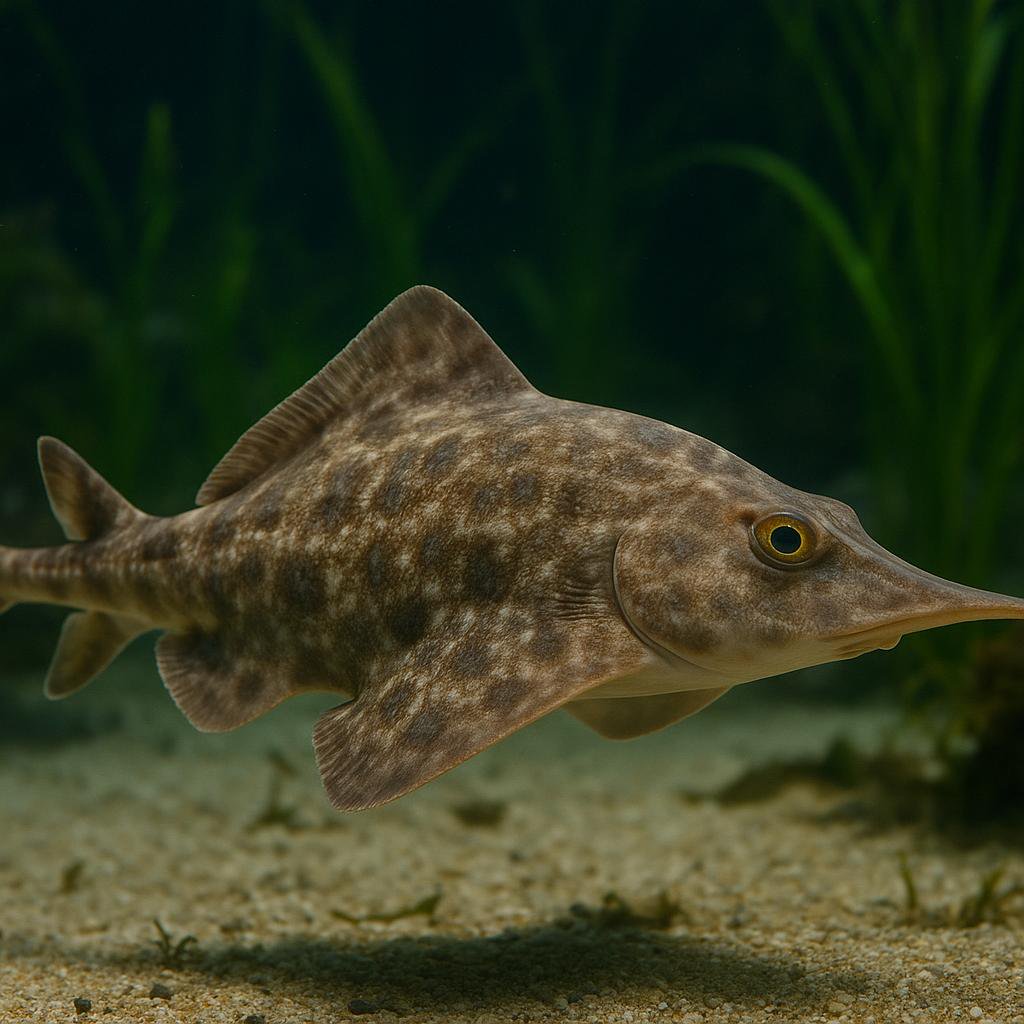
This is a big, cold-water deep-slope skate from the North Pacific that cruises muddy bottoms and eats chunky benthic prey like crabs and shrimp. The really cool bit is its egg-laying skate life - it does distinct pairing (the classic skate "embrace") and drops those tough egg cases on the seafloor. Not an aquarium fish at all unless you're basically running a public-aquarium-style chilled system.
Antarctic dragonfish
Vomeridens infuscipinnis
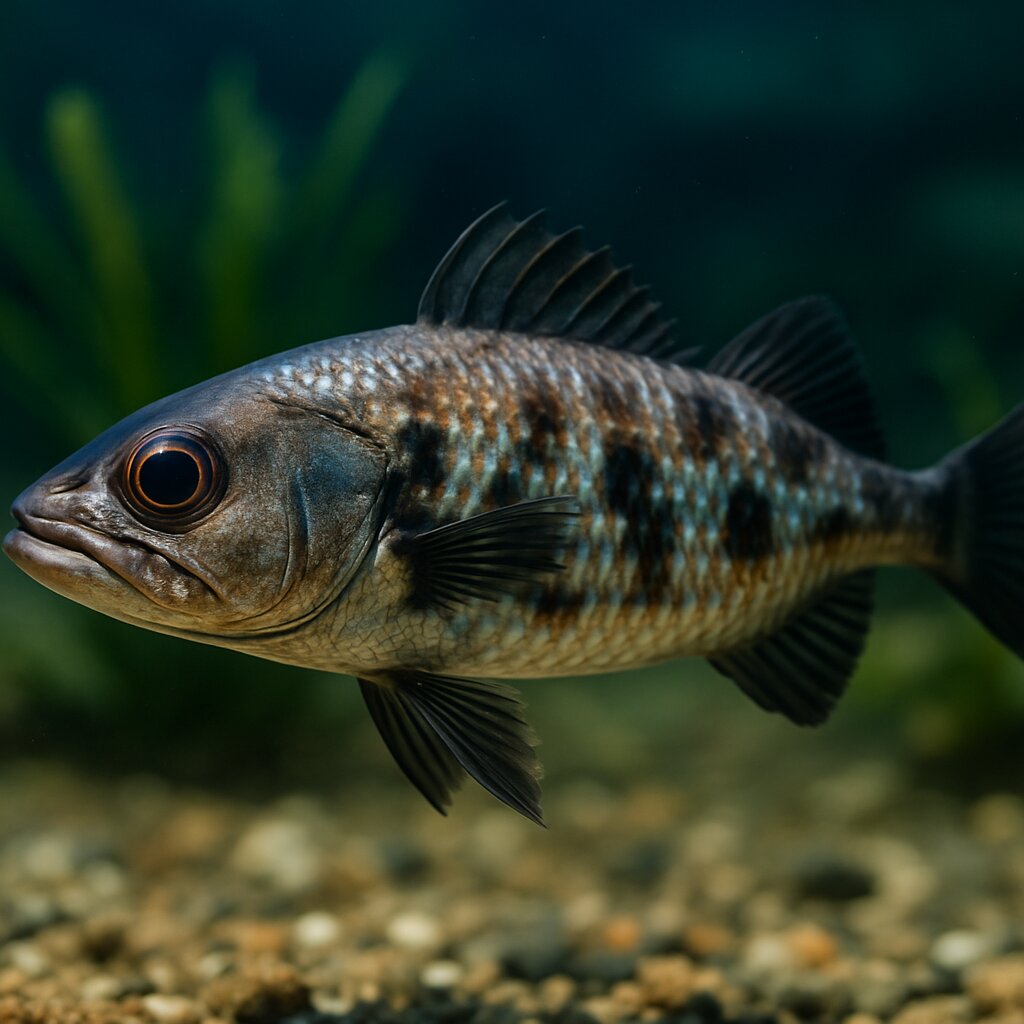
Deep down around Antarctica, this sleek dragonfish cruises the water column like a little submarine, nearly neutrally buoyant so it can hover above the seafloor. It munches almost exclusively on Antarctic krill and lives in near-freezing water 500-800 m down, so it is a cool species to read about, not one for home tanks.
Arabian demoiselle
Neopomacentrus sindensis
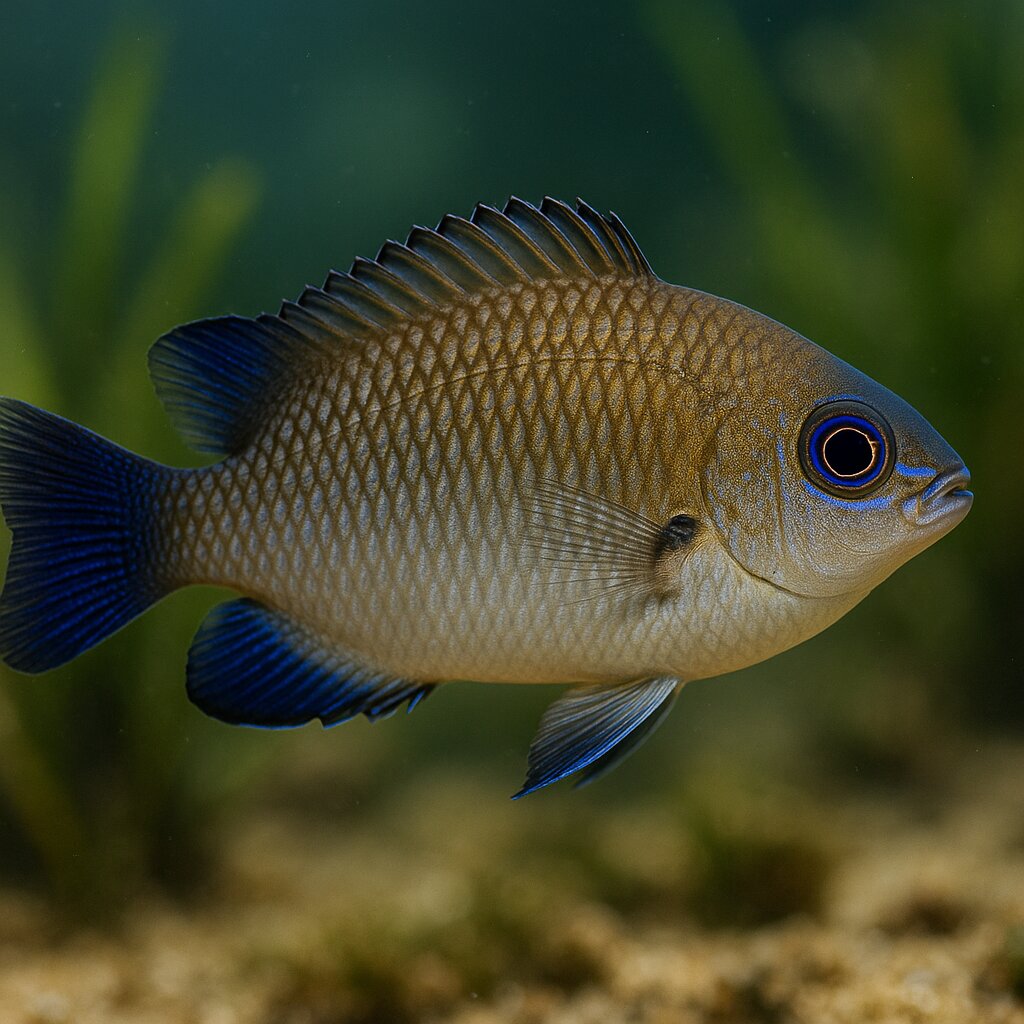
A small lyretail damsel from the Persian Gulf and Arabian Sea, it hangs in loose groups around coral heads, rocks, and even pier pilings picking zooplankton from the flow. Think classic damsel toughness with a slightly milder attitude than the real bruisers, plus subtle yellow tail accents. Males clean a patch, get a mate to lay eggs there, and then stand guard fanning the clutch.
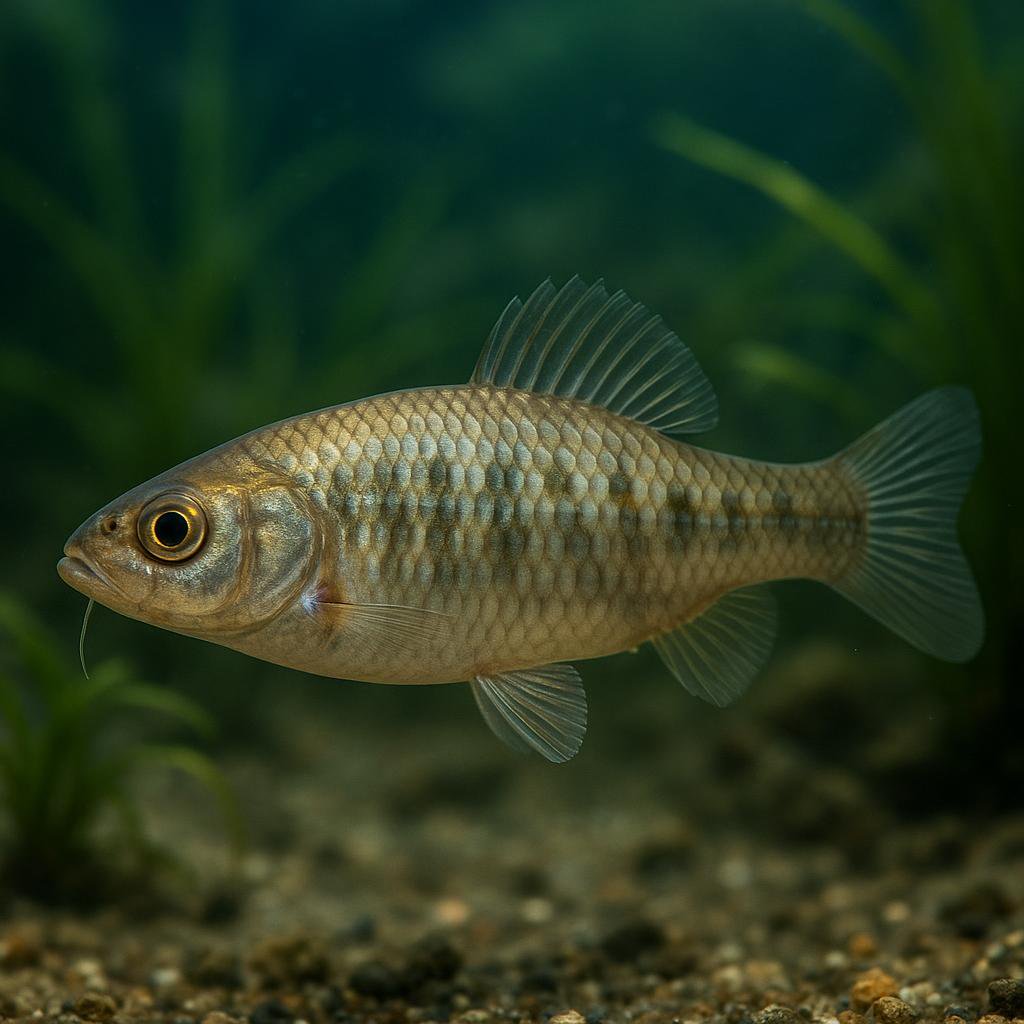
Arabian spiny eel
Notacanthus indicus
Notacanthus indicus is a deep-sea spiny eel (family Notacanthidae; not a true eel) known from the Arabian Sea on the continental slope at roughly ~960–1,046 m depth, with reported maximum length around 20 cm TL; it is a deep-water bycatch species and not established in the aquarium trade.
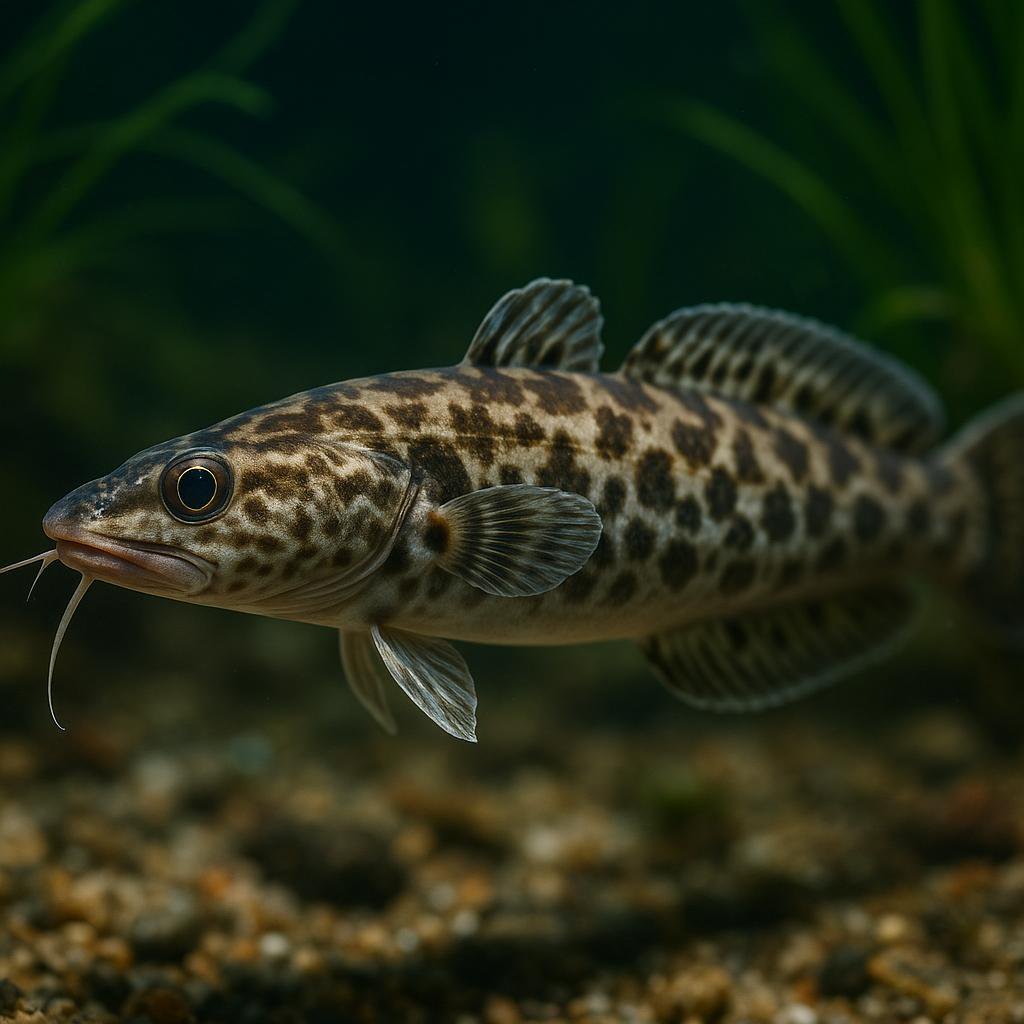
Arctic rockling
Gaidropsarus argentatus
This is a deepwater North Atlantic rockling (a cod relative) that hangs out on soft bottoms way down the slope. It is a cold-water, bottom-hugging predator that snoots around for crustaceans and will also take small fish when it gets the chance.
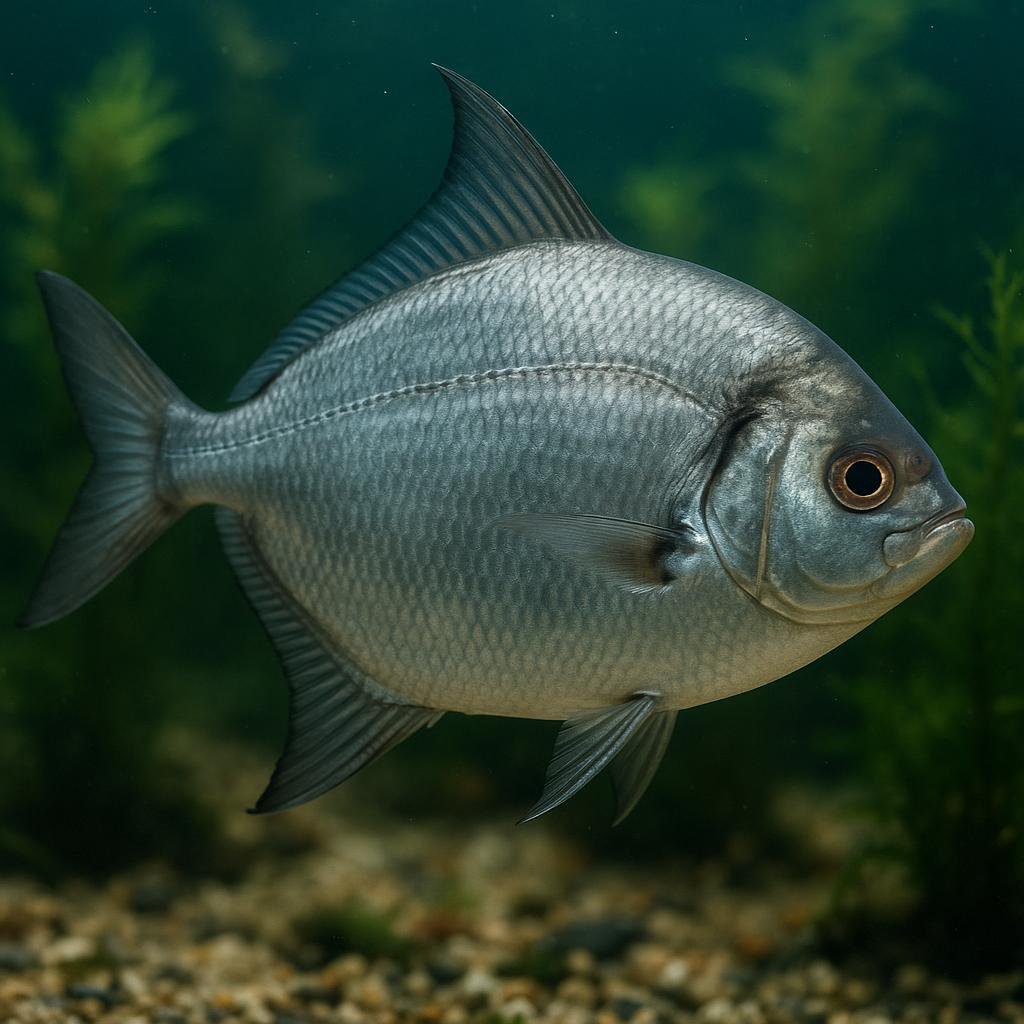
Atlantic pomfret
Brama brama
Brama brama is the Atlantic pomfret (aka Ray's bream) - a deep-bodied, open-ocean pelagic fish that cruises around in small schools and follows water temps. It is a legit big, wild marine species (not an aquarium fish) that eats other small sea critters like fish and squid, and it ranges across a huge chunk of the Atlantic plus parts of the Indian and South Pacific.
More to Explore
Discover more marine species.
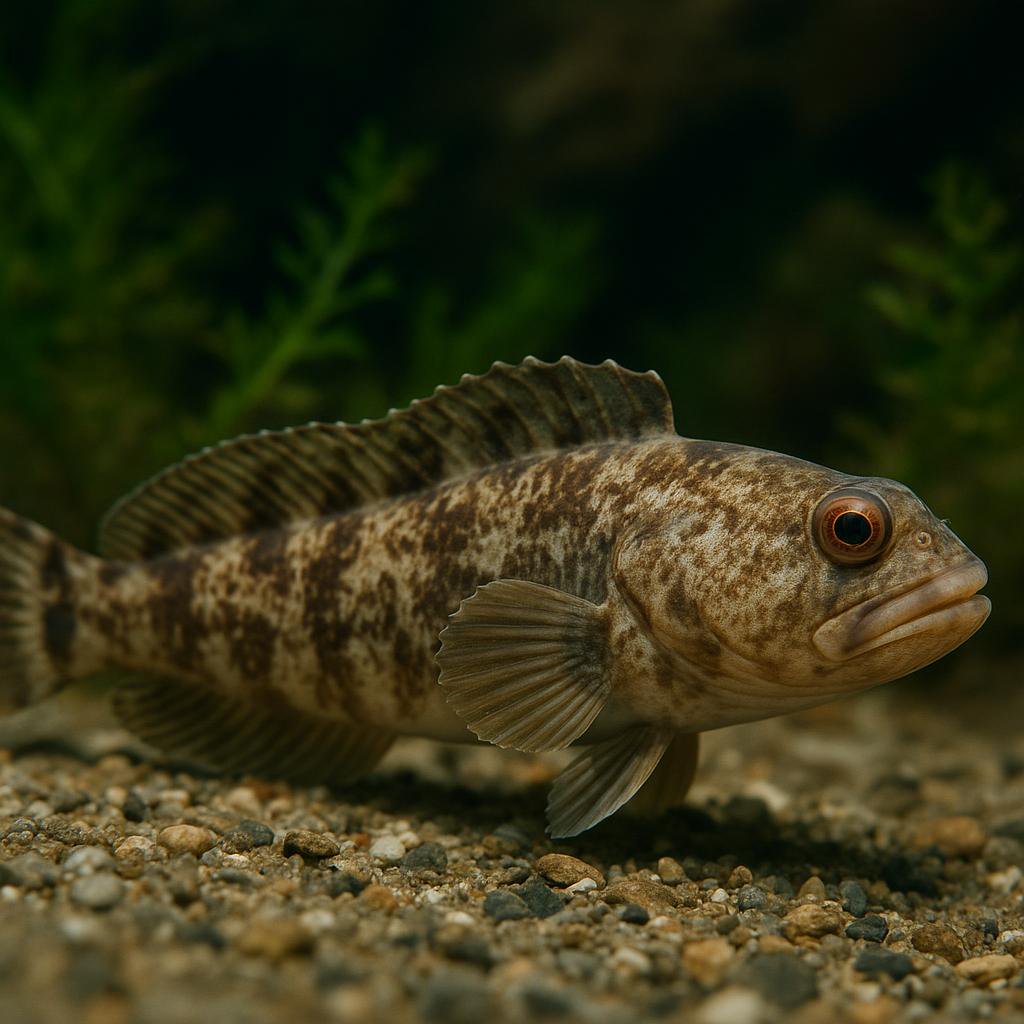
Abe's eelpout
Japonolycodes abei
Japonolycodes abei is a temperate, deepwater demersal eelpout (family Zoarcidae) endemic to Japan (Kumano-nada Sea reported; other sources also report Sagami Bay and Tosa Bay). It is the only species in the genus Japonolycodes and occurs roughly 40-300 m depth, making it an uncommon/atypical aquarium species.
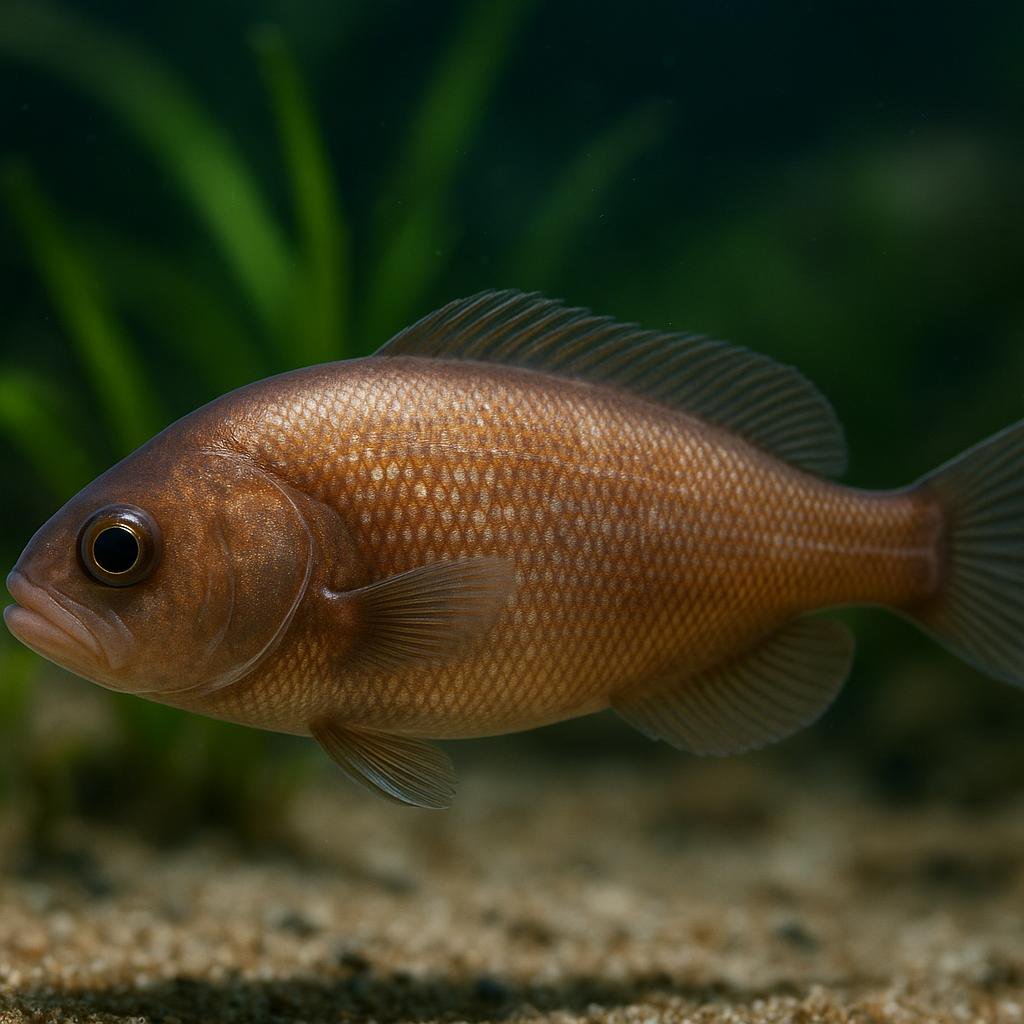
Affinis blind cusk-eel
Barathronus affinis
Barathronus affinis is a tiny, super-weird deep-sea blind cusk-eel from the western-central Indian Ocean. It is one of those gelatinous, loose-skinned brotula-type fishes that live way down in the dark and are basically never seen alive, so almost everything we know comes from preserved specimens and taxonomic work.
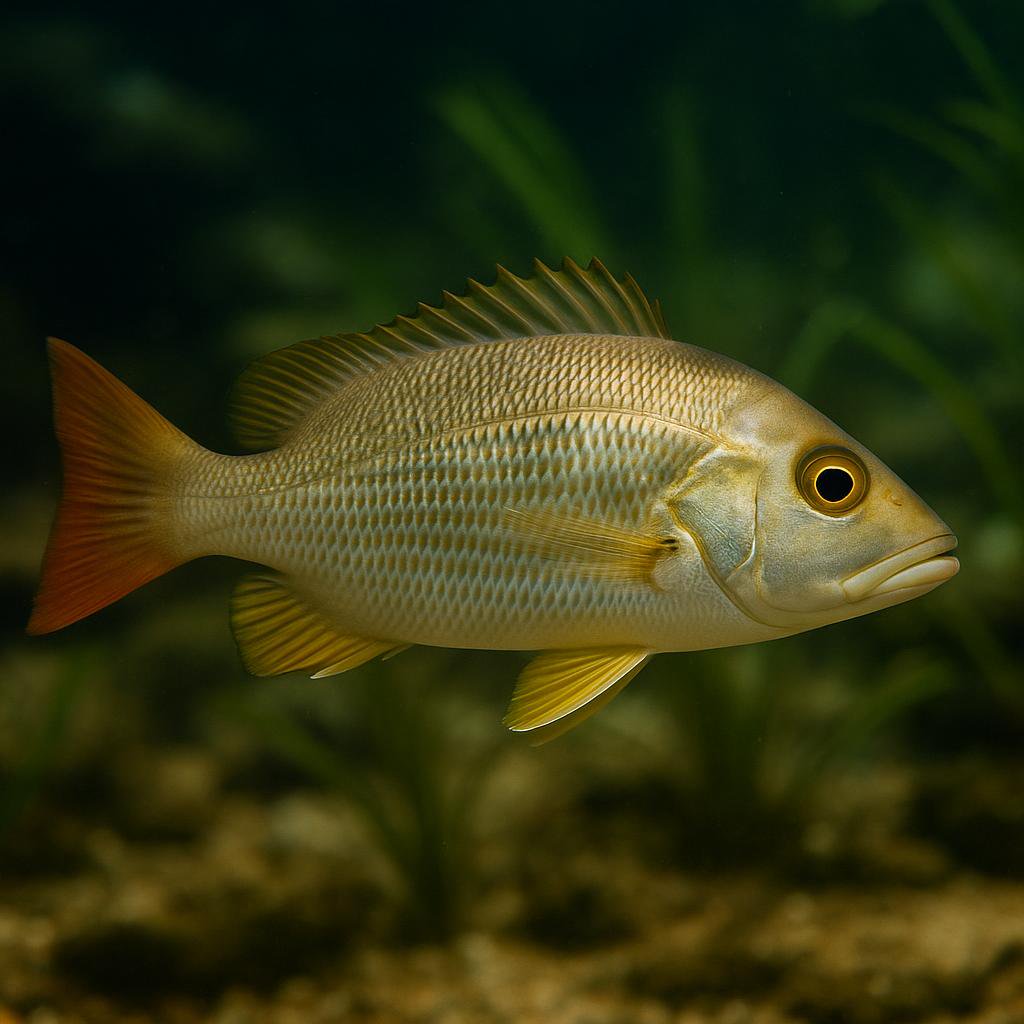
African red snapper
Lutjanus agennes
This is a true snapper from West Africa - a big, fast-growing predator that goes from coastal reefs to brackish lagoons and estuaries (especially as a juvenile). Super cool fish in the wild, but it gets absolutely huge and will eat smaller tankmates once it has the mouth for it, so its really more of a public-aquarium scale animal than a home-aquarium fish.
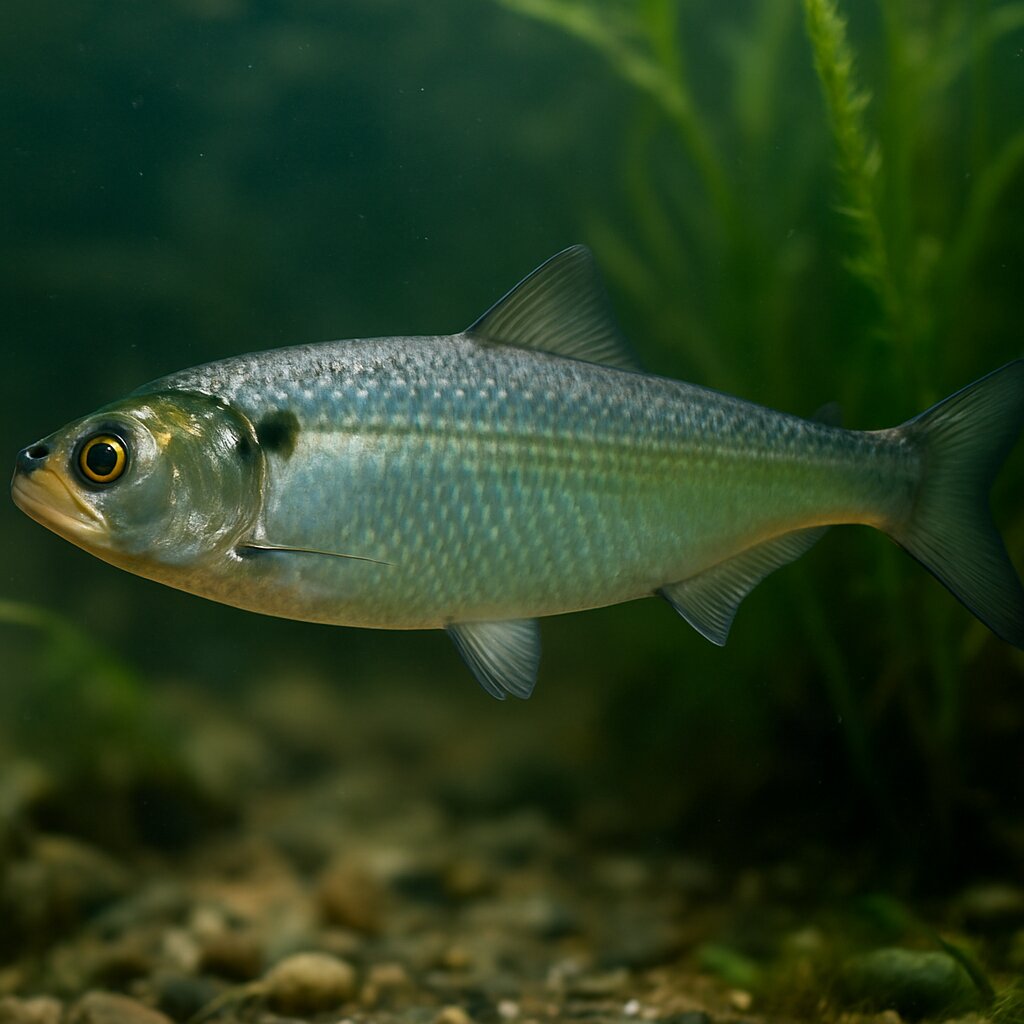
Allis shad
Alosa alosa
Gorgeous silver, fast-swimming shad that spends most of its life in the sea and then surges up big rivers in noisy, surface-spawning schools. It grows huge for a herring-type fish and needs cool, ultra-oxygenated water and tons of open space, so it is a public-aquarium species rather than a home tank fish.
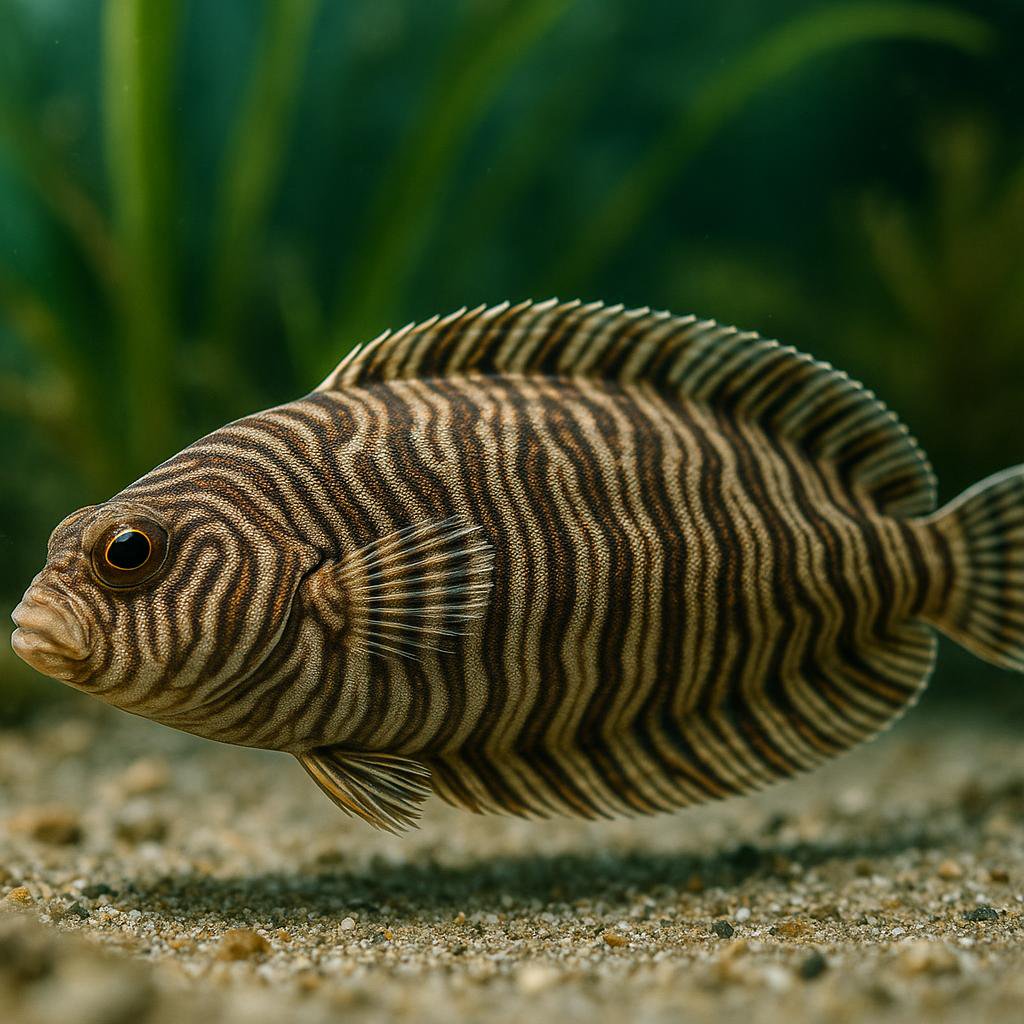
Annandale's zebra sole
Zebrias annandalei
Zebrias annandalei is a small demersal sole from coastal India that inhabits sandy or muddy bottoms and buries for camouflage. It is rarely kept in home aquaria and would require a specialized marine sand-bottom setup and appropriate feeding.
Australian sawtail catshark
Figaro boardmani
Figaro boardmani is a small, deepwater Australian catshark with these cool saw-like ridges of spiny denticles along the tail and a neat pattern of dark saddle bands. It lives way down on the outer continental shelf and slope, so its natural water is cold, dim, and stable - totally not a typical home-aquarium fish. Diet-wise its a predator that goes after fish, crustaceans, and cephalopods.
Looking for other species?