

Dwarf herring
Jenkinsia lamprotaenia
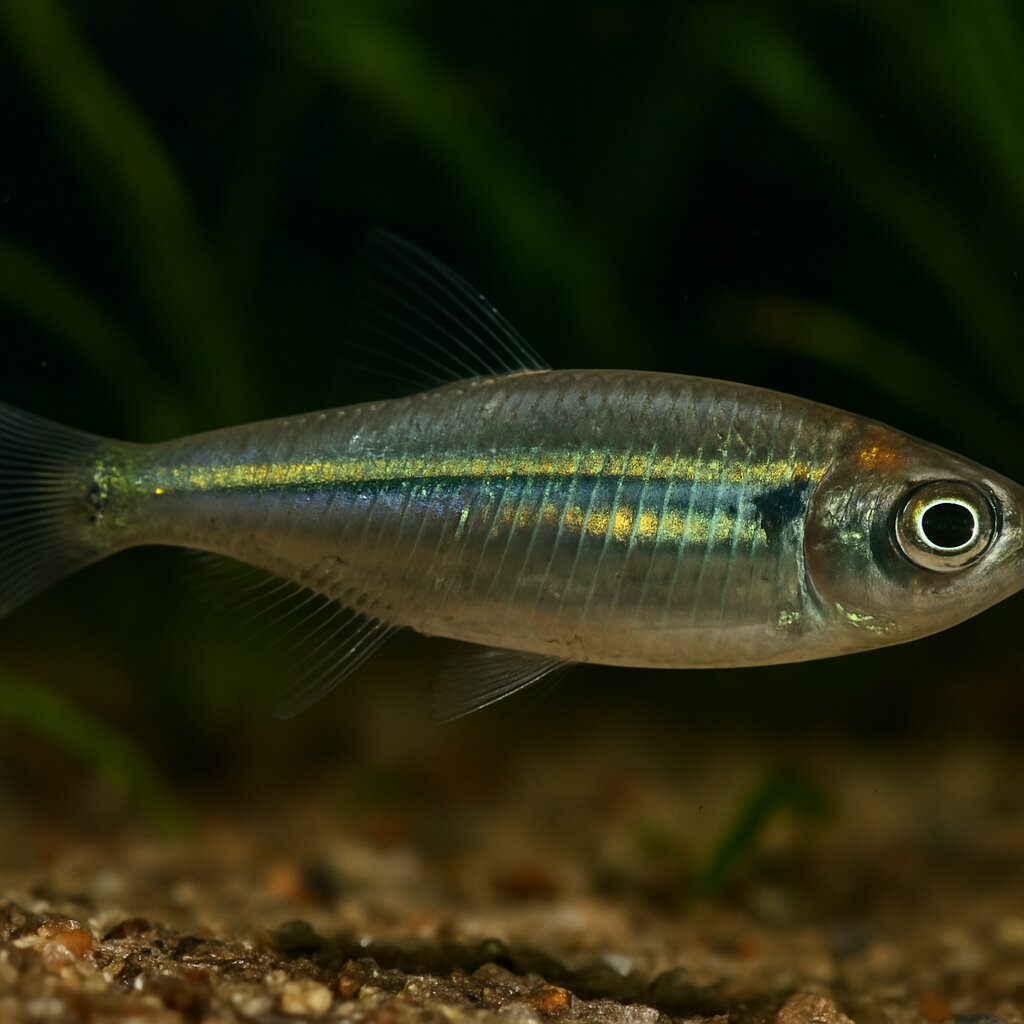
Dwarf herring possess elongated bodies with a silvery coloration and a distinctive dark stripe running along the lateral line.
This page includes AI-generated images. Why am I seeing AI images?
About the Dwarf herring
Tiny Caribbean baitfish that flash a bright silver stripe as they cruise in tight schools near beaches and reef edges. They pick zooplankton from the water column and even form big lunar-timed spawning swarms, so they really come alive in a big, high-flow setup with lots of open water.
Also known as
Quick Facts
Size
8 cm
Temperament
Peaceful
Difficulty
Advanced
Min Tank Size
55 gallons
Lifespan
1-2 years
Origin
Western Atlantic - Bermuda, Florida, Gulf of Mexico, Caribbean
Diet
Planktivore - live/frozen copepods, Artemia nauplii, small mysis
Water Parameters
24.4-28°C
8-8.4
300-400 dGH
Need a heater for this species?
This species needs 24.4-28°C in a 55 gallon tank. Use our heater calculator to find the right wattage.
Calculate heater sizeCare Notes
- Run a long, open tank (55+ gallons) and keep a real school of 10-15+; singles or pairs crash from stress.
- They are oxygen hogs - use strong skimming and laminar flow (15-20x turnover) with a gyre so they can cruise without slamming into pumps.
- Absolute jumpers: tight mesh lid, cover overflow teeth, and close every cable gap; ramp lights up and down to avoid panic launches.
- Hold SG 1.025-1.027, 75-79 F, pH 8.1-8.4, nitrate under 10 ppm; any ammonia or nitrite is game over.
- Feed like a plankton cloud 4-6 times a day: live or frozen copepods, enriched baby brine, rotifers, and cyclops; keep the food moving in the water column.
- Buy only fish that are already eating and not pinched; drip-acclimate slow and keep the room dim the first day.
- Stick to small-mouthed, non-predatory neighbors (small chromis, fairy/flasher wrasses, neon gobies); avoid hawkfish, lionfish, groupers, larger wrasses, and nippy damsels.
- Quarantine in a long bare tank with blacked-out sides, heavy aeration, and minimal handling; they are ich magnets, so observe closely and go gentle with meds.
- They broadcast spawn pelagic eggs at night; raising larvae needs greenwater and rotifer culture, so assume you will not get babies without a dedicated setup.
Compatibility
Good Tankmates
- Peaceful bottom folks like watchman gobies and small blennies - they do their own thing and never hassle the herring school
- Shy midwater buddies like firefish and dartfish - same chill vibe, no nipping, and they share the water column fine
- Cardinalfish (pajama, banggai) - laid back neighbors that will not spook them; just feed small frequent meals so everyone eats
- Assessors and chalk bass - mellow micro-basslets that keep to the rockwork and ignore the herring
- Fairy and flasher wrasses - active but polite; give them space and a tight lid since everyone here can jump
- Chill clowns like ocellaris or percula - usually fine if the clowns have their corner and the herring have open swim room
Avoid
- Anything that eats slender baitfish: lionfish, hawkfish, groupers, big predatory wrasses like bird wrasse or tuskfish
- Pushy damsels, dottybacks, and sixline wrasses - they tail-chase and keep the herring pinned high, which leads to jumping
- Seahorses and pipefish - slow feeders that will get outcompeted when the herring blitz the food
- Very boisterous tangs or rabbitfish in small tanks - the constant zooming and posturing stresses a delicate herring school
Where they come from
Dwarf herring are tiny, silvery schooling fish from the tropical western Atlantic and Caribbean. Think mangrove edges, seagrass beds, and the calm side of reefs. You see them flashing at the surface at dawn and dusk, grabbing zooplankton and dodging everything that wants to eat them.
Setting up their tank
They look small, but treat them like open-water fish. A long tank with room to loop the perimeter keeps the school tight and calm. I would not try fewer than 10-12; 15-20 is better. They relax in numbers.
- Tank size: 75 gallons is a workable minimum for a group; bigger is kinder if you want a larger school.
- Salinity 1.024-1.026, temp 76-80 F, pH 8.0-8.4. Keep oxygen high with strong surface agitation.
- Flow: steady, laminar flow helps them cruise. A gyre pump on low-to-medium works well.
- Lighting: diffuse and not too punchy. Sudden on/off spooks them. Use a ramp timer.
- Cover: tight-fitting lid with 1/8 inch mesh or finer. Seal every gap. They launch like rockets.
- Scape: open water up front and along the top, with darker background or side panels to cut reflections.
- Filtration: strong skimming and decent mechanical filtration. You will feed often, so plan for nutrient export.
- UV sterilizer: helpful for planktonic parasites and water clarity. Shoot for slow-to-medium contact time.
Acclimation: bag water often has high ammonia. Float to match temperature, then move them into pre-matched salinity quickly. If the bag stinks of ammonia, dose a binder in the bag before opening and keep the process short. Gentle handling only - use a specimen container, not a net.
Quarantine them as a group in a dim, quiet tank with the same flow and lid setup. They pile into corners if they feel exposed, so give them a dark back and sides and keep activity low around the tank for the first week.
What to feed them
They are plankton pickers with tiny mouths. Start with moving, bite-size foods and lots of them. Once they recognize the feeding zone, you can mix in frozen and then small dry foods.
- Live foods that get them started: enriched baby brine shrimp, copepods (Apocyclops, Tigriopus), and small mysid nauplii.
- Frozen they accept: cyclops, Calanus, fish or prawn eggs (R.O.E., ova), finely minced seafood slurries. Regular mysis is usually too big.
- Dry food options: 0.3-0.8 mm micro-pellets (TDO A/B, Otohime) once they are confident. Soak and release into the flow so it stays suspended.
- Feeding rhythm: 3-5 small feedings per day beats one big dump. I use a feeding ring in front of a gentle gyre so food drifts past the school.
Gut-load live baby brine with a quality algae or HUFA supplement for 30-60 minutes before feeding. It makes a real difference in weight gain and color.
How they behave and who they get along with
They are classic schooling fish: tight group, constant motion, easily startled. In a settled tank they cruise mid-to-upper water and flash like a living mirror. If the group is too small, they get jumpy and go off food.
- Good tankmates: peaceful reef fish that ignore them - chromis, cardinals, dartfish, smaller fairy/flasher wrasses, tiny gobies, assessors. Corals and inverts are fine.
- Use caution: hyper or territorial fish (clownfish guarding a nest, boisterous tangs) can scatter the school.
- Avoid: any predator with a big mouth - lionfish, groupers, hawkfish, larger wrasses, dottybacks, and hungry anthias that outcompete them. Seahorse tanks are a bad match due to flow and feeding style.
Jumping is not hypothetical. I lost my first pair through a heater cord gap. Tape, mesh, or acrylic - whatever it takes, just close every opening.
Breeding tips
They are broadcast spawners. Healthy, well-fed groups often do dusk chases and release eggs into the water column. The eggs and larvae are tiny and get skimmed or eaten almost immediately.
If you want to experiment, pull a fine filter sock from the overflow right after lights out and check for clear, buoyant eggs. A round kreisel-style larval tub, gentle air, greenwater, and a steady supply of copepod nauplii would be the path. It is a project for dedicated larval-rearing folks, not a casual attempt.
Common problems to watch for
- Shipping shock and ammonia burn: look for rapid breathing, red gills, or listlessness. Give them max oxygen and low stress the first 48 hours.
- Starvation: pinched bellies and restless surface picking mean the menu is wrong or too infrequent. Increase feeding frequency and particle variety.
- Parasites: flashing and gulping can be gill flukes; thin, white stringy feces points to internal flagellates or worms.
- Spooking and pile-ups: bright point lights, sudden room movement, or mirrored ends cause crashes into glass. Diffuse light and add a dark background.
- Medication sensitivity: they do not love harsh treatments. Copper and formalin can go sideways fast if oxygen is low.
Quarantine plan that worked for me: group QT, dim light, strong aeration, and food-heavy schedule. Two rounds of praziquantel a week apart for flukes, and metronidazole bound to food if you see white feces. Observe before you even consider copper.
Never mix ammonia binders like Prime with copper medications. Also, run an airstone during any treatment. Handle with a soft, knotless net or better, a specimen container - their scales shed easily.
Expect a shorter lifespan compared to many reef fish; these are fast-living, schooling planktivores. If you keep the group size up, feed small and often, and give them safe open water, they reward you with constant motion and that glittering school effect that makes a reef feel alive.
Similar Species
Other marine peaceful species you might be interested in.
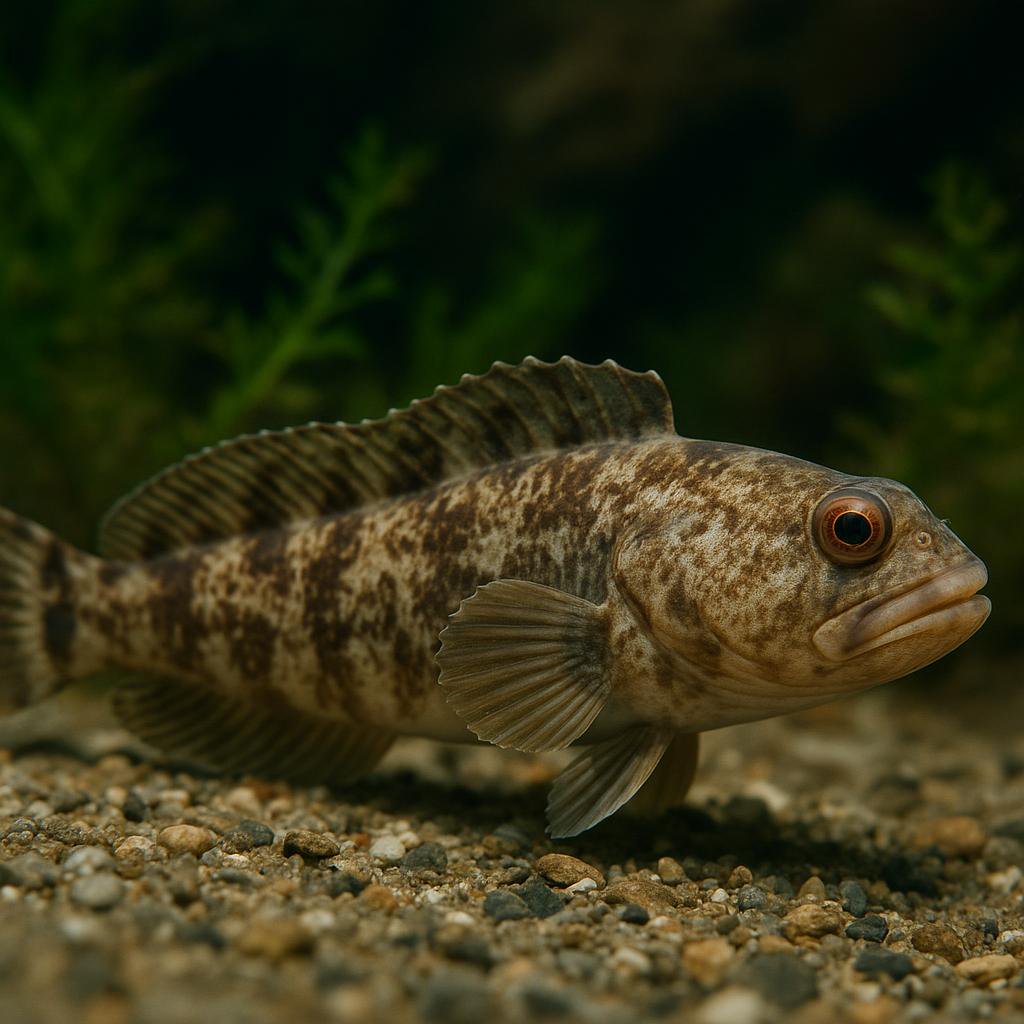
Abe's eelpout
Japonolycodes abei
Japonolycodes abei is a temperate, deepwater demersal eelpout (family Zoarcidae) endemic to Japan (Kumano-nada Sea reported; other sources also report Sagami Bay and Tosa Bay). It is the only species in the genus Japonolycodes and occurs roughly 40-300 m depth, making it an uncommon/atypical aquarium species.
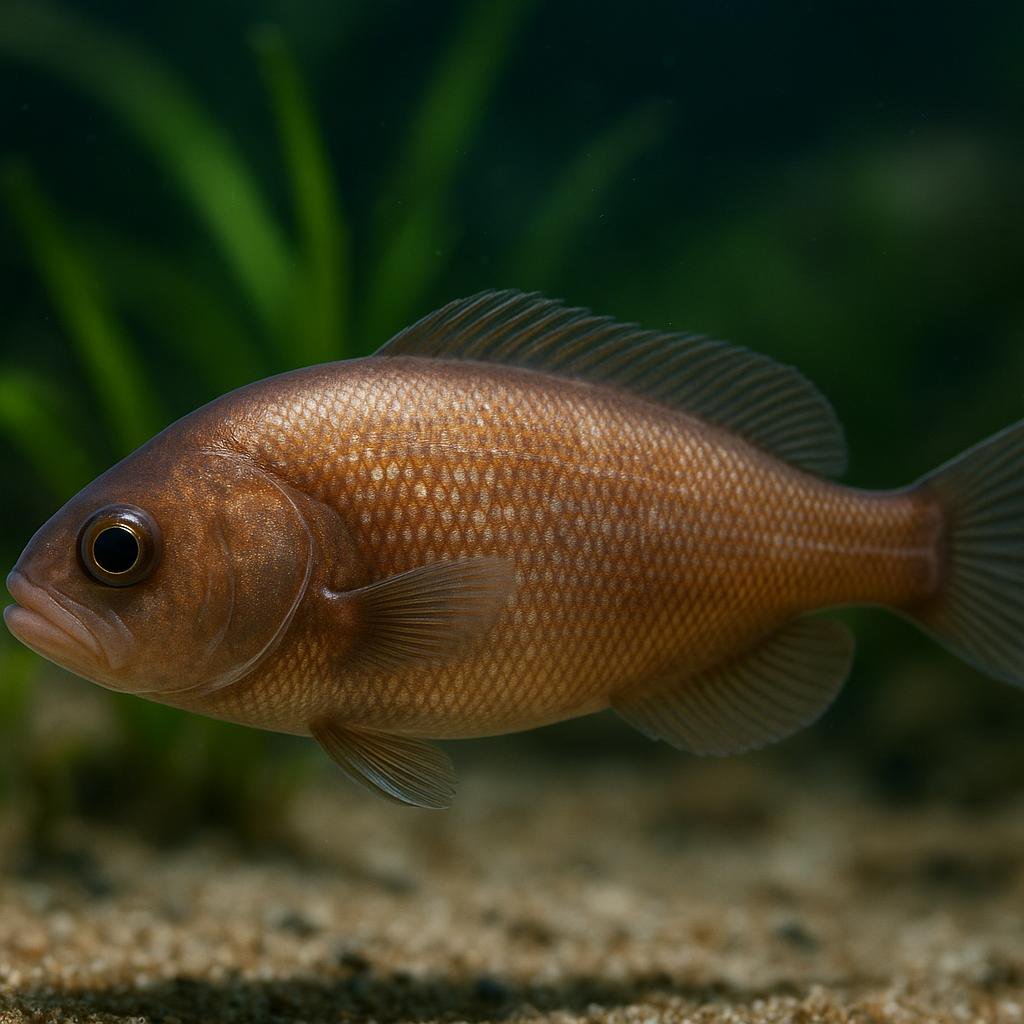
Affinis blind cusk-eel
Barathronus affinis
Barathronus affinis is a tiny, super-weird deep-sea blind cusk-eel from the western-central Indian Ocean. It is one of those gelatinous, loose-skinned brotula-type fishes that live way down in the dark and are basically never seen alive, so almost everything we know comes from preserved specimens and taxonomic work.
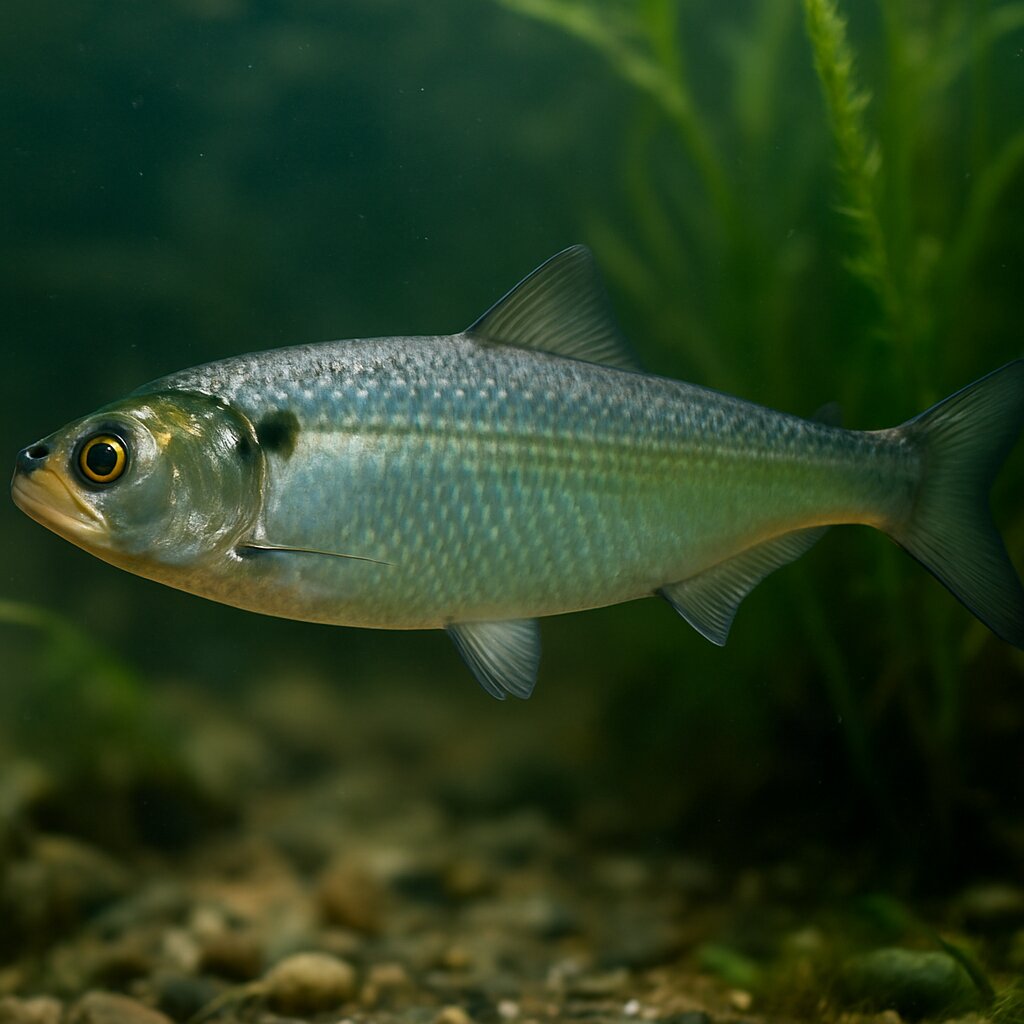
Allis shad
Alosa alosa
Gorgeous silver, fast-swimming shad that spends most of its life in the sea and then surges up big rivers in noisy, surface-spawning schools. It grows huge for a herring-type fish and needs cool, ultra-oxygenated water and tons of open space, so it is a public-aquarium species rather than a home tank fish.
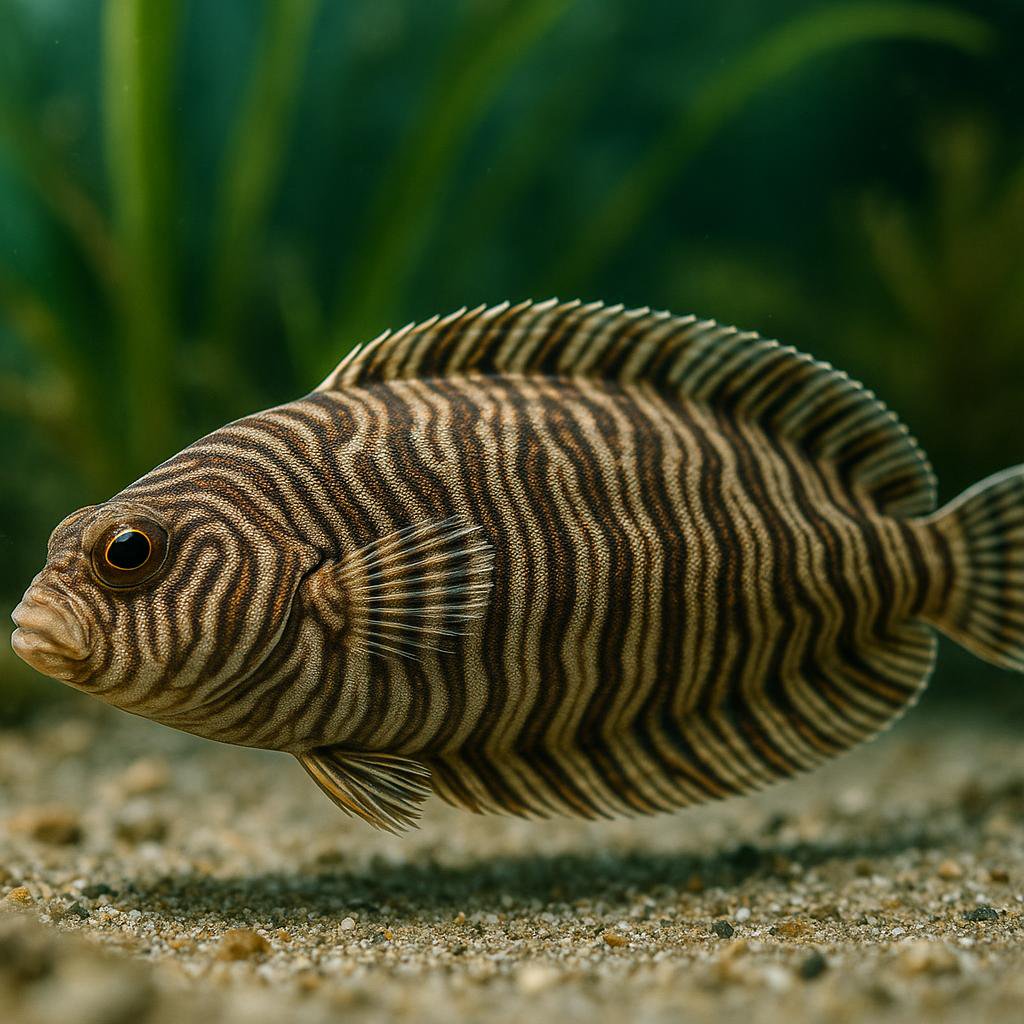
Annandale's zebra sole
Zebrias annandalei
Zebrias annandalei is a small demersal sole from coastal India that inhabits sandy or muddy bottoms and buries for camouflage. It is rarely kept in home aquaria and would require a specialized marine sand-bottom setup and appropriate feeding.
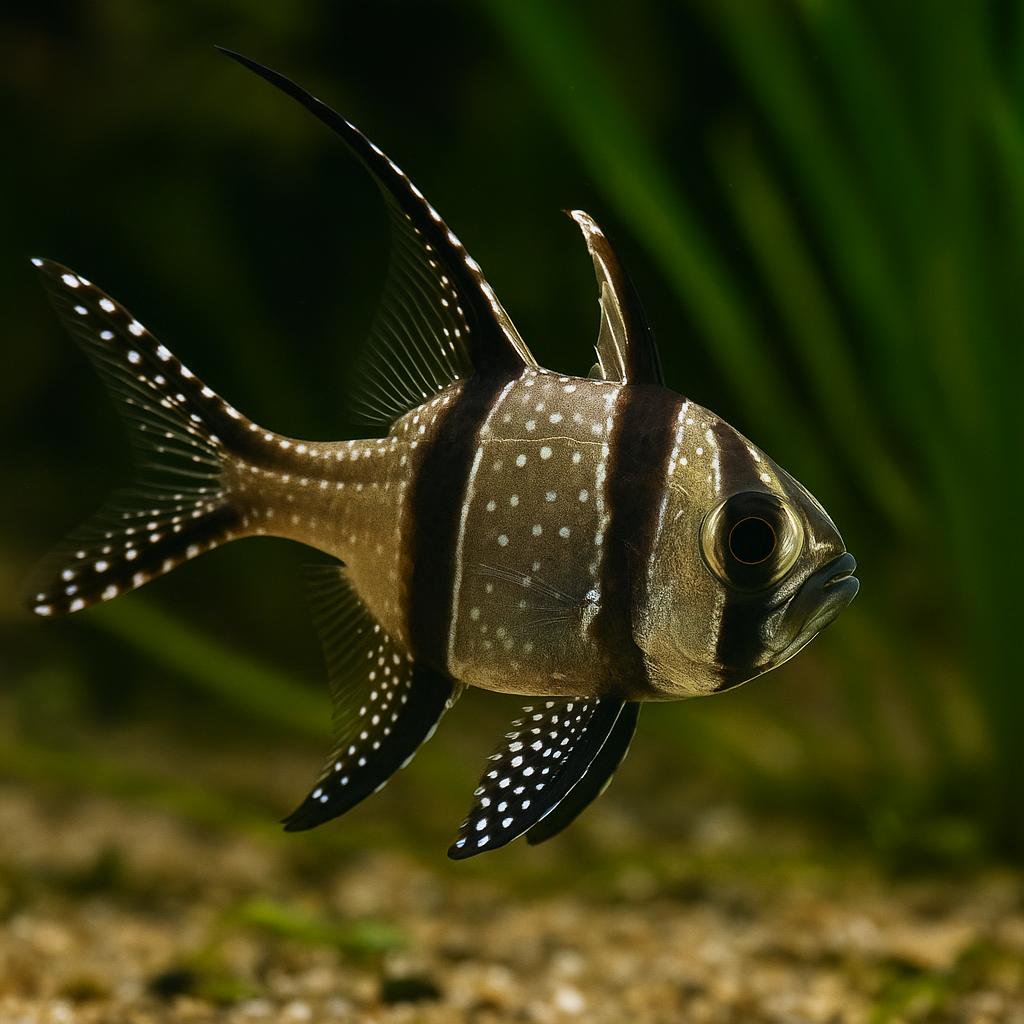
Banggai Cardinalfish
Pterapogon kauderni
Banggai cardinals just sort of hover like little underwater satellites, and the bold black bars with those long, polka-dotted fins look unreal under reef lighting. They're super chill most of the time, but once a pair forms you'll see real "fish drama," and the male will even mouthbrood the babies like a champ.
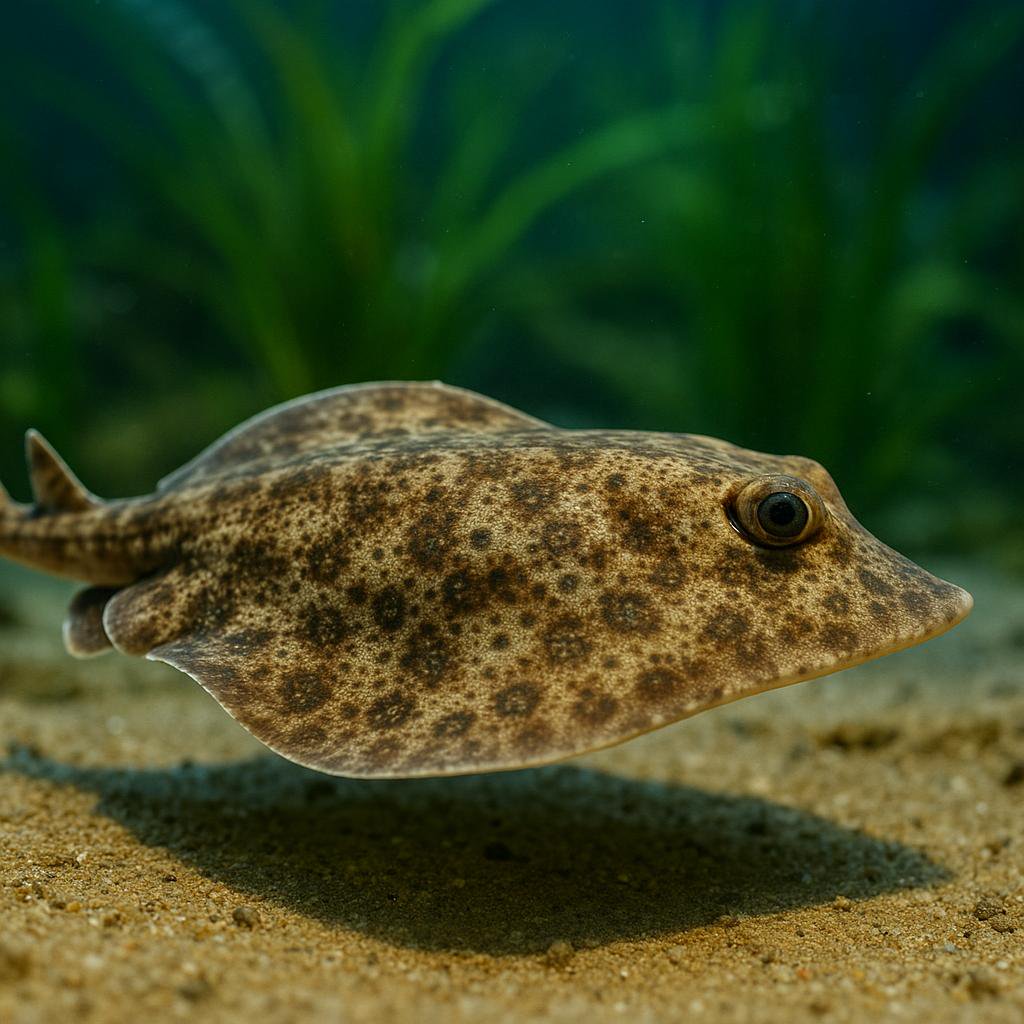
Barbedwire-tailed skate
Notoraja martinezi
Notoraja martinezi is a deepwater skate from the eastern Pacific (Costa Rica down to Ecuador) that lives way down on soft bottoms. The tail is the giveaway - it is lined with strong, hooked thorns that really do look like barbed wire. This is absolutely not an aquarium fish; it is a cold, high-pressure deep-sea animal with basically no practical home care info because it is not kept in the hobby.
More to Explore
Discover more marine species.
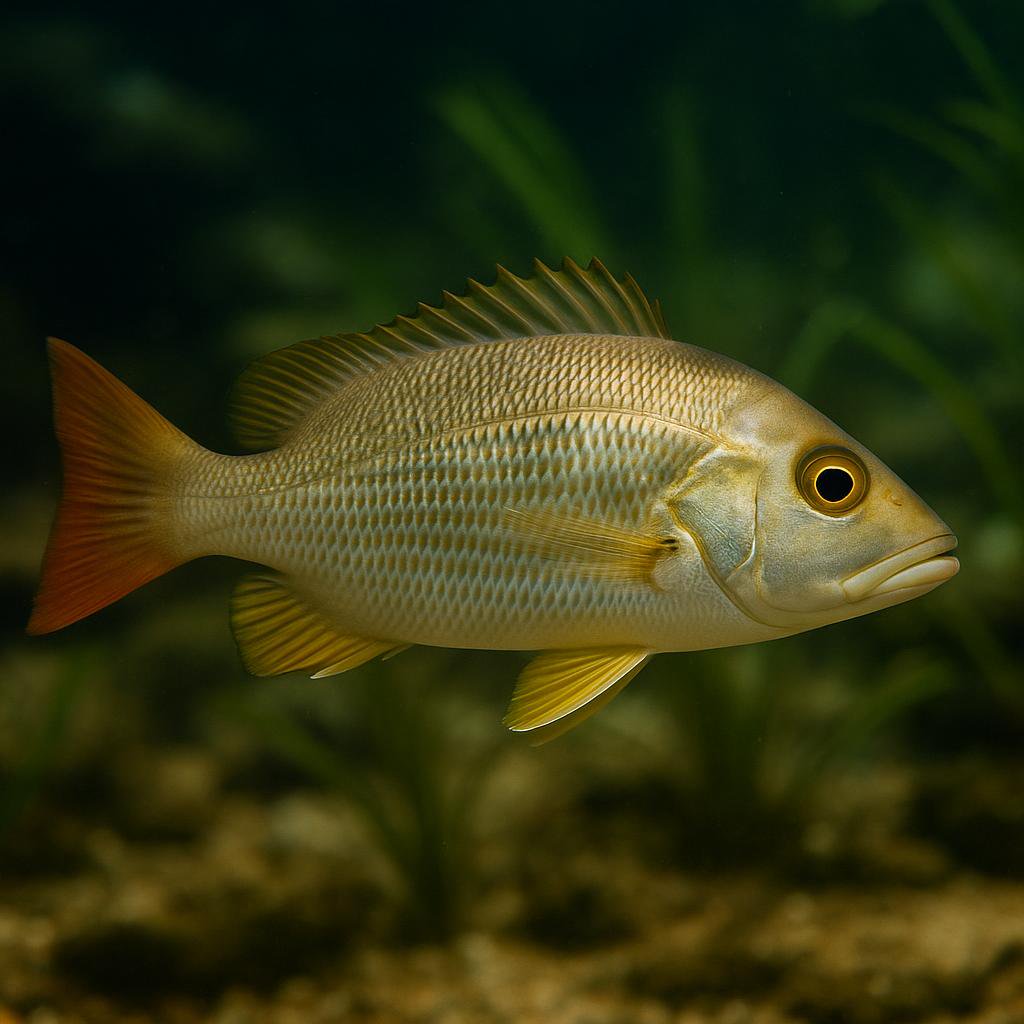
African red snapper
Lutjanus agennes
This is a true snapper from West Africa - a big, fast-growing predator that goes from coastal reefs to brackish lagoons and estuaries (especially as a juvenile). Super cool fish in the wild, but it gets absolutely huge and will eat smaller tankmates once it has the mouth for it, so its really more of a public-aquarium scale animal than a home-aquarium fish.
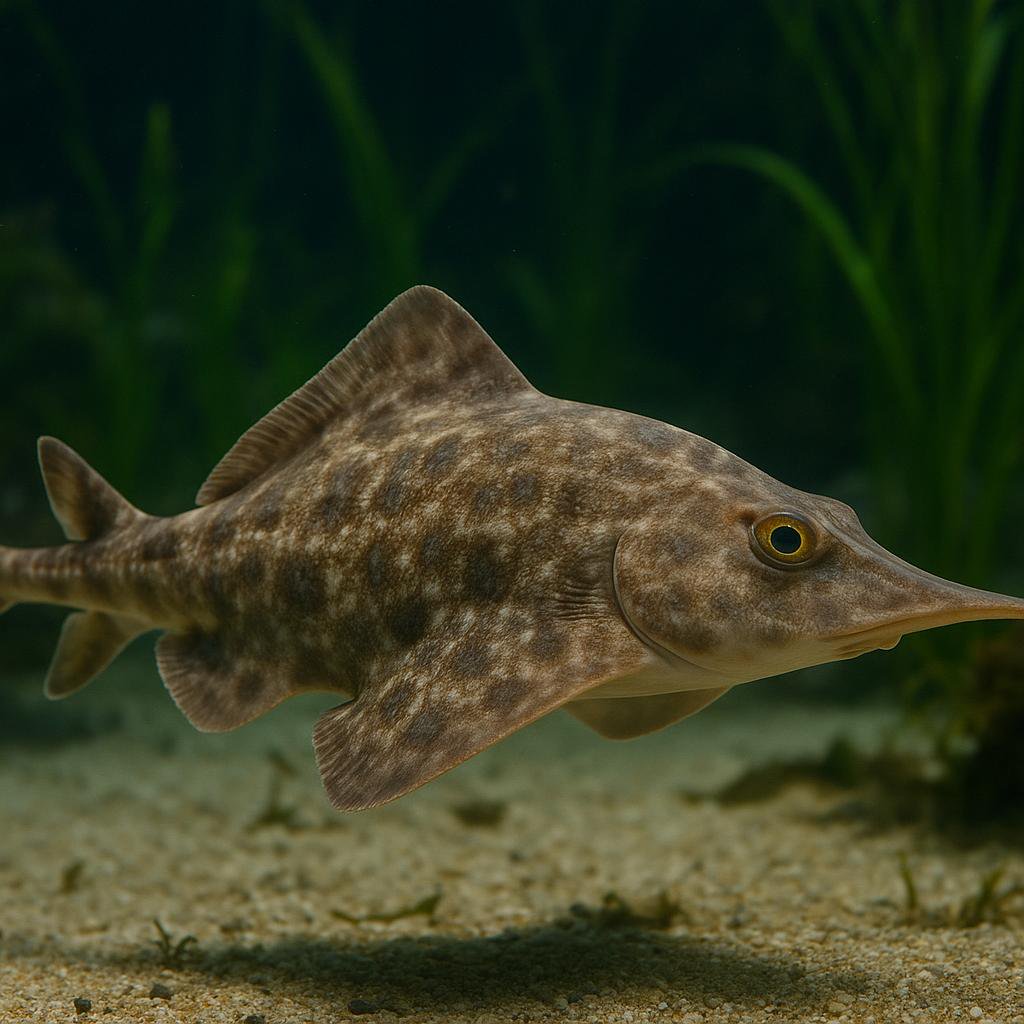
Aleutian skate
Bathyraja aleutica
This is a big, cold-water deep-slope skate from the North Pacific that cruises muddy bottoms and eats chunky benthic prey like crabs and shrimp. The really cool bit is its egg-laying skate life - it does distinct pairing (the classic skate "embrace") and drops those tough egg cases on the seafloor. Not an aquarium fish at all unless you're basically running a public-aquarium-style chilled system.
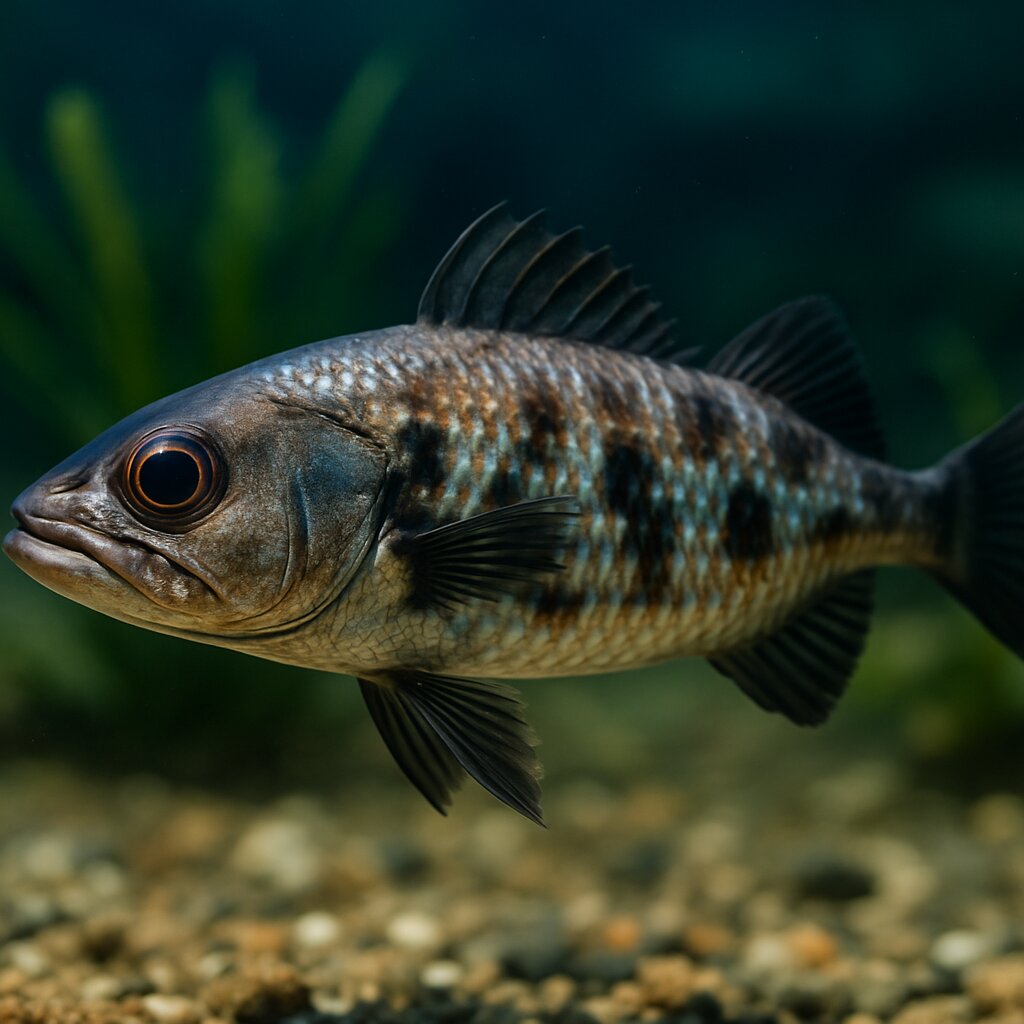
Antarctic dragonfish
Vomeridens infuscipinnis
Deep down around Antarctica, this sleek dragonfish cruises the water column like a little submarine, nearly neutrally buoyant so it can hover above the seafloor. It munches almost exclusively on Antarctic krill and lives in near-freezing water 500-800 m down, so it is a cool species to read about, not one for home tanks.
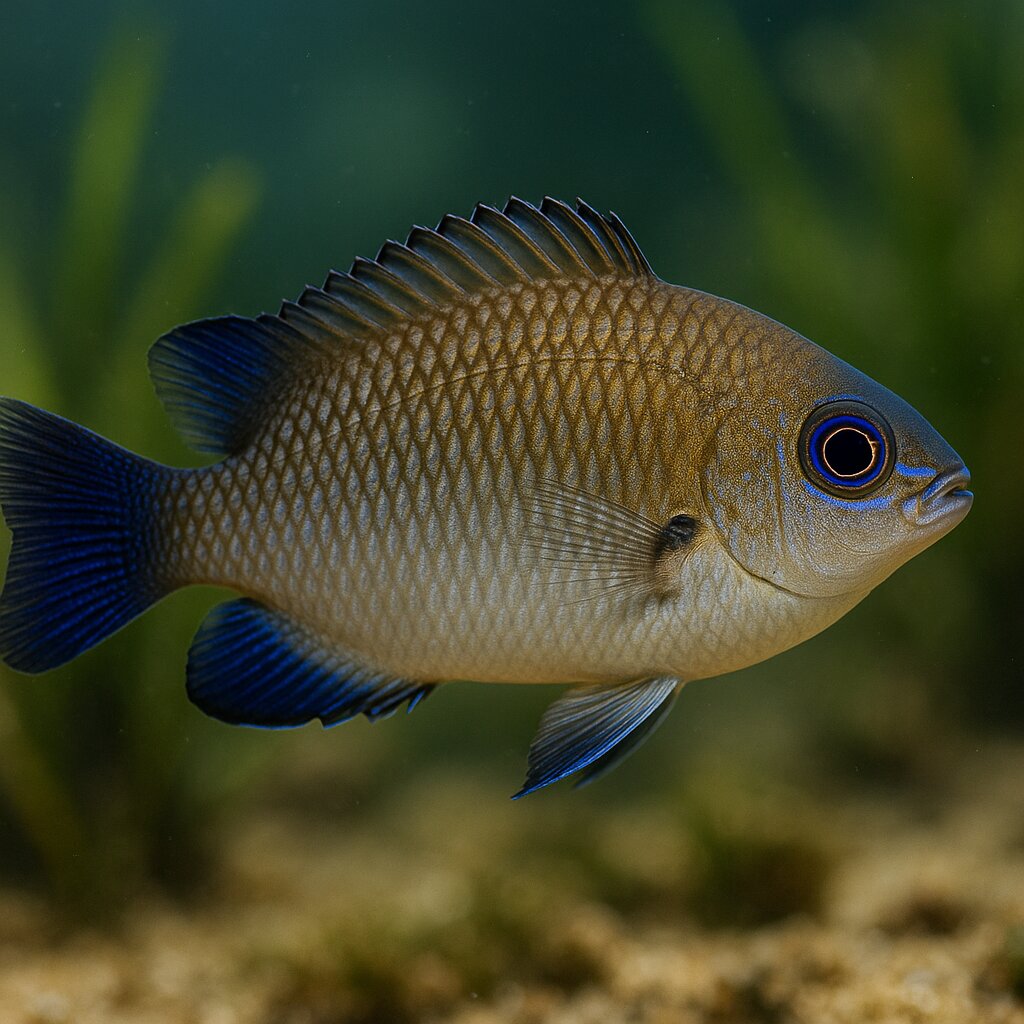
Arabian demoiselle
Neopomacentrus sindensis
A small lyretail damsel from the Persian Gulf and Arabian Sea, it hangs in loose groups around coral heads, rocks, and even pier pilings picking zooplankton from the flow. Think classic damsel toughness with a slightly milder attitude than the real bruisers, plus subtle yellow tail accents. Males clean a patch, get a mate to lay eggs there, and then stand guard fanning the clutch.
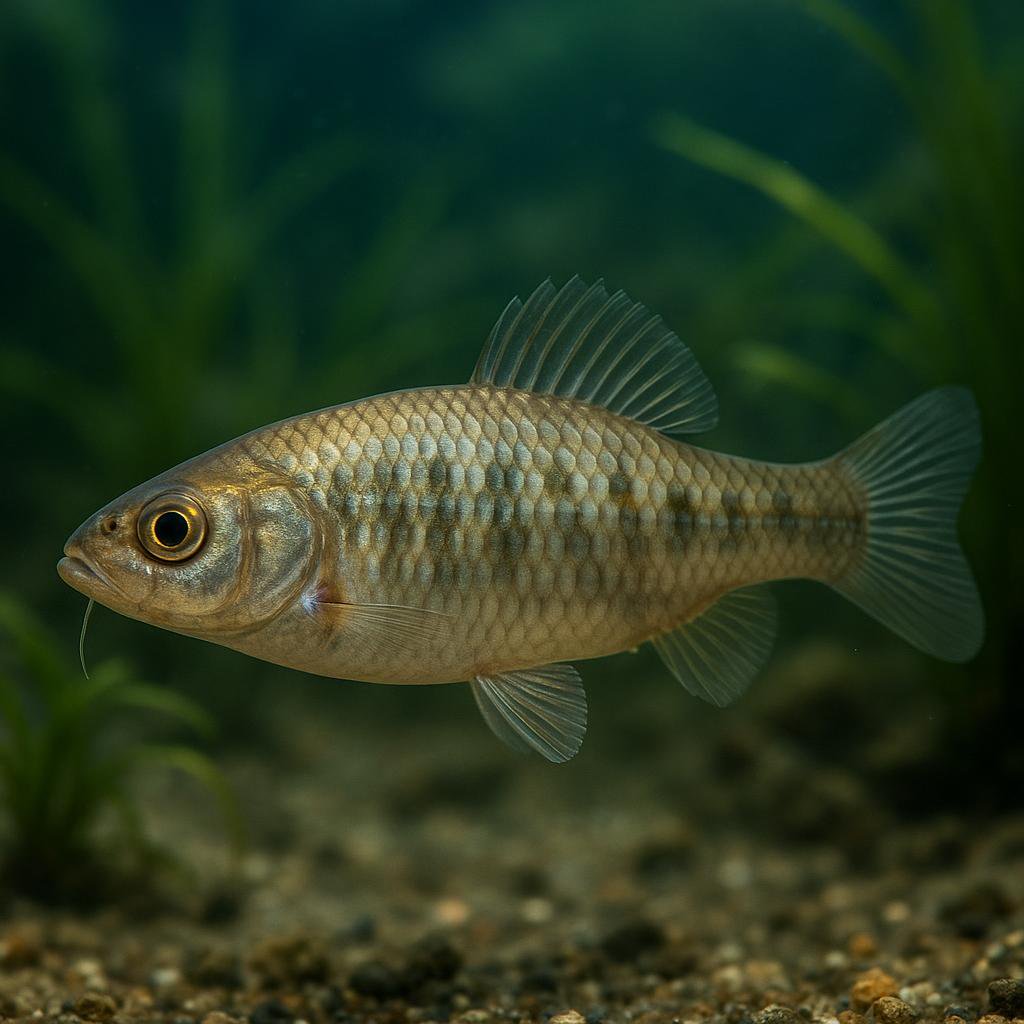
Arabian spiny eel
Notacanthus indicus
Notacanthus indicus is a deep-sea spiny eel (family Notacanthidae; not a true eel) known from the Arabian Sea on the continental slope at roughly ~960–1,046 m depth, with reported maximum length around 20 cm TL; it is a deep-water bycatch species and not established in the aquarium trade.
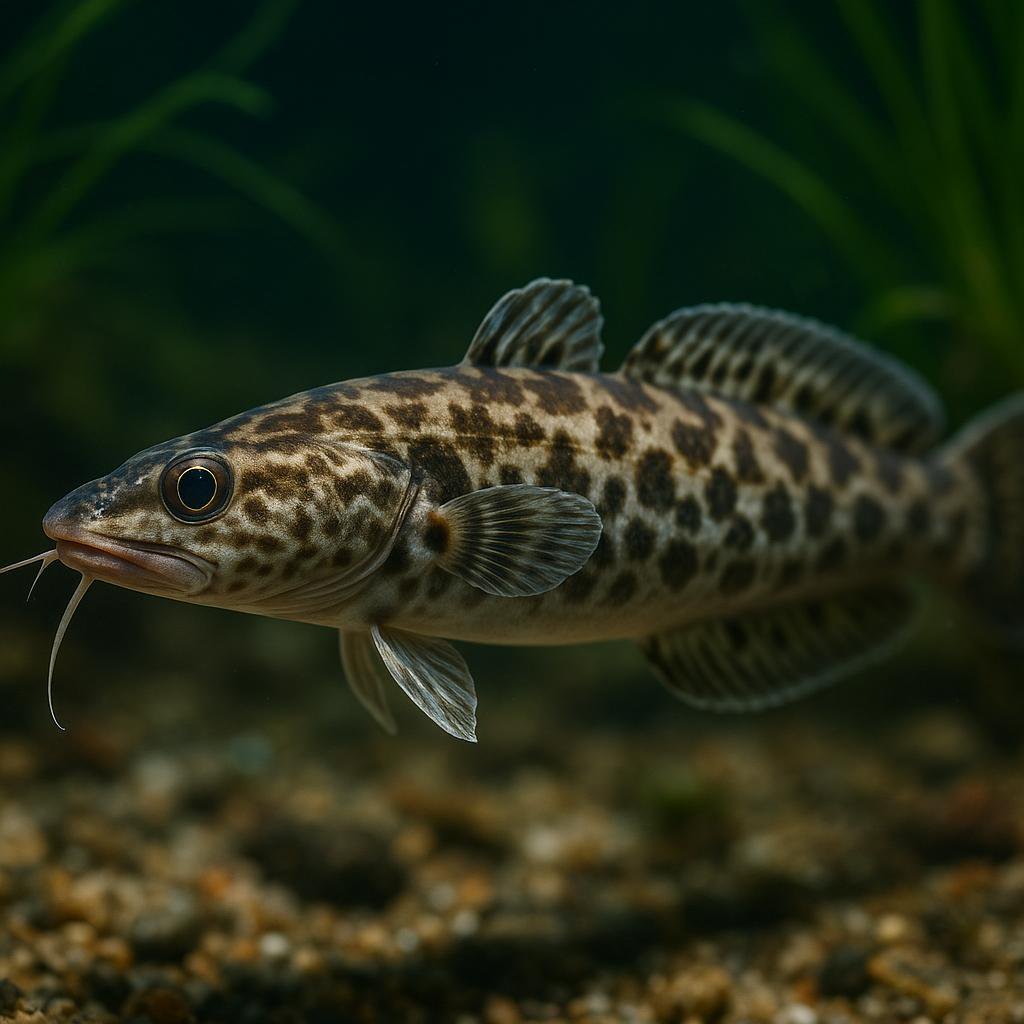
Arctic rockling
Gaidropsarus argentatus
This is a deepwater North Atlantic rockling (a cod relative) that hangs out on soft bottoms way down the slope. It is a cold-water, bottom-hugging predator that snoots around for crustaceans and will also take small fish when it gets the chance.
Looking for other species?