

Spindle croaker
Johnius elongatus
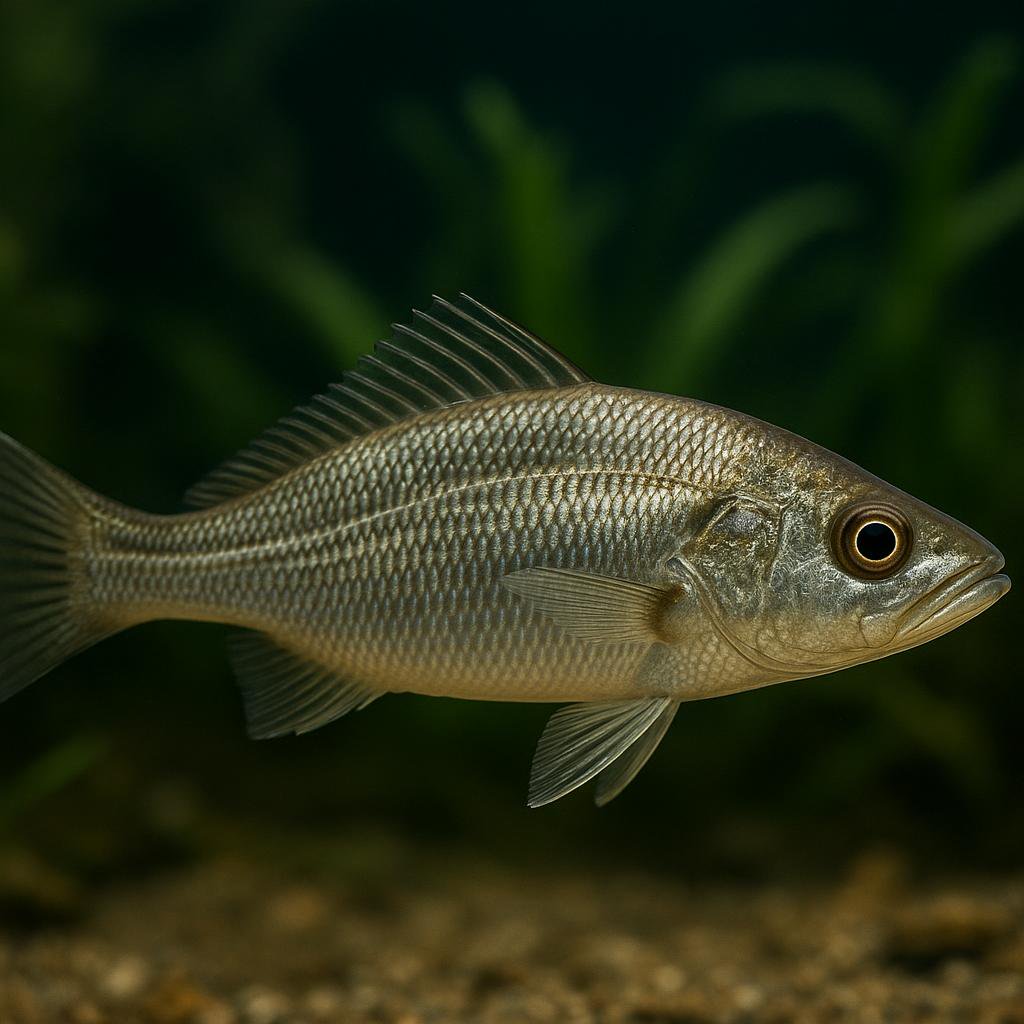
The Spindle croaker features an elongated body with a silver sheen and distinct dark spots along its sides, enhancing its streamlined appearance.
This page includes AI-generated images. Why am I seeing AI images?
About the Spindle croaker
Johnius elongatus (Spindle croaker) is a marine, demersal sciaenid from inshore waters of the western Indian Ocean (west coast of India and Sri Lanka), reported to feed on benthic worms and crustaceans; it is primarily a fisheries/food fish rather than a common aquarium species.
Quick Facts
Size
30 cm (12 inches) TL
Temperament
Semi-aggressive
Difficulty
Expert
Min Tank Size
180 gallons
Lifespan
5-10 years
Origin
Western Indian Ocean (west coast of India and Sri Lanka)
Diet
Carnivore - benthic worms and crustaceans; in captivity meaty frozen foods and crustacean-based diets
Water Parameters
22-28°C
8-8.4
8-12 dGH
Need a heater for this species?
This species needs 22-28°C in a 180 gallon tank. Use our heater calculator to find the right wattage.
Calculate heater sizeCare Notes
- Give it a big, long tank with open swimming room and a sand bed (fine aragonite). They cruise the bottom and will spook-sprint into glass if the layout is too cramped or cluttered.
- Maintain stable full marine salinity and strong aeration/oxygenation appropriate for a coastal marine sciaenid; species references confirm this fish is a marine, inshore-water demersal croaker, but do not publish aquarium-specific salinity/temperature/nitrate targets.
- Feed like a predator that likes the bottom: chopped shrimp, squid, clam, krill, and quality sinking carnivore pellets. Small meals 1-2x/day beat huge dumps, and using a feeding tube/tongs helps get food past faster tankmates.
- They are mouthy - if it fits, it is food, especially small fish and shrimp. Stick with similarly sized, non-nippy fish and avoid fin-biters (triggerfish, big wrasses) that will harass them into stress.
- Give them dimmer areas and a tight lid; they jump when startled and hate bright, busy tanks. A couple of caves/overhangs plus gentle flow zones lets them chill without hiding 24/7.
- Watch for jaw/mouth damage from crashing into decor or from grabbing hard foods; it can turn into a nasty infection fast. Also keep an eye out for rapid breathing after feeding or at night - they need high dissolved oxygen and hate stale water.
- Breeding in home tanks is basically a unicorn - most croakers spawn seasonally in groups and use sound/courtship behavior that is hard to trigger in aquaria. If you ever see them drumming at dusk and getting pushy with each other, that is the closest you will get to a hint.
Compatibility
Good Tankmates
- Unknown / not species-validated in authoritative references; treat as a marine predatory croaker and avoid tankmates that can be swallowed or that harass it.
- Similar-size rabbitfish (Siganus) - good algae pickers, not easily bullied, and they hold their own without being constant jerks back.
- Medium to large, confident damsels or chromis (not the tiny delicate ones) - they stay quick and up in the water column, so the croaker usually cant pin them down.
- Bigger, sturdy wrasses that arent micro-fish hunters (think Halichoeres types) - active, eat well, and dont sit still long enough to get hassled.
- Tougher sand-sifters and bottom buddies like large gobies or engineer gobies - they keep to their lane, and in a roomy tank the croaker usually just ignores them.
- Other croakers/drums of similar size with lots of space and multiple hideouts - works if you stock carefully, feed heavy, and avoid mixing one big bully with a bunch of smaller ones.
Avoid
- Small fish that fit in its mouth - damsels juveniles, small gobies, tiny blennies, etc. If it looks snack-sized, it eventually becomes a snack, usually at night.
- Slow, passive fish like seahorses, pipefish, mandarins, and fancy slow feeders - the croaker will outcompete them hard and may straight-up harass them.
- Triggerfish and big aggressive puffers - they turn it into a brawl, plus fin-nipping and constant stress is a real thing with that combo.
- Crustaceans and small bottom inverts (shrimp, small crabs) - not fish, but worth saying: croakers love crunchy stuff and will hunt them when the lights go down.
Where they come from
Spindle croakers (Johnius elongatus) are coastal fish from the Indo-West Pacific - think muddy bays, river mouths, and nearshore flats where the water can be a little "dirty" and the bottom is soft. They are not a coral reef fish, and if you set them up like one, you are going to have a bad time.
They are called croakers for a reason. They can make audible grunts/croaks, especially when stressed or being netted. First time you hear it, it is a trip.
Setting up their tank
This is an expert fish because it is big, active, messy, and it likes a sand-bottom, open-water setup with strong filtration. If your system is built around delicate corals and pristine rockwork, pick something else.
- Tank size: bigger than you think. I would not bother under 180 gallons for an adult, and 240+ gallons is where it starts feeling reasonable.
- Footprint matters more than height. Long and wide lets them cruise and turn without constantly spooking.
- Bottom: fine sand. They like to hover low and will slam down onto the bottom when startled.
- Rockwork: keep it minimal and stable. Think low piles or islands with lots of open swimming space.
- Flow: moderate. Enough to keep waste suspended, not a constant sandstorm.
- Filtration: oversized skimmer, lots of mechanical filtration you can change often, and a plan for nitrate management (water changes, refugium, or large bio media).
They spook easily. Use a tight-fitting lid, cover any gaps, and dim the lights when you first add them. Spindle croakers can and will jump.
Water params are straightforward marine fish stuff, but consistency is the real game. Stable salinity, plenty of oxygen, and low ammonia/nitrite at all times. These fish eat heavy and poop heavy, so the tank needs to be mature before you try one.
If you can, quarantine in a larger bare-bottom tank with some big PVC elbows. They settle faster if they have a dark place to tuck into, even though they are not really a cave fish.
What to feed them
In my experience they are enthusiastic carnivores once settled, but new imports can be shy or weird about food for the first week or two. They are built for meaty stuff from the bottom and water column - shrimp, small fish, worms, crustaceans.
- Good staples: chopped shrimp, squid, clam, mussel, and quality marine predator pellets once they recognize them as food.
- Frozen: mysis (for smaller ones), krill (sparingly), chopped silversides or marine fish flesh (not freshwater feeders).
- Live (use carefully): ghost shrimp can kickstart feeding, but do not make it a habit.
- Feeding rhythm: smaller meals 1-2 times daily beats one giant feeding that nukes water quality.
Avoid goldfish/rosy reds as feeders. They are a nutrition and disease headache. If you need "live" to get them going, use marine-safe options or clean ghost shrimp and transition to frozen quickly.
Once they are confident, they can hit the surface hard and splash-feed. That is fun, but it also means they learn to beg and will overeat if you let them. Watch the belly - slightly rounded is fine, stuffed-looking every day is not.
How they behave and who they get along with
Spindle croakers are not dainty community fish. They are generally not "mean" in the way a trigger can be mean, but they are predators with a big mouth and a fast lunge. If it can fit, it is on the menu sooner or later.
- Temperament: mostly calm, but easily startled. Expect sudden darts, especially with sudden light changes or people rushing the tank.
- Tankmates that work: other robust, similarly sized fish that are not overly aggressive (some larger wrasses, certain snappers/grunts of similar size, bigger tangs in a big system).
- Tankmates to avoid: small fish, small crustaceans, decorative shrimp/crabs, tiny gobies/blennies, and slow delicate species that get stressed by a bulky predator cruising around.
- Corals/inverts: they are not reef-safe by default. Even if they do not nip coral, their feeding and waste output make reefing harder, and they will absolutely eat mobile inverts they can catch.
They appreciate a calmer environment. Give them a predictable light schedule and do not put them in a tank where they will be constantly chased or harassed.
Breeding tips
Breeding Johnius elongatus in home aquariums is basically "nice idea, not really a thing" for most hobbyists. They are seasonal spawners in the wild and likely need large groups, big temperature/photoperiod cues, and a lot of space to pair off and spawn.
If you ever end up with a group in a very large system, the most realistic "breeding" note is this: they may show more croaking and chasing during seasonal shifts, but getting viable eggs to hatch and raising larvae is a whole different level (tiny live foods, specialized rearing tanks, etc.).
Common problems to watch for
- Shipping stress and refusal to eat: give them dim light, cover the tank sides for a few days, and offer small meaty foods near the bottom.
- Jumping and impact injuries: they bolt when startled. A lid and reduced startle events (no sudden lights) prevent a lot of heartbreak.
- Ich/velvet: croakers can come in carrying parasites. Quarantine is your friend, and do not assume "they look fine" means they are clean.
- Mouth damage: they can smash their face on glass if spooked in a small tank. This is one reason big footprint matters.
- Water quality slide: heavy feeding plus big waste equals rising nitrate and greasy surface film if you slack on maintenance.
- Gasping at the surface: often low oxygen from warm water, dirty mechanical filters, or underpowered surface agitation. They like well-aerated water.
Do not add a spindle croaker to a brand-new marine tank. They do much better in a mature system with stable biofiltration and a routine you already know you can keep up with.
If you want to succeed with this fish, think like you are keeping a messy, coastal predator, not a reef showpiece. Big tank, open sand, strong filtration, and a steady hand goes a long way.
Similar Species
Other marine semi-aggressive species you might be interested in.
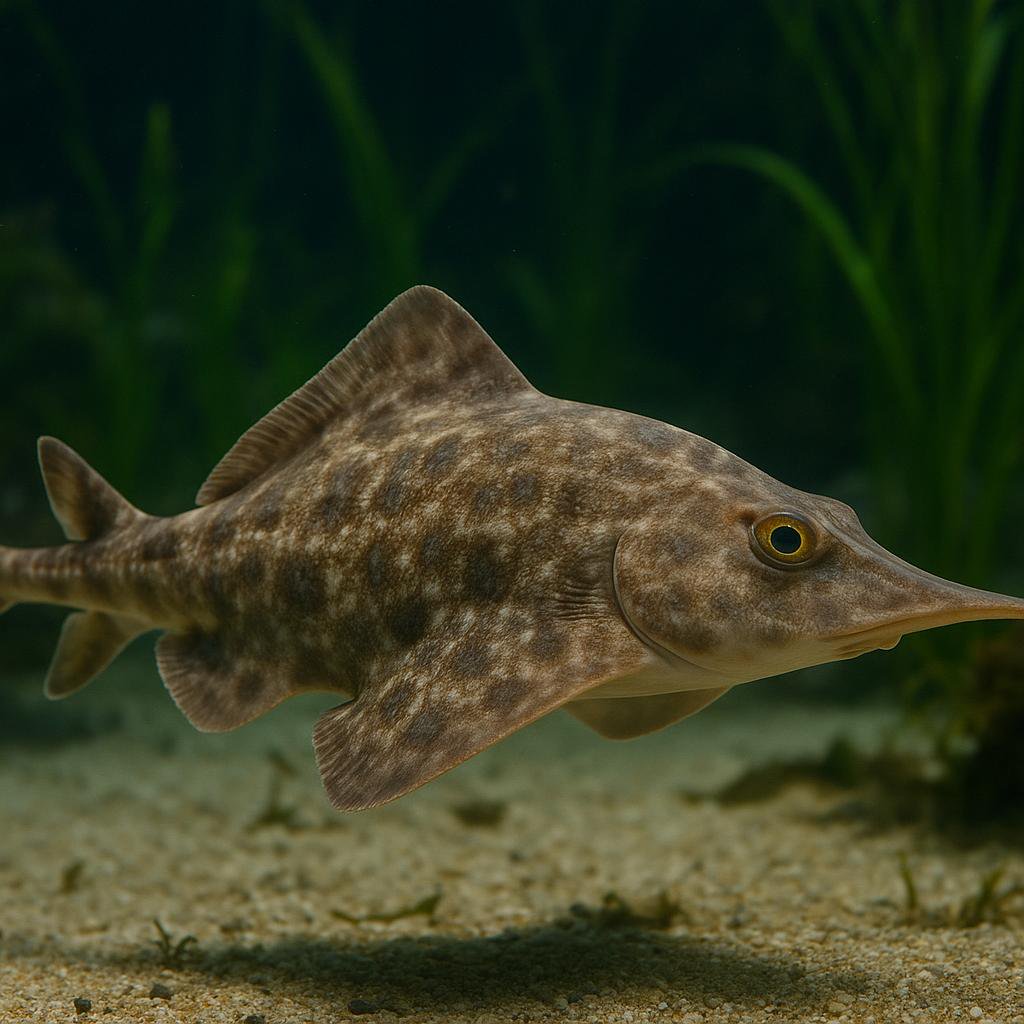
Aleutian skate
Bathyraja aleutica
This is a big, cold-water deep-slope skate from the North Pacific that cruises muddy bottoms and eats chunky benthic prey like crabs and shrimp. The really cool bit is its egg-laying skate life - it does distinct pairing (the classic skate "embrace") and drops those tough egg cases on the seafloor. Not an aquarium fish at all unless you're basically running a public-aquarium-style chilled system.
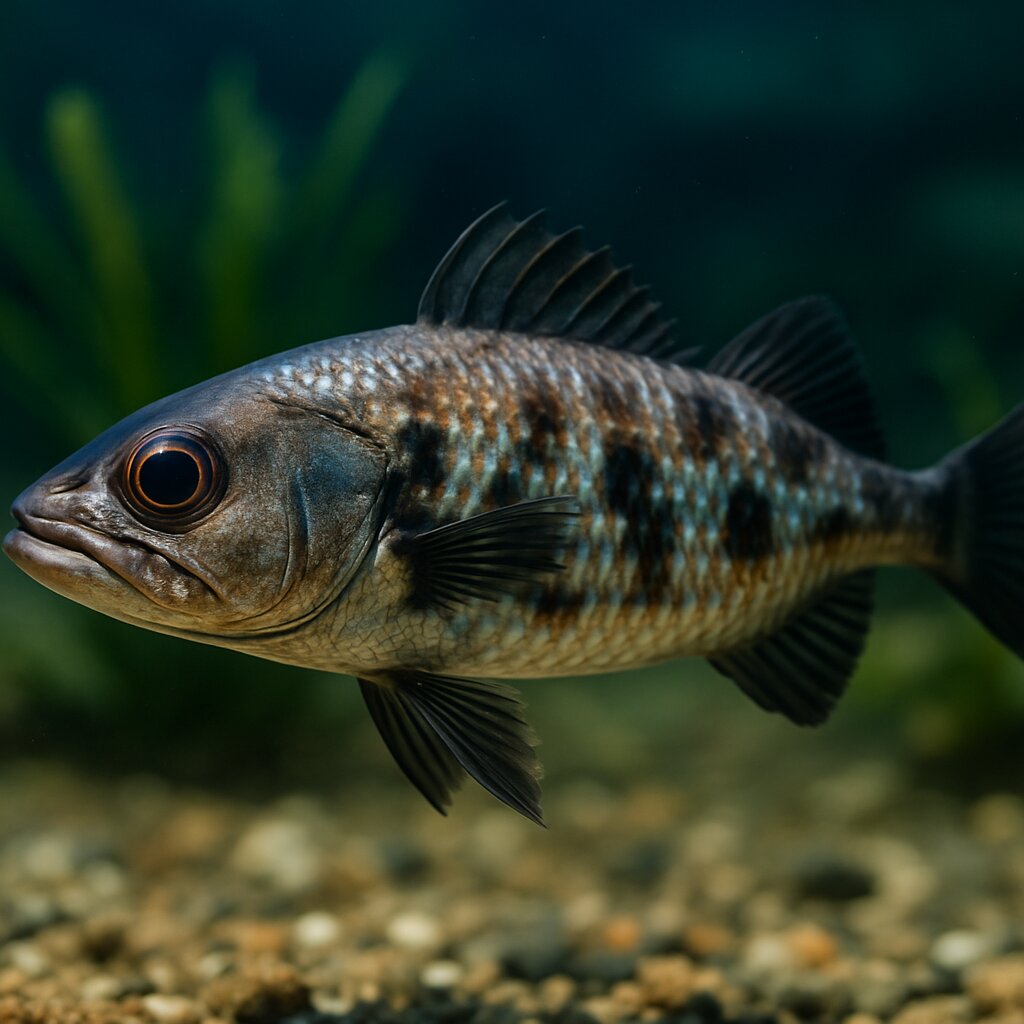
Antarctic dragonfish
Vomeridens infuscipinnis
Deep down around Antarctica, this sleek dragonfish cruises the water column like a little submarine, nearly neutrally buoyant so it can hover above the seafloor. It munches almost exclusively on Antarctic krill and lives in near-freezing water 500-800 m down, so it is a cool species to read about, not one for home tanks.
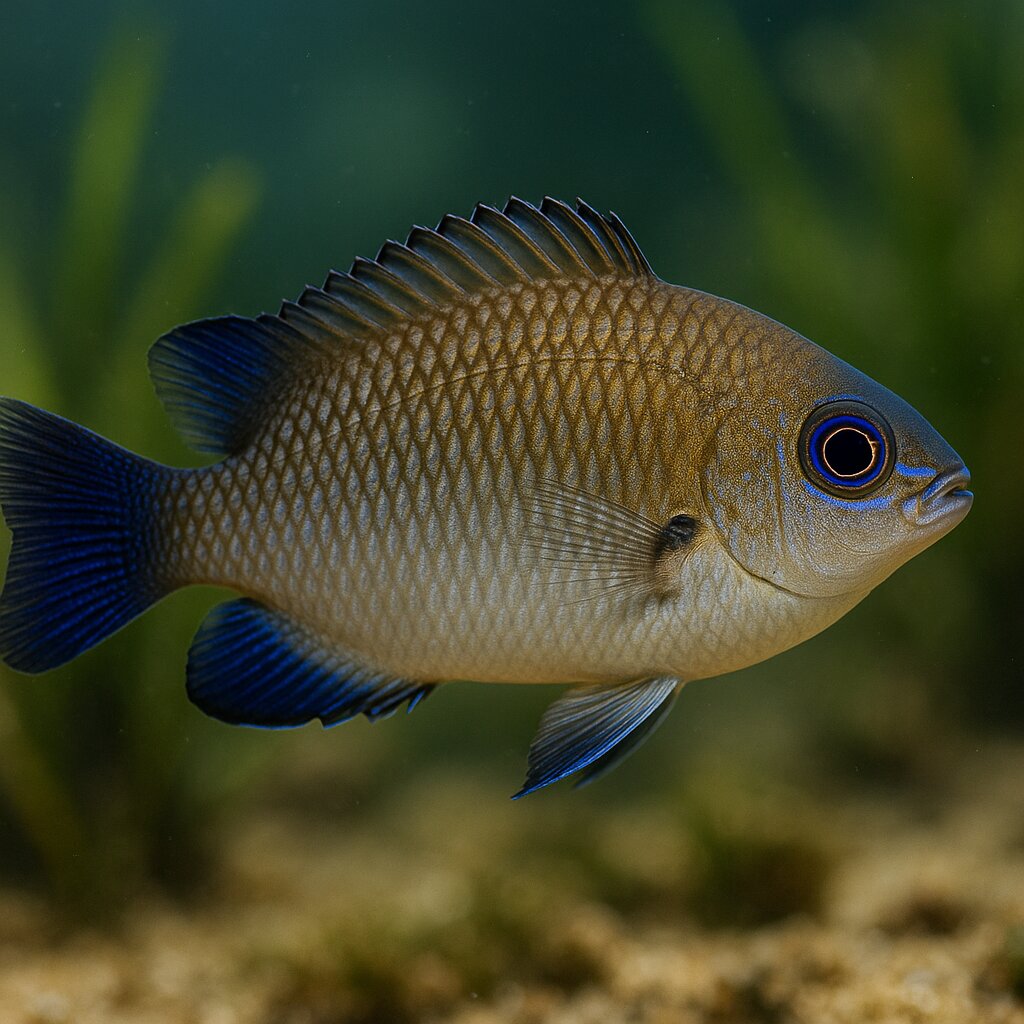
Arabian demoiselle
Neopomacentrus sindensis
A small lyretail damsel from the Persian Gulf and Arabian Sea, it hangs in loose groups around coral heads, rocks, and even pier pilings picking zooplankton from the flow. Think classic damsel toughness with a slightly milder attitude than the real bruisers, plus subtle yellow tail accents. Males clean a patch, get a mate to lay eggs there, and then stand guard fanning the clutch.
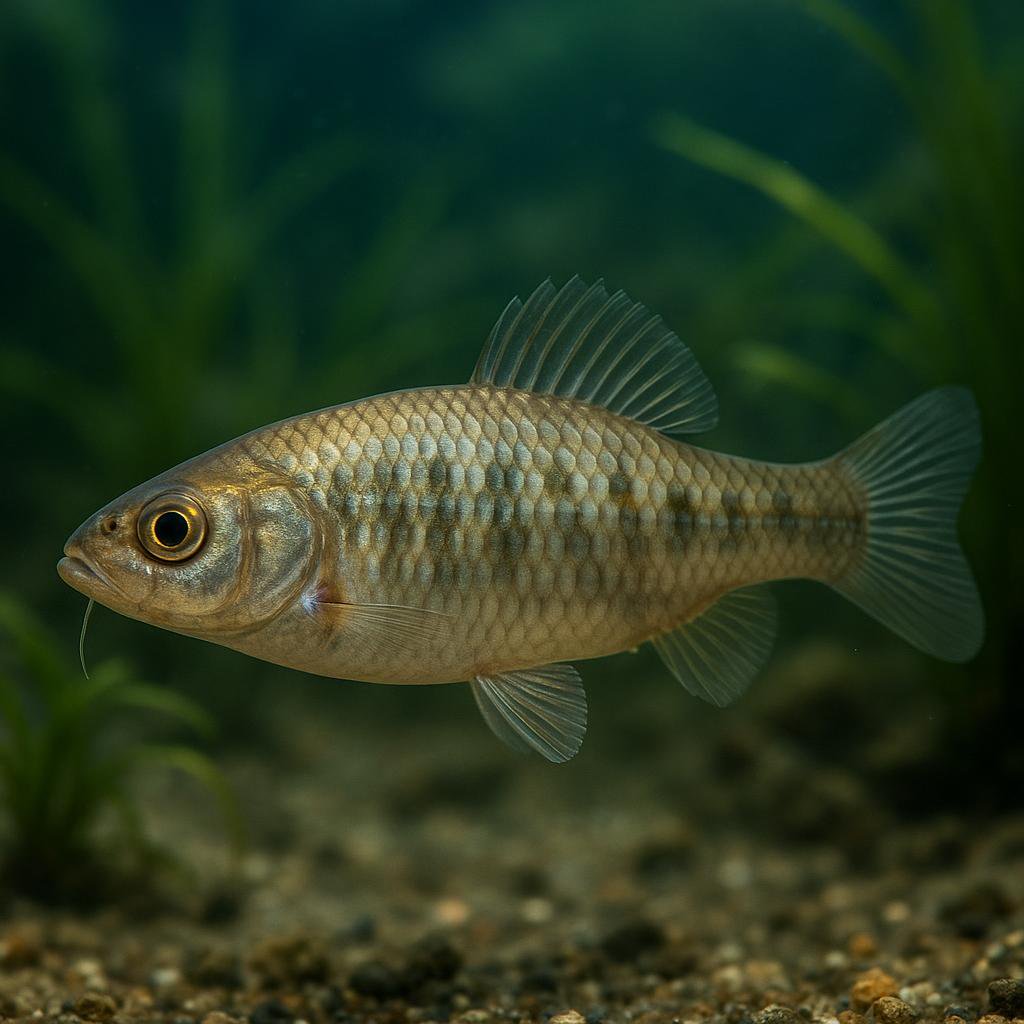
Arabian spiny eel
Notacanthus indicus
Notacanthus indicus is a deep-sea spiny eel (family Notacanthidae; not a true eel) known from the Arabian Sea on the continental slope at roughly ~960–1,046 m depth, with reported maximum length around 20 cm TL; it is a deep-water bycatch species and not established in the aquarium trade.
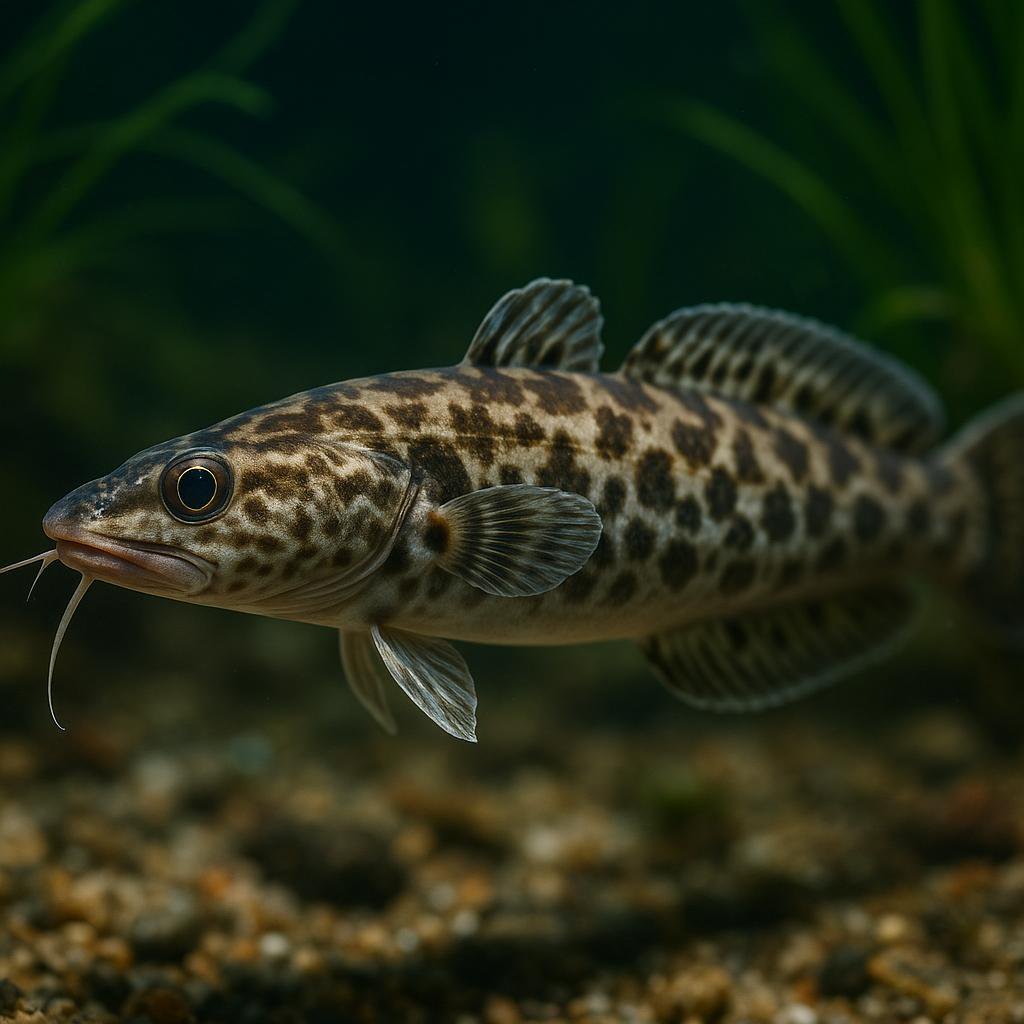
Arctic rockling
Gaidropsarus argentatus
This is a deepwater North Atlantic rockling (a cod relative) that hangs out on soft bottoms way down the slope. It is a cold-water, bottom-hugging predator that snoots around for crustaceans and will also take small fish when it gets the chance.
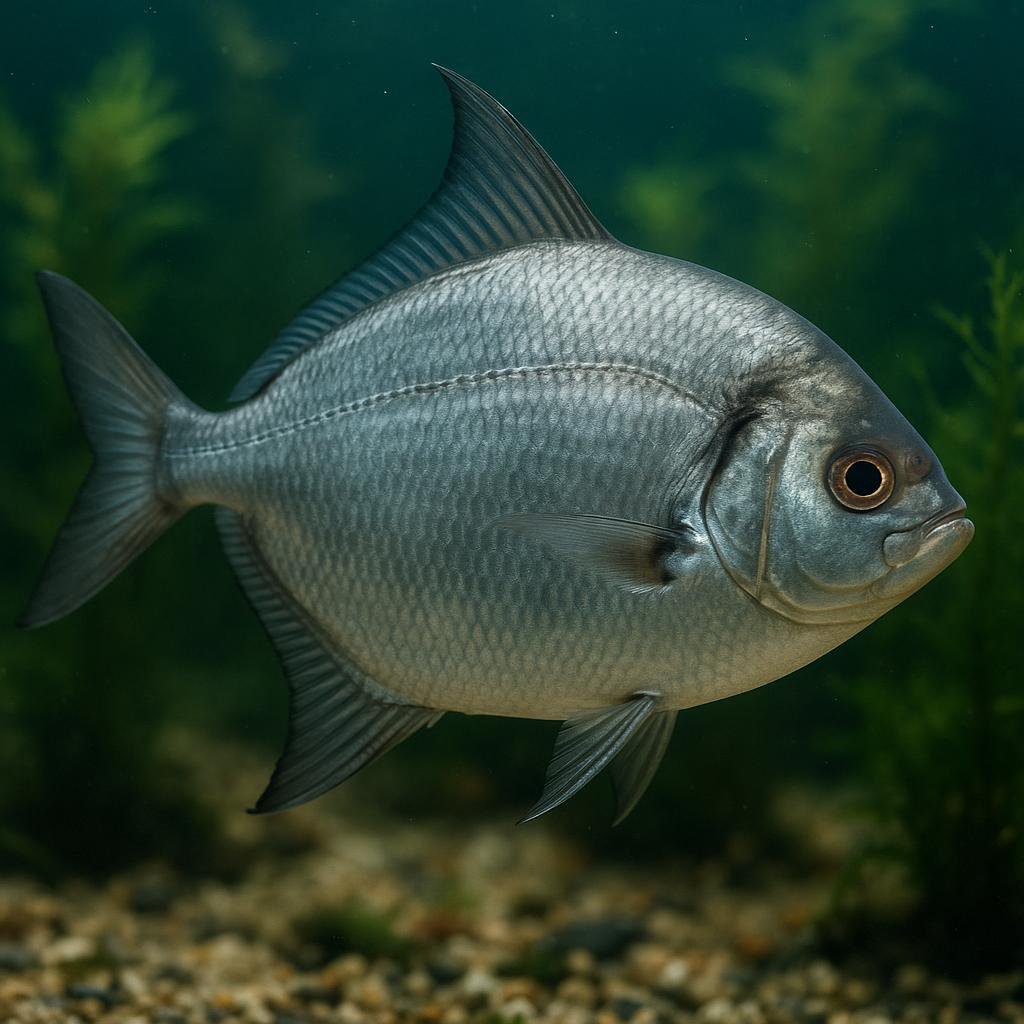
Atlantic pomfret
Brama brama
Brama brama is the Atlantic pomfret (aka Ray's bream) - a deep-bodied, open-ocean pelagic fish that cruises around in small schools and follows water temps. It is a legit big, wild marine species (not an aquarium fish) that eats other small sea critters like fish and squid, and it ranges across a huge chunk of the Atlantic plus parts of the Indian and South Pacific.
More to Explore
Discover more marine species.
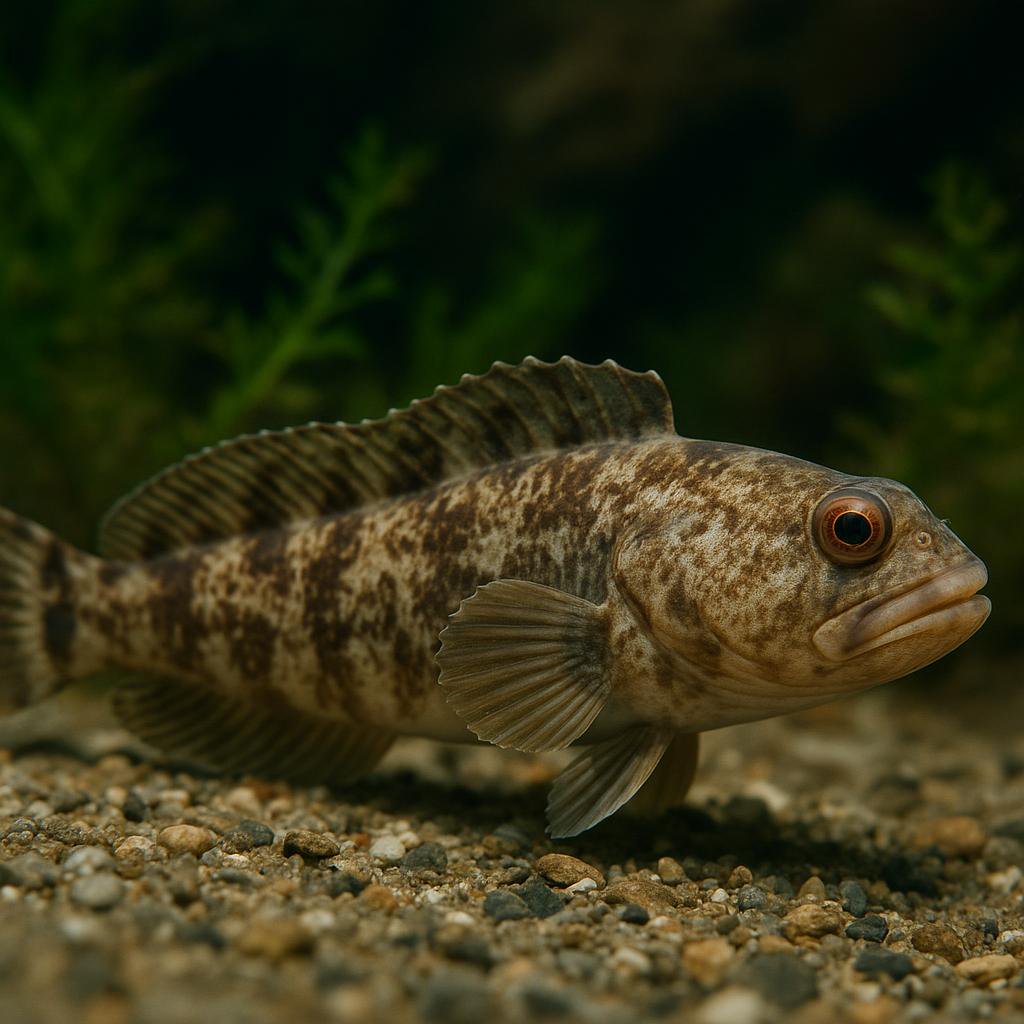
Abe's eelpout
Japonolycodes abei
Japonolycodes abei is a temperate, deepwater demersal eelpout (family Zoarcidae) endemic to Japan (Kumano-nada Sea reported; other sources also report Sagami Bay and Tosa Bay). It is the only species in the genus Japonolycodes and occurs roughly 40-300 m depth, making it an uncommon/atypical aquarium species.
Affinis blind cusk-eel
Barathronus affinis
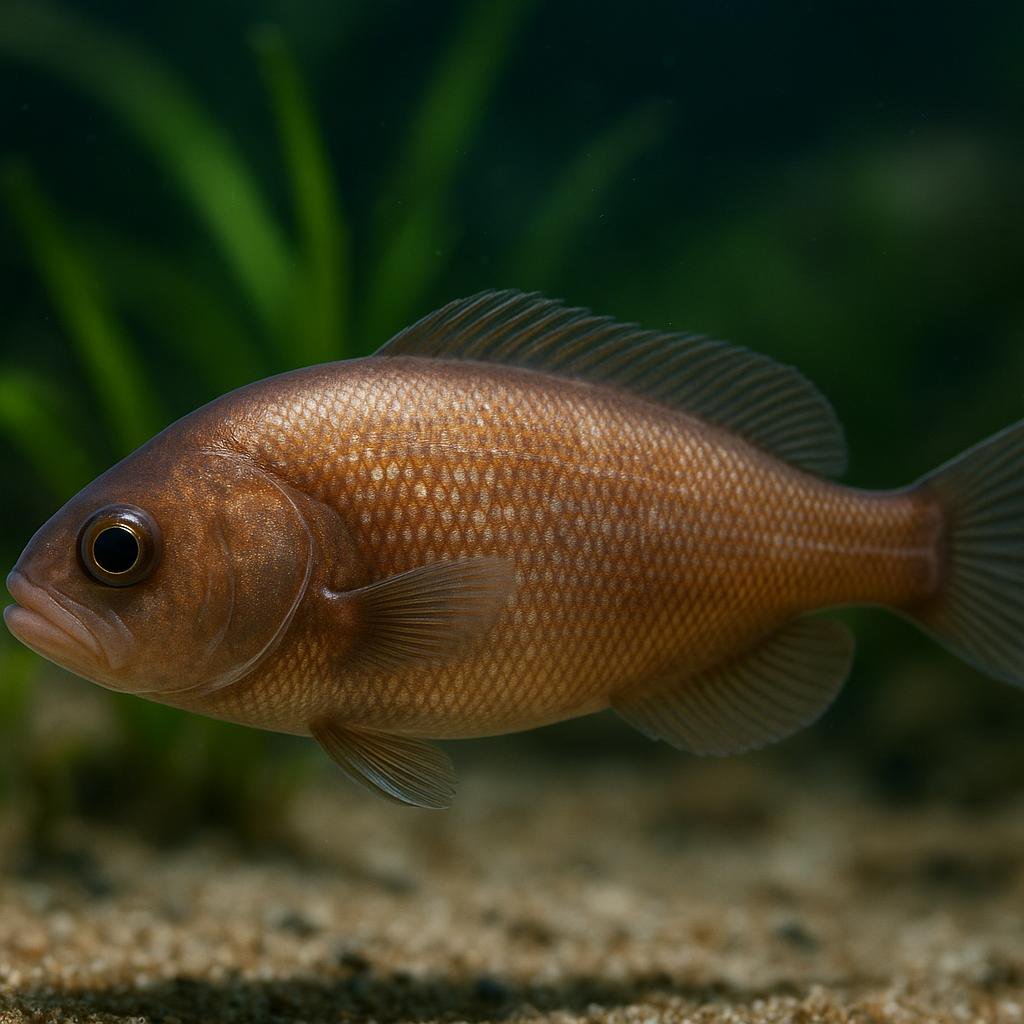
Barathronus affinis is a tiny, super-weird deep-sea blind cusk-eel from the western-central Indian Ocean. It is one of those gelatinous, loose-skinned brotula-type fishes that live way down in the dark and are basically never seen alive, so almost everything we know comes from preserved specimens and taxonomic work.
African red snapper
Lutjanus agennes
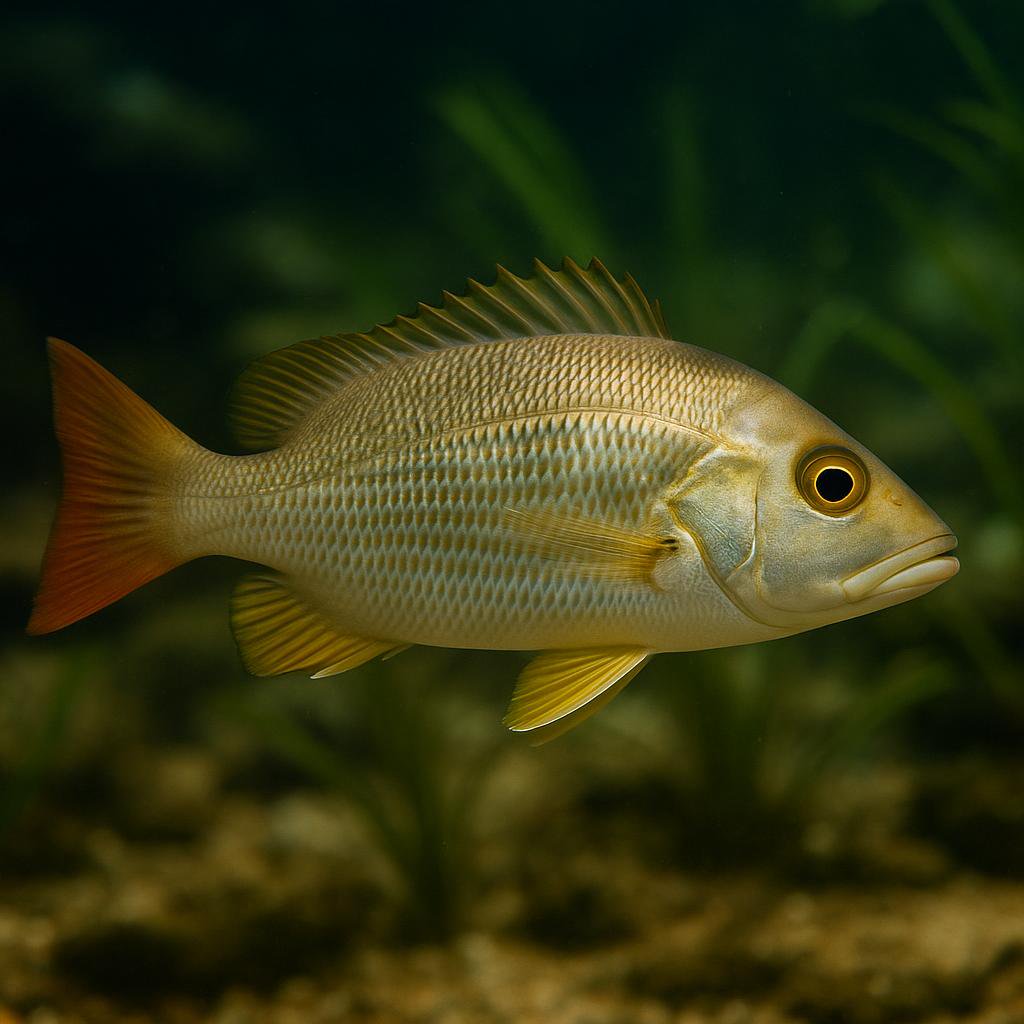
This is a true snapper from West Africa - a big, fast-growing predator that goes from coastal reefs to brackish lagoons and estuaries (especially as a juvenile). Super cool fish in the wild, but it gets absolutely huge and will eat smaller tankmates once it has the mouth for it, so its really more of a public-aquarium scale animal than a home-aquarium fish.
Allis shad
Alosa alosa
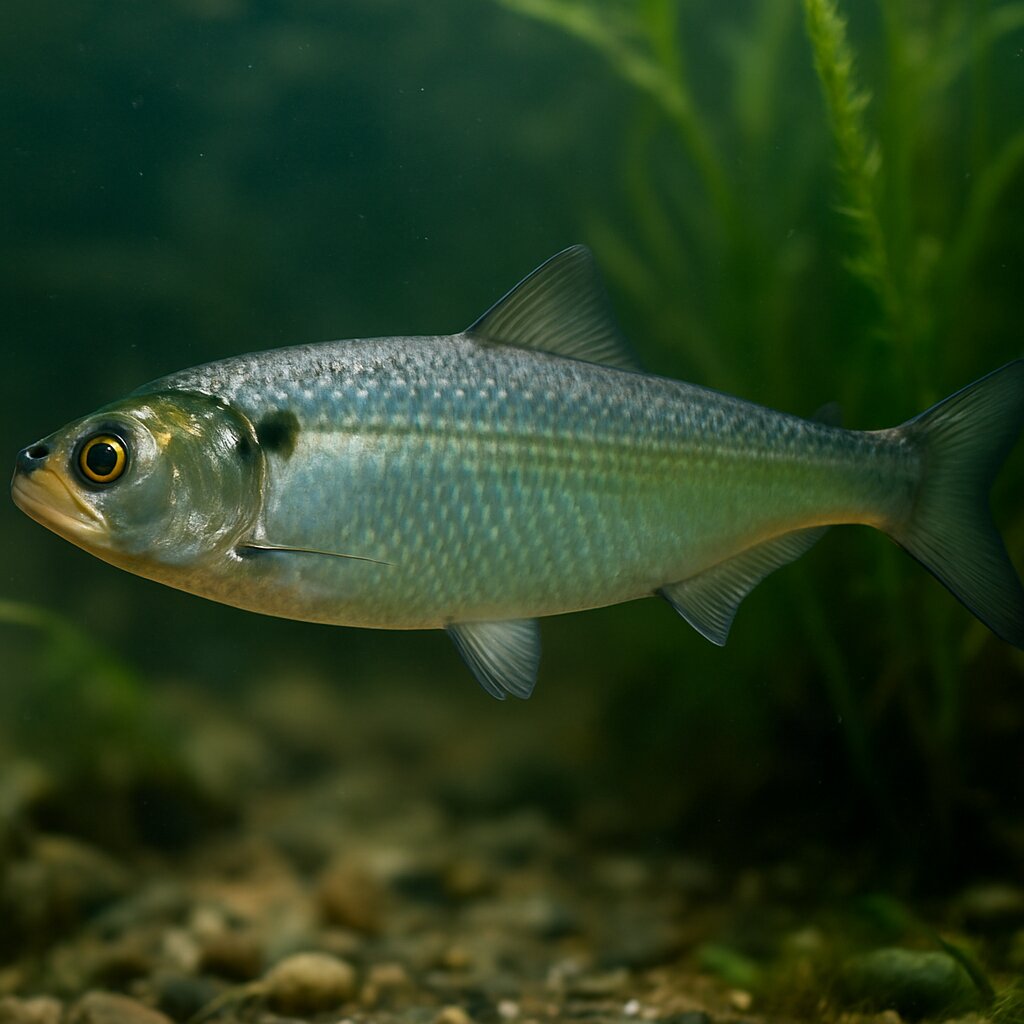
Gorgeous silver, fast-swimming shad that spends most of its life in the sea and then surges up big rivers in noisy, surface-spawning schools. It grows huge for a herring-type fish and needs cool, ultra-oxygenated water and tons of open space, so it is a public-aquarium species rather than a home tank fish.
Annandale's zebra sole
Zebrias annandalei
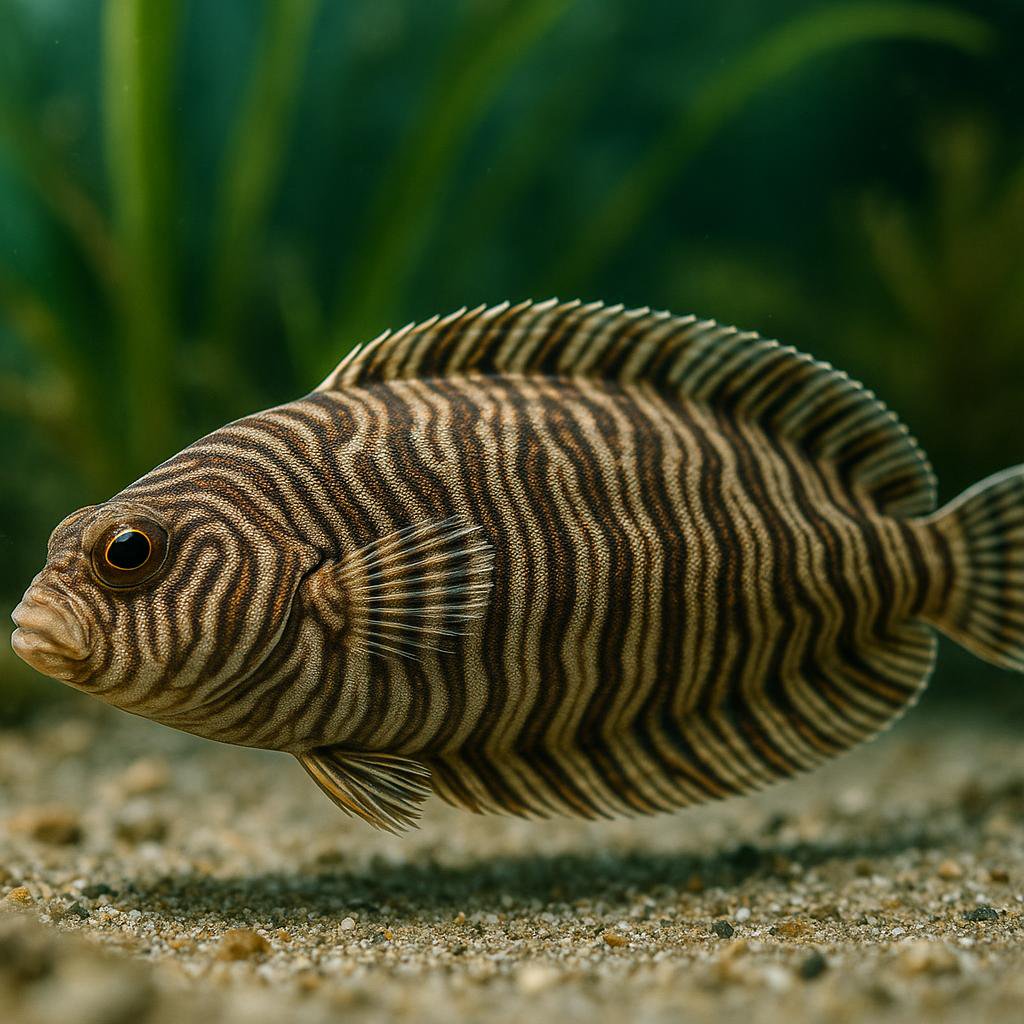
Zebrias annandalei is a small demersal sole from coastal India that inhabits sandy or muddy bottoms and buries for camouflage. It is rarely kept in home aquaria and would require a specialized marine sand-bottom setup and appropriate feeding.
Australian sawtail catshark
Figaro boardmani
Figaro boardmani is a small, deepwater Australian catshark with these cool saw-like ridges of spiny denticles along the tail and a neat pattern of dark saddle bands. It lives way down on the outer continental shelf and slope, so its natural water is cold, dim, and stable - totally not a typical home-aquarium fish. Diet-wise its a predator that goes after fish, crustaceans, and cephalopods.
Looking for other species?