

Longfin sculpin
Jordania zonope
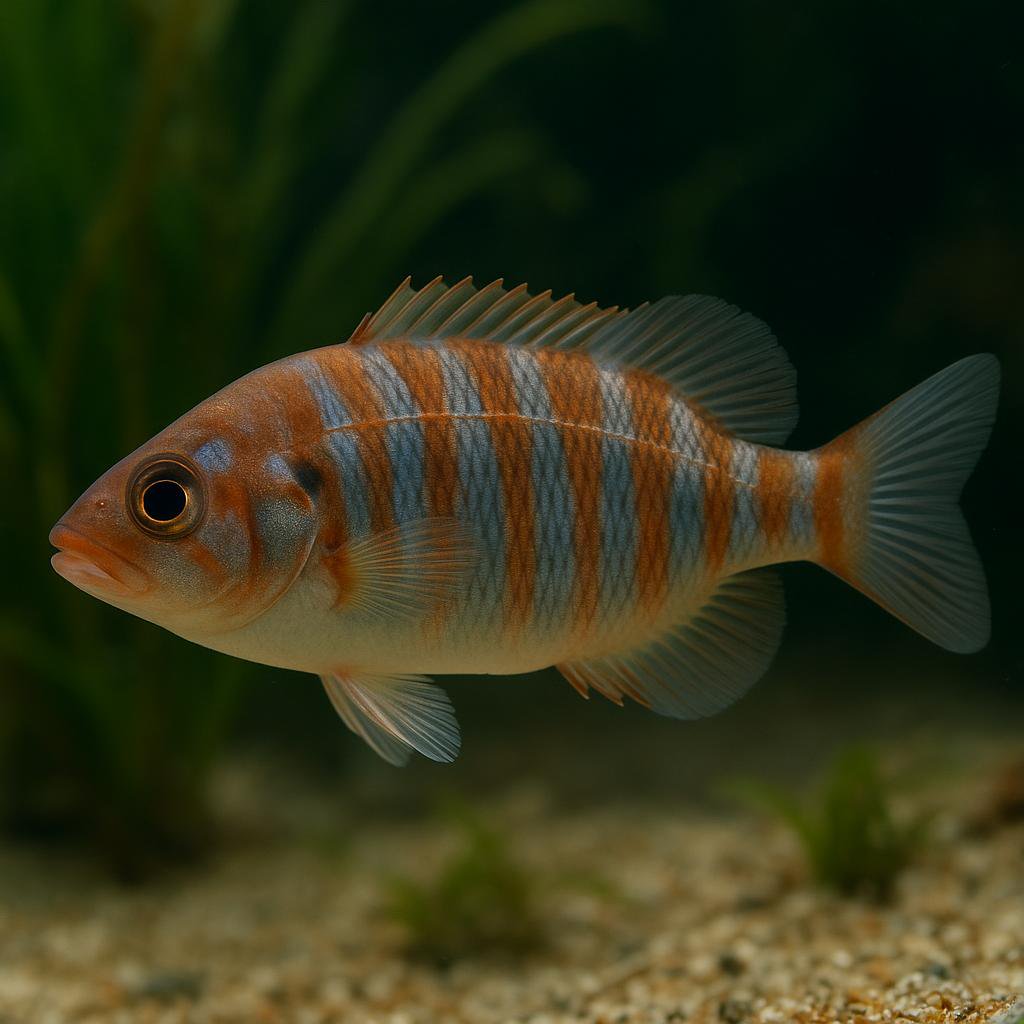
The Longfin sculpin features an elongated body with distinctive, long dorsal fins and mottled brown and beige coloration.
This page includes AI-generated images. Why am I seeing AI images?
About the Longfin sculpin
Jordania zonope is a super cool coldwater marine sculpin from the NE Pacific that clings to rocks and kelp and will even hang vertically on rock faces. Males get very territorial in breeding season, and some individuals are reported to act like little cleaner fish on bigger predators like lingcod - wild stuff for a fish this small.
Quick Facts
Size
15 cm (5.9 inches)
Temperament
Semi-aggressive
Difficulty
Expert
Min Tank Size
30 gallons
Lifespan
3-7 years
Origin
Northeast Pacific (Alaska to central California)
Diet
Carnivore - benthic crustaceans (crabs, hermit crabs, isopods, shrimp); meaty frozen foods in captivity
Water Parameters
8-14°C
8-8.4
8-12 dGH
Need a heater for this species?
This species needs 8-14°C in a 30 gallon tank. Use our heater calculator to find the right wattage.
Calculate heater sizeCare Notes
- This is a coldwater marine fish - keep it around 48-55F (9-13C) with a real chiller, not a fan trick, and run high oxygen and strong flow because warm, stagnant water wrecks them fast.
- Build the tank like a rocky tidepool: lots of stable rock piles, caves, and ledges, plus sand or small rubble so it can perch and wedge itself in; zip-tie or epoxy anything that could topple because they bulldoze when they lunge.
- Aim for normal seawater salinity (1.024-1.026) and stable pH (about 8.0-8.3), but the big killer is swings - keep top-off consistent and do smaller, frequent water changes instead of big resets.
- Feeding: they are ambush predators, so use a feeding stick and offer meaty stuff like chopped shrimp, squid, clam, silversides, and quality frozen marine blends; train it off live foods early or you will be stuck buying feeders.
- Skip small fish and basically all shrimp and crabs - it will eat anything that fits in its mouth and will still try things that barely do; tougher coldwater tankmates like larger greenlings, pricklebacks, and bigger rockfish are safer, but watch for fin nipping.
- They can be rough on slow, bottom-perching neighbors and will throw their weight around at feeding time, so spread food out and feed after lights dim a bit if it is getting bullied or bullying.
- Watch for skin damage and fin rot after shipping - they come in beat up, and warm quarantine tanks make it worse; quarantine at the same cold temp and keep copper out unless you really know what you are doing with coldwater dosing.
- Breeding in home tanks is rare: they are seasonal coldwater spawners and the male guards eggs in a crevice; if you ever see guarding behavior, stop rearranging rockwork and keep hands out because he will abandon the nest if stressed.
Compatibility
Good Tankmates
- Bigger, sturdy coldwater rockfish (Sebastes spp.) - they are tough, not easily bullied, and can handle the same temperate setup. Give lots of rockwork so everyone has their own corner.
- Greenlings (like kelp greenling, Hexagrammos spp.) - similar coldwater needs, generally not pushovers, and they tend to cruise while the sculpin posts up. Works best in a roomy tank with caves.
- Wolf-eels (Anarrhichthys ocellatus) - sounds scary, but in practice they are more of a cave potato. In a big tank with separate dens, they usually ignore a longfin sculpin.
- Midwater perch-ish fish like surfperches (Embiotocidae) - they stay up and out of the sculpin's strike zone, so you get less drama than with other bottom-huggers.
- Other tough temperate fish that are not bite-sized and not fin-flashy (bigger pricklebacks/gunnels) - can work if you have lots of hiding spots and you do not crowd the bottom.
Avoid
- Small gobies, blennies, juvenile fish, or anything that fits in its mouth - a longfin sculpin is an ambush hunter and will absolutely treat little tank mates like a snack sooner or later.
- Slow, fancy-finned fish (lionfish, scorpionfish, long-finned showy stuff) - the sculpin can get fin-nippy/territorial around its cave, and shredded fins are a real thing.
- Other bottom ambush predators in the same footprint (other sculpins, toadfish, small groupers) - they butt heads over caves and feeding spots, and you end up with nonstop turf wars.
Where they come from
Longfin sculpins (Jordania zonope) are coldwater fish from the Northeast Pacific - think rocky reefs, kelp forests, and tide-swept boulder zones from around Alaska down through the Pacific Northwest and into northern California. They spend a lot of time parked on rock, watching the world go by, then making short, decisive moves for food.
That background explains most of their captive needs: cool water, lots of structure, and food that looks and smells like something that lives on the bottom.
Setting up their tank
This is an expert fish mostly because of temperature. If you try to keep it like a typical reef tank (mid to high 70s F), it usually goes downhill. If you can do true coldwater marine and keep it stable, the rest gets a lot easier.
Plan on a chiller. A fan and open top might limp you through winter, but summer will catch you eventually. These fish do best kept cool year-round, not bouncing between seasons.
Tank size: I would start at 40 gallons for a single specimen, and 55+ if you want a community of other coldwater fish. They are not marathon swimmers, but they appreciate floor space and multiple rock piles to claim as "their" spot.
- Temperature: coldwater marine (aim for stable cool water; avoid tropical reef temps)
- Salinity: normal marine range, kept steady
- Flow: moderate, with calmer pockets behind rock (they like to perch out of the blast)
- Filtration: oversized and oxygen-friendly (skimmer helps a lot on messy, meaty diets)
- Lighting: whatever suits your tank; they do not need intense reef lighting and often act bolder under dimmer light
Aquascape matters more than fancy gear. Give them real perches: flat rocks, ledges, and crevices. I like to build two or three separate "stations" so the fish can rotate spots and feel secure. Use rockwork that cannot shift - sculpins wedge themselves in and can knock unstable piles over.
Cover any pump intakes and overflows with foam guards or mesh. Longfin sculpins explore with their fins and bodies, and they are not great at avoiding intakes the way faster fish are.
What to feed them
They are enthusiastic predators of small crustaceans and anything meaty that fits in their mouth. New imports can be stubborn about prepared foods, so go in expecting a transition period.
- Best starters: live or fresh-frozen foods with strong scent (mysis, chopped shrimp, clam, krill pieces)
- Once settled: frozen mysis, chopped seafood mix, squid strips, small silversides (sparingly)
- What I avoid: relying on dry pellets as the main diet (some will take them, many will not), and greasy feeder fish routines
Feed smaller portions more often at first. They can look like they are "doing nothing" all day, then inhale food like a vacuum. Target feeding with tongs or a feeding stick works great - you can place food right in front of their perch and keep faster tankmates from stealing everything.
If the fish ignores frozen food, try thawed mysis soaked in clam juice, or offer a small live shore shrimp/ghost shrimp to trigger that first feeding response. Once they recognize you as the food source, the switch usually gets easier.
How they behave and who they get along with
Longfin sculpins are classic sit-and-wait ambush fish. They perch, watch, and then strike fast. They are not typically open-water bullies, but they are absolutely capable of eating smaller fish or inverts.
Temperament-wise, mine was pretty chill with similarly sized, non-nippy coldwater fish. The main issues are (1) anything small enough to fit in the mouth, and (2) anything that picks at fins. Those long fins are a target.
- Good tankmates: other coldwater species that are too big to be prey and not fin-nippers
- Use caution with: crabs and larger predatory inverts (they can harass or injure a perched sculpin)
- Avoid: tiny fish, small shrimp, and anything that loves to nip fins (they will stress the sculpin constantly)
Assume ornamental shrimp are food sooner or later. Even if they coexist for months, one night the sculpin will decide it is time.
They are also escape-prone in the sense that they will climb and wedge into weird spots. A tight-fitting lid is a good idea, especially if you have rockwork close to the rim.
Breeding tips
Breeding in home aquariums is uncommon. In the wild they spawn in colder seasons, and the whole cycle is tied to temperature swings, photoperiod, and access to suitable nesting sites. You would need a mature pair (sexing is not straightforward), a big system, and a willingness to simulate seasons.
If you ever do see spawning behavior, expect guarding and territorial vibes around a chosen crevice. The practical challenge after that is feeding tiny larvae in cold saltwater - it is a whole project on its own.
Common problems to watch for
Most issues I have seen trace back to three things: water too warm, not eating well at the start, or getting picked on by tankmates.
- Heat stress: heavy breathing, hiding nonstop, loss of appetite, rapid decline after warm spells
- Starvation after import: looks "fine" but slowly gets thinner; they can go longer than you think without eating, then crash
- Fin damage: from nippers or rough rockwork; those long fins tear more easily than you would expect
- Poor oxygenation: meaty diets plus warmer-than-ideal water can mean low dissolved oxygen and stress
- Internal parasites: wild fish can carry them; watch for stringy white poop and weight loss despite eating
Temperature creep is the silent killer with these. A tank that hits tropical temps for even a short stretch can set them back hard, and repeated warm spikes tend to end in a sudden loss.
If you are quarantining (you should), keep the QT cold and well-aerated and give them lots of hiding spots. They settle faster with a couple of PVC elbows and a dimmer corner, and they eat sooner when they feel like they have a perch to own.
Similar Species
Other marine semi-aggressive species you might be interested in.

Aleutian skate
Bathyraja aleutica
This is a big, cold-water deep-slope skate from the North Pacific that cruises muddy bottoms and eats chunky benthic prey like crabs and shrimp. The really cool bit is its egg-laying skate life - it does distinct pairing (the classic skate "embrace") and drops those tough egg cases on the seafloor. Not an aquarium fish at all unless you're basically running a public-aquarium-style chilled system.

Antarctic dragonfish
Vomeridens infuscipinnis
Deep down around Antarctica, this sleek dragonfish cruises the water column like a little submarine, nearly neutrally buoyant so it can hover above the seafloor. It munches almost exclusively on Antarctic krill and lives in near-freezing water 500-800 m down, so it is a cool species to read about, not one for home tanks.
Arabian demoiselle
Neopomacentrus sindensis
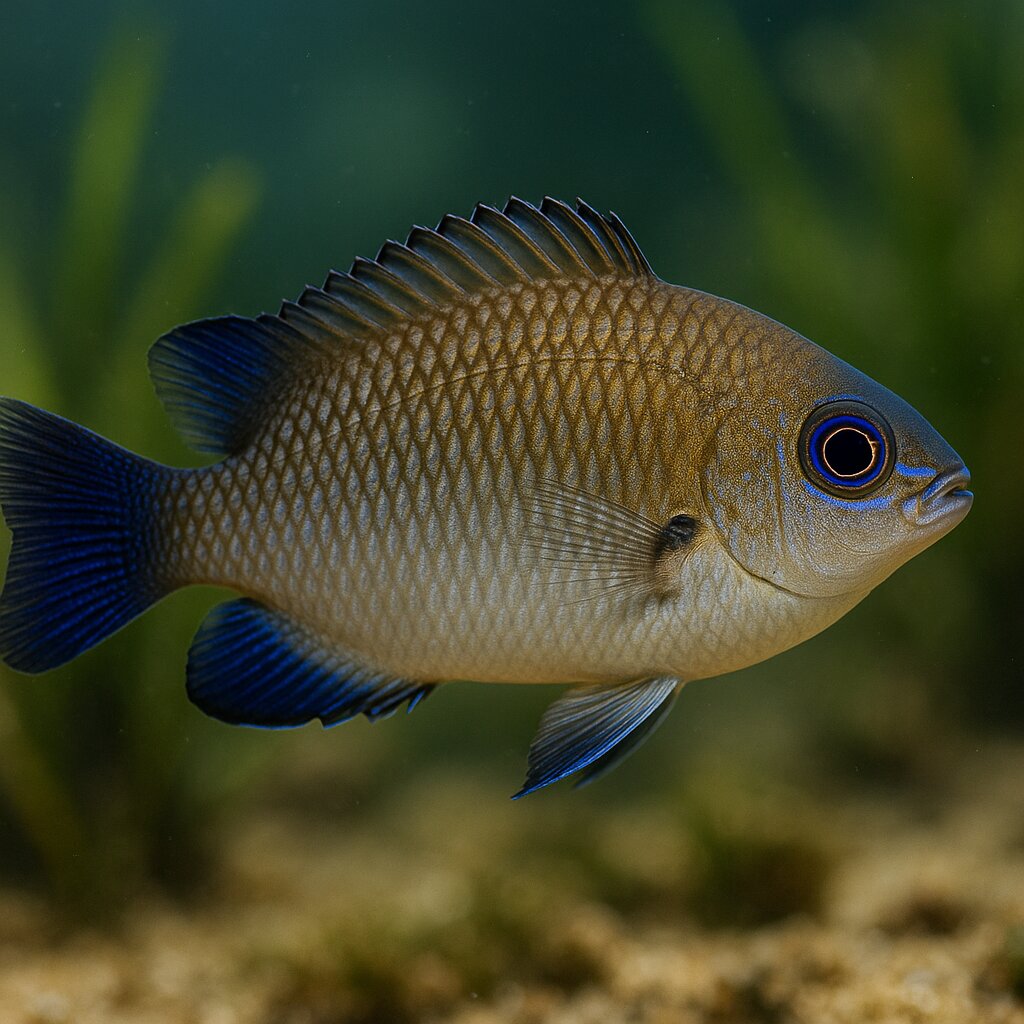
A small lyretail damsel from the Persian Gulf and Arabian Sea, it hangs in loose groups around coral heads, rocks, and even pier pilings picking zooplankton from the flow. Think classic damsel toughness with a slightly milder attitude than the real bruisers, plus subtle yellow tail accents. Males clean a patch, get a mate to lay eggs there, and then stand guard fanning the clutch.

Arabian spiny eel
Notacanthus indicus
Notacanthus indicus is a deep-sea spiny eel (family Notacanthidae; not a true eel) known from the Arabian Sea on the continental slope at roughly ~960–1,046 m depth, with reported maximum length around 20 cm TL; it is a deep-water bycatch species and not established in the aquarium trade.

Arctic rockling
Gaidropsarus argentatus
This is a deepwater North Atlantic rockling (a cod relative) that hangs out on soft bottoms way down the slope. It is a cold-water, bottom-hugging predator that snoots around for crustaceans and will also take small fish when it gets the chance.
Atlantic pomfret
Brama brama
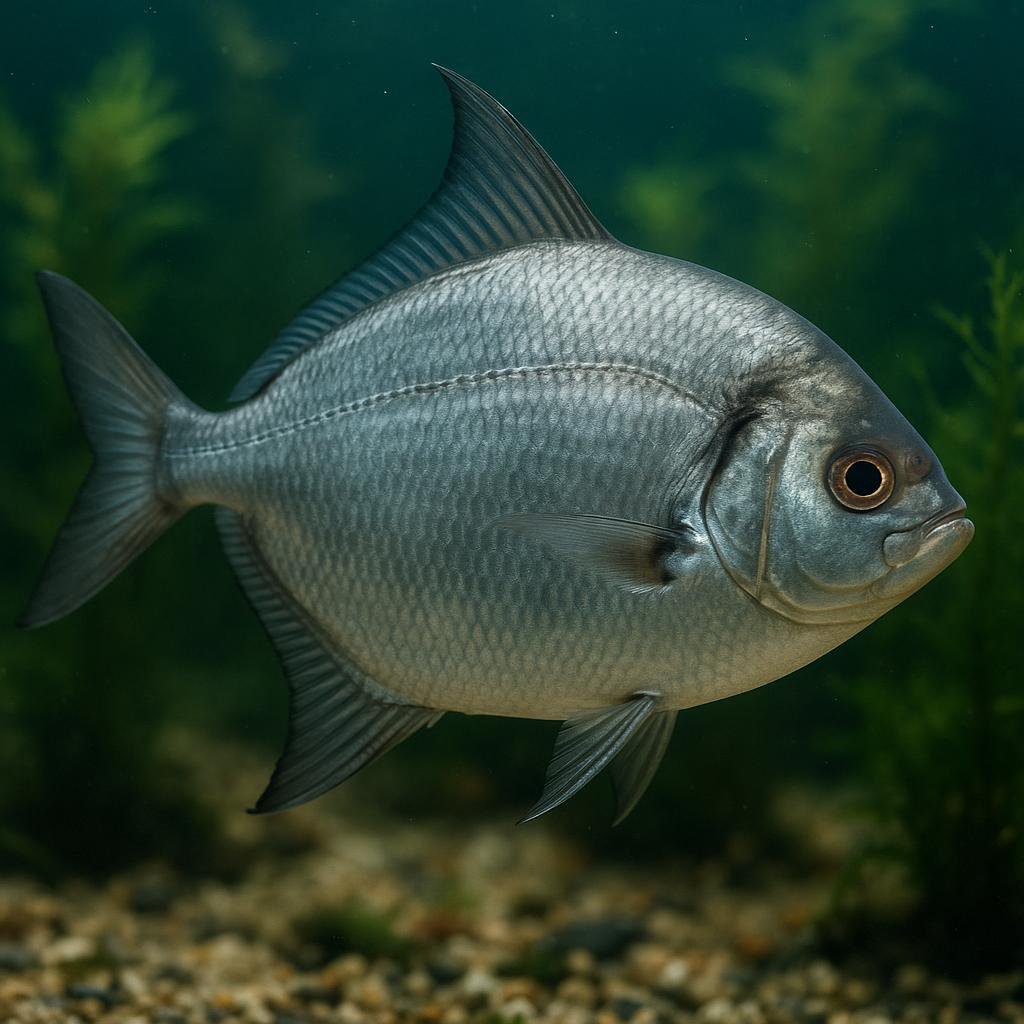
Brama brama is the Atlantic pomfret (aka Ray's bream) - a deep-bodied, open-ocean pelagic fish that cruises around in small schools and follows water temps. It is a legit big, wild marine species (not an aquarium fish) that eats other small sea critters like fish and squid, and it ranges across a huge chunk of the Atlantic plus parts of the Indian and South Pacific.
More to Explore
Discover more marine species.

Abe's eelpout
Japonolycodes abei
Japonolycodes abei is a temperate, deepwater demersal eelpout (family Zoarcidae) endemic to Japan (Kumano-nada Sea reported; other sources also report Sagami Bay and Tosa Bay). It is the only species in the genus Japonolycodes and occurs roughly 40-300 m depth, making it an uncommon/atypical aquarium species.

Affinis blind cusk-eel
Barathronus affinis
Barathronus affinis is a tiny, super-weird deep-sea blind cusk-eel from the western-central Indian Ocean. It is one of those gelatinous, loose-skinned brotula-type fishes that live way down in the dark and are basically never seen alive, so almost everything we know comes from preserved specimens and taxonomic work.

African red snapper
Lutjanus agennes
This is a true snapper from West Africa - a big, fast-growing predator that goes from coastal reefs to brackish lagoons and estuaries (especially as a juvenile). Super cool fish in the wild, but it gets absolutely huge and will eat smaller tankmates once it has the mouth for it, so its really more of a public-aquarium scale animal than a home-aquarium fish.

Allis shad
Alosa alosa
Gorgeous silver, fast-swimming shad that spends most of its life in the sea and then surges up big rivers in noisy, surface-spawning schools. It grows huge for a herring-type fish and needs cool, ultra-oxygenated water and tons of open space, so it is a public-aquarium species rather than a home tank fish.

Annandale's zebra sole
Zebrias annandalei
Zebrias annandalei is a small demersal sole from coastal India that inhabits sandy or muddy bottoms and buries for camouflage. It is rarely kept in home aquaria and would require a specialized marine sand-bottom setup and appropriate feeding.
Australian sawtail catshark
Figaro boardmani
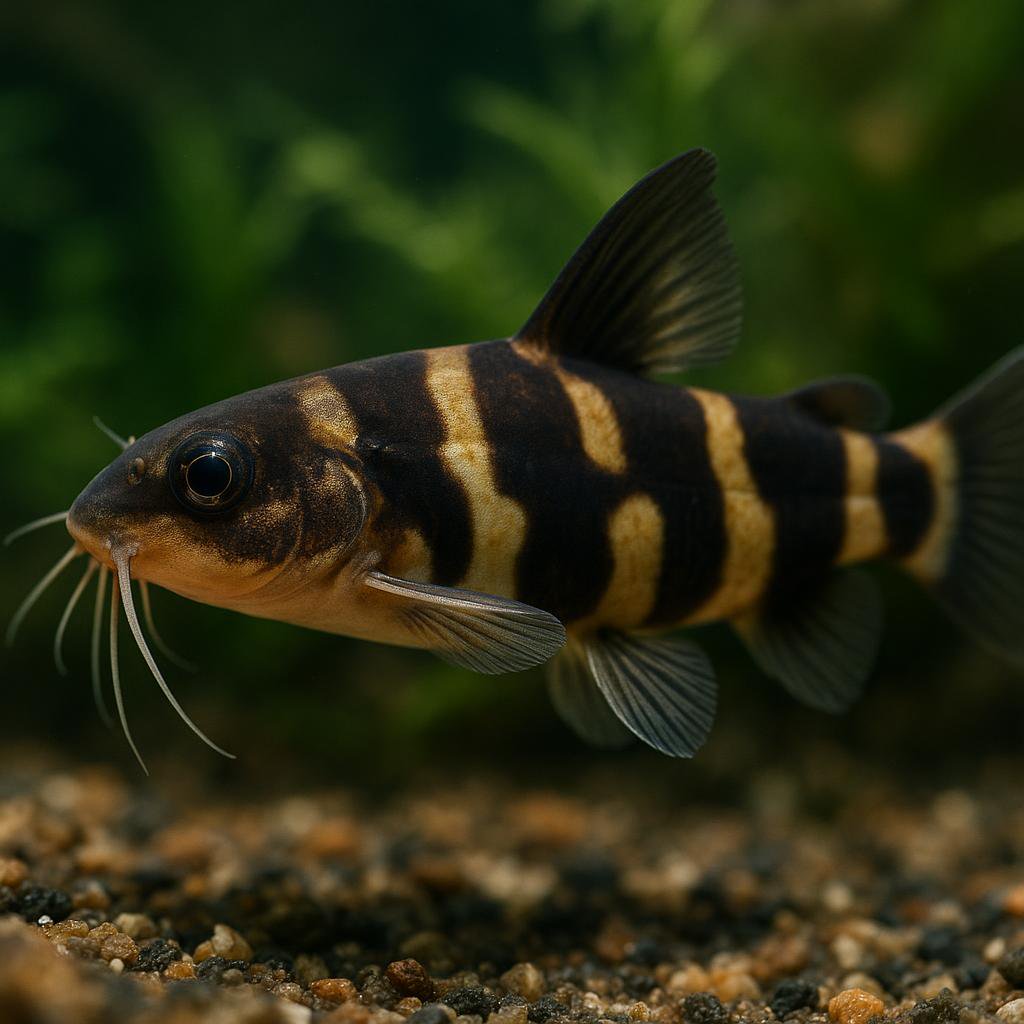
Figaro boardmani is a small, deepwater Australian catshark with these cool saw-like ridges of spiny denticles along the tail and a neat pattern of dark saddle bands. It lives way down on the outer continental shelf and slope, so its natural water is cold, dim, and stable - totally not a typical home-aquarium fish. Diet-wise its a predator that goes after fish, crustaceans, and cephalopods.
Looking for other species?