

Flagtail
Kuhlia petiti
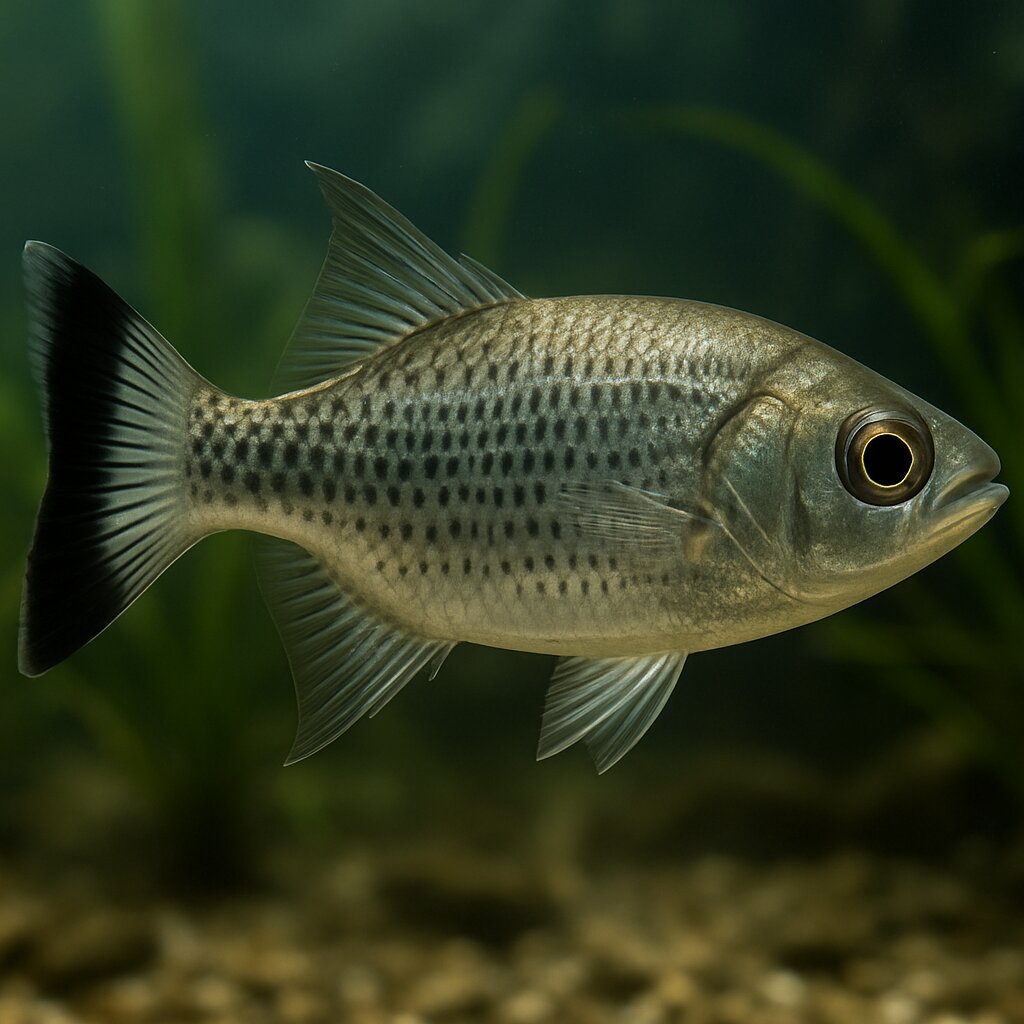
Flagtails possess a streamlined body with vibrant yellow and blue markings, and prominent dorsal and anal fins, enhancing their distinctive appearance.
This page includes AI-generated images. Why am I seeing AI images?
About the Flagtail
Silvery central-Pacific flagtail with a crisp black tail and bold white C-shaped marks on each lobe - it looks sharp cruising in the surf zone. It is a fast, schooling planktivore, so in captivity it wants strong flow and a lot of open water to swim.
Quick Facts
Size
20.1 cm SL (about 8 inches)
Temperament
Peaceful
Difficulty
Advanced
Min Tank Size
150 gallons
Lifespan
Unknown
Origin
Central Pacific - Phoenix, Malden, and Marquesas Islands
Diet
Planktivore - small meaty foods like mysis, brine shrimp, and high-quality pellets
Water Parameters
27.7-29°C
8-8.4
8-12 dGH
Need a heater for this species?
This species needs 27.7-29°C in a 150 gallon tank. Use our heater calculator to find the right wattage.
Calculate heater sizeCare Notes
- Give them a 6-foot tank (150-180 gal) with long open swim space and strong, chaotic flow; these are marathon swimmers that pace hard when cramped.
- Run full marine: SG 1.020-1.025, 75-81 F (24-27 C), pH 8.0-8.4, and crank up surface agitation for high oxygen.
- Keep 5+ in a group; singles or pairs get skittish, smash noses on glass, and jump, so use a tight lid with fine mesh over every gap.
- Feed 2-3x daily in the current with small meaty foods (mysis, enriched brine, finely chopped prawn, small krill) plus quality marine pellets; they feed midwater, not off the sand.
- They ignore corals but will eat small shrimp and tiny fish; pair them with fast, non-bullying tankmates like tangs, larger wrasses, rabbitfish, and big damsels, and skip triggers and groupers.
- Wild-caught and prone to ich/velvet; quarantine 4-6 weeks and use copper if needed, because once they are in the display they are a pain to catch.
- High metabolism means heavy waste; run an oversize skimmer, do regular water changes, and keep nitrate under ~30 ppm with stable salinity.
- Breeding is a no-go at home: they are amphidromous and spawn at sea, and there are no hobbyist reports of raising larvae.
Compatibility
Good Tankmates
- Easygoing schooling fish like green chromis and reef-safe anthias - same pace, comfy midwater vibe
- Fairy and flasher wrasses - quick, non-bullying, happy to share open water
- Cardinals like Banggai or Pajama - calm, big enough not to be mistaken for snacks
- Peaceful tangs and rabbitfish (Kole, Tomini, one-spot foxface) - cruisers that ignore them
- Chill clownfish like ocellaris or percula - usually fine in a roomy tank
- Rock huggers like gobies and blennies - different lane, zero drama
Avoid
- Triggers and big predatory wrasses (picasso, bird wrasse) - too rough for a peaceful flagtail
- Lionfish and groupers - will snack on smaller or juvenile flagtails
- Mean damsels and maroon or clarkii clowns - relentless chasers that stress schooling fish
- Very slow, delicate feeders like seahorses or pipefish - outcompeted at meal time
Where they come from
Kuhlia petiti, the marine flagtail, is a fast, schooling fish from the tropical Pacific. You see them around reef passes, surge channels, and lagoon inlets where the water really moves. Juveniles wander into brackish estuaries, then head back to coastal marine water as they grow. Think bright, silvery sprinters that like to hang in the current.
Setting up their tank
These guys want length, flow, and clean, well-oxygenated water. They are bulletproof jumpers and they never stop moving, so plan a tank around open swimming lanes and a rock layout that keeps the front half of the tank clear.
- Size: 180+ gallons for a group in a 6 ft (or longer) tank. A single fish can work in 120 gallons, but it's a compromise.
- Salinity: 1.023-1.026 for full marine. If your fish came from brackish, step up salinity about 0.002-0.003 SG per week.
- Temperature: 76-80 F (24-27 C).
- pH/alk: Reef range (roughly pH 8.0-8.4) with stable alkalinity. They hate swings.
- Flow: Strong. Aim for 10-20x turnover with a steady current lane down the length of the tank.
- Aquascape: Rockwork along the back and sides, open water in the middle. Overhangs give them a place to rest between bursts.
- Filtration: Oversized skimmer and solid mechanical filtration. They eat well and make a mess.
- Lid: Tight-fitting with every gap covered, including around cords and overflows.
- Lighting: Anything from moderate to bright works. They do not care much about corals unless food lands on them.
They jump. Not "might" jump. They will. Use a snug lid or mesh cover and block all gaps.
Flagtails are often misidentified and some sellers keep them in brackish water. Ask what salinity they were held at so you can match it and adjust slowly later.
What to feed them
Think active midwater predator with a side interest in planty bits. New arrivals often wake up for moving foods first, then take dry once they settle.
- Staples: PE mysis, chopped shrimp, small krill, finely chopped fish, quality marine pellets that sink slowly.
- Extras: Enriched brine (as a training food), calanus, copepod concentrates, spirulina pellets, tiny nori shards mixed into the feed.
- Frequency: Juveniles 2-3 small meals daily; adults 1-2 decent feeds. They burn calories fast.
- Vitamins: Soak foods in a vitamin/omega supplement 2-3x per week to support color and immunity.
If a new fish refuses prepared foods, start with thawed mysis squirted into the current and mix in pellets over a week. Scatter food across the flow so one bold fish does not hog it all.
They learn by watching. Once one fish takes pellets, the rest usually follow within days.
How they behave and who they get along with
Flagtails are quick, alert, and social. A proper group is 5+ so any bossy behavior gets spread out. In pairs or trios, the weakest fish often gets ridden hard.
- Good tankmates: Robust, fast swimmers like tangs, larger wrasses, larger anthias, rabbitfish, and bigger damsels. Peaceful groupers that ignore them also work.
- Use caution: Ornamental shrimp and tiny fish can be viewed as snacks, especially once the flagtails hit adult size.
- Avoid: Mean triggers and big, territorial damsels in tight quarters. Flaring dottybacks and slow feeders will get outcompeted at mealtime.
Reef-wise, they are generally fine with corals. They are not polyp pickers. The only time I have seen trouble is when food rests on fleshy LPS and a hungry flagtail goes after the food and bumps the coral.
Give them a steady current lane from one end of the tank to the other. They will choose that path for laps and calm down faster in new surroundings.
Breeding tips
Realistically, this is not happening in home aquariums. They are pelagic spawners that use open water and likely time their spawning with tides and moons. Public aquariums with huge lagoon systems might have a shot, but I have not seen a verified home report.
If you want to observe courtship-like behavior, keep a larger group, run dusk lighting shifts, and vary flow at dusk. Do not expect viable eggs or rearing in a home setup.
Common problems to watch for
- Jumping and head injuries: Cover the tank. Add a dim ramp-up and ramp-down on lights; sudden blackouts spook them.
- Salinity shock: Many are collected or held in lower salinity. Match what they were kept in, then move to full marine slowly.
- Ich and velvet: Fast fish can still get hammered by parasites after shipping stress. Quarantine new fish and keep copper or alternative treatments ready.
- Refusing food: Start with moving, meaty foods in the current. Add garlic/an attractant sparingly and blend in pellets over time.
- Nutrient creep: They eat like athletes. Skim wet, rinse mechanical filters often, and keep up on water changes.
- Bullying within small groups: Avoid keeping two or three. Either one fish or a proper group of five or more in a big tank.
Do not dump a brackish-held flagtail straight into 35 ppt marine water. Step the salinity up over days to weeks. Fast changes are a classic way to lose them.
Similar Species
Other marine peaceful species you might be interested in.
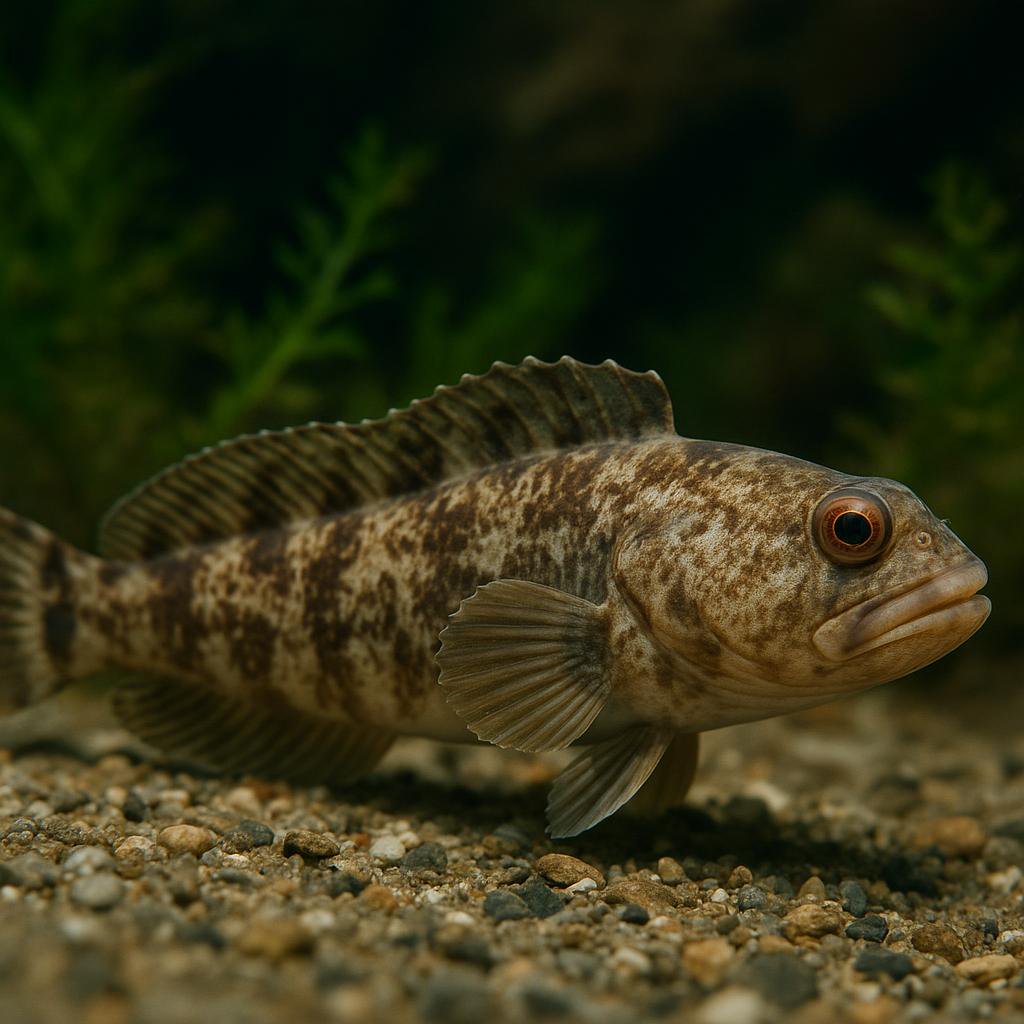
Abe's eelpout
Japonolycodes abei
Japonolycodes abei is a temperate, deepwater demersal eelpout (family Zoarcidae) endemic to Japan (Kumano-nada Sea reported; other sources also report Sagami Bay and Tosa Bay). It is the only species in the genus Japonolycodes and occurs roughly 40-300 m depth, making it an uncommon/atypical aquarium species.
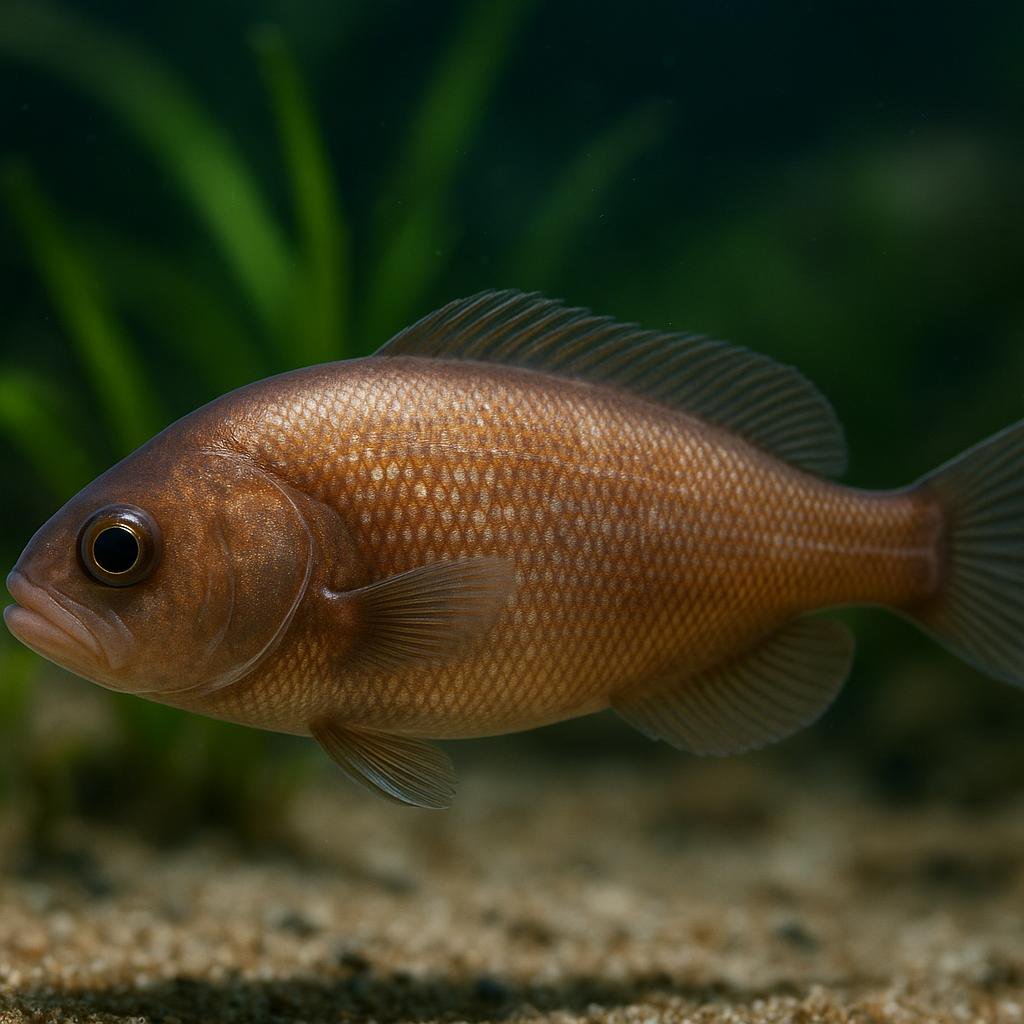
Affinis blind cusk-eel
Barathronus affinis
Barathronus affinis is a tiny, super-weird deep-sea blind cusk-eel from the western-central Indian Ocean. It is one of those gelatinous, loose-skinned brotula-type fishes that live way down in the dark and are basically never seen alive, so almost everything we know comes from preserved specimens and taxonomic work.
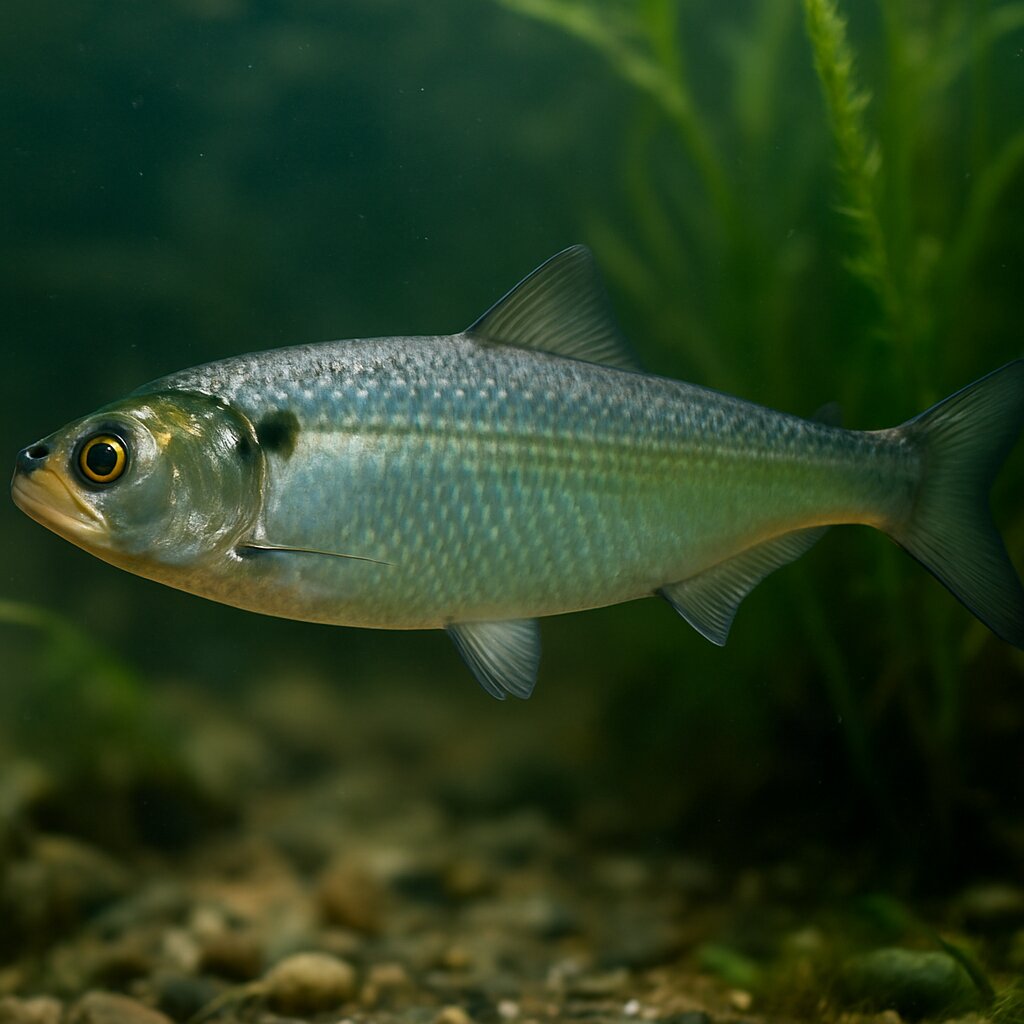
Allis shad
Alosa alosa
Gorgeous silver, fast-swimming shad that spends most of its life in the sea and then surges up big rivers in noisy, surface-spawning schools. It grows huge for a herring-type fish and needs cool, ultra-oxygenated water and tons of open space, so it is a public-aquarium species rather than a home tank fish.
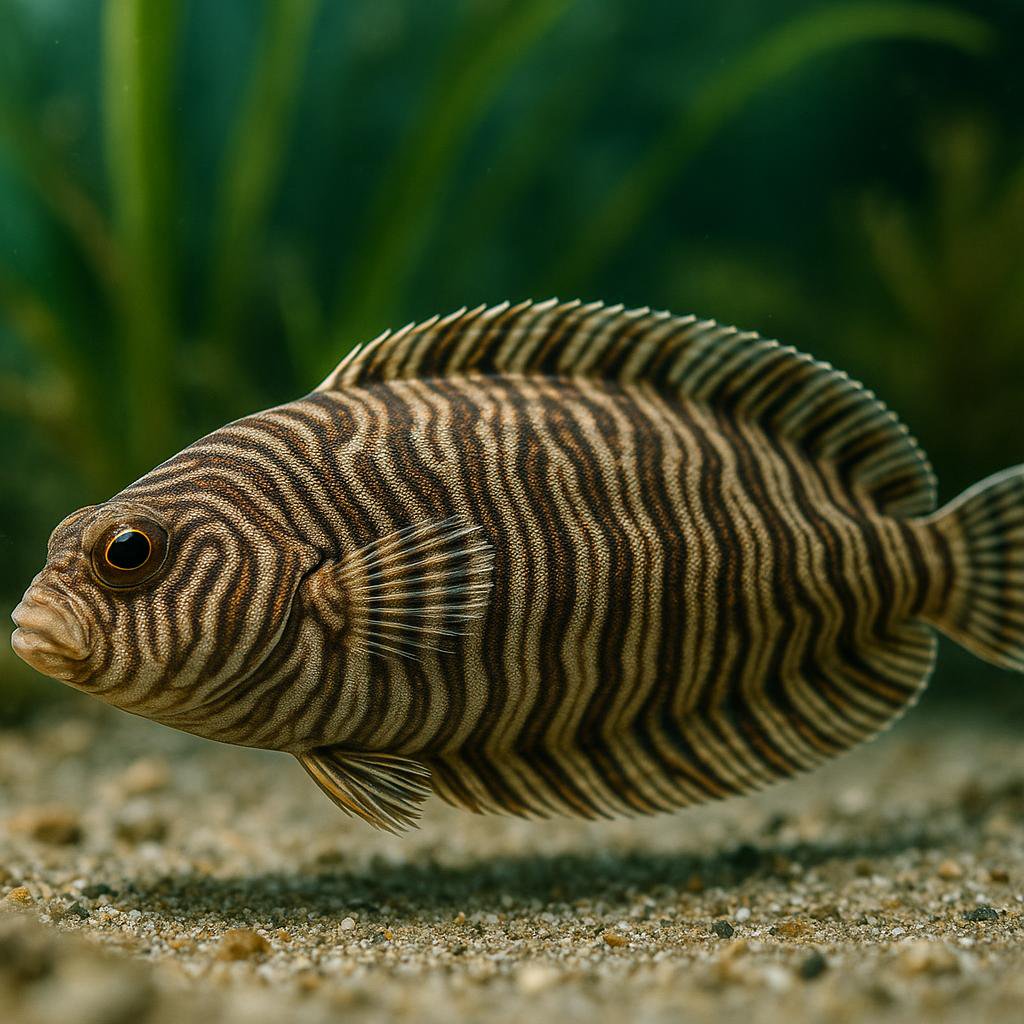
Annandale's zebra sole
Zebrias annandalei
Zebrias annandalei is a small demersal sole from coastal India that inhabits sandy or muddy bottoms and buries for camouflage. It is rarely kept in home aquaria and would require a specialized marine sand-bottom setup and appropriate feeding.
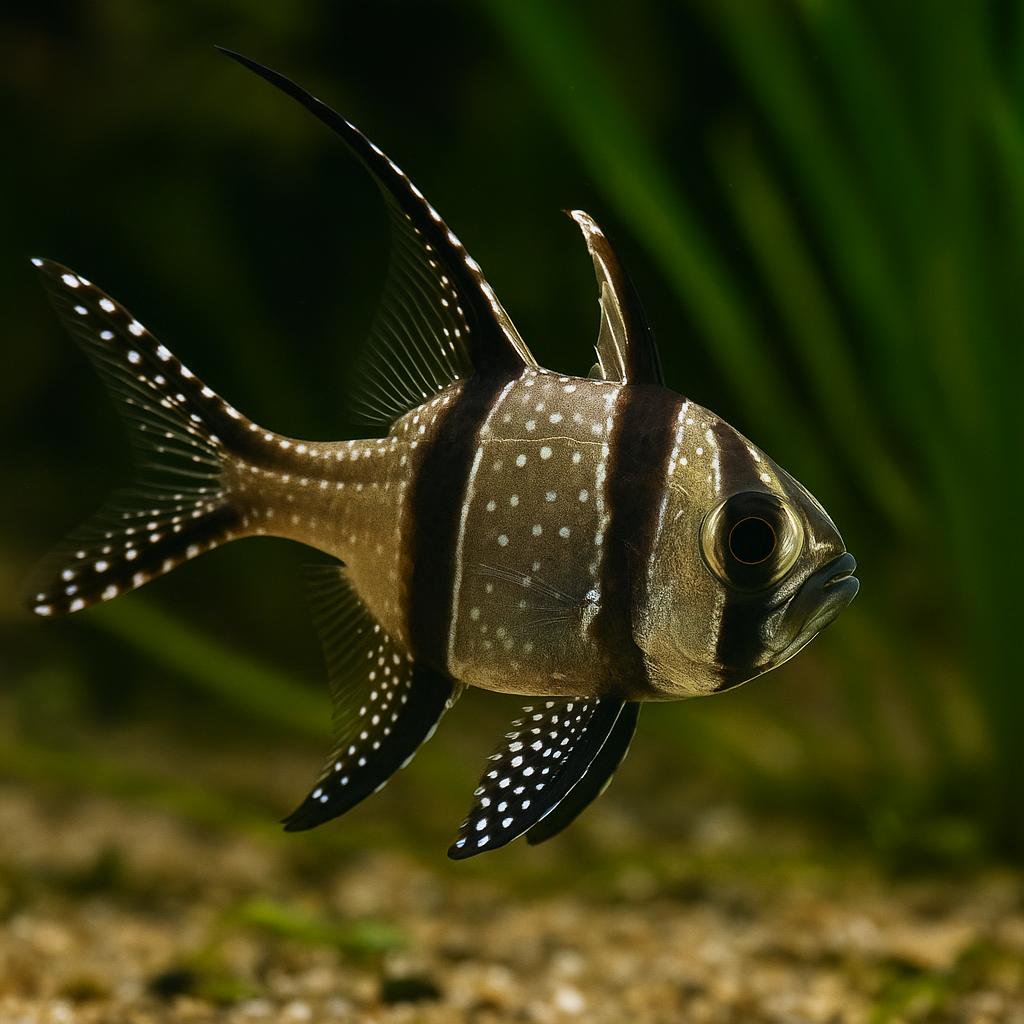
Banggai Cardinalfish
Pterapogon kauderni
Banggai cardinals just sort of hover like little underwater satellites, and the bold black bars with those long, polka-dotted fins look unreal under reef lighting. They're super chill most of the time, but once a pair forms you'll see real "fish drama," and the male will even mouthbrood the babies like a champ.
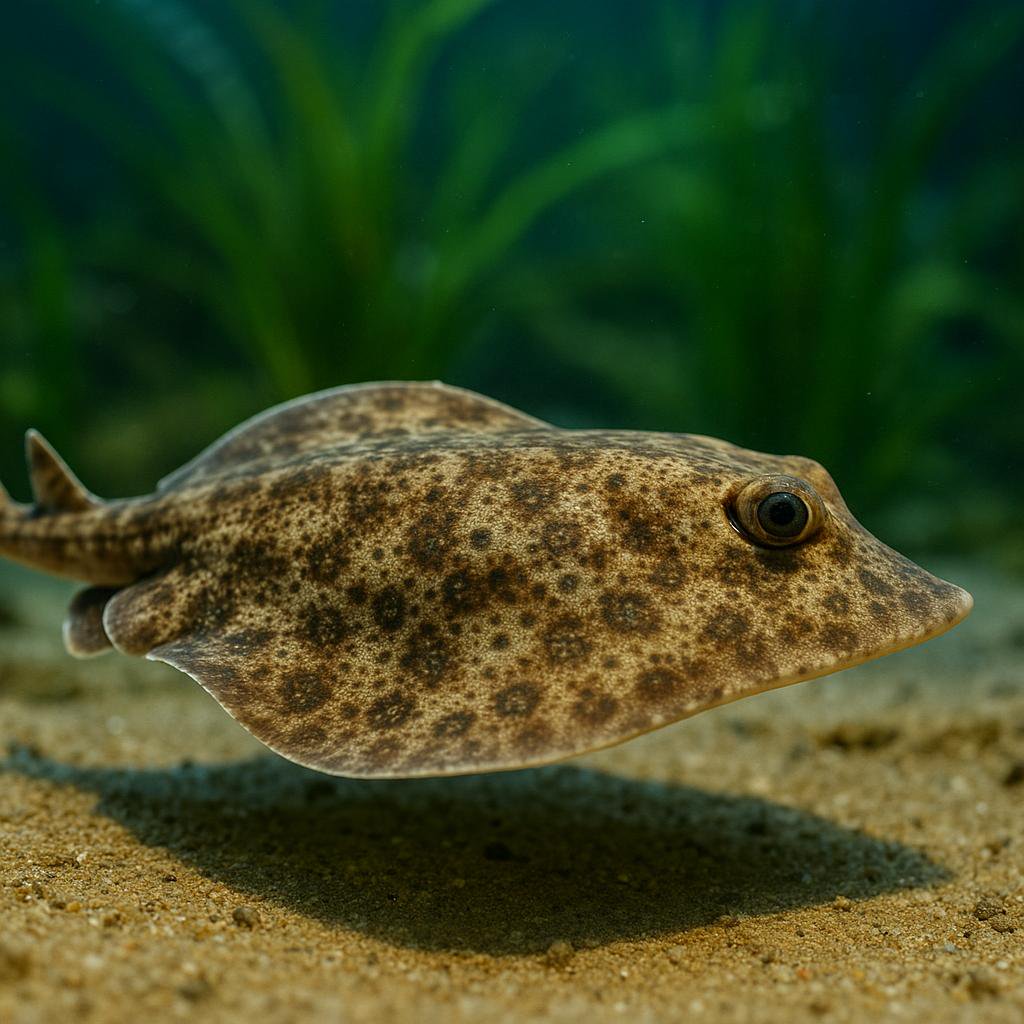
Barbedwire-tailed skate
Notoraja martinezi
Notoraja martinezi is a deepwater skate from the eastern Pacific (Costa Rica down to Ecuador) that lives way down on soft bottoms. The tail is the giveaway - it is lined with strong, hooked thorns that really do look like barbed wire. This is absolutely not an aquarium fish; it is a cold, high-pressure deep-sea animal with basically no practical home care info because it is not kept in the hobby.
More to Explore
Discover more marine species.
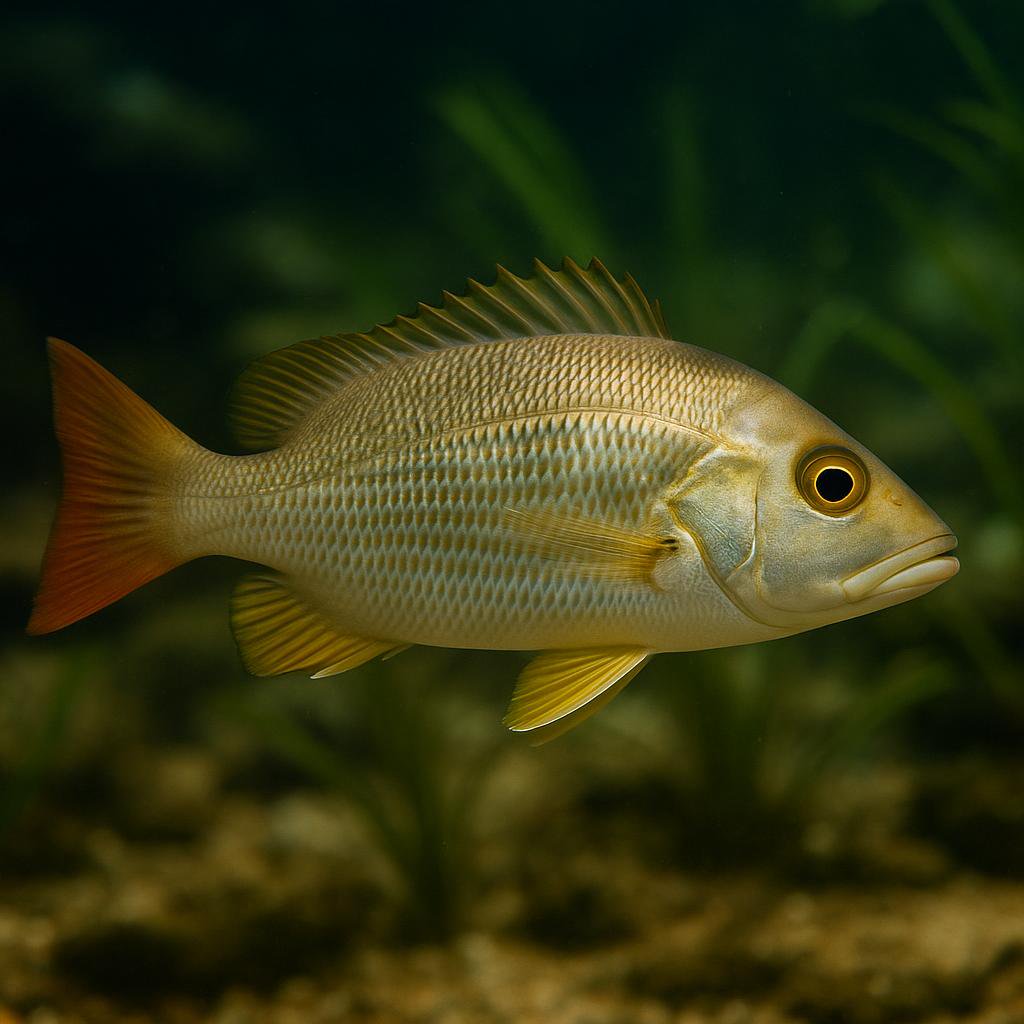
African red snapper
Lutjanus agennes
This is a true snapper from West Africa - a big, fast-growing predator that goes from coastal reefs to brackish lagoons and estuaries (especially as a juvenile). Super cool fish in the wild, but it gets absolutely huge and will eat smaller tankmates once it has the mouth for it, so its really more of a public-aquarium scale animal than a home-aquarium fish.
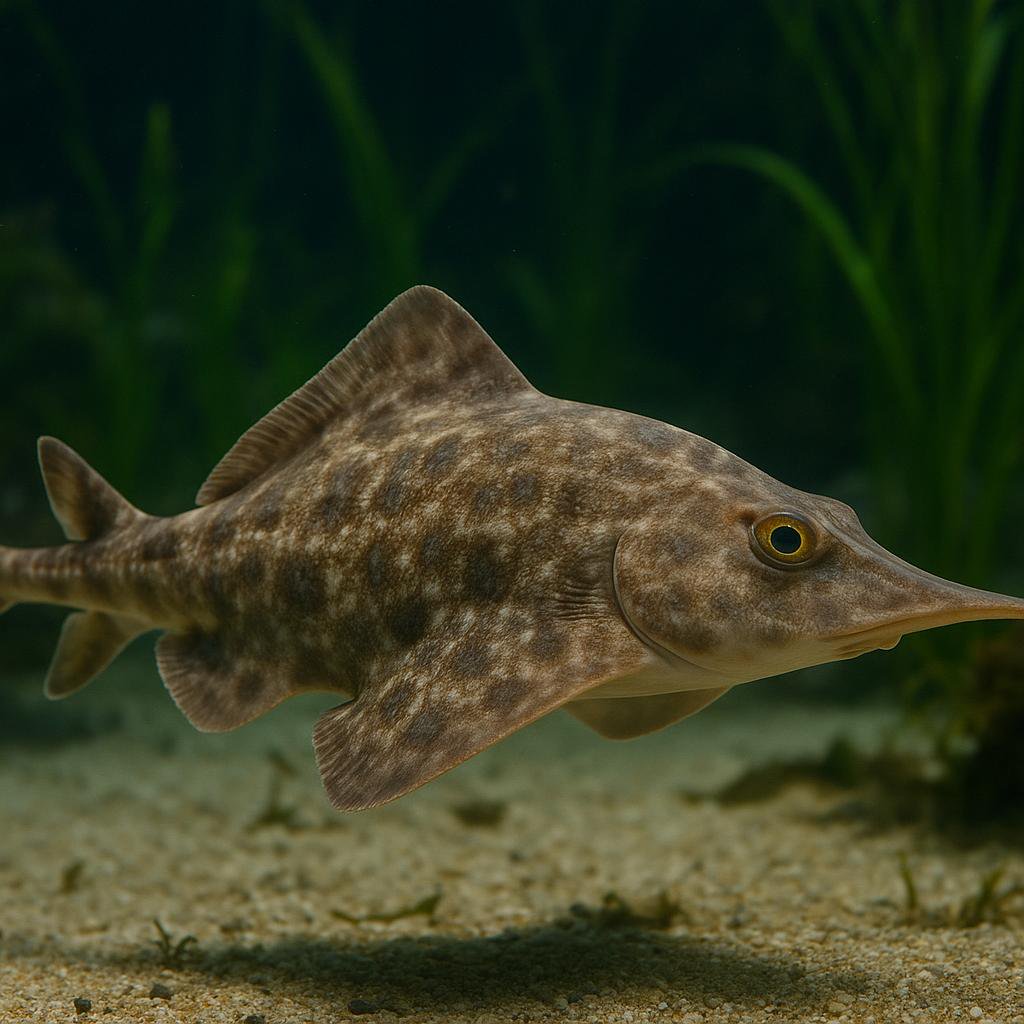
Aleutian skate
Bathyraja aleutica
This is a big, cold-water deep-slope skate from the North Pacific that cruises muddy bottoms and eats chunky benthic prey like crabs and shrimp. The really cool bit is its egg-laying skate life - it does distinct pairing (the classic skate "embrace") and drops those tough egg cases on the seafloor. Not an aquarium fish at all unless you're basically running a public-aquarium-style chilled system.
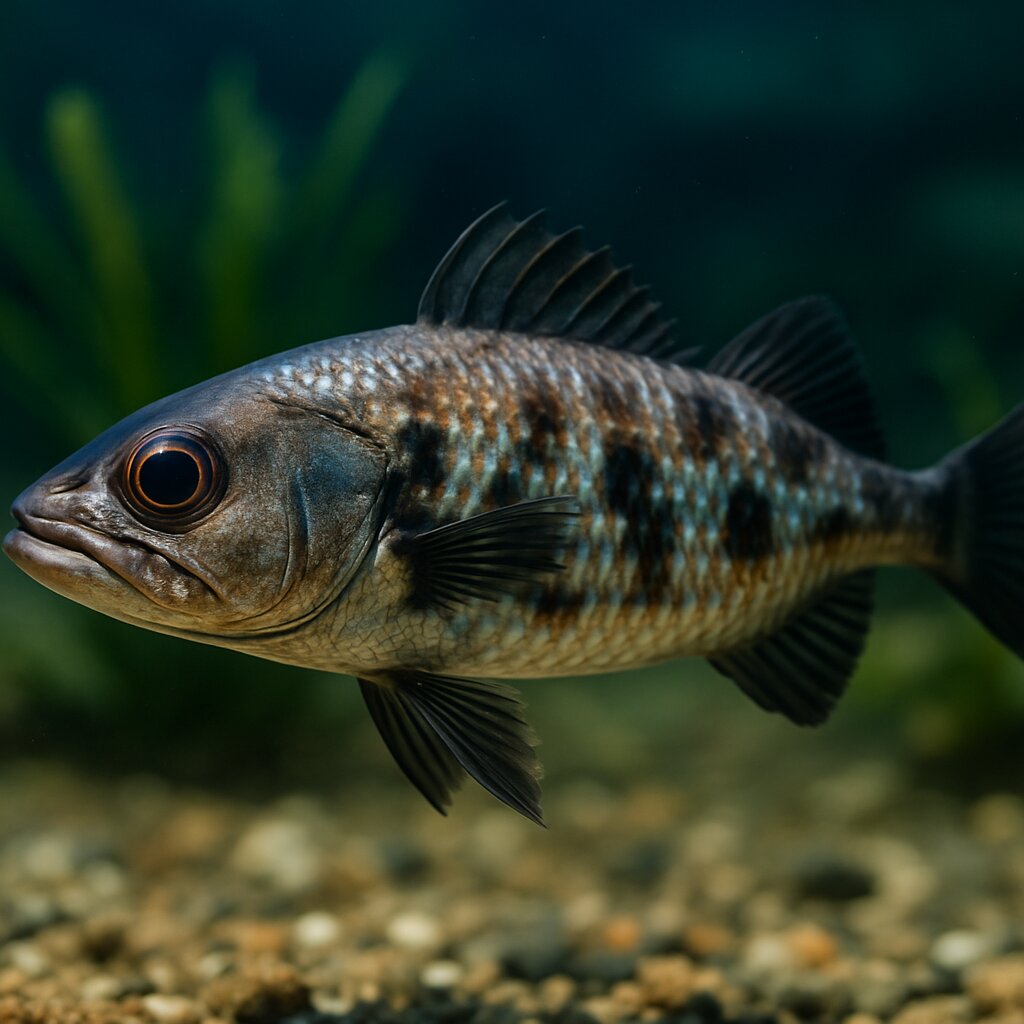
Antarctic dragonfish
Vomeridens infuscipinnis
Deep down around Antarctica, this sleek dragonfish cruises the water column like a little submarine, nearly neutrally buoyant so it can hover above the seafloor. It munches almost exclusively on Antarctic krill and lives in near-freezing water 500-800 m down, so it is a cool species to read about, not one for home tanks.
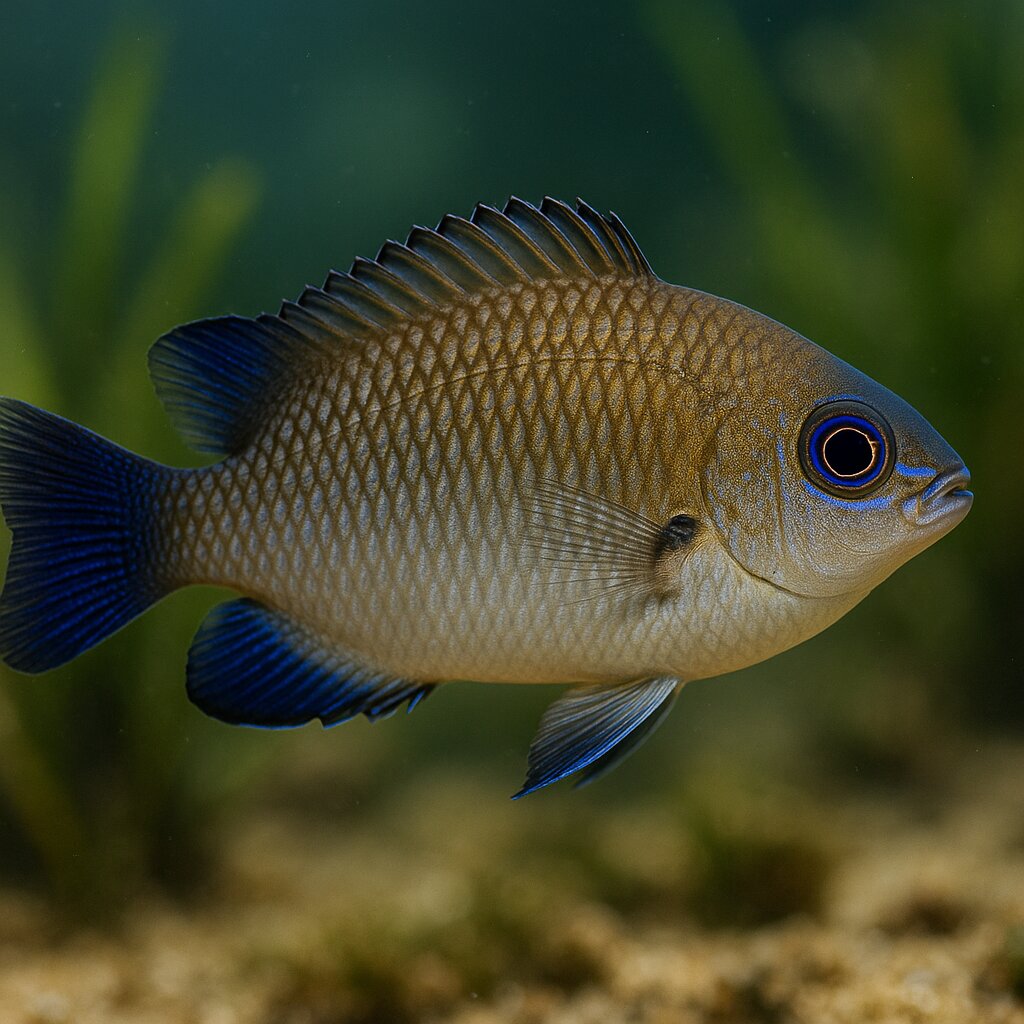
Arabian demoiselle
Neopomacentrus sindensis
A small lyretail damsel from the Persian Gulf and Arabian Sea, it hangs in loose groups around coral heads, rocks, and even pier pilings picking zooplankton from the flow. Think classic damsel toughness with a slightly milder attitude than the real bruisers, plus subtle yellow tail accents. Males clean a patch, get a mate to lay eggs there, and then stand guard fanning the clutch.
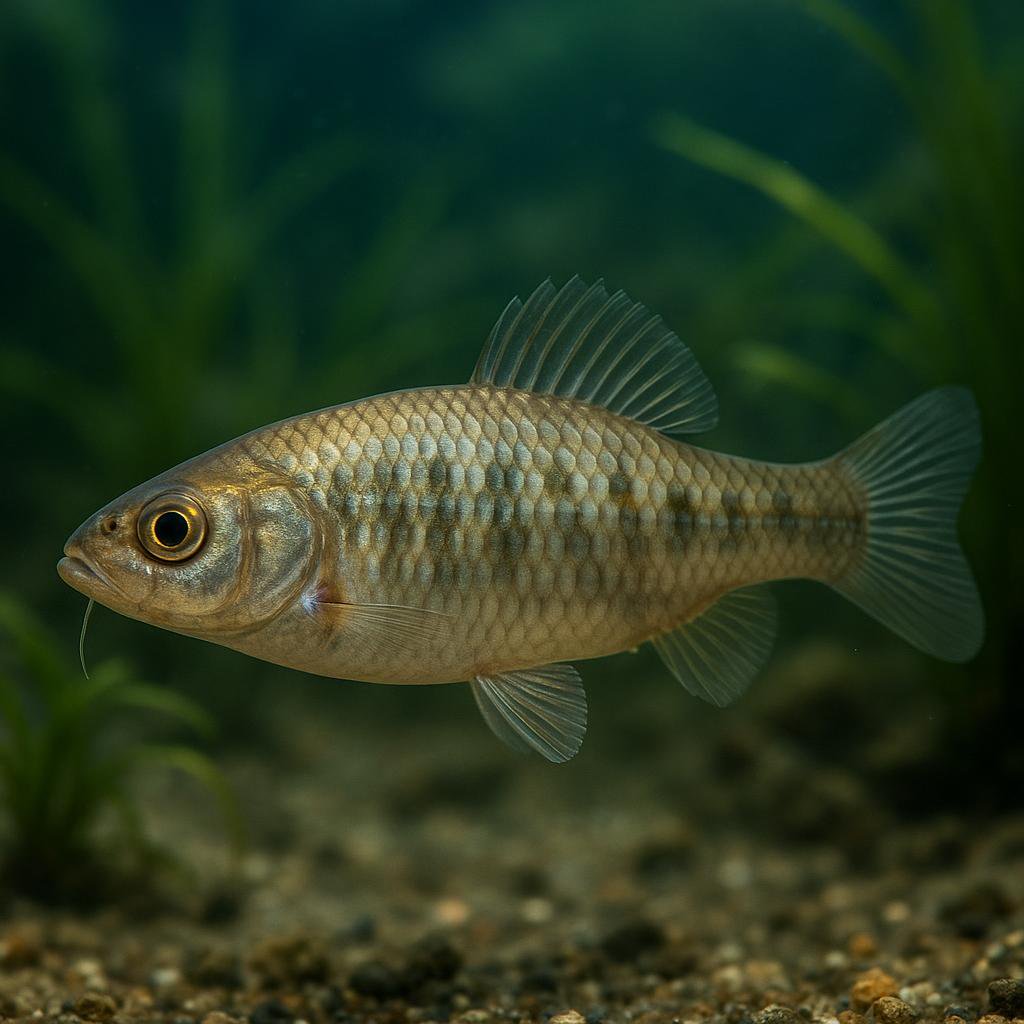
Arabian spiny eel
Notacanthus indicus
Notacanthus indicus is a deep-sea spiny eel (family Notacanthidae; not a true eel) known from the Arabian Sea on the continental slope at roughly ~960–1,046 m depth, with reported maximum length around 20 cm TL; it is a deep-water bycatch species and not established in the aquarium trade.
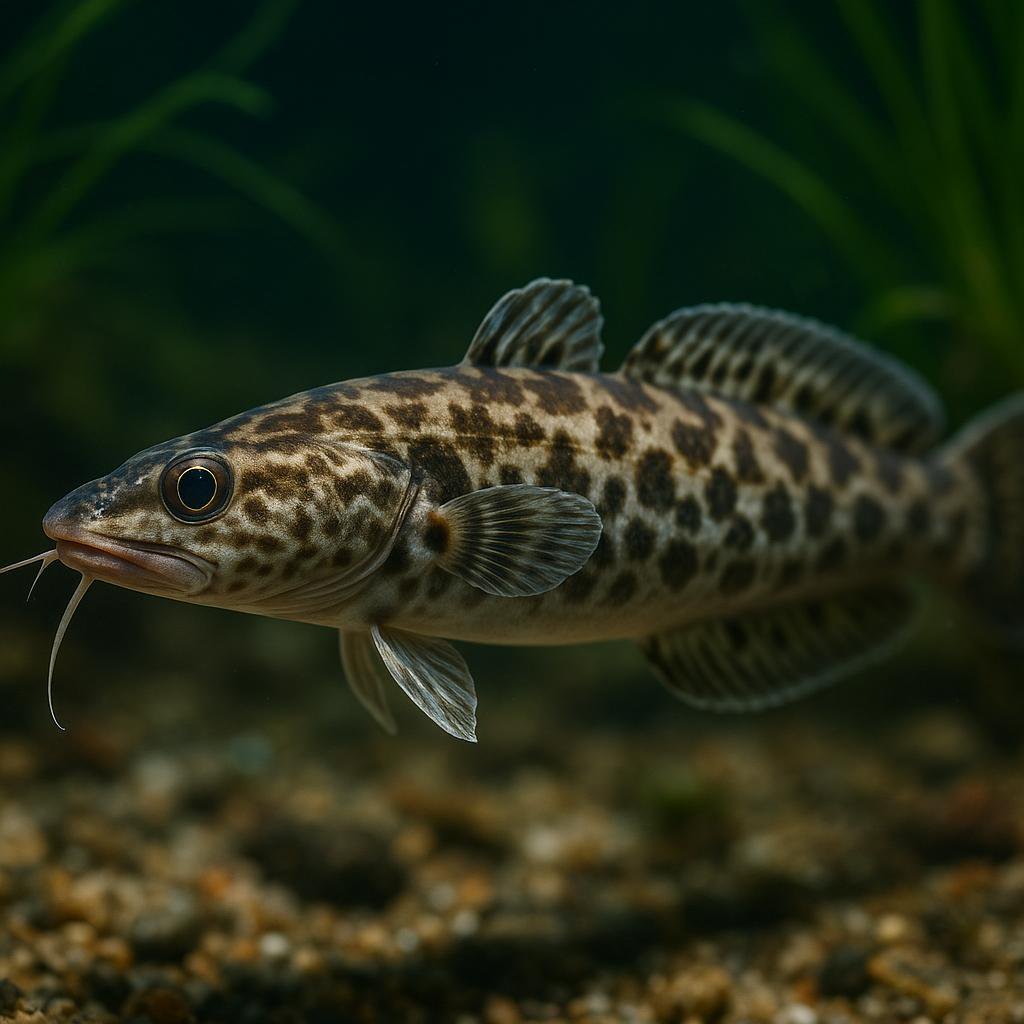
Arctic rockling
Gaidropsarus argentatus
This is a deepwater North Atlantic rockling (a cod relative) that hangs out on soft bottoms way down the slope. It is a cold-water, bottom-hugging predator that snoots around for crustaceans and will also take small fish when it gets the chance.
Looking for other species?