

rattail
Kuronezumia macronema
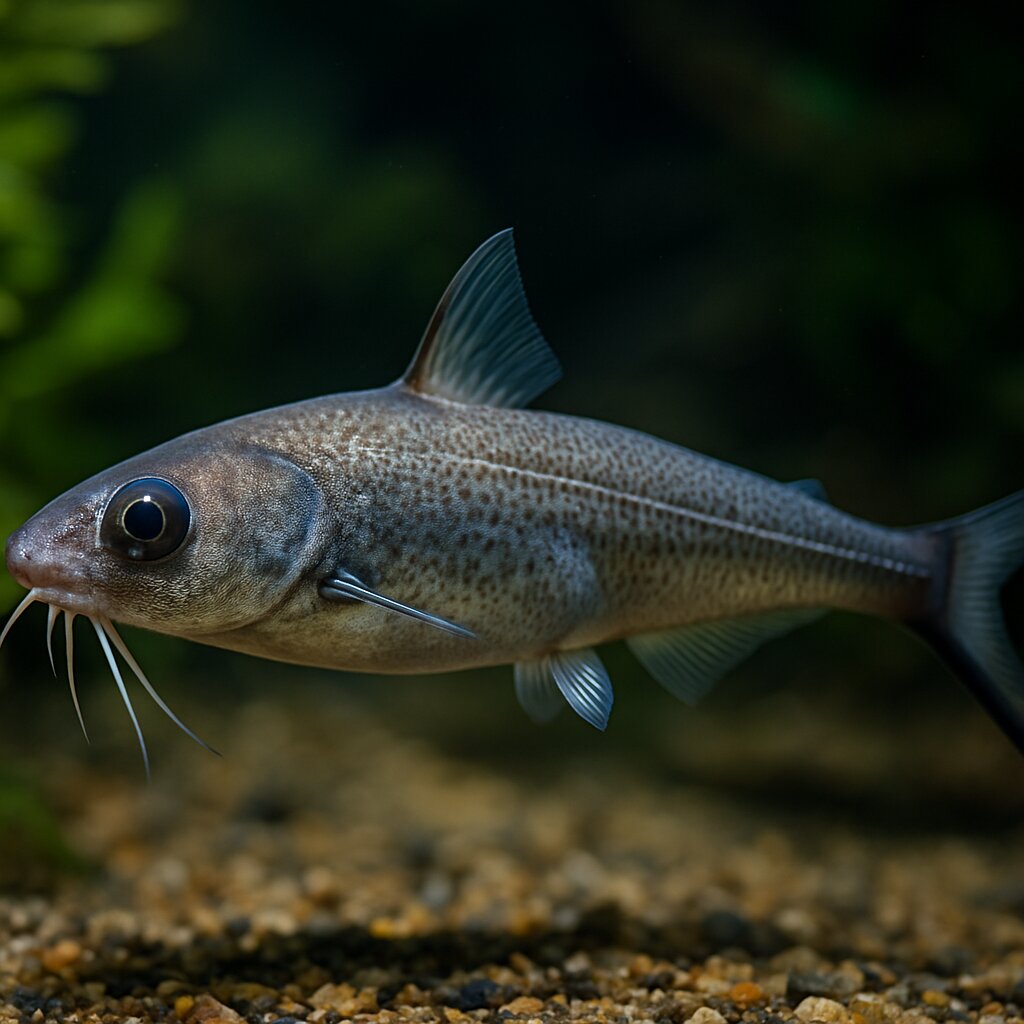
Rattails possess a slender body and elongated, tapered tail, featuring a pale, silvery coloration with darker fins and distinctive large eyes.
This page includes AI-generated images. Why am I seeing AI images?
About the rattail
A deep-sea rattail from the Philippines and the South China Sea, this fish cruises 600-800 m down where the water is cold and dark. It has that classic whiptail body and even a small light organ, picking off tiny crustaceans or scavenging what it finds. Super neat to learn about, but it is a look-only species for public aquariums, not something to keep at home.
Also known as
Quick Facts
Size
34.3 cm (13.5 inches) TL
Temperament
Peaceful
Difficulty
Expert
Min Tank Size
0 gallons
Lifespan
unknown
Origin
Western Pacific - Philippines and South China Sea
Diet
Carnivore - crustaceans, small fishes, and other benthic invertebrates; also scavenges
Water Parameters
10-11°C
7.7-8.1
32-50 dGH
Care Notes
- Run a dedicated chilled marine system for this fish: 600-1000 L, 3-6 C, almost no light, tight lid, soft sand, and rounded rock so the tail and barbels do not get shredded.
- Acclimate with lights off into a pre-chilled tank using a specimen container (not a net); slow drip 30-60 minutes while keeping the water cold and well oxygenated.
- Target parameters: salinity 35 ppt, pH 7.9-8.2, ammonia/nitrite 0, nitrate under 10 ppm, and dissolved oxygen near saturation; use strong aeration and a big skimmer.
- Feed at lights-out by dropping pea-sized bits of squid, clam, prawn, krill, or silverside right on the bottom near its snout; start with tiny daily portions, then move to 3-4 feeds per week once it fills out.
- Keep it solo or with other coldwater, slow, non-aggressive deepwater fish that are too big to be swallowed; it will eat shrimp, crabs, and small fish.
- They spook hard and tail-whip into rock; keep the room quiet, use red viewing light, leave open sand to patrol, and guard all pump intakes.
- Many arrive with decompression damage; if you see bubble pockets under skin, popped eyes, or uncontrolled buoyancy, outcomes are poor, so minimize handling and keep it cold and dark.
- Breeding has not been done in aquaria; assume zero chance and do not buy with that goal in mind.
Compatibility
Good Tankmates
- Other rattails of similar size - they mostly ignore each other if the tank is big, dim, and you spread food around the bottom
- Peaceful deep-sea bottom dwellers like eelpouts or snailfish - slow, unbothered neighbors that will not nip the long tail filament
- Mellow cusk-eels or brotulas - shy cave huggers that share the substrate and come out at lights-down feeding
- Calm coldwater perchers like lumpsuckers - they stick to a spot and do not compete hard for food
- Gentle deepwater ratfish or chimaeras - midwater cruisers that ignore bottom scavengers as long as the tank is huge and feeding is generous
Avoid
- Anything nippy or hyper like triggers, wrasses, damsels, or puffers - they will shred that trailing filament and stress the fish
- Big predators such as groupers, large cod, morays, or anglerfish - a rattail is slow and shaped like food to them
- Warmwater reef speedsters like tangs and anthias - wrong temperature and way too active; they will outcompete and keep the rattail hiding
Where they come from
Kuronezumia macronema is a deep-sea rattail from the continental slope of the Northwest Pacific. Think 300-1200 m down, near-freezing water, low light, soft bottoms, and steady cold currents. They hunt by touch with that long chin barbel, picking through silt for crustaceans and worms.
Hard truth: this is a deep-sea fish. Most do not adapt well to home aquariums. Collection trauma, temperature demands, and feeding issues make them an expert-only project. If you cannot run a stable sub-10 C marine system, skip this species.
Setting up their tank
Size and shape matter. Aim for a long, low tank with a big footprint. For an adult rattail, I would not go smaller than 180 gallons, and bigger is kinder. They are not fast swimmers, but they cruise and need room to turn without bumping into rockwork.
- Temperature: 4-8 C steady. A powerful titanium chiller sized above your total water volume is non-negotiable. Insulate the sump and lines.
- Salinity: 34-35 ppt (1.025-1.026 SG).
- pH: 7.9-8.2. Cold water holds more CO2, so watch pH drift.
- Oxygen: keep DO very high. Strong aeration, oversized skimmer, and good surface agitation.
Lighting should be very dim. Use a short photoperiod and lean on red spectrum at night if you want to watch them. Bright light stresses them and they will refuse food.
Substrate: fine sand with a little silt if you can manage it cleanly. Give them broad open areas and a few low rock piles or large PVC arcs to break line of sight. Cover all pump intakes and overflow teeth with mesh or foam. That barbel catches on everything.
Flow: moderate and laminar is best. They prefer a steady push rather than chaotic blasts. Point outlets along the bottom but keep it gentle so they can hover without working hard.
Keep the tank sides dark. Black vinyl on the back and sides calms them. I also keep a tight lid to reduce room noise and temperature swing.
Filtration has to be generous. Cold systems process waste slower. Run an oversized skimmer, large bio-media bed, and be religious about mechanical filtration and siphoning leftovers.
Acclimation is risky. Many arrive with barotrauma or internal damage. Keep lights off, water cold from the start, and move them quickly into the chilled tank. Warm holding buckets kill them fast.
What to feed them
They are benthic pickers in the wild. In a tank, they usually ignore flake and pellets. Think soft, meaty foods.
- Fresh or thawed pieces of shrimp, clam, mussel, squid, or white fish
- Enriched mysis and krill (chopped for smaller individuals)
- Blackworms or earthworms for stubborn starters
- Live amphipods if you can culture them
Feed with long tongs and place the food just ahead of the barbel so it brushes the piece. They cue by touch more than sight. I feed small portions 2-3 times a day at first, then taper to once daily after they are taking food confidently.
Use a dim red light during feeding. Turn off stronger pumps for 5-10 minutes so the food settles. Siphon leftovers right after. These fish foul water fast if you overfeed.
I like to pre-soak frozen foods in a vitamin mix a couple times a week. Coldwater fish seem to hold condition better with that routine.
How they behave and who they get along with
They are shy, methodical, and mostly nocturnal. You will see slow cruising along the bottom, pausing to probe with the barbel. Sudden movements spook them, and they can dash head-first into glass.
- Best kept alone or with other calm, coldwater species that ignore the bottom.
- Avoid crustaceans and small fish you care about. A rattail will eat what fits in its mouth.
- No aggressive or fast warmwater tankmates. Mixing temperature needs is a dead end.
They are not territorial in the typical reef-fish way, but they do not compete well for food. If you try a community, feed them first and in their zone.
Breeding tips
There is no reliable record of this species breeding in home aquaria. Deep-sea macrourids have life histories that do not translate to tanks. If breeding is your goal, pick a different species.
Common problems to watch for
- Collection damage and barotrauma: fish arrive unable to orient or with gas in tissues. Survival is poor. If the fish cannot right itself after resting in the dark, odds are low.
- Heat stress: anything above 10 C for long and they go off food, then crash. Use temperature alarms.
- Refusing food: try live blackworms or tiny strips of clam placed at the barbel. Feed in low light and silence.
- Mouth and snout injuries: they panic and ram glass. Keep lighting low and tape corners until they settle.
- Skin infections: soft skin plus low temps can hide slow-moving bacterial issues. Keep water ultra-clean and act fast with vet-guided antibiotics if you have access.
- Impaction and water fouling: they gulp soft foods quickly. Offer small pieces and clean mechanical filters daily.
Ethically, this species is better suited to public aquariums with chilled life support and trained staff. If you proceed, plan for a very large, very cold, dim, and quiet setup, and have a rehoming plan in case the fish outgrows your system or stops feeding.
Similar Species
Other marine peaceful species you might be interested in.
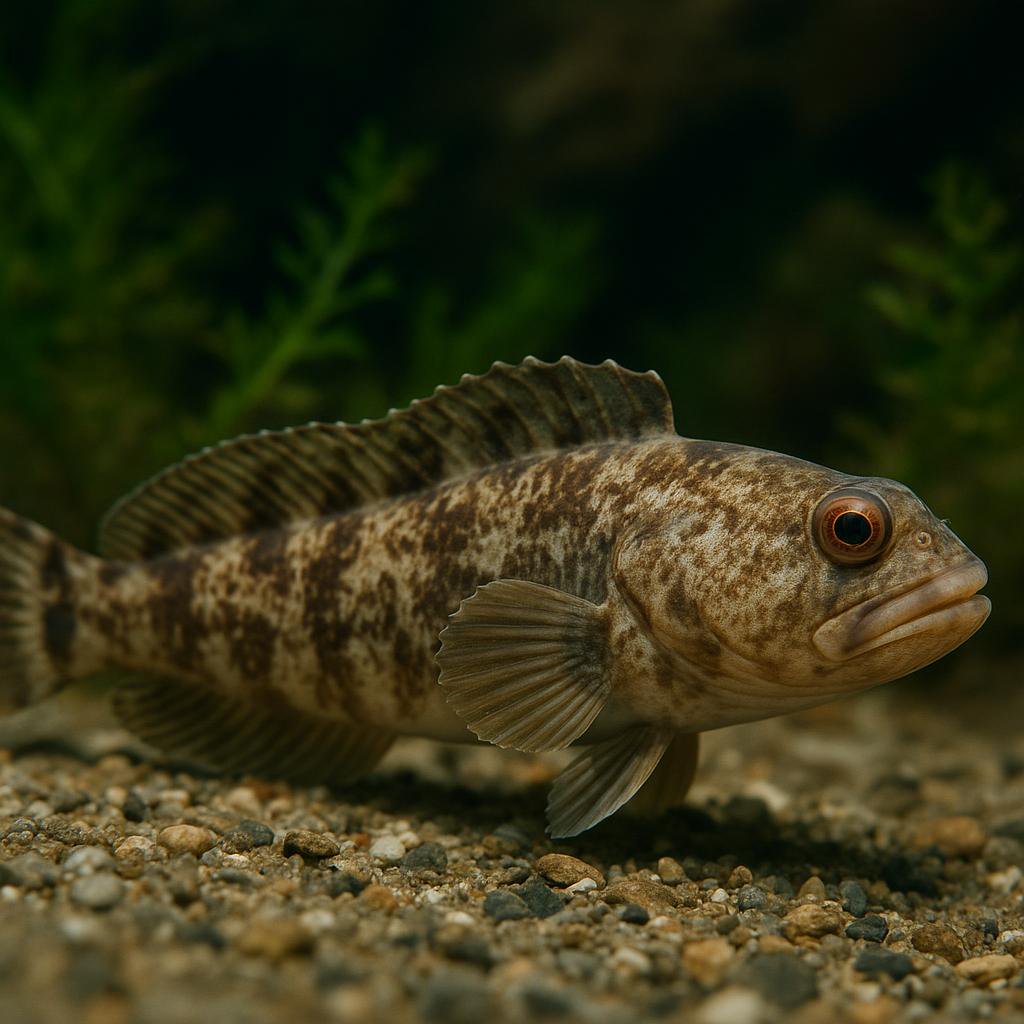
Abe's eelpout
Japonolycodes abei
Japonolycodes abei is a temperate, deepwater demersal eelpout (family Zoarcidae) endemic to Japan (Kumano-nada Sea reported; other sources also report Sagami Bay and Tosa Bay). It is the only species in the genus Japonolycodes and occurs roughly 40-300 m depth, making it an uncommon/atypical aquarium species.
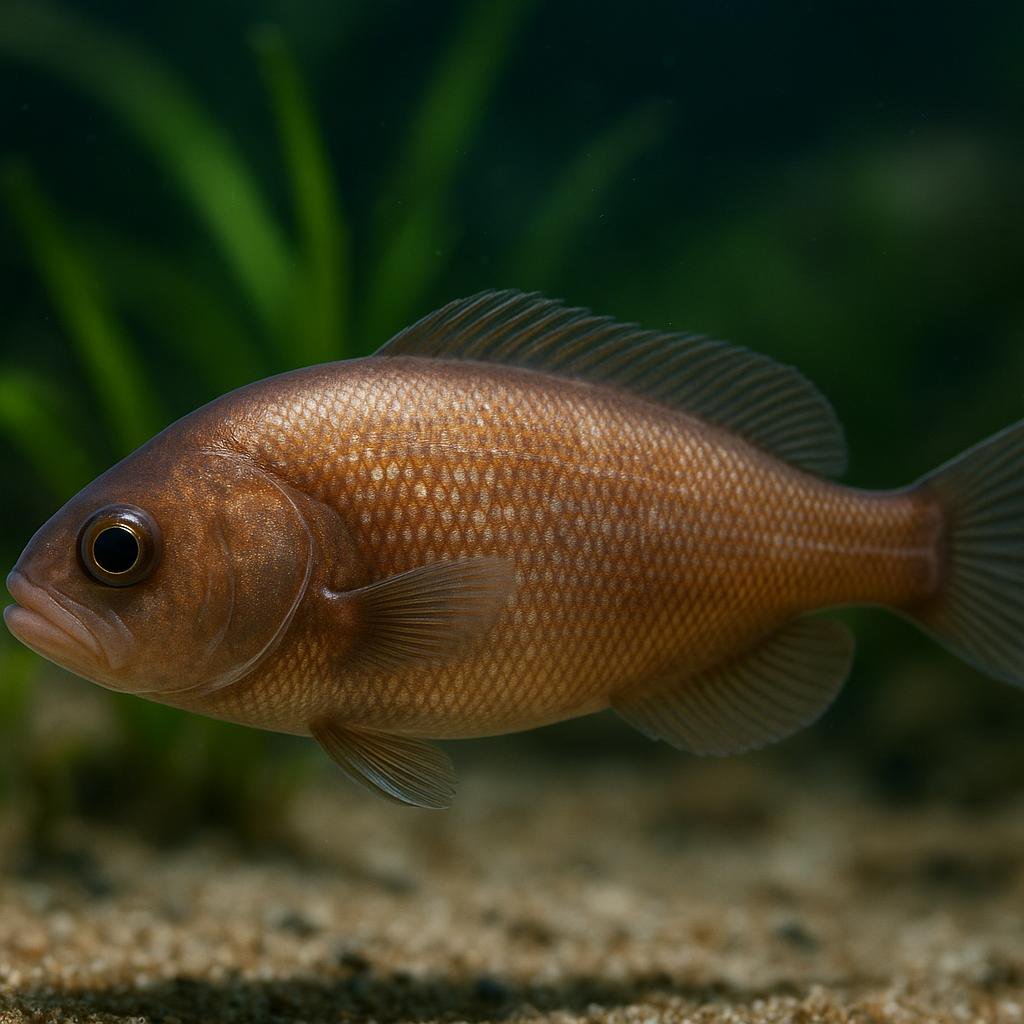
Affinis blind cusk-eel
Barathronus affinis
Barathronus affinis is a tiny, super-weird deep-sea blind cusk-eel from the western-central Indian Ocean. It is one of those gelatinous, loose-skinned brotula-type fishes that live way down in the dark and are basically never seen alive, so almost everything we know comes from preserved specimens and taxonomic work.
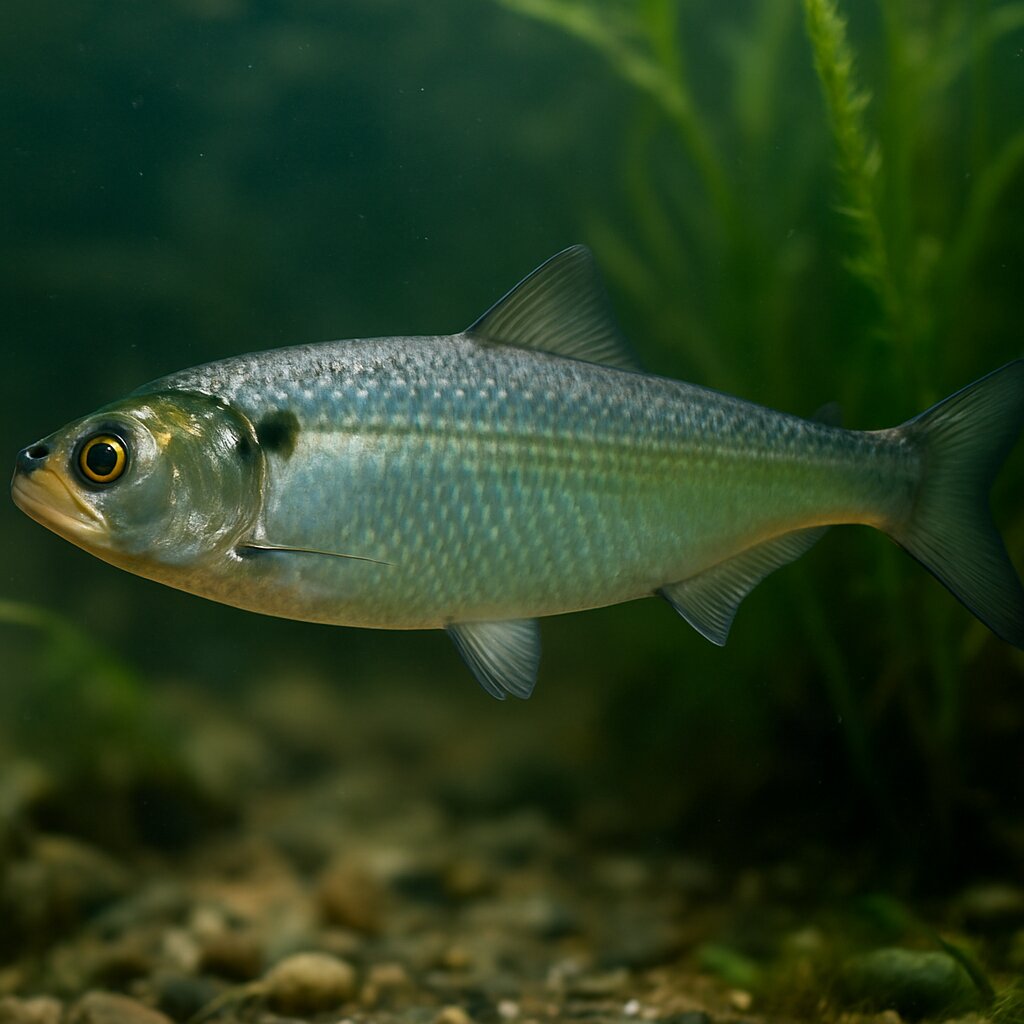
Allis shad
Alosa alosa
Gorgeous silver, fast-swimming shad that spends most of its life in the sea and then surges up big rivers in noisy, surface-spawning schools. It grows huge for a herring-type fish and needs cool, ultra-oxygenated water and tons of open space, so it is a public-aquarium species rather than a home tank fish.
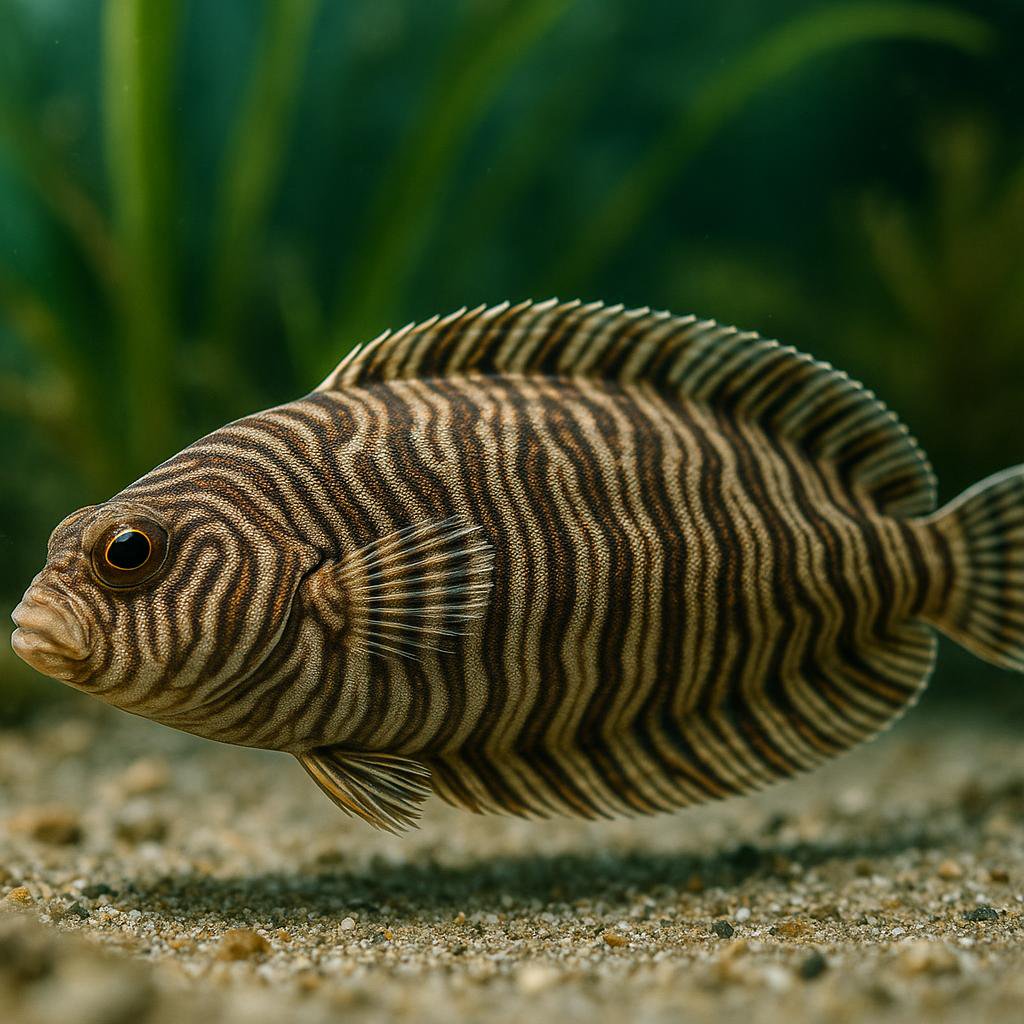
Annandale's zebra sole
Zebrias annandalei
Zebrias annandalei is a small demersal sole from coastal India that inhabits sandy or muddy bottoms and buries for camouflage. It is rarely kept in home aquaria and would require a specialized marine sand-bottom setup and appropriate feeding.
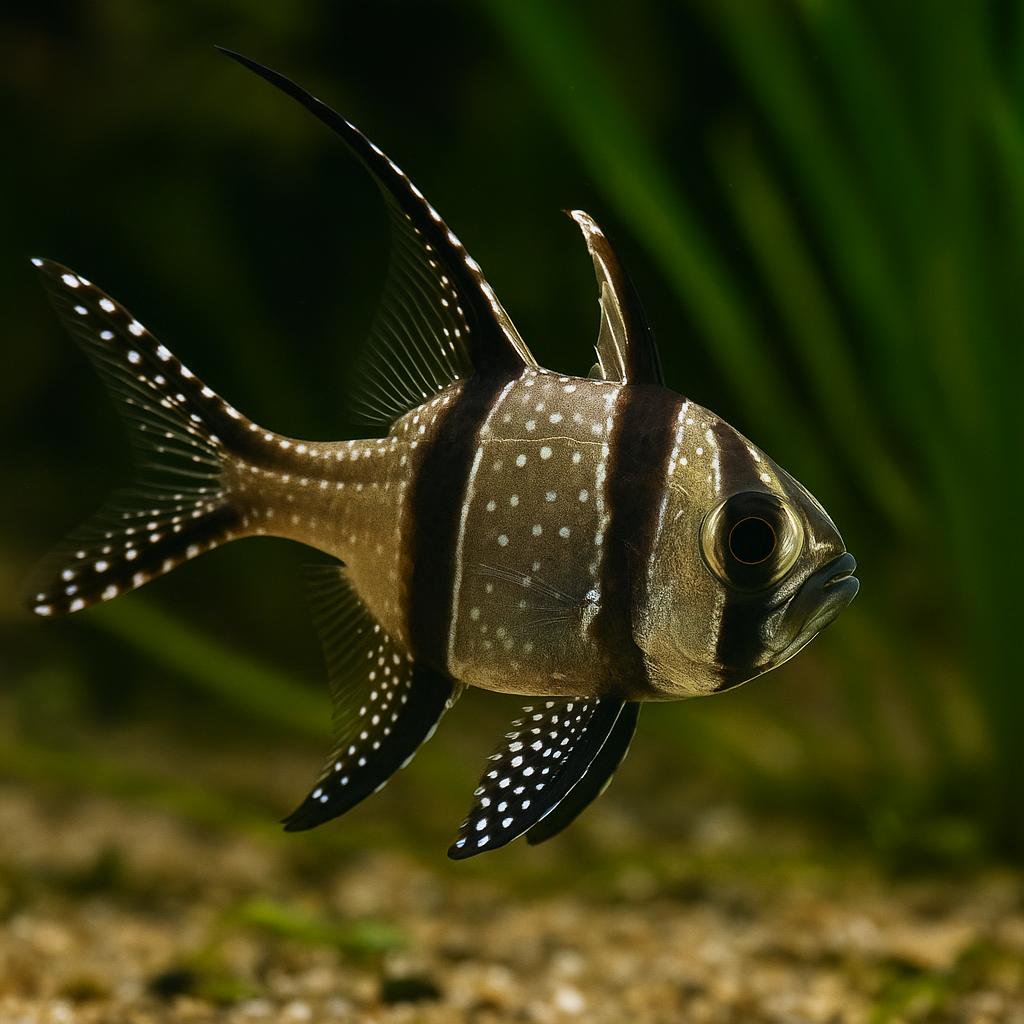
Banggai Cardinalfish
Pterapogon kauderni
Banggai cardinals just sort of hover like little underwater satellites, and the bold black bars with those long, polka-dotted fins look unreal under reef lighting. They're super chill most of the time, but once a pair forms you'll see real "fish drama," and the male will even mouthbrood the babies like a champ.
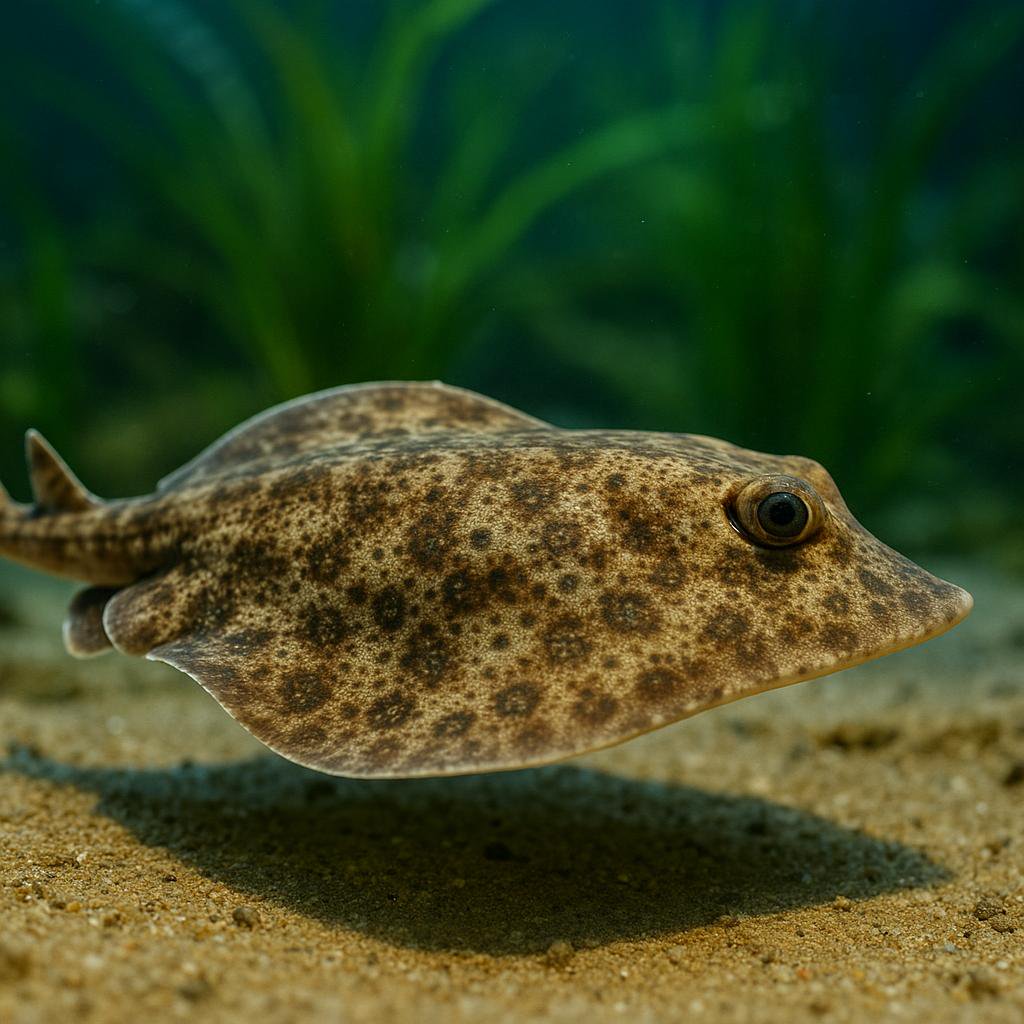
Barbedwire-tailed skate
Notoraja martinezi
Notoraja martinezi is a deepwater skate from the eastern Pacific (Costa Rica down to Ecuador) that lives way down on soft bottoms. The tail is the giveaway - it is lined with strong, hooked thorns that really do look like barbed wire. This is absolutely not an aquarium fish; it is a cold, high-pressure deep-sea animal with basically no practical home care info because it is not kept in the hobby.
More to Explore
Discover more marine species.
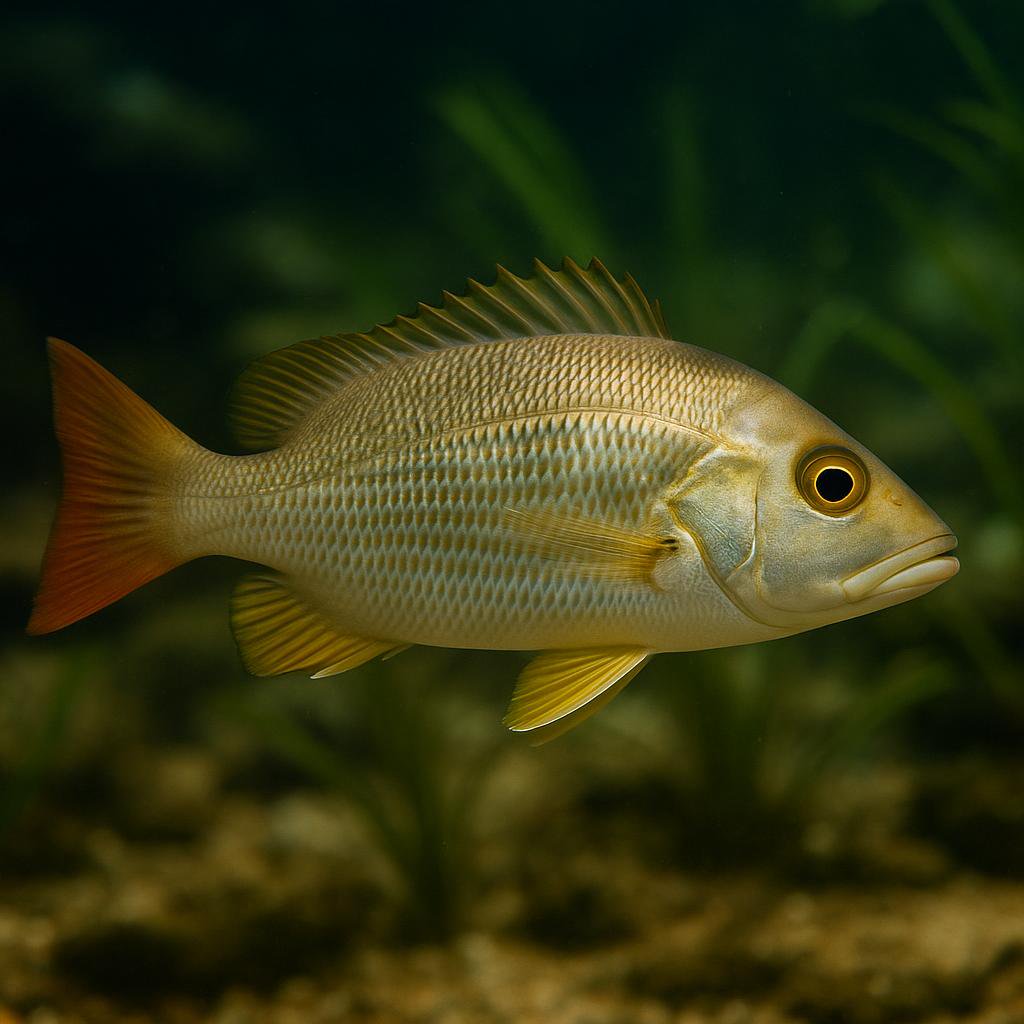
African red snapper
Lutjanus agennes
This is a true snapper from West Africa - a big, fast-growing predator that goes from coastal reefs to brackish lagoons and estuaries (especially as a juvenile). Super cool fish in the wild, but it gets absolutely huge and will eat smaller tankmates once it has the mouth for it, so its really more of a public-aquarium scale animal than a home-aquarium fish.
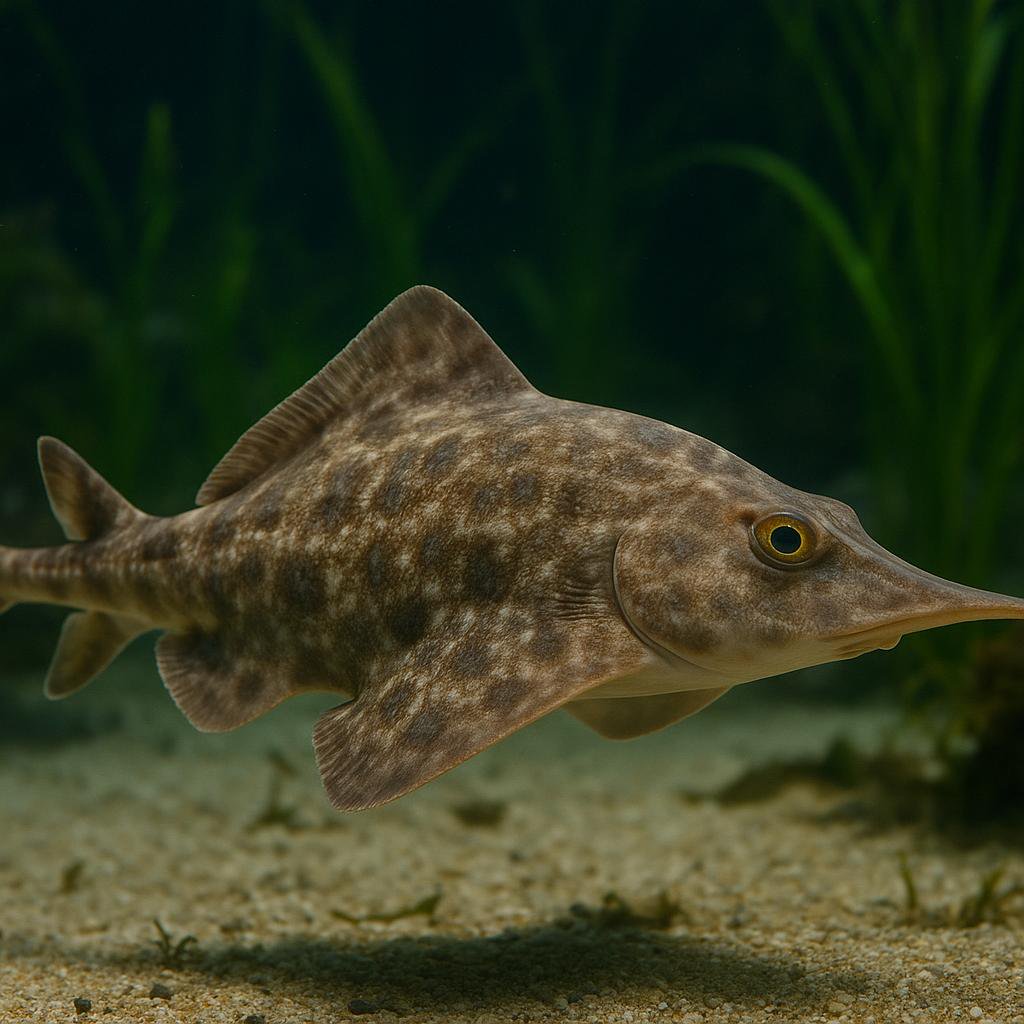
Aleutian skate
Bathyraja aleutica
This is a big, cold-water deep-slope skate from the North Pacific that cruises muddy bottoms and eats chunky benthic prey like crabs and shrimp. The really cool bit is its egg-laying skate life - it does distinct pairing (the classic skate "embrace") and drops those tough egg cases on the seafloor. Not an aquarium fish at all unless you're basically running a public-aquarium-style chilled system.
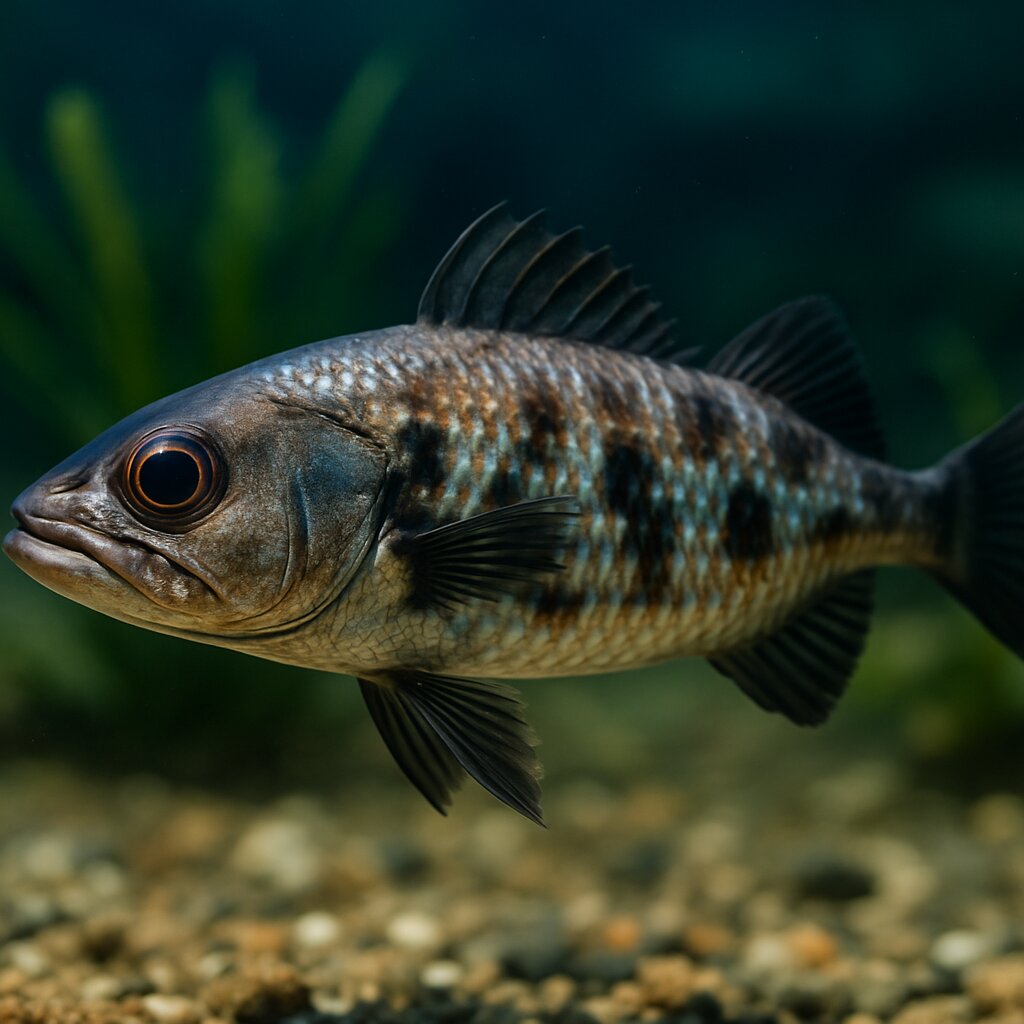
Antarctic dragonfish
Vomeridens infuscipinnis
Deep down around Antarctica, this sleek dragonfish cruises the water column like a little submarine, nearly neutrally buoyant so it can hover above the seafloor. It munches almost exclusively on Antarctic krill and lives in near-freezing water 500-800 m down, so it is a cool species to read about, not one for home tanks.
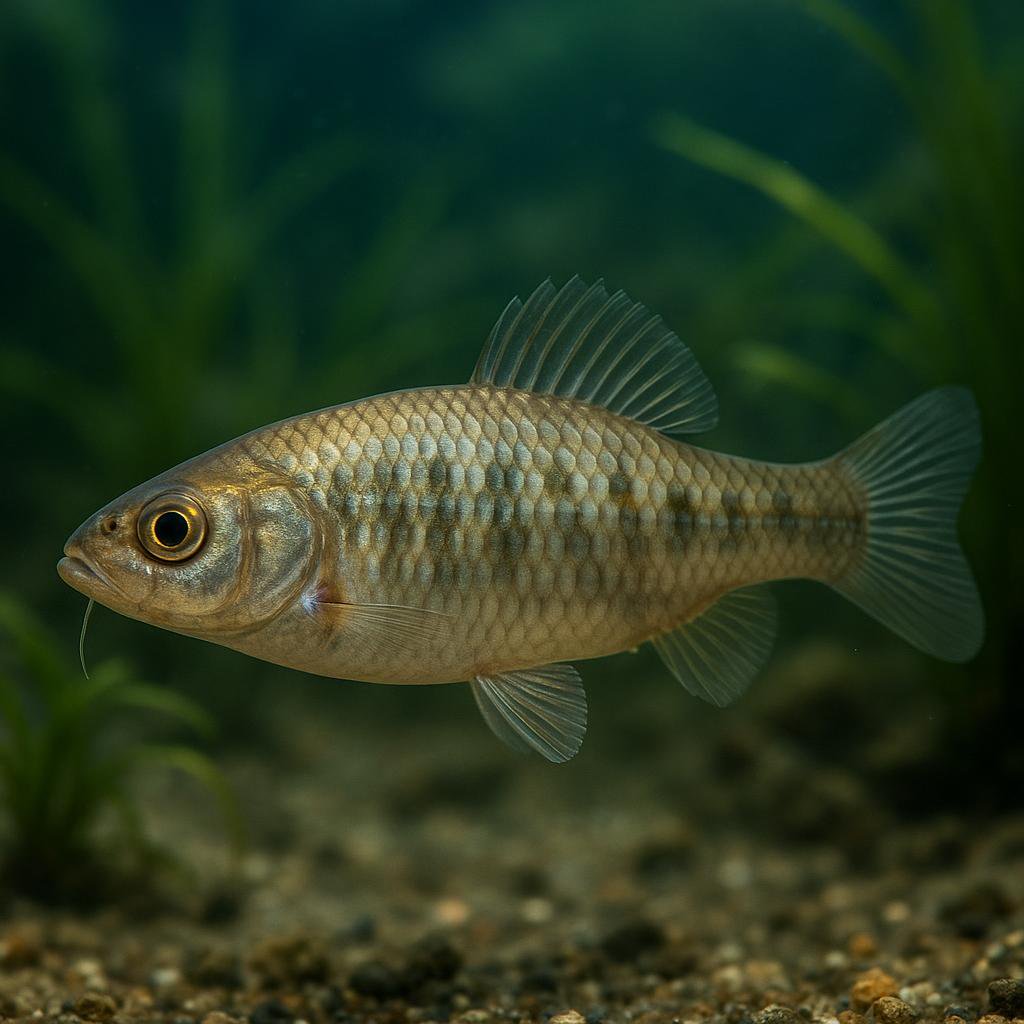
Arabian spiny eel
Notacanthus indicus
Notacanthus indicus is a deep-sea spiny eel (family Notacanthidae; not a true eel) known from the Arabian Sea on the continental slope at roughly ~960–1,046 m depth, with reported maximum length around 20 cm TL; it is a deep-water bycatch species and not established in the aquarium trade.
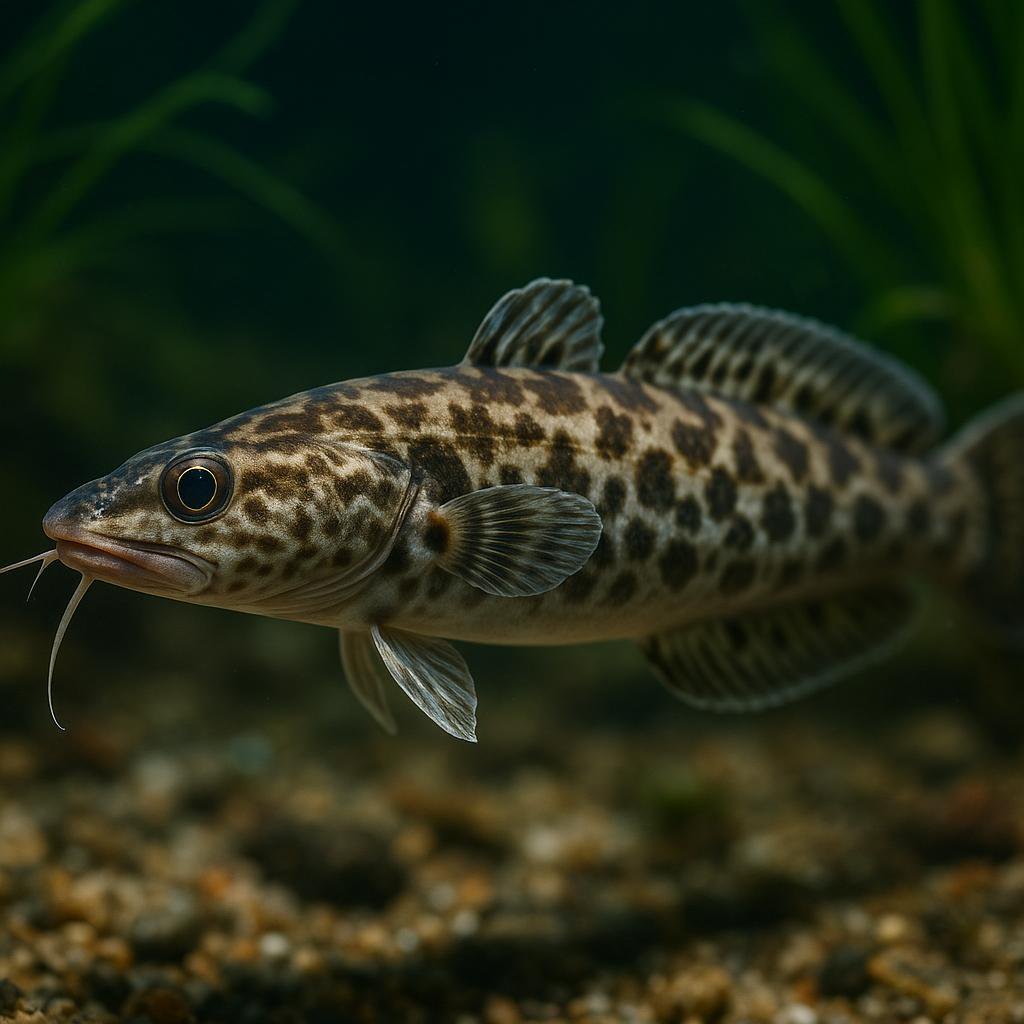
Arctic rockling
Gaidropsarus argentatus
This is a deepwater North Atlantic rockling (a cod relative) that hangs out on soft bottoms way down the slope. It is a cold-water, bottom-hugging predator that snoots around for crustaceans and will also take small fish when it gets the chance.
Atlantic pomfret
Brama brama
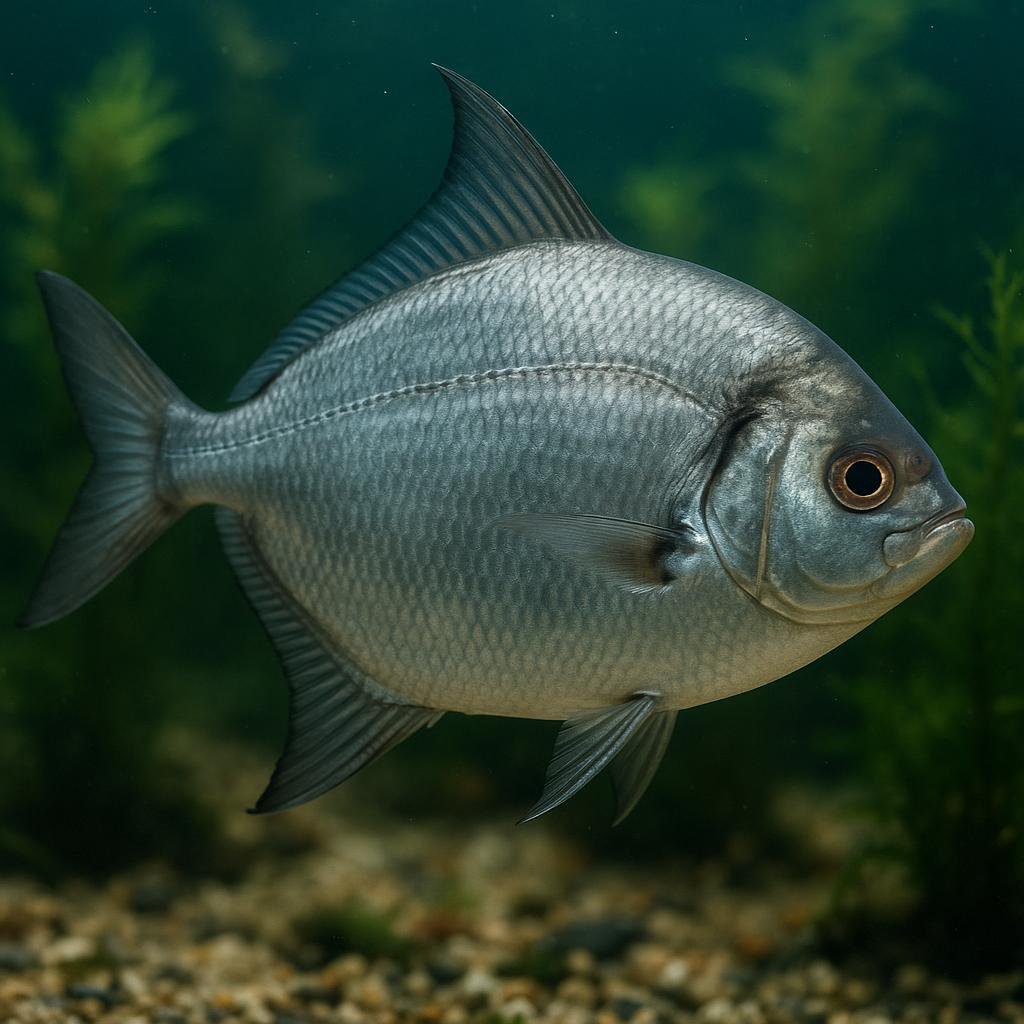
Brama brama is the Atlantic pomfret (aka Ray's bream) - a deep-bodied, open-ocean pelagic fish that cruises around in small schools and follows water temps. It is a legit big, wild marine species (not an aquarium fish) that eats other small sea critters like fish and squid, and it ranges across a huge chunk of the Atlantic plus parts of the Indian and South Pacific.
Looking for other species?