

Vitiaz wolf-eelpout
Lycenchelys vitiazi
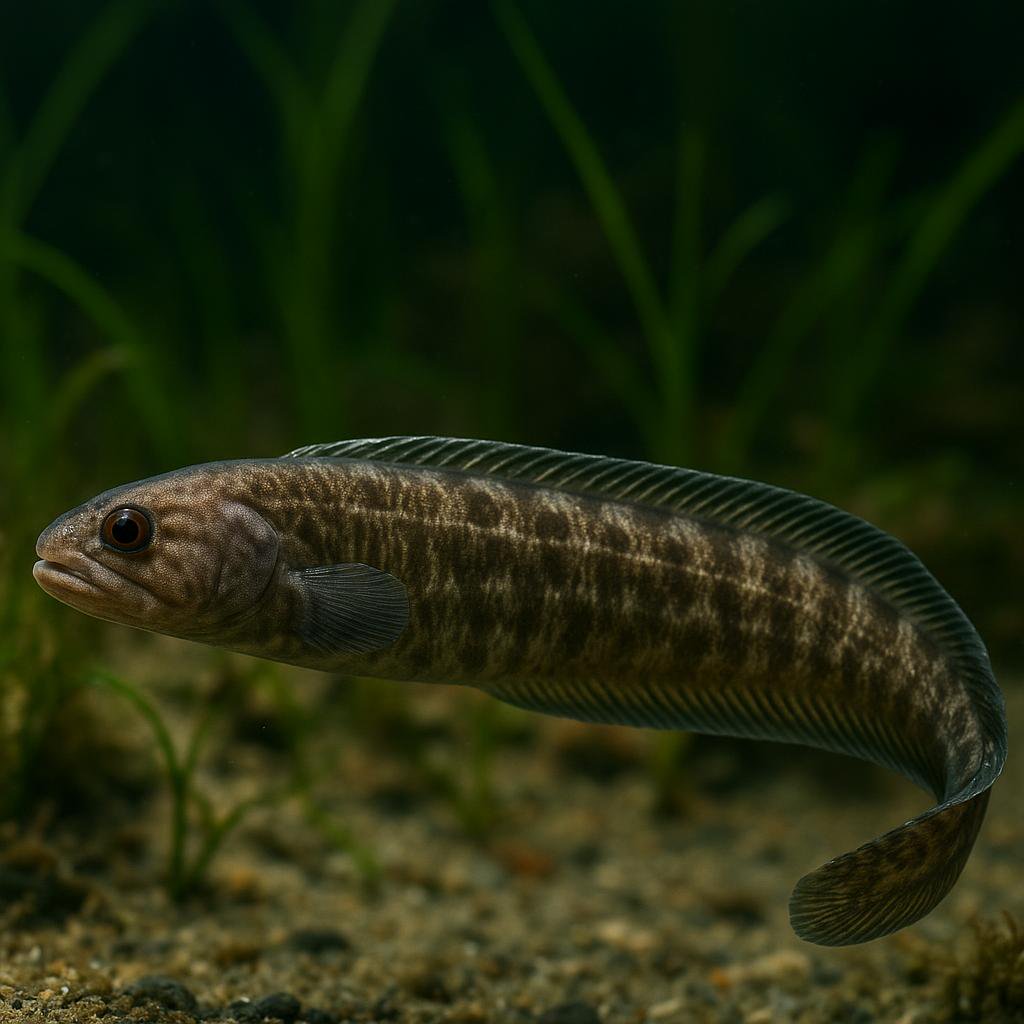
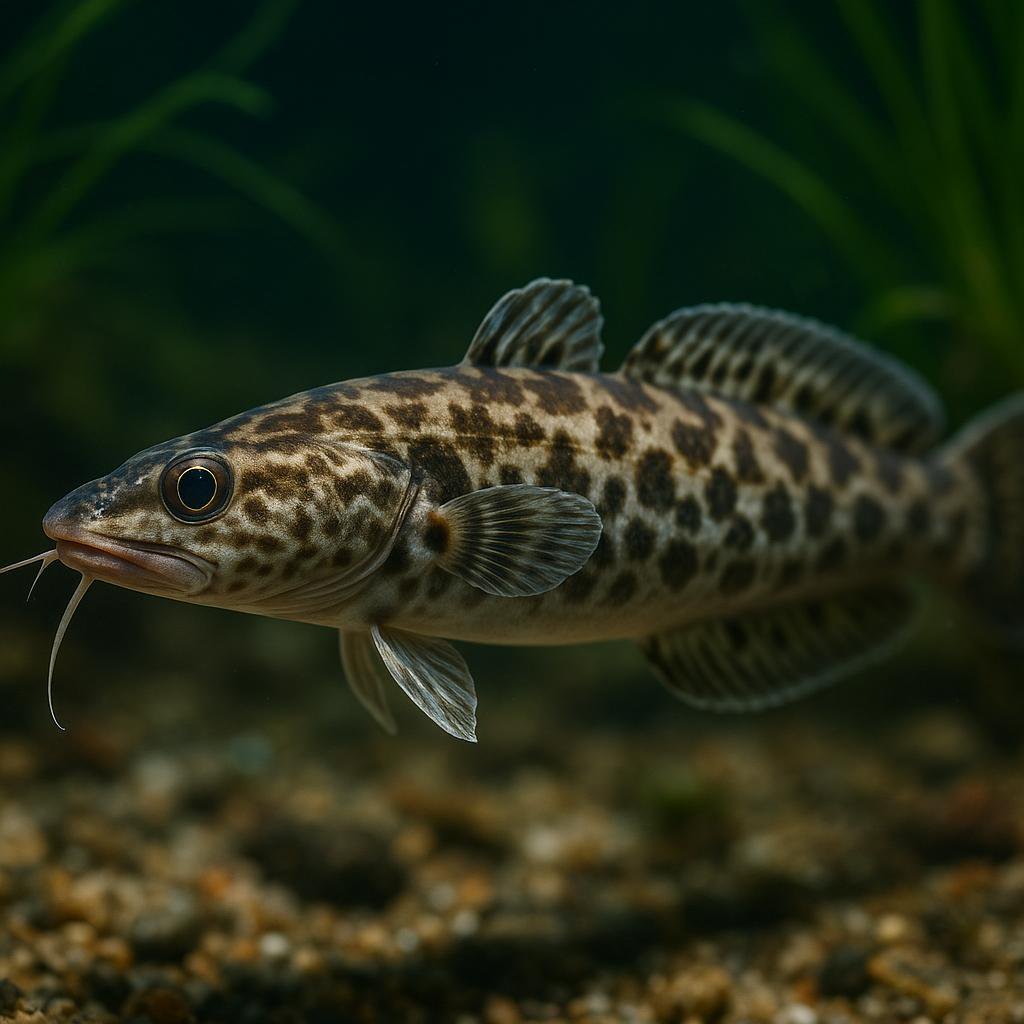
The Vitiaz wolf-eelpout has a slender, elongated body with mottled brown and gray coloration and a distinctive, elongated dorsal fin.
This page includes AI-generated images. Why am I seeing AI images?
About the Vitiaz wolf-eelpout
Lycenchelys vitiazi is a tiny deep-sea wolf-eelpout from the Kuril-Kamchatka Trench, and it is one of those weird, super-elongate trench fishes that basically never shows up in the hobby. It has only been recorded from very deep water near Paramushir Island, so its real "care" is more of a science/lab thing than an aquarium fish situation.
Also known as
Quick Facts
Size
8.5 cm SL
Temperament
Peaceful
Difficulty
Expert
Min Tank Size
0 gallons
Origin
Northwest Pacific
Diet
Carnivore - unknown (deep-sea benthic predator/forager likely)
Care Notes
- Plan for a coldwater marine setup, not a tropical reef tank - keep it in the low single-digit to low double-digit C range (about 2-10 C) with a chiller you trust, or it will slowly cook.
- Give it a dim, cave-heavy tank with tight-fitting lids and blocked-off intakes - these eel-like fish wedge into cracks and will explore overflows and pump guards if you let them.
- Run high oxygen and real flow (powerheads plus strong surface agitation), because coldwater fish hate stagnant pockets; if you ever see rapid gilling, check O2 and not just ammonia.
- Feed meaty stuff 2-3 times a week, not tiny daily flakes: chunks of shrimp, squid, clam, silversides, and good marine worms, and use tongs so the food hits the bottom where it hunts.
- Keep salinity steady around 1.024-1.026 SG and stay strict on nitrogen waste - they are messy carnivores, so big skimming, big water changes, and no letting nitrates climb for weeks.
- Tankmates: think slow, coldwater, and not bitey - avoid aggressive crustaceans (big crabs/lobsters) that can grab it, and avoid small fish it can swallow once it settles in.
- Watch for skin damage from sharp rock and from being sucked onto intakes; if you see abrasions, smooth the hardscape and add more soft hideouts so it stops trying to jam into bad gaps.
- Breeding in home tanks is basically unicorn territory, but if you ever see a swollen female or guarding behavior, stop rearranging rocks - disturbance is the fastest way to ruin a rare spawn.
Compatibility
Good Tankmates
- Other deepwater, mellow eel-like fish - think other wolf-eelpouts/eelpouts or similarly chilled, non-territorial eel types (as long as the tank is big and everyone has their own cave)
- Small to medium peaceful rockfish/sculpin types that are not bullies (stuff that mostly perches and minds its business, not the take-over-the-rockwork kind)
- Calm coldwater cod-like fish (gadoids) that are not predatory on tankmates - they tend to ignore the wolf-eelpout and let it do its cave thing
- Non-nippy midwater schooling fish from cold marine setups (sand lances/smelt-type fish where legal and appropriate) - they stay up in the water column and dont hassle the bottom
- Peaceful, robust inverts as clean-up buddies (bigger snails, urchins, some crabs that are not grabby) - the wolf-eelpout is usually more interested in food than picking fights
Avoid
- Big aggressive predators (large groupers, lingcod, big scorpionfish) - they will either try to eat it or constantly stress it out, and this fish does not do well under pressure
- Territorial rock hogs (mean triggers, nasty wrasses, or any fish that claims the whole cave system) - they will outcompete it and keep it pinned in a corner
- Nippy fin-biters and hyperactive bullies (some damsel-type attitudes in coldwater equivalents) - constant pecking is a slow death for a shy cave fish
Where they come from
The Vitiaz wolf-eelpout (Lycenchelys vitiazi) is one of those deep-sea oddballs that makes you stare at photos for way too long. It comes from very deep, cold marine water (think slope and trench edges, not reefs). In the wild its whole life is basically darkness, high pressure, low temps, and food that shows up whenever it shows up.
If you are used to "marine" meaning 78F and bright LEDs, flip that mental picture. This fish is a cold, dim, deepwater animal.
Setting up their tank
This is an expert-only fish mostly because the life support is the hard part. You are building a coldwater, low-light system that stays stable for years. If you cannot keep temperature rock-solid and oxygen high, skip it.
- Coldwater chiller sized for your room, not just the tank volume. Deepwater setups lose fish when the house warms up.
- Aggressive oxygenation: big skimmer, high turnover, and surface agitation. Coldwater holds more O2, but these fish still hate stale water.
- Dim lighting. No need for reef-level PAR. Ambient room light plus a low output fixture is plenty.
- Lid that actually seals. Eelpouts can push into gaps, especially at night.
- Bare-bottom or very thin substrate. Easier to keep clean and you can spot regurgitation or uneaten food fast. If you want sand, keep it shallow and vacuumable.
- Heavy rockwork is optional, but secure it like you mean it. Use epoxy or mortar and keep the layout low and stable.
For decor, I have had the best results giving them a few tight retreats: PVC elbows, short sections of pipe, and a couple of caves they can wedge into. They like contact on both sides of the body. Big open aquascapes look nice to us, but these fish relax in snug cover.
Temperature is the make-or-break. Aim for cold, stable water year-round. Swings and warm spells are what take deepwater fish out quietly.
Filtration wise, think "predator fish that eats meaty foods." You will be exporting a lot of nitrogen for a fish that is not going to appreciate dirty water. Oversize your skimmer, run carbon, and do regular water changes. Keep flow moderate - enough to keep oxygen up and waste moving, but not blasting their hideouts.
What to feed them
They are meat-eaters, and they are built for grabbing and swallowing. In captivity, you want a rotation of marine-based foods with real texture. If you can get them started on frozen, your life gets easier.
- Thawed marine shrimp (shell-on pieces sometimes help trigger feeding)
- Squid and octopus chunks (not too big - think bite-size)
- Silversides or other marine fish flesh (use as part of a mix, not the only item)
- Clams, mussels, or scallop pieces
- Occasional live food to jump-start a new arrival (live ghost shrimp acclimated to salt, small marine crustaceans if available)
Use feeding tongs. Wiggle the food at the entrance of their hide. Once they learn the routine, they will take thawed food reliably and you can stop chasing them around the tank.
Go easy on fatty freshwater feeder stuff. It is tempting, but it is not what their body expects long-term. Also, do not dump a pile of food in and hope for the best. Target feed, then siphon leftovers after 10-15 minutes. Deepwater fish often eat slower, and you do not want a rot stew in a cold system.
How they behave and who they get along with
Expect a secretive, mostly nocturnal fish that spends a lot of time in a den, then comes out to hunt once the room is quiet. They are not "interactive" like a wrasse, but they do learn the feeding schedule and will cruise the front when they smell food.
Tankmates are tricky. Anything small enough to fit in their mouth is food. Anything that nips, bullies, or constantly pesters them will stress them out and keep them from eating. Also remember you are running a cold system, so your choices are already limited.
- Best kept solo or with a few other coldwater fish that are calm and too large to swallow
- Avoid hyperactive species that will outcompete them at feeding time
- Avoid aggressive crabs and large predatory crustaceans that can grab fins or harass them in their cave
- If you try multiple eelpout-type fish, add lots of separate hideouts and be ready to separate if one claims the whole tank
Do not mix with "cleanup" critters you are attached to. Snails, small crabs, and shrimp often turn into expensive snacks, especially at night.
Breeding tips
Realistically, breeding this species in home aquaria is not something most of us will pull off, and I have not seen consistent, documented captive breeding for Vitiaz wolf-eelpout. Deepwater fish often cue off seasonal shifts, pressure, and very specific conditions we cannot mimic well.
If you ever do see pairing behavior (sharing a den, less skittishness, and repeated close contact without aggression), the best you can do is keep the system boringly stable, keep them well-fed on a varied diet, and do not rearrange the tank. If eggs were laid, I would expect them to be hidden and guarded in a tight space. That means you would need removable caves or pipe sections so you can check without tearing the tank apart.
If you are buying one hoping to breed it, pick a different project. This is more of a "keep it alive long-term" badge of honor fish.
Common problems to watch for
Most issues come down to three things: temperature creep, low oxygen, and injuries from bad shipping or rough decor. These fish do not broadcast discomfort early. They just stop eating, breathe heavier, and fade fast if you miss the warning signs.
- Refusing food: often stress, too much light, not enough cover, or tankmates bothering it. New imports may need live food to start.
- Rapid breathing or hanging near high flow: think oxygen and temperature first. Check your chiller and your skimmer/air draw.
- Mouth or snout damage: common from scraping rock or glass. Give smoother dens (PVC is your friend) and keep rockwork stable.
- Skin infections after abrasions: keep water clean, do not let leftovers rot, and quarantine if you can. Coldwater does not mean "germs do not exist."
- Bloating/regurgitation: usually from feeding pieces that are too large or too rich. Smaller portions, more frequent feedings works better.
- Parasites from wild capture: quarantine is hard with coldwater, but if you can run a separate chilled QT, do it.
Warm spells kill deepwater fish. If your chiller fails or the room heats up, you need a plan (backup chiller, fans on the sump, alarms). Do not wait until the fish is gasping.
One last practical note: test kits and numbers matter less than trends in a system like this. Track temperature daily, watch dissolved oxygen behaviorally (and with a meter if you have one), and keep nitrates from creeping up with steady water changes. If the tank is stable, the fish usually acts stable too.
Similar Species
Other marine peaceful species you might be interested in.
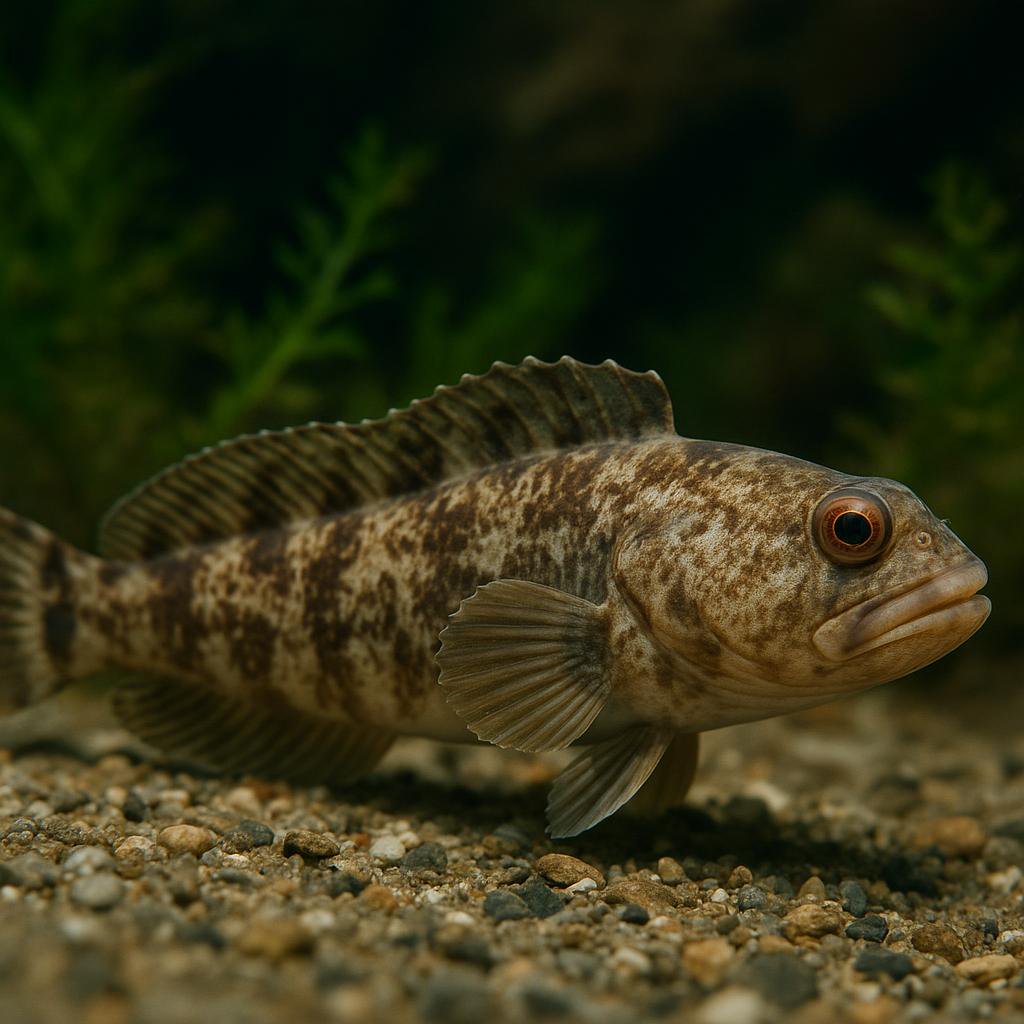
Abe's eelpout
Japonolycodes abei
Japonolycodes abei is a temperate, deepwater demersal eelpout (family Zoarcidae) endemic to Japan (Kumano-nada Sea reported; other sources also report Sagami Bay and Tosa Bay). It is the only species in the genus Japonolycodes and occurs roughly 40-300 m depth, making it an uncommon/atypical aquarium species.
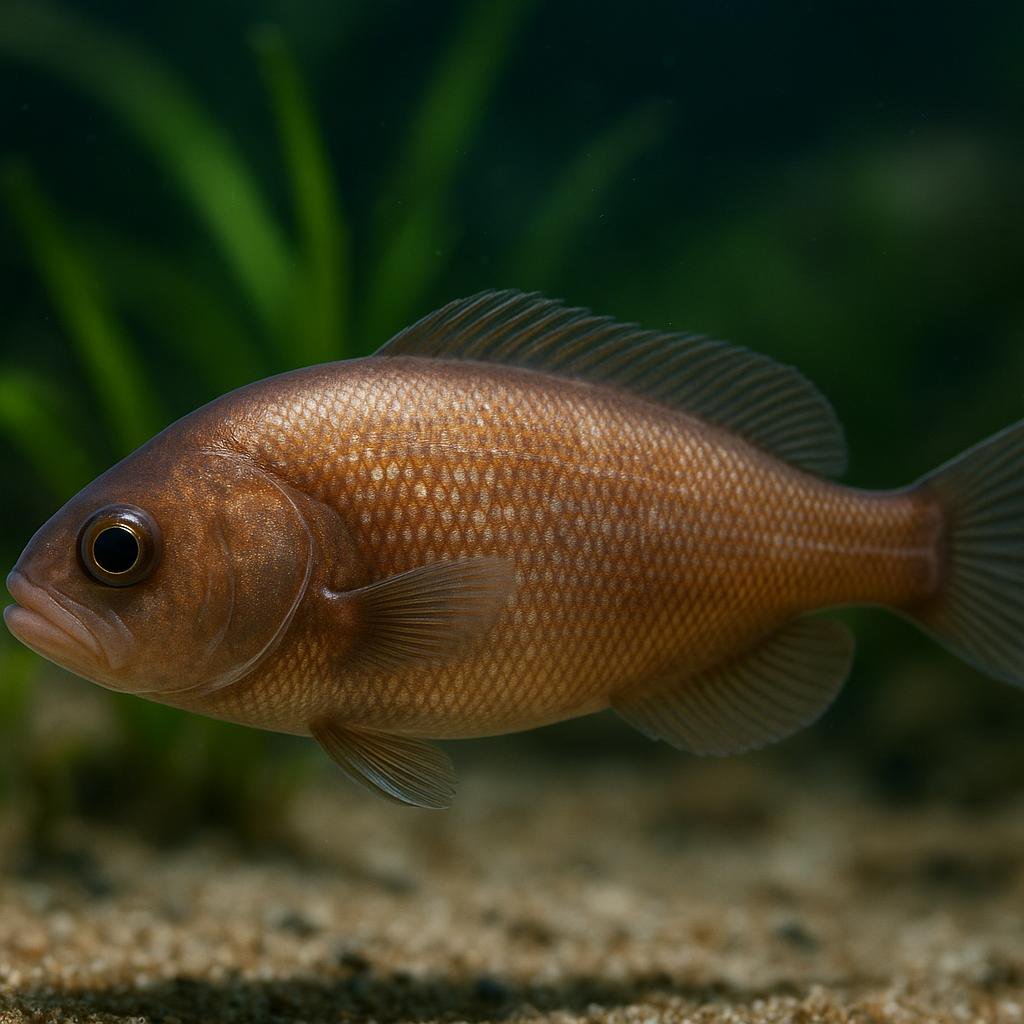
Affinis blind cusk-eel
Barathronus affinis
Barathronus affinis is a tiny, super-weird deep-sea blind cusk-eel from the western-central Indian Ocean. It is one of those gelatinous, loose-skinned brotula-type fishes that live way down in the dark and are basically never seen alive, so almost everything we know comes from preserved specimens and taxonomic work.
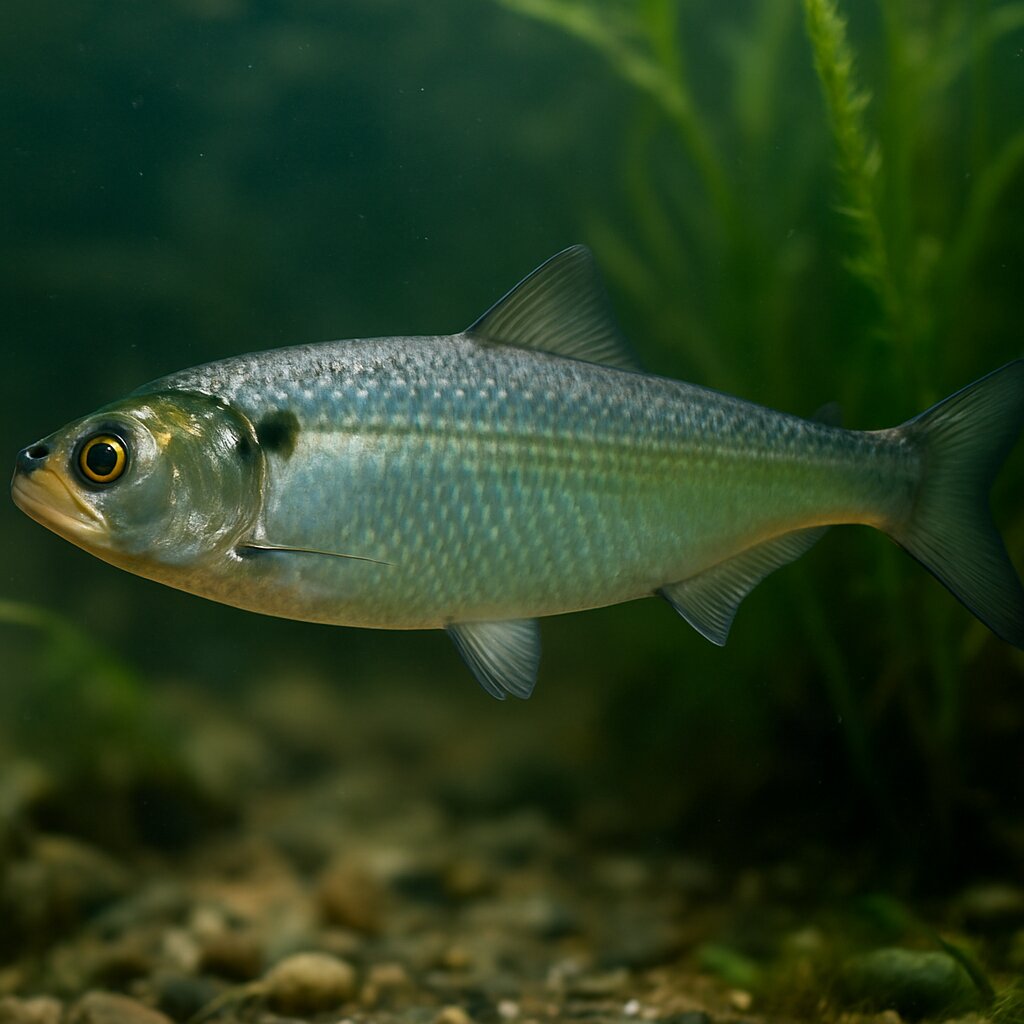
Allis shad
Alosa alosa
Gorgeous silver, fast-swimming shad that spends most of its life in the sea and then surges up big rivers in noisy, surface-spawning schools. It grows huge for a herring-type fish and needs cool, ultra-oxygenated water and tons of open space, so it is a public-aquarium species rather than a home tank fish.
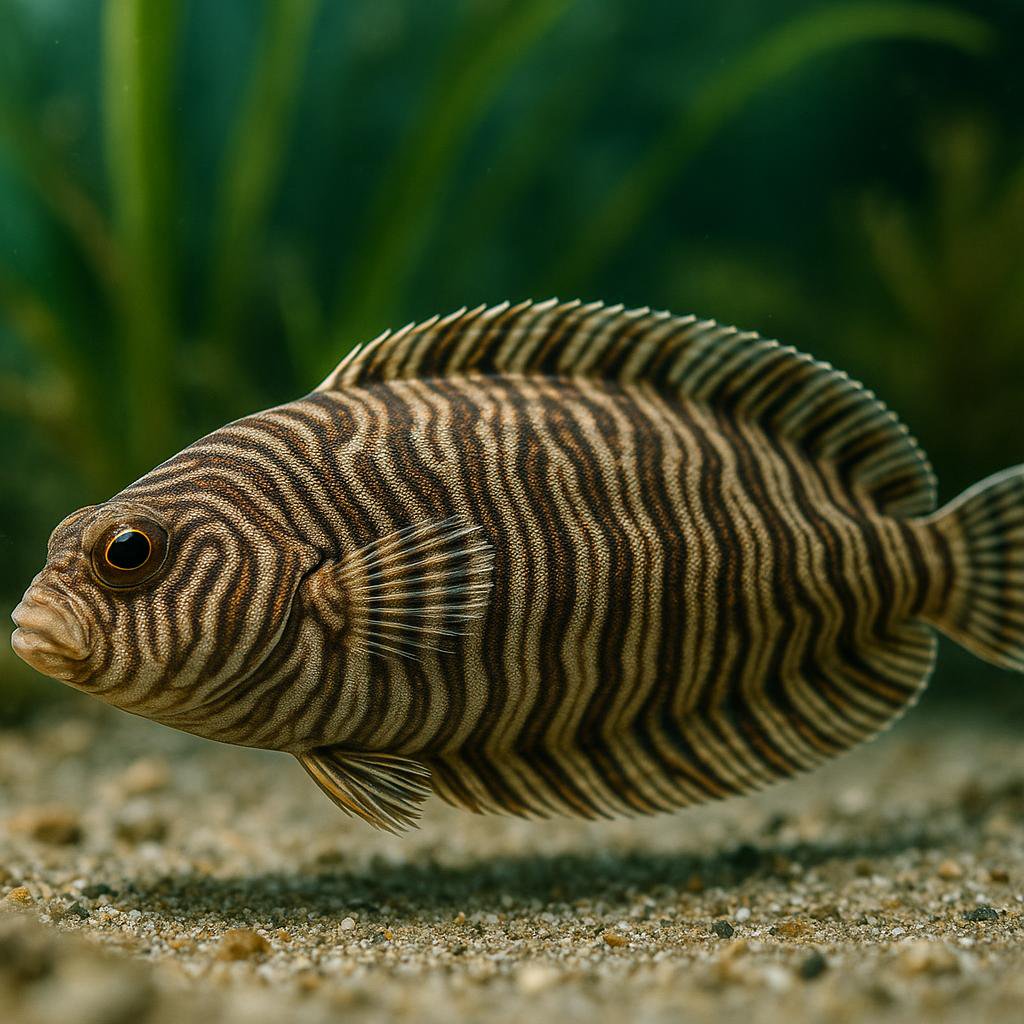
Annandale's zebra sole
Zebrias annandalei
Zebrias annandalei is a small demersal sole from coastal India that inhabits sandy or muddy bottoms and buries for camouflage. It is rarely kept in home aquaria and would require a specialized marine sand-bottom setup and appropriate feeding.
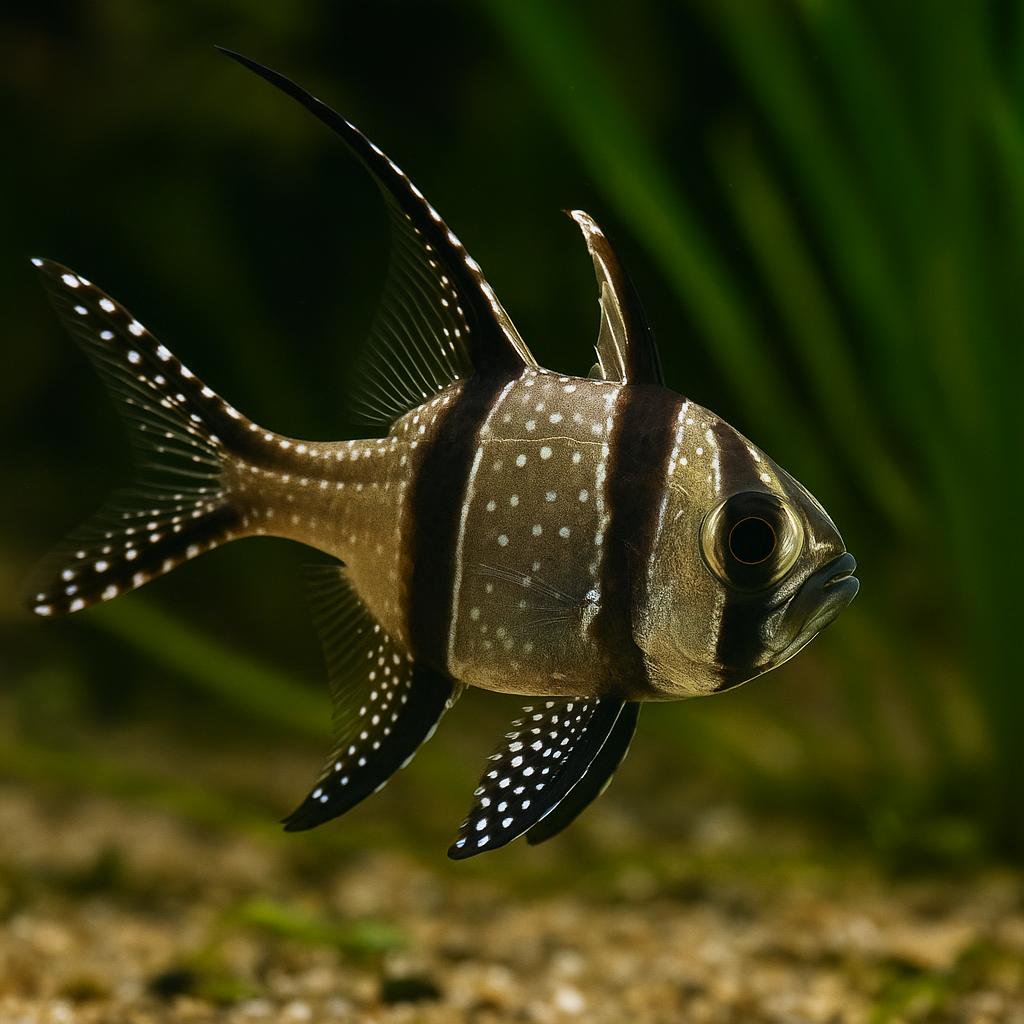
Banggai Cardinalfish
Pterapogon kauderni
Banggai cardinals just sort of hover like little underwater satellites, and the bold black bars with those long, polka-dotted fins look unreal under reef lighting. They're super chill most of the time, but once a pair forms you'll see real "fish drama," and the male will even mouthbrood the babies like a champ.
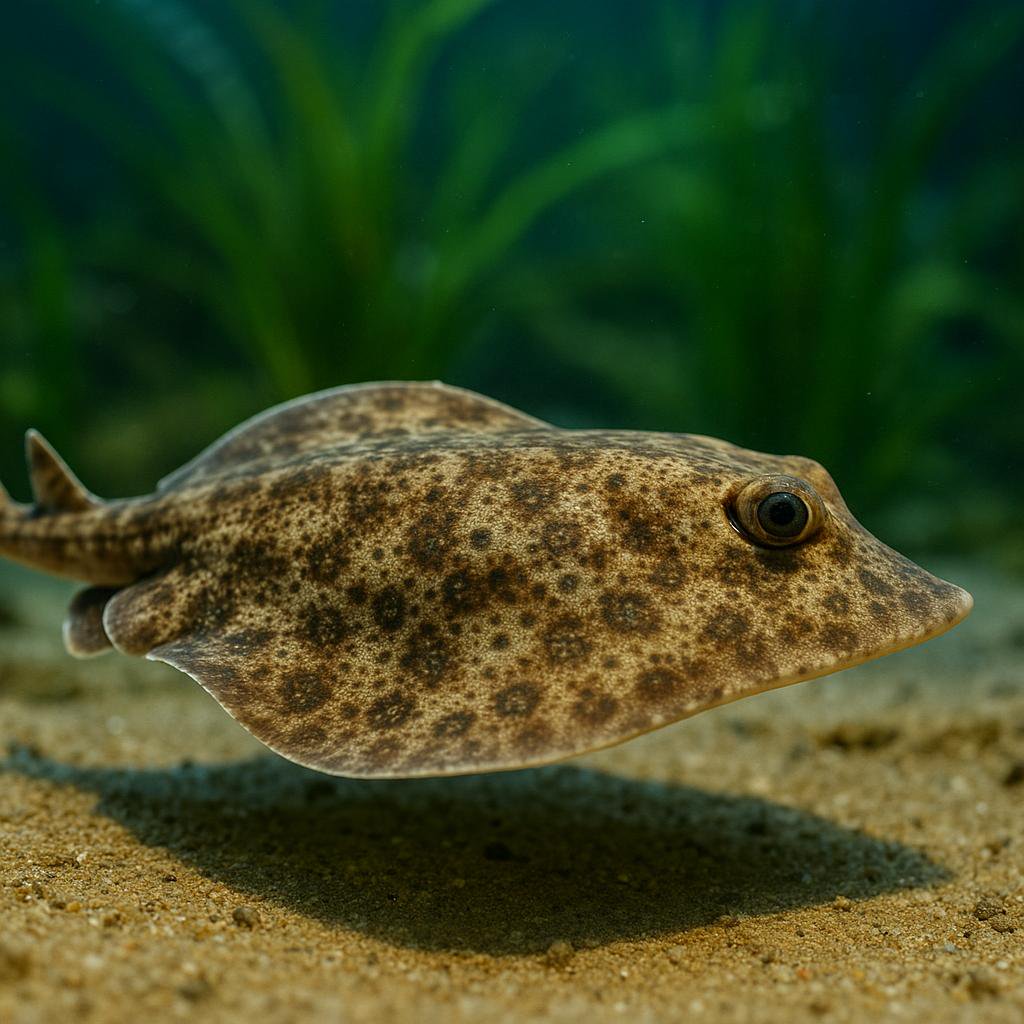
Barbedwire-tailed skate
Notoraja martinezi
Notoraja martinezi is a deepwater skate from the eastern Pacific (Costa Rica down to Ecuador) that lives way down on soft bottoms. The tail is the giveaway - it is lined with strong, hooked thorns that really do look like barbed wire. This is absolutely not an aquarium fish; it is a cold, high-pressure deep-sea animal with basically no practical home care info because it is not kept in the hobby.
More to Explore
Discover more marine species.
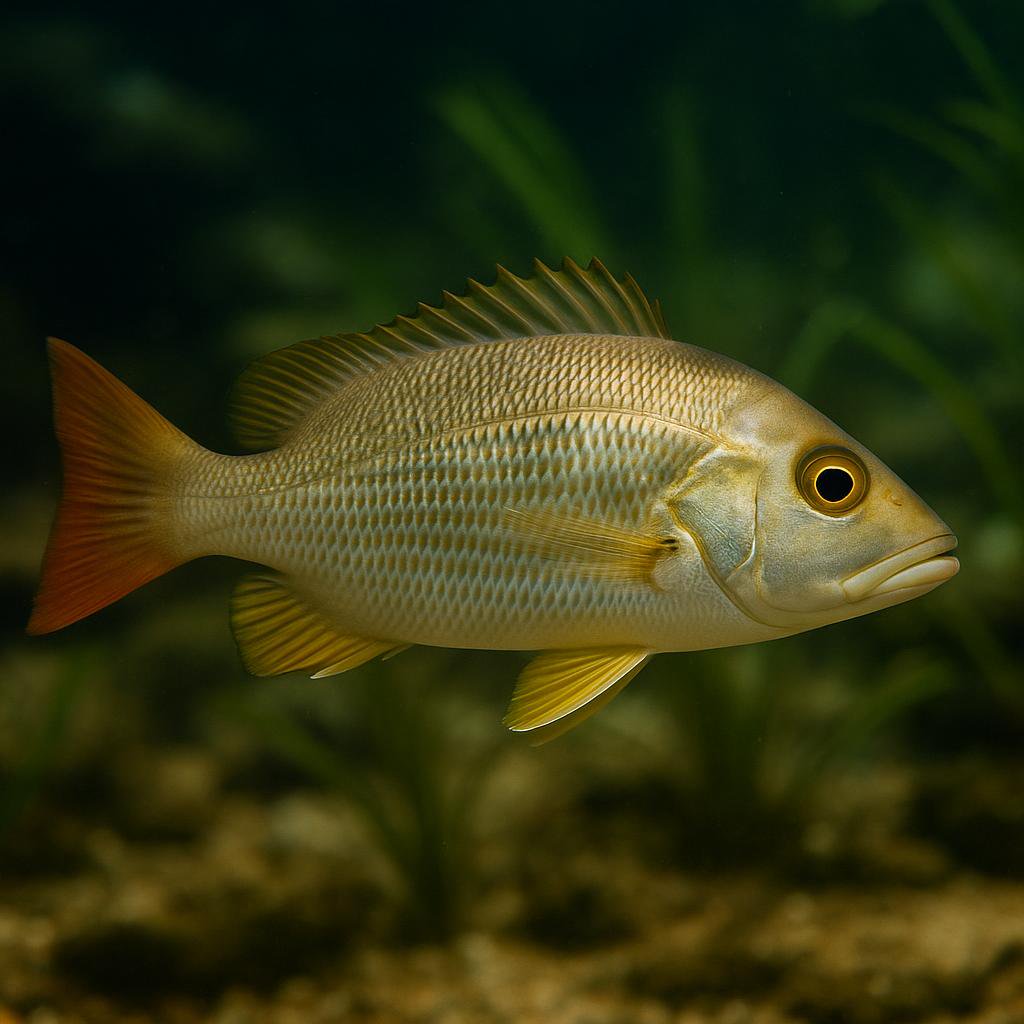
African red snapper
Lutjanus agennes
This is a true snapper from West Africa - a big, fast-growing predator that goes from coastal reefs to brackish lagoons and estuaries (especially as a juvenile). Super cool fish in the wild, but it gets absolutely huge and will eat smaller tankmates once it has the mouth for it, so its really more of a public-aquarium scale animal than a home-aquarium fish.
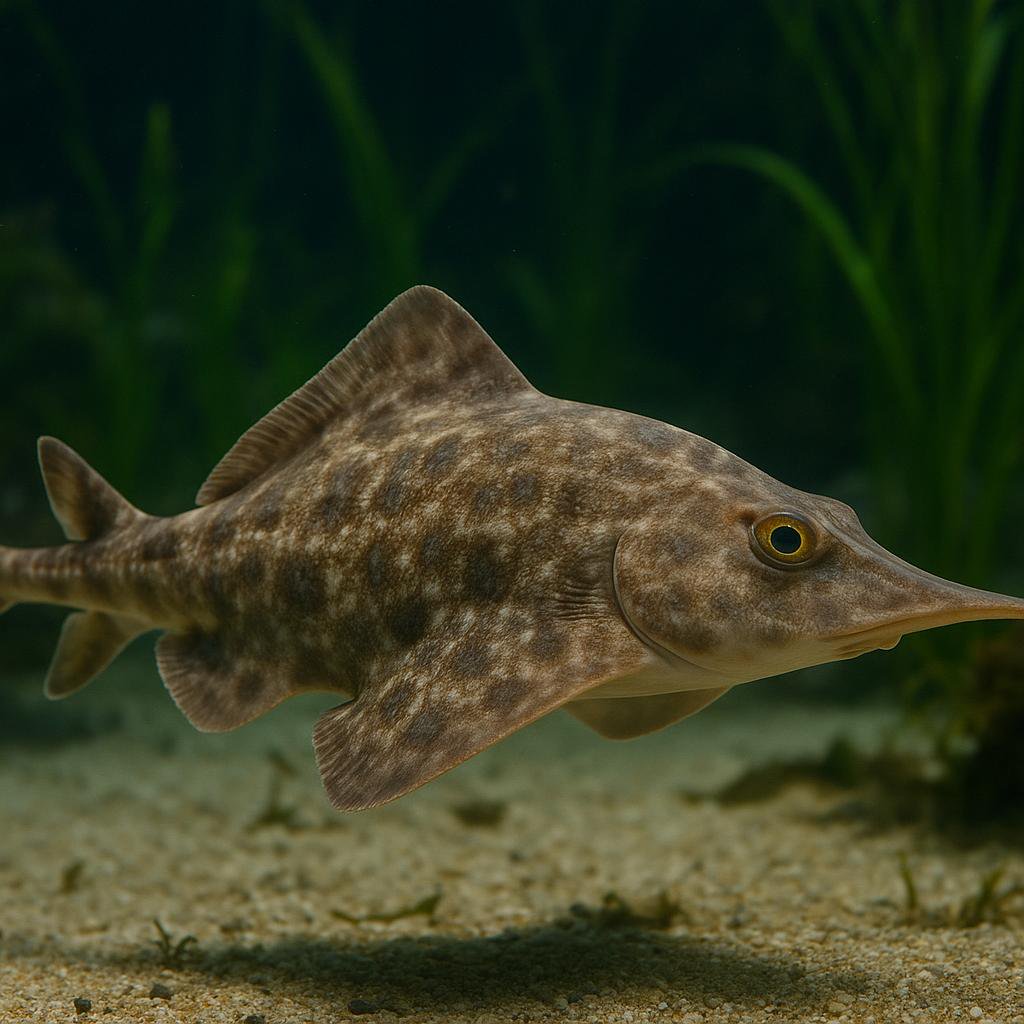
Aleutian skate
Bathyraja aleutica
This is a big, cold-water deep-slope skate from the North Pacific that cruises muddy bottoms and eats chunky benthic prey like crabs and shrimp. The really cool bit is its egg-laying skate life - it does distinct pairing (the classic skate "embrace") and drops those tough egg cases on the seafloor. Not an aquarium fish at all unless you're basically running a public-aquarium-style chilled system.
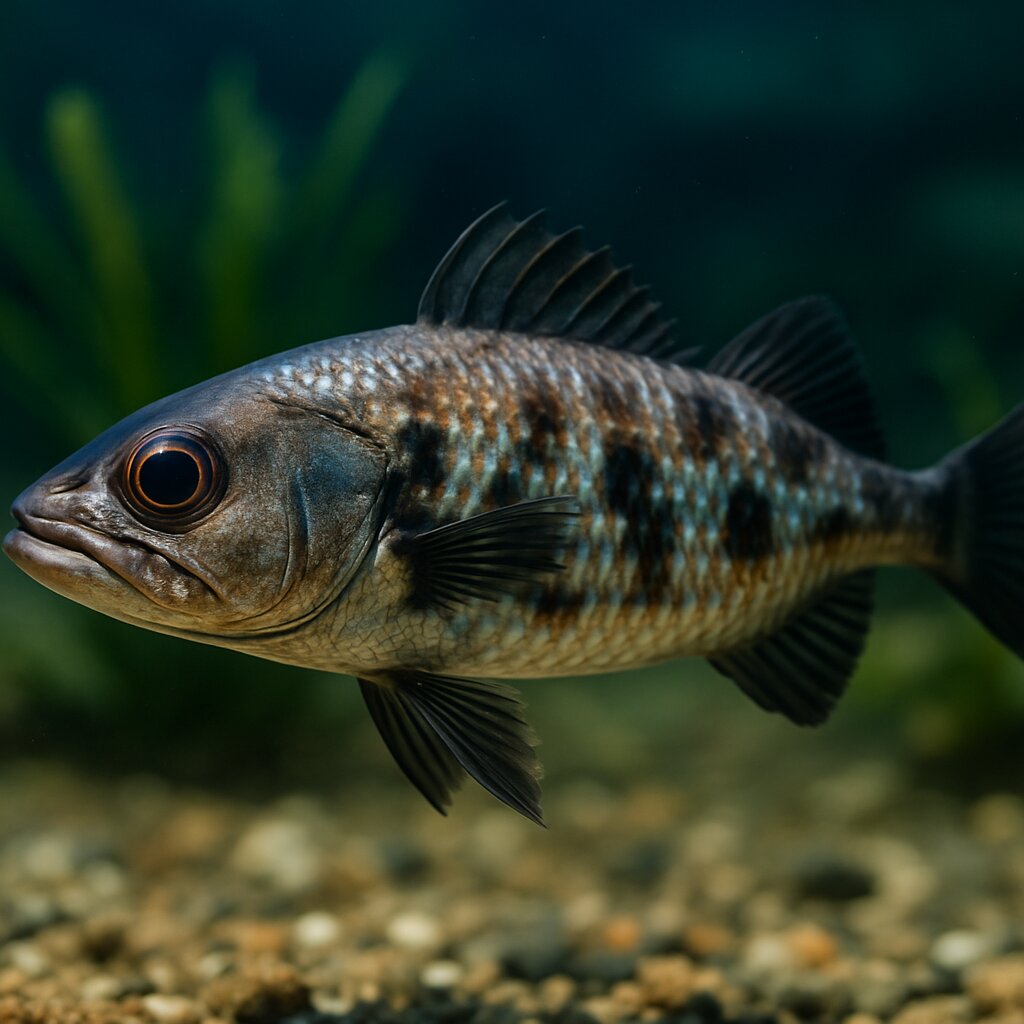
Antarctic dragonfish
Vomeridens infuscipinnis
Deep down around Antarctica, this sleek dragonfish cruises the water column like a little submarine, nearly neutrally buoyant so it can hover above the seafloor. It munches almost exclusively on Antarctic krill and lives in near-freezing water 500-800 m down, so it is a cool species to read about, not one for home tanks.
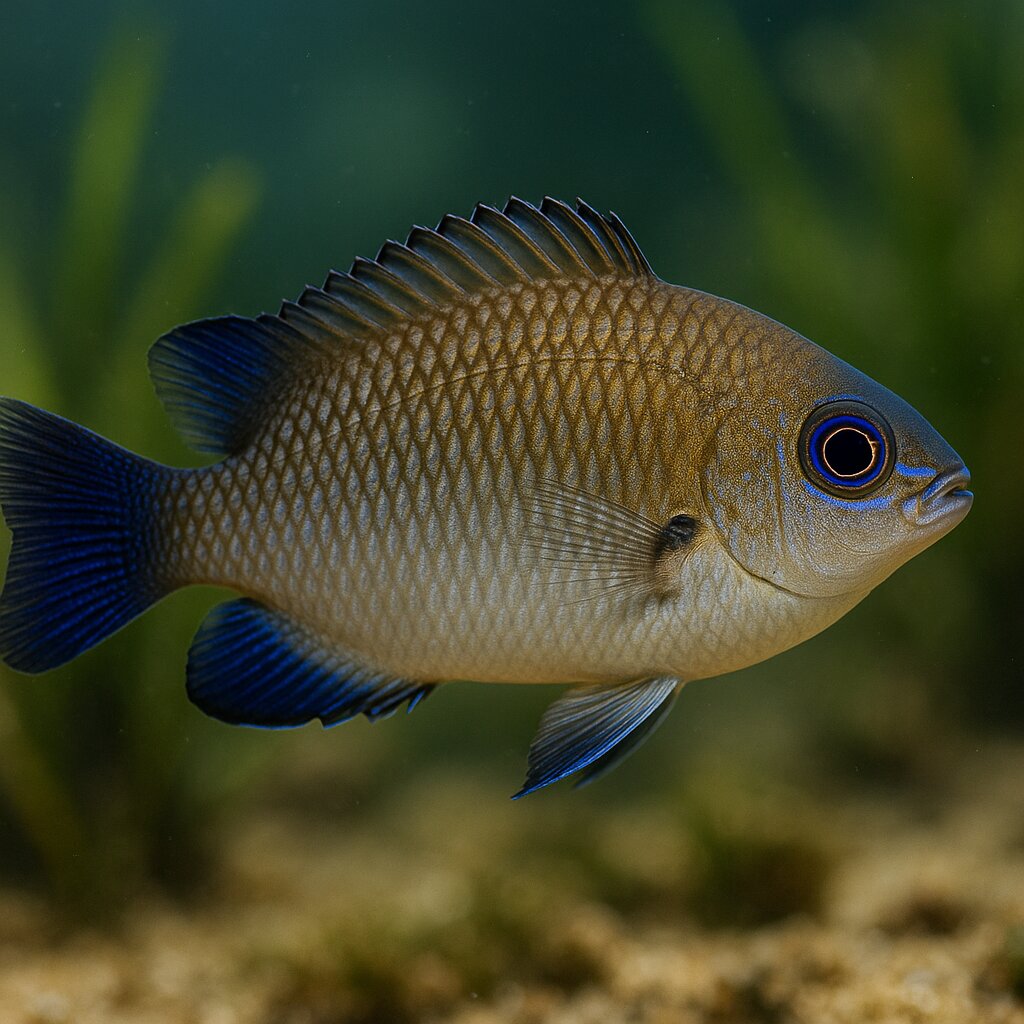
Arabian demoiselle
Neopomacentrus sindensis
A small lyretail damsel from the Persian Gulf and Arabian Sea, it hangs in loose groups around coral heads, rocks, and even pier pilings picking zooplankton from the flow. Think classic damsel toughness with a slightly milder attitude than the real bruisers, plus subtle yellow tail accents. Males clean a patch, get a mate to lay eggs there, and then stand guard fanning the clutch.
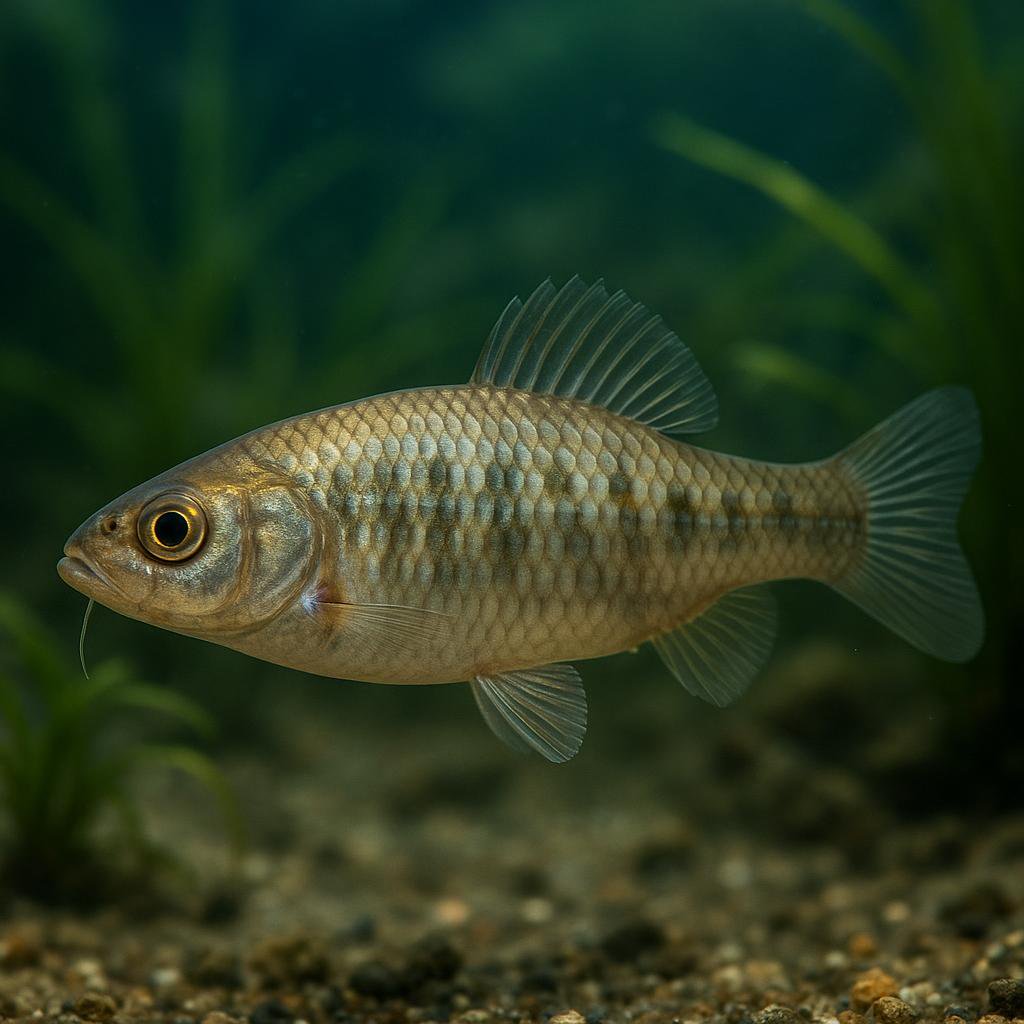
Arabian spiny eel
Notacanthus indicus
Notacanthus indicus is a deep-sea spiny eel (family Notacanthidae; not a true eel) known from the Arabian Sea on the continental slope at roughly ~960–1,046 m depth, with reported maximum length around 20 cm TL; it is a deep-water bycatch species and not established in the aquarium trade.
Arctic rockling
Gaidropsarus argentatus
This is a deepwater North Atlantic rockling (a cod relative) that hangs out on soft bottoms way down the slope. It is a cold-water, bottom-hugging predator that snoots around for crustaceans and will also take small fish when it gets the chance.
Looking for other species?