

Convict goby
Lythrypnus phorellus
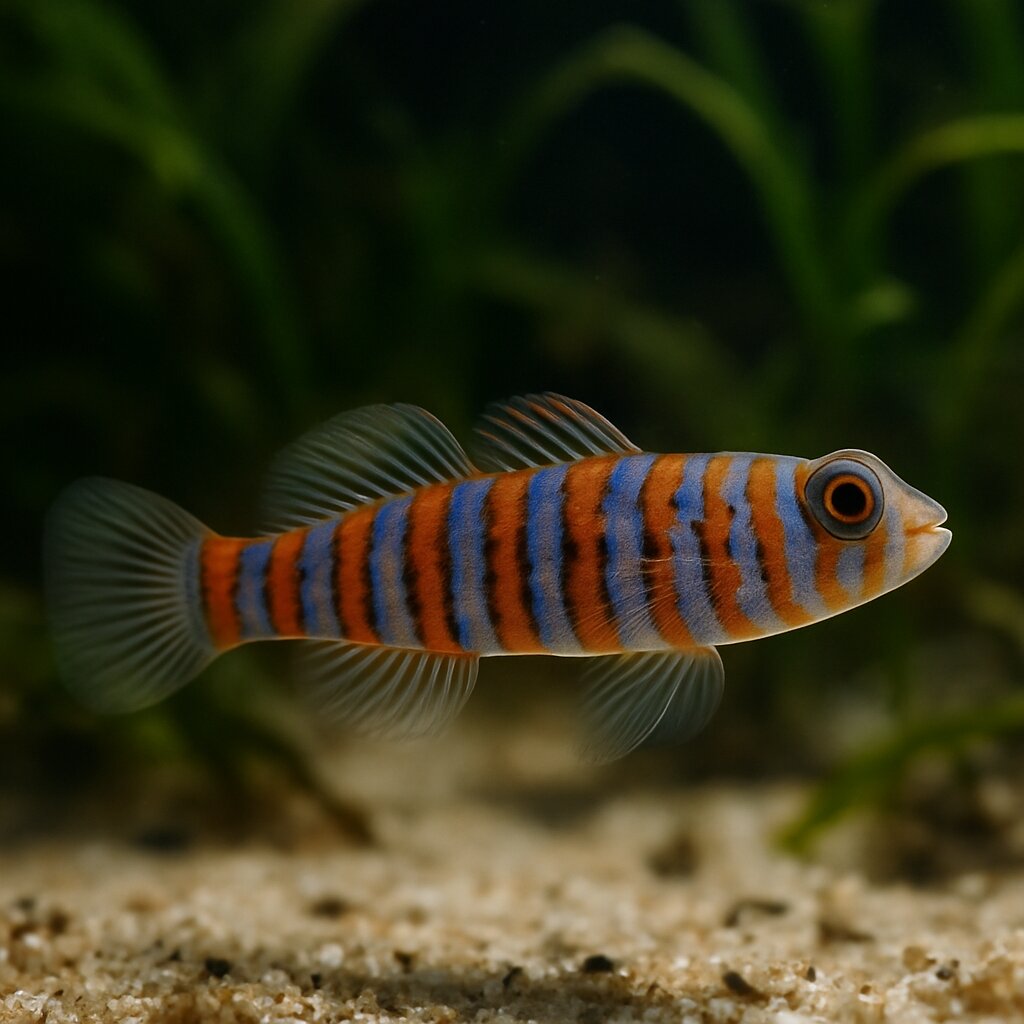
The Convict goby features a slender body with distinct black vertical stripes and bright orange or yellow-orange coloration on its head and fins.
This page includes AI-generated images. Why am I seeing AI images?
About the Convict goby
A tiny Caribbean goby with bold dark-and-pale bars, the convict goby spends its days perched under ledges and picking micro-crustaceans from the rock. It stays under an inch long, so it does best in a peaceful nano reef with lots of nooks and a steady supply of small foods like copepods or finely chopped mysis. Think of it as a shy little cave gremlin that comes out when it feels safe.
Also known as
Quick Facts
Size
2 cm
Temperament
Peaceful
Difficulty
Intermediate
Min Tank Size
10 gallons
Lifespan
1-3 years
Origin
Western Atlantic - Greater Caribbean
Diet
Carnivore - tiny crustaceans, worms; accepts live or frozen copepods, enriched brine, finely chopped mysis, and small pellets
Water Parameters
24-26°C
7.9-8.3
8-12 dGH
Need a heater for this species?
This species needs 24-26°C in a 10 gallon tank. Use our heater calculator to find the right wattage.
Calculate heater sizeCare Notes
- Give them a rock-heavy cave maze in a 20+ gallon tank and a tight-fitting lid - they are tiny jumpers and live in crevices more than open water.
- Run slightly cooler reef temps, 72-76 F, with salinity 1.024-1.026 and good aeration; they sulk and stop eating if the tank runs hot or swings fast.
- Feed small meaty stuff they can actually swallow: copepods, frozen cyclops, baby brine, and finely chopped mysis; target-feed near their cave 1-2 times a day.
- They are reef-safe but get scrappy with similar-sized gobies; stick to one per tank unless you have a confirmed pair, and skip hawkfish, big wrasses, and dottybacks.
- They are not sand sifters, so do not expect them to clean your substrate; think of them as micro-predators that hunt tiny crustaceans around the rocks.
- If you luck into a pair, give them a narrow cave or 1/2 inch PVC bit and they will lay eggs on the roof with the male guarding; the larvae are planktonic and will not make it in a display without rotifers.
- Wild-caughts often come with flukes; a 2-4 week QT and a praziquantel round is worth it, and watch for a pinched belly as a sign you need to up feeding frequency.
Compatibility
Good Tankmates
- Chill nano gobies that mind their lane (neon gobies, clown gobies, greenbanded gobies)
- Shy midwater cruisers like firefish and dartfish that will not muscle them off their cave
- Small, non-bully wrasses (possum wrasse, pink-streak wrasse) that ignore rock perches
- Cardinals that hover and do not hassle the bottom (Bangaii, pajama)
- Shrimp-goby and pistol shrimp pairs that keep to the burrow and leave rock nooks alone
- Mellow clowns like ocellaris or percula, not the rowdy maroon types
Avoid
- Dottybacks and other cave-claiming bullies (Pseudochromis) that will harass small gobies
- Hawkfish that see pocket-sized gobies as snacks
- Pushy or nippy wrasses and damsels (sixline, melanurus, three-stripe damsel)
- Multiple convict gobies or lookalike Lythrypnus crammed in a small tank unless they are a bonded pair
Where they come from
Convict gobies (Lythrypnus phorellus) are little cave lovers from the tropical eastern Pacific. Think rocky reefs and ledges from Mexico down toward Central/South America, ducking in and out of cracks where surge brings them snacks. They wear bold bars that gave them the name, and they spend a lot of time guarding a favorite hole like a tiny bouncer.
Stores sometimes label the convict blenny (Pholidichthys leucotaenia) as a convict goby. Different fish, different care. The blenny gets over a foot long and digs tunnels. Lythrypnus phorellus stays small (around 2-2.5 inches) and perches in caves.
Setting up their tank
They do best in a rock-heavy setup with lots of tight hideouts. If you give them a cave they like, they settle fast and show themselves more.
- Tank size: 20 gallons for a single. For a pair, 30+ with broken sightlines.
- Aquascape: stacked live rock with small crevices, rubble piles, and a few snug caves (1/2-1 inch openings). A 1-2 inch sand bed works well.
- Flow: moderate with calmer pockets near the caves.
- Lid: tight-fitting. They jump when spooked.
- Light: normal reef lighting is fine, but they appreciate shaded spots.
- Water: 1.024-1.026 SG, pH 8.1-8.4, temp 74-76 F (72-78 F workable), low nutrients and stable parameters.
I like to tuck a few short pieces of 1/2 inch PVC or small snail shells in the rockwork. They often choose those as nests.
Quarantine helps a lot with these guys. They can come in a bit lean and shy, so a quiet QT with easy target feeding gets them eating before they face competition in the display.
What to feed them
Small meaty foods are the way to go. Mine ignored pellets the first week and only picked at tiny moving bits near the cave entrance. Once they realize food arrives on schedule, they get braver.
- Frozen: finely chopped mysis, enriched brine (as a treat), cyclops, calanus, and small roe.
- Live or cultured: copepods, baby brine (enriched), and small amphipods.
- Dry: 0.5-1 mm marine pellets and small flakes after they settle in.
Feed small amounts 2-3 times daily at first. Target feed with a pipette right to the cave mouth so faster fish do not steal it all. I like to soak the first meal of the day in vitamins to help thin fish bounce back.
If they only strike at moving food, swirl the pipette tip so pieces drift past their cave like real plankton.
How they behave and who they get along with
They pick a small territory and guard it. Expect short dashes to chase off nosy neighbors, then right back to hovering at the entrance like a sentry. Once settled, they will watch you from the cave and dart out for food.
- Good neighbors: small peaceful fish (clown gobies, tiny wrasses that are not terrors, cardinalfish, firefish if the tank is covered), cleaner and ornamental shrimp, snails, corals.
- Use caution: dottybacks, six-line wrasses, hawkfish, and larger damsels that may bully or outcompete them.
- Avoid: big predators and anything that snacks on small gobies.
They can be feisty with their own kind in tight quarters. A single is easy. A bonded pair can work if the tank is roomy with plenty of caves. Two random individuals in a small tank often ends with one hiding constantly.
Breeding tips
They are cave spawners. A compatible pair will clean a small cavity, the female lays a patch of eggs on the ceiling, and the male guards and fans them. You will see the male glued to the cave for days, only dashing out to eat.
- Offer multiple snug caves (shells, PVC elbows, small clay pots).
- Keep temps steady around mid-70s F and feed a rich, meaty diet.
- Do not disturb their chosen cave once they start cleaning it.
- Larvae are planktonic and tiny. Raising them needs a separate rearing tank, rotifers, and good live-food culture skills.
If you spot silvering eggs and the male is extra defensive, hatch is near. Turn off strong mechanical filtration at lights-out on hatch night if you plan to collect larvae.
Common problems to watch for
- Misidentification: getting a convict blenny instead of this goby. Double-check body shape and adult size.
- Jumping: any sudden movement can send them airborne. Cover every gap, including around cables.
- Not eating: offer very small frozen foods and live pods; target feed at the cave. Reduce flow during feeding so food hangs in place.
- Bullying: if they vanish after lights-on, watch for a pushy wrasse or dottyback. Add more caves and consider rehoming the bully.
- Overheating: they handle mid-70s F best. Tanks running 80-82 F can make them pant and hide.
- Disease: like other gobies, they can get ich/velvet. A gentle QT, observation, and treatment in a separate tank beats trying to medicate a full reef.
Do not try to keep a group in a small tank. Extra individuals usually get pinned in a corner and starve. One or a bonded pair is the safe play.
Similar Species
Other marine peaceful species you might be interested in.
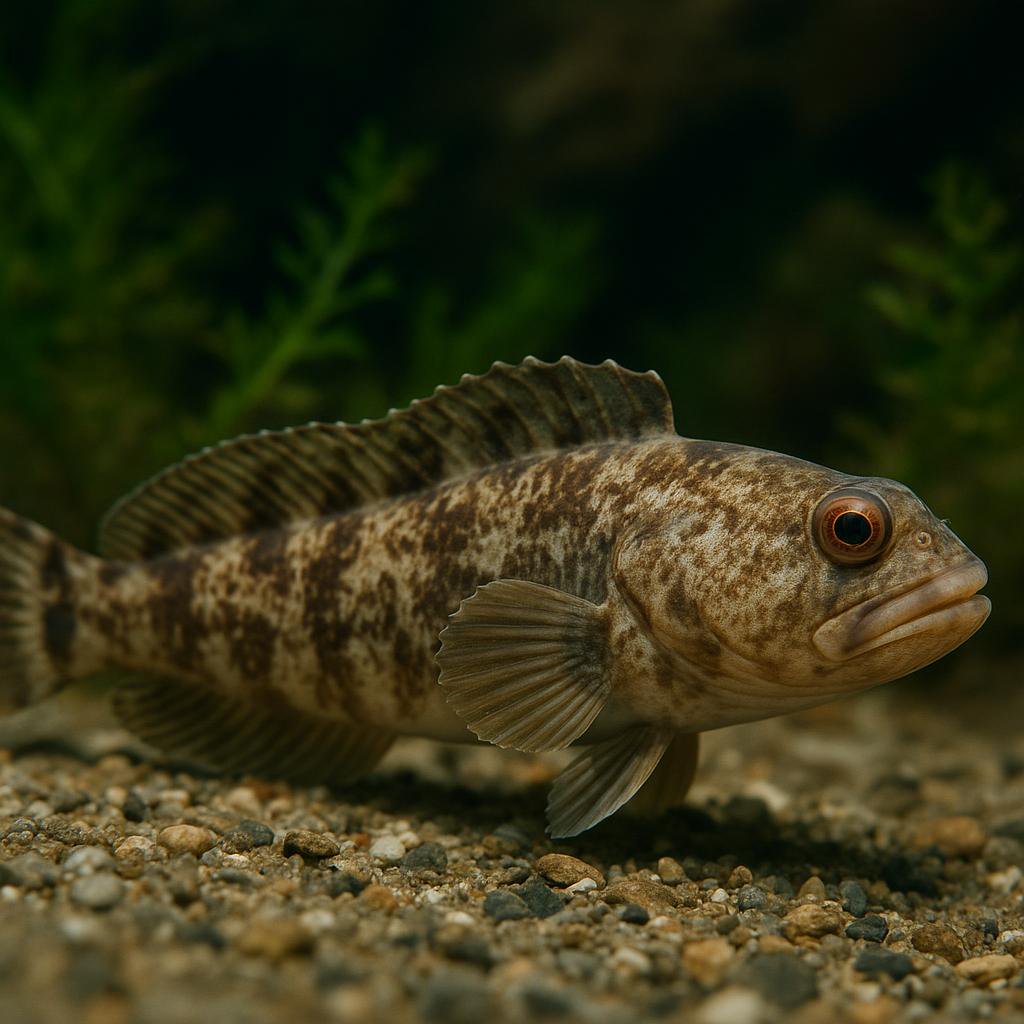
Abe's eelpout
Japonolycodes abei
Japonolycodes abei is a temperate, deepwater demersal eelpout (family Zoarcidae) endemic to Japan (Kumano-nada Sea reported; other sources also report Sagami Bay and Tosa Bay). It is the only species in the genus Japonolycodes and occurs roughly 40-300 m depth, making it an uncommon/atypical aquarium species.
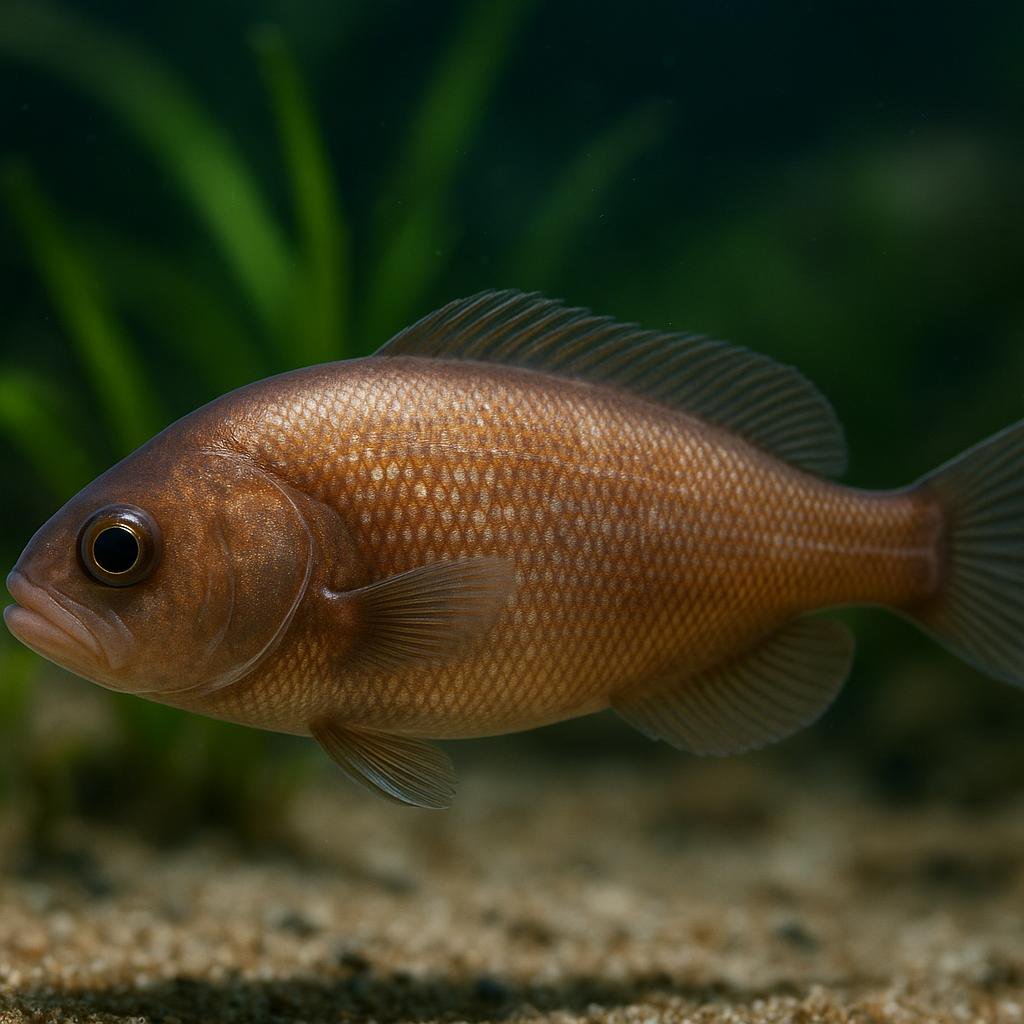
Affinis blind cusk-eel
Barathronus affinis
Barathronus affinis is a tiny, super-weird deep-sea blind cusk-eel from the western-central Indian Ocean. It is one of those gelatinous, loose-skinned brotula-type fishes that live way down in the dark and are basically never seen alive, so almost everything we know comes from preserved specimens and taxonomic work.
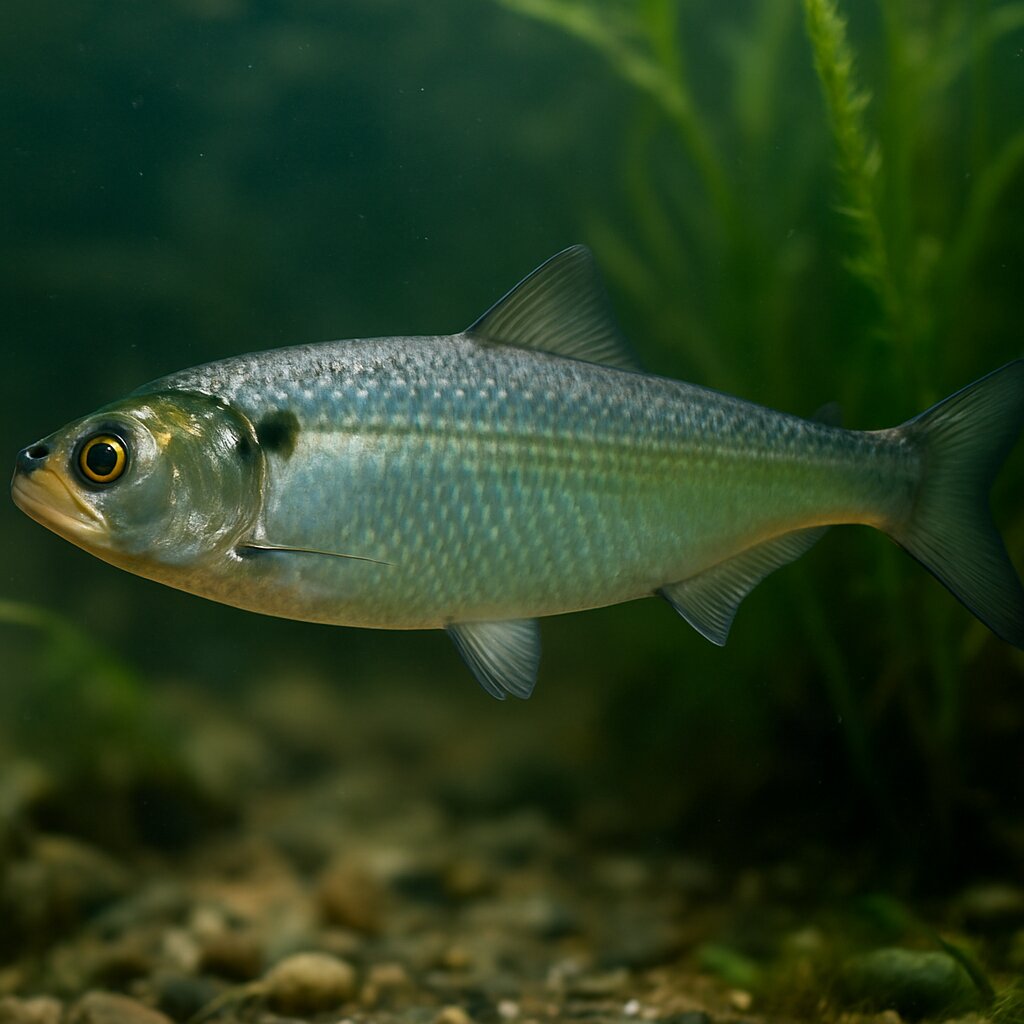
Allis shad
Alosa alosa
Gorgeous silver, fast-swimming shad that spends most of its life in the sea and then surges up big rivers in noisy, surface-spawning schools. It grows huge for a herring-type fish and needs cool, ultra-oxygenated water and tons of open space, so it is a public-aquarium species rather than a home tank fish.
Annandale's zebra sole
Zebrias annandalei
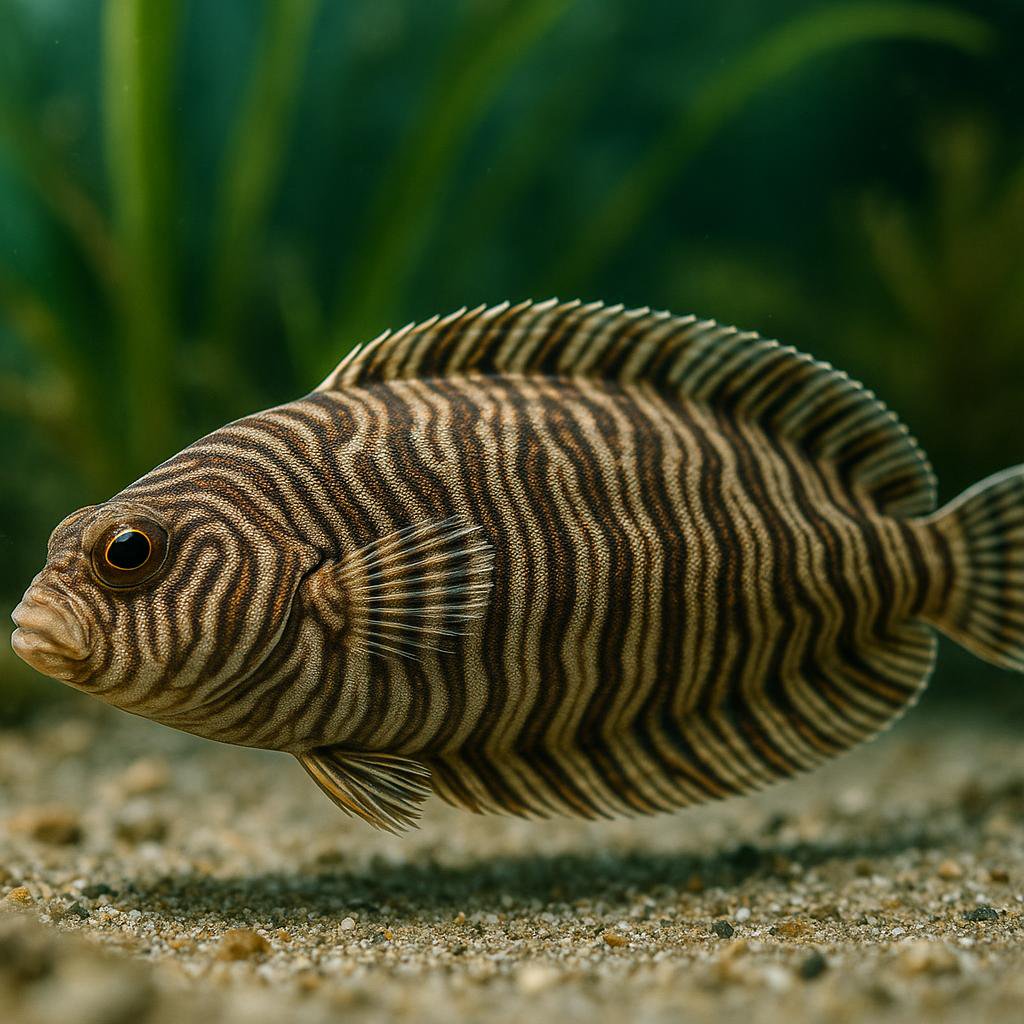
Zebrias annandalei is a small demersal sole from coastal India that inhabits sandy or muddy bottoms and buries for camouflage. It is rarely kept in home aquaria and would require a specialized marine sand-bottom setup and appropriate feeding.
Banggai Cardinalfish
Pterapogon kauderni
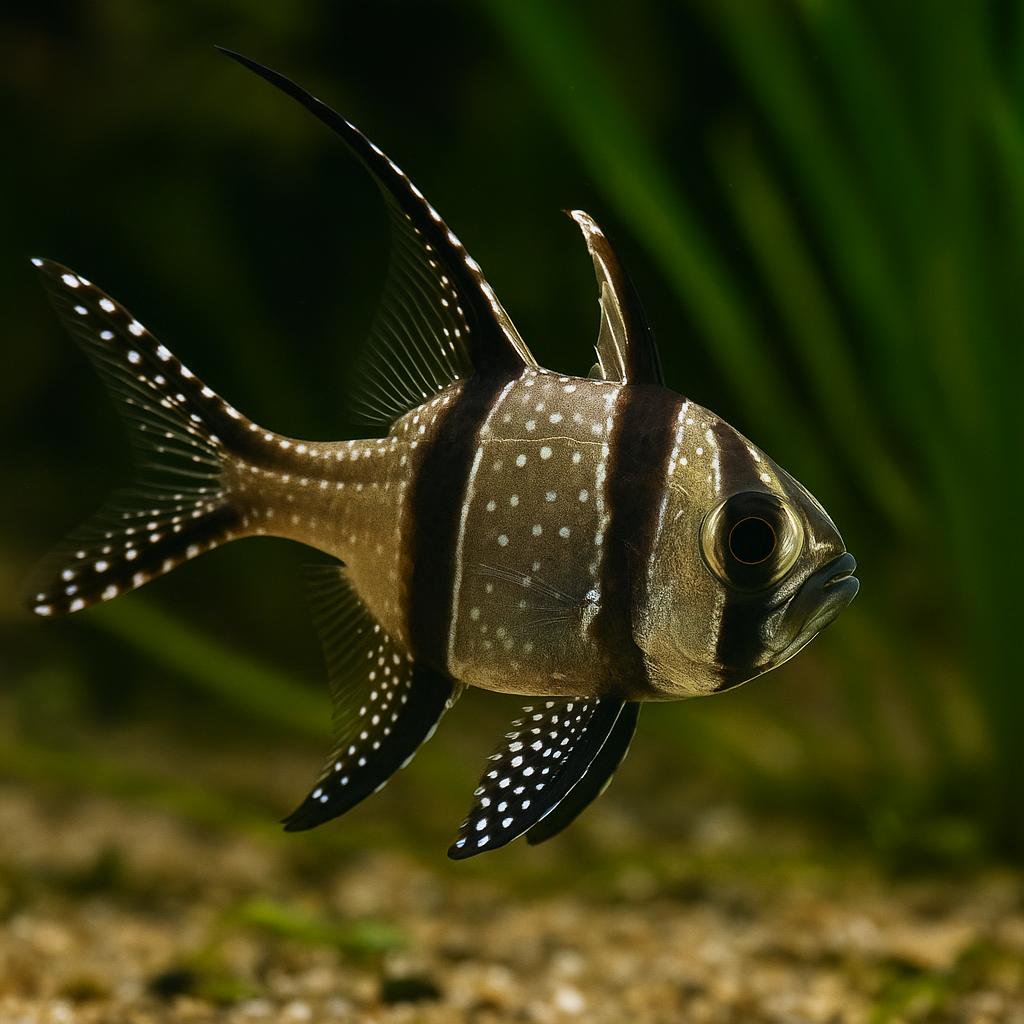
Banggai cardinals just sort of hover like little underwater satellites, and the bold black bars with those long, polka-dotted fins look unreal under reef lighting. They're super chill most of the time, but once a pair forms you'll see real "fish drama," and the male will even mouthbrood the babies like a champ.
Barbedwire-tailed skate
Notoraja martinezi
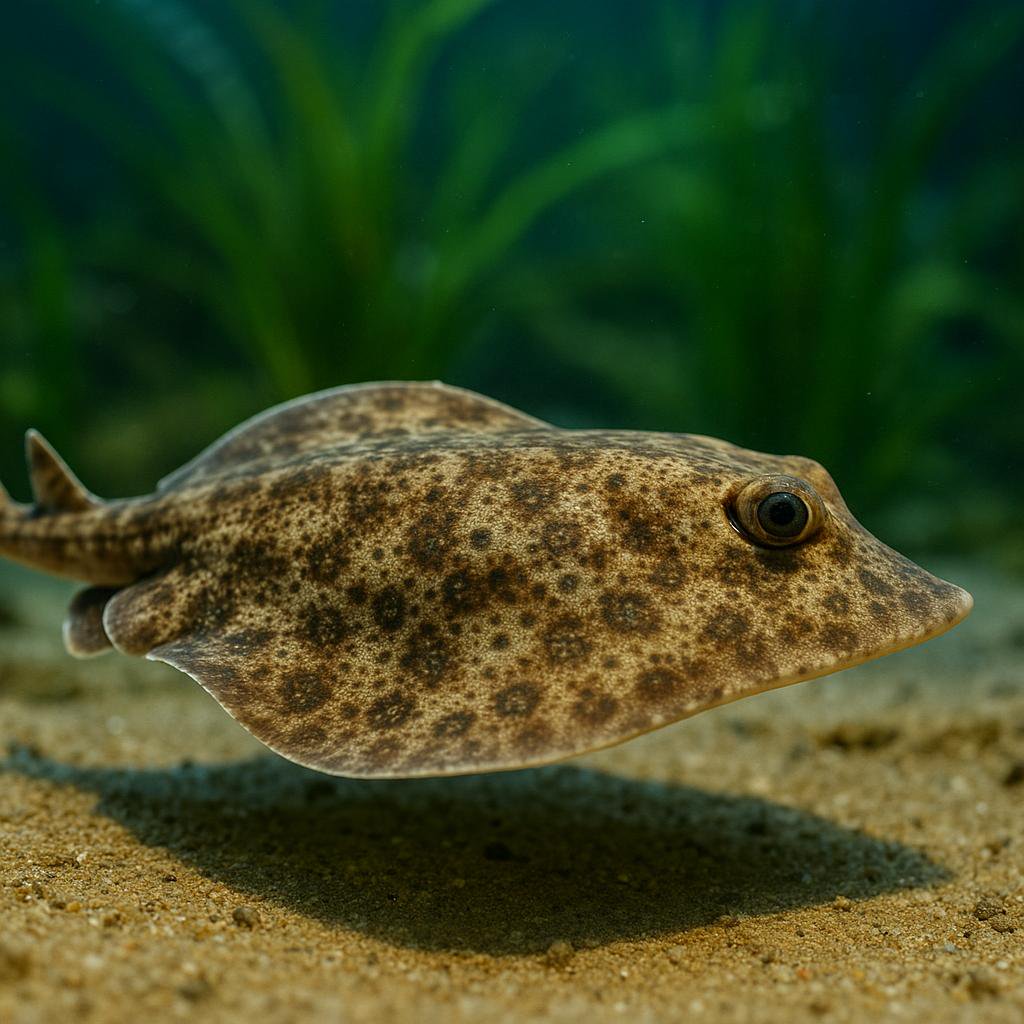
Notoraja martinezi is a deepwater skate from the eastern Pacific (Costa Rica down to Ecuador) that lives way down on soft bottoms. The tail is the giveaway - it is lined with strong, hooked thorns that really do look like barbed wire. This is absolutely not an aquarium fish; it is a cold, high-pressure deep-sea animal with basically no practical home care info because it is not kept in the hobby.
More to Explore
Discover more marine species.
African red snapper
Lutjanus agennes
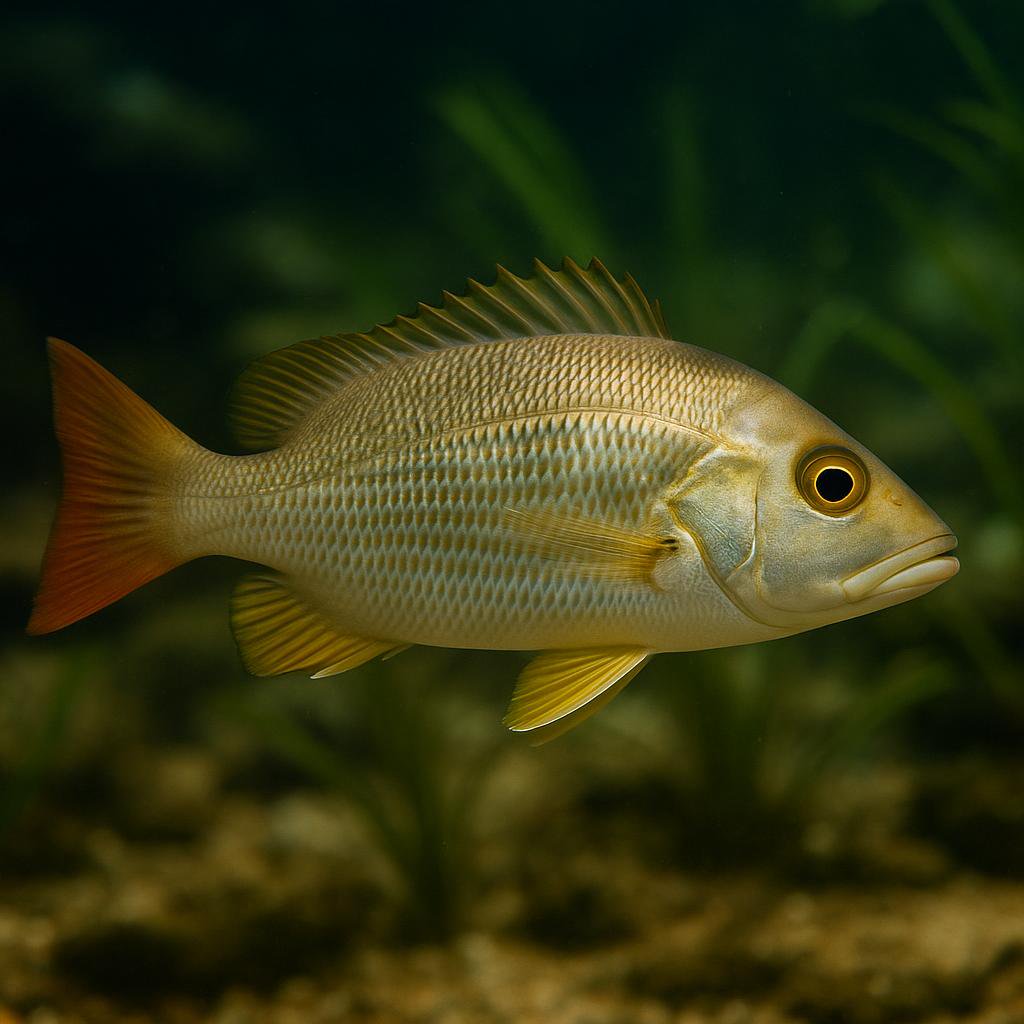
This is a true snapper from West Africa - a big, fast-growing predator that goes from coastal reefs to brackish lagoons and estuaries (especially as a juvenile). Super cool fish in the wild, but it gets absolutely huge and will eat smaller tankmates once it has the mouth for it, so its really more of a public-aquarium scale animal than a home-aquarium fish.
Aleutian skate
Bathyraja aleutica
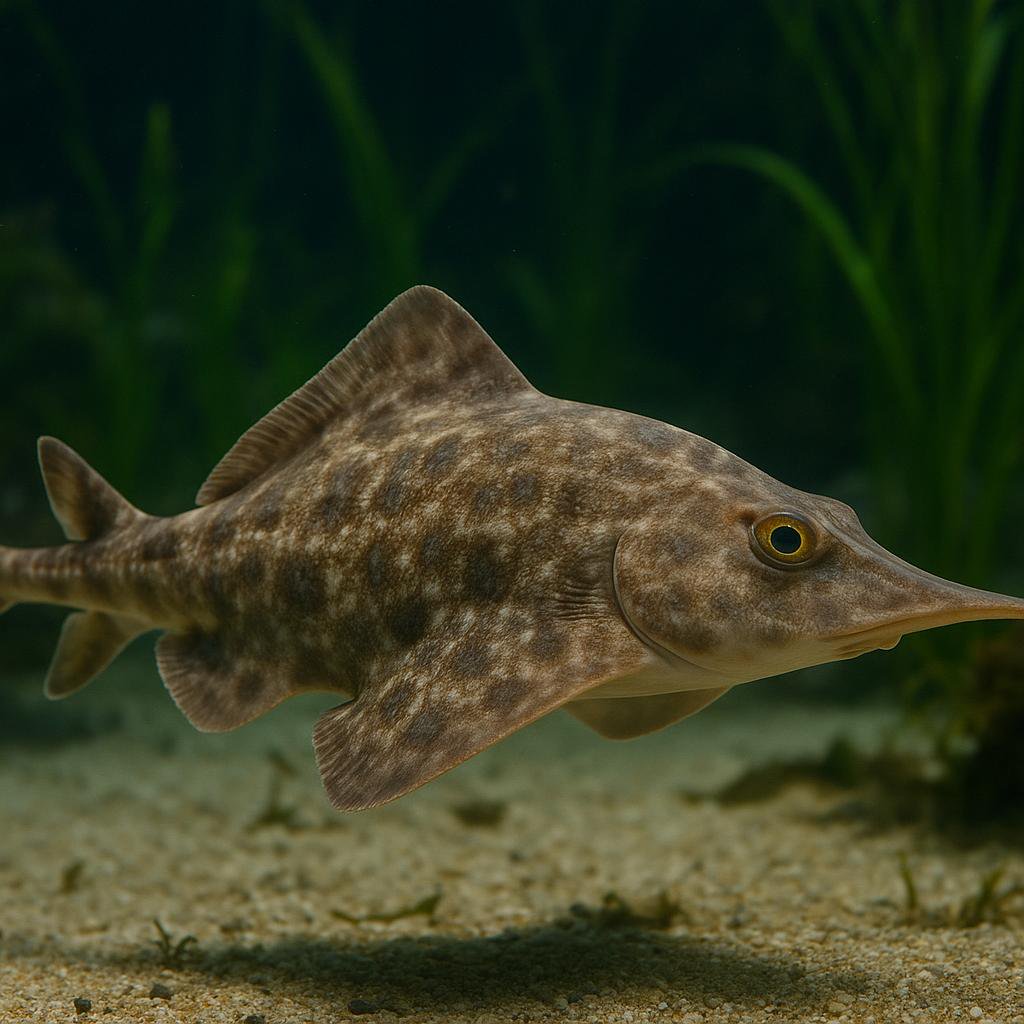
This is a big, cold-water deep-slope skate from the North Pacific that cruises muddy bottoms and eats chunky benthic prey like crabs and shrimp. The really cool bit is its egg-laying skate life - it does distinct pairing (the classic skate "embrace") and drops those tough egg cases on the seafloor. Not an aquarium fish at all unless you're basically running a public-aquarium-style chilled system.
Antarctic dragonfish
Vomeridens infuscipinnis
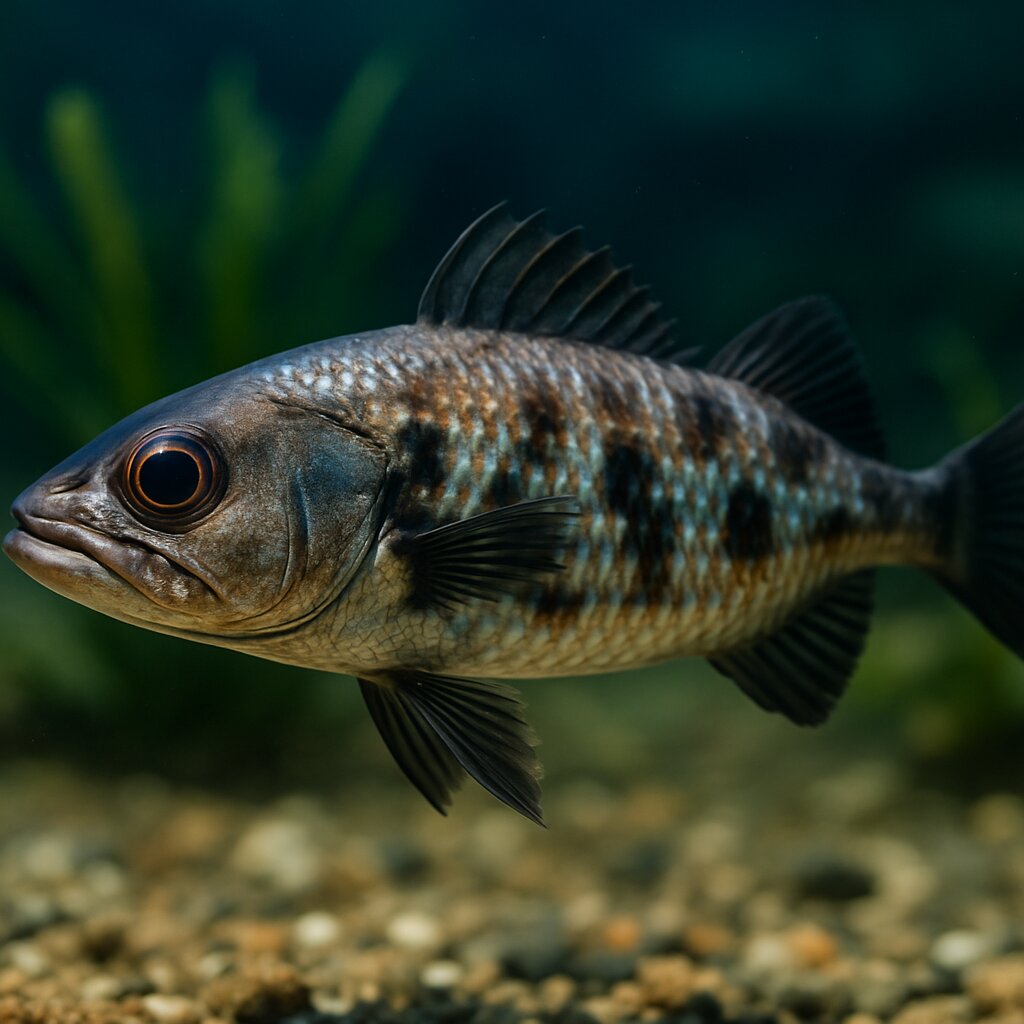
Deep down around Antarctica, this sleek dragonfish cruises the water column like a little submarine, nearly neutrally buoyant so it can hover above the seafloor. It munches almost exclusively on Antarctic krill and lives in near-freezing water 500-800 m down, so it is a cool species to read about, not one for home tanks.
Arabian spiny eel
Notacanthus indicus
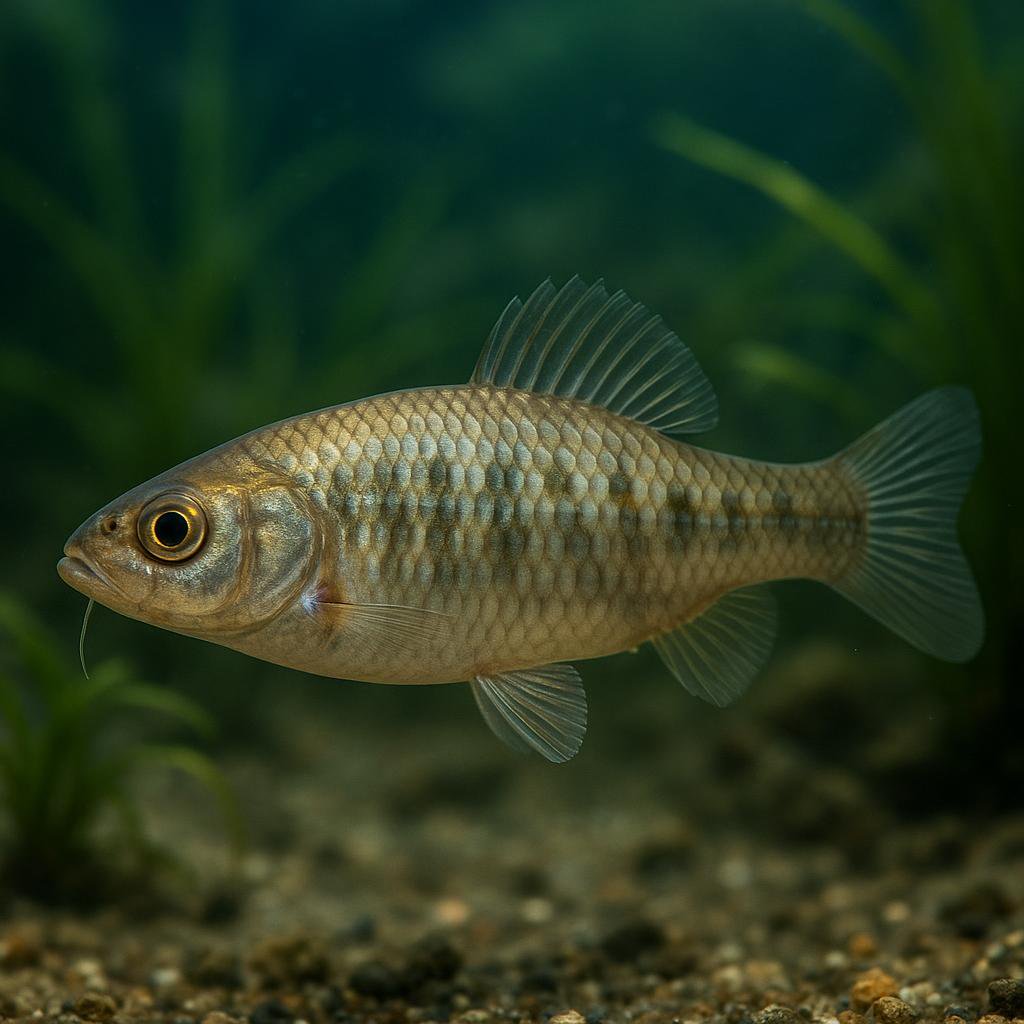
Notacanthus indicus is a deep-sea spiny eel (family Notacanthidae; not a true eel) known from the Arabian Sea on the continental slope at roughly ~960–1,046 m depth, with reported maximum length around 20 cm TL; it is a deep-water bycatch species and not established in the aquarium trade.
Arctic rockling
Gaidropsarus argentatus
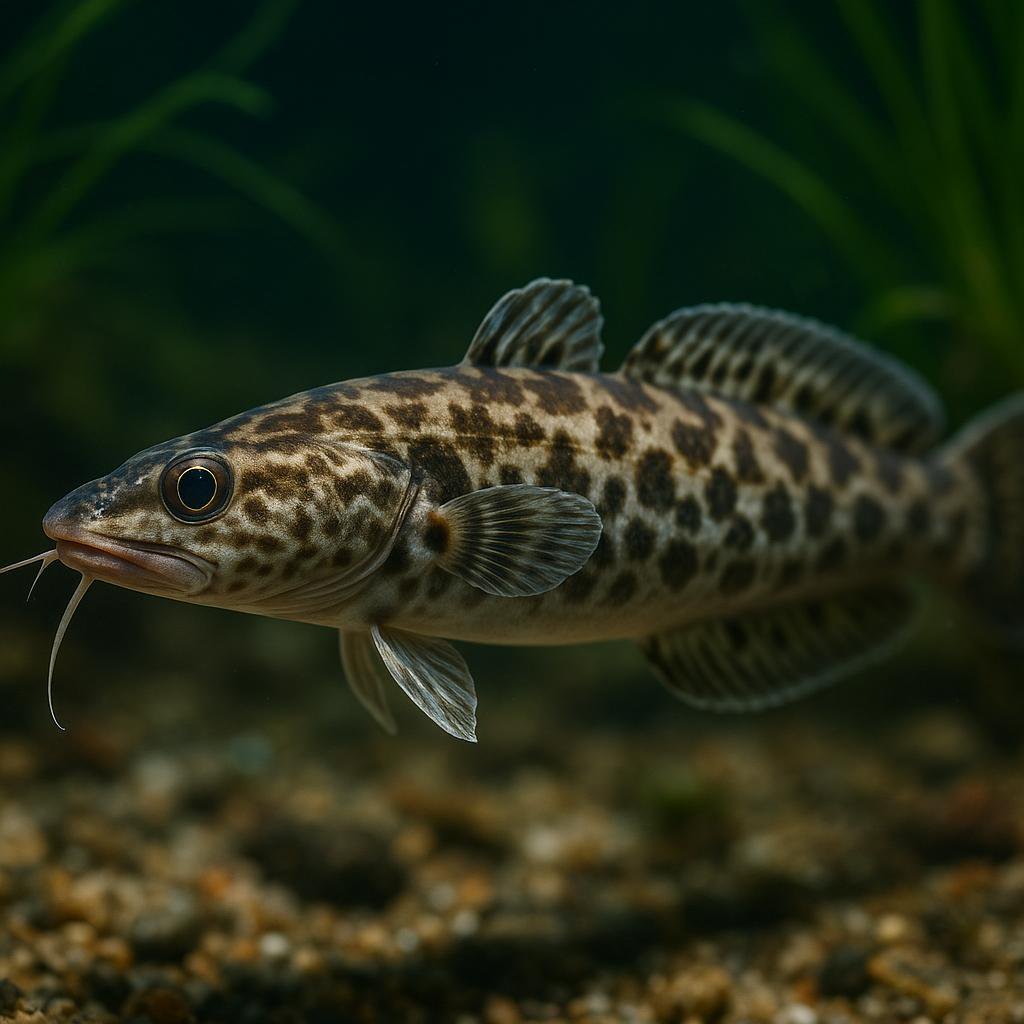
This is a deepwater North Atlantic rockling (a cod relative) that hangs out on soft bottoms way down the slope. It is a cold-water, bottom-hugging predator that snoots around for crustaceans and will also take small fish when it gets the chance.
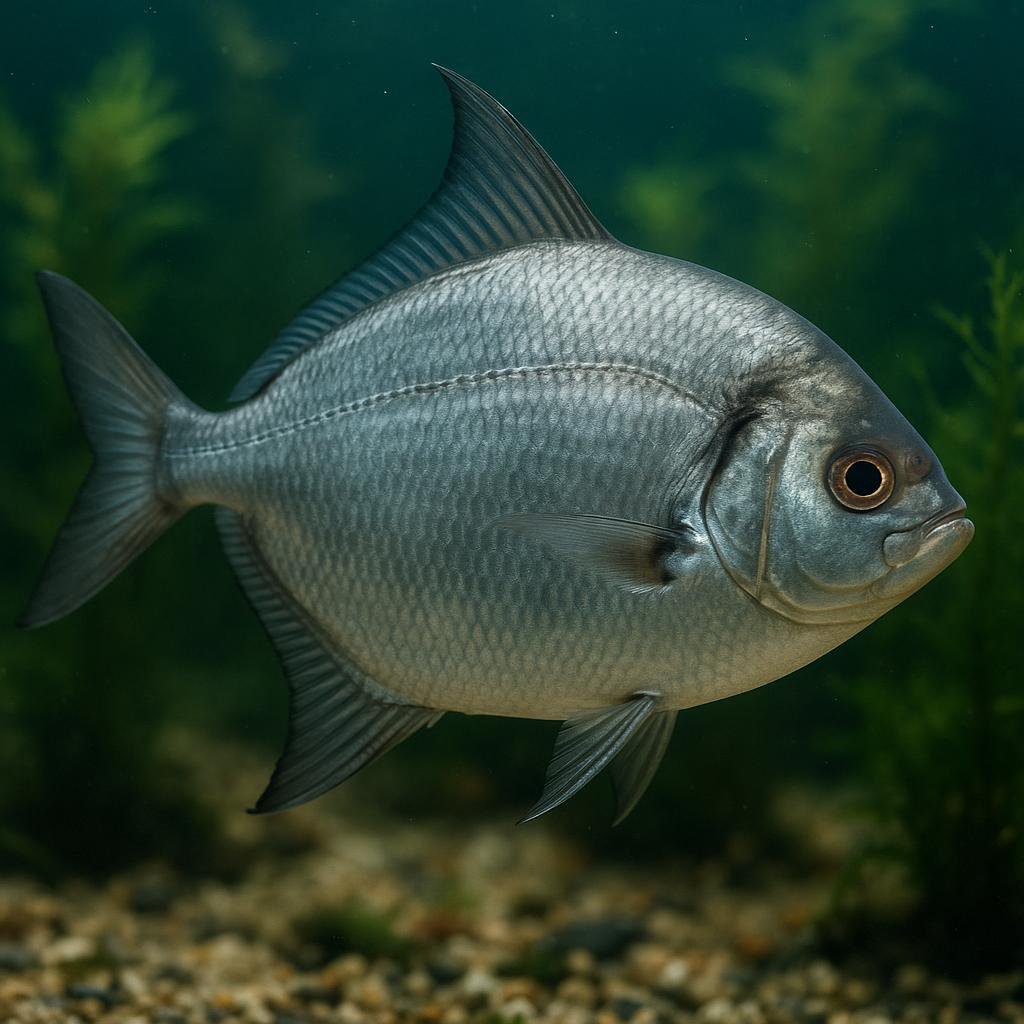
Atlantic pomfret
Brama brama
Brama brama is the Atlantic pomfret (aka Ray's bream) - a deep-bodied, open-ocean pelagic fish that cruises around in small schools and follows water temps. It is a legit big, wild marine species (not an aquarium fish) that eats other small sea critters like fish and squid, and it ranges across a huge chunk of the Atlantic plus parts of the Indian and South Pacific.
Looking for other species?