

Tanganyika electric catfish
Malapterurus tanganyikaensis
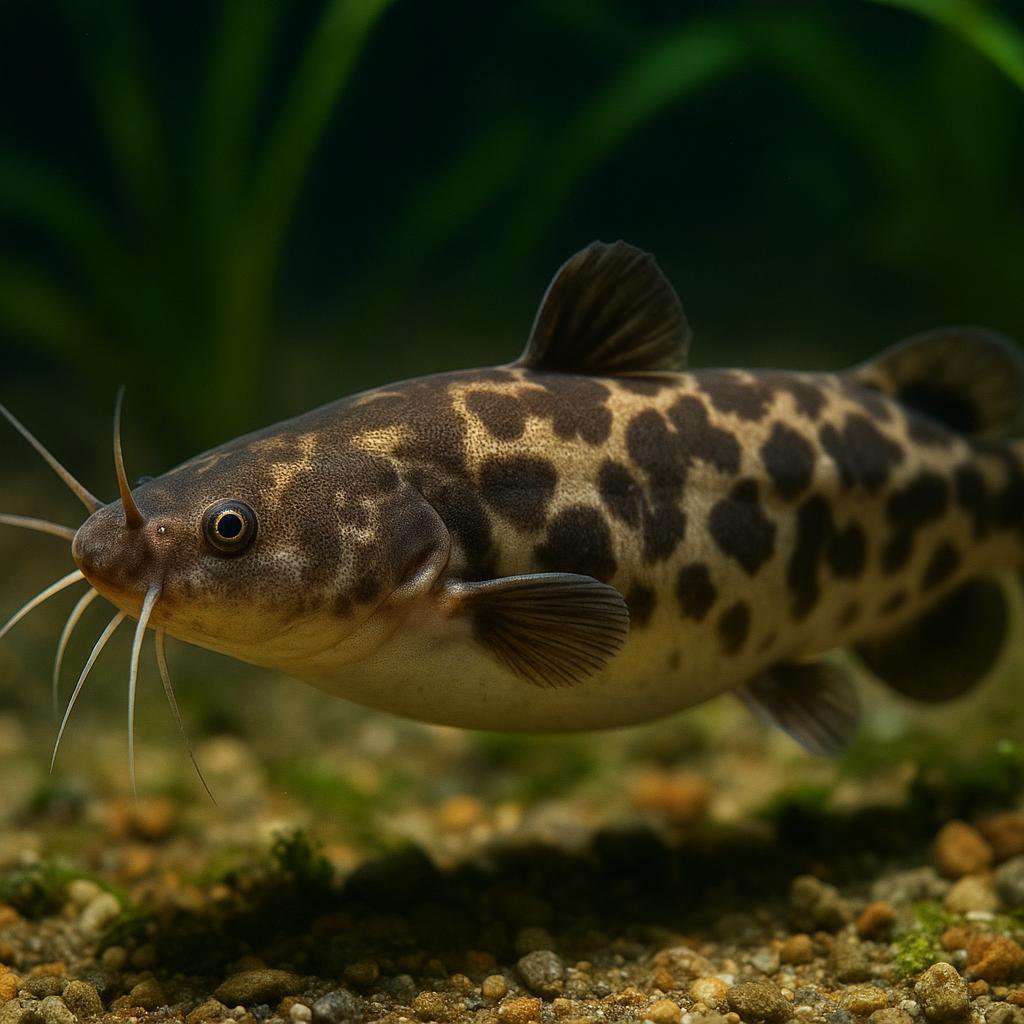
The Tanganyika electric catfish features a long, slender body with a dark, mottled coloration and elongated dorsal and anal fins.
This page includes AI-generated images. Why am I seeing AI images?
About the Tanganyika electric catfish
This is an electric catfish from Lake Tanganyika; FishBase describes it as a voracious piscivore that feeds on cichlids and is encountered in the littoral zone down to ~50 m (often bays/river mouths). As an electric catfish (Malapterurus), it can deliver powerful electric discharges—use extreme caution during maintenance and handling.
Also known as
Quick Facts
Size
49.5 cm SL
Temperament
Aggressive
Difficulty
Expert
Min Tank Size
180 gallons
Lifespan
8-12 years
Origin
Africa (Lake Tanganyika basin)
Diet
Carnivore/piscivore - mainly fish (in the wild it preys on cichlids); in captivity use meaty frozen foods and appropriate-sized whole prey items
Water Parameters
24-27°C
8.3-9.2
10-13 dGH
Need a heater for this species?
This species needs 24-27°C in a 180 gallon tank. Use our heater calculator to find the right wattage.
Calculate heater sizeCare Notes
- Give it a big footprint and lots of dark cover - think sand, rock piles, and tight caves/pipe it can wedge into. Keep lighting dim unless you want a stressed, constantly-hiding fish.
- Run Tanganyika-style water: hard and alkaline (around pH 8.0-9.0, high KH/GH), 24-27 C (75-81 F). Keep nitrate low because these guys sulk and go off food when the water gets dirty.
- This is not a community fish and may prey on tankmates; FishBase describes it as a voracious piscivore feeding on cichlids. Use extreme caution during maintenance because electric catfishes can deliver powerful electric discharges; species-only setups are strongly preferred.
- Feed meaty stuff after lights-out: earthworms, shrimp, fish flesh, quality sinking carnivore pellets. Go smaller portions than you think because they get fatty fast and a bloated electric catfish is a bad time.
- Use a tight lid and no tiny gaps around hoses because they can roam at night. Also cover heater intakes and powerhead guards so it cannot wedge itself in and get burned or stuck.
- Do all maintenance with the power off and keep your hands out when it is active - the shock is real, especially in wet conditions. Use long tongs for feeding and moving decor, and move the fish with a container, not a net.
- Watch for scrapes and infections from squeezing into rocks; smooth the sharp stuff and give it wider caves than you think it needs. If it starts breathing hard or staying out in the open, check for ammonia/nitrite and high nitrate right away.
- Breeding in home tanks is rare and not a casual project - they need space, heavy feeding, and a secure nesting spot, and the adults can be nasty. If you ever see guarding behavior, stop rearranging the tank and keep disturbances to a minimum.
Compatibility
Good Tankmates
- Hardy synodontis catfish from Tanganyika (like Synodontis multipunctatus or petricola) - they are armored, quick, and tend to learn the 'give that fish space' rule fast
- Robust Tanganyika 'rock' cichlids (bigger Julidochromis or similar-sized, not dwarfs) if the layout has lots of rocks and broken lines of sight - you want everyone to have their own lanes
- Midwater Tanganyika haps that are not bite-sized and are fast, confident swimmers - the goal is fish that do not blunder into the catfish at night
- A species-only setup or very sparse stocking with just one or two other big fish - honestly this is where these electric cats are easiest, since they are basically an ambush predator with a taser
- Fast, thick-bodied barbs or similar tough 'dither' fish that are too big to swallow (only if you really know what you are doing) - they can work, but you are still rolling the dice
Avoid
- Most fish tankmates (including Tanganyika cichlids), as FishBase describes the species as a voracious piscivore feeding on cichlids; species-only is strongly preferred.
- Small schooling fish like tetras, rasboras, juvenile cichlids, or anything slender - they tend to become expensive snacks, especially once the lights go out
- Slow or long-finned fish (angels, guppies, fancy goldfish, bettas) - they cannot dodge and they get nailed when they wander too close
- Other electric catfish or multiple Malapterurus together - unless you have a monster tank and partitions, they are usually a 'there can be only one' kind of deal
- Hyper-aggressive fin-biters or brawlers that will constantly pick at it (some big Central American cichlids, overly mean mbuna-style behavior) - stress goes up, and the cat will eventually 'solve the problem' with a shock
Where they come from
Tanganyika electric catfish (Malapterurus tanganyikaensis) come from Lake Tanganyika and nearby connected waters. Same lake as a lot of the famous cichlids, but this fish is playing a totally different game: ambush predator that can put out a serious electric shock.
They spend a lot of time tucked into dark spots and come alive at dusk. If you are expecting an always-on display fish, this one will test your patience. If you like weird, secretive predators, they are awesome.
Setting up their tank
Plan the tank around two things: they get bulky, and they want secure hiding places. I would not keep an adult in anything smaller than a 75 gallon, and bigger is better once you see the body mass they can put on.
- Footprint matters more than height. Give them floor space and caves.
- Use sand or smooth fine gravel. They are clumsy bulldozers and will scrape themselves on sharp stuff.
- Build hides with big rock caves, large PVC sections, or ceramic tubes. Make entrances wide so they do not wedge themselves.
- Keep lighting fairly subdued and add shaded zones so they feel safe enough to come out.
- Use a tight lid. They can spook and launch, and you do not want an electric catfish on the floor.
Respect the electricity. Do not grab one with wet bare hands. Use a container to move it (big plastic tub or bucket), and unplug heaters/filters before putting your hands deep in the tank. People laugh until they get nailed and drop a rock on the glass.
Filtration needs to be strong, mostly because they are messy eaters and they like meaty foods. I run oversized canisters or a sump, plus extra mechanical filtration you can rinse often. Stable, clean water will save you headaches with skin issues.
Lake Tanganyika is mineral-rich. Aim for hard, alkaline water with steady parameters. Do not chase numbers daily, just keep it consistent and do regular water changes.
What to feed them
These are predators. Mine did best on a rotation of chunky frozen and fresh foods rather than trying to force pellets right away. They learn routines fast, especially if you feed after lights dim.
- Good staples: chunks of fish (tilapia, smelt), shrimp, mussel, squid, earthworms
- Frozen works fine: prawn, krill, mixed seafood, bloodworms for smaller ones (not as a main food for big adults)
- Use tongs. It keeps your fingers away and helps you control portions
- Feed 2-3 times a week for adults. Juveniles can eat smaller meals more often
Skip feeder fish. Besides disease risk, they often lead to fatty fish and a catfish that only wants live prey. If you want movement, use earthworms or tongs with thawed shrimp.
Portion control matters. They will act like they are starving even when they are not. If the belly is staying rounded for days, cut back.
How they behave and who they get along with
They are mostly a sit-and-wait hunter. During the day you might just see a tail sticking out of a cave. At feeding time they can go from statue to missile in a second.
Tankmates are where most people get burned. Anything that can fit in the mouth is food. Anything that will pester it nonstop can stress it into hiding and not eating. I treat them as a single-species fish unless the tank is large and the other fish are tough, big, and not nippy.
- Avoid: small cichlids, small catfish, bottom dwellers that will compete for the same caves, fin nippers
- Possible (with space): large, robust Tanganyika cichlids that stay midwater and do not bully, larger synodontis in very big tanks (still a gamble)
- Best plan: keep one electric catfish by itself and build the tank around it
Do not mix two electric catfish unless you have a huge setup and a backup plan. They can injure each other and the stress is not worth it for most hobbyists.
Breeding tips
Breeding Malapterurus in home aquariums is rare. Most of what you see in the hobby is wild caught or imported from facilities that do not share much detail. If you manage a male and female, they still need space, privacy, and seasonal cues that are hard to replicate.
If you want to try anyway, think in terms of conditioning and security. Heavy feeding with quality foods, big water changes that mimic rainy season swings, and multiple deep caves where a pair can get away from the world. Just be realistic: this is a long-shot project, not a weekend goal.
Common problems to watch for
- Refusing food after purchase: very common. Dim the lights, offer smelly foods (shrimp, mussel), and do not keep hovering at the glass
- Scrapes and sores from rough decor: swap sharp rocks and gravel for smoother stuff and keep water clean while it heals
- Bloat/constipation from overfeeding: cut portions, add earthworms occasionally, and give them days off between meals
- Poor water quality from meaty feeding: rinse mechanical media often and keep up with water changes
- Stress from tankmates: hiding nonstop, fast breathing, and skipping meals usually points back to compatibility
The best indicator that things are going well is a confident fish that comes out at its usual time, eats cleanly, and has clear skin with no hazy patches. If it suddenly becomes a ghost, I check water and stress factors before I start throwing meds at it.
Similar Species
Other freshwater aggressive species you might be interested in.
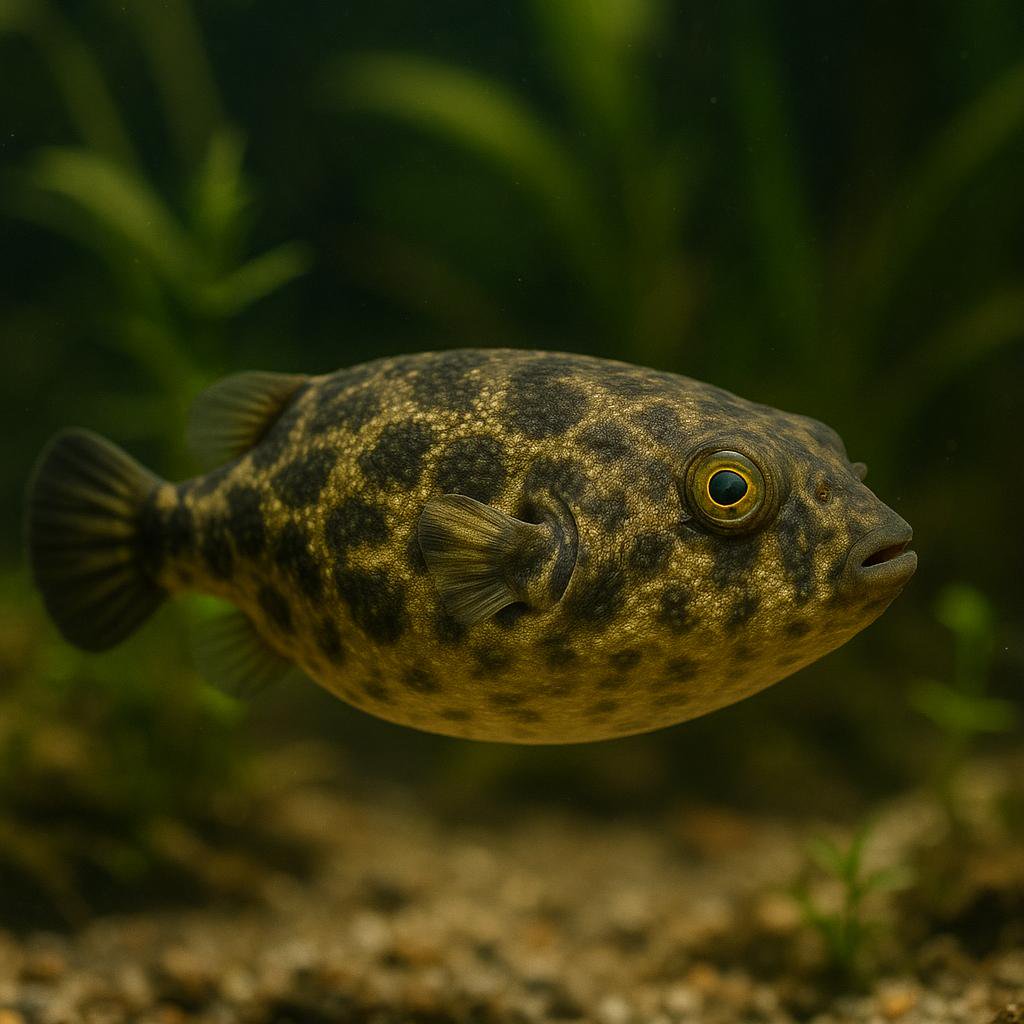
Arrowhead puffer
Pao suvattii
Pao suvattii is that sneaky Mekong puffer that likes to sit low and ambush food, and it has that super recognizable arrow/V pattern on its back. Gorgeous fish with tons of personality, but it is absolutely not a community guy - plan on a solo, species-only setup if you want everybody to stay in one piece.
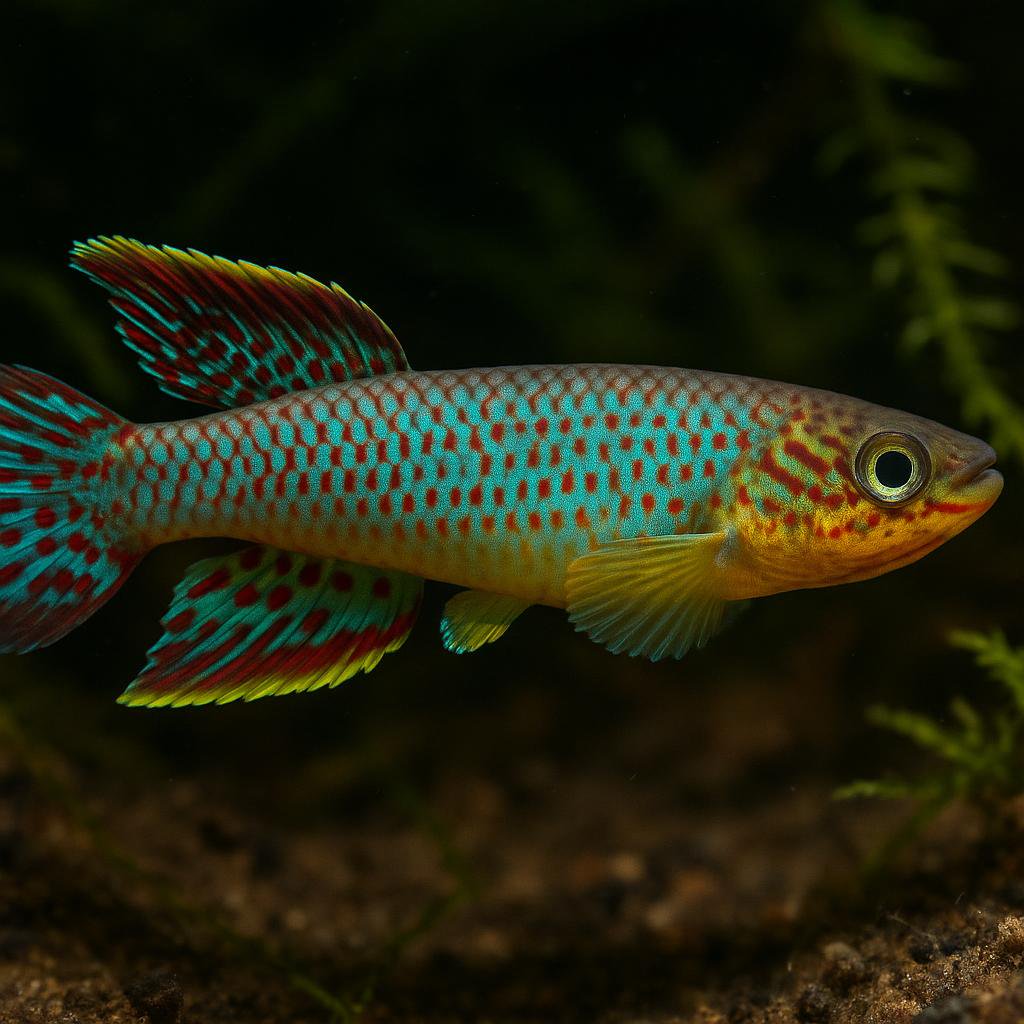
Blue gularis
Fundulopanchax sjostedti
This is the big, flashy West African killifish with the ridiculous triple-point tail and electric blue-green body covered in red spotting. Males can be real attitude machines with each other, but if you give them room, cover, and a tight lid, they make an awesome centerpiece fish that will absolutely demolish live and frozen foods.
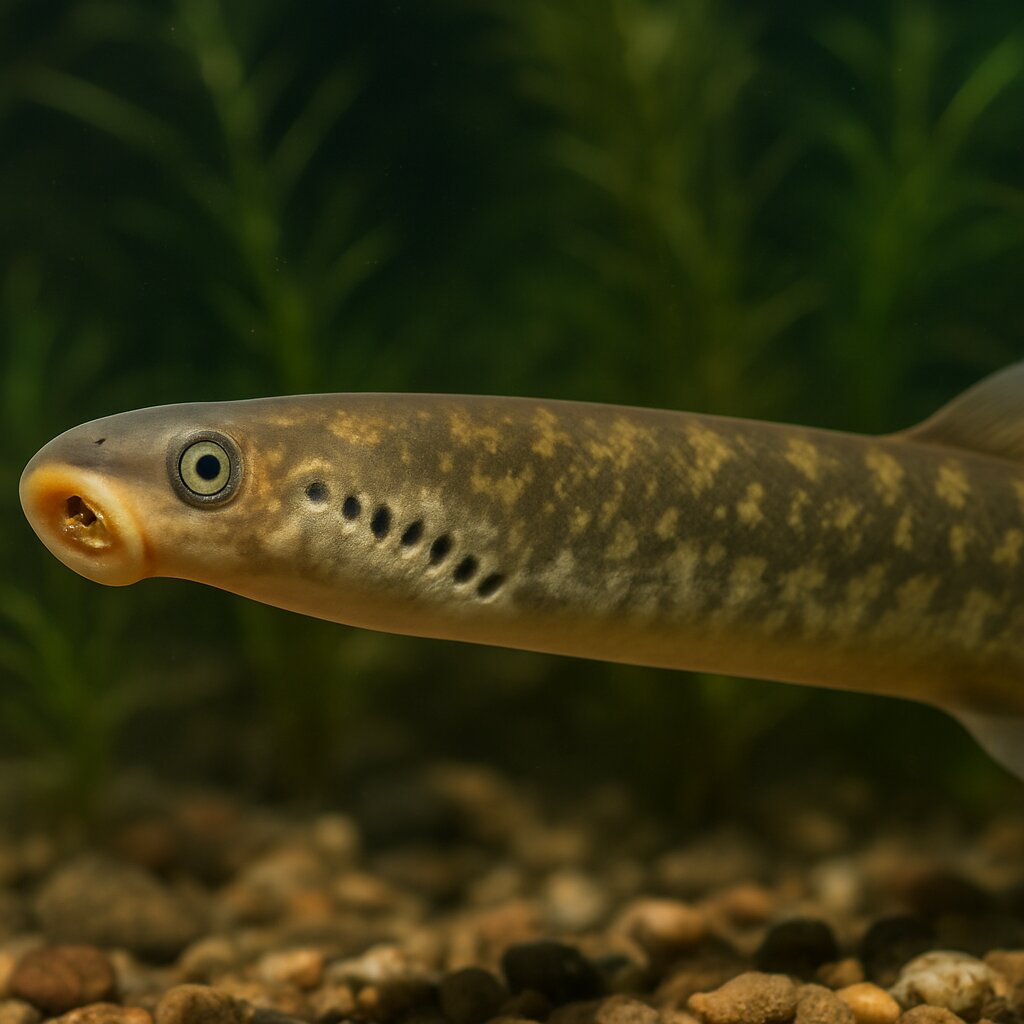
Chestnut lamprey
Ichthyomyzon castaneus
A native North American lamprey that spends 5–7 years as a burrowed, filter‑feeding larva before metamorphosing into a parasitic adult that attaches to fishes and feeds on blood and bodily fluids; adults spawn in spring and die shortly after. It inhabits flowing rivers and some lakes with cool, well‑oxygenated water and is not suitable for community aquaria.
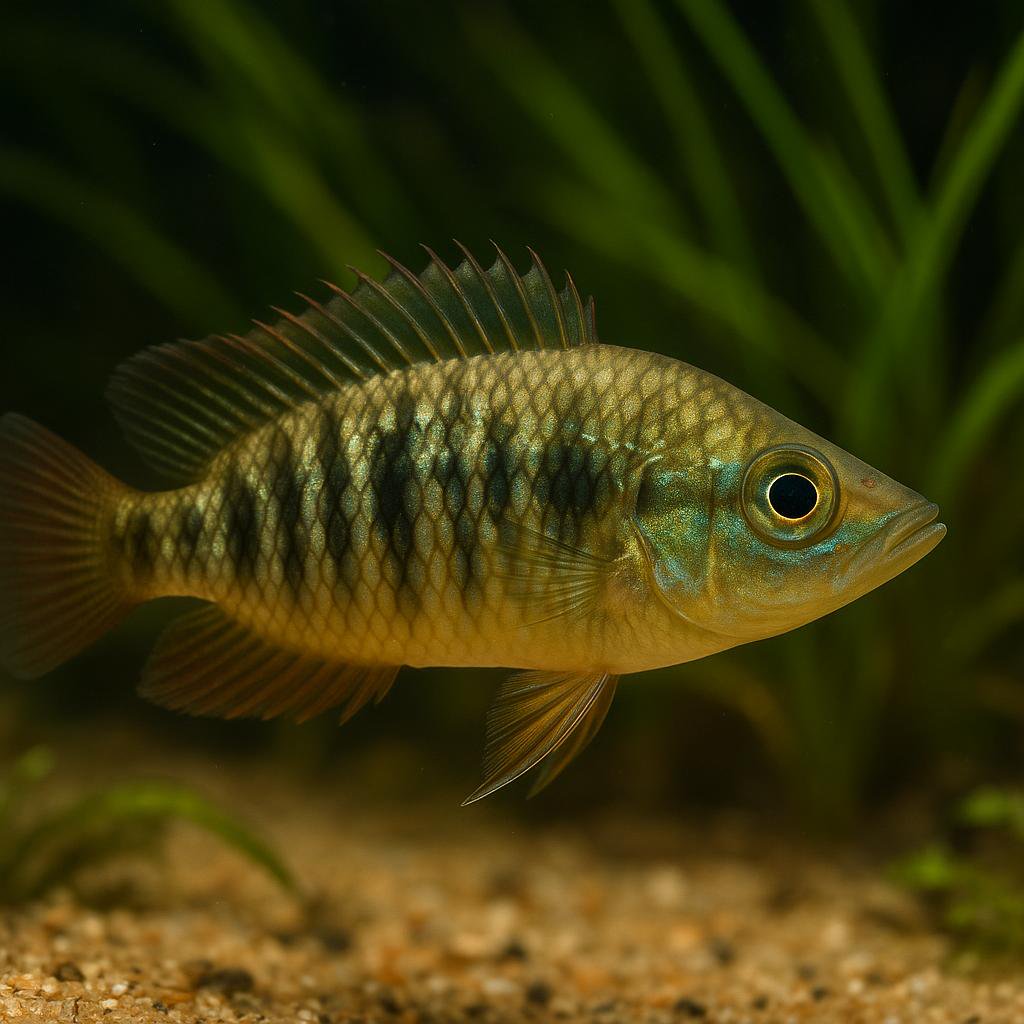
Compressiceps dwarf pike cichlid
Wallaciia compressiceps
This is one of those tiny pike cichlids that looks cute until you watch it start running the tank like a little biting terrier. It stays small, but it is a real predator with a ton of attitude, and it gets especially spicy with its own kind when pairs form.
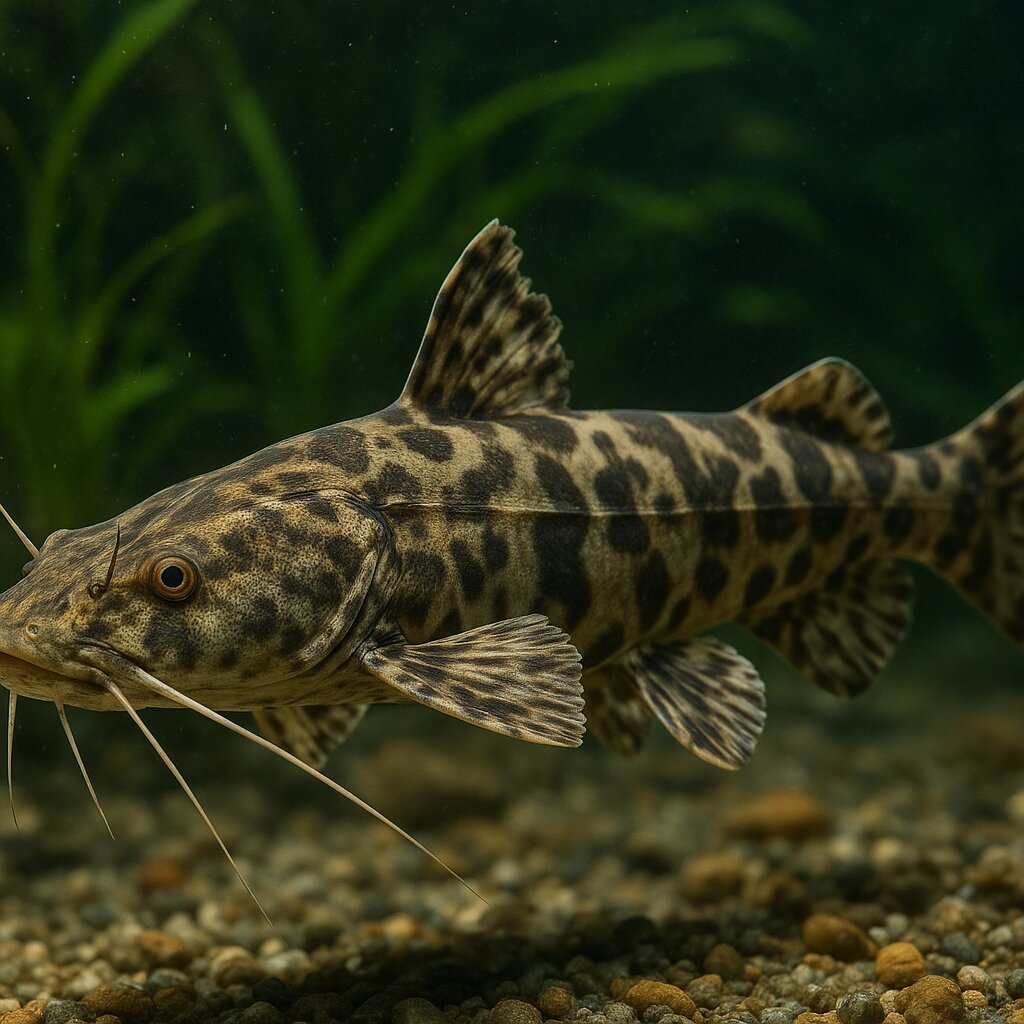
Goonch catfish
Bagarius bagarius
A true river monster with a shovel head and a mouth full of teeth, the goonch is built for blasting around boulder-strewn rapids. It is insanely strong, super predatory, and happiest in cool, fast, highly oxygenated water - think indoor-pond-with-a-river-flow setup, not a regular tank. If you love oddballs with attitude, this one is unforgettable, but it is for experts only.
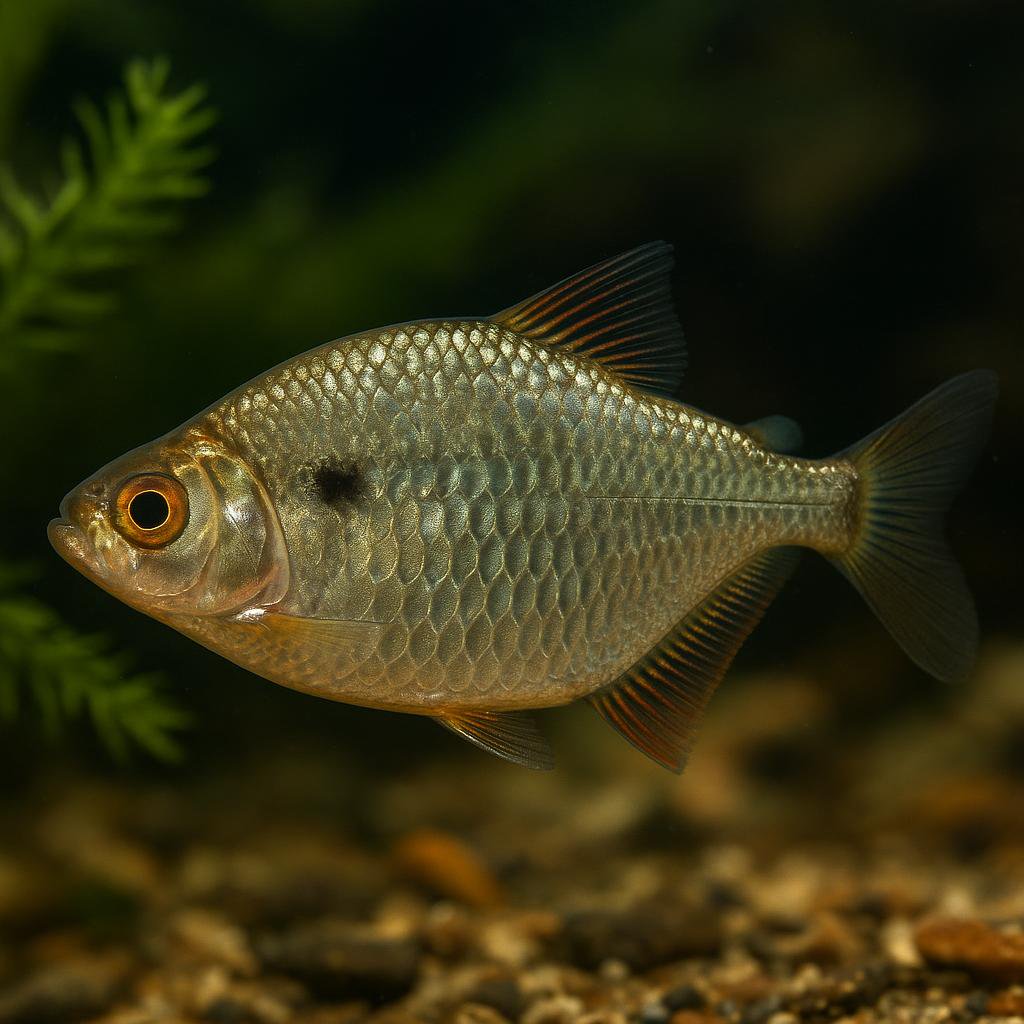
Guatemalan headstander
Roeboides guatemalensis
This is one of those oddball characins that gets lumped in with "predatory tetras" - it is built for nipping scales and mucus off other fish (lepidophagy), which is wild to watch in nature but a headache in a community tank. It is a super active, open-water swimmer, and in aquariums it usually does best treated like a specialty predator/oddity fish rather than a "tetra."
More to Explore
Discover more freshwater species.
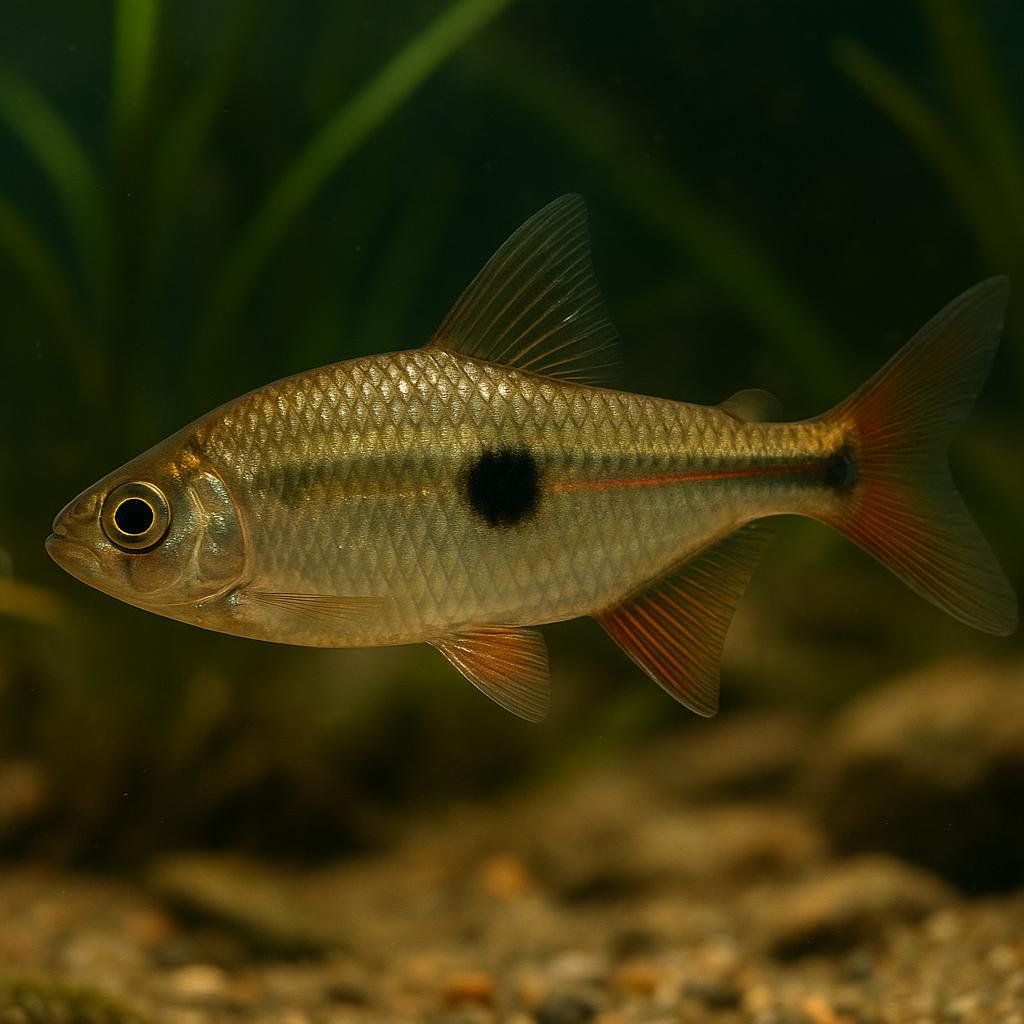
Jupiaba kurua
Small South American characin endemic to the upper rio Curuá (rio Xingu basin, Brazil). Reaches about 8.7 cm SL and inhabits clearwater rivers. Distinguished by dark dots on the bases of many lateral scales and a distinct dark caudal‑peduncle spot. Reported diet indicates omnivory, including aquatic insects, small fishes, and fragments of Podostemaceae and filamentous algae.
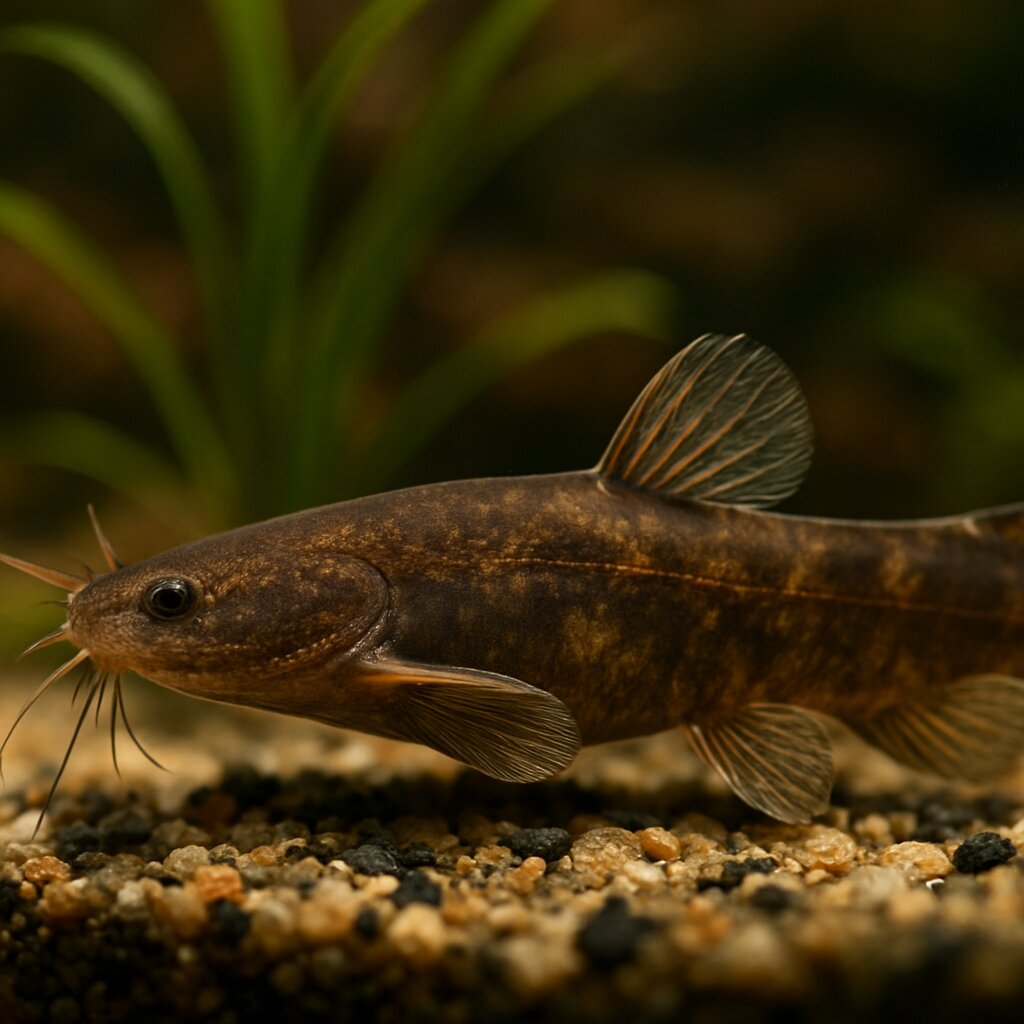
Amphilius dimonikensis
A small loach catfish endemic to the Mpoulou River in the Mayombe (Dimonika Biosphere Reserve), Republic of the Congo. Amphilius dimonikensis has a subtle banded pattern and inhabits fast, clear streams over rock and sand. In aquaria, prioritize strong, well-oxygenated flow with rounded stones and sand to mimic hillstream conditions.
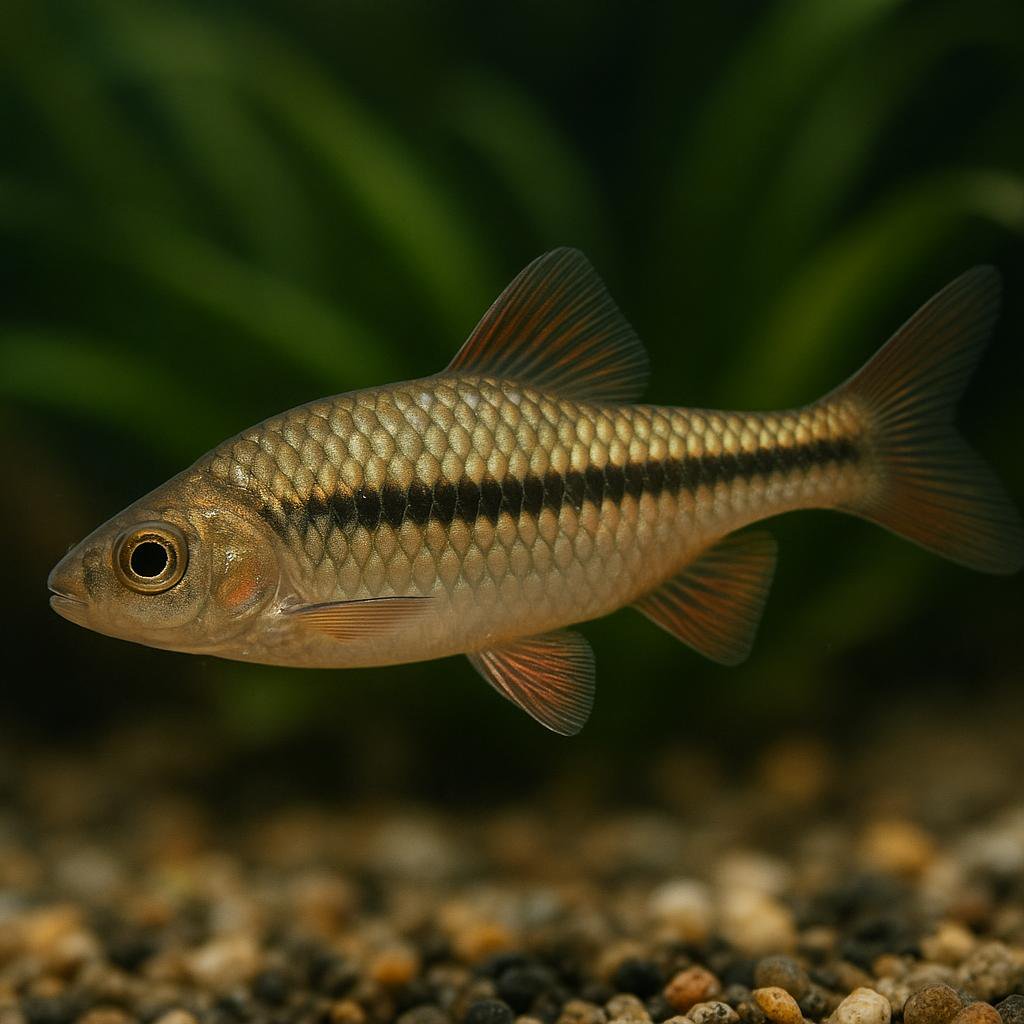
Aboina barb
Enteromius aboinensis
Enteromius aboinensis (the Aboina barb) is a small West African barb with a clean black midline stripe and a little spot right at the base of the tail. It does best when you treat it like a proper schooling fish - keep a decent group and give it plants around the edges with open swimming room in the middle.
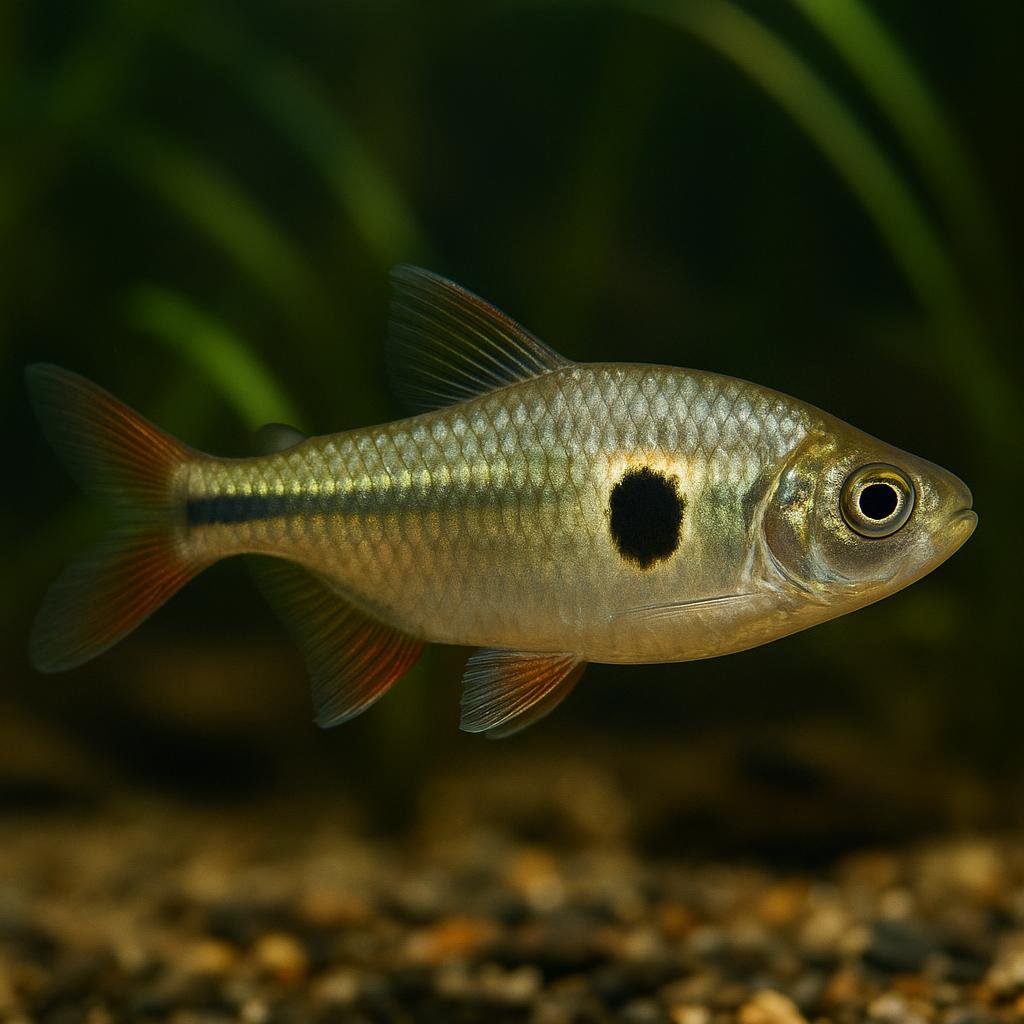
Ajuricaba tetra
Jupiaba ajuricaba
Jupiaba ajuricaba is a South American freshwater characin from the Amazon basin in Brazil (rio Negro, rio Solimões, and rio Tapajós basins). It reaches about 9.5 cm SL and is diagnosed by a narrow dark midlateral stripe, an elongated humeral spot, and an ocellated spot on the upper caudal-fin lobe. Wild specimens have been collected from blackwater forest streams and also oxbow-lake habitats.
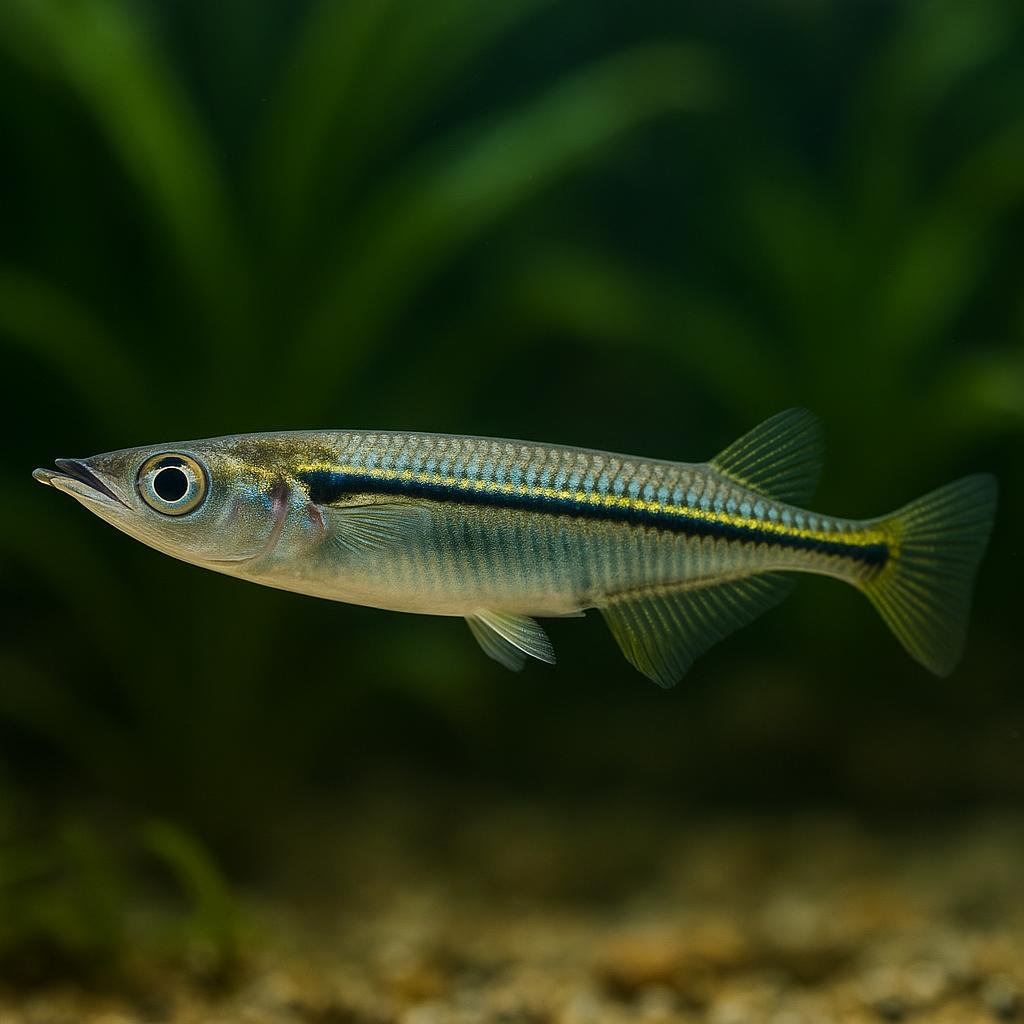
Allen's river garfish
Zenarchopterus alleni
A poorly known freshwater halfbeak endemic to West Papua (Mamberamo River), described from a single specimen (~13 cm SL). Beyond basic habitat/occurrence, little is published about its ecology or aquarium suitability; assume it is a surface-oriented, jump-prone halfbeak only by analogy with related taxa.
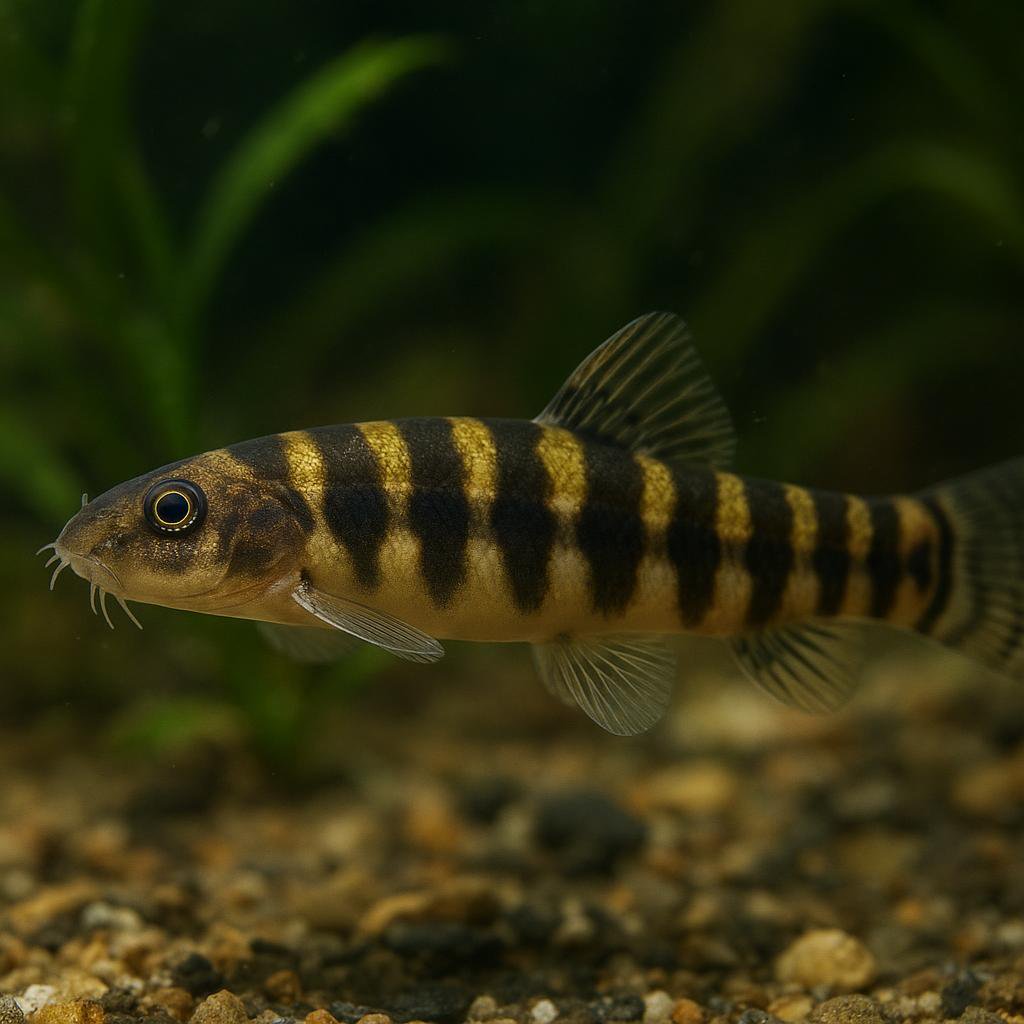
Altipedunculata stone loach
Schistura altipedunculata
Schistura altipedunculata is one of those little stream loaches that wants clean, well-oxygenated water and a bunch of rock nooks to claim as home. It is a bottom-hugger that will spend its day scooting from crevice to crevice, and it tends to get a bit spicy with its own kind if you do not give it enough hiding spots.
Looking for other species?