

Theodore's threadfin bream
Nemipterus theodorei
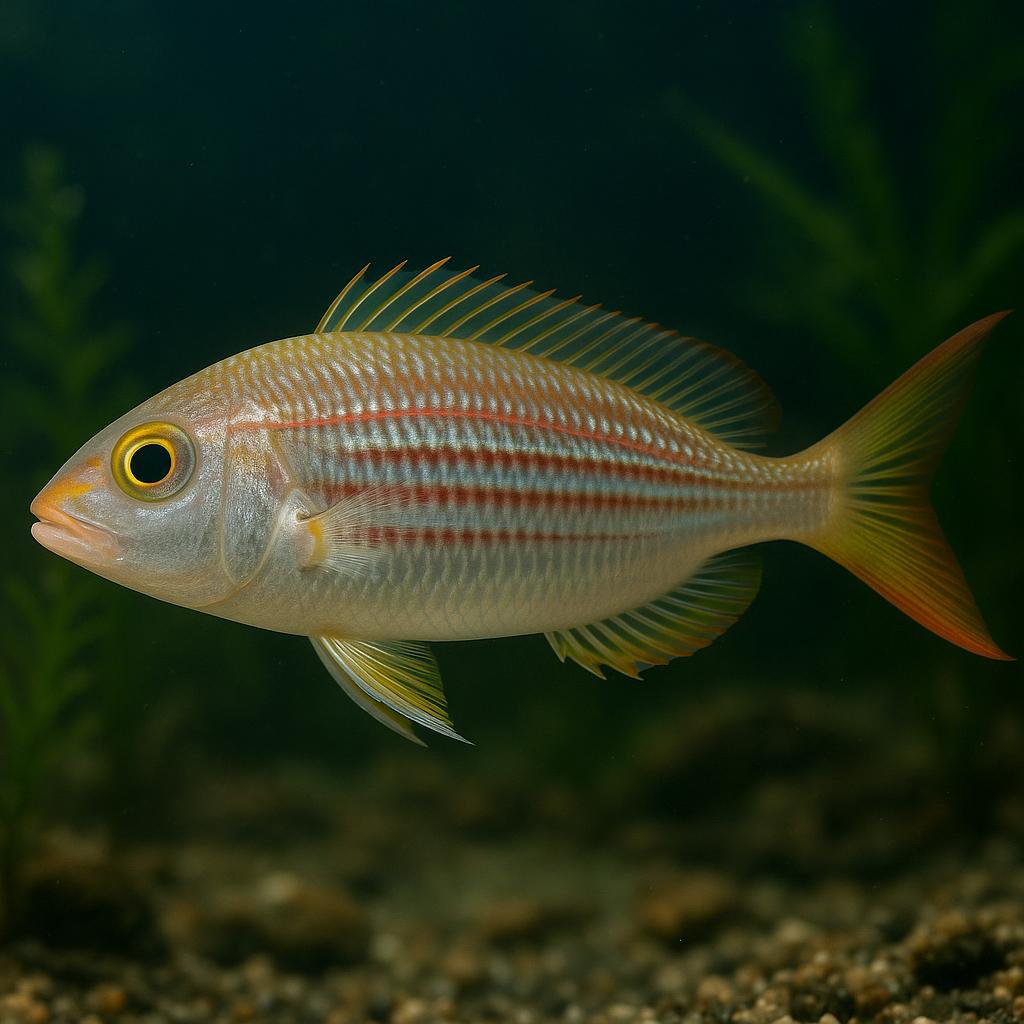
Theodore's threadfin bream features a slender body, distinctive yellow stripes, and an elongated dorsal fin with a vibrant pink hue.
This page includes AI-generated images. Why am I seeing AI images?
About the Theodore's threadfin bream
Nemipterus theodorei is a saltwater threadfin bream from eastern Australia with that pinkish-mauve body, clean little yellow-green striping, and a red spot on the side. Its a sand-and-mud bottom cruiser from deeper coastal water, so its really more of a wild marine/fishery species than something youd realistically keep in a home aquarium.
Also known as
Quick Facts
Size
24 cm SL (about 9.4 inches SL)
Temperament
Semi-aggressive
Difficulty
Expert
Min Tank Size
180 gallons
Lifespan
3-8 years
Origin
Australia (eastern Australia - north Queensland to New South Wales)
Diet
Carnivore - small crustaceans and other bottom invertebrates; would take meaty frozen foods in captivity
Water Parameters
18-26°C
8-8.4
8-12 dGH
Need a heater for this species?
This species needs 18-26°C in a 180 gallon tank. Use our heater calculator to find the right wattage.
Calculate heater sizeCare Notes
- This is an open-water, sand-adjacent fish - give it a long tank with lots of horizontal swim room and a big, clean sand patch (fine sand, not crushed coral) so it can settle down and feel secure.
- Run stable reef-like numbers: 35 ppt salinity (1.025-1.026), 24-26 C (75-79 F), pH 8.1-8.4, and keep ammonia/nitrite at zero with nitrate kept low; they go downhill fast when water gets dirty.
- Feed like a predator that likes small meaty stuff: chopped shrimp, squid, clam, and quality marine pellets, 2-3 small meals a day; soak foods in vitamins/iodine sometimes to head off slow wasting.
- They can be shy at first, so target feed with tongs or a feeding stick and make sure faster fish are not stealing everything before it hits midwater.
- Tankmates: stick to other calm-to-moderate fish that will not bully or outcompete it (bigger wrasses, triggers, and aggressive tangs can be a headache); avoid tiny ornamental shrimp and small crabs because they may get picked off.
- They have sharp spines and a mean startle response - cover the tank tight and use a specimen container (not a net) when moving them to avoid fin tears and mouth damage.
- Watch for mouth injuries and bacterial infections after shipping or fighting; if it stops eating, check for internal parasites and be ready to treat in QT while keeping oxygen high.
- Breeding in home aquariums is basically a non-event - they are marine spawners with pelagic eggs/larvae, so treat any spawning behavior as a cool bonus, not a plan.
Compatibility
Good Tankmates
- Other medium, calm reef-safe fish that mind their own business - think fairy/flasher wrasses (Cirrhilabrus/Paracheilinus). They are active but usually not looking for a fight, and they can handle a semi-spunky neighbor.
- Peaceful to semi-peaceful tangs and rabbitfish (like Kole tang, Tomini tang, Foxface) - good 'busy' tankmates that do not hover in the bream's face. Give everyone swimming room.
- Hardy damsels that are not total psychos (Chromis and the mellower Chrysiptera types). They are quick enough to dodge attitude and do not get intimidated easily.
- Midwater planktivores like anthias (Pseudanthias spp.) in a bigger setup - they stay in the water column and usually avoid turf wars. Just make sure feeding is frequent so nobody gets hangry.
- Sturdy bottom crew that keeps out of the way - bigger gobies/blennies that hold a little patch and do not try to boss the whole tank. Provide rockwork and multiple bolt-holes.
- Most non-predatory reef fish that are similar size and not slow or delicate - like some larger cardinals or basslets that are not pushovers. The big thing is avoiding timid fish that get stressed by chasing.
Avoid
- Tiny shrimp gobies, firefish, and other timid, hover-and-freeze types. A semi-aggressive bream can turn them into permanent hiders, and small ones can get picked on or outcompeted at feeding time.
- Slow, fancy-finned fish that cannot get out of the way - things like longfin fish or anything that flutters. They tend to become targets for nipping and 'testing' behavior.
- Big, territorial bruisers - triggers, larger dottybacks, nasty damsels, and mean hawkfish types. You end up with constant posturing and chasing, and somebody gets shredded.
- Stuff it can swallow or treat like food - very small fish and most ornamental shrimp. If it fits in the mouth, sooner or later it is going to get investigated the hard way.
Where they come from
Theodore's threadfin bream (Nemipterus theodorei) is an Indo-West Pacific kind of fish - think sandy bottoms, rubble zones, and open patches near reef edges where they can hover and hunt. They are not really a classic "reef fish" that picks around corals all day. They are more of a bottom-and-midwater cruiser that likes space and clean, oxygen-rich water.
If you've only kept reef-safe "ornamentals," this one feels more like keeping a small predatory marine fish than a typical community reef fish.
Setting up their tank
Give them room to move. These bream are built to patrol, and in a cramped tank they get jumpy, bashy, and stop eating as well. I'd treat this as a big, stable system fish rather than something for a newer setup.
- Tank size: I would not try one under 125 gallons, and bigger is noticeably easier on behavior and water quality.
- Aquascape: open sand with a few low rock islands and caves. You want sight breaks, not a wall of rock.
- Substrate: sand is your friend. They spend a lot of time near the bottom and look more relaxed over sand than bare glass.
- Flow and oxygen: moderate to strong flow plus good surface agitation. They come from high-oxygen habitats and you can tell when they're not getting enough.
- Lid: tight-fitting. They can spook and launch, especially the first month.
Do not toss one into a brand-new tank. They do way better in a mature, boringly stable system where nitrate is controlled and pH/salinity are not bouncing around.
Lighting is whatever suits the rest of the tank. They do not care about fancy reef lighting, but they do appreciate a predictable day-night schedule. Also, plan your aquascape so you can actually net them if you ever have to. Big open lanes and a couple "trap zones" save you later.
What to feed them
They are carnivores that want meaty marine foods. Once settled, they usually eat aggressively, but the first couple weeks can be touchy if they were collected and shipped hard. I have the best luck starting with foods that smell strong and move a bit in the current.
- Staples: chopped shrimp, squid, clam, marine fish flesh, and quality frozen blends meant for predators.
- Easy wins: PE Mysis (if they take it), chopped krill (not as the only food), and finely chopped seafood mix.
- Pellets: some will learn, some never do. If you try, use a sinking carnivore pellet and feed when they are already in "hunt mode."
- Feeding schedule: smaller portions 1-2 times a day beats one huge dump. They stay calmer and you keep nutrients under control.
Soak frozen foods in tank water, then pour off the cloudy juice before feeding. It cuts down the nutrient blast and keeps your skimmer happier.
Watch the body shape more than the begging. A well-fed threadfin bream looks filled out behind the head and along the back, not pinched. If the belly is hollow or the head looks too big for the body, bump up frequency and vary the food.
How they behave and who they get along with
Personality-wise, they are alert, fast, and a little nervous at first. Once they learn the routine, they cruise the tank and come out for food, but they do not like being constantly bullied or constantly crowded.
- Temperament: semi-aggressive. Not a psycho, but not a gentle community fish either.
- Reef safety: they are not coral eaters, but anything small enough to fit in their mouth is on the menu.
- Best tankmates: other robust fish that can hold their own without being relentless - larger wrasses, tangs, rabbitfish, bigger angels (with the usual reef caveats), and similar-sized predators.
- Avoid: tiny gobies, small ornamental shrimp, and slow timid fish that get stressed by constant patrolling.
- With their own kind: possible in a big tank, but expect pecking order drama. If you try multiples, add them together and give lots of space and sight breaks.
If you keep them with very aggressive feeders (big triggers, some large wrasses, etc.), the bream may hang back and slowly lose weight even though "everyone is eating." Watch the individual fish, not the tank.
They can also be jumpy with sudden movement outside the glass. A calmer location helps, and a few shaded areas (overhangs, taller rocks off to the side) give them a place to chill.
Breeding tips
Realistically, breeding Nemipterus theodorei in a home aquarium is a long shot. In the wild, threadfin bream are broadcast spawners, releasing eggs into open water. That means you would need the right pair or group dynamics, a large system, and then you still have pelagic eggs and tiny larvae that need specialized live foods.
If you're itching to try breeding marine fish at home, clownfish, dottybacks, and some gobies will teach you the process with much better odds than a threadfin bream.
If you ever see courtship behavior (more pacing, color changes, fish rising into the water column at dusk), keep your hands out of the tank and keep the environment steady. Stability and plenty of food are the only "tips" that are practical here.
Common problems to watch for
Most trouble with this fish comes from shipping stress, parasites, and the tank being too small or too chaotic. They can look fine for a week and then suddenly go downhill if something is off.
- Refusing food after introduction: usually stress, bullying, or parasites. Dim lights, offer strong-smelling frozen foods, and make sure it is not being chased off meals.
- Marine ich/velvet: very common in wild-caught predators. Have a quarantine plan before you buy the fish, not after.
- Mouth and snout injuries: they spook and hit the glass or rock. This is where tank size, open lanes, and a calm environment pay off.
- Fin fraying and sores: often from low-level aggression or poor water quality. Fix the social problem first, then treat.
- Slow weight loss: often competition at feeding time or internal worms. If it eats but stays thin, assume something is going on and act early.
Do not "wing it" with disease on a fish like this in a display full of other stock. Either quarantine and treat properly, or be ready to treat the whole system. Half-measures tend to end with more losses.
One last thing: keep your nitrate and dissolved organics under control. Heavy feeding plus a big carnivore means you need real filtration, not hope. A good skimmer, decent mechanical filtration you actually clean, and regular water changes make this species way less dramatic.
Similar Species
Other marine semi-aggressive species you might be interested in.
Aleutian skate
Bathyraja aleutica
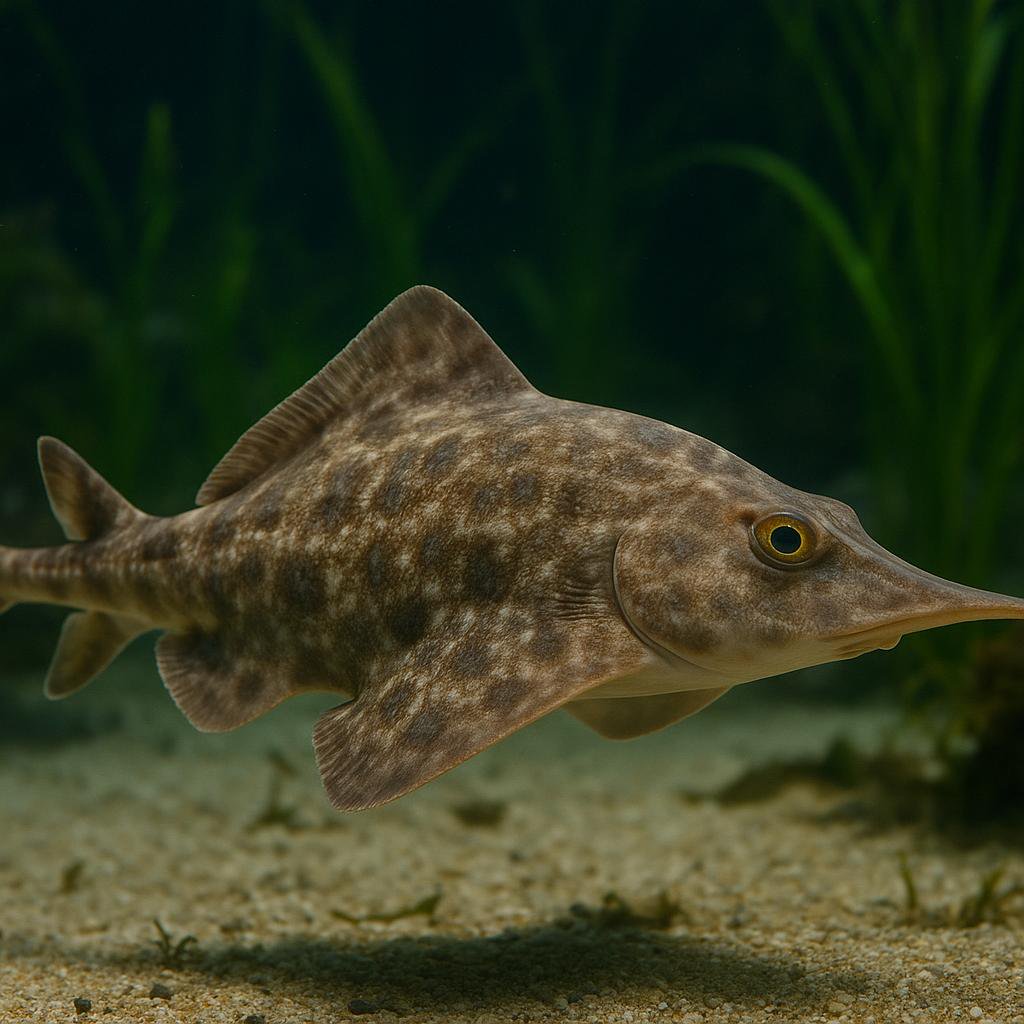
This is a big, cold-water deep-slope skate from the North Pacific that cruises muddy bottoms and eats chunky benthic prey like crabs and shrimp. The really cool bit is its egg-laying skate life - it does distinct pairing (the classic skate "embrace") and drops those tough egg cases on the seafloor. Not an aquarium fish at all unless you're basically running a public-aquarium-style chilled system.
Antarctic dragonfish
Vomeridens infuscipinnis
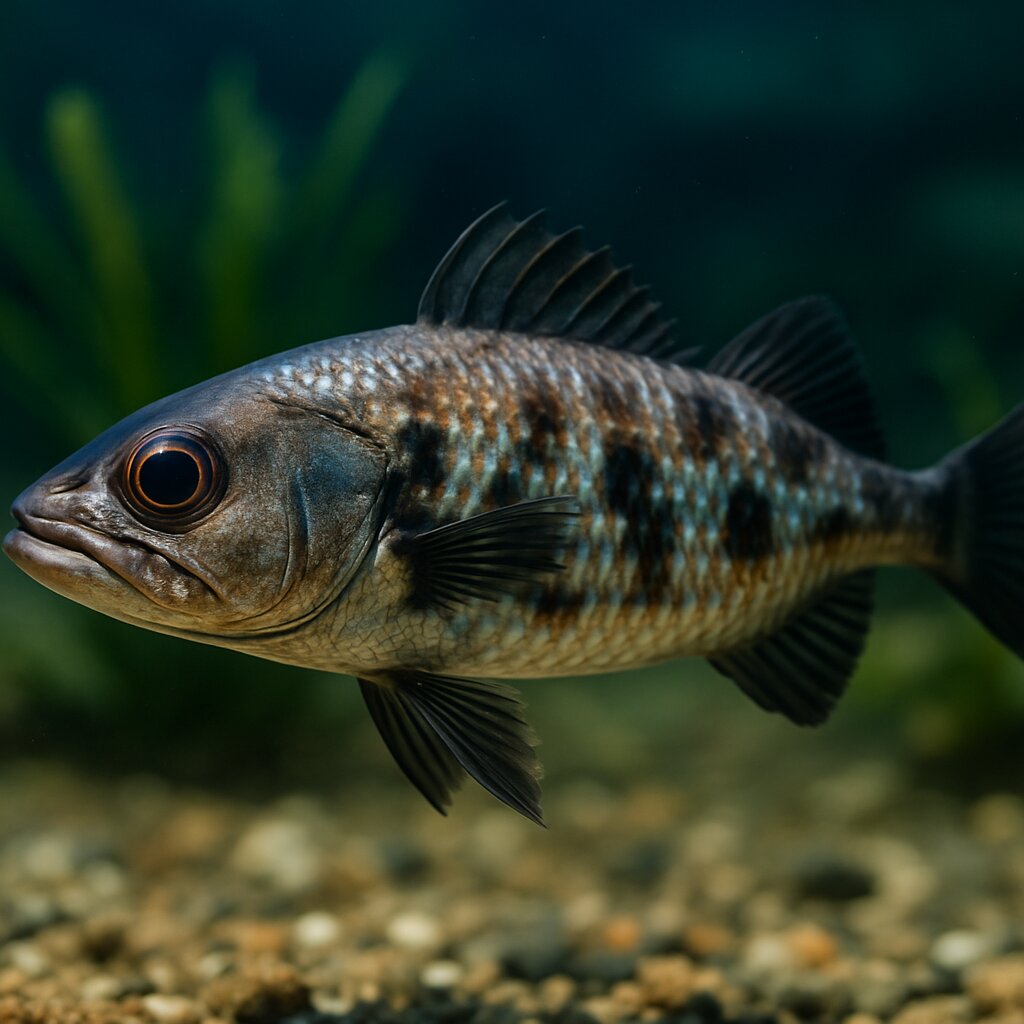
Deep down around Antarctica, this sleek dragonfish cruises the water column like a little submarine, nearly neutrally buoyant so it can hover above the seafloor. It munches almost exclusively on Antarctic krill and lives in near-freezing water 500-800 m down, so it is a cool species to read about, not one for home tanks.
Arabian demoiselle
Neopomacentrus sindensis
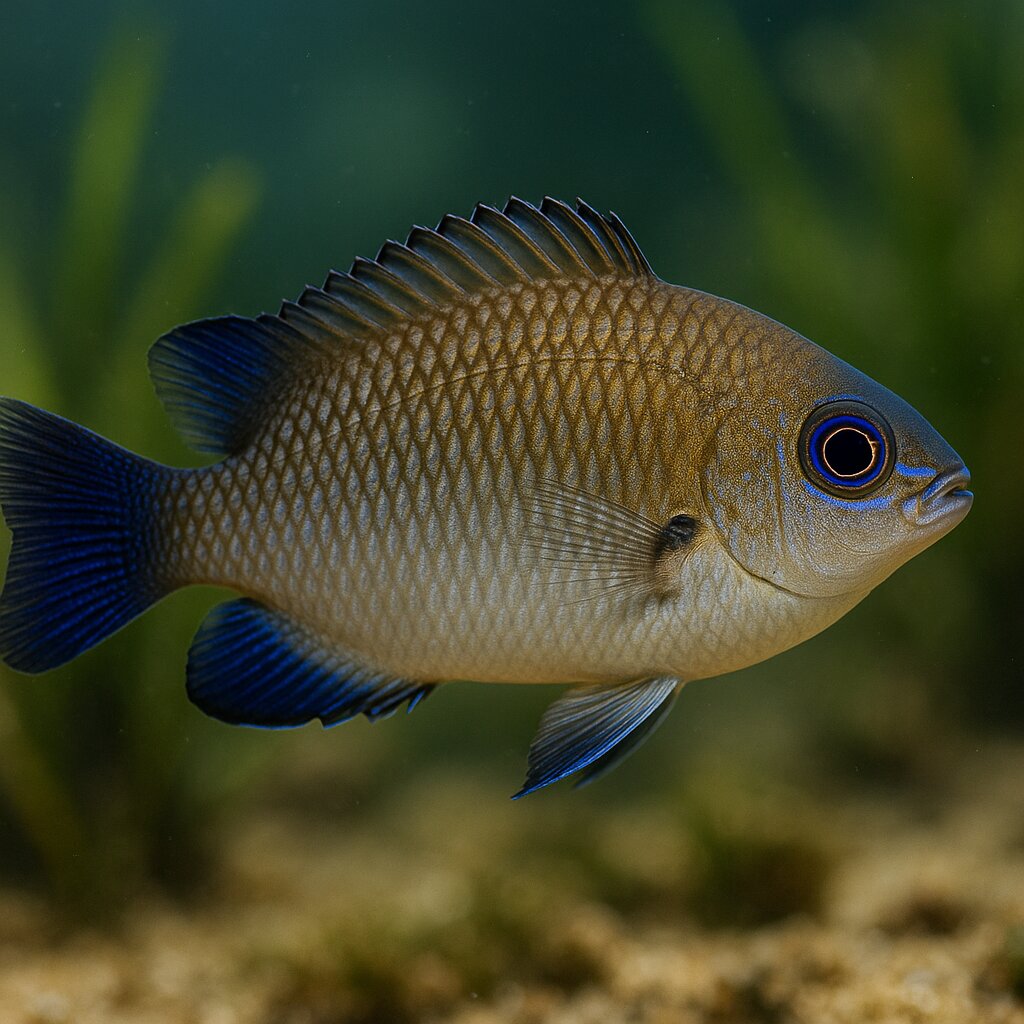
A small lyretail damsel from the Persian Gulf and Arabian Sea, it hangs in loose groups around coral heads, rocks, and even pier pilings picking zooplankton from the flow. Think classic damsel toughness with a slightly milder attitude than the real bruisers, plus subtle yellow tail accents. Males clean a patch, get a mate to lay eggs there, and then stand guard fanning the clutch.
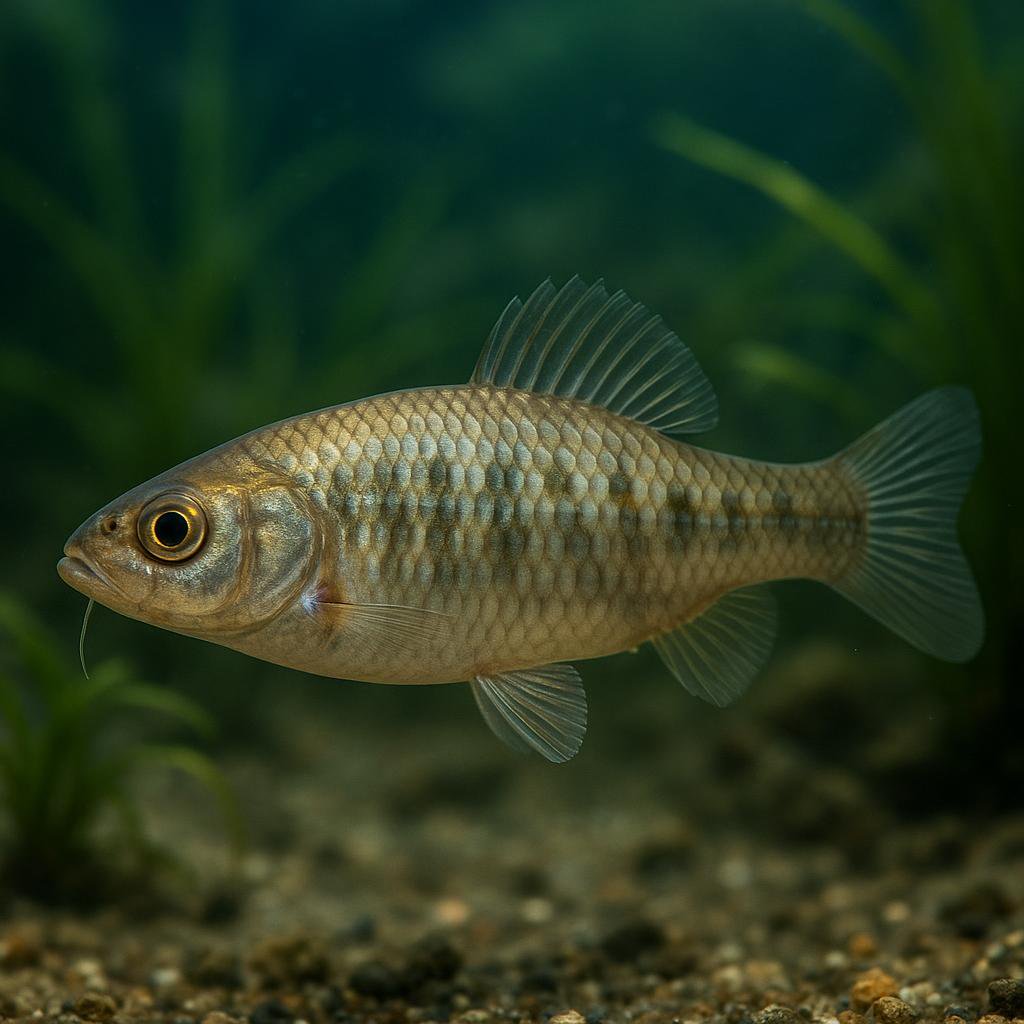
Arabian spiny eel
Notacanthus indicus
Notacanthus indicus is a deep-sea spiny eel (family Notacanthidae; not a true eel) known from the Arabian Sea on the continental slope at roughly ~960–1,046 m depth, with reported maximum length around 20 cm TL; it is a deep-water bycatch species and not established in the aquarium trade.
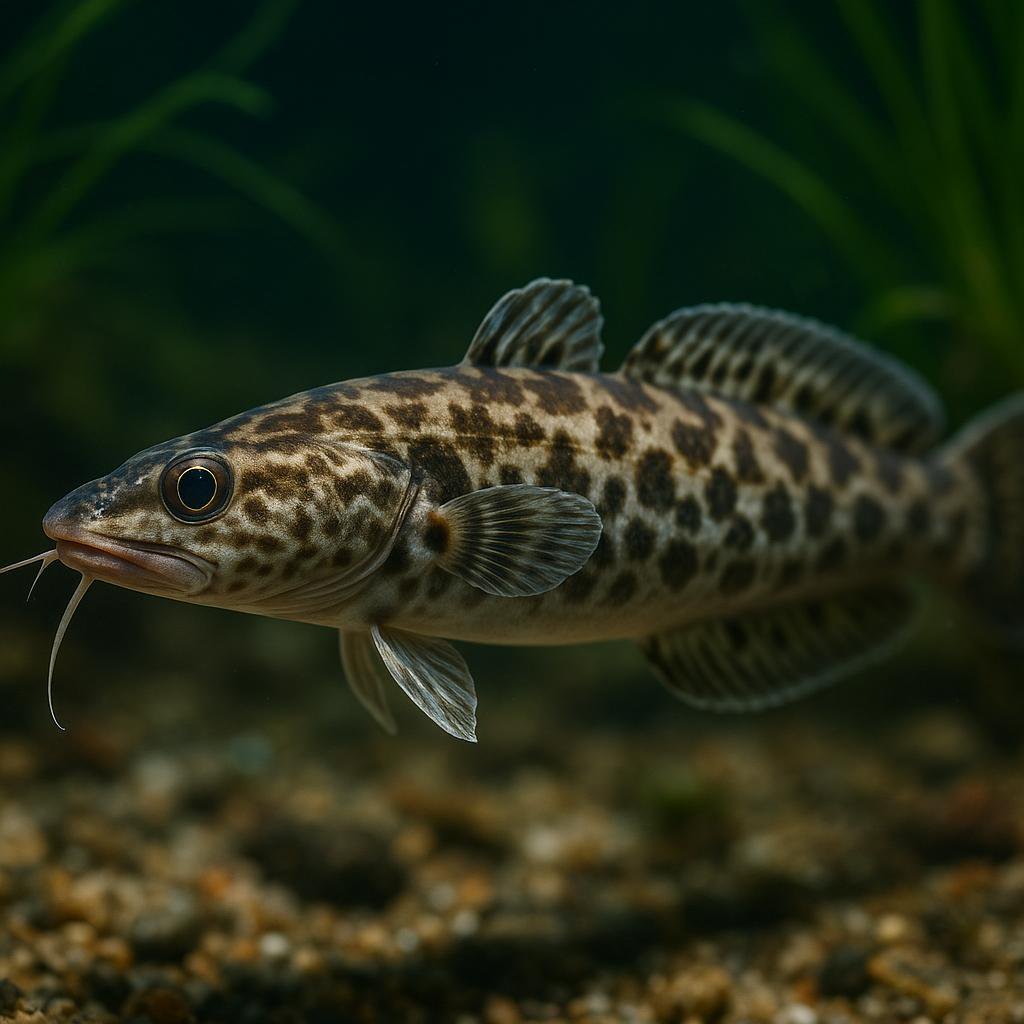
Arctic rockling
Gaidropsarus argentatus
This is a deepwater North Atlantic rockling (a cod relative) that hangs out on soft bottoms way down the slope. It is a cold-water, bottom-hugging predator that snoots around for crustaceans and will also take small fish when it gets the chance.
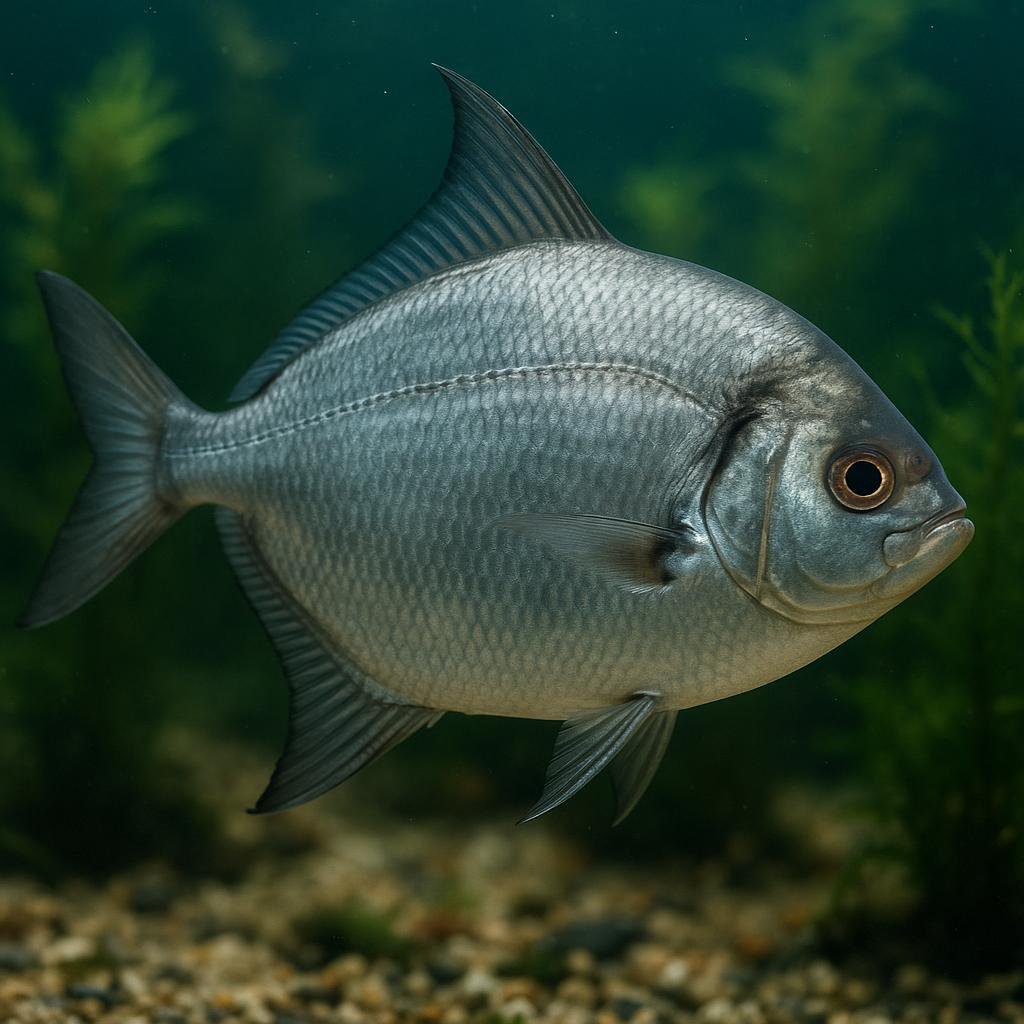
Atlantic pomfret
Brama brama
Brama brama is the Atlantic pomfret (aka Ray's bream) - a deep-bodied, open-ocean pelagic fish that cruises around in small schools and follows water temps. It is a legit big, wild marine species (not an aquarium fish) that eats other small sea critters like fish and squid, and it ranges across a huge chunk of the Atlantic plus parts of the Indian and South Pacific.
More to Explore
Discover more marine species.
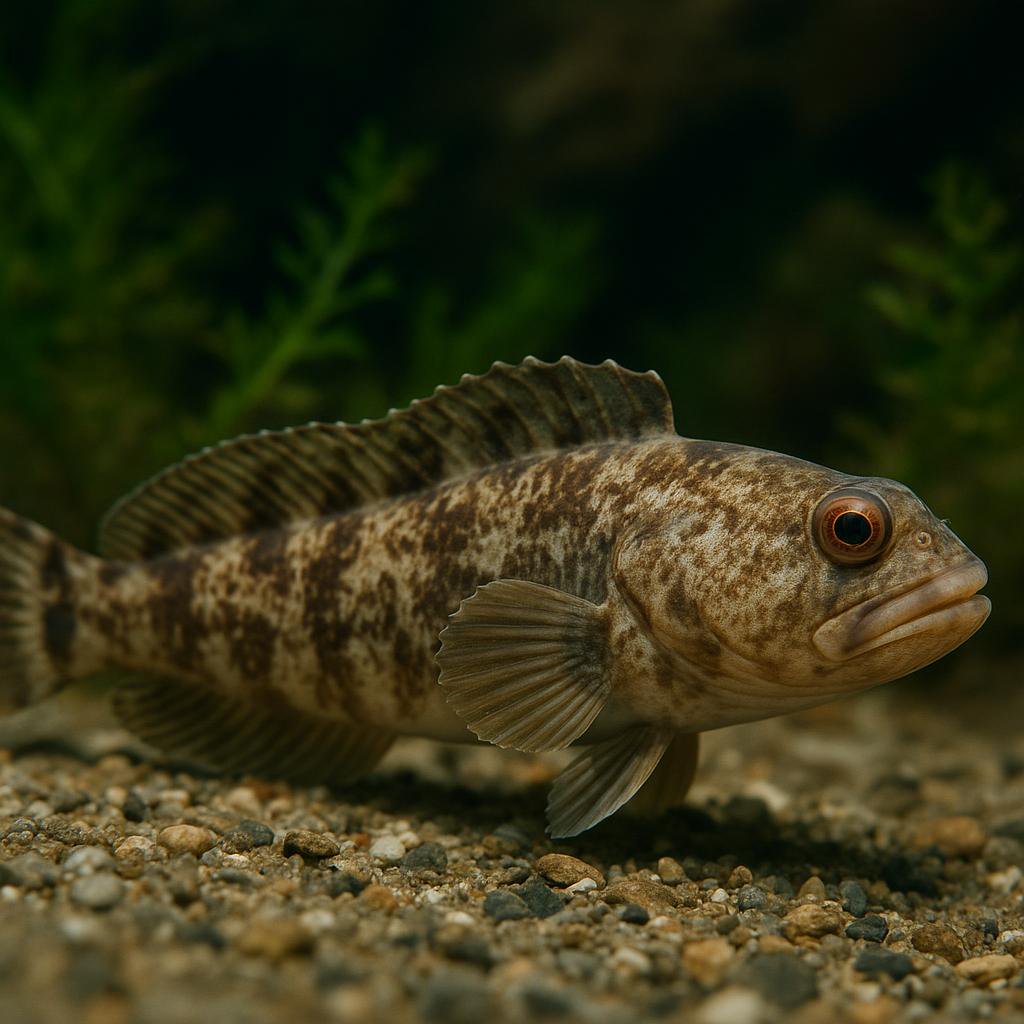
Abe's eelpout
Japonolycodes abei
Japonolycodes abei is a temperate, deepwater demersal eelpout (family Zoarcidae) endemic to Japan (Kumano-nada Sea reported; other sources also report Sagami Bay and Tosa Bay). It is the only species in the genus Japonolycodes and occurs roughly 40-300 m depth, making it an uncommon/atypical aquarium species.
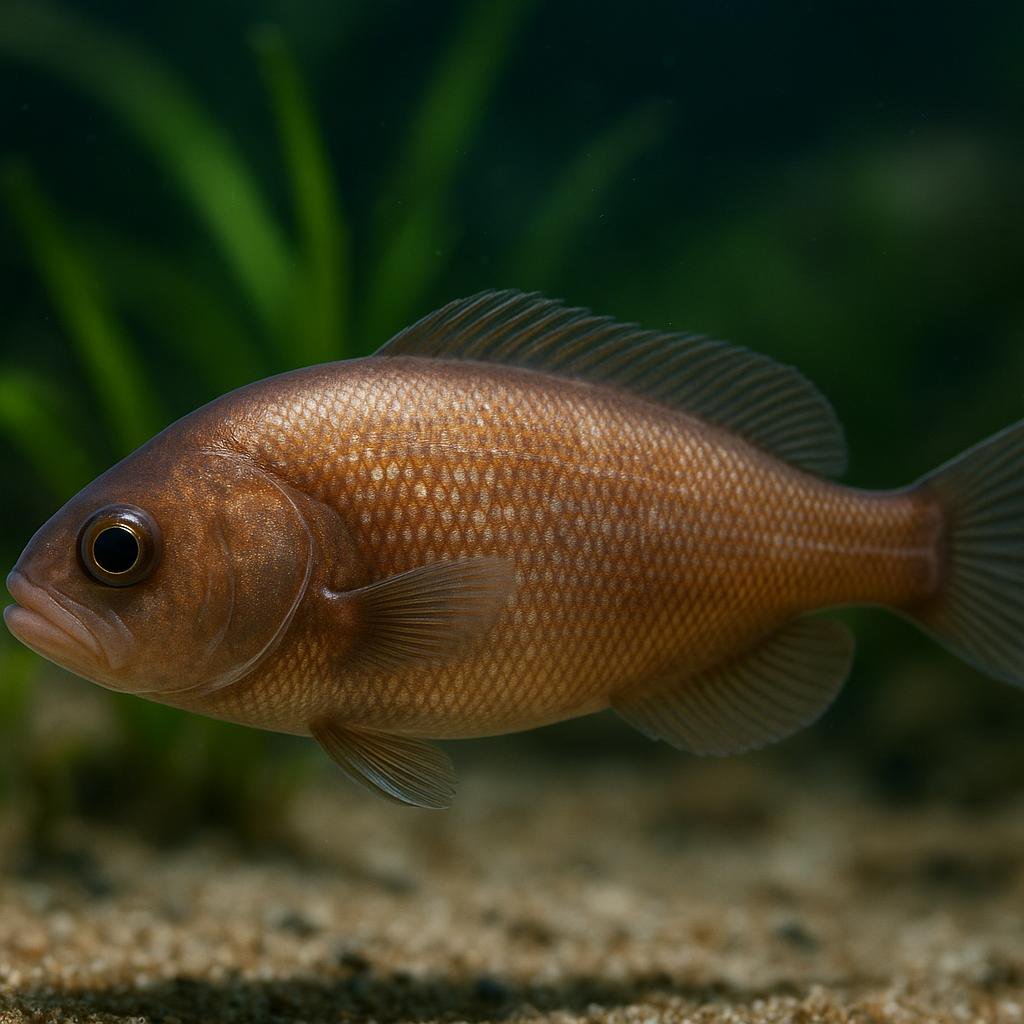
Affinis blind cusk-eel
Barathronus affinis
Barathronus affinis is a tiny, super-weird deep-sea blind cusk-eel from the western-central Indian Ocean. It is one of those gelatinous, loose-skinned brotula-type fishes that live way down in the dark and are basically never seen alive, so almost everything we know comes from preserved specimens and taxonomic work.
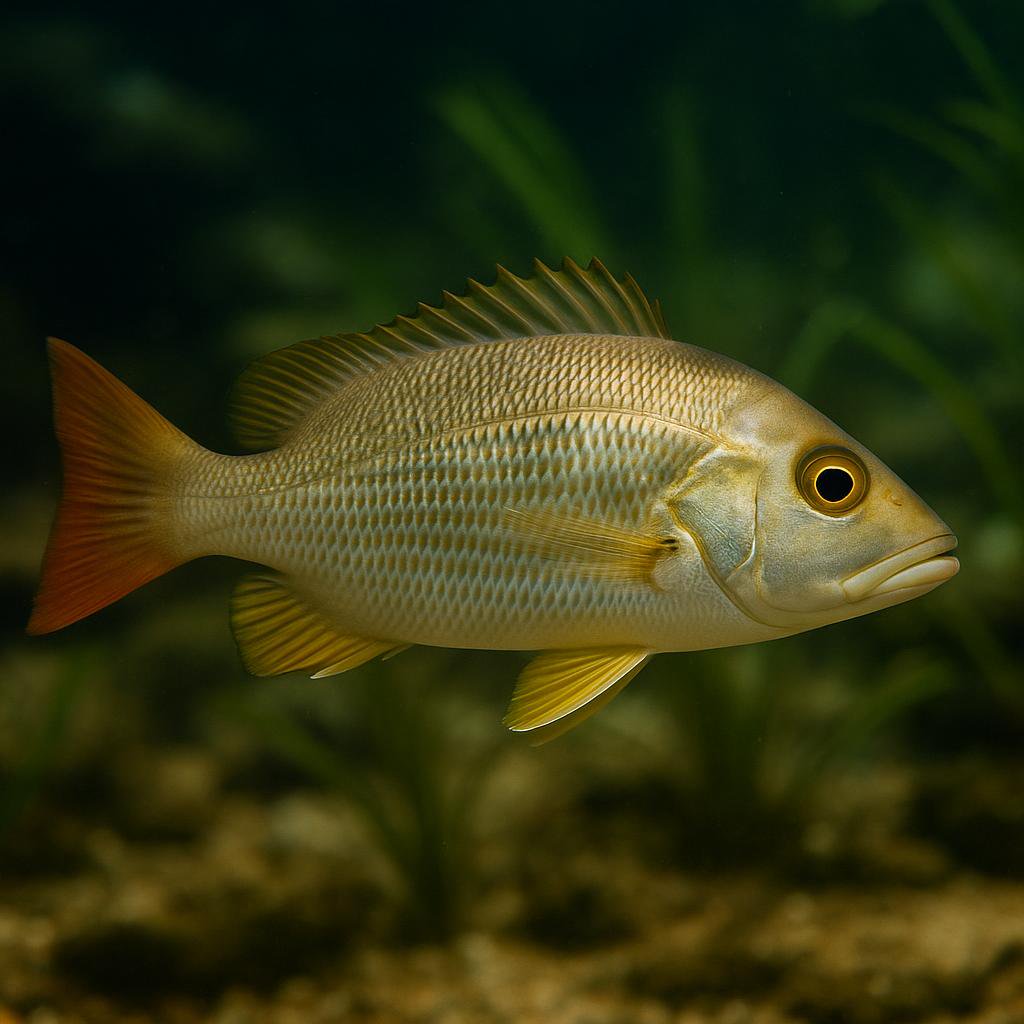
African red snapper
Lutjanus agennes
This is a true snapper from West Africa - a big, fast-growing predator that goes from coastal reefs to brackish lagoons and estuaries (especially as a juvenile). Super cool fish in the wild, but it gets absolutely huge and will eat smaller tankmates once it has the mouth for it, so its really more of a public-aquarium scale animal than a home-aquarium fish.
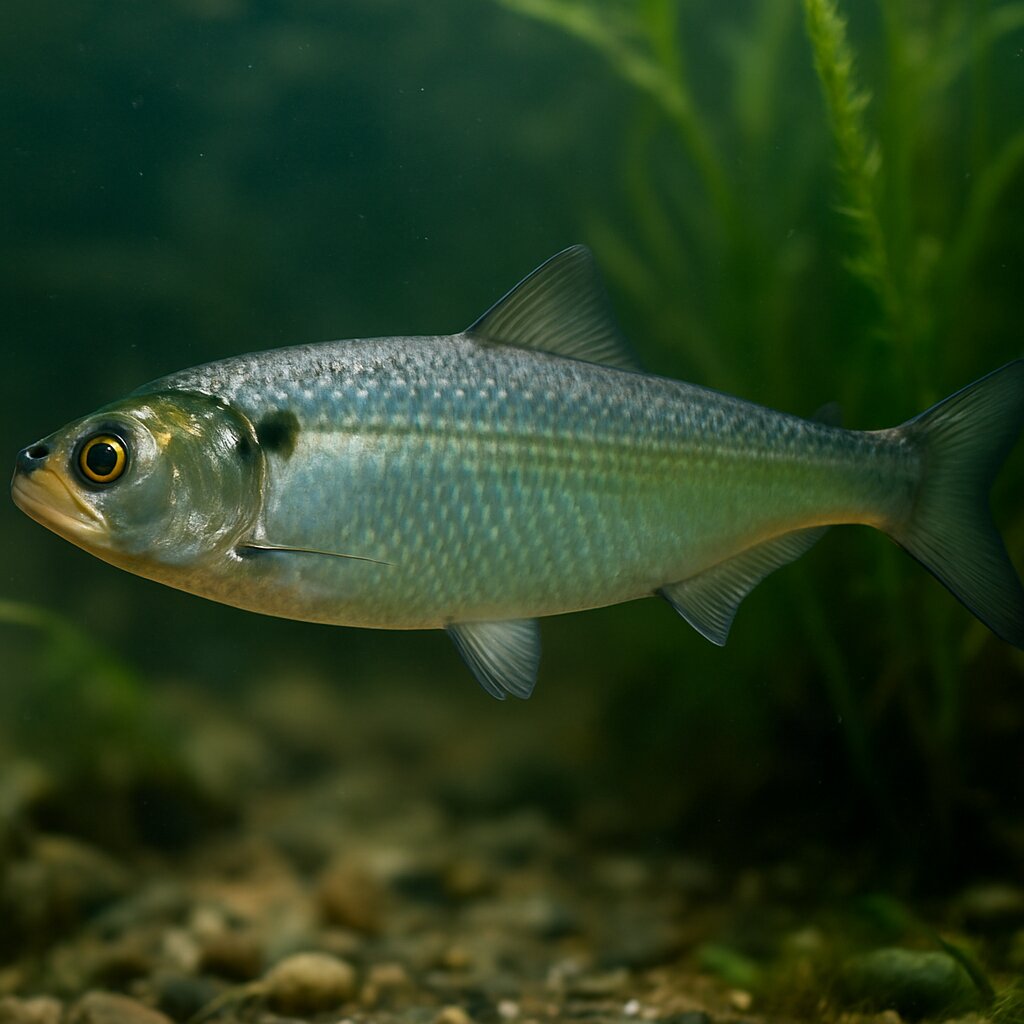
Allis shad
Alosa alosa
Gorgeous silver, fast-swimming shad that spends most of its life in the sea and then surges up big rivers in noisy, surface-spawning schools. It grows huge for a herring-type fish and needs cool, ultra-oxygenated water and tons of open space, so it is a public-aquarium species rather than a home tank fish.
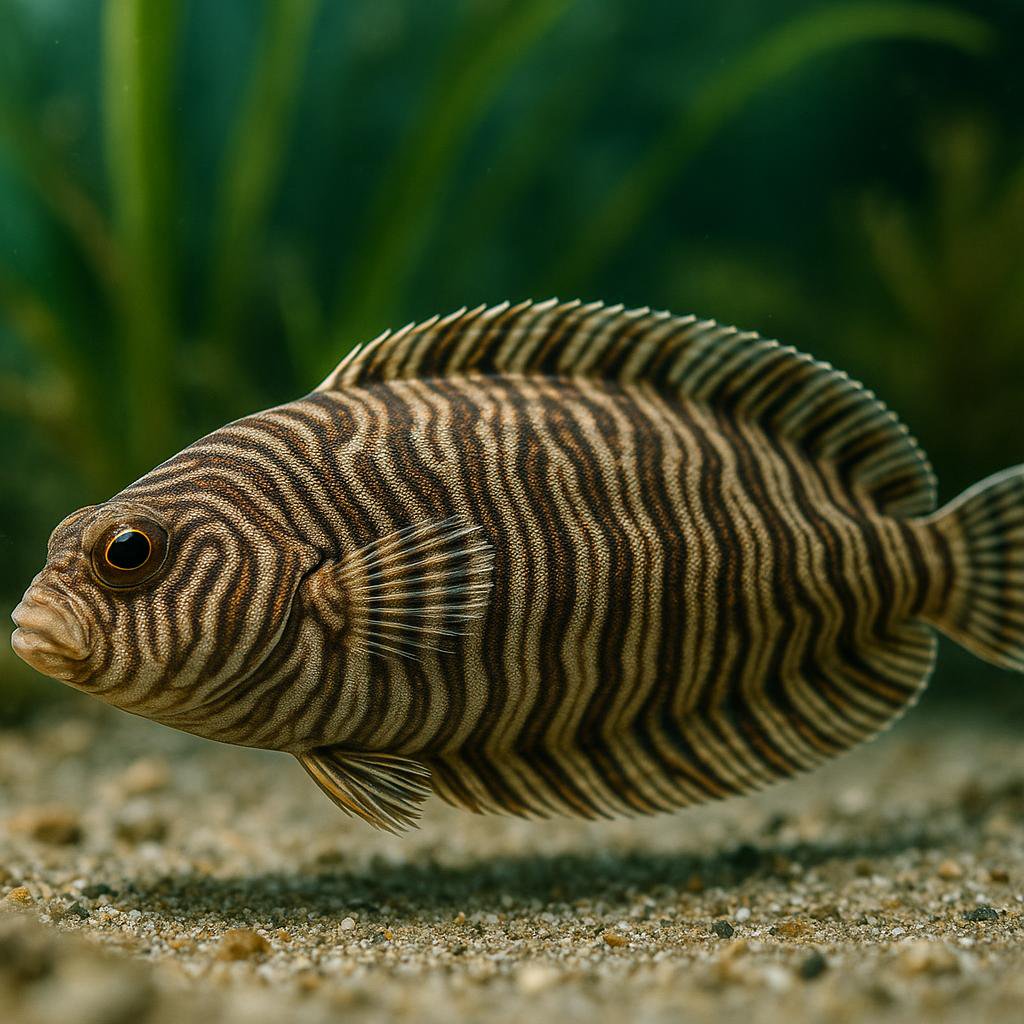
Annandale's zebra sole
Zebrias annandalei
Zebrias annandalei is a small demersal sole from coastal India that inhabits sandy or muddy bottoms and buries for camouflage. It is rarely kept in home aquaria and would require a specialized marine sand-bottom setup and appropriate feeding.
Australian sawtail catshark
Figaro boardmani
Figaro boardmani is a small, deepwater Australian catshark with these cool saw-like ridges of spiny denticles along the tail and a neat pattern of dark saddle bands. It lives way down on the outer continental shelf and slope, so its natural water is cold, dim, and stable - totally not a typical home-aquarium fish. Diet-wise its a predator that goes after fish, crustaceans, and cephalopods.
Looking for other species?