

Marlin-spike grenadier
Nezumia bairdii
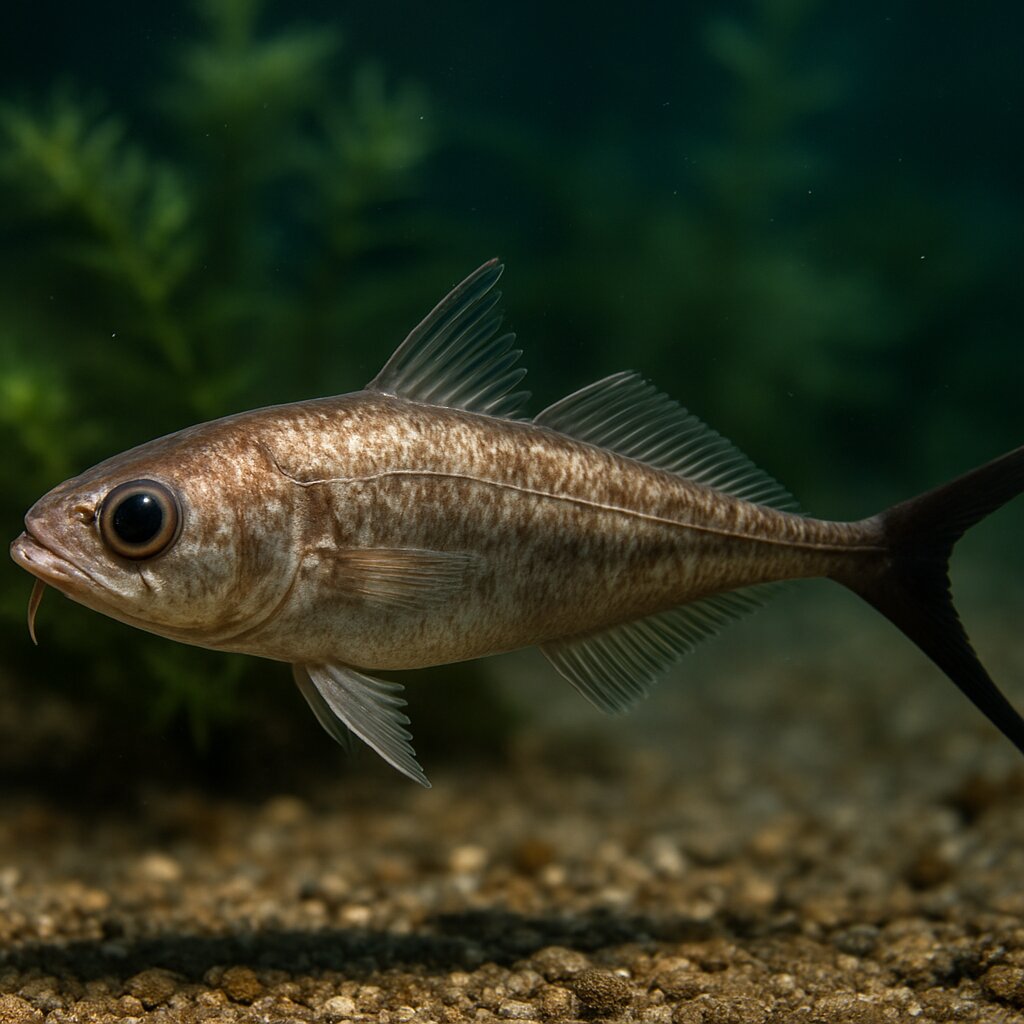
The Marlin-spike grenadier features a slender body, large eyes, and a distinctive elongated dorsal fin with a pale pink to reddish hue.
This page includes AI-generated images. Why am I seeing AI images?
About the Marlin-spike grenadier
Marlin-spike grenadier is a deep-sea rat-tail with a long whip tail and big eyes, cruising over soft bottoms on the Atlantic slope. You see it from Newfoundland down to Florida in near-freezing water hundreds of meters down, picking off krill, amphipods, and worms. Super cool to spot on ROV dives, but not a fish for home aquariums.
Also known as
Quick Facts
Size
40 cm
Temperament
Peaceful
Difficulty
Expert
Min Tank Size
0 gallons
Lifespan
10-11 years
Origin
Western North Atlantic
Diet
Carnivore - euphausiids, amphipods, polychaete worms, copepods
Water Parameters
0.6-7.8°C
7.8-8.2
8-12 dGH
Care Notes
- Run a serious chiller and keep the tank 3-6 C; go very dim or use red-only night lighting because bright light stresses deepwater fish.
- Use a long footprint tank (6 ft, 400-600 L+) with 5-8 cm fine sand-mud, a couple of caves/overhangs, a tight lid, and gentle laminar bottom flow.
- Only take a specimen that was slow-decompressed and is already eating; quarantine it at the same cold temp and expect barotrauma risks.
- Feed at dusk on the bottom using a tube or tongs: small portions of chopped marine fish, squid, clam, krill, mysis, and marine polychaetes every 1-2 days.
- Keep it alone or with other deep-cold, calm species; it will eat small fish and shrimp and gets bullied by anything fast or warmwater.
- Run heavy filtration and oxygenation since biofilters are sluggish in the cold; target 34-35 ppt salinity, pH 7.9-8.2, 0 ammonia/nitrite, and nitrate under 20 ppm.
- Do not expect breeding - there are no captive spawns and you are not replicating hundreds of meters of depth or pressure shifts.
- Watch for buoyancy issues and skin ulcers after shipping; keep the tank dark and quiet, and treat only in a separate cold hospital tank.
Compatibility
Good Tankmates
- Other calm deepwater rattails of similar size - same slow vibe, same cold temps, and nobody gets pushy at feeding time.
- Peaceful coldwater bottom fish like eelpouts or snailfish - they keep to the substrate and wont hassle a shy grenadier; target-feed both species.
- Adult lumpfish in a chilled, dim tank - they mostly perch and ignore everyone, and they are not fast enough to steal all the food.
- Large, gentle flatfish like sole or turbot that do not blitz-feed - space to spread out and give the grenadier first dibs with tongs.
- Spotted ratfish in a very large, public-aquarium style cold system - both are slow and polite, just keep portions generous and lighting low.
Avoid
- Fast, competitive feeders like rockfish, jacks, and mackerel - they will outswim and stress the grenadier at every meal.
- Big-mouthed predators (cod, groupers, morays, large catsharks) - one good yawn and your grenadier is a snack.
- Nippy or fin-pickers like triggers, puffers, big wrasses - they will harass the tail and barbels.
- Bite-sized fish and shrimp - a grenadier is peaceful but a vacuum; small stuff disappears overnight.
Where they come from
Marlin-spike grenadiers (Nezumia bairdii) are deep Atlantic rattails. Think continental slope, not reefs - 300 to 1,000+ meters down off the East Coast of North America, from the Gulf of Maine down into the Gulf of Mexico. Mud and fine sand, dim light, cold water. They cruise just off the bottom picking at invertebrates.
This is a deepwater, coldwater fish. If you do not already run a reliable chiller and have experience with chilled marine systems, skip this species. Most losses happen in the first few weeks.
Setting up their tank
Size and layout first. They are long, slow swimmers that like a clear runway near the bottom. I give a single fish a 6- to 8-foot tank (240+ gallons) with a wide footprint. Keep the scape low and open. Fine sand works; I mix a little silt-like media into a shallow bed (no more than 2-3 cm) so food does not disappear.
- Temperature: 4-8 C (39-46 F). They really are that cold. 10 C is pushing it and shortens lifespan.
- Salinity: 34-35 ppt. Keep it stable.
- pH: 7.8-8.1. Avoid swings.
- Lighting: very dim. I use a short, low-intensity photoperiod and red viewing light at night.
- Flow: gentle, laminar current along the bottom. No blasting. Cover all intakes so tails do not get sucked in.
- Cover: tight lid. They spook and can launch.
Filtration needs to be oversized because bacteria are slower at low temps. Big skimmer, big biomedia, and lots of gas exchange. I run an airstone under a cover in the sump and keep ORP and dissolved oxygen high. Nitrate under 20 ppm is a good target.
Use a chiller with redundancy or a backup power plan. A few hours without chilling in summer can be the end of a deepwater tank.
Acclimation is different at 5 C. Open the box in a cold room if you can. Float only long enough to match temp, then drip-acclimate in a chilled bucket for 30-45 minutes with strong aeration. Keep the lights off and handle with soft, wet hands or a specimen cup. Nets scrape their skin easily.
What to feed them
They are benthic pickers. Mine started on live mysids and amphipods, then took to small pieces of seafood. Feed at dusk with the room dark. Drop food right into their lane so faster fish do not steal it.
- Live or fresh-frozen mysids
- Enriched brine shrimp as a starter only
- Chopped clam, scallop, squid mantle cut into matchstick bits
- Silverside or sand lance slivers (rotate to avoid thiaminase issues)
- Quality sinking marine pellets or soft gels, once they recognize them
A feeding tube or long pipette helps place food on the bottom without sending it all into the filter. I soak foods in a vitamin/omega supplement a few times a week.
New fish often need 2-3 small meals a day. Once settled, I do a modest daily feed with one slightly larger feeding every third day. Pull leftovers after 10-15 minutes to keep the sand clean.
How they behave and who they get along with
Calm, shy, and very oriented to the bottom. They hover a few inches up and make slow patrols. Sudden light or vibration makes them bolt, so keep the tank in a low-traffic spot and ramp lights up and down.
- Good tankmates: other gentle coldwater fish that ignore food on the bottom, like small sculpins, snailfish, poachers, or eelpouts from similar temps.
- Questionable: other grenadiers. They may ignore each other or get pushy at feeding time. If you try it, add lots of space and multiple feeding stations.
- Avoid: anything fast, boisterous, or warmwater. Rockfish, cod, wolffish, lobsters/crabs that can pinch, and all reef species are a no-go.
They are mostly nocturnal in our lighting. A very dim red light lets you watch without spooking them.
Breeding tips
Not something you are going to do at home. Grenadiers are deep-slope spawners with no parental care. No documented captive spawnings that I am aware of outside of public aquarium programs, and even there I have not seen success. Enjoy them as single specimens and focus on long-term health.
Common problems to watch for
- Barotrauma from capture: popped eyes, buoyancy issues, stomach eversion. If the fish arrives like this, odds are poor. Choose specimens that were trap-caught and decompressed slowly.
- Thermal stress: temps creeping above 8-10 C. You will see rapid breathing and listlessness. Fix cooling before anything else.
- Refusing food: common for the first week. Try live mysids at dusk, minimal light, and zero foot traffic. Once they take one bite, they usually learn fast.
- Skin abrasions: they rub against rough rock or get net burns. Keep rock smooth and use soft handling. Treat secondary infections in QT if redness spreads.
- Low oxygen: they hate stale water. Add aeration and keep surface agitation up, even in cold water.
- Ammonia spikes: biofiltration lags in cold systems. Test often, do larger but gentle water changes, and do not overfeed.
Ethics and sourcing matter here. Deepwater trawl bycatch has high mortality. Ask how the fish was collected and decompressed. If the seller cannot answer, pass.
Quarantine at the same cold temperature for 6-8 weeks. I have had good results deworming with praziquantel in food once they are eating, and only using antibiotics if a wound is clearly worsening.
Similar Species
Other marine peaceful species you might be interested in.
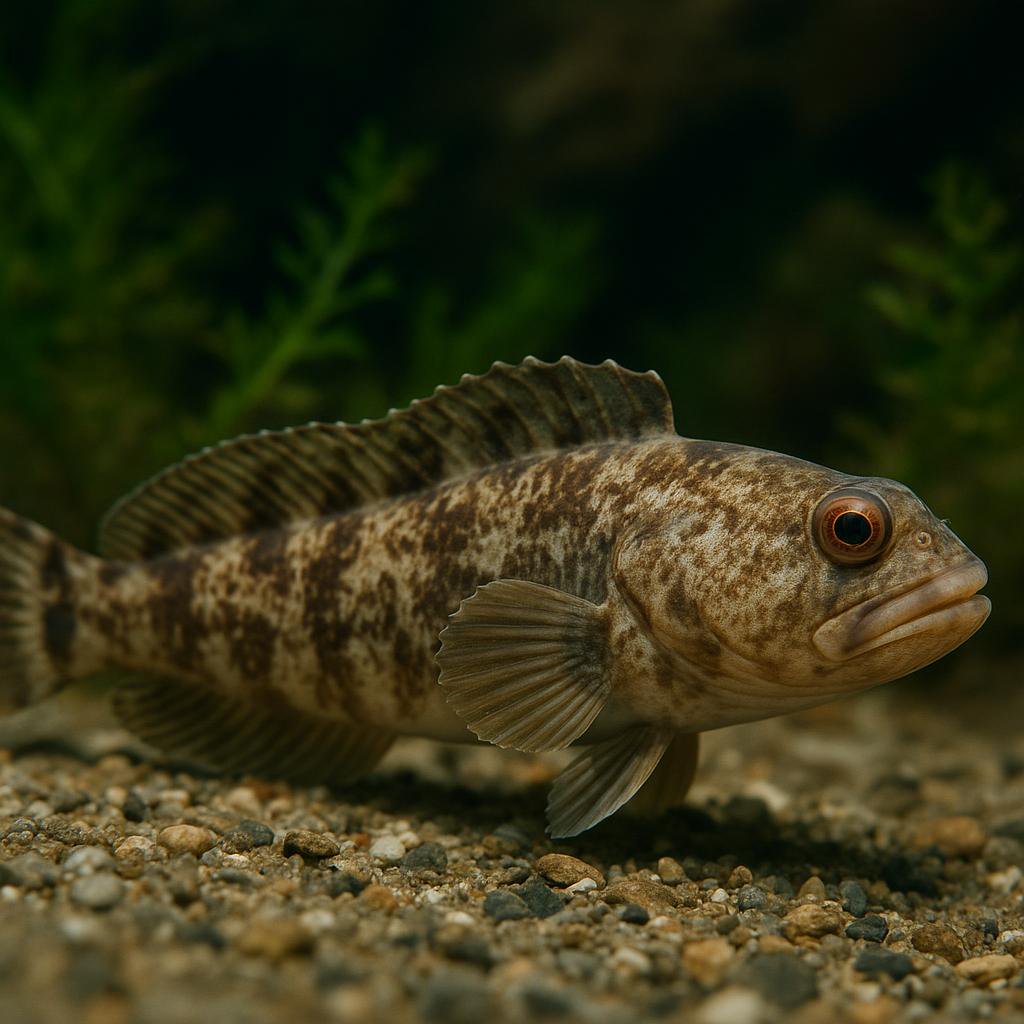
Abe's eelpout
Japonolycodes abei
Japonolycodes abei is a temperate, deepwater demersal eelpout (family Zoarcidae) endemic to Japan (Kumano-nada Sea reported; other sources also report Sagami Bay and Tosa Bay). It is the only species in the genus Japonolycodes and occurs roughly 40-300 m depth, making it an uncommon/atypical aquarium species.
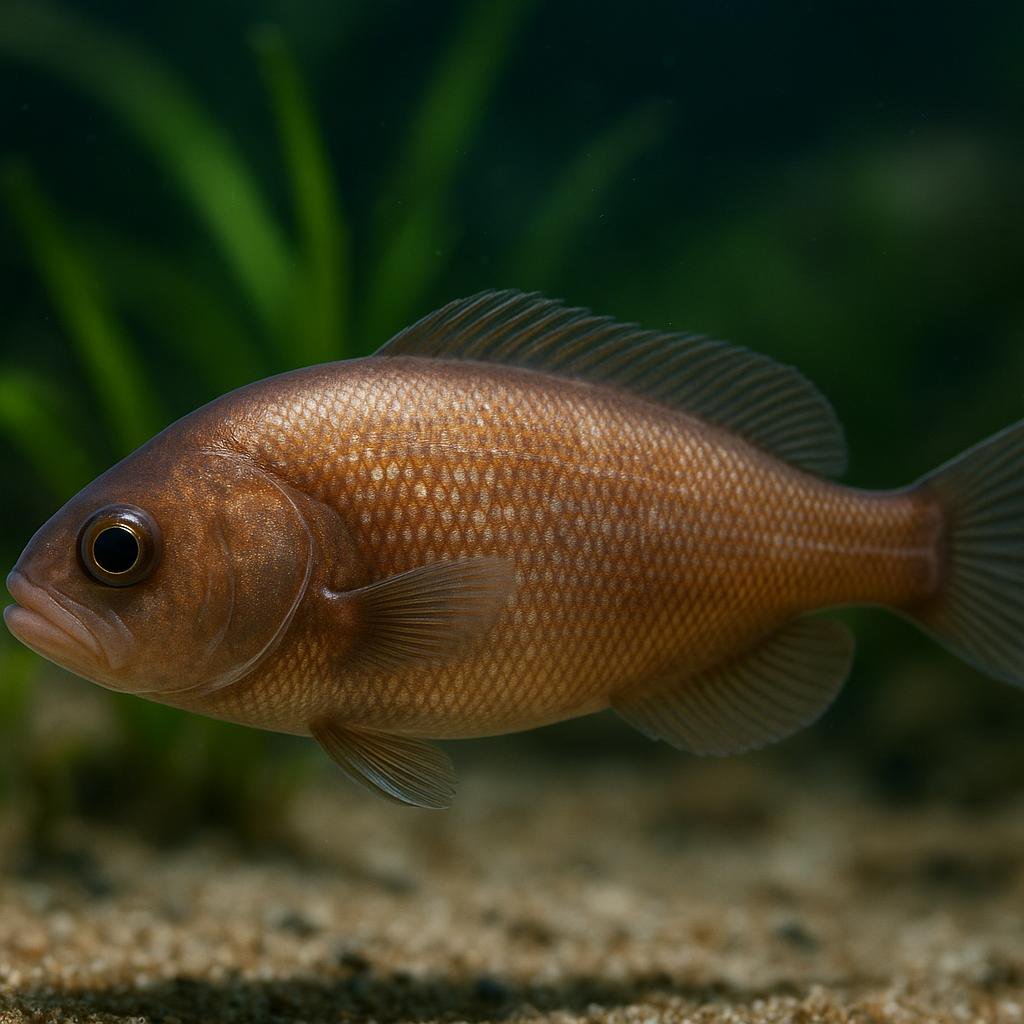
Affinis blind cusk-eel
Barathronus affinis
Barathronus affinis is a tiny, super-weird deep-sea blind cusk-eel from the western-central Indian Ocean. It is one of those gelatinous, loose-skinned brotula-type fishes that live way down in the dark and are basically never seen alive, so almost everything we know comes from preserved specimens and taxonomic work.
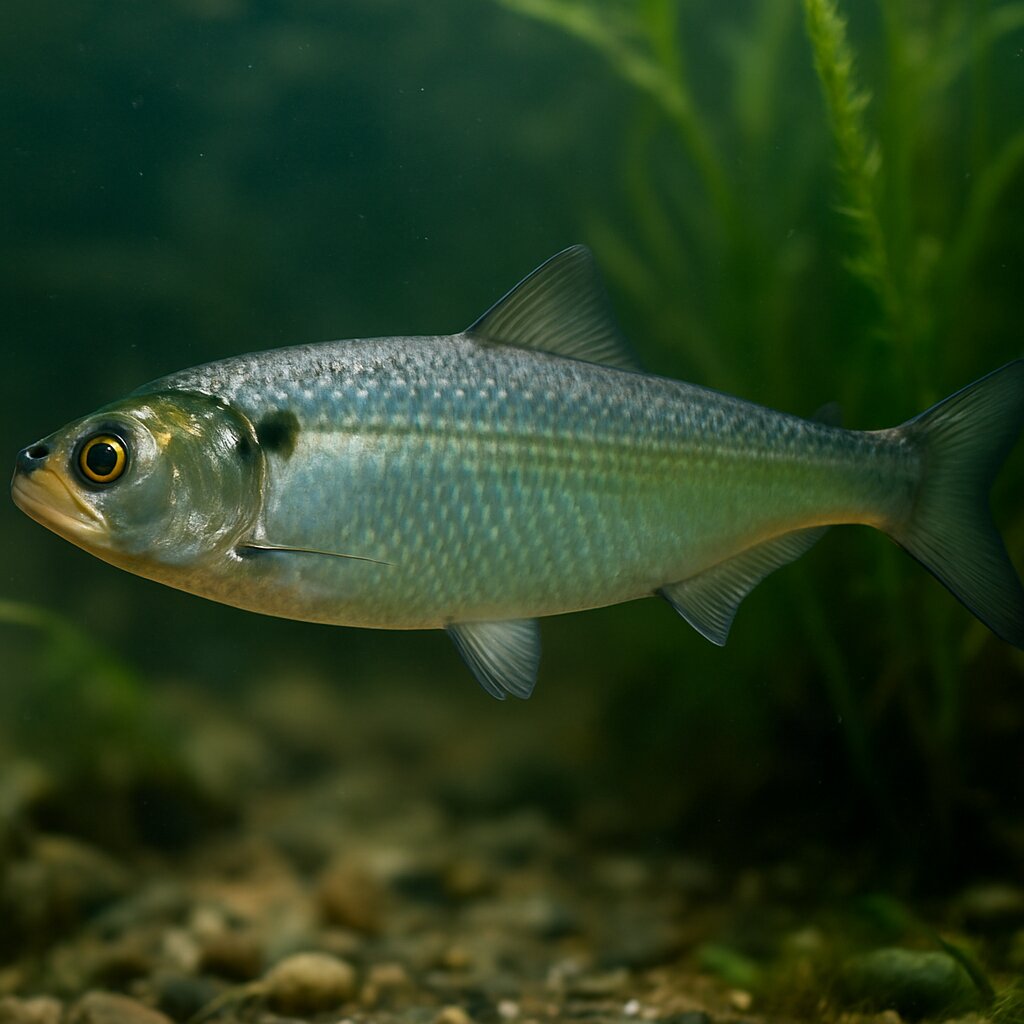
Allis shad
Alosa alosa
Gorgeous silver, fast-swimming shad that spends most of its life in the sea and then surges up big rivers in noisy, surface-spawning schools. It grows huge for a herring-type fish and needs cool, ultra-oxygenated water and tons of open space, so it is a public-aquarium species rather than a home tank fish.
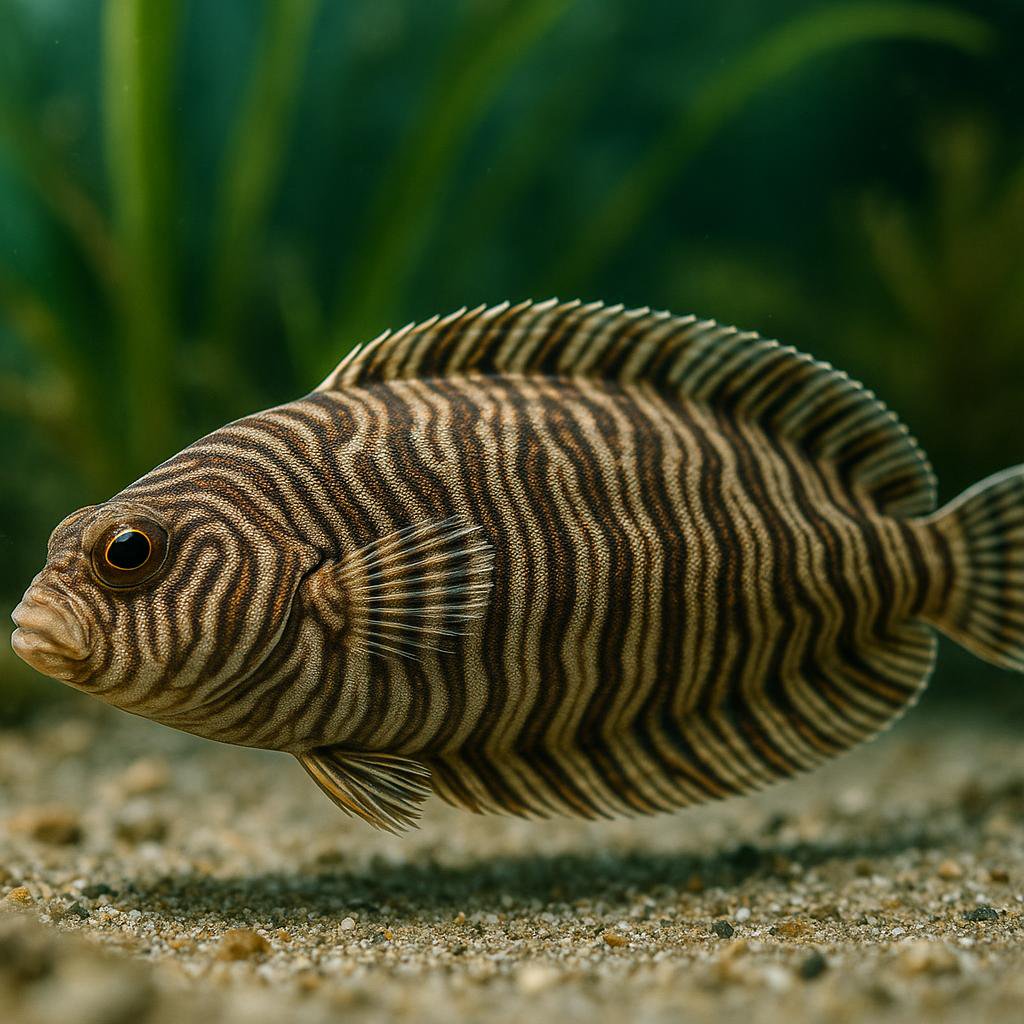
Annandale's zebra sole
Zebrias annandalei
Zebrias annandalei is a small demersal sole from coastal India that inhabits sandy or muddy bottoms and buries for camouflage. It is rarely kept in home aquaria and would require a specialized marine sand-bottom setup and appropriate feeding.
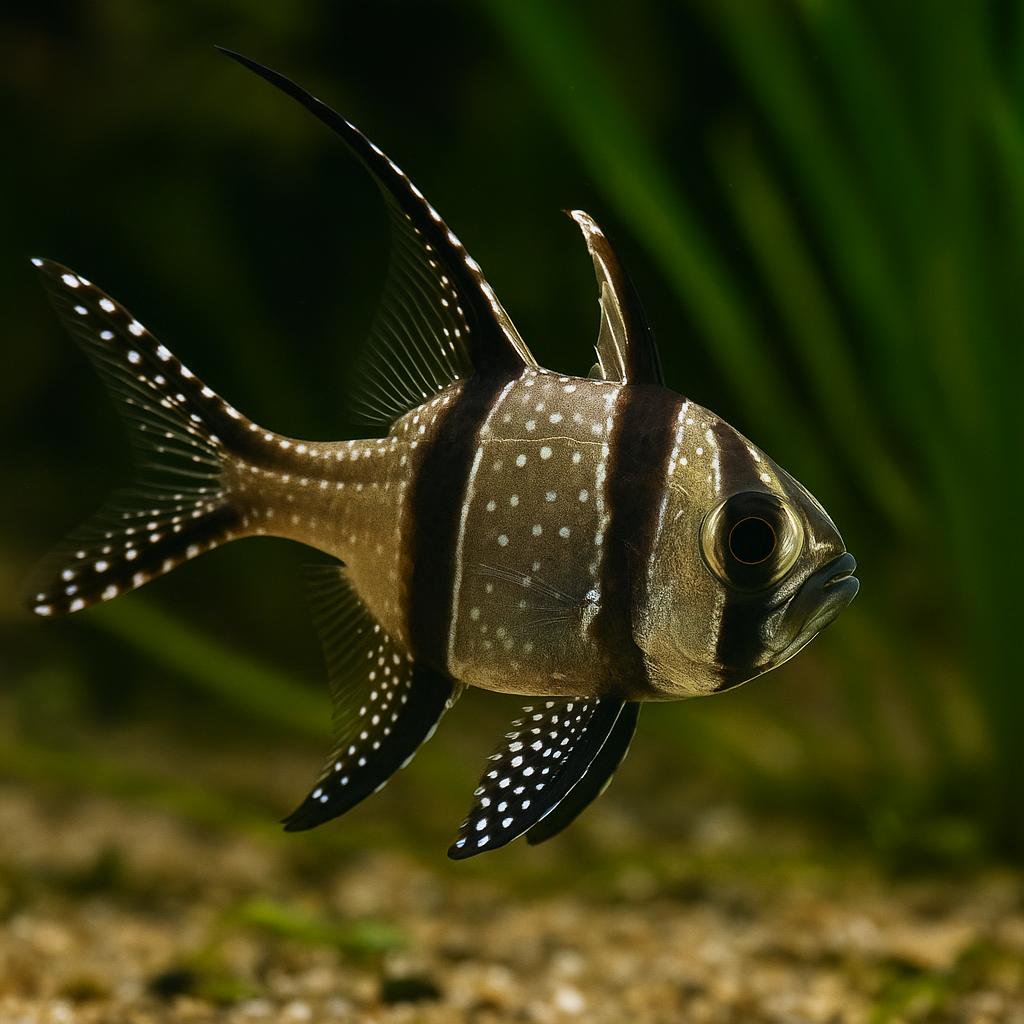
Banggai Cardinalfish
Pterapogon kauderni
Banggai cardinals just sort of hover like little underwater satellites, and the bold black bars with those long, polka-dotted fins look unreal under reef lighting. They're super chill most of the time, but once a pair forms you'll see real "fish drama," and the male will even mouthbrood the babies like a champ.
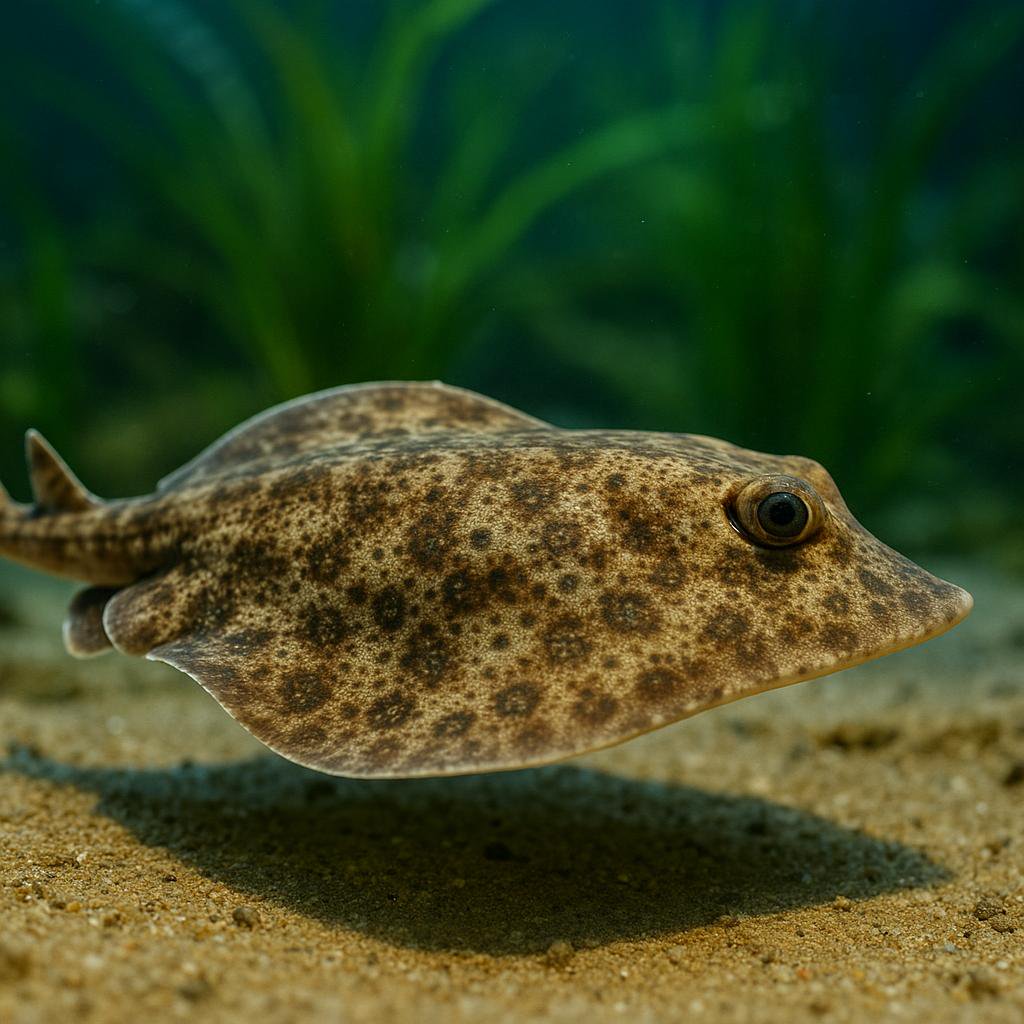
Barbedwire-tailed skate
Notoraja martinezi
Notoraja martinezi is a deepwater skate from the eastern Pacific (Costa Rica down to Ecuador) that lives way down on soft bottoms. The tail is the giveaway - it is lined with strong, hooked thorns that really do look like barbed wire. This is absolutely not an aquarium fish; it is a cold, high-pressure deep-sea animal with basically no practical home care info because it is not kept in the hobby.
More to Explore
Discover more marine species.
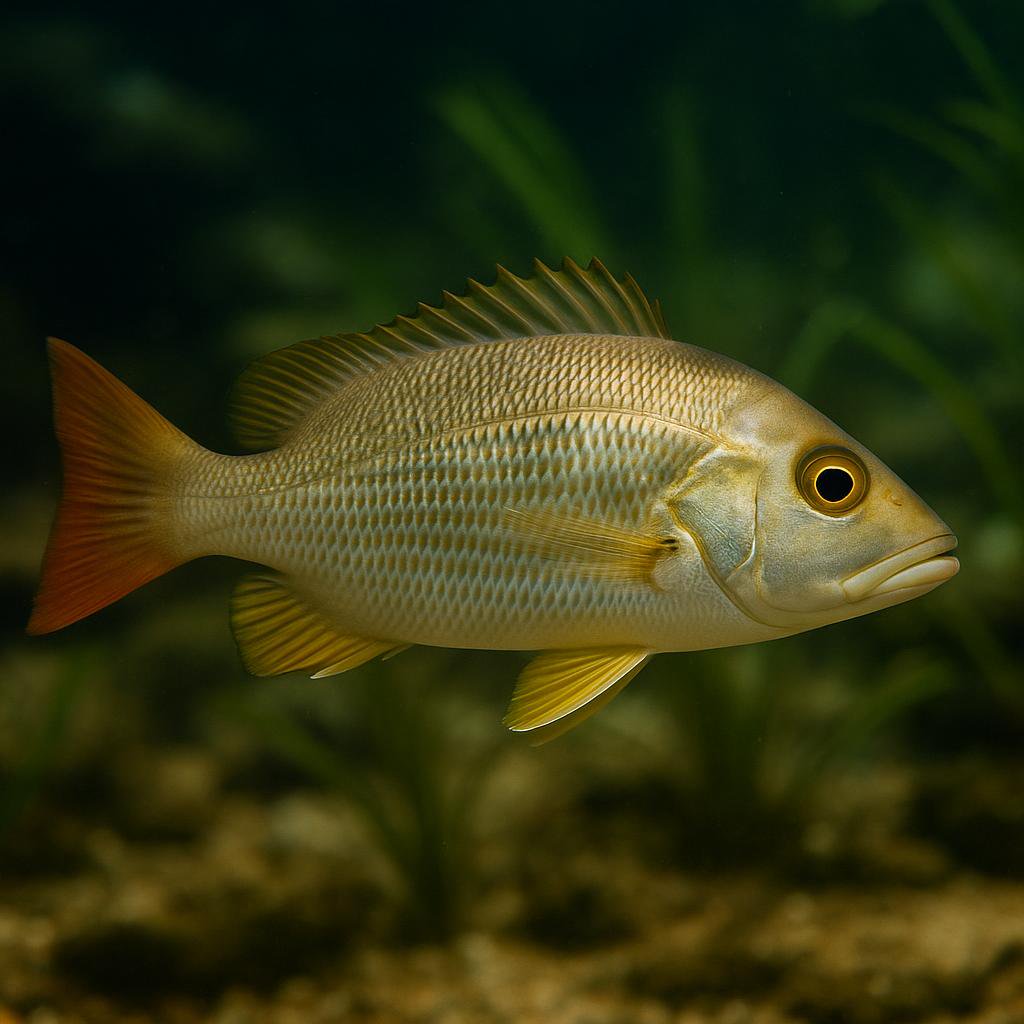
African red snapper
Lutjanus agennes
This is a true snapper from West Africa - a big, fast-growing predator that goes from coastal reefs to brackish lagoons and estuaries (especially as a juvenile). Super cool fish in the wild, but it gets absolutely huge and will eat smaller tankmates once it has the mouth for it, so its really more of a public-aquarium scale animal than a home-aquarium fish.
Aleutian skate
Bathyraja aleutica
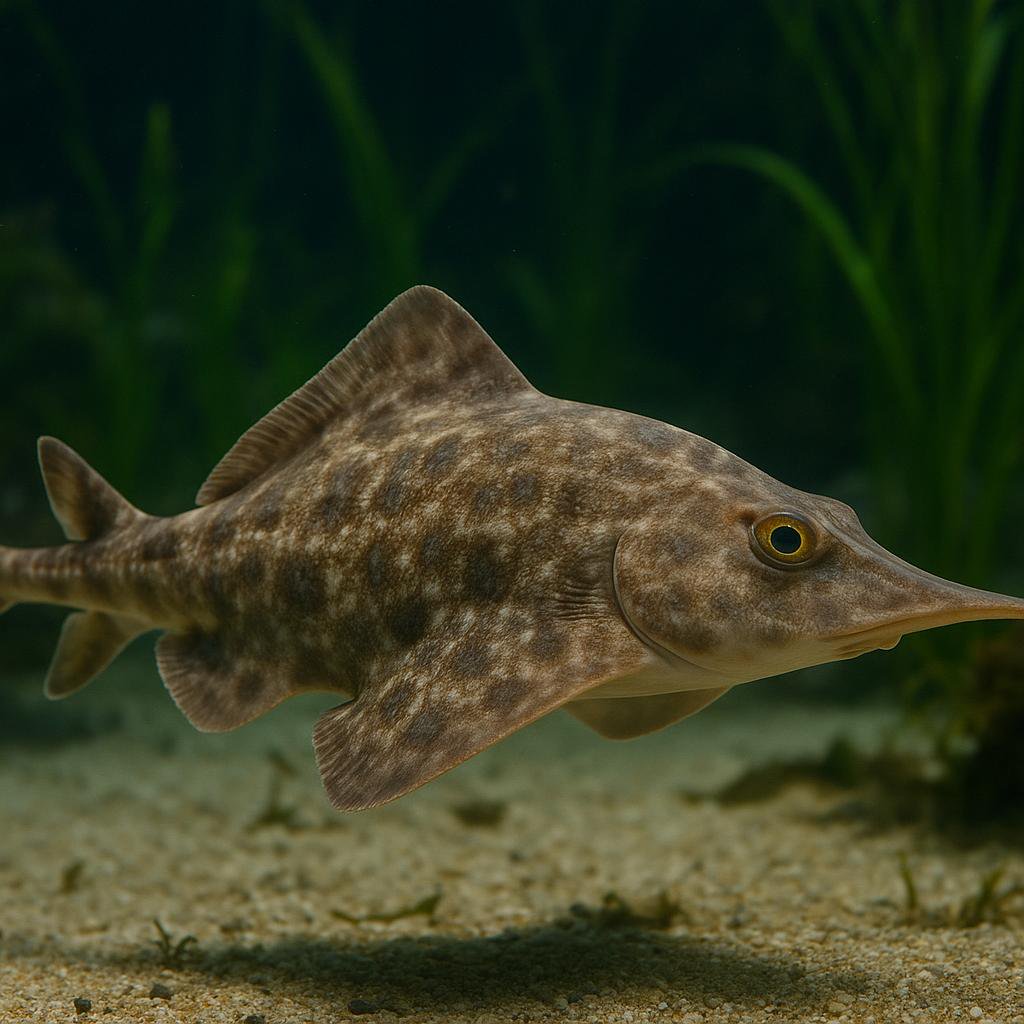
This is a big, cold-water deep-slope skate from the North Pacific that cruises muddy bottoms and eats chunky benthic prey like crabs and shrimp. The really cool bit is its egg-laying skate life - it does distinct pairing (the classic skate "embrace") and drops those tough egg cases on the seafloor. Not an aquarium fish at all unless you're basically running a public-aquarium-style chilled system.
Antarctic dragonfish
Vomeridens infuscipinnis
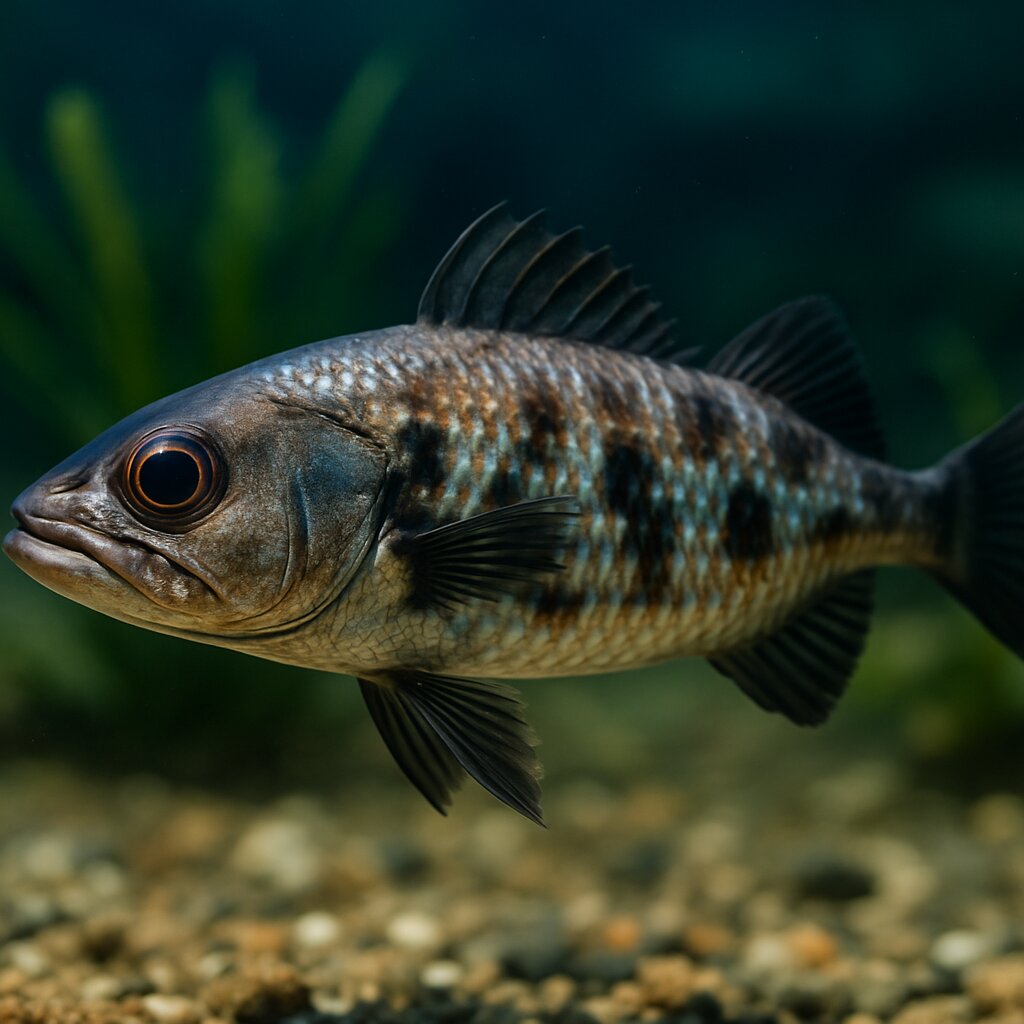
Deep down around Antarctica, this sleek dragonfish cruises the water column like a little submarine, nearly neutrally buoyant so it can hover above the seafloor. It munches almost exclusively on Antarctic krill and lives in near-freezing water 500-800 m down, so it is a cool species to read about, not one for home tanks.
Arabian spiny eel
Notacanthus indicus
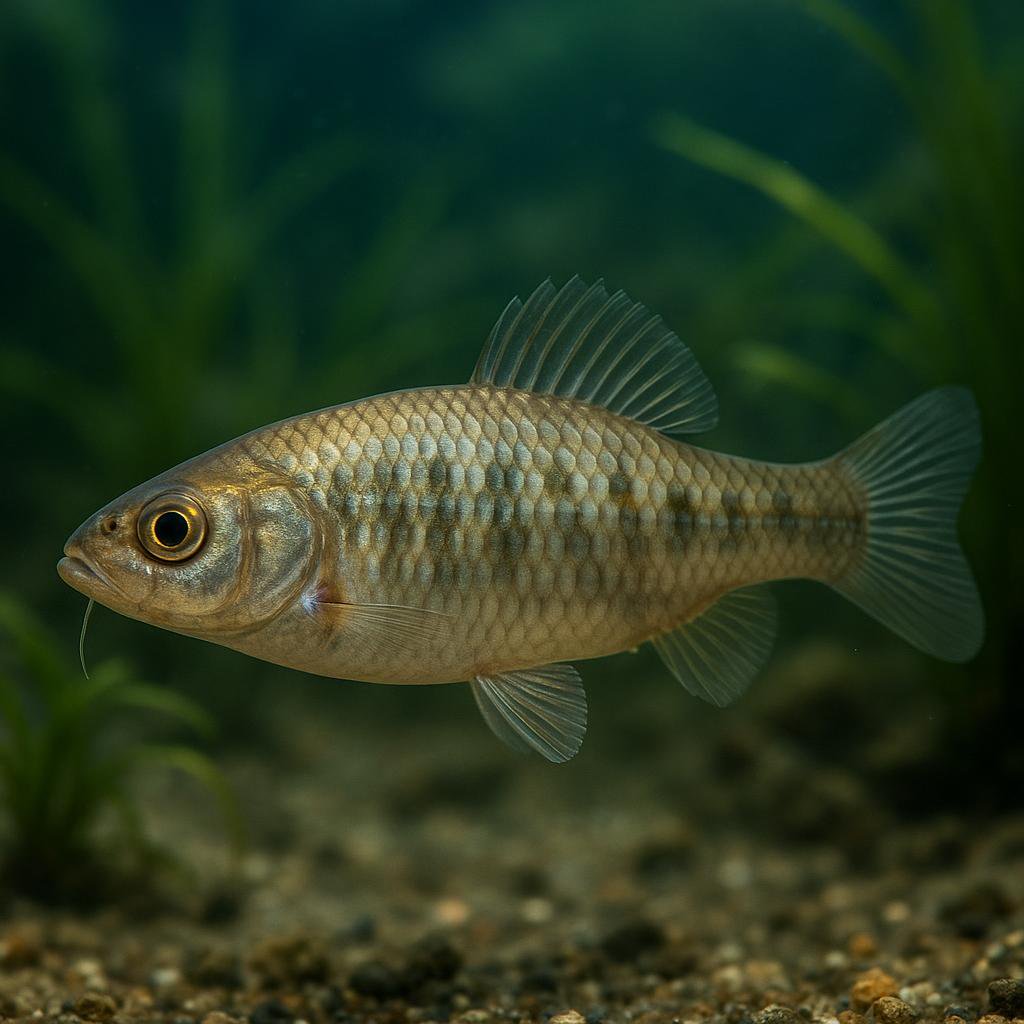
Notacanthus indicus is a deep-sea spiny eel (family Notacanthidae; not a true eel) known from the Arabian Sea on the continental slope at roughly ~960–1,046 m depth, with reported maximum length around 20 cm TL; it is a deep-water bycatch species and not established in the aquarium trade.
Arctic rockling
Gaidropsarus argentatus
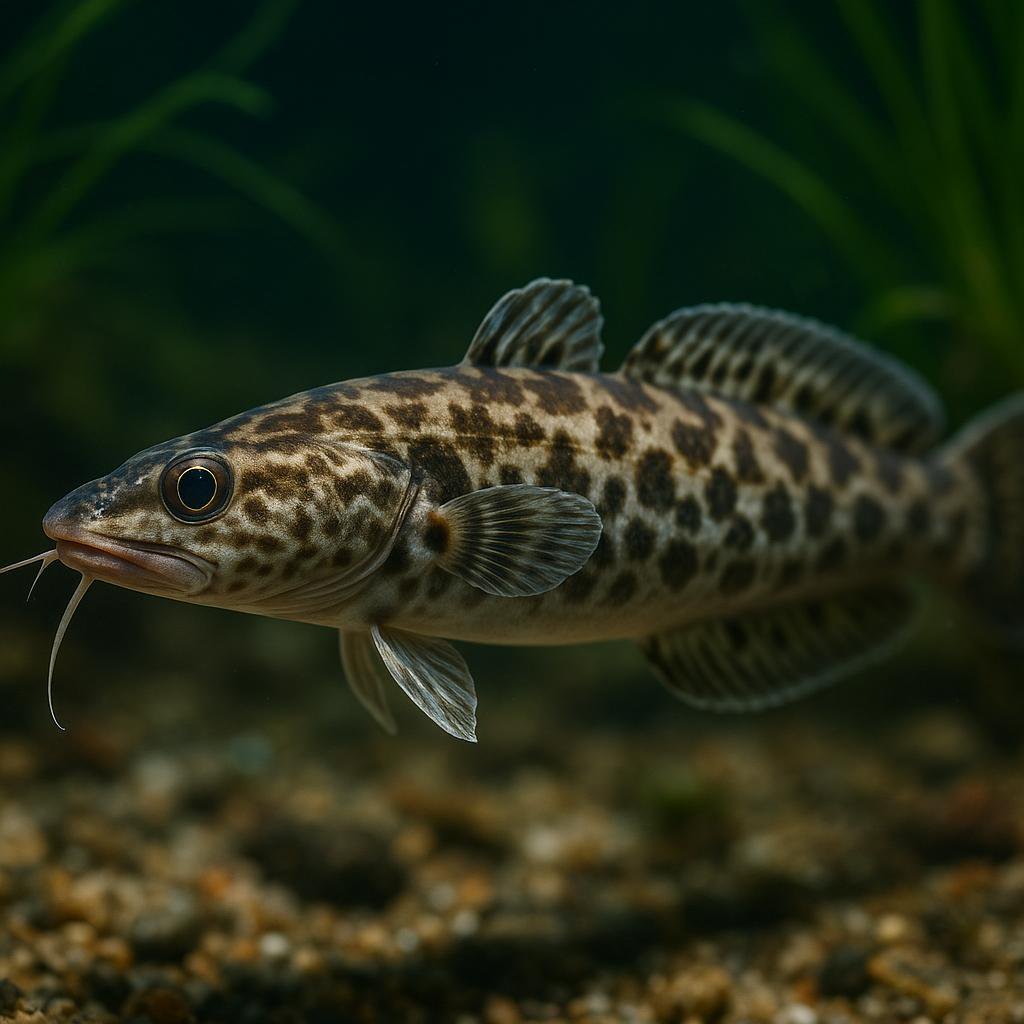
This is a deepwater North Atlantic rockling (a cod relative) that hangs out on soft bottoms way down the slope. It is a cold-water, bottom-hugging predator that snoots around for crustaceans and will also take small fish when it gets the chance.
Atlantic pomfret
Brama brama
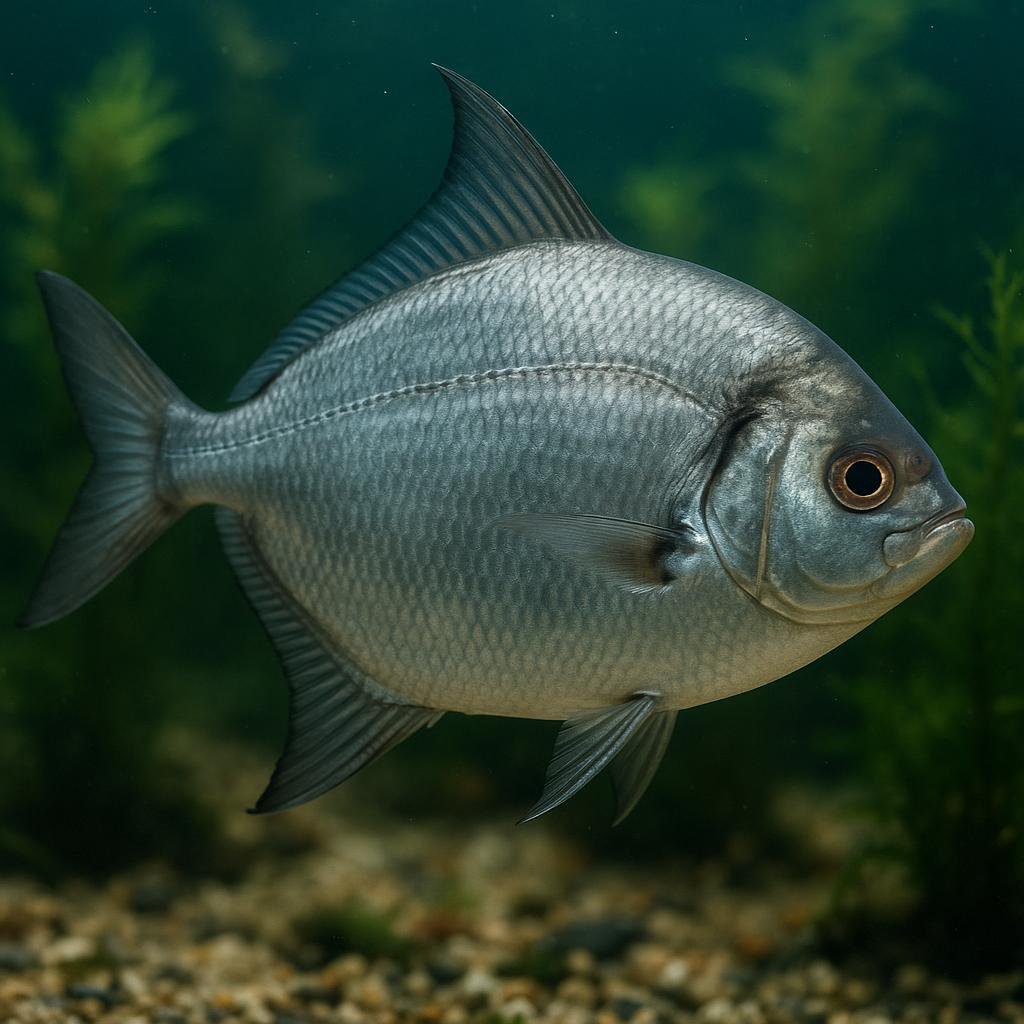
Brama brama is the Atlantic pomfret (aka Ray's bream) - a deep-bodied, open-ocean pelagic fish that cruises around in small schools and follows water temps. It is a legit big, wild marine species (not an aquarium fish) that eats other small sea critters like fish and squid, and it ranges across a huge chunk of the Atlantic plus parts of the Indian and South Pacific.
Looking for other species?