

Brazilian batfish
Ogcocephalus vespertilio
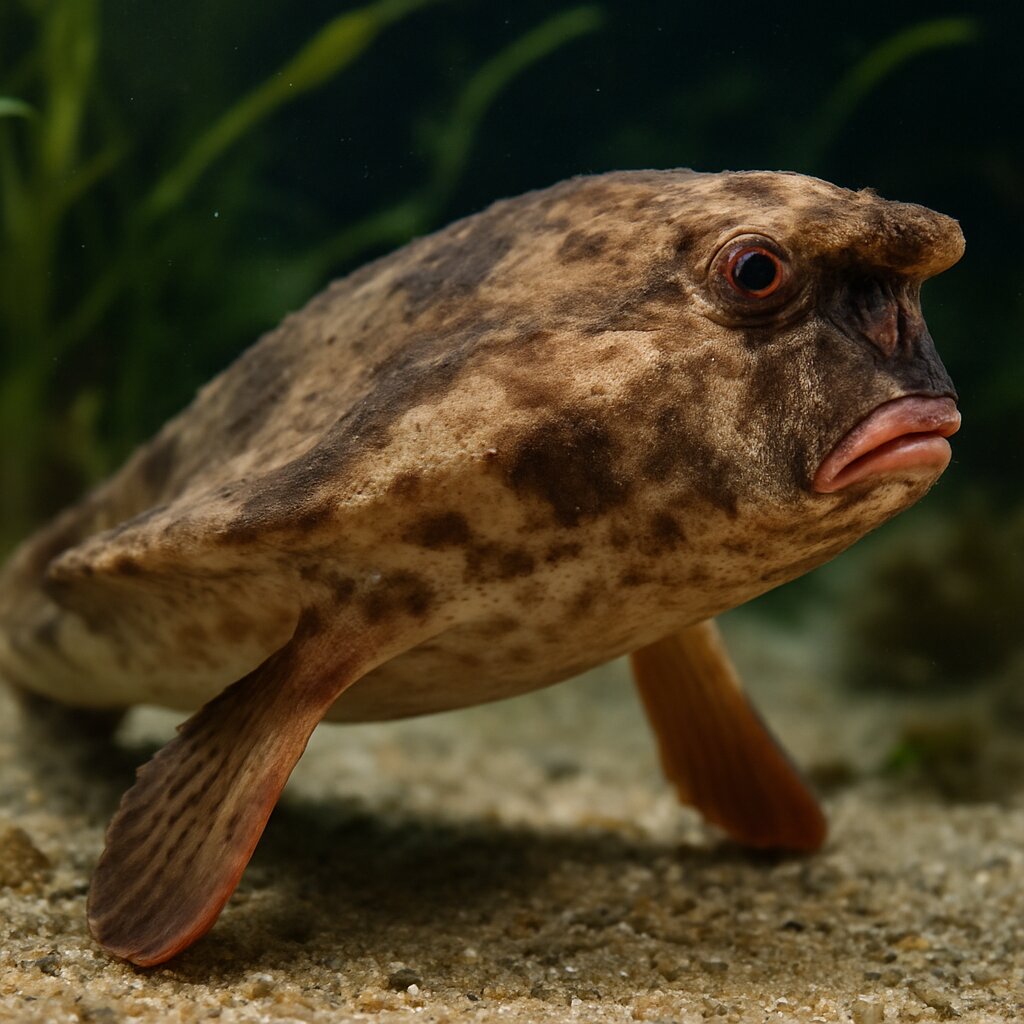
The Brazilian batfish has a flattened body, elongated pectoral fins, and a mottled brown coloration that aids in camouflage on the ocean floor.
This page includes AI-generated images. Why am I seeing AI images?
About the Brazilian batfish
Wild-looking bottom-walker that shuffles around on its fins and flicks a little fishing-rod lure to snag snacks. It gets dinner-plate big, so it needs a big footprint tank and gentle tankmates that will not nip or outcompete it. Super cool to watch once it learns hand-feeding.
Also known as
Quick Facts
Size
12 inches
Temperament
Peaceful
Difficulty
Advanced
Min Tank Size
180 gallons
Lifespan
8-12 years
Origin
Western Atlantic - Caribbean to Brazil
Diet
Carnivore - meaty foods (shrimp, clam, fish, worms); target-feed with tongs
Water Parameters
26-30°C
7.8-8.4
300-400 dGH
Need a heater for this species?
This species needs 26-30°C in a 180 gallon tank. Use our heater calculator to find the right wattage.
Calculate heater sizeCare Notes
- Give it a big footprint tank (75+ gal) with soft fine sand to prevent belly sores, low rockwork, and plenty of open floor; keep lighting on the mellow side.
- Run gentle flow with quiet zones and guard all pump intakes - they are clumsy walkers and get pinned easily.
- Hold salinity at 1.023-1.026, temp 72-78 F, pH 8.1-8.4, and nitrates under ~20 ppm; swings make them go off food.
- Start it on live ghost shrimp, small crabs, and salt-acclimated mollies/guppies, then train to tong-fed thawed shrimp, squid, or silversides right at the mouth.
- Feed small portions daily and watch it actually swallow; shut pumps and give it 5-10 minutes so faster fish do not poach the meal.
- Tankmates: stick with calm fish too big to be a snack and not food-obsessed; skip triggers, puffers, big wrasses, eels, and expect it to eat shrimp/crabs and tiny fish.
- Quarantine on arrival, treat for internal worms (praziquantel), and avoid copper meds; this species ships rough and reacts badly to harsh treatments.
- Breeding is basically a no-go in home aquaria; they release pelagic eggs and there is no reliable way to pair them.
Compatibility
Good Tankmates
- Big, laid-back herbivores like foxfaces and bristletooth tangs (Kole/Tomini) - they ignore bottom sitters; just target feed the batfish
- Calm, non-nippy midwater fish that are too big to swallow, like Genicanthus swallowtail angels and Heniochus bannerfish
- Squirrelfish and soldierfish - quiet neighbors that leave bottom dwellers alone
- Adult ocellaris or percula clown pairs that keep to their spot and do not pester slow fish
- Peaceful, larger butterflyfish (copperband, longnose) in roomy tanks; they will not pick at the batfish
Avoid
- Anything nippy or aggressive like triggers, puffers, and big wrasses - they will chew fins and stress a slow batfish
- Other ambush predators (anglers/frogfish, scorpionfish, lionfish) - someone becomes dinner sooner or later
- Fast, competitive feeders like anthias, damsels, or super feisty tangs (Sohal, Clown) - the batfish will miss meals
- Small fish it can inhale: tiny gobies, small blennies, juvenile cardinals - they are bite-sized to a batfish
Where they come from
Brazilian batfish are oddball ambush predators from the western Atlantic. Think sandy patches and rubble around reefs, seagrass edges, and harbors from the Caribbean down to Brazil. They spend most of their time parked on the bottom, shuffling around on those arm-like fins and flicking a little lure in front of their mouth to call in snacks.
Setting up their tank
Give them floor space over height. A single adult is happiest in a 75+ gallon tank with a big footprint. They are slow, clumsy, and very bottom-oriented, so open sand is gold and high flow is not.
- Substrate: 2-3 inches of fine sand. Skip sharp crushed coral.
- Aquascape: Scattered rock islands with lots of open sand in front. Gentle slopes, no rock piles that can tumble.
- Flow: Low and broad. They hate blasting current.
- Lighting: Dim to moderate. They do not care for bright reef lights.
- Water: 72-76 F, SG 1.023-1.026, pH 8.1-8.4, ammonia/nitrite 0, nitrate under 20 ppm.
Turn off return and wavemakers at feeding time. It keeps their food from blowing away and saves you frustration.
Use a soft container to move them. Do not net them. Their rough plates catch in mesh and mouths get damaged easily.
They are not reef safe. They will sit on corals and get stung, and they will hunt shrimp and tiny fish. If you must mix with corals, stick to hardy softies well away from their parking spots, and avoid anemones and strong-stinging LPS.
What to feed them
Plan on starting with live foods, then wean to frozen. Most new batfish ignore pellets and flakes. They hunt by smell and movement more than sight.
- Great starters: live ghost shrimp, small shore crabs, mollies acclimated to salt, amphipods.
- Frozen options to train onto: mysis, finely chopped shrimp, squid, clam, fish strips. Wiggle the food on tongs right in front of the mouth.
- Frequency: juveniles daily in small portions; adults every other day. They are gluttons but slow digesters.
Gut-load live shrimp with quality marine flakes or algae wafers for 12 hours before feeding. You get more nutrition into the batfish that way.
They have a little lure they twitch to bring prey in. If yours is shy, dim the lights, kill the flow, and hold still. Give them a minute to work up to a strike.
Vitamin-soak frozen foods once or twice a week. A varied menu keeps them in good shape and helps avoid lateral line and head erosion issues that pop up on poor diets.
How they behave and who they get along with
They are mellow, almost lazy, but make no mistake: anything bite-sized that walks or swims near the mouth is food. They are not bullies, just opportunists.
- Good tankmates: peaceful fish that will not nip or outcompete at feeding. Think larger cardinals, chalk bass in small numbers, or a calm tang that ignores the bottom.
- Risky: wrasses, triggers, puffers, angels that nip, and fast feeders that vacuum up everything before the batfish even lines up a strike.
- Do not pair with predators like frogfish, groupers, or lionfish. Somebody becomes lunch.
- Inverts: decorative shrimp, small crabs, and tiny snails are snacks. Big tough hermits may be ignored but still a gamble.
Avoid aggressive cleanup crews. Some crabs will pick at a resting batfish, and repeated nips lead to infections.
Breeding tips
There are no reliable reports of home breeding for Ogcocephalus. They are likely pelagic spawners with eggs and larvae that drift. Sexing adults is not clear from external features, and even getting a pair is guesswork. Treat this species as a single-display fish.
Common problems to watch for
- Feeding strikes: Newly imported fish often ignore everything. Start with live, feed at night or low light, and use a feeding stick. Patience wins.
- Mouth and fin injuries: They bang into rock or get net damage. Keep rockwork stable, use sand, and handle in a specimen container.
- Internal parasites: Wild-caught batfish often carry worms. A round of praziquantel in quarantine helps. Watch for weight loss despite eating.
- Bacterial infections: Red sores on the belly or joints where they rest. Keep sand clean, siphon waste, and act fast if you see redness or fuzz.
- Collection trauma: Some arrive with buoyancy oddities or lethargy from poor decompression. Buy from vendors who decompress properly and pass on fish that cannot right themselves.
Quarantine for 3-4 weeks. Target feed, observe, and only treat meds in QT. They can be sensitive to heavy copper doses, so test if you use it and keep levels tight.
Ammonia spikes hit these guys hard. They sit on the bottom where waste collects. Keep up with water changes, and do not overfeed while you are training them to frozen.
Similar Species
Other marine peaceful species you might be interested in.
Abe's eelpout
Japonolycodes abei
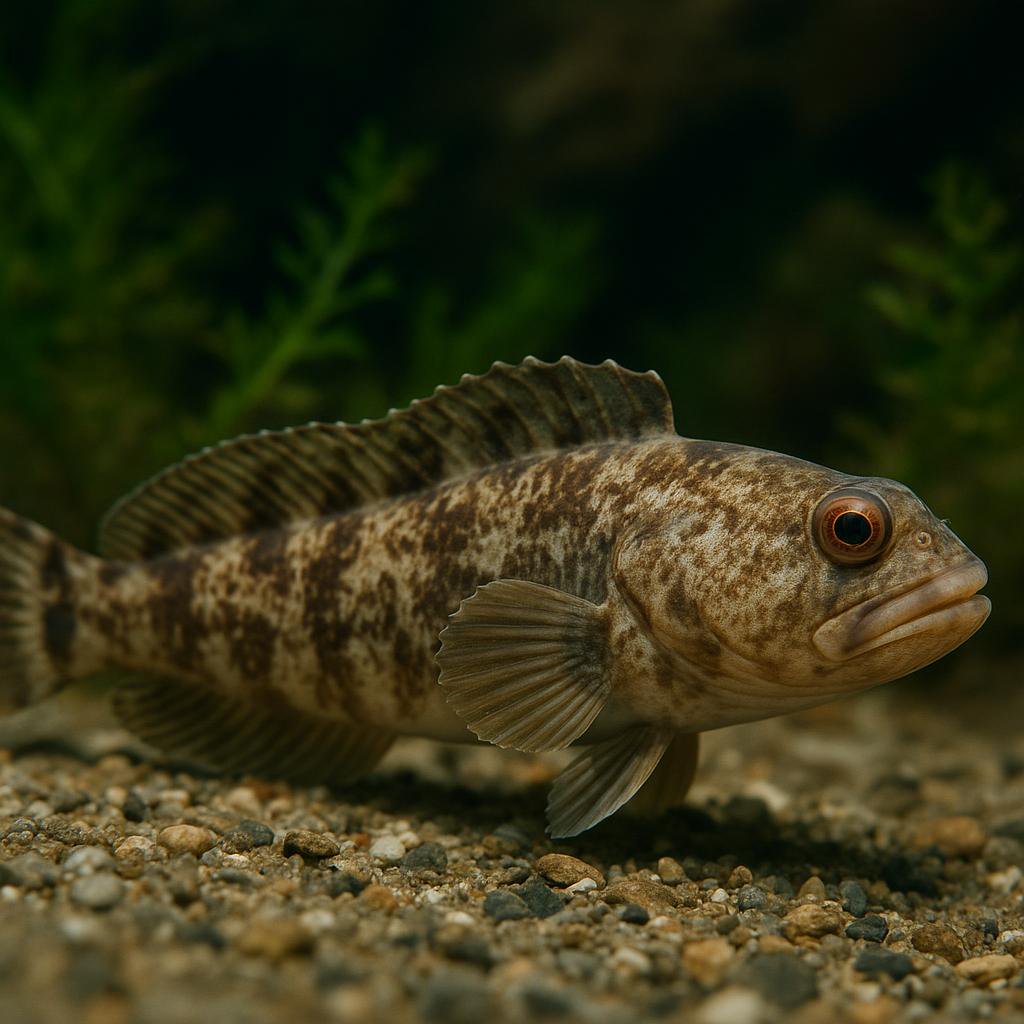
Japonolycodes abei is a temperate, deepwater demersal eelpout (family Zoarcidae) endemic to Japan (Kumano-nada Sea reported; other sources also report Sagami Bay and Tosa Bay). It is the only species in the genus Japonolycodes and occurs roughly 40-300 m depth, making it an uncommon/atypical aquarium species.
Affinis blind cusk-eel
Barathronus affinis
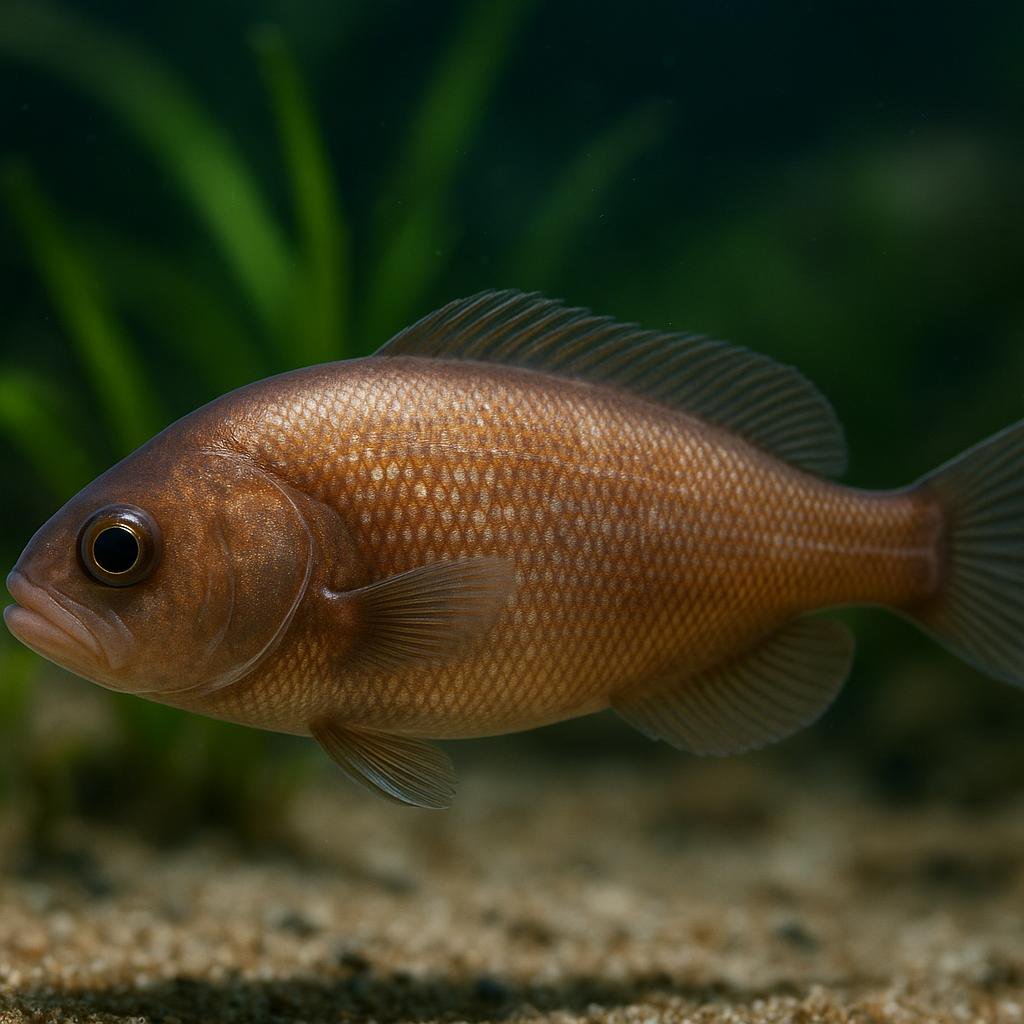
Barathronus affinis is a tiny, super-weird deep-sea blind cusk-eel from the western-central Indian Ocean. It is one of those gelatinous, loose-skinned brotula-type fishes that live way down in the dark and are basically never seen alive, so almost everything we know comes from preserved specimens and taxonomic work.
Allis shad
Alosa alosa
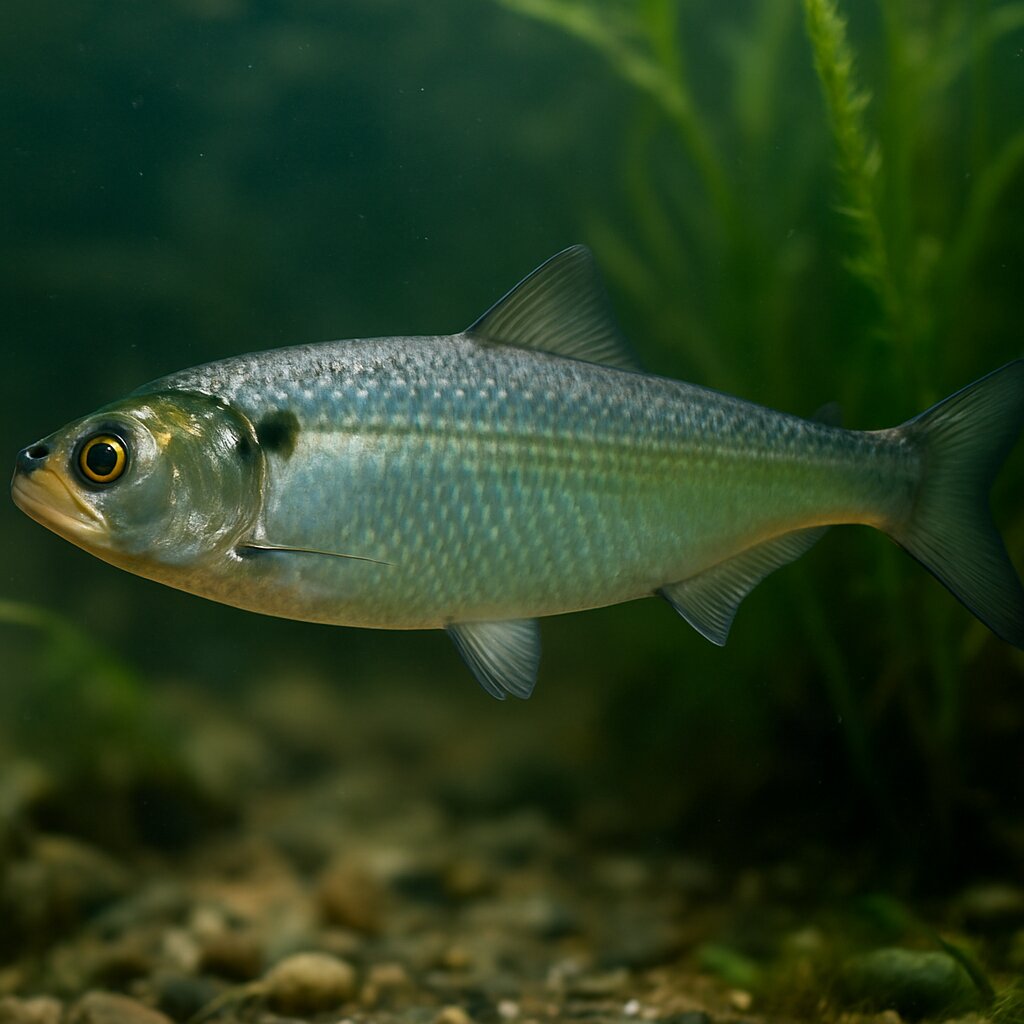
Gorgeous silver, fast-swimming shad that spends most of its life in the sea and then surges up big rivers in noisy, surface-spawning schools. It grows huge for a herring-type fish and needs cool, ultra-oxygenated water and tons of open space, so it is a public-aquarium species rather than a home tank fish.
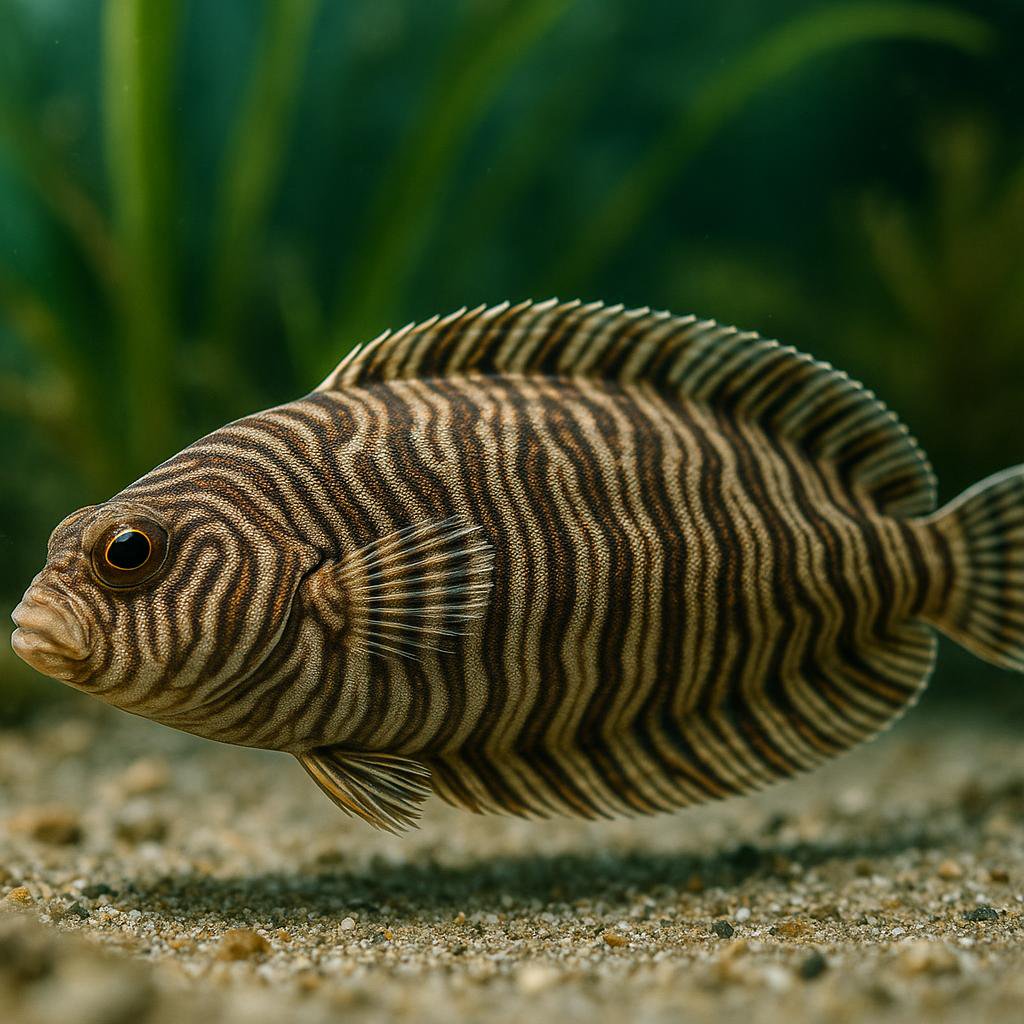
Annandale's zebra sole
Zebrias annandalei
Zebrias annandalei is a small demersal sole from coastal India that inhabits sandy or muddy bottoms and buries for camouflage. It is rarely kept in home aquaria and would require a specialized marine sand-bottom setup and appropriate feeding.
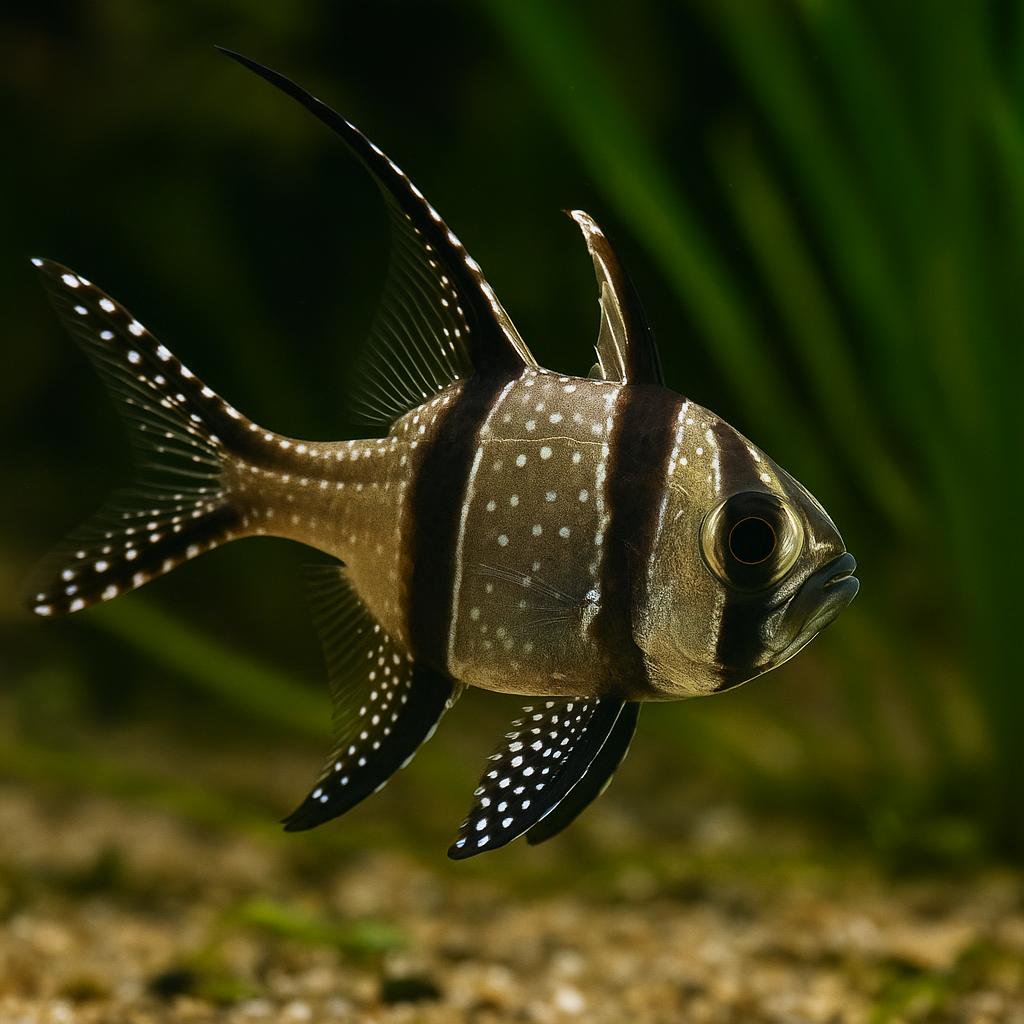
Banggai Cardinalfish
Pterapogon kauderni
Banggai cardinals just sort of hover like little underwater satellites, and the bold black bars with those long, polka-dotted fins look unreal under reef lighting. They're super chill most of the time, but once a pair forms you'll see real "fish drama," and the male will even mouthbrood the babies like a champ.
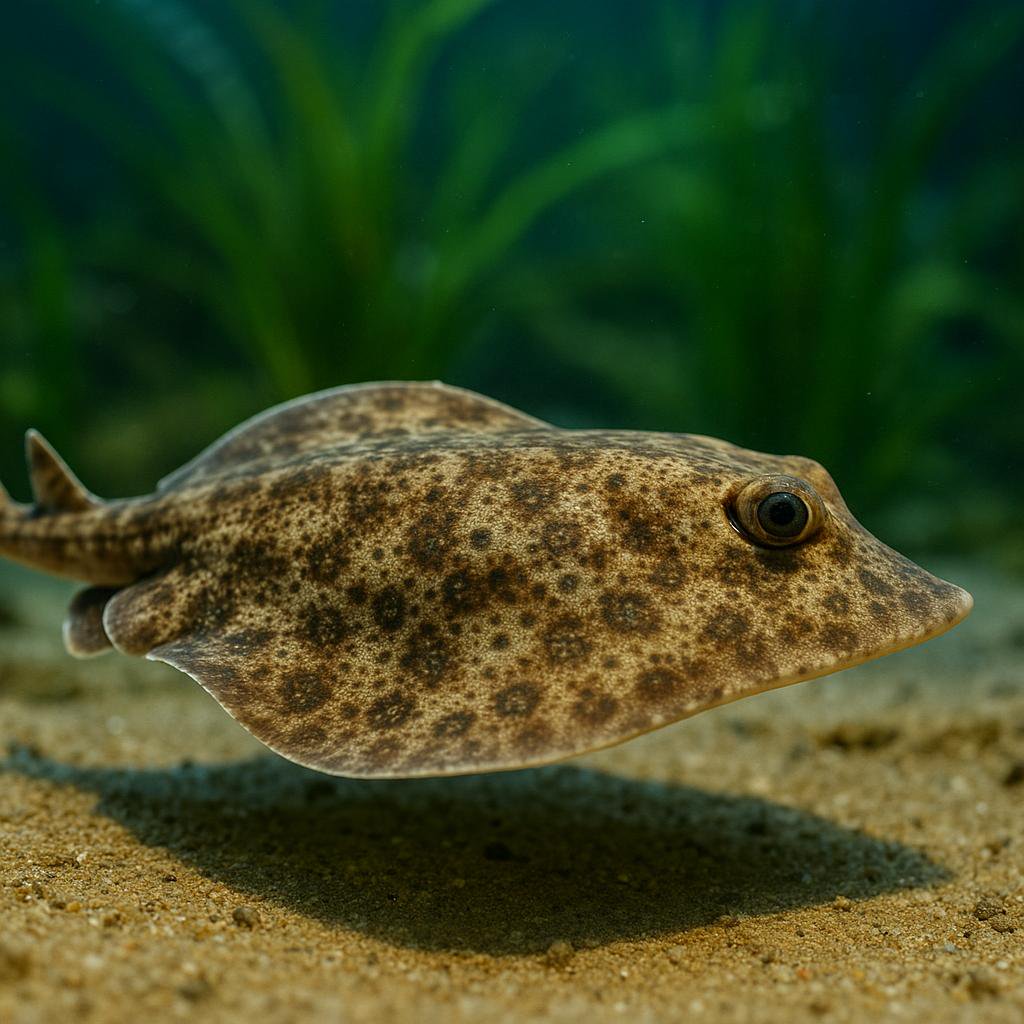
Barbedwire-tailed skate
Notoraja martinezi
Notoraja martinezi is a deepwater skate from the eastern Pacific (Costa Rica down to Ecuador) that lives way down on soft bottoms. The tail is the giveaway - it is lined with strong, hooked thorns that really do look like barbed wire. This is absolutely not an aquarium fish; it is a cold, high-pressure deep-sea animal with basically no practical home care info because it is not kept in the hobby.
More to Explore
Discover more marine species.
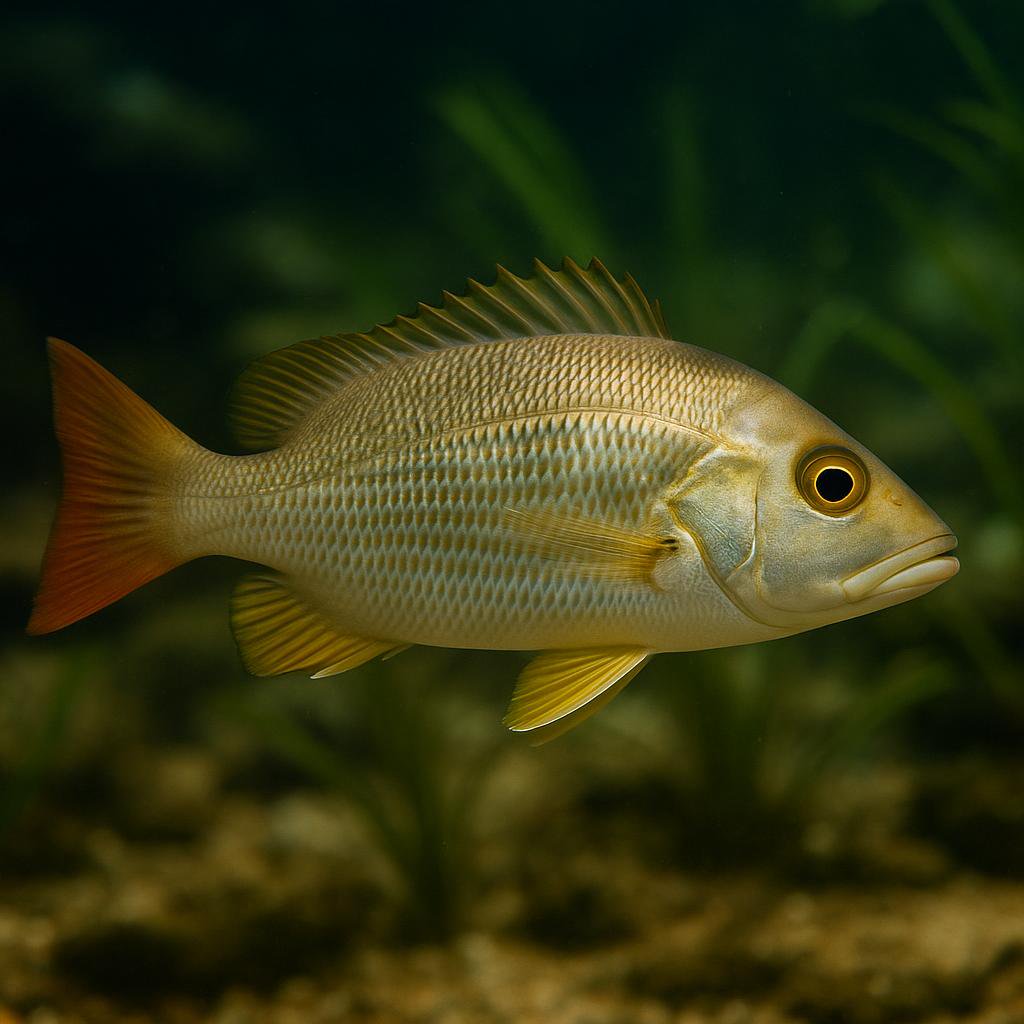
African red snapper
Lutjanus agennes
This is a true snapper from West Africa - a big, fast-growing predator that goes from coastal reefs to brackish lagoons and estuaries (especially as a juvenile). Super cool fish in the wild, but it gets absolutely huge and will eat smaller tankmates once it has the mouth for it, so its really more of a public-aquarium scale animal than a home-aquarium fish.
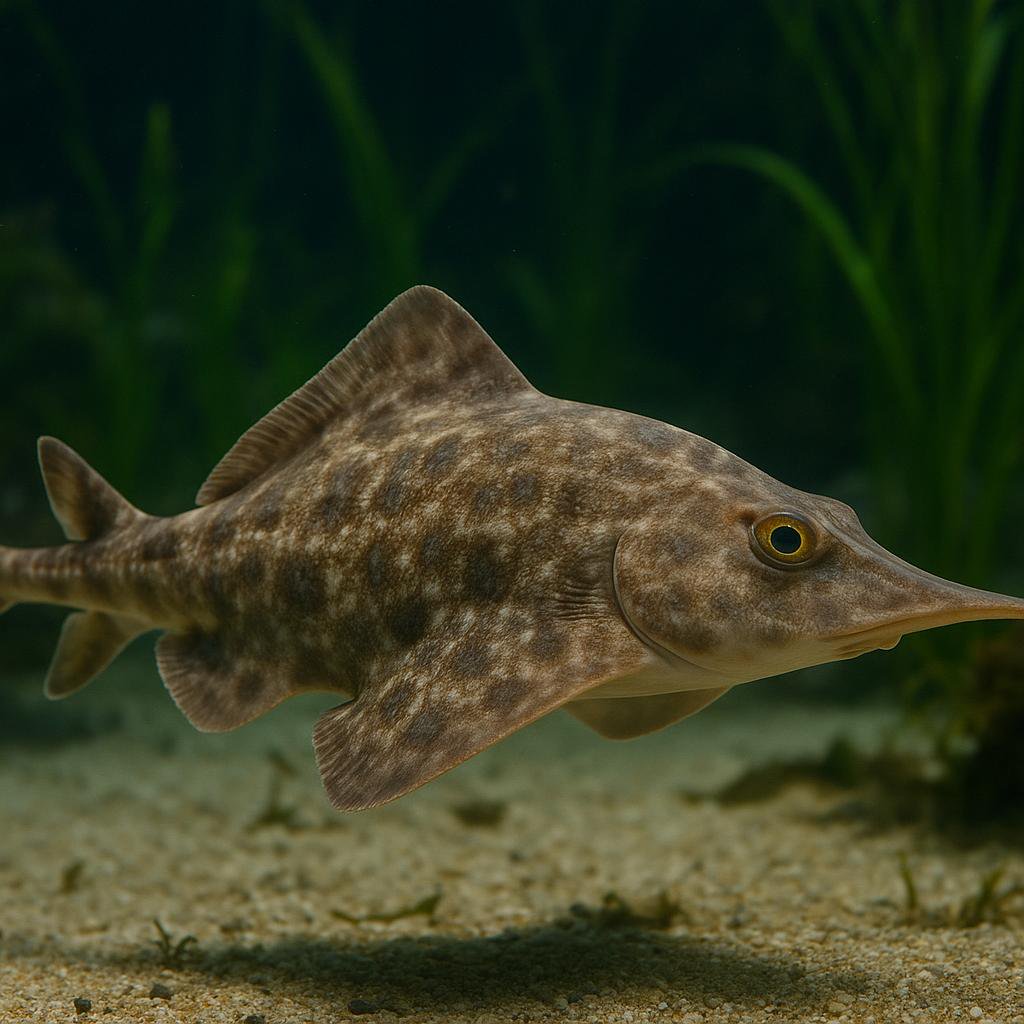
Aleutian skate
Bathyraja aleutica
This is a big, cold-water deep-slope skate from the North Pacific that cruises muddy bottoms and eats chunky benthic prey like crabs and shrimp. The really cool bit is its egg-laying skate life - it does distinct pairing (the classic skate "embrace") and drops those tough egg cases on the seafloor. Not an aquarium fish at all unless you're basically running a public-aquarium-style chilled system.
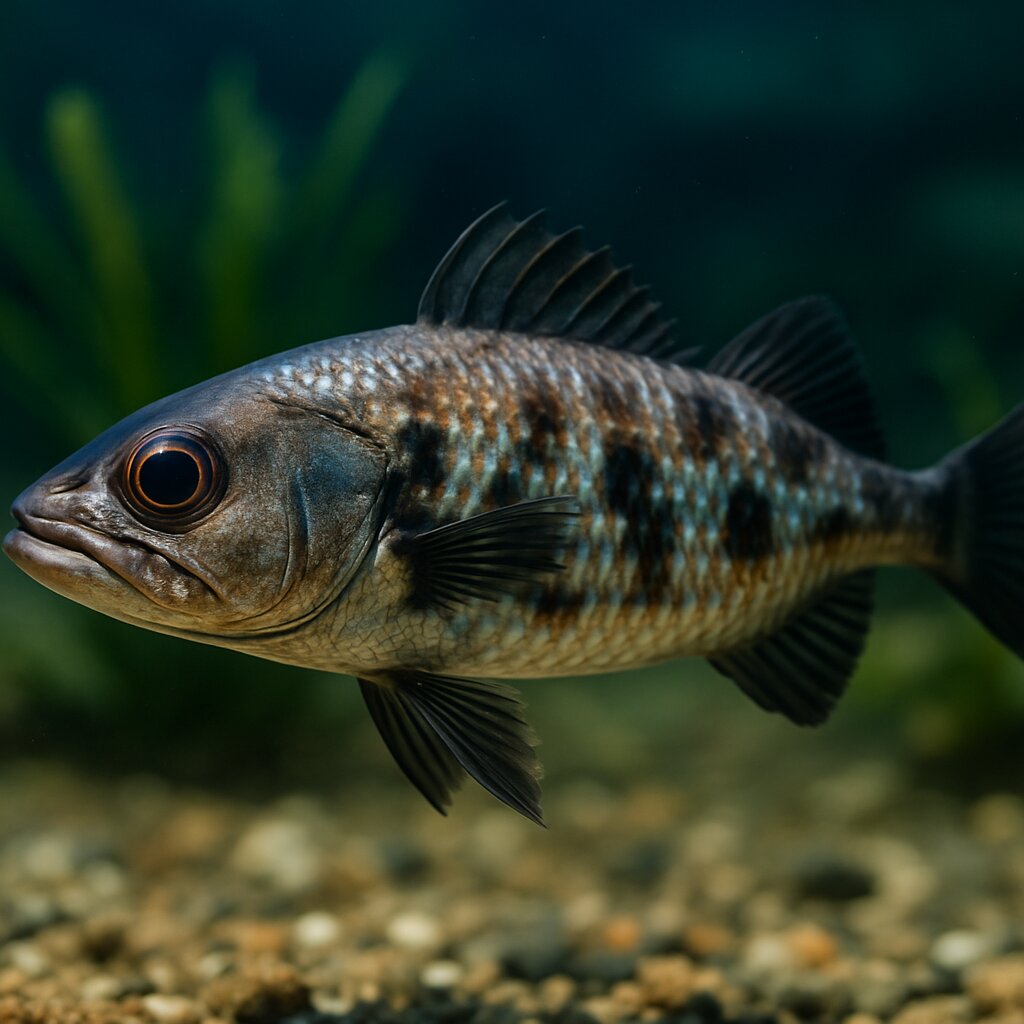
Antarctic dragonfish
Vomeridens infuscipinnis
Deep down around Antarctica, this sleek dragonfish cruises the water column like a little submarine, nearly neutrally buoyant so it can hover above the seafloor. It munches almost exclusively on Antarctic krill and lives in near-freezing water 500-800 m down, so it is a cool species to read about, not one for home tanks.
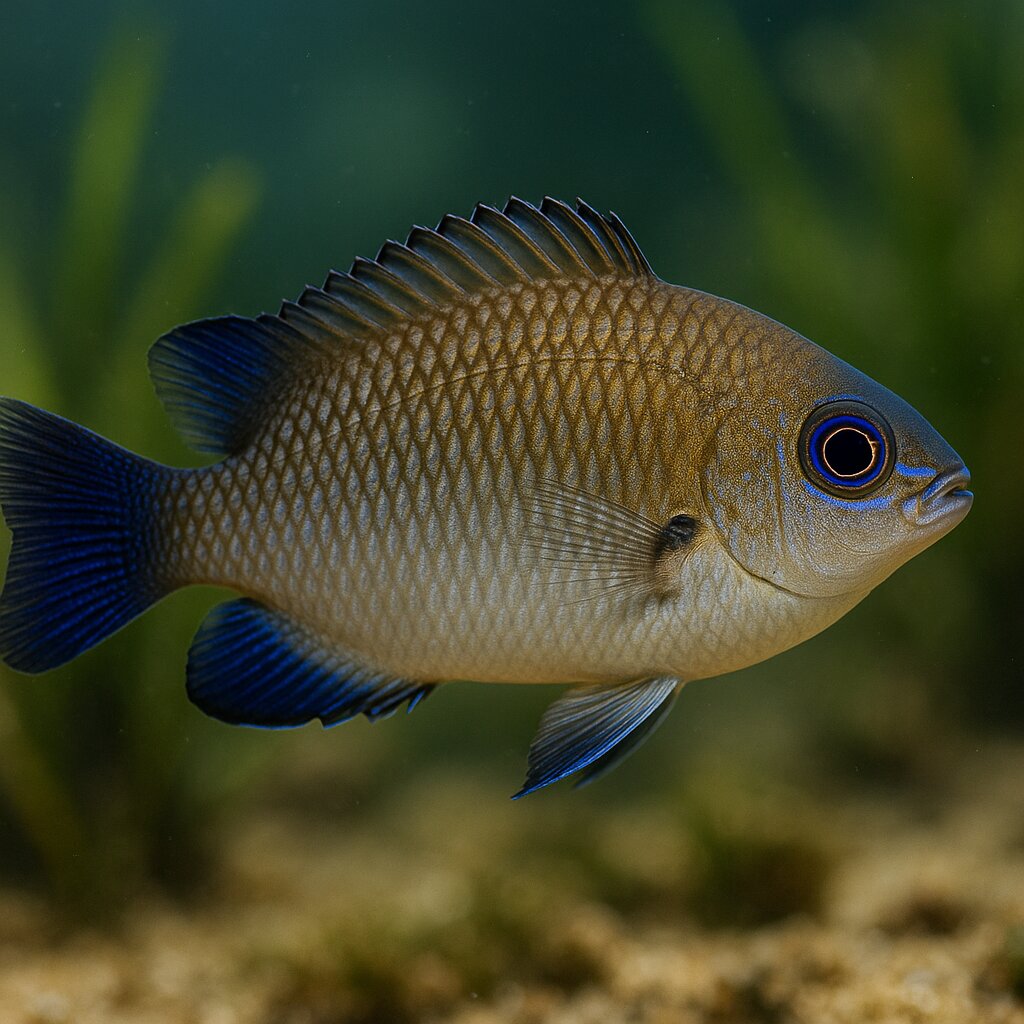
Arabian demoiselle
Neopomacentrus sindensis
A small lyretail damsel from the Persian Gulf and Arabian Sea, it hangs in loose groups around coral heads, rocks, and even pier pilings picking zooplankton from the flow. Think classic damsel toughness with a slightly milder attitude than the real bruisers, plus subtle yellow tail accents. Males clean a patch, get a mate to lay eggs there, and then stand guard fanning the clutch.
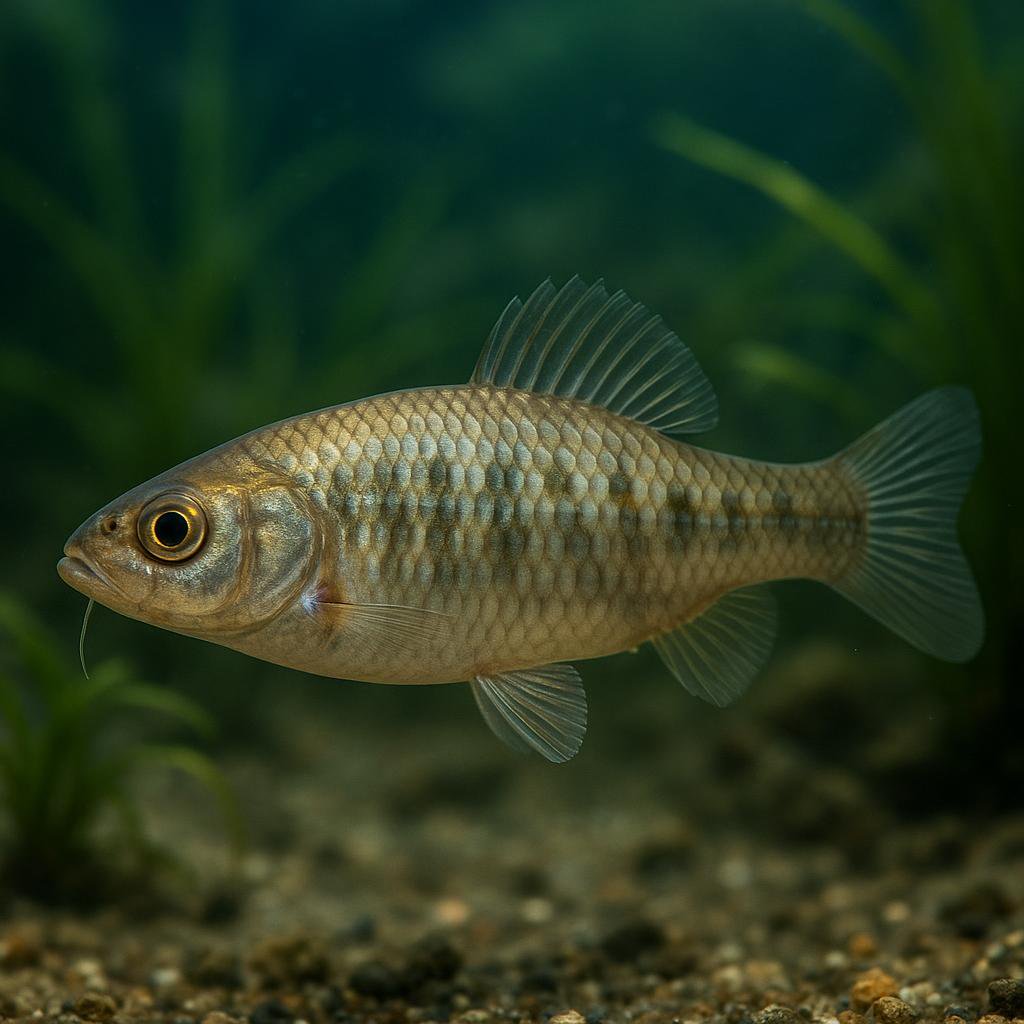
Arabian spiny eel
Notacanthus indicus
Notacanthus indicus is a deep-sea spiny eel (family Notacanthidae; not a true eel) known from the Arabian Sea on the continental slope at roughly ~960–1,046 m depth, with reported maximum length around 20 cm TL; it is a deep-water bycatch species and not established in the aquarium trade.
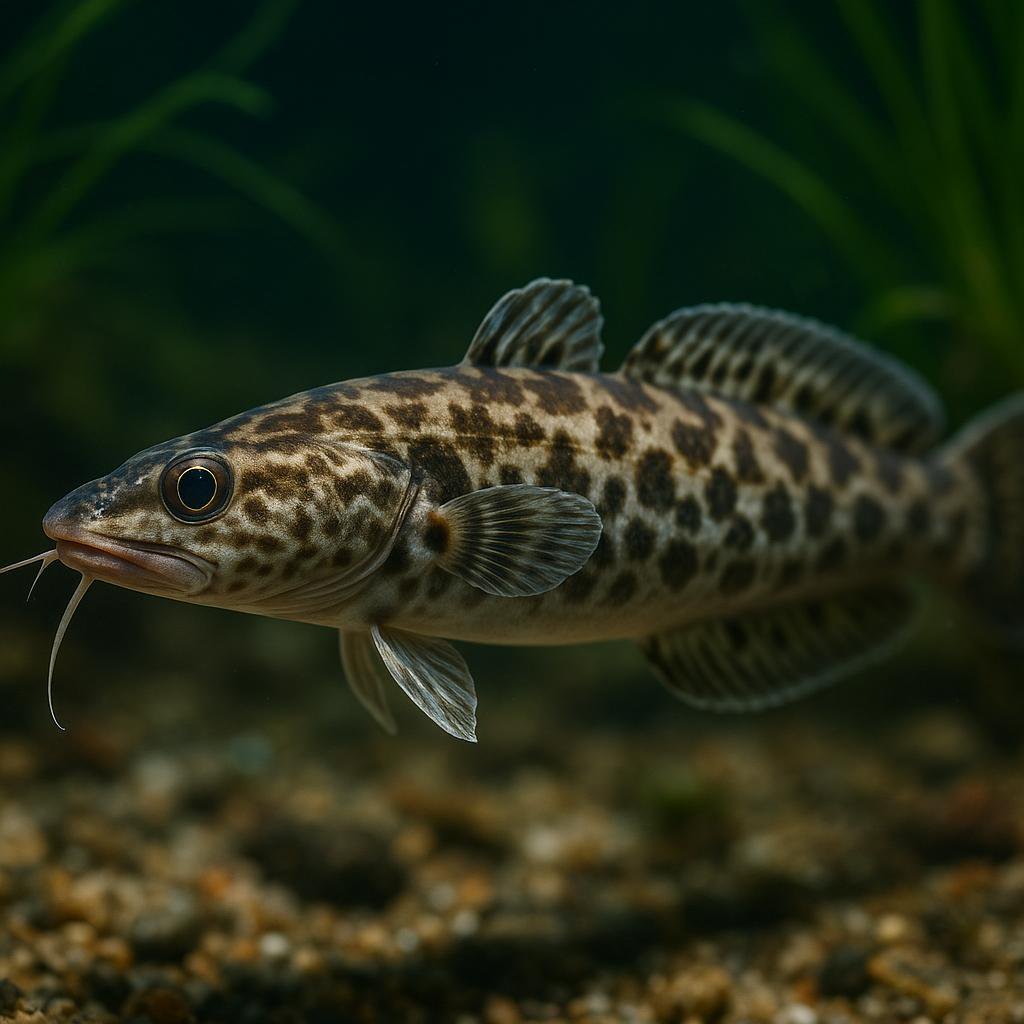
Arctic rockling
Gaidropsarus argentatus
This is a deepwater North Atlantic rockling (a cod relative) that hangs out on soft bottoms way down the slope. It is a cold-water, bottom-hugging predator that snoots around for crustaceans and will also take small fish when it gets the chance.
Looking for other species?