

Iyo jawfish
Opistognathus iyonis
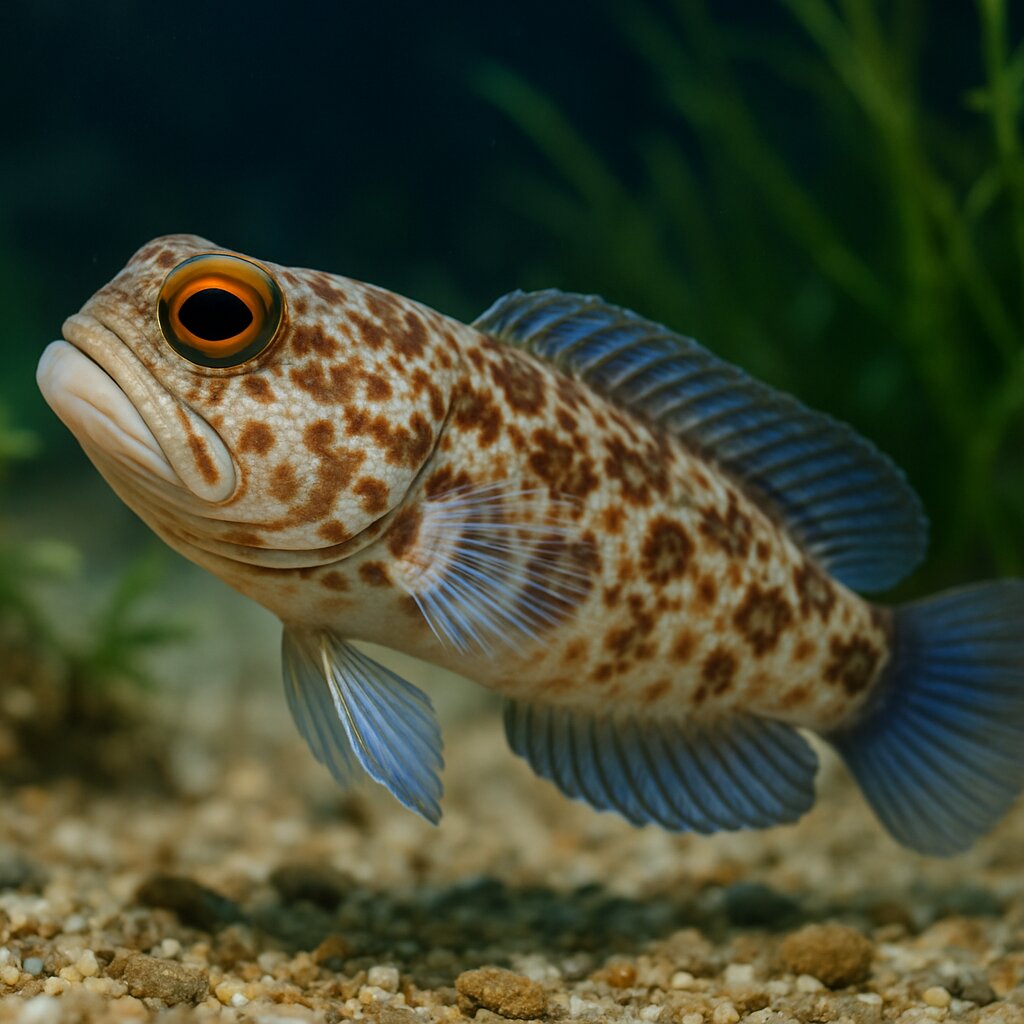
The Iyo jawfish features a distinctive elongated body, a prominent dorsal fin, and vibrant yellow to orange coloration with blue accents.
This page includes AI-generated images. Why am I seeing AI images?
About the Iyo jawfish
Tiny sand-burrower from southern Japan and Korea that spends the day peeking out of a tunnel it builds from sand and shell bits. Males mouthbrood the eggs, and this species prefers cooler marine temps than typical reef fish, so give it a deep sand bed, some rubble, and a tight lid since they jump.
Also known as
Quick Facts
Size
6 cm SL (about 2.4 inches)
Temperament
Peaceful
Difficulty
Intermediate
Min Tank Size
30 gallons
Lifespan
5-8 years
Origin
Northwest Pacific
Diet
Carnivore - small benthic crustaceans; accepts frozen mysis, enriched brine, and finely chopped seafood
Water Parameters
18-24°C
8.1-8.4
300-400 dGH
Need a heater for this species?
This species needs 18-24°C in a 30 gallon tank. Use our heater calculator to find the right wattage.
Calculate heater sizeCare Notes
- Give it a 30 gal+ tank with a 4-6 inch sand bed and lots of small coral rubble and snail shells so it can build a stable burrow.
- Put rock on the glass or eggcrate before adding sand; their tunneling can undermine and topple rock that sits on the sand.
- Use a tight mesh lid (1/4 inch or smaller) because Iyo jawfish are jump rockets when spooked, especially during the first month.
- Run 73-76 F, salinity 1.025-1.026, pH 8.1-8.4, and alk 8-9 dKH; keep numbers steady since this species sulks and hides with swings.
- Feed small meaty foods like mysis, chopped shrimp, enriched brine, and calanus; target-feed to the burrow with pumps off 1-2x daily so it is not outcompeted.
- Keep one per tank unless you have a confirmed pair and plenty of footprint; avoid diggers and bullies like big wrasses, triggers, dottybacks, pistol shrimp, and large hermits.
- Keep flow moderate up top but gentle near the sand so the tunnel does not collapse, and move the fish with a specimen cup (not a net) to avoid jaw injuries.
- They are mouthbrooders; a bonded pair may spawn, the male will hold eggs, and raising the fry needs a separate larval setup with rotifers and copepods.
Compatibility
Good Tankmates
- Calm midwater fish like cardinals and green chromis that ignore the sand bed
- Firefish and other dartfish that hover and wont buzz their burrow
- Fairy and flasher wrasses that are reef-safe and not pushy
- Tiny perchers like neon gobies and clown gobies that mind their own business
- Peaceful basslets and assessors (royal gramma, chalk bass) that keep to the rockwork
Avoid
- Anything territorial or nippy like damsels, dottybacks, and maroon clowns
- Sand bulldozers and burrow competitors like watchman gobies, large sand-sifting gobies, goatfish, or even other jawfish in tight tanks
- Harassing wrasses like sixlines and the rowdier Halichoeres that pick at shy fish
- Predators and ambush types like hawkfish, triggers, groupers, or big lionfish
Where they come from
Iyo jawfish are a Western Pacific species, showing up around Japan and nearby waters. They live on sandy rubble slopes and flats, popping in and out of burrows they build with sand, shells, and tiny stones. Picture a cautious little engineer that carries building materials in its mouth all day.
Setting up their tank
Give them a footprint to dig in. A single Iyo jawfish is fine in a 20-30 gallon tank with at least a 24-inch length. A pair or mixed community is happier in a 40 breeder or larger. Height is less important than floor space.
- Substrate: 3-5 inches of fine sand on top of a layer of coarser sand. Mix in a couple of cups of small rubble and broken shells so they can shore up their burrow.
- Rockwork: Build first, then add sand. Place rocks directly on the glass or on eggcrate so their digging cannot undermine and topple your aquascape.
- Flow: Moderate and indirect. They hate having the burrow entrance blasted.
- Lighting: Anything reasonable for a fish-only or reef. They feel bolder under slightly softer light or with shaded areas.
- Lid: Tight-fitting mesh lid, all gaps covered. Jawfish are Olympic jumpers when spooked.
I like a "burrow zone" along the front or side panel using a low rock ridge to break flow. They often pick that spot, and you get a great view.
- Temp: 72-78 F (22-26 C). They handle the cooler end well.
- Salinity: 1.023-1.026
- pH: 8.1-8.4
- Keep ammonia and nitrite at 0, and keep nitrate on the lower side for best behavior.
Cover powerhead intakes or place them where kicked-up sand will not get sucked in. Jawfish fling sand. Your pumps will complain.
What to feed them
They like small meaty foods and prefer to eat close to home. New arrivals are shy and slow to compete, so target feeding helps a lot.
- PE or Hikari mysis shrimp
- Enriched brine shrimp (as a treat, not the main staple)
- Chopped clam, shrimp, or fish
- Calanus, copepods, roe
- High-quality small marine pellets once they settle (soak first and drop near the burrow)
Use a turkey baster or feeding pipette and gently puff food right above the burrow entrance. Two small meals a day beats one big one for this fish.
Do not rely on plain brine shrimp long term. It is too light on nutrients unless enriched.
How they behave and who they get along with
Iyo jawfish are classic peek-and-dash fish. They hang just above the burrow, snatch food, and duck back in if anything twitches. Once settled, they people-watch and will rebuild their doorway daily.
- Good tankmates: small gobies, dartfish, peaceful wrasses, cardinals, firefish, clownfish, pipefish (in calmer systems), shrimp and small crabs that are not bulldozers.
- Use caution: bolder damsels and dottybacks can hassle them; larger wrasses may steal their burrow space; burrowing pistol shrimp might remodel their home.
- Avoid: eels, large hawkfish, groupers, triggers, or anything that sees a jawfish as a snack or will claim the burrow.
They are territorial with their own kind unless you have a bonded pair or a very roomy tank with multiple pre-made burrow sites. If you try two, add them together and give each side of the tank a starter burrow.
Breeding tips
Like other jawfish, the male carries the eggs in his mouth. Pairing is the tricky part in a home tank, and raising the larvae is another level still, but you can see courtship and mouthbrooding in a calm, species-focused setup.
- Start with two jawfish introduced at the same time in a 40-gallon or larger tank with multiple burrow choices and line-of-sight breaks.
- Feed heavily with varied frozen foods to condition them.
- Watch at dusk: gentle hovering and quivering near the burrow is a good sign. If you see a fish with a very full, careful mouth and reduced feeding, that is likely the male holding eggs.
- If they spawn, keep flow gentle and cover intakes. The male may hold for roughly a week or so before release.
- Larvae are planktonic and require a separate rearing setup with rotifers/copepods and greenwater. Not an easy first-time project, but possible with preparation.
Do not try to strip eggs from the male. Stress can make him spit or swallow the clutch. Just keep things quiet and stable.
Common problems to watch for
- Jumping: any sudden shadow or noise can send them airborne. Use a tight mesh lid with no gaps around cords.
- Burrow collapses: unstable rock on sand is an accident waiting to happen. Build the rockwork first.
- Not eating: new fish often hide and miss meals. Target feed and reduce traffic near the tank for a week.
- Sandstorms: they dig a lot. Dial back direct flow near the burrow zone.
- Shipping stress: some come from deeper water and may arrive stressed. Quarantine with a small tub of sand and a piece of PVC so they can hide.
- Parasites like ich/flukes: standard QT works, but give them cover and a lid. Copper and other meds are fine when dosed correctly; watch appetite and keep oxygen up.
They can and will launch through tiny openings. A snug lid is not optional with any jawfish.
If yours keeps relocating, give it more building material. A couple handfuls of small shells and coral rubble usually stop the wandering.
Similar Species
Other marine peaceful species you might be interested in.
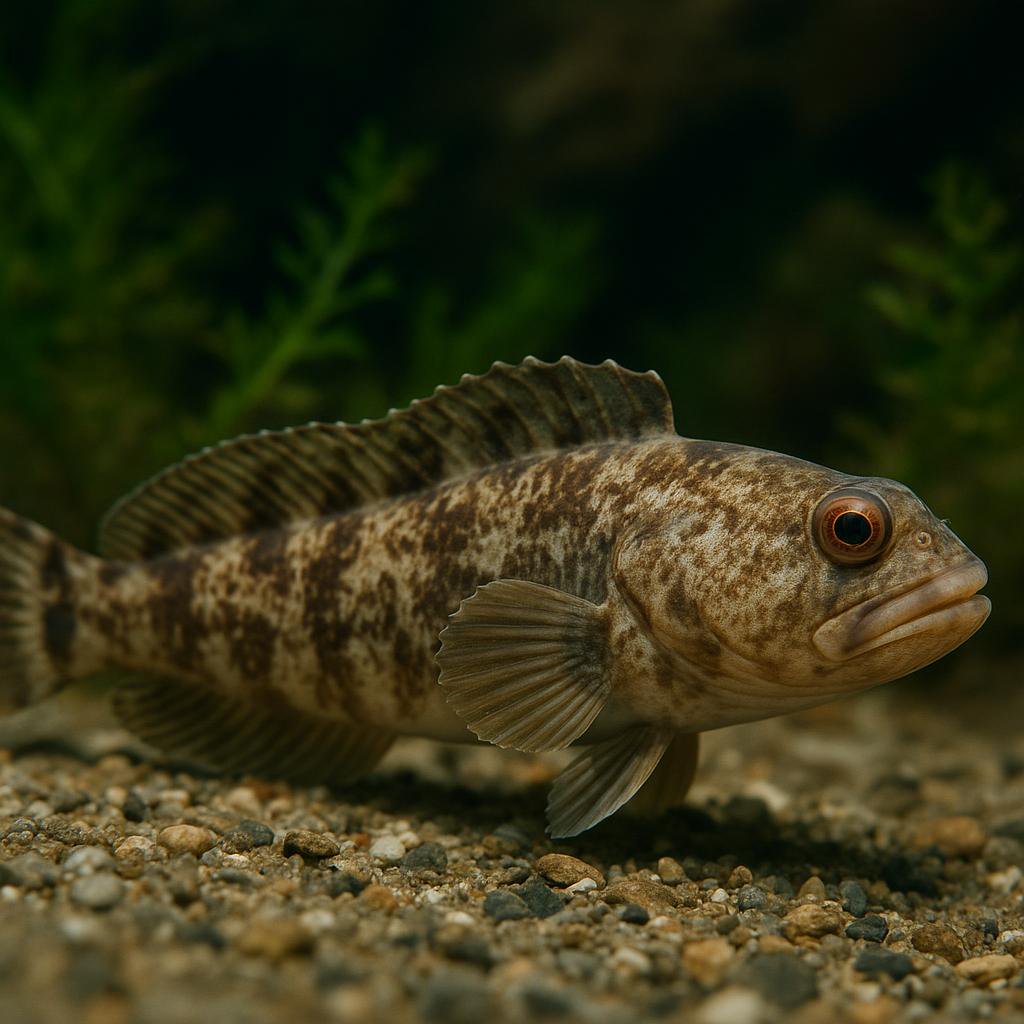
Abe's eelpout
Japonolycodes abei
Japonolycodes abei is a temperate, deepwater demersal eelpout (family Zoarcidae) endemic to Japan (Kumano-nada Sea reported; other sources also report Sagami Bay and Tosa Bay). It is the only species in the genus Japonolycodes and occurs roughly 40-300 m depth, making it an uncommon/atypical aquarium species.
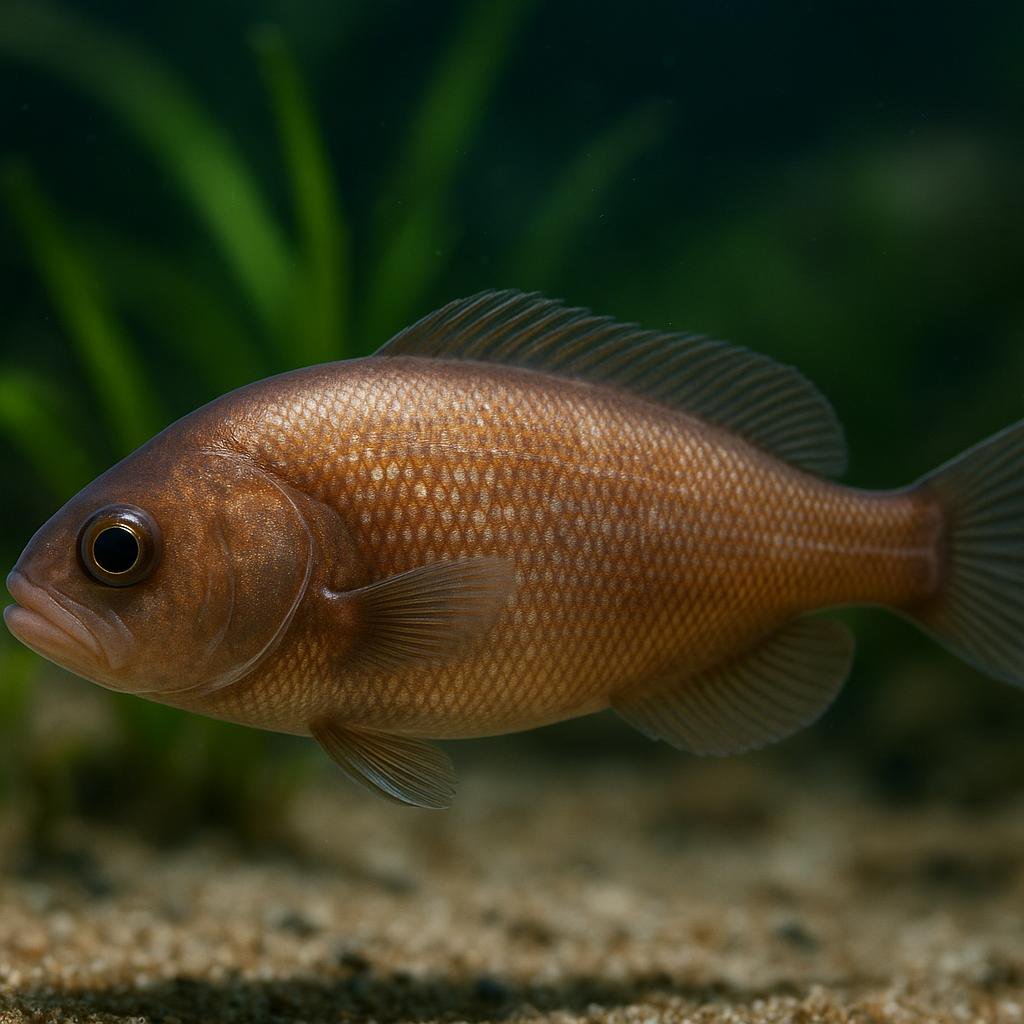
Affinis blind cusk-eel
Barathronus affinis
Barathronus affinis is a tiny, super-weird deep-sea blind cusk-eel from the western-central Indian Ocean. It is one of those gelatinous, loose-skinned brotula-type fishes that live way down in the dark and are basically never seen alive, so almost everything we know comes from preserved specimens and taxonomic work.
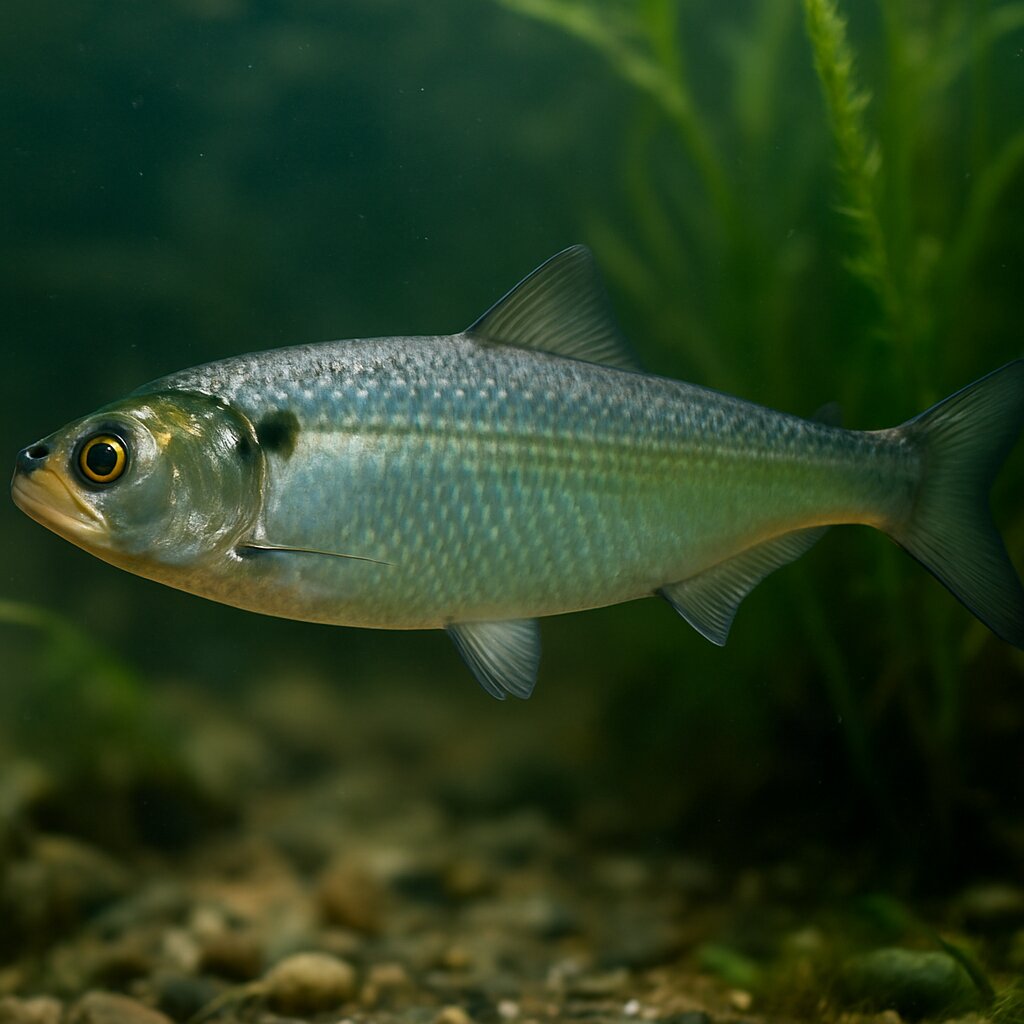
Allis shad
Alosa alosa
Gorgeous silver, fast-swimming shad that spends most of its life in the sea and then surges up big rivers in noisy, surface-spawning schools. It grows huge for a herring-type fish and needs cool, ultra-oxygenated water and tons of open space, so it is a public-aquarium species rather than a home tank fish.
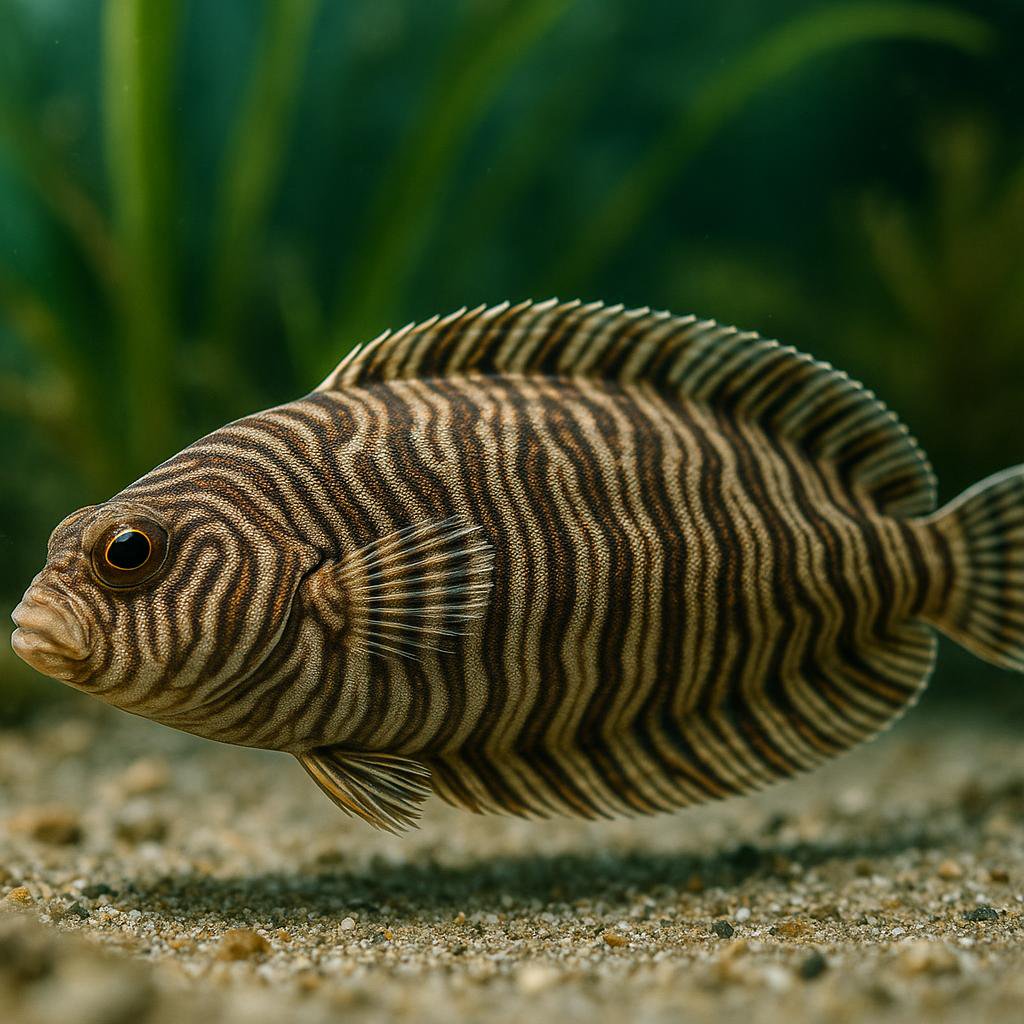
Annandale's zebra sole
Zebrias annandalei
Zebrias annandalei is a small demersal sole from coastal India that inhabits sandy or muddy bottoms and buries for camouflage. It is rarely kept in home aquaria and would require a specialized marine sand-bottom setup and appropriate feeding.
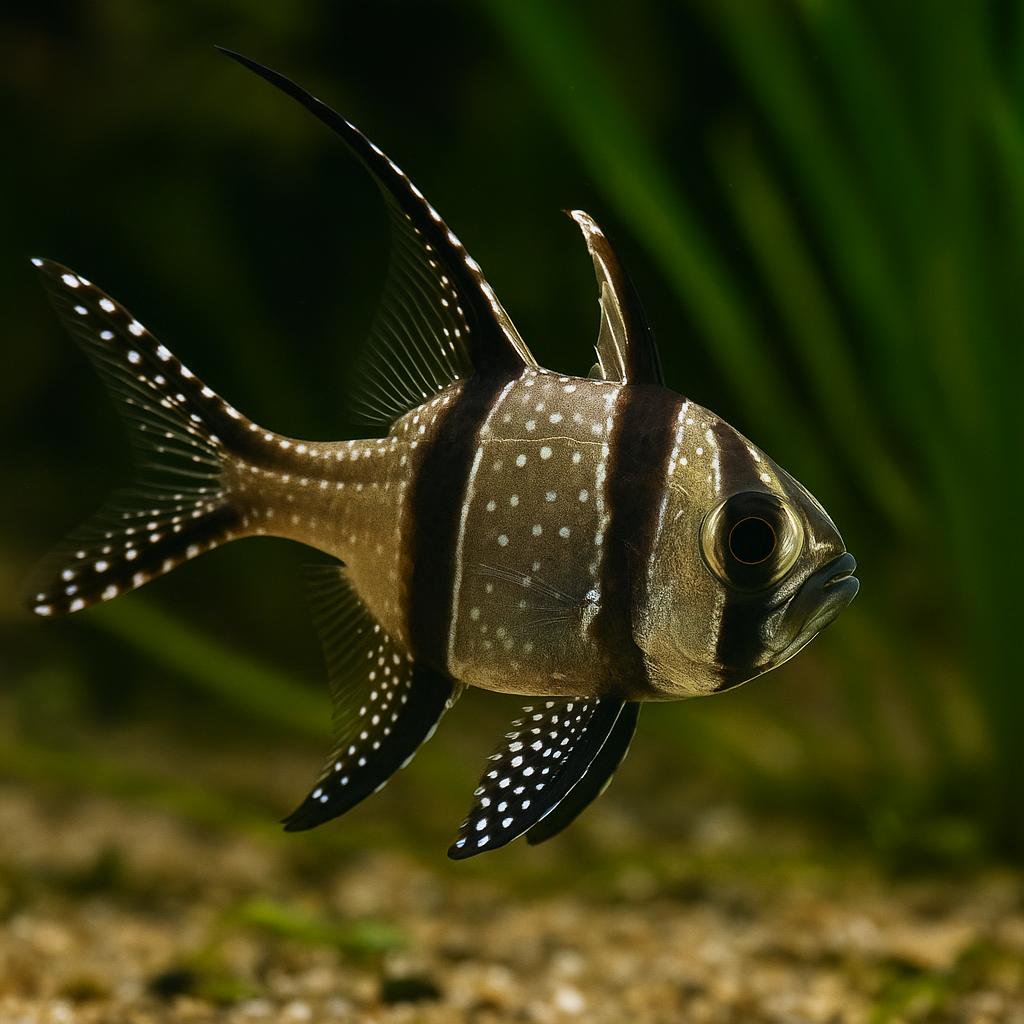
Banggai Cardinalfish
Pterapogon kauderni
Banggai cardinals just sort of hover like little underwater satellites, and the bold black bars with those long, polka-dotted fins look unreal under reef lighting. They're super chill most of the time, but once a pair forms you'll see real "fish drama," and the male will even mouthbrood the babies like a champ.
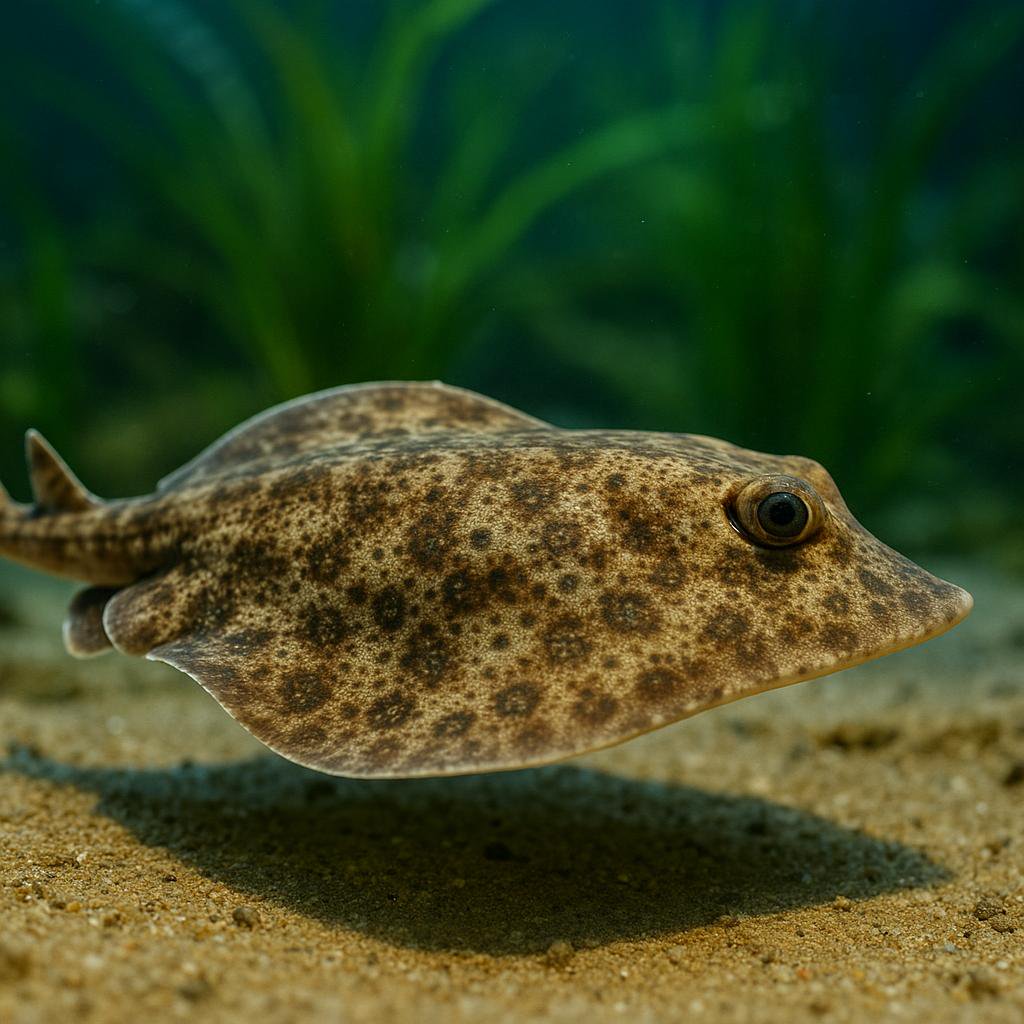
Barbedwire-tailed skate
Notoraja martinezi
Notoraja martinezi is a deepwater skate from the eastern Pacific (Costa Rica down to Ecuador) that lives way down on soft bottoms. The tail is the giveaway - it is lined with strong, hooked thorns that really do look like barbed wire. This is absolutely not an aquarium fish; it is a cold, high-pressure deep-sea animal with basically no practical home care info because it is not kept in the hobby.
More to Explore
Discover more marine species.
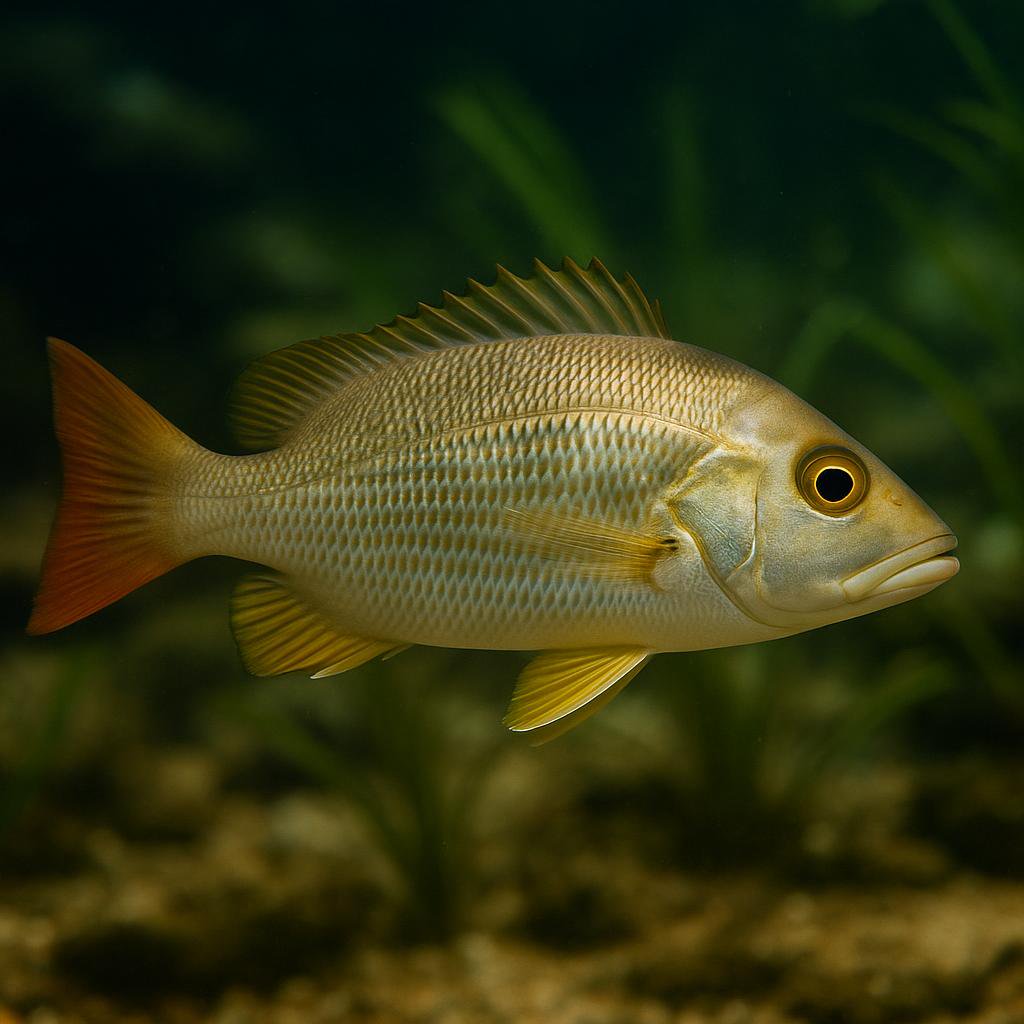
African red snapper
Lutjanus agennes
This is a true snapper from West Africa - a big, fast-growing predator that goes from coastal reefs to brackish lagoons and estuaries (especially as a juvenile). Super cool fish in the wild, but it gets absolutely huge and will eat smaller tankmates once it has the mouth for it, so its really more of a public-aquarium scale animal than a home-aquarium fish.
Aleutian skate
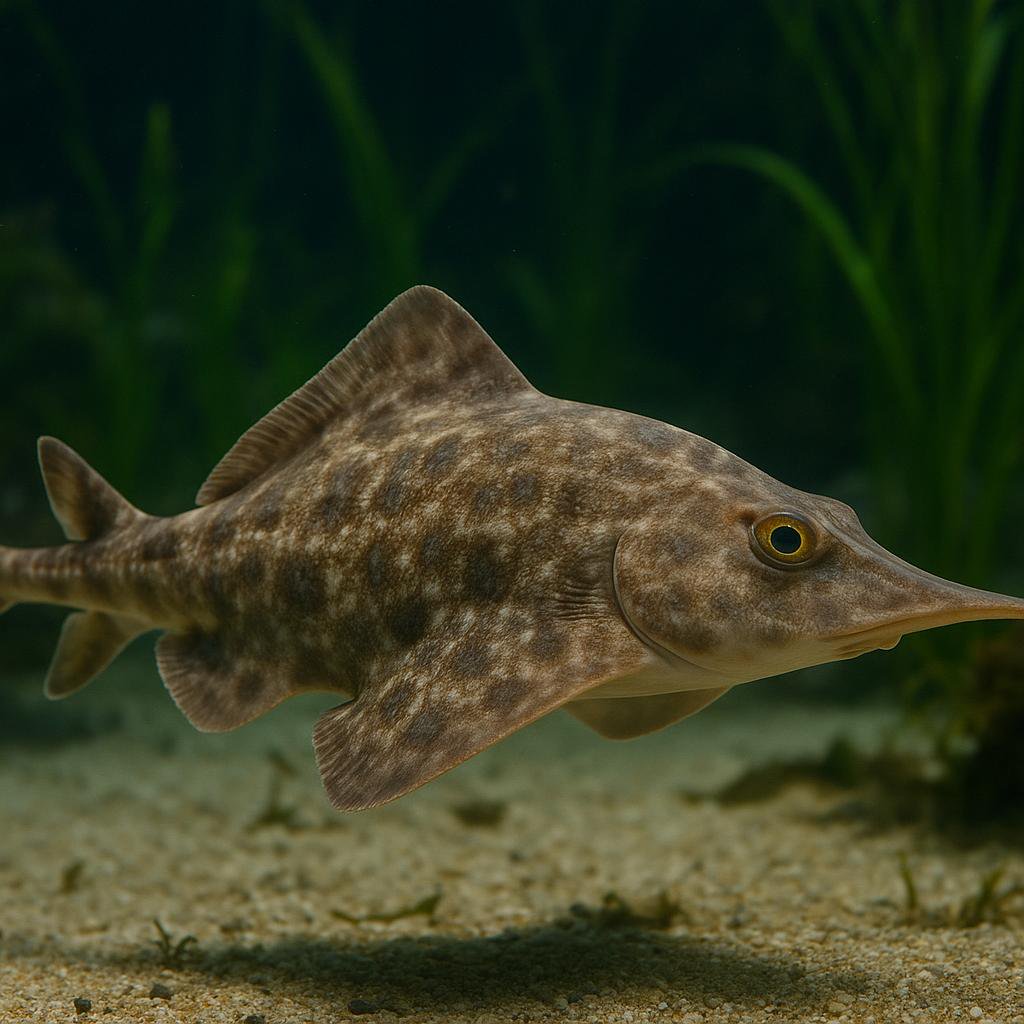
Bathyraja aleutica
This is a big, cold-water deep-slope skate from the North Pacific that cruises muddy bottoms and eats chunky benthic prey like crabs and shrimp. The really cool bit is its egg-laying skate life - it does distinct pairing (the classic skate "embrace") and drops those tough egg cases on the seafloor. Not an aquarium fish at all unless you're basically running a public-aquarium-style chilled system.
Antarctic dragonfish
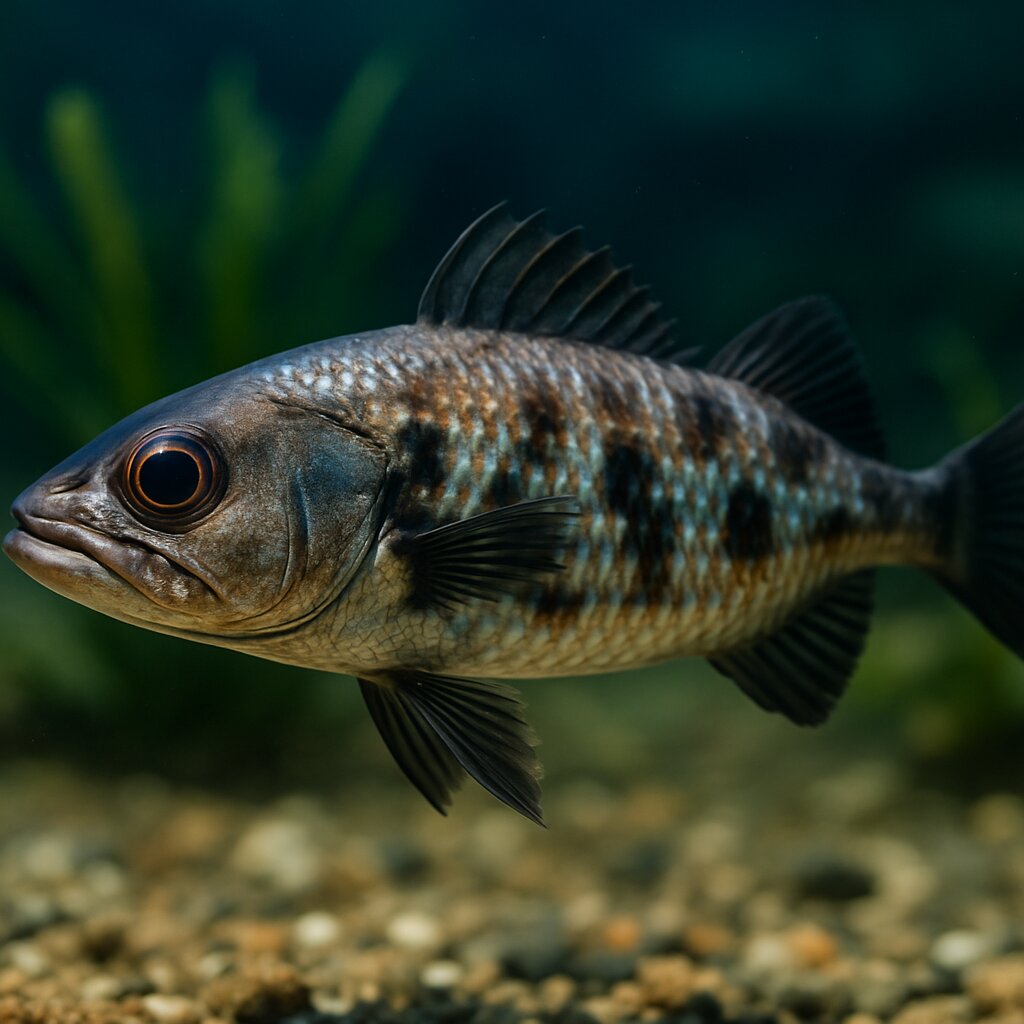
Vomeridens infuscipinnis
Deep down around Antarctica, this sleek dragonfish cruises the water column like a little submarine, nearly neutrally buoyant so it can hover above the seafloor. It munches almost exclusively on Antarctic krill and lives in near-freezing water 500-800 m down, so it is a cool species to read about, not one for home tanks.
Arabian spiny eel
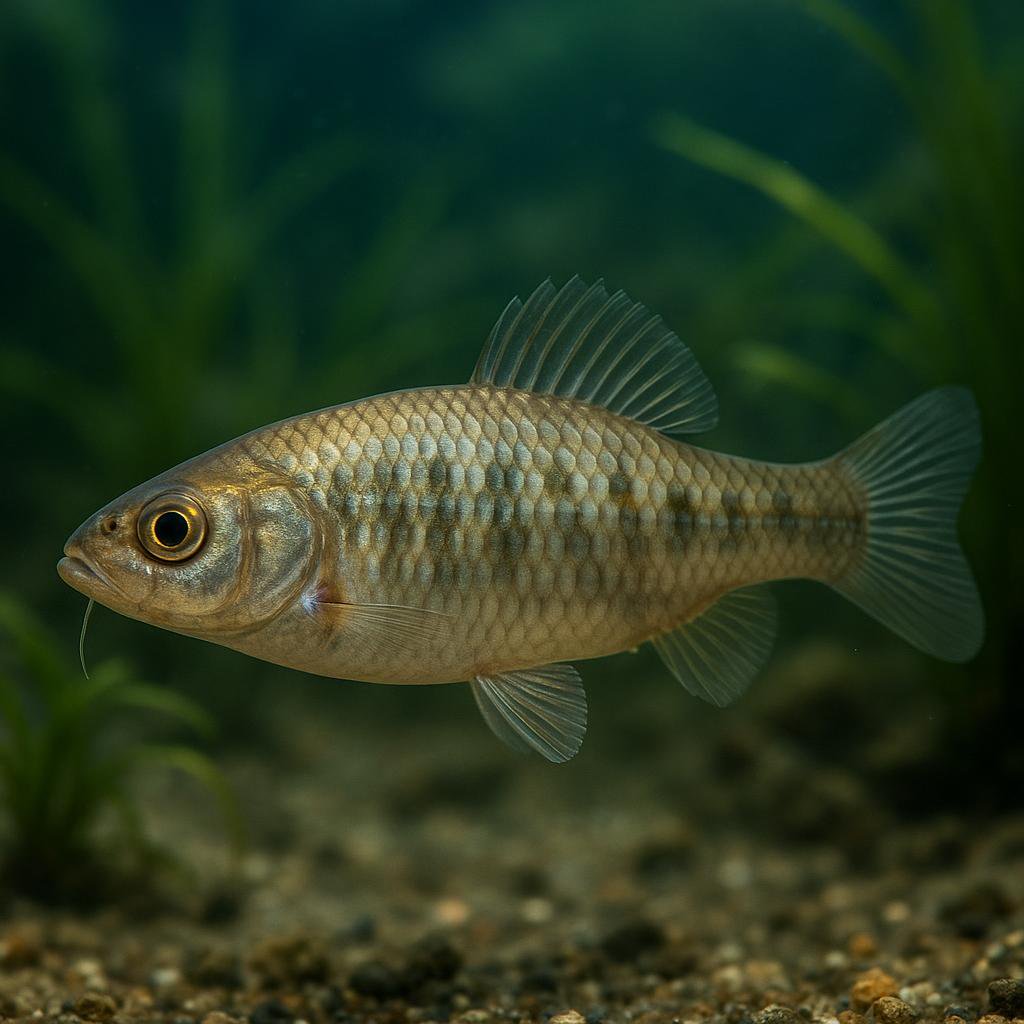
Notacanthus indicus
Notacanthus indicus is a deep-sea spiny eel (family Notacanthidae; not a true eel) known from the Arabian Sea on the continental slope at roughly ~960–1,046 m depth, with reported maximum length around 20 cm TL; it is a deep-water bycatch species and not established in the aquarium trade.
Arctic rockling
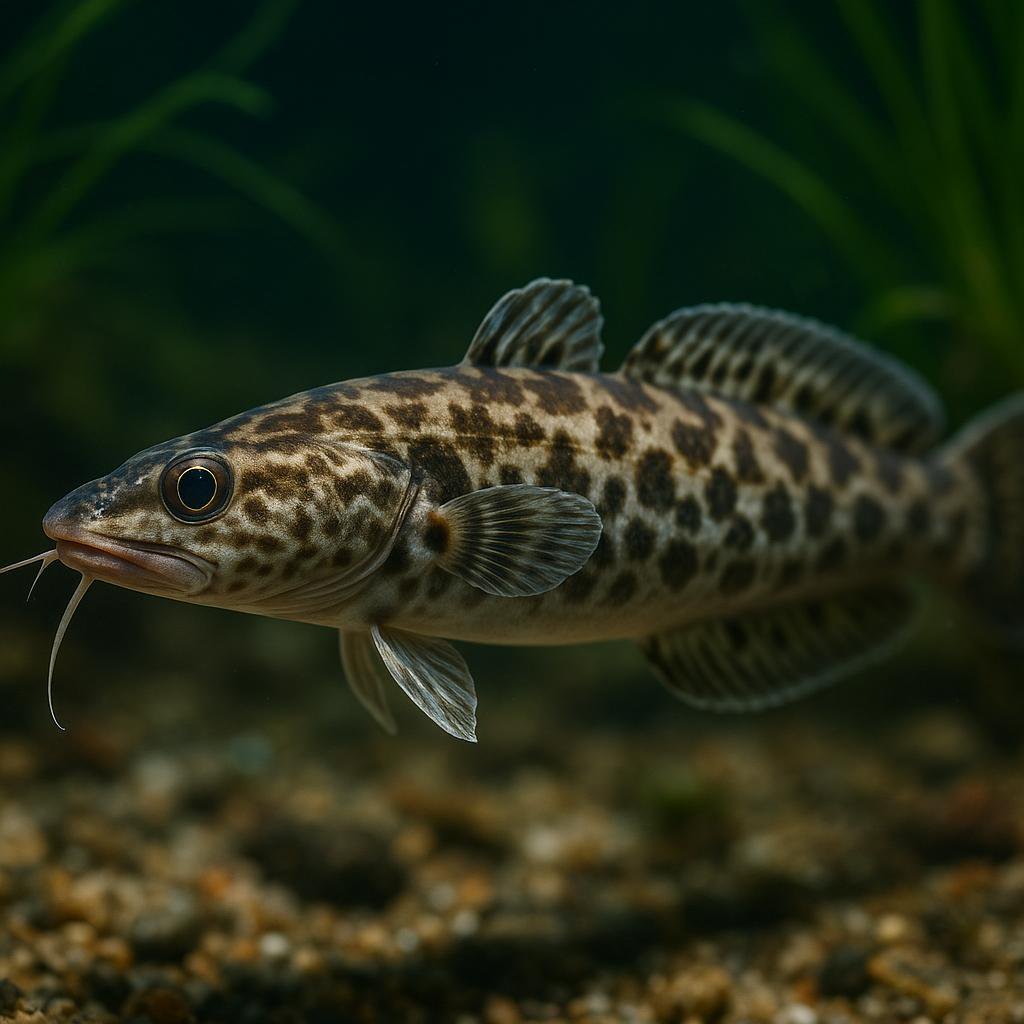
Gaidropsarus argentatus
This is a deepwater North Atlantic rockling (a cod relative) that hangs out on soft bottoms way down the slope. It is a cold-water, bottom-hugging predator that snoots around for crustaceans and will also take small fish when it gets the chance.
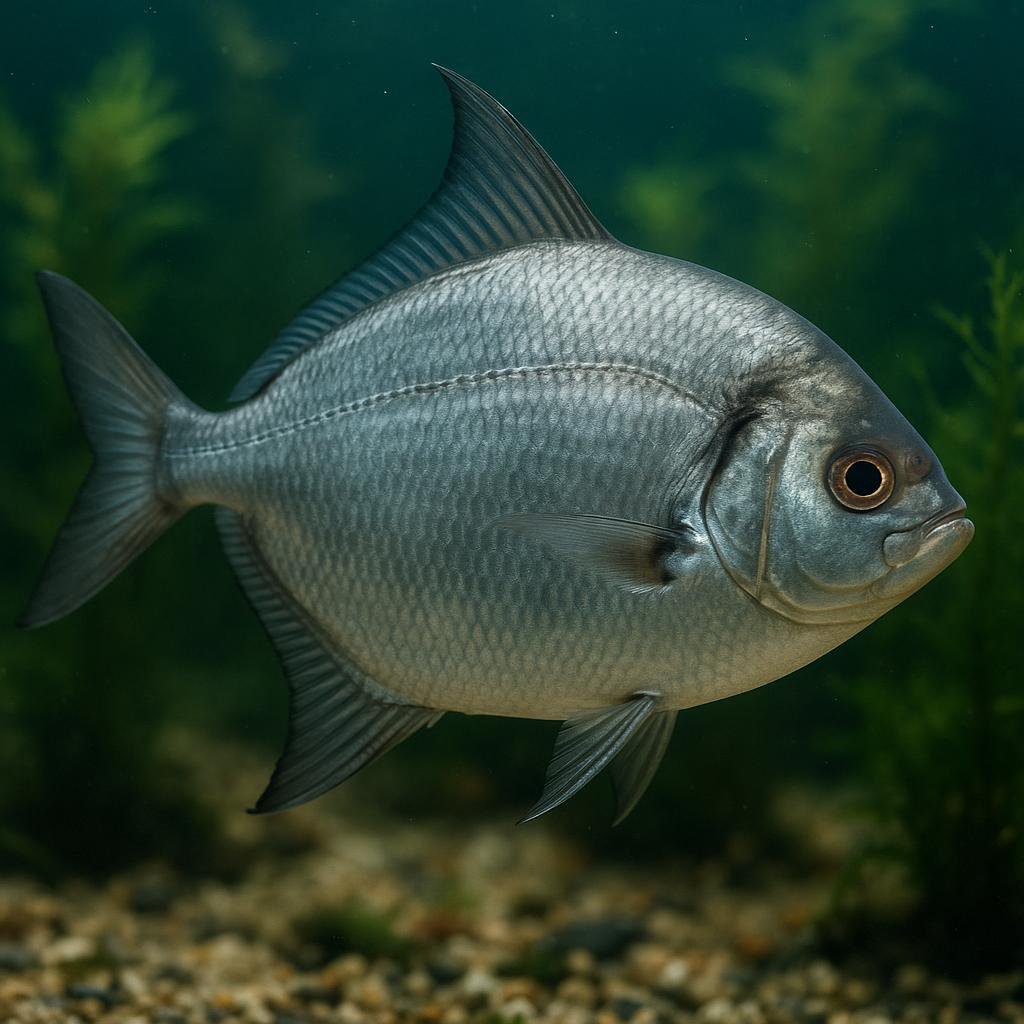
Atlantic pomfret
Brama brama
Brama brama is the Atlantic pomfret (aka Ray's bream) - a deep-bodied, open-ocean pelagic fish that cruises around in small schools and follows water temps. It is a legit big, wild marine species (not an aquarium fish) that eats other small sea critters like fish and squid, and it ranges across a huge chunk of the Atlantic plus parts of the Indian and South Pacific.
Looking for other species?