

Galapagos snake eel
Quassiremus evionthas
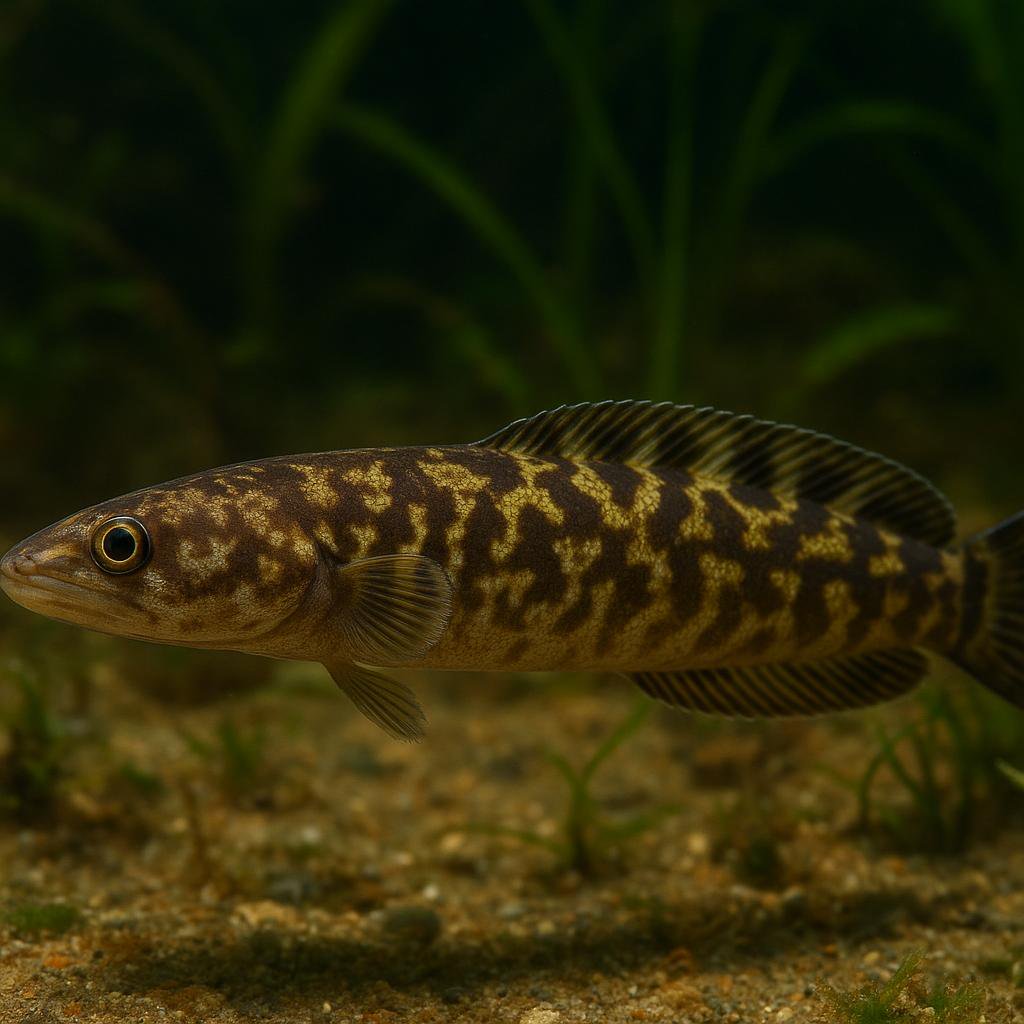
Galapagos snake eel exhibits a slender, elongated body with a dark brown to reddish hue and distinct yellowish spots along its length.
This page includes AI-generated images. Why am I seeing AI images?
About the Galapagos snake eel
Quassiremus evionthas (Galapagos snake eel) is a marine snake eel (family Ophichthidae) from the eastern Pacific that inhabits areas with sand/gravel/rubble around reefs and is often associated with sandy substrates.
Quick Facts
Size
71 cm
Temperament
Semi-aggressive
Difficulty
Expert
Min Tank Size
180 gallons
Lifespan
10-20 years
Origin
Eastern Central Pacific
Diet
Carnivore - meaty marine foods (shrimp, fish, crustaceans), frozen and fresh
Care Notes
- Give it a big footprint tank (4 ft or longer) with 4-6 inches of fine sand so it can bury; bare bottom or crushed coral will rub it raw.
- Lock the lid down like you are keeping a python - these eels test every gap, and overflow teeth are basically an exit ramp if you do not cover them.
- Provide stable marine water quality appropriate for a tropical marine eel; confirm specific salinity/temperature targets based on the system and collection locality, as species-specific parameter ranges are not well documented for Quassiremus evionthas.
- Feed meaty stuff with tongs after lights out: strips of squid, shrimp, clam, silversides, and marine fish flesh; start with smaller pieces and do not hand-feed because the strike is fast and clumsy.
- Expect it to ignore corals and most fish it cannot swallow, but anything small and skinny (gobies, blennies, small wrasses) can become food - pick chunkier tankmates like tangs, angels, or larger wrasses.
- Avoid shrimp and tiny crabs if you care about them; a hungry snake eel will absolutely hunt clean-up crew once it figures out where they sleep.
- Watch for sand-related and shipping damage - nose and belly scrapes plus bacterial infections are common, so clean sand, zero sharp rock edges near its burrow spots, and strong filtration help a lot.
Compatibility
Good Tankmates
- Medium to larger peaceful wrasses (like a Melanurus or a Halichoeres type). They are alert, not easy to bully, and they do not sleep on the bottom where the eel is hunting around.
- Tangs and rabbitfish (yellow tang, kole tang, foxface). They mostly mind their own business, cruise the open water, and are not shaped like eel food.
- Dwarf to medium angelfish (flame angel, coral beauty, etc.). They are generally tough enough to handle a semi-spicy tank and usually ignore the eel if it has a solid cave network.
- Hawkfish (flame hawk, longnose hawk) in a decent sized tank. They perch up high and have that bold attitude without constantly harassing the eel's face.
- Sturdier dottybacks that are not tiny (like an orchid dottyback, or a larger pseudochromis in a roomy setup). They can hold their ground, just make sure everyone has their own rockwork lanes.
- Bigger, not-too-pokey gobies (like a watchman goby) only if they are not bite-sized and you feed the eel well. The risk is real with small bottom fish, but a good sized goby can work in a well-fed, well-structured tank.
Avoid
- Small fish that fit in its mouth.
- Tiny or delicate shrimp and crabs (peppermint shrimp, cleaner shrimp, porcelain crabs). Even if it ignores them for a while, a hungry evening can turn them into a snack.
- Hyper-aggressive brawlers that pick at anything in a hole (some triggers, nasty large damsels). They can stress the eel nonstop and you will see more hiding, missed meals, and occasional bitey drama.
- Other eel-like or cave-hog predators in tight quarters (other morays, big dottybacks in small tanks, aggressive hawks in cramped rockwork). Too much competition for the same crevices can turn into wrestling matches.
Where they come from
The Galapagos snake eel (Quassiremus evionthas) is one of those oddball eels you almost never see unless youre looking at remote island reefs. As the name hints, its tied to the eastern Pacific (Galapagos area), hanging around rocky reef zones and sandy patches where it can wedge itself in or disappear fast.
In the aquarium world, treat it like a secretive predatory eel that wants to hide all day and hunt when the lights go down.
Setting up their tank
This is an expert fish mostly because of escape risk, feeding behavior, and the fact that it will punish sloppy tank design. If you like tight-fitting lids and building secure hides, youll do fine. If you run open-top or have gaps around plumbing, dont do it.
- Tank size: bigger is better, but think in terms of footprint and stability. Id start around 75+ gallons for a smaller individual and 125+ if you want breathing room.
- Lid: sealed. Tape-measure your gaps around hoses, overflow teeth, and power cords. If a pencil fits, an eel can test it.
- Rockwork: build caves and crevices that are stable (zip ties, epoxy, or careful stacking). They push and wedge.
- Substrate: sand or fine crushed coral is helpful if it likes to burrow or press into the bottom. Avoid sharp rubble that can scrape the belly.
- Flow and filtration: strong biological filtration and decent turnover. These guys are messy once theyre eating well.
- Lighting: doesnt matter much to the eel, but youll see it more with dimmer lighting or a dusk period.
Escape is the number one killer. Use a tight lid, cover overflow boxes, and block every cable notch. Ive found eels dried behind the stand from gaps I thought were impossible.
Skip tiny decorative caves that can trap an eel. Give it wide, smooth tunnels it can reverse out of without shredding its skin.
Water parameters are the usual reef-safe ranges, but stability matters more than chasing a number. A chunky eel that eats infrequently still spikes your nutrients when it does eat, so plan for that with water changes and export (skimmer, refugium, etc.).
What to feed them
Think meaty marine foods. Mine took food best at night with the pumps turned down a bit so scent stayed near its hide. If you try to target feed in bright light in a busy community tank, faster fish will steal everything and the eel will slowly waste away.
- Good staples: shrimp, squid, scallop, clam, marine fish flesh (sparingly), and quality frozen carnivore blends
- Best method: long feeding tongs or a feeding stick, right at the entrance of its cave
- Schedule: 2-3 times per week for most individuals, less if its taking big chunks. Watch body condition, not the calendar.
- Supplements: occasional vitamin soak can help, especially during quarantine or after shipping
- Avoid: freshwater feeder fish and fatty freshwater fillets. They foul water and arent great long-term.
Train it to a routine. Same spot, same tool, same time of day. After a couple weeks, they often start poking their head out when they smell the food.
Dont hand-feed. Eels miss, and a startled bite is no joke. Use tongs and keep your fingers out of the feeding zone.
How they behave and who they get along with
This is a predator that lives like a burglar. Daytime: mostly hidden with a head poking out. Night: cruising, sniffing, and testing the tank for snacks and escape routes.
Tankmates are basically decided by one rule: if it fits in the eels mouth, it will eventually become a bad decision. Even if it ignores small fish for months, one night it will connect the dots.
- Safer tankmates: larger, confident fish that arent slender enough to be swallowed (bigger tangs, larger angels, robust wrasses)
- Risky tankmates: small gobies, blennies, dartfish, cleaner shrimp, peppermint shrimp, small crabs, and anything that sleeps on the sand
- Other predators: can work, but you need space and lots of hides to reduce stress and feeding competition
Crustaceans are usually on the menu. If you love your shrimp, this isnt the eel for that tank.
Breeding tips
Realistically, breeding this species in home aquariums isnt something hobbyists are doing. Eels have complicated life cycles and larval stages that are extremely hard to raise, and most snake eels you see are wild-caught.
If you ever do end up with two and notice seasonal behavior changes (more roaming, less hiding), thats interesting, but I wouldnt plan a setup around breeding. Plan around long-term housing, feeding, and not losing it to an escape.
Common problems to watch for
- Escapes: gaps in lids, open overflow boxes, loose screen tops, and cable cutouts
- Not eating after purchase: common after shipping. Give it a dark hide, reduce competition, and offer smelly foods like clam or squid
- Getting outcompeted for food: happens in busy tanks. Target feed with tongs after lights out
- Skin damage: from rough rock, sharp substrate, or too-tight caves. Smooth, stable hides prevent a lot of this
- Parasites: wild eels can come in with external parasites. Quarantine helps, but be careful with treatments and always research eel sensitivity first
- Nutrient spikes: big meaty feedings can blow up nitrate and phosphate. Smaller portions and good export keep things steady
If the eel is constantly roaming the glass and climbing corners, take it as a sign: its either hunting because its underfed, stressed by tankmates, or the tank has an escape route it keeps testing.
A simple night check helps. Use a dim flashlight an hour after lights out and see if its getting food. If it never comes out, move feeding closer to its cave and quiet the tank down during feeding.
Similar Species
Other marine semi-aggressive species you might be interested in.
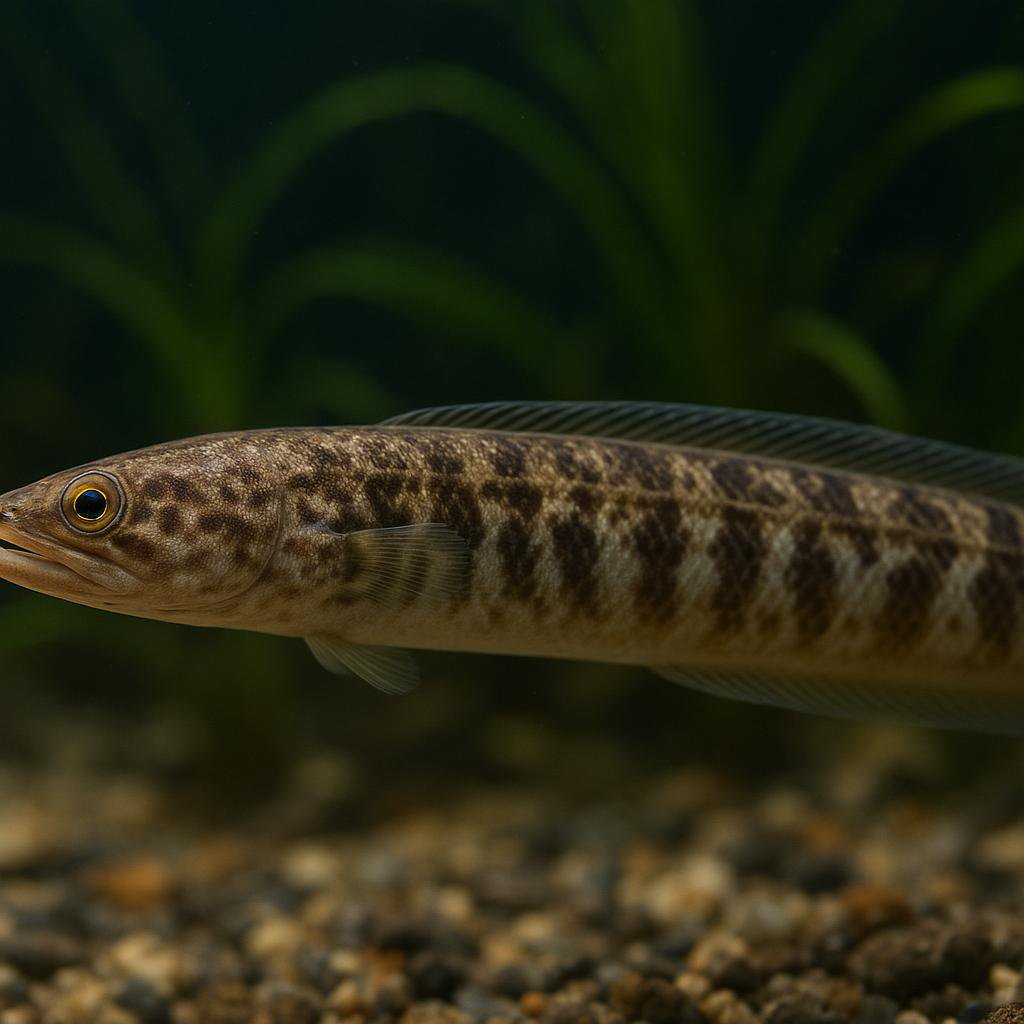
Blackspotted snake eel
Quassiremus ascensionis
A tropical marine snake eel that buries in soft substrates (sand/mud/gravel) with only the head exposed to ambush prey. Recorded to 71 cm TL and occurs mainly in the western Atlantic (also Brazil) and at Ascension Island; typically found in shallow inshore habitats to ~12 m, including sand and seagrass (turtle grass) areas.
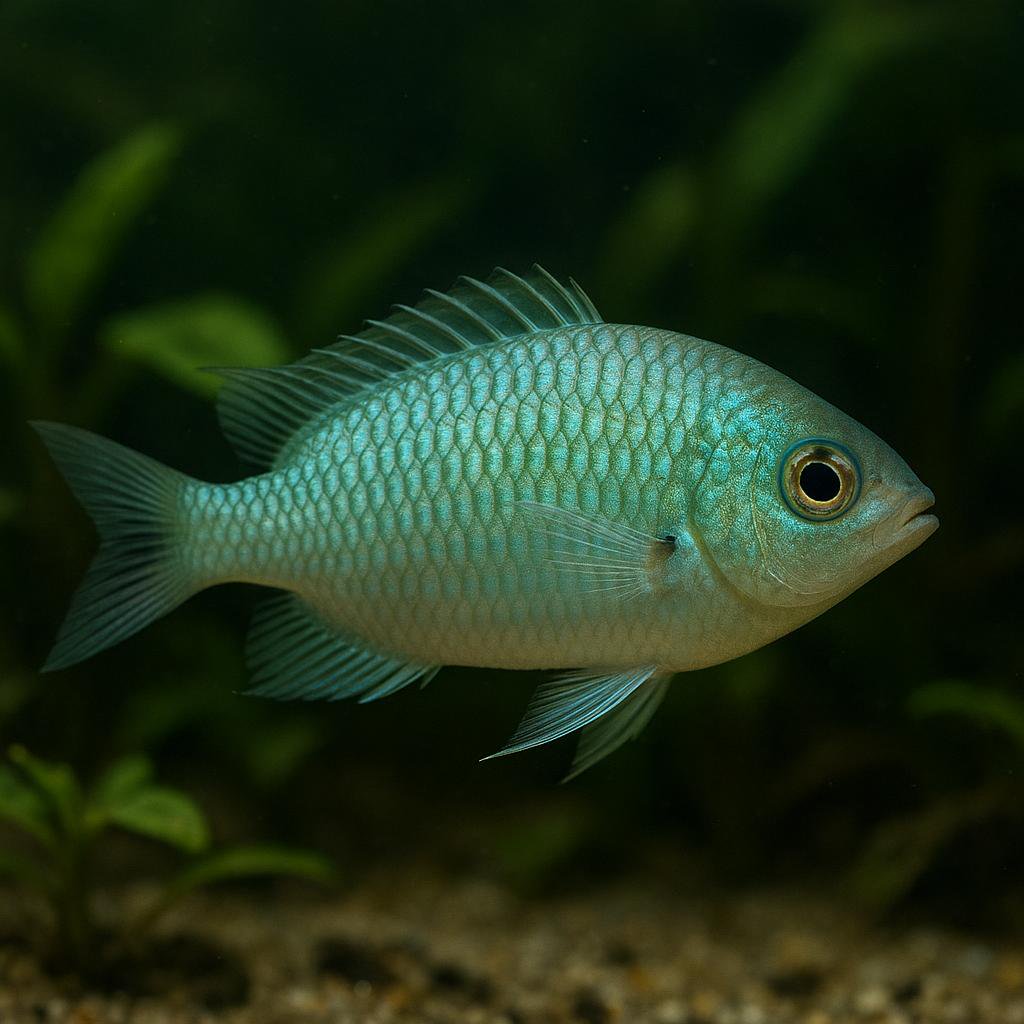
Blue Green Chromis (Green Chromis)
Chromis viridis
Blue Green Chromis are those shimmery little green-blue darts you'll see zipping around the top of a reef tank, always looking like they're catching the light just right. They're super fun in a group because they hover and cruise together, but they've got a bit of a "pecking order" thing going on if the tank's tight or the group's too small.
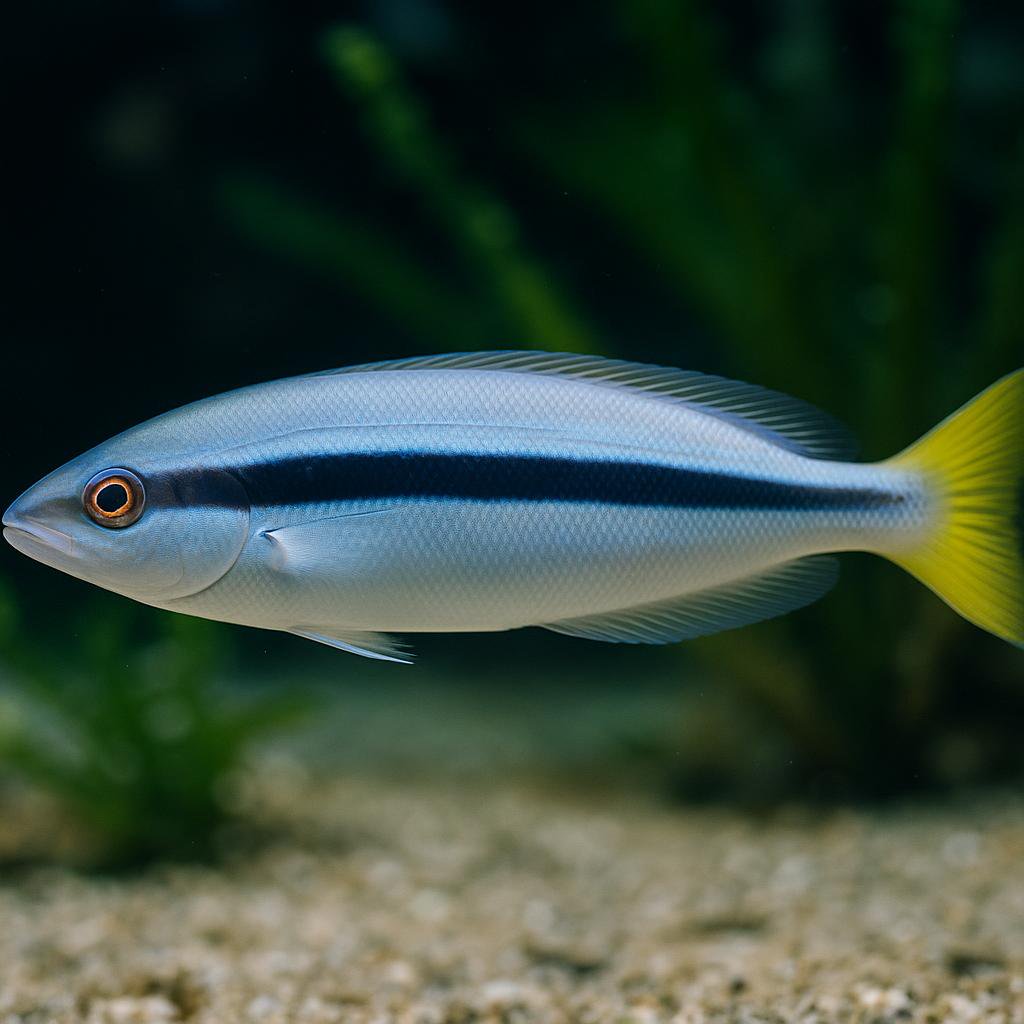
Blue blanquillo
Malacanthus latovittatus
A long, slim tilefish with a bold black side stripe and a blue head that fades down the body. It hovers high above the reef and darts back to a sand-rubble burrow, often living as a monogamous pair; in tanks it is fast, jump-prone, and will eat small crustaceans and tiny fish.
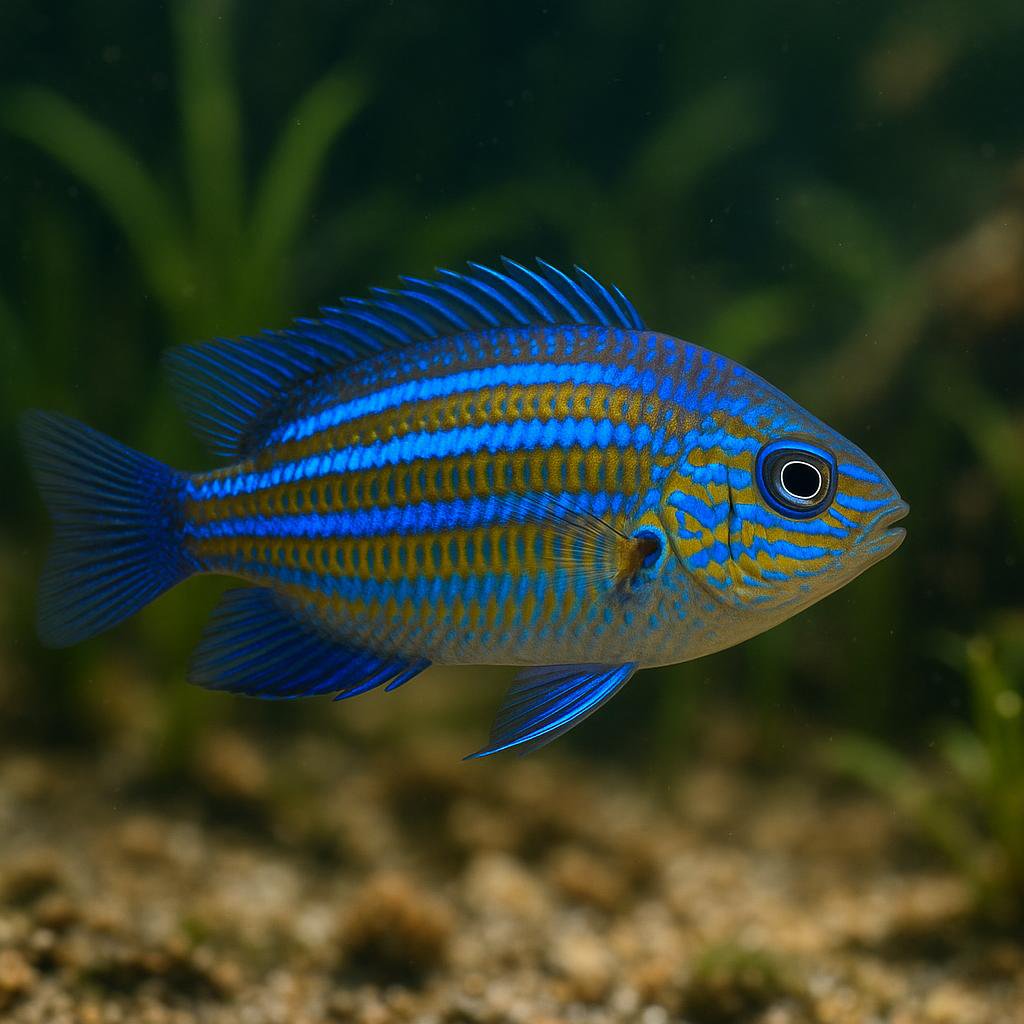
Blueline demoiselle
Chrysiptera caeruleolineata
A little reef damsel with a bright electric-blue line riding over a yellow body, it tends to live deeper on rubble slopes and hugs the bottom in small groups. In aquariums it prefers dimmer light, plenty of rock cover, and frequent small feedings of planktony foods; males guard eggs stuck to the substrate.
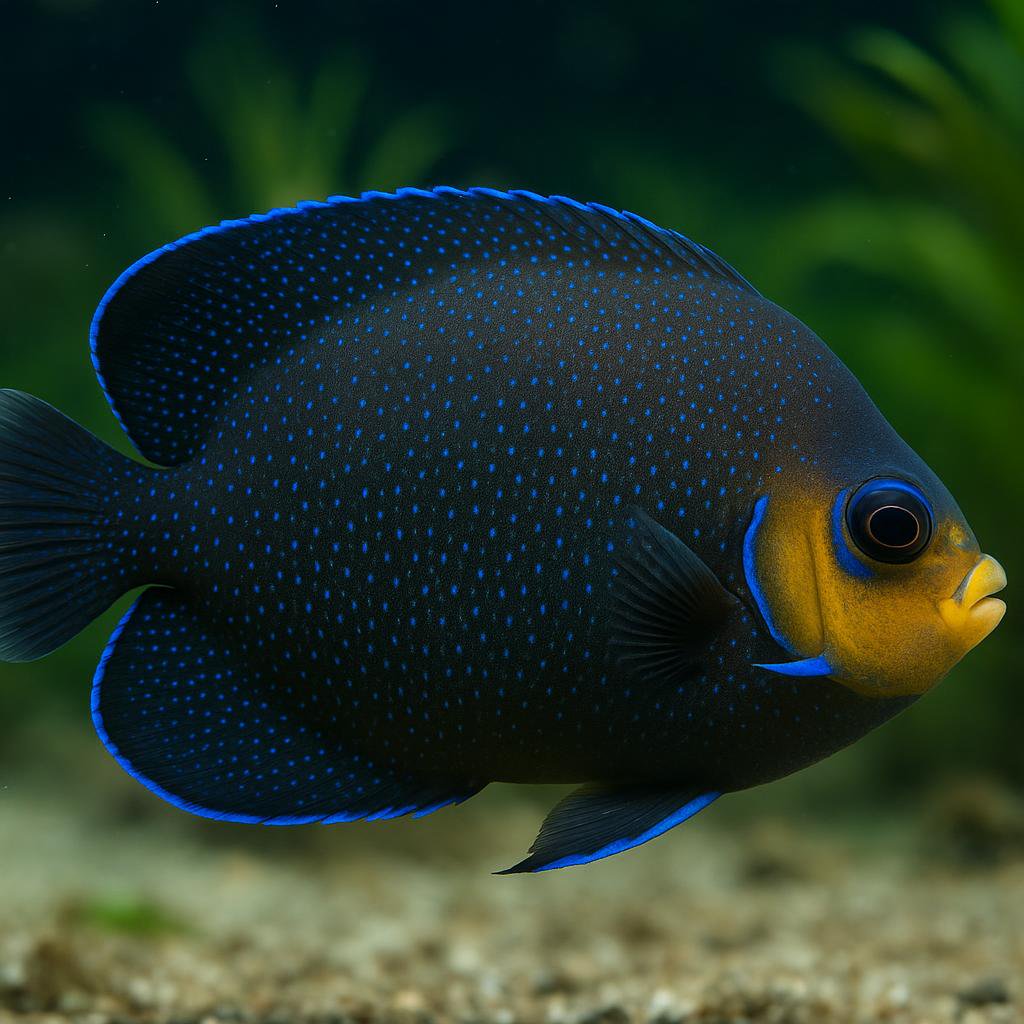
Bluespotted angelfish
Chaetodontoplus caeruleopunctatus
A medium Pomacanthid from the Philippines, it has a dusky body dusted with tiny electric-blue spots and a yellow tail. In the wild it browses sponges and tunicates on deeper reefs, so it thrives only in mature tanks with lots of live rock and frequent feedings.
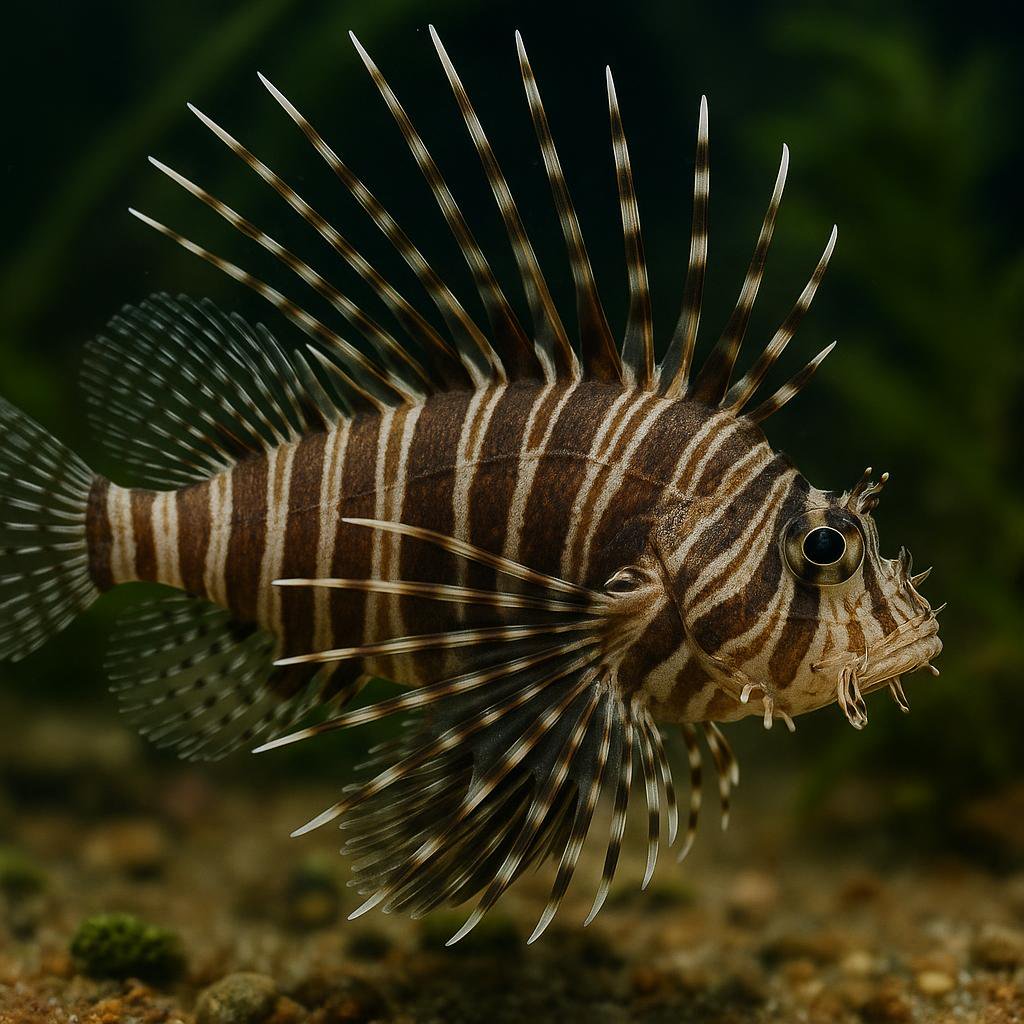
Broadbarred firefish
Pterois antennata
This is the lionfish with the long "antennae" (those banded tentacles above the eyes) and the ragged, spotty fins that make it look extra dramatic under reef lighting. It'll spend the day tucked under ledges and then cruise out at dusk to ambush shrimp, crabs, and any small fish it can fit in its mouth-also worth remembering it's venomous, so you treat it with respect when you're in the tank.
More to Explore
Discover more marine species.
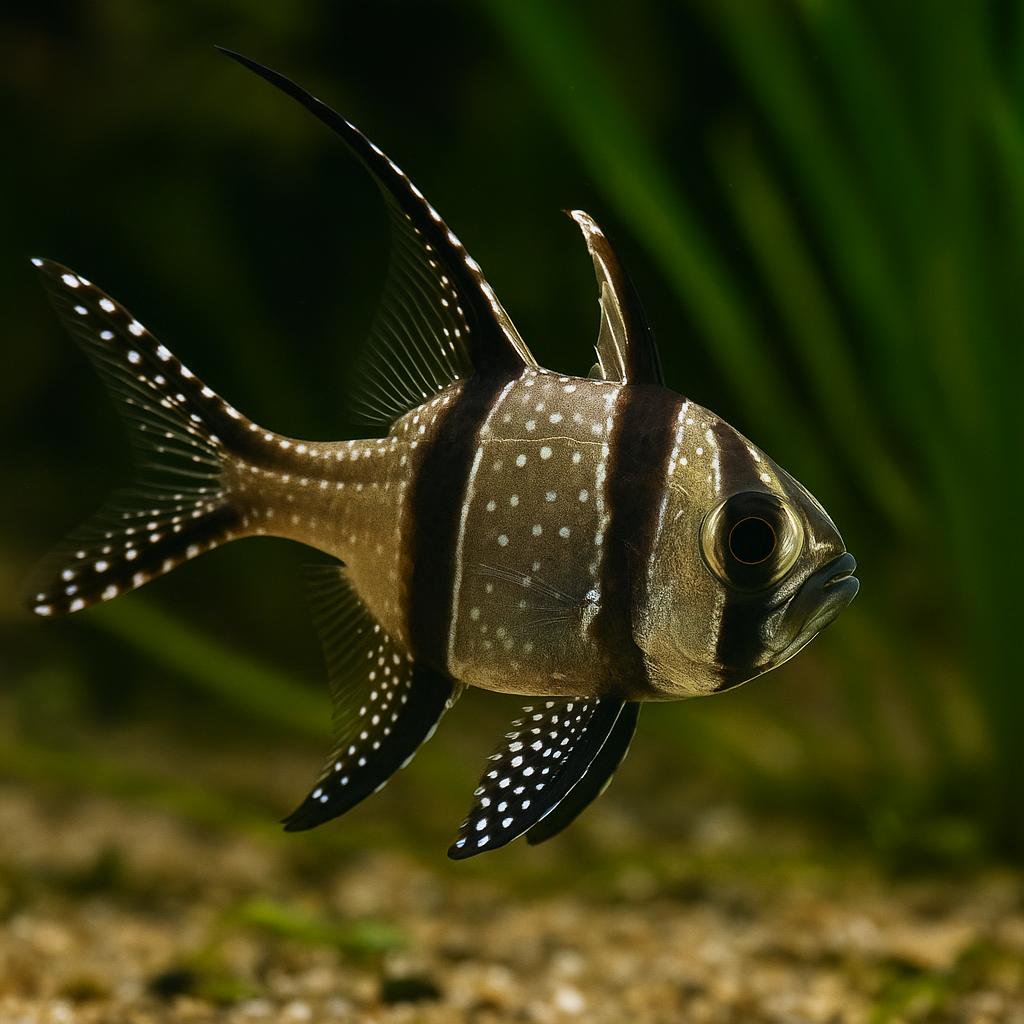
Banggai Cardinalfish
Pterapogon kauderni
Banggai cardinals just sort of hover like little underwater satellites, and the bold black bars with those long, polka-dotted fins look unreal under reef lighting. They're super chill most of the time, but once a pair forms you'll see real "fish drama," and the male will even mouthbrood the babies like a champ.
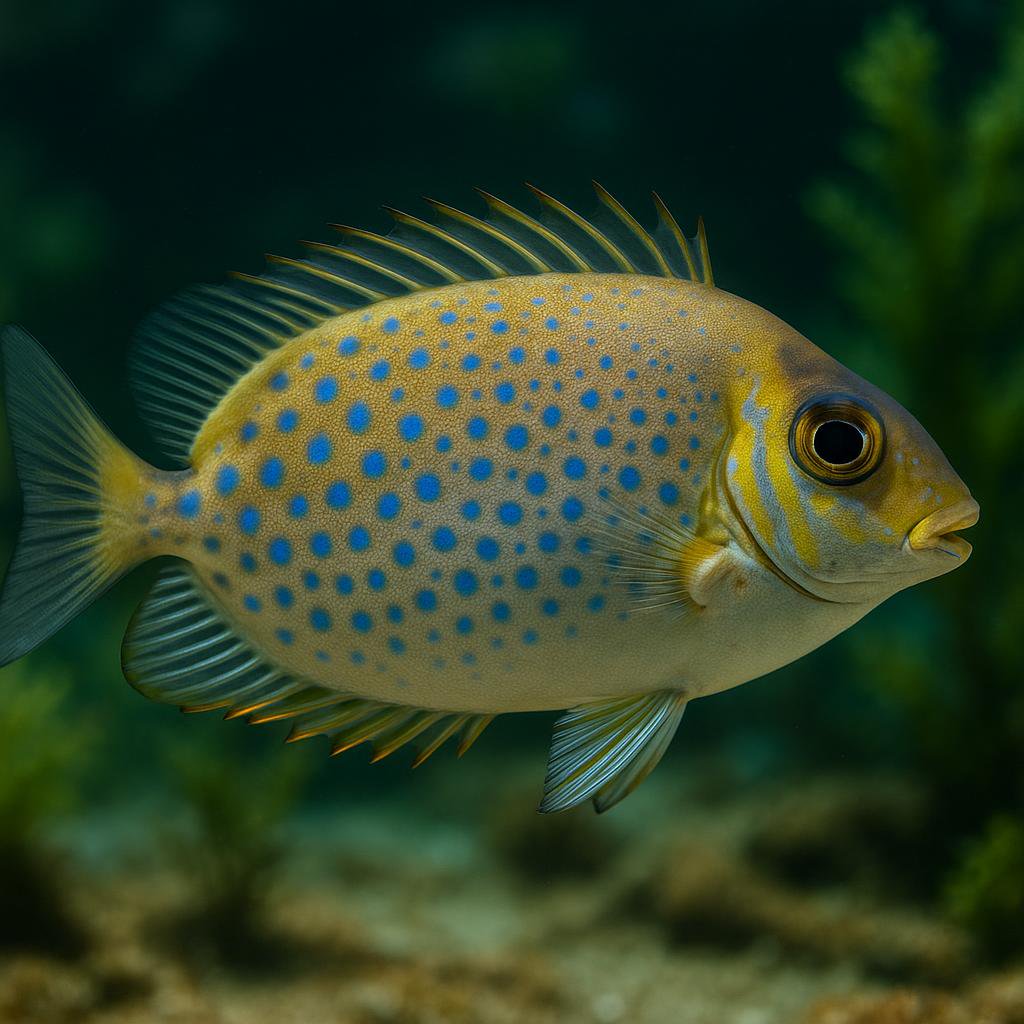
Bicolored foxface
Siganus uspi
A Fiji native with a sharp two-tone look, the bicolored foxface is half deep brown and half yellow with a crisp line between. It spends the day grazing algae and can snap into a mottled camouflage when spooked; those tall dorsal spines are venomous, so other fish usually keep their distance.
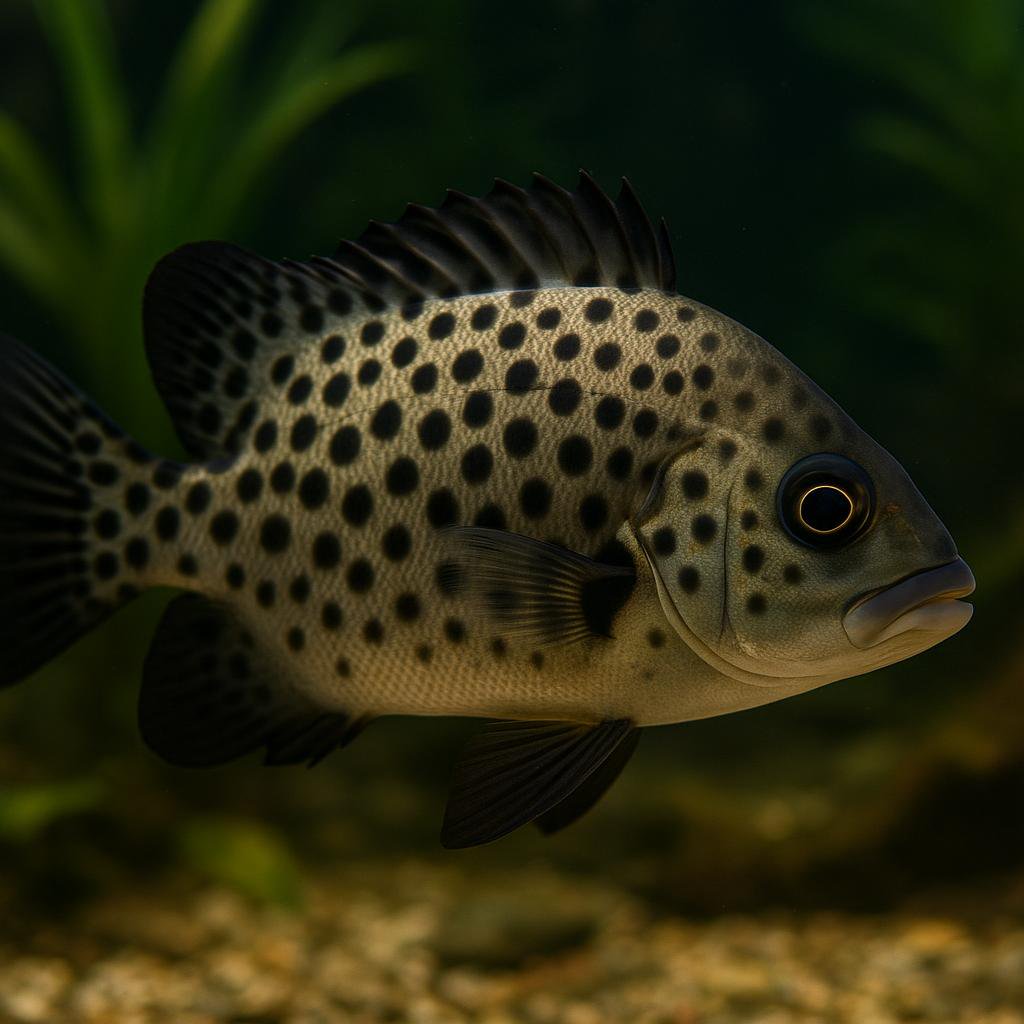
Blackfin slatey
Diagramma melanacrum
A large sweetlips from Southeast Asian reefs with a pale silvery-yellow body sprinkled in dark spots and distinct black pelvic and anal fins. Juveniles linger in silty shallows, while adults rest in small groups on deeper reef walls by day and roam at night to pick off crabs, shrimp, and other invertebrates.
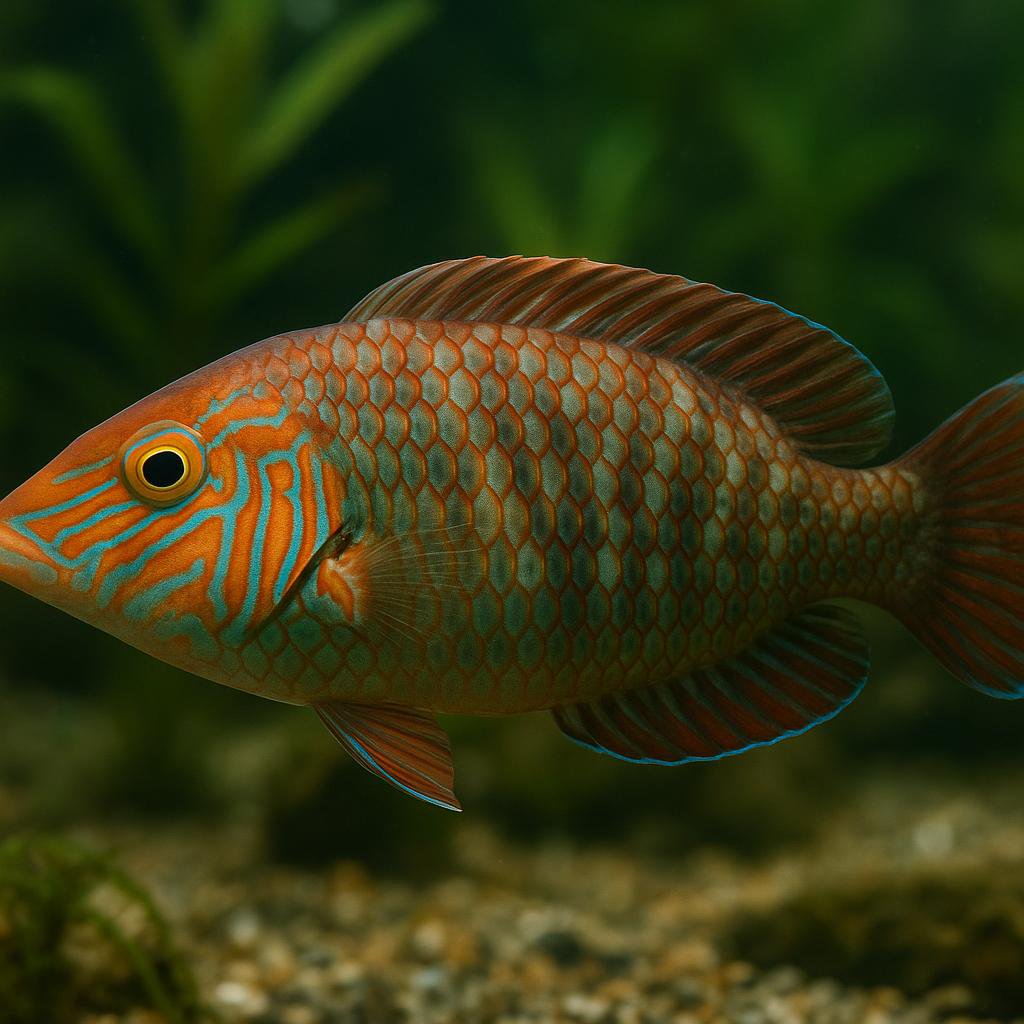
Blackspot razorfish
Iniistius dea
This is one of the coolest "knife-bodied" wrasses - it hangs over open sand and, when it gets spooked or wants to sleep, it literally torpedoes straight into the sand. Give it a deep, fine sand bed and it will act totally different (and way more natural) than a typical rock-hugging reef wrasse. Adults are usually shy and cruisy with tankmates, but they are not forgiving about rough handling or sketchy setups.
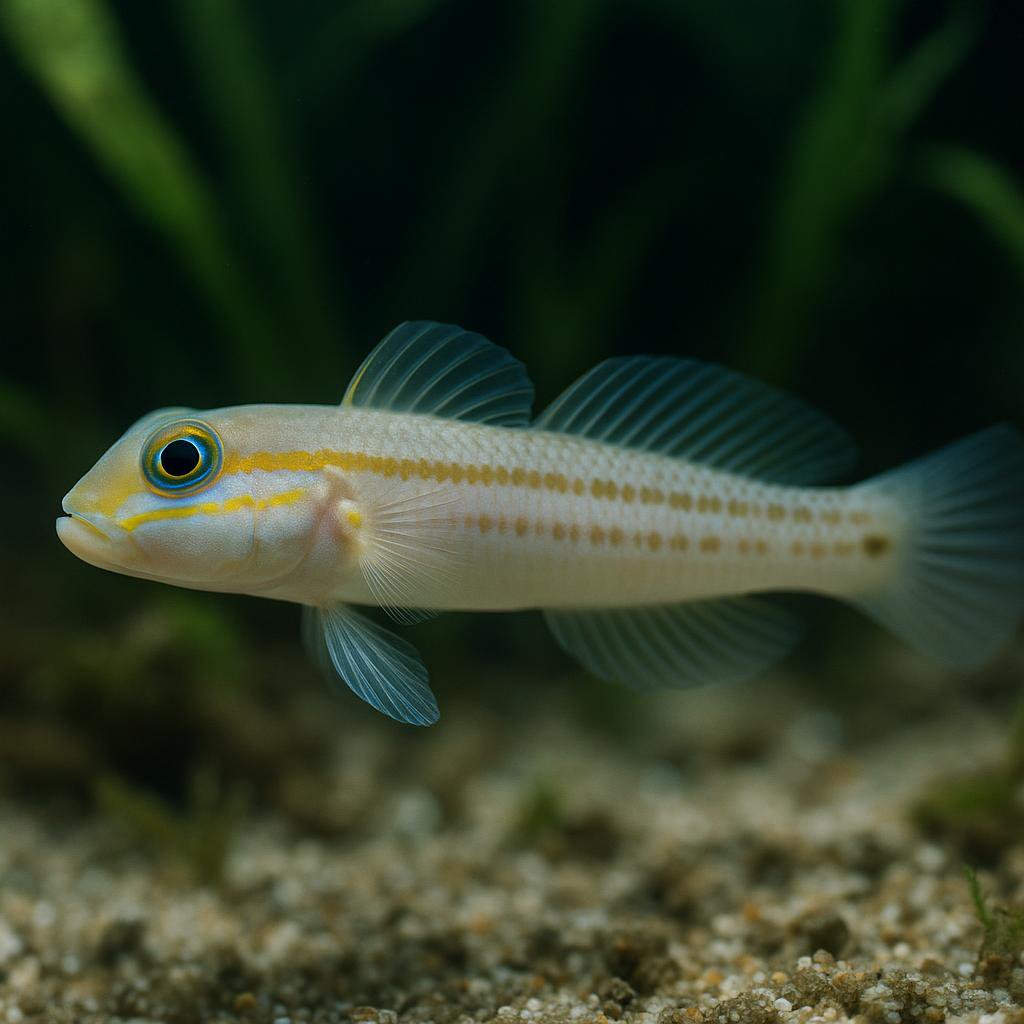
Blueband goby
Valenciennea strigata
This is that classic gold/yellow-headed sand-sifting goby with the little blue cheek stripe-always busy, always rearranging your sandbed. In a reef tank it'll spend the day taking mouthfuls of sand, filtering out tiny critters/foods, then "snowing" clean sand back out, and it'll usually claim a burrow area (often as a pair in the wild). It's super cool behavior-wise, but you really do need a mature tank with a proper sandbed and a lid because they can jump.
Bluespotted dottyback
Pseudochromis persicus
A striking dark-bodied dottyback covered in tiny blue spots from the Persian Gulf and nearby western Indian Ocean reefs. It grows larger than most dottybacks and throws a lot of attitude for its size, staking out caves and defending them hard. Best for roomy marine setups with robust tankmates and plenty of rockwork to break lines of sight.
Looking for other species?