

Redsaddled snake eel
Quassiremus nothochir
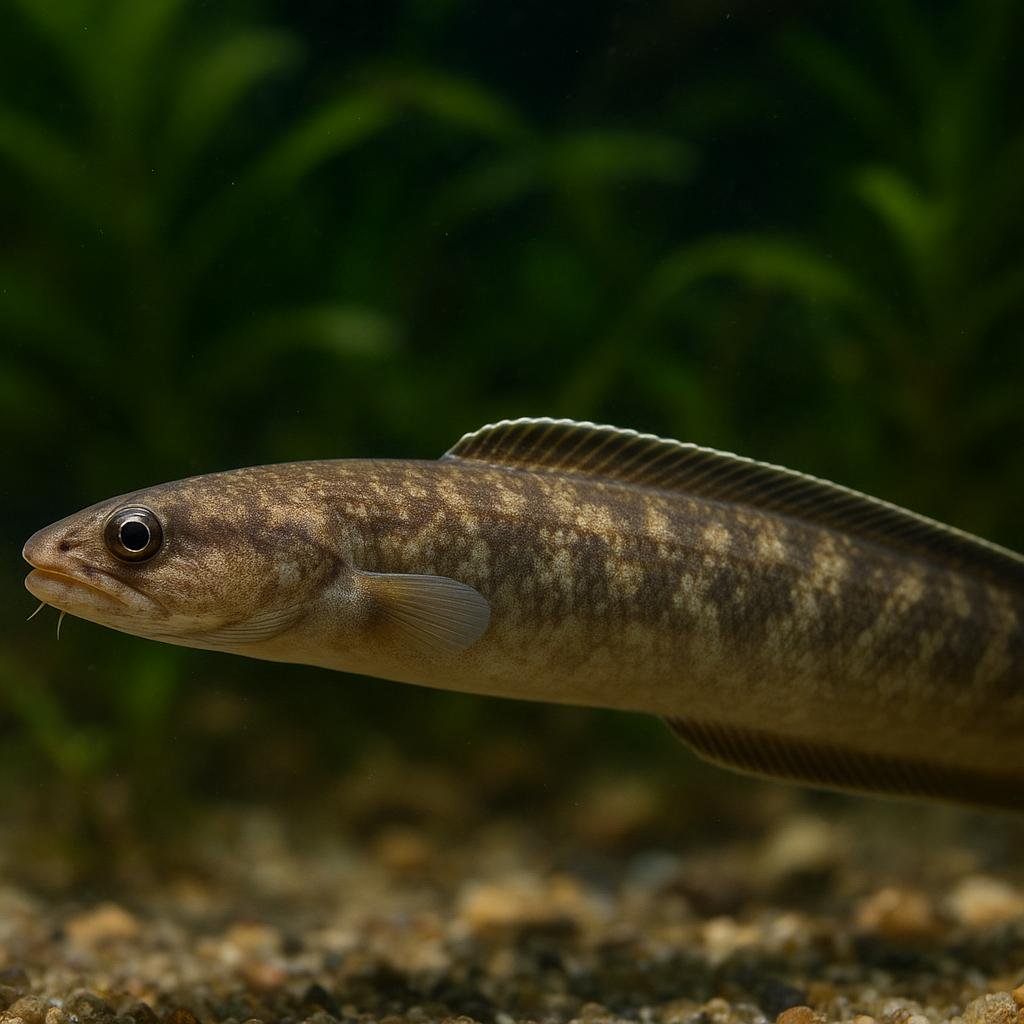
The Redsaddled snake eel features a distinctive reddish-brown saddle pattern on a pale body, with an elongated, slender form adapted for burrowing.
This page includes AI-generated images. Why am I seeing AI images?
About the Redsaddled snake eel
This is a big, sand-loving snake eel from the eastern Pacific that spends a lot of its time tucked into the bottom with just the head showing. The cream-and-tan body with those dark-edged reddish saddle marks is the giveaway, and it is built for backing into the sand fast when it feels spooked. Cool animal, but realistically more of a public-aquarium fish than a home-tank project because of size and escape-artist vibes.
Also known as
Quick Facts
Size
70 cm
Temperament
Semi-aggressive
Difficulty
Expert
Min Tank Size
400 gallons
Lifespan
15-20 years
Origin
Eastern Central Pacific
Diet
Carnivore - meaty foods like fish, crustaceans, and cephalopods
Care Notes
- Give it a long tank with a deep sand bed (at least 4-6 inches) and lots of rockwork with tight caves - they want to burrow and wedge, not cruise open water.
- Lock the tank down like its a prison: tight lid, sealed overflow/weir gaps, and covered plumbing openings - they can snake through tiny spaces and will carpet surf.
- Keep salinity steady around 1.025-1.026 and temps about 76-79F; they really hate swings, and stress shows up fast as refusing food and hiding nonstop.
- Feed after lights out with tongs - chunks of shrimp, squid, clam, silversides, and other meaty marine foods; start with smaller pieces and work up once it takes confidently.
- Don't trust it with small fish or ornamental shrimp/crabs - if it fits in the mouth, it will disappear; stick to larger, assertive fish that won't pick at it.
- Avoid fin-nippers and bullies (some triggers, big wrasses) because they'll harass the eel when it's peeking out, and once it stops feeding it's a pain to turn around.
- Plan for escape-proof intakes and powerheads - an eel getting sucked to a guard is common and ugly, so use coarse foam prefilters and check them often.
- Breeding in home tanks is basically not a thing - they're pelagic spawners in the wild, so focus on keeping it fat and un-stressed rather than chasing a breeding project.
Compatibility
Good Tankmates
- Tough-ish midwater fish that can hold their own, like medium tangs (yellow, kole) in a roomy tank - they mostly ignore the eel and do their own thing
- Rabbitfish (foxface, one-spot) - generally mellow but not pushovers, and they are not the kind of skinny bite-sized fish a snake eel wants to test
- Larger wrasses that are confident and not tiny (like a melanurus or a yellow coris) - active, quick, and usually too street-smart to get bothered
- Dwarf to medium angels (flame, coral beauty, maybe a bigger cherub-type) - they are feisty enough to not be bullied, and they do not live on the sandbed with the eel
- Hawkfish (flame hawk, longnose) - perchy and bold, and they do not tend to get into sand-burrow turf wars with a snake eel
- Bigger, non-snappy bottom guys like a bristletooth-type large goby (watchman size or bigger) if you have lots of rock and the eel has its own burrow - still watch at feeding time
Avoid
- Tiny fish that sleep near the sand or hover low (small gobies, dartfish, firefish) - this is classic 'disappears overnight' territory once the eel settles in
- Small wrasses and other skinny, torpedo-shaped fish - anything that looks like a snack and fits in the eel's mouth is a gamble
- Aggro sandbed bruisers like triggerfish or big dottybacks - they stress the eel, outcompete it at feeding, and can turn the tank into a constant turf fight
- Crustacean-focused setups - cleaner shrimp, peppermint shrimp, small crabs - not fish, but worth saying: most snake eels treat them like a menu, and it can trigger extra hunting behavior
Where they come from
Redsaddled snake eels (Quassiremus nothochir) are Indo-Pacific sand burrowers. You will usually see them listed from areas around the western Pacific, hanging around sandy flats and rubble zones near reefs. In the wild they spend a lot of time hidden with just the head poking out, waiting for something edible to wander past.
If you are expecting a "show eel" that cruises the tank all day, this is not that. They are more of a secretive ambush fish that you spot in little moments.
Setting up their tank
Think of the tank as a sandbox with rockwork, not a rock pile with a little sand. They want to bury. If they cannot, they stay stressed, scrape their faces, and go on hunger strikes.
- Tank size: I would not bother under 75 gallons, and 120+ is a lot more forgiving.
- Substrate: fine sand, deep enough for a full burrow (2-4 inches minimum, more is better). Skip sharp crushed coral.
- Rockwork: stable, sitting on the glass or on supports, not balanced on sand where an eel can undermine it.
- Flow: moderate. Too much sandstorm and they will stay buried and annoyed.
- Lighting: whatever your reef uses is fine, but give them shaded areas and caves nearby.
Lid has to be tight. These eels can and will launch through gaps you did not notice - overflows, cord cutouts, loose corners. Tape test your canopy: if you can slide a credit card through, an eel can eventually find it.
I also recommend planning your aquascape so you can still catch the eel if you ever need to. With burrowers, "I will just net it" turns into "I am draining half the tank" fast.
A simple "eel feeding spot" helps a lot: a shallow dish or a clear patch of sand near their usual burrow. You train them to come out there, so food does not vanish into the sandbed.
What to feed them
They are meaty predator eaters. Mine did best on a rotation of frozen marine foods, offered on tongs so I knew it actually got eaten. If you rely on broadcast feeding, the food often gets stolen or disappears into the substrate.
- Good staples: chunks of shrimp, squid, scallop, clam, and marine fish flesh.
- Great variety items: silversides (not constantly), krill (treat), and mixed "seafood blend" packs.
- Live foods: can jump-start a new arrival (ghost shrimp or small marine feeders), but I try to convert to frozen quickly.
Avoid freshwater feeder fish. Besides the parasite risk, the nutrition profile is not great long term for marine predators.
Feeding schedule depends on size. Smaller individuals usually take smaller meals more often. Adults can do every 2-4 days. Watch the body shape: you want a filled-out look behind the head, not a pinched, bony profile.
Use long feeding tongs and present food right at the burrow entrance. Hold still for a few seconds. A lot of them strike after the "is it safe" pause.
How they behave and who they get along with
Redsaddled snake eels are classic ambushers. They will pick a spot, bury, and only show the head and part of the neck. At dusk or feeding time you will see more movement. They are not usually out patrolling like a snowflake eel.
Tankmates are mostly about mouth size and nighttime behavior. Anything that can fit in the eel's mouth is on the menu eventually, even if it was ignored for months.
- Generally fine: larger tangs, angels, rabbitfish, wrasses that sleep in rock (not sand sleepers), and other robust fish too big to swallow.
- Be careful: sand-sleeping wrasses and gobies that share the substrate zone. They can get grabbed at night.
- Usually a no: small ornamental shrimp, tiny gobies/blennies, and small fish you would not want to lose.
Most snake eels are opportunists around crustaceans. If you love your cleaner shrimp, do not mix them and hope for the best.
They are not usually aggressive to fish that are clearly too large to eat, but they do not tolerate being harassed. Fast nippy tankmates can keep them hidden and make feeding harder.
Breeding tips
Realistically, you are not going to breed this species in a home aquarium. Like many marine eels, they have a complex larval stage (leptocephalus) that drifts in the plankton, and that is the part nobody has cracked for hobby-scale setups.
The best "breeding tip" I can give is to assume wild-caught and focus on long-term conditioning: stable water, consistent feeding, and minimal stress. Healthy eels live a long time even if they never reproduce in our tanks.
Common problems to watch for
Most issues with this eel come down to stress, injuries from the wrong substrate, or the first few weeks of getting them to eat. If you start with a healthy, uninjured animal and give it sand and a lid, you are already ahead.
- Refusing food: common after shipping. Try feeding at lights-out, use tongs, and offer strong-smelling items like clam or shrimp.
- Nose and mouth abrasions: usually from rough substrate or trying to burrow under unstable rock. Switch to finer sand and secure the scape.
- Escapes: almost always a lid issue or overflow gap.
- Wasting away despite eating: can be internal parasites. A quarantine period and observing poop (stringy, white) helps you catch it early.
- Sandbed funk: heavy meaty feeding can foul the substrate. Siphon around the feeding area and keep export strong.
Do not treat them like a "reef-safe cleanup crew" animal that will scavenge leftovers. If they are not getting deliberate feedings, they will either starve or start hunting tankmates.
One more real-world tip: watch them the first hour after you add them. If they immediately wedge into a rock crack instead of the sand, you may not have enough fine sand or the flow is blasting the bottom. Fix that early and you save yourself a lot of headaches.
Similar Species
Other marine semi-aggressive species you might be interested in.
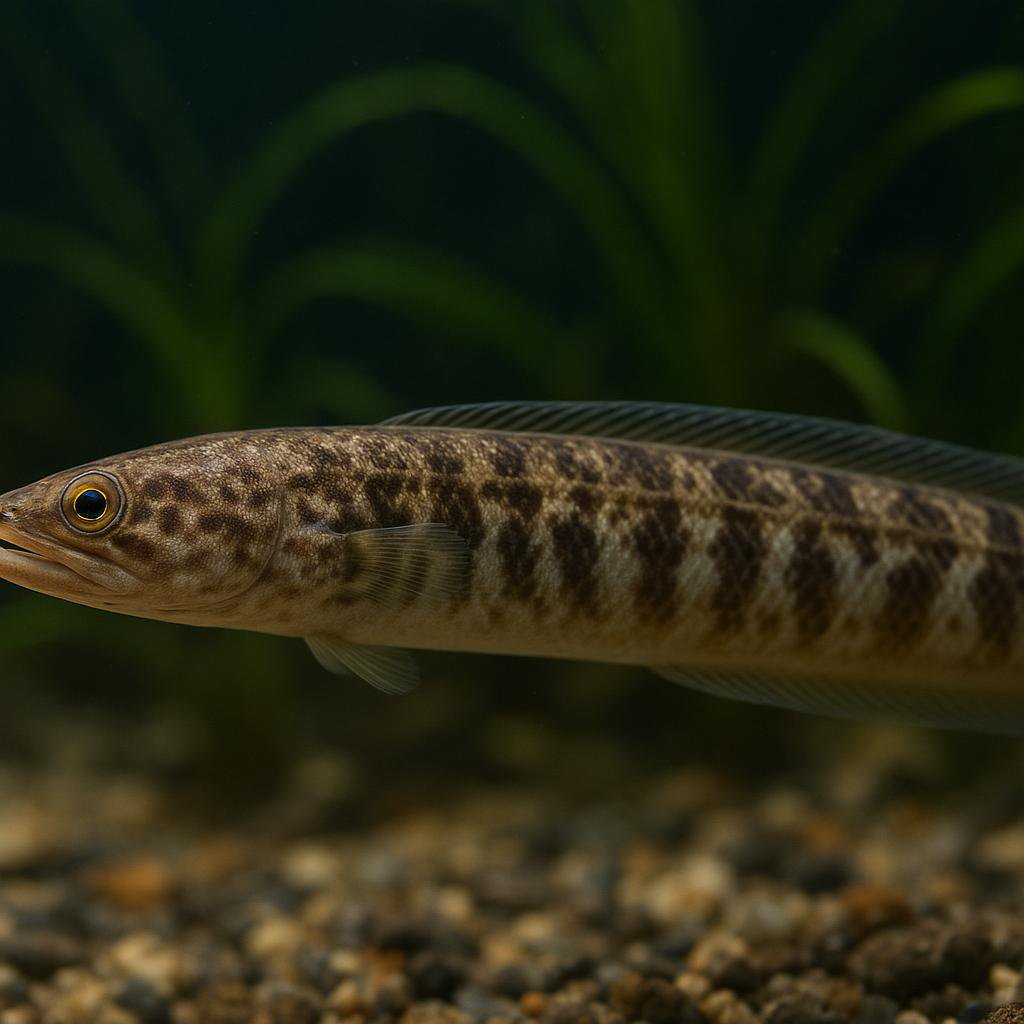
Blackspotted snake eel
Quassiremus ascensionis
A tropical marine snake eel that buries in soft substrates (sand/mud/gravel) with only the head exposed to ambush prey. Recorded to 71 cm TL and occurs mainly in the western Atlantic (also Brazil) and at Ascension Island; typically found in shallow inshore habitats to ~12 m, including sand and seagrass (turtle grass) areas.
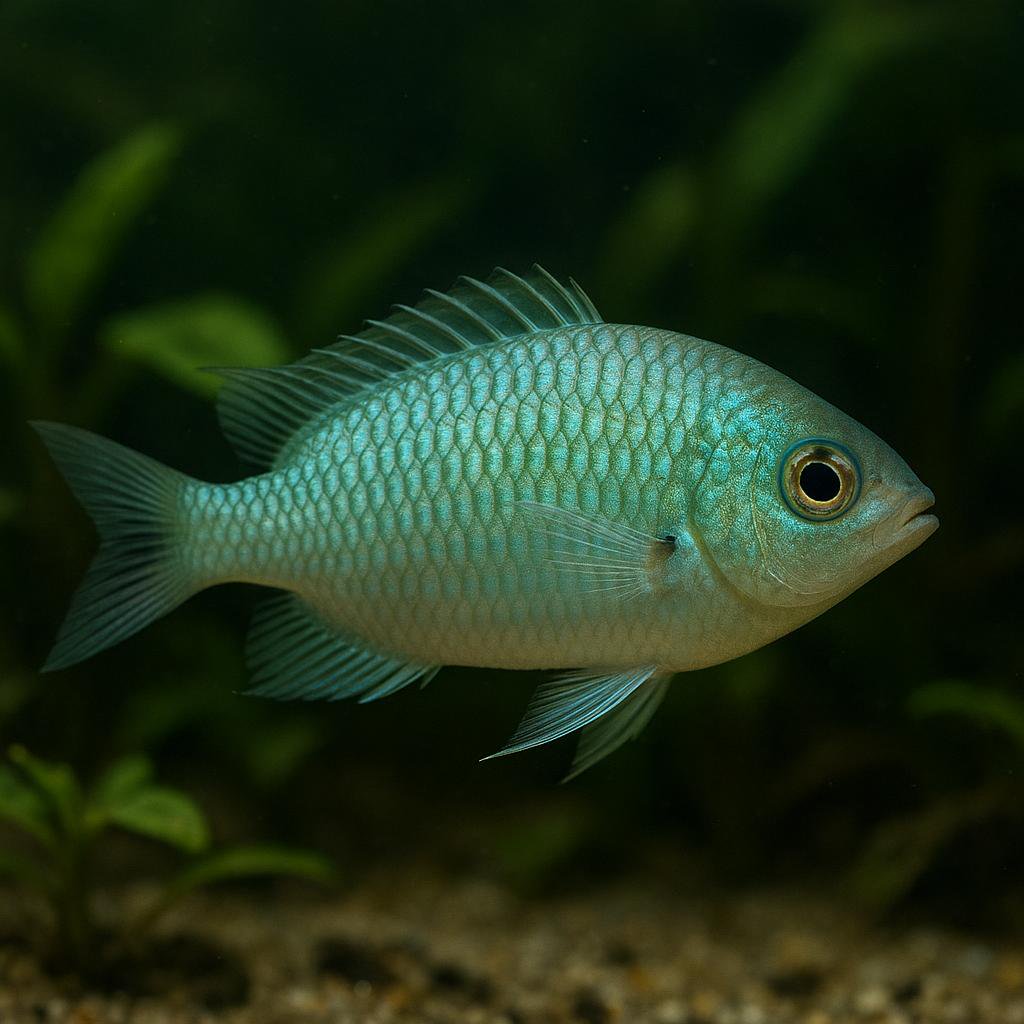
Blue Green Chromis (Green Chromis)
Chromis viridis
Blue Green Chromis are those shimmery little green-blue darts you'll see zipping around the top of a reef tank, always looking like they're catching the light just right. They're super fun in a group because they hover and cruise together, but they've got a bit of a "pecking order" thing going on if the tank's tight or the group's too small.
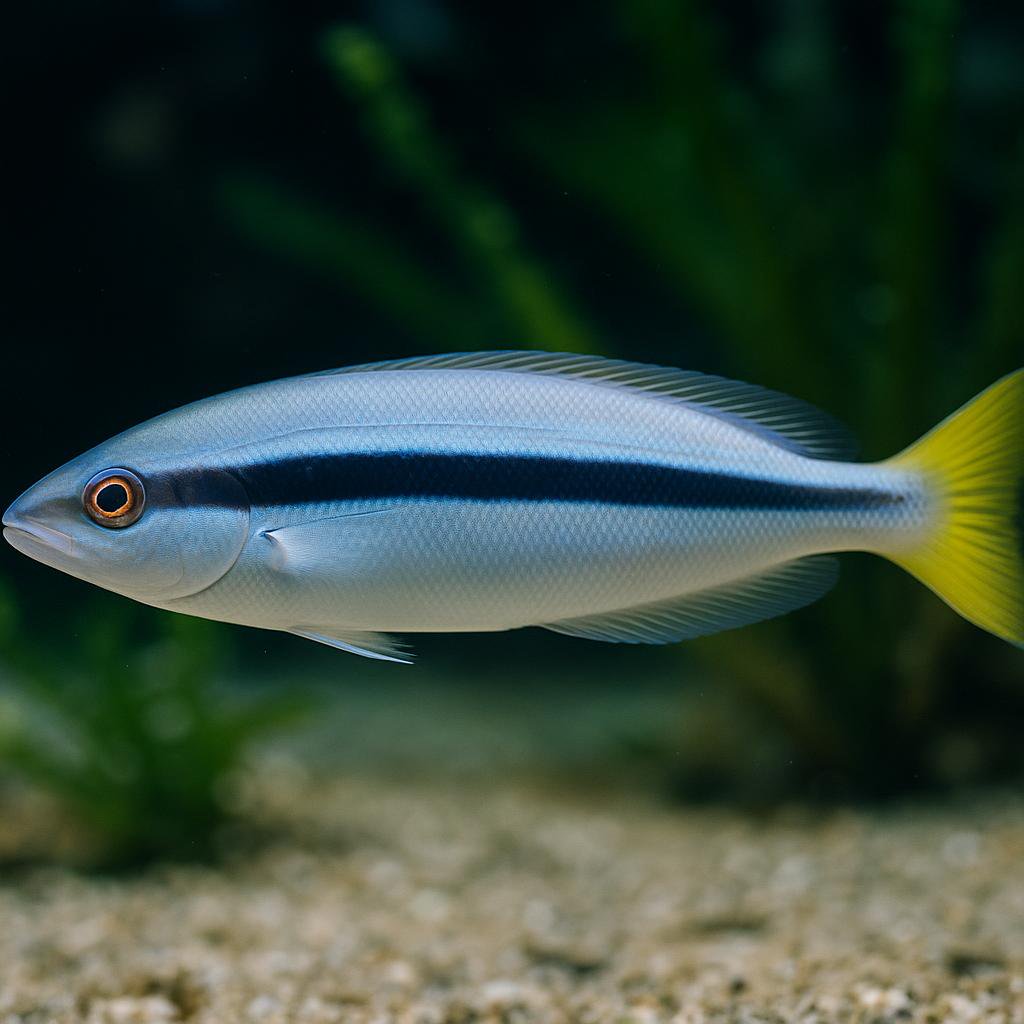
Blue blanquillo
Malacanthus latovittatus
A long, slim tilefish with a bold black side stripe and a blue head that fades down the body. It hovers high above the reef and darts back to a sand-rubble burrow, often living as a monogamous pair; in tanks it is fast, jump-prone, and will eat small crustaceans and tiny fish.
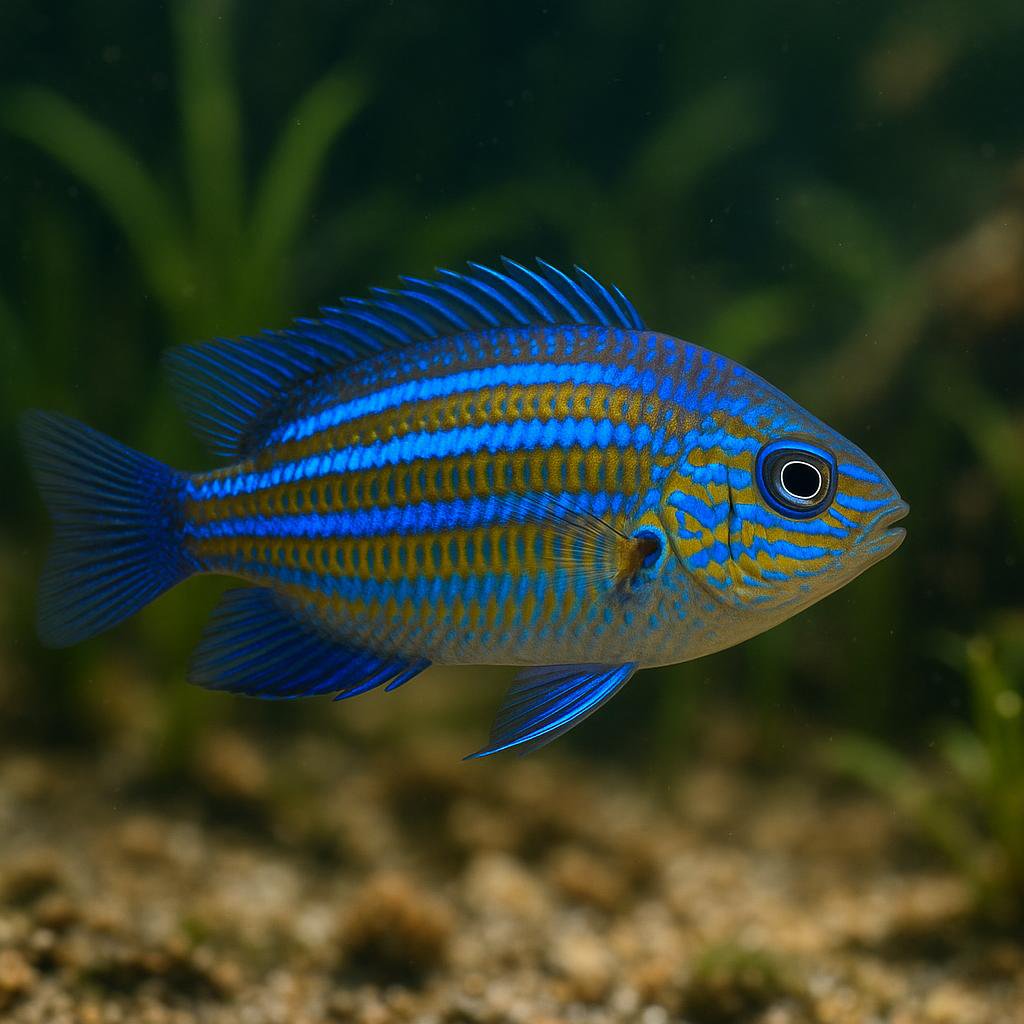
Blueline demoiselle
Chrysiptera caeruleolineata
A little reef damsel with a bright electric-blue line riding over a yellow body, it tends to live deeper on rubble slopes and hugs the bottom in small groups. In aquariums it prefers dimmer light, plenty of rock cover, and frequent small feedings of planktony foods; males guard eggs stuck to the substrate.
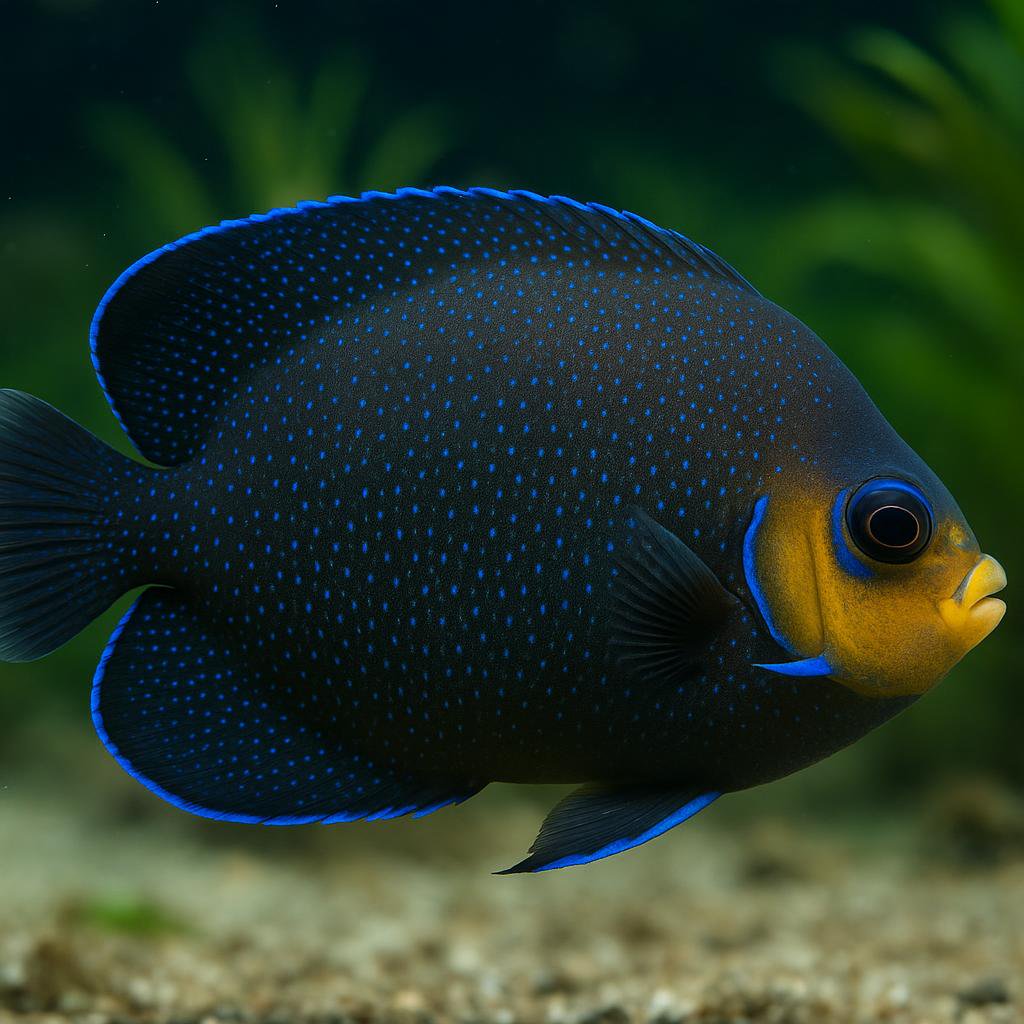
Bluespotted angelfish
Chaetodontoplus caeruleopunctatus
A medium Pomacanthid from the Philippines, it has a dusky body dusted with tiny electric-blue spots and a yellow tail. In the wild it browses sponges and tunicates on deeper reefs, so it thrives only in mature tanks with lots of live rock and frequent feedings.
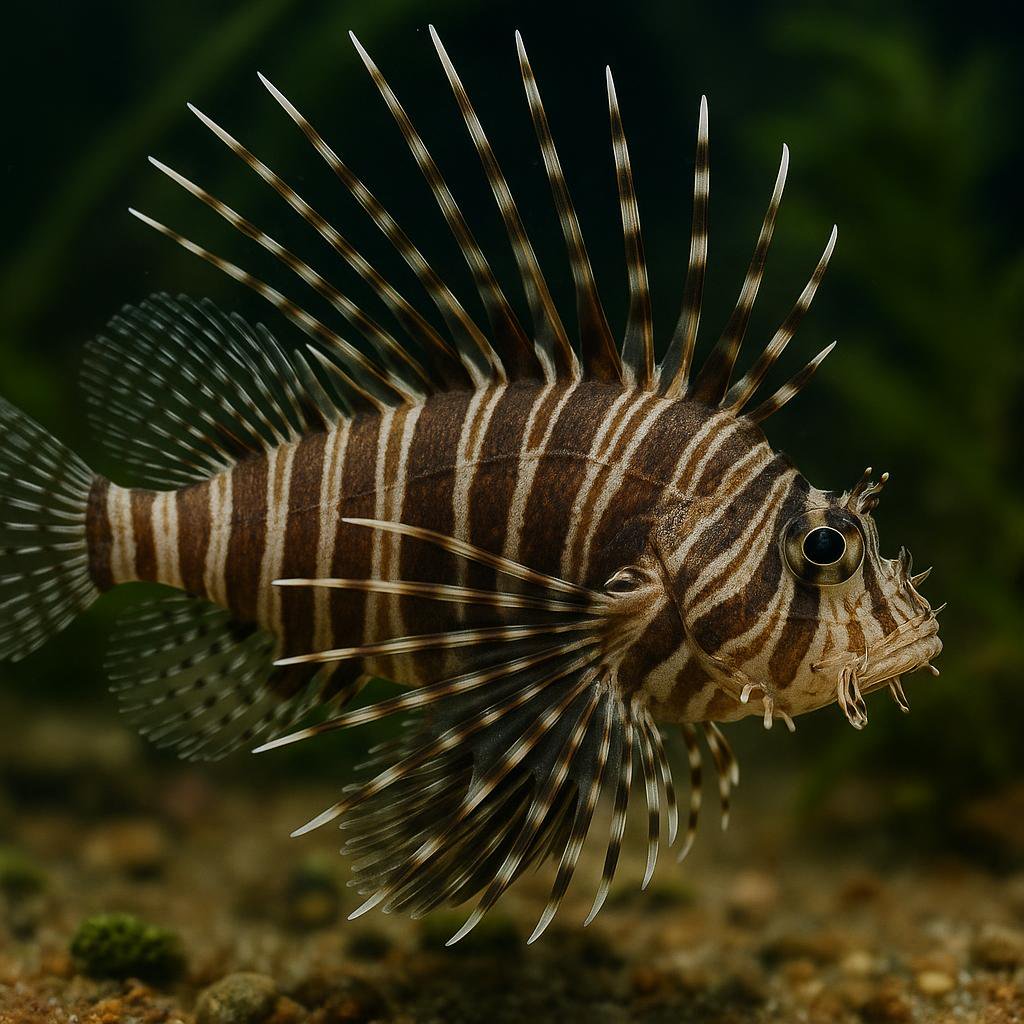
Broadbarred firefish
Pterois antennata
This is the lionfish with the long "antennae" (those banded tentacles above the eyes) and the ragged, spotty fins that make it look extra dramatic under reef lighting. It'll spend the day tucked under ledges and then cruise out at dusk to ambush shrimp, crabs, and any small fish it can fit in its mouth-also worth remembering it's venomous, so you treat it with respect when you're in the tank.
More to Explore
Discover more marine species.
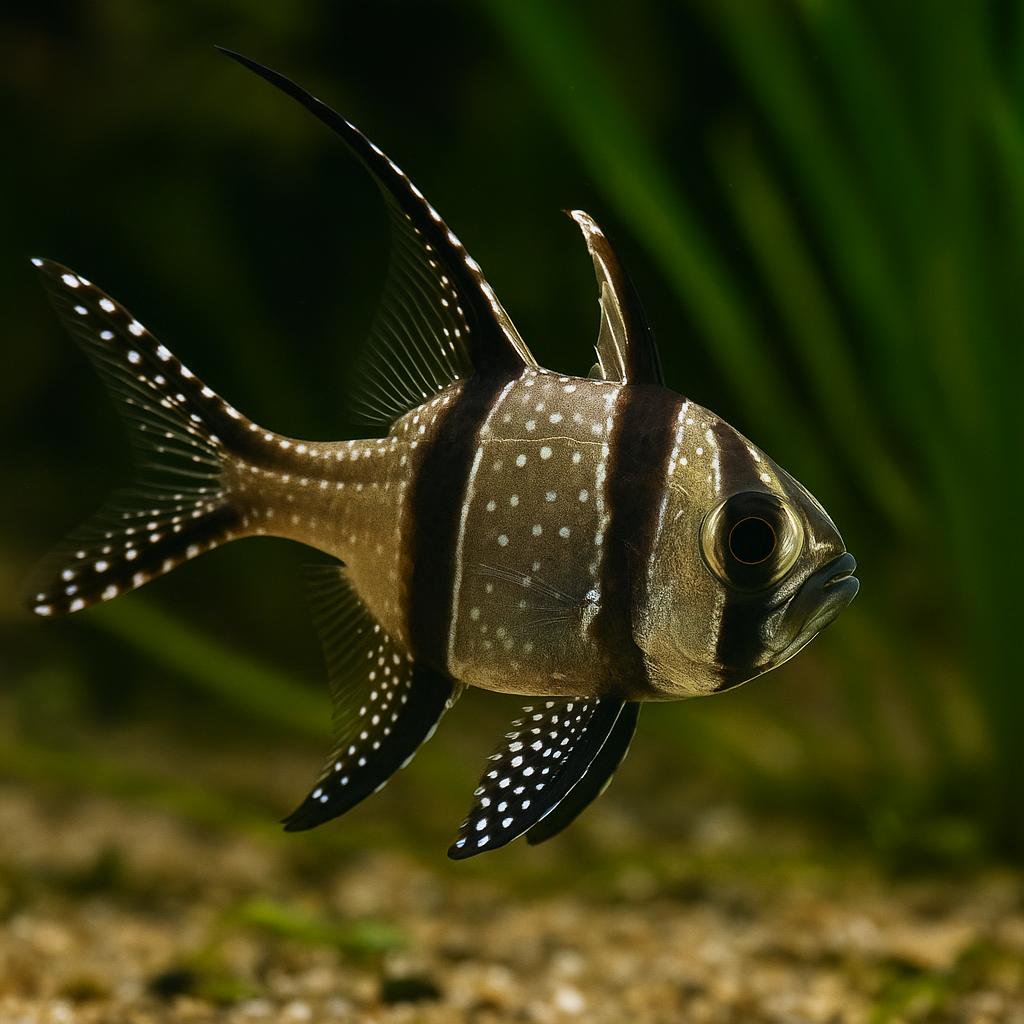
Banggai Cardinalfish
Pterapogon kauderni
Banggai cardinals just sort of hover like little underwater satellites, and the bold black bars with those long, polka-dotted fins look unreal under reef lighting. They're super chill most of the time, but once a pair forms you'll see real "fish drama," and the male will even mouthbrood the babies like a champ.
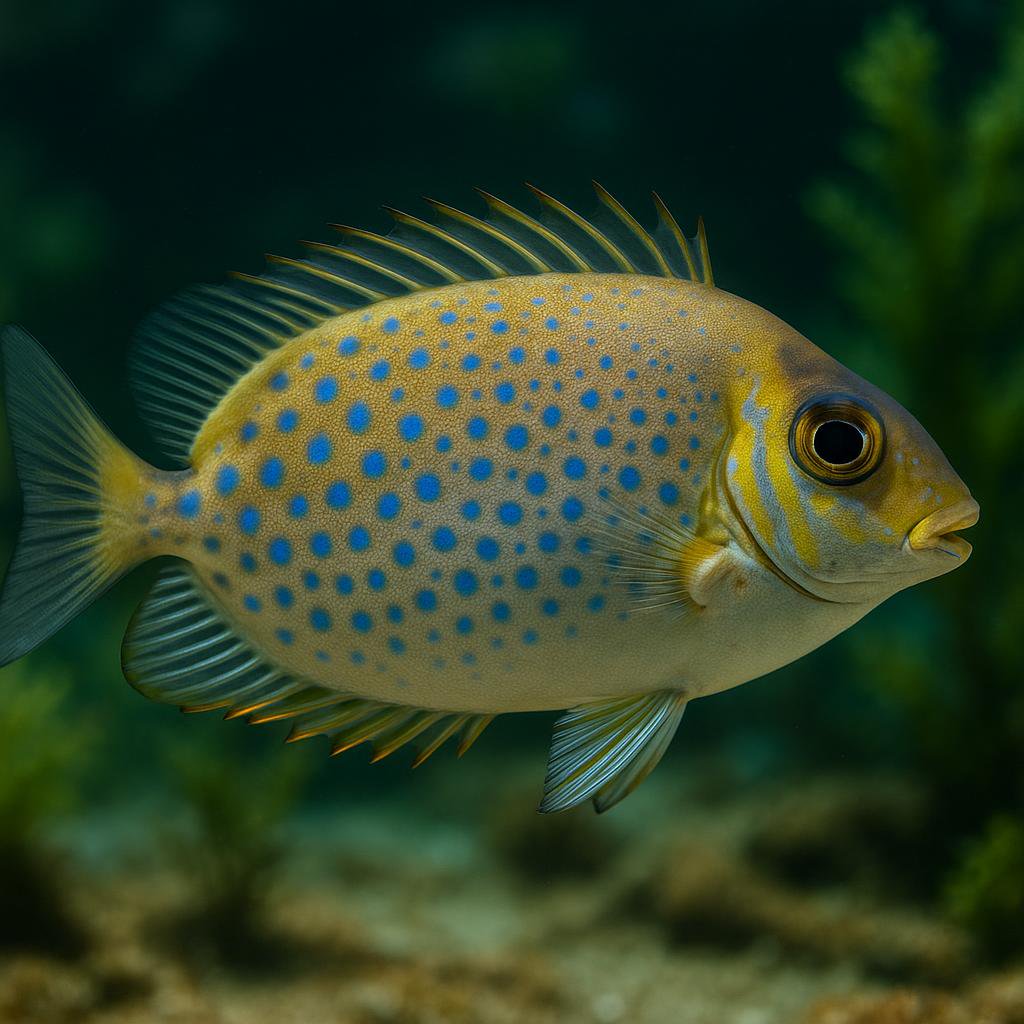
Bicolored foxface
Siganus uspi
A Fiji native with a sharp two-tone look, the bicolored foxface is half deep brown and half yellow with a crisp line between. It spends the day grazing algae and can snap into a mottled camouflage when spooked; those tall dorsal spines are venomous, so other fish usually keep their distance.
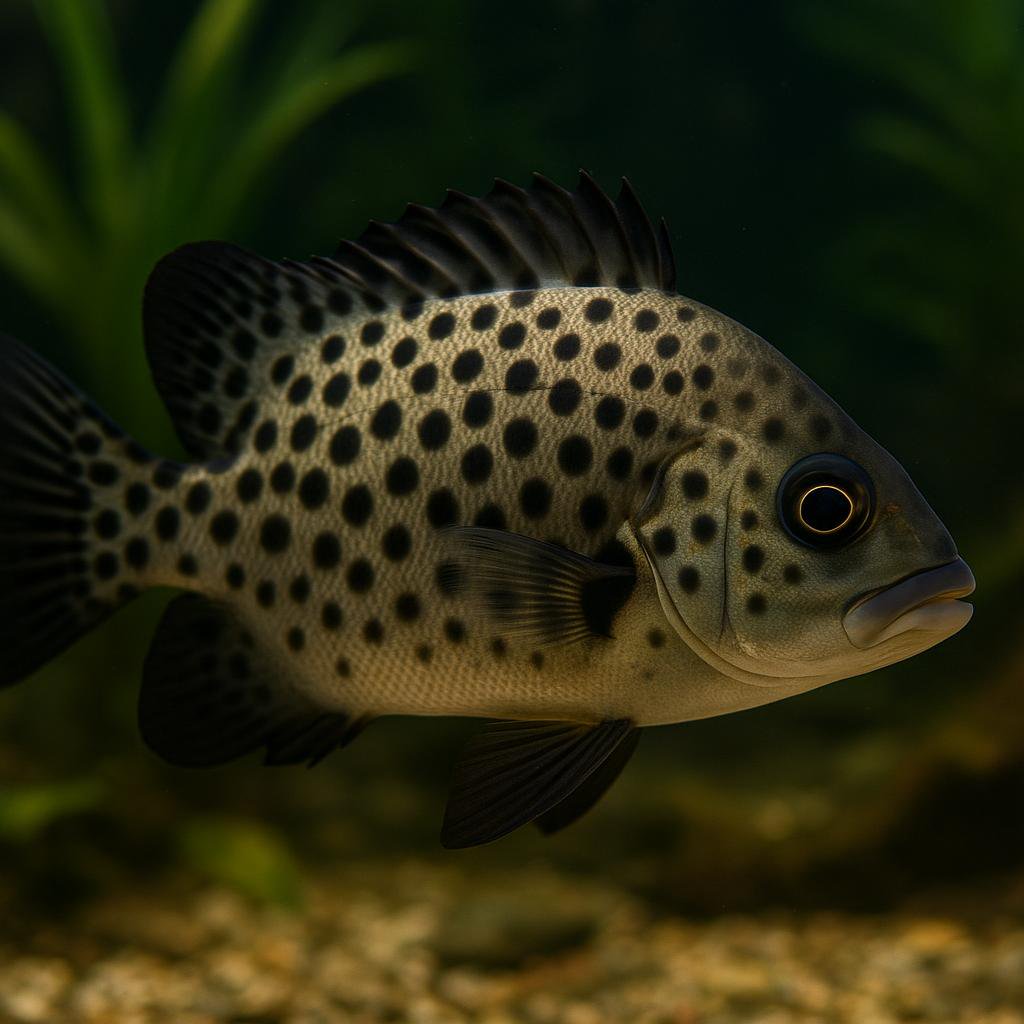
Blackfin slatey
Diagramma melanacrum
A large sweetlips from Southeast Asian reefs with a pale silvery-yellow body sprinkled in dark spots and distinct black pelvic and anal fins. Juveniles linger in silty shallows, while adults rest in small groups on deeper reef walls by day and roam at night to pick off crabs, shrimp, and other invertebrates.
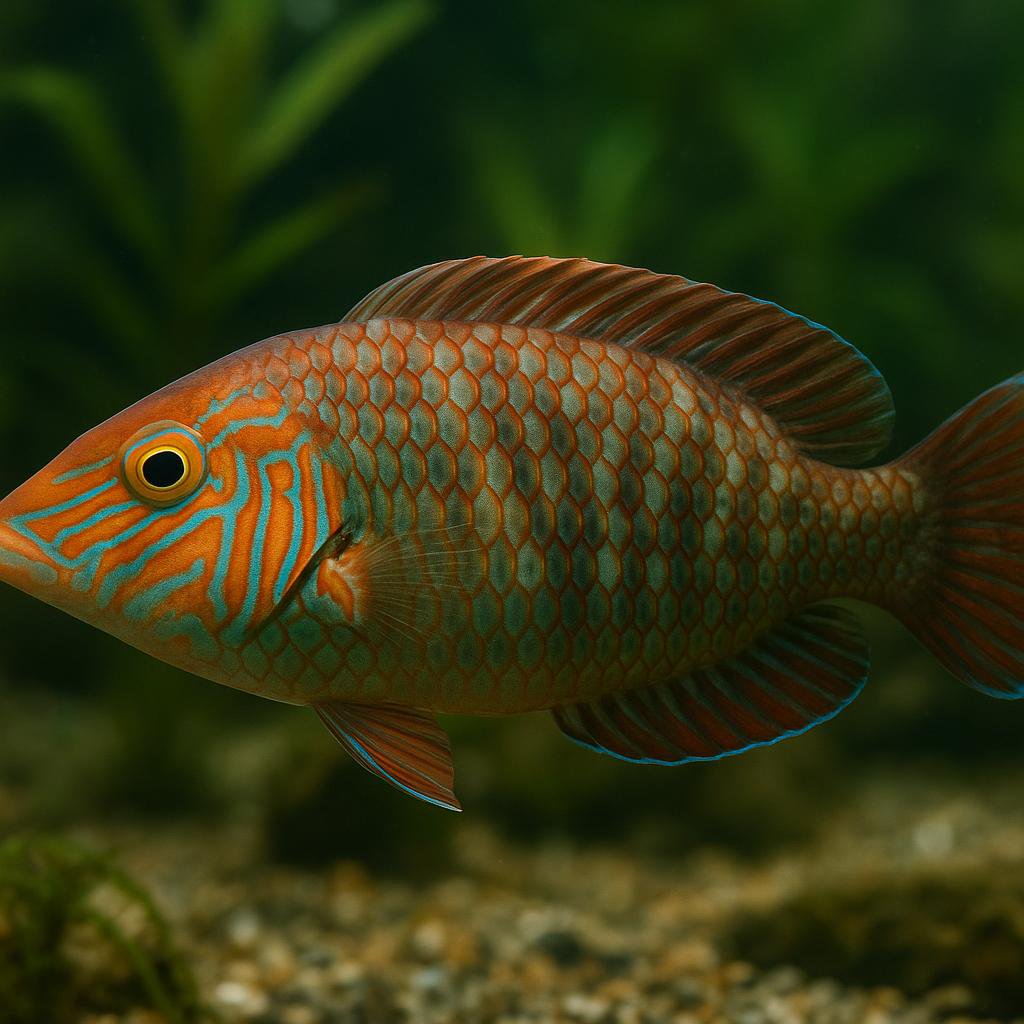
Blackspot razorfish
Iniistius dea
This is one of the coolest "knife-bodied" wrasses - it hangs over open sand and, when it gets spooked or wants to sleep, it literally torpedoes straight into the sand. Give it a deep, fine sand bed and it will act totally different (and way more natural) than a typical rock-hugging reef wrasse. Adults are usually shy and cruisy with tankmates, but they are not forgiving about rough handling or sketchy setups.
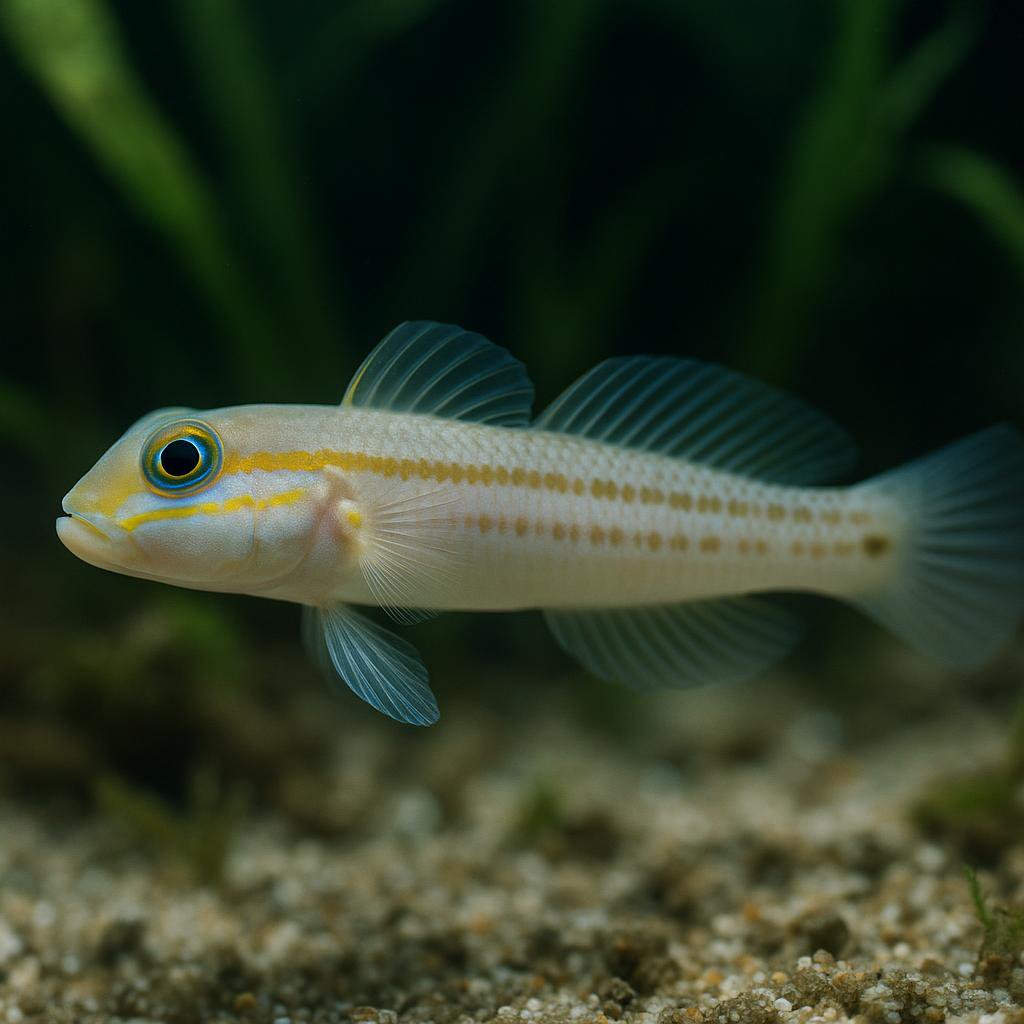
Blueband goby
Valenciennea strigata
This is that classic gold/yellow-headed sand-sifting goby with the little blue cheek stripe-always busy, always rearranging your sandbed. In a reef tank it'll spend the day taking mouthfuls of sand, filtering out tiny critters/foods, then "snowing" clean sand back out, and it'll usually claim a burrow area (often as a pair in the wild). It's super cool behavior-wise, but you really do need a mature tank with a proper sandbed and a lid because they can jump.
Bluespotted dottyback
Pseudochromis persicus
A striking dark-bodied dottyback covered in tiny blue spots from the Persian Gulf and nearby western Indian Ocean reefs. It grows larger than most dottybacks and throws a lot of attitude for its size, staking out caves and defending them hard. Best for roomy marine setups with robust tankmates and plenty of rockwork to break lines of sight.
Looking for other species?